Green Outdoor Rugs
Transform your outdoor spaces into lush retreats with the captivating charm of green outdoor rugs. These versatile pieces are perfect for adding a touch of nature-inspired elegance to patios, decks, and garden areas. Whether you're looking to create a cozy nook for relaxation or a vibrant setting for entertaining guests, green outdoor rugs offer the perfect blend of style and functionality. With their ability to withstand various weather conditions while maintaining their aesthetic appeal, these rugs are an essential addition to any outdoor decor. Explore the diverse range of textures, patterns, and shades available to find the ideal match for your personal oasis.
Sort
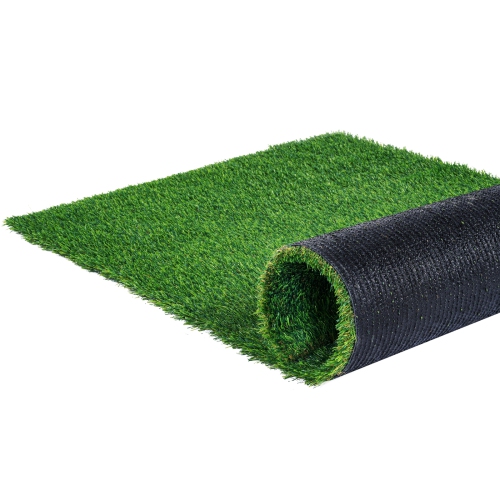
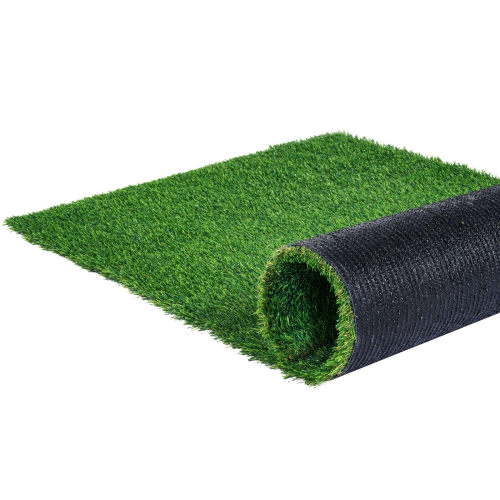
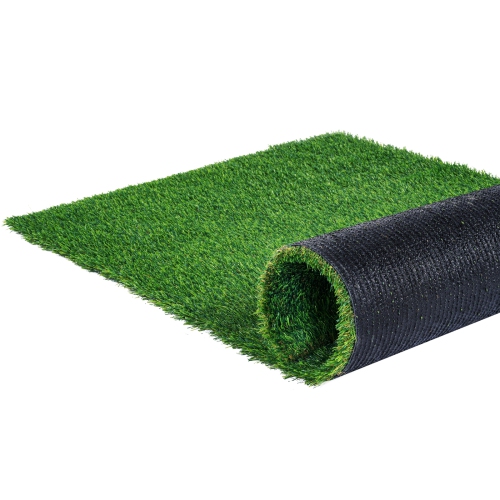
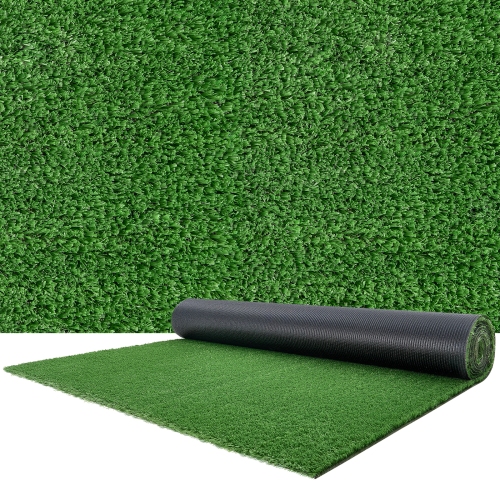
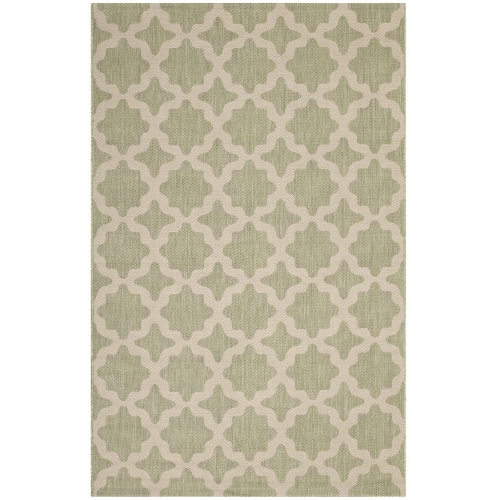
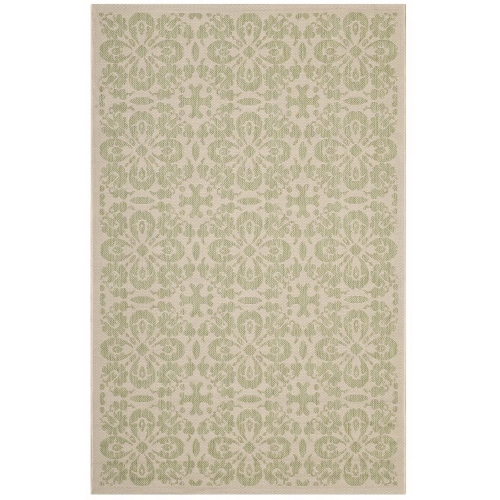
How green shades and rug proportions define outdoor spaces
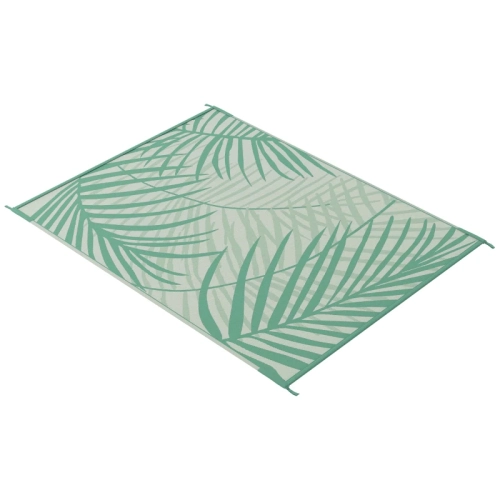
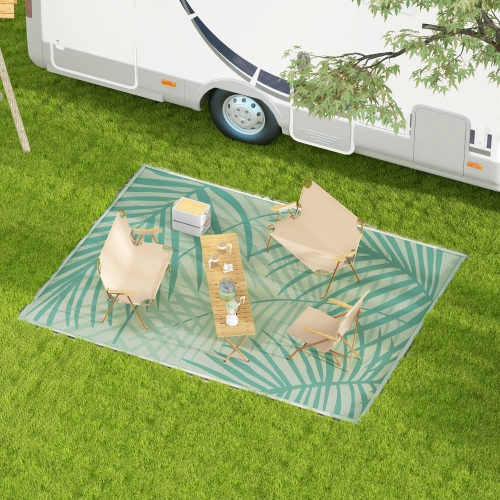
Green outdoor rugs bring colour, texture, and a more finished feel to patios, decks, balconies, and covered porches. Their defining feature is the colour: green can read as a quiet neutral beside wood furniture or create a stronger focal point against pale paving stones and black metal seating. Sage and muted olive blend easily with woven chairs, cream cushions, and terracotta planters, while forest green gives a seating area a richer, more grounded appearance. Brighter grass-green shades lend themselves to playful spaces, and green-and-ivory stripes or geometric patterns add definition without needing much additional decoration. On a compact balcony, a rug can turn the space beneath a small table and two chairs into a distinct sitting area. On a larger deck, it can visually separate a lounge arrangement from a dining table or an open walkway. Pattern scale affects the result as much as colour does. Small repeating motifs tend to look textured from a distance, while broad stripes and oversized botanical designs become part of the overall furniture arrangement. A mottled or multitone weave can also make everyday dust and small bits of leaf debris less noticeable than a solid, uniform surface. Green pairs naturally with surrounding plants, but it works just as well where there is little greenery, adding colour to concrete, composite decking, or stone. For a coordinated look between an outdoor sitting area and an adjoining room, green area rugs offer another way to carry the colour indoors, with each rug chosen for its intended location. Outdoor rugs suit households that want a defined space for conversation, casual meals, or relaxing with a book, and can be equally useful for renters furnishing a small balcony. The most successful match balances the shade of green with the rug’s proportions, surface texture, and suitability for the space beneath it.
Materials and construction determine how a green outdoor rug feels underfoot and how well it handles its intended use. Polypropylene is a common choice because the fibre absorbs little moisture and is generally easy to clean. A tightly woven polypropylene rug often has a low profile that sits neatly beneath patio furniture, although softness and flexibility vary with the weave. Polyester can provide a softer textile feel and clear colour definition, but outdoor suitability depends on the complete construction, including the backing, rather than the fibre name alone. Woven plastic mats offer a different feel, with a lightweight structure that can be practical for portable seating setups or occasional use where the manufacturer permits it. Natural fibres such as jute and sisal have an appealing texture, but they generally belong in dry, protected spaces unless specifically labelled for outdoor placement. An outdoor appearance is not the same as an outdoor rating. For an uncovered patio, resistance to moisture and fading matters; for a sheltered porch, clearance beneath a door and comfort under bare feet may be more important. Water-resistant does not necessarily mean waterproof, and an outdoor rug should not be assumed to protect the surface below from moisture. Edges, seams, and backing deserve attention because they influence whether the rug lies flat, drains readily, and stands up to repeated foot traffic. Flatwoven and low-pile constructions make it easier to pull dining chairs across the surface and sweep away crumbs after a meal. More textured weaves can feel inviting beneath a lounge chair, though their raised areas may collect debris or catch on furniture feet. In spaces shared with children or pets, an easy-clean surface, securely finished edges, and stable placement are useful considerations. No rug is automatically slip-proof or suitable as a play surface simply because it is intended for outdoor use. An outdoor-rated rug pad may improve grip, provided it is compatible with both the rug and the decking or paving underneath.
Size and placement give green patio rugs much of their practical value. In a conversation area, a rug that reaches beneath the front legs of the sofa and chairs helps connect the furniture instead of leaving a small patch of colour floating between separate pieces. Beneath a dining table, enough coverage for chairs to remain on the rug when pulled out makes sitting down and standing up more comfortable. A narrow runner can suit an elongated balcony or porch, while a round rug may echo a circular bistro table without filling every corner. Measuring the usable floor area, including door swings, posts, planters, and furniture movement, gives a clearer picture than relying on the overall dimensions of a deck. Thickness matters near thresholds: even a relatively thin rug can interfere with a low-opening door if its bound edge or an added pad raises the surface. Placement should leave drainage points unobstructed and avoid creating curled edges along busy walking routes. Care is usually straightforward, but the label remains the best reference for the particular fibre, dye, and backing. Regular sweeping or gentle vacuuming, when permitted, removes grit before it settles into the weave. Spills are easier to manage when blotted promptly, and mild soap with water may be suitable for spot cleaning if the care instructions allow it. Some outdoor rugs can be rinsed with a garden hose; others require more limited wet cleaning. Harsh cleaners, pressure washing, and vigorous scrubbing can damage fibres, finishes, or edge binding. After cleaning or prolonged rain, both the rug and the surface beneath should dry fully, since trapped moisture can affect the rug and its supporting surface. Periodically lifting the rug also makes it possible to clear collected dirt and check the condition of the deck or patio. Where freezing conditions or extended periods without use make storage appropriate, a clean, completely dry rug is easier to put away safely according to its care directions. With suitable sizing, compatible materials, and routine attention, a green outdoor rug can add a comfortable, cohesive foundation without making the space difficult to maintain.
Top selling and popular products
-
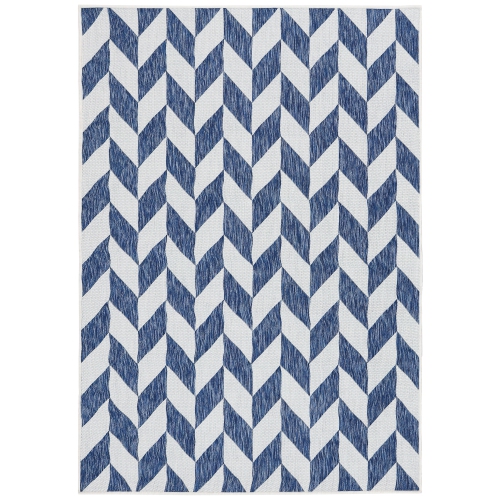 Your price for this item is $129.15
-
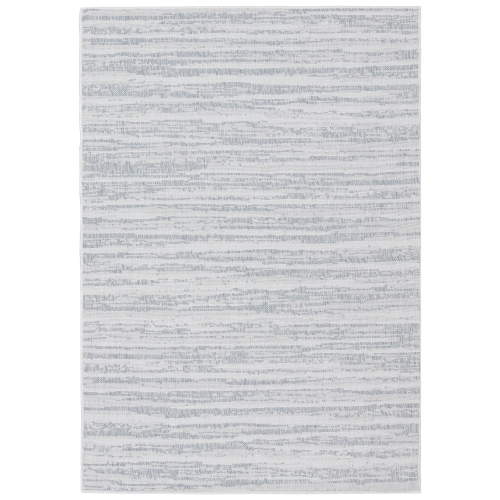 Your price for this item is $129.15
-
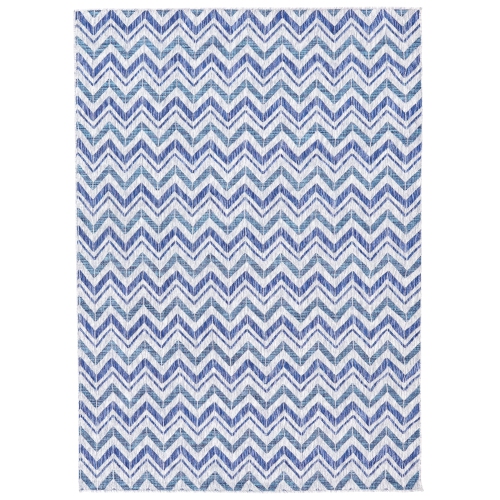 Your price for this item is $129.15
-
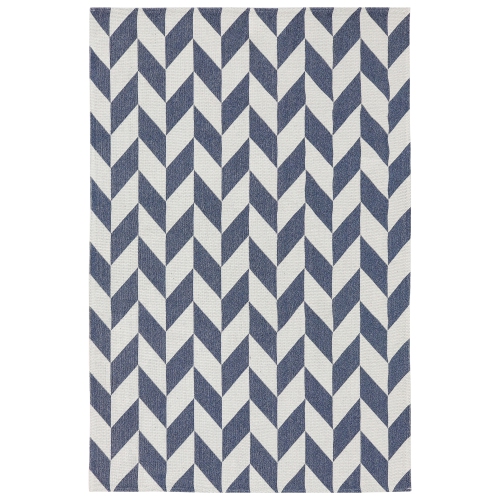 Your price for this item is $130.55
-
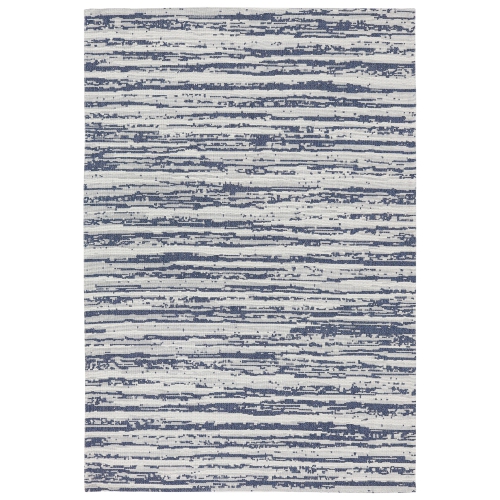 Your price for this item is $130.55
-
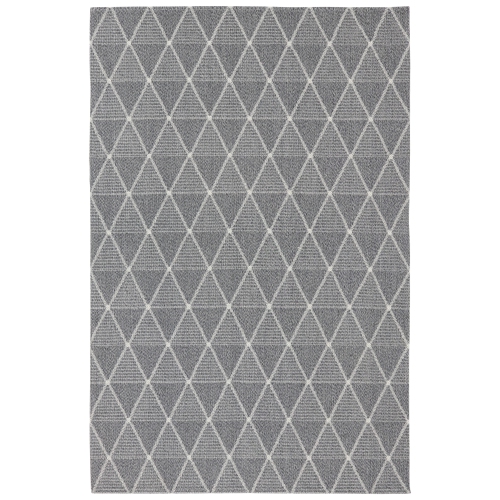 Your price for this item is $130.55
-
 Your price for this item is $144.99
-
 Your price for this item is $104.99
Discover more categories related to Green Outdoor Rugs


Top Collections:
Best Black Friday Deals This Year, Best Black Friday Deals On Electronics, Kindle Devices, Pokemon Centers, Best Black Friday Deals On Apple Products, Best Cameras for Sports Photography, Dyson Airwrap, Pokémon 30th Celebration Cards, Apple iPhone 17 Pro, Canon G7X Cameras
Some products may be subject to Environmental Handling Fees
(EHF) depending on your province.
Learn more about EHFs.