Green Dining Chairs
Add a touch of elegance and style to your dining space with our green dining chairs. With their vibrant hues and sleek designs, these chairs are sure to make a statement in almost any home. Explore our collection of green dining chairs and find the perfect addition to complete your dining area.
Sort
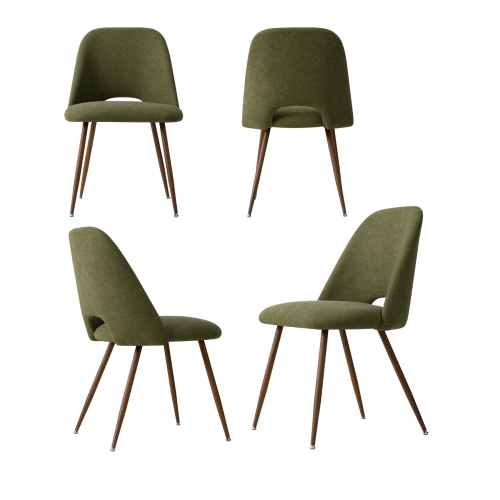
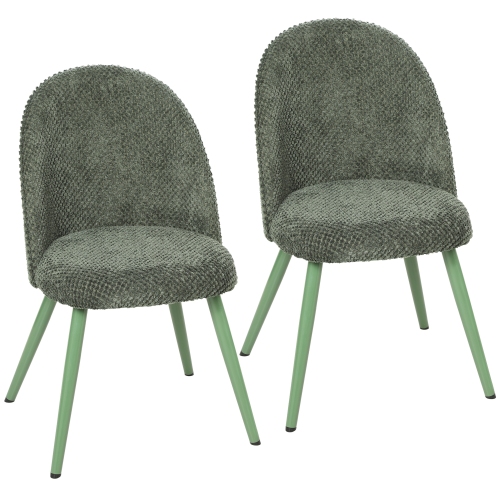
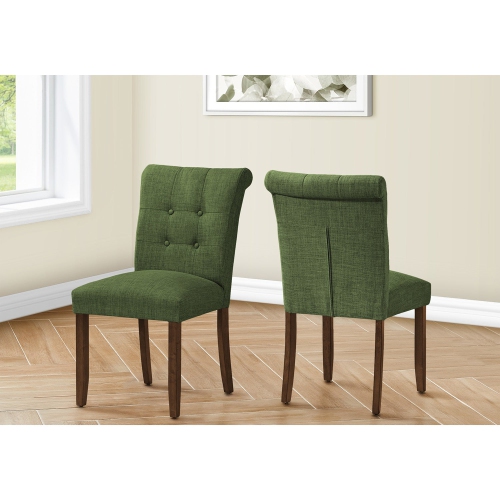
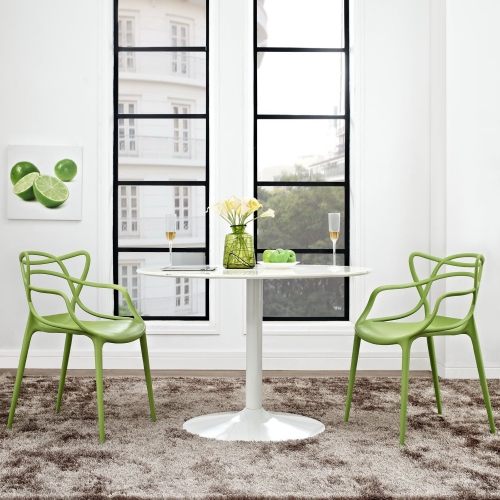
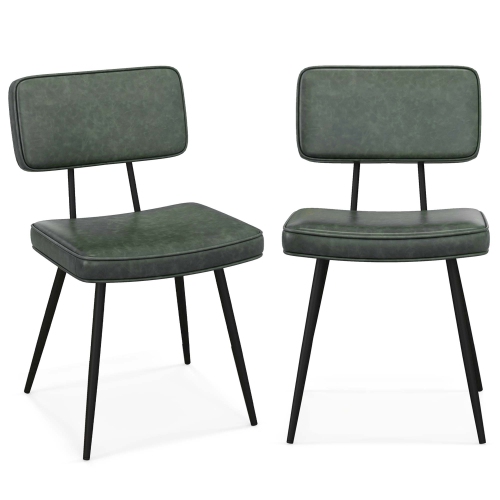
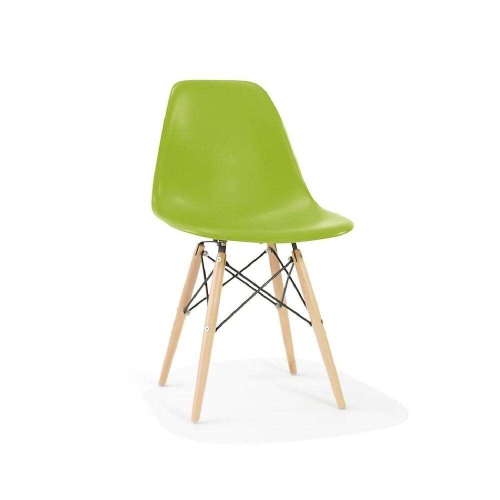

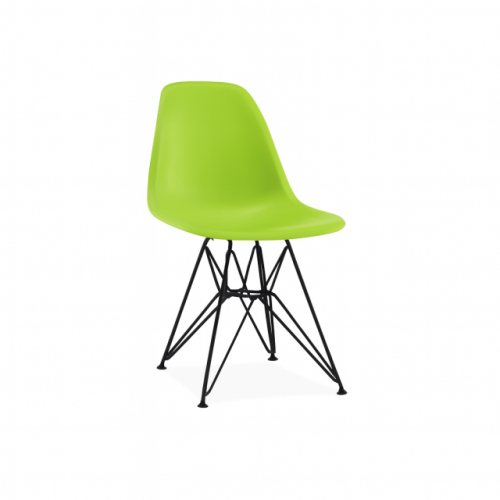
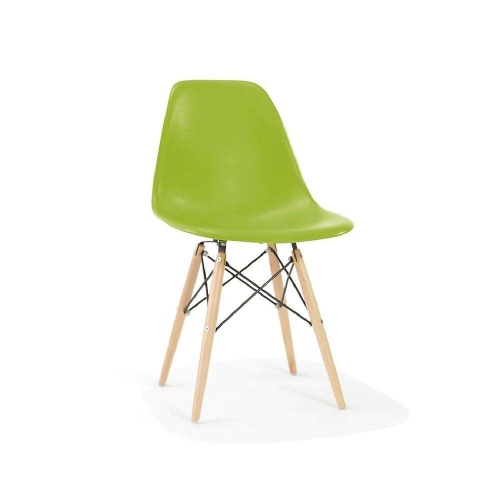
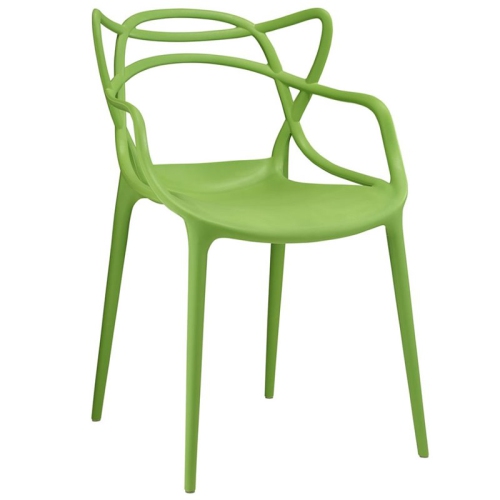
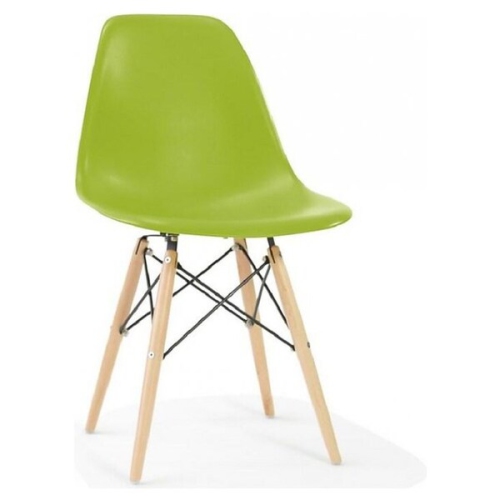
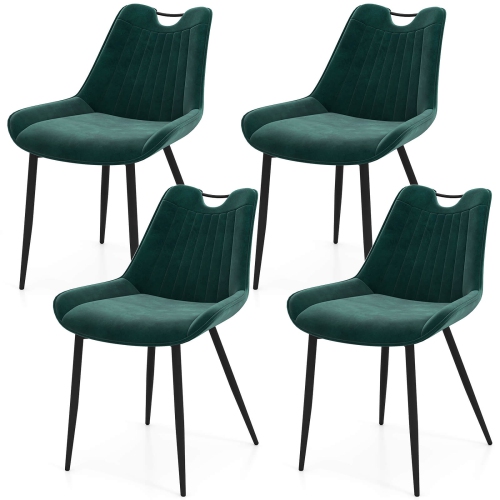
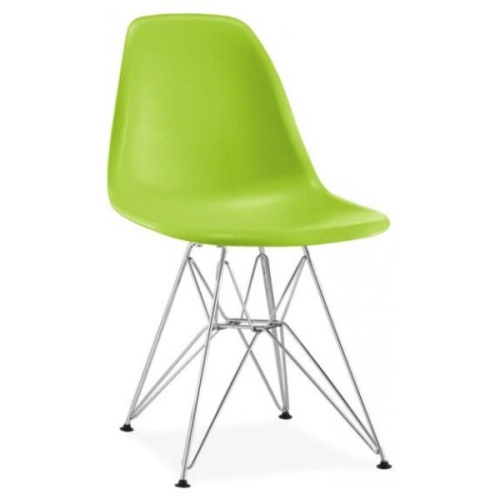

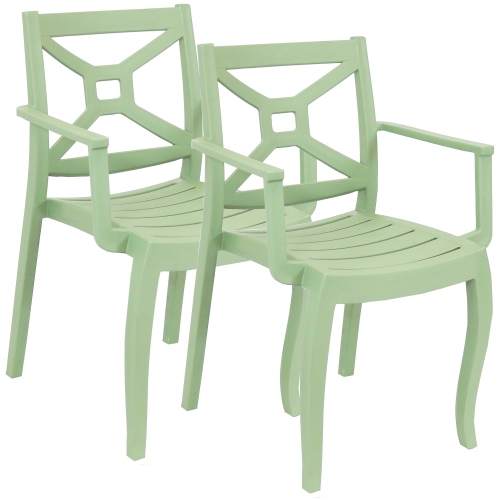
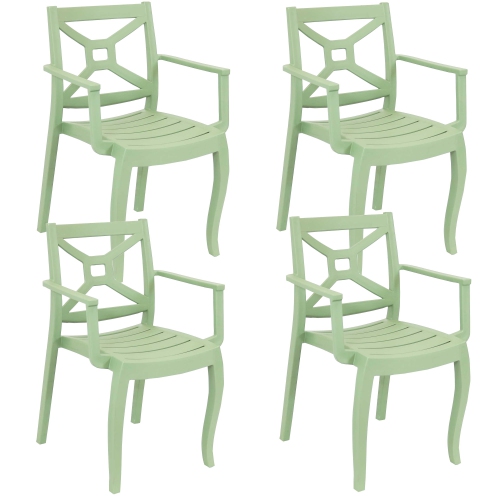
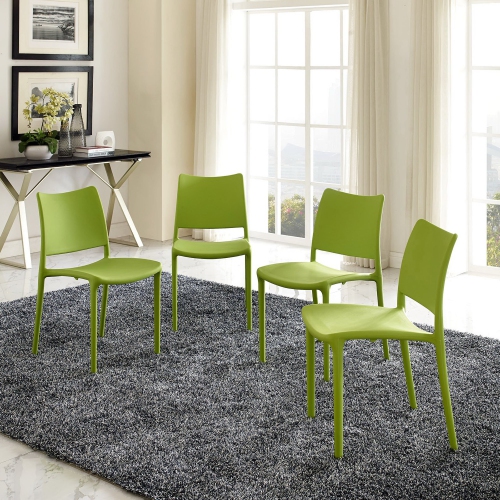
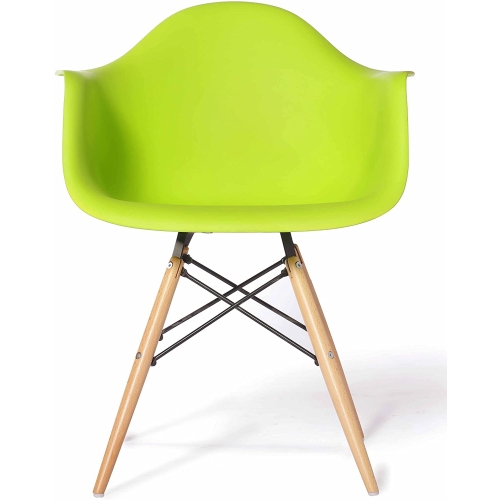
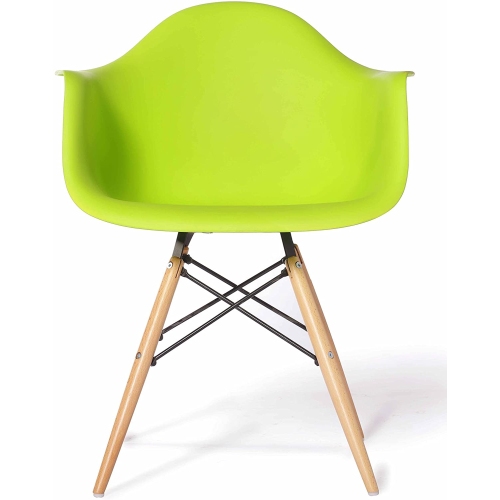

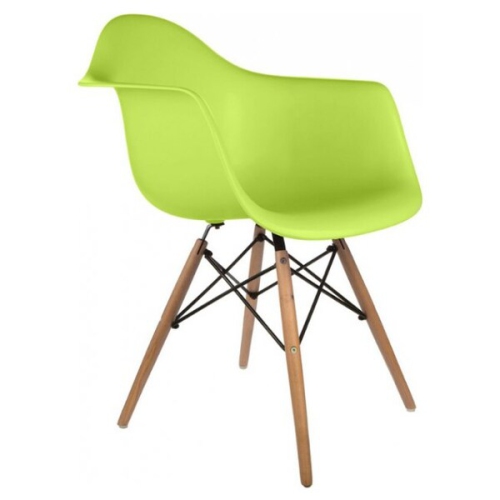
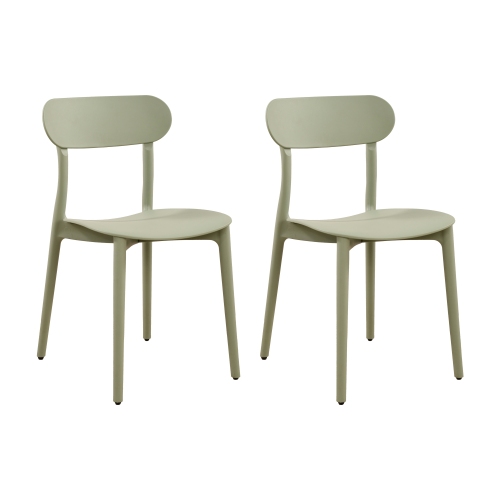
How green shades shape your dining space
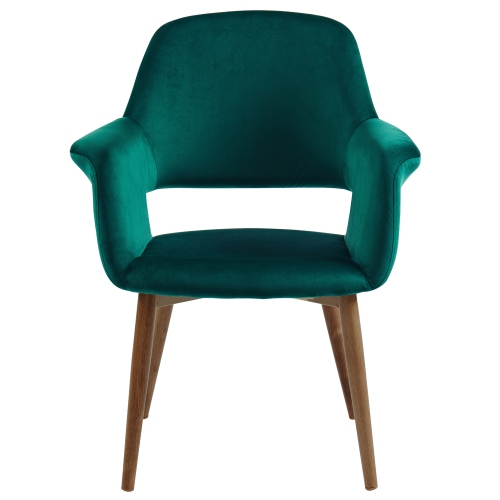
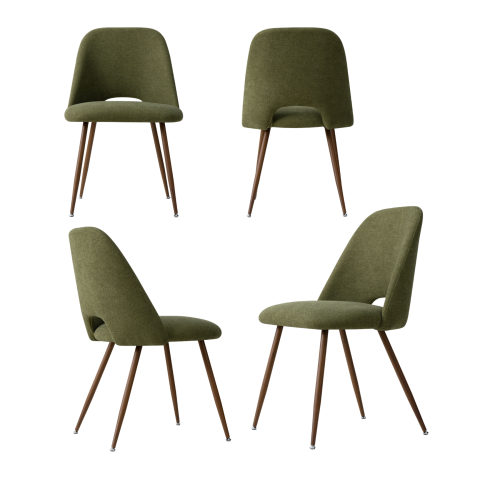
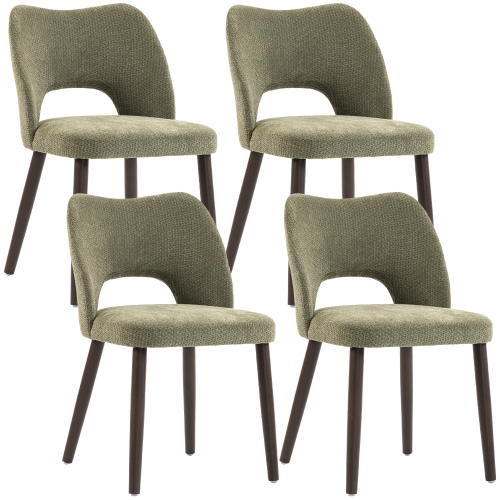
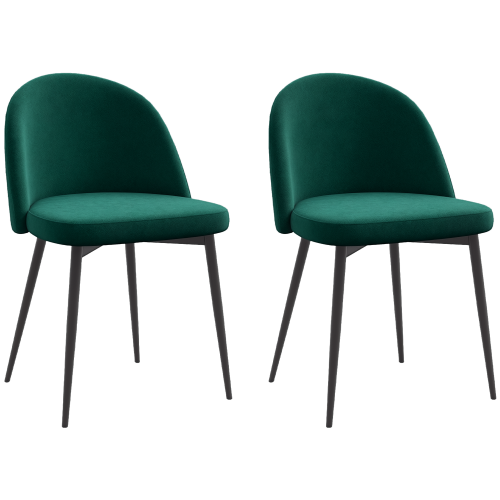
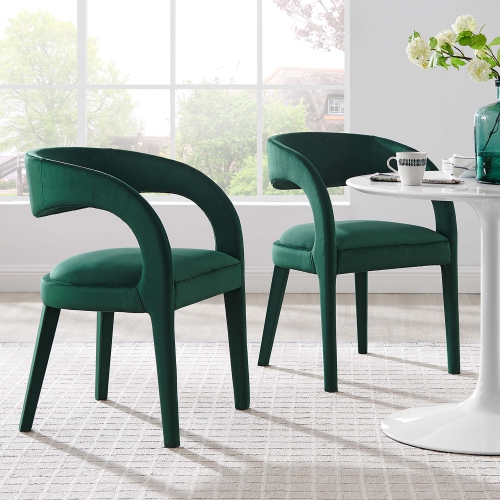
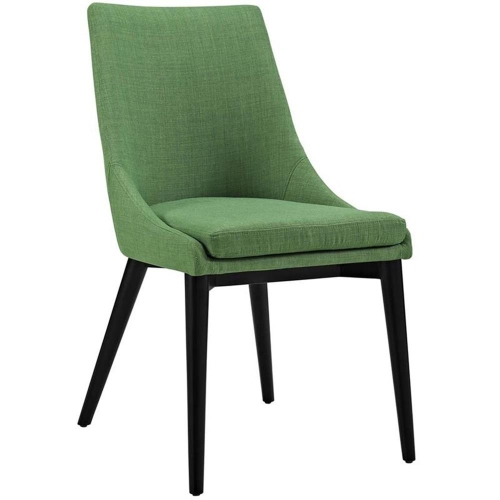
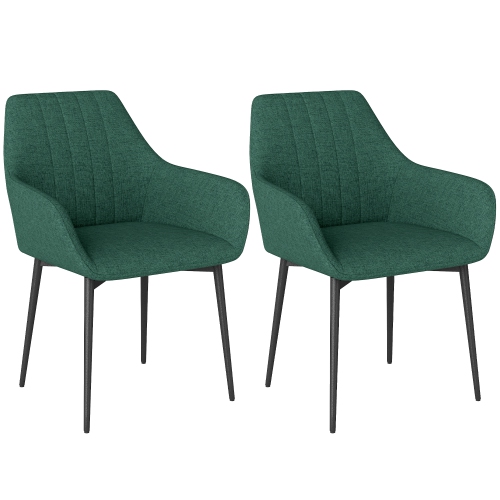
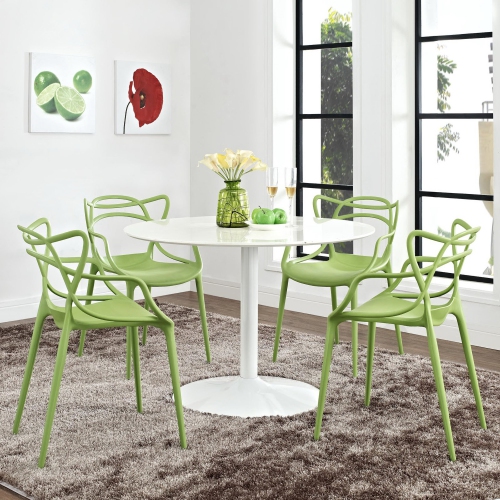
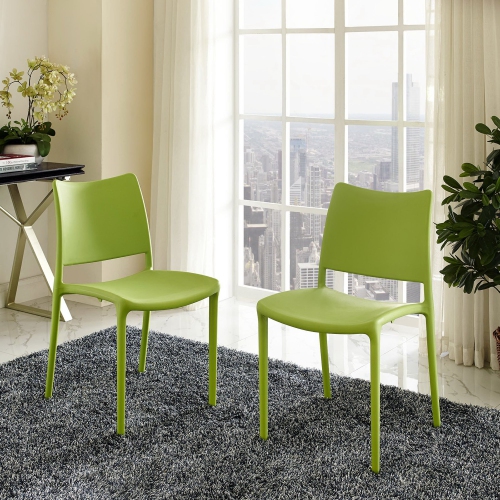
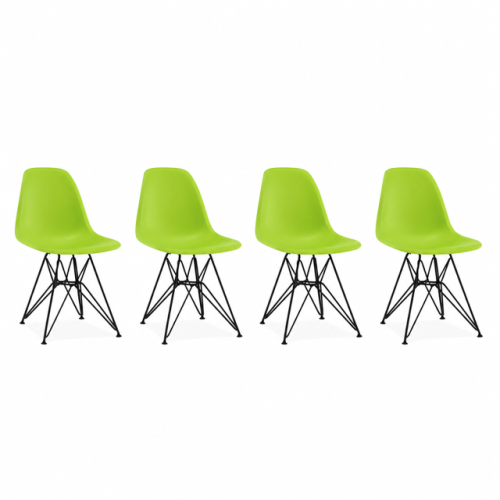
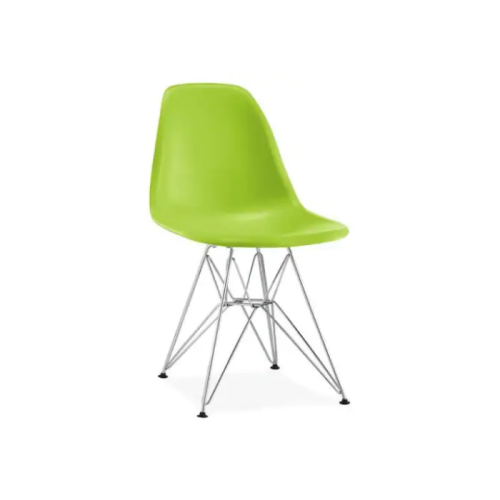
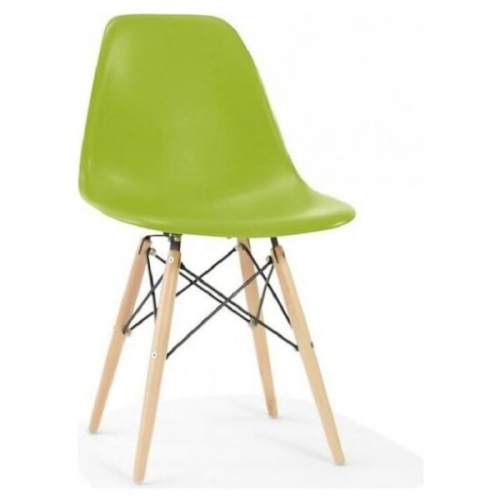
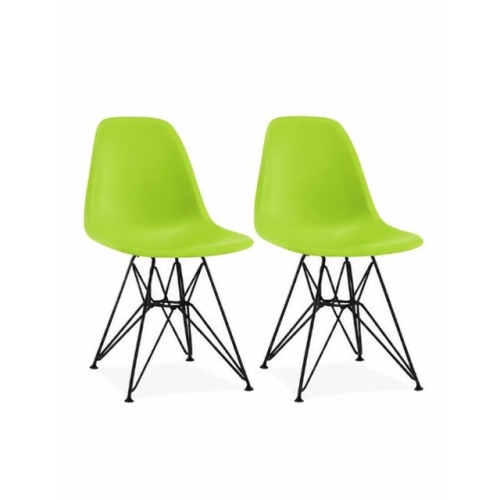
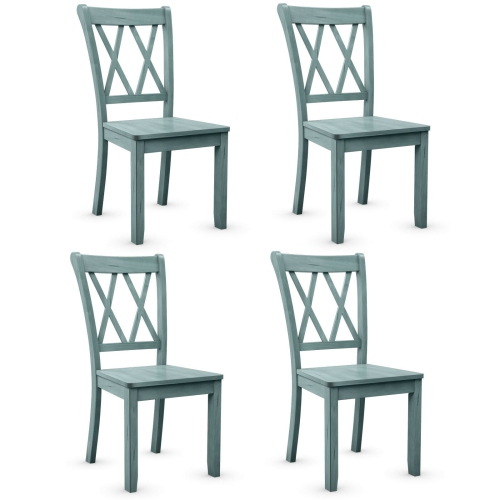
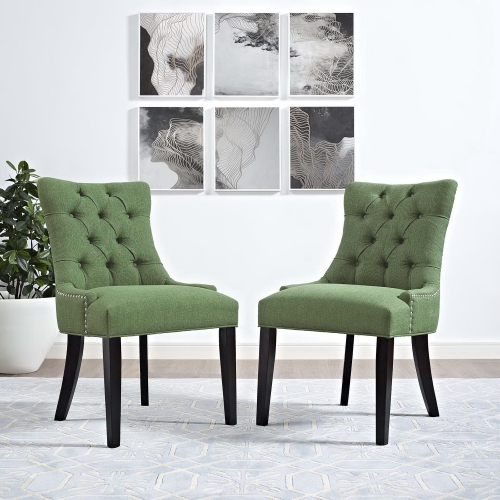
Green dining chairs bring colour to a dining space without requiring every other furnishing to make a statement. The shade can be soft and understated, rich and dramatic, or somewhere between the two, giving this seating a place in many different interiors. Sage green works comfortably alongside pale wood, cream upholstery, and simple stoneware, while olive has an earthy character that pairs well with oak, walnut, and woven textures. Emerald and forest green create a stronger contrast against a light table or neutral walls, drawing attention to the shape and fabric of each chair. For a deeper colour palette, Dark Green Chairs can carry that richness into dining rooms and adjoining living spaces. Undertones matter as much as depth: a yellow-leaning green can sit naturally beside warm wood, whereas a blue-leaning green may suit grey finishes and brushed metal. The same shade can also look different on matte fabric, smooth painted wood, and velvet with a directional pile. Material close-ups and photographs taken from several angles help convey those differences, although screen settings and room lighting can affect how a colour appears. Beyond the shade itself, the outline of a chair shapes the room’s character. A curved back softens the straight edges of a rectangular table, slender legs leave more of the floor visible, and a fully upholstered seat brings a more substantial presence. Matching chairs create a cohesive arrangement, but green seating can also work at the ends of a table with wood chairs along the sides. Keeping one detail consistent, such as leg finish or back height, helps a mixed arrangement feel connected rather than accidental. In an open-plan home, repeating a small touch of green in artwork or a cushion can link the dining area to the rest of the space without making every surface match.
Comfort and fit depend on more than whether a chair looks right beside the table. Seat height, usable seat depth, back support, and the space between neighbouring chairs all affect how comfortably people can settle in for a meal. Standard dining tables generally need dining-height chairs rather than counter-height or bar-height seating, but the actual measurements of both pieces are more useful than their category names alone. The clearance between the seat and the underside of the table needs to allow room for legs, including beneath any apron running around the table’s edge. Armrests add another measurement to check: if they cannot pass beneath the tabletop or apron, the chair may sit farther out than expected when pushed in. That difference is especially noticeable in a compact condo, an eat-in kitchen, or a dining area beside a busy walkway. Table legs and pedestal bases also influence where chairs can sit, so a table’s overall length does not always tell the full story about seating capacity. A little breathing room between seats helps prevent elbows from competing for space during shared meals. Armless designs can offer more flexibility around a smaller table, while armchairs may appeal to people who appreciate a place to rest their forearms during longer conversations. A shaped back can feel supportive without thick padding, and an upholstered seat can soften the experience of sitting through dinner, homework, or a board game. Cushion firmness and back angle are personal preferences, rather than qualities that appearance alone can reliably communicate. Chair weight matters, too: seating that moves easily can be convenient for daily use, while a heavier frame may take more effort to pull across a rug. Where dining chairs also serve as occasional desk seating or extra places for guests, a manageable size and a comfortable upright posture are particularly useful. For someone furnishing a first apartment or a new home, a coordinated set can be a thoughtful household gift when the recipient’s measurements and style preferences are already known.
Materials determine much of a green dining chair’s feel, upkeep, and ability to handle everyday use. Upholstered designs offer a wide range of textures, from tightly woven fabric to plush velvet and looped bouclé. A smoother, close weave may be easier to clear of crumbs than a deeply textured surface, while velvet’s pile can show shading or pressure marks that change as the fabric is brushed. Neither colour nor texture alone establishes stain resistance, so care information and any stated fabric treatments deserve attention, especially where meals regularly involve young children or frequent guests. Removable covers, when provided, should only be washed by the method specified for that fabric; a removable cover is not necessarily machine washable. Leather and leather-look upholstery have different care needs, and both benefit from using only suitable cleaning products rather than an all-purpose spray chosen for the tabletop. Painted wood, moulded plastic, and metal seating can provide less absorbent surfaces, though joints, seams, and decorative grooves may still need careful wiping. Spills are best addressed promptly using the manufacturer’s directions, with a soft cloth and gentle blotting where appropriate. For upholstered seats, routine vacuuming with a suitable attachment helps lift crumbs before they work into seams. Frame construction is equally important for durability. Secure joints, stable legs, and appropriate weight capacity matter more than a chair’s substantial appearance, and assembly instructions should be followed carefully when attaching seats, backs, or legs. Loose hardware needs attention rather than continued use, while floor protectors can help limit scuffs and should suit both the leg design and flooring. On a rug, a chair should pull out without repeatedly catching at the edge; on hard flooring, keeping the feet clean helps prevent trapped grit from scraping the surface. Indoor dining chairs should also remain within their stated intended use rather than being treated as patio seating. With a suitable frame, comfortable proportions, and care requirements that fit the household, green dining chairs can provide both a distinctive visual accent and practical seating for everyday meals, relaxed gatherings, and all the small activities that happen around a dining table.
Top selling and popular products
-
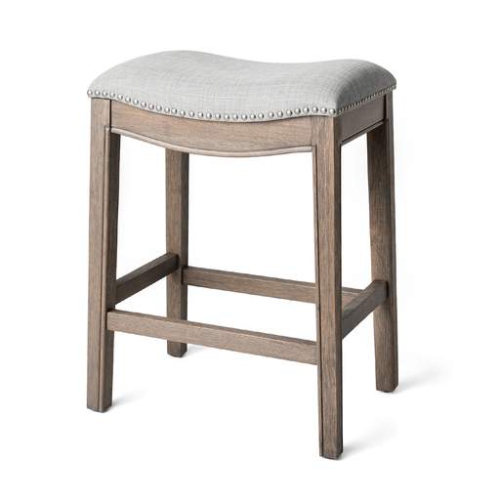 Your price for this item is $224.99
-
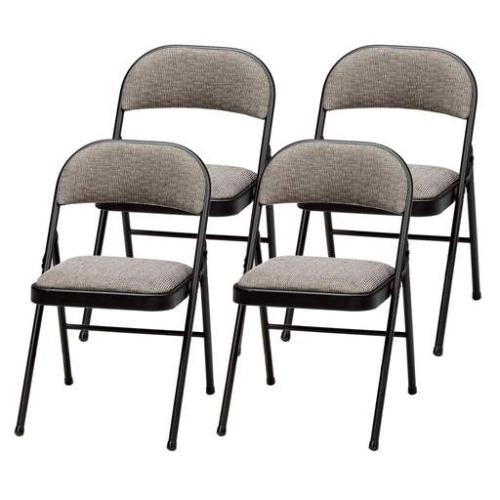 Your price for this item is $363.99
-
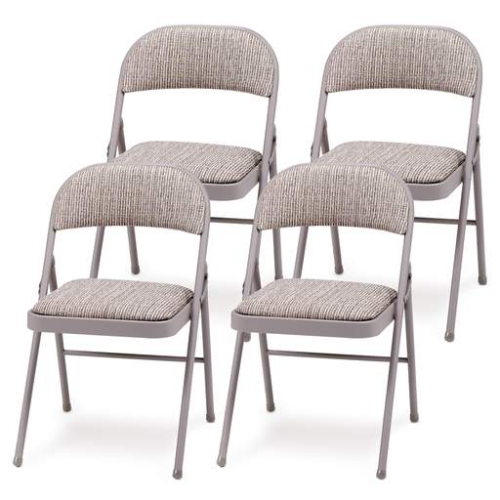 Your price for this item is $398.99
-
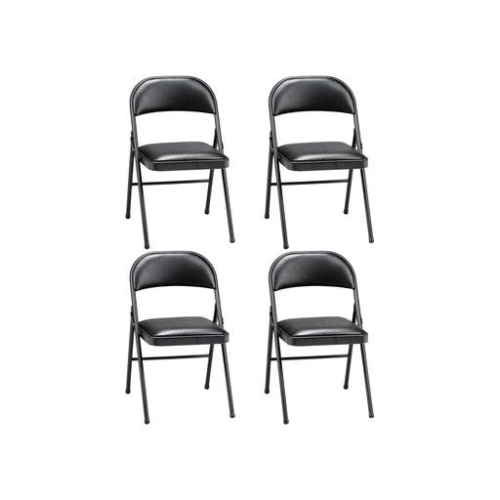 Your price for this item is $389.99
-
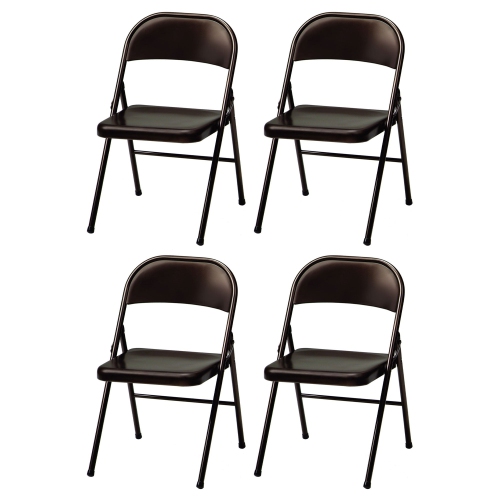 Your price for this item is $212.99
-
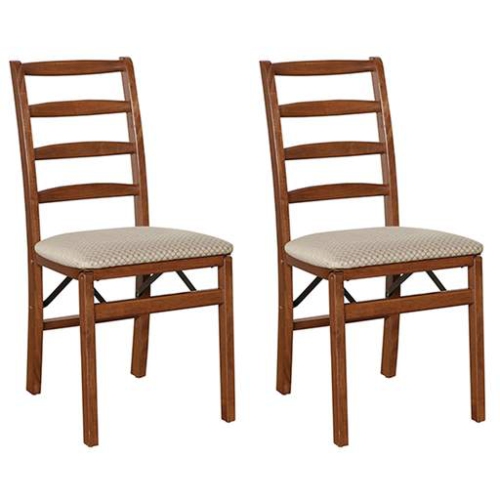 Your price for this item is $308.99
-
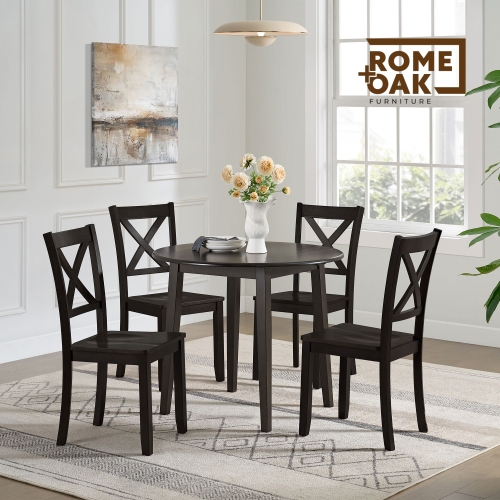 Your price for this item is $411.99
-
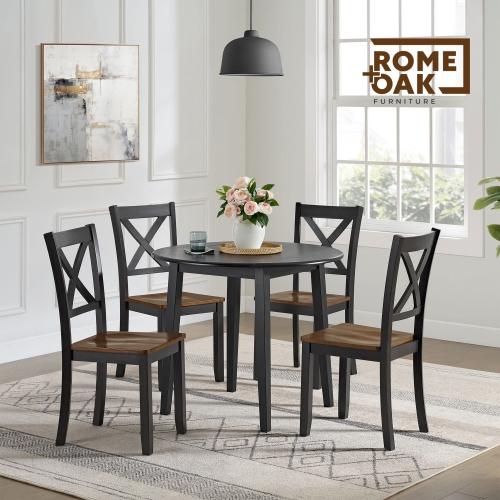 Your price for this item is $422.99
Discover more categories related to Green Dining Chairs

Top Collections:
Best Black Friday Deals This Year, Best Black Friday Deals On Electronics, Kindle Devices, Best Black Friday Deals On Apple Products, Best Budget Office Chairs, Best Cameras for Sports Photography, Dyson Airwrap, Canon G7X Cameras, Best Laptops for Writers, Samsung Galaxy Phones
Some products may be subject to Environmental Handling Fees
(EHF) depending on your province.
Learn more about EHFs.