Green Dining Chairs With Wooden Legs
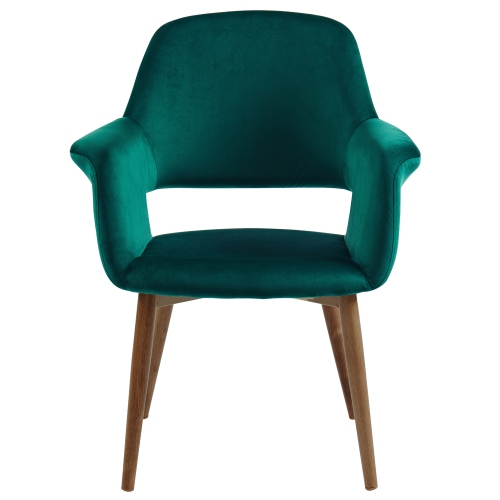
Green Dining Chairs With Wooden Legs bring a fresh and stylish touch to any dining space. The vibrant green upholstery pairs beautifully with the natural look of wooden legs, creating a modern yet inviting atmosphere. Ideal for both everyday meals and special gatherings, these chairs can complement a variety of interior styles. Explore options that blend comfort and aesthetics, making it easy to enhance your dining area with Green Dining Chairs With Wooden Legs.
Sort
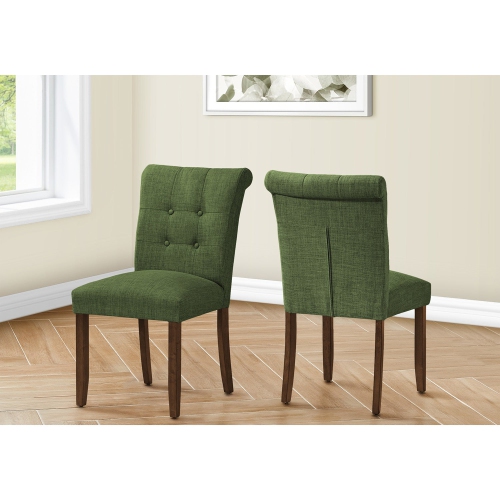
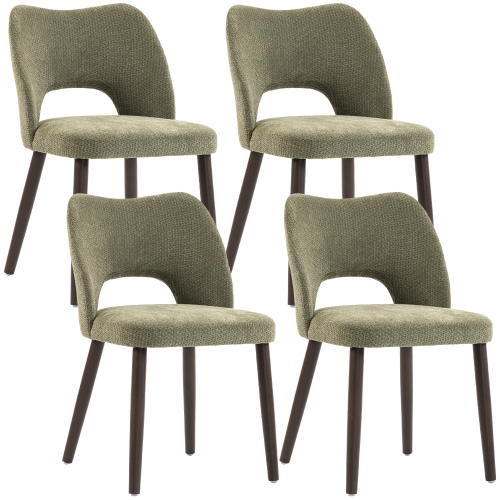
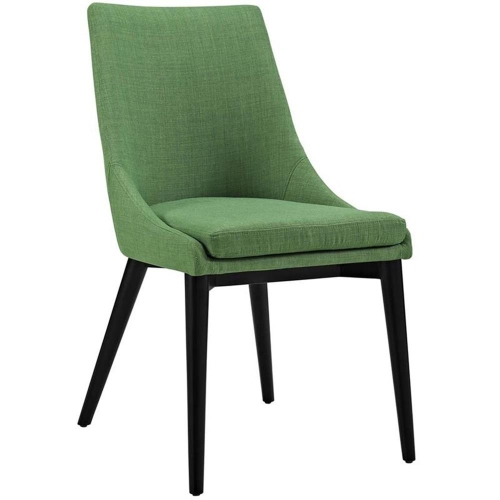
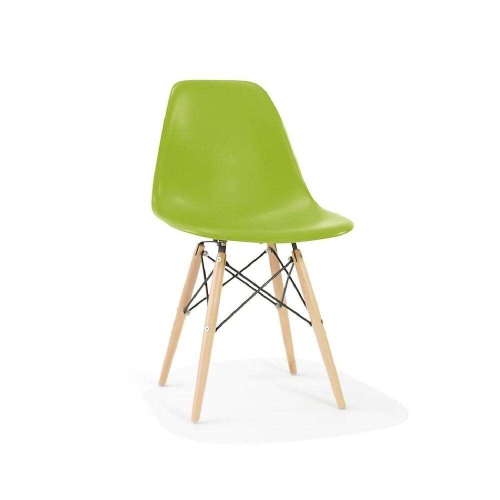
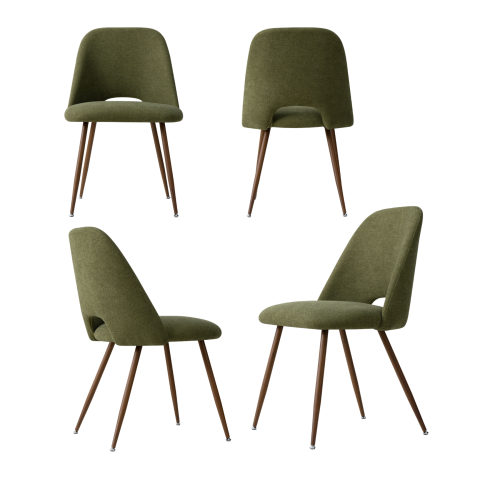
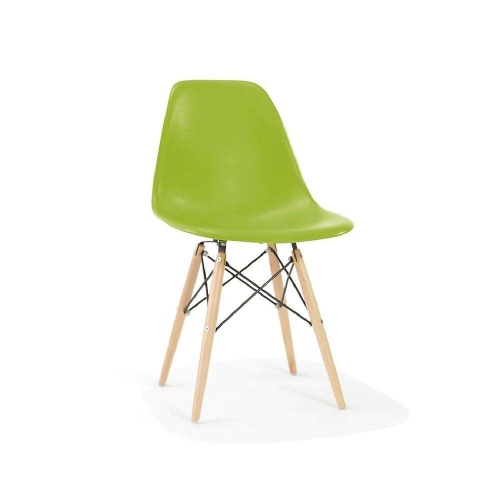
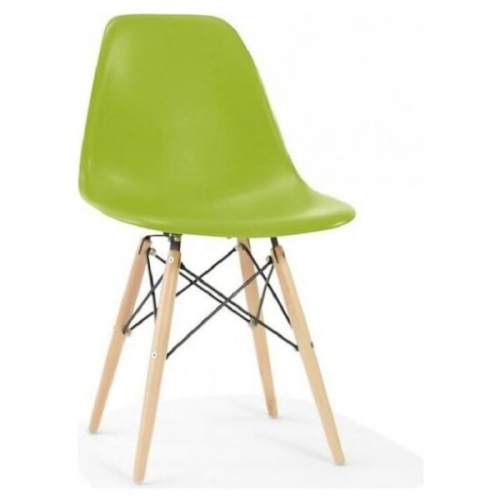
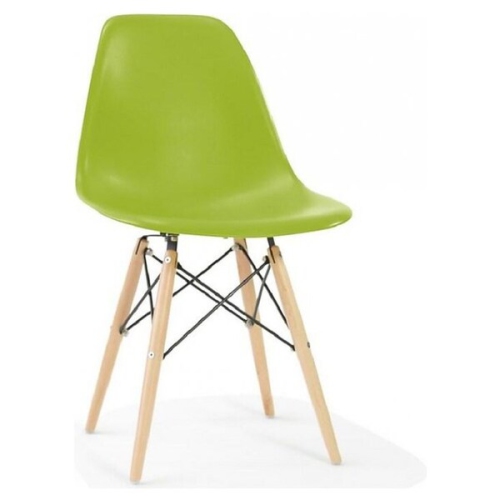
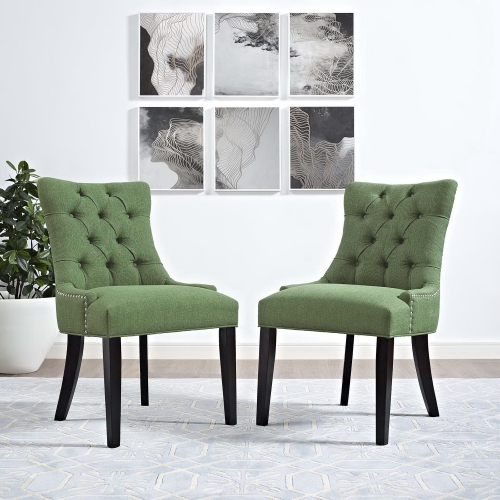
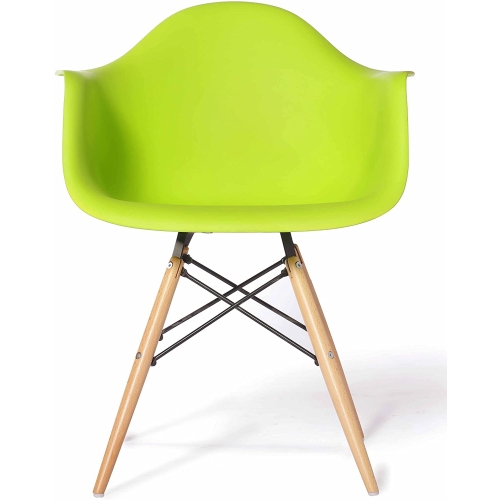

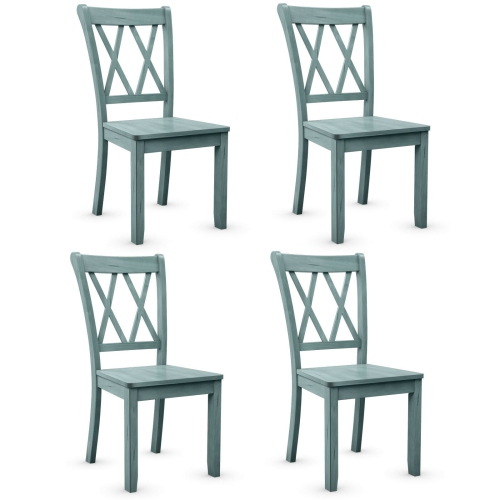
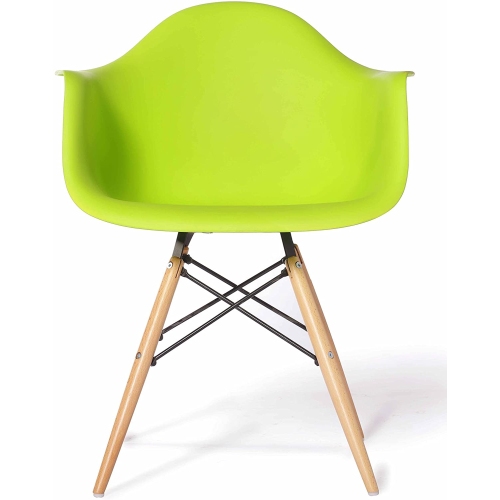
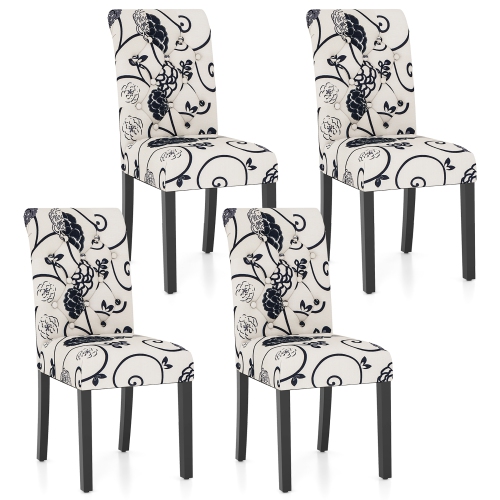

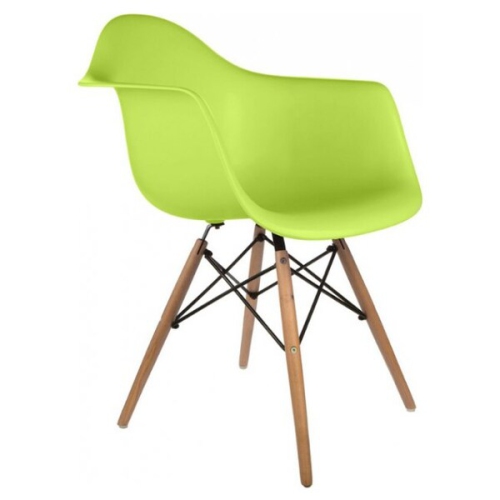
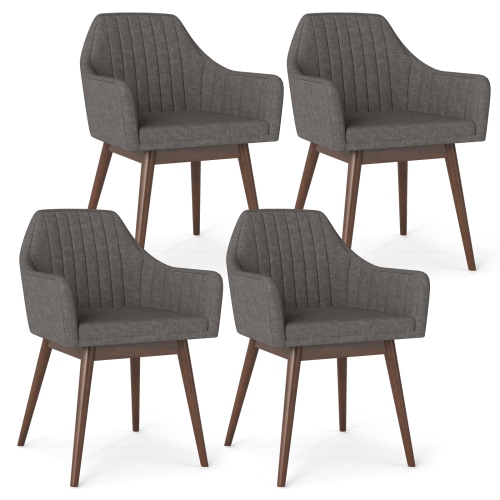
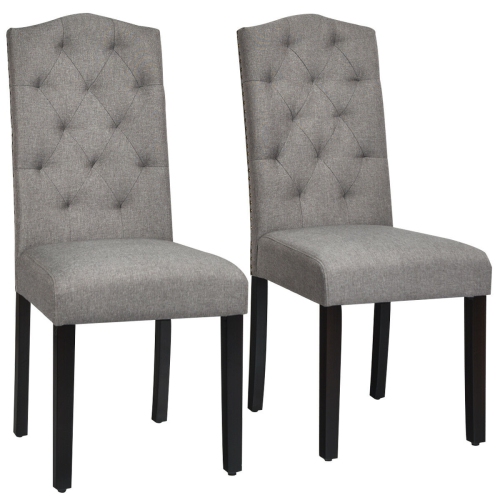
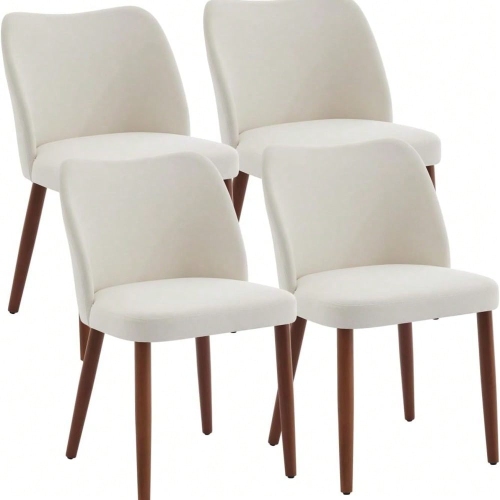
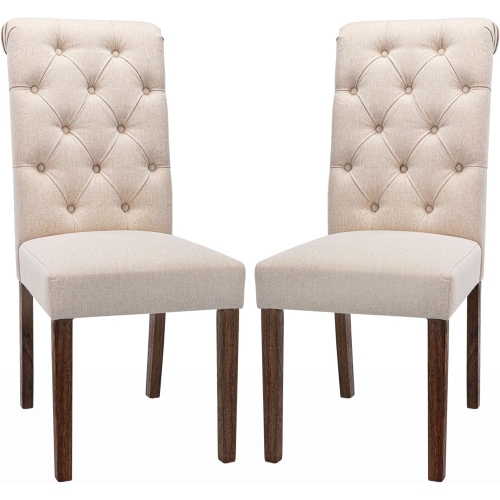
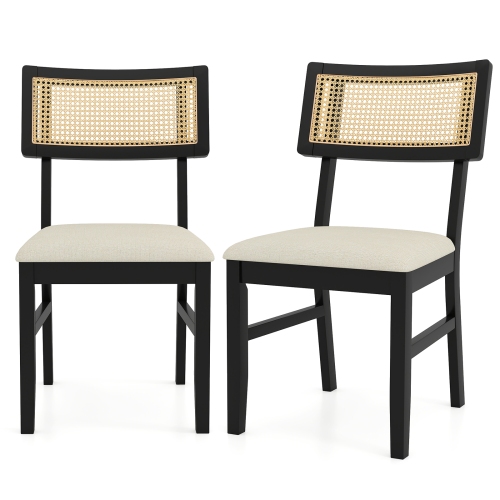
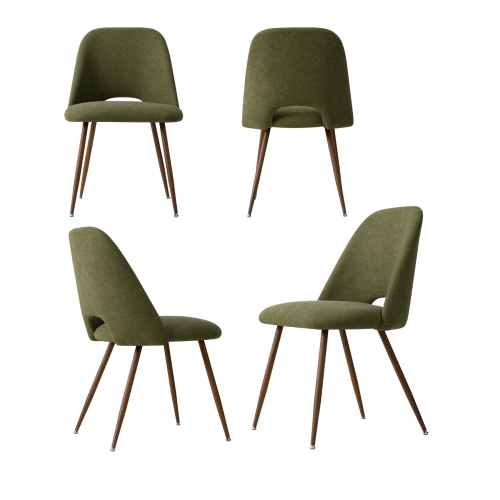
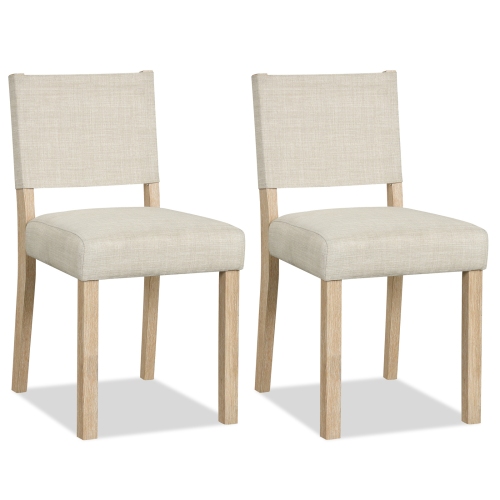
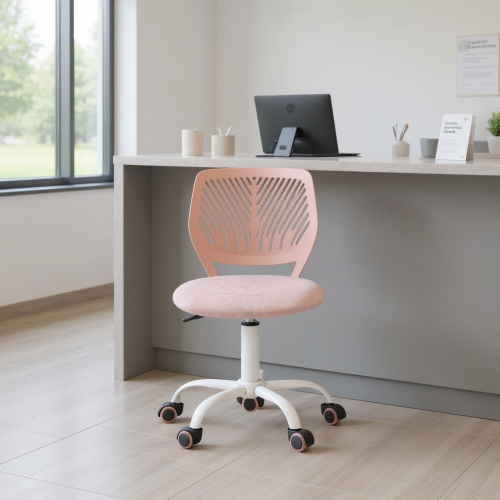
How green shades and wood tones work together
Green dining chairs with wooden legs pair a distinctive seat colour with the warmth and visible grain of wood. Styles range from mid-century-inspired chairs with tapered legs and curved upholstered backs to tufted velvet seating and painted wooden designs with spindle backs. The combination suits dining rooms, kitchen tables, and compact eating areas where seating needs to feel comfortable without looking overly heavy. Green can be subtle or expressive: sage creates a soft contrast against cream walls and pale oak, olive works well with earthy colours and walnut tones, and forest green adds depth beside a light-coloured table. Emerald upholstery has a richer presence, particularly when the fabric catches the light. Colour names alone do not tell the whole story, since the same shade can look different in woven fabric, velvet, or a painted finish. Fabric texture, room lighting, and neighbouring surfaces all affect the impression. A fabric swatch, when practical, can help show whether a green leans towards yellow, blue, or grey. Wooden legs add another layer of variation through their colour, grain, and shape. Pale finishes tend to keep the overall look light, while darker stained legs give a chair a more defined outline. Matching the table and chair legs exactly is not essential; a shared warm or cool undertone can make different woods feel coordinated. Within the broader Dining Chairs With Wooden Legs category, green seating offers a way to introduce colour while retaining a familiar material connection to the table. For a balanced arrangement, green chairs can sit around a simple wooden table, or appear at the ends alongside more neutral seating. Curved backs soften the lines of a rectangular table, while slim, straight legs can complement a round tabletop without competing with its shape. Low backs leave more of the room visible, whereas taller backs give the dining area a stronger visual boundary in an open-plan space.
Comfort and fit depend on more than the appearance of the seat. Seat height, usable seat width, back angle, and cushioning all influence how a chair feels through breakfast, a family meal, or an evening spent talking at the table. As a general starting point, roughly 25 to 30 cm between the top of the seat and the tabletop gives many adults comfortable dining clearance, but a thick table apron can reduce the space available for legs. Dimensions should account for the chair as a whole, including arms, outward-angled legs, and a backrest that extends beyond the seat. A chair that looks compact from the front may take up more floor space when viewed from the side. Around 60 cm of table edge per diner is a useful planning allowance, with additional room often needed for wider chairs or armrests. Space behind the seating matters just as much: approximately 90 cm between the table edge and a wall is a common starting point for pulling out a chair, and a busy walkway may need more. Pedestal bases, trestles, and table legs can also affect where chairs fit. Armchairs should be checked against the underside of the table if they need to tuck away fully. For smaller kitchens, armless chairs with relatively narrow frames can make everyday movement easier. In a dining room used for longer meals, a supportive back and a comfortably padded seat may take priority over the smallest footprint. Firmer cushioning can feel supportive, while an overly deep seat may leave a shorter person sitting forward without using the backrest. Households with children may value accessible surfaces and fewer crumb-catching details; adults who regularly host guests may prefer a consistent seat height across mixed chair styles. A dining chair can also serve briefly as an extra seat for a desk or craft table, provided its height and support suit the task, although it should not be assumed to replace an adjustable office chair for extended work.
Materials and construction determine how green dining chairs with wooden legs hold up to daily routines. Upholstery may include woven polyester, blended fabrics, velvet, or other coverings, each with a different feel and care requirements. A tightly woven surface can be easier to brush free of crumbs than a deeply textured fabric, while tufting and piping introduce seams that need more attention during cleaning. Velvet has a directional pile, so light and touch can create areas that appear lighter or darker without necessarily indicating a stain. Removable covers should only be washed when the care instructions permit it; removable does not automatically mean machine washable. For routine upkeep, a soft upholstery attachment can lift dust from seams and seat edges. Spills are best addressed promptly by blotting rather than rubbing, followed by the cleaning method specified for the fabric. Any permitted cleaning solution should first be tested in an inconspicuous spot. Wooden legs benefit from gentle cleaning with a soft cloth and prompt drying, without soaking the joints or leaving moisture on the finish. Solid wood can still dent or scratch, and the strength of a chair depends on the complete frame, joinery, hardware, and intended weight capacity rather than the wood species alone. Secure connections, suitable bracing, and properly fitted hardware are worth considering alongside appearance. Fasteners may need periodic checking according to the assembly instructions, particularly on chairs that are moved frequently. Floor protectors suited to the flooring can reduce scuffs and help chairs move more quietly; they also need replacing when worn or filled with grit. Lifting a chair rather than dragging it sideways places less strain on its legs and joints. For everyday dining, the most practical choice brings these details together: a green shade that works with the room, a seat that suits the people using it, wooden legs that fit around the table, and materials that can be cared for without complicating daily life.
Top selling and popular products
-
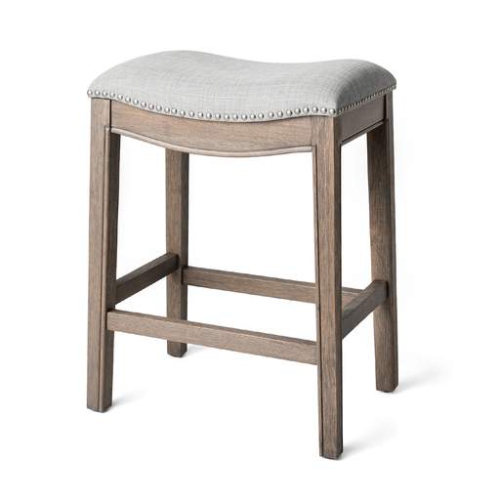 Your price for this item is $224.99
-
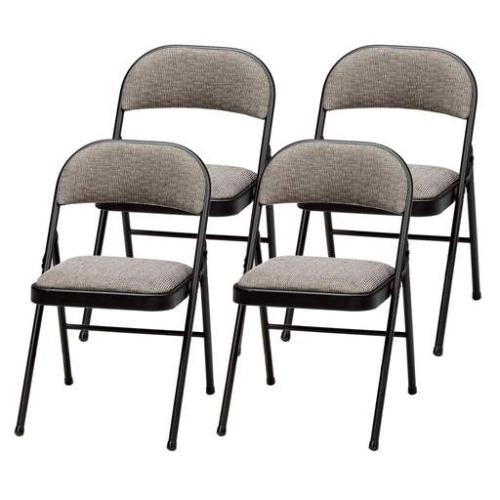 Your price for this item is $363.99
-
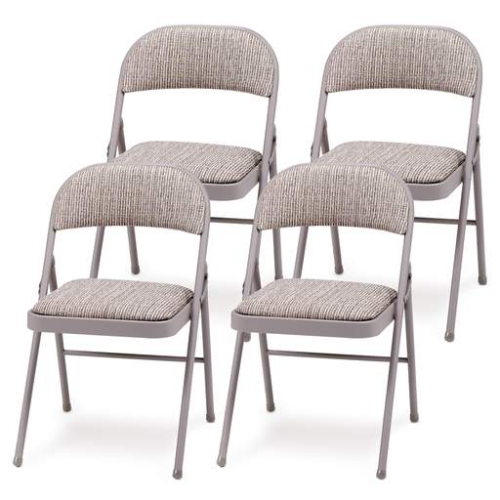 Your price for this item is $398.99
-
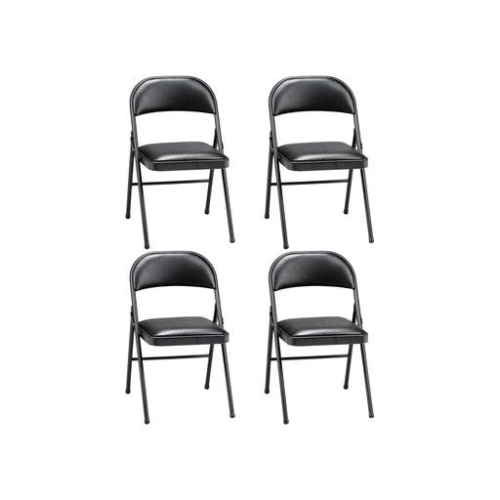 Your price for this item is $389.99
-
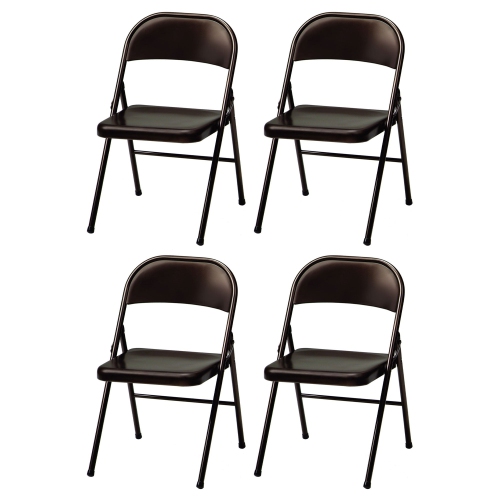 Your price for this item is $212.99
-
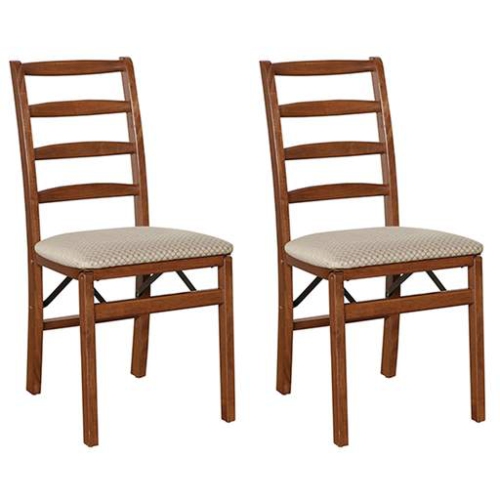 Your price for this item is $308.99
-
 Your price for this item is $411.99
-
 Your price for this item is $422.99
Discover more categories related to Green Dining Chairs With Wooden Legs

Top Collections:
Best Black Friday Deals This Year, Best Black Friday Deals On Electronics, Kindle Devices, Best Black Friday Deals On Apple Products, Best Budget Office Chairs, Best Cameras for Sports Photography, Dyson Airwrap, Canon G7X Cameras, Best Laptops for Writers, Samsung Galaxy Phones
Some products may be subject to Environmental Handling Fees
(EHF) depending on your province.
Learn more about EHFs.