Green Planters
Transform your living space into a lush oasis with our stunning selection of green planters. Perfect for both indoor and outdoor settings, these planters offer a stylish way to showcase your favorite greenery while adding a touch of nature to any environment. Whether you're looking to cultivate a thriving herb garden on your balcony or enhance your home's interior decor, our diverse range of green planters provides the perfect solution for every style and space. Explore the collection today and find the ideal complement to your botanical pursuits.
Sort

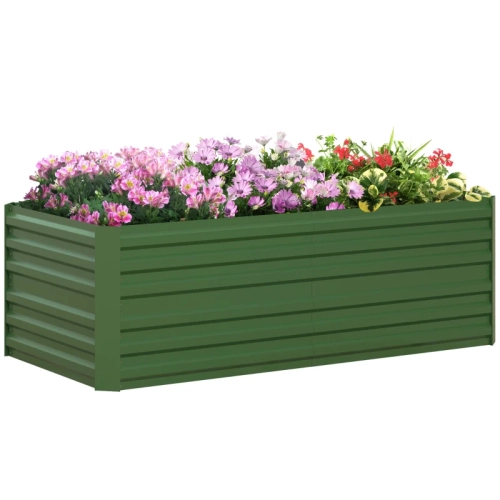
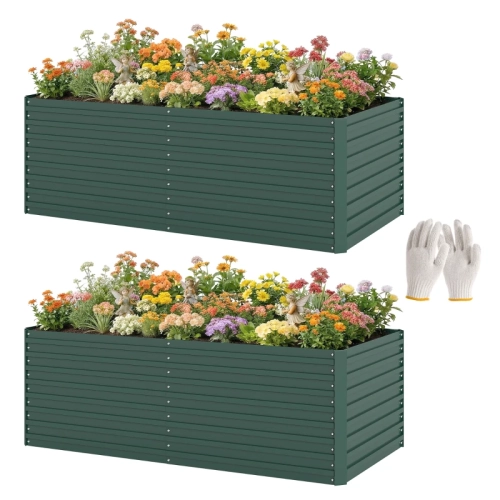
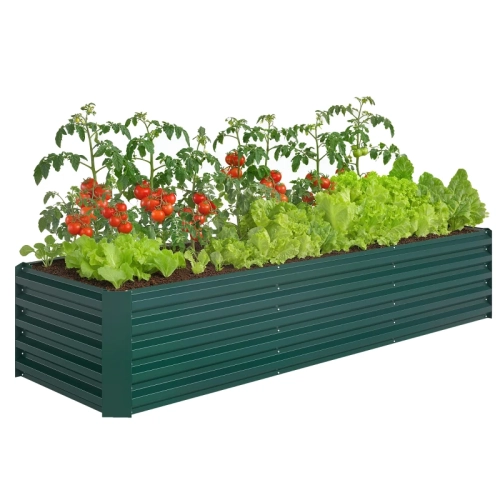
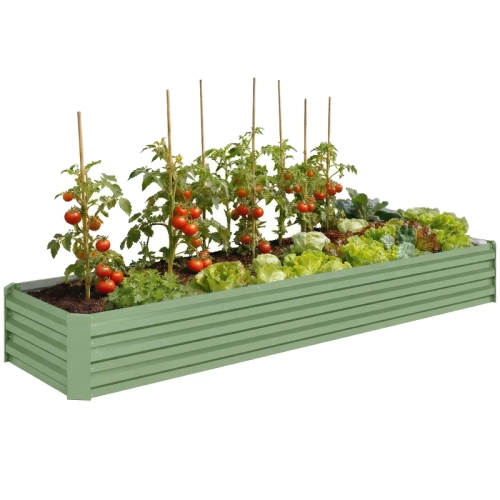
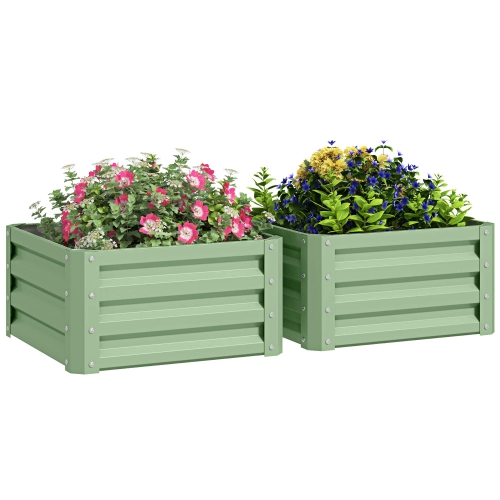
Shades of green with more than decorative appeal
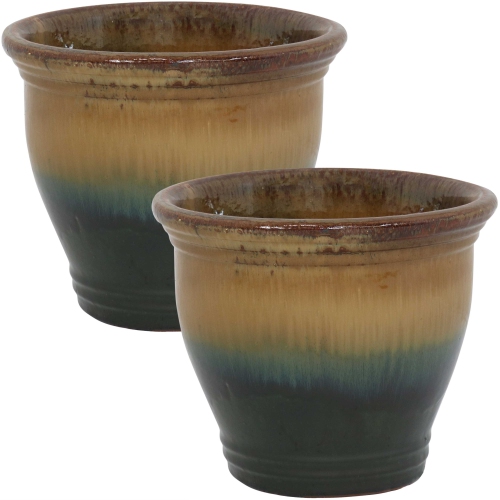
Green planters are plant pots and containers with green finishes, ranging from pale sage and muted olive to deep forest green and glossy emerald. They can hold plants directly when designed for planting, or serve as decorative outer pots that conceal a separate nursery pot. The colour is the defining feature, while the material, dimensions, drainage, and intended placement determine how a planter functions. A soft green pot can sit quietly beside cream upholstery and light wood furniture, while a darker shade creates a stronger outline against a white wall or pale shelf. Matte finishes tend to soften the appearance of a container, whereas a glossy glaze catches the light and makes curved shapes more noticeable. Ribbed surfaces, subtle speckling, and sculpted edges add texture without relying on a contrasting colour. For a cohesive grouping, repeating a similar green across different heights often looks more settled than matching every pot exactly. Alternatively, pairing green containers with Brown Planters introduces earthy contrast that works with woven baskets, timber shelving, and neutral furnishings. Size and silhouette matter just as much as shade. A rounded pot can balance the upright leaves of a snake plant, while a taller container gives a floor display more presence beside a chair or console. Low bowls suit compact arrangements, provided the plants have compatible root space and watering needs. On a desk, a modest footprint leaves room for everyday tasks; beside a sofa, a broader base can help support a larger display. The planter should also feel proportionate to its surroundings: a small pot may disappear on a wide cabinet, while a bulky container can overwhelm a narrow ledge. For hanging or wall-mounted placements, the combined weight of the container, growing medium, and water is especially important, along with suitable mounting hardware and secure attachment.
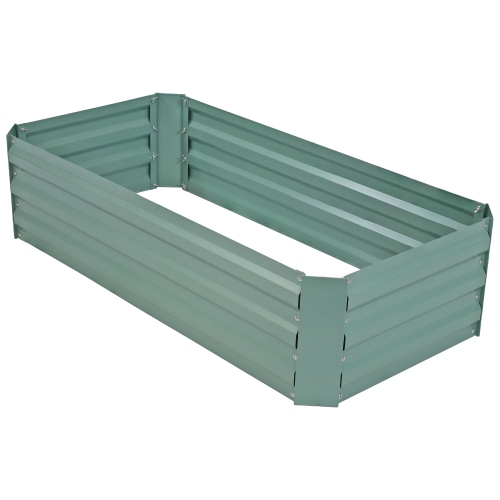
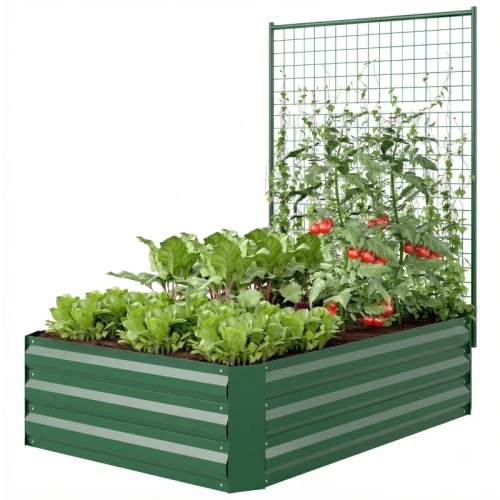
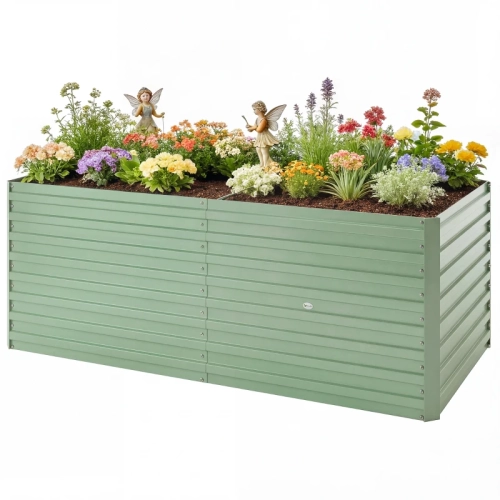
Material influences a green planter’s weight, finish, and everyday care. Ceramic and stoneware often have a substantial feel, with glazes that can produce smooth colour, tonal variation, or a softly mottled surface. Their weight can help a tabletop arrangement feel steady, although edges and glazed surfaces may chip if knocked. Porous clay allows moisture to move through the container more readily than many glazed finishes, but paint, sealants, and interior coatings can change that behaviour. Plastic and resin are generally lighter, making larger containers easier to reposition, though thickness and construction affect how rigid they feel. Fibreglass can offer a relatively lightweight option for substantial shapes, while metal provides a crisp profile that suits streamlined interiors. Metal containers need particular attention to their lining and care instructions, since repeated contact with water may affect some finishes. Wooden planters can complement furniture and decking, but their construction, lining, and drainage should suit their intended use. A green finish alone does not establish whether a container belongs indoors or outdoors; the manufacturer’s intended-use information remains the useful reference. Drainage is another distinction that deserves attention before planting. A drainage hole allows excess water to leave the growing medium, but an indoor pot also needs a suitable saucer or protective arrangement underneath. A container without a hole is often best used as a decorative outer pot, with the plant kept in a removable nursery pot inside. After watering, let the inner pot drain fully and empty any water collected in the outer container. Gravel at the bottom does not replace a drainage opening. Reservoir-style designs can extend the interval between watering for suitable plants, but they still require correct setup and regular checks rather than a fixed routine. On wood furniture, stone counters, or shelving, a waterproof tray provides useful protection; an unglazed base or a small felt pad should not be assumed to prevent moisture from reaching the surface.
Getting the fit right starts with the pot’s usable interior, not just its advertised outer dimensions. A tapered shape, thick rim, or raised base can leave less room than expected for a nursery pot. Measure the inner pot at its widest point and check its height, allowing enough clearance to lift it out without tugging on stems or leaves. When planting directly into a container, match the available root space to the plant’s needs rather than choosing a much larger pot simply to fill a corner. Excess growing medium can remain wet longer than the roots require. A drainage opening should remain clear, and the growing medium should suit the plant rather than the planter’s appearance. Succulents, leafy tropical plants, and culinary herbs have different requirements, so a matching set of green pots does not mean every plant should receive the same care. For a kitchen herb display, easy access to drainage and a washable surface beneath the pots can be more useful than an elaborate shape. For trailing plants on a shelf, leave room for stems to fall naturally without catching on cabinet doors or crossing a walkway. Light levels should guide placement too; a pot that looks ideal in a dim corner may need a different location for the plant to thrive. Routine care is usually straightforward: wipe exterior surfaces with a soft cloth, remove mineral marks using a method appropriate to the material, and avoid abrasive cleaners that could dull a finish. Empty and clean containers before changing plants, checking for cracks, blocked holes, and damaged liners. Green planters also make thoughtful housewarming or birthday gifts for plant lovers, especially when their size suits the recipient’s space. A manageable weight, simple shape, and removable inner pot can make the gift easier to use, whether it is destined for a compact apartment, a home office, or a well-used reading nook.
Top selling and popular products
-
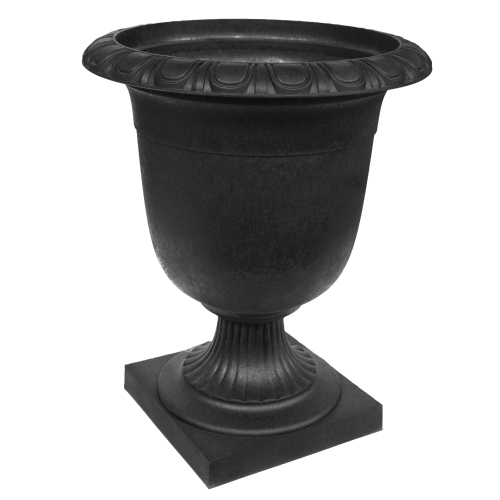 Your price for this item is $204.99
-
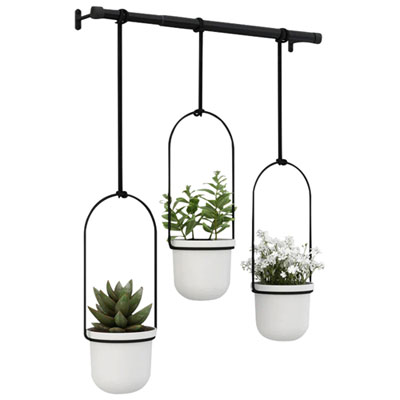 Your price for this item is $65.98
-
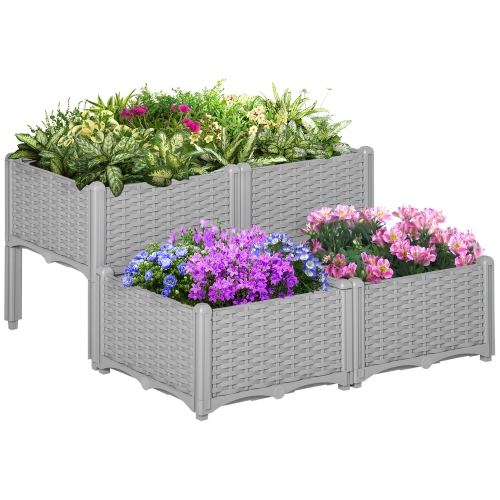 Your price for this item is $94.99
-
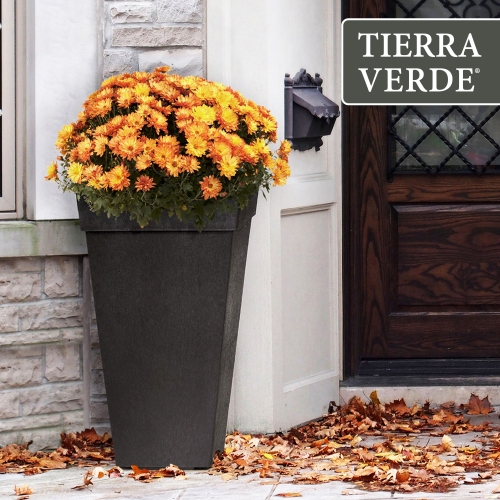 Your price for this item is $187.99
-
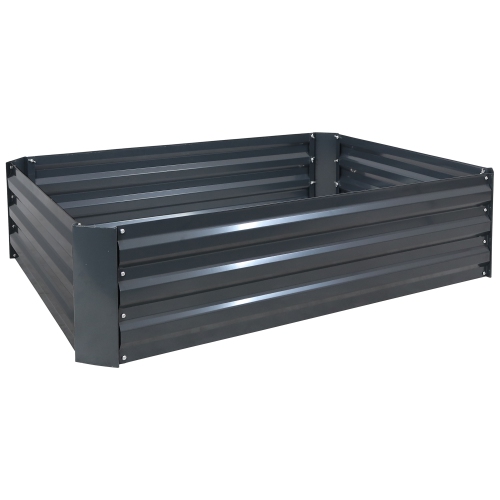 Your price for this item is $117.75
-
 Your price for this item is $117.75
-
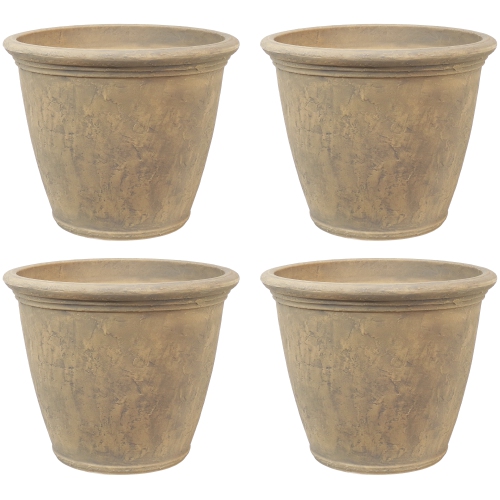 Your price for this item is $415.35
-
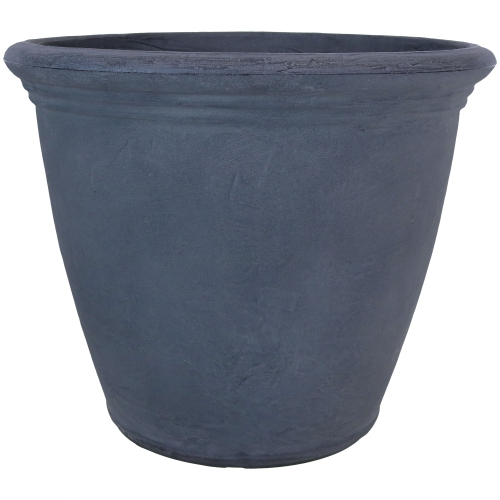 Your price for this item is $134.25
Discover more categories related to Green Planters

Top Collections:
Best Black Friday Deals This Year, Best Black Friday Deals On Electronics, Kindle Devices, Pokemon Centers, Best Black Friday Deals On Apple Products, Best Cameras for Sports Photography, Dyson Airwrap, Pokémon 30th Celebration Cards, Apple iPhone 17 Pro, Canon G7X Cameras
Some products may be subject to Environmental Handling Fees
(EHF) depending on your province.
Learn more about EHFs.