Pot Planters
Transform your living space into a vibrant oasis with our diverse selection of pot planters. Whether you're looking to add a touch of greenery to your home or enhance your garden's aesthetic, our collection offers an array of styles and sizes to suit any decor. From sleek modern designs to classic terracotta finishes, these pot planters are perfect for showcasing your favorite plants and flowers. Elevate your indoor or outdoor spaces with these essential gardening accessories that combine functionality with style, helping you create a serene and inviting environment.
Sort

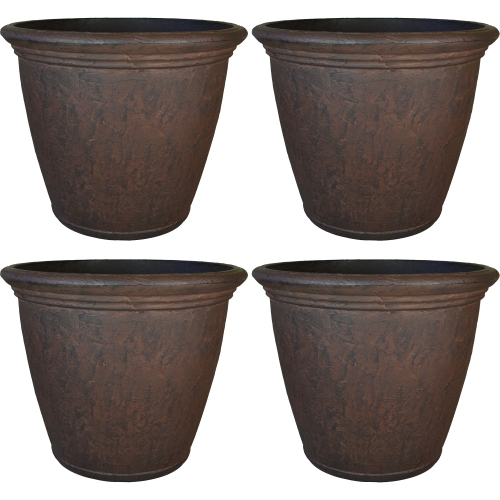
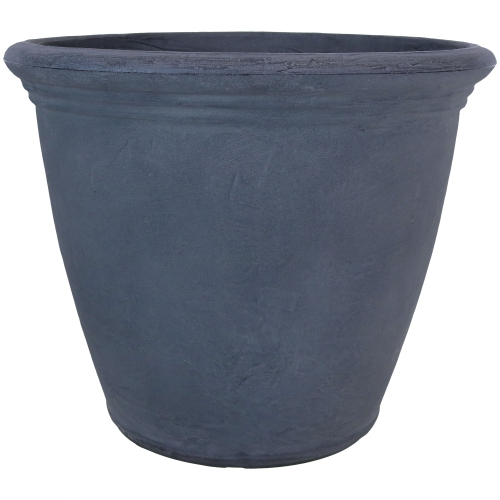
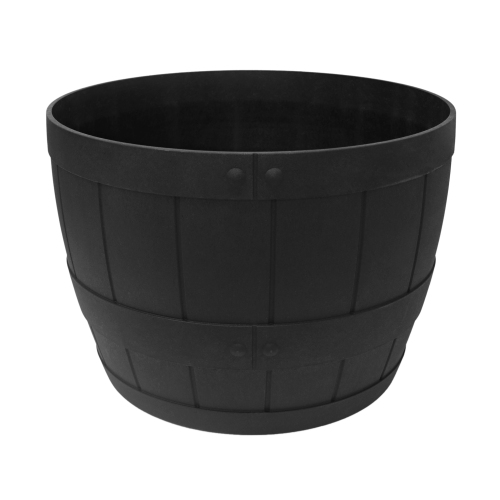
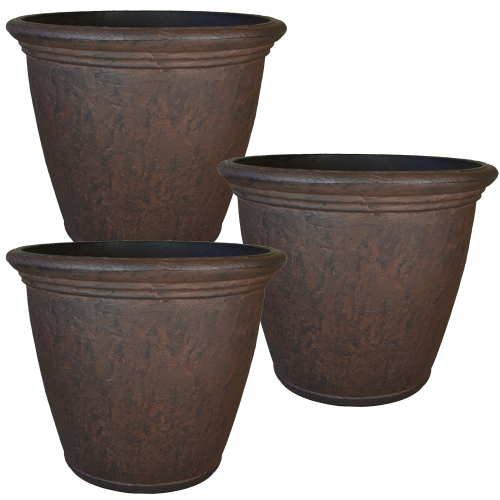
How pot materials affect watering needs and style
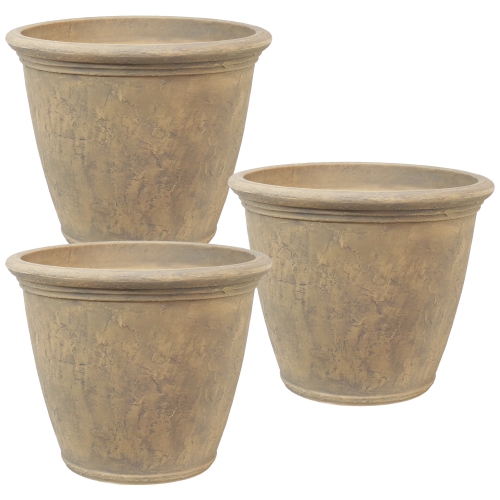
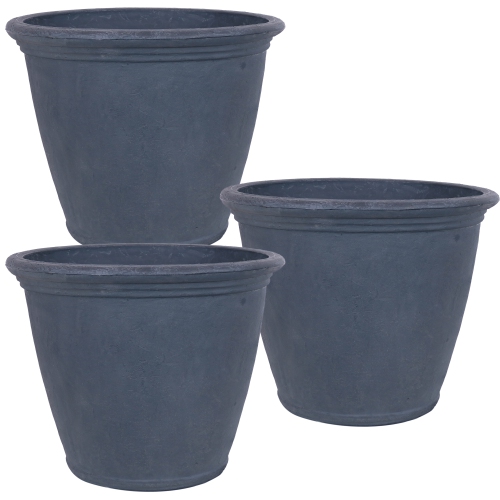
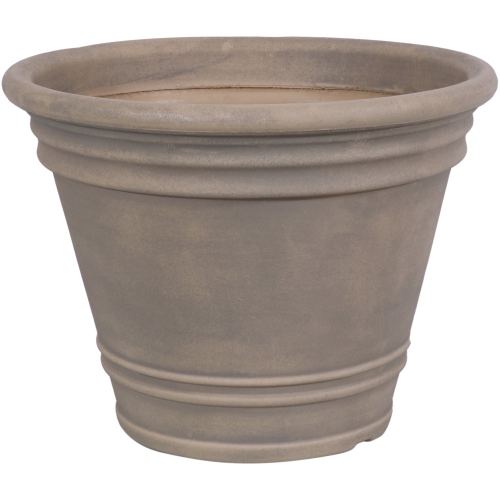
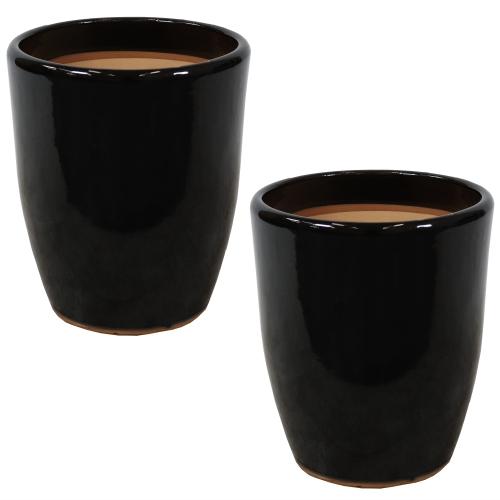
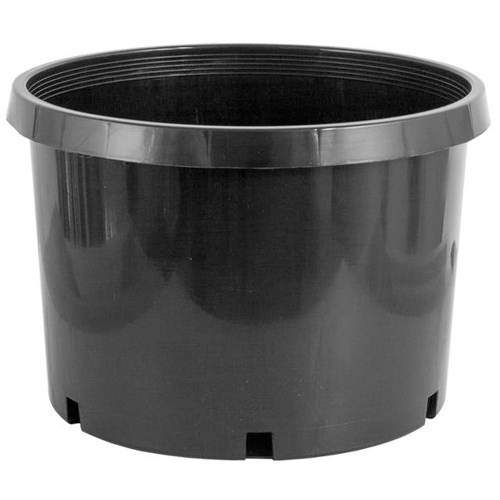
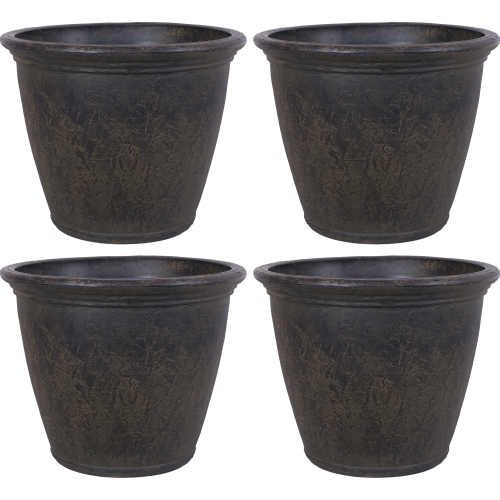
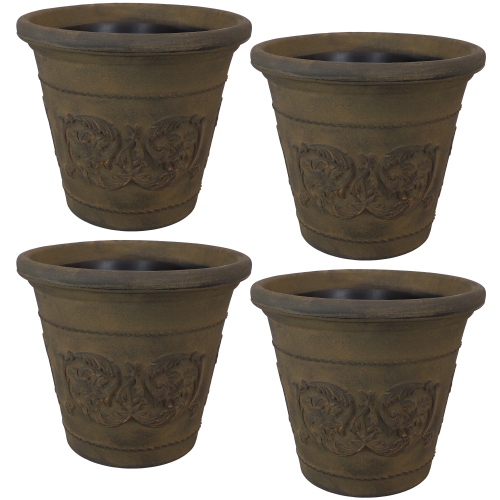
Pot planters give houseplants, herbs, flowers, and small shrubs a defined place to grow while bringing colour, texture, and shape to a room, balcony, or patio. The most useful differences between plant pots are their material, internal dimensions, drainage, and suitability for the intended location. Terracotta, plastic, resin, ceramic, metal, and concrete each offer a different balance of weight, moisture retention, and appearance. Unglazed terracotta is porous, allowing moisture to move through its walls and helping potting mix dry more readily than it typically would in a non-porous container. This makes it a common choice for plants that prefer drying between waterings, although watering needs still depend on the plant, light, and potting mix. Plastic pots are lightweight and generally retain moisture longer, making them practical for shelves, hanging arrangements, or plants that need to be moved for watering. Resin planters can provide a substantial-looking finish without the weight of solid stone, though their construction and durability vary. Glazed ceramic offers rich colour and a smooth surface that is easy to wipe, with enough weight to help anchor a leafy plant on a suitable tabletop. Ceramic pots may have drainage holes or function only as outer containers, so their appearance alone does not indicate how they should be planted. Concrete has a substantial feel that suits larger floor arrangements, but its weight matters when considering placement and handling. Metal planters bring crisp lines and can work well as outer covers when paired with an appropriate inner pot or liner. For any material, a planter intended for direct planting needs to manage excess water, while an outer pot primarily conceals the growing container. That distinction helps separate the plant’s practical needs from the look of the finished arrangement. A nursery pot tucked inside a ceramic cover, for example, can be removed for watering without carrying the heavier outer container to the sink. It also makes changing the display easier as the plant grows.
Size and fit affect both plant health and everyday convenience. A planter should accommodate the root ball without leaving an unnecessarily large volume of damp potting mix around it. When a plant has outgrown its container, moving to a pot modestly wider than the existing one is often more suitable than making a large jump in size, though the right increase depends on the species and root condition. Diameter is only part of the fit: internal depth, the width of the base, and the shape of the opening also matter. A tapered pot may look generous across the rim yet offer much less room near the bottom. For a nursery pot placed inside an outer planter, the internal opening needs to clear the nursery pot’s widest point, with enough space to lift it out comfortably. Tall, narrow containers can create an elegant silhouette, but a broad, stable base is useful for plants with substantial foliage or uneven growth. Drainage holes allow excess water to escape, and a correctly sized saucer helps catch runoff before it reaches a shelf or floor. Neither a saucer nor a sealed outer pot should leave roots sitting in collected water. A layer of gravel is not a substitute for drainage holes; for a container without holes, a removable inner pot is generally easier to manage. Self-watering planters use a reservoir and a wicking arrangement to supply moisture, but they still require monitoring and are not equally suited to every plant. Their suitability depends on how much moisture the roots prefer and how the reservoir system works. Placement adds another layer of practicality. A compact herb pot near a kitchen window should leave room for opening the window and cleaning the sill, while a floor planter should sit clear of door swings and walking routes. Hanging planters need secure fixings rated for the combined weight of the container, plant, and wet potting mix. For a balcony or patio, choose containers designated for outdoor use and consider where drained water will go, particularly above another occupied space.
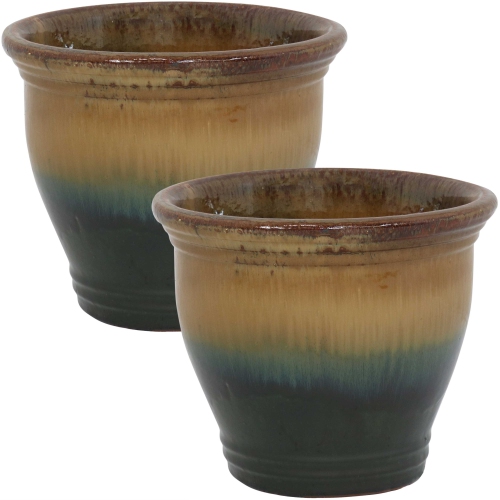
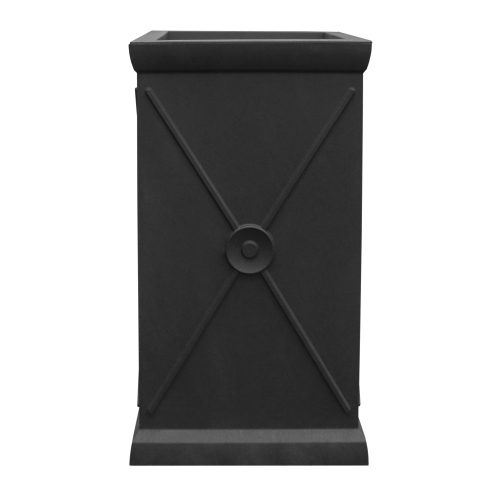
The visual character of a planter can make foliage feel like a natural part of the room rather than an object added afterwards. A smooth cylindrical pot keeps attention on arching stems or patterned leaves, while a ribbed surface adds texture beside plain cabinetry or upholstered furniture. Rounded shapes soften the edges of a desk or sideboard; square and rectangular containers can sit neatly along a ledge where depth is limited. Colour can either connect the planter to nearby finishes or give a single plant a clear focal point. White, charcoal, and earthy tones are easy to coordinate with many interiors, while Green Planters can echo leaf colours or introduce a contrasting shade against wood, brick, or pale walls. Grouping pots with a shared finish and varied heights creates a cohesive display without requiring every container to match. Each plant still needs appropriate light and enough space for its mature spread, so a pleasing arrangement should not crowd leaves against a wall or place a shade-tolerant plant and a sun-loving plant together solely for symmetry. Practical details also shape how well a planter fits daily life. A removable saucer makes cleaning simpler, a wide opening gives better access for repotting, and a stable base is especially useful in homes with children or pets. Plant safety should be considered separately, since a well-chosen pot does not make a toxic plant safe. Routine care usually involves wiping away soil and water marks, emptying runoff, and following the material’s cleaning instructions. Terracotta may develop mineral deposits, ceramic can chip if knocked, and metal finishes may need protection from prolonged contact with standing water. Check the underside as well: surface protectors can help prevent scratches, but should not trap moisture against furniture. For a housewarming, a new workspace, or a gift for someone who enjoys growing herbs, a planter is a personal yet practical choice. A manageable size, straightforward drainage arrangement, and finish that suits the recipient’s space can make it easier to use and enjoy.
Top selling and popular products
-
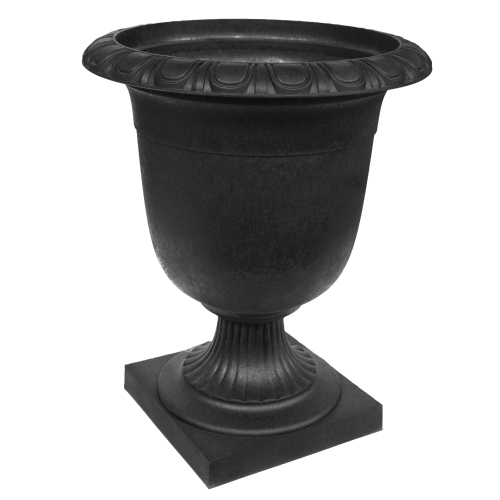 Your price for this item is $204.99
-
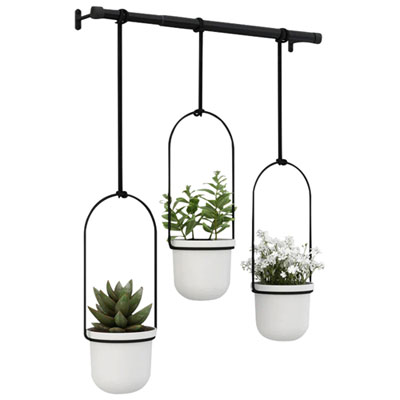 Your price for this item is $65.98
-
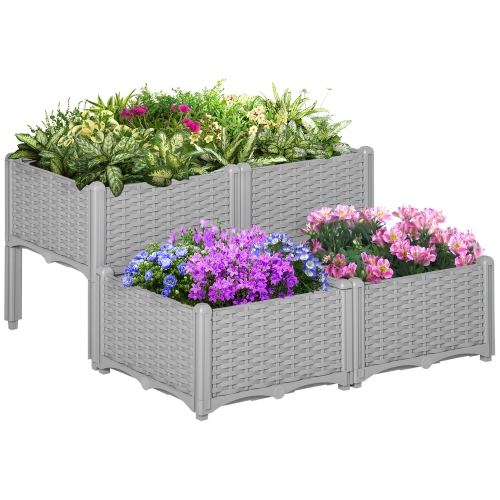 Your price for this item is $94.99
-
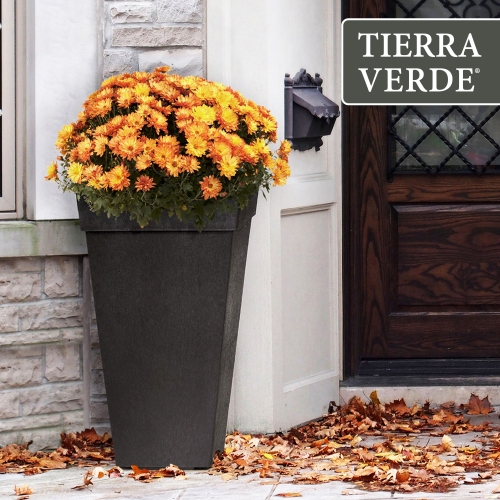 Your price for this item is $187.99
-
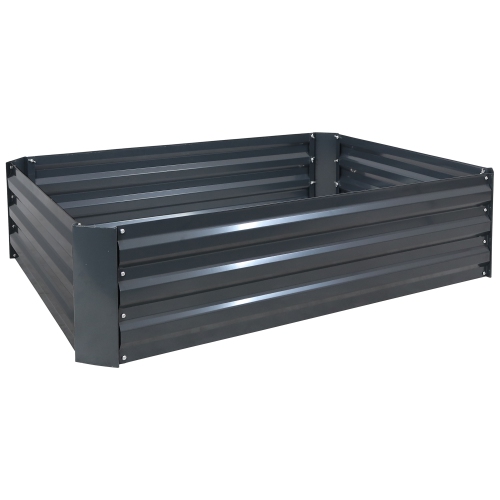 Your price for this item is $117.75
-
 Your price for this item is $117.75
-
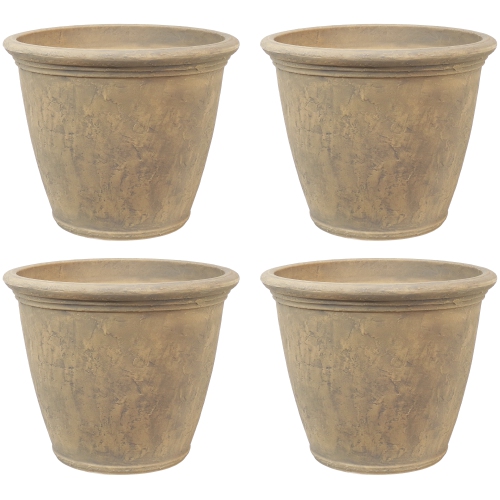 Your price for this item is $415.35
-
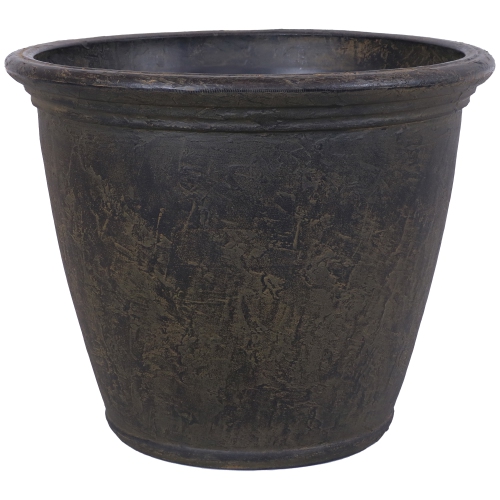 Your price for this item is $173.65
Discover more categories related to Pot Planters
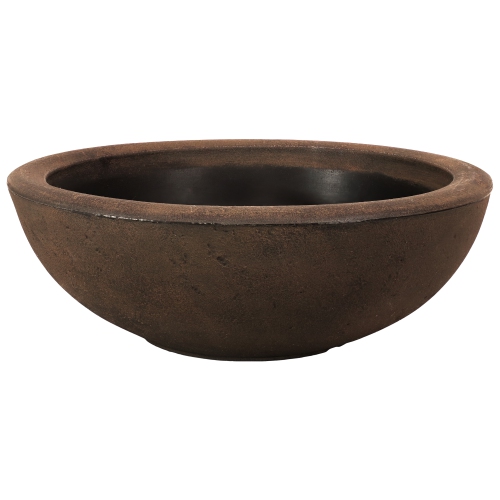
Top Collections:
Best Black Friday Deals This Year, Best Black Friday Deals On Electronics, Kindle Devices, Pokemon Centers, Best Black Friday Deals On Apple Products, Best Cameras for Sports Photography, Dyson Airwrap, Pokémon 30th Celebration Cards, Apple iPhone 17 Pro, Canon G7X Cameras
Some products may be subject to Environmental Handling Fees
(EHF) depending on your province.
Learn more about EHFs.