Greenhouses for Year Round Gardening
Greenhouses for Year Round Gardening offer an ideal solution for anyone looking to enjoy fresh plants and vibrant blooms no matter the season. Whether you’re a seasoned gardener or just starting out, these versatile structures create the perfect environment to nurture your favorite flowers, vegetables, and herbs all year long. Explore a range of options designed to help you extend your growing season and make the most of your outdoor space with ease.
Sort

Why greenhouse growing takes more than a transparent cover
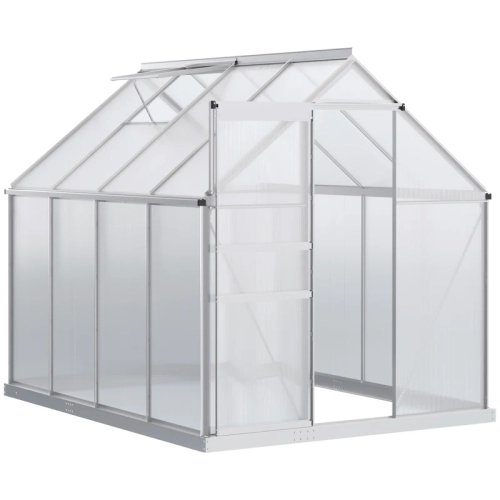
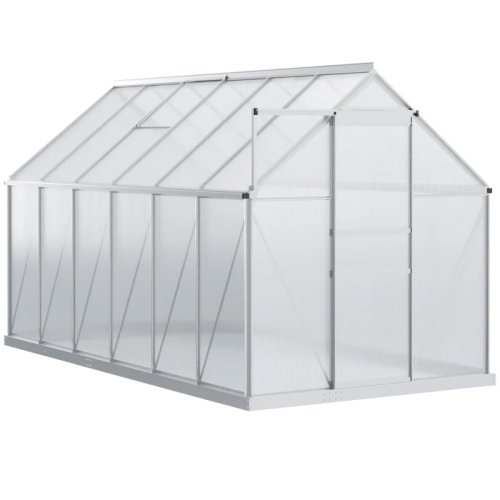
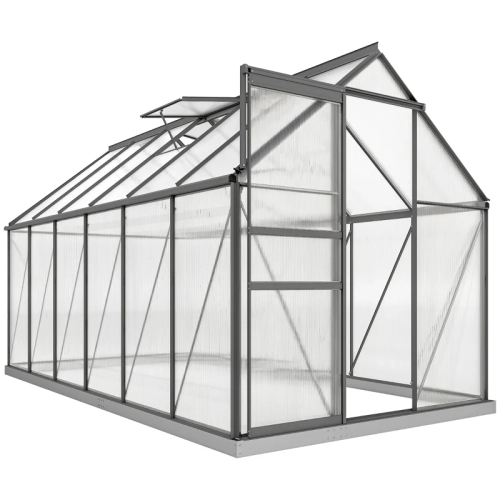
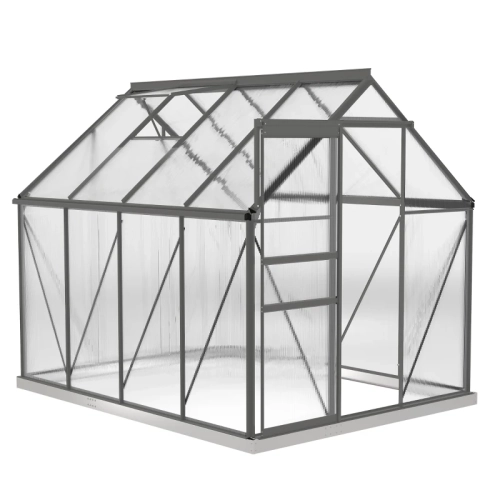
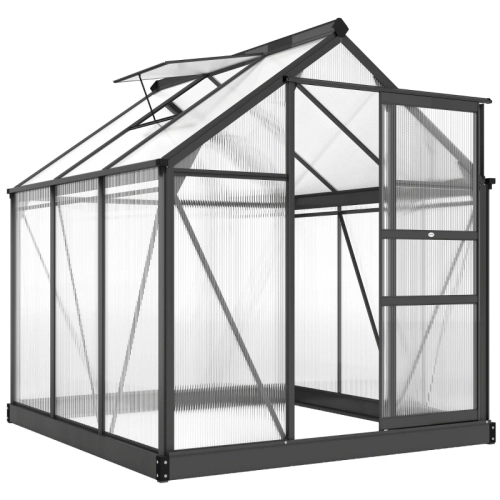
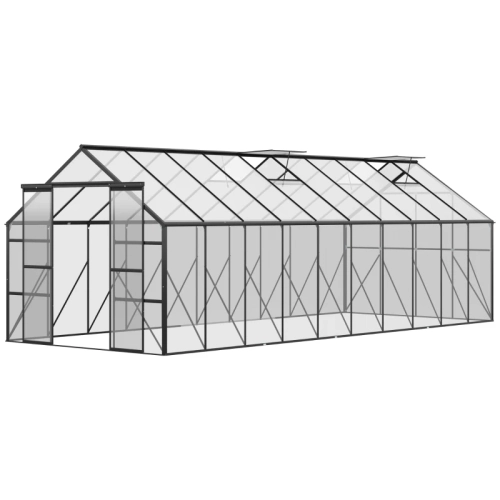
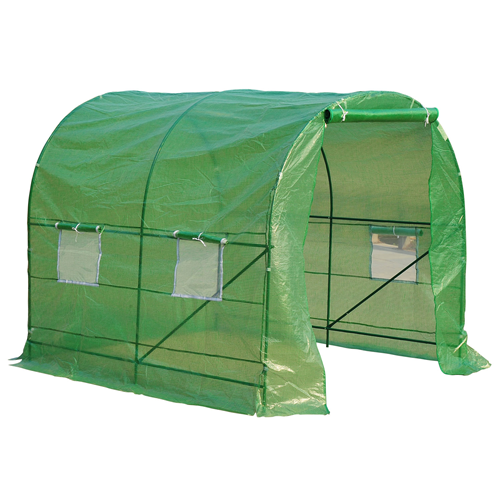
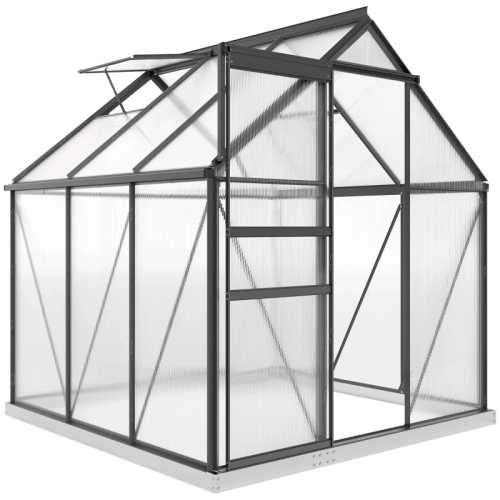
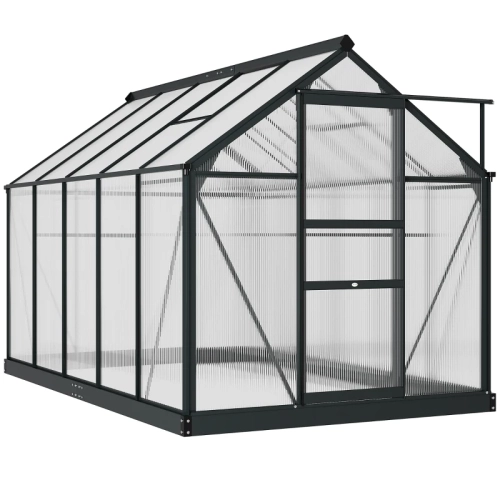
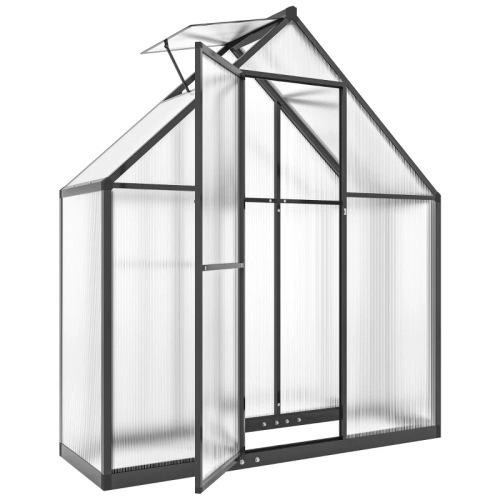
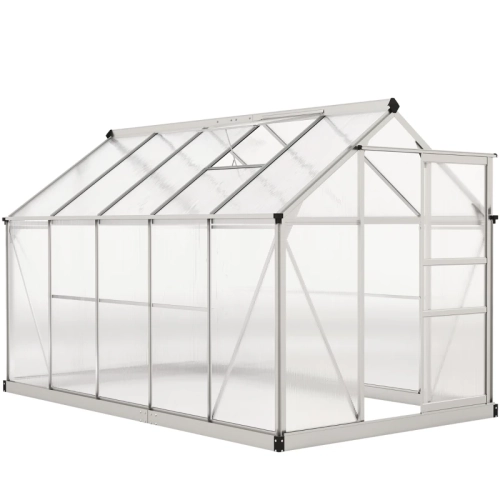
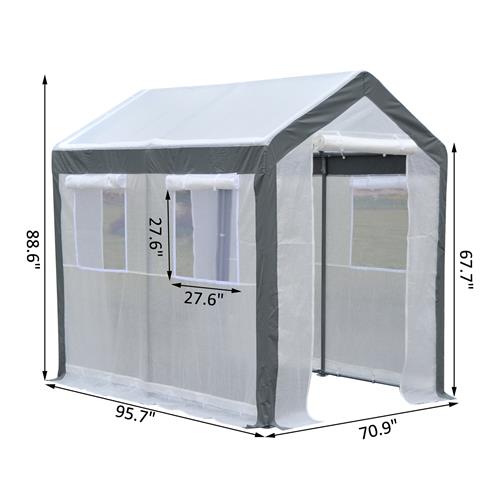
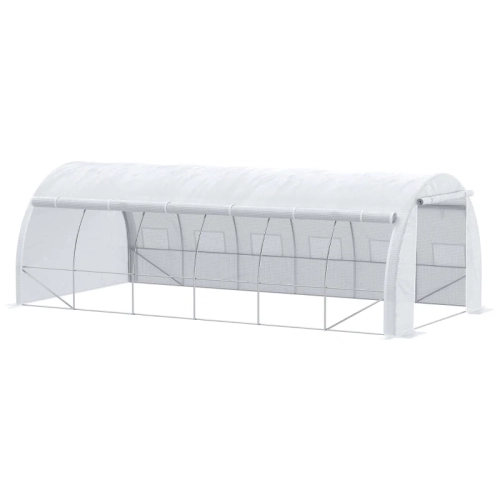
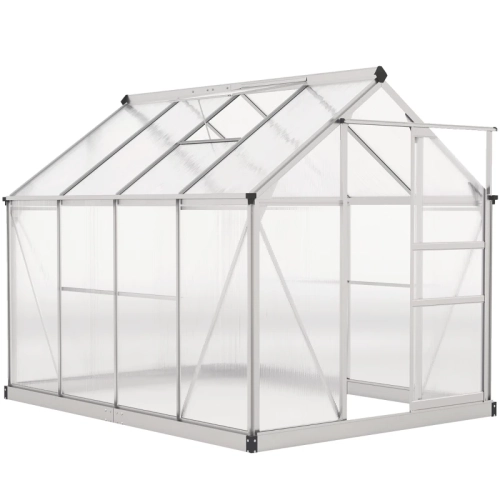
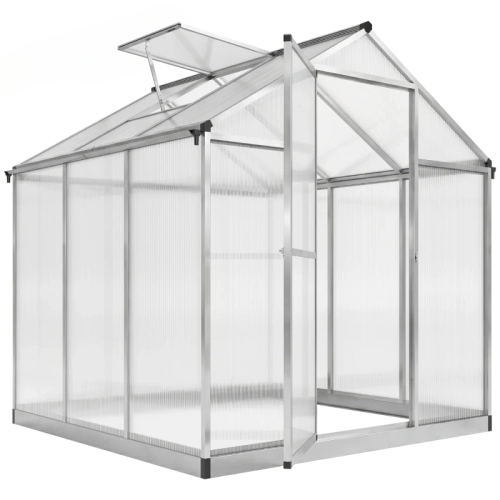
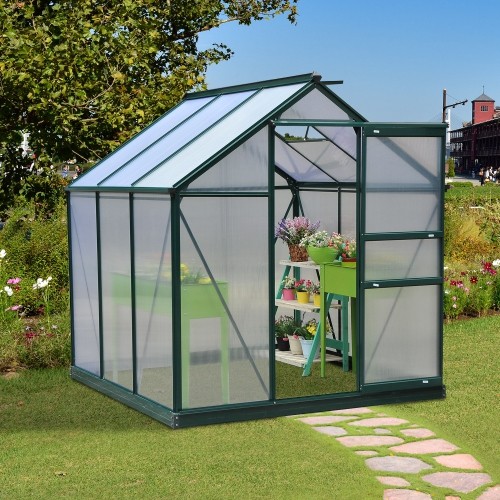
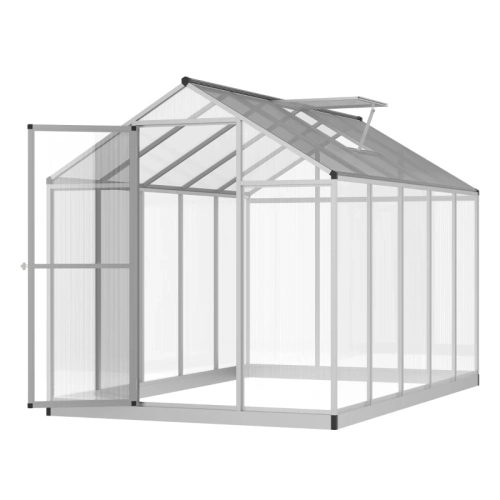
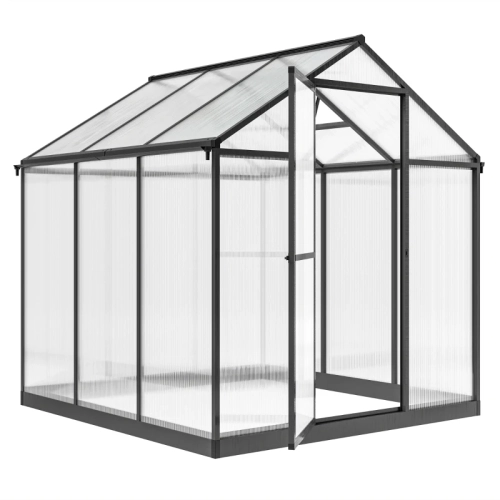
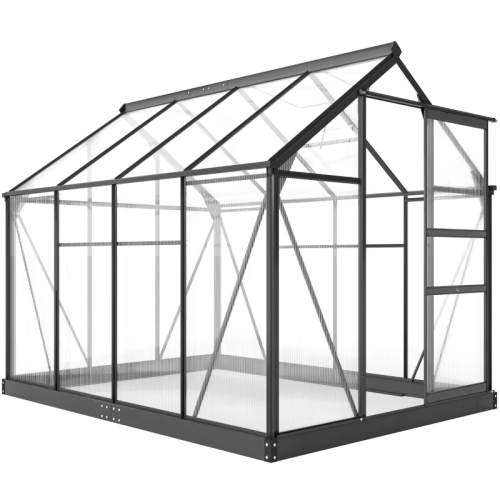
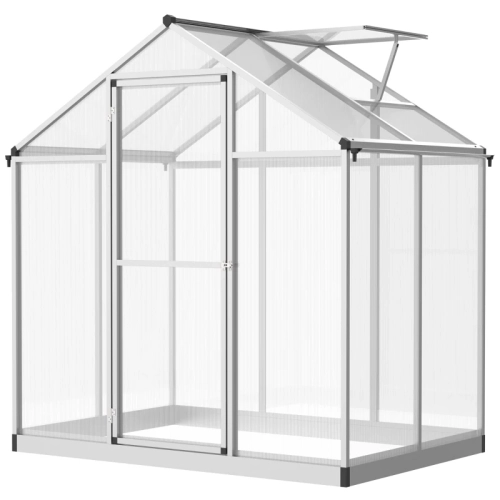
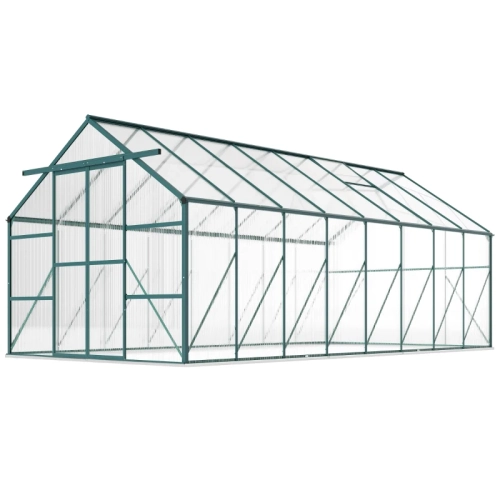
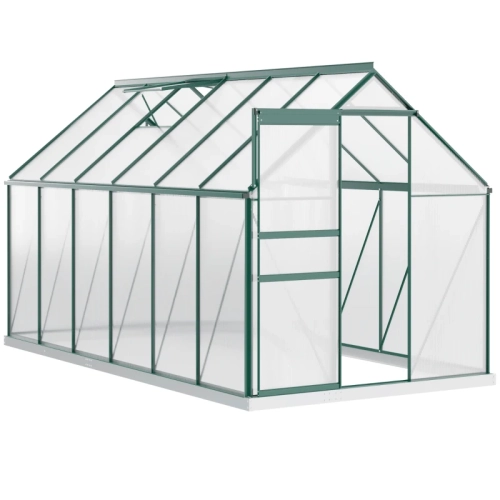
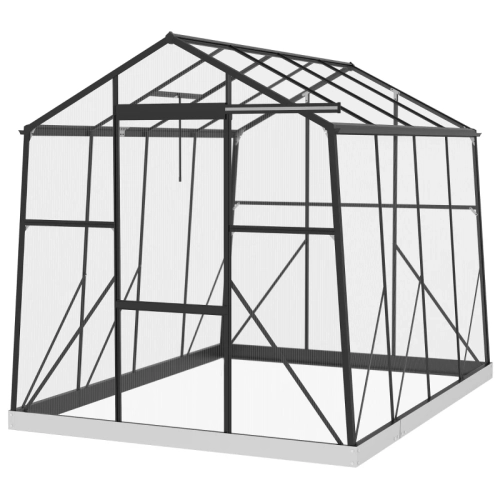
Greenhouses for year-round gardening provide a sheltered space for herbs, leafy greens, seedlings and flowering plants, but their ability to support continuous growing depends on more than a transparent cover. In Canada, a suitable structure needs to match local conditions, the plants being grown and the heating or lighting required to keep them productive. An unheated greenhouse can extend the growing period and shelter certain dormant plants, but it does not guarantee frost-free conditions or active growth throughout the year. Glazing is an important distinction between greenhouse designs. Twin-wall and multi-wall polycarbonate panels contain air spaces that help slow heat loss compared with a single thin layer of covering. Their light-diffusing qualities can also soften direct sunlight across a bench of seedlings. Panel thickness, light transmission, UV protection and the way each panel fits into the frame all affect performance; thicker glazing alone does not make an entire structure suitable for year-round use. Glass offers clear views and a familiar garden-room appearance, although its weight, breakage considerations and insulating performance vary with the glazing system. Flexible plastic covers create lightweight growing shelters, but thin film generally provides less insulation and may need replacement sooner than rigid panels. Frame materials bring different maintenance needs. Aluminum is relatively lightweight and resists rust, galvanized steel provides strength when properly designed and protected, and cedar offers a natural wood finish that benefits from regular inspection and appropriate care. Durability depends on the complete assembly, including bracing, fasteners, door hardware and panel retention. Published snow-load and wind ratings are more useful than descriptions such as “heavy duty,” particularly where substantial structural demands are expected. Those ratings also depend on correct installation and anchoring. A frame that looks substantial is not necessarily engineered for every Canadian location, and any stated limits should be considered alongside local requirements and the manufacturer’s maintenance instructions.
The right greenhouse size is shaped as much by everyday use as by the available footprint. A compact enclosure can suit a few herb containers or trays of young plants, while a walk-in greenhouse offers room for potting benches, larger planters and crops that need vertical supports. Small covered shelving units are useful for limited growing tasks, but they should not be assumed to offer the insulation or structural capacity of a permanent greenhouse. Freestanding designs allow more flexibility in placement and interior layout; lean-to structures use an existing wall but require careful attention to attachment, drainage, access and any applicable building requirements. Exterior dimensions do not always reflect usable growing space. Roof slopes, frame members, shelving depth and door swing can reduce the area available for plants and movement. A comfortable layout leaves room to carry a watering can, turn with a tray of seedlings and reach the back of a bench without brushing against delicate leaves. Taller gardeners and those growing climbing crops may value generous ridge height, while a wide doorway and a manageable threshold can make moving bags of growing medium or wheeled equipment easier. Raised benches can reduce bending, provided their height and reach suit the person using them. Site preparation matters just as much as interior fit. A level, well-drained base supports correct door operation and helps prevent movement that can loosen panels or strain joints. Anchoring must suit both the structure and the ground beneath it. Access to water and appropriately installed electrical service can also influence where a year-round setup is practical. Gardeners planning for prolonged cold can explore Cold Weather Greenhouses when comparing insulation, structural ratings and installation requirements. Sun exposure, nearby shade and space for routine cleaning remain important considerations, even when the greenhouse footprint appears to fit neatly into a backyard.
A greenhouse captures solar heat, but maintaining suitable growing conditions usually requires a balance of heating, ventilation, air movement and light. For year-round use, heating needs depend on the structure’s size, glazing, air leakage, local temperatures and the minimum conditions required by the crop. A thermostat-controlled heater intended for greenhouse use can help maintain a chosen range, but its capacity and installation requirements need to suit the space. Electrical equipment must be appropriate for damp locations and connected according to its instructions and applicable electrical requirements. A separate thermometer or monitoring sensor makes it easier to understand conditions at plant height rather than relying only on a heater setting. Ventilation remains important in an enclosed growing space: roof vents, adjustable openings and suitable fans can release excess heat and help manage moisture around crowded foliage. Automatic vent openers offer convenience, although their operating range and installation need to match the greenhouse. Supplemental grow lighting can support plants when natural light is insufficient, with placement and operating hours determined by the crop and the fixture’s specifications. Lettuce, spinach and some herbs generally suit lower growing temperatures than tomatoes, peppers and cucumbers, making plant choice an important part of a practical setup. Even cold-tolerant crops may grow slowly when light is limited. Keeping a plant alive and producing regular harvests are different goals, and each calls for a different level of support. Day-to-day care is easier with washable bench surfaces, accessible vents and enough space between containers for inspection. Clear panels benefit from gentle cleaning with manufacturer-approved methods, while seals, clips, hinges and anchors need periodic checks for wear or loosening. Drainage and watering also deserve attention, since a sheltered pot may dry differently from one outdoors. For a home cook tending fresh herbs, a seed starter organizing trays or a gardener caring for a larger collection, a well-matched greenhouse provides space to work comfortably and observe plants closely, with the structure and equipment chosen around realistic growing goals.
Top selling and popular products
-
 Your price for this item is $3999
-
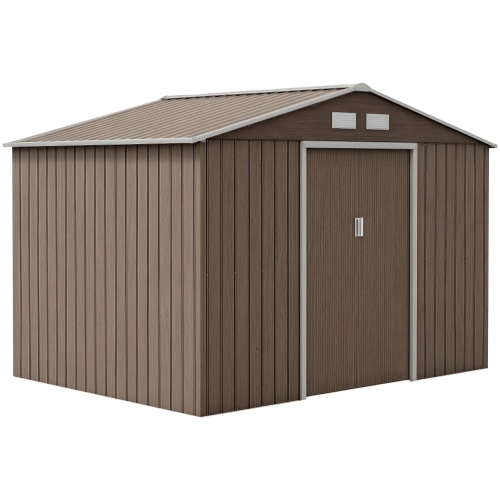 Your price for this item is $554.99
-
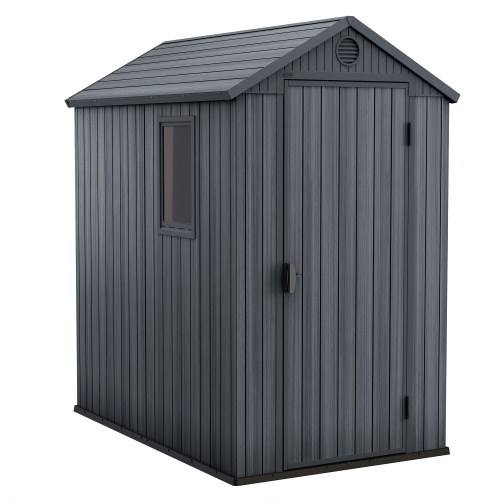 Your price for this item is $980.99
-
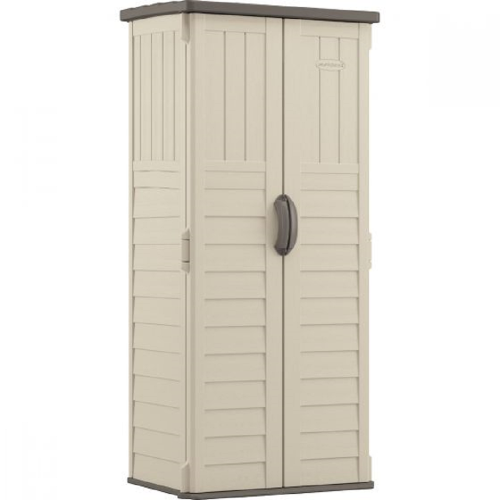 Your price for this item is $385.99
-
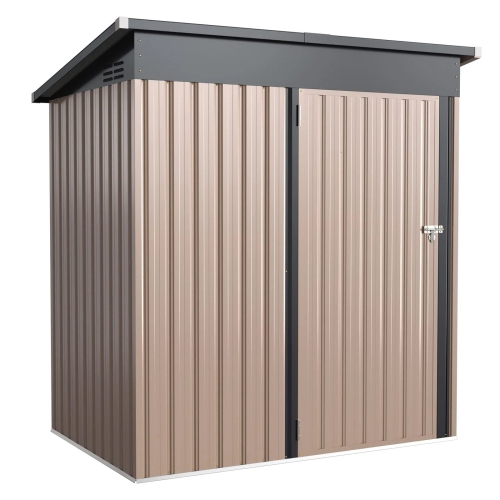 Your price for this item is $179.99
-
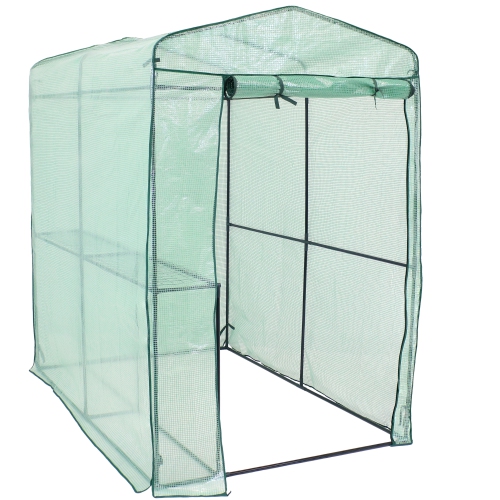 Your price for this item is $113.35
-
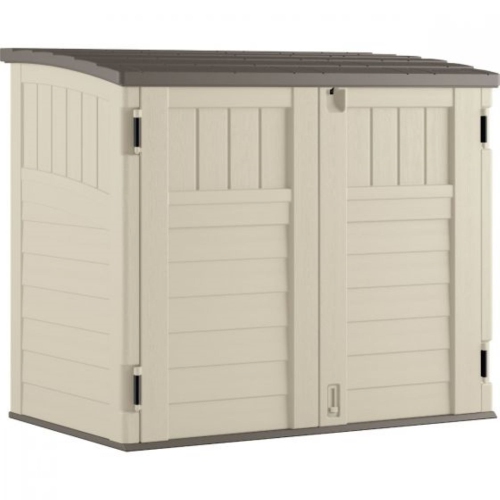 Your price for this item is $459.99
-
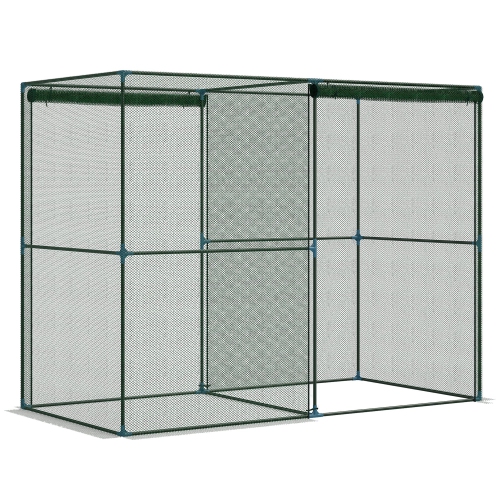 Your price for this item is $74.99
Discover more categories related to Greenhouses for Year Round Gardening


Top Collections:
Pokemon Centers, Best Cameras for Sports Photography, Kindle Devices, Samsung Galaxy Phones, Canon G7X Cameras, Pokémon 30th Celebration Cards, Refurbished Apple Laptops, iPhone 15 Apple, Laptops for Students, Budget Smartphones
Some products may be subject to Environmental Handling Fees
(EHF) depending on your province.
Learn more about EHFs.