Greenworks Pressure Washers
Transform your outdoor cleaning routine with high-performance pressure washers. Say goodbye to stubborn dirt, grime, and debris as you power through various surfaces effortlessly. Whether you're tackling your patio, driveway, or siding, a pressure washer is a versatile tool that will leave your outdoor spaces looking fresh and revitalized. Experience the convenience and power of pressure washers as you breeze through your cleaning tasks with efficiency and precision.
Sort
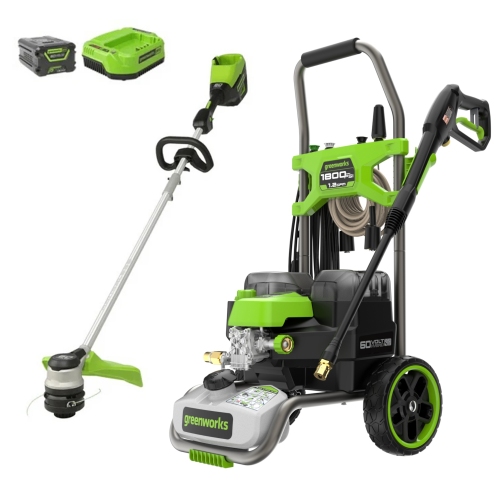
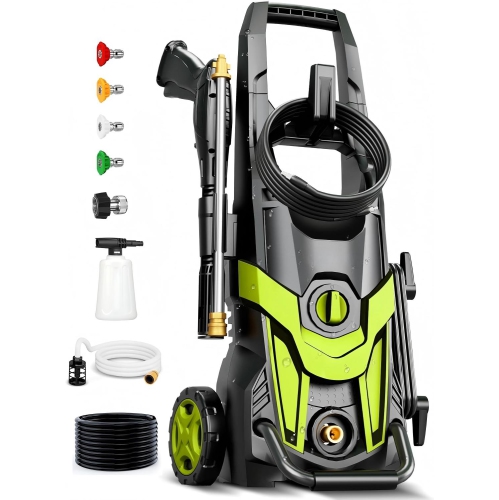
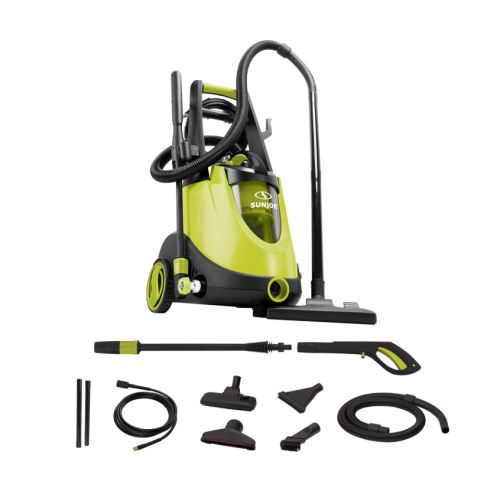
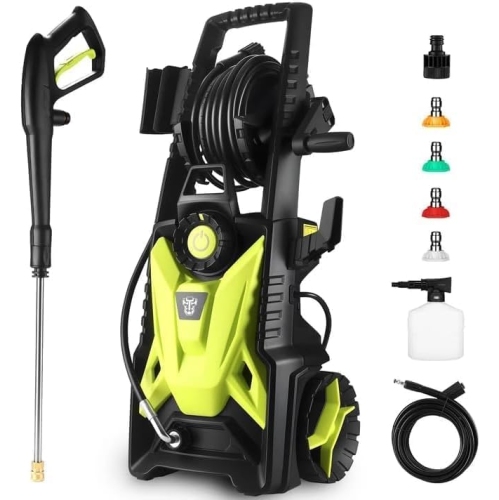
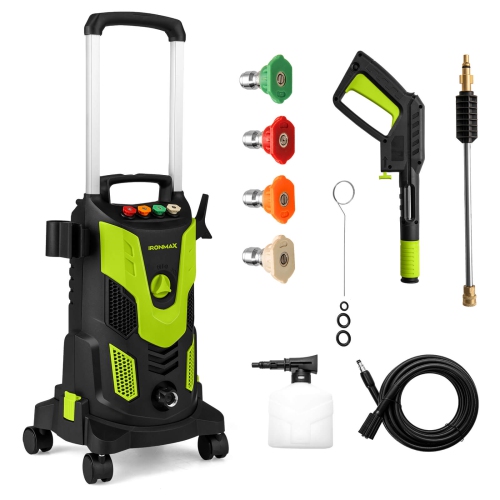
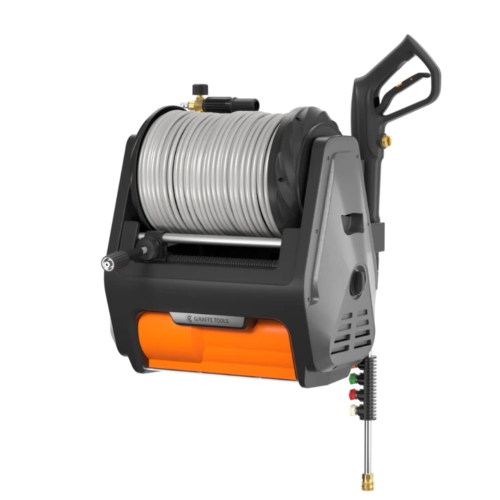
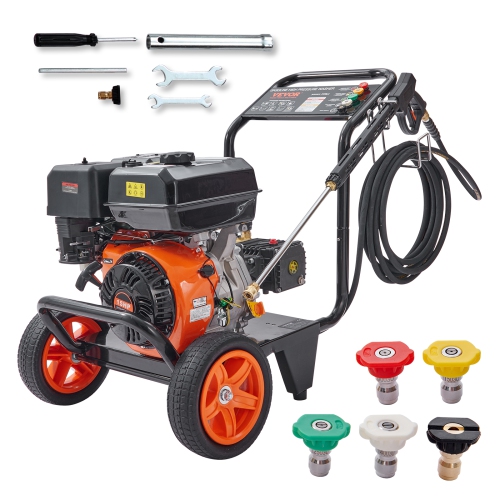
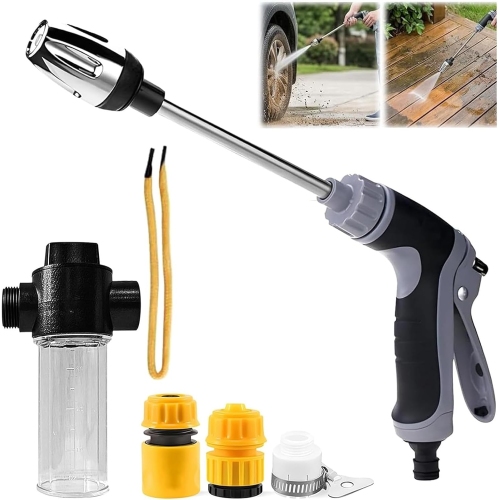


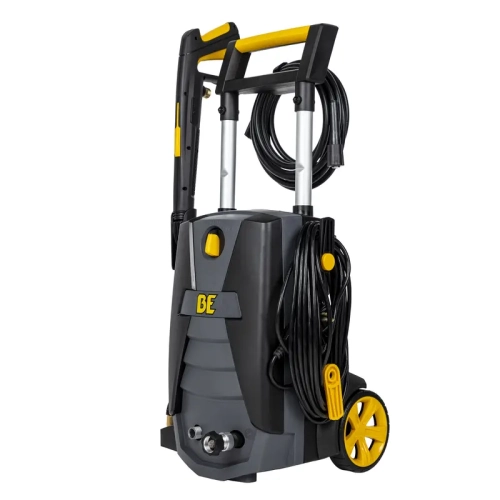
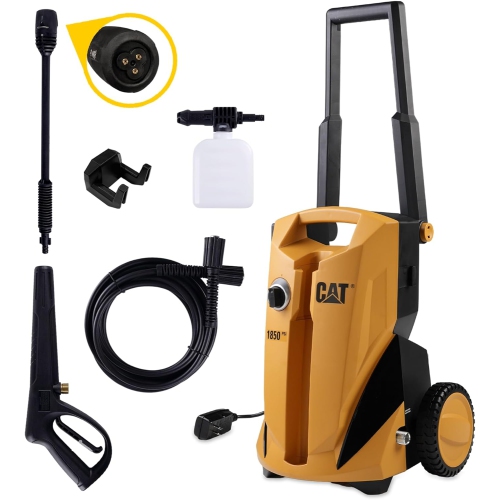
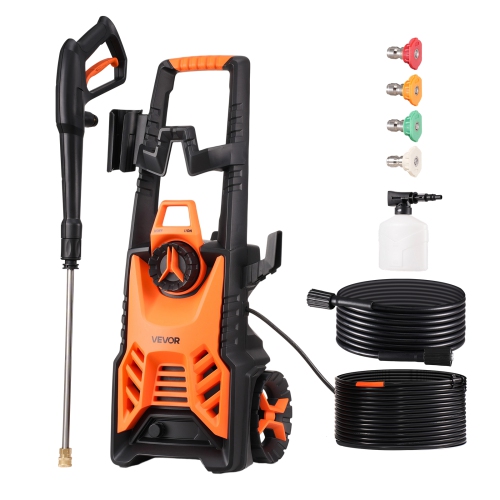
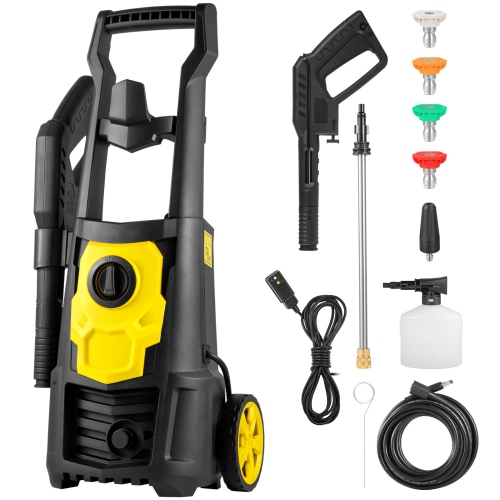

How power and portability shape outdoor cleaning
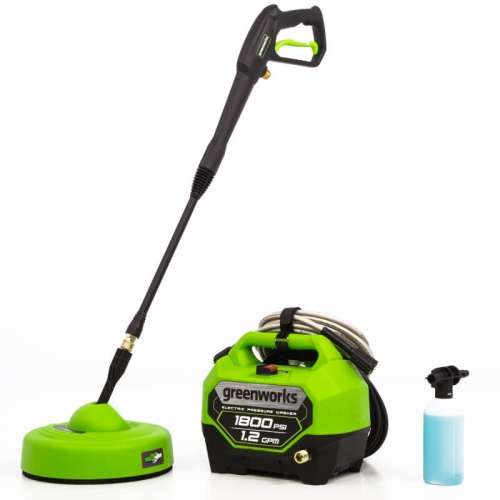
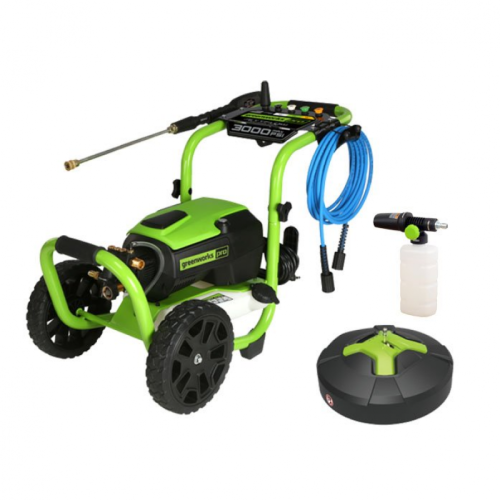
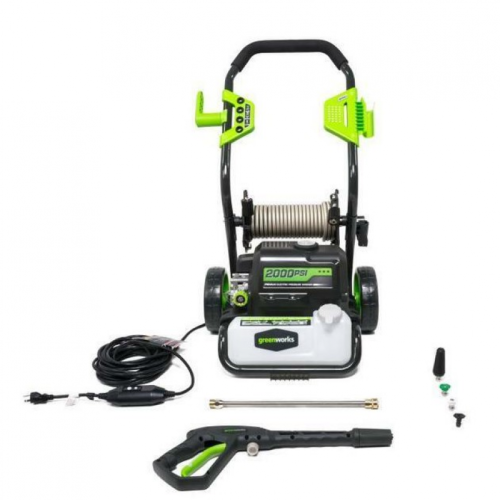
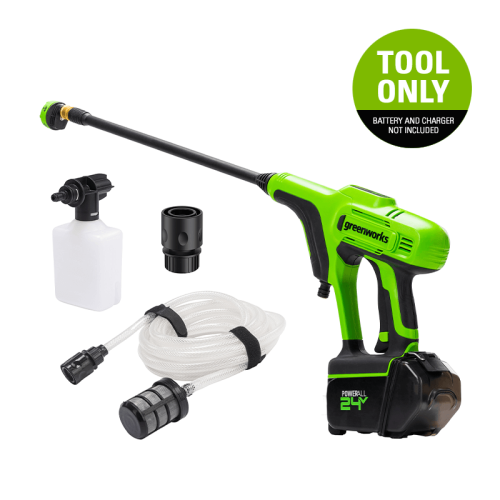
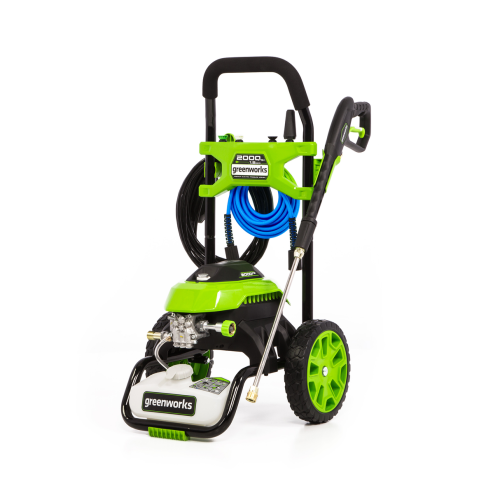
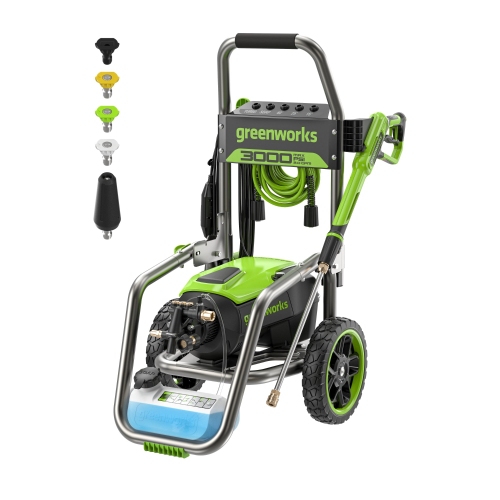
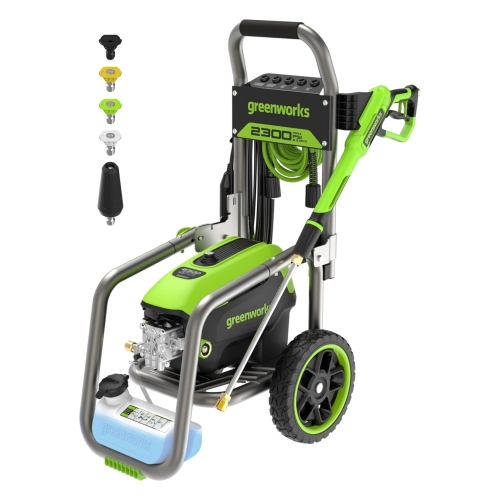
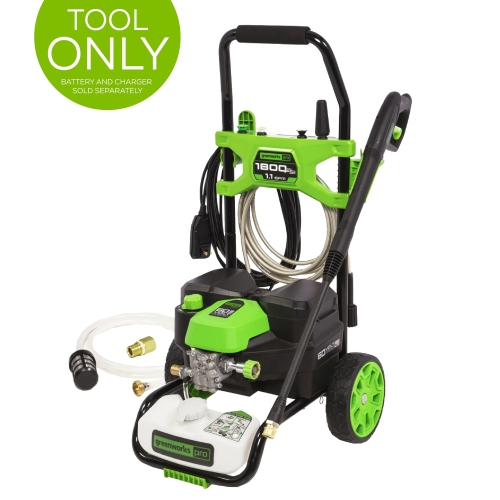
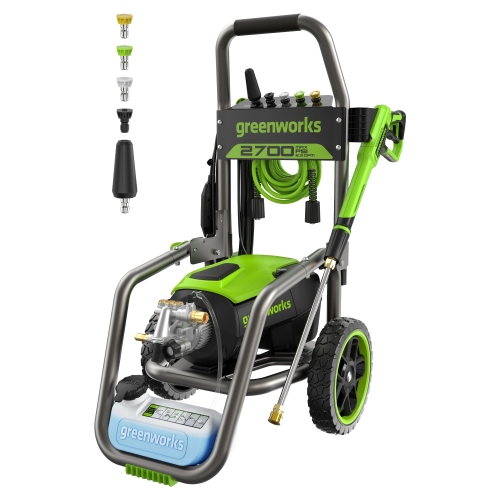
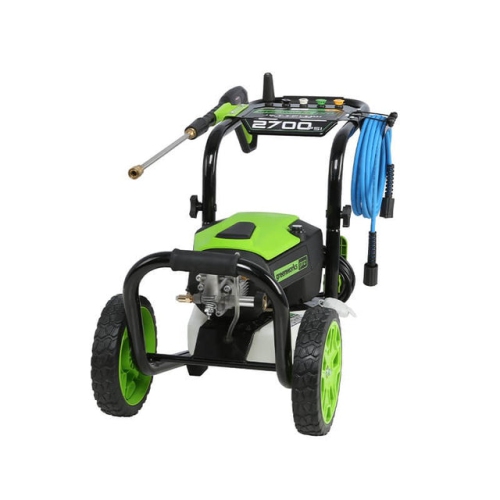
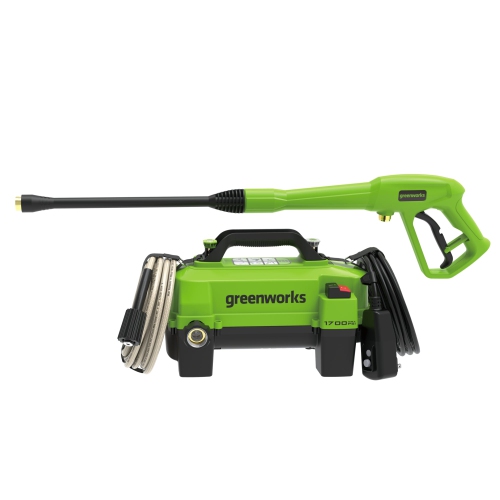
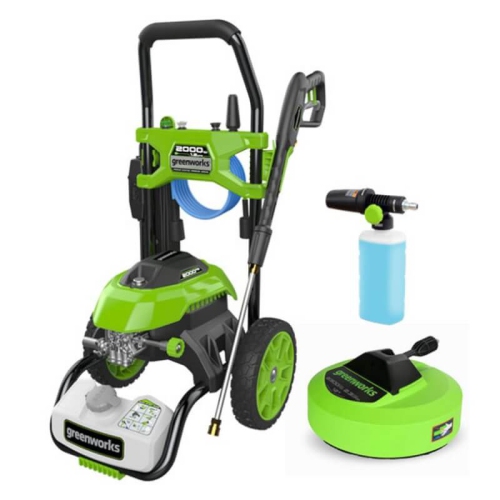
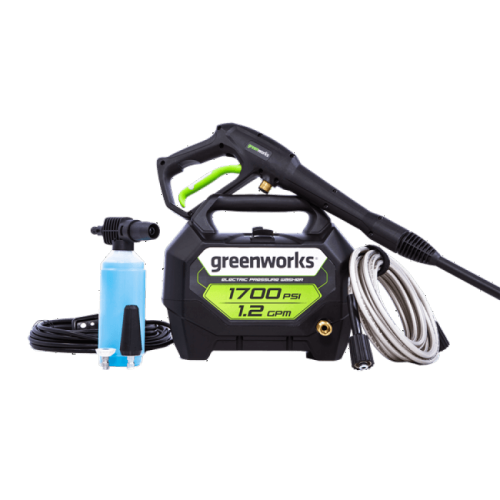
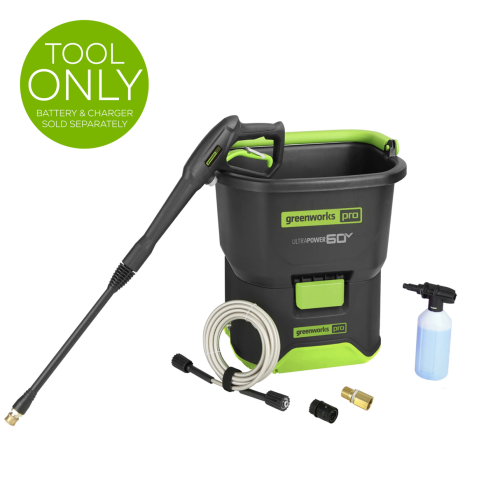
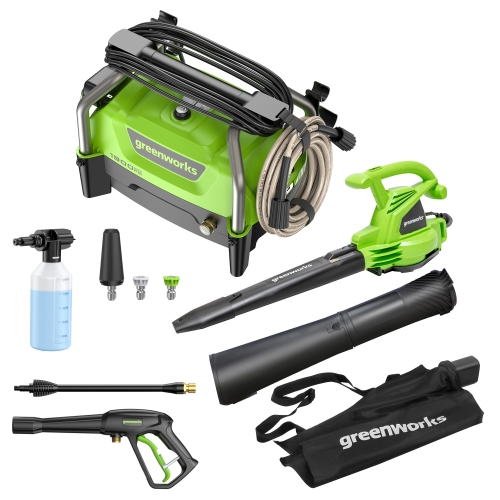
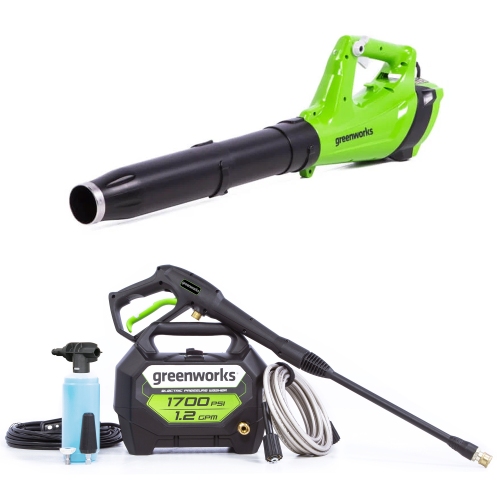
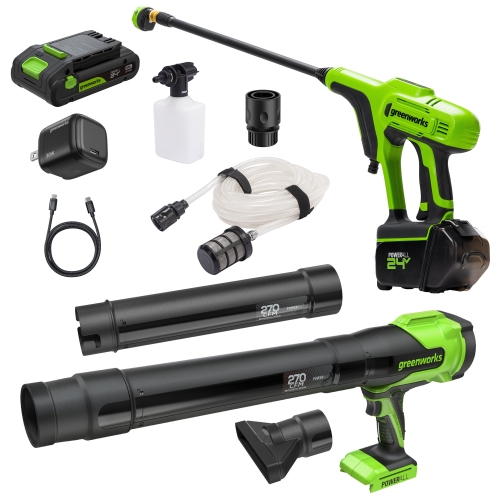
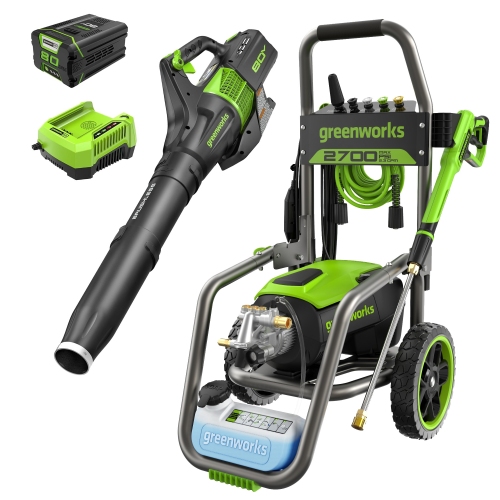
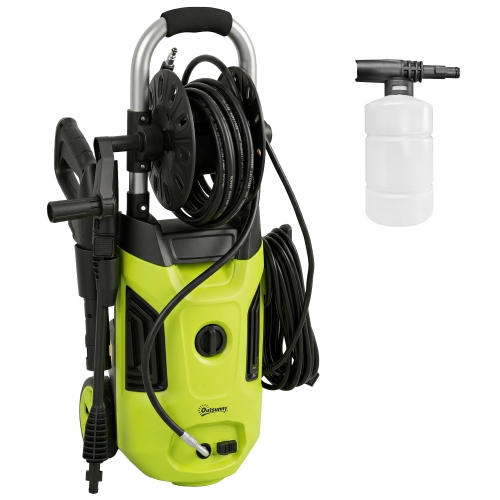
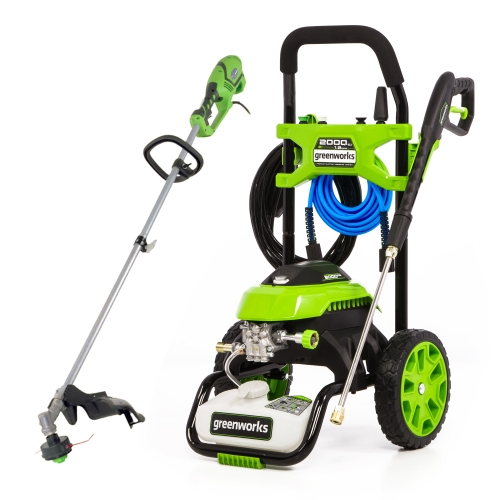
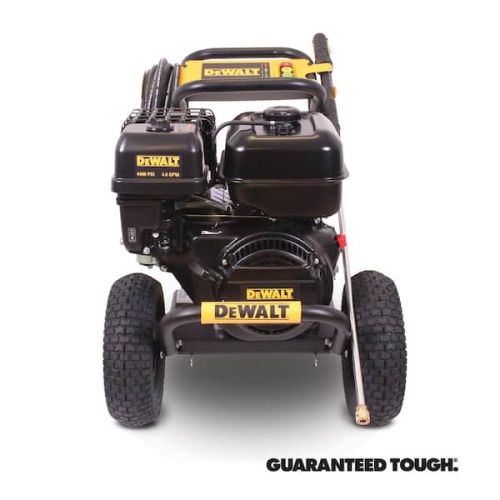
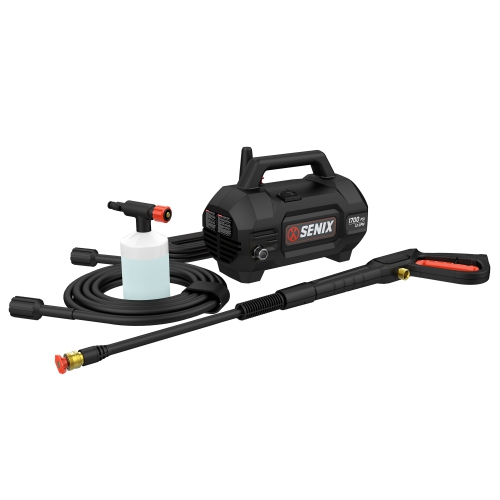
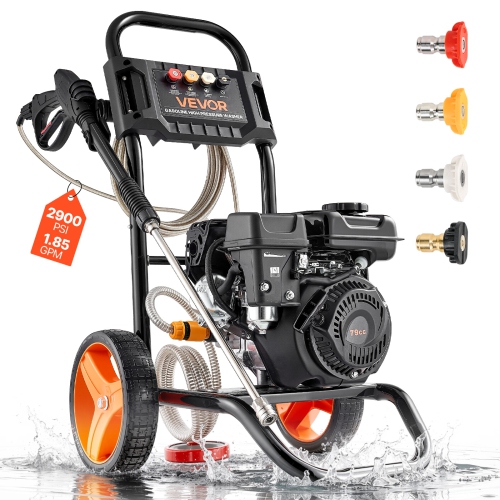
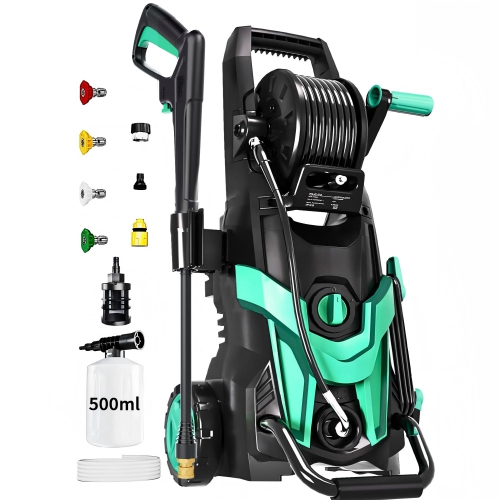
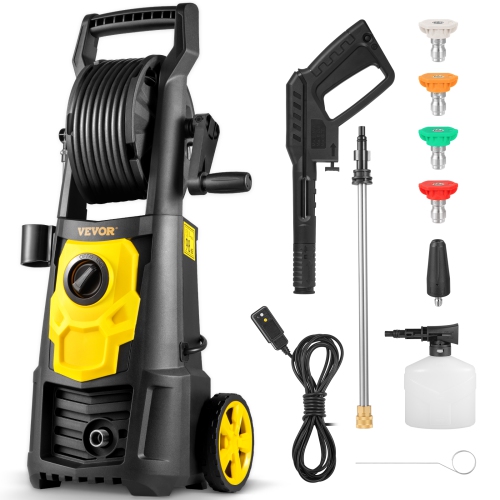
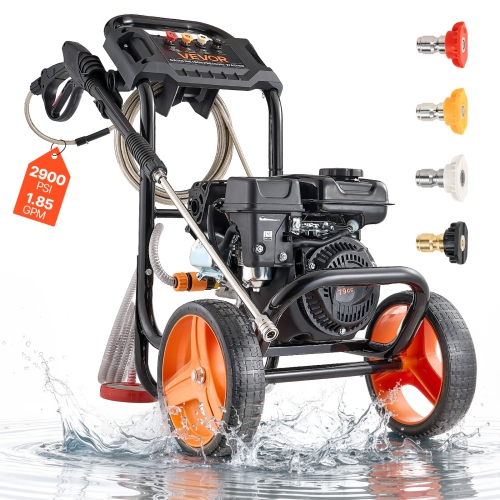
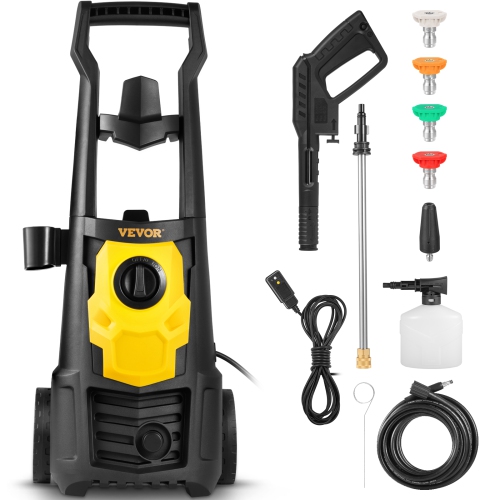
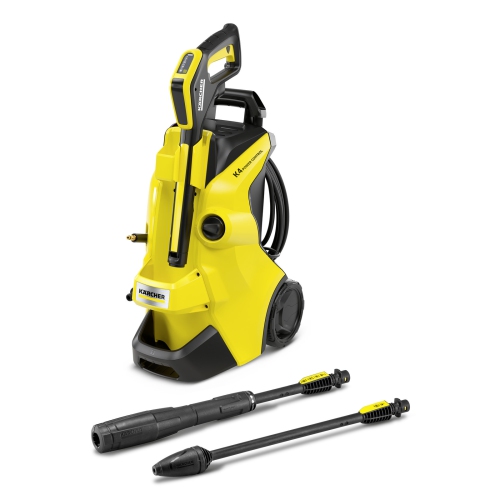
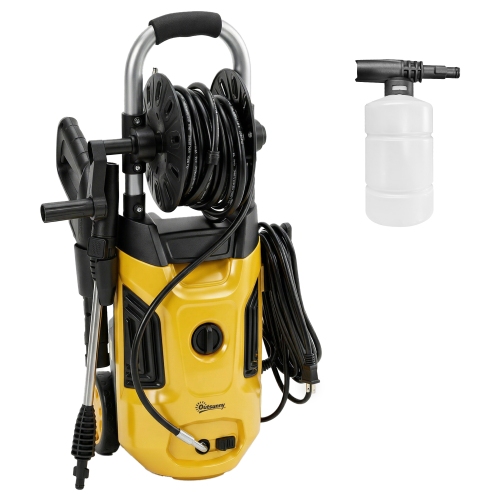
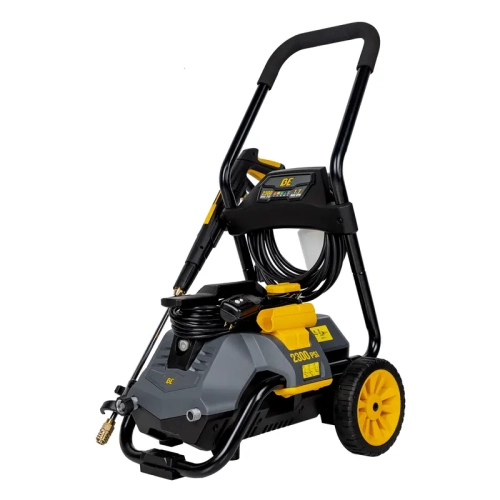
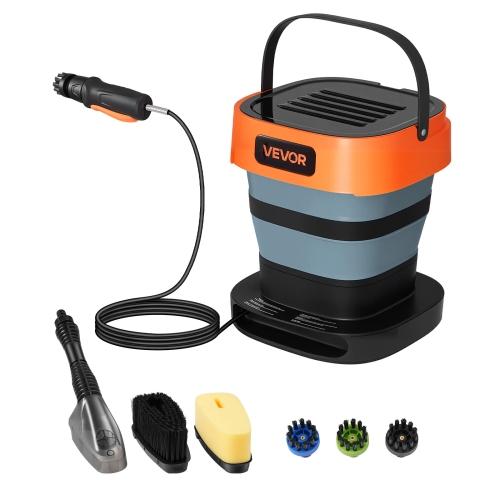
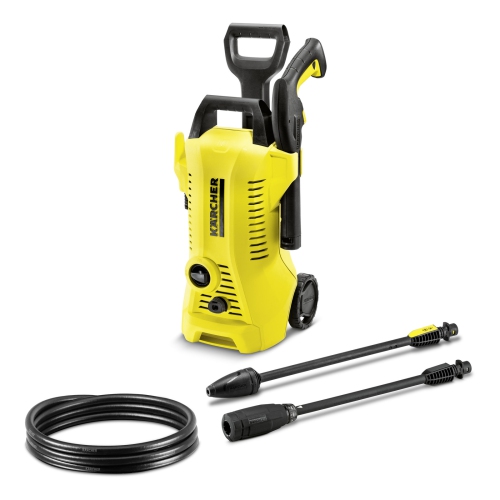
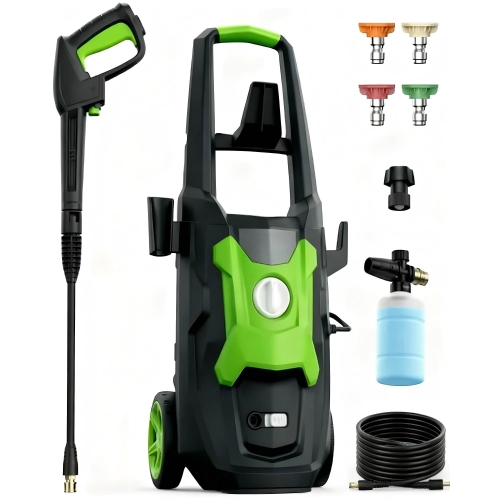
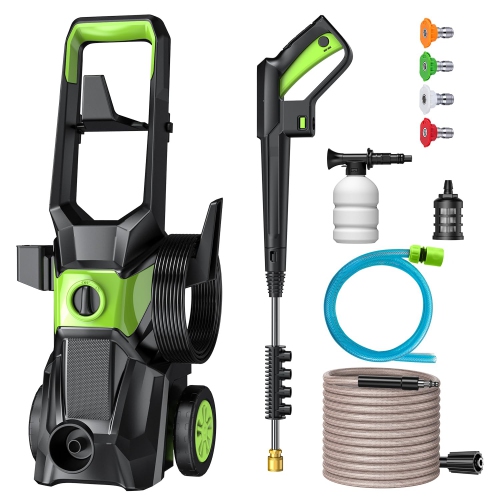
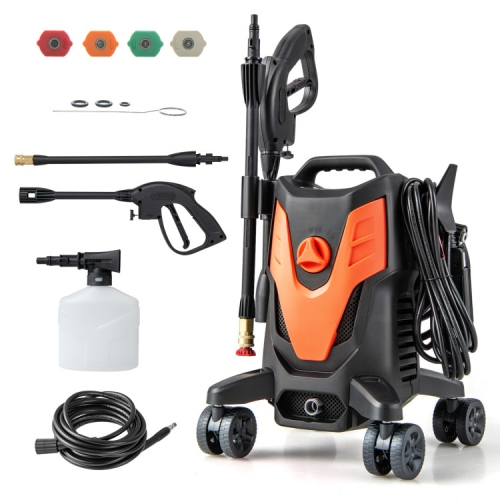
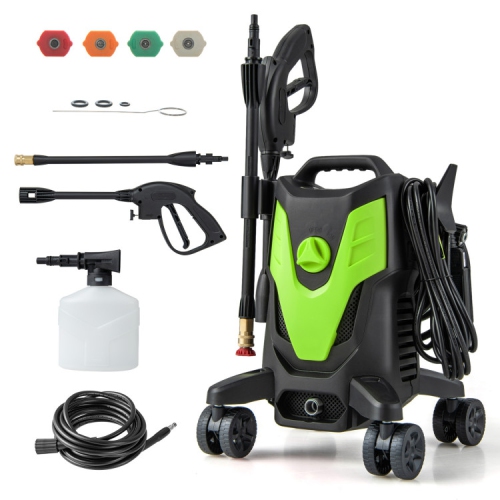
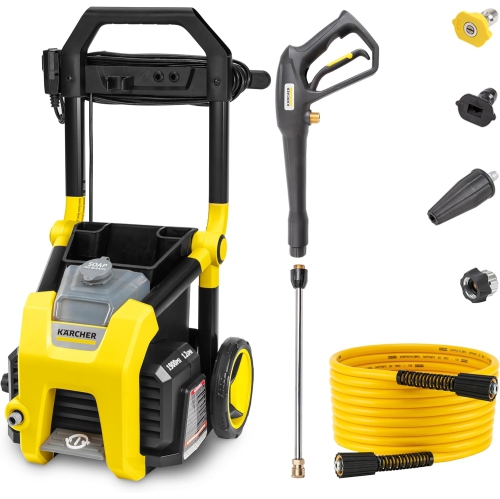
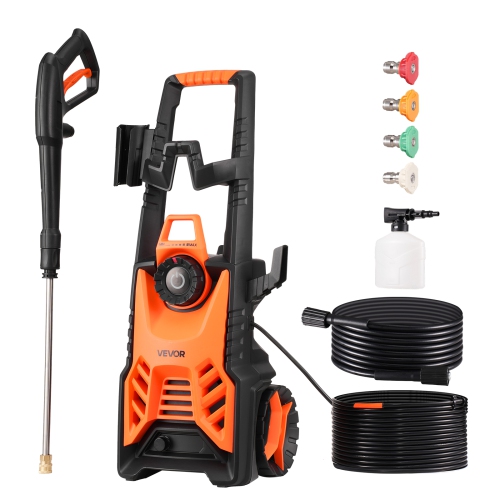
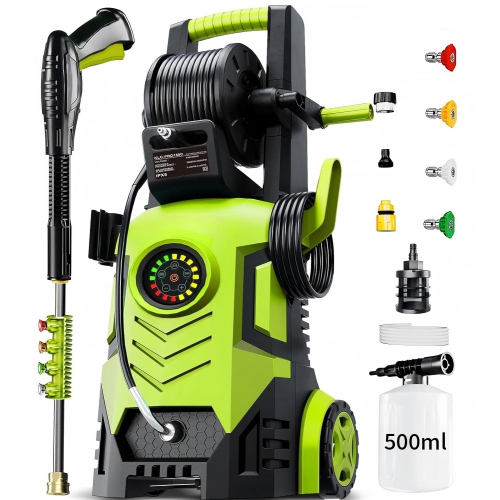
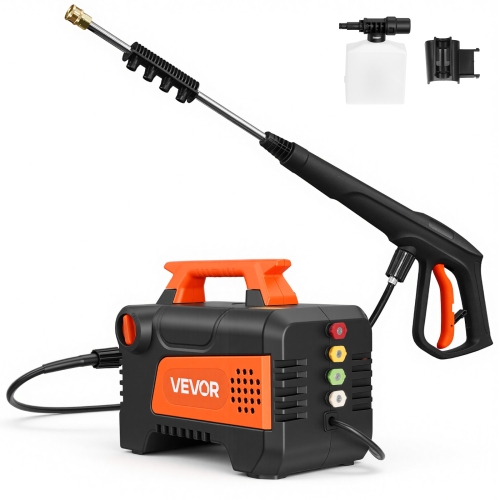
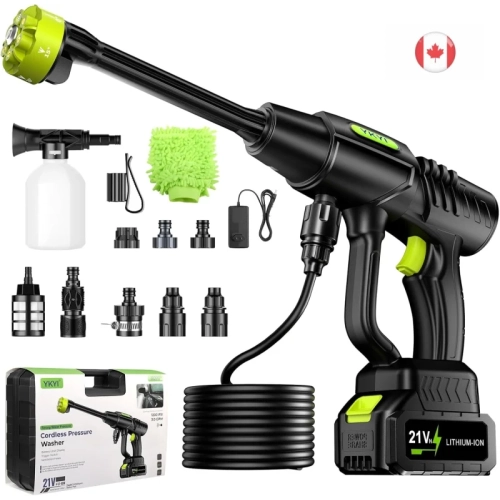
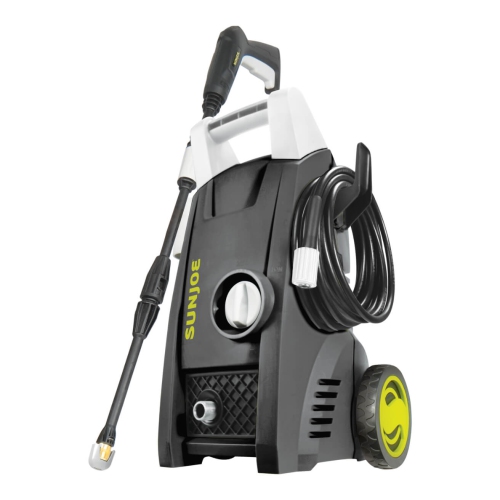
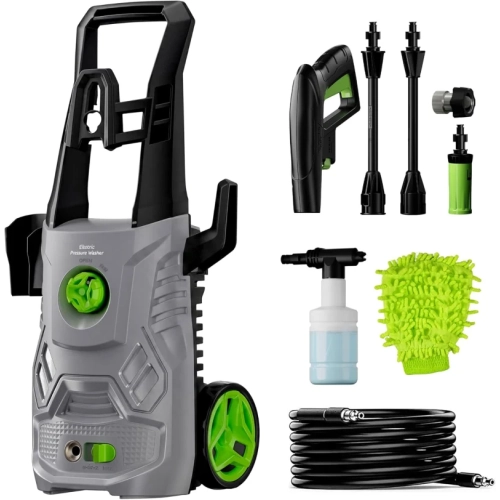
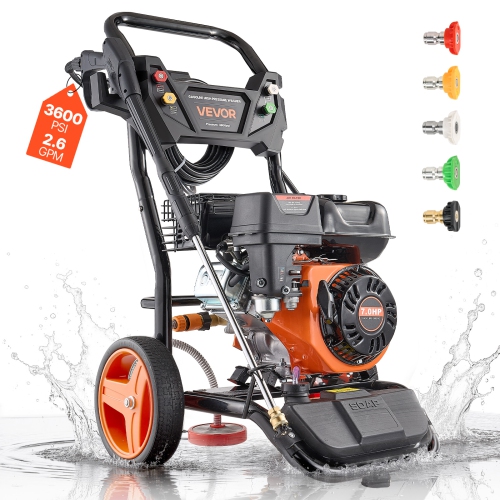
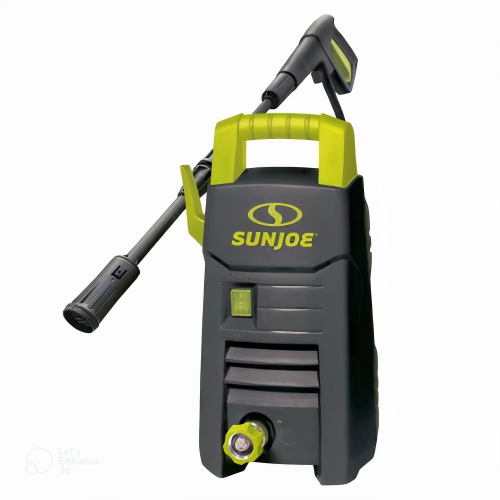
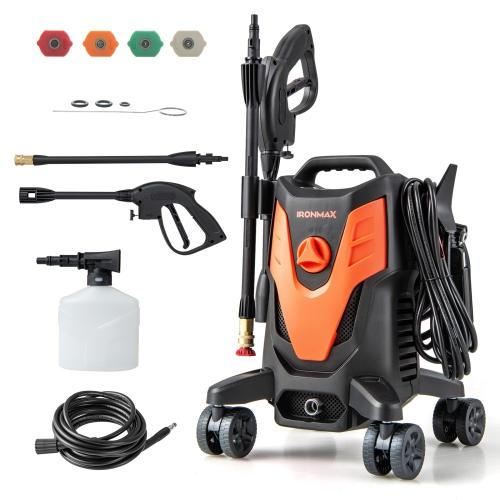
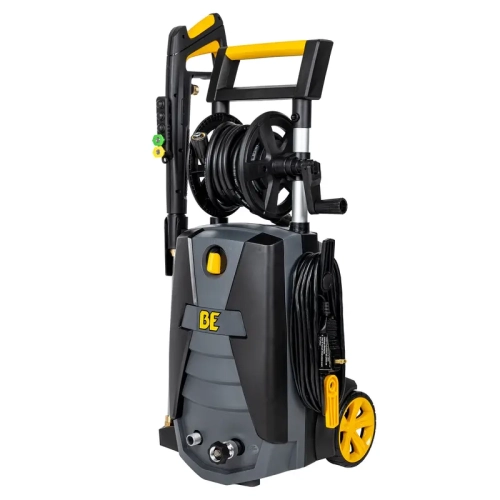
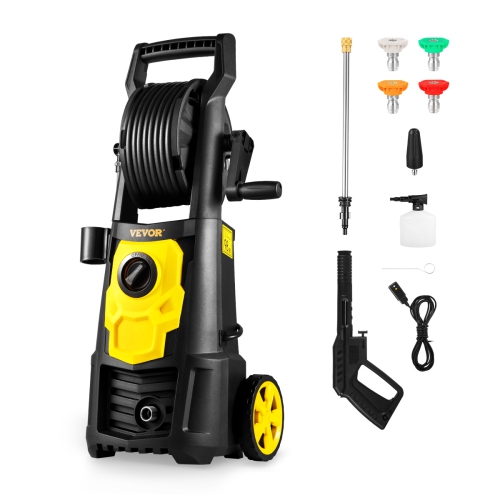
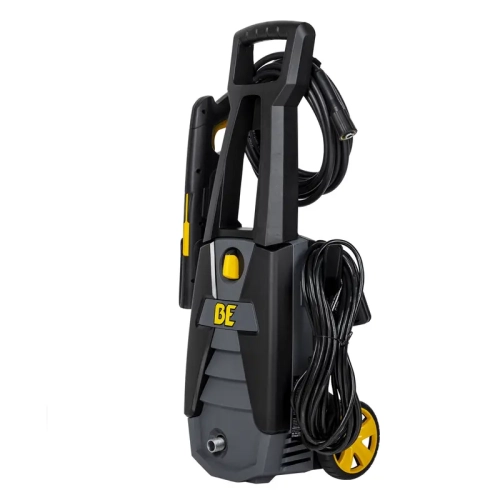
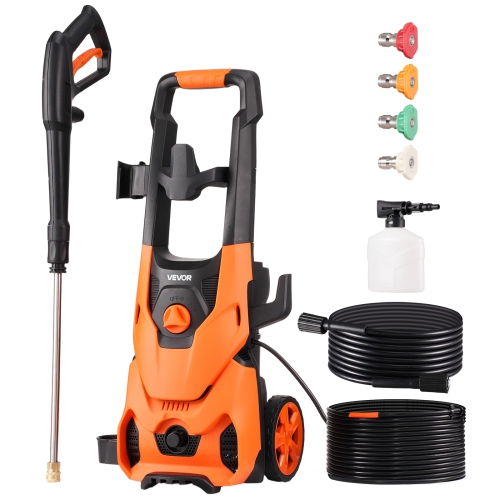
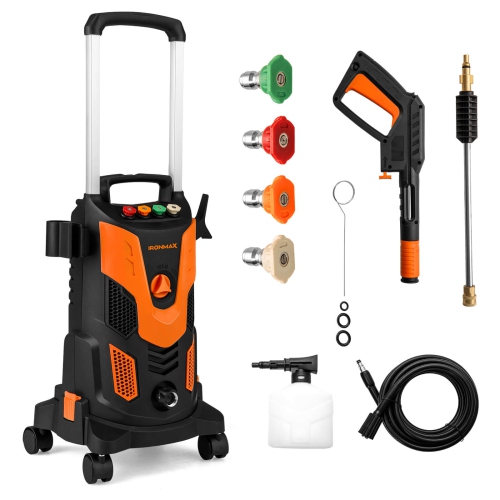
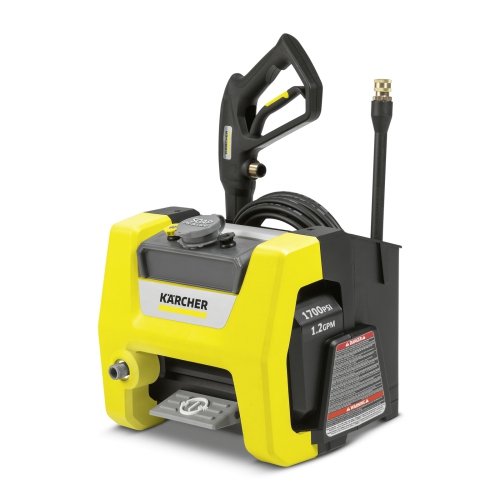
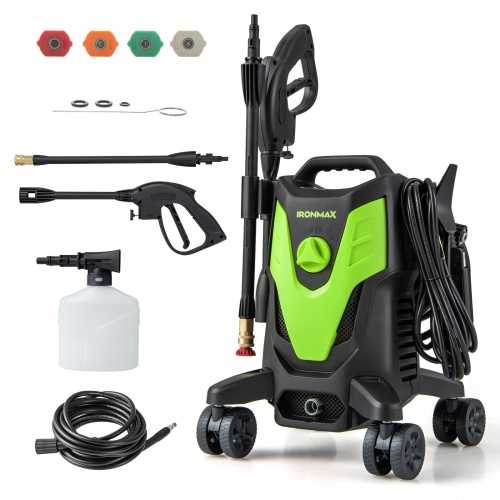
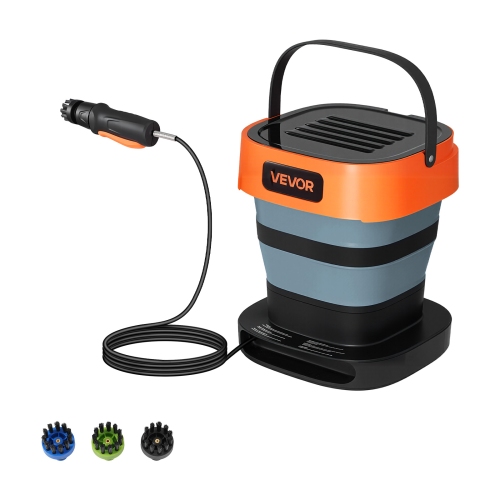
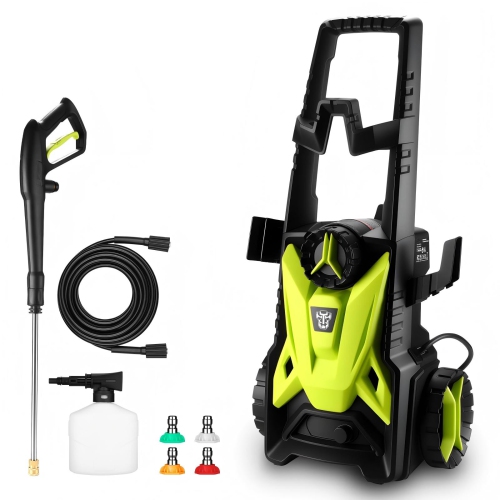
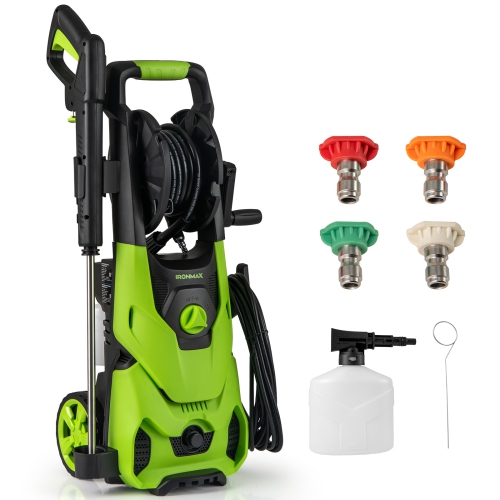
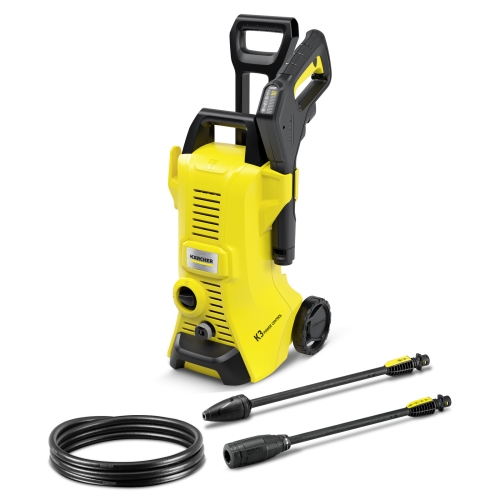
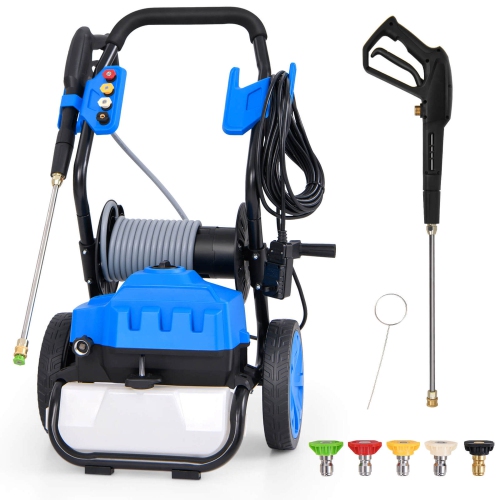
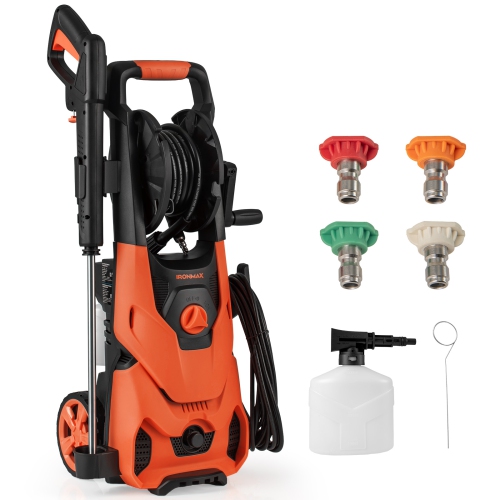
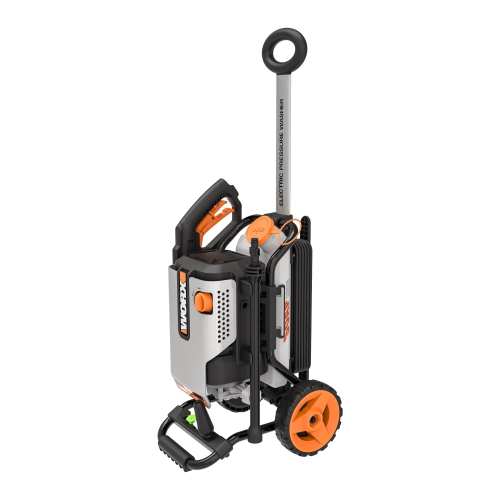
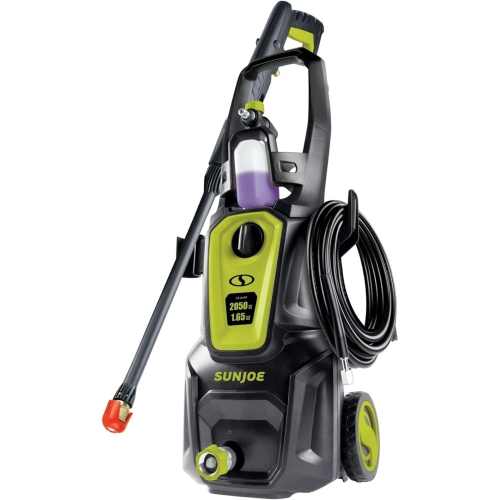
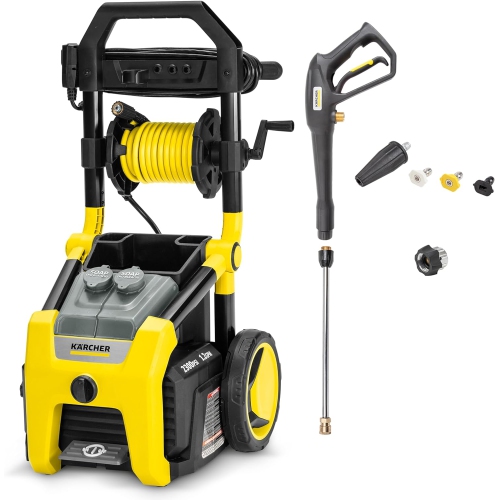
Greenworks pressure washers make it easier to tackle the outdoor cleaning jobs that tend to build up around a home, cottage, garage, or workshop. A blast of pressurized water can lift away packed-on soil from patio stones, rinse mud from bicycles and garden tools, refresh outdoor furniture, and remove the film that collects on siding, fences, decks, and steps. During the cooler months, they can also be useful for cleaning salt residue, road spray, and slush marks from suitable outdoor surfaces before storing seasonal equipment. The right pressure washer can turn a long afternoon of scrubbing into a more manageable task, although the best results still come from using the correct technique. Start with a wide spray pattern and keep the wand several inches away from the surface, then move closer or change the spray angle only when needed. Hard surfaces such as concrete and brick can usually handle more pressure than painted wood, composite decking, vinyl siding, or outdoor cushions. It is wise to test an unseen area first, especially when cleaning older paint, soft wood, weathered masonry, or delicate finishes. A pressure washer is also a practical gift for someone settling into a new home, maintaining a cottage, or taking pride in a well-kept driveway. It gives a homeowner a useful way to handle routine cleaning without relying on a scrub brush for every stubborn mark, and it can be shared among family members for seasonal jobs around the property.
When comparing pressure washers, pay attention to more than the maximum pressure number on the box. Pounds per square inch, or PSI, indicates the force of the spray, while gallons per minute, or GPM, indicates how much water flows through the machine; together, these figures provide a better sense of cleaning performance. A lighter model may be convenient for quick jobs such as rinsing patio furniture or washing a vehicle, while a higher-powered option may be better suited to large driveways, deeply soiled concrete, and extensive outdoor areas. Portability matters as well. Look for a comfortable handle, sturdy wheels, manageable hose storage, and a wand that feels balanced during longer sessions. Corded electric models can be useful when an outdoor power outlet is nearby, while cordless options may offer more freedom around a yard, driveway, or detached garage. If choosing a battery-powered unit, consider whether the battery and charger are included, how long a charge is expected to last, and whether the battery platform may also work with other compatible outdoor equipment, such as Greenworks Lawn Mowers. No matter the power source, check that the available hose length will reach the area you want to clean without constantly repositioning the machine. Attachments can also make a difference: an adjustable nozzle offers control for different surfaces, a detergent tank can help loosen greasy or ground-in dirt, and a surface-cleaning attachment can make broad flat areas easier to cover evenly.
Good preparation helps a pressure washer work more effectively and prevents avoidable damage. Clear loose objects from the area before starting, sweep away gravel and leaves, and close windows and doors near the cleaning zone. Keep the spray directed away from electrical connections, light fixtures, vents, vehicle seals, and gaps where water could enter. When washing a car, bicycle, or outdoor appliance, use a gentler setting and avoid aiming directly at bearings, control panels, decals, or painted edges. For a deck or fence, follow the direction of the boards and allow plenty of drying time before applying stain or paint. After use, release the pressure from the wand, disconnect the water supply, drain the hose and pump according to the manufacturer’s instructions, and store the unit in a dry place protected from freezing temperatures. Water left inside a pressure washer can expand when temperatures drop and may damage internal components, so winter storage deserves particular attention in Canadian homes. A little care after each use keeps the machine ready for the next burst of warm-weather cleaning, while thoughtful selection ensures it has the reach, power, and convenience to suit the person and property using it.
When comparing pressure washers, pay attention to more than the maximum pressure number on the box. Pounds per square inch, or PSI, indicates the force of the spray, while gallons per minute, or GPM, indicates how much water flows through the machine; together, these figures provide a better sense of cleaning performance. A lighter model may be convenient for quick jobs such as rinsing patio furniture or washing a vehicle, while a higher-powered option may be better suited to large driveways, deeply soiled concrete, and extensive outdoor areas. Portability matters as well. Look for a comfortable handle, sturdy wheels, manageable hose storage, and a wand that feels balanced during longer sessions. Corded electric models can be useful when an outdoor power outlet is nearby, while cordless options may offer more freedom around a yard, driveway, or detached garage. If choosing a battery-powered unit, consider whether the battery and charger are included, how long a charge is expected to last, and whether the battery platform may also work with other compatible outdoor equipment, such as Greenworks Lawn Mowers. No matter the power source, check that the available hose length will reach the area you want to clean without constantly repositioning the machine. Attachments can also make a difference: an adjustable nozzle offers control for different surfaces, a detergent tank can help loosen greasy or ground-in dirt, and a surface-cleaning attachment can make broad flat areas easier to cover evenly.
Good preparation helps a pressure washer work more effectively and prevents avoidable damage. Clear loose objects from the area before starting, sweep away gravel and leaves, and close windows and doors near the cleaning zone. Keep the spray directed away from electrical connections, light fixtures, vents, vehicle seals, and gaps where water could enter. When washing a car, bicycle, or outdoor appliance, use a gentler setting and avoid aiming directly at bearings, control panels, decals, or painted edges. For a deck or fence, follow the direction of the boards and allow plenty of drying time before applying stain or paint. After use, release the pressure from the wand, disconnect the water supply, drain the hose and pump according to the manufacturer’s instructions, and store the unit in a dry place protected from freezing temperatures. Water left inside a pressure washer can expand when temperatures drop and may damage internal components, so winter storage deserves particular attention in Canadian homes. A little care after each use keeps the machine ready for the next burst of warm-weather cleaning, while thoughtful selection ensures it has the reach, power, and convenience to suit the person and property using it.
Top selling and popular products
-
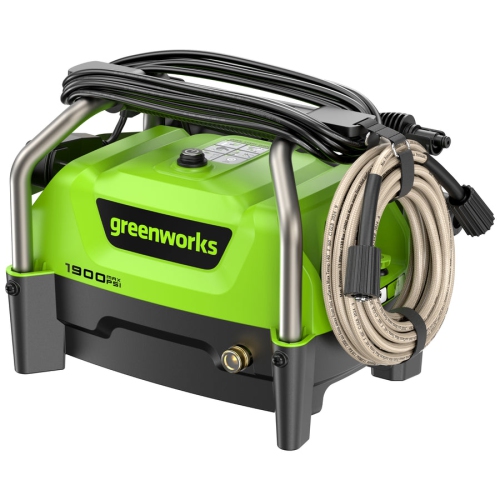 Your price for this item is $219.99
 -
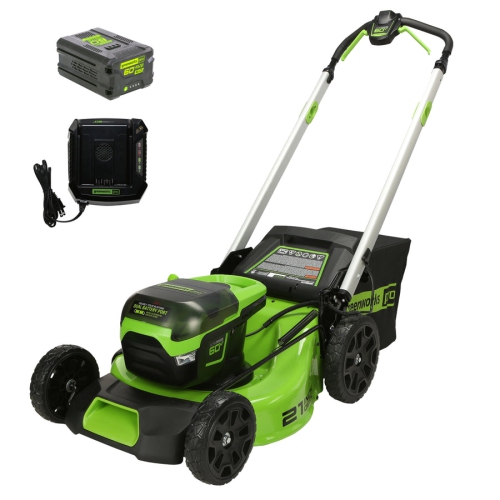 Your price for this item is $839.99
 -
 Your price for this item is $939.99
 -
 Your price for this item is $459.99
 -
 Your price for this item is $539.99
 -
 Your price for this item is $289.99
 -
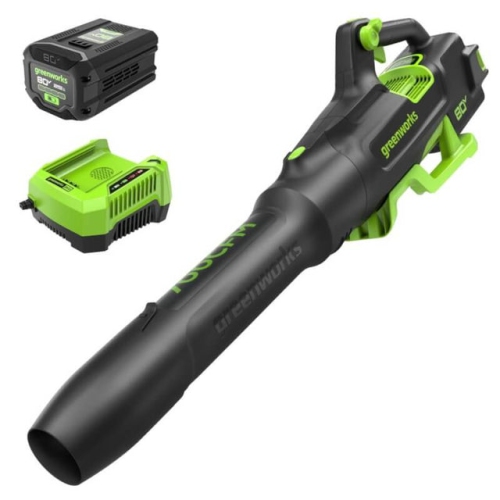 Your price for this item is $272
 -
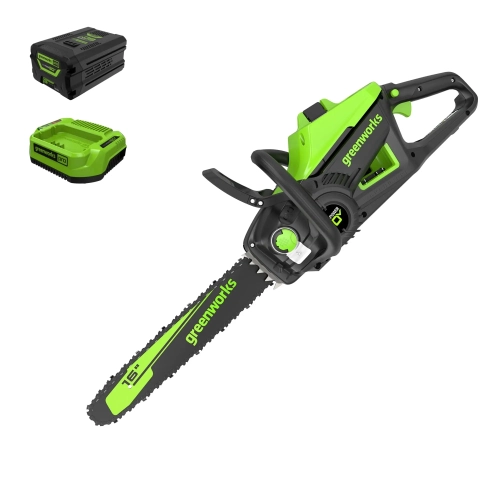 Your price for this item is $339.99
Discover more categories related to Greenworks Pressure Washers
Top Collections:
Pokemon Centers, Best Cameras for Sports Photography, Kindle Devices, Samsung Galaxy Phones, Canon G7X Cameras, Pokémon 30th Celebration Cards, Refurbished Apple Laptops, iPhone 15 Apple, Laptops for Students, Budget Smartphones
Some products may be subject to Environmental Handling Fees
(EHF) depending on your province.
Learn more about EHFs.