Pressure Washer
Keep your outdoor spaces looking their best with a pressure washer, the ideal solution for tackling tough cleaning jobs around your home. Whether you’re refreshing your deck, washing your car, or maintaining walkways, a pressure washer can help make the task easier and more efficient. Explore a wide selection of options to find the right fit for your cleaning needs and enjoy a sparkling clean finish every time.
Sort

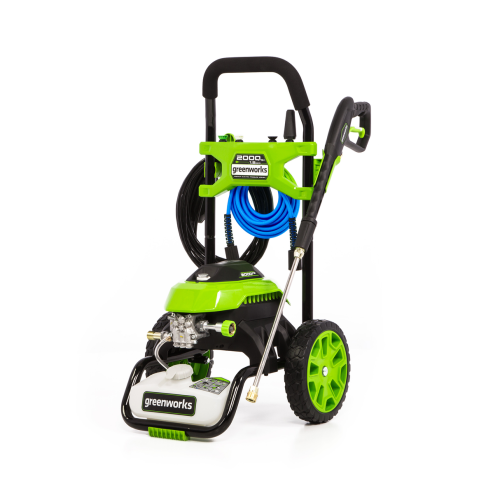
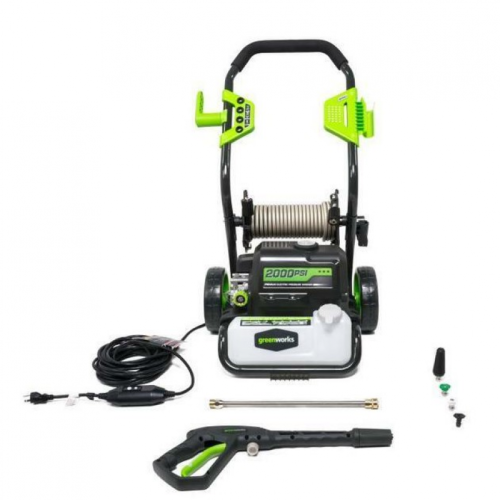
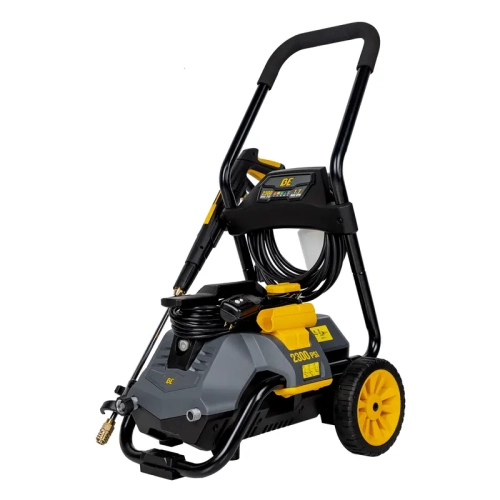
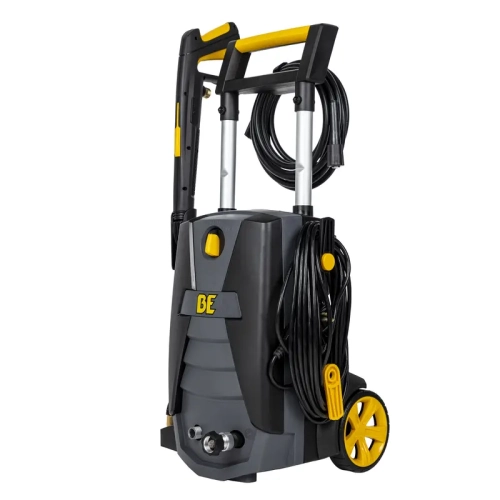
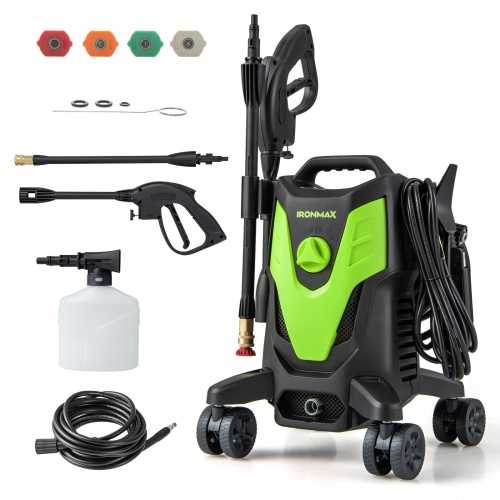
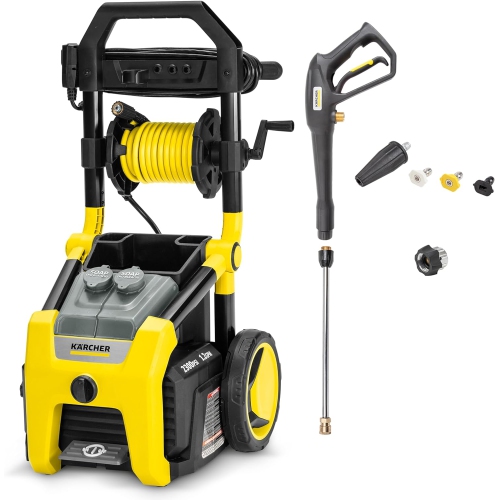
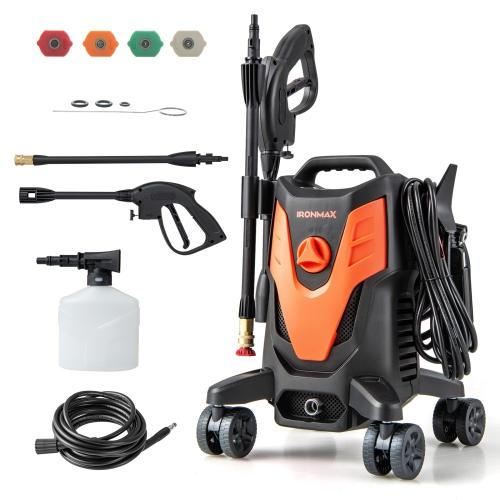
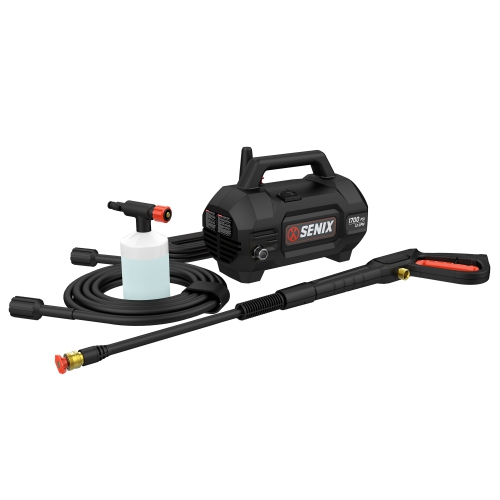
Why water pressure alone does not tell the story
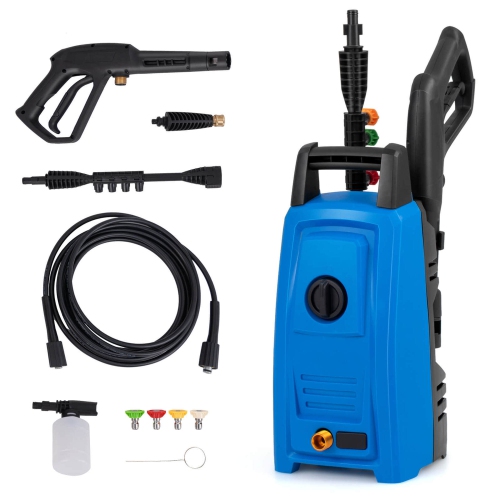
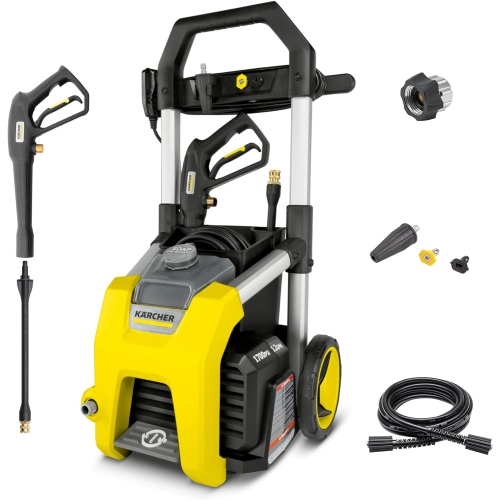
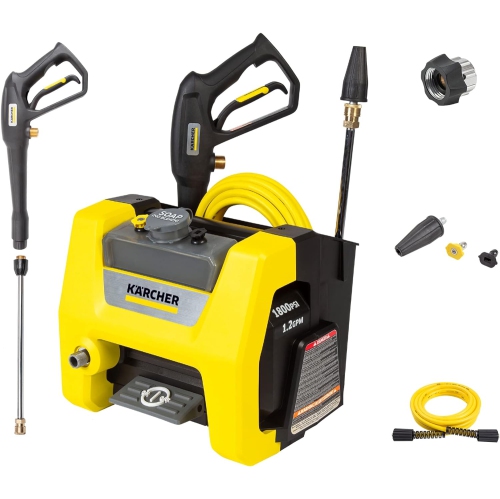
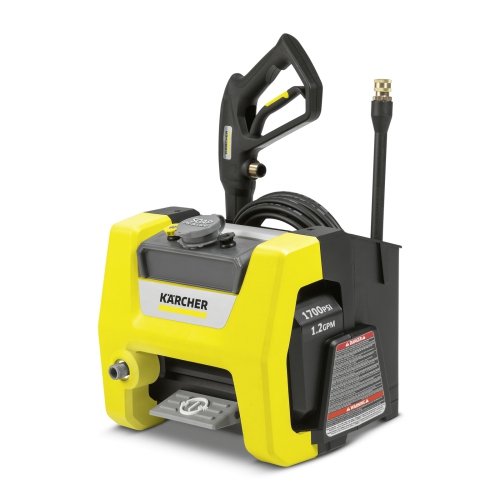
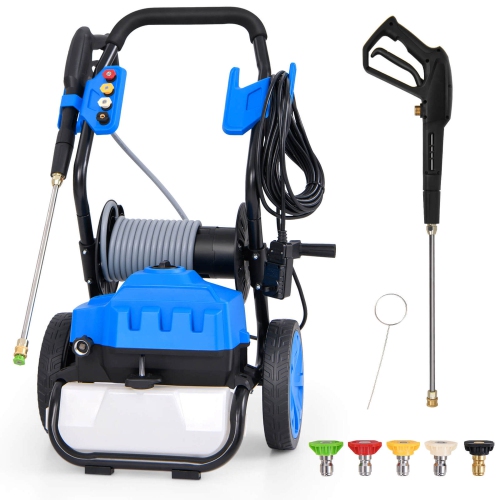
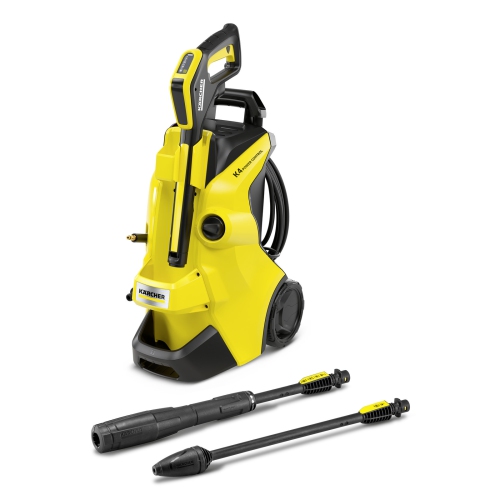
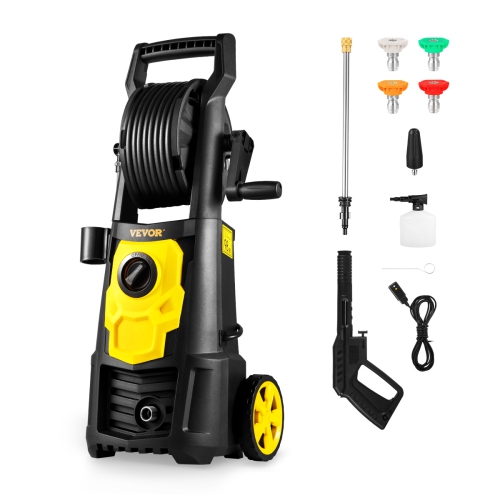
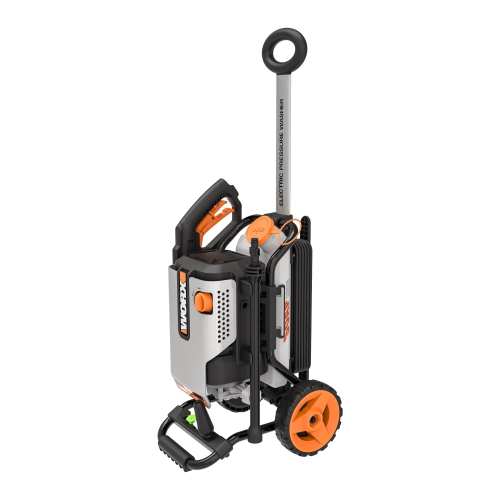
A pressure washer uses a pump to deliver a concentrated stream of water that loosens dirt, mud, and grime from compatible surfaces. Often used for driveways, patios, fences, and vehicles, these cleaning tools combine water pressure with controlled spray patterns to handle jobs that would otherwise involve considerable scrubbing. The right match depends on both the surface being cleaned and the size of the task: rinsing mud from a wheelbarrow calls for a different balance of power and control than cleaning a long concrete walkway. Electric pressure washers are generally well suited to routine household cleaning, with corded designs providing continuous operation wherever a suitable power outlet and water supply are within reach. Their relatively straightforward upkeep makes them appealing for homeowners who want a machine for recurring chores without maintaining a petrol engine. Gas-powered pressure washers offer mobility without a power cord and often provide the output needed for larger or more demanding jobs, though they require engine maintenance and must only operate outdoors, well away from doors, windows, and vents. Battery-powered cleaners offer another approach for lighter cleaning where a cord would be inconvenient; their pressure, runtime, and water-source requirements vary by design. Across these formats, pressure washers and High Pressure Cleaners serve a range of cleaning needs, from compact household tasks to more substantial property upkeep. Practical fit matters just as much as power. A small footprint can make storage in a crowded garage easier, while a wheeled frame helps move a heavier machine between work areas. Carry handles, balanced weight distribution, and accessible controls make a noticeable difference when moving around parked cars, planters, or garden furniture. For someone caring for a home, maintaining outdoor equipment, or keeping recreational gear clean, a pressure washer can become a useful part of a regular maintenance routine rather than a tool reserved for one big project.
Pressure and water flow are the two main performance figures associated with pressure washers. PSI, or pounds per square inch, describes water pressure, while GPM, or gallons per minute, describes the volume of water delivered. Pressure helps loosen adhered dirt, and flow helps carry that loosened material away, so a higher PSI figure alone does not necessarily mean a machine will complete every job faster. Published maximum figures may also differ from rated working output; comparable operating specifications provide a clearer picture of performance. For a broad concrete patio, useful water flow and a compatible surface-cleaning attachment may matter more than the highest pressure number on a label. For painted furniture or a vehicle, adjustable output and a suitable spray pattern are more important than aggressive cleaning force. Nozzle angle shapes that spray: a narrow pattern concentrates force over a small area, while a wider fan distributes it across more of the surface. Many interchangeable tips use colour coding, but the marked angle and manufacturer’s instructions are the best references for their intended use. A zero-degree tip produces a highly concentrated jet with a substantial risk of injury or surface damage, whereas wider-angle tips are commonly used for less concentrated cleaning. Even a wide spray can damage a finish when held too close or used at excessive pressure. Sound concrete, brick, wood, vinyl, and painted metal each have different limits, and cracked mortar, loose coatings, exposed seals, and softer wood fibres need particular care. A discreet test area helps establish whether the combination of pressure, nozzle, and distance is appropriate. Pressure washers are not suitable for every object that can get wet: electrical components, delicate glazing, and vulnerable joints can be damaged by forceful spray or water intrusion. Compatibility with the surface manufacturer’s cleaning recommendations is especially important for decking, siding, and vehicles. Detergent systems add another consideration, since only cleaning solutions approved for the machine and the surface should pass through the specified dispenser or attachment.
Construction, accessories, and everyday handling influence how satisfying a pressure washer is to own over time. A sturdy frame supports frequent movement, while durable wheels and a stable base help on uneven paving or when a hose pulls from the side. Housing materials, pump construction, hose quality, and connection design all contribute to longevity, although no single material guarantees a longer service life. Clear maintenance requirements and access to compatible replacement seals, filters, hoses, and spray fittings are useful ownership considerations. Hose length determines how much space can be covered before repositioning the machine; a hose that resists kinking is easier to manage around corners and obstacles. Longer is not automatically better if the extra hose becomes difficult to coil or creates a trip hazard. Onboard storage for the wand, cable, hose, and nozzles helps keep small components together and makes setup less cumbersome. Accessory compatibility deserves close attention because connector style, pressure rating, flow requirements, and fitting size are not universal. A surface cleaner can cover broad, flat areas with a more consistent path than a handheld nozzle, while a compatible detergent applicator can distribute cleaning solution over an approved surface before rinsing. Neither attachment removes the need to match the machine’s output to the material beneath it. Water supply also affects performance: an inlet filter helps keep debris out of the pump, and the source must provide the flow specified by the manufacturer. Running a pump without an adequate water supply can cause damage. Routine care generally includes checking hoses and seals, cleaning the inlet filter, rinsing detergent components as directed, and following the prescribed draining and storage procedures. Safe handling remains essential regardless of machine size, including eye protection, secure footing, and keeping the spray away from people, pets, and electrical equipment. For electric designs, the specified protected outlet and any restrictions on extension cords are important parts of setup. Together, these details distinguish a pressure washer that merely has impressive specifications from one that fits the space, surfaces, and cleaning tasks it will actually encounter.
Pressure and water flow are the two main performance figures associated with pressure washers. PSI, or pounds per square inch, describes water pressure, while GPM, or gallons per minute, describes the volume of water delivered. Pressure helps loosen adhered dirt, and flow helps carry that loosened material away, so a higher PSI figure alone does not necessarily mean a machine will complete every job faster. Published maximum figures may also differ from rated working output; comparable operating specifications provide a clearer picture of performance. For a broad concrete patio, useful water flow and a compatible surface-cleaning attachment may matter more than the highest pressure number on a label. For painted furniture or a vehicle, adjustable output and a suitable spray pattern are more important than aggressive cleaning force. Nozzle angle shapes that spray: a narrow pattern concentrates force over a small area, while a wider fan distributes it across more of the surface. Many interchangeable tips use colour coding, but the marked angle and manufacturer’s instructions are the best references for their intended use. A zero-degree tip produces a highly concentrated jet with a substantial risk of injury or surface damage, whereas wider-angle tips are commonly used for less concentrated cleaning. Even a wide spray can damage a finish when held too close or used at excessive pressure. Sound concrete, brick, wood, vinyl, and painted metal each have different limits, and cracked mortar, loose coatings, exposed seals, and softer wood fibres need particular care. A discreet test area helps establish whether the combination of pressure, nozzle, and distance is appropriate. Pressure washers are not suitable for every object that can get wet: electrical components, delicate glazing, and vulnerable joints can be damaged by forceful spray or water intrusion. Compatibility with the surface manufacturer’s cleaning recommendations is especially important for decking, siding, and vehicles. Detergent systems add another consideration, since only cleaning solutions approved for the machine and the surface should pass through the specified dispenser or attachment.
Construction, accessories, and everyday handling influence how satisfying a pressure washer is to own over time. A sturdy frame supports frequent movement, while durable wheels and a stable base help on uneven paving or when a hose pulls from the side. Housing materials, pump construction, hose quality, and connection design all contribute to longevity, although no single material guarantees a longer service life. Clear maintenance requirements and access to compatible replacement seals, filters, hoses, and spray fittings are useful ownership considerations. Hose length determines how much space can be covered before repositioning the machine; a hose that resists kinking is easier to manage around corners and obstacles. Longer is not automatically better if the extra hose becomes difficult to coil or creates a trip hazard. Onboard storage for the wand, cable, hose, and nozzles helps keep small components together and makes setup less cumbersome. Accessory compatibility deserves close attention because connector style, pressure rating, flow requirements, and fitting size are not universal. A surface cleaner can cover broad, flat areas with a more consistent path than a handheld nozzle, while a compatible detergent applicator can distribute cleaning solution over an approved surface before rinsing. Neither attachment removes the need to match the machine’s output to the material beneath it. Water supply also affects performance: an inlet filter helps keep debris out of the pump, and the source must provide the flow specified by the manufacturer. Running a pump without an adequate water supply can cause damage. Routine care generally includes checking hoses and seals, cleaning the inlet filter, rinsing detergent components as directed, and following the prescribed draining and storage procedures. Safe handling remains essential regardless of machine size, including eye protection, secure footing, and keeping the spray away from people, pets, and electrical equipment. For electric designs, the specified protected outlet and any restrictions on extension cords are important parts of setup. Together, these details distinguish a pressure washer that merely has impressive specifications from one that fits the space, surfaces, and cleaning tasks it will actually encounter.
Top selling and popular products
-
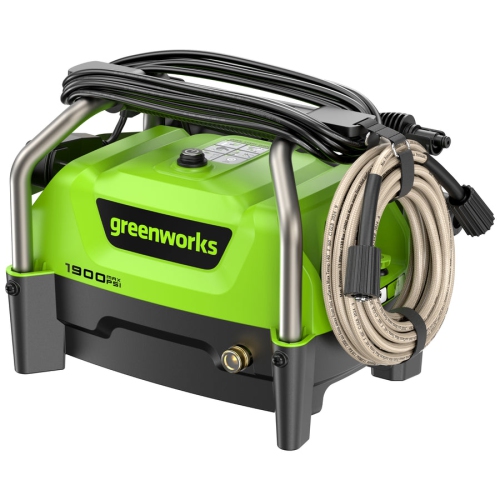 Your price for this item is $169.99
 -
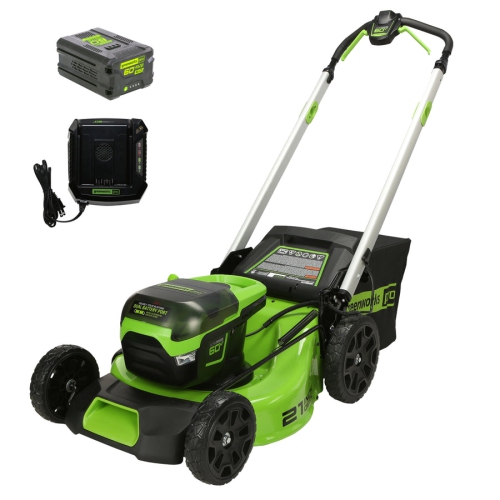 Your price for this item is $554.39
 -
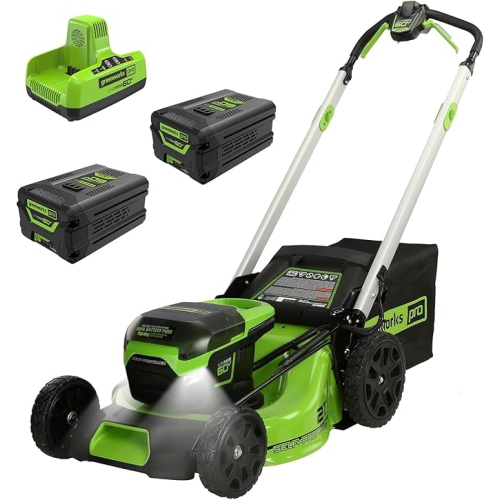 Your price for this item is $879.99
 -
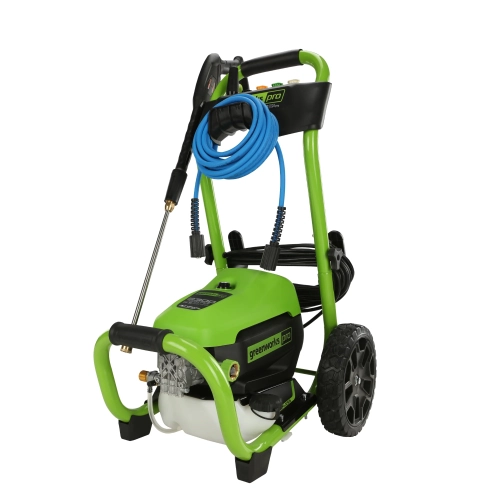 Your price for this item is $439.99
 -
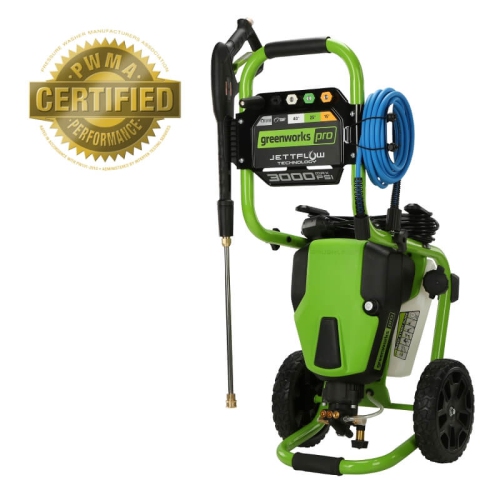 Your price for this item is $499
 -
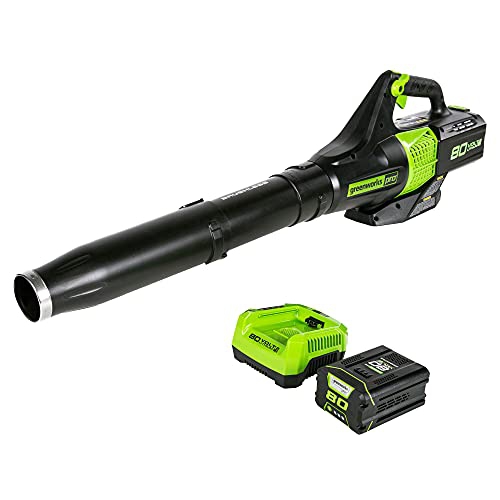 Your price for this item is $255
 -
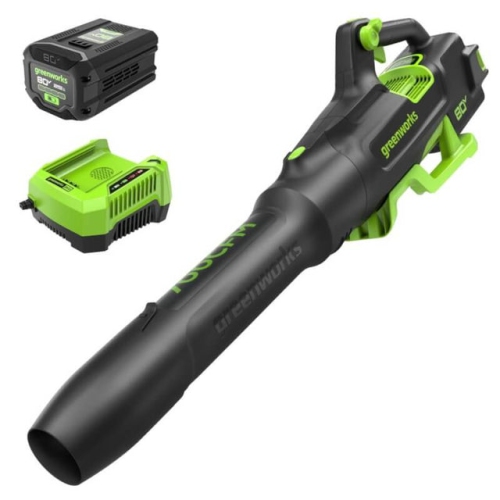 Your price for this item is $272
 -
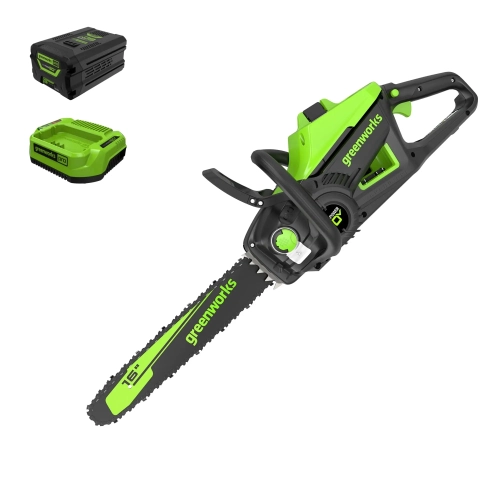 Your price for this item is $329.99
Discover more categories related to Pressure Washer
Top Collections:
Pokemon Centers, Kindle Devices, Best Budget Office Chairs, Apple iPhones 16, Best Laptops for Writers, iPhone 15 Apple, Canon G7X Cameras, Refurbished Apple Laptops, Alarm Clock, Motorola Razr Phones
Some products may be subject to Environmental Handling Fees
(EHF) depending on your province.
Learn more about EHFs.