Grey And White Cabinets
If you're looking for a way to add a little style to your kitchen, or just want to replace an old cabinet that's been showing its age, grey and white cabinets are a great option. They come in many different styles, but they all have one thing in common: they look great. Here are some great options available.
Sort
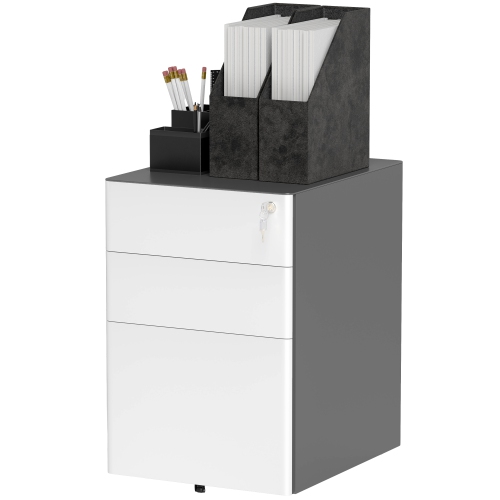
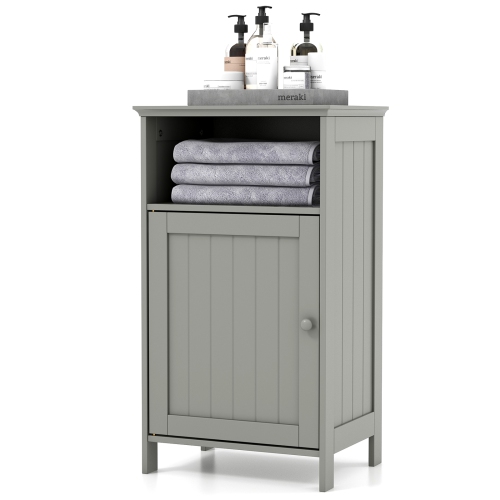
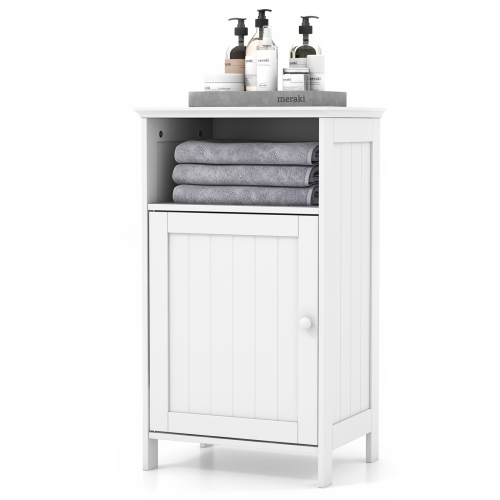
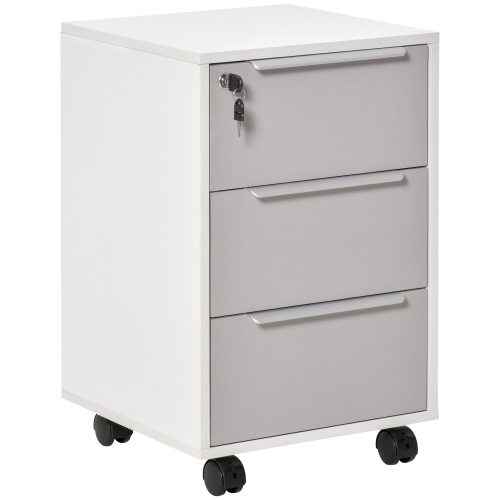
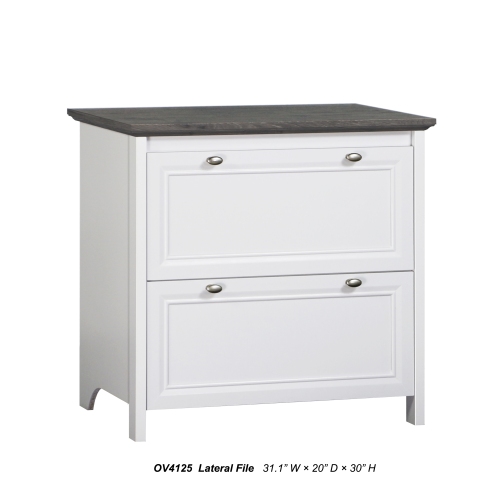
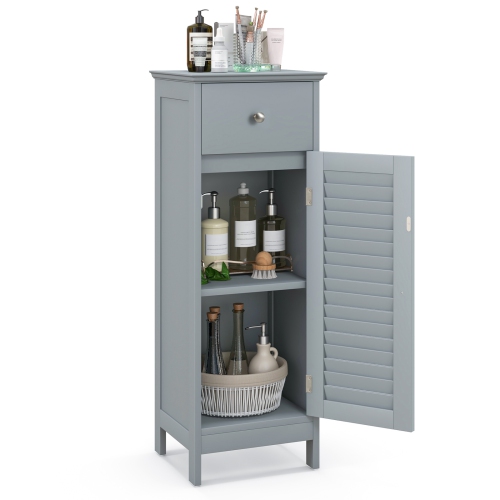
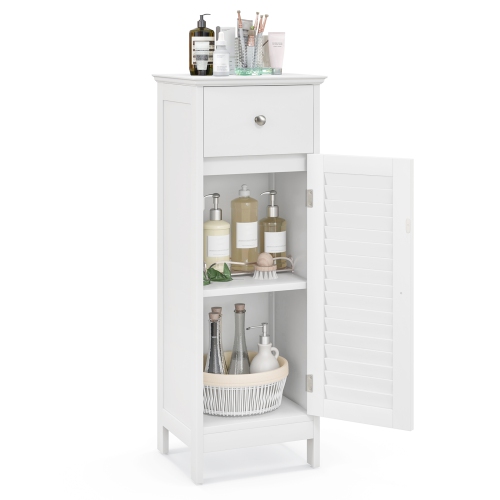
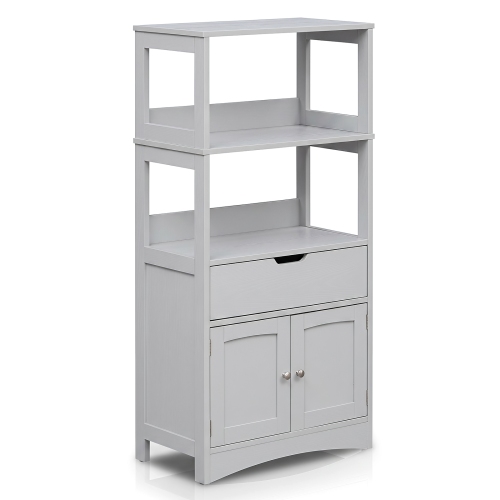
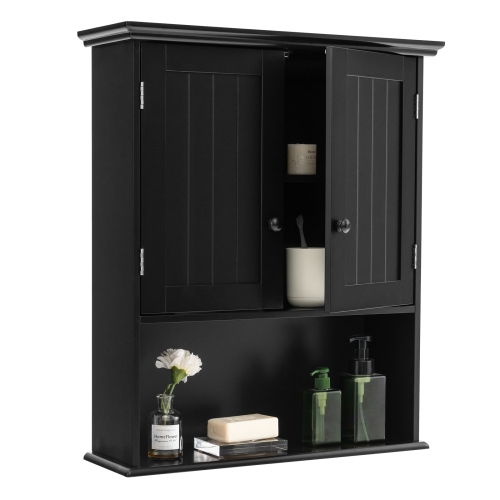
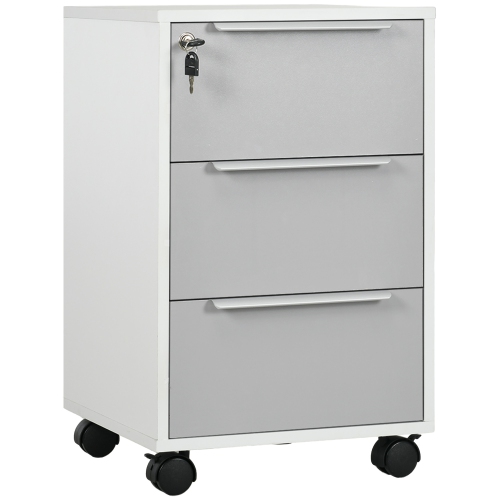
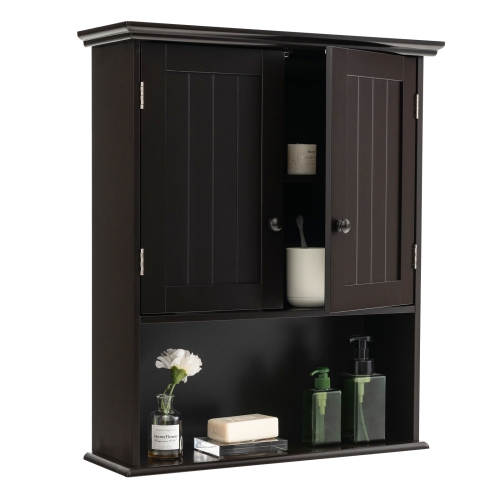
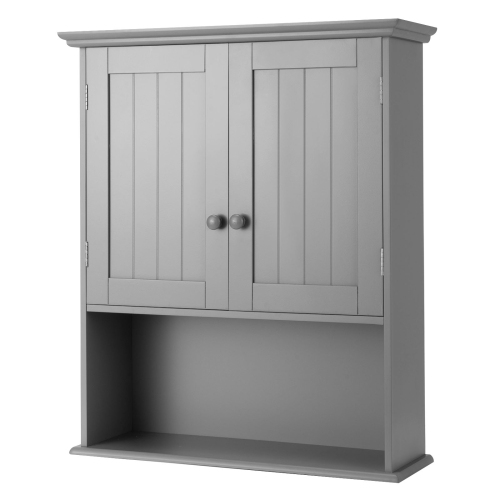
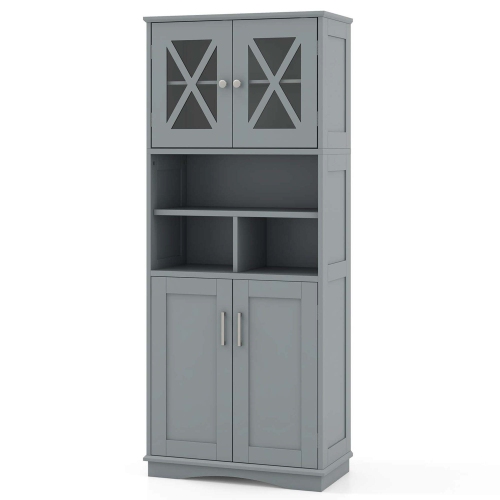
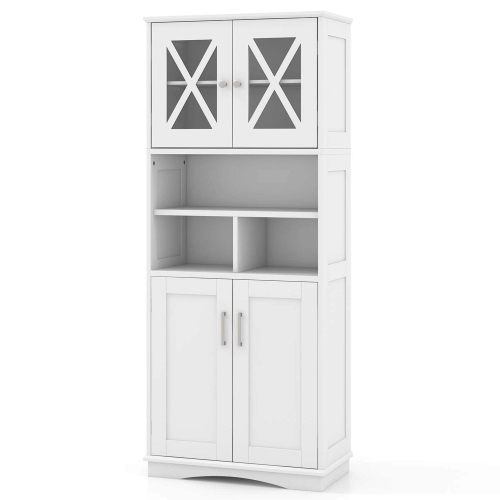
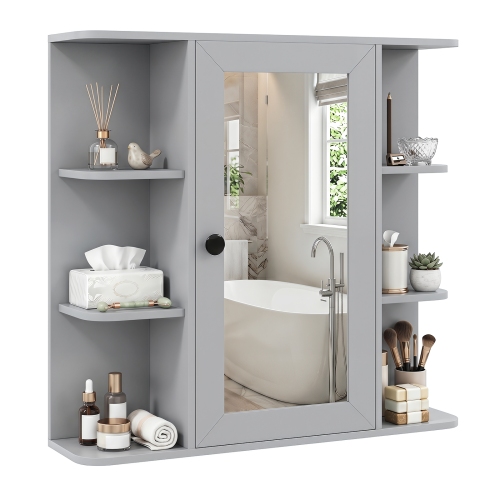
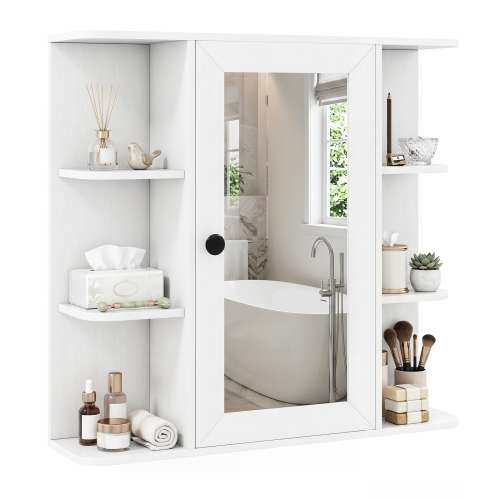
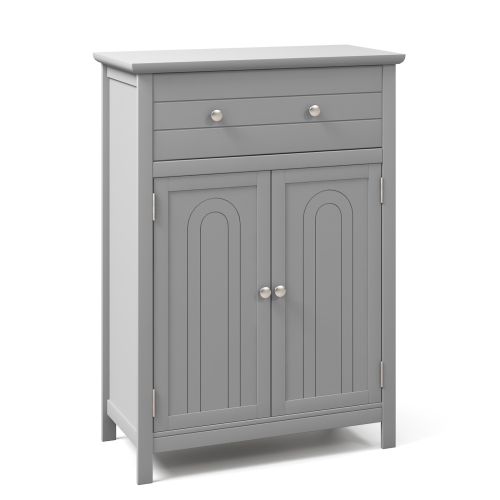
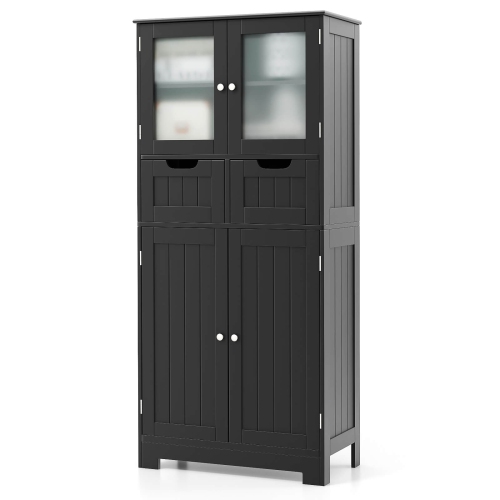
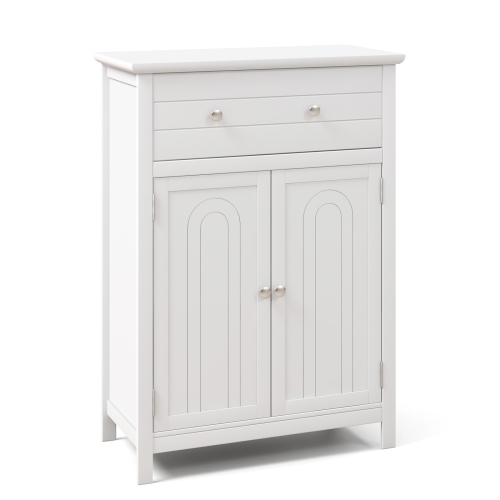
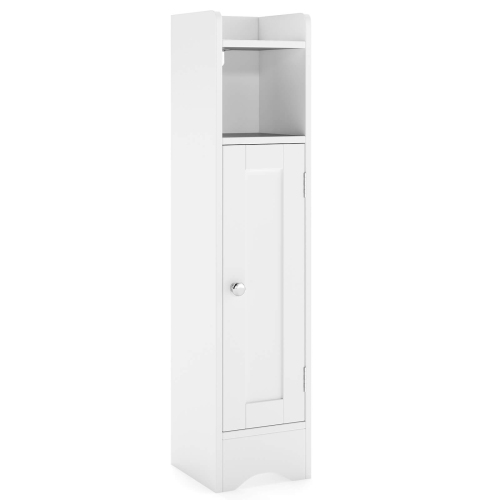
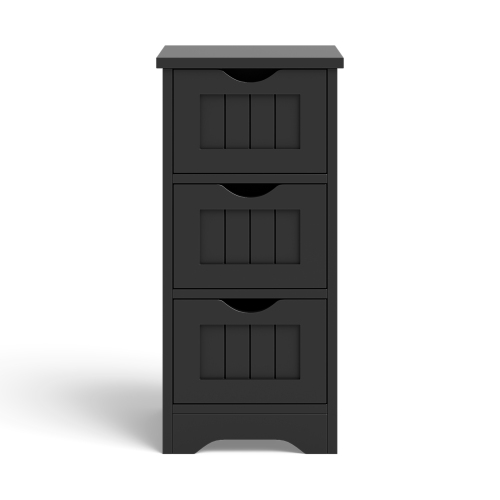
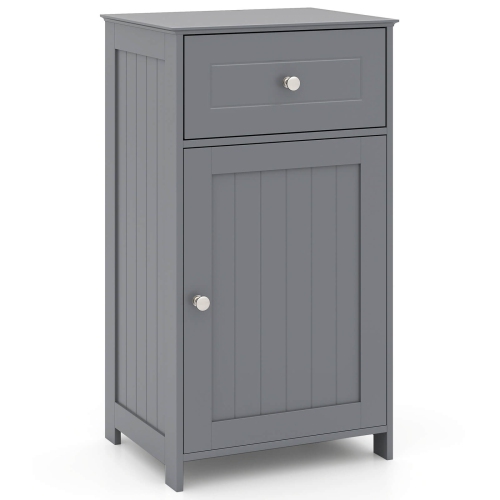
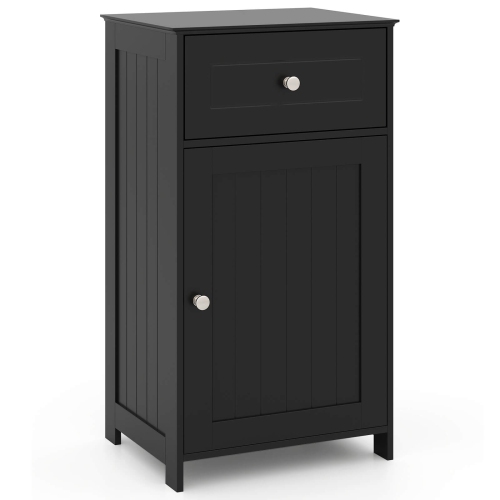
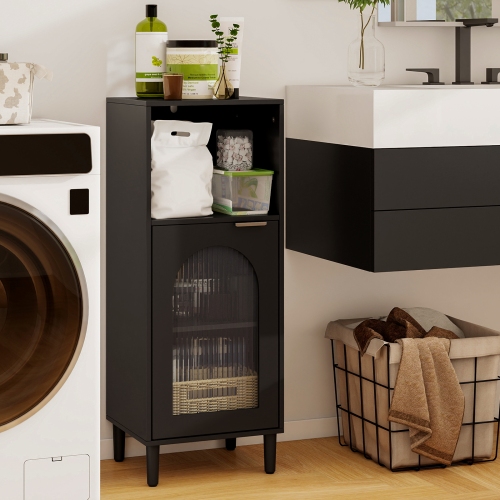
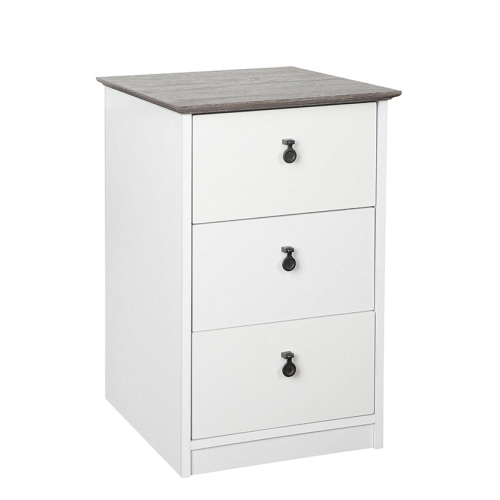
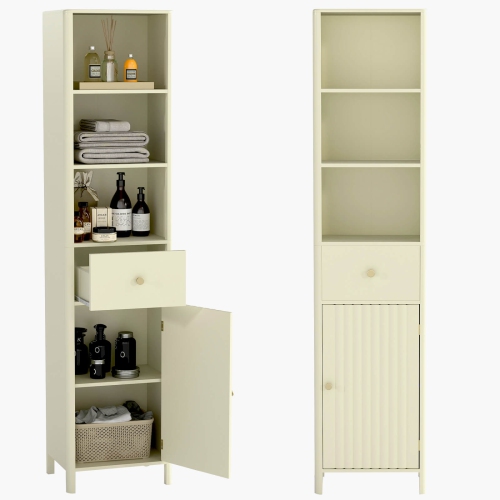
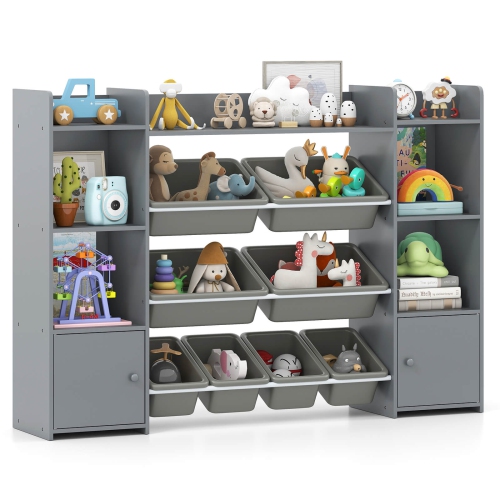
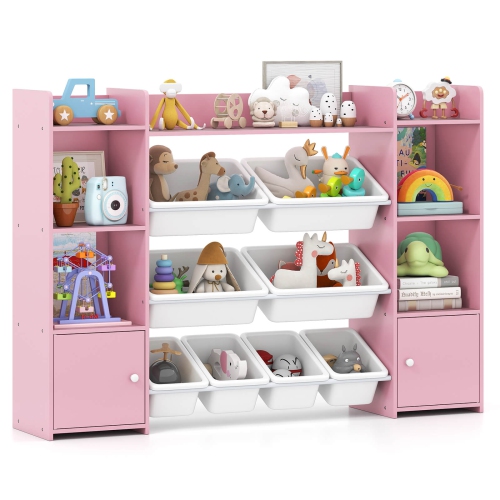
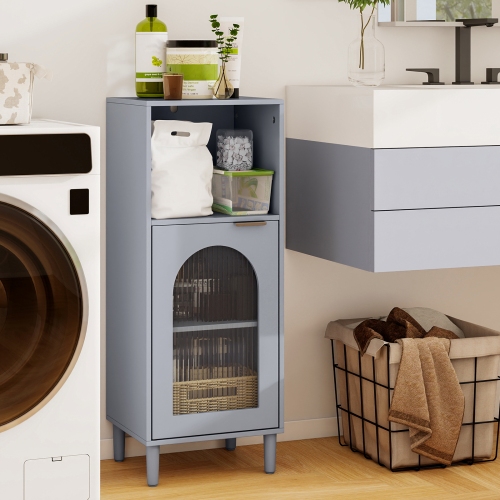
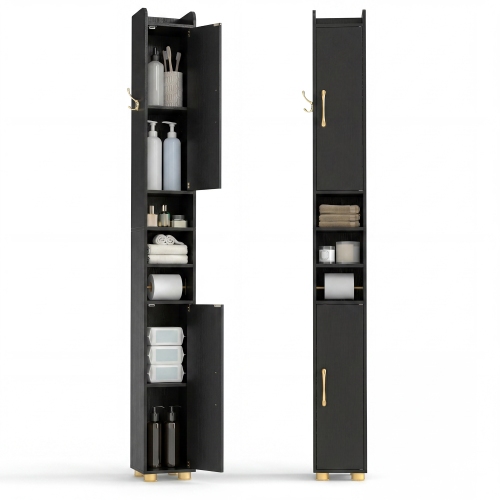
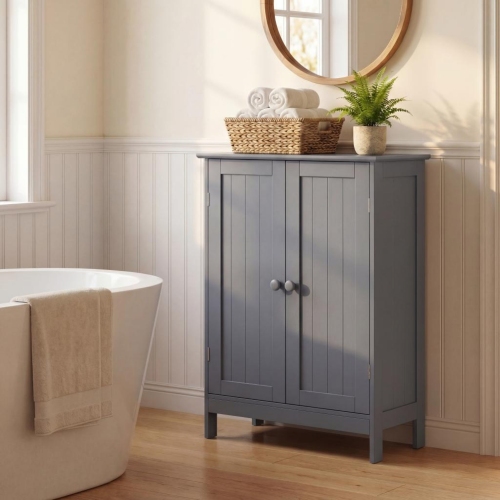
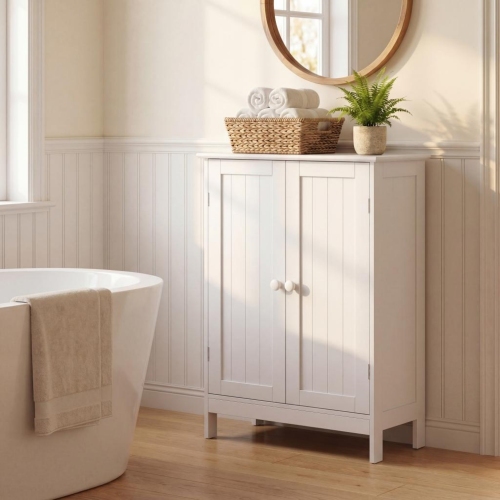
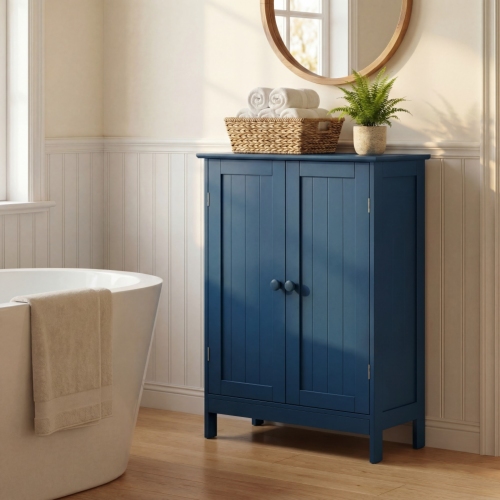
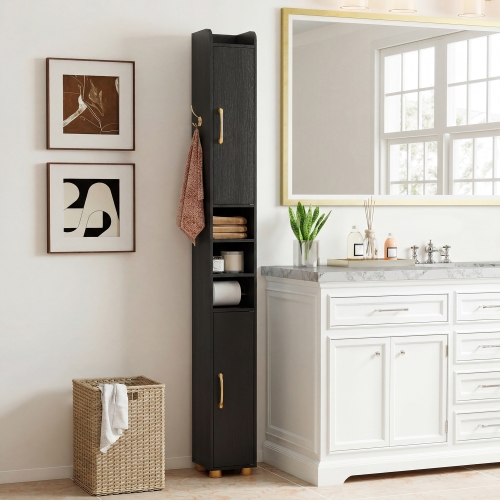
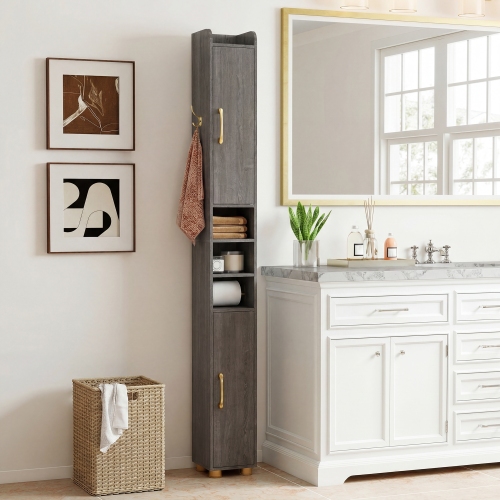
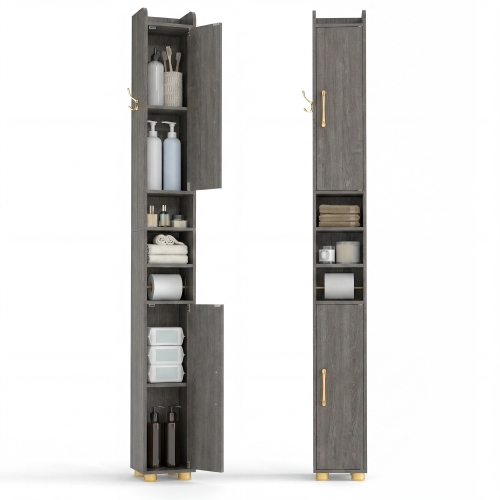
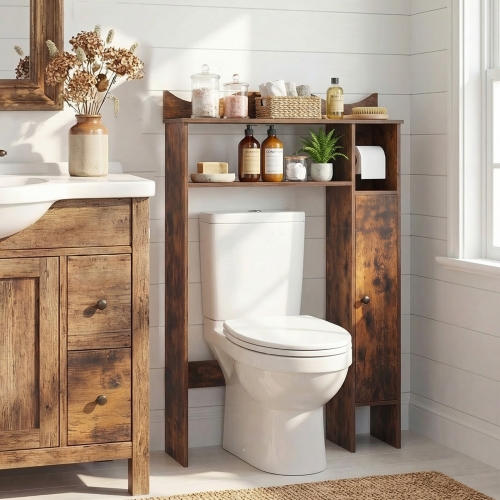
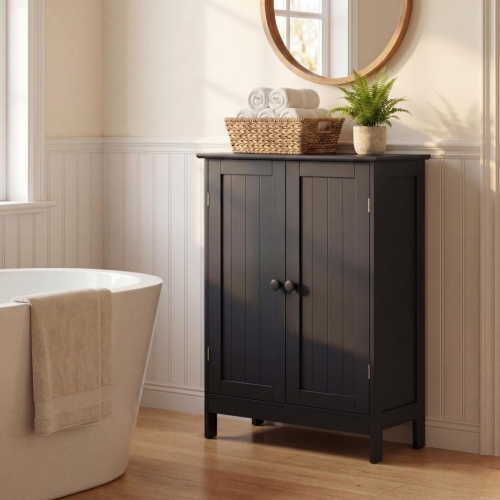
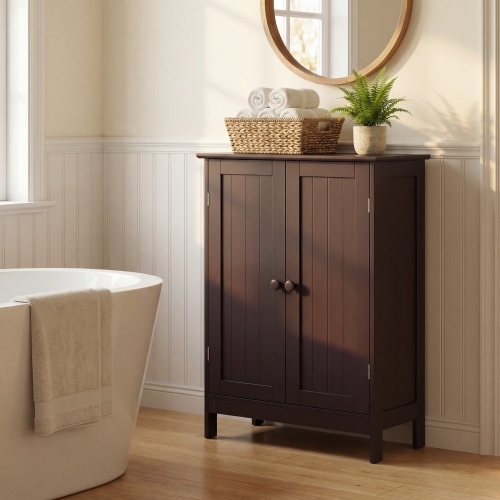
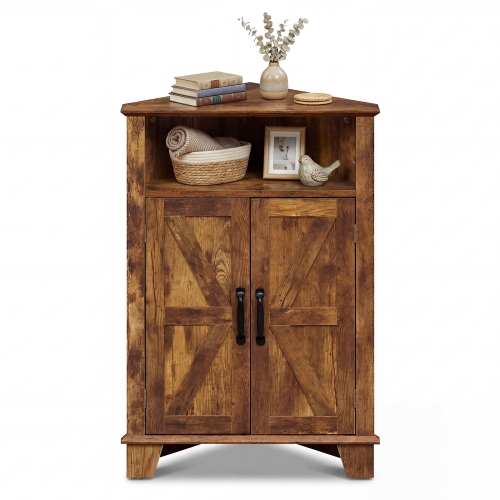
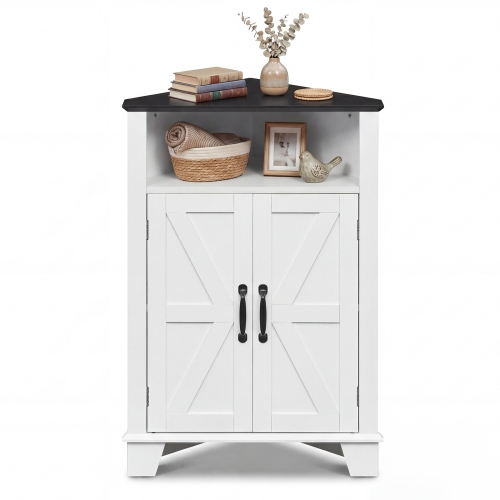
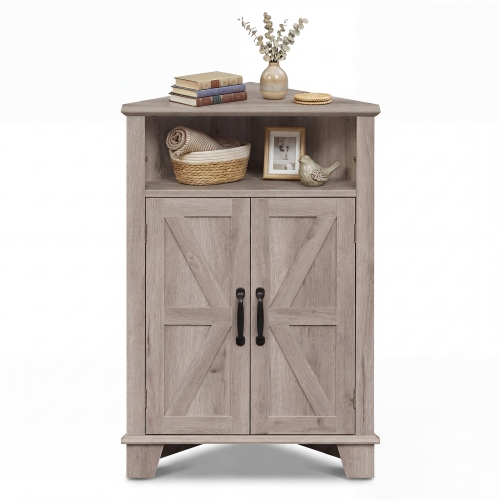
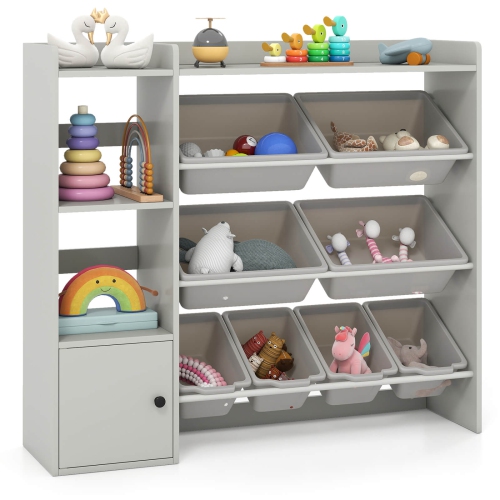
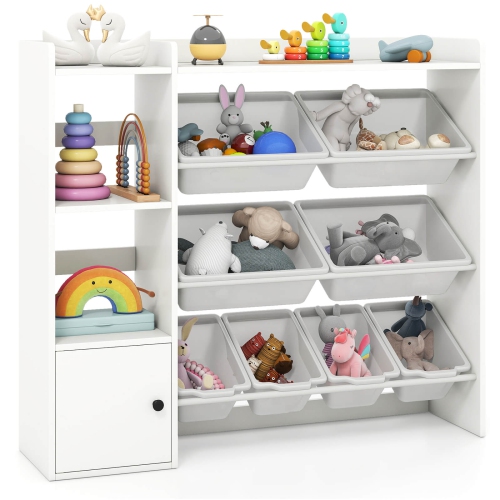
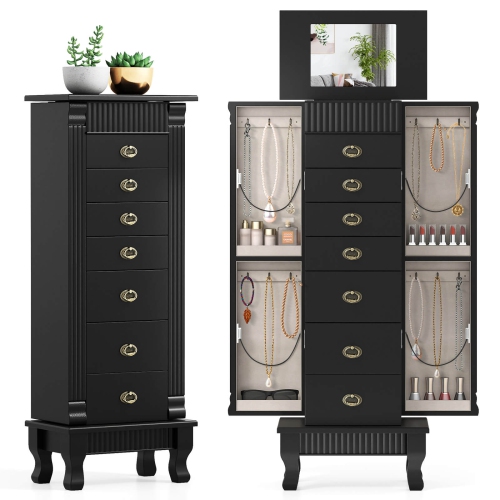

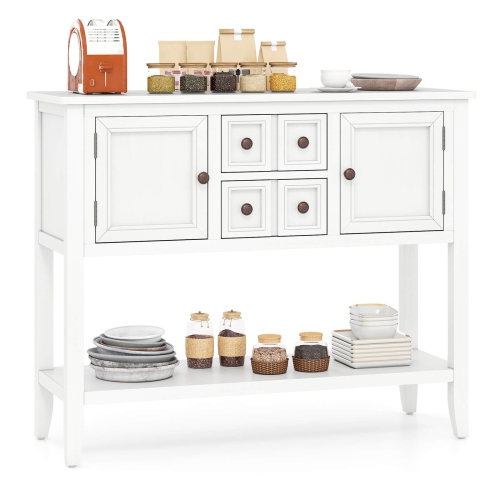
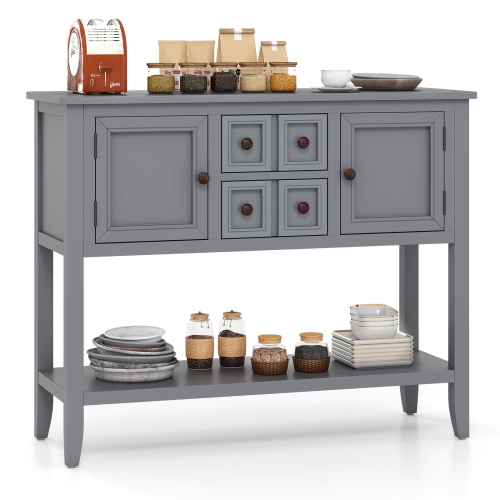
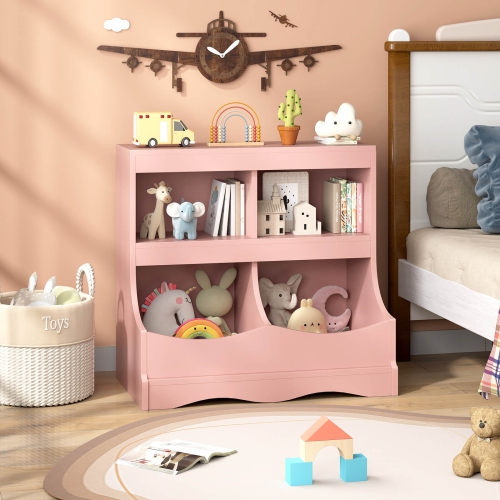
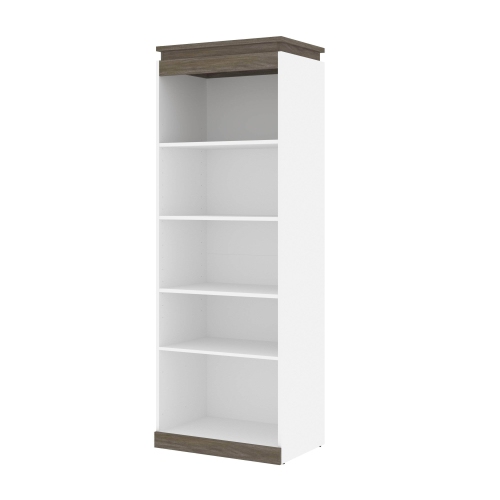
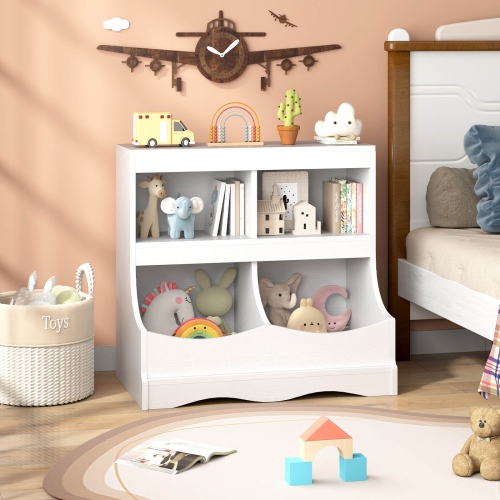
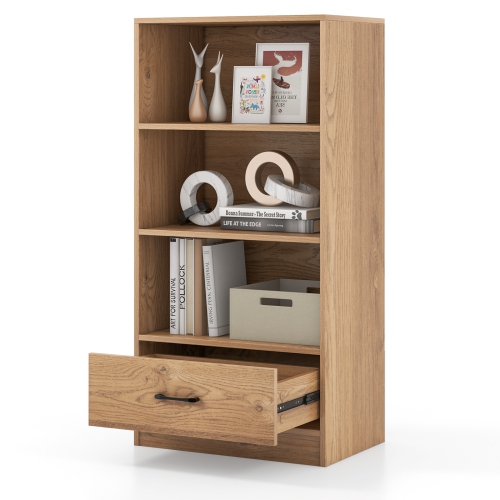
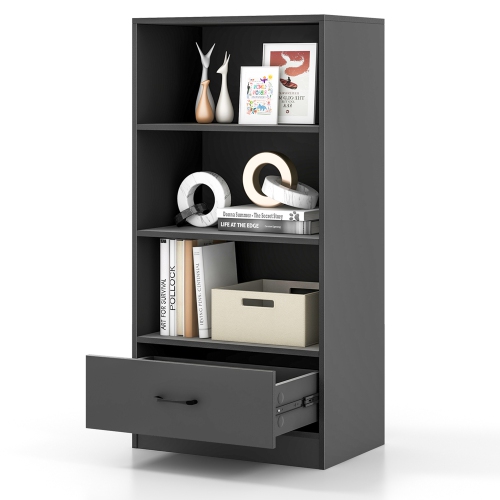
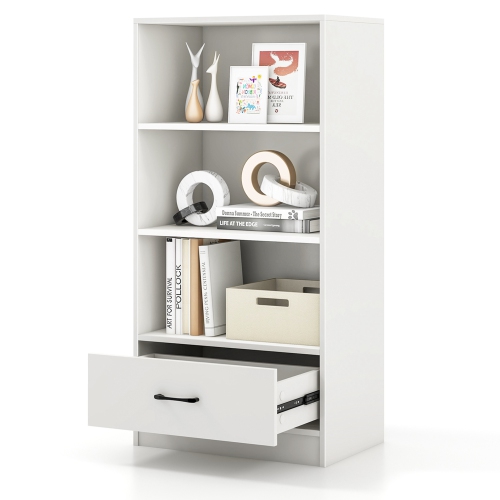
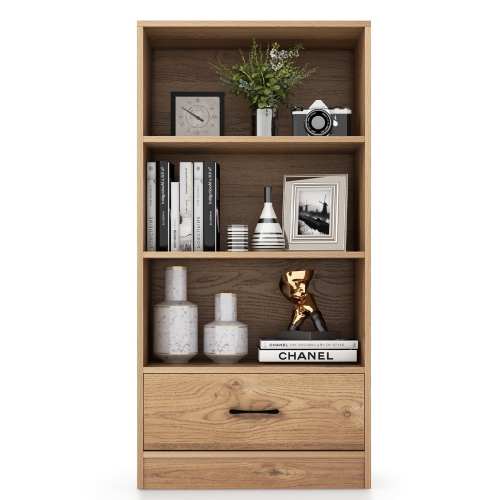
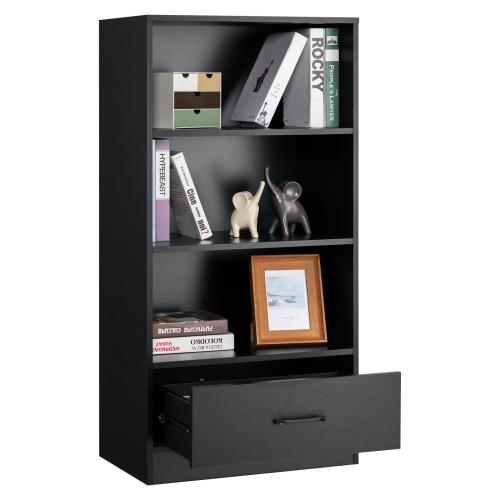
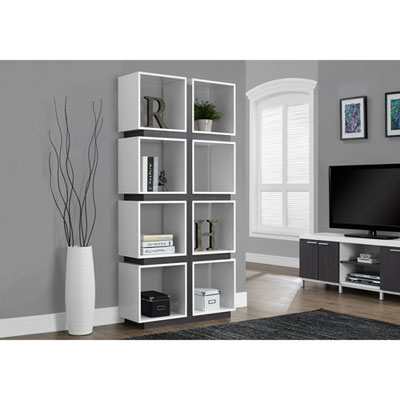
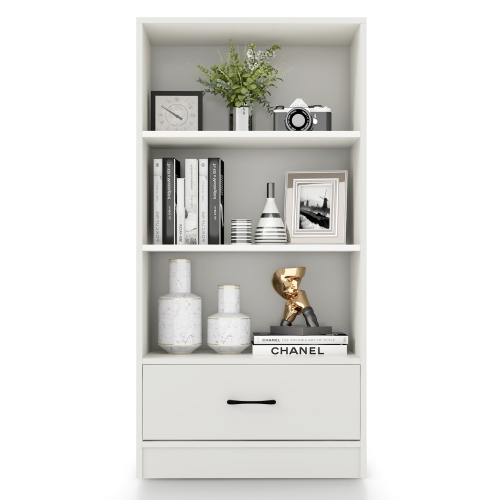
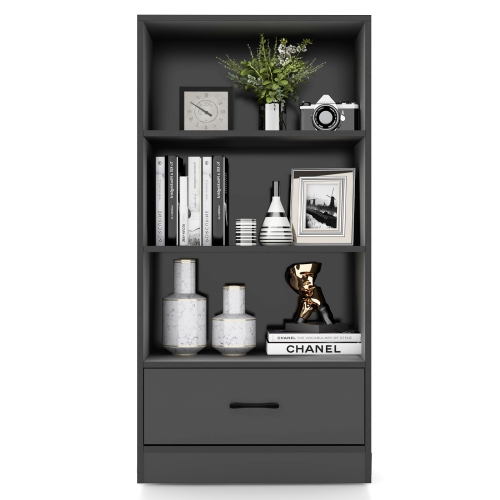
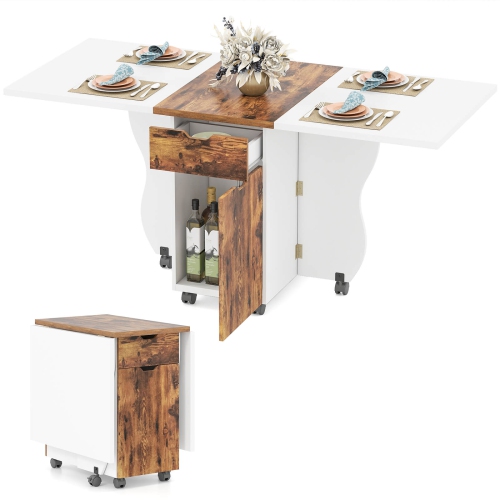
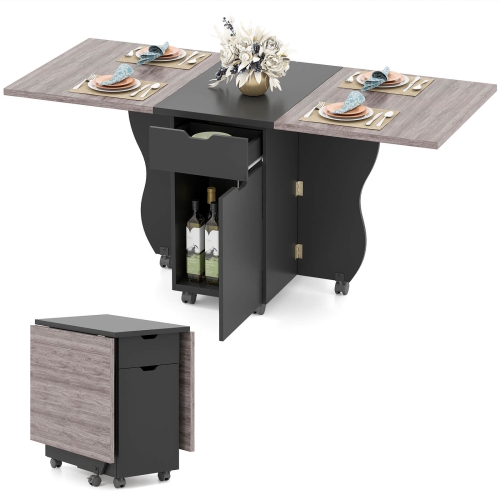
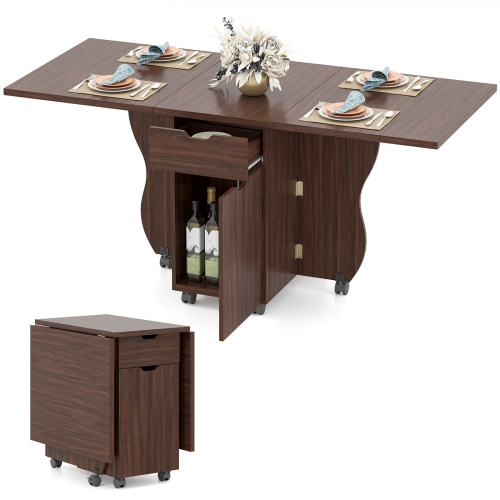
How neutral cabinets balance style and everyday storage
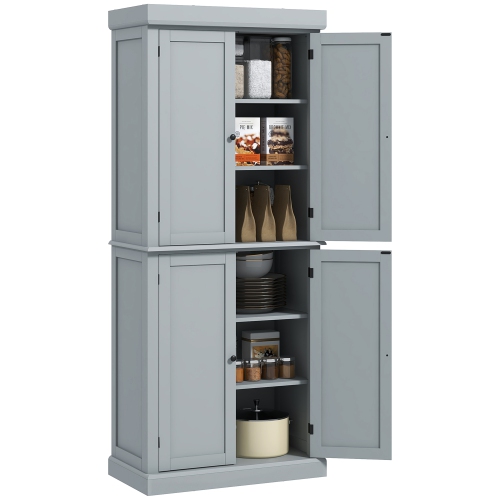
Grey and white cabinets bring a clean, versatile look to kitchens, bathrooms, dining areas, and living spaces, with a neutral palette that works across modern, traditional, and transitional interiors. White cabinetry can help a compact room feel more open, while grey adds definition and gives larger arrangements a grounded appearance. The two colours can appear together in a cabinet’s frame and doors, or across separate pieces, such as a white wall cabinet above a grey storage unit. A darker base can anchor a room without making the entire space feel heavy, while lighter upper cabinetry keeps the view above a countertop less visually crowded. Undertones make a noticeable difference: warm grey often sits comfortably beside oak and cream, while cooler grey can complement crisp white, stainless steel, and blue accents. Comparing finish samples beside existing flooring, walls, and countertops helps reveal whether the colours work together under the room’s lighting. For a room with a stronger grey foundation, Grey Kitchen Cabinets can provide contrast against white walls or a pale backsplash. Door profiles also influence the overall effect. Flat fronts create uninterrupted lines, shaker-style doors add subtle structure, and glass panels can break up a solid bank of cabinetry while keeping favourite dishes visible. Matte finishes tend to look understated, whereas gloss reflects more light and makes fingerprints easier to notice on some surfaces. Hardware offers another point of contrast: black pulls define pale doors, brushed metal keeps the look restrained, and warm metallic finishes can soften a cool colour scheme. In an open-plan home, repeating the same grey undertone or handle finish across a kitchen cabinet and a nearby storage cabinet can connect the spaces without making every piece identical. Even a small freestanding cabinet can feel intentional when its proportions and detailing echo the furniture around it.
Materials and construction influence how grey and white cabinets handle daily use, especially where doors are opened repeatedly or shelves carry substantial weight. Solid wood can offer distinctive grain and may allow refinishing, although it can expand and contract with changes in indoor humidity. Plywood is often used for cabinet boxes because of its layered construction, while medium-density fibreboard provides a smooth surface for painted doors. Particleboard is another common core material, and its performance depends on factors such as density, finish quality, edge sealing, and the cabinet’s construction. Laminate, melamine, paint, and wrapped finishes each have different care requirements, so the surface treatment matters as much as the material underneath. Smooth, sealed faces are generally straightforward to wipe, but exposed edges and damaged seams deserve attention because moisture can reach the core. In kitchens and bathrooms, cabinetry should be intended for the location rather than chosen on colour alone. A cabinet designed for a dry living area may not tolerate repeated splashes beside a sink. Drawer operation, hinge adjustment, and the fit of doors provide useful clues about everyday usability. Soft-close hardware can reduce slamming, but sturdy joints, secure fasteners, and suitable load ratings remain important for durability. Shelf thickness and support spacing also matter when storing stacks of plates, small appliances, or books. For routine care, a soft cloth and a cleaner approved for the finish are safer choices than abrasive pads or harsh chemicals. Wiping spills promptly, drying around handles and edges, and avoiding prolonged contact with wet towels can help preserve the surface. Pale doors may show marks around frequently used pulls, while darker grey surfaces can make dust or dried water droplets more noticeable. Handles that are easy to grasp can reduce repeated contact with the door face, a practical detail in busy households. On painted cabinetry, keeping the finish colour and care information on hand can also make future touch-ups easier to match.
The most useful cabinet is one that fits both the room and the belongings it needs to hold. Overall width, height, and depth are only the starting measurements; door swing, drawer extension, nearby trim, and access to outlets can determine whether a piece works comfortably in its intended spot. A shallow cabinet may suit a narrow hallway or dining nook, while deeper storage can accommodate serving bowls or folded linens. In a kitchen, drawers can make frequently used utensils easier to reach, whereas adjustable shelves offer flexibility for taller containers and cookware. Bathroom storage benefits from compartments that keep toiletries separate from towels, provided the cabinet is suitable for the room’s moisture exposure. In a living room or home office, closed doors can conceal paperwork, cables, and board games, leaving the visible surfaces calmer. Cabinets used for electronics need appropriate ventilation and cable access; a fully enclosed compartment is not automatically suitable for equipment that gives off heat. Thinking through a normal day helps establish the right arrangement. Breakfast dishes are easier to put away near the eating area, children’s craft supplies can sit on accessible lower shelves, and less frequently used serving pieces can occupy higher storage. Heavy belongings belong low where practical, within the stated weight limits, and tall or top-heavy cabinets should be secured according to the manufacturer’s instructions. Wall-mounted units need fixings appropriate to the wall construction and the weight they will carry. Freestanding cabinetry may also require anti-tip anchoring, particularly in homes with children. Assembly access matters too: there needs to be enough room to position panels, attach hardware, and move the finished cabinet into place. Grey and white finishes give these practical pieces a consistent visual language, whether the goal is a coordinated kitchen, a tidy bathroom, or discreet storage beside a dining table. Matching the cabinet’s construction, internal layout, and proportions to its everyday purpose makes the colour choice feel like part of the room rather than an isolated detail.
Top selling and popular products
-
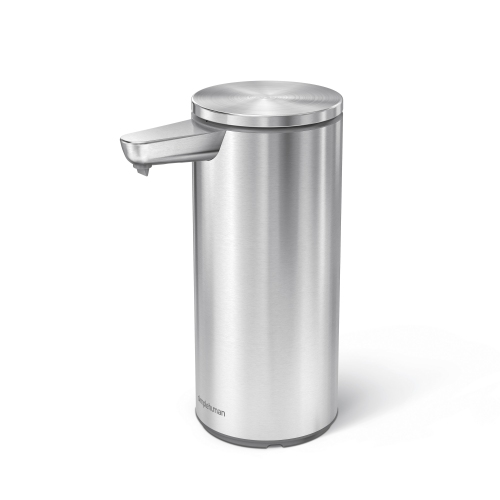 Your price for this item is $70
-
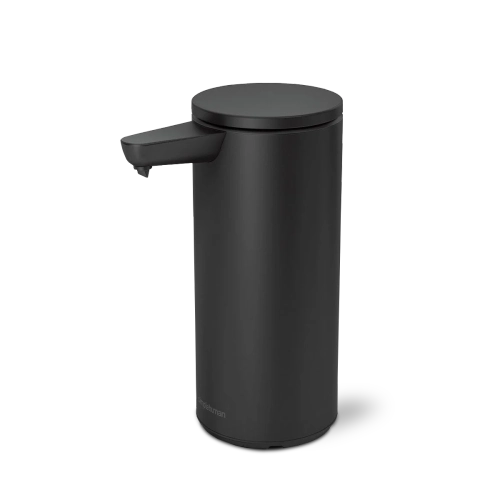 Your price for this item is $80
-
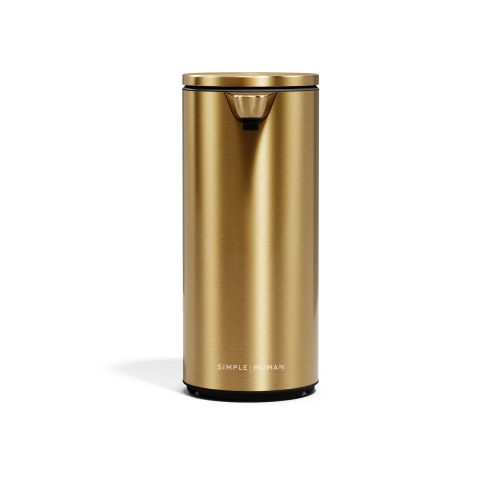 Your price for this item is $80
-
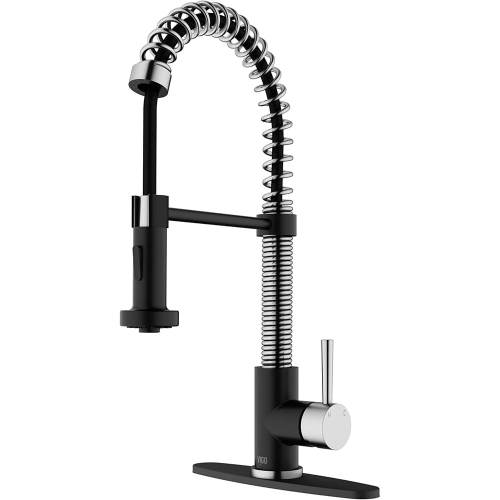 Your price for this item is $426.55
-
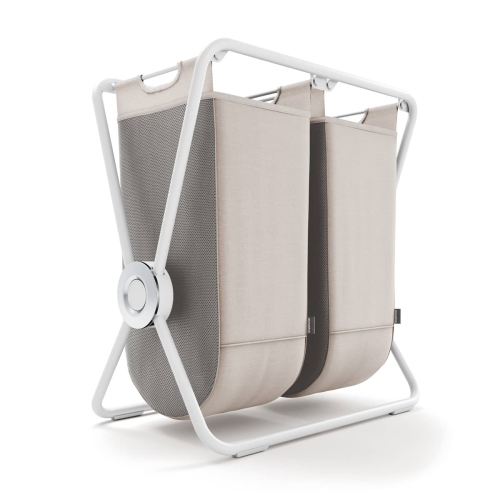 Your price for this item is $300
-
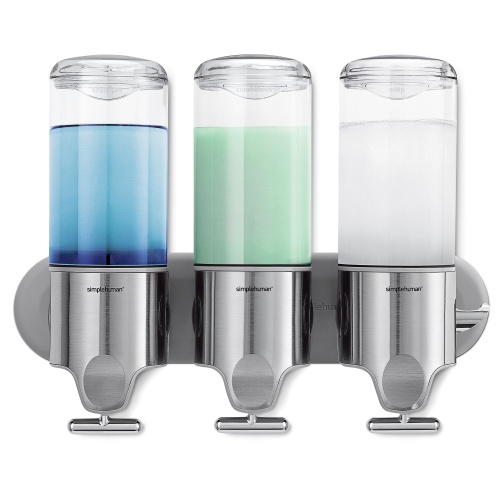 Your price for this item is $120
-
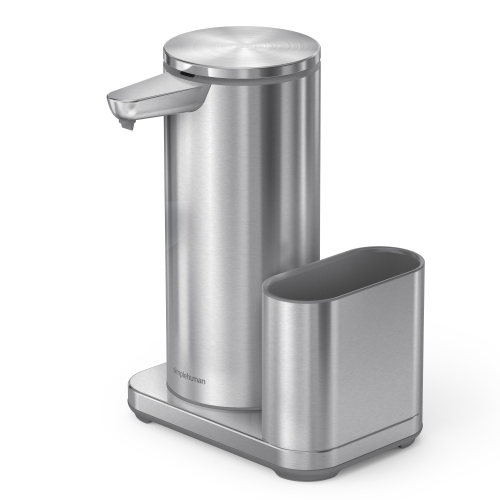 Your price for this item is $120
-
 Your price for this item is $135
Discover more categories related to Grey And White Cabinets


Top Collections:
Best Black Friday Deals This Year, Best Black Friday Deals On Electronics, Kindle Devices, Dyson Airwrap, Best Cameras for Sports Photography, Best Budget Office Chairs, Canon G7X Cameras, PS5 Pro Consoles, Best Black Friday Deals On Apple Products, XBOX One S Consoles
Some products may be subject to Environmental Handling Fees
(EHF) depending on your province.
Learn more about EHFs.