Grey Fabric Storage Boxes With Lids
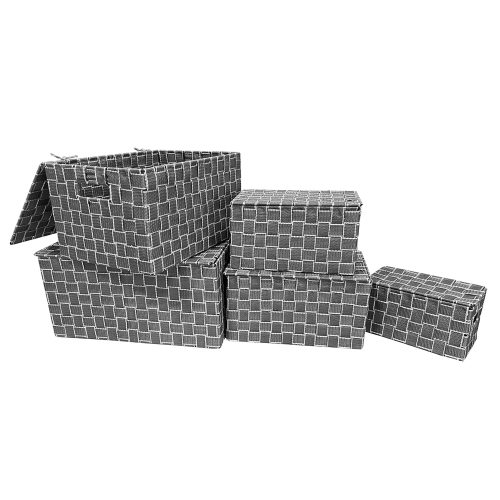
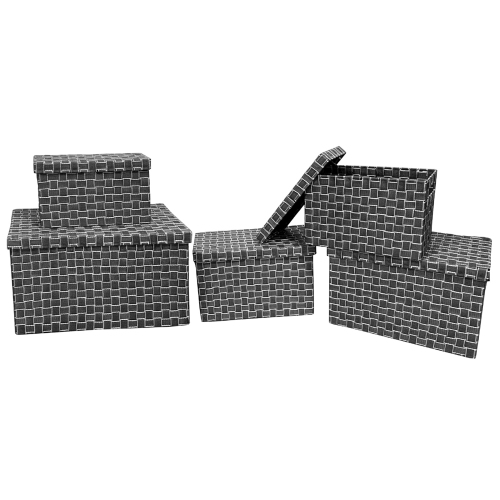
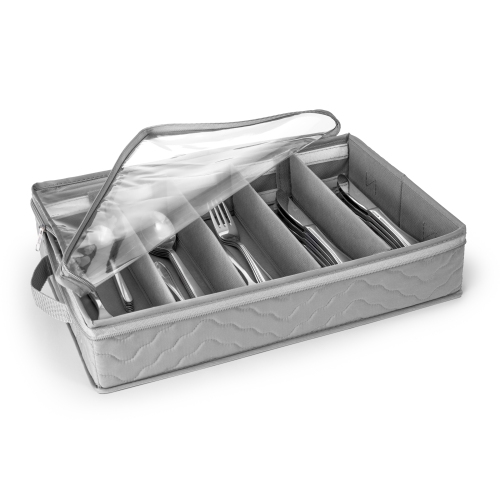
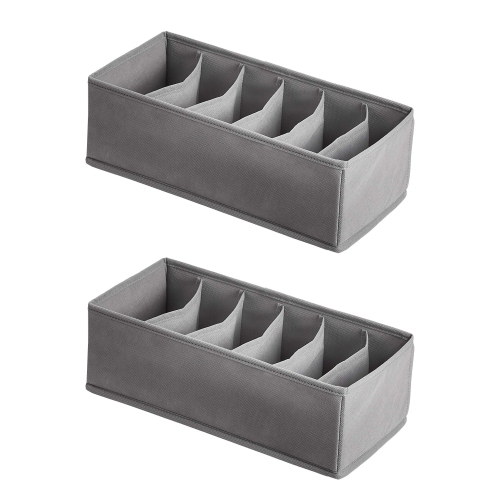
Grey Fabric Storage Boxes With Lids offer a versatile solution for keeping your home or office organized and clutter-free. Their neutral color blends seamlessly with a variety of décor styles, making them a popular choice for any room. Ideal for storing clothes, toys, documents, and more, these storage boxes provide both functionality and a clean, modern look. Explore a variety of sizes and designs to find the perfect fit for your shelving units, closets, or living spaces.
Sort

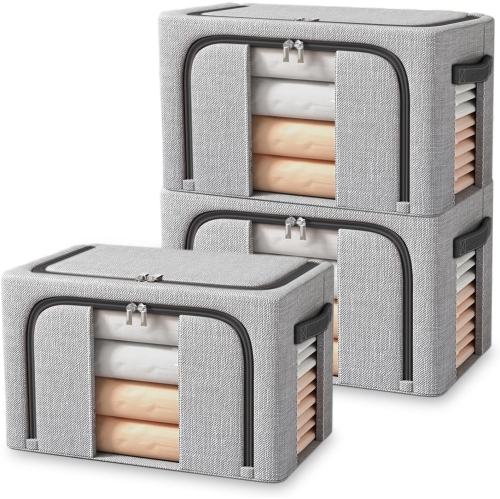
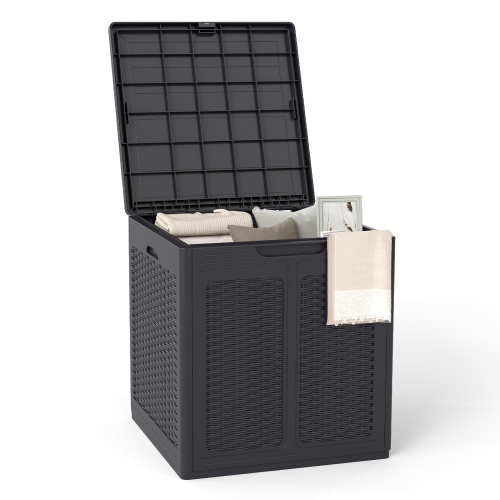
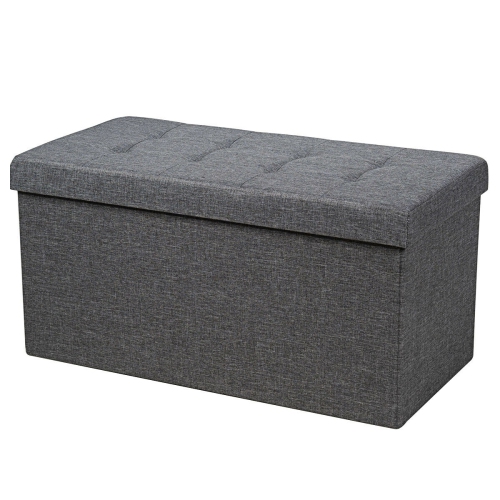
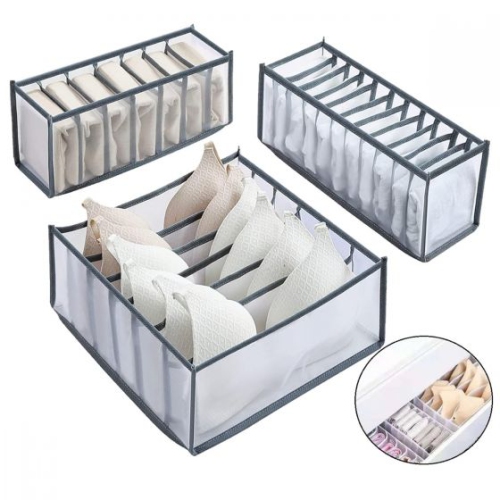
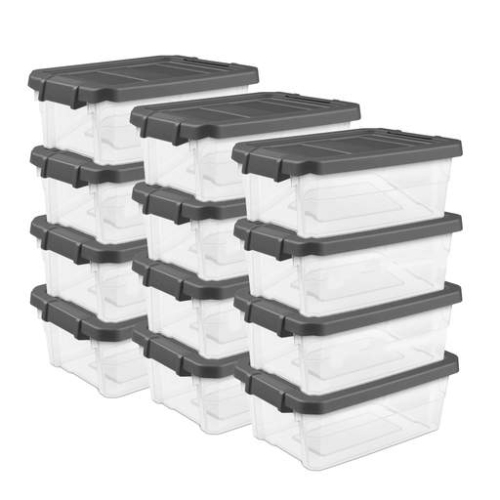
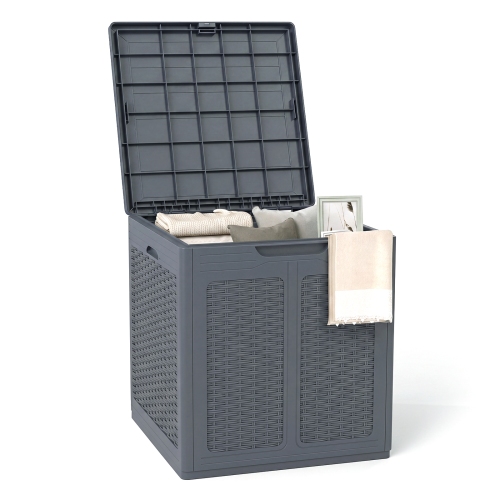
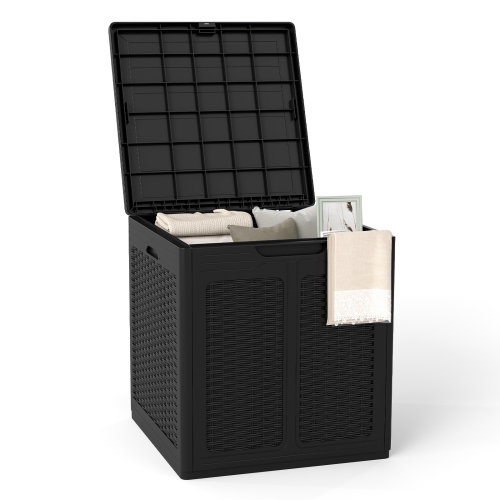
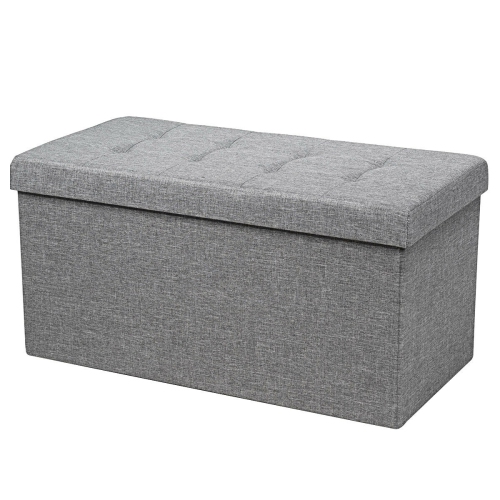
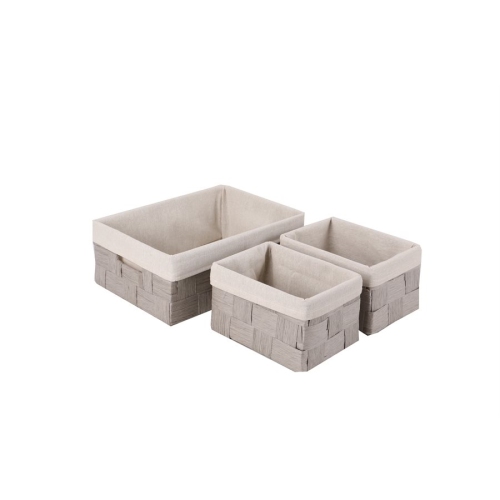
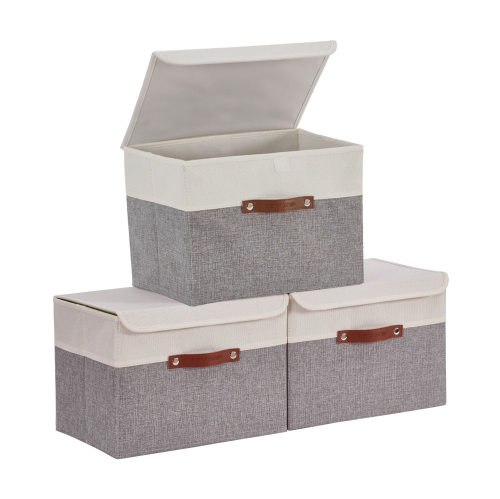

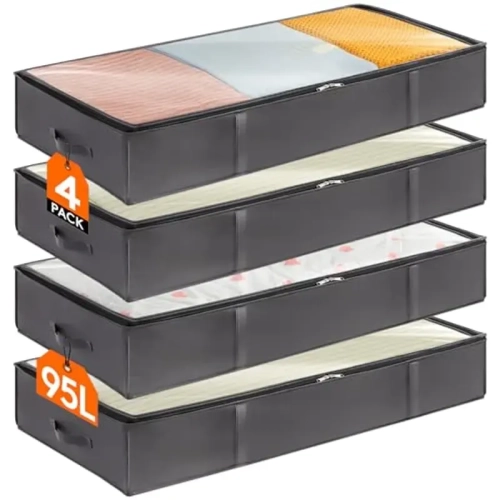
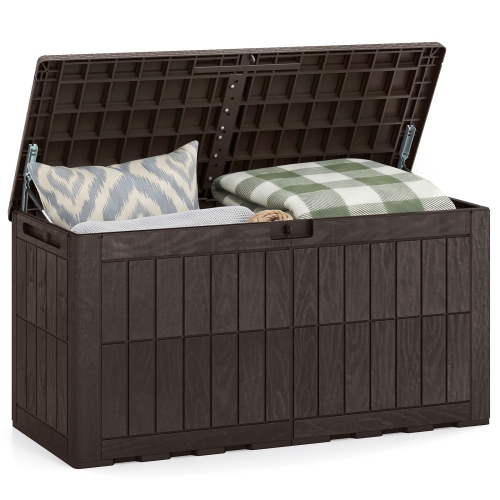
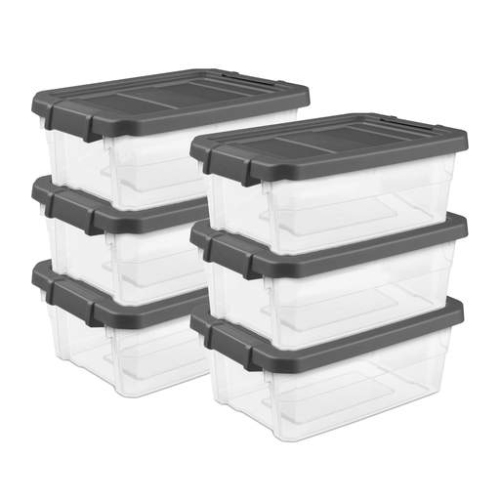
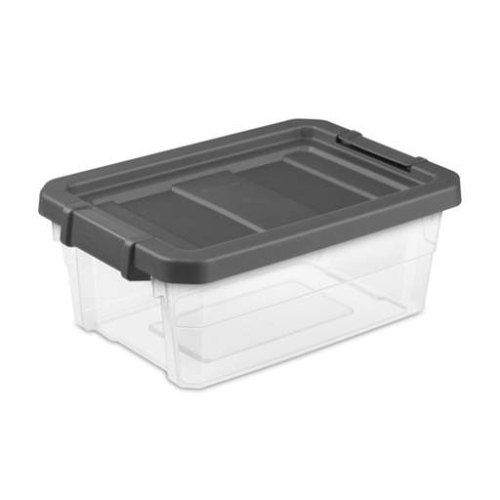
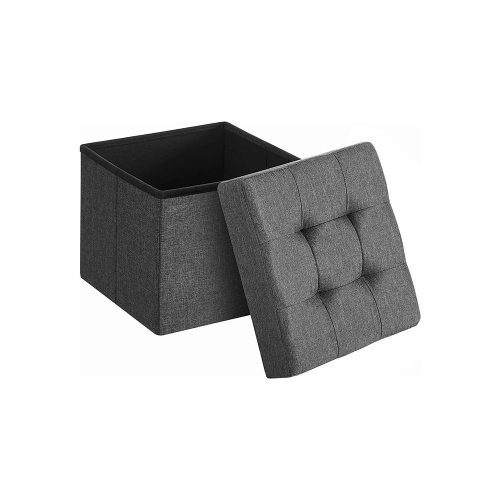
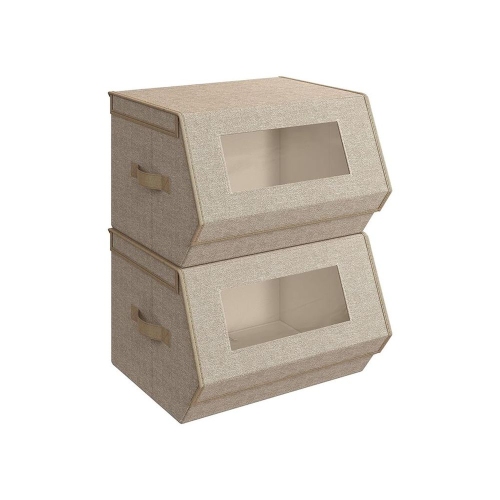
Soft texture meets practical storage for everyday belongings
Grey fabric storage boxes with lids combine covered storage with a soft, understated appearance that works well on open shelves, inside wardrobes, and beneath benches. They give everyday belongings a defined place without leaving every cable, folded shirt, or craft supply on display. The fabric exterior brings texture to a room, while the lid helps keep settled dust off the contents and creates a tidier outline than an open basket. Grey is particularly versatile alongside white shelving, natural wood, black metal, and upholstered furniture, although the shade makes a difference: pale grey feels light and subtle, while charcoal creates a stronger contrast. Woven textures, felt-like finishes, and smooth fabric coverings each have a different character, so boxes in similar colours may still look noticeably different when placed together. In a living room, a lidded box can hold spare cushion covers or small accessories beside a sofa; in a bedroom, several matching boxes can separate scarves, sleepwear, and keepsakes across a wardrobe shelf. The lid style affects everyday convenience as much as appearance. A fully removable lid offers broad access when packing folded textiles, whereas an attached flap keeps the cover connected to the box during frequent use. Some designs have fabric tabs, pull handles, or label holders that make a row of similar boxes easier to navigate. Those details are useful when the contents cannot be seen at a glance, especially on shared shelving where several people put things away. Rectangular shapes often make efficient use of deeper shelves, while cube-shaped formats suit compartments with roughly equal height and width. Neither shape guarantees a fit, since handles, lid edges, and shelf hardware can all take up space. A coordinated group can give visible storage a consistent finish, but using different sizes for different belongings often makes the arrangement more practical. The most useful combination is one that looks settled in the room and remains easy to open, lift, and return after daily use.
Materials and construction determine how a fabric storage box holds its shape and what it can comfortably carry. Depending on the design, an outer layer of woven polyester, cotton-blend fabric, non-woven material, or felt may cover reinforcing panels made from cardboard, fibreboard, or plastic. The fabric provides the surface texture, while the panels and base supply much of the structure. A removable base insert can help a folding box stand square, but it does not necessarily make that box suitable for heavy books or tightly packed equipment. Reinforced seams, neatly finished edges, secure handle attachments, and a lid that sits evenly are useful details to compare. Handles are especially important when a box will be pulled from a deep shelf; a small fabric loop may be convenient for sliding a lightly filled container forward without being intended for carrying a heavy load across a room. Stacking also depends on the construction. A structured box with a firm lid may support another lightweight container if its stated limits allow, while a softer design can bow or compress under pressure. Fit involves more than matching a labelled size to a shelf opening. Exterior measurements need to account for the lid and any projecting handles, and interior measurements may be smaller because of the wall thickness. There also needs to be enough clearance to lift the lid or draw the box out without scraping the shelf above. For under-bed use, the narrowest clearance beneath the frame matters more than the apparent height of the open space beside it. Care requirements vary with the covering and internal support. Unless the care label specifically permits washing, a fabric-covered box with rigid inserts should not be treated like a washable textile bin. Dusting, gentle vacuuming with a suitable attachment, or spot cleaning may be appropriate where the manufacturer allows. Any cleaned surface should dry fully before the lid is replaced. Fabric construction should not be assumed to be waterproof, airtight, or suitable for damp locations.
The right capacity depends on both the amount being stored and how often it needs to be reached. A shallow box can keep accessories in a single visible layer, while a deeper format suits folded bedding or other bulky, lightweight belongings. Filling a large box with many small objects can make the contents harder to find, so smaller pouches or dividers may be useful inside when the design allows. For generous shelf spaces or larger textiles, Large Storage Boxes offer another category to explore alongside fabric styles, with attention to dimensions, construction, and intended use. Capacity alone does not determine convenience: a box that becomes awkward to lift when full may be less useful than two smaller ones that can be handled comfortably. In compact apartments, covered fabric storage can make a bookcase or wardrobe work harder without giving the room the appearance of a utility area. In a home office, it can group spare charging cables, stationery, and paper supplies, provided the weight remains within the box’s limits. In a child’s room, lightweight storage at an accessible height can give dress-up clothes or soft toys a consistent home; closures, handles, and placement still need to suit the child’s age and abilities. Students and people setting up a first home may appreciate collapsible designs that fold away when empty, although folding construction varies and should not be assumed. For clothing and linens, clean, completely dry contents help keep covered storage fresh, and a fabric lid does not replace protection specifically designed for moisture or pests. Frequently used belongings belong where the lid can be opened easily, while less-used keepsakes can occupy higher shelves if they can be retrieved safely. A simple label on the front can prevent repeated unpacking, particularly when several identical grey boxes sit side by side. With suitable sizing and construction, these boxes bring order to visible shelving and enclosed storage alike, keeping familiar belongings contained without making everyday access unnecessarily complicated.
Top selling and popular products
-
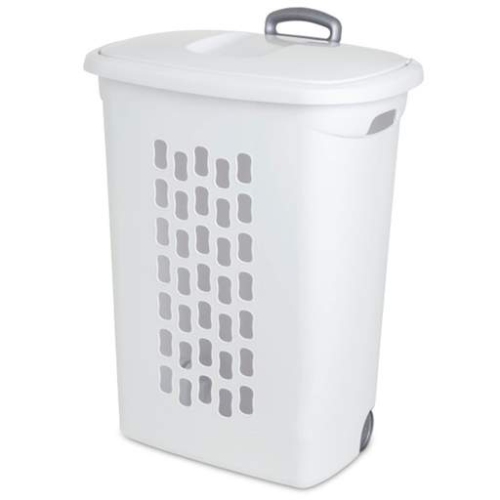 Your price for this item is $557.99
-
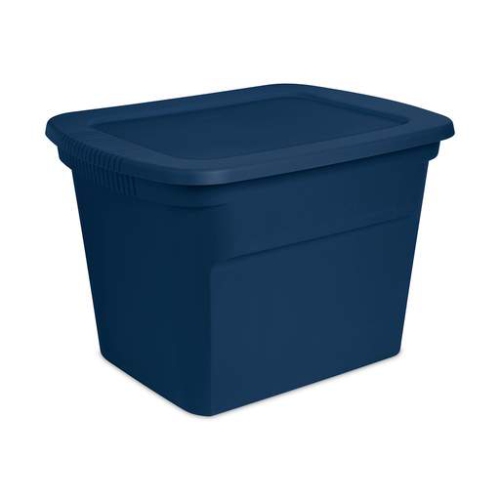 Your price for this item is $886.99
-
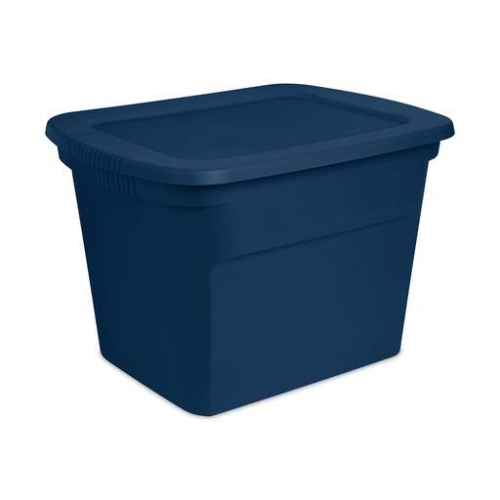 Your price for this item is $1197.99
-
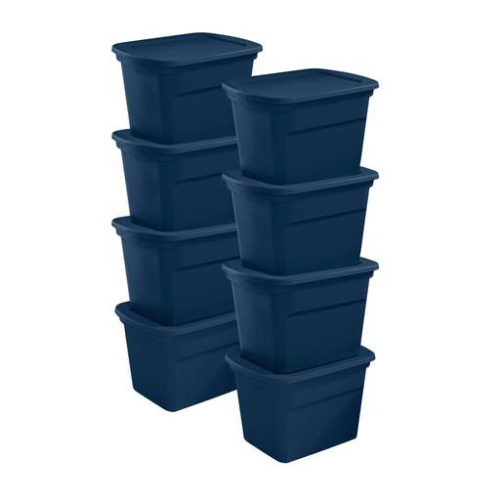 Your price for this item is $298.99
-
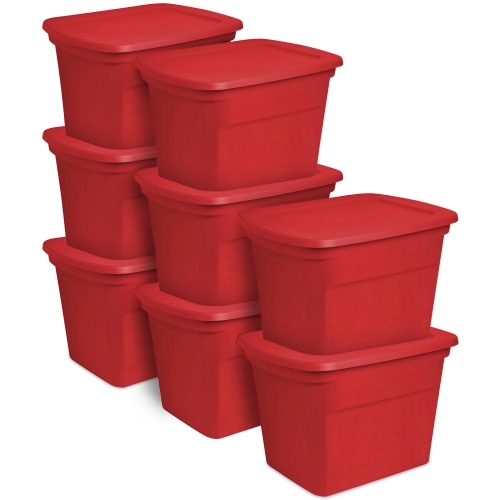 Your price for this item is $254.99
-
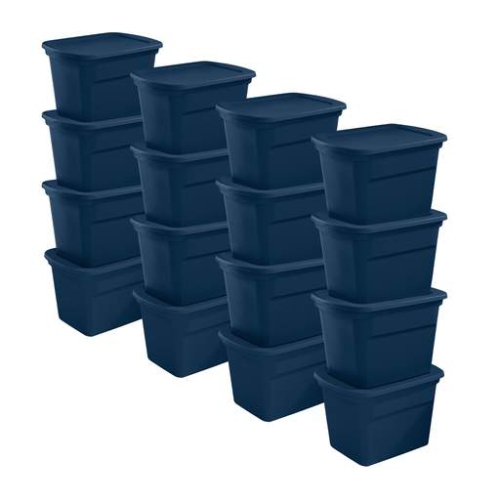 Your price for this item is $598.99
-
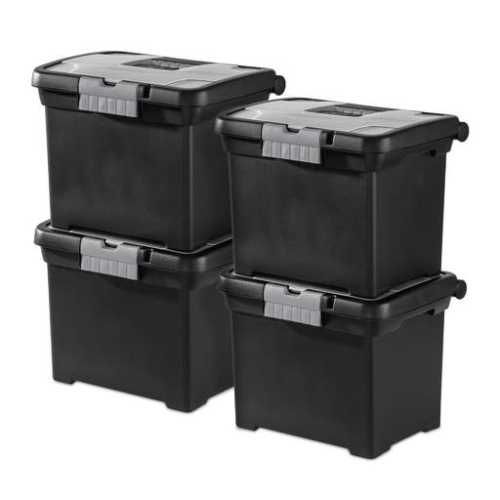 Your price for this item is $176.99
-
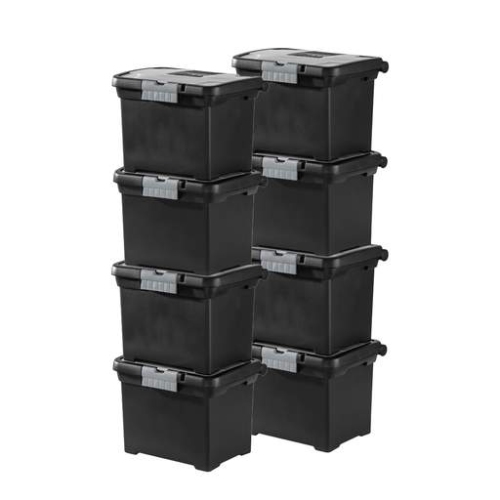 Your price for this item is $278.99
Discover more categories related to Grey Fabric Storage Boxes With Lids

Top Collections:
Best Black Friday Deals This Year, Best Black Friday Deals On Electronics, Kindle Devices, Best Black Friday Deals On Apple Products, Best Budget Office Chairs, Best Cameras for Sports Photography, Dyson Airwrap, Canon G7X Cameras, Best Laptops for Writers, Samsung Galaxy Phones
Some products may be subject to Environmental Handling Fees
(EHF) depending on your province.
Learn more about EHFs.