Cube Storage Boxes With Lids
Cube Storage Boxes With Lids offer a simple and stylish solution for organizing any space in your home or office. Perfect for keeping everyday essentials, seasonal items, or accessories neatly tucked away, these versatile storage boxes fit seamlessly into shelves, closets, and cubbies. With a variety of sizes, colors, and designs available, it's easy to find options that complement your decor while helping you maximize your storage potential. Discover how Cube Storage Boxes With Lids can help create a clutter-free and organized environment in every room.
Sort

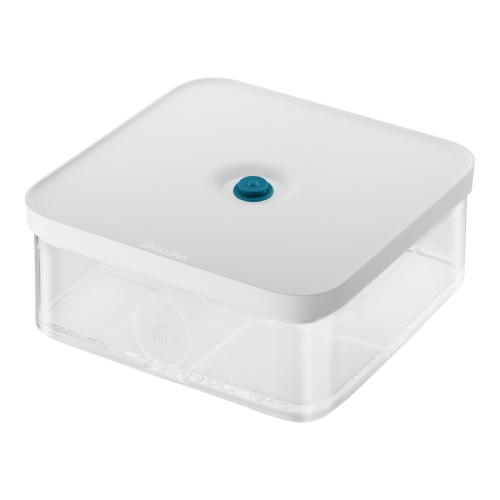
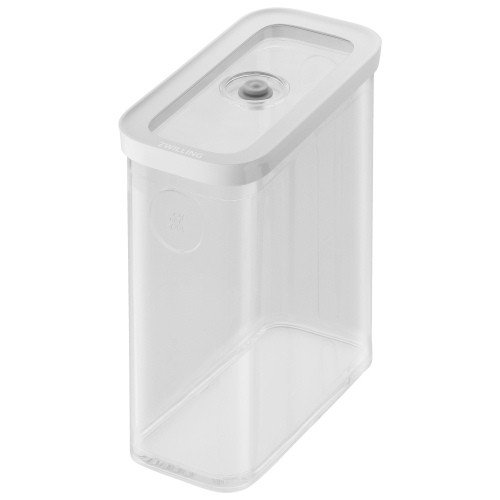
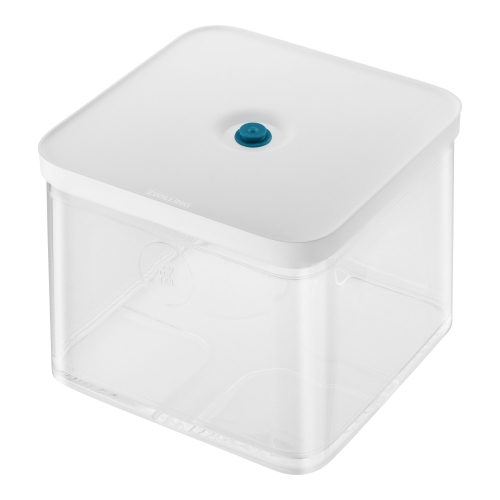
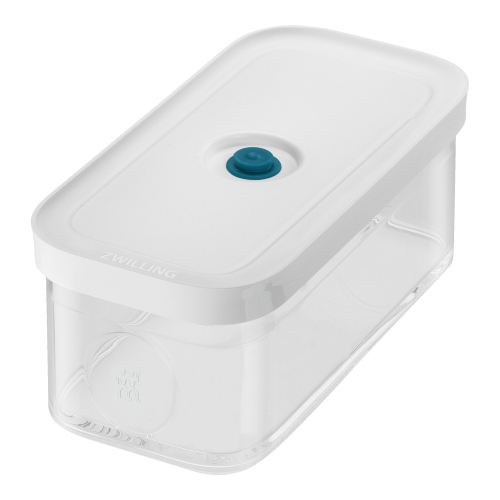
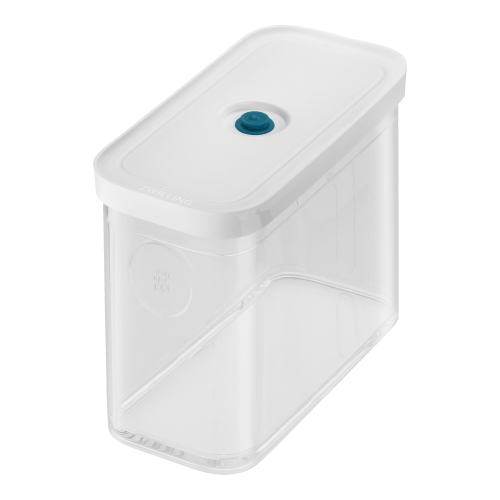

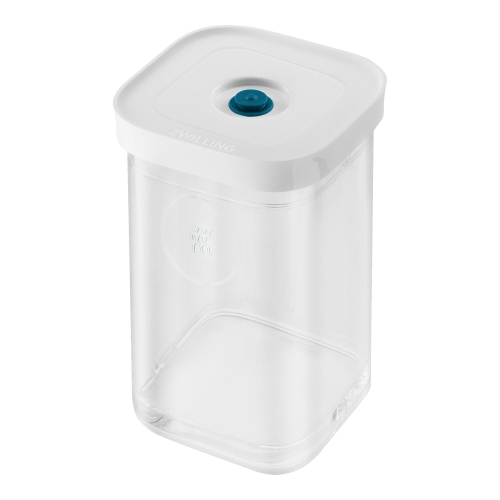
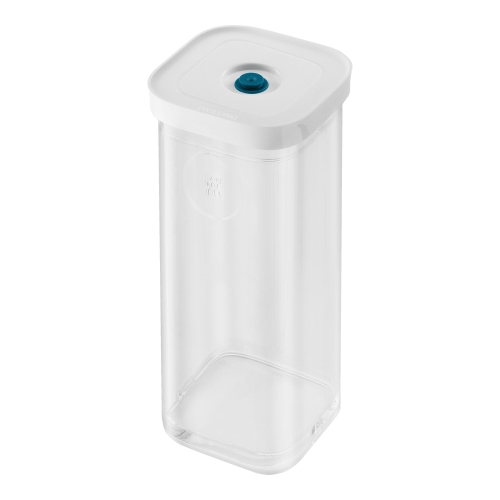
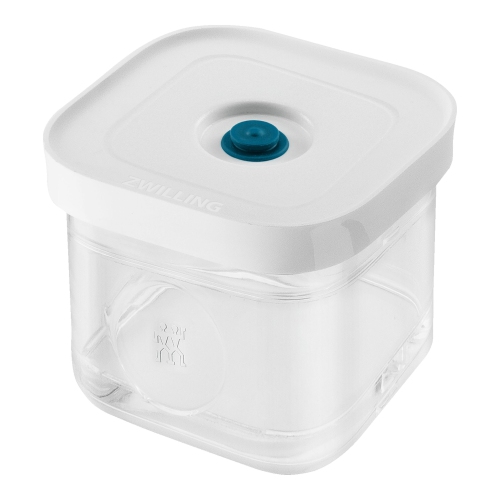
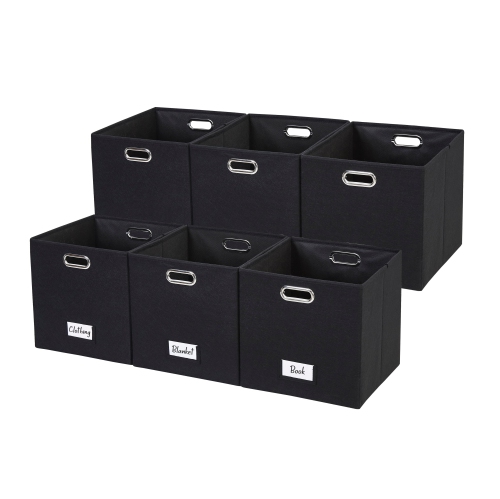
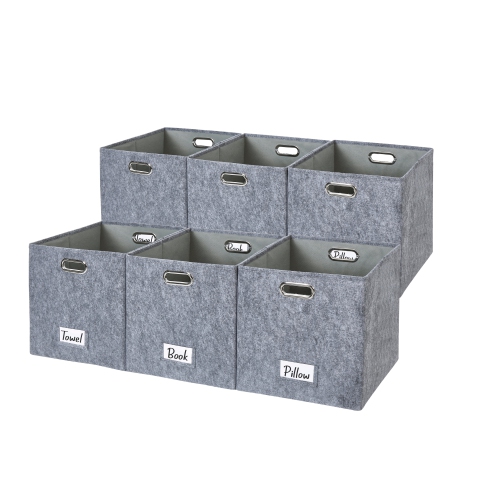
Why shelf fit matters beyond a box’s width
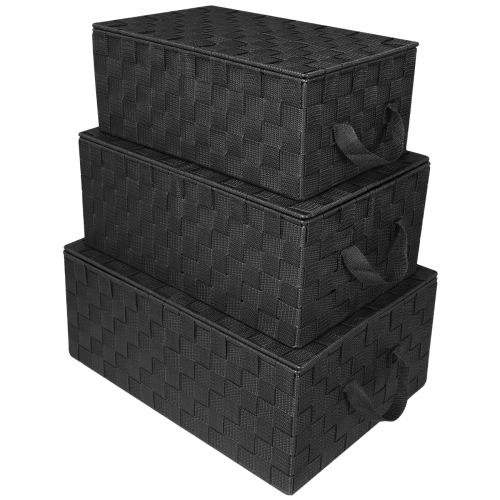
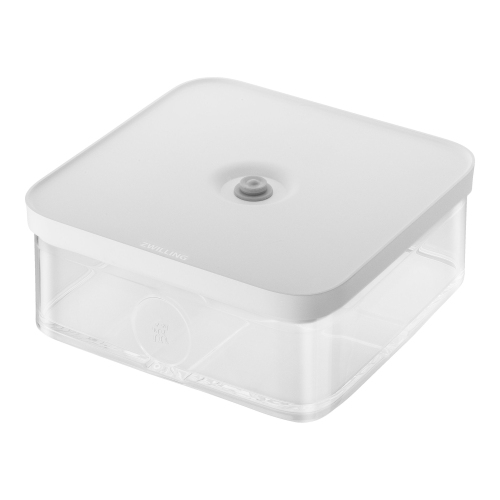
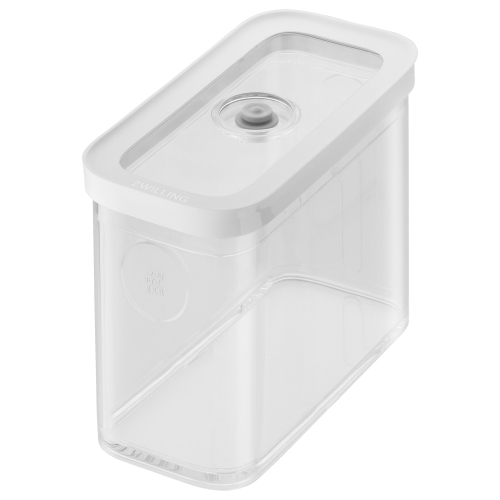
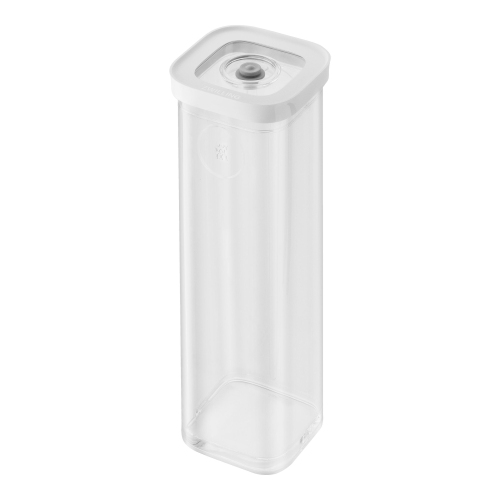
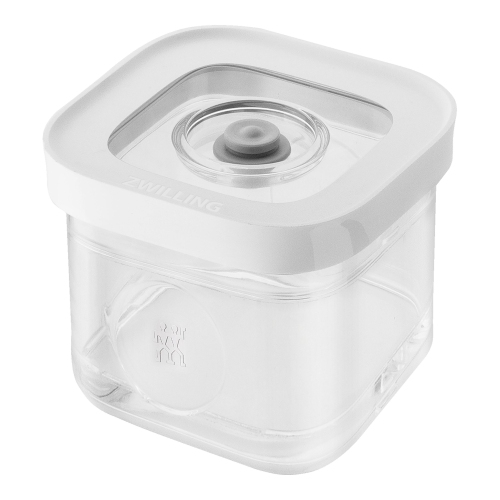
Cube storage boxes with lids bring covered organization to open shelving, closets, and living spaces, giving loose belongings a defined place without leaving everything on display. Their square shape makes them useful for cube shelving, where a row of matching boxes can turn open compartments into separate storage spaces for toys, craft supplies, small accessories, or household essentials. A lid helps reduce dust settling on the contents and keeps busy shelves looking tidy, although an ordinary lid should not be treated as an airtight or waterproof seal. These boxes also work independently on closet shelves, beneath a console table, or beside a desk, provided their dimensions suit the space. Fit depends on more than the width of the shelf opening: the box’s exterior height and depth, the thickness of its lid, and any projecting handles all affect how comfortably it sits. Interior measurements matter as well, especially for notebooks, folded linens, or other belongings that need to lie flat. A box may fit inside a cubby yet leave too little clearance to lift its lid, so a lift-off design often needs to be pulled forward before opening. A hinged lid needs space behind and above the box, while a flexible fabric cover may offer a different opening arrangement. For everyday storage, a little clearance around the sides makes removal easier and helps prevent fabric from rubbing against the shelving. Where several boxes will sit together, consistent dimensions create a balanced appearance and make it easier to assign each compartment a purpose. Stacking is a separate consideration from shelf fit. Some rigid boxes are designed to support another box on top, but soft-sided cubes and decorative lids may not tolerate that pressure. A flat top alone does not establish that a box is stackable; its construction and stated load limits are more useful indicators. Heavier contents generally belong on lower shelves, with frequently used belongings positioned where the box can be removed comfortably.
Materials influence how cube storage boxes with lids feel, how well they hold their shape, and which belongings they suit. Fabric-covered boxes offer a softer appearance that works well alongside upholstered furniture, bedding, and curtains. Depending on the design, woven fabric may cover stiff panels that support the sides and base, or the box may have a more flexible construction intended for lightweight contents. Structured sides help a cube remain upright as it is filled and emptied, while a reinforced base can make it easier to move folded clothing or a collection of small toys without the bottom sagging. Collapsible designs are useful when storage needs change, since an empty box can often be folded away; the folding method and removable components vary by construction. Rigid plastic boxes generally offer a wipeable surface and firmer walls, making them practical for belongings that are handled often or stored where occasional splashes are possible. However, a plastic body does not necessarily mean that the lid seals against moisture, and contents should be dry before they are put away. Fabric boxes with cardboard-based supports are better kept away from damp floors and repeated splashes, which can affect their shape. Lid design also changes the everyday experience. A separate lid provides straightforward access but needs somewhere to rest while the box is open. An attached lid stays with the box, while closures such as zips or hook-and-loop fasteners can help keep a flexible cover in place. None of these features should be assumed to provide security for hazardous belongings. Handles deserve attention too: stitched fabric loops, inset grips, and metal-rimmed openings offer different ways to pull a box from a shelf. Reinforced attachment points matter when a box will be moved regularly. For heavier contents, supporting the base rather than carrying the full load by a small pull handle can help limit strain on the box.
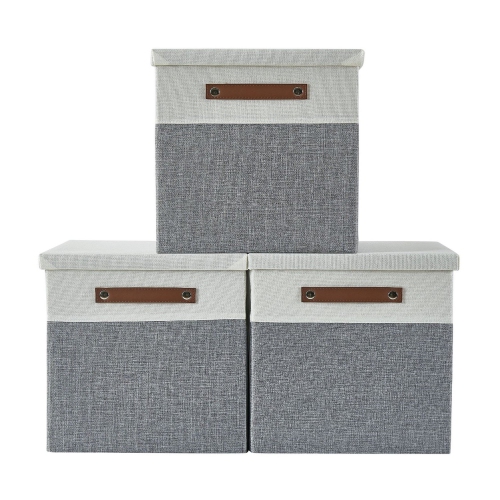
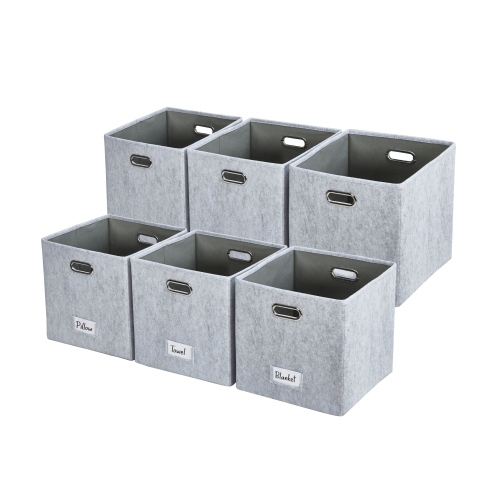
The most useful storage arrangement reflects what happens in the room. In a living room, one cube might hold game controllers and charging cables, while another keeps puzzles or craft materials together until they are needed. In a bedroom, covered boxes can separate scarves, belts, spare pillowcases, and smaller clothing accessories that otherwise disappear into the back of a closet. A home office benefits from defined spaces for stationery, spare cables, and notebooks, especially when the shelving is visible during video calls. In shared households, assigning a box to each person can make it easier to put belongings away without mixing everyone’s things together. Labels, viewing windows, or a consistent shelf position can help identify contents when lids conceal them. Overfilling makes that organization less useful: a lid that bows upward or needs to be forced closed can put pressure on seams and make the box awkward to retrieve. Leaving enough room for the lid to sit properly also reduces creasing in folded textiles. Colour and texture help covered storage feel like part of the room rather than an afterthought. Neutral shades can blend into shelving, while contrasting colours distinguish categories or add interest to a plain unit. For a coordinated, soft-sided look, grey fabric storage boxes with lids suit a range of light and dark furnishings without drawing attention away from the rest of the space. Care depends on the materials and care label. Fabric surfaces may benefit from gentle vacuuming or spot cleaning, while suitable plastic surfaces can be wiped with a soft cloth and mild cleaner. Saturating fabric-covered panels can damage internal supports, and any cleaned box should dry fully before contents are returned. Regularly removing dust from seams, corners, and handles helps maintain its appearance. For someone setting up a first apartment, organizing a study space, or furnishing a shared room, lidded cube storage can also make a practical gift when the dimensions and style are known. The value lies in giving everyday belongings a manageable home while keeping the room comfortable to use.
Top selling and popular products
-
 Your price for this item is $15.99
-
 Your price for this item is $19.99
-
 Your price for this item is $3.99
-
 Your price for this item is $7.99
-
 Your price for this item is $109
-
 Your price for this item is $99
-
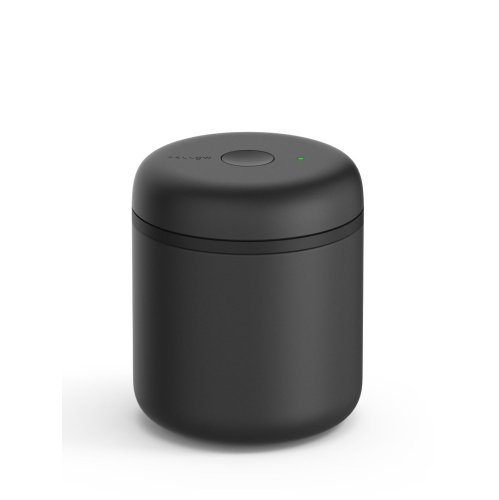 Your price for this item is $99
-
 Your price for this item is $80.99
Discover more categories related to Cube Storage Boxes With Lids
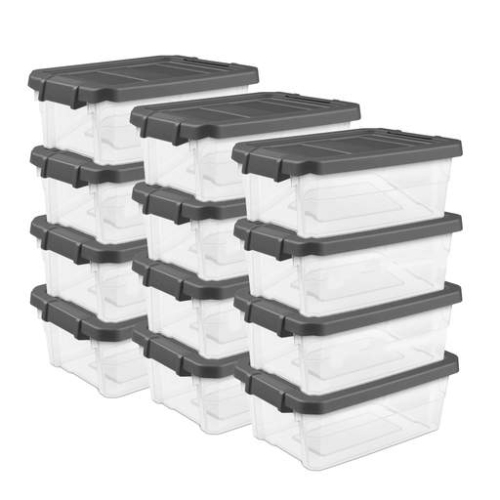
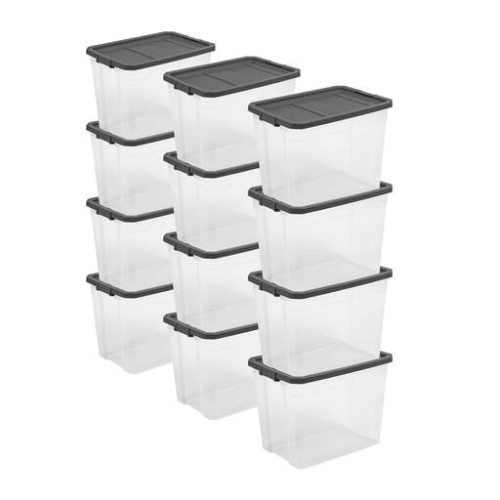
Top Collections:
Best Black Friday Deals This Year, Best Black Friday Deals On Electronics, Kindle Devices, Best Black Friday Deals On Apple Products, Best Budget Office Chairs, Best Cameras for Sports Photography, Dyson Airwrap, Canon G7X Cameras, Best Laptops for Writers, Samsung Galaxy Phones
Some products may be subject to Environmental Handling Fees
(EHF) depending on your province.
Learn more about EHFs.