Grey Round Coffee Tables
A grey round coffee table is a great way to add a touch of style to your living room, dining room, or family room. These tables can be used as a centerpiece in a room and a practical choice for those who don't have a lot of space to work with. They also come in a variety of sizes and styles to suit any decor.
Sort

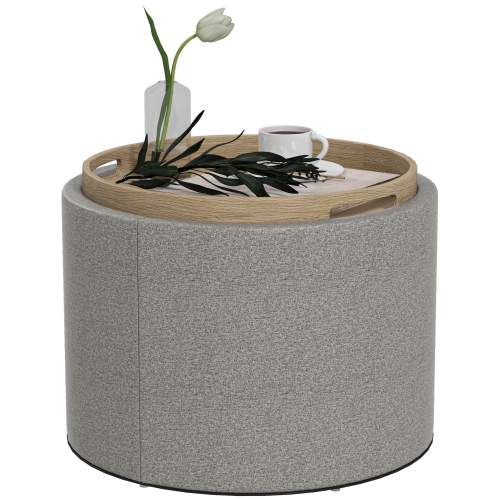
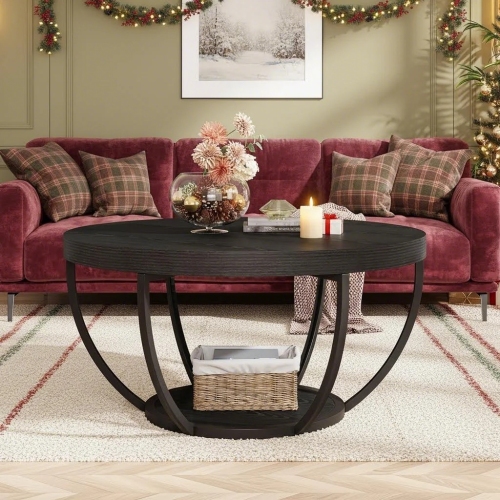
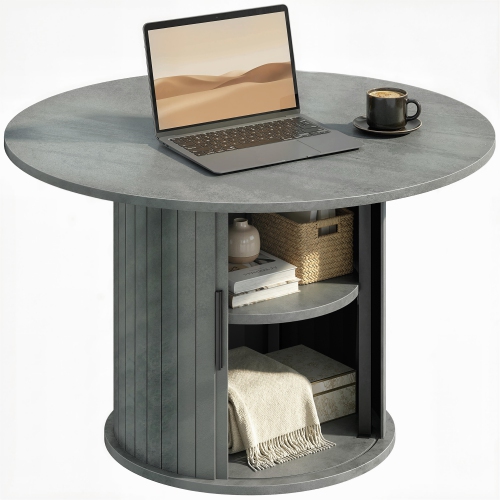
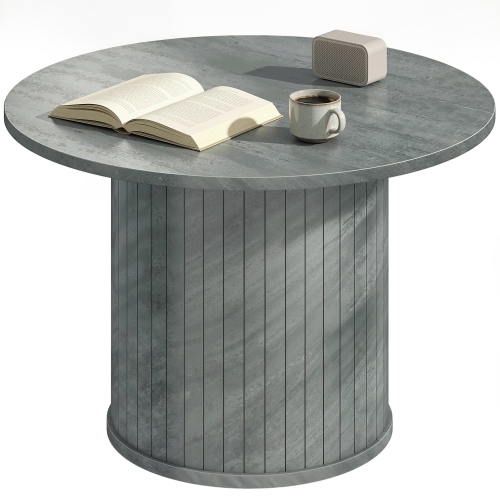






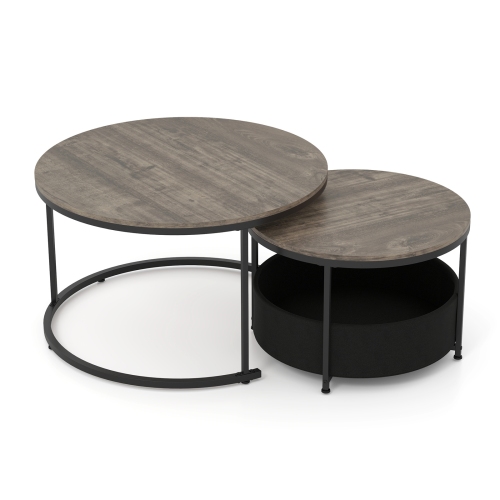
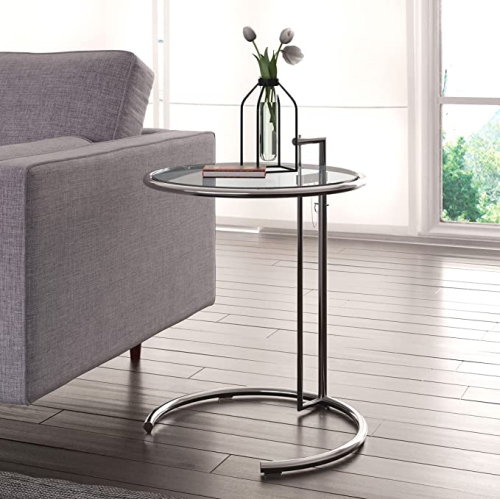
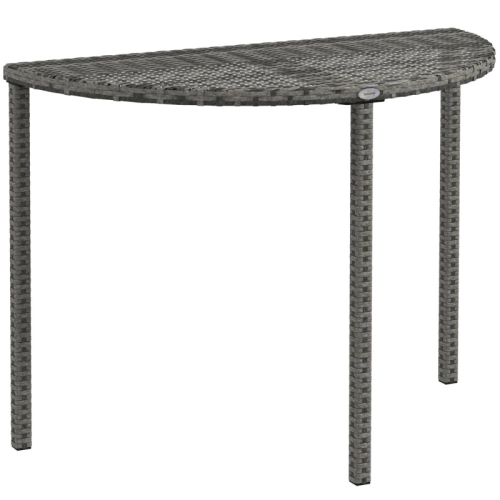


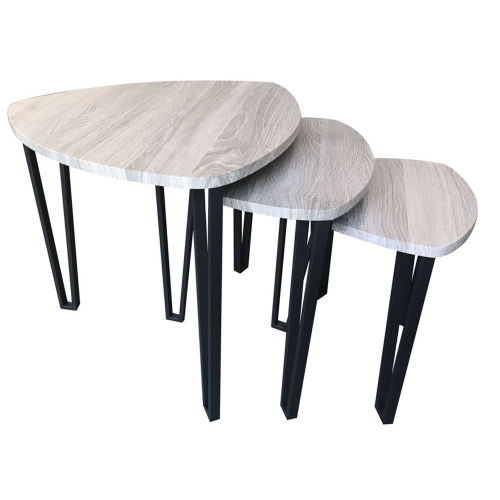


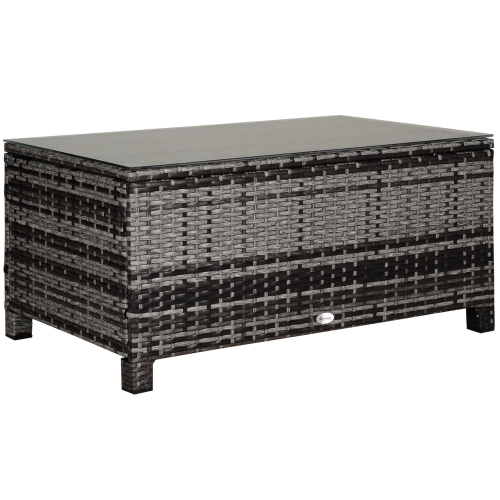

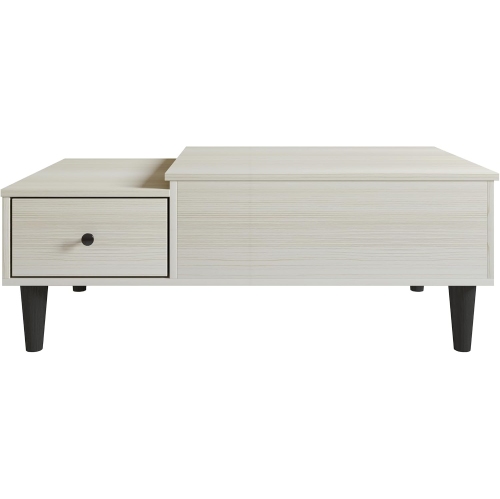


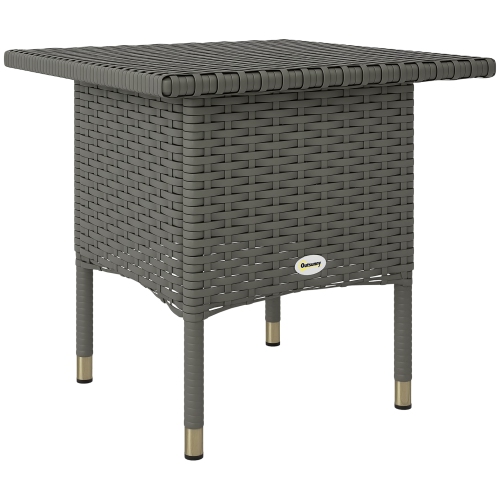

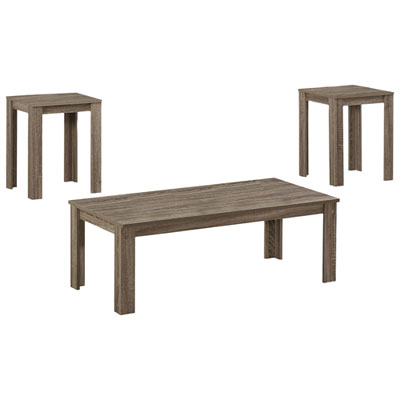


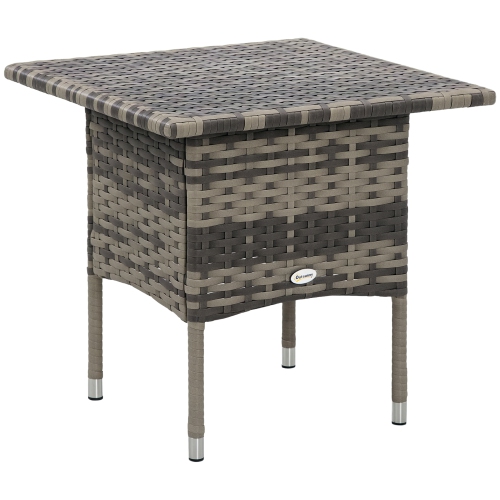


Soft curves and grey tones that suit everyday living
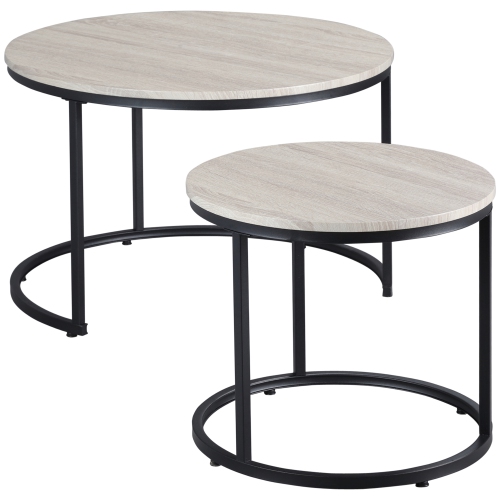
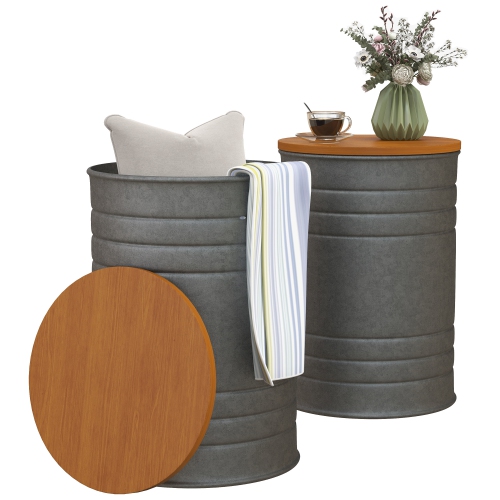
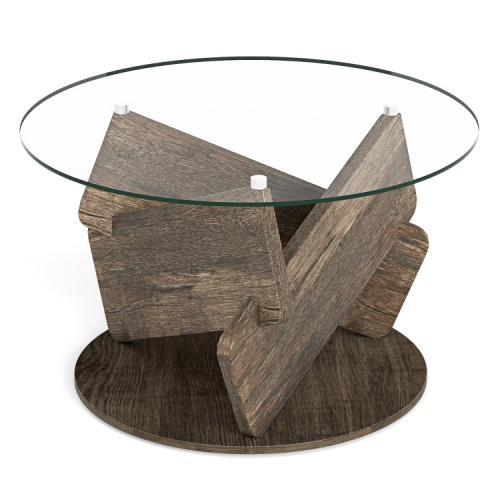
Grey round coffee tables combine a versatile neutral colour with a curved shape that works well in living rooms, sitting areas, and compact lounges. The circular top creates a central spot for drinks, books, and everyday essentials without the projecting corners of a square or rectangular table. That softer outline can be especially useful beside a sectional or between a sofa and an accent chair, where people approach the seating from several directions. Round shapes do not make a table childproof, but they can remove sharp corners from a busy route through the room. Grey offers considerable variety within a single colour family: pale grey can feel light beside cream upholstery, charcoal adds definition against a lighter rug, and warm grey complements beige fabrics and natural wood tones. A cooler grey finish often sits comfortably alongside black metal, blue textiles, and crisp white walls. Texture matters as much as shade, since a smooth painted surface, visible wood grain, and a stone-effect finish each give the same silhouette a different character. A slim top on open legs leaves more of the floor visible, while a drum-shaped base gives the seating area a stronger visual anchor. Proportion helps these differences work with the surrounding furniture. A table around two-thirds the length of a sofa is a useful starting point, although the depth of the seating arrangement and the space needed for walking also matter. The top generally feels easiest to reach when it sits close to the height of the sofa cushions or slightly below them. In a smaller room, a modest diameter can leave comfortable access to seats and storage furniture. In a larger arrangement, a broader top can bring drinks within reach of more seats without making the centre feel crowded. The best fit balances usable surface area with room to move, including enough space to open nearby drawers, extend a recliner, or pass through while carrying a tray.
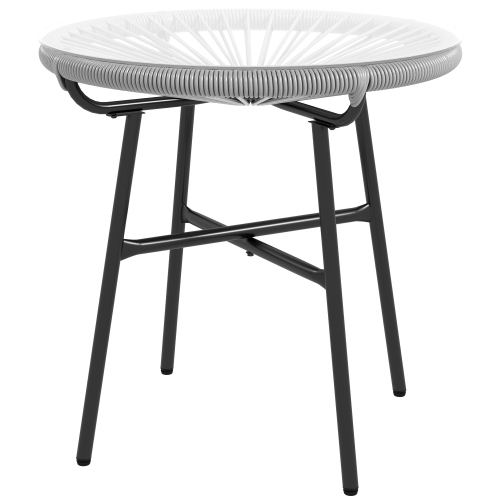
Materials and construction influence how a grey round coffee table looks, feels, and handles daily use. Solid wood can offer distinctive grain and may allow refinishing, depending on the construction and finish, while wood veneer provides a real wood surface over a supporting core. Veneer still needs protection from standing water and excessive heat, particularly along edges and joins. Engineered wood with a laminate or painted finish can provide a consistent grey tone, though resistance to scratches, moisture, and wear depends on the surface treatment and build quality. For a closer focus on wood-based styles, Round Gray Wood Coffee Tables brings together the circular shape and wood finishes. Grey-washed grain can soften a room with upholstered seating, while a more uniform finish creates a cleaner, less textured appearance. Metal bases introduce another layer of contrast, whether the legs are slender and angular or formed into a broad pedestal. A pedestal can leave the perimeter more open for feet, whereas individual legs may give the table a lighter appearance. Glass tops keep the base visible and allow a patterned rug to remain part of the arrangement, although fingerprints and smudges can be more noticeable. Tempered glass is worth distinguishing from ordinary glass when comparing construction details; it is not unbreakable and still needs careful handling. Stone, concrete, and stone-look surfaces can provide a substantial appearance, but their weight, porosity, and care requirements vary considerably. Natural stone may have veining and tonal differences, while a printed or moulded stone-effect surface offers a different construction beneath the pattern. Neither appearance alone nor a heavier build guarantees durability. Secure joints, a stable base, an even finish, and suitability for the intended use all contribute to how well a table performs. These details become particularly important in a shared living room where the tabletop may hold mugs, board games, and a serving tray over the course of an ordinary day.
Everyday routines often determine which features feel most useful after a table becomes part of the room. An open lower shelf can hold reading material or a basket, keeping the top clear for drinks and snacks. Enclosed storage offers a place for remote controls, charging cables, and small accessories that otherwise collect beside the sofa. A lift-top design may bring a surface closer for occasional writing or a casual meal, although its height, mechanism, and weight limits need to suit that purpose. It should not be assumed to replace a desk designed for extended computer use. Nesting round tables offer another approach, with separate surfaces that can be spread beside different seats and brought together when less tabletop space is needed. For someone furnishing a first apartment, this flexibility may be more useful than a single large centrepiece; for a household that enjoys puzzles or board games, an uninterrupted top may take priority over storage. Styling can remain simple and practical. A shallow tray groups smaller objects, a low bowl adds texture without blocking conversation, and a stack of books gives the surface interest while leaving space for a mug. Felt pads beneath accessories help limit abrasion, while coasters and heat-resistant mats provide protection appropriate to the finish. Routine care usually starts with a soft cloth and prompt attention to spills, followed by the cleaning method specified for the material. Excess water, abrasive cleaners, and harsh solvents can damage some finishes, so a cleaning product suitable for glass may not be suitable for nearby wood or stone. Tables with a textured surface or recessed base may also need occasional attention around grooves and edges where dust gathers. Grey remains easy to coordinate as cushions, rugs, and seating change, but the most useful coffee table is one that supports the room’s ordinary habits. A comfortable reach from the sofa, a stable place to set a cup, and enough clear floor space can matter just as much as its colour and shape.
Top selling and popular products
-
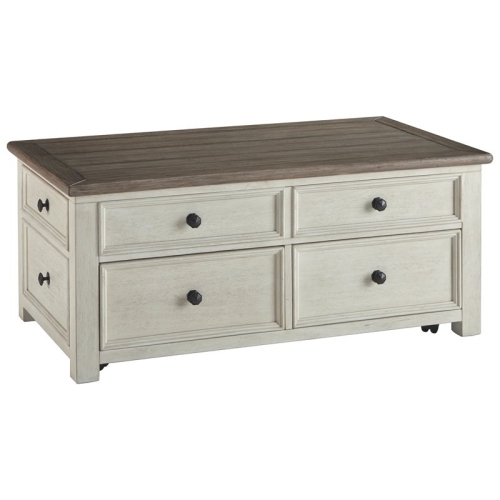 Your price for this item is $949
-
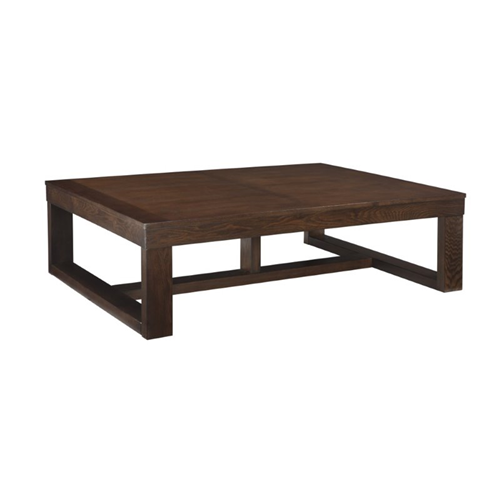 Your price for this item is $449
-
 Your price for this item is $649
-
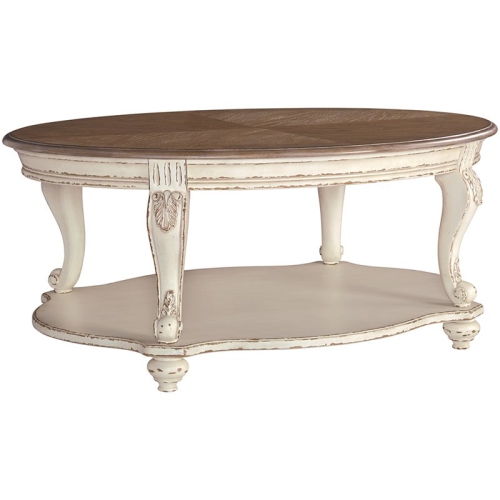 Your price for this item is $599
-
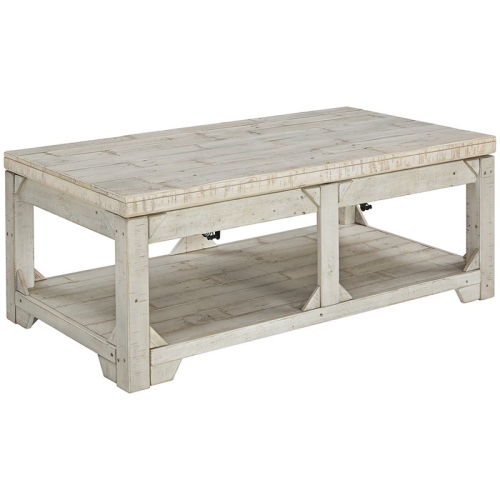 Your price for this item is $549
-
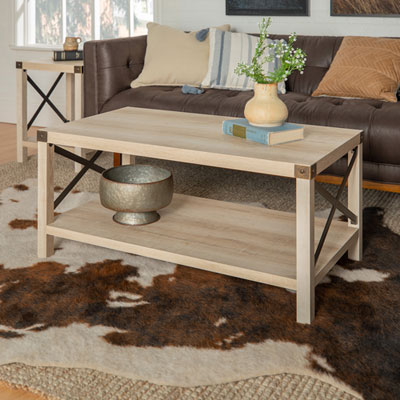 Your price for this item is $311.99
-
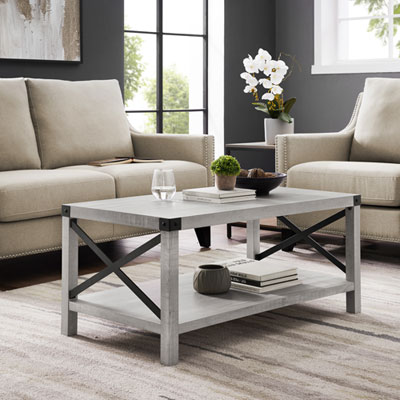 Your price for this item is $249.99
-
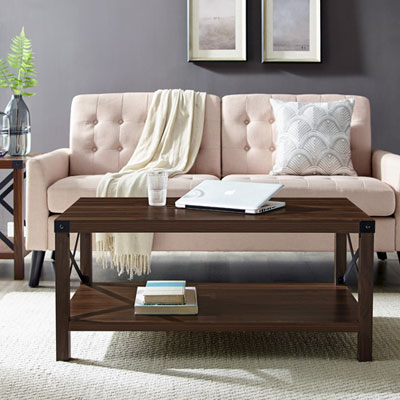 Your price for this item is $311.99
Discover more categories related to Grey Round Coffee Tables

Top Collections:
Pokemon Centers, Kindle Devices, Best Cameras for Sports Photography, Pokémon 30th Celebration Cards, Apple iPhones 16, Canon G7X Cameras, iPhone 15 Apple, Flip Phones, Samsung Galaxy Phones, Alarm Clock
Some products may be subject to Environmental Handling Fees
(EHF) depending on your province.
Learn more about EHFs.