Hydroponic Grow Lights
Enhance the growth and vitality of your indoor plants with our selection of hydroponic grow lights. Designed to mimic natural sunlight, these innovative lighting solutions provide the perfect spectrum of light for optimal plant development. Whether you're a seasoned gardener or just starting out with indoor gardening, our range of hydroponic grow lights offers energy-efficient options to help your plants thrive year-round. Discover how these cutting-edge lights can transform your indoor gardening experience and elevate the health and beauty of your beloved plants.
Sort
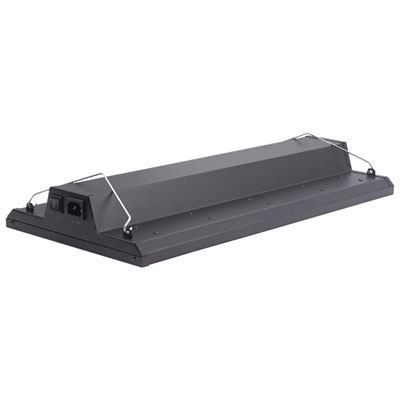
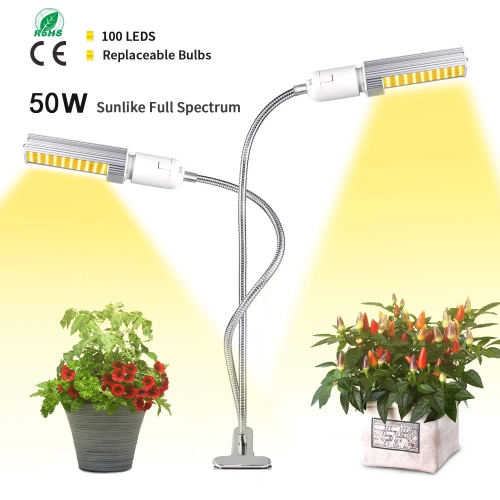
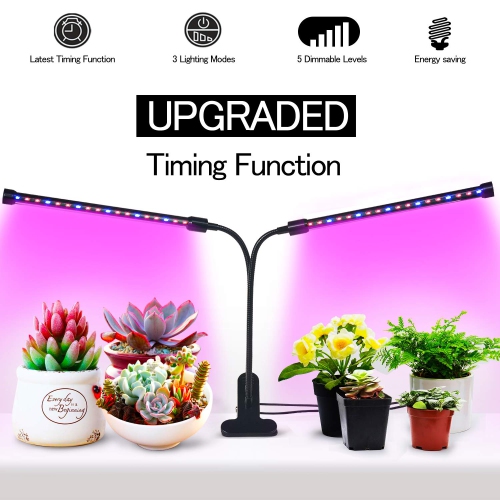
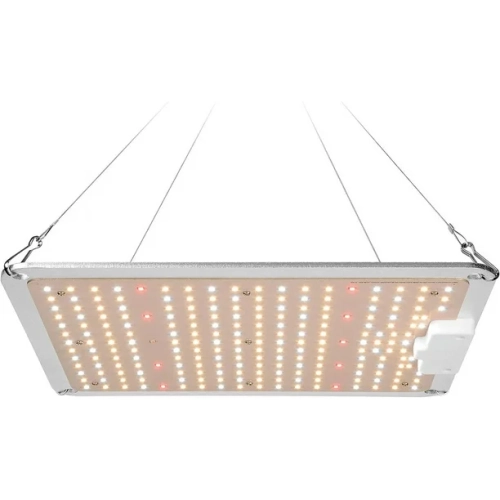
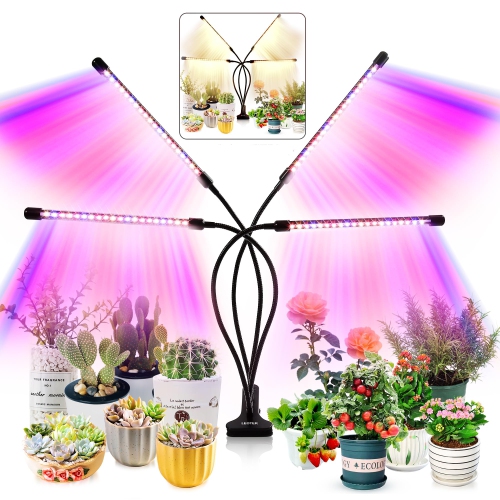
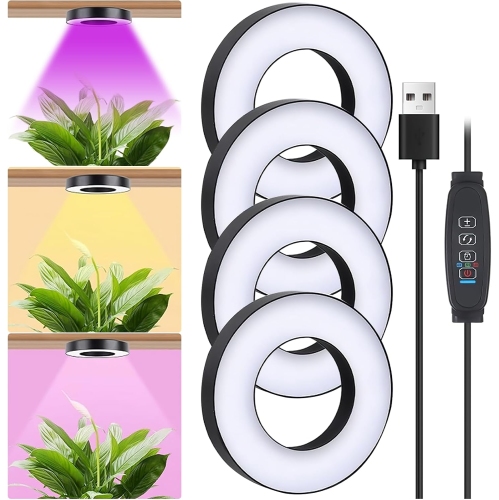
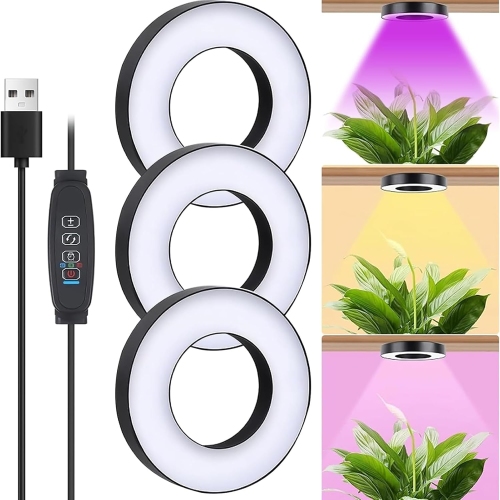
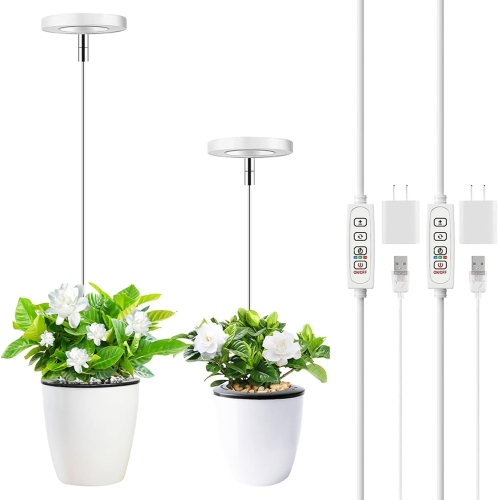
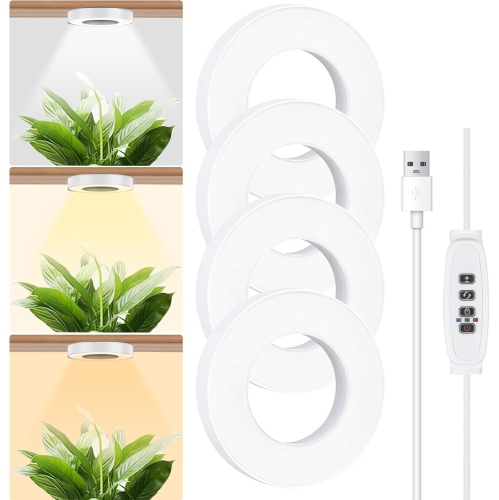
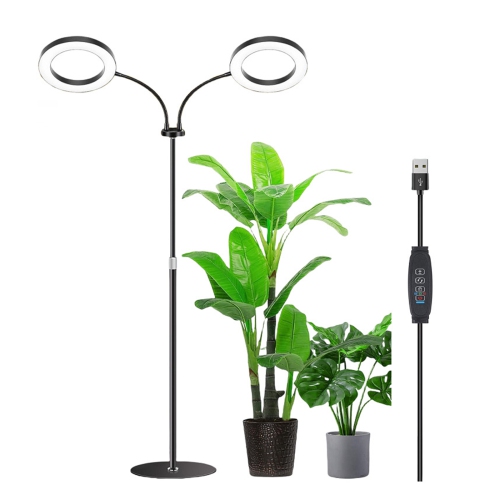
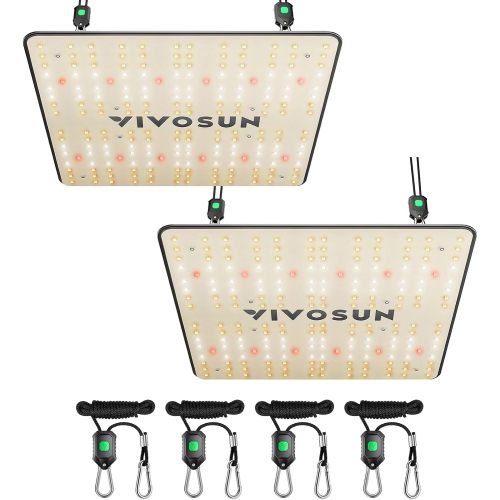
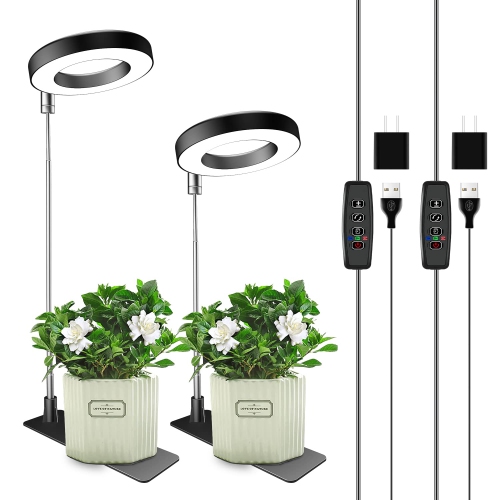
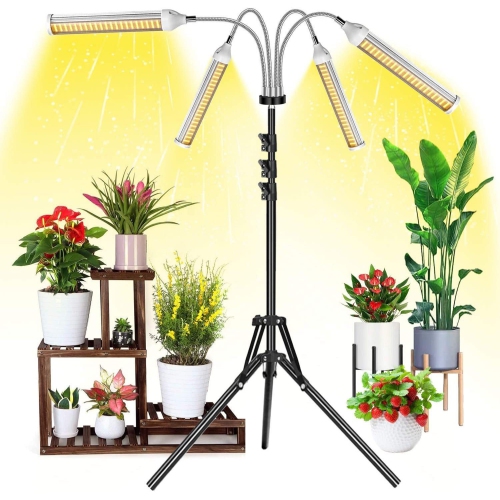
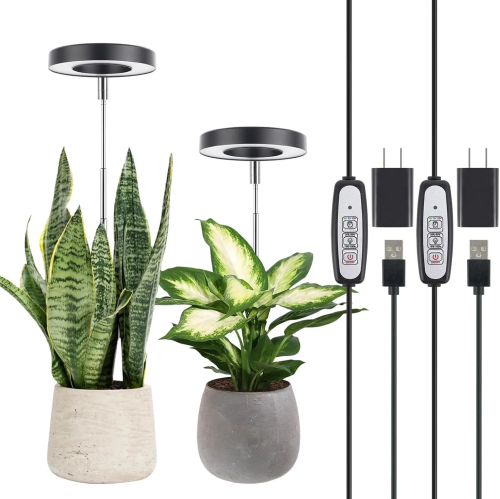
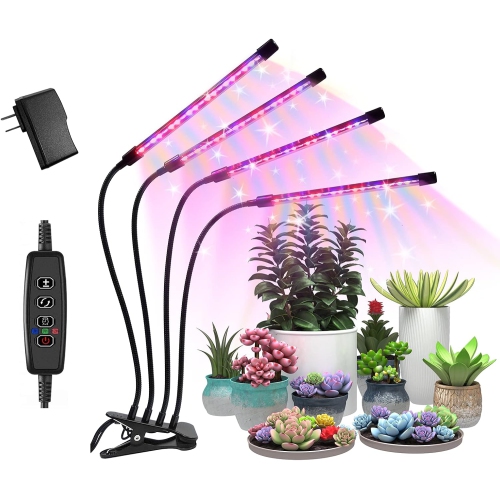
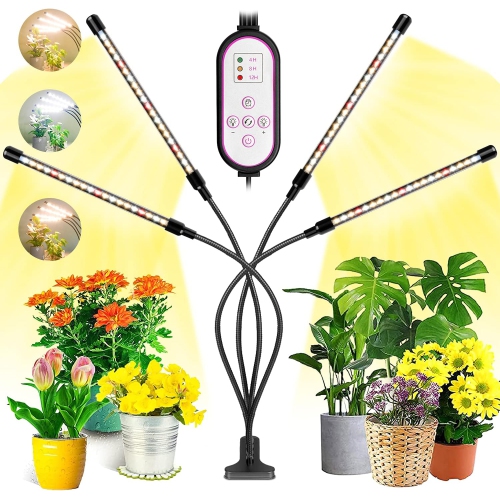
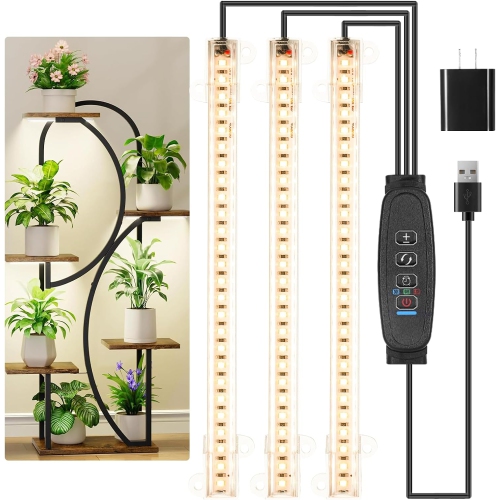
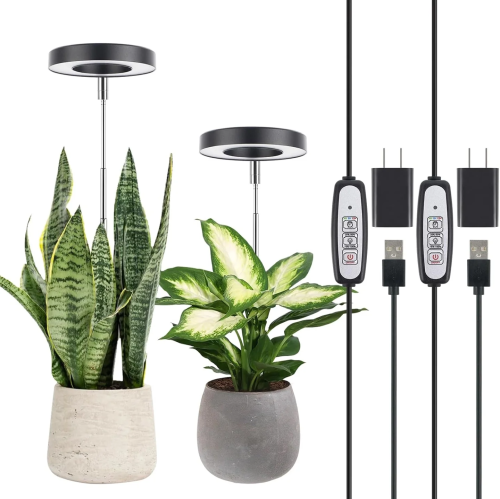
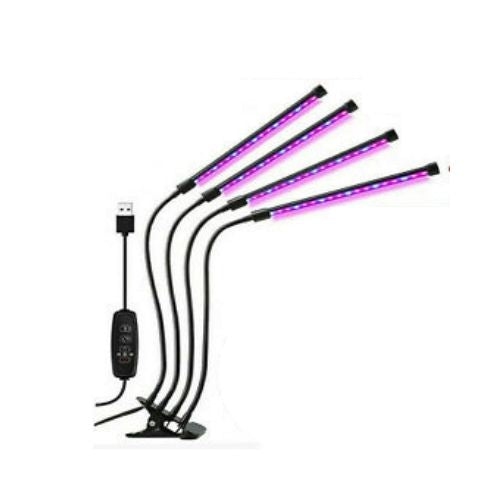
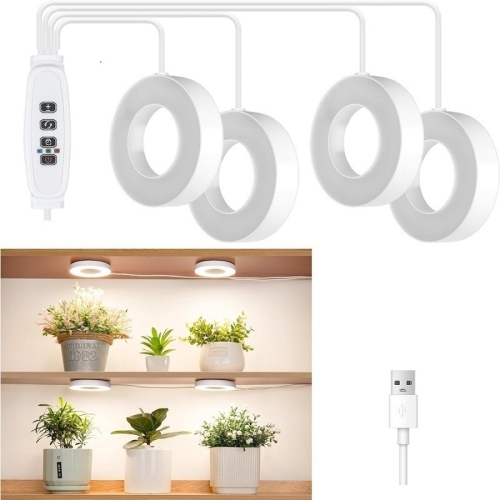
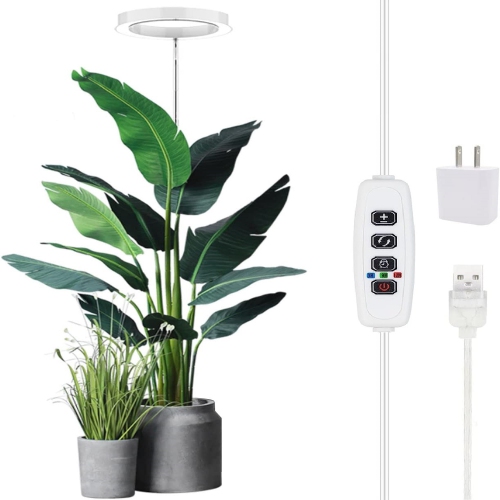
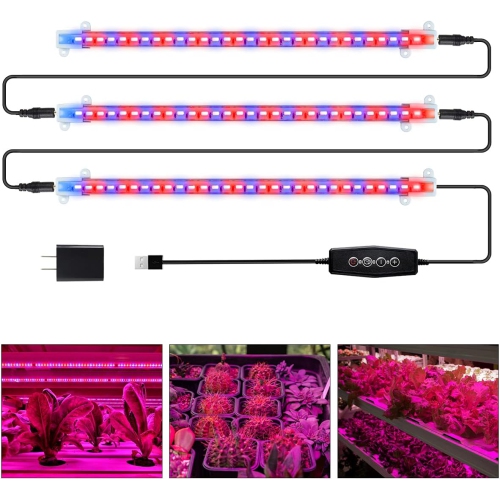
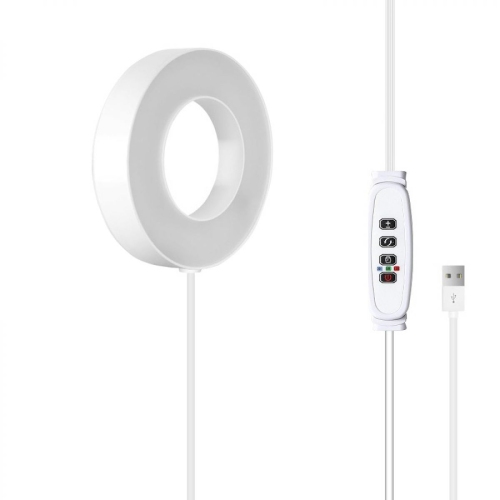
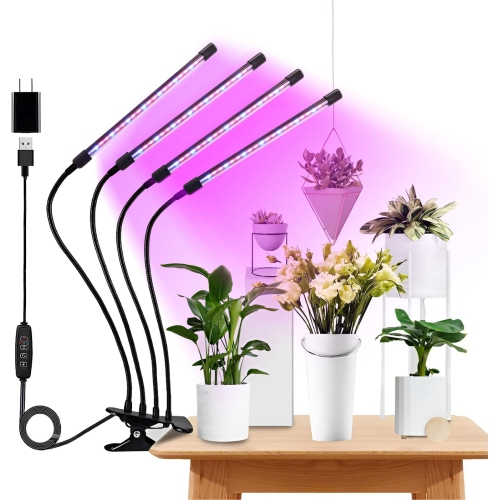
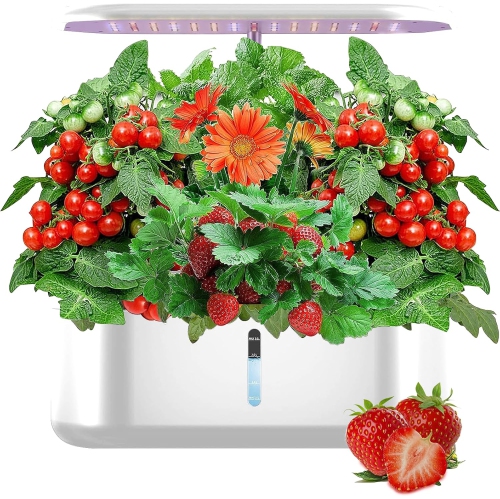
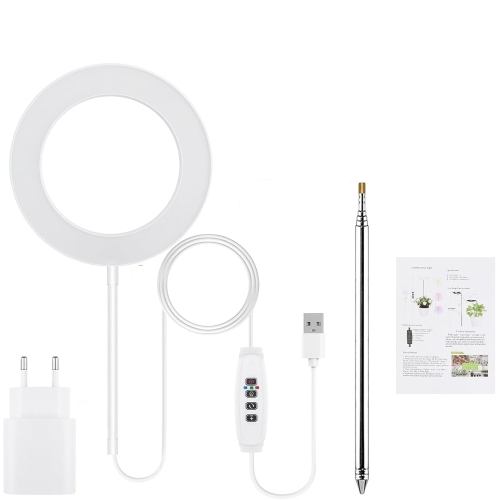
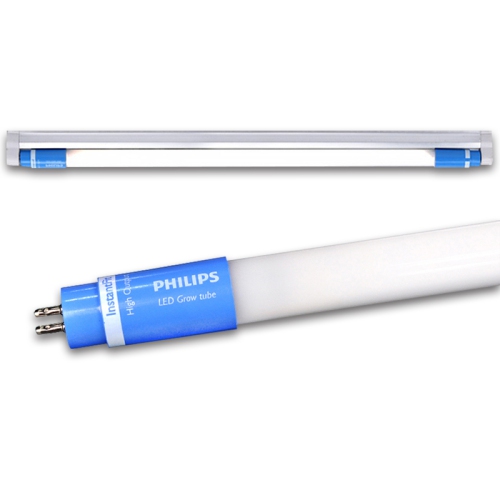
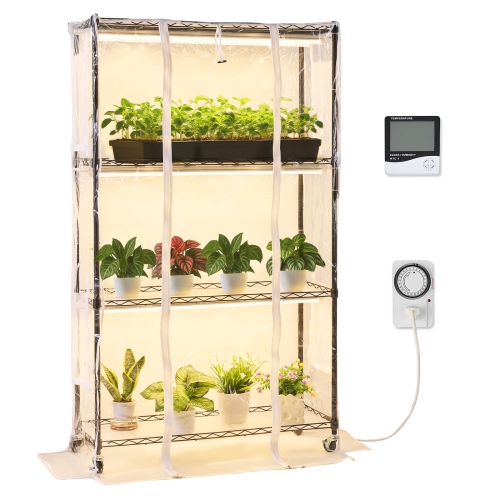
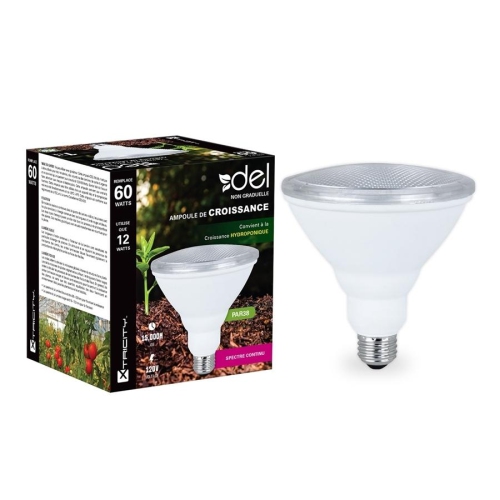
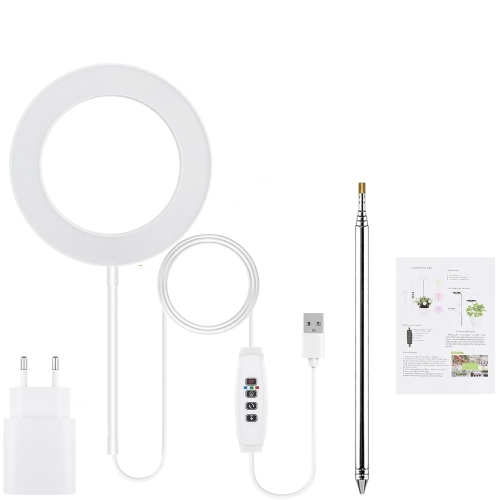
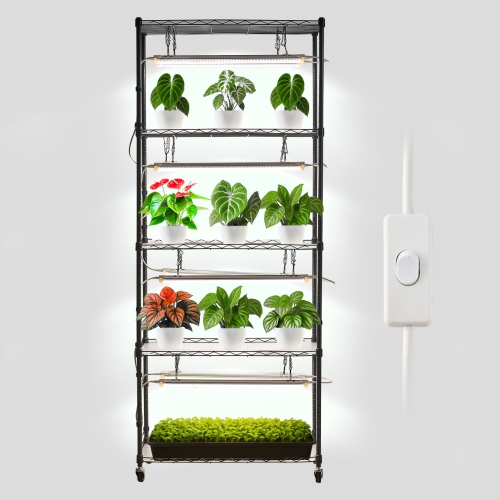
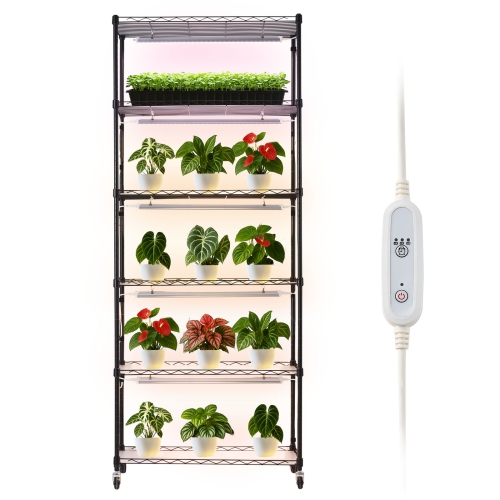
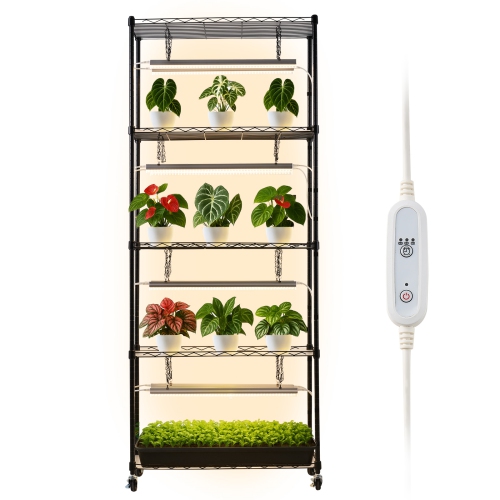
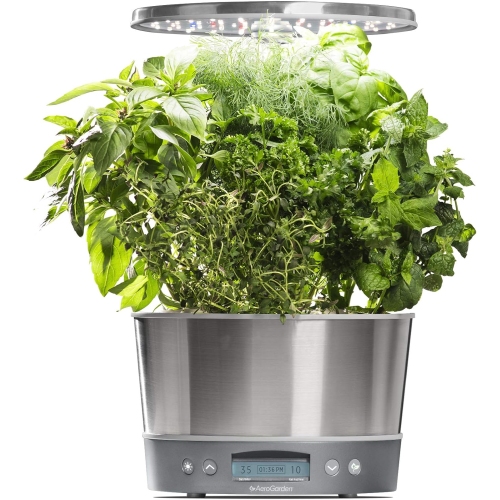
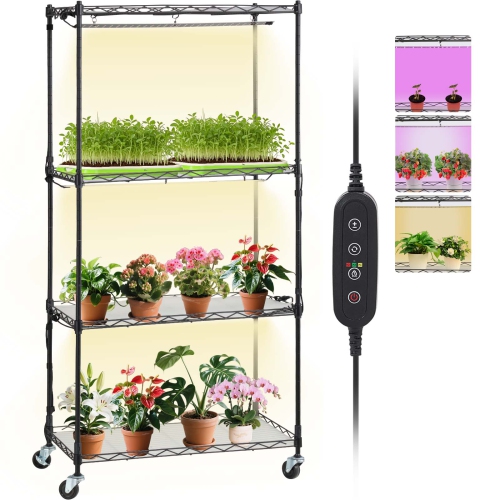
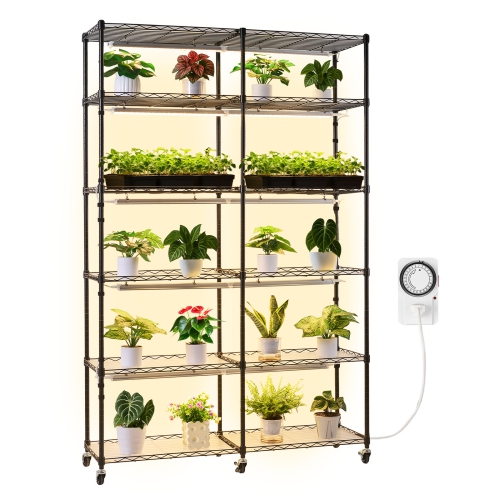
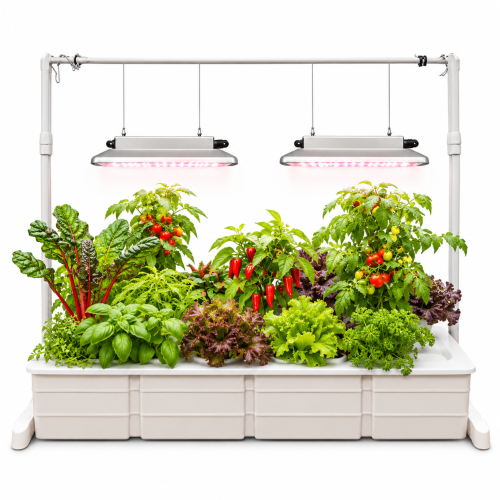
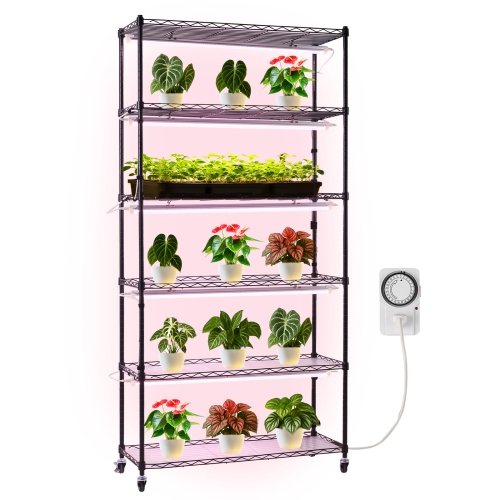
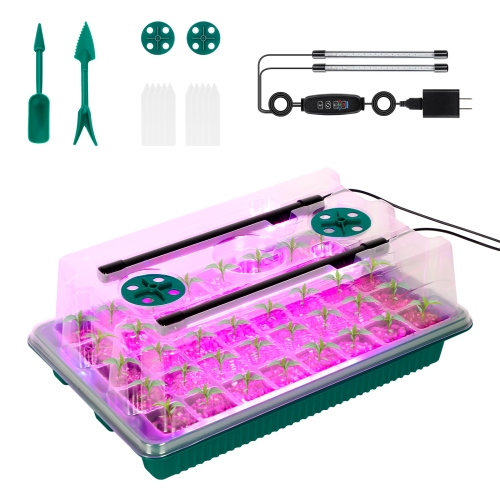
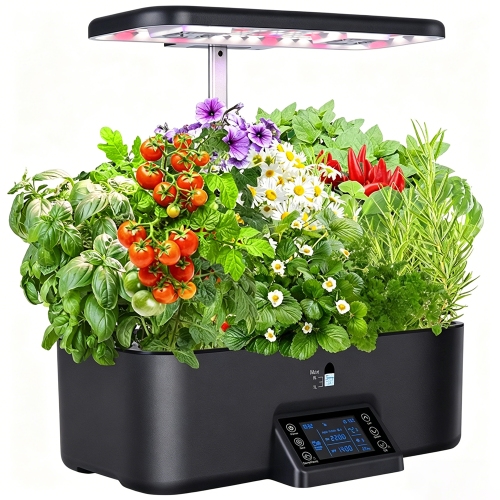
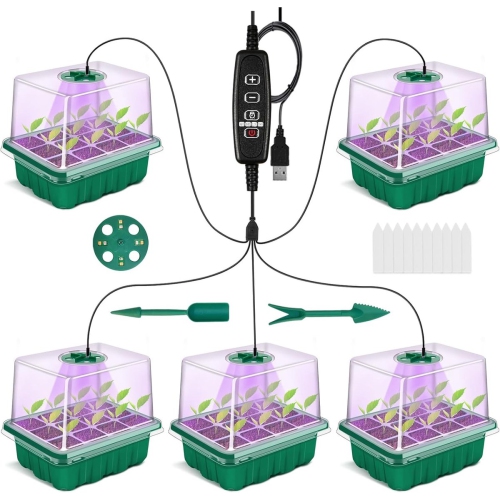
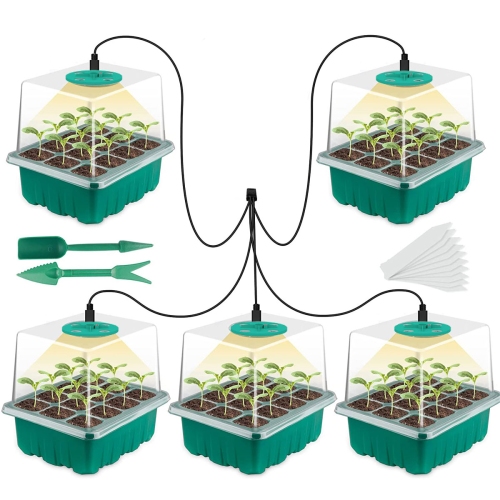
How plant size and growing space shape lighting needs
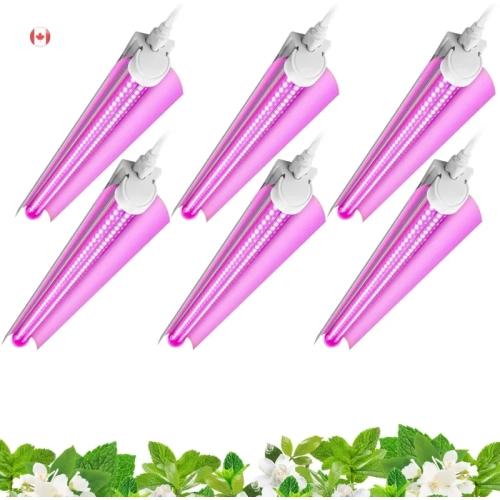
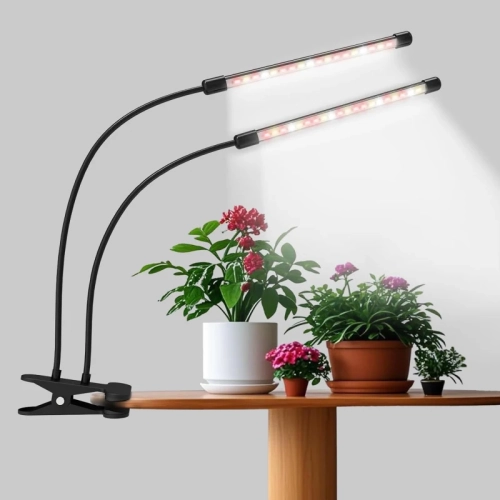
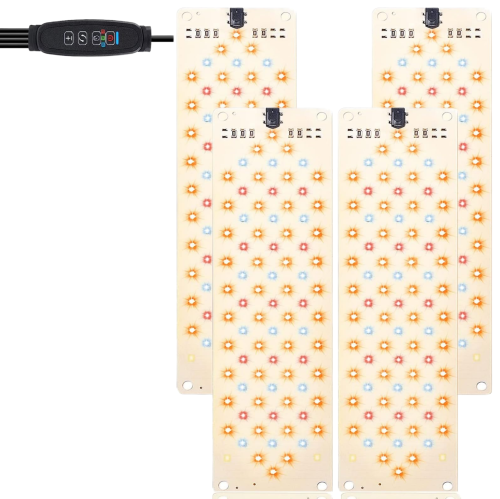
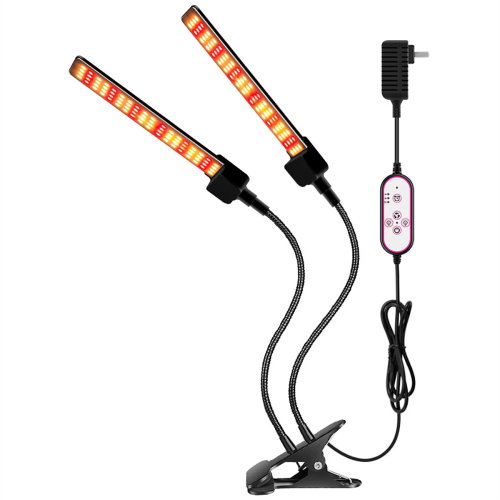
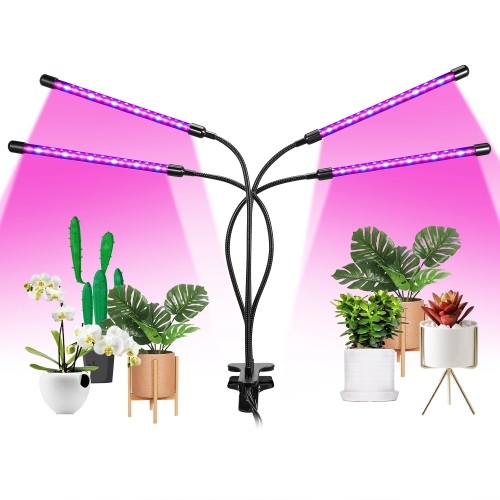
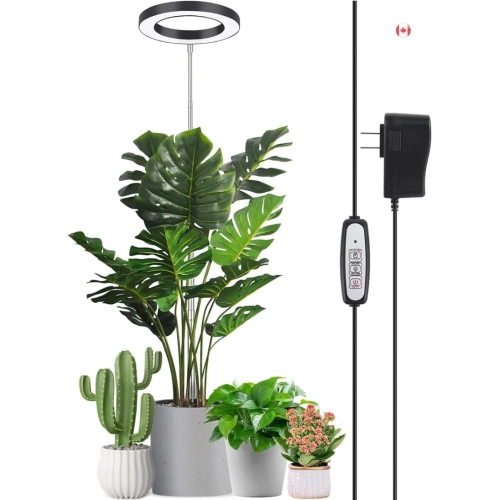
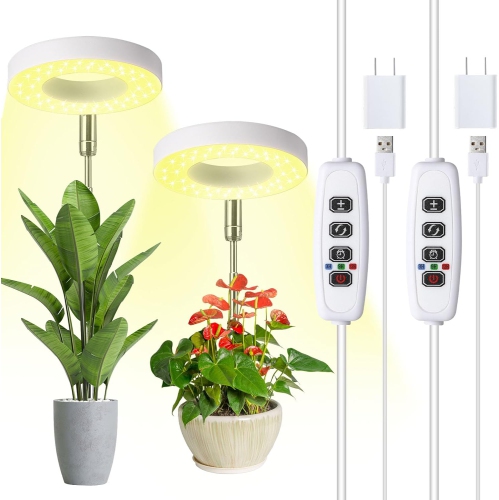
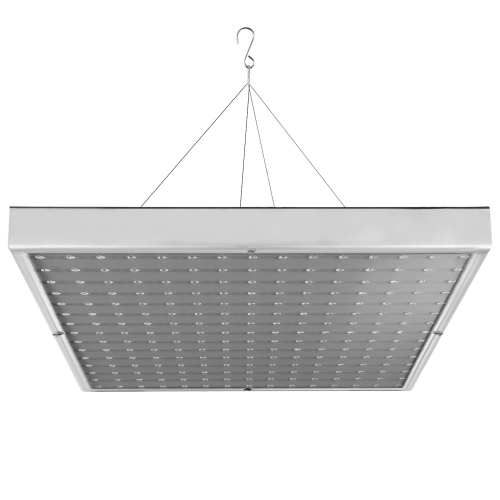
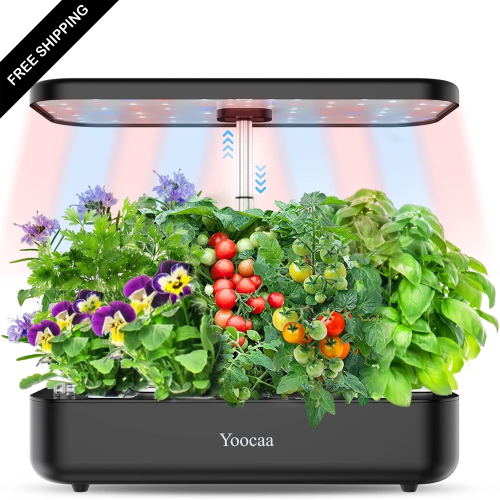
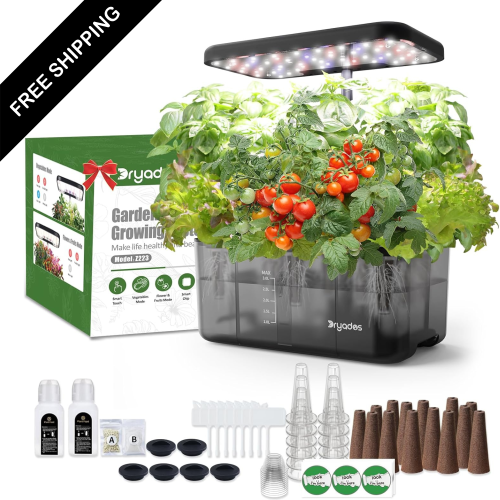
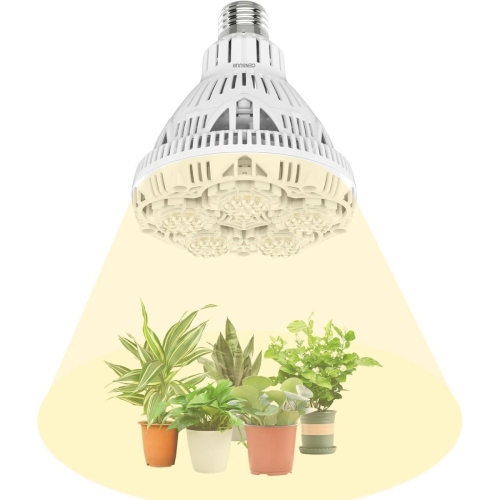
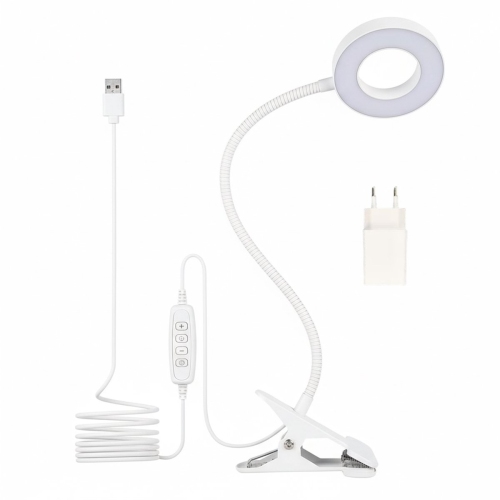
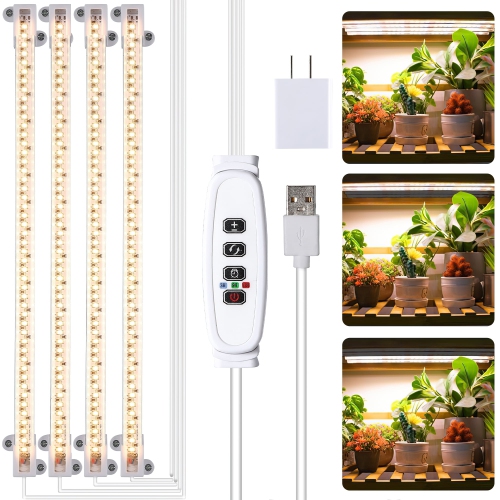
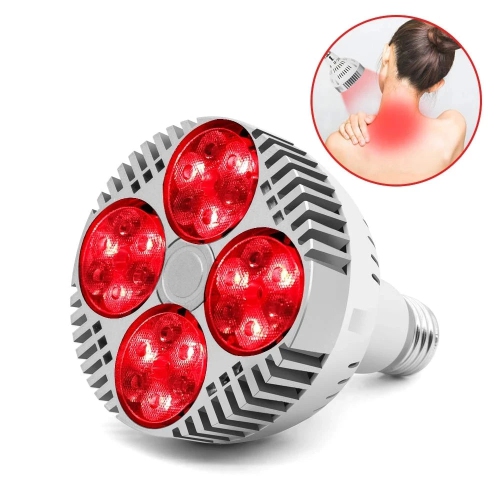
Hydroponic grow lights supply the light plants need for photosynthesis in soil-free growing systems, where roots receive water and dissolved nutrients rather than relying on garden soil. They can serve as the main light source for an indoor growing area or supplement daylight that does not reach plants evenly. For a kitchen shelf of basil and lettuce, the goal is steady, balanced growth across a compact planting area; for a larger setup with tomatoes or peppers, lighting needs increase as plants develop a broader canopy and begin producing fruit. LED grow lights are a common choice because well-designed fixtures can deliver useful plant light with lower electricity consumption than many traditional lighting systems. Their relatively low radiant heat also offers flexibility in compact spaces, although LED housings and drivers still generate heat and need clearance. Full-spectrum grow lights provide a broad blend of wavelengths that can support seedlings, leafy growth, and flowering or fruiting when intensity and daily exposure suit the crop. Blue and red wavelengths both contribute to plant growth, but the visible colour of a lamp alone does not establish its performance. White-light designs can make it easier to inspect leaf colour, spot damaged foliage, and enjoy the appearance of an indoor herb garden without a strong purple glow. Slim light bars suit narrow shelves and rows of greens, while larger panels and multi-bar fixtures distribute light over wider growing areas. Fluorescent fixtures can suit some propagation and low-light applications, while high-intensity discharge lighting, including high-pressure sodium lamps, is more often associated with larger installations that can accommodate greater heat output and supporting hardware. The most useful distinction is not simply one lighting technology versus another: it is how well a fixture’s output, shape, controls, and mounting options match the plants and the space. A light for a tray of young herbs has a different job from one suspended above tall, fruit-bearing plants.
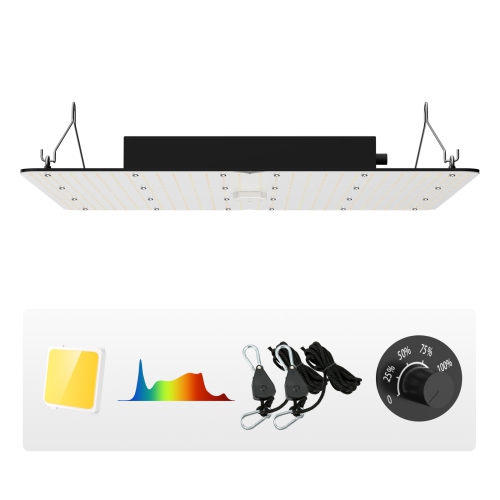
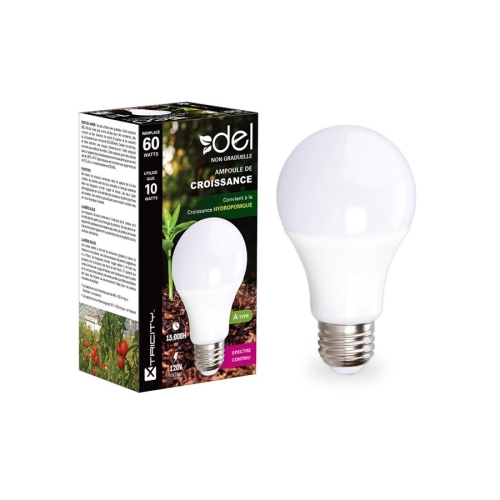
Coverage and usable light output are more informative than wattage alone when comparing hydroponic grow lights. Watts describe electrical power consumption, not how much light reaches the leaves, and an advertised replacement wattage is not the same as a fixture’s actual power draw. Photosynthetic photon flux, or PPF, describes the amount of plant-useful light a fixture emits each second. Photosynthetic photon flux density, or PPFD, describes how much of that light reaches a given area of the canopy. A PPFD map measured at a stated mounting height can reveal whether the edges of a growing tray receive reasonable coverage or whether most of the light is concentrated beneath the centre. That distinction matters on a shelf where lettuce at the corners should grow alongside plants in the middle, rather than stretching towards one bright spot. Coverage claims also need context: an area suitable for seedlings may be larger than the area the same fixture can adequately illuminate for demanding fruiting crops. Fixture dimensions, beam spread, and the available height above mature plants all affect fit. Adjustable hangers and dimming controls add flexibility as seedlings grow taller or planting arrangements change. There is no universal hanging distance, so manufacturer guidance and crop requirements are more useful than a fixed rule applied to every light. Daily light duration matters alongside intensity. Many leafy greens and culinary herbs are grown with roughly 14 to 18 hours of light per day, but the appropriate schedule depends on the species, growth stage, and light strength. A timer supports a repeatable schedule, while crop-appropriate dark periods remain part of the plan. Daily light integral, often shortened to DLI, brings intensity and duration together as the total plant-useful light received over a day. For shoppers comparing fixtures, these measurements help distinguish a light that simply looks bright from one suited to the intended growing area. Clear specifications make it easier to match lighting to a modest countertop garden, a stacked shelving unit, or a dedicated growing room.
Construction and day-to-day practicality become especially important when electrical fixtures operate above water-filled trays and reservoirs. Aluminium housings and heat sinks help move heat away from LED components, while sturdy brackets, secure hanging points, and well-supported cables contribute to a dependable installation. The fit between lighting and Hydroponics Equipment matters when reservoirs, plant supports, and overhead fixtures share a compact space. A reservoir lid may need room to lift for refilling, and a tall plant support can reduce the clearance available for a light. Cable length, outlet placement, and access to switches also affect whether a setup remains convenient once plants fill out. Moisture resistance should be confirmed through the fixture’s stated rating and installation instructions; a sealed-looking housing does not automatically make a light suitable for splashes or wet locations. Recognized electrical certification for use in Canada is another important consideration. Power connections belong away from water, and cords arranged with drip loops can help prevent water from travelling towards an outlet or connection. For maintenance, accessible surfaces and straightforward mounting hardware make routine care less awkward. Dust and dried splash marks can reduce light transmission, so lenses and covers benefit from cleaning according to the manufacturer’s directions, with power disconnected and components allowed to cool. Abrasive cleaners and immersion can damage parts not designed for that treatment. Long service-life claims are useful context, but heat management, driver quality, operating conditions, and warranty terms also influence durability. Fanless designs may appeal in kitchens, living spaces, or classrooms where background noise matters, while fixtures with fans require attention to airflow and maintenance access. Hydroponic lighting can suit enthusiastic home cooks, indoor gardening hobbyists, and educators demonstrating how roots, nutrients, and light support plant growth. As a gift, it is most practical when the recipient’s growing area, mounting space, and preferred crops are already known. The right match leaves room for healthy plants and routine care, making the growing setup easier to live with as well as better suited to its purpose.
Top selling and popular products
-
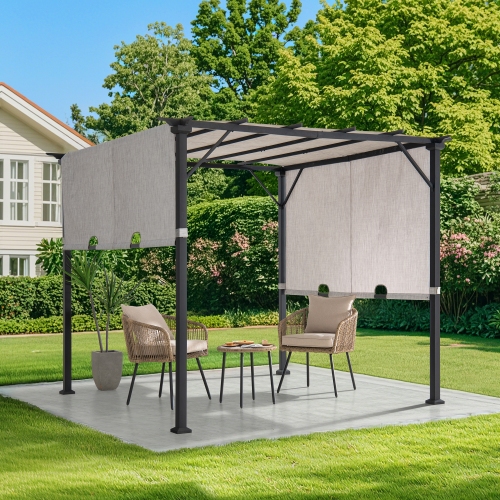 Your price for this item is $232.99
-
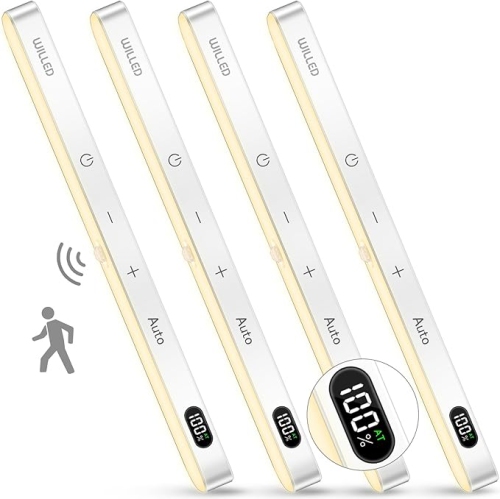 Your price for this item is $17.68
-
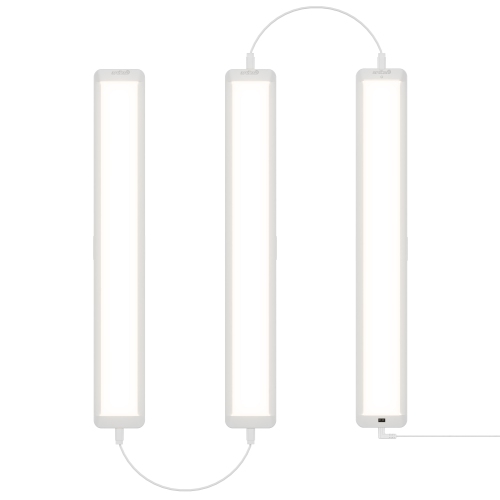 Your price for this item is $89.99
-
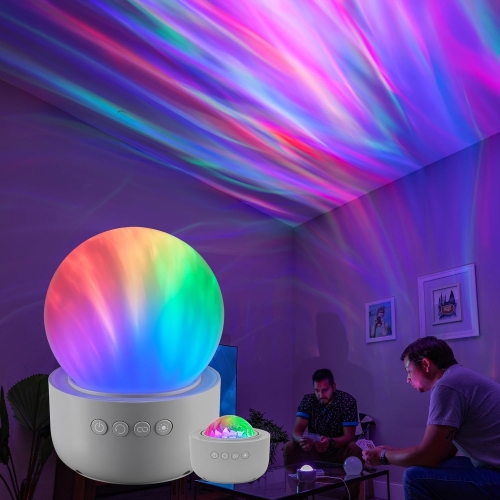 Your price for this item is $29.99
-
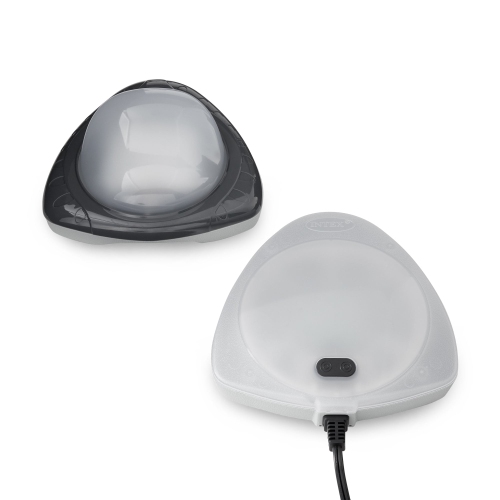 Your price for this item is $119.99
-
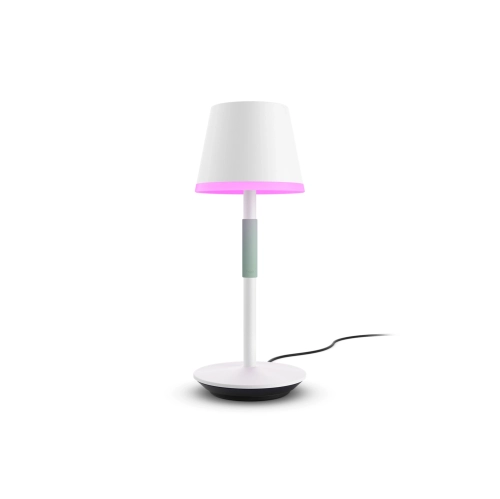 Your price for this item is $245.68
-
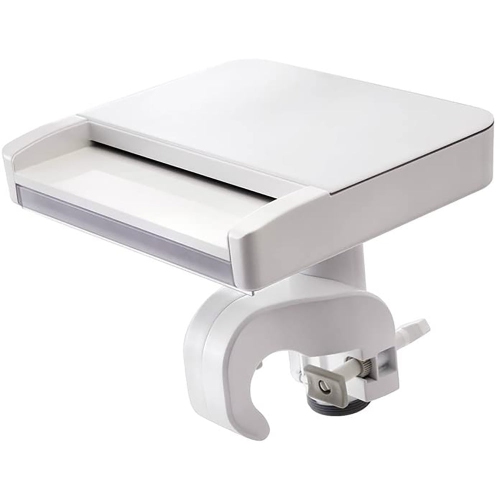 Your price for this item is $129.99
-
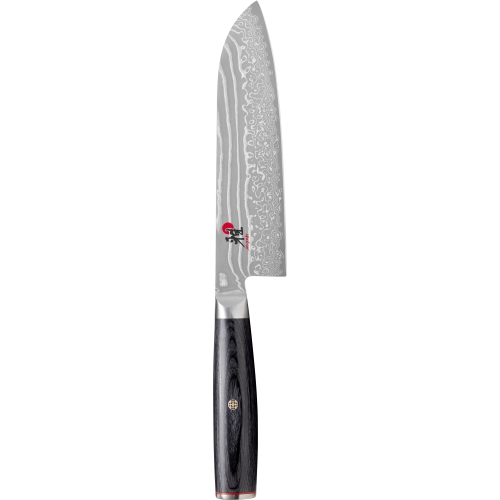 Your price for this item is $299.99
Discover more categories related to Hydroponic Grow Lights
Top Collections:
Best Black Friday Deals This Year, Best Black Friday Deals On Electronics, Kindle Devices, Pokemon Centers, Best Black Friday Deals On Apple Products, Best Cameras for Sports Photography, Dyson Airwrap, Pokémon 30th Celebration Cards, Apple iPhone 17 Pro, Canon G7X Cameras
Some products may be subject to Environmental Handling Fees
(EHF) depending on your province.
Learn more about EHFs.