Hand Knotted Wool Silk Rugs
Hand Knotted Wool Silk Rugs bring a touch of timeless elegance and refined texture to any room. These exquisite rugs are crafted with attention to detail, offering a luxurious feel and distinctive visual appeal. Perfect for enhancing living spaces, bedrooms, or offices, Hand Knotted Wool Silk Rugs can complement both classic and contemporary décor styles. Explore a wide selection to find the ideal piece that adds sophistication and warmth to your home.
Sort


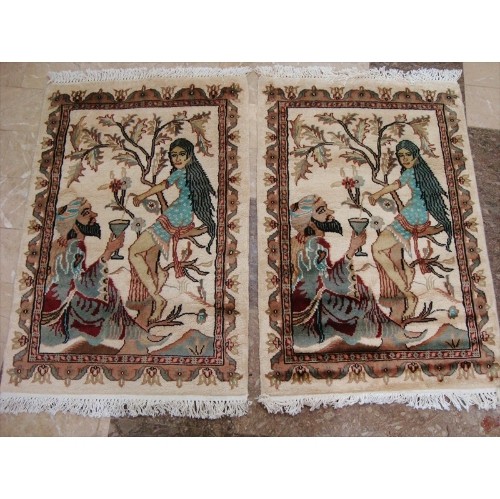


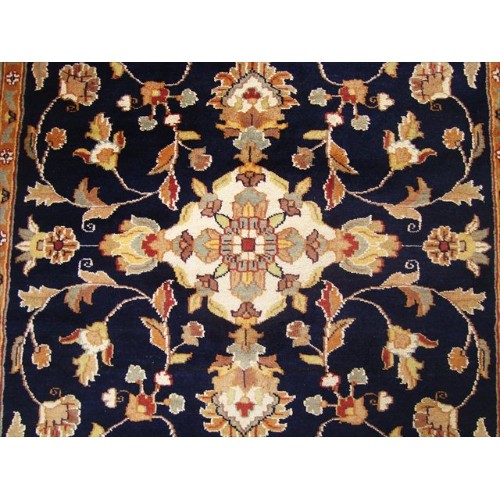


Wool’s resilient texture meets silk’s light-catching sheen
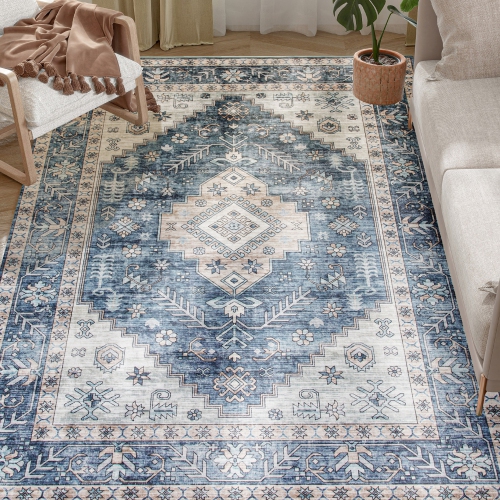
Hand-knotted wool and silk rugs combine wool’s resilient texture with silk’s smooth feel and light-catching sheen. Wool typically provides much of the pile’s body, while silk may highlight outlines, floral details, geometric motifs, or broader areas of the design. The balance varies, so fibre composition matters as much as the pattern: a predominantly wool rug with silk accents can feel quite different from one with a larger silk content. In hand-knotted construction, individual knots are tied around foundation threads to create the pile, allowing detailed patterns to develop across the surface. This is distinct from hand-tufted construction, where yarn is inserted into a backing rather than individually knotted. Small variations in the design, edges, or colour can be part of the character of handwork, though the finish should still feel cohesive. Wool gives the rug substance and helps the pile recover from everyday compression; silk brings finer definition and a lustre that changes with the viewing angle. A pale motif might appear bright beside a window and more subdued when viewed from the opposite end of the room. That directional effect is worth considering when coordinating a rug with upholstery, wood finishes, and wall colours. Muted ivory, taupe, and grey can create a quiet foundation beneath richly textured furniture, while deeper blues, reds, or layered jewel tones can make the floor a more prominent part of the room. Traditional medallions, scrolling patterns, and more abstract designs each create a different impression without changing the essential appeal of the materials. Knot density can contribute to fine detail, but it is not a complete measure of quality on its own; fibre quality, construction, finishing, and the suitability of the weave for the design also matter. The result is a category of rugs valued for both tactile depth and visual detail, particularly in rooms where the surface can be appreciated up close.
The right size and placement help a hand-knotted wool and silk area rug feel integrated with the furniture rather than separate from it. In a living room, a rug large enough to sit beneath the front legs of the sofa and surrounding chairs can bring the seating arrangement together, especially when the furniture is positioned away from the walls. A smaller rug placed entirely beneath a coffee table creates a different effect and may leave the seating feeling disconnected if there is too much bare floor between the pieces. In a bedroom, generous coverage beside the bed provides a comfortable landing underfoot and allows more of the pattern to remain visible beyond the bedding. Dining spaces call for enough room to keep chair legs on the rug when seats are pulled out, although frequent spills and chair movement may make a silk-rich pile less practical there than in a quieter sitting area. The dimensions of the room are only part of the fit: door clearance, nearby floor vents, furniture weight, and the position of a central motif also influence how a rug works in daily use. A low pile can suit furniture with a slim profile and make door clearance easier, while a more substantial pile adds softness but needs adequate space beneath moving doors. A rug pad suited to both the rug and the flooring can reduce shifting and provide cushioning without adding excessive height. Pads should not extend beyond the edges, and their material should be compatible with the floor finish. For households with pets, active children, or frequent visitors, the proportion of silk and the amount of foot traffic deserve particular attention. Wool is generally more forgiving of regular use, while silk accents benefit from gentler treatment. A formal lounge, reading corner, or bedroom may offer a better setting for a finely detailed silk-rich rug than a busy entrance where grit and moisture are routinely tracked indoors.
Care has a direct bearing on how well these rugs retain their texture, colour, and definition. Regular, gentle vacuuming helps remove loose dust before it works into the pile, but aggressive brushing can be hard on silk fibres and fringe. Manufacturer care directions should take priority; suction-only cleaning or a suitable gentle attachment is often preferable to a rotating brush. Fringe needs separate attention because it can catch in a vacuum head, and in many hand-knotted rugs it is an extension of the foundation rather than a decorative trim. An occasional rotation can help distribute foot traffic and light exposure more evenly, while suitable furniture cups may reduce concentrated pressure from heavy legs. Direct sunlight can affect colour over time, so the rug’s position relative to large windows is another practical consideration. Spills require prompt attention without vigorous rubbing: a clean, white absorbent cloth can lift excess liquid, while rubbing may spread the mark or disturb the pile. Silk is particularly sensitive to unsuitable cleaning methods, and household spot treatments, steam cleaners, or excessive water may leave lasting changes in texture or colour. Professional cleaning by someone experienced with hand-knotted wool and silk rugs is a sensible option for deeper cleaning or difficult stains. For households comparing the feel and upkeep of different fibre combinations, Handmade Wool Area Rugs provides a related category to explore alongside wool and silk blends. The distinction is useful when choosing between a more understated wool surface and the contrasting sheen that silk introduces. These rugs can suit homeowners furnishing a long-term space, design enthusiasts building a room around a textile, or someone marking a move with a substantial home gift. For gifting, room measurements, preferred colours, and willingness to follow specialist care instructions are especially important. A considered match between material, placement, and household habits allows the craftsmanship to remain part of everyday living rather than something admired only from a distance.
Top selling and popular products
-
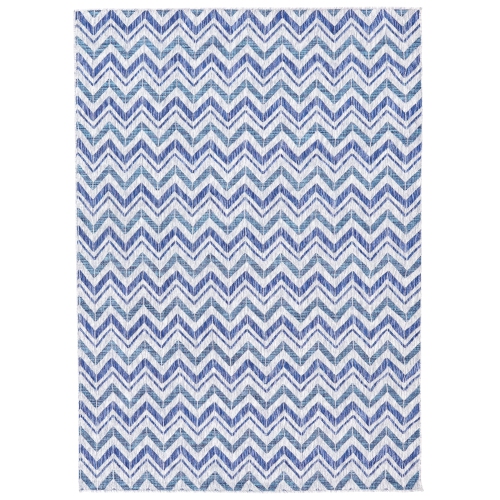 Your price for this item is $129.15
-
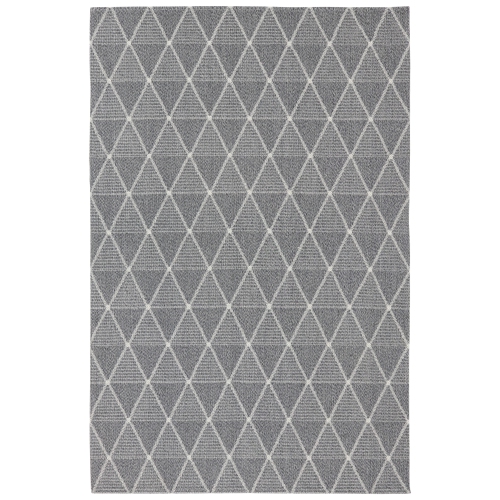 Your price for this item is $130.55
-
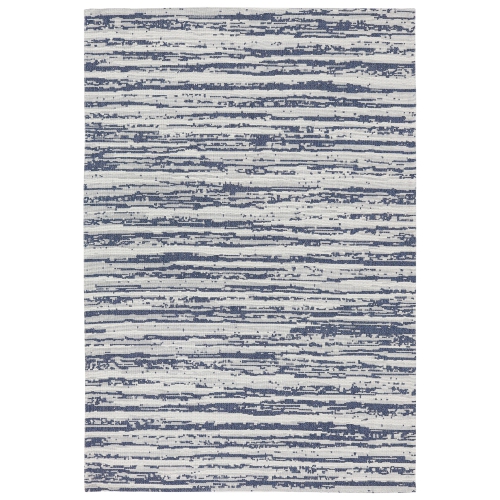 Your price for this item is $130.55
-
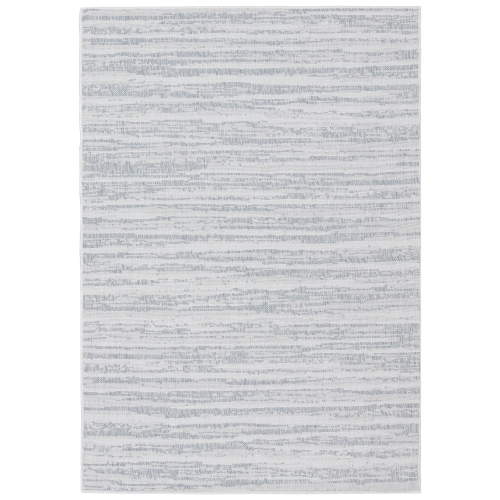 Your price for this item is $129.15
-
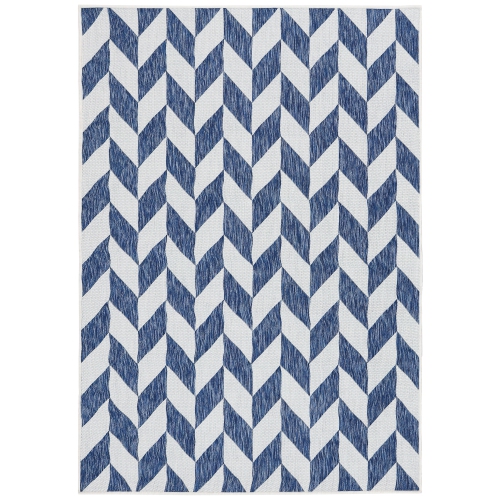 Your price for this item is $129.15
-
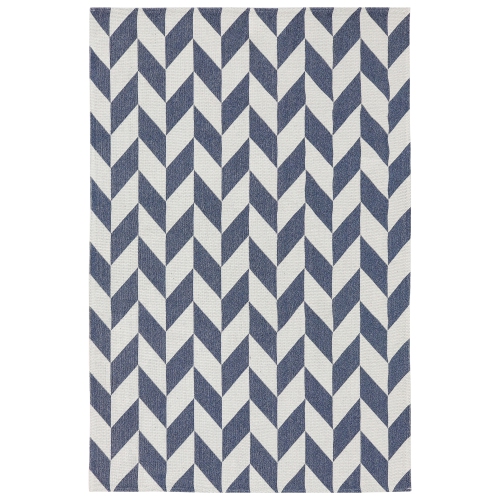 Your price for this item is $130.55
-
 Your price for this item is $111.99
-
 Your price for this item is $124.99
Discover more categories related to Hand Knotted Wool Silk Rugs


Top Collections:
Pokemon Centers, Kindle Devices, Best Cameras for Sports Photography, Pokémon 30th Celebration Cards, Apple iPhones 16, Canon G7X Cameras, iPhone 15 Apple, Flip Phones, Samsung Galaxy Phones, Alarm Clock
Some products may be subject to Environmental Handling Fees
(EHF) depending on your province.
Learn more about EHFs.