Handmade Wool Area Rugs
Handmade Wool Area Rugs add warmth and style to any room, offering a timeless touch that complements a variety of décor themes. With their unique textures and patterns, these rugs create inviting spaces in living rooms, bedrooms, or offices. Explore our selection of Handmade Wool Area Rugs to find the perfect accent piece that enhances your home’s comfort and visual appeal.
Sort


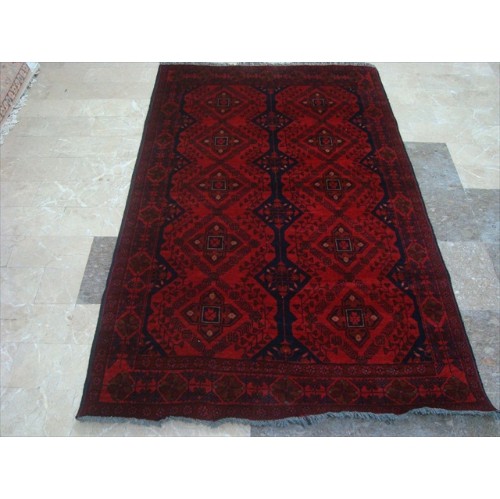


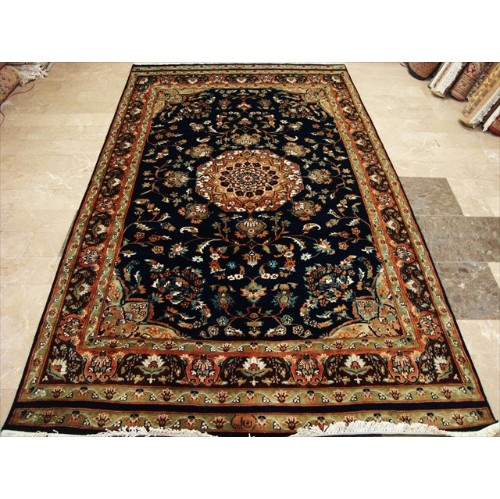


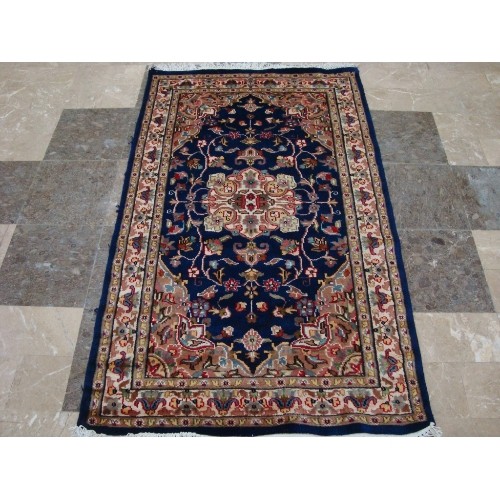

How craftsmanship shapes the feel of wool rugs
Handmade wool area rugs bring texture, softness, and individual character to living rooms, bedrooms, dining spaces, and other gathering places throughout the home. Wool fibres have a natural crimp that gives them resilience underfoot, helping the pile recover from everyday compression, although heavy furniture can still leave impressions. Their textured surface can soften the sound of footsteps and make a seating area feel more settled, especially in a room with hard flooring. The term handmade covers several distinct construction methods, and those differences affect how a rug looks, feels, and wears. Hand-knotted rugs are made by tying individual knots around a foundation, creating patterns within the structure of the rug. Hand-tufted rugs are formed by inserting yarn through a fabric foundation and typically securing it with adhesive and a backing. Handwoven flatweaves have little or no raised pile, giving them a slimmer profile that can suit dining areas or spaces where doors need clearance. Some flatweaves are reversible, but that feature depends on their construction. A wool pile does not necessarily mean every component is wool: cotton foundations, blended yarns, and other backing materials are common, so fibre descriptions are worth reading closely. Wool blended with silk or viscose can have a different sheen and may require more specialized care than an all-wool surface. Small variations in pattern, dimensions, or colour can be part of handmade production rather than signs of a fault. These details give a rug its character, whether the design features precise geometric forms or a looser, more expressive pattern. For households that value tactile materials and furnishings with visible craftsmanship, handmade wool rugs can provide both a useful floor covering and a focal point. Their appeal comes from the combination of material, construction, and design, rather than any single measure of quality. Knot density, for example, can influence the detail possible in a pattern, but it does not describe every aspect of durability or suitability for daily use.
The right size and shape help a handmade wool area rug work with the furniture rather than appear disconnected from it. In a living room, a rug large enough to sit beneath the front legs of the sofa and nearby chairs can visually join the seating arrangement while leaving a border of flooring visible. A small rug placed only beneath a coffee table creates a different effect and may leave the surrounding furniture feeling separate. In a dining space, the rug needs to extend beyond the table far enough for chairs to remain on it when pulled out for sitting; around 60 to 75 centimetres on each side is a useful starting point, with chair depth and room layout determining the final fit. Lower-pile constructions generally make moving chairs easier than deep, plush surfaces. In a bedroom, generous coverage beside the bed gives feet a soft landing, while a pair of smaller rugs can suit a layout that leaves less exposed floor space. Measuring the room, marking the proposed outline with painter’s tape, and checking door swings can make proportions easier to judge before choosing dimensions. Pattern and colour also influence how a rug sits within a space. A softly varied neutral surface can add depth beside a plain sofa, while a detailed motif can bring structure to a room with simple furniture. Mid-tone colours and patterned surfaces may make everyday lint or small marks less noticeable than very pale, uniform designs, though no colour replaces routine care. For spaces furnished with clean lines, Handmade Contemporary Rugs offer a related direction to explore, with the material composition and construction of each rug still worth checking. A wool rug can be a thoughtful housewarming or wedding gift when the recipient’s preferred colours, measurements, and care expectations are known. Because it occupies a substantial part of a room, choosing it together often makes more sense than guessing at a bold pattern or an unfamiliar size.
Everyday performance depends on where a wool rug is placed and how it is maintained. A dense, lower pile may be easier to manage in a frequently used sitting room, while a deeper pile can feel inviting beside a bed or in a quieter reading corner. Pets, rolling chairs, and furniture movement deserve particular attention: claws can catch in some looped surfaces, and casters may drag or compress a rug unless the workspace is arranged appropriately. A rug pad suited to both the rug and the flooring can help reduce movement, add cushioning, and limit friction beneath the rug. Flooring manufacturers may have restrictions on certain pad materials, so compatibility matters, especially over finished wood or vinyl. Wool rugs are generally intended for dry indoor spaces rather than bathrooms, exposed patios, or areas that regularly stay damp. Some shedding is common, particularly with new wool pile rugs, but its amount and duration vary with fibre quality and construction. Gentle, regular vacuuming removes loose fibres and grit before they settle deeply into the surface. Suction-only cleaning is often suitable, while rotating brush bars can be too aggressive for delicate piles, loops, or fringe; the maker’s care instructions should determine the method. Fringe is especially vulnerable to being pulled into a vacuum head. Spills are best blotted promptly with a clean, absorbent cloth rather than rubbed, which can spread the liquid and disturb the fibres. Wool’s natural properties do not make it stainproof, and excess water or an unsuitable cleaning solution can cause dye transfer, distortion, or damage to the backing. Test any permitted cleaner in an inconspicuous area and seek a professional experienced with wool and handmade construction for difficult stains or a thorough clean. Occasional rotation helps distribute foot traffic and light exposure more evenly, while furniture cups can reduce concentrated pressure from heavy legs. With appropriate placement and care, a well-made wool rug can remain a comfortable, expressive part of a home for many years, developing the familiar character of a furnishing used and enjoyed every day.
Top selling and popular products
-
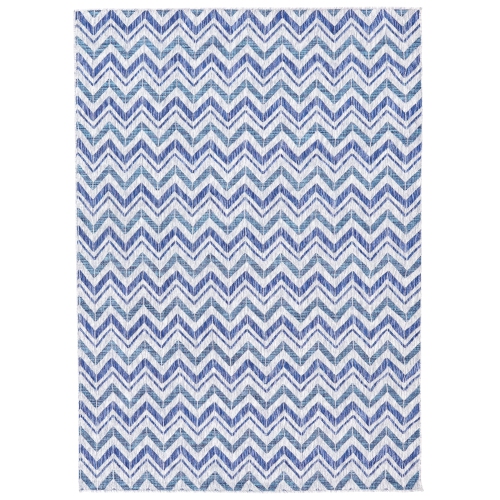 Your price for this item is $129.15
-
 Your price for this item is $130.55
-
 Your price for this item is $130.55
-
 Your price for this item is $129.15
-
 Your price for this item is $129.15
-
 Your price for this item is $130.55
-
 Your price for this item is $111.99
-
 Your price for this item is $124.99
Discover more categories related to Handmade Wool Area Rugs


Top Collections:
Pokemon Centers, Kindle Devices, Best Cameras for Sports Photography, Pokémon 30th Celebration Cards, Apple iPhones 16, Canon G7X Cameras, iPhone 15 Apple, Flip Phones, Samsung Galaxy Phones, Alarm Clock
Some products may be subject to Environmental Handling Fees
(EHF) depending on your province.
Learn more about EHFs.