Handheld Blowers
Transform your outdoor maintenance routine with our selection of handheld blowers. Designed to make quick work of leaves, debris, and grass clippings, these powerful tools offer convenience and efficiency for all your yard cleanup needs. Whether you're a homeowner looking to keep your lawn pristine or a professional landscaper in need of reliable equipment, our handheld blowers provide the perfect solution. With their lightweight design and ergonomic handles, you can easily maneuver around your outdoor spaces without straining your arms or back. Explore our range of handheld blowers today and discover the ideal tool to help you achieve a clean and tidy yard effortlessly.
Sort
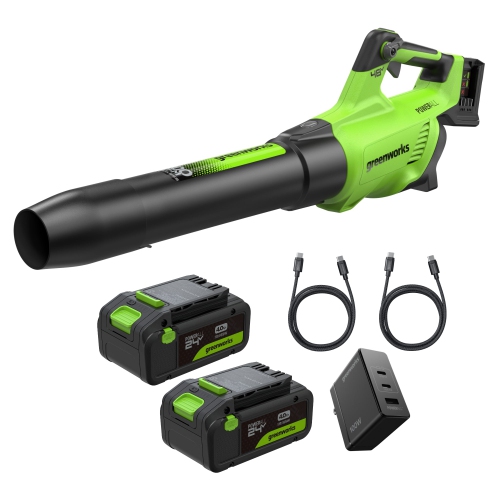
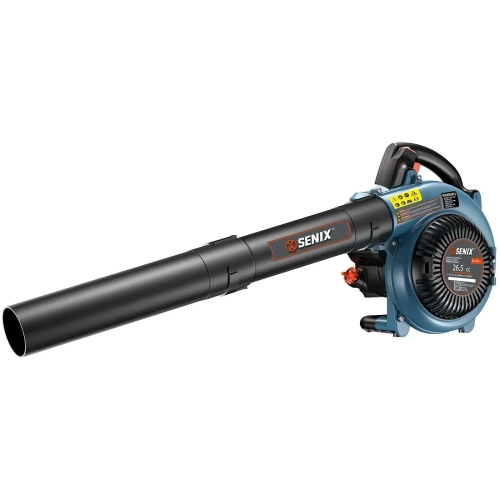
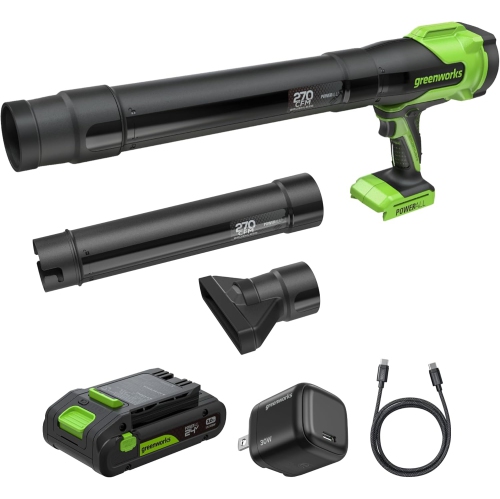

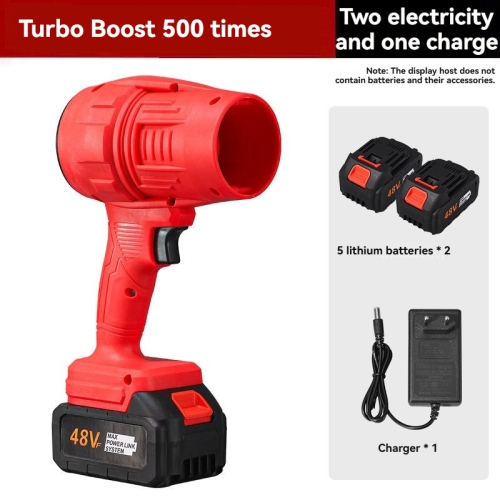

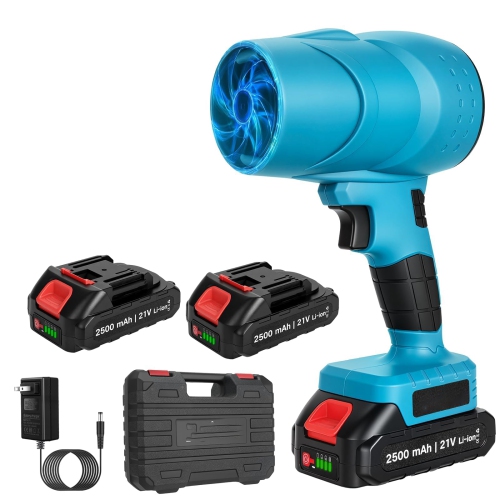
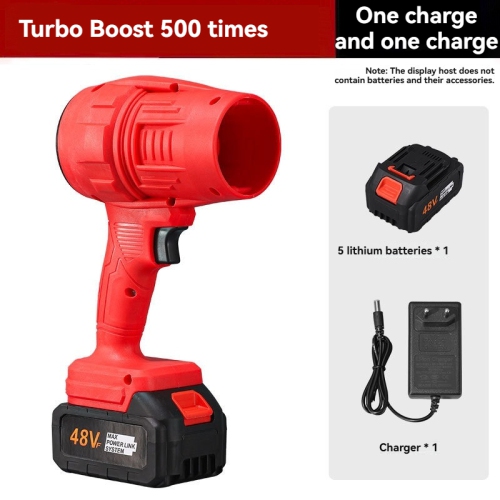
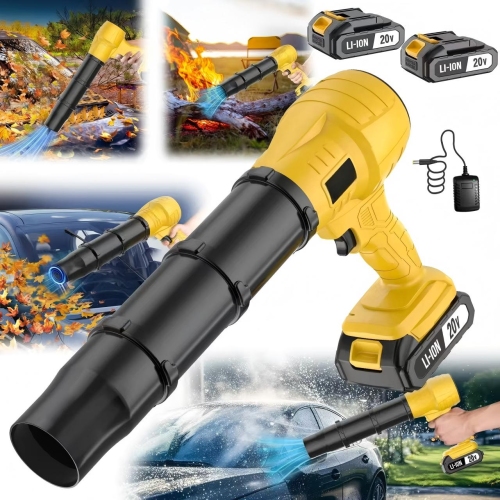
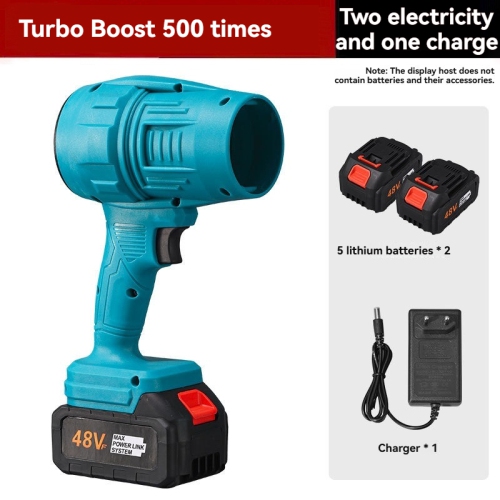
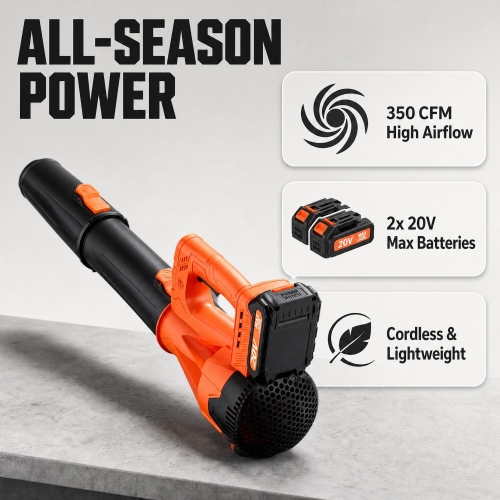
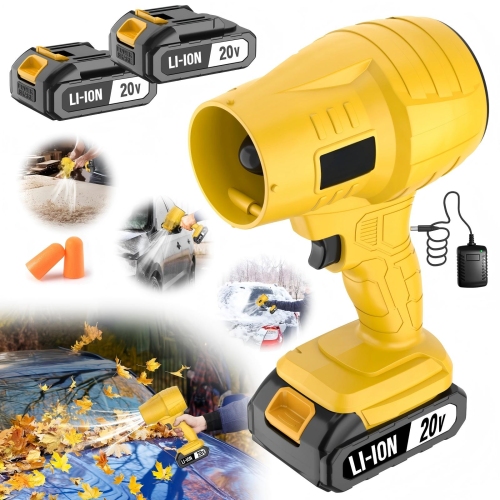
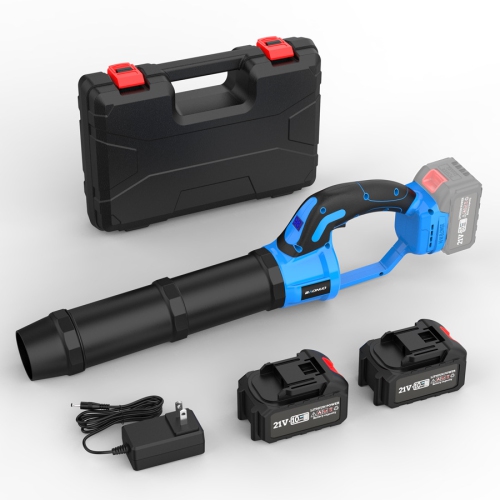
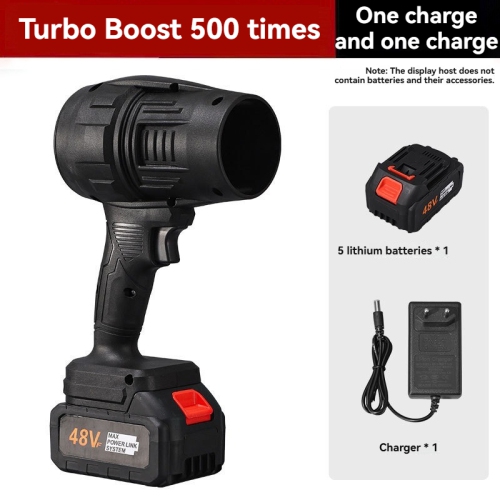
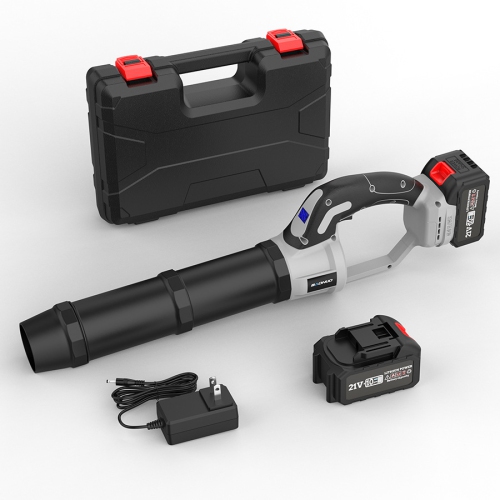
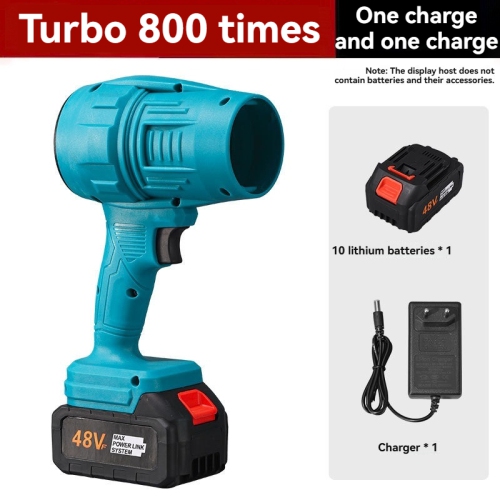
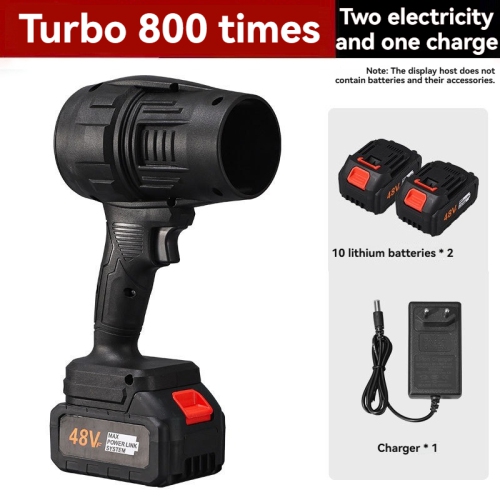
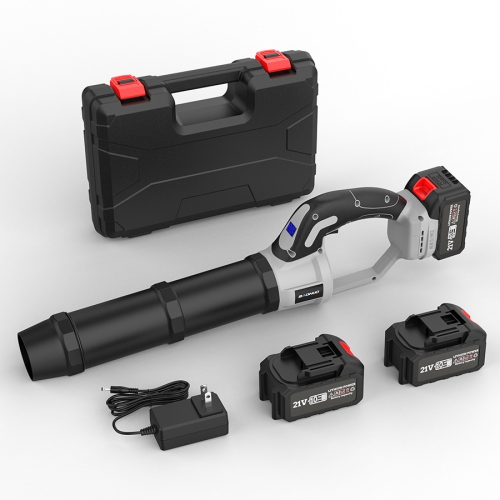
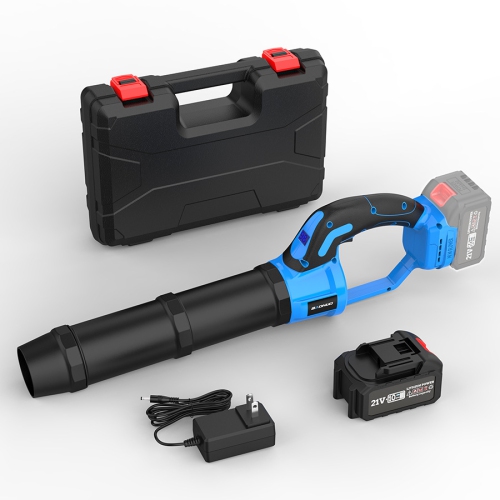
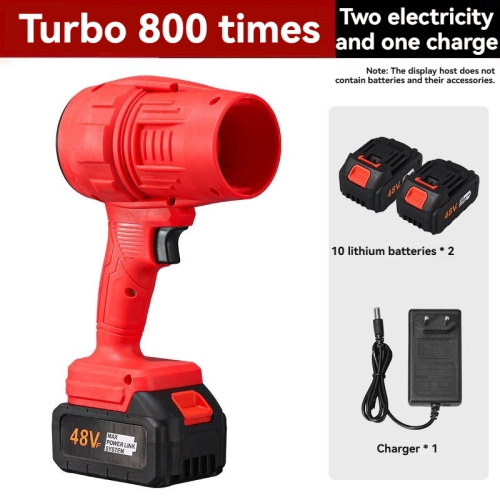
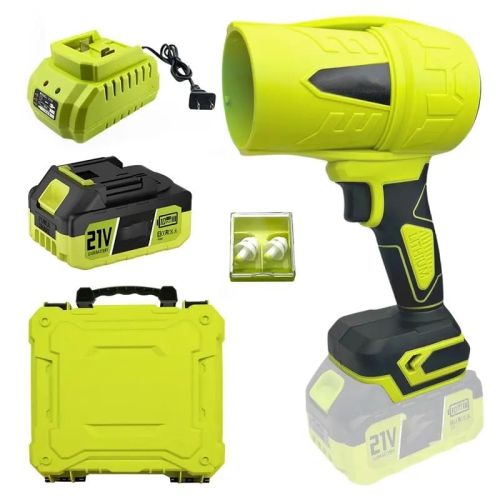

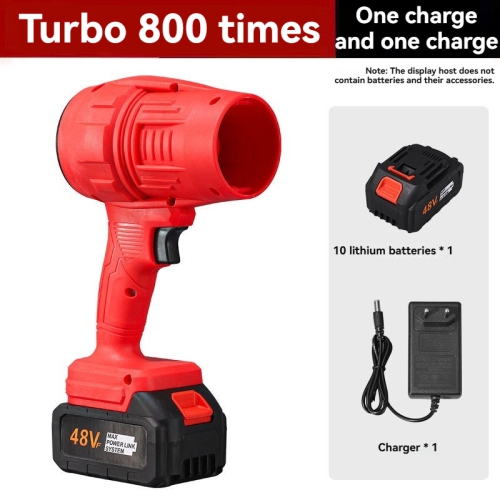
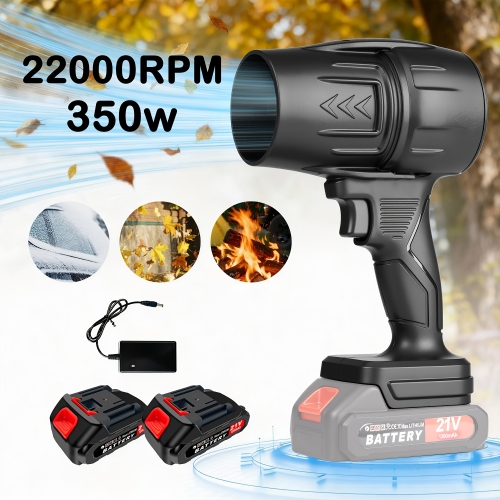
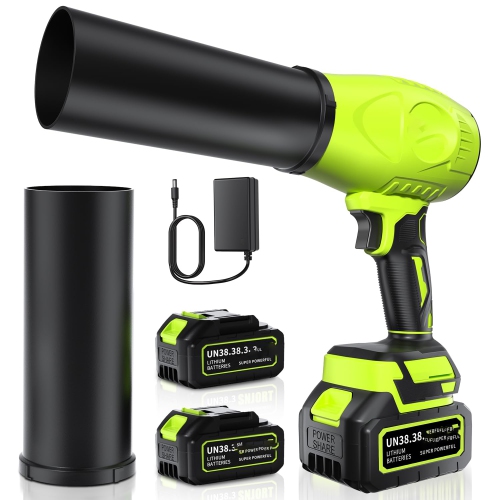
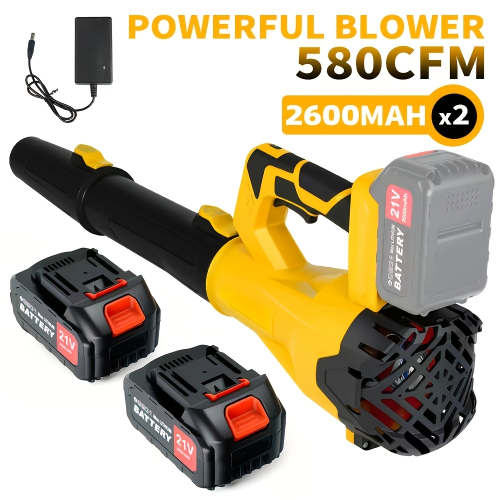
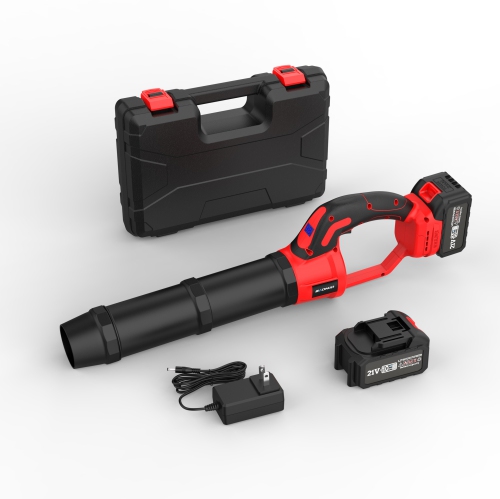
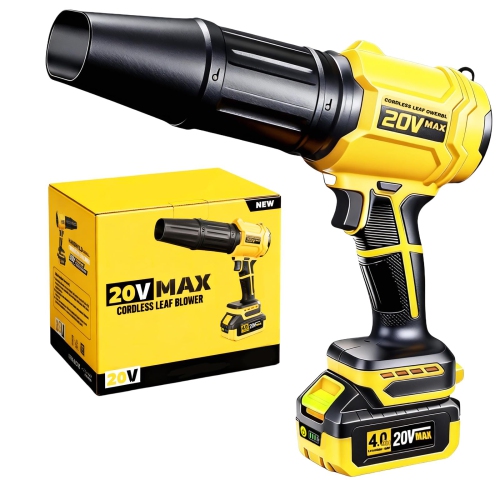
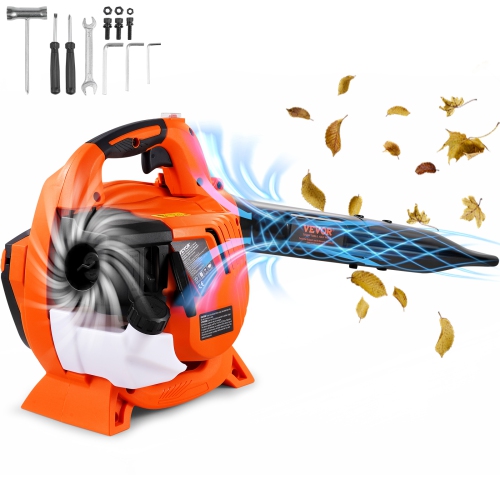
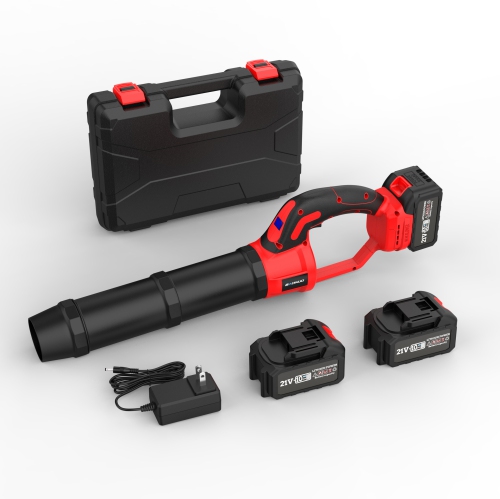
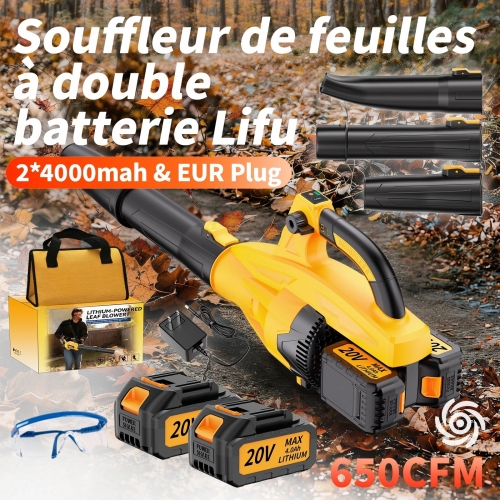

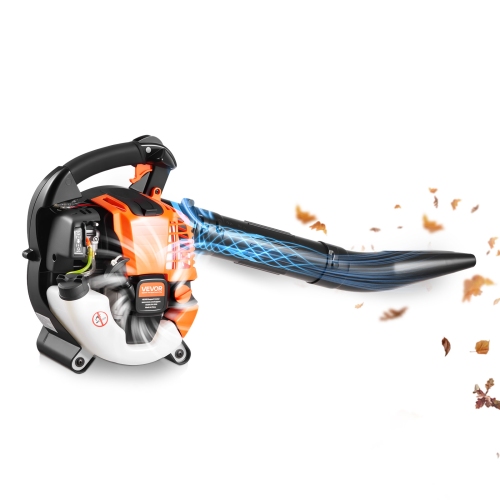
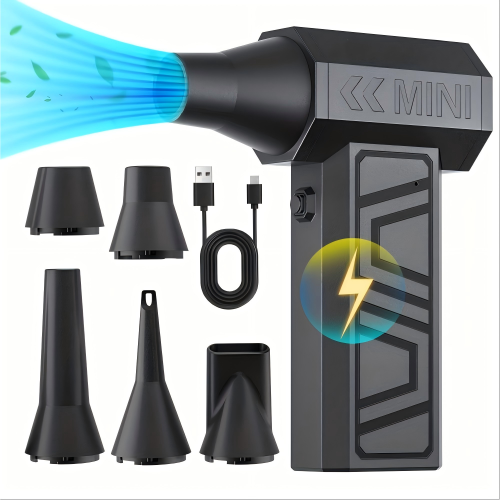
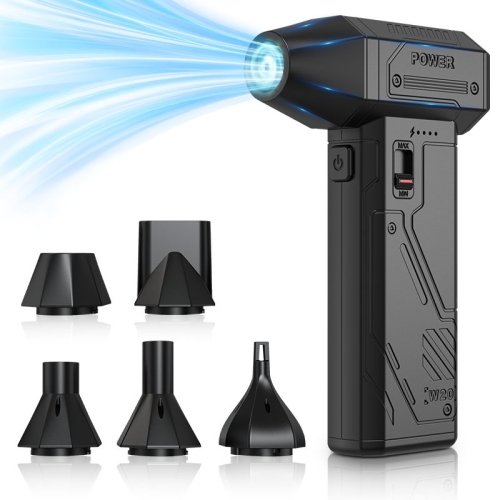
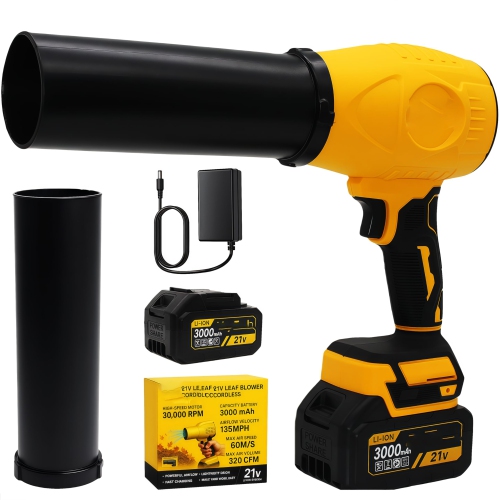
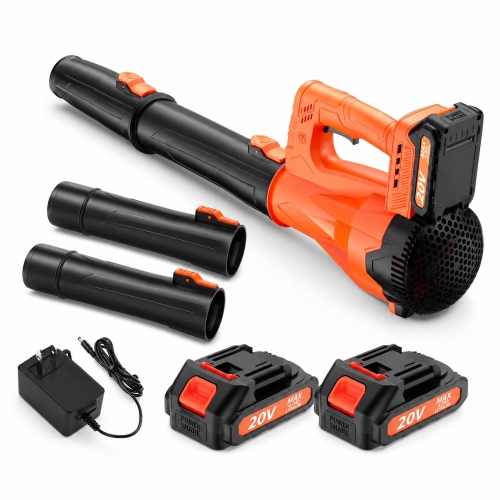
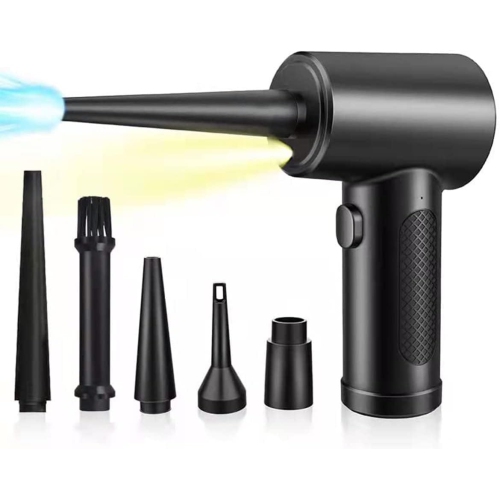
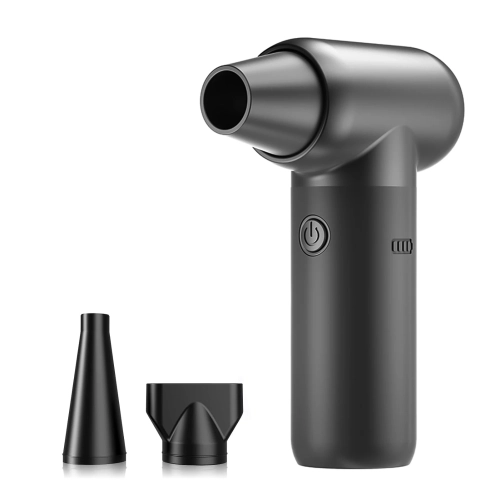
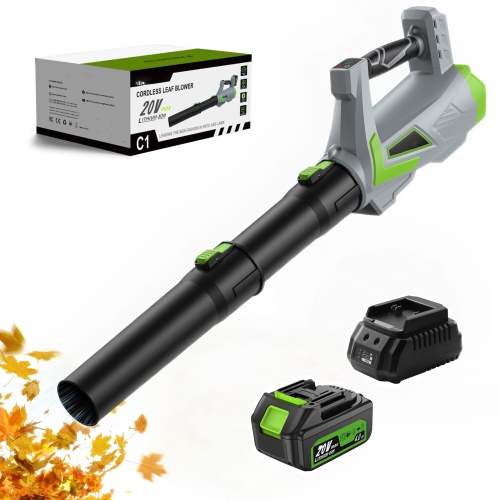
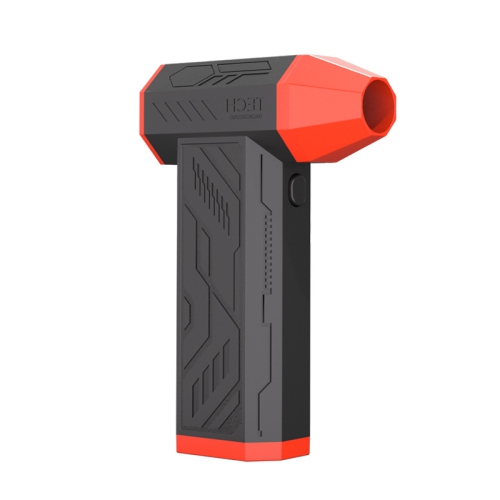
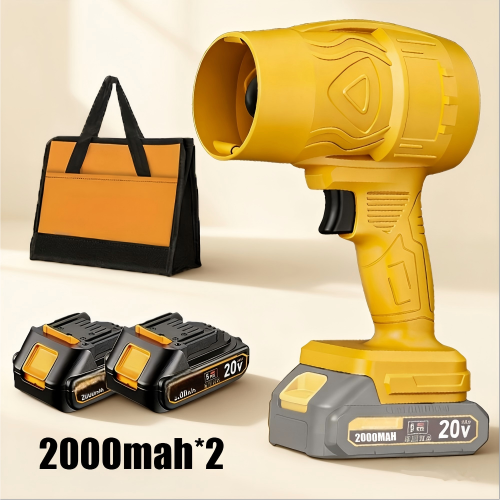
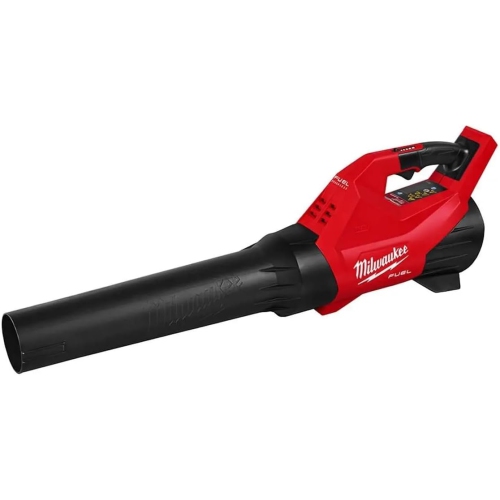
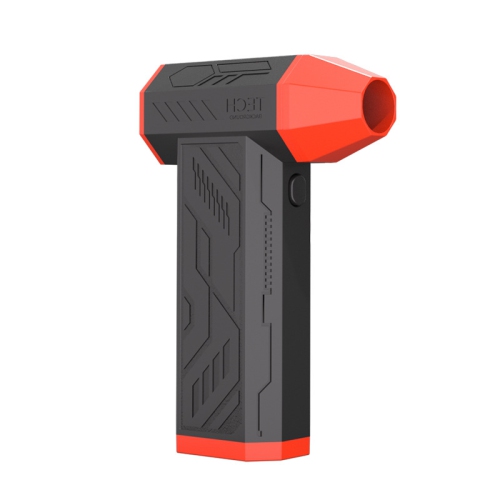
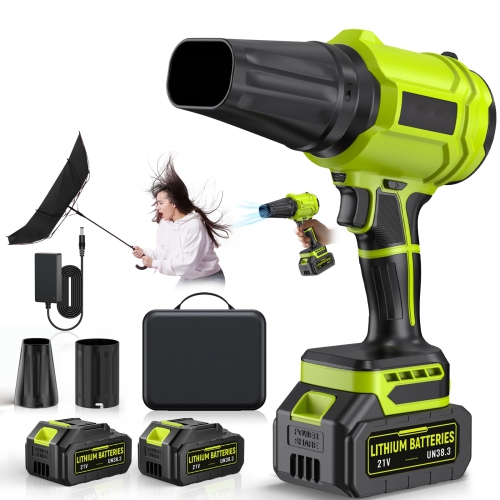
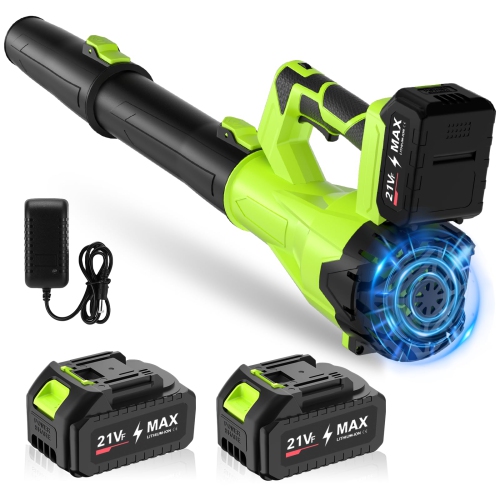
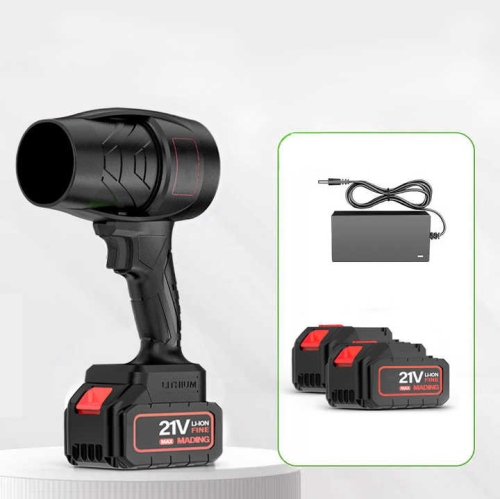
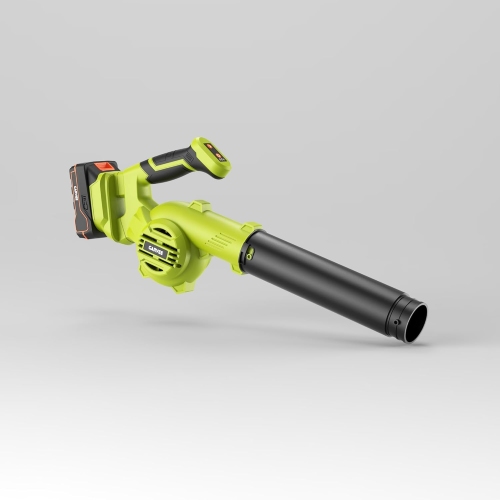
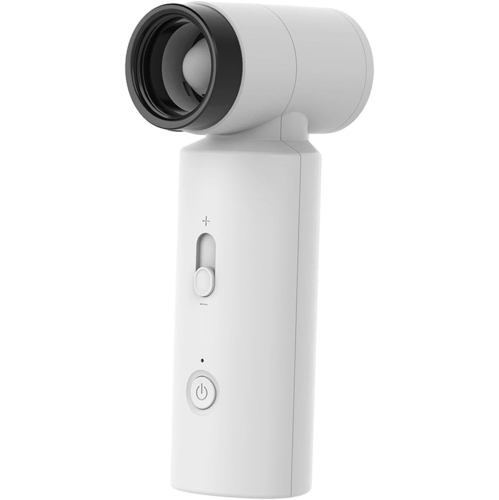
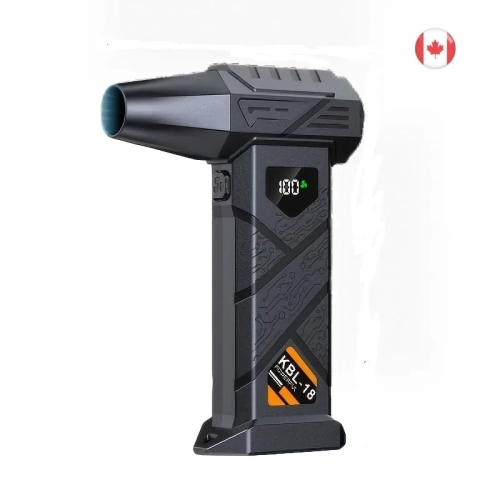
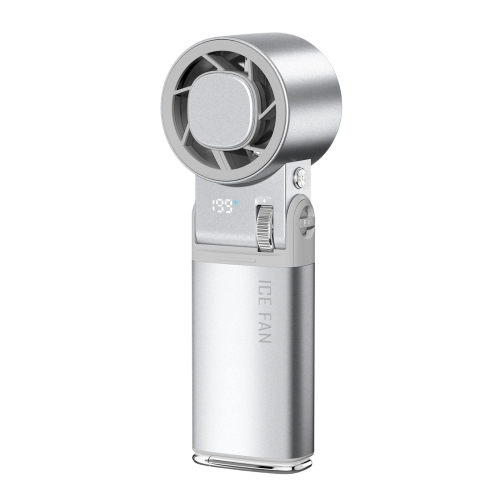
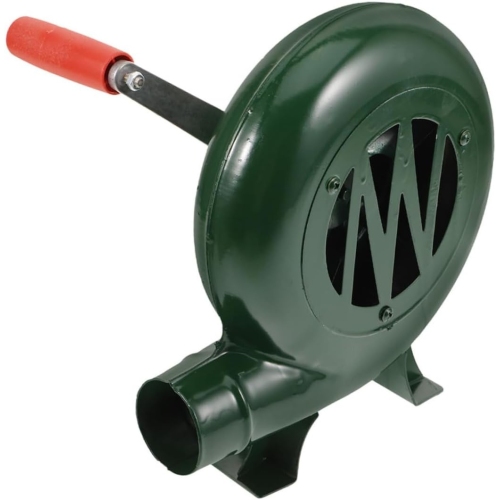
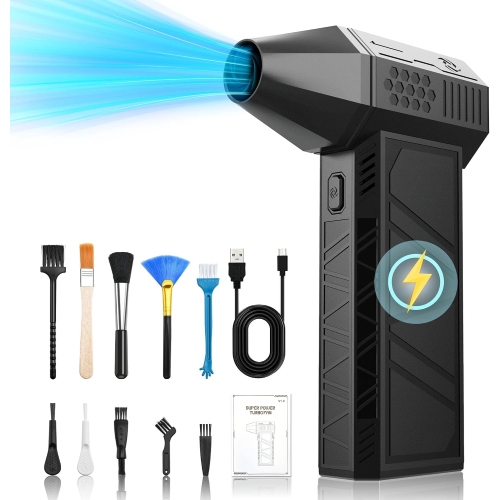
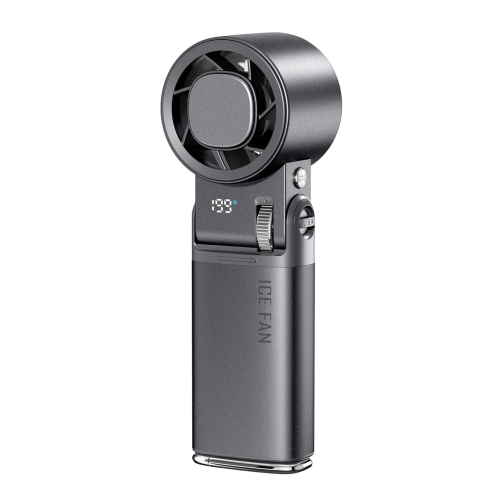
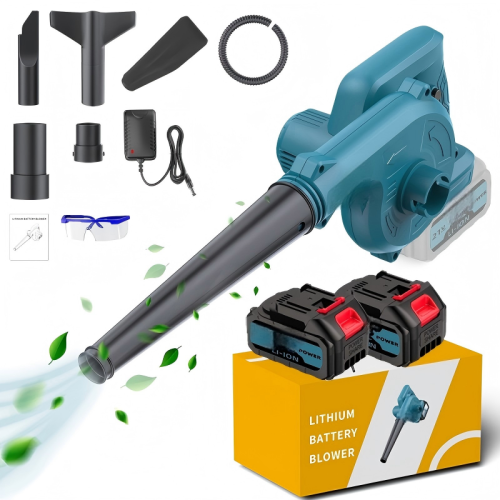
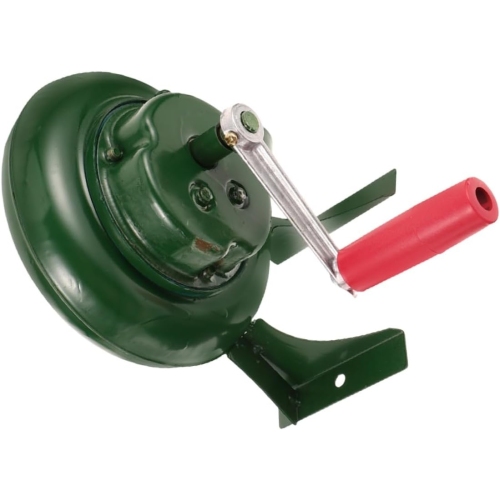
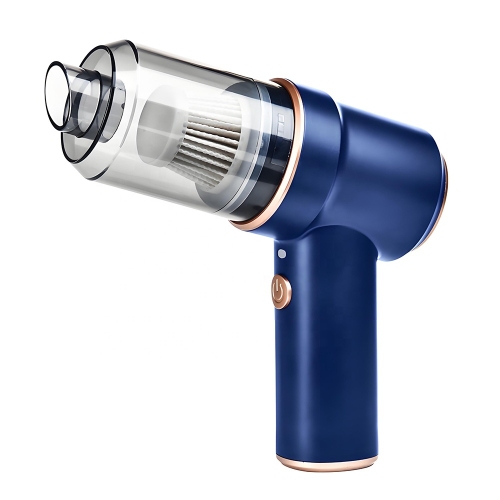
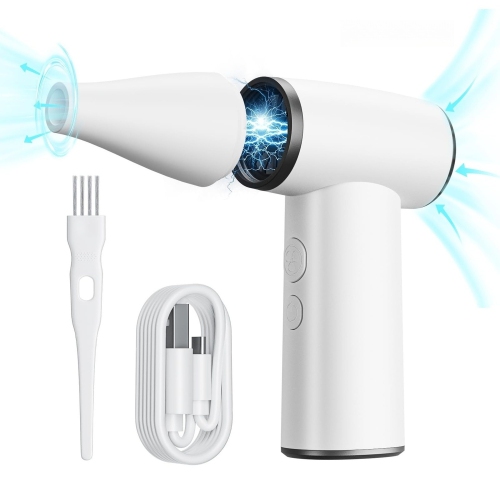
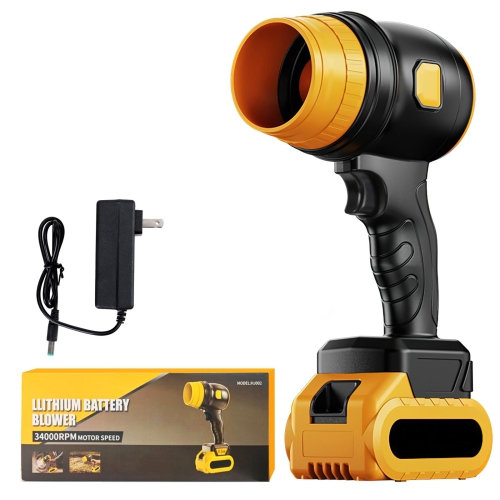
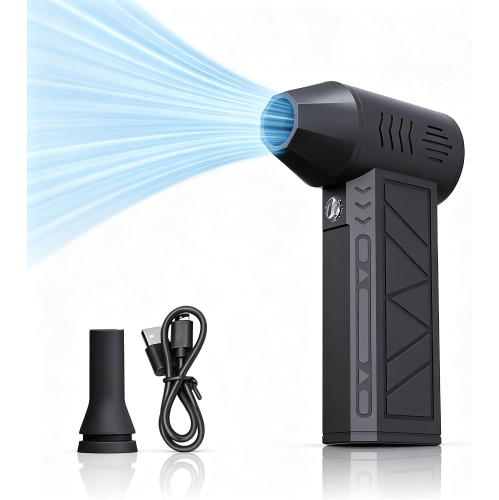

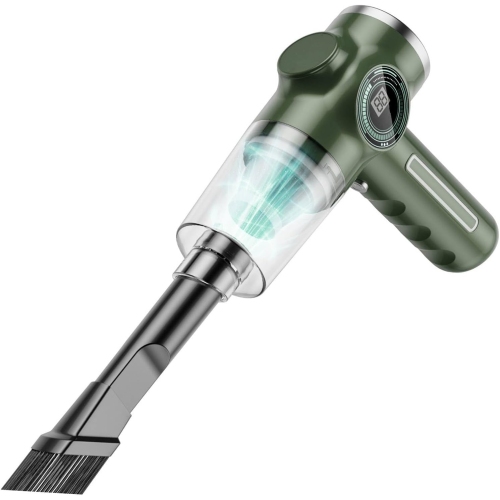
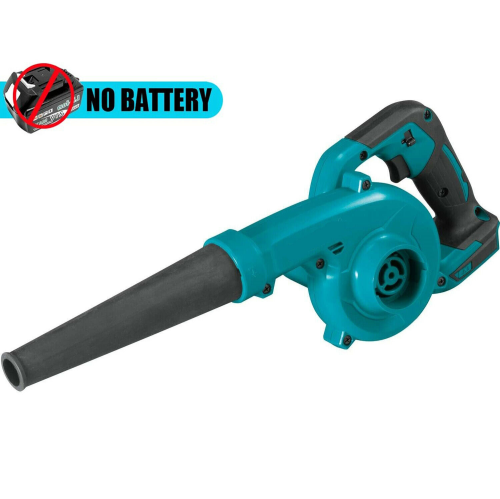


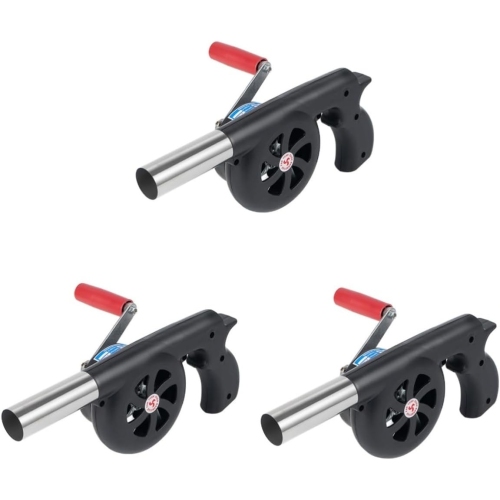
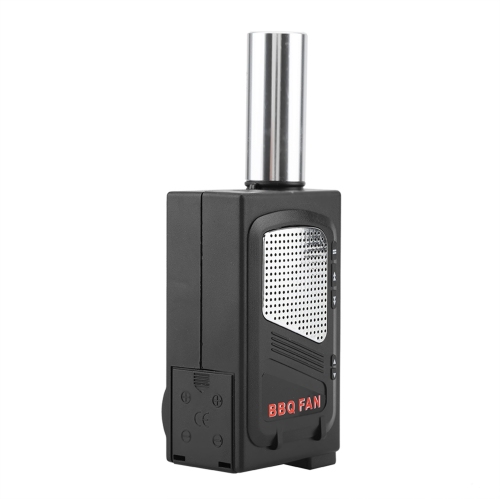
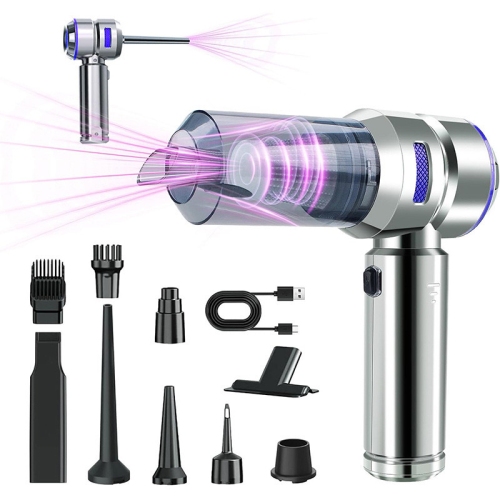
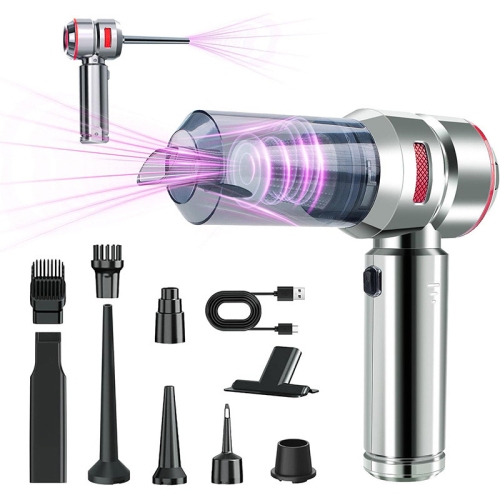
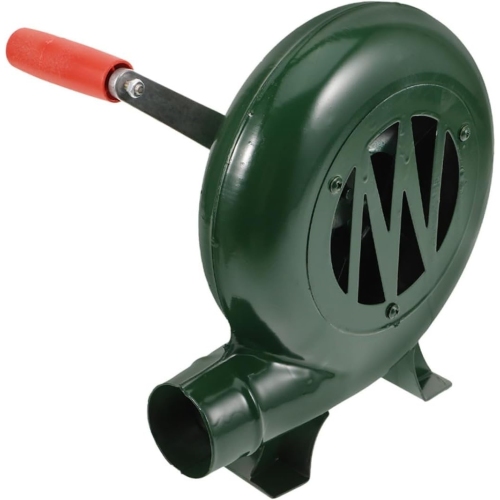
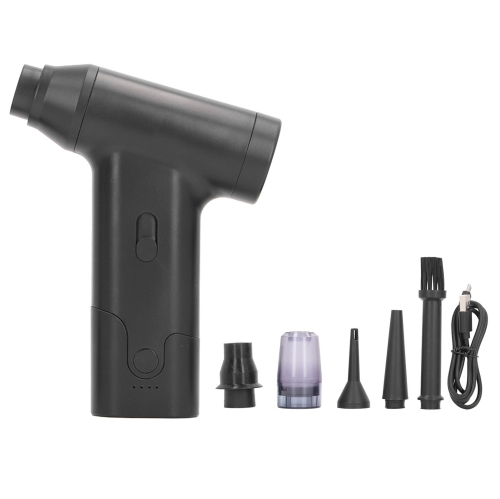
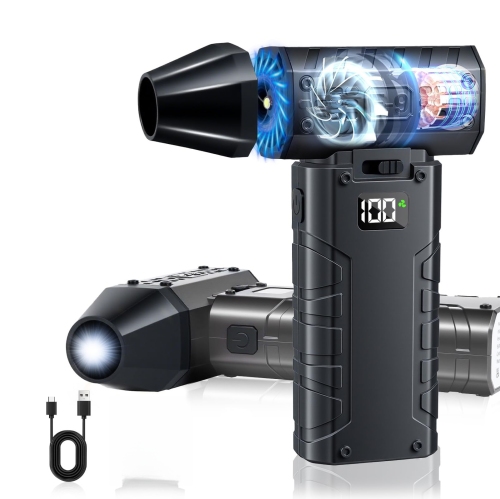
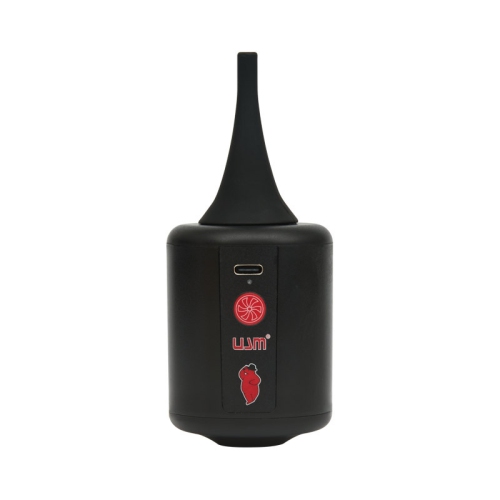
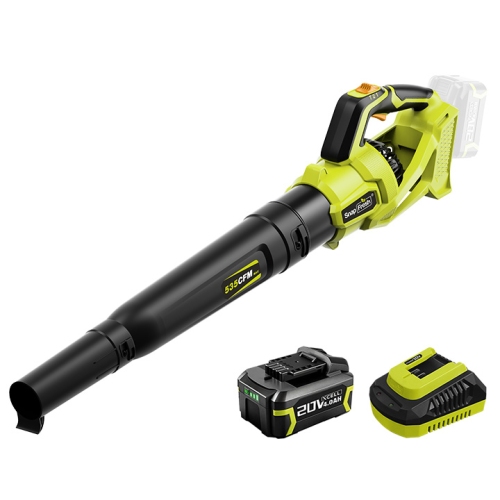
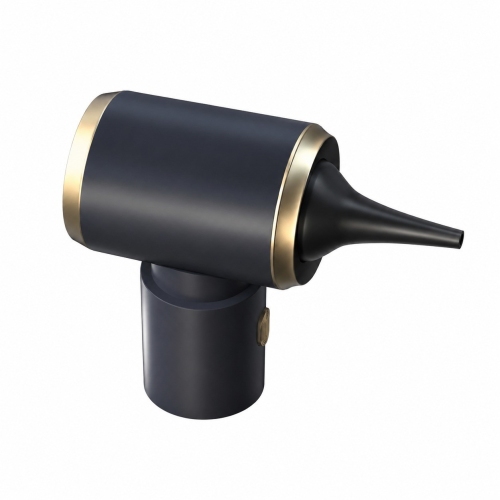
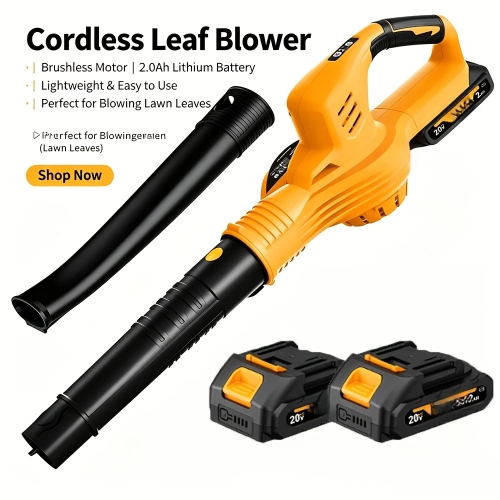
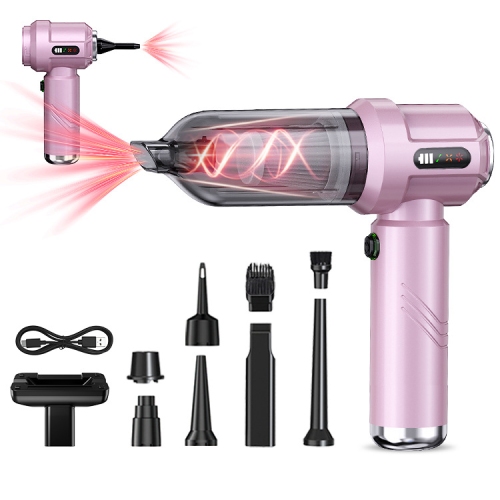
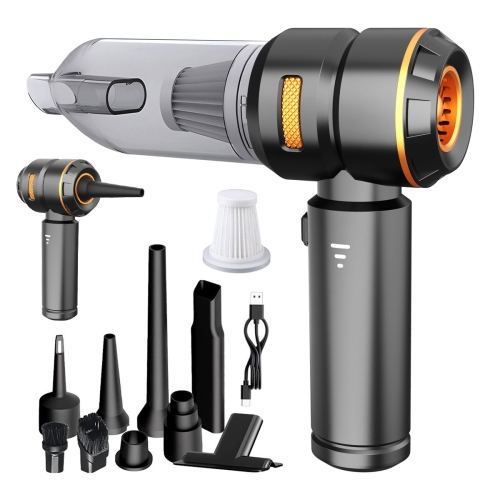
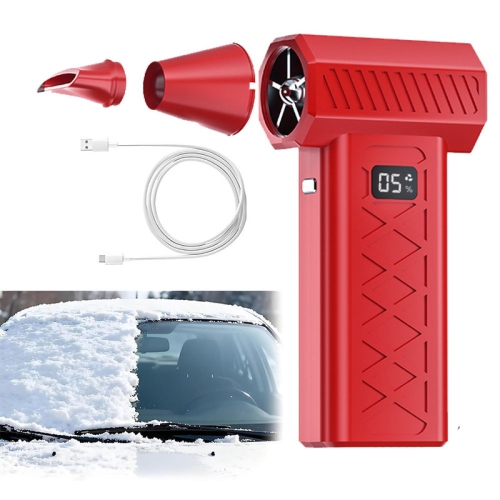
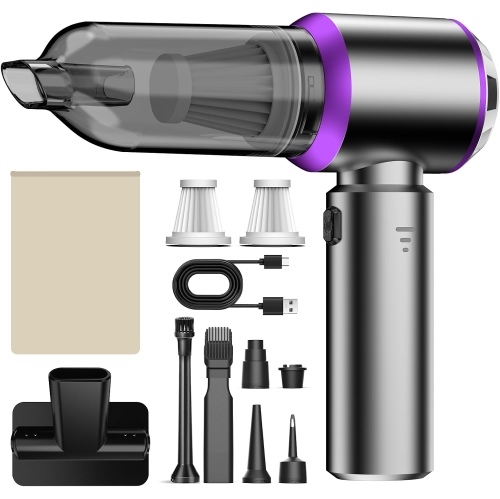
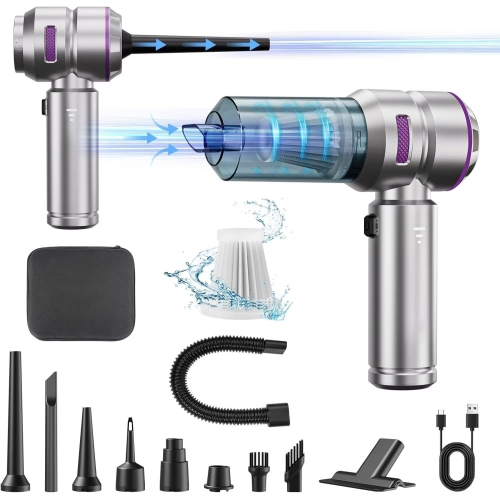
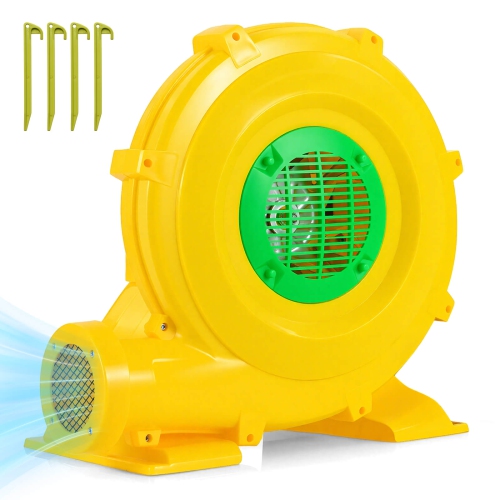
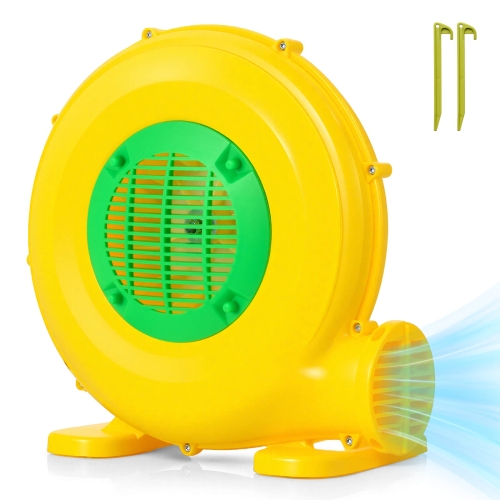
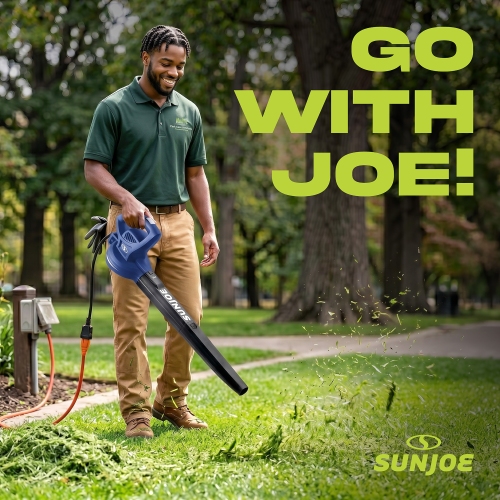
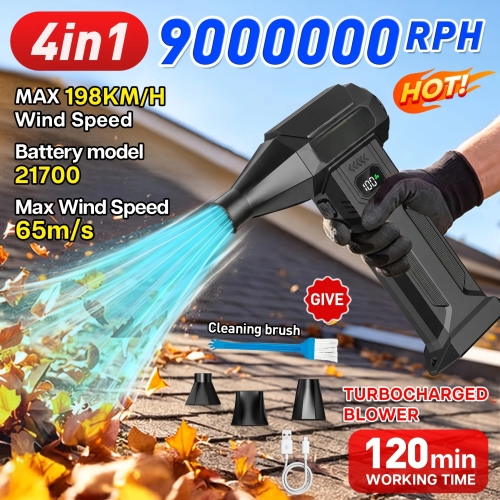
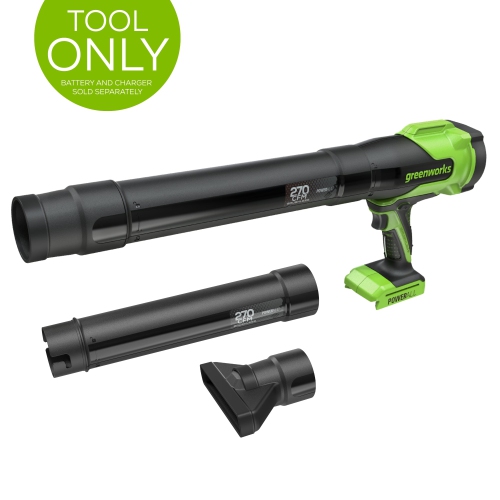
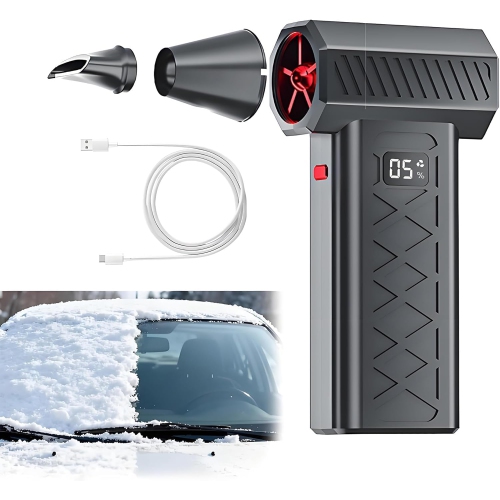
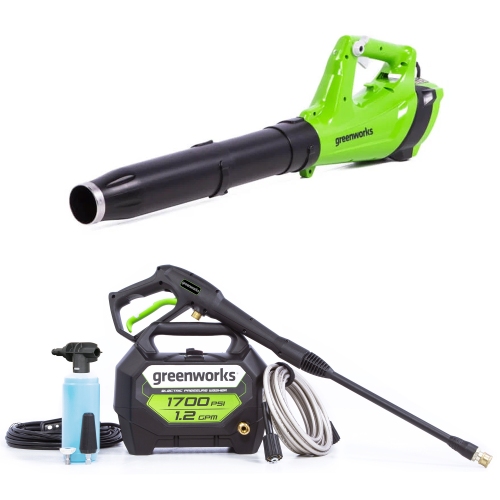
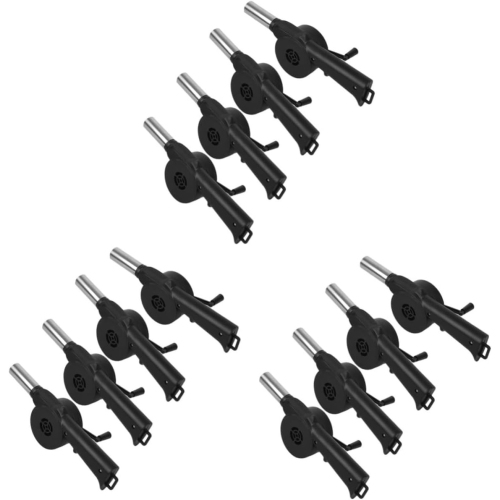
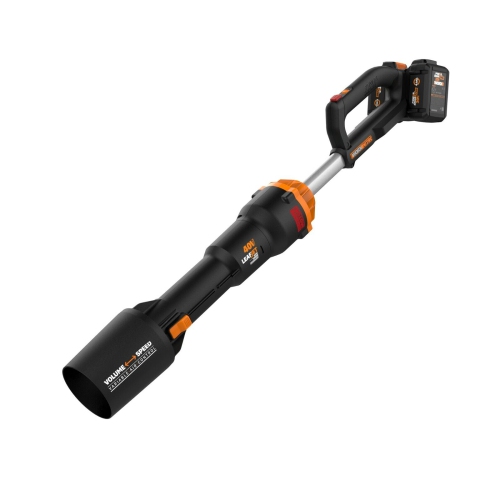
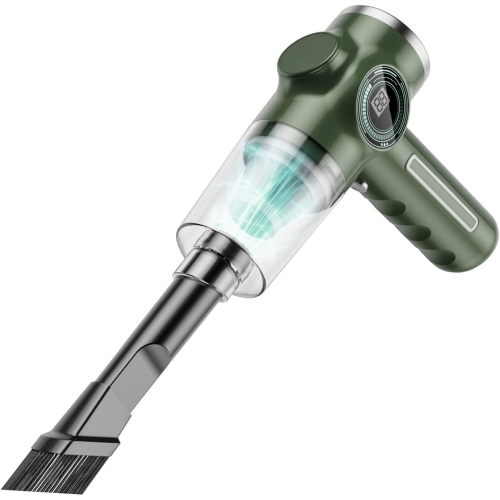
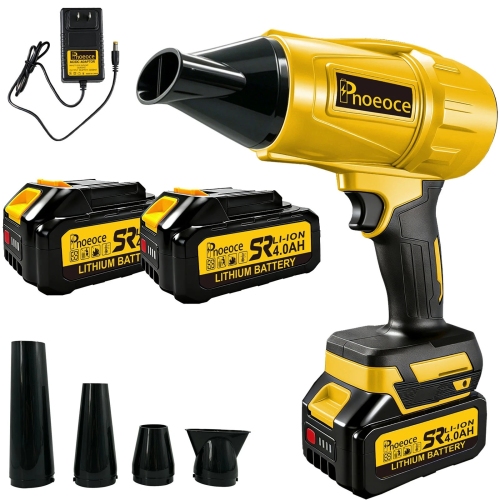
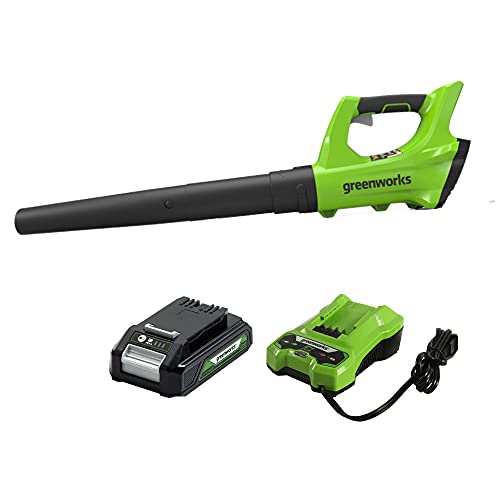
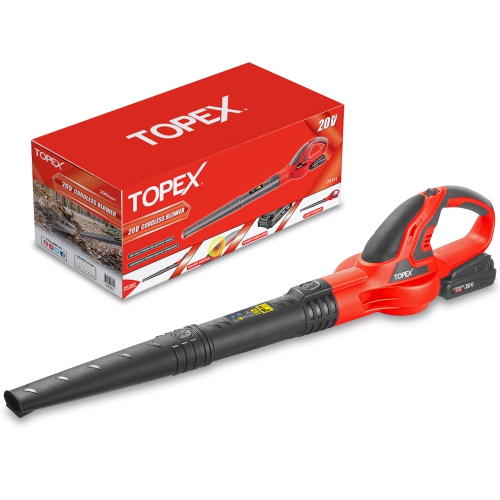
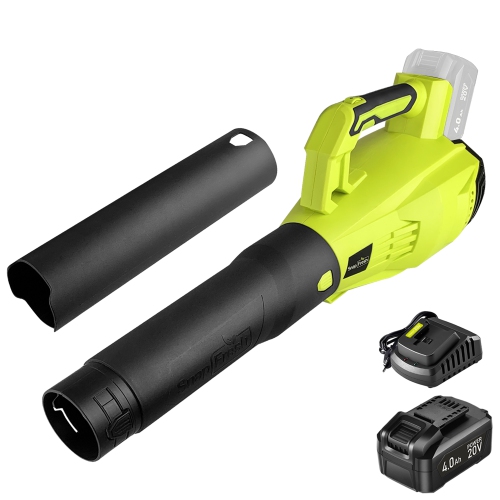
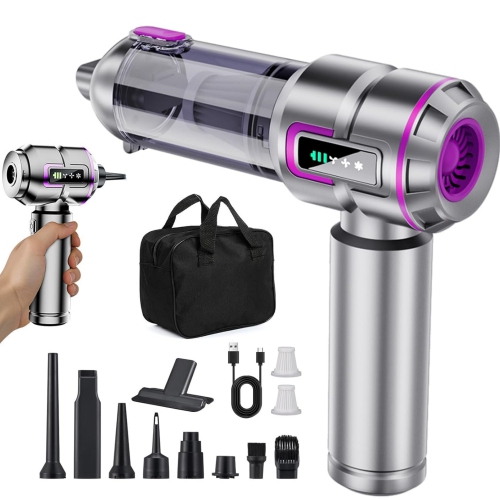
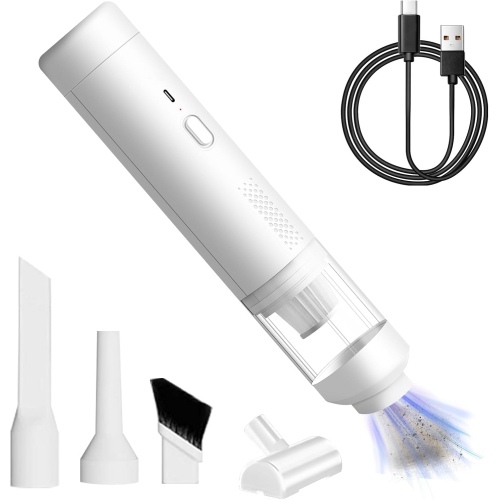

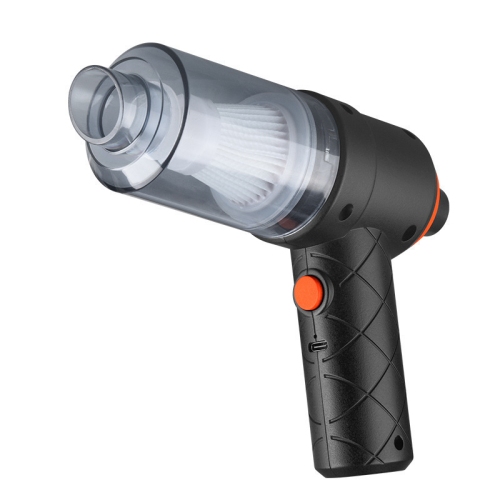
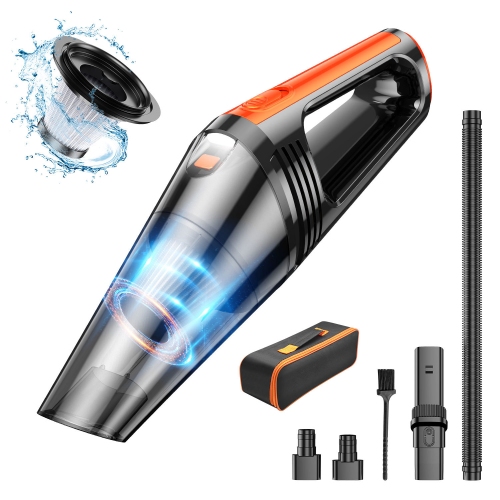
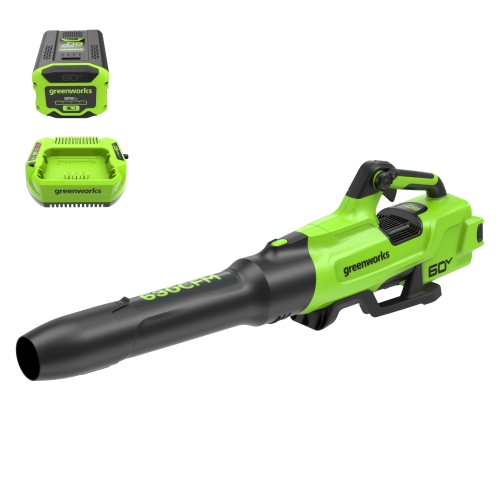
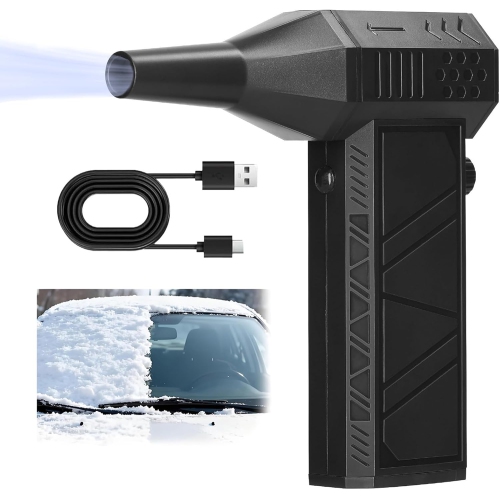
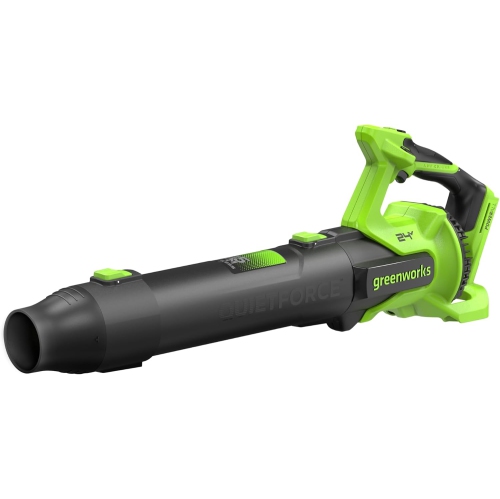
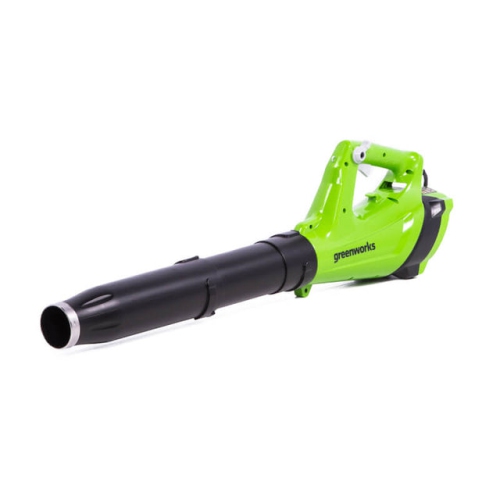
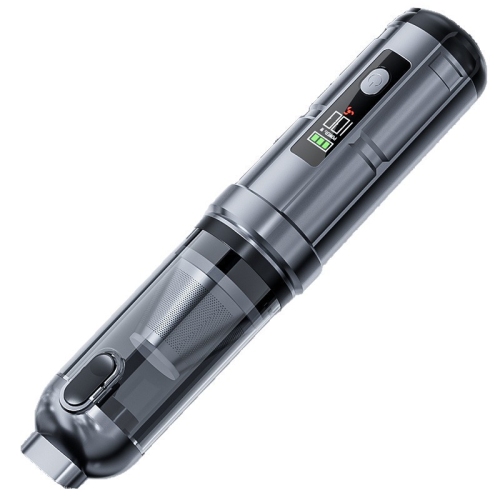
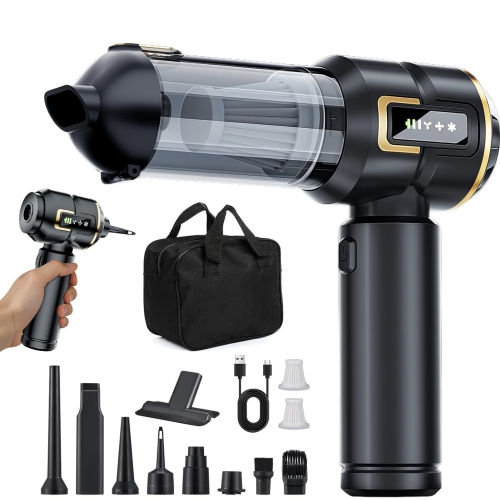
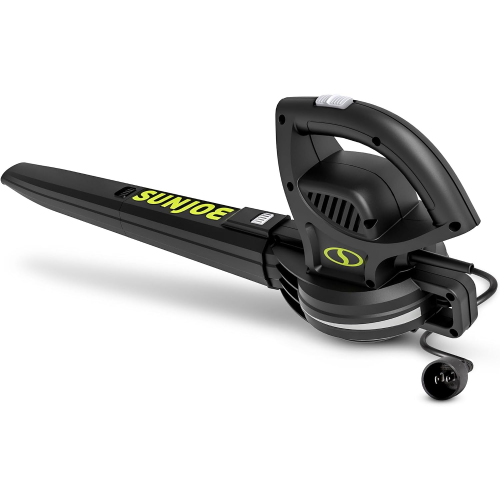
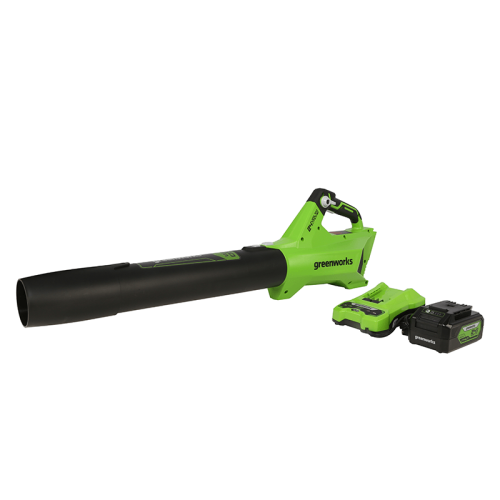
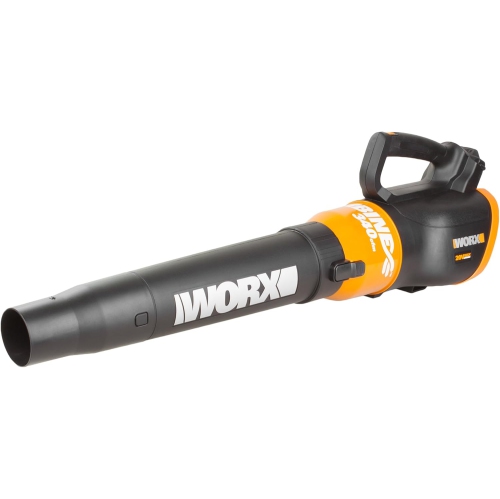
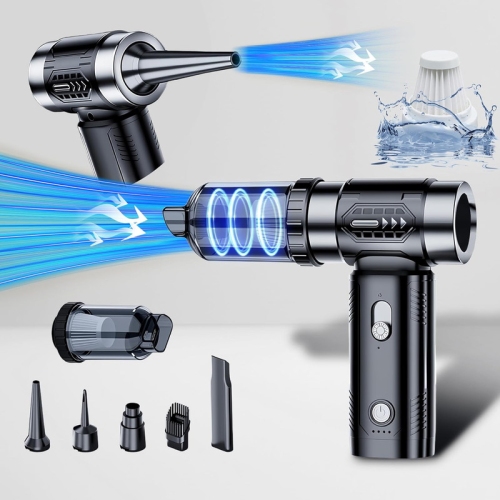
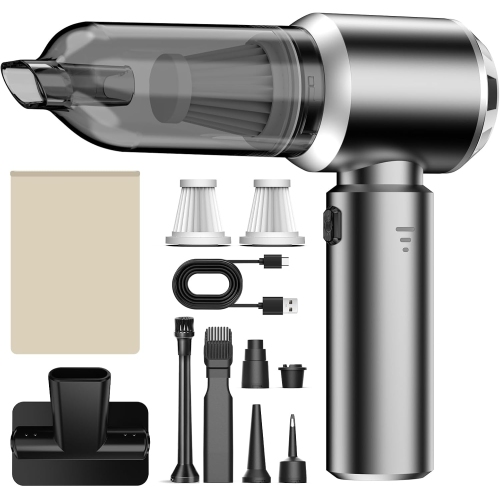
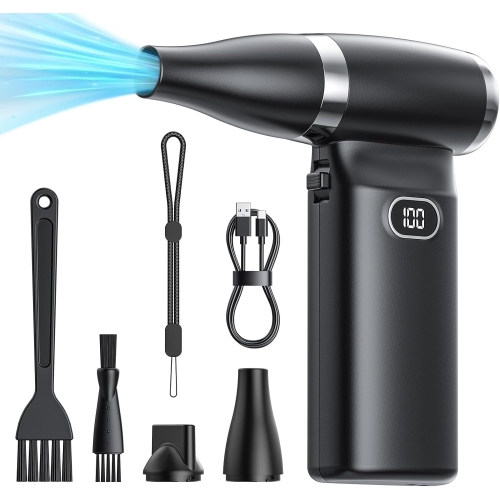
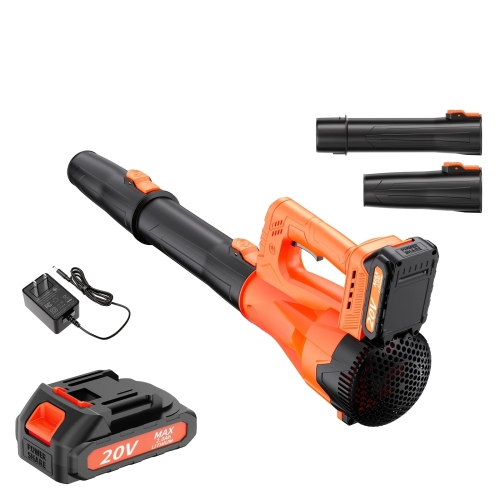
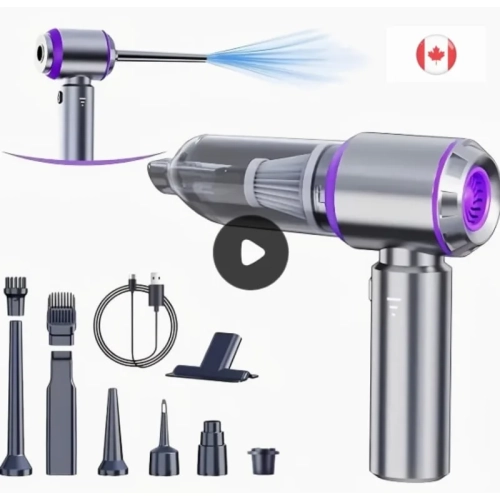
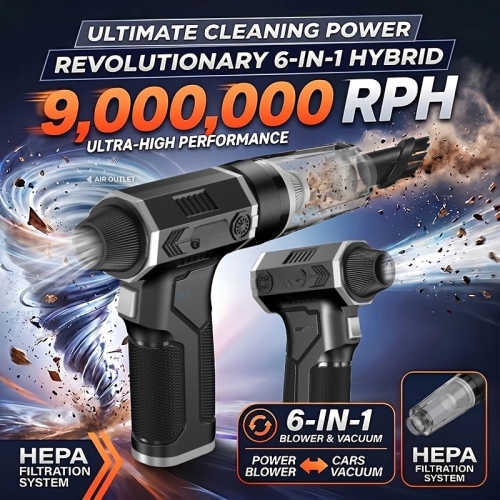
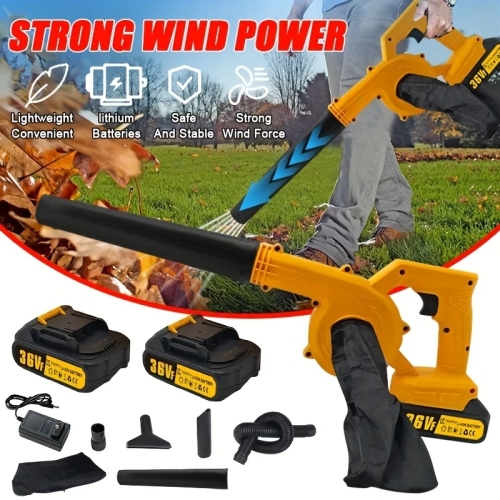

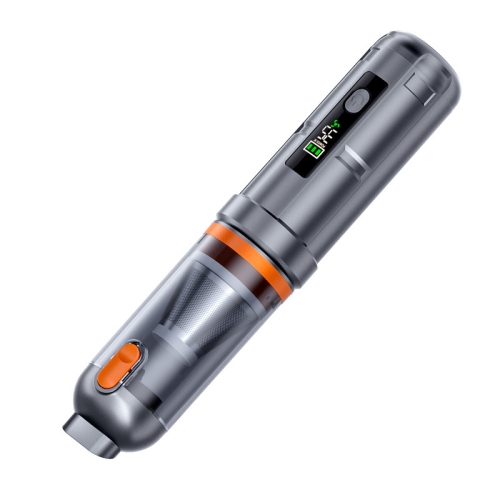
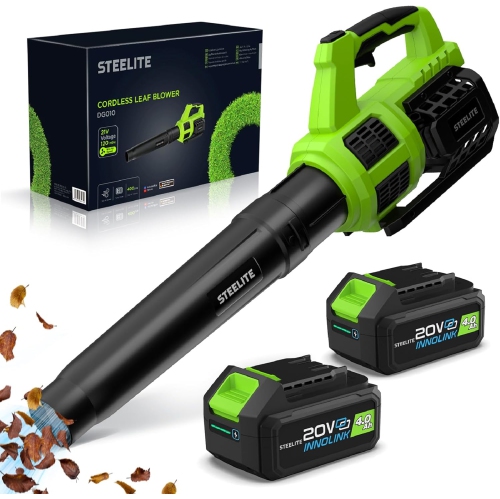

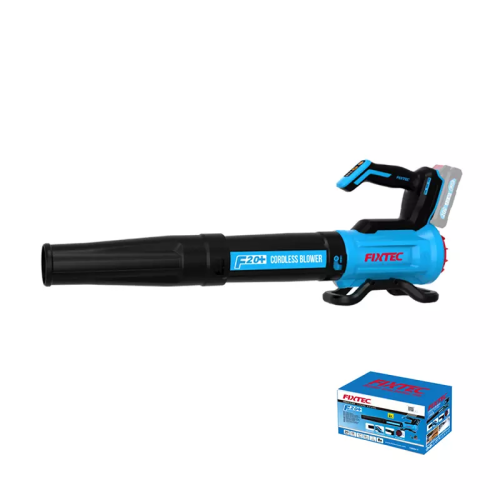



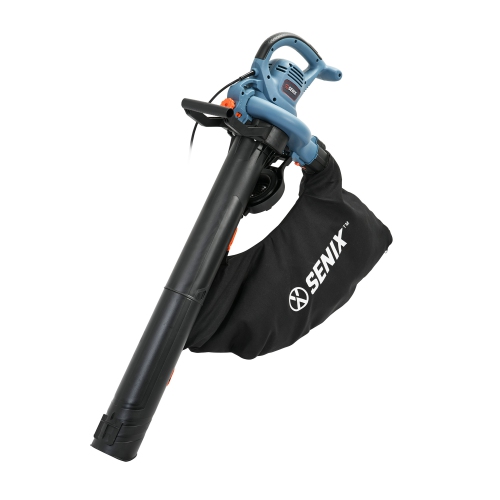
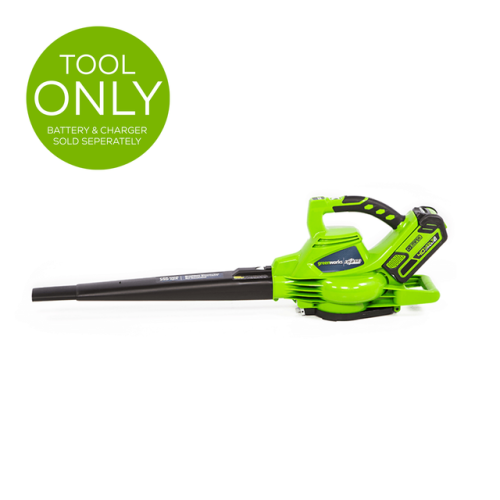
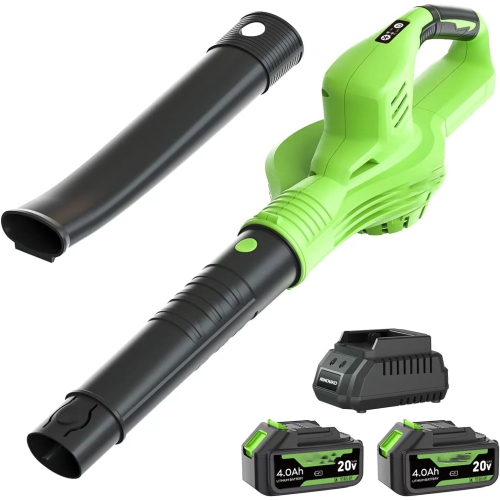
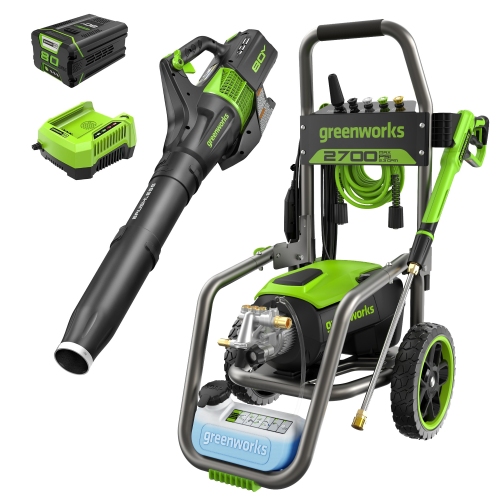
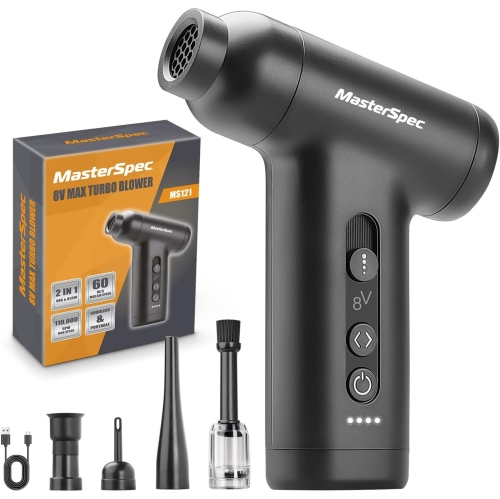
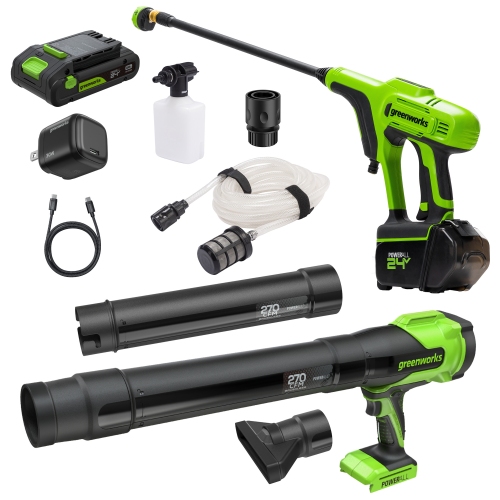
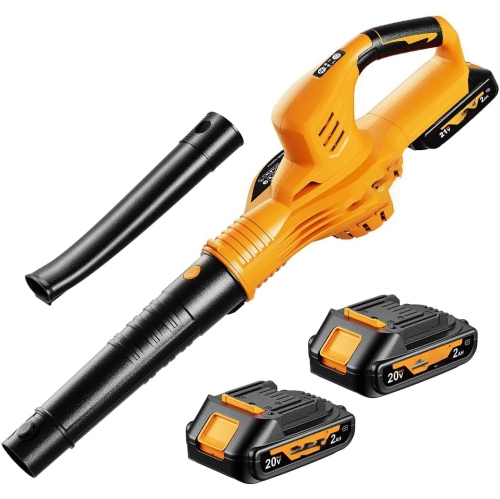
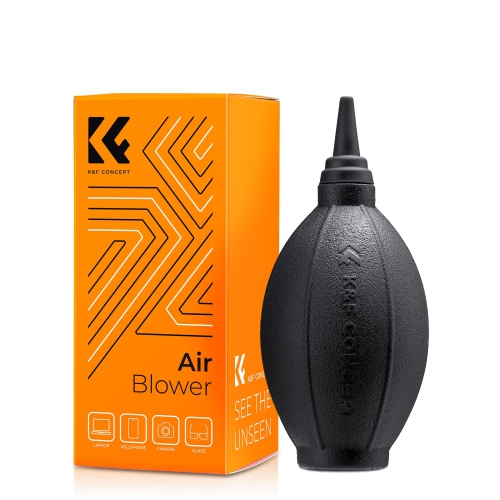
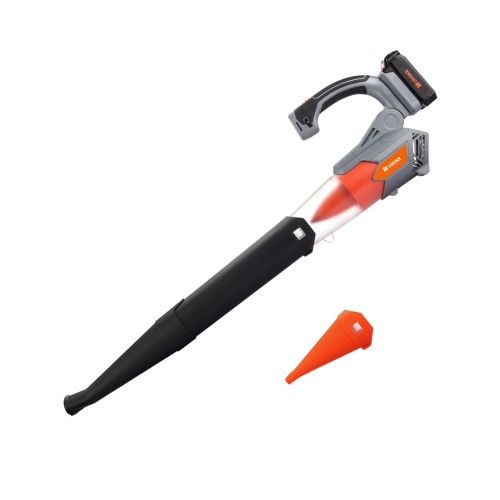
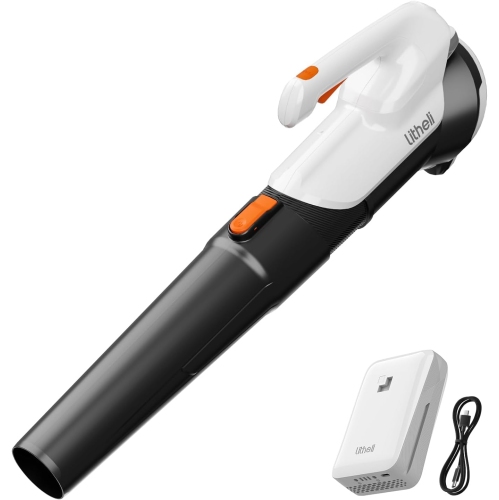
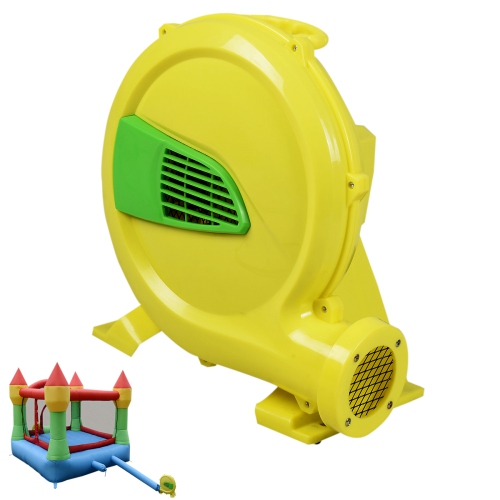
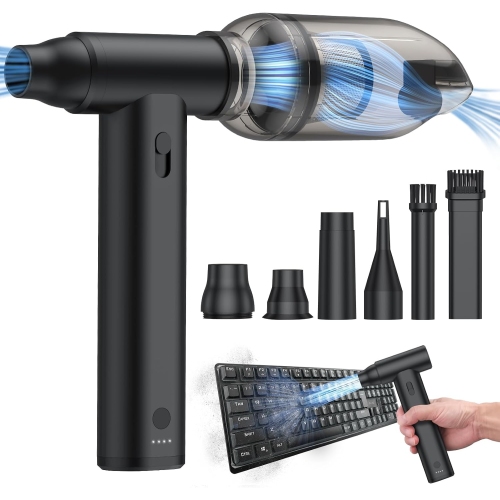
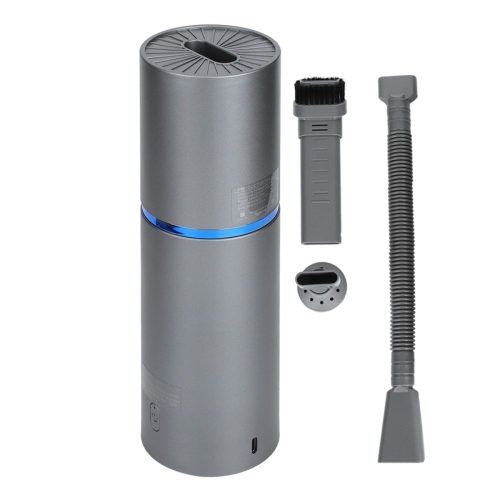
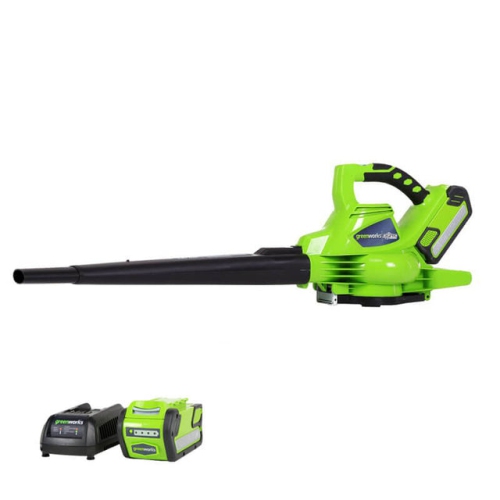
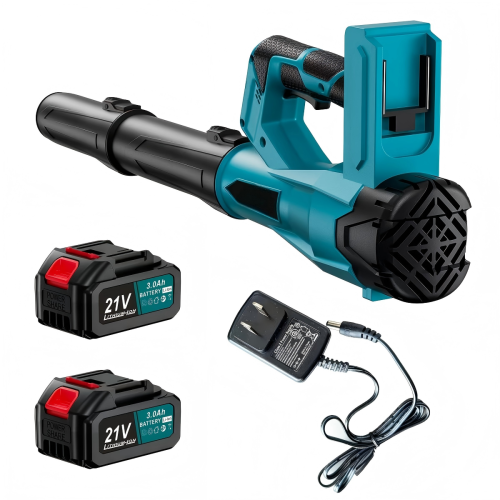
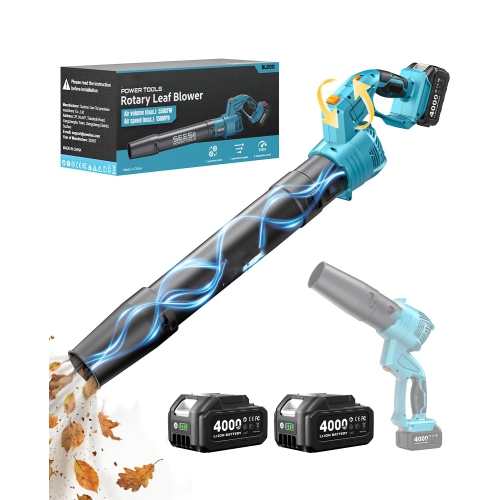
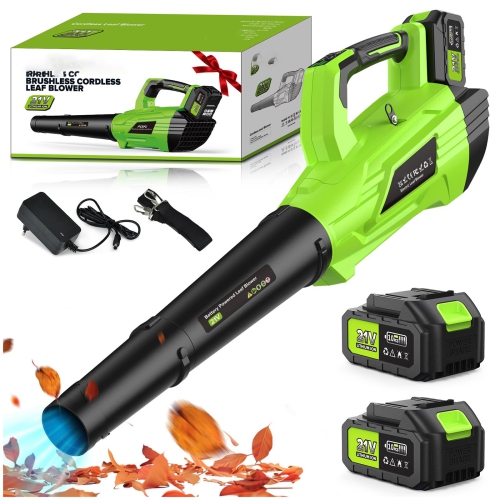
How airflow and balance shape everyday yard cleanup
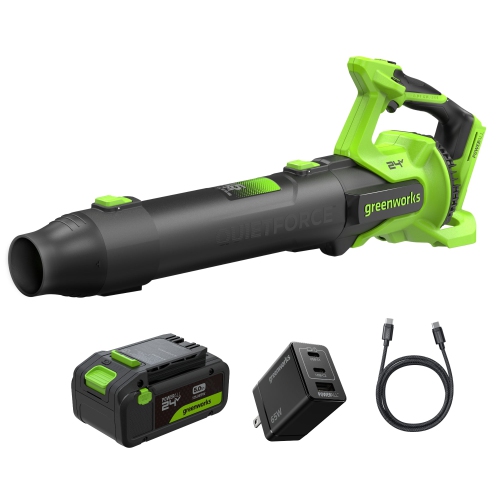
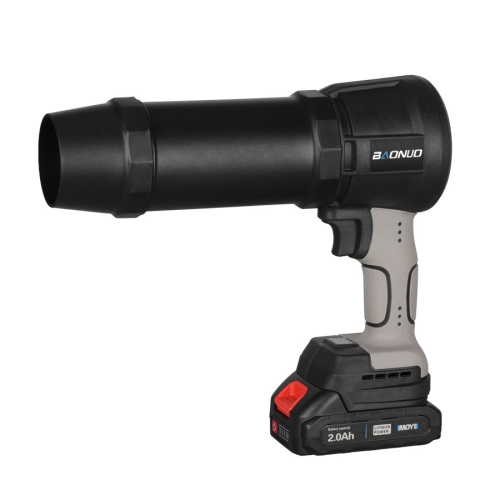
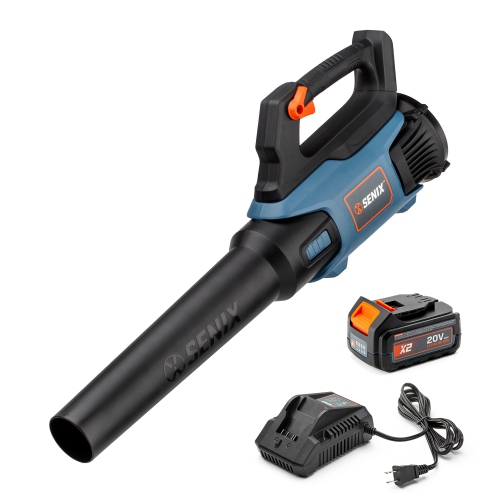
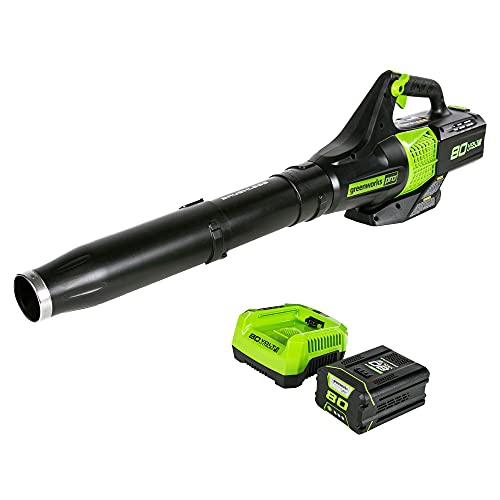
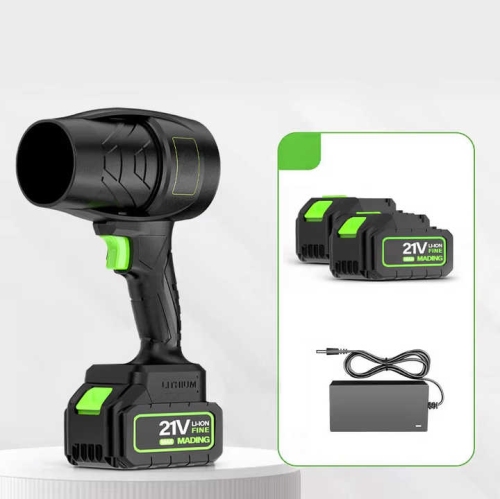
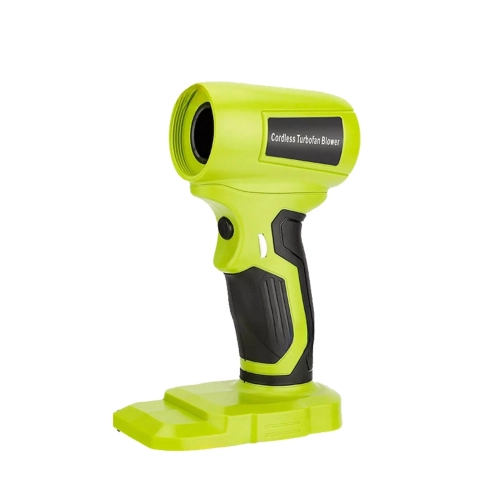
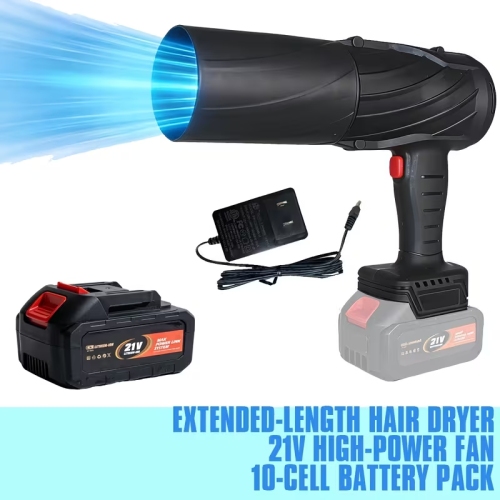
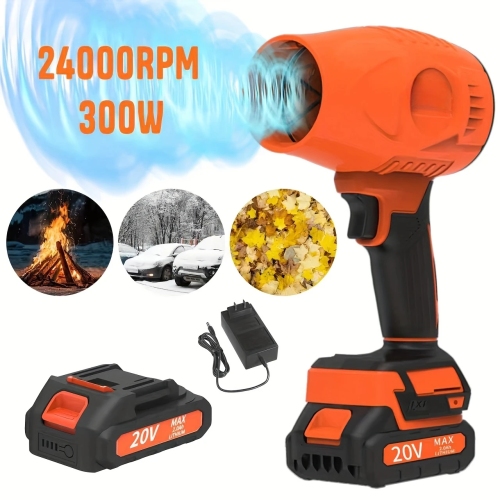
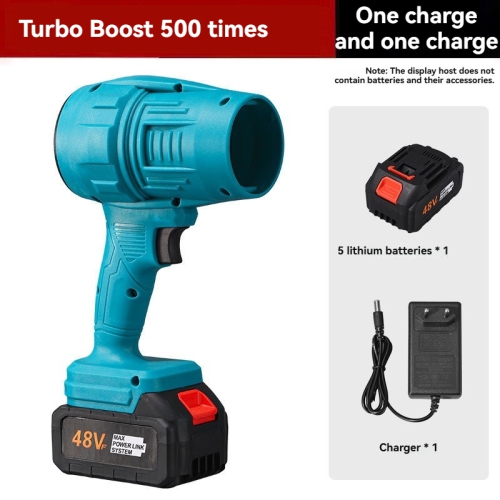
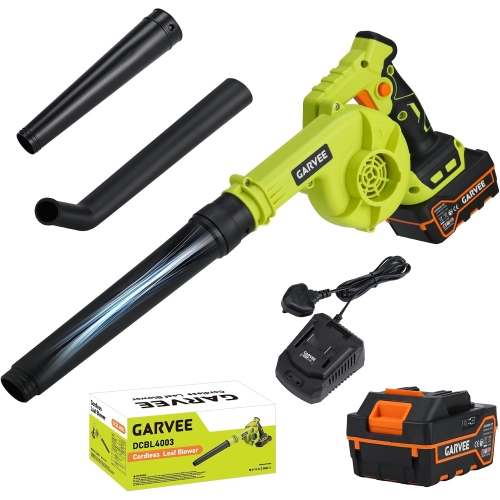
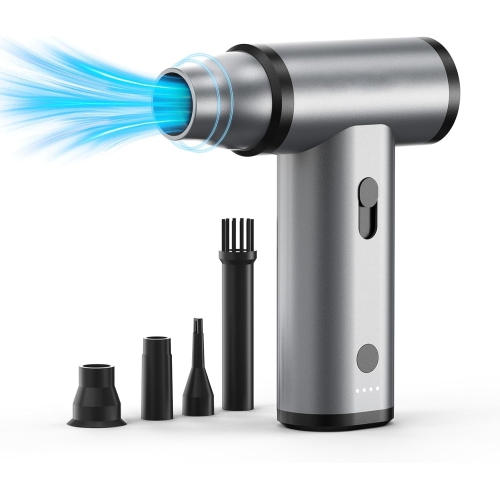
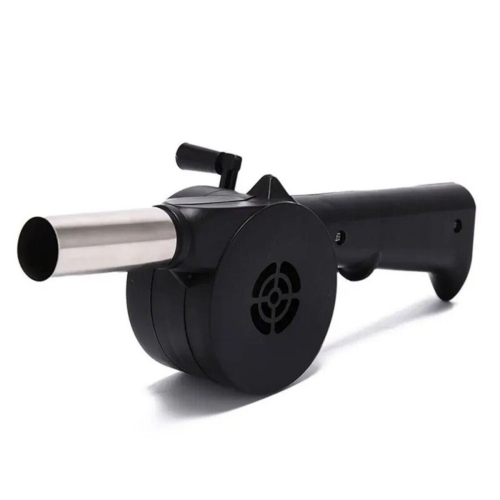
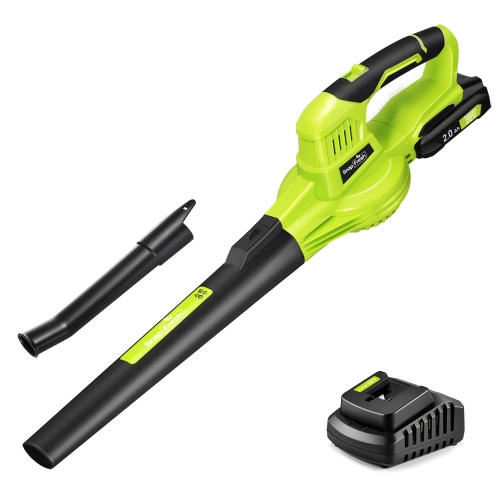
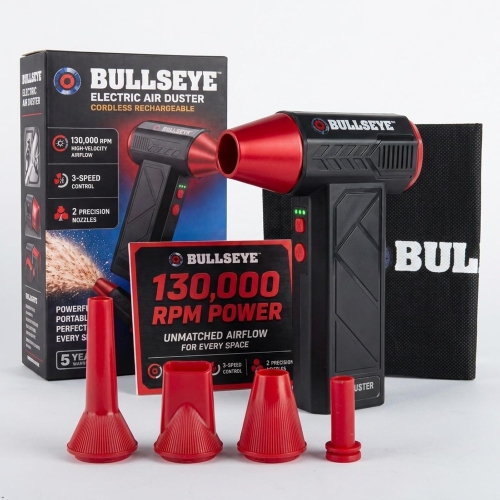
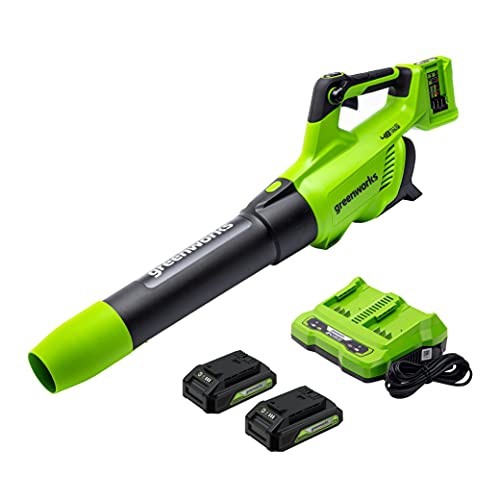
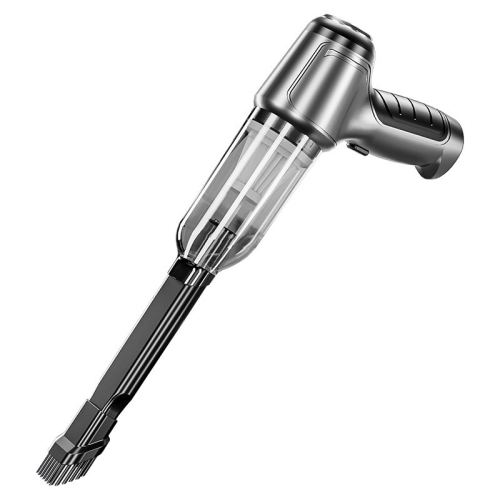
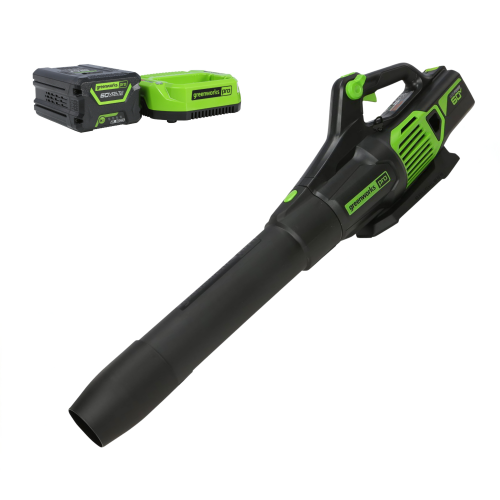
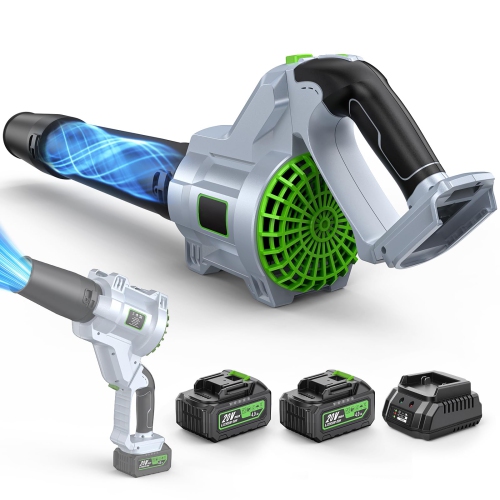
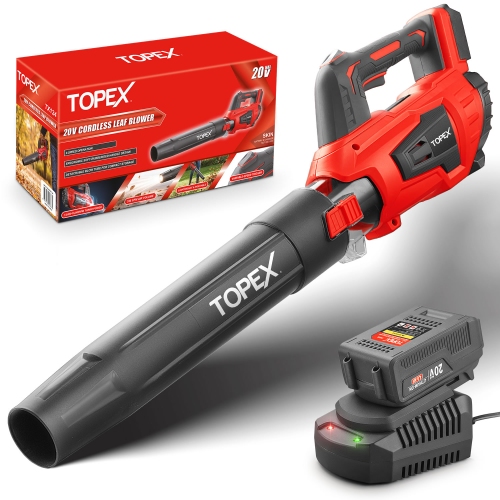
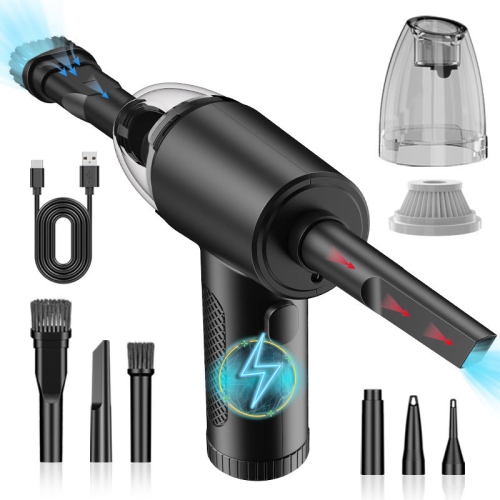
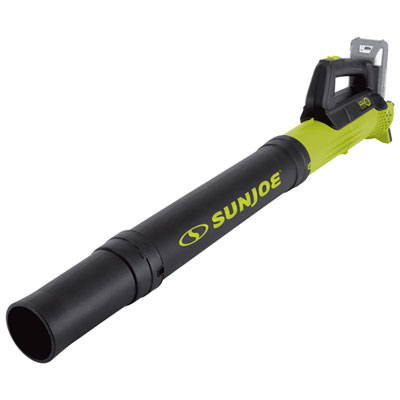
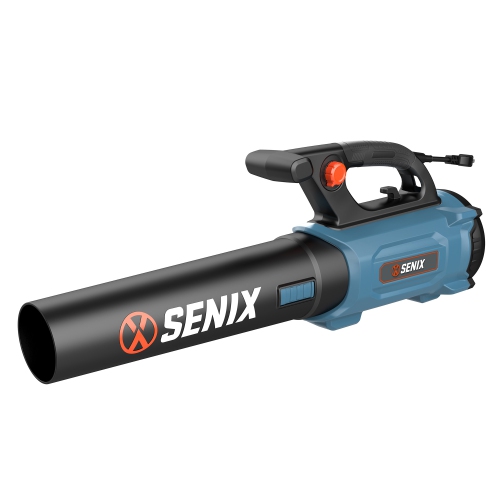
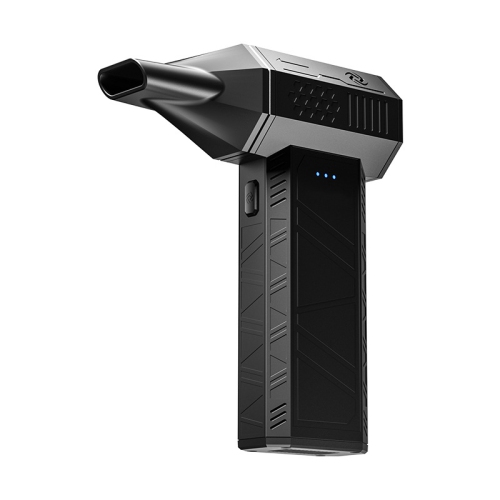
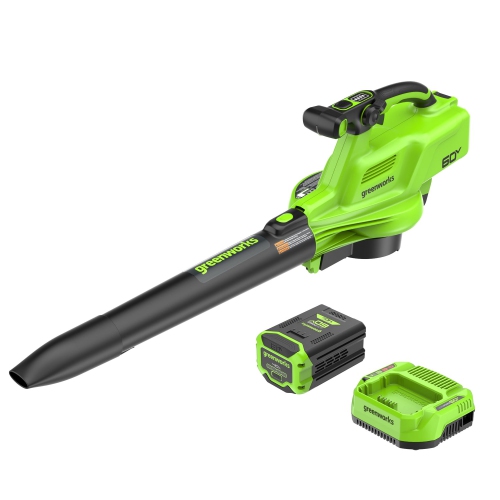
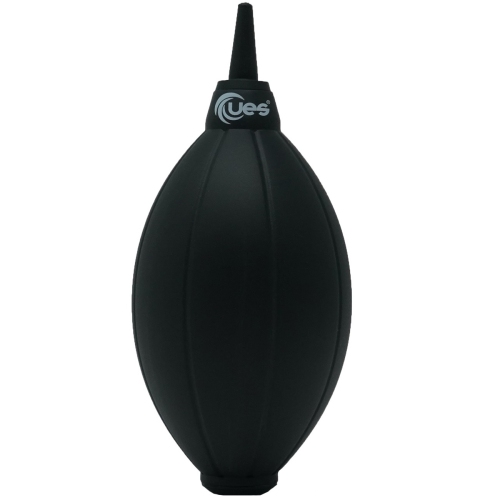
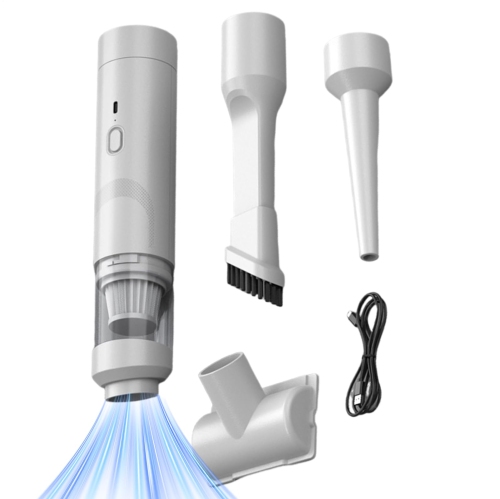
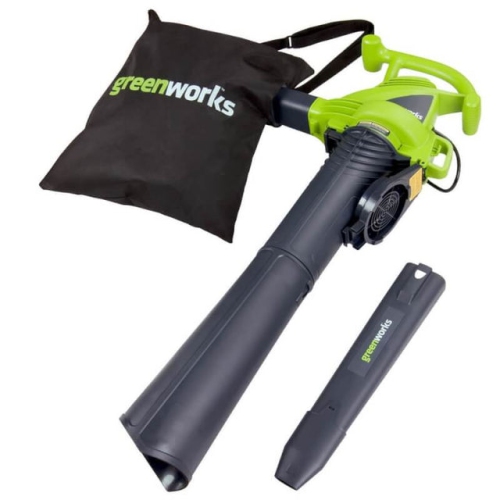
Handheld blowers are portable power tools that use a directed stream of air to move leaves, grass clippings, and other loose debris. The main types are corded electric, battery-powered cordless, and gas-powered blowers, with smaller utility designs intended for lighter clearing tasks. Unlike backpack or wheeled designs, handheld blowers carry their working weight at the handle, making balance and grip important parts of everyday use. Within the broader Leaf Blowers category, handheld designs are practical for tidying patios, driveways, walkways, and lawn edges where raking around furniture, steps, or raised borders can be awkward. A controlled stream of air can move dry leaves out from beneath a patio chair or gather scattered clippings away from a paved path. Corded electric blowers draw power through an extension cord and suit areas with convenient access to an outdoor electrical outlet. Their working range depends on cord length and the manufacturer’s extension-cord requirements, and the cord needs a clear route around planters and other obstacles. Battery-powered cordless blowers allow movement between separate areas without trailing a cord, making them practical for a front path, side passage, and backyard patio in a single cleanup. Runtime varies with battery capacity, power settings, and operating conditions; high-output modes generally drain the battery more quickly. Gas-powered handheld blowers offer mobility without an electrical cord or battery changes, but involve fuel handling, engine upkeep, and exhaust precautions. They are for outdoor use only and must never run in a garage or other enclosed space. Compact utility blowers serve a different purpose from full-size yard tools, providing a focused stream for limited tasks where the manufacturer permits their use. For workshop cleanup, blowing is not a substitute for collecting fine dust with suitable extraction equipment. Clearing a few dry leaves from paving calls for different handling and output than moving a dense layer across an open lawn.
Air volume and air speed describe different aspects of blower performance. Air volume, often listed in cubic feet per minute, indicates how much air the tool moves, while air speed describes how quickly that air travels. A strong combination of both can help move a broad patch of leaves, but neither figure alone tells the whole story. Nozzle shape, debris weight, surface texture, and working distance also affect results. Loose, dry leaves on smooth paving move more readily than damp leaves caught in grass, so a compact tool suited to a balcony or small patio may not be the right match for a large lawn. Wider outlets can cover more ground with each sweep, while narrower nozzles concentrate airflow into a smaller area. Variable-speed controls provide flexibility around gravel, mulch, and planted borders, where maximum output can scatter material that should stay in place. A lower setting also makes it easier to gather debris into a controlled pile rather than chase it from one corner to another. For longer clearing sessions, the shape and position of the handle deserve as much attention as the headline power rating. A comfortable grip, accessible controls, and balanced weight help keep the nozzle pointed where it is needed without excessive wrist twisting. The assembled weight matters, including the battery on a cordless design or fuel in a gas-powered tool. Trigger locks or cruise-control functions, where fitted, can reduce the need to hold continuous trigger pressure. Tube length affects posture, too: a suitable reach lets the operator work near ground level without repeatedly bending forward. Battery compatibility is another practical consideration for households that already use cordless outdoor tools. Compatibility depends on the exact battery platform and manufacturer specifications, not simply a matching voltage. Battery capacity can influence working time, but a larger battery may also add weight, changing how the blower feels during repeated passes along a fence or driveway.
Durability depends on more than a tough-looking outer shell. Many handheld blowers use moulded polymer housings and tubes to keep weight manageable, while secure tube connections, protected controls, and well-fitted intake guards support regular handling. The intake needs unobstructed airflow, so loose clothing, long hair, and debris must stay clear of it. Removable tubes can make storage easier, especially in a narrow shed or shared garage, provided they are detached and refitted according to the operating instructions. Routine care generally includes inspecting the housing and nozzle for damage, keeping ventilation openings clear, and wiping away surface dirt with the tool switched off and disconnected from its power source. Batteries require storage and charging within the manufacturer’s specified conditions, while gas-powered designs may need air-filter servicing, spark-plug checks, and fuel preparation appropriate to their engine type. Water resistance varies, and a blower should never be treated as washable or suitable for wet use unless its instructions expressly allow it. For corded tools, an outdoor-rated extension cord of the correct capacity and appropriate ground-fault protection are important parts of the setup. Safe operation also includes eye protection, suitable hearing protection, secure footwear, and enough space to keep flying grit away from people, pets, vehicles, and windows. Debris belongs in a controlled collection area rather than on a road, neighbouring property, or public walkway. Sound levels and permitted operating hours can matter in closely spaced neighbourhoods, where local noise bylaws may apply. For a homeowner maintaining a modest yard, a comfortable handheld blower can simplify the small finishing jobs left after mowing or raking. For someone responsible for longer paths or several separate outdoor areas, mobility, sustained performance, and straightforward maintenance become more important. The most useful fit is a tool whose reach, weight, airflow, and care requirements match the spaces and tasks it will handle regularly.
Top selling and popular products
-
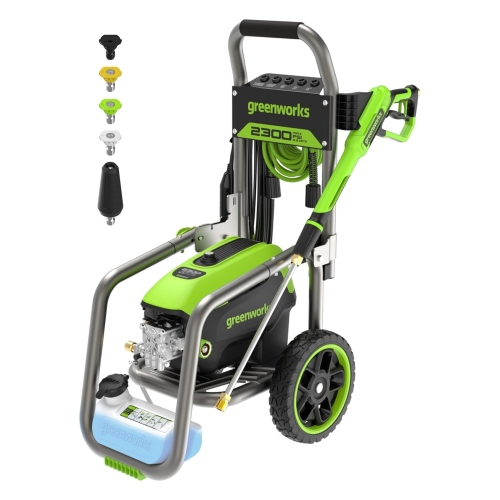 Your price for this item is $569.99
-
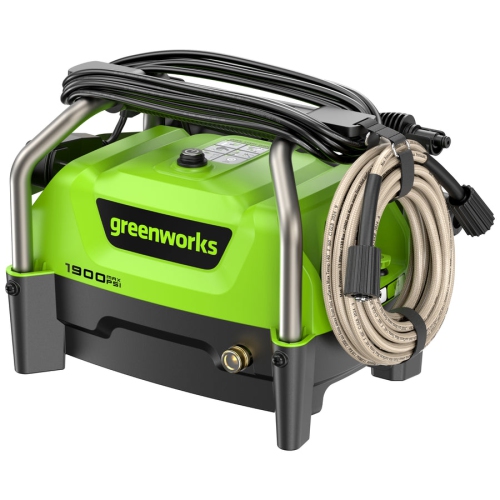 Your price for this item is $199.99
-
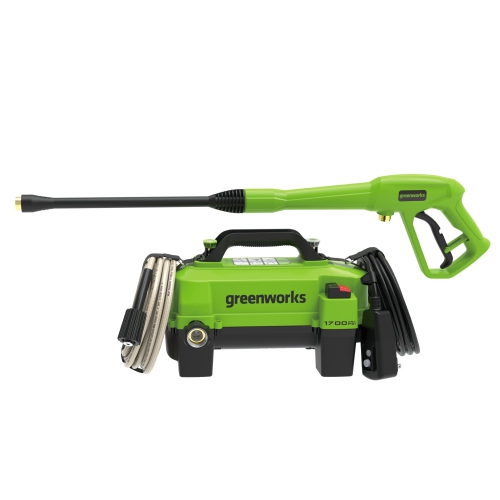 Your price for this item is $179.99
-
 Your price for this item is $839.99
-
 Your price for this item is $939.99
-
 Your price for this item is $459.99
-
 Your price for this item is $539.99
-
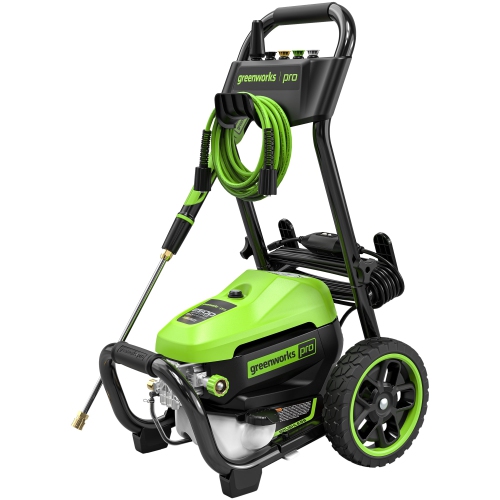 Your price for this item is $569.99
Discover more categories related to Handheld Blowers
Top Collections:
Best Black Friday Deals This Year, Best Black Friday Deals On Electronics, Kindle Devices, Pokemon Centers, Best Black Friday Deals On Apple Products, Best Cameras for Sports Photography, Dyson Airwrap, Pokémon 30th Celebration Cards, Apple iPhone 17 Pro, Canon G7X Cameras
Some products may be subject to Environmental Handling Fees
(EHF) depending on your province.
Learn more about EHFs.