Handheld Sanders
When it comes to tackling those DIY projects or professional woodworking tasks, handheld sanders are essential tools to achieve smooth and polished surfaces with ease. These versatile devices come in various types, each designed for specific sanding needs, whether it's smoothing out rough edges, removing old finishes, or prepping surfaces for painting or staining. With their compact size and ergonomic designs, handheld sanders provide users with precision and control to achieve professional results. Explore our selection of handheld sanders to find the perfect tool for your next project.
Sort

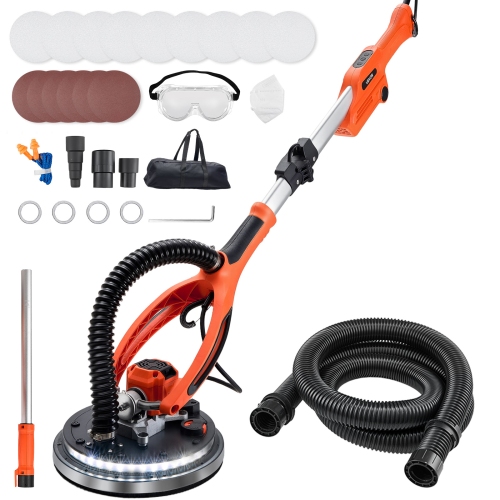
How sanding motion and grit shape your finish
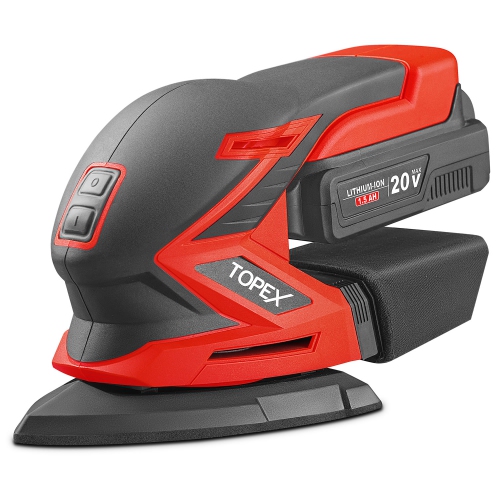
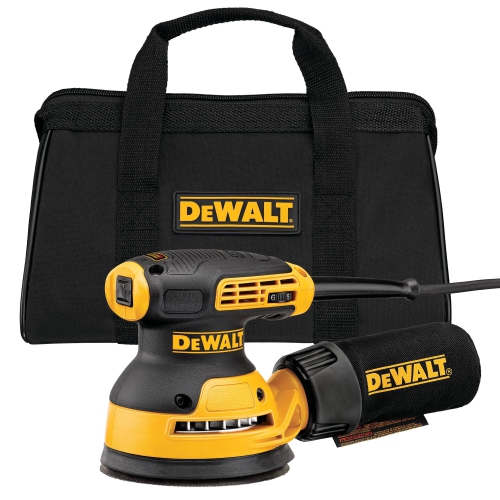
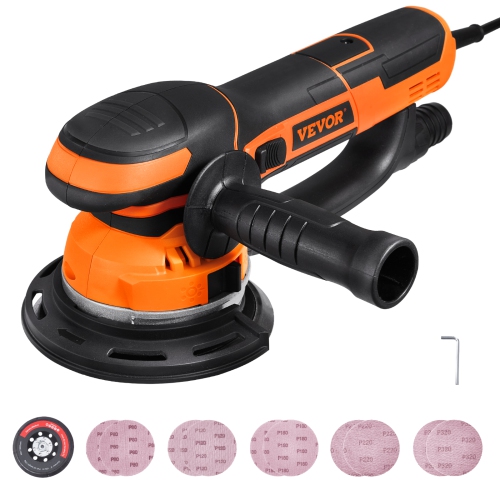
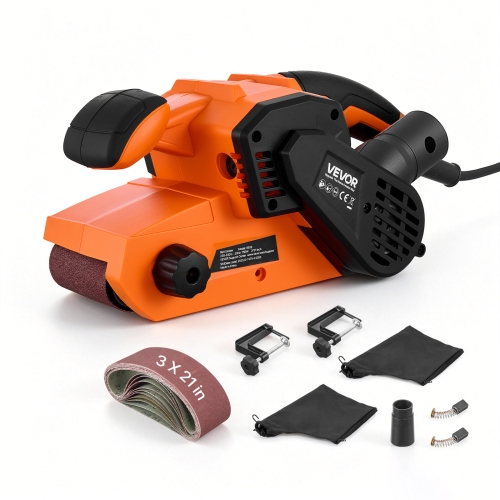
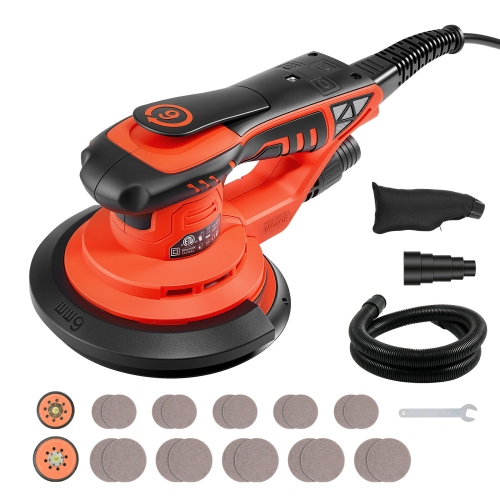
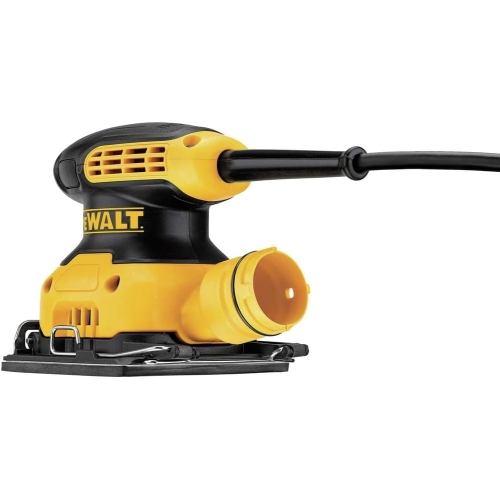
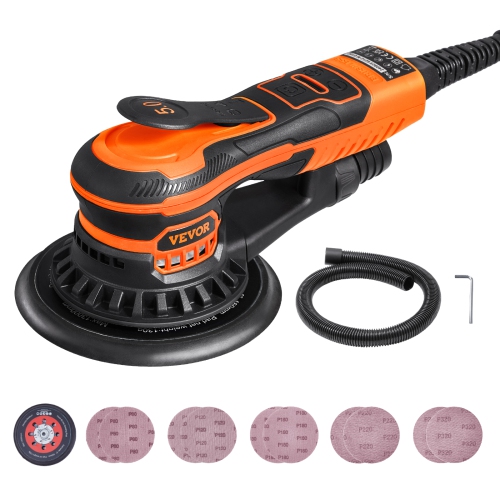
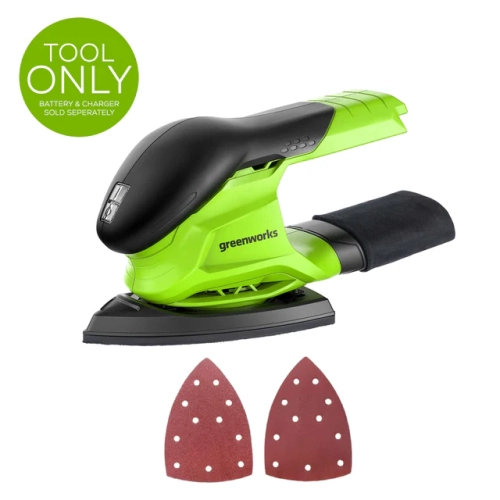
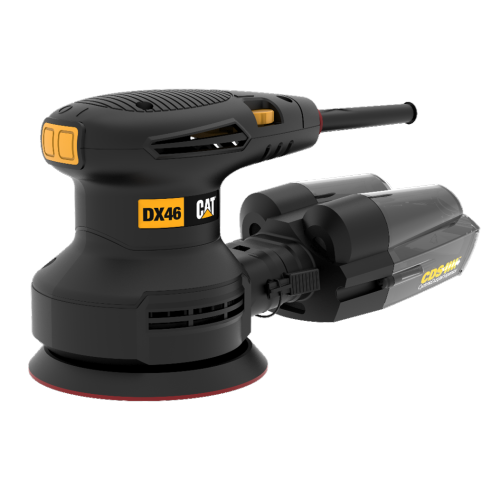
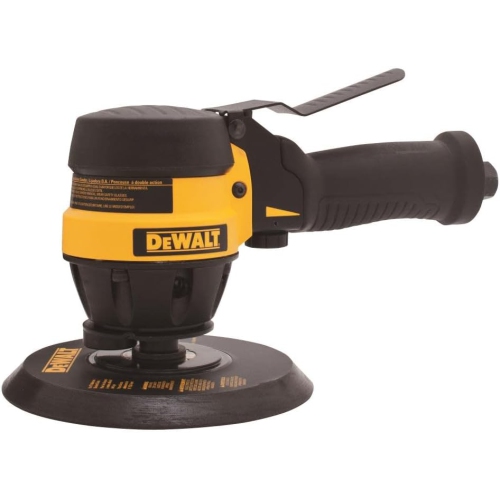
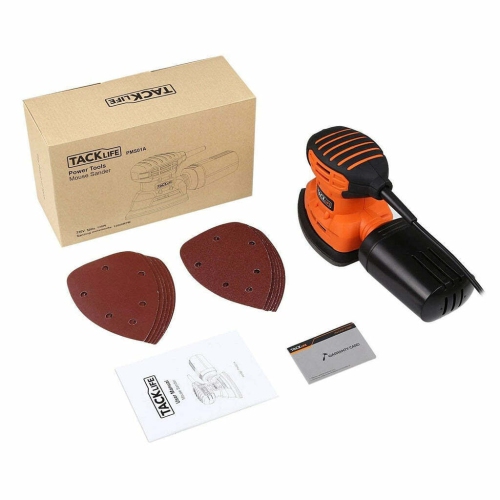
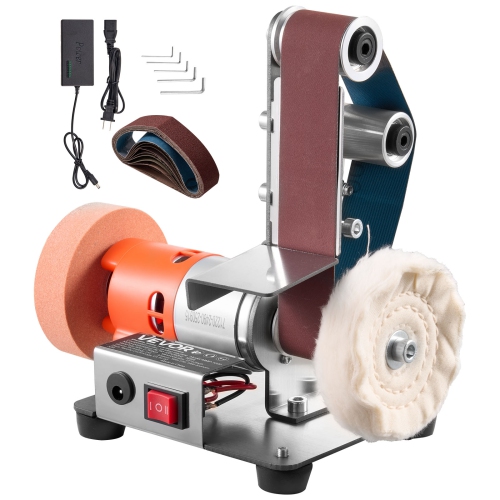
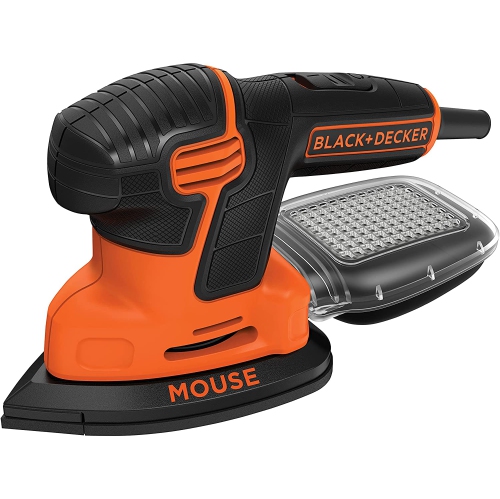
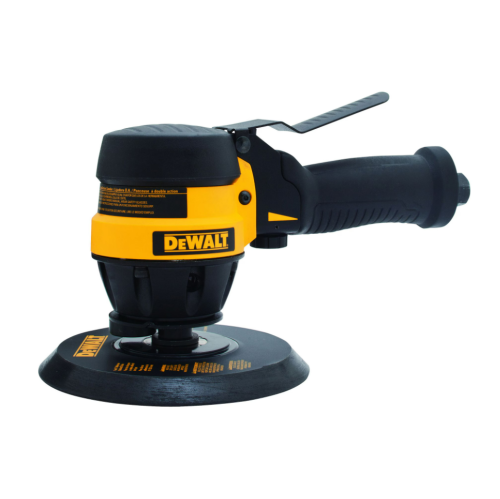
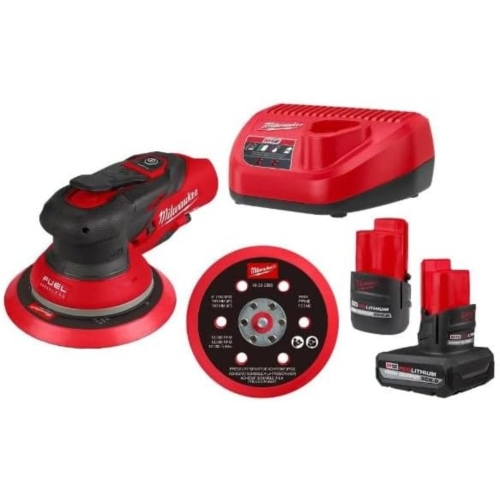
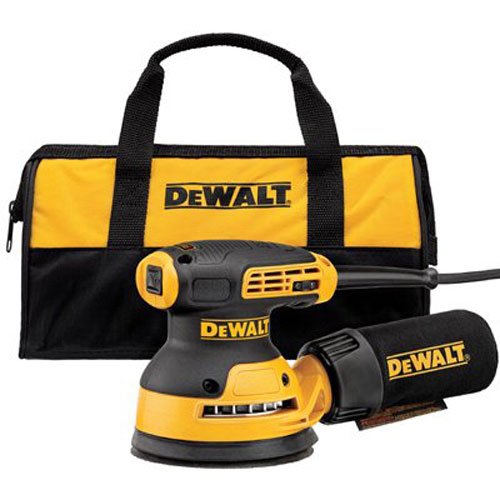
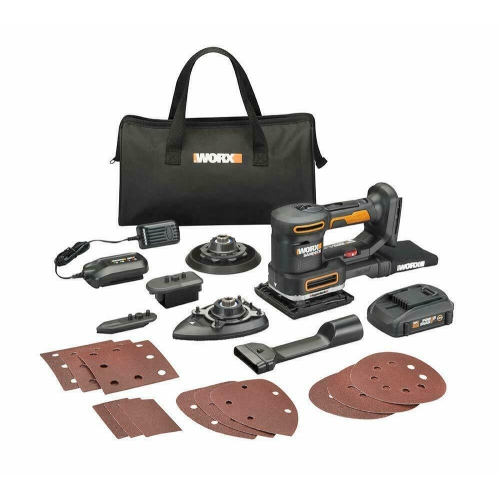
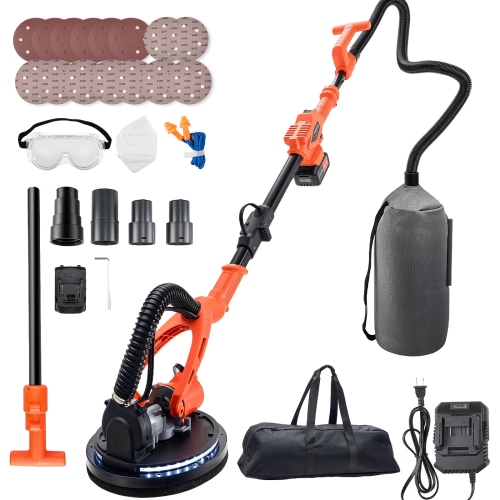
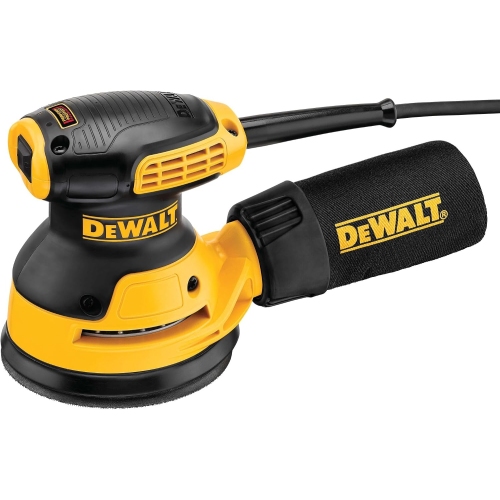
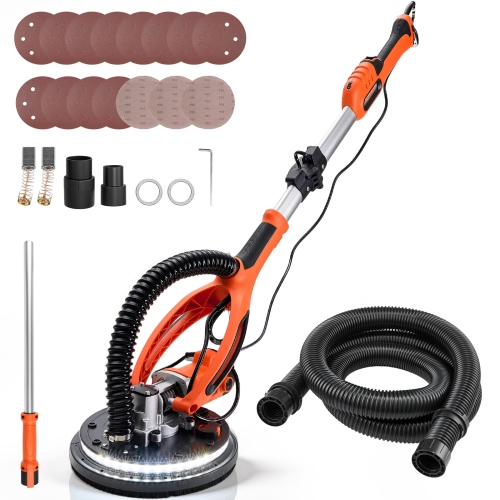
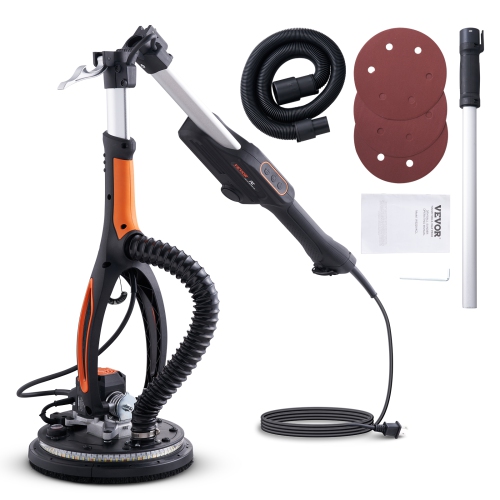
Handheld sanders are portable power tools that smooth surfaces, remove material and prepare projects for paint, stain or another finish. They move an abrasive sheet, disc or belt across the workpiece, reducing the effort involved in sanding furniture, shelving, cabinet components and other woodworking projects. The main types include random orbital sanders, sheet sanders, detail sanders and handheld belt sanders, with each format suited to different shapes and amounts of material removal. Random orbital sanders combine a spinning disc with an offset orbital motion, making them versatile for smoothing broad wooden surfaces and blending minor imperfections. Their scratch pattern is less uniform than that of a conventional orbital sheet sander, although careful abrasive selection and technique still matter. Sheet sanders use a rectangular or square pad that moves in small orbits and can be useful for flat panels, edges and finishing work. Detail sanders have a pointed pad that reaches into corners and narrow spaces, such as the junction between a chair rail and an upright. Handheld belt sanders move a continuous abrasive belt and generally remove material more aggressively, making them better suited to levelling rough boards than delicately preparing a thin veneer. Palm sanders are compact tools designed to fit beneath the hand; the term describes their size and grip rather than one specific sanding motion. For furniture repairs, joinery and other timber projects, Wood Sanders offer formats suited to broad surfaces, edges and smaller details. The shape of the workpiece often determines which format feels most useful. A wide tabletop calls for even coverage, while a recessed cabinet panel needs access close to its frame. Curved chair parts and moulded trim may still need hand sanding where a powered pad cannot maintain proper contact without flattening the profile.
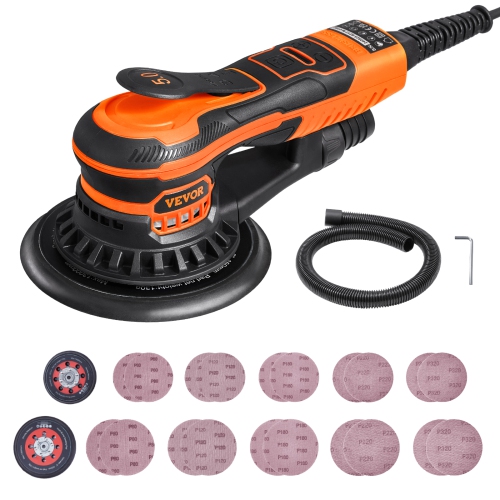
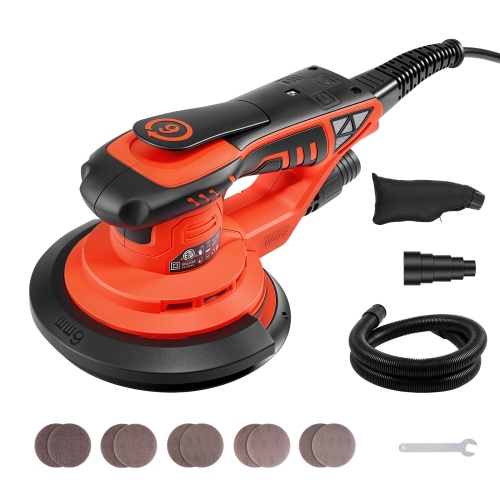
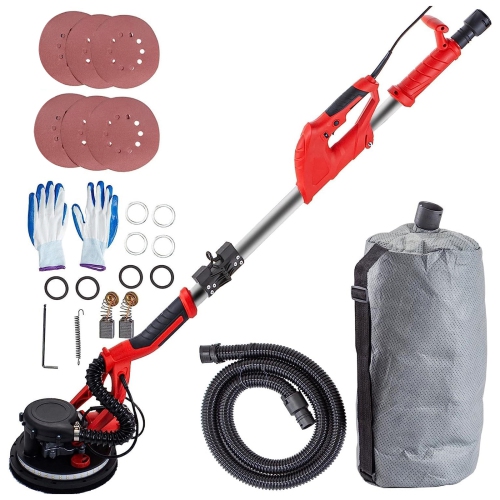
Comfort, control and abrasive compatibility are important considerations because sanding often involves repeated passes over the same surface. A grip that fits comfortably in the hand, an accessible switch and a balanced body can make a tool easier to manage across a large panel or along a narrow edge. Weight matters differently depending on the task: a heavier tool may feel steady on a horizontal work surface but become tiring when held against a vertical panel. Pad size also affects access and coverage. A larger pad covers open areas efficiently, while a smaller footprint can be easier to position around confined details. Corded handheld sanders provide power without battery changes, making them practical for extended work near a suitable outlet. Cordless sanders offer freedom from a trailing power cord, although battery capacity, charging time and the weight of the installed battery affect the overall experience. For someone who already uses cordless tools, compatibility with an existing battery platform can be a useful consideration, provided the exact battery and charger requirements match. Variable-speed control allows the sanding action to be adjusted for the material, abrasive and stage of the job; speed alone does not determine the quality of the finish. Replacement abrasives should match the tool’s dimensions, attachment method and dust-hole pattern. Hook-and-loop discs are convenient to change, while clamp-style sheet sanders secure appropriately sized abrasive sheets. Aligned extraction holes help dust travel through the pad rather than collecting beneath it. Dust bags, collection canisters and compatible extraction connections can help keep the workpiece visible, but their effectiveness depends on the tool, abrasive and connection. A secure hose connection and a hose that does not pull against the sander make movement easier. Dust collection reduces loose debris; it does not replace suitable eye, hearing and respiratory protection or the precautions specified for the material being sanded.
The material beneath the abrasive deserves as much attention as the tool itself. Solid wood can tolerate different amounts of sanding depending on its condition and thickness, while veneered plywood and furniture panels have a thin face layer that can be damaged by aggressive abrasion. Medium-density fibreboard produces fine dust and benefits from effective extraction, particularly along shaped edges. Coated surfaces need additional care: older paint may contain lead, and its composition should be established before powered sanding begins. Abrasive grit describes the relative coarseness of the sanding surface, with lower numbers generally removing material faster and higher numbers leaving finer scratches. An 80-grit abrasive may suit initial smoothing on an appropriate rough wooden surface, while 120- or 180-grit abrasives are commonly used for subsequent preparation; the right stopping point depends on the wood and the finish manufacturer’s directions. Skipping too far between grits can leave deeper scratches visible beneath a stain or clear finish. Even pressure and a flat pad help preserve a level surface, whereas pressing hard or tipping the tool onto its edge can create hollows and rounded corners. A securely supported workpiece also makes controlled movement easier. Between passes, removing dust and checking under angled light can reveal marks that are difficult to see straight on. Durability depends partly on routine care: loaded abrasives cut poorly, worn backing pads hold discs less securely, and blocked vents can interfere with cooling. Disconnecting the power supply or removing the battery before maintenance, emptying collection containers as directed and storing the tool with its cord or battery protected help keep it ready for the next project. Handheld sanders can suit furniture restorers, home renovators, hobby woodworkers and people setting up a workshop. As a gift for someone who enjoys making or repairing wooden pieces, a sander is most useful when its format matches their projects, workspace and existing power setup rather than simply offering the highest stated power.
Top selling and popular products
-
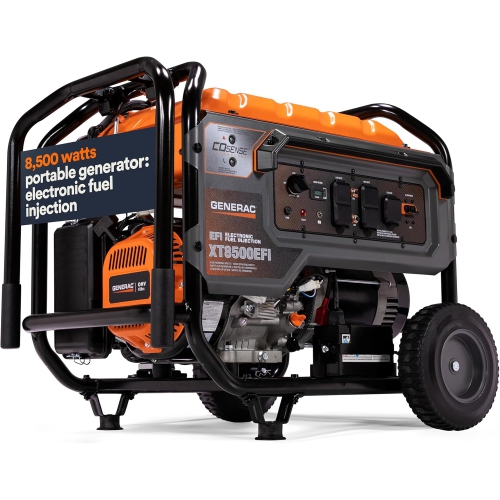 Your price for this item is $3000
-
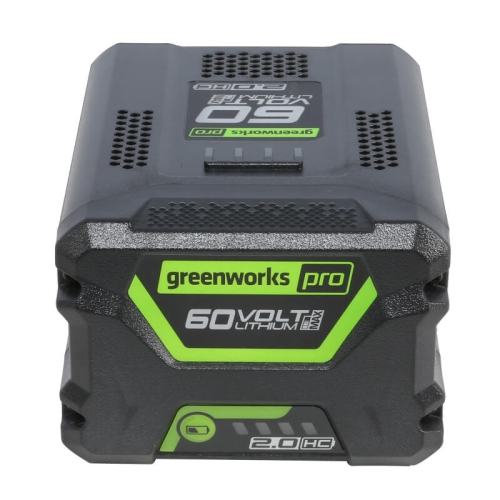 Your price for this item is $152.99
-
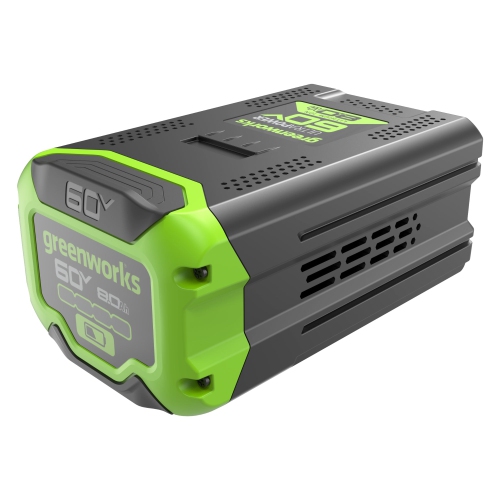 Your price for this item is $329.99
-
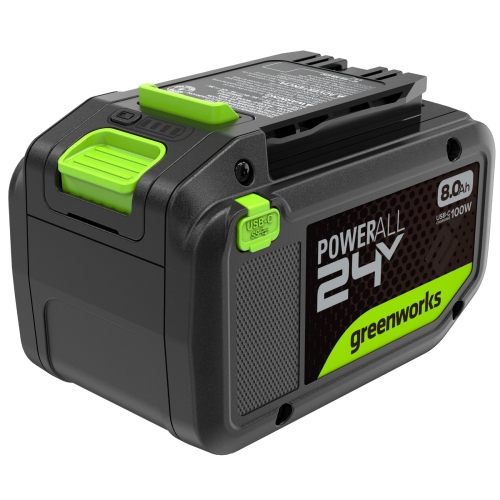 Your price for this item is $144.49
-
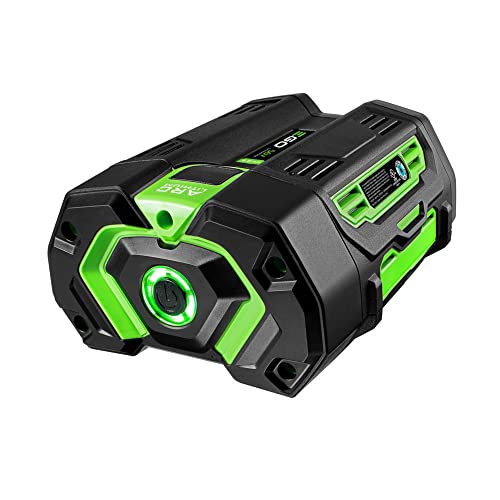 Your price for this item is $255
-
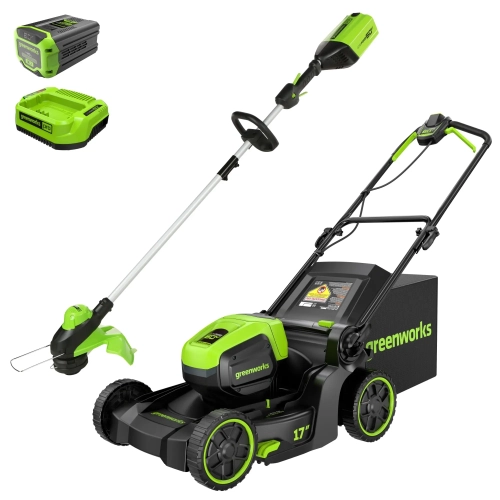 Your price for this item is $779.99
-
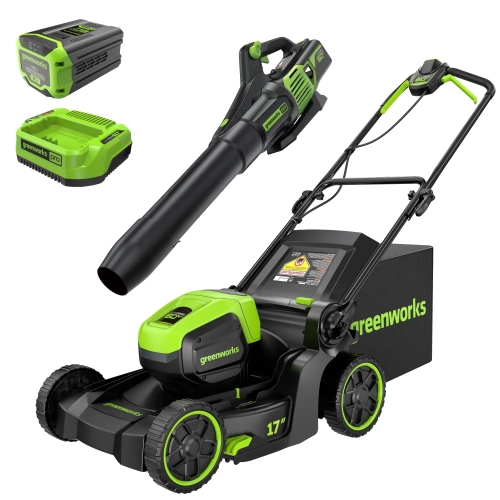 Your price for this item is $659.99
-
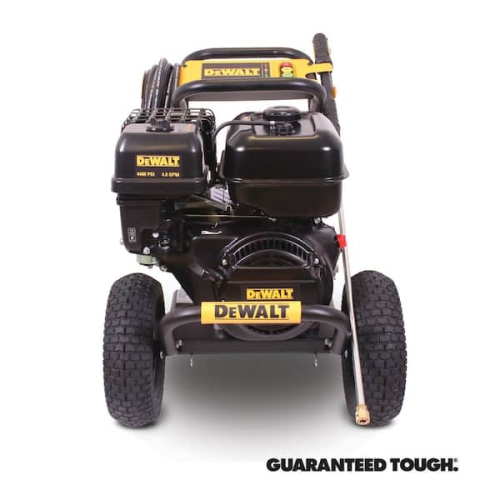 Your price for this item is $999.99
Discover more categories related to Handheld Sanders
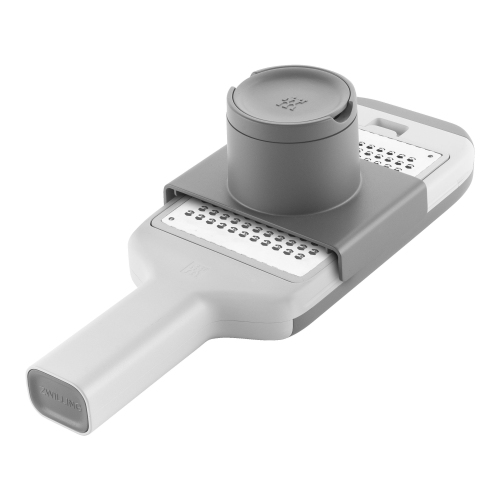
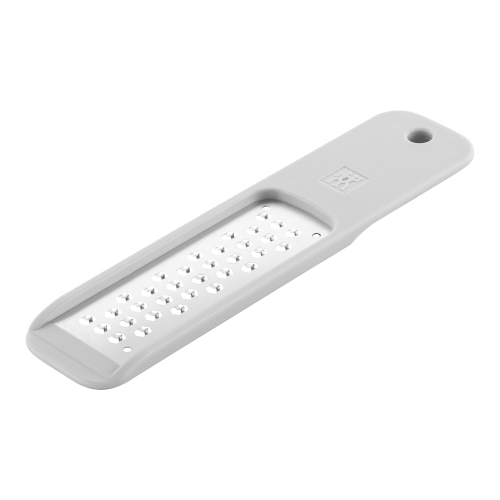
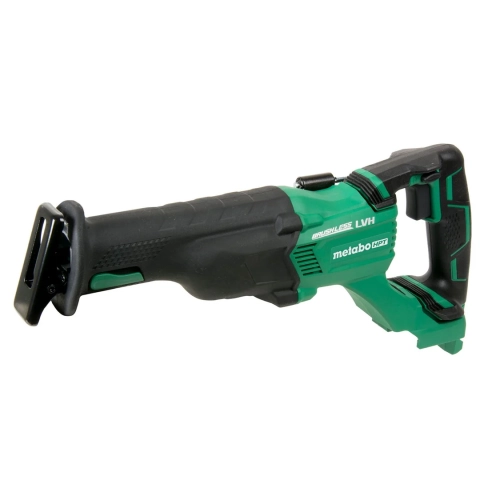
Top Collections:
Best Black Friday Deals This Year, Best Black Friday Deals On Electronics, Kindle Devices, Pokemon Centers, Best Black Friday Deals On Apple Products, Best Cameras for Sports Photography, Dyson Airwrap, Pokémon 30th Celebration Cards, Apple iPhone 17 Pro, Canon G7X Cameras
Some products may be subject to Environmental Handling Fees
(EHF) depending on your province.
Learn more about EHFs.