Sanding Tools
Achieve smooth and polished surfaces with our range of high-quality sanding tools. Whether you're a professional woodworker or a DIY enthusiast, having the right sanding tools is essential for achieving professional results. From handheld sanders to power sanders, our collection offers a variety of options to suit your needs. Say goodbye to rough edges and uneven surfaces—shop our selection of sanding tools to take your projects to the next level.
Sort

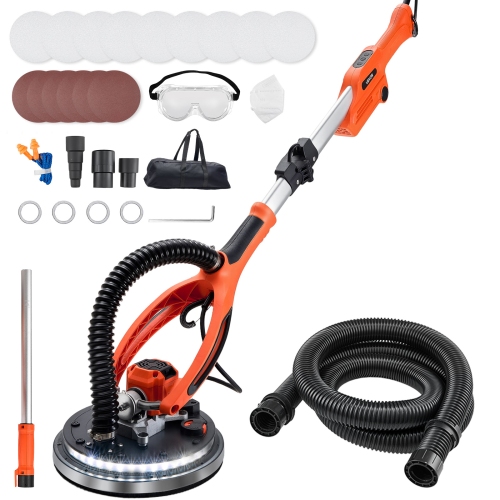
How tool type and grit shape your finish
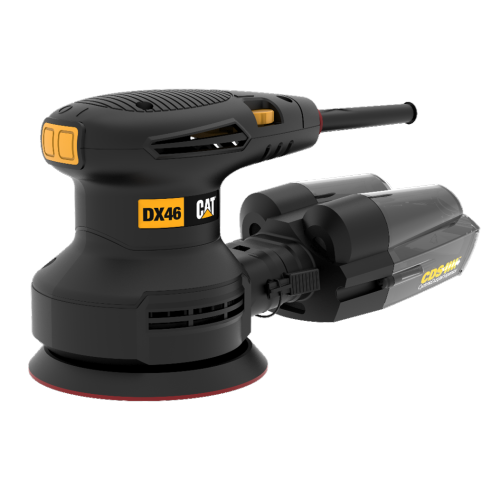
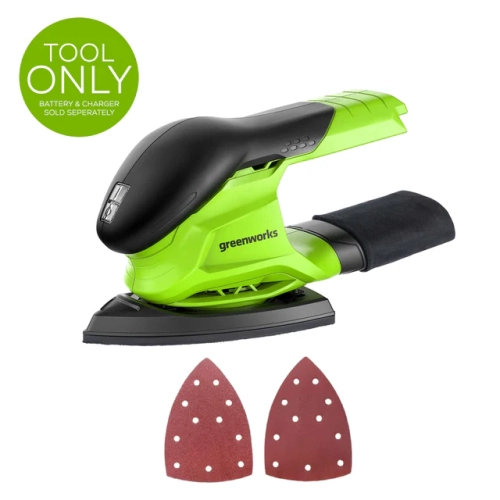
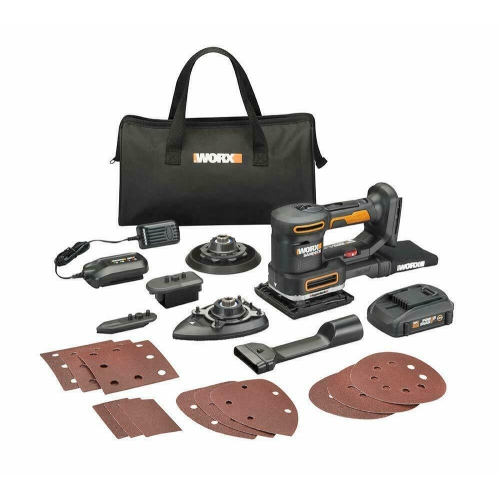
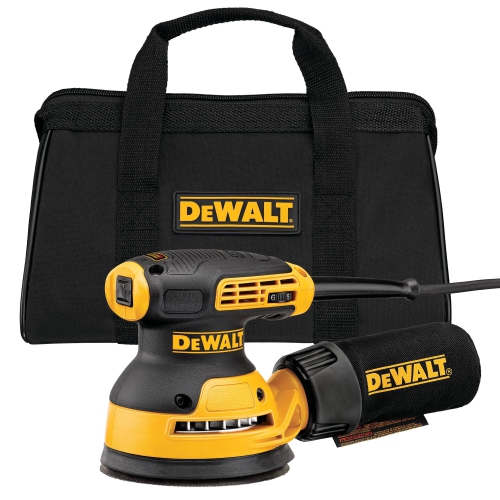
Sanding tools smooth rough surfaces, refine edges, and prepare materials for paint, stain, or a clear finish. Their usefulness extends from levelling a repaired patch of drywall to softening the edge of a wooden shelf or removing scratches from an unfinished tabletop. The right type depends on the material, the shape of the surface, and how much material needs to come off. Random orbital sanders combine a rotating disc with an offset orbital motion, helping reduce visible sanding patterns on broad, flat wood surfaces. They suit many furniture, cabinet, and general woodworking tasks, although the abrasive grit and pressure still affect the finish. Sheet sanders, often called finishing or palm sanders, use a rectangular pad with a small orbital movement. Their straight edges are useful along square boundaries, while their controlled action suits lighter smoothing and preparation between compatible finish coats. Belt sanders move a continuous abrasive belt across the workpiece and remove material quickly, making them better suited to rough boards and substantial levelling than delicate finishing. Detail sanders use smaller, shaped pads to reach areas such as the corners of cabinet frames or the narrow spaces around decorative trim. For tasks centred on timber, Wood Sanders offer a focused starting point for understanding these different approaches to surface preparation. Manual sanding blocks, flexible sponges, and sanding sticks remain useful alongside powered tools. A firm block supports the abrasive evenly on a flat face, while a flexible sponge follows a rounded edge without concentrating all the pressure in one spot. Small sticks can reach grooves and recesses that a larger pad cannot. These differences matter to furniture restorers, home renovators, woodworkers, and hobbyists alike: a wide panel, a carved chair leg, and a filled screw hole each call for a different balance of reach, control, and material removal.
Abrasives have as much influence on the result as the tool driving them. Coarse grits remove material relatively quickly and leave deeper scratches; finer grits create a smoother surface but are less effective at correcting substantial unevenness. A rough board and a lightly scuffed cabinet door therefore need different starting points, and moving through suitable grits helps avoid leaving deep scratches beneath a finish. Higher grit numbers generally indicate finer abrasives, but the finest possible surface is not always the best preparation for every coating. Paint, stain, and finish manufacturers may specify a particular sanding range for proper adhesion or absorption. Aluminium oxide is commonly used for wood and general-purpose sanding, while silicon carbide often appears in abrasives intended for fine finishing or suitable wet-sanding applications. Tougher abrasives such as zirconia alumina can suit heavier removal tasks, including certain metalworking applications, when the abrasive and tool are rated for the material. Wet sanding requires abrasives designed for moisture; an ordinary electric sander should not be assumed suitable for use with water. Disc diameter, sheet size, belt dimensions, backing type, and attachment system all determine fit. A disc that looks close in size may still attach poorly or cover the pad’s dust holes, reducing collection performance. Hook-and-loop backing makes abrasive changes convenient, while clamped sheets and adhesive-backed abrasives require their own compatible pads or holders. Tool handling also deserves attention. A comfortable grip, manageable weight, and accessible controls can make a noticeable difference when smoothing a vertical door or working along a narrow shelf edge. Corded tools provide power without battery changes, while cordless designs allow movement without a trailing power cord. Battery compatibility, operating time, and the added weight of the battery matter when comparing cordless formats. Variable speed can provide more control across different tasks, though a powerful motor or high speed alone does not guarantee a cleaner finish. Stable contact and an abrasive matched to the job are often more important than pushing harder.
Good sanding results depend on preserving the shape and condition of the material, not simply making it feel smooth. Thin veneer can be damaged by aggressive sanding, and crisp furniture edges can become rounded if pressure is concentrated along them. Softwood may develop uneven patches when some areas are sanded more heavily than others, while visible scratches on hardwood can stand out after stain is applied. On shaped mouldings and curved chair parts, a flexible abrasive can follow the profile; on a flat tabletop, firm backing helps maintain an even plane. Drywall calls for abrasives and tools suited to joint compound, with enough control to avoid tearing the paper face around a repair. Metal preparation requires suitable abrasives and attention to coatings, corrosion, and the intended finish. Dust collection is another practical consideration, especially for repeated work. A collection bag or compatible vacuum connection can help capture dust at the tool, but neither replaces appropriate eye protection, respiratory protection, or hearing protection where required. Older painted surfaces may contain lead or other hazardous substances and need assessment before sanding; ordinary dust collection is not adequate protection for those materials. Securely supported workpieces also make it easier to keep the sanding pad steady and avoid catching an exposed edge. For ongoing care, clean pads, clear dust ports, and properly fitted abrasives help a tool perform consistently. Clogged sandpaper can rub rather than cut, and worn backing pads may hold discs unevenly. Dry storage protects abrasives from moisture, while checking cords, attachments, and moving parts helps identify wear before the next project. Manufacturer instructions remain important for cleaning, maintenance, and approved accessories. For someone who enjoys building shelves, repairing furniture, or making small wooden gifts, sanding tools can be a thoughtful addition to a workshop when their preferred projects and existing equipment are understood. The most useful choice is one that fits the surfaces they work on regularly, whether that means controlled hand sanding for delicate details or powered sanding for larger panels.
Top selling and popular products
-
 Your price for this item is $3000
-
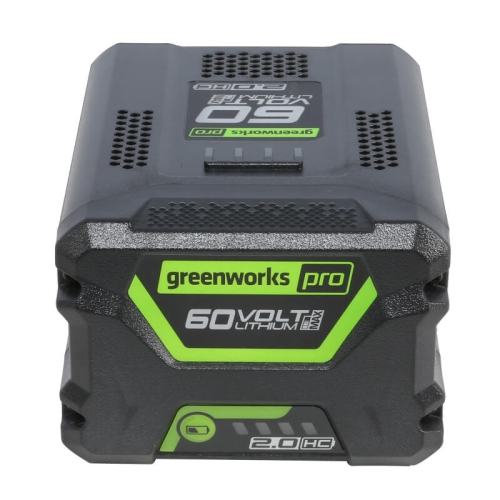 Your price for this item is $152.99
-
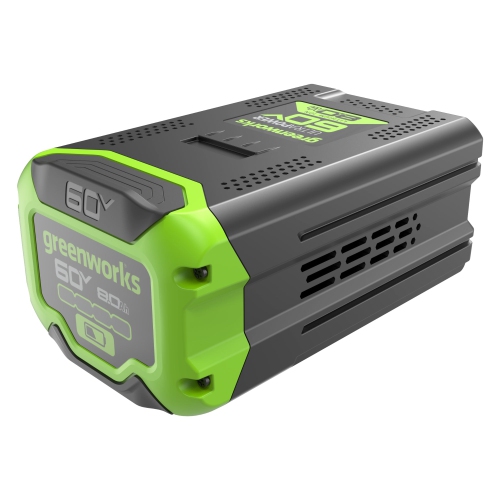 Your price for this item is $329.99
-
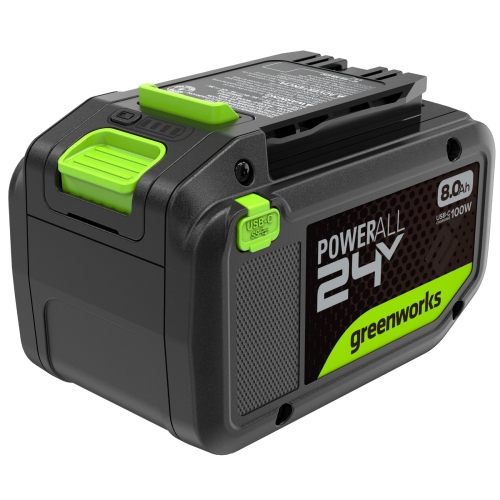 Your price for this item is $144.49
-
 Your price for this item is $255
-
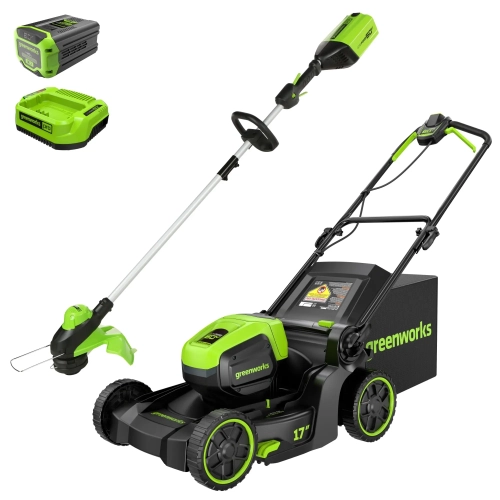 Your price for this item is $779.99
-
 Your price for this item is $659.99
-
 Your price for this item is $999.99
Discover more categories related to Sanding Tools

Top Collections:
Best Black Friday Deals This Year, Best Black Friday Deals On Electronics, Kindle Devices, Pokemon Centers, Best Black Friday Deals On Apple Products, Best Cameras for Sports Photography, Dyson Airwrap, Pokémon 30th Celebration Cards, Apple iPhone 17 Pro, Canon G7X Cameras
Some products may be subject to Environmental Handling Fees
(EHF) depending on your province.
Learn more about EHFs.