Handmade Contemporary Rugs
Elevate your living space with the unique charm and modern flair of handmade contemporary rugs. Perfect for adding a touch of artistry and sophistication to any room, these rugs seamlessly blend traditional craftsmanship with fresh, current designs. Explore a wide variety of colors, patterns, and textures to find the ideal accent piece that complements your home décor. Discover how handmade contemporary rugs can transform your interiors into inviting and stylish retreats.
Sort


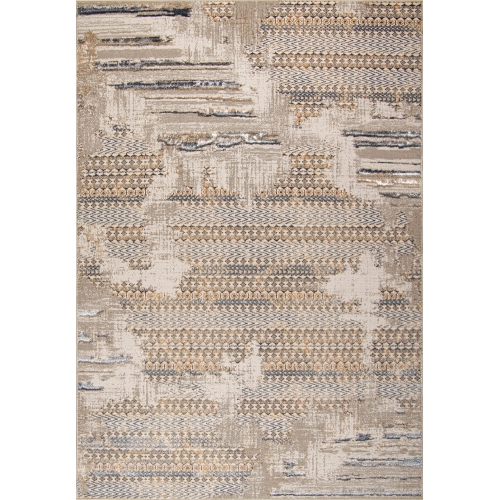

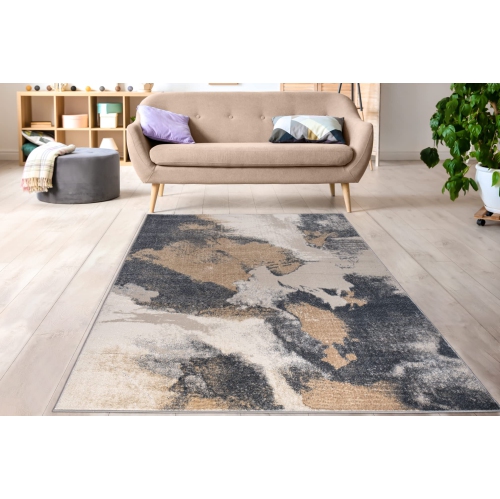
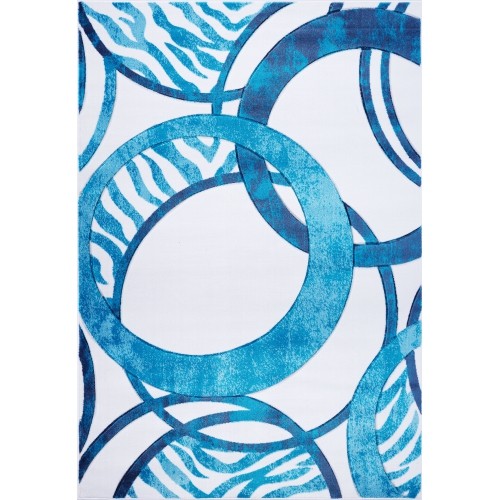
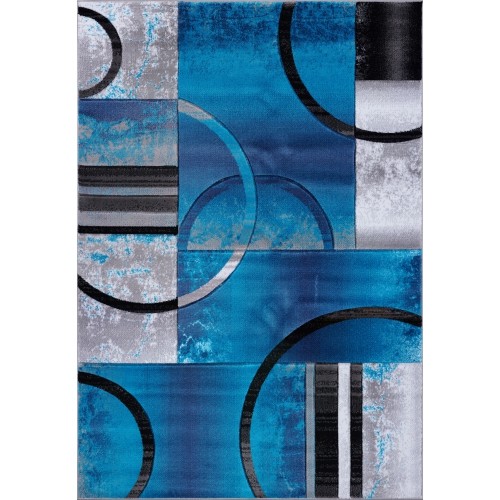

How handwork shapes a rug’s texture and character
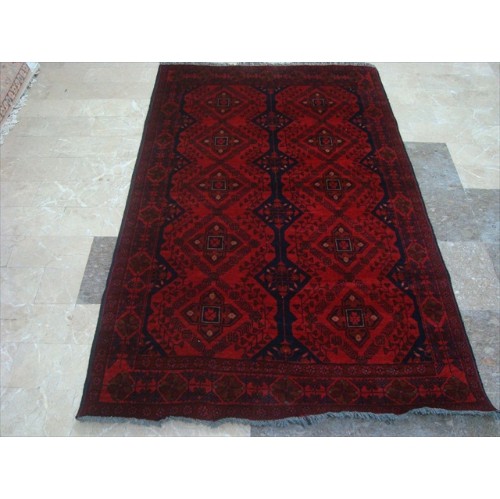
Handmade contemporary rugs bring traditional textile skills into modern rooms through abstract patterns, clean lines, layered textures, and thoughtfully balanced colour. Their designs can range from a quiet field of ivory with raised linear details to sweeping brushstroke effects in charcoal, rust, and blue. What connects them is the combination of handwork and a visual style that suits present-day living spaces, whether that means an open-plan condo, a family room with a deep sectional, or a bedroom furnished with simple wood pieces. Small differences in weave, texture, or pattern placement can be part of the character of handmade construction, rather than the exact repetition associated with machine production. The making method matters as much as the appearance. Hand-knotted rugs are formed by tying individual knots onto a foundation, creating an integrated structure that can stand up well to years of use when the fibres, workmanship, and care are suitable. Hand-tufted rugs are made by inserting yarn into a backing, typically with a handheld tufting tool, and usually include an adhesive layer and an additional backing to hold the pile in place. They often have a plush surface that feels inviting beside a bed or beneath a living room seating area. Handwoven flatweave rugs have little or no pile, giving them a slimmer profile that can work well beneath furniture or in spaces where a thick rug would feel cumbersome. These distinctions help explain why two rugs with similar geometric patterns may feel quite different underfoot and need different care. Contemporary styling also leaves room for texture to carry the design: a tone-on-tone pattern can add depth without competing with artwork, while a large abstract motif can become the room’s main visual feature. In an airy space with glass, metal, or smooth flooring, the tactile surface of a handmade rug offers a softer contrast and helps define where people sit, gather, and relax.
Material choice shapes comfort, appearance, and how a rug responds to everyday activity. Wool has a naturally springy fibre that helps a well-made pile recover from compression, making it a useful option for living rooms and other regularly used spaces. It can also feel warm and substantial underfoot during the cooler months. Some shedding is normal with new wool rugs, although the amount and duration vary with yarn quality and construction. For a closer look at this material in handmade designs, Handmade Wool Area Rugs brings the focus to wool’s texture and versatility. Cotton often appears in rug foundations, flatweaves, and fibre blends, where it can contribute softness and flexibility. A cotton rug is not automatically machine washable; its size, dyes, backing, and care label determine the appropriate cleaning method. Jute offers a dry, textured feel and warm natural tones that pair easily with contemporary wood furniture, but it is generally better suited to dry spaces than areas exposed to frequent spills or damp footwear. Silk and viscose can introduce a luminous finish that changes with the light and pile direction. These fibres tend to need more careful handling, especially around moisture, so a quieter sitting room or adult bedroom may be a more practical setting than a busy dining area. Blended fibres can balance different qualities, but the full fibre content is more informative than a single material named in a description. Intended use should also influence pile height and surface texture. A dense, lower pile is often easier to vacuum and allows dining chairs to move more freely, while a deeper pile creates a cushioned feel in places where people sit on the floor. Raised loops and loosely textured weaves deserve extra consideration in homes with pets, since claws may catch in them. For households with young children, a rug with manageable care requirements and a forgiving, varied pattern may be easier to live with than a pale, delicate surface. Durability comes from the whole construction, including fibre quality, weave, edge finishing, and backing, rather than from the handmade label alone.
The right dimensions allow a contemporary rug to feel connected to the furniture instead of isolated in the middle of the floor. In a living room, placing at least the front legs of the sofa and neighbouring chairs on the rug usually creates a more cohesive seating area. A larger room may accommodate all the furniture legs on the rug, while a compact space benefits from leaving a visible border of flooring so the arrangement does not feel crowded. Under a dining table, the rug should extend far enough beyond the tabletop for chairs to remain on it when pulled out for sitting; around 24 inches on each side is a useful starting point, with more room sometimes needed for larger chairs. In a bedroom, generous coverage beside the bed gives bare feet a soft landing, while a runner can suit a narrow space where a full area rug would interfere with doors or storage. Measure the intended footprint and check door clearance before choosing a thick pile or an additional pad. A rug pad suited to both the rug and the floor helps reduce shifting, adds cushioning, and limits friction beneath the rug; compatibility matters because some backing materials can affect certain floor finishes. Regular care protects the texture that makes handmade rugs distinctive. Vacuum according to the care label, using suction without a rotating brush where recommended, and avoid pulling fringe into the vacuum head. Blot spills promptly with a clean, absorbent cloth rather than rubbing them deeper into the fibres, and test any approved cleaner in an inconspicuous area. Rotating the rug periodically can distribute foot traffic and light exposure more evenly, while furniture cups may help reduce concentrated pressure beneath heavy legs. Deep cleaning should follow the maker’s guidance, with specialist care particularly useful for delicate fibres, unstable dyes, or substantial soiling. For a housewarming or shared-home gift, a handmade contemporary rug can be a thoughtful, lasting addition when the recipient’s measurements, preferred colours, and care needs are known. Its strongest appeal lies in that everyday balance: a distinctive pattern to live with, a texture that suits the room, and a construction matched to how the space is used.
Top selling and popular products
-
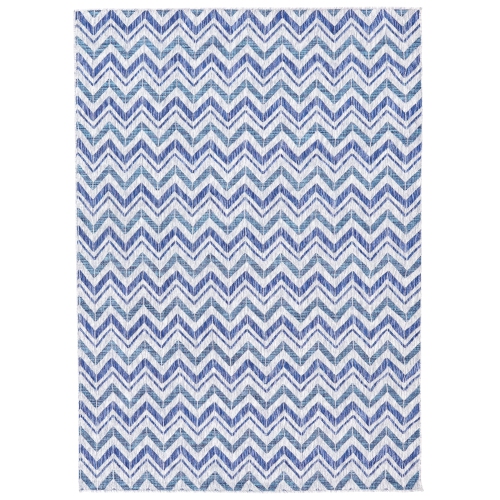 Your price for this item is $129.15
-
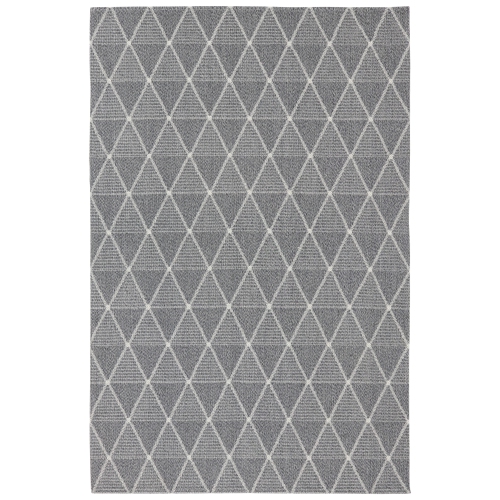 Your price for this item is $130.55
-
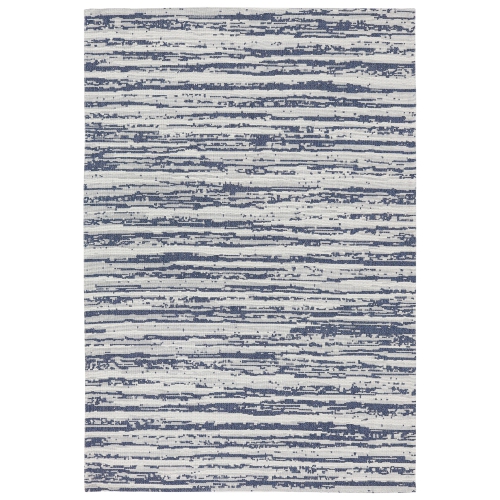 Your price for this item is $130.55
-
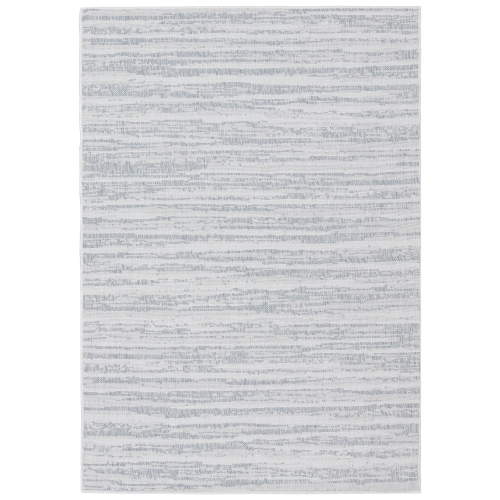 Your price for this item is $129.15
-
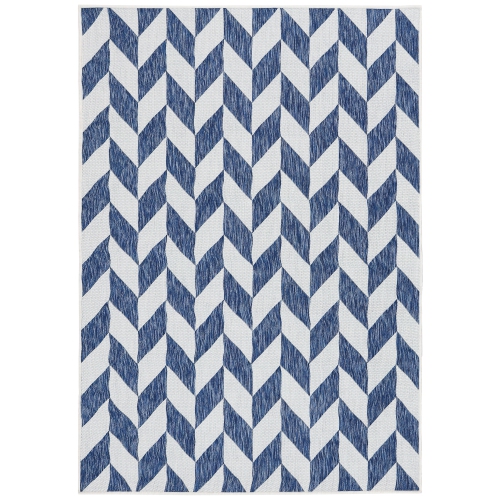 Your price for this item is $129.15
-
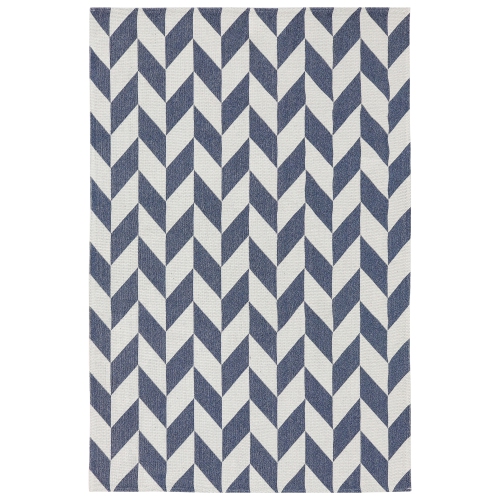 Your price for this item is $130.55
-
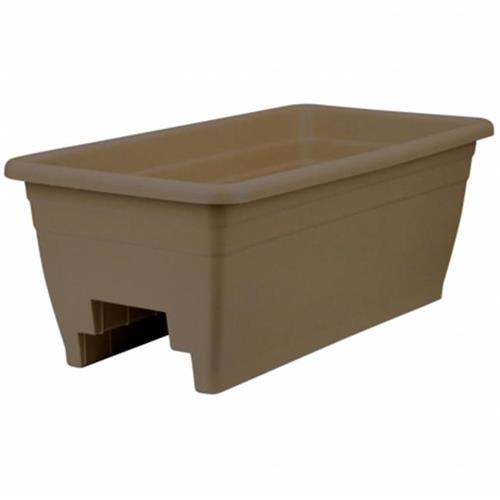 Your price for this item is $111.99
-
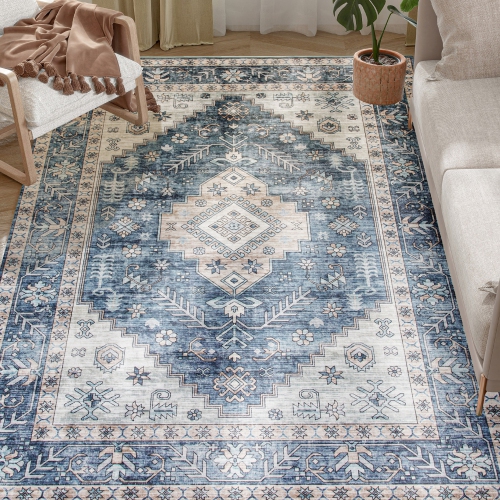 Your price for this item is $124.99
Discover more categories related to Handmade Contemporary Rugs



Top Collections:
Pokemon Centers, Kindle Devices, Best Cameras for Sports Photography, Pokémon 30th Celebration Cards, Apple iPhones 16, Canon G7X Cameras, iPhone 15 Apple, Flip Phones, Samsung Galaxy Phones, Alarm Clock
Some products may be subject to Environmental Handling Fees
(EHF) depending on your province.
Learn more about EHFs.