Hanging Chaise Lounge Chairs
Hanging chaise lounge chairs are a great way to add comfort and relaxation to your outdoor space. These chairs typically use a sturdy frame or suitable hanging support, allowing you to lounge in mid-air. The design of the chair is typically a curved shape that supports your body in a comfortable reclining position. Here are some great options for you.
Sort
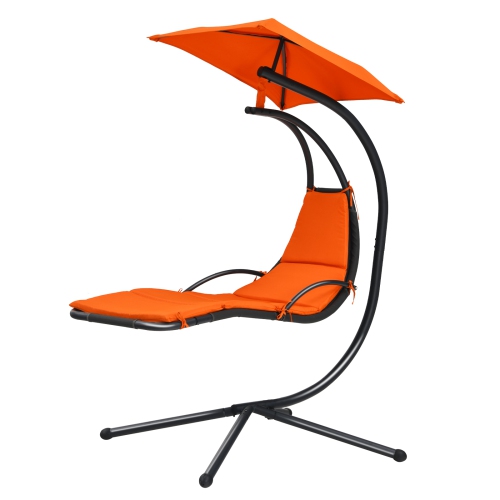
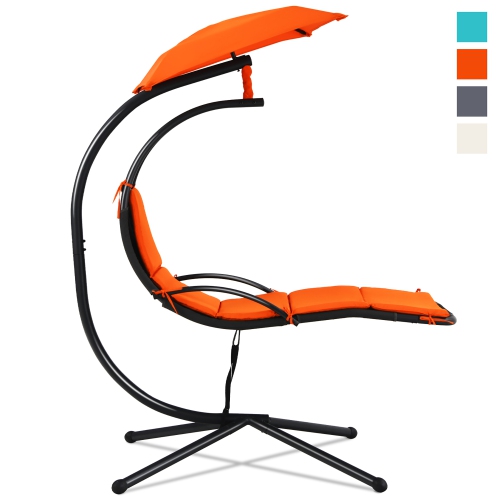
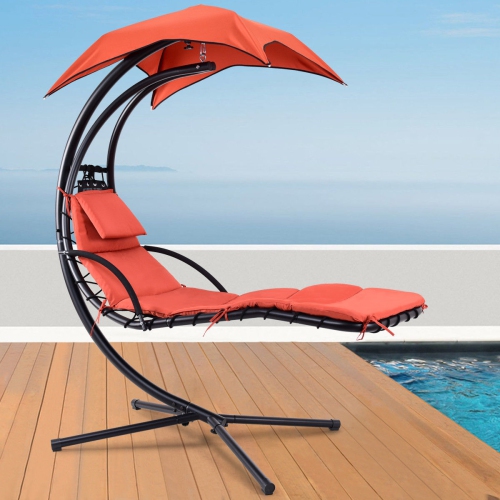
Extended leg support with a gentle floating feel
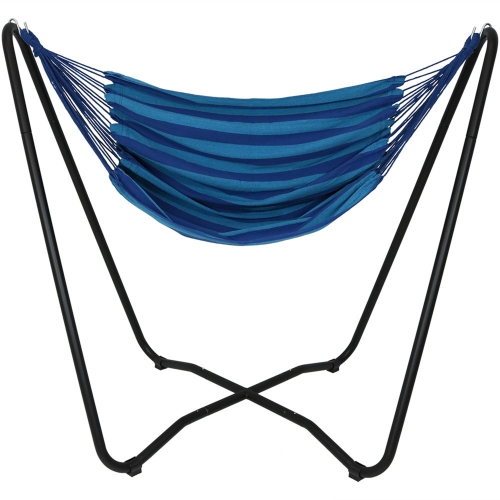
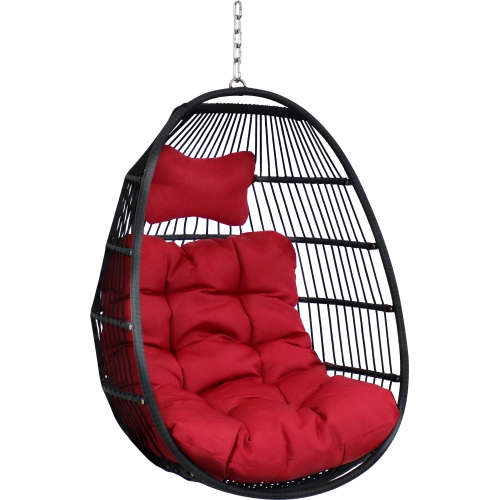
Hanging chaise lounge chairs combine the extended support of a chaise with a suspended seat that allows gentle movement. Their curved shape typically supports the back and legs, creating a reclined place to read, listen to music, or stretch out on a patio. Unlike an upright hanging basket chair, a hanging chaise is designed around a longer lounging position, with space for the legs rather than just a compact seat. Many designs hang from a freestanding curved stand, so they do not require attachment to a ceiling beam or other overhead structure. The stand, suspension hardware, and seat work together as a complete support system, while cushions soften the lounging surface. Some designs include a head pillow, armrests, or an overhead canopy, although these features vary. The floating sensation comes from the suspended construction; it does not necessarily mean the chair has an adjustable recline or a true zero-gravity position. For someone who likes settling into a book with their feet raised, the appeal is as much about the shape of the seat as its movement. A hanging chaise can make a quiet corner of a larger patio feel more inviting, or serve as a dedicated resting spot beside a garden. It is distinct from a hammock, which generally uses a flexible fabric or woven bed supported between attachment points. It also differs from a conventional chaise longue, whose seat rests directly on a stationary frame. Within the broader range of hanging chairs, chaise styles suit people who prefer extended leg support and a more reclined posture. That extra length matters when planning a seating arrangement: a suspended lounger needs room for both its frame and its permitted movement, not simply enough floor space for the cushion. The result should feel like a comfortable place to pause without crowding the route to a door, dining table, or neighbouring seat.
Comfort and fit depend on several measurements working together. Overall dimensions show how much space the assembled chair occupies, while the usable seat length, width, and backrest shape help indicate how it may support the person using it. A taller adult may need more room through the leg section, whereas someone who prefers easy access may place greater importance on the seat height and the position of the armrests. Deep padding can feel inviting, but the contour beneath it still determines where the back, hips, and knees rest. A pillow that sits comfortably behind one person’s head may land at another person’s shoulders, so an adjustable or removable head cushion can be useful. The listed weight capacity applies to the particular chair and support system; there is no single capacity shared by all hanging chaise lounge chairs. These loungers are often intended for one person, and a broad cushion should not be mistaken for permission to share the seat. Freestanding designs need a firm, level surface and enough clearance from walls, railings, glazing, and furniture to accommodate movement within the manufacturer’s limits. On a balcony, the stand’s footprint, access route, and any building restrictions also deserve attention. A ceiling-mounted design requires a suitable structural attachment and compatible hardware, with professional installation where needed; an ordinary ceiling hook is not a substitute for a properly rated support. For everyday use, imagine the small details of settling in: a clear approach to the seat, a nearby table for glasses and a drink, and enough space to get up without catching a foot on the base. People who need a firmly stationary seat for balance may find a conventional lounger easier to use. A hanging chaise can be a thoughtful gift for an avid reader or someone who enjoys a quiet patio retreat, provided the recipient’s space, preferred seating position, and ability to enter and leave a suspended seat are understood beforehand.
Materials and construction influence how a hanging chaise lounge chair feels, wears, and fits into its intended setting. Powder-coated steel is common in freestanding frames because it provides a rigid support structure, while its coating helps protect the metal from exposure. That finish is not a guarantee against rust: scratches, damaged joints, and trapped moisture can leave vulnerable areas. Where aluminium is used, it generally offers a lighter structure with good corrosion resistance, though stability and load capacity still depend on the complete design. Seat surfaces may use woven synthetic material, outdoor fabric, or a padded cushion attached to a shaped frame. For outdoor use, fabric specifications are worth distinguishing carefully. Water-resistant covers can resist light splashes, but they are not necessarily waterproof, and foam beneath them can still become wet. Removable covers can make cleaning simpler, although washing methods should follow the care label rather than assumptions about the fabric. Cushion ties or other retaining attachments help keep padding correctly positioned during normal use. A canopy can add shade over part of the seat, but coverage changes with the angle of the light, and fabric without a stated ultraviolet protection rating should not be treated as rated sun protection. Canopies also catch wind, so their use, removal, and storage should follow the chair’s instructions. Routine care usually involves clearing away loose dirt, cleaning surfaces with suitable mild products, and allowing fabric and cushions to dry fully before storage. Keeping drainage points clear and checking exposed metal for finish damage can help prevent small issues from becoming harder to address. Suspension connections, fasteners, and the base also need periodic inspection, particularly after moving or reassembling the chair. Hardware should be tightened only as directed, and worn load-bearing parts need compatible replacements rather than improvised repairs. A suitable protective cover and dry cushion storage can reduce unnecessary exposure when an outdoor chair is not in use. With the right fit and straightforward care, a hanging chaise offers a distinctive lounging space whose comfort comes from supportive curves, well-positioned padding, and gentle, controlled movement.
Top selling and popular products
-
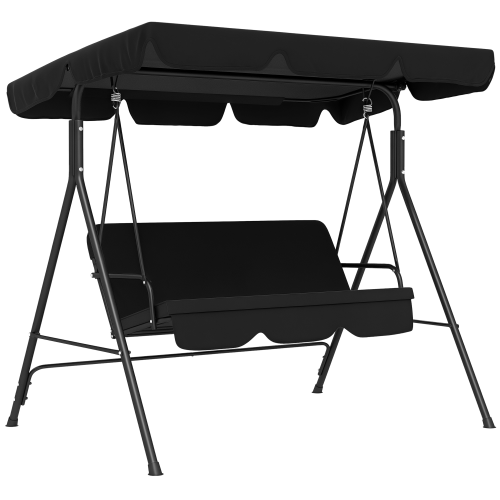 Your price for this item is $139
-
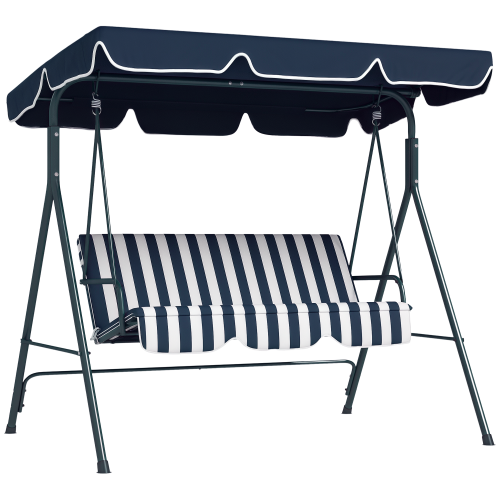 Your price for this item is $149.99
-
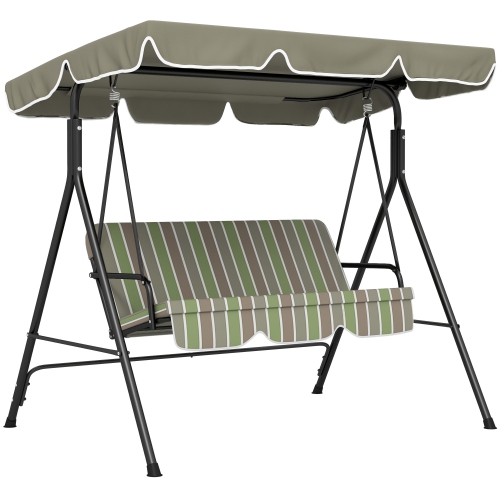 Your price for this item is $156.99
-
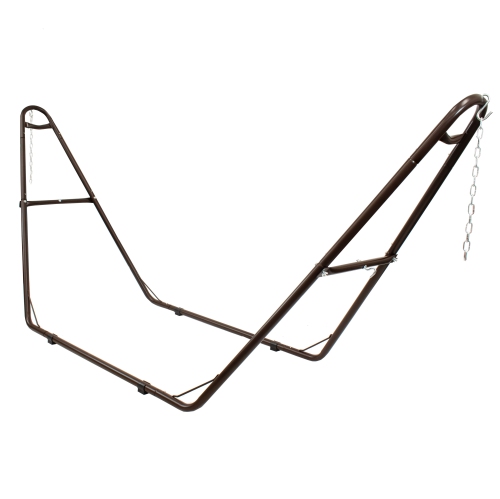 Your price for this item is $182.55
-
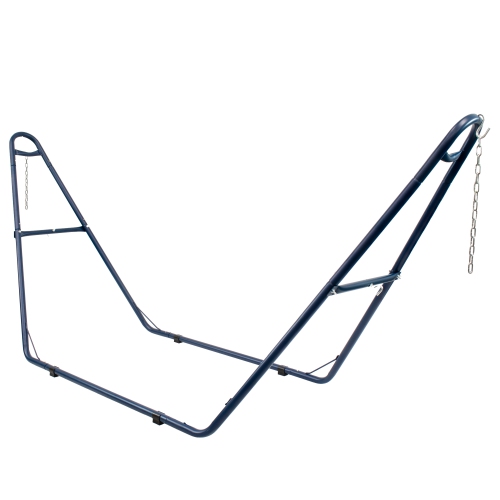 Your price for this item is $182.55
-
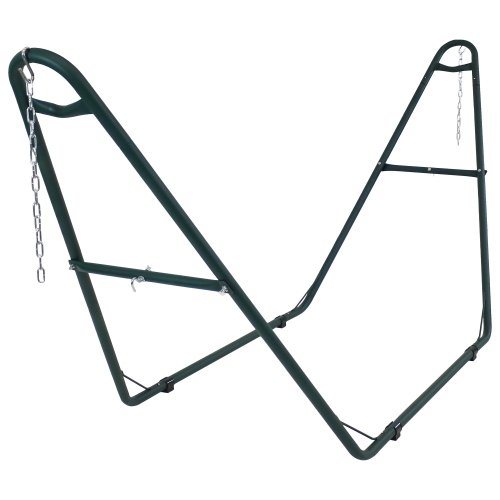 Your price for this item is $182.55
-
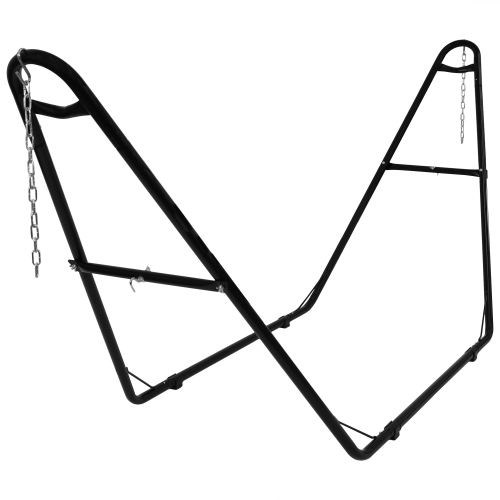 Your price for this item is $182.55
-
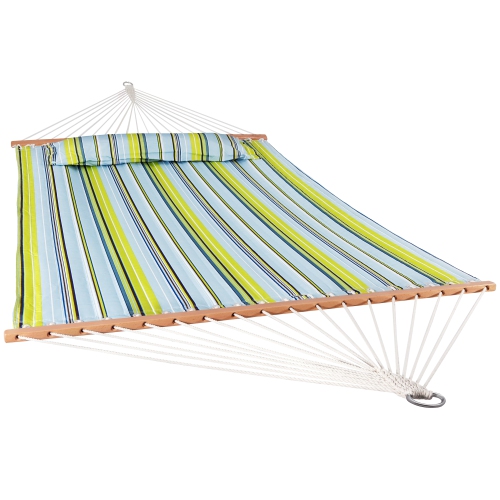 Your price for this item is $139.65
Discover more categories related to Hanging Chaise Lounge Chairs

Top Collections:
Pokemon Centers, Kindle Devices, Best Cameras for Sports Photography, Pokémon 30th Celebration Cards, Apple iPhones 16, Canon G7X Cameras, iPhone 15 Apple, Flip Phones, Samsung Galaxy Phones, Alarm Clock
Some products may be subject to Environmental Handling Fees
(EHF) depending on your province.
Learn more about EHFs.