Hanging Mirrors
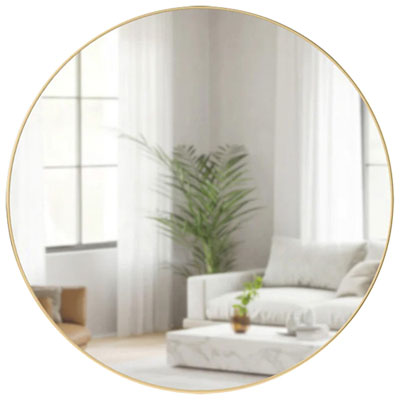
Enhance your living space with the timeless elegance and functionality of hanging mirrors. Perfect for adding a touch of style to any room, hanging mirrors are versatile decor pieces that can elevate the aesthetic of your home. Whether you're looking to create the illusion of more space, brighten up a room, or simply enhance your daily grooming routine, a well-placed hanging mirror can make all the difference. Explore our selection of hanging mirrors in various shapes, sizes, and designs to find the perfect match for your home decor needs.
Sort

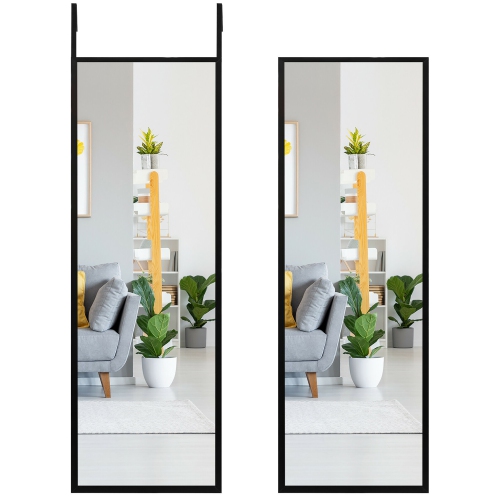

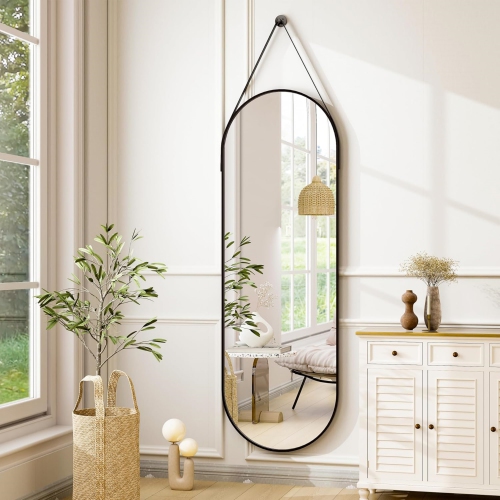
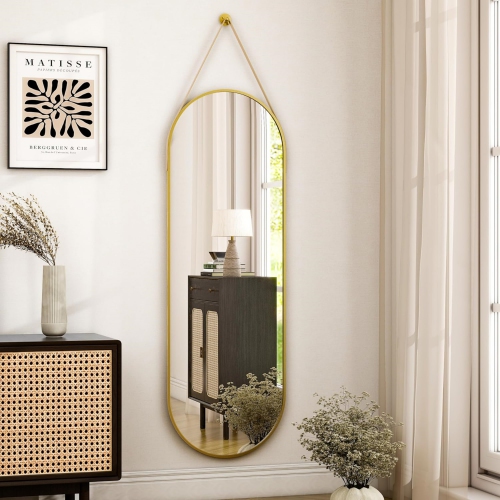
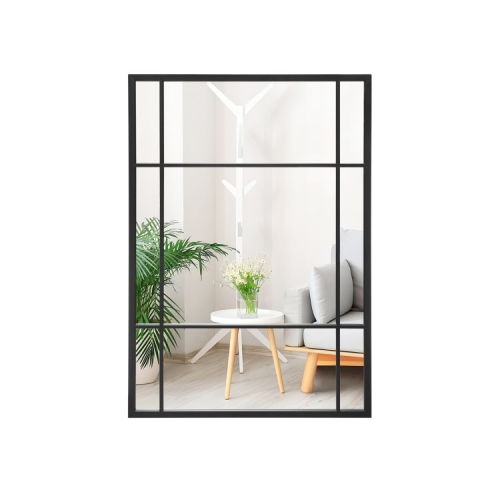
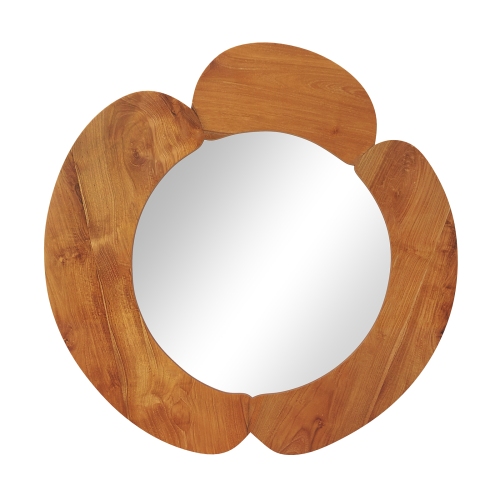
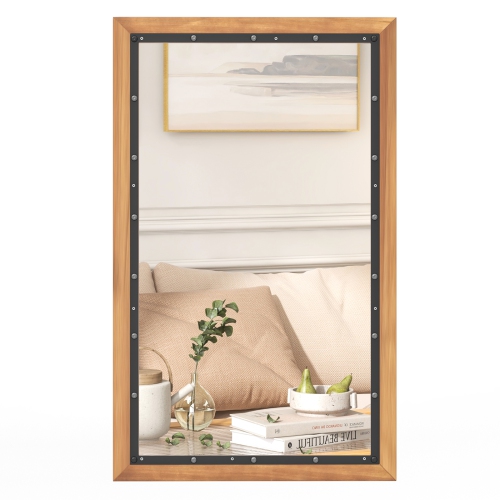
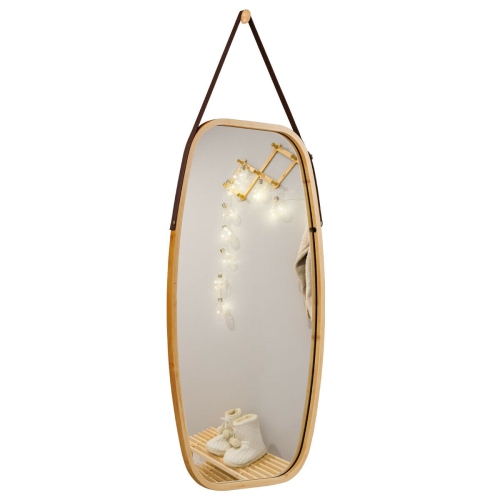
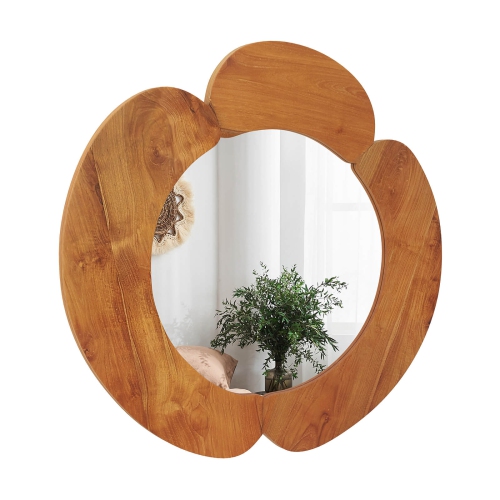
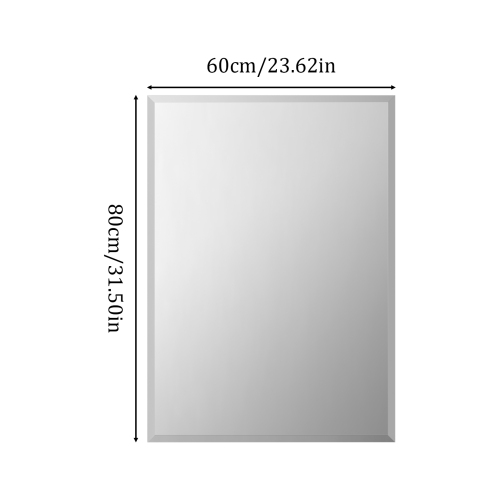
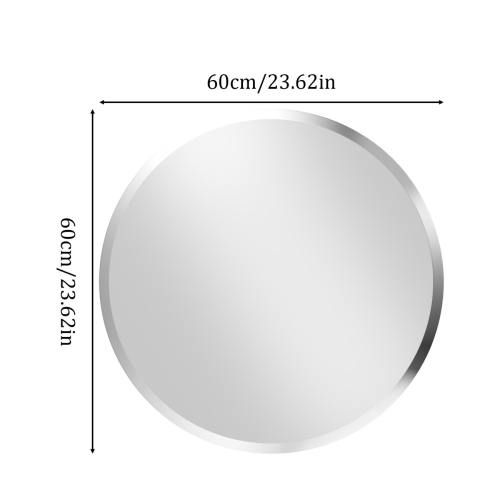
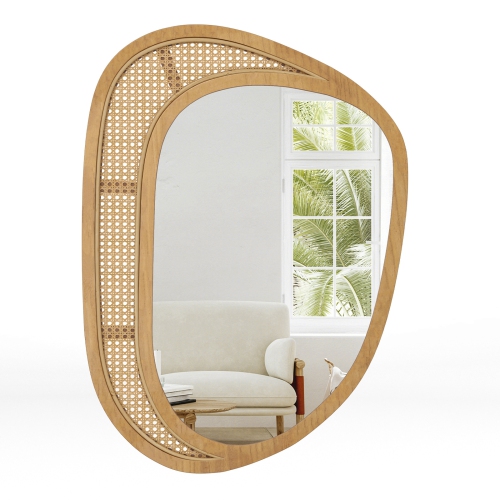
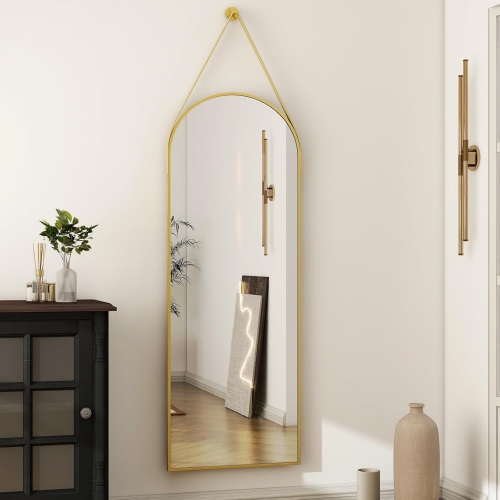
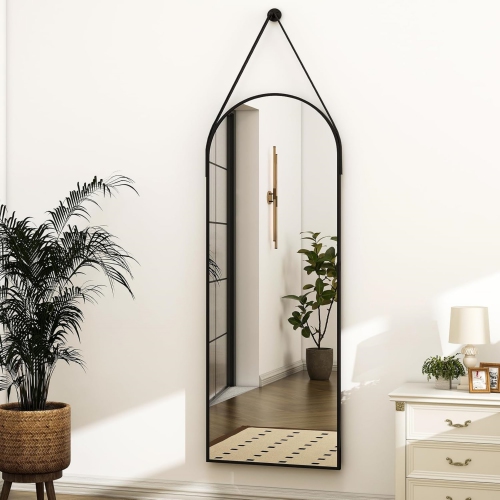
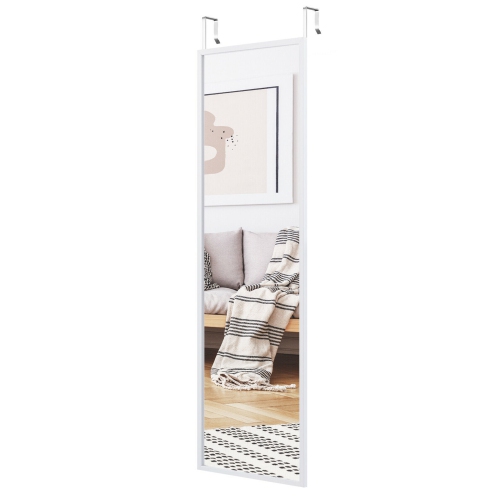
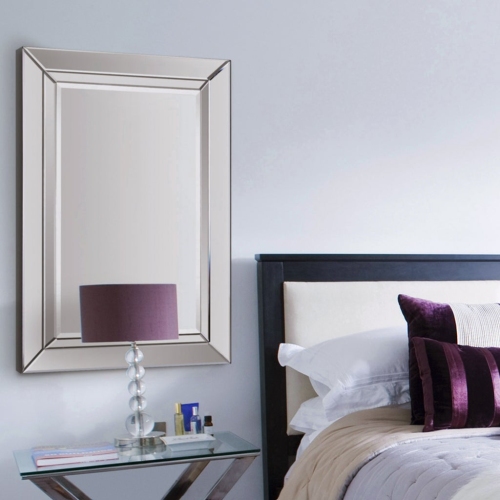
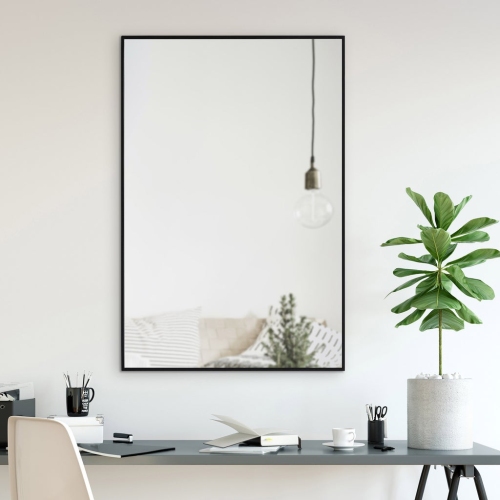
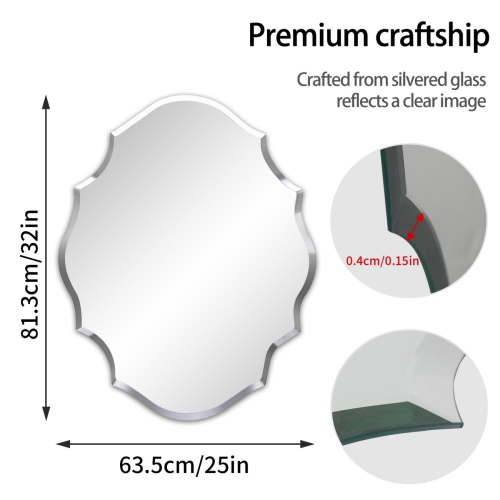
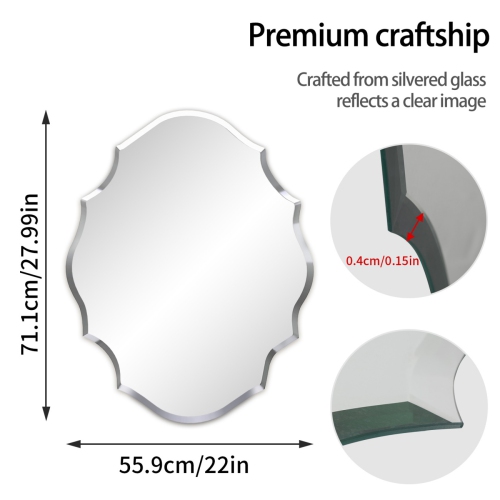
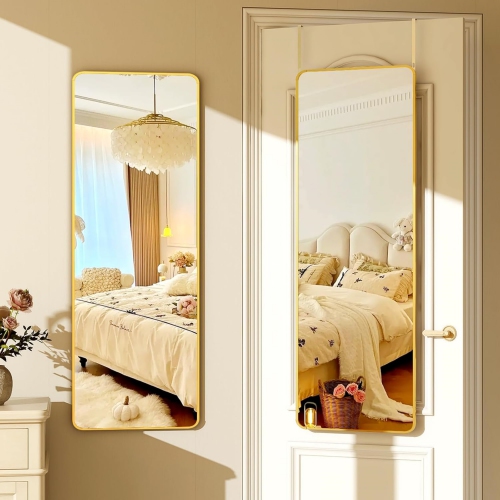
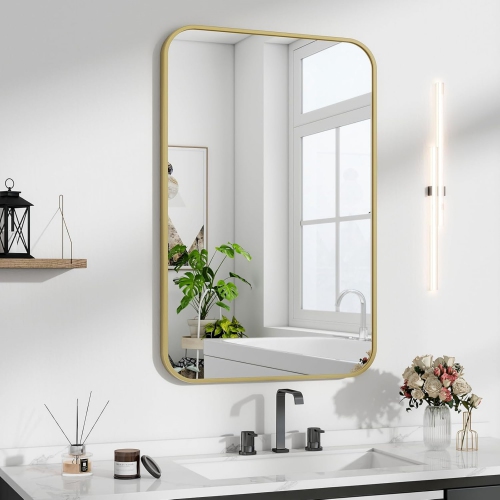
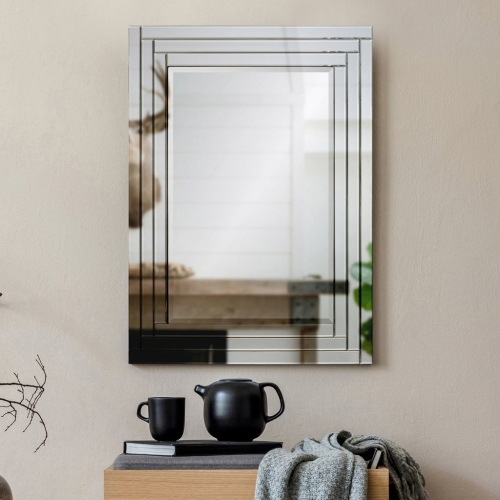
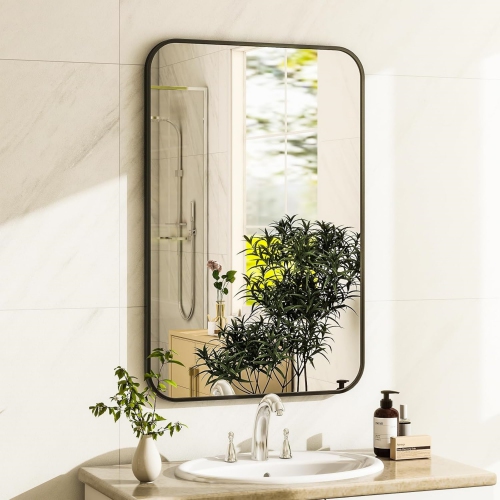
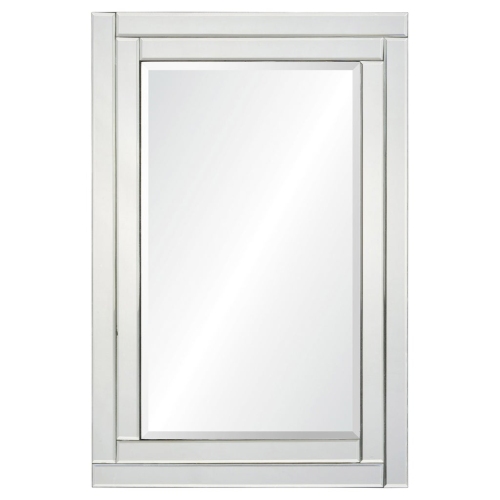
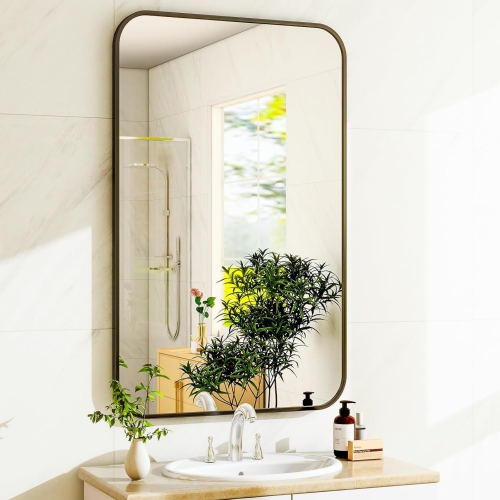
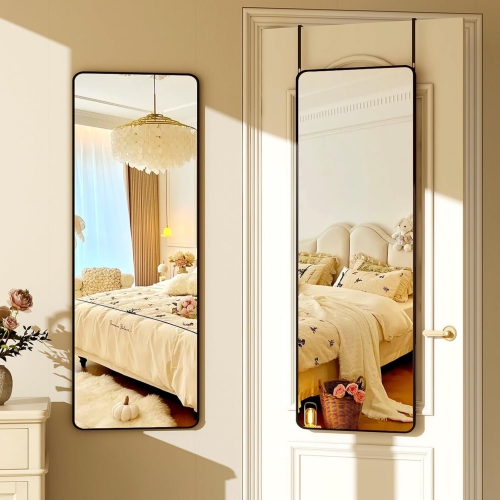
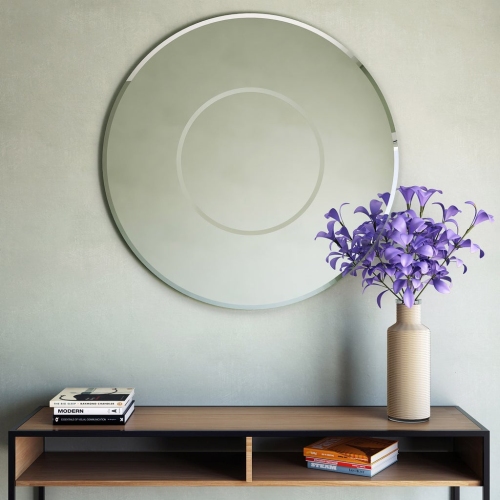
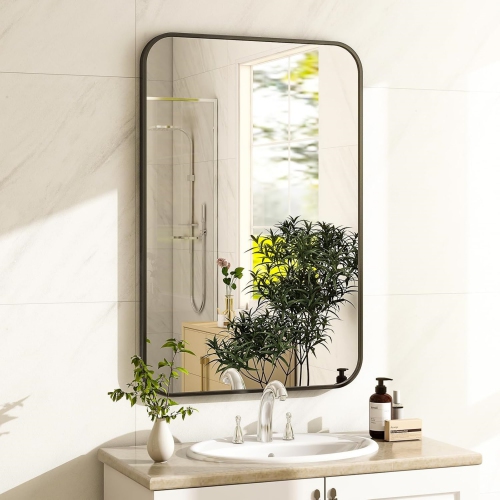
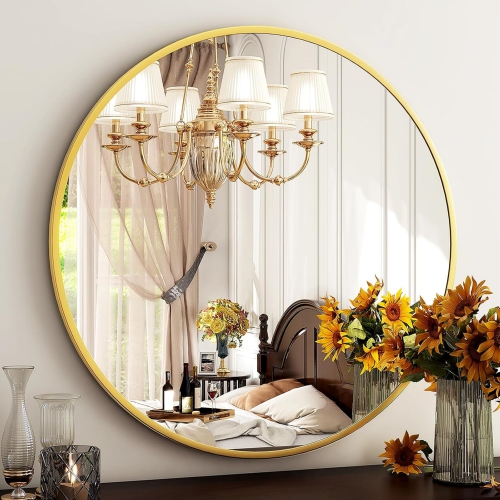
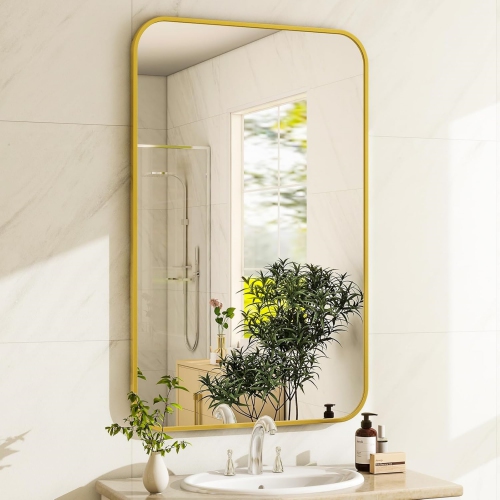
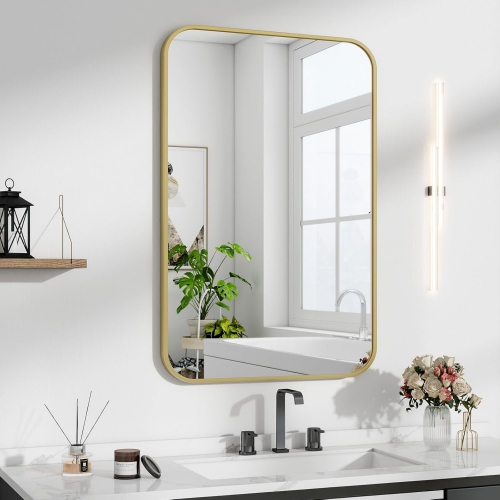
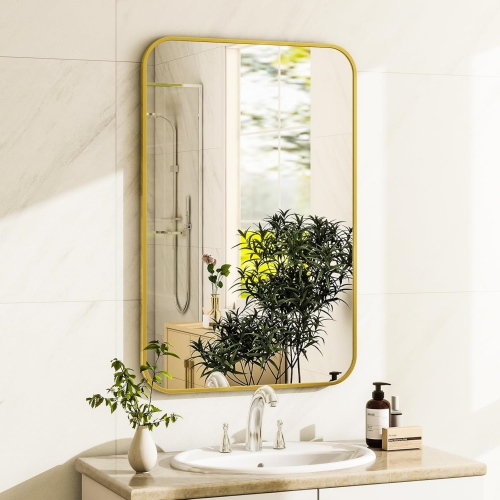
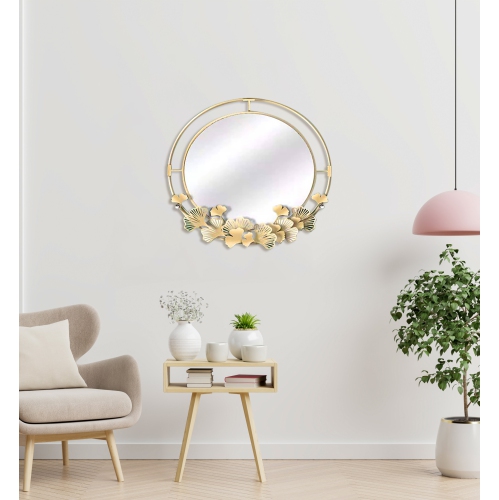
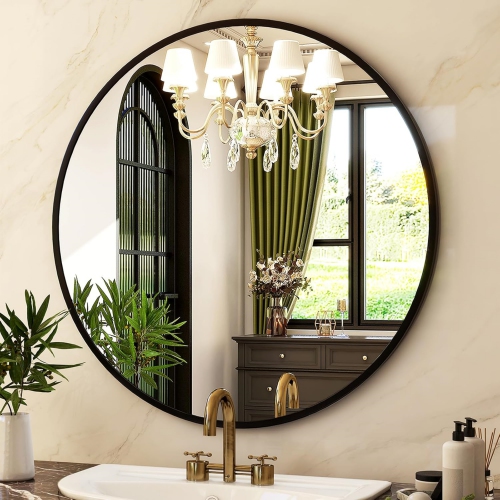
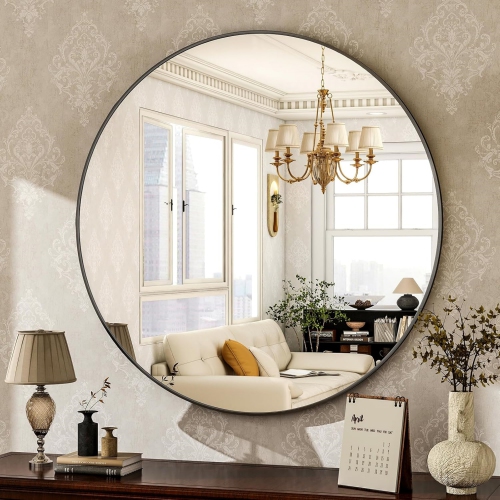
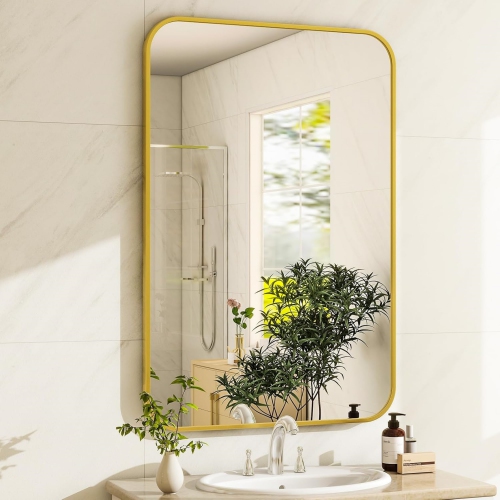
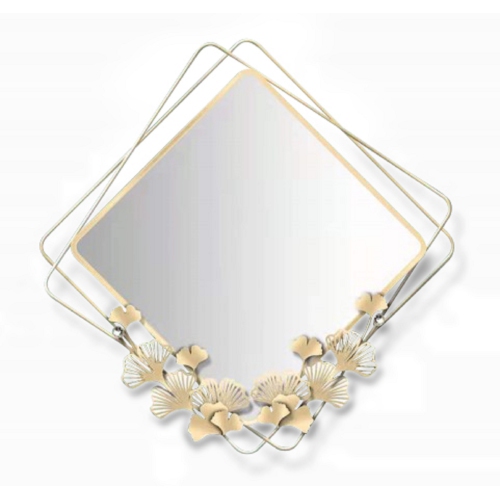
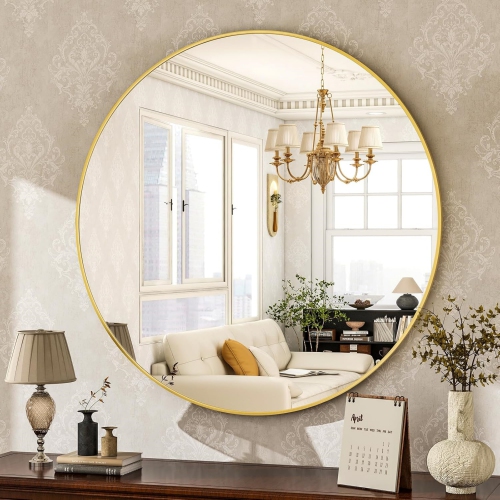
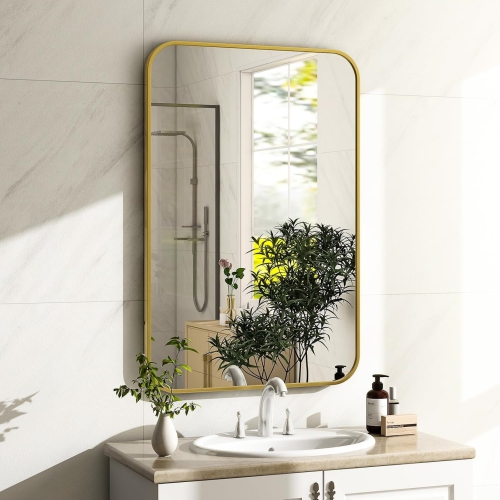
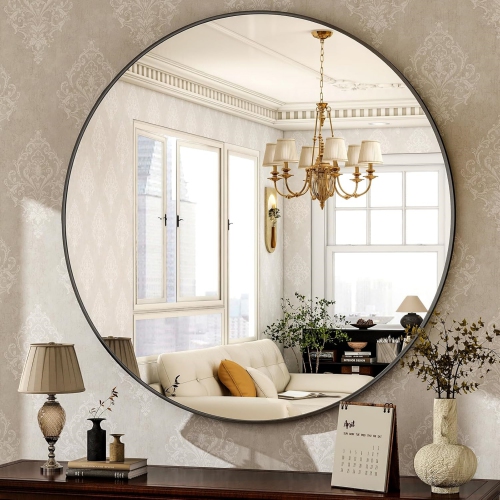
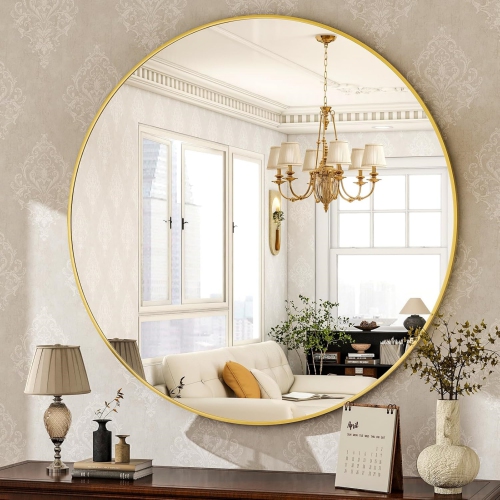

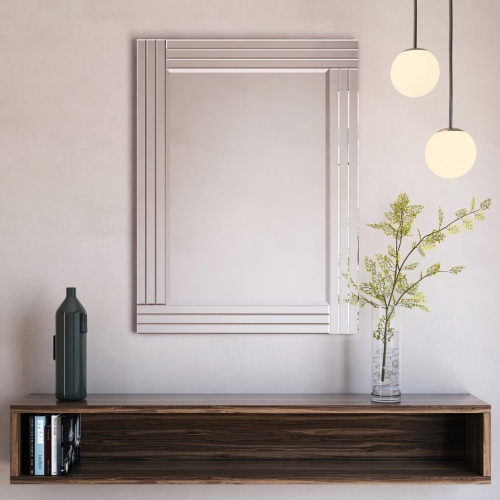
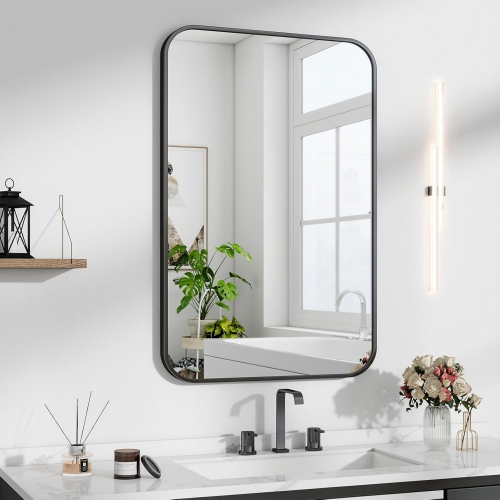

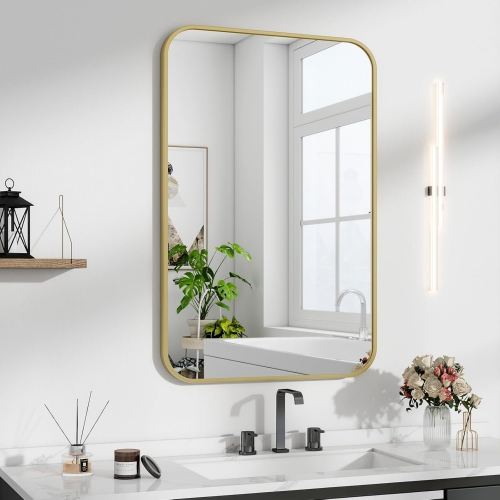
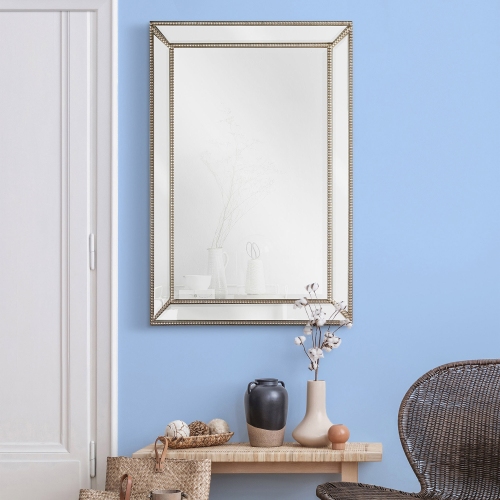
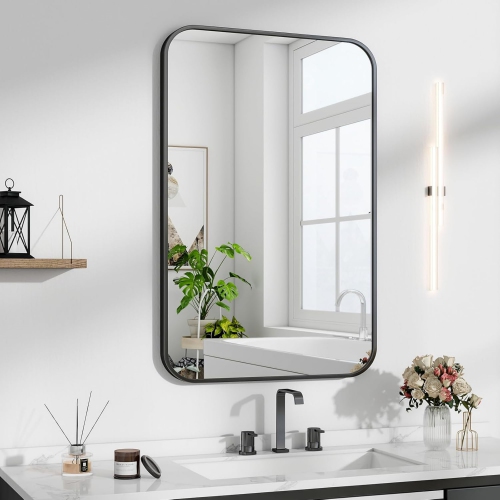
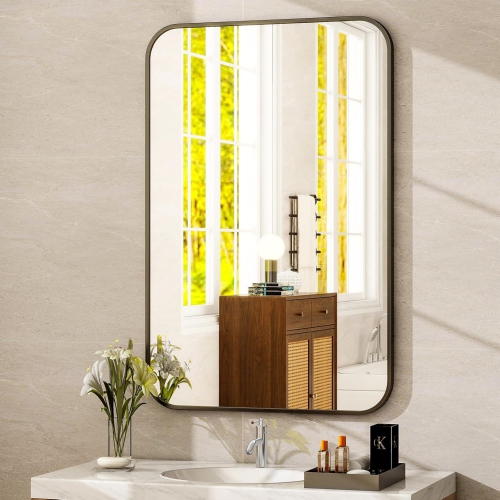
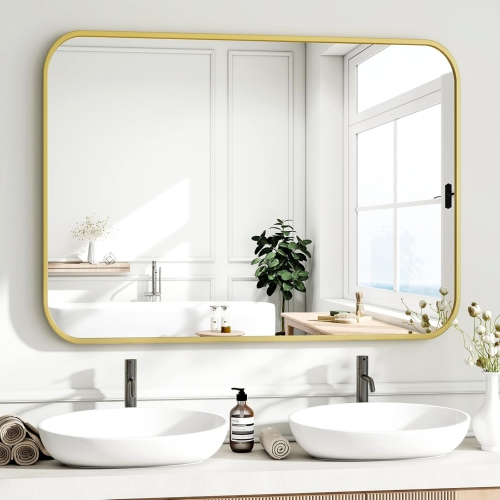
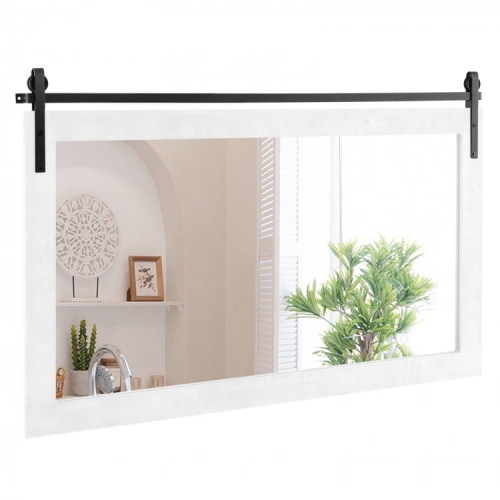
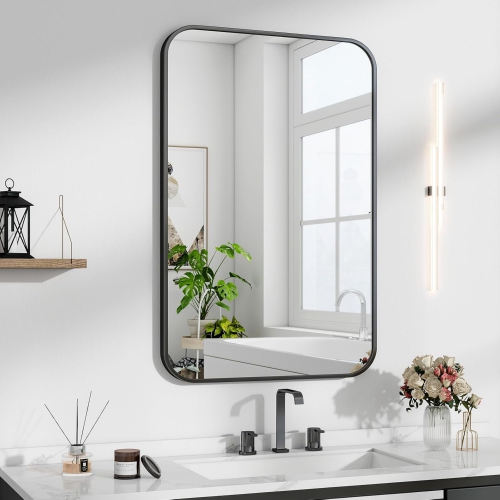
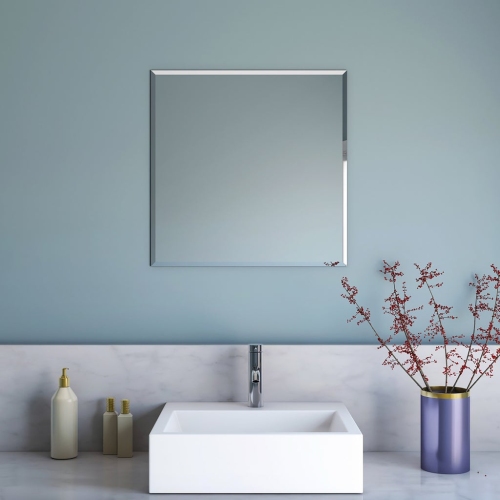
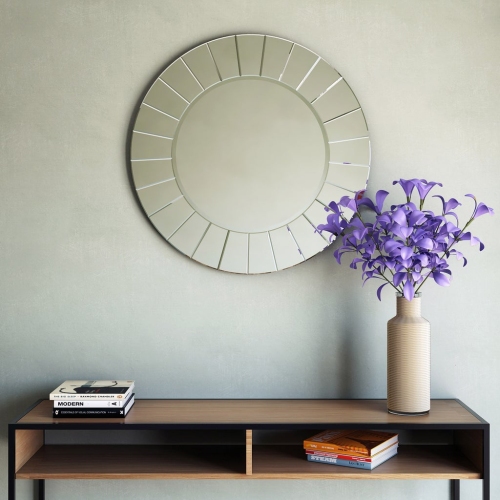
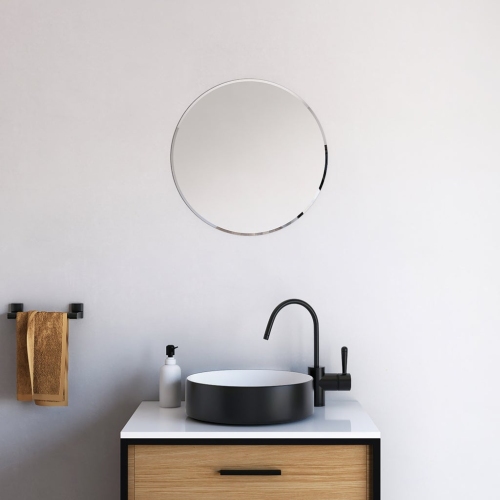
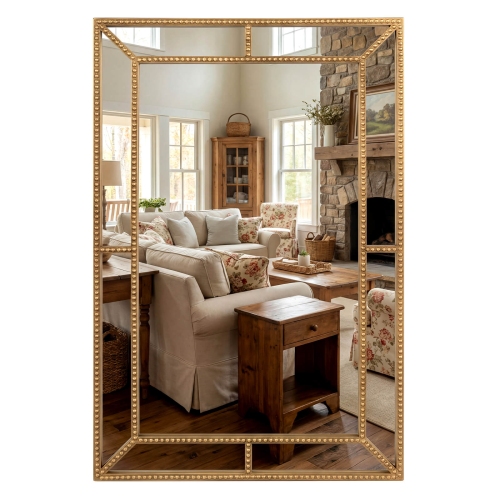

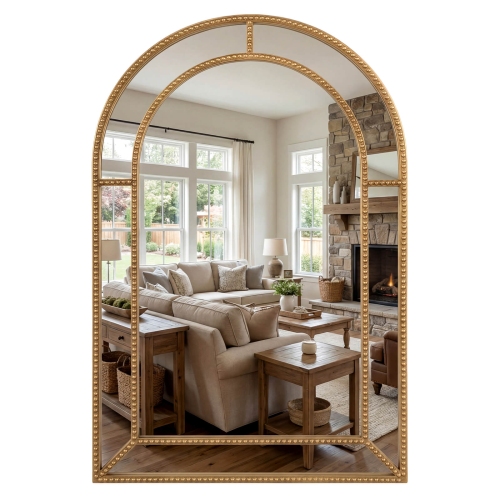
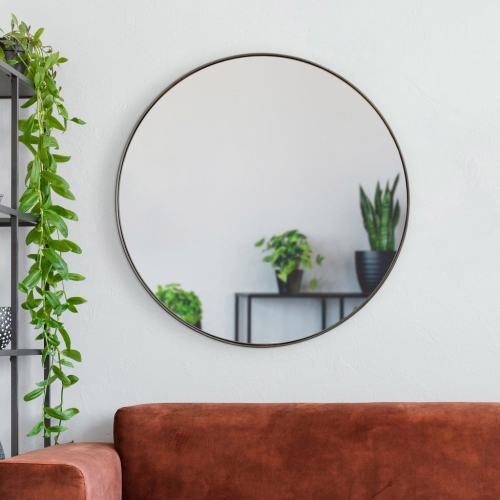

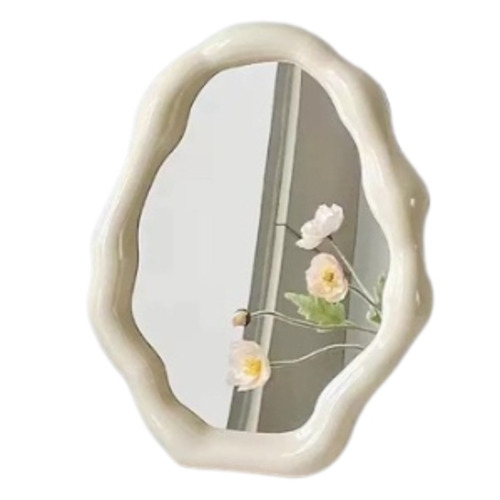
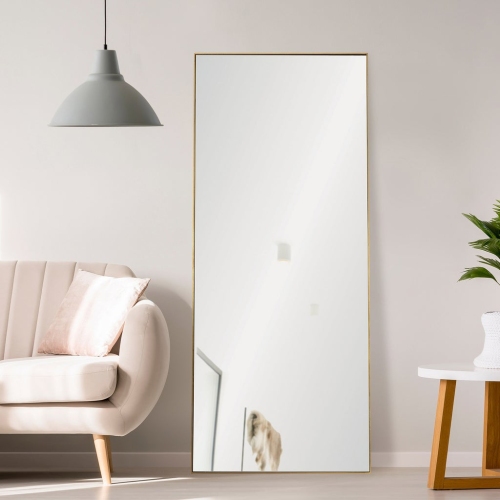
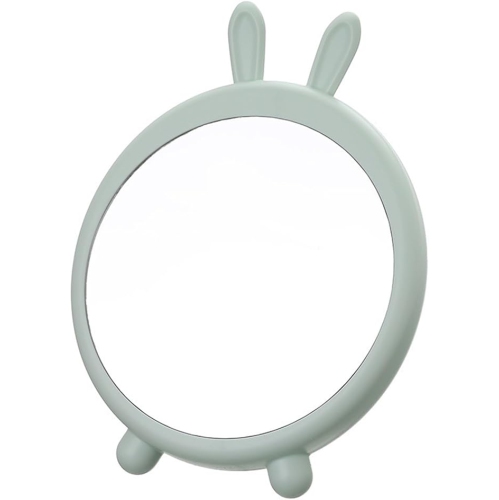
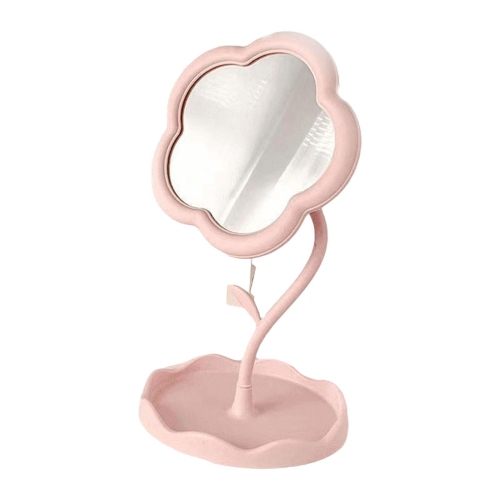
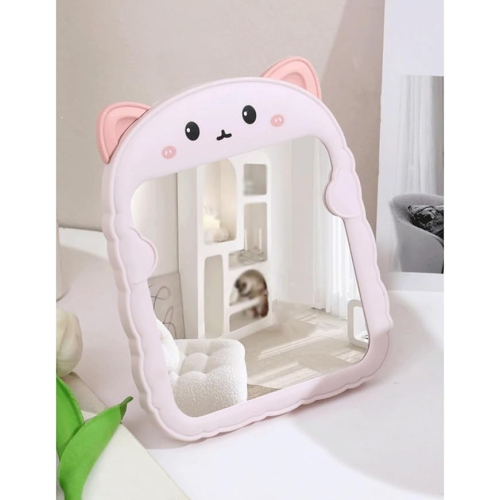
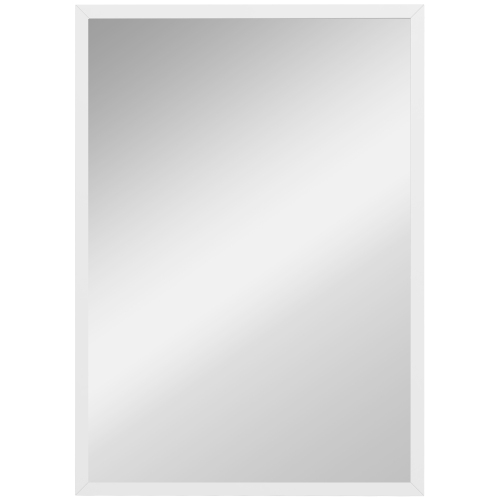
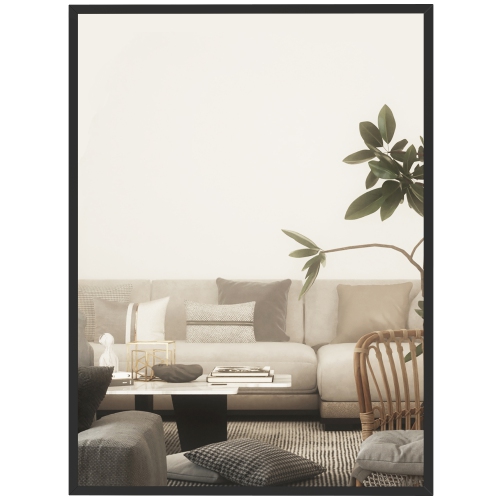
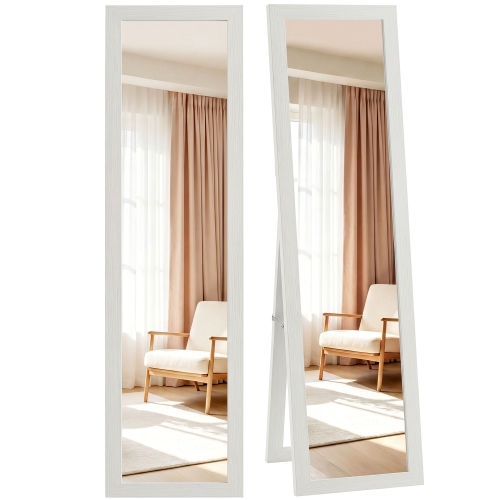

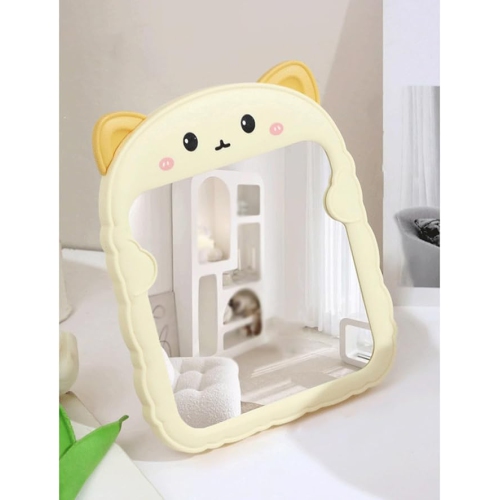
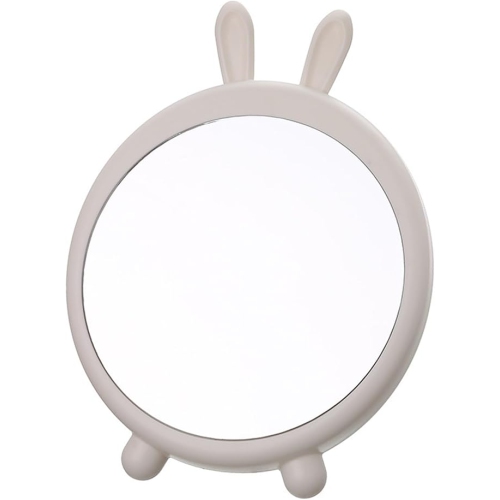
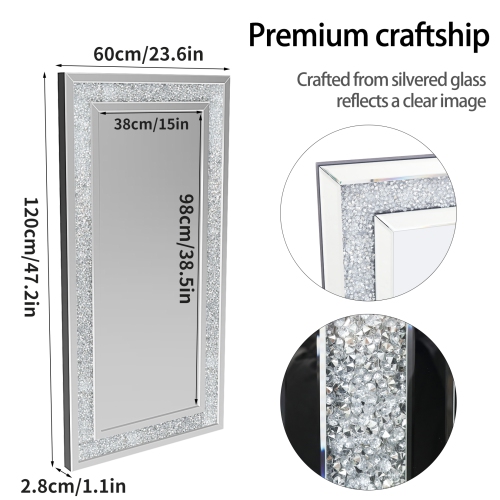
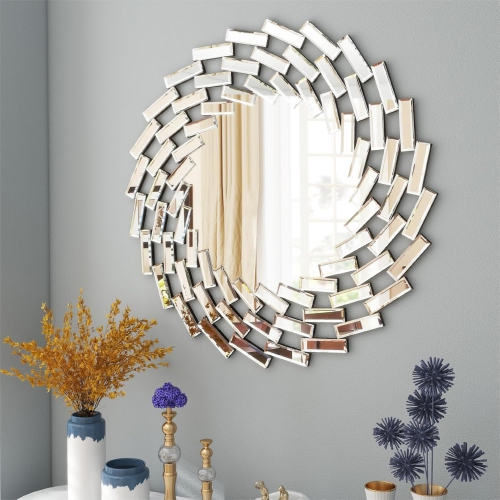
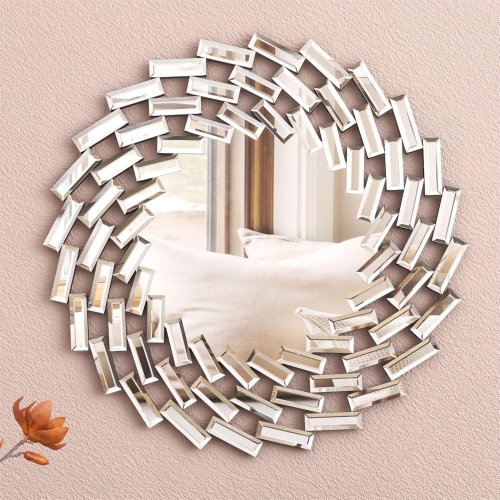
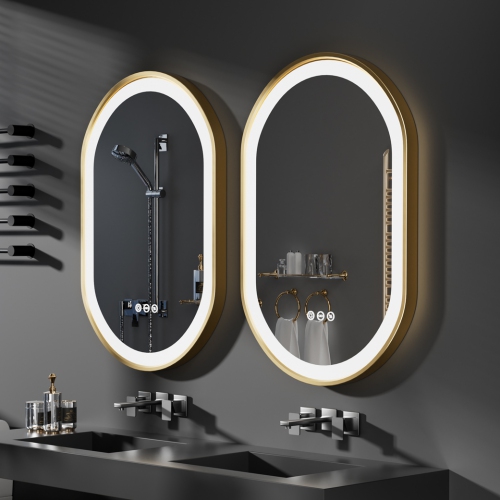
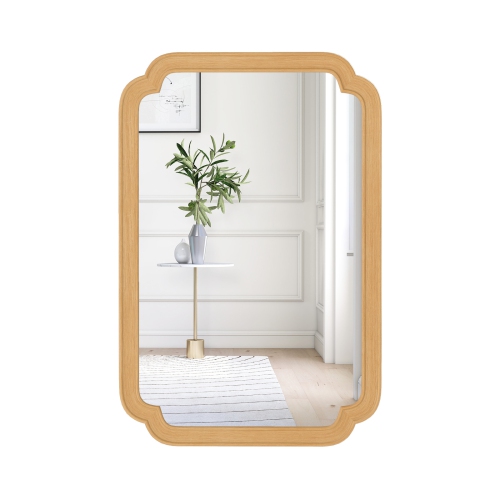
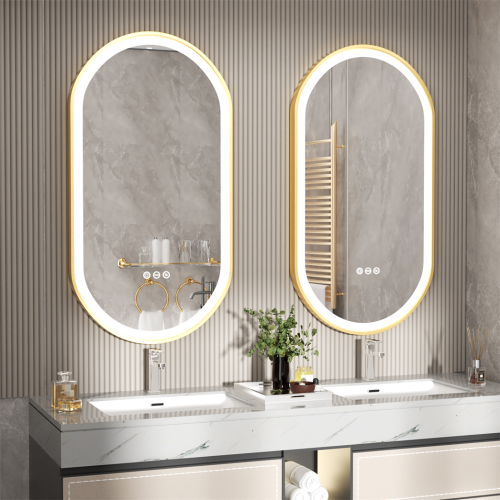
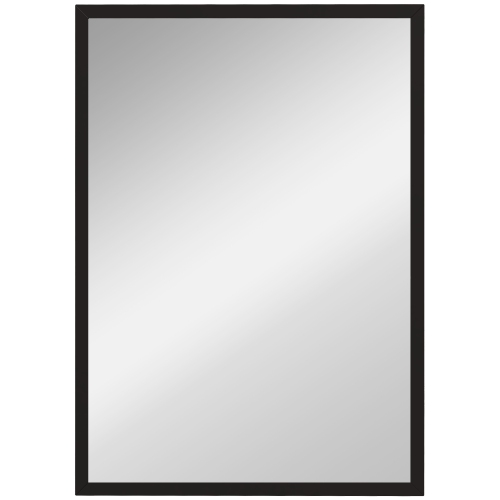

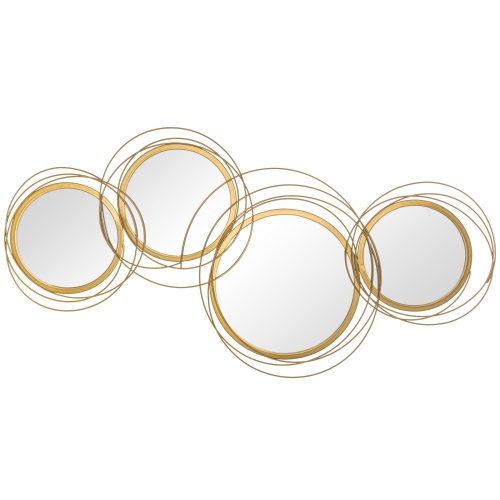
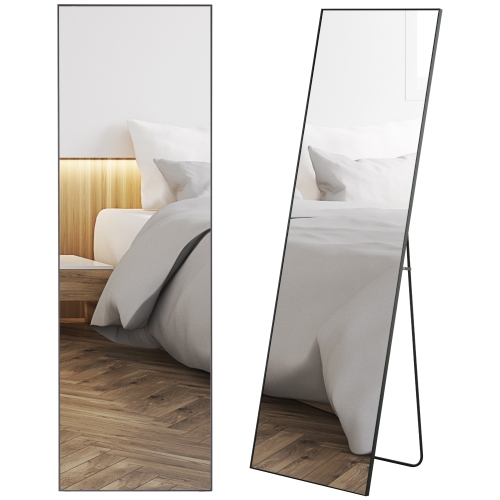
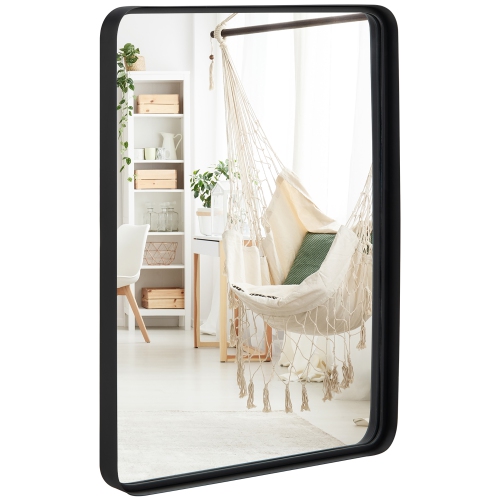
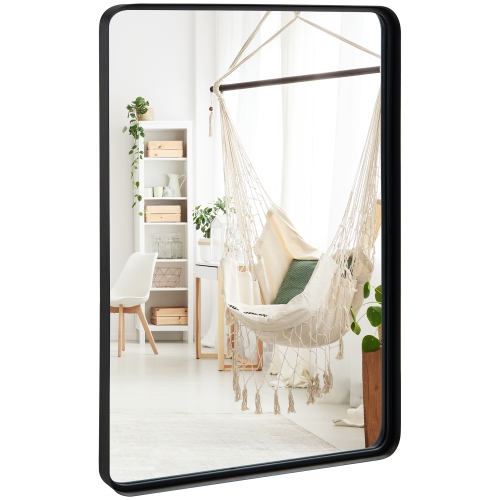
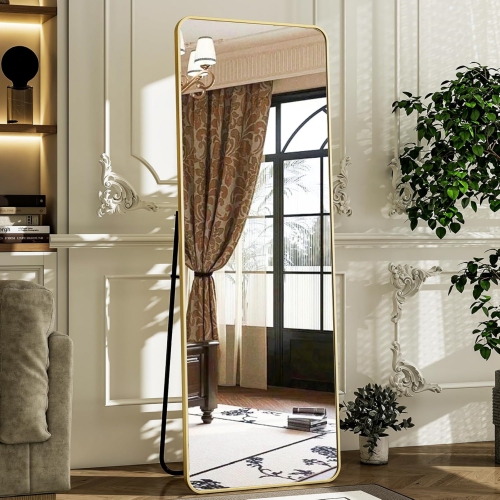
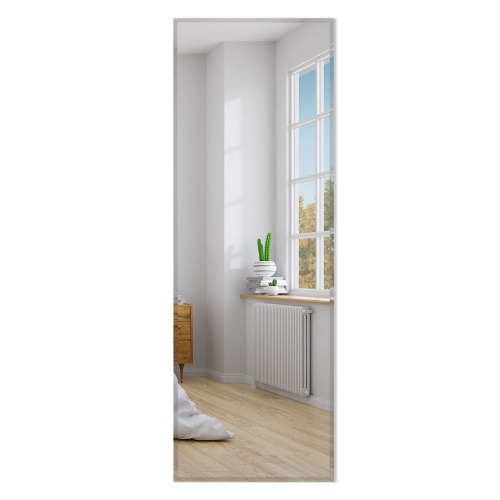
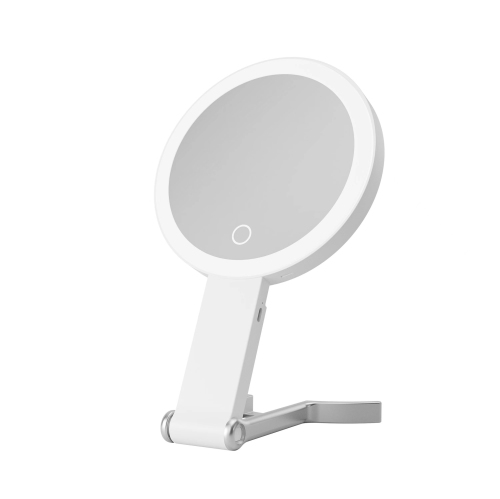

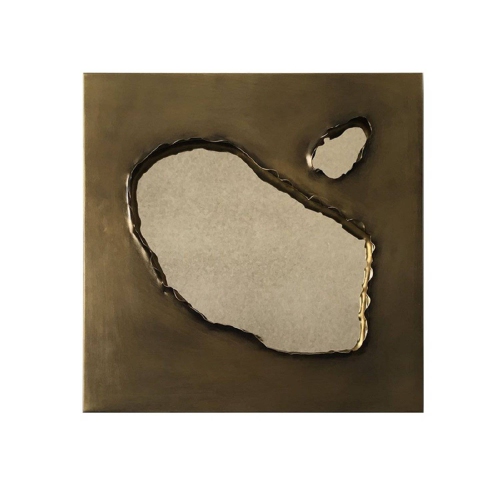
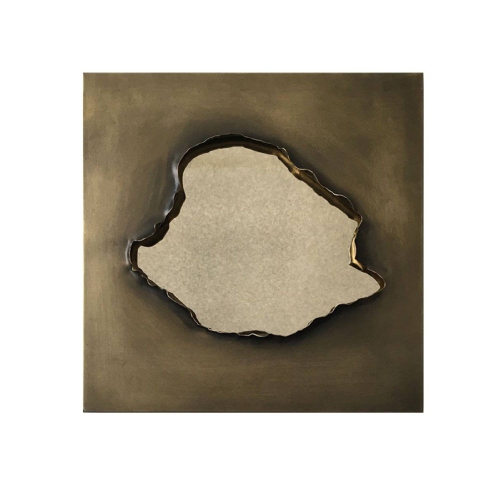
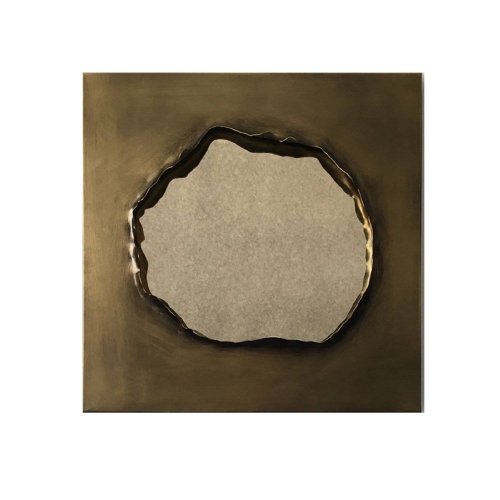
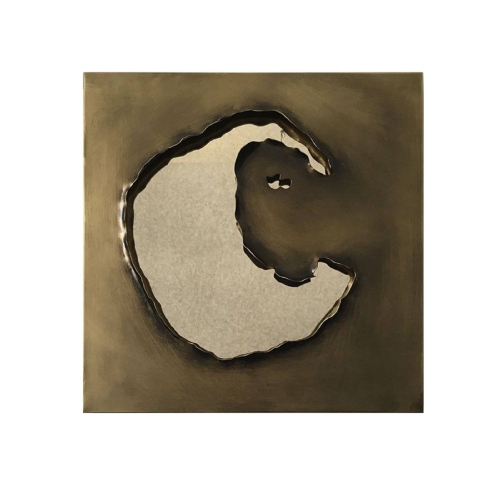

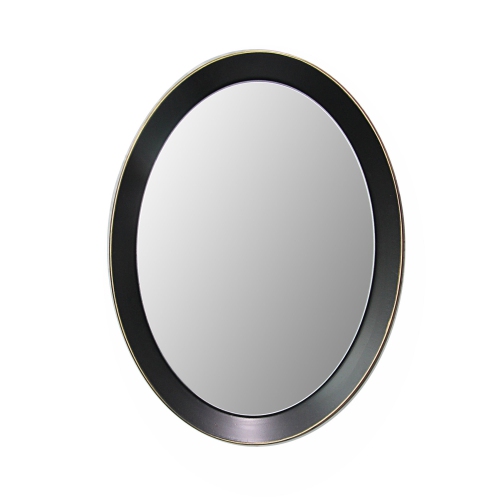
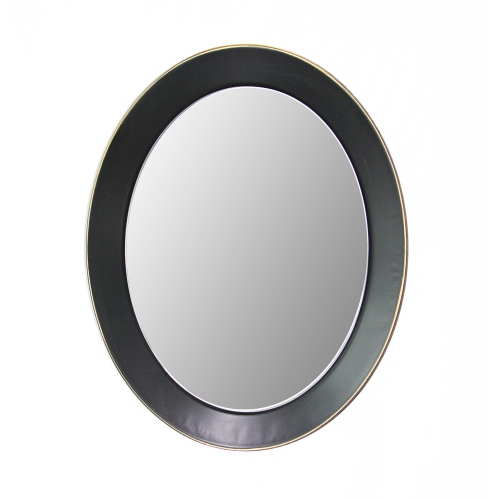
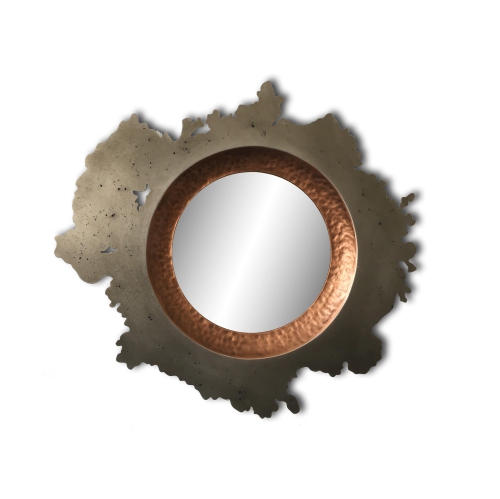
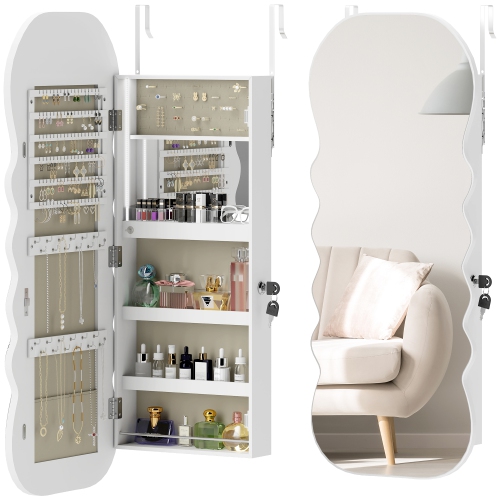
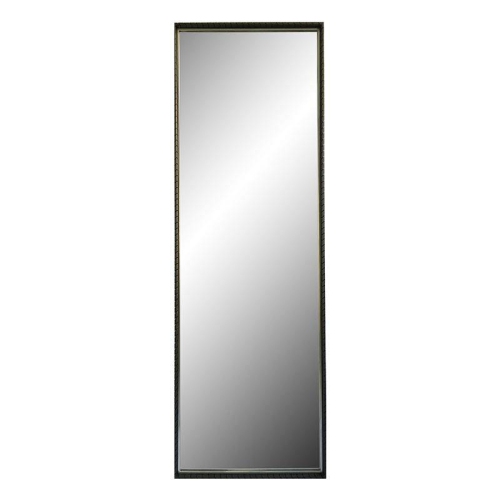
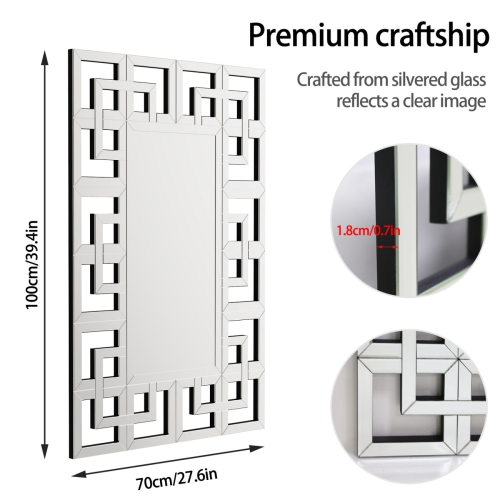
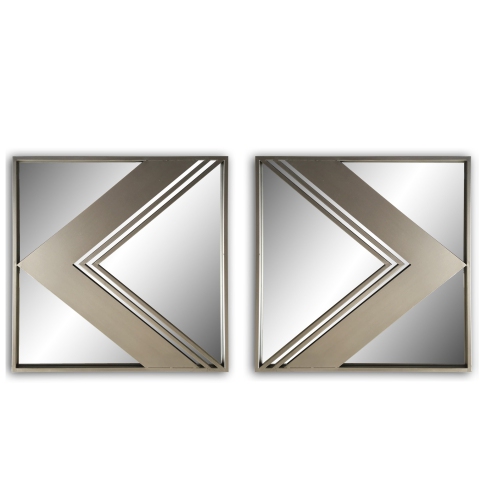


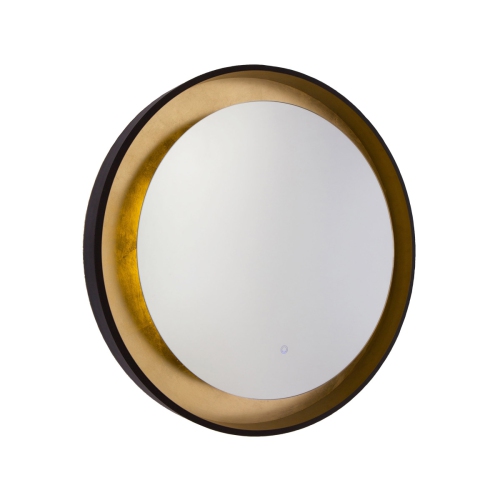
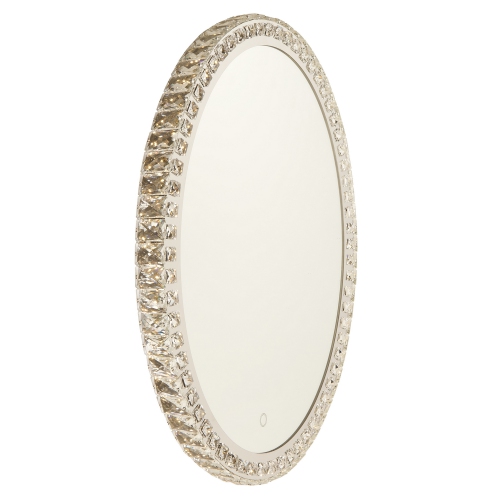
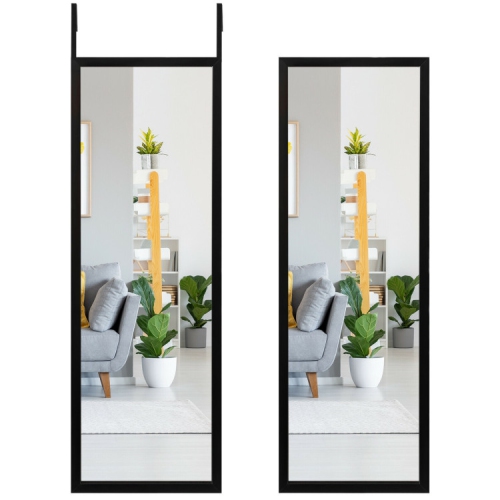
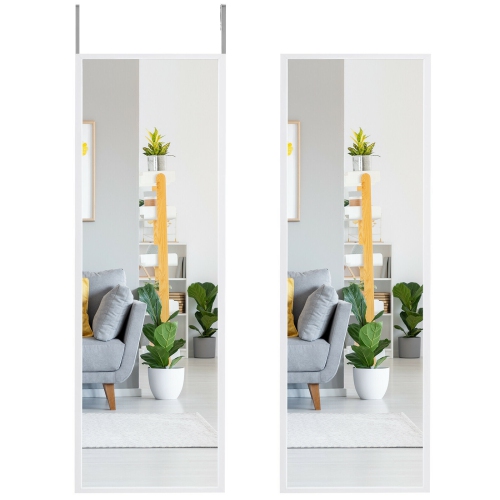
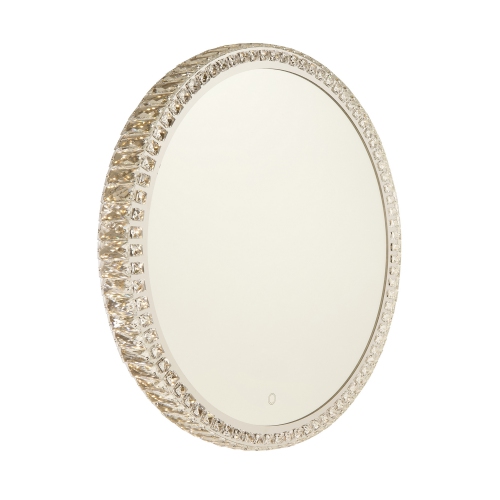
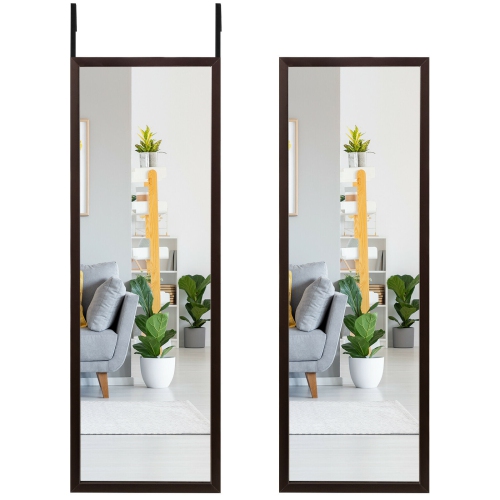

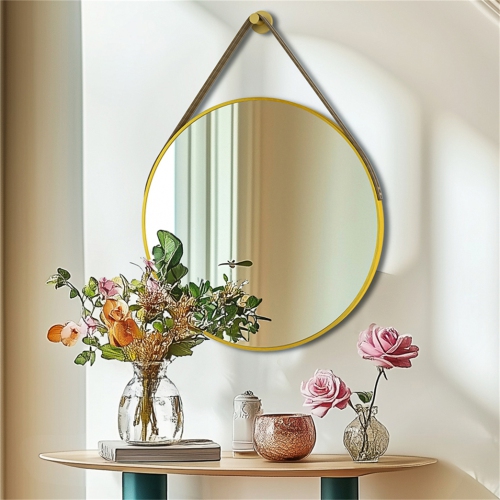
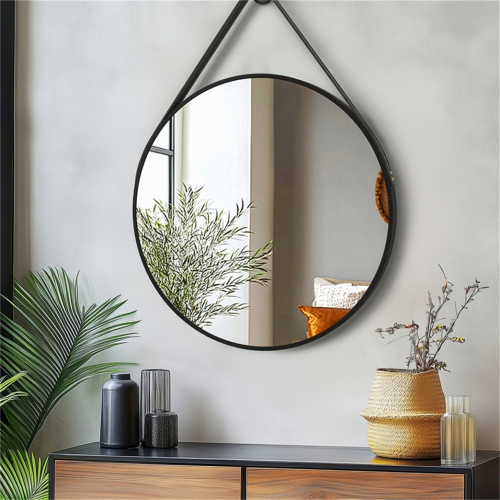
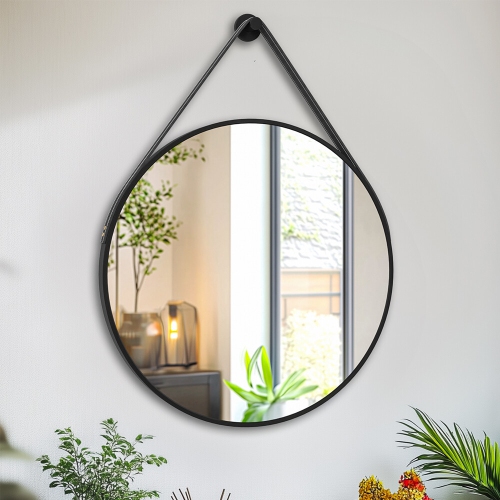
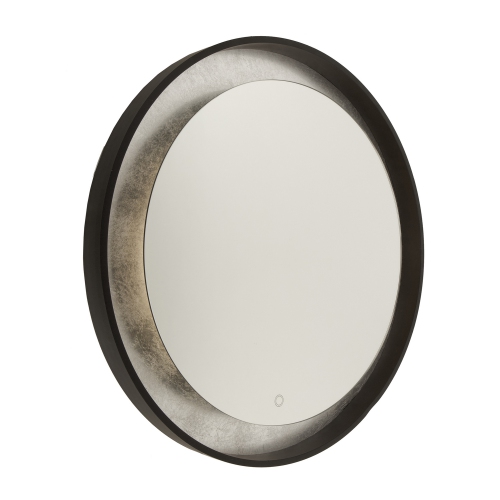
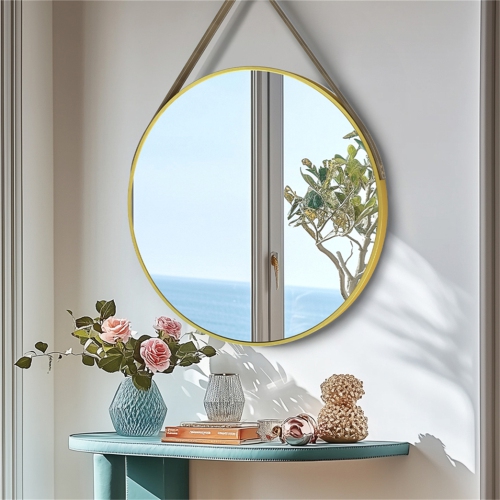
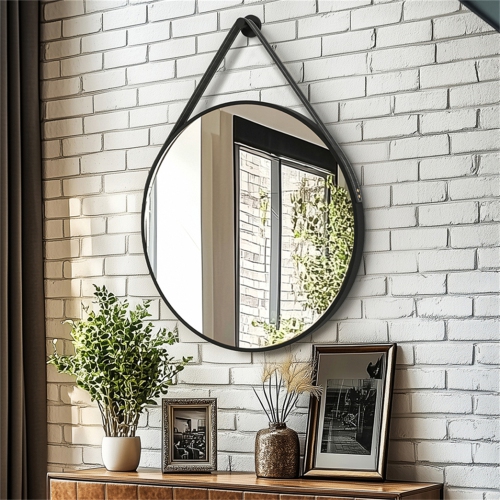
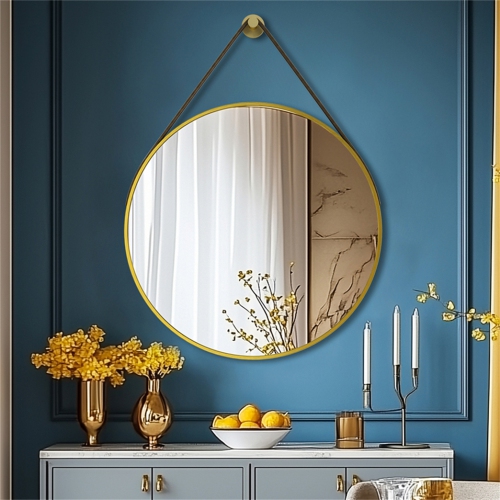
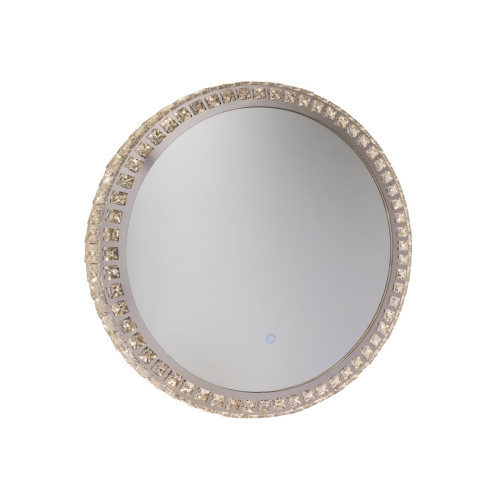
Everyday reflections without giving up floor space
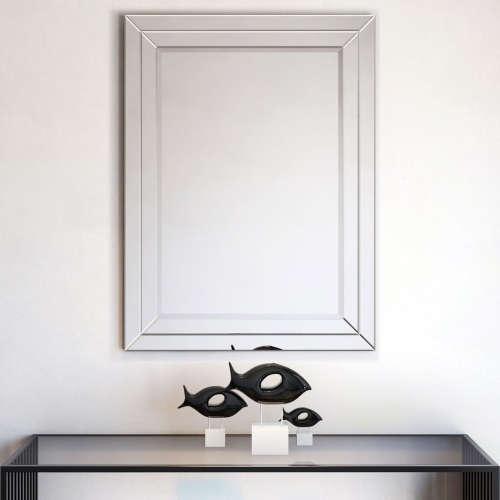
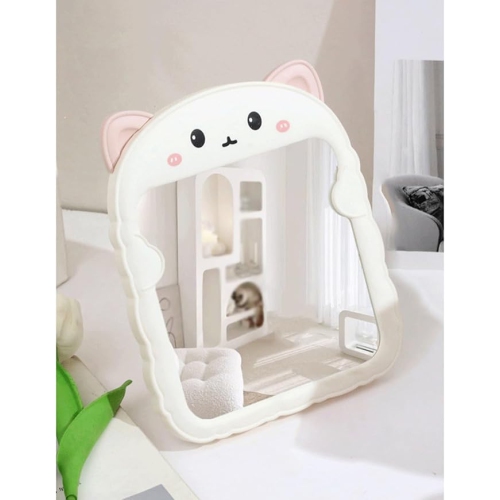
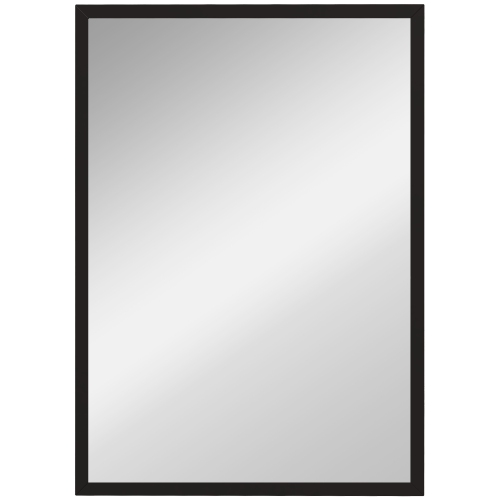
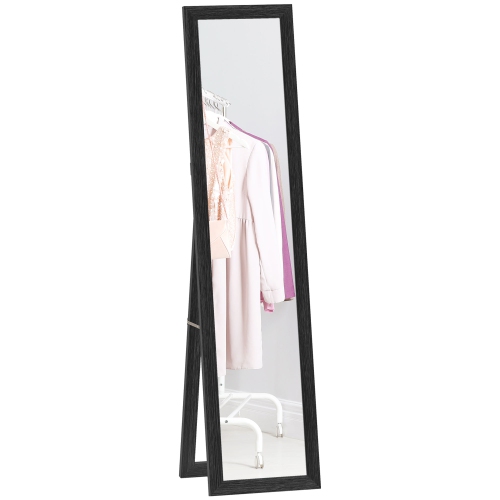
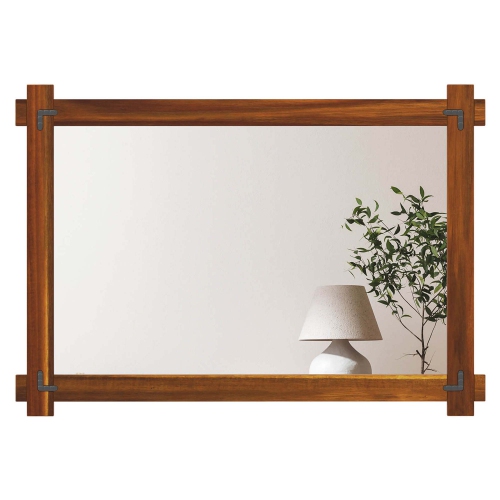
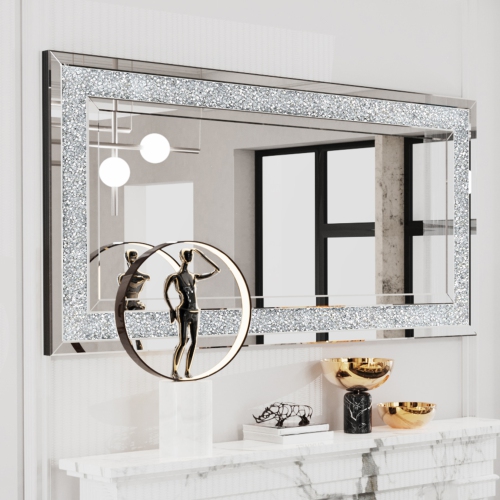
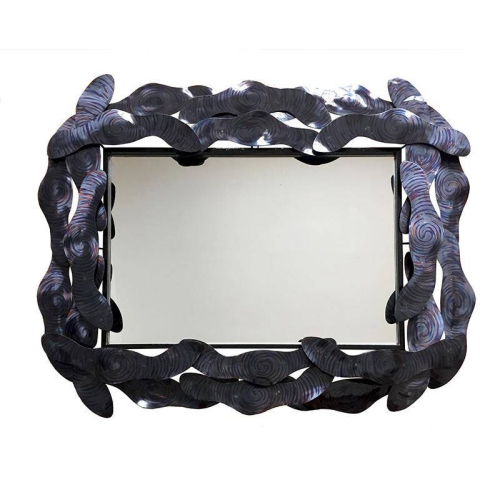
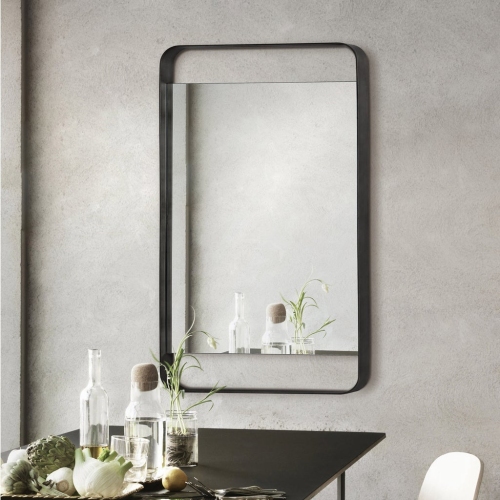
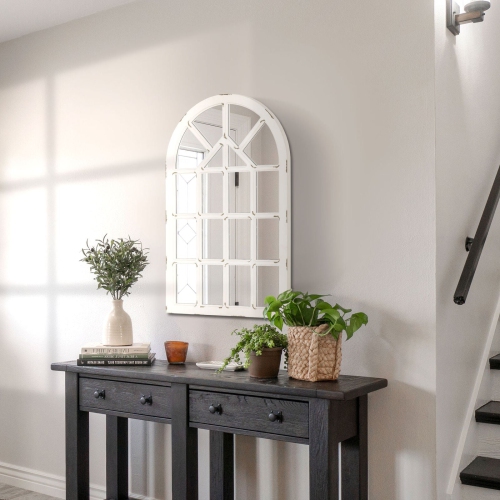
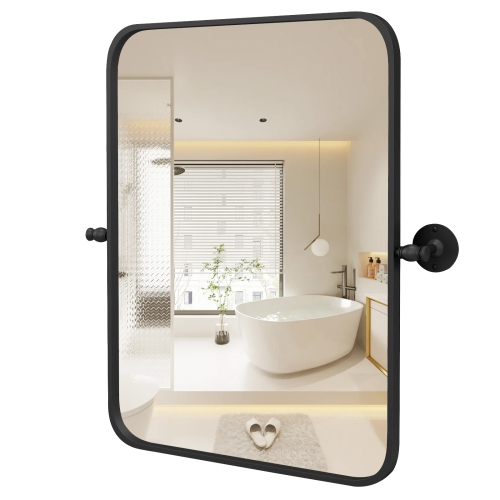
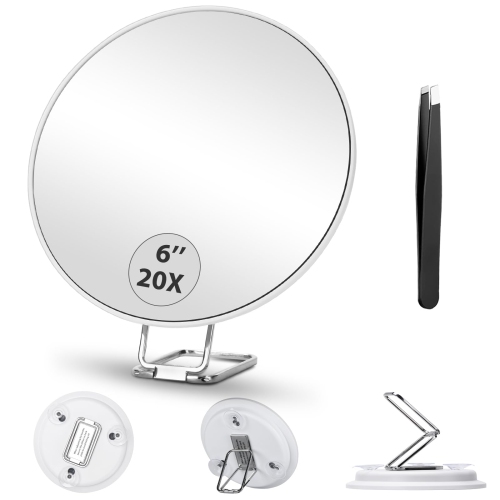
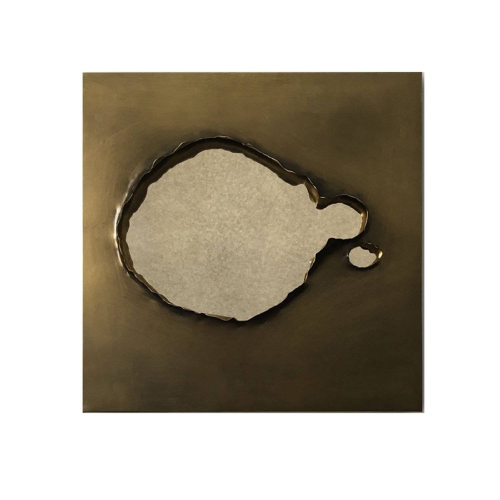
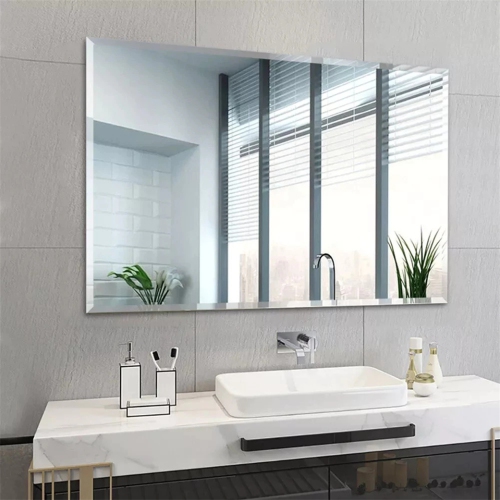
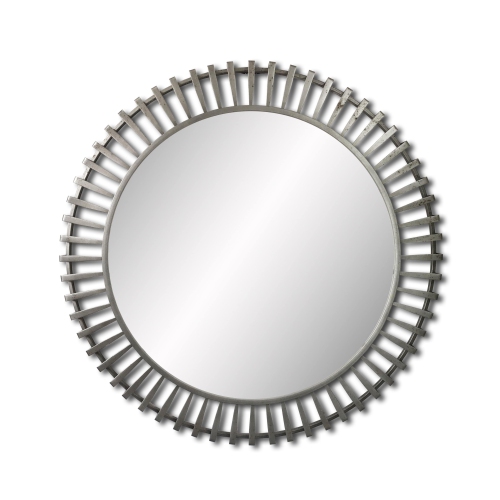
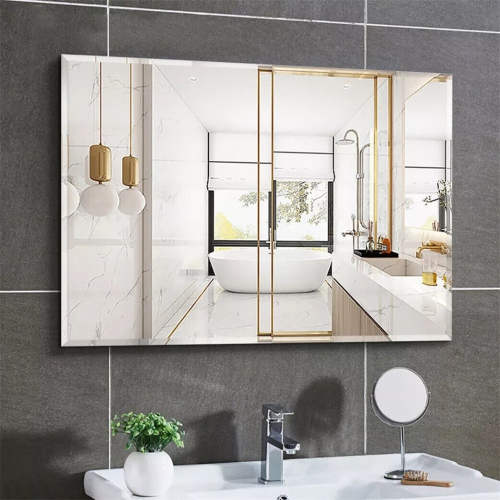
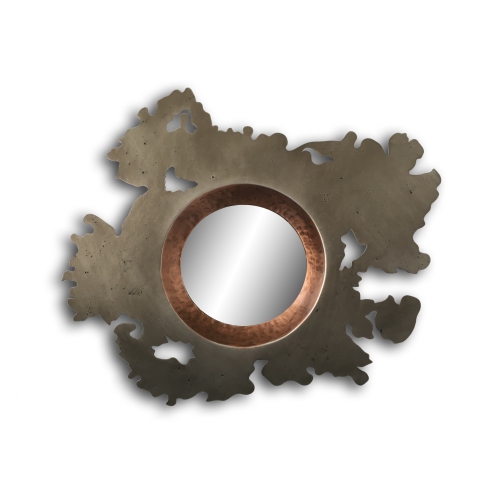
Hanging mirrors combine an everyday function with a strong visual presence, giving a room a place to check a reflection while adding shape, light, and depth. A small wall mirror near the entrance makes it easier to straighten a collar before heading out, while a full-length mirror beside a wardrobe provides a clearer view of an outfit from head to toe. In living and dining rooms, a mirror can draw attention to a console, mantel, or sideboard without taking up floor space. Round and oval shapes soften the straight lines of cabinetry and shelving; rectangular designs often suit narrow wall sections, dressing areas, and spaces above furniture. Arched mirrors introduce a curved detail without losing the height of a rectangular silhouette. The frame contributes just as much to the overall effect as the shape. Wood brings visible grain and warmth, metal can create a crisp outline, and resin allows for moulded details with a painted or textured finish. Frameless mirrors offer a less pronounced border, while bevelled edges add definition through the glass itself. Frame material alone does not determine weight or durability, so the overall construction, dimensions, and hanging requirements deserve attention together. A substantial-looking frame may be lightweight, while a large, slim-framed mirror can still place a considerable load on the wall. For practical use, clear glass and minimal distortion matter more than elaborate detailing, especially where someone will be applying makeup, adjusting jewellery, or getting dressed. Decorative mirrors can place more emphasis on texture and silhouette, although an intentionally aged or tinted surface may not provide the same clear reflection. Choosing between these styles starts with the mirror’s main job: a useful daily reflection, a focal point above furniture, or a finishing detail on an otherwise bare wall. In a shared room, a simple shape and versatile finish can work with different tastes, while a more distinctive frame can give a reading corner or dressing area its own character.
The right fit involves both the visible dimensions and the space needed to hang the mirror securely. Measure the wall area, the mirror’s full outer frame, and any nearby furniture rather than relying on the glass dimensions alone. Above a console or dresser, a mirror that is narrower than the furniture often creates a balanced arrangement, with enough breathing room at either side. Leave space for objects that will sit underneath it, including lamps, trays, or taller vases, so the reflection remains useful rather than crowded. For a full-length mirror, check that the available viewing distance allows the intended user to see comfortably; height alone does not guarantee a head-to-toe view in a tight passage. Hanging height should suit the purpose and the people using the room. A centre point near eye level can suit an everyday wall mirror, but placement above furniture, differences in user height, and seated use may call for another position. Safe mounting depends on the mirror’s actual weight, its approved attachment points, and the construction of the wall. There is no single weight threshold that makes the same fastener suitable for every surface. Heavier mirrors generally need fastening into wall studs or a mounting system specifically rated for the load and wall type. Drywall, plaster, brick, and concrete require different approaches, and an anchor intended for one surface should not be assumed suitable for another. D-rings, French cleats, brackets, and hanging straps are not interchangeable; the hardware must match the mirror manufacturer’s instructions. A visible rope or strap may be part of the design without being a substitute for the specified wall attachment. Orientation matters too, since a mirror designed to hang vertically may not include approved mounting points for horizontal use. A level helps confirm alignment, while professional installation is a sensible option for large or awkward pieces. Where a mirror hangs on a door, its brackets must suit the door thickness and allow it to close properly. Placement should also leave clearance from swinging doors and busy walkways.
Once the size and mounting requirements are settled, the surrounding room helps determine which finish and level of detail will feel at home. A narrow black frame can relate to dark cabinet handles or a metal lamp base, while a wood frame can pick up the tone of a dresser without needing to match it exactly. Gold-toned or silver-toned finishes introduce another option, particularly when their sheen works with nearby lighting and hardware. A mirror reflects whatever sits opposite it, so the view across the room matters as much as the wall behind it. A reflection of artwork, a bookcase, or an uncluttered seating area can feel intentional; a direct view of a storage pile may make the room seem busier. Mirrors redistribute available light rather than producing it, and positioning one near a light source can create glare if the angle is uncomfortable. In a bathroom, moisture resistance is especially important. Look for a mirror and frame intended for that use, since repeated exposure to steam can affect backing, joints, and some finishes. Routine care also helps preserve the appearance of a hanging mirror. Follow the manufacturer’s cleaning directions, use a soft cloth, and, where permitted, apply cleaner to the cloth rather than spraying the surface heavily. Keeping excess liquid away from edges and frame joints helps limit damage, while abrasive pads can scratch glass or dull a finish. Mounting points should remain secure, particularly after the mirror has been moved or disturbed. For a housewarming or a first apartment, a hanging mirror can be a thoughtful gift when the recipient’s wall space, style, and ability to mount it are known. A look through Interior Design Mirrors can help connect a preferred shape or finish with the rest of a room, whether the aim is a restrained entrance or a more layered living space.
Top selling and popular products
-
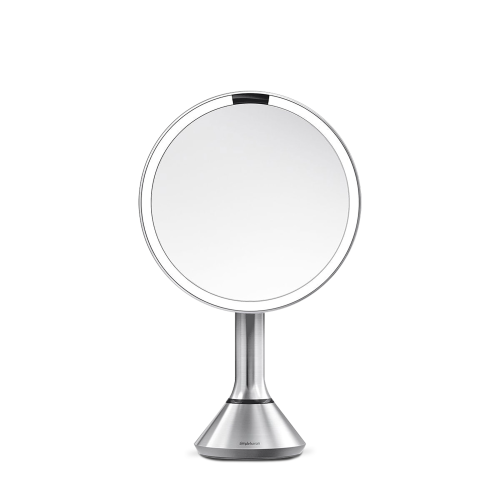 Your price for this item is $270
-
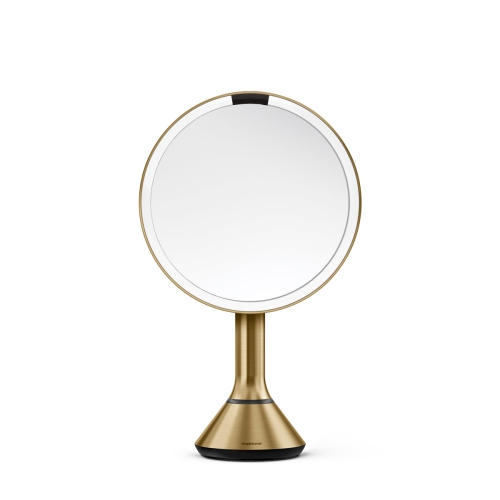 Your price for this item is $270
-
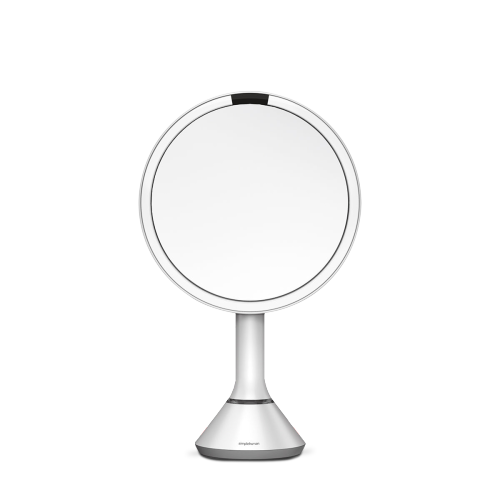 Your price for this item is $270
-
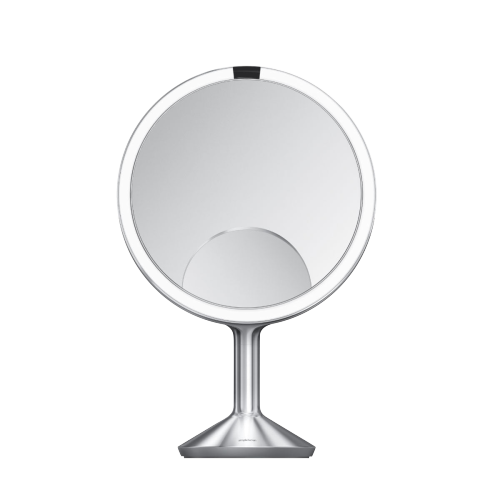 Your price for this item is $450
-
 Your price for this item is $154.99
-
 Your price for this item is $184.99
-
 Your price for this item is $149.99
-
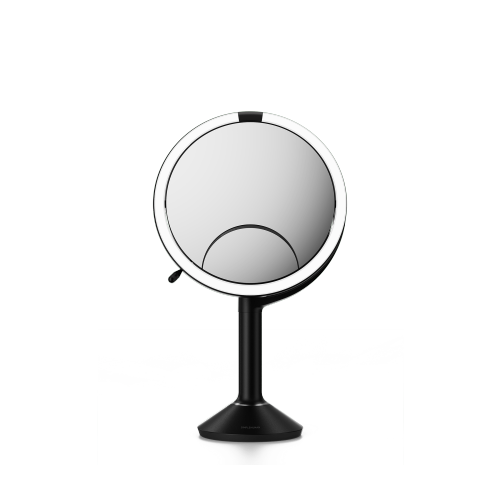 Your price for this item is $400
Discover more categories related to Hanging Mirrors
Top Collections:
Best Black Friday Deals This Year, Best Black Friday Deals On Electronics, Kindle Devices, Pokemon Centers, Best Black Friday Deals On Apple Products, Best Cameras for Sports Photography, Dyson Airwrap, Pokémon 30th Celebration Cards, Apple iPhone 17 Pro, Canon G7X Cameras
Some products may be subject to Environmental Handling Fees
(EHF) depending on your province.
Learn more about EHFs.