Interior Design Mirrors
If you're looking to add a touch of elegance and style to your home, look no further than these interior design mirrors. These stunning pieces not only serve as functional accessories but also bring a sense of depth, light, and sophistication to any space. Whether you're looking for a statement piece to adorn your living room or a sleek mirror to enhance your bedroom decor, we have an extensive selection that caters to every taste and budget.
Sort










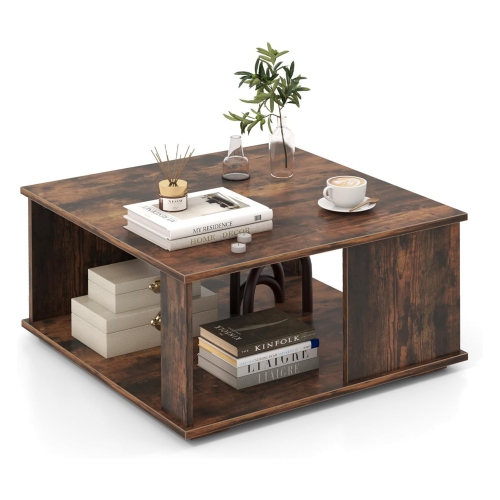


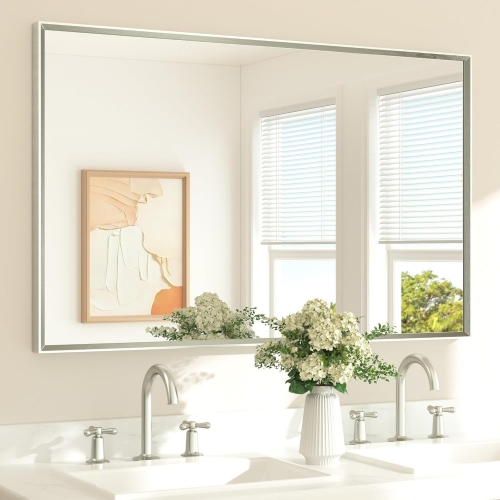


How mirrors add depth without adding floor space
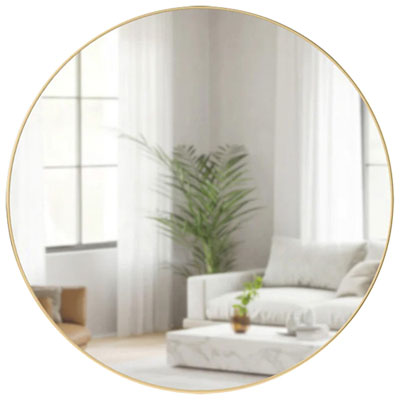
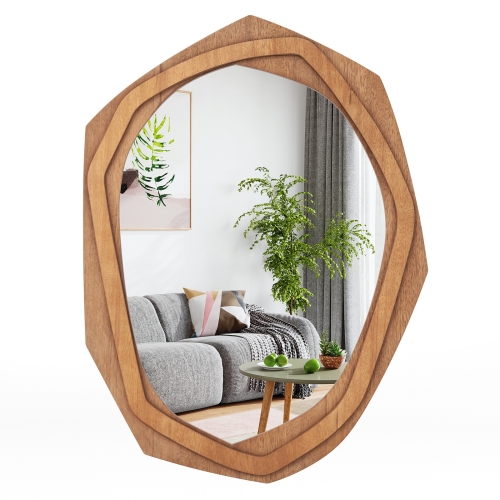
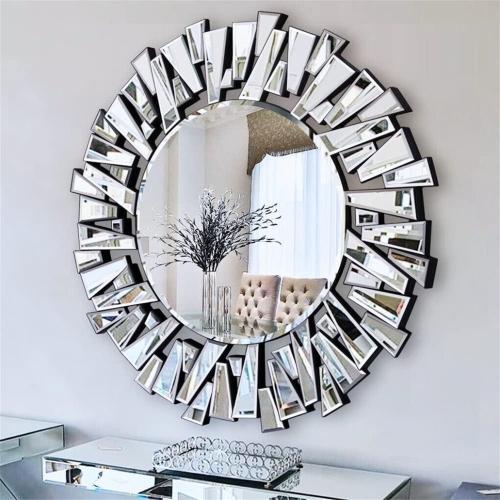
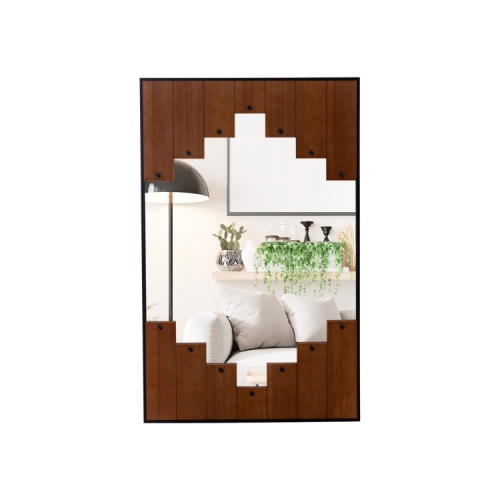
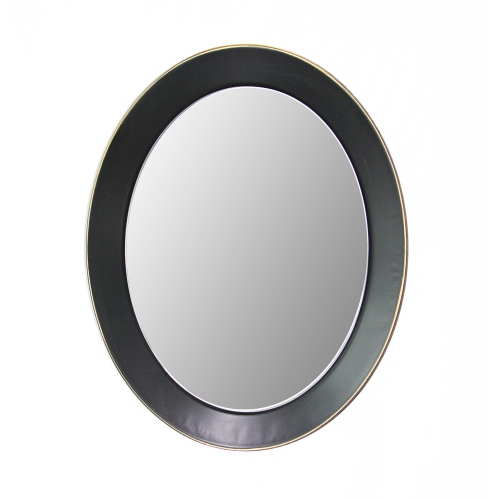
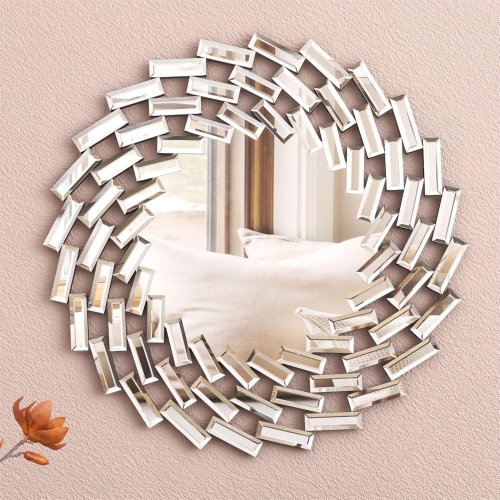
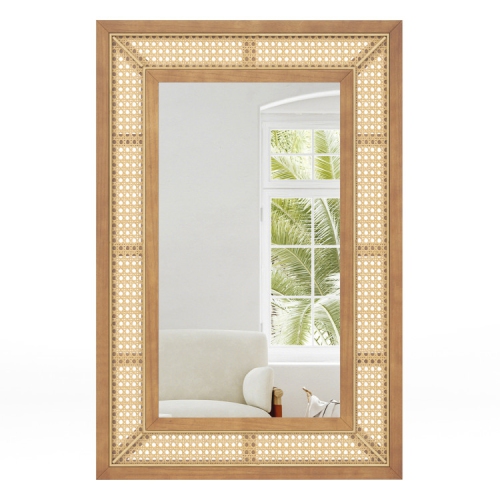
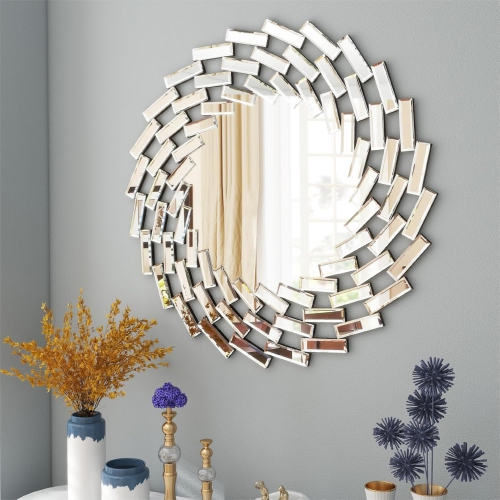
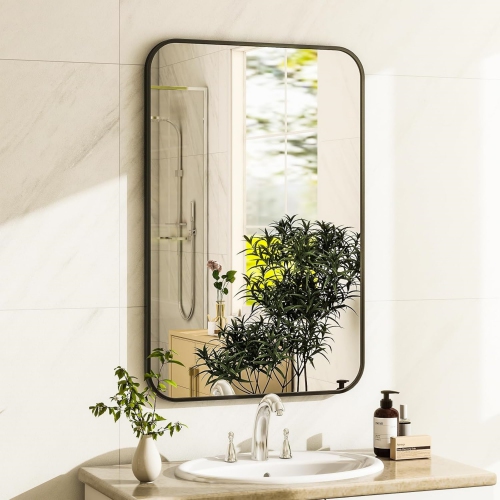
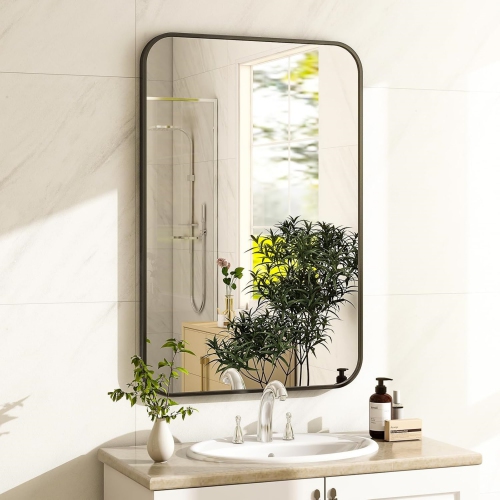
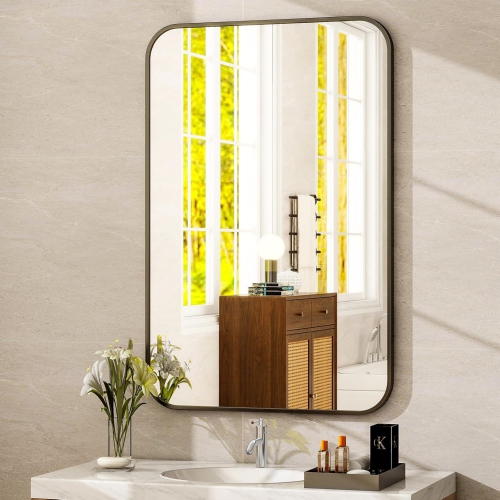
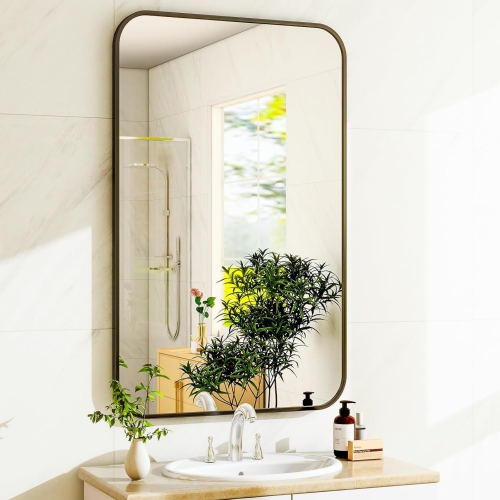
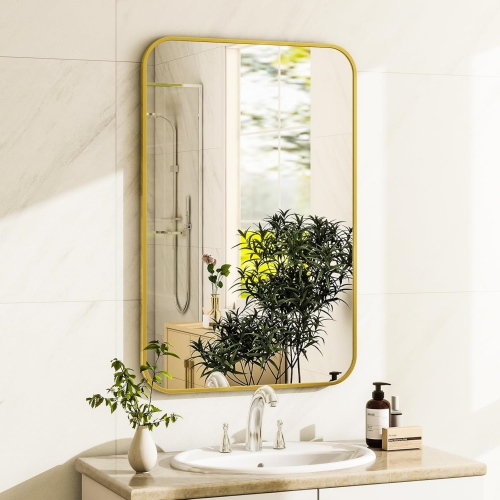
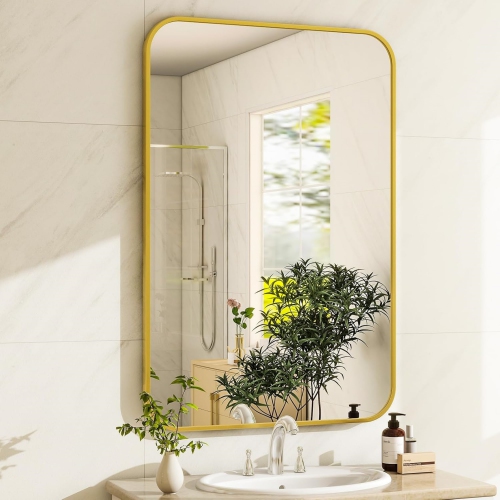
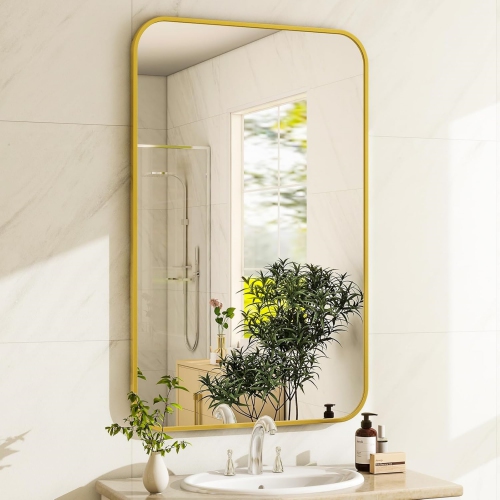
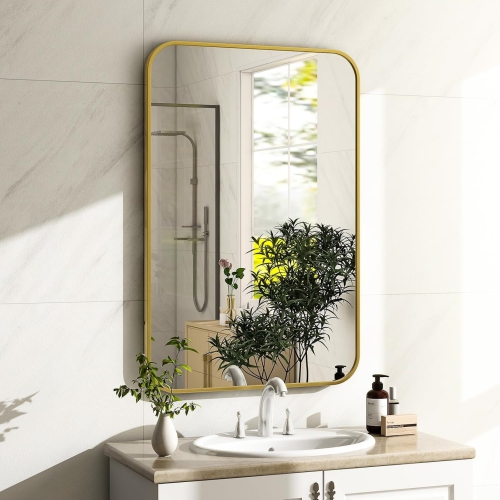
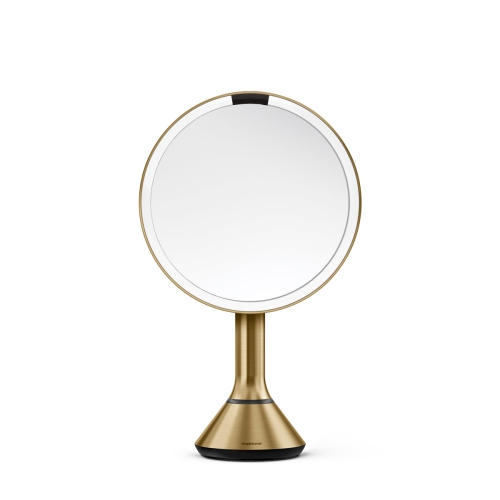
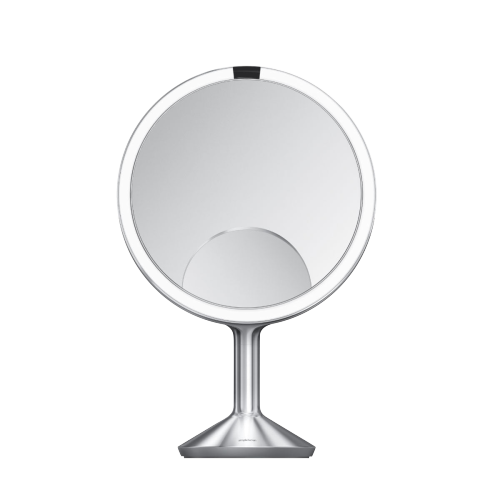
Interior design mirrors combine an everyday reflective surface with the visual presence of wall art, helping a room feel brighter, more open, and more balanced. Their effect comes from what they reflect: a window, an attractive light fixture, a textured wall, or a carefully arranged seating area. Although a mirror cannot add floor space, it can extend sightlines and create a sense of depth in a compact entryway, dining area, or living room. A broad rectangular mirror above a console gives the furniture grouping a clear centre, while a round mirror introduces contrast among straight shelving, square cushions, and angular tables. An arched silhouette brings a softer architectural detail to a plain wall without requiring changes to the room itself. Scale matters as much as shape. A small mirror on a large, otherwise empty wall can feel disconnected, whereas a generously sized design can act as the main feature with little additional decoration. Above a sideboard or mantel, a mirror that is narrower than the furniture beneath it often creates a balanced arrangement, with enough surrounding wall to let the outline stand out. Placement also determines whether the reflection feels restful or busy. Facing a mirror towards a tidy seating area or a favourite piece of art can repeat colours and textures already present in the room; facing it towards open storage may simply double the visual clutter. Near a window, an angled position can bring more daylight into view without directing a strong reflection towards a sofa, desk, or television. In a hallway, a wall-mounted mirror offers a convenient place for a final check before leaving while keeping the walking route clear. The most useful arrangement accounts for both the view across the room and the height at which people will actually use the glass. A mirror above an entry console, for example, should feel connected to the furniture without forcing taller or shorter household members to stretch or crouch to see their reflection.
Materials and finishes give interior design mirrors much of their character, even when the overall shape is simple. Wood frames can introduce warmth and visible grain, with lighter finishes sitting comfortably alongside pale upholstery and deeper tones adding definition against neutral walls. Painted wood offers a more uniform colour, while engineered wood frames may provide a smooth, consistent profile; construction and finish quality are more useful indicators of durability than appearance alone. Metal frames tend to create a crisp outline, whether the finish is matte black, brushed silver, or a warmer metallic tone. A slim edge leaves more attention on the reflection, while a substantial frame gives the mirror a stronger presence. Woven details and textured surfaces suit relaxed interiors, though their crevices can take more effort to dust. Frameless mirrors have a quieter appearance, and bevelled edges add a subtle border by catching light around the perimeter. Antiqued glass creates a deliberately mottled reflection that can be attractive as a decorative feature, but clear glass is generally better suited to checking clothing, hair, or accessories. For spaces dedicated to dressing and winding down, Bedroom Mirrors can support anything from a compact dresser arrangement to a full-length view beside a wardrobe. A tall mirror is particularly useful when there is enough room to step back and see an outfit without furniture interrupting the lower reflection. Above a dresser, rounded or irregular shapes can soften a row of drawers and make the arrangement feel less rigid. Consistency does not require matching every finish: a dark frame can relate to curtain hardware, while a wood frame can pick up a tone from the bed or flooring. Reflection quality deserves attention, too. Flat, well-supported glass should provide a clear image without distracting waviness, especially across a larger surface. Frame joints, finished edges, and a secure backing also contribute to a mirror that looks considered up close rather than only from across the room.
Fit includes the mirror’s depth, weight, mounting method, and clearance, not just its height and width. A deep frame can project into a narrow passage, and a full-length design needs a location where doors, drawers, and wardrobe panels can open freely. Measuring the available wall and checking the outline against nearby furniture helps establish whether the proportions will feel comfortable. The wall surface matters as well: mounting arrangements suitable for masonry may differ from those needed for drywall, and the hanging hardware must be appropriate for both the mirror’s weight and the supporting structure. Heavy or oversized mirrors may warrant professional installation. Floor-standing and leaning designs should be secured according to the manufacturer’s instructions, particularly in homes with children or pets, rather than treated as stable simply because they rest against a wall. A freestanding mirror with an adjustable angle can be practical in a dressing area, provided its base is sturdy and does not obstruct a walkway. Intended use should also guide placement in bathrooms or other spaces exposed to moisture. A decorative mirror meant for a dry bedroom is not automatically suitable above a basin; moisture-resistant construction and clear care guidance are important where splashes or condensation are likely. For routine cleaning, a soft, lint-free cloth and a cleaner approved for the surface help maintain clarity without scratching the glass or damaging the frame. Applying cleaner to the cloth rather than saturating the edges limits liquid reaching the backing, where repeated moisture exposure can cause deterioration. Wood, painted, metal, and woven frames may need different cleaning methods, so their finish should be treated separately from the glass. With thoughtful sizing and placement, mirrors suit first apartments, shared homes, guest rooms, and established interiors alike. They can also make a useful housewarming gift when the recipient’s available space, preferred finish, and installation needs are known. A well-chosen mirror earns its place through daily usefulness as well as appearance, bringing a clearer view and a deliberate focal point to the room.
Top selling and popular products
-
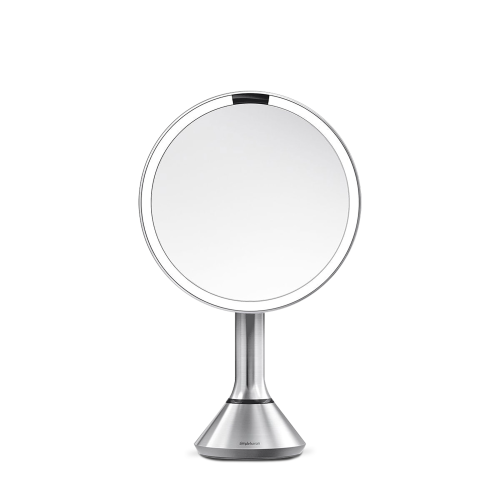 Your price for this item is $270
-
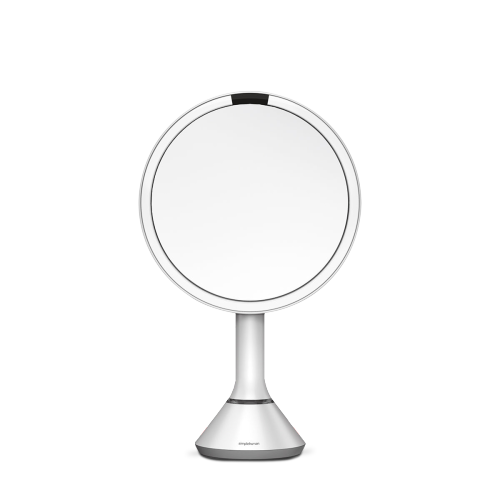 Your price for this item is $270
-
 Your price for this item is $270
-
 Your price for this item is $450
-
 Your price for this item is $184.99
-
 Your price for this item is $149.99
-
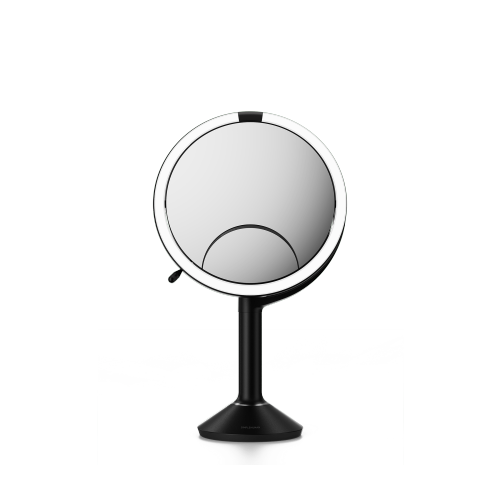 Your price for this item is $400
-
 Your price for this item is $399
Discover more categories related to Interior Design Mirrors

Top Collections:
Pokemon Centers, Pokémon 30th Celebration Cards, Best Budget Office Chairs, Kindle Devices, Best Cameras for Sports Photography, Canon G7X Cameras, Best Black Friday Deals On Electronics, Best Laptops for Writers, iPhone 15 Apple, Jackery Power Stations
Some products may be subject to Environmental Handling Fees
(EHF) depending on your province.
Learn more about EHFs.