Hanging Organizers for Dorm Closets
Maximize your dorm room storage with hanging organizers for dorm closets. Designed to help you make the most of limited space, these solutions offer a convenient way to keep clothes, shoes, accessories, and essentials neatly arranged and within reach. Whether you need extra shelves or pockets, hanging organizers for dorm closets provide versatile options to suit your needs and keep your space tidy throughout the school year.
Sort
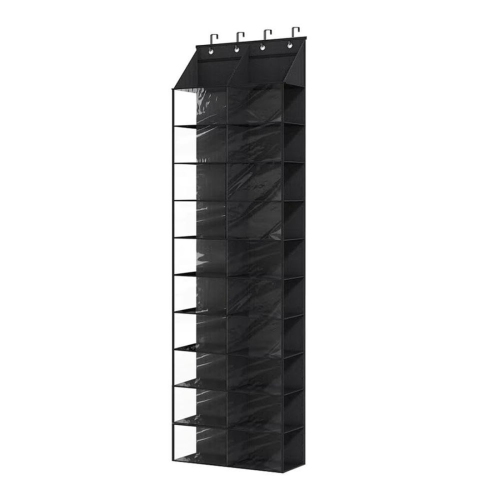
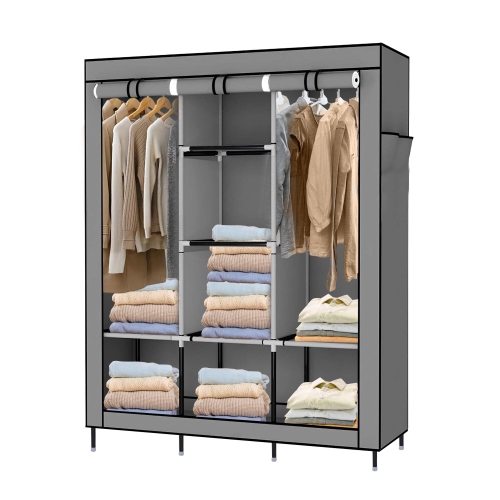

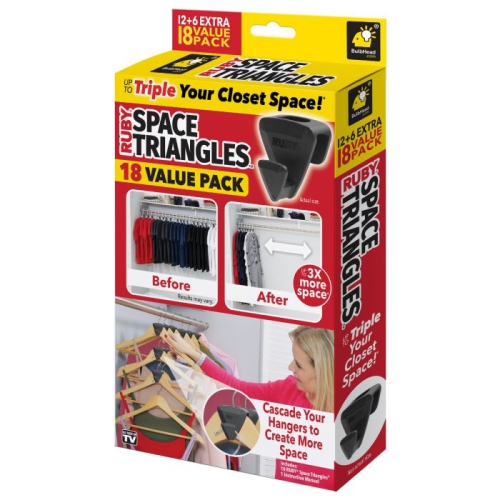
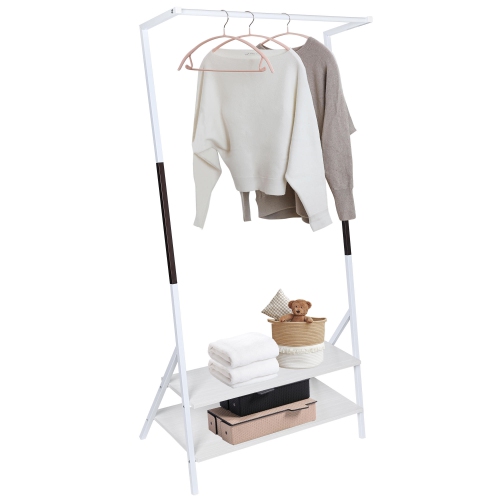
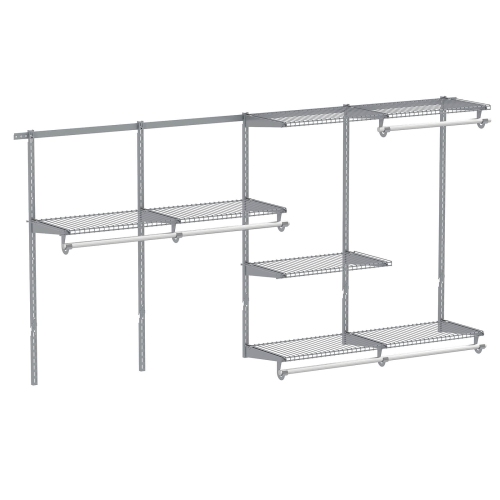
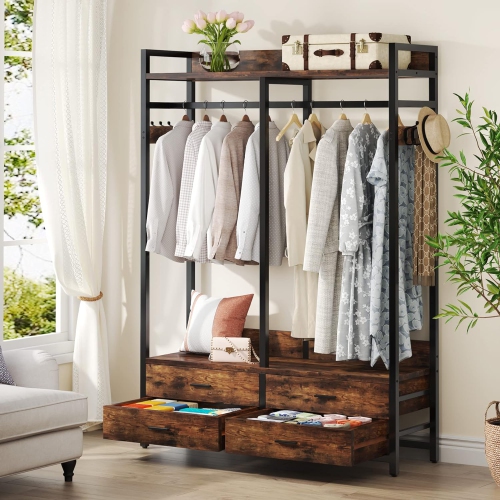
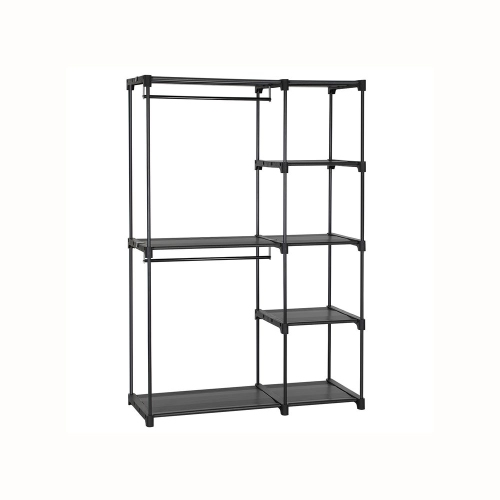
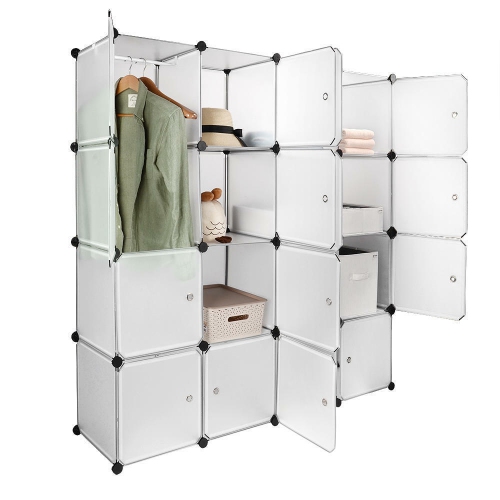
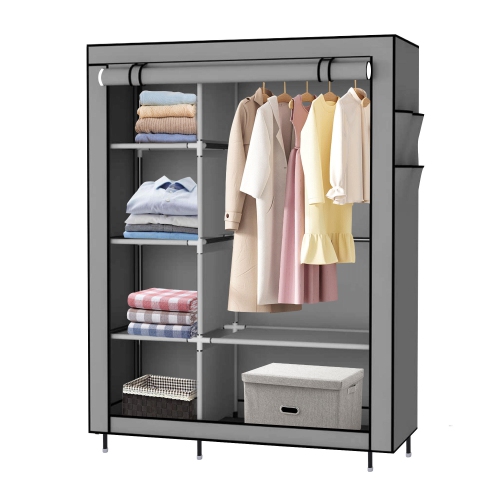
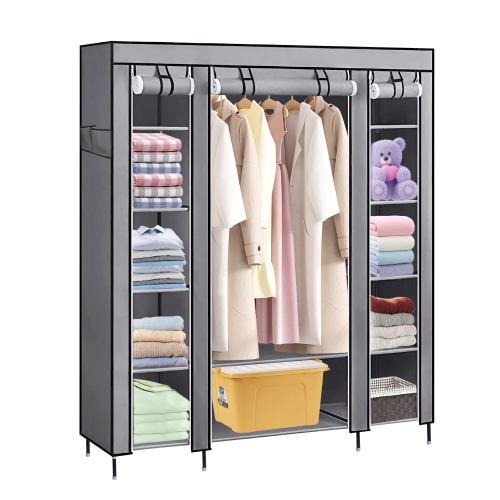
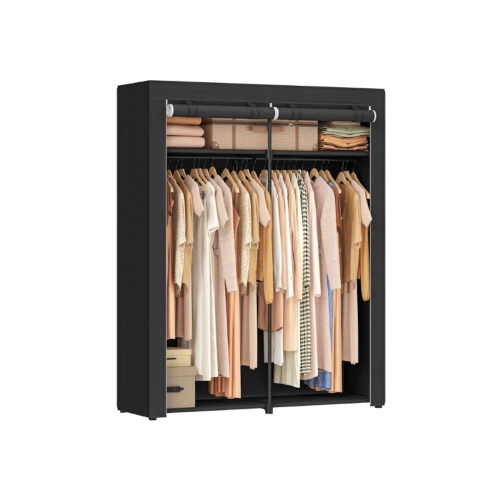
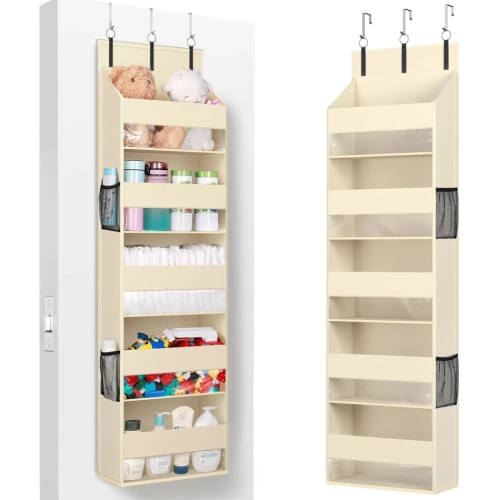
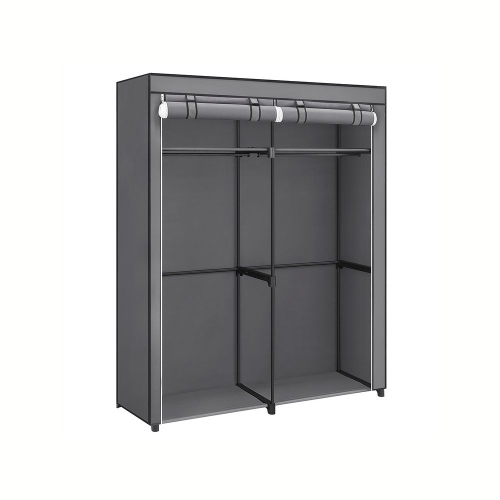
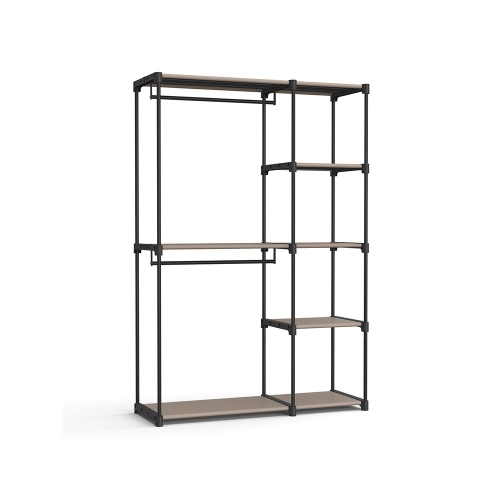
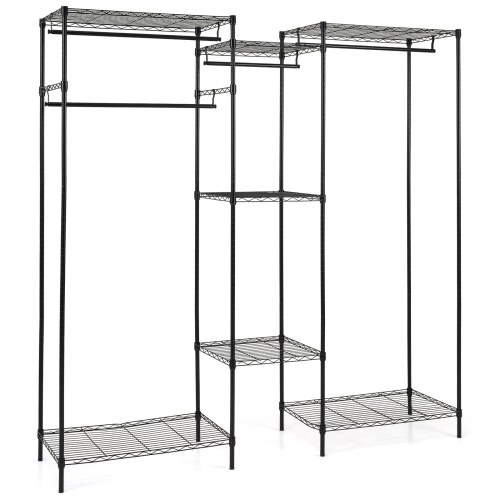
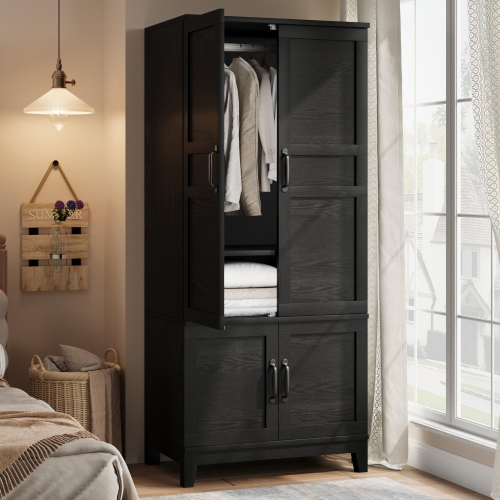
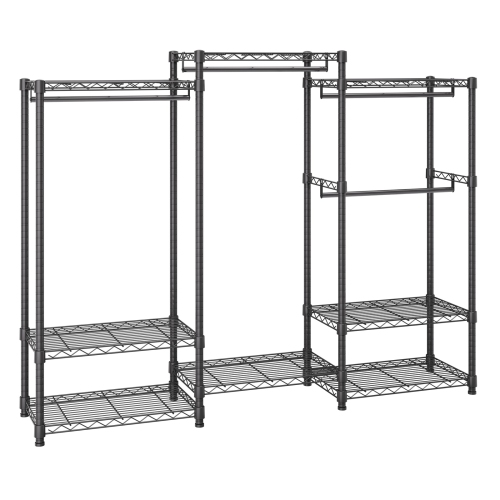
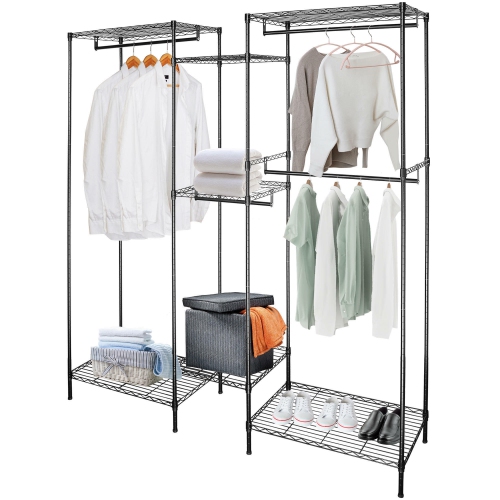
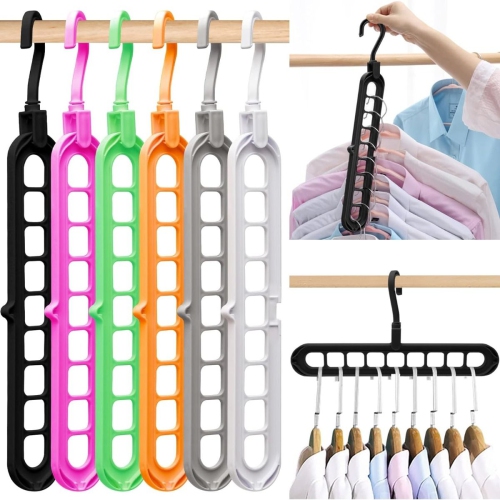
More room for folded clothes without extra furniture
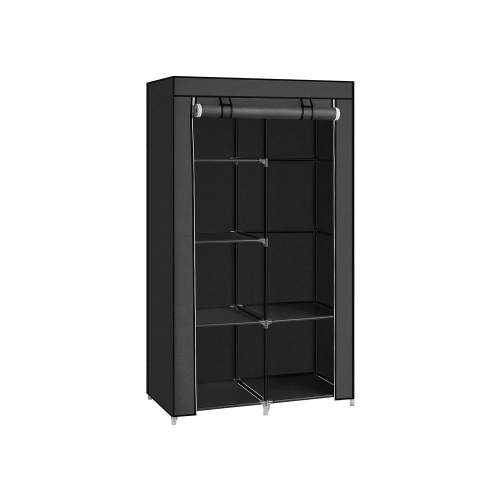
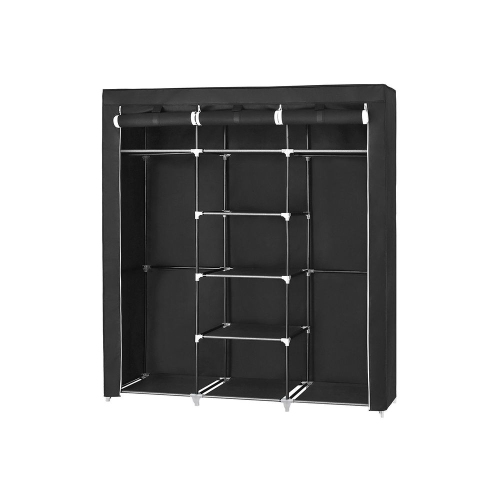
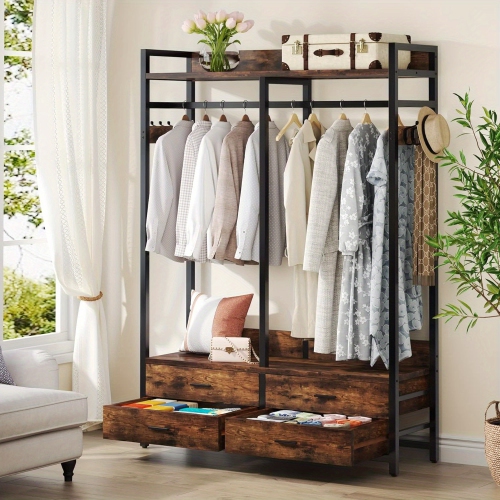
A dorm closet often has to hold much more than a few changes of clothes. Everyday outfits, shoes, towels, bags, and small accessories may all share a narrow space, especially when a student is moving from a bedroom with a dresser into a residence room with limited furniture. Hanging organizers for dorm closets turn part of the hanging area into accessible compartments, giving folded belongings a place without adding another piece of furniture to the floor. Open shelves work well for clothing that is easier to fold than hang, while smaller pockets can keep socks, scarves, and accessories from collecting in a loose pile. The appeal is practical: a clean shirt is easier to spot before an early class, and a folded towel has somewhere to land other than the back of a chair. Different compartment layouts suit different habits. Taller openings leave room for bulkier folded garments, while shallower sections can separate smaller stacks so they do not disappear beneath larger ones. Side pockets add storage along an otherwise unused edge, although filling them can increase the organizer’s overall width. In a shared closet, a clearly defined section also helps keep each roommate’s belongings separate without needing a permanent divider. Within the wider category of Hanging Clothes Organizers, the most useful dorm layouts are those that match both the closet and the way its owner gets dressed. A student who mostly wears folded casual clothing may value more shelf space, while someone with jackets, dresses, or other hanging garments may prefer a narrower organizer that leaves more of the rod free. The goal is a workable balance rather than filling every gap: enough compartments to give belongings a consistent home, with enough clearance to reach the back, slide neighbouring hangers, and remove clothing without disturbing the entire closet. That breathing room matters in a compact space used several times a day.
Fit involves more than whether an organizer can hang from the closet rod. Its width affects how much garment space remains, its depth determines whether the front edge sits comfortably inside the closet, and its full hanging length needs to clear anything stored below. A long unit can be useful in an open hanging area but awkward above a shoe rack or a built-in drawer. Door movement matters, too, particularly with sliding or folding doors that pass close to the contents. The attachment style should suit the closet’s construction: hooks need adequate clearance around the rod, while wraparound straps need a compatible rod size and a secure closure. A hanger-style design may be simple to lift out when rearranging belongings, but its support points still need to carry the intended load evenly. Materials influence how the organizer feels in daily use. Fabric bodies can fold down for transport, mesh panels can make contents easier to identify, and smooth synthetic surfaces may be convenient for occasional wiping, depending on their care instructions. Fabric alone does not tell the whole story, however. Reinforced seams, neatly finished edges, sturdy attachment points, and shelf inserts all contribute to how well the compartments hold their shape. Unsupported shelves may bow under dense stacks, while stiffened shelves provide a flatter surface for folded clothing. Even with reinforcement, hanging storage is best matched to the load limits specified for both the organizer and the closet rod. Books, exercise weights, and other dense belongings are generally better suited to storage designed for heavier loads. Balanced loading also helps an organizer hang straight; a heavily filled pocket on one side can pull a lightweight unit out of shape. For footwear, compartment dimensions and wipeable surfaces deserve attention, since a shelf that suits a pair of flats may not accommodate taller shoes without crowding or contact with the shelf above.
Daily upkeep is usually straightforward when the organizer’s construction suits its contents. Clothing and towels should be clean and fully dry before being put away, and folded stacks need enough space around them to slide out without catching on seams. Open-front compartments offer visibility, but they can also collect dust, particularly on shelves that are not used often. An occasional emptying makes it easier to clear corners, check shelf inserts, and notice stitching or attachments that need attention. Care labels remain important because a fabric organizer is not necessarily machine washable: internal supports, coatings, or attached hardware may require spot cleaning instead. Any cleaned section should dry fully before the unit is refilled. Removable inserts can make packing simpler when that feature is part of the design, while a collapsible body can be easier to carry between home and residence than rigid furniture. The packed shape matters as much as the hanging shape for students travelling with limited luggage or sharing vehicle space during a move. Beyond clothing storage, separate compartments can help distinguish clean towels from everyday garments or keep lightweight accessories together, provided the contents suit the shelf size and load rating. For students who prefer seeing belongings at a glance, open storage can make familiar routines easier to maintain. Those who like smaller belongings contained may appreciate compatible fabric bins, as long as the bins fit without stretching the compartments or adding too much weight. A hanging organizer can also make a thoughtful, practical gift for someone preparing to live in residence, particularly when the closet measurements and storage needs are already known. Neutral colours can blend with shared furnishings, while a favourite colour adds a personal touch without changing the room itself. In a dorm, well-fitted hanging storage earns its place through ordinary moments: finding matching socks, putting laundry away, and keeping the limited floor area clear enough for daily life.
Top selling and popular products
-
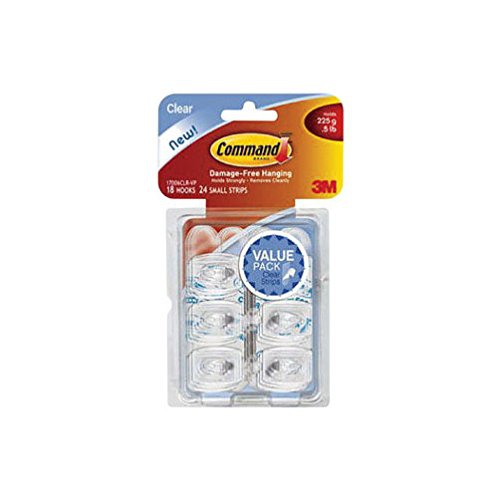 Your price for this item is $95.99
-
 Your price for this item is $84.99
-
 Your price for this item is $171.99
-
 Your price for this item is $144.99
-
 Your price for this item is $271.99
-
 Your price for this item is $82.99
-
 Your price for this item is $88.99
-
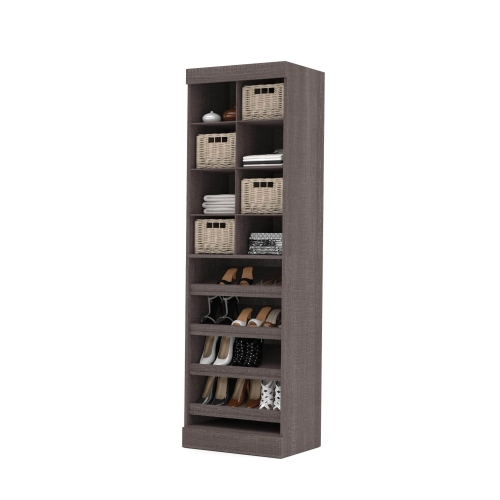 Your price for this item is $689.99
Discover more categories related to Hanging Organizers for Dorm Closets
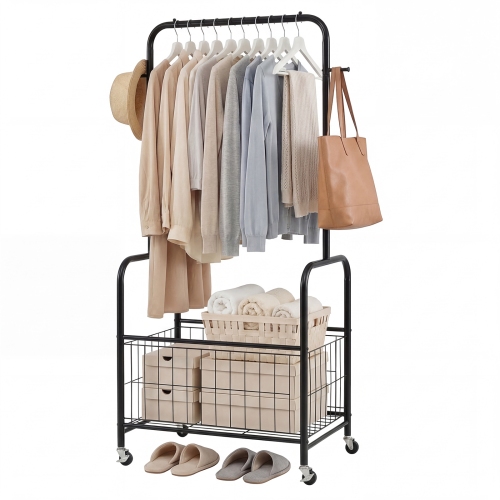
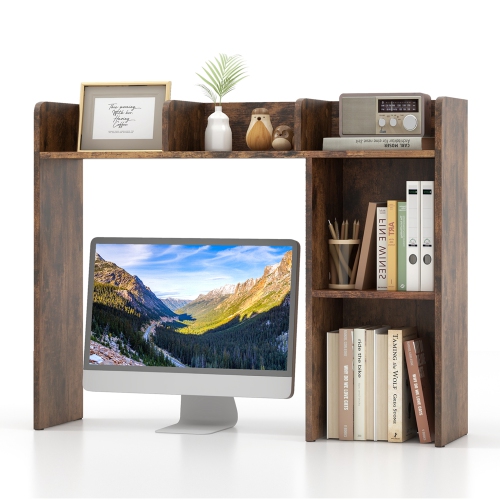
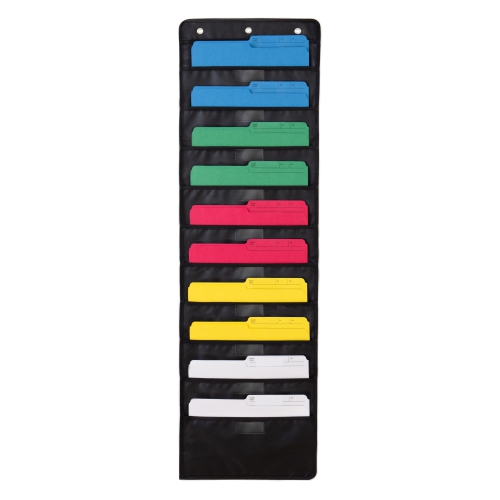
Top Collections:
Best Black Friday Deals This Year, Best Black Friday Deals On Electronics, Kindle Devices, Dyson Airwrap, Best Cameras for Sports Photography, Best Black Friday Deals On Apple Products, PS5 Pro Consoles, Portable Snow Blowers, Canon G7X Cameras, Pokémon 30th Celebration Cards
Some products may be subject to Environmental Handling Fees
(EHF) depending on your province.
Learn more about EHFs.