Hanging Racks
Organize your space efficiently with our versatile hanging racks. Perfect for decluttering and maximizing storage in any room, these racks are designed to keep your essentials within easy reach while maintaining a tidy and stylish look. Whether you need extra hanging space in the closet, a convenient spot to store pots and pans in the kitchen, or a way to display your favorite accessories in the bedroom, our selection of hanging racks offers practical solutions for every corner of your home.
Sort
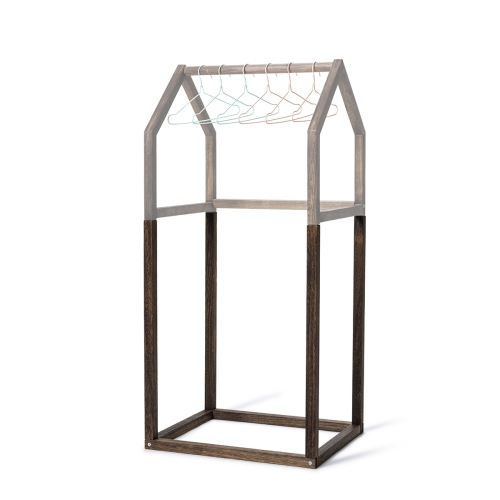
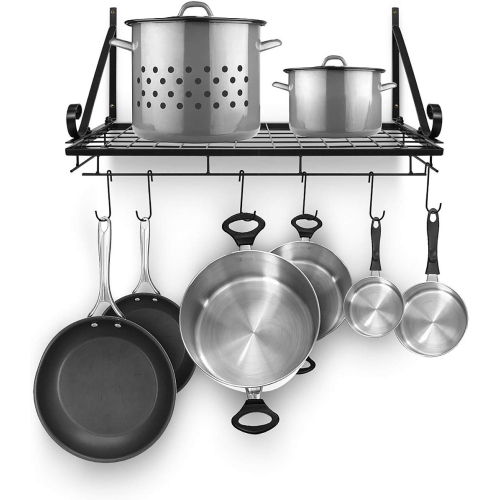
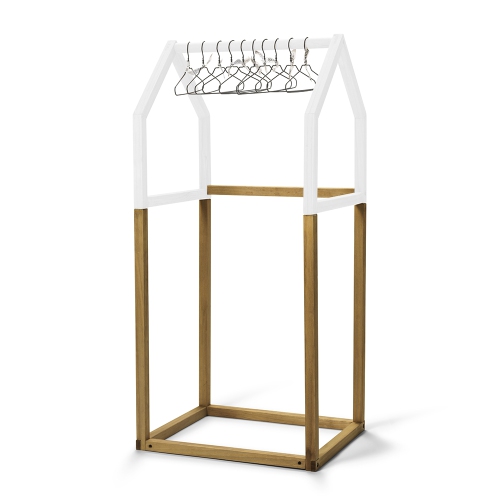
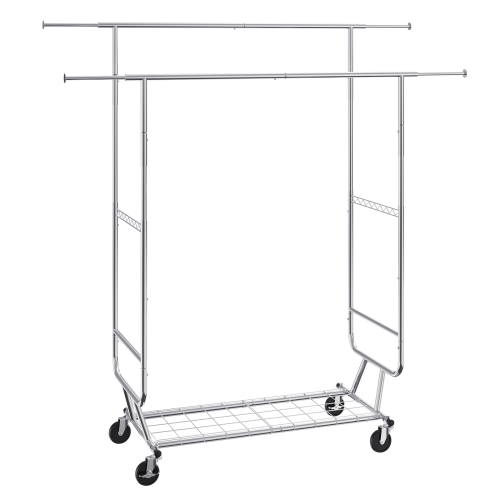
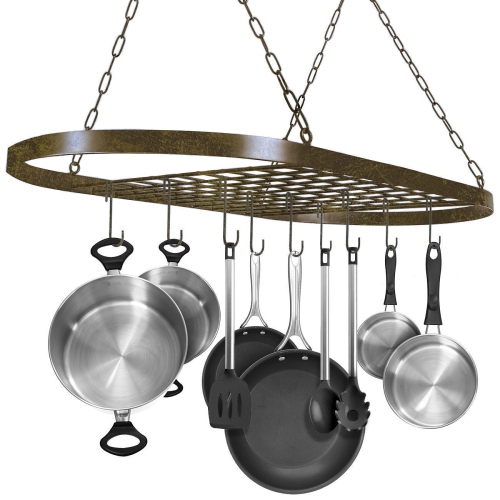
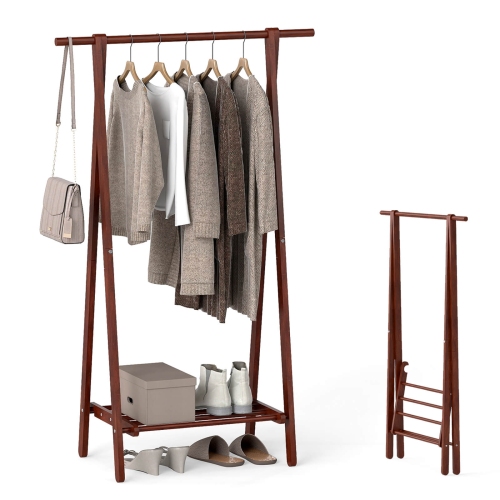
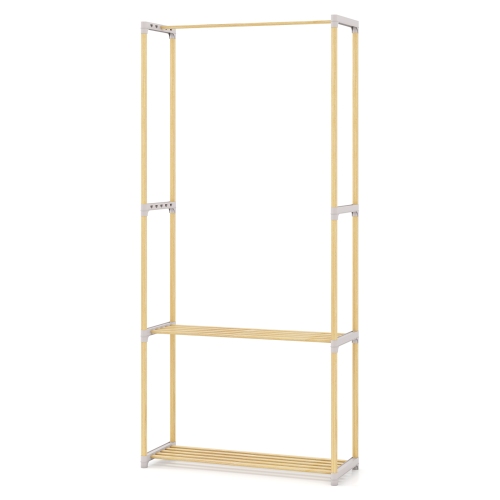
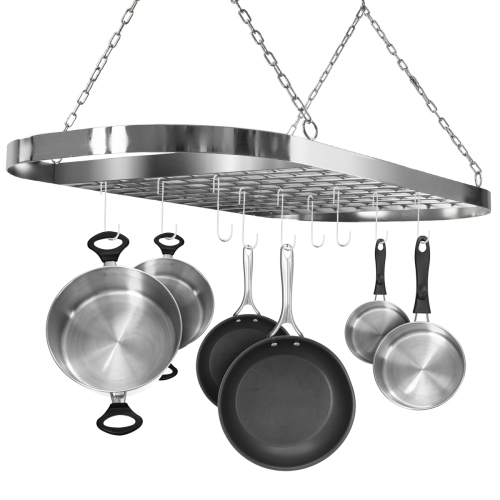
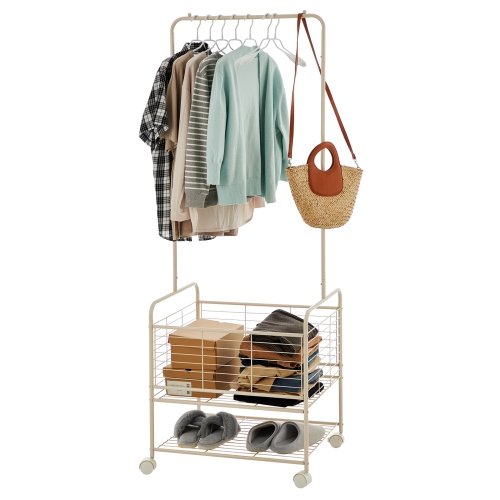

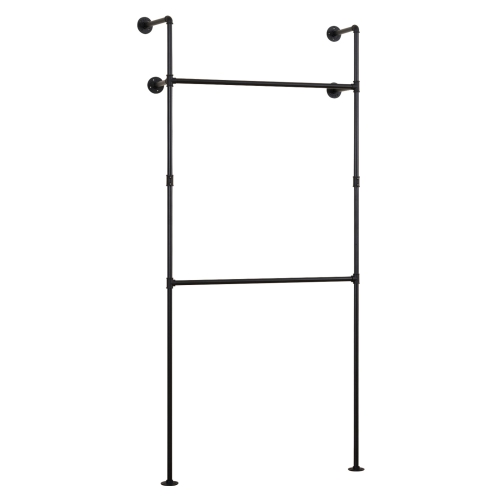
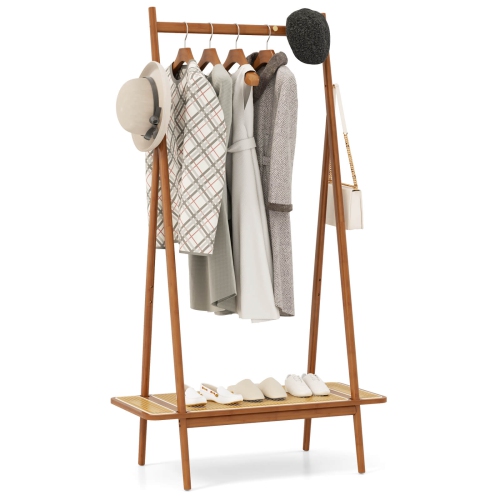
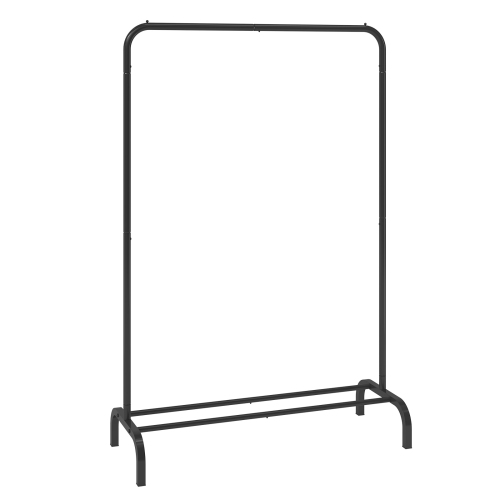
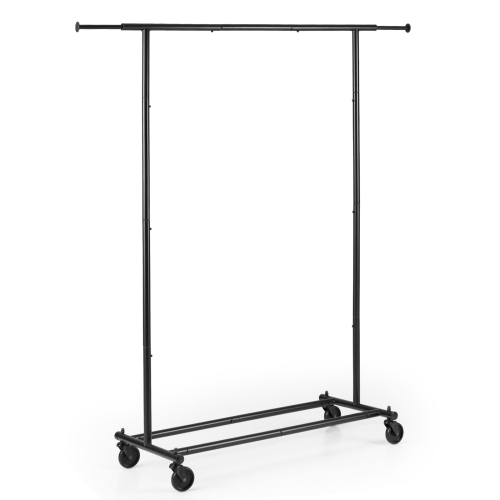
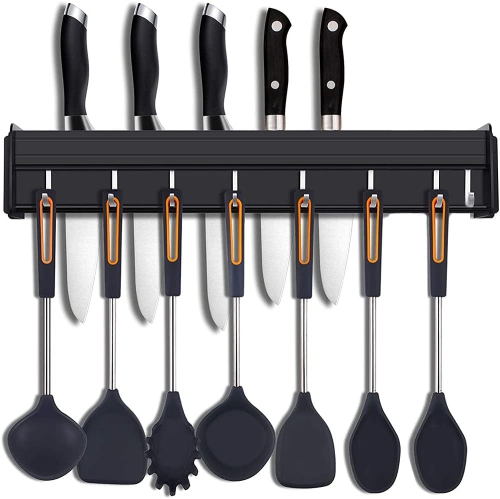
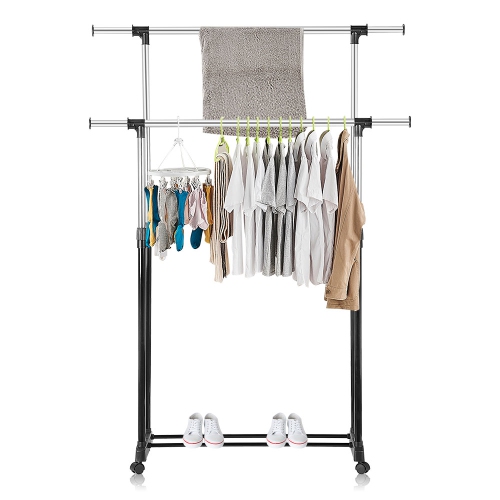
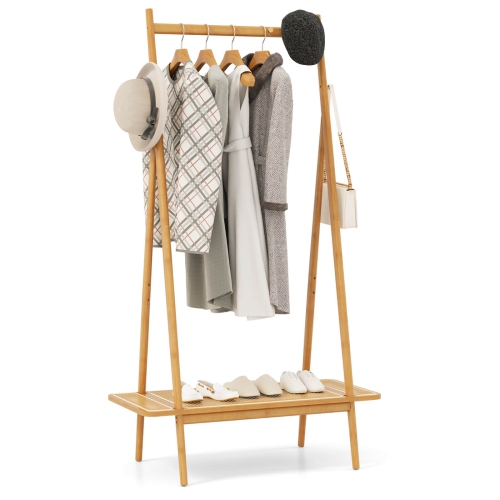
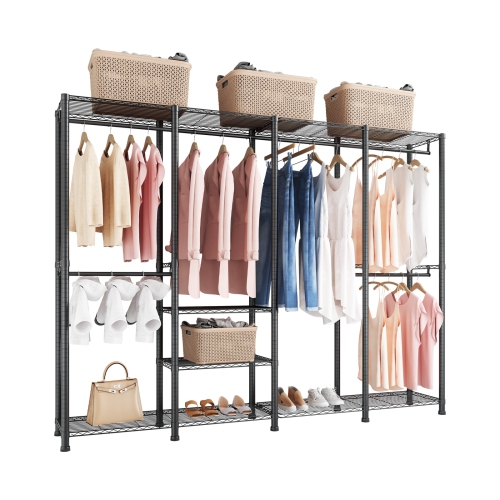
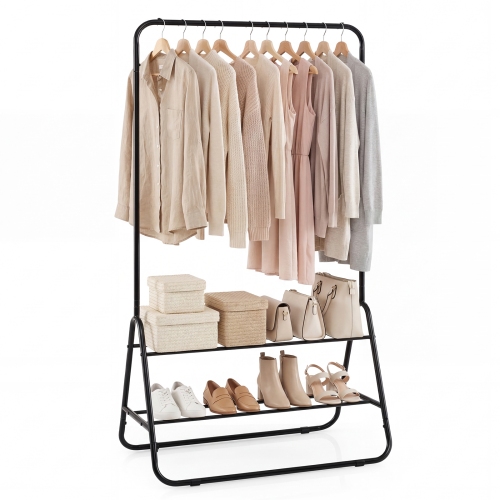
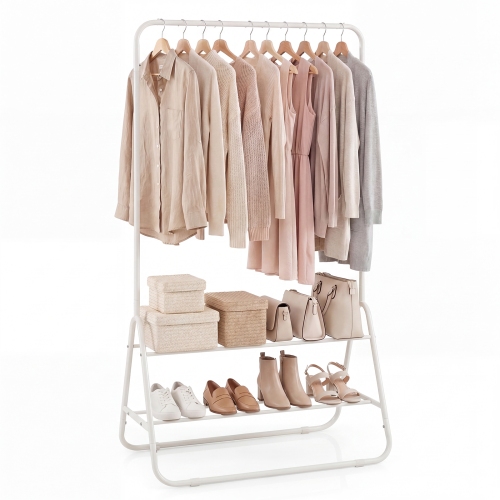
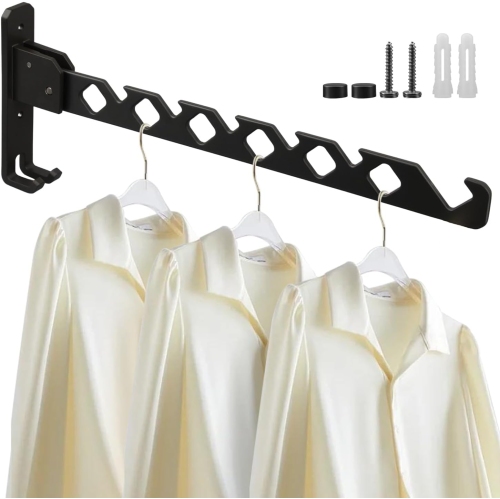
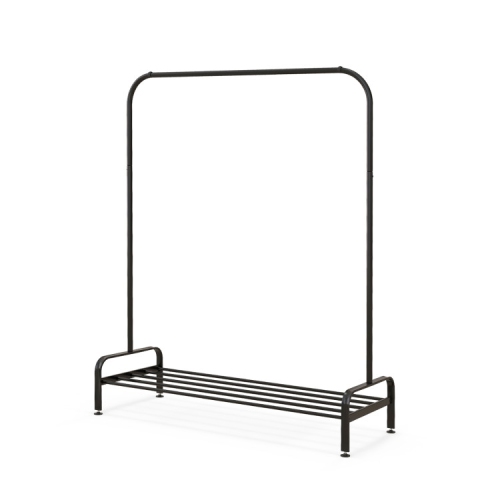
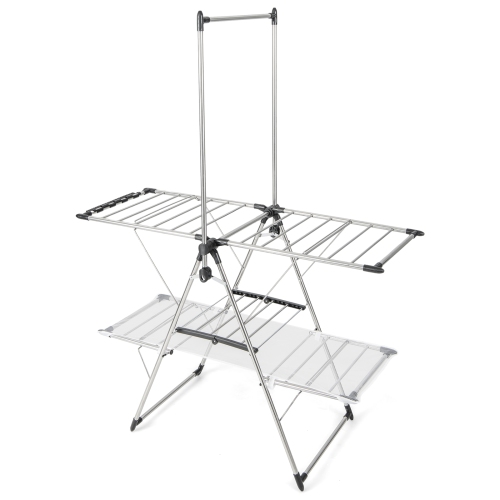

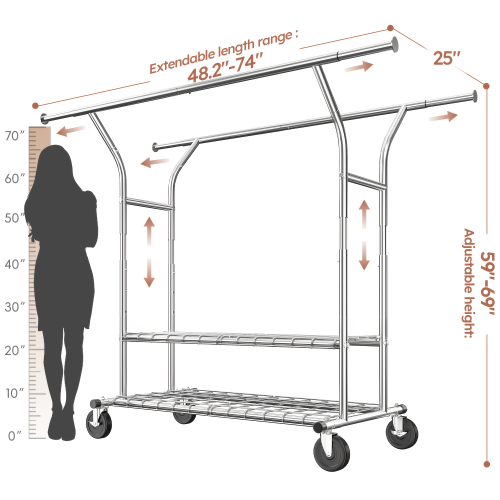
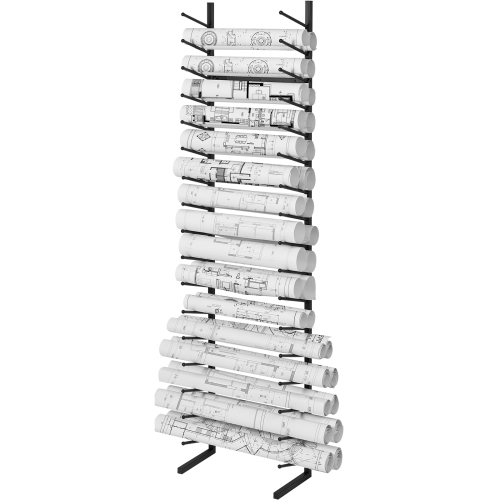
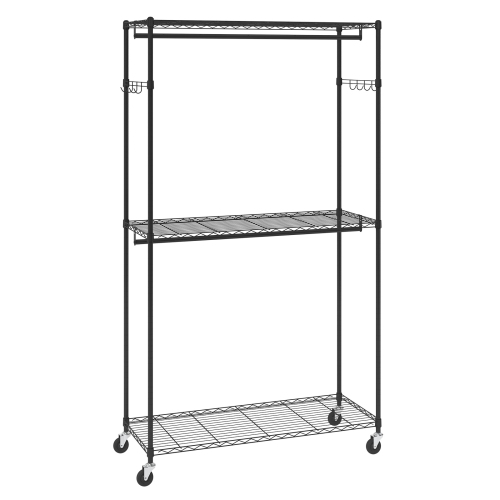
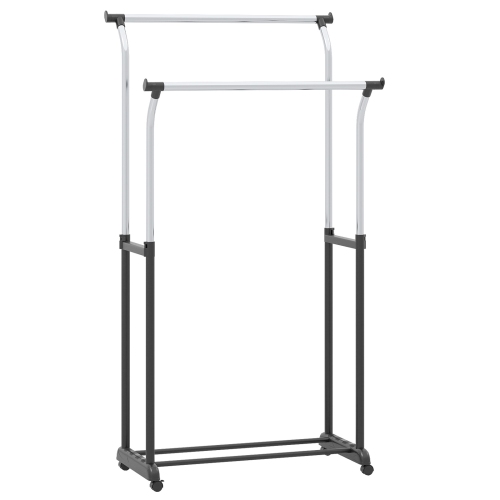
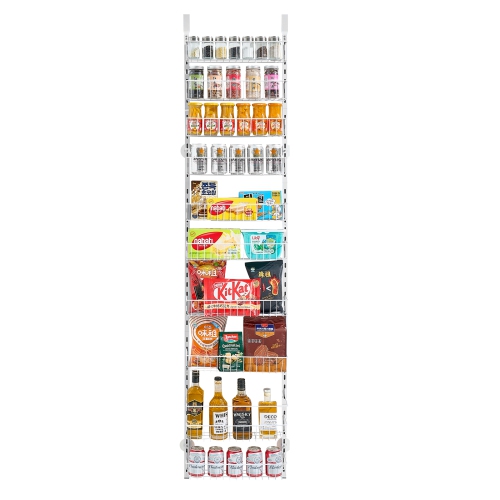
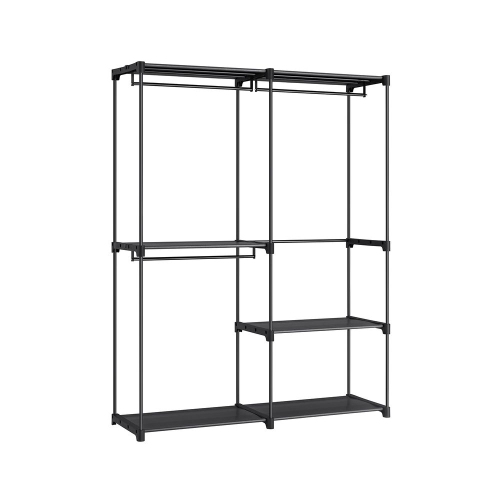

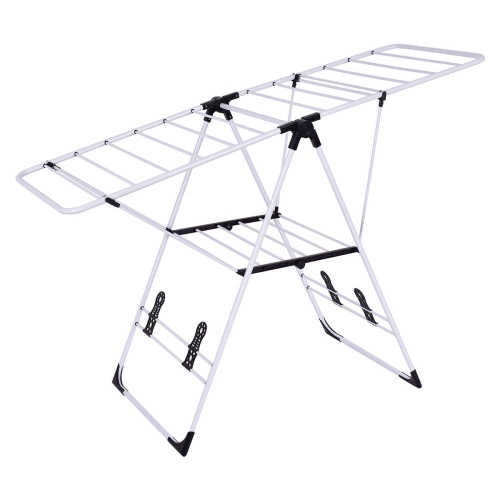
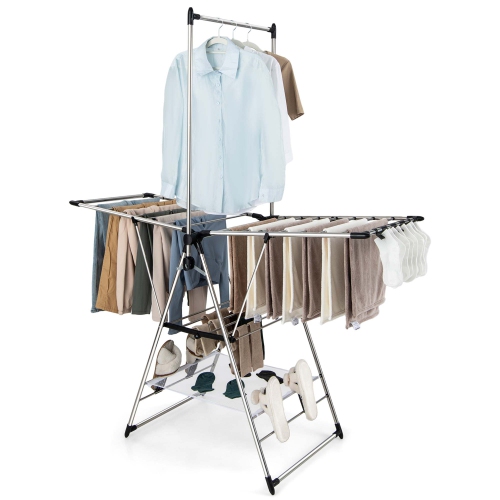
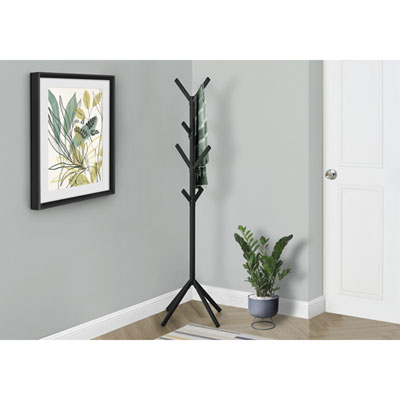
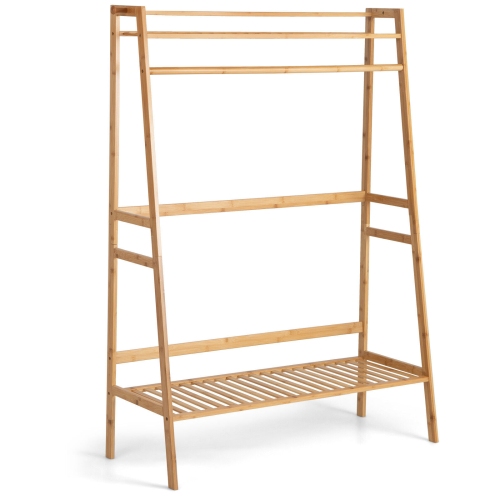
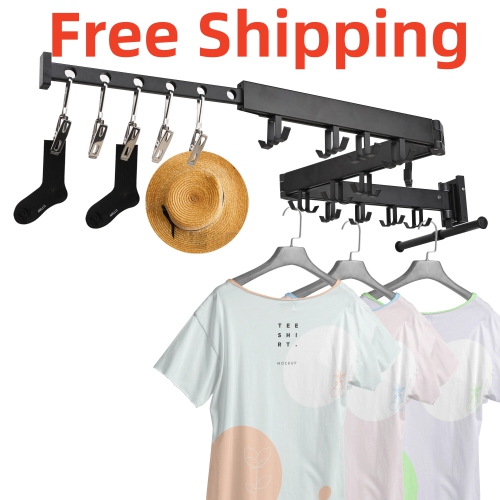
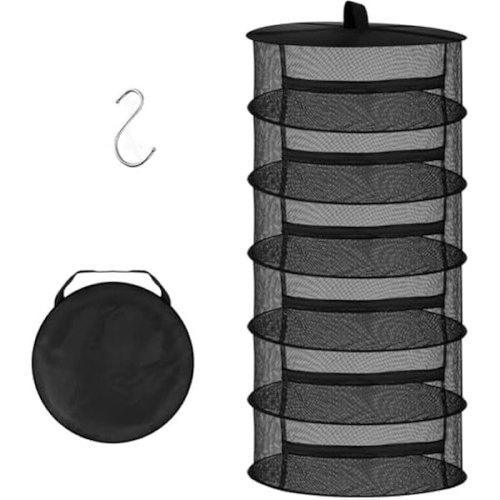
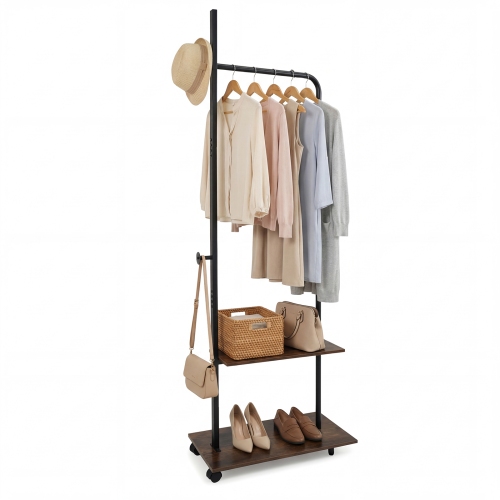

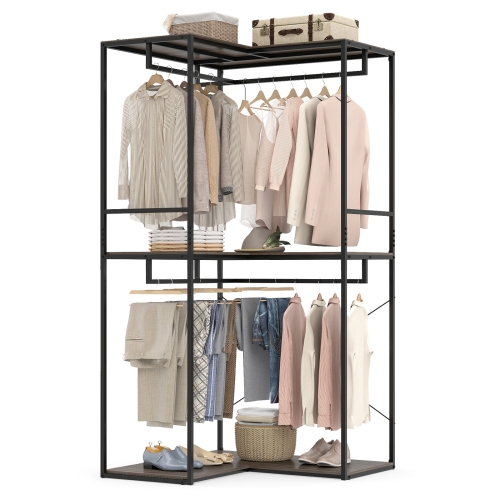
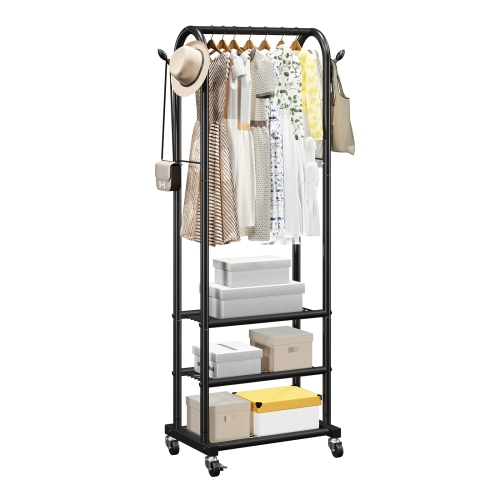
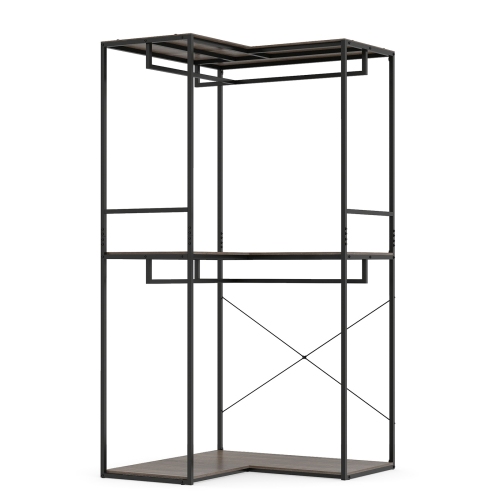
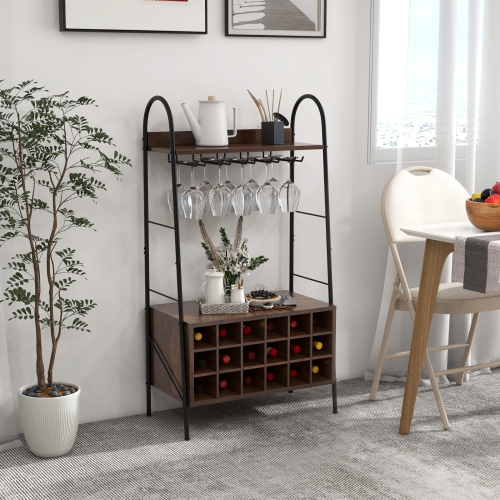
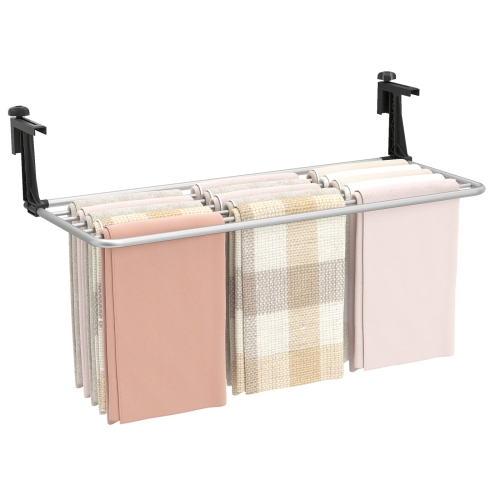
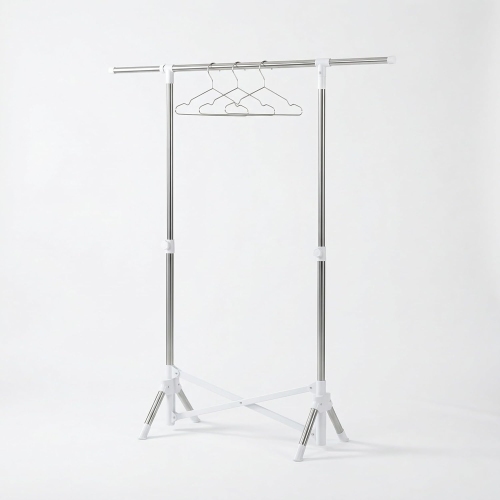
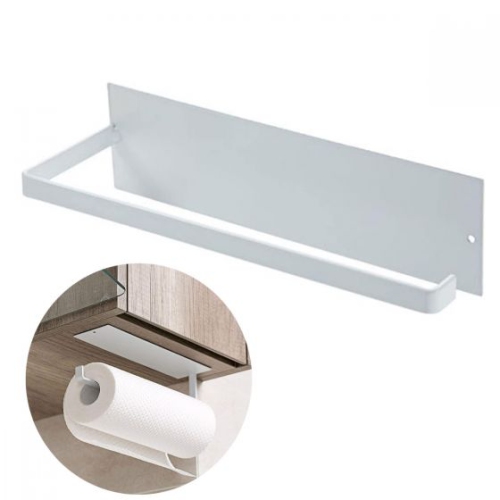
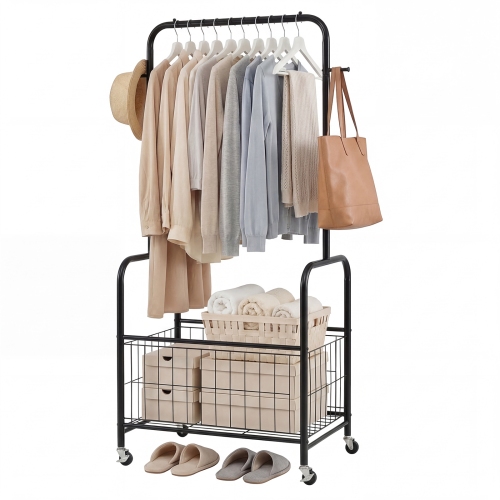
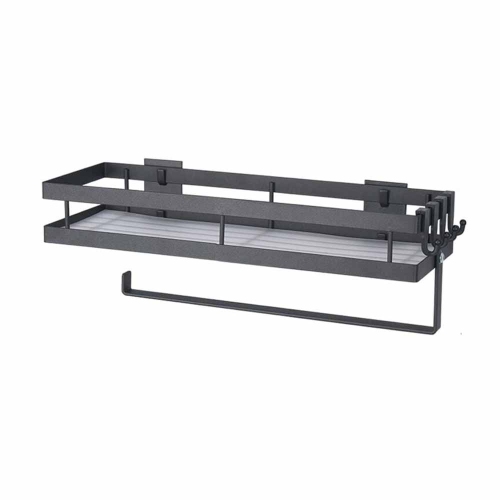
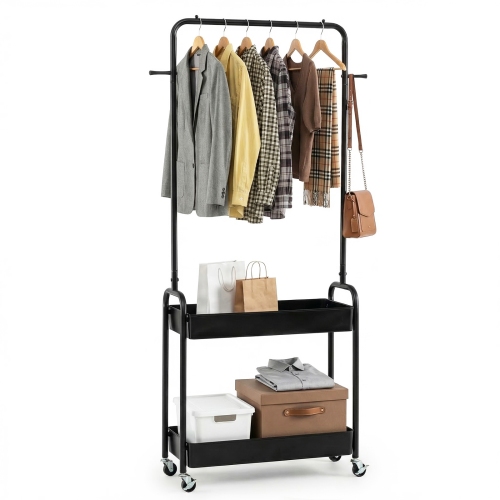
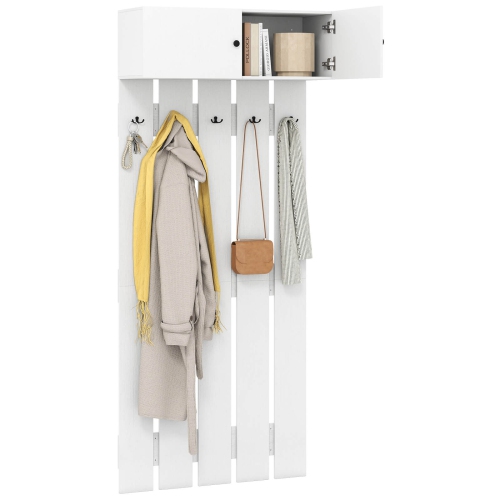
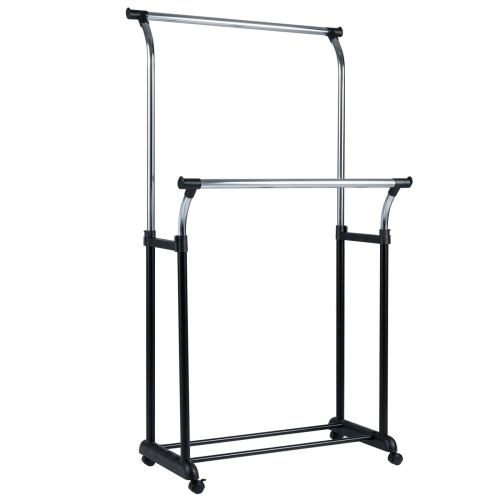
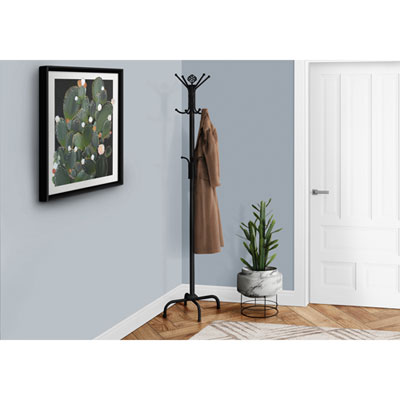
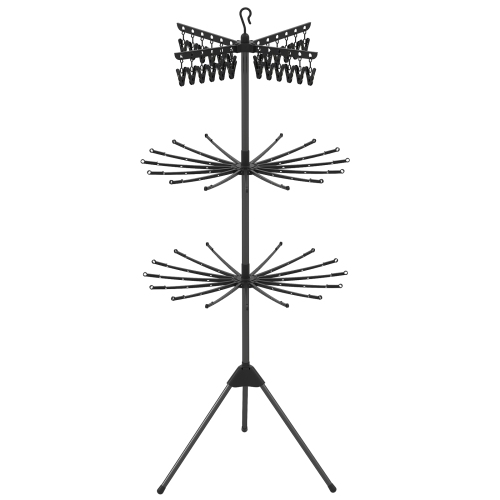
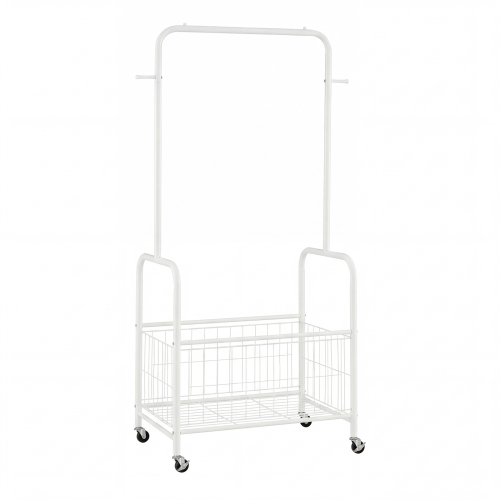
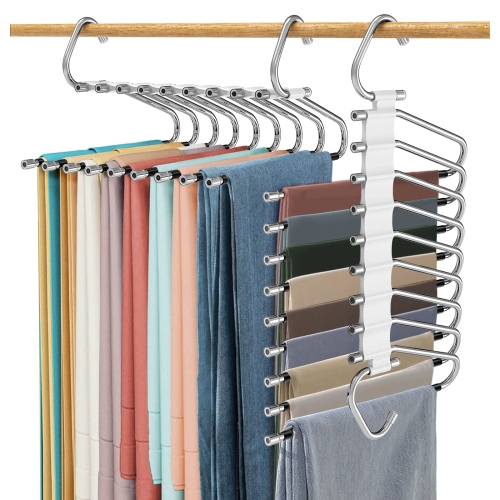
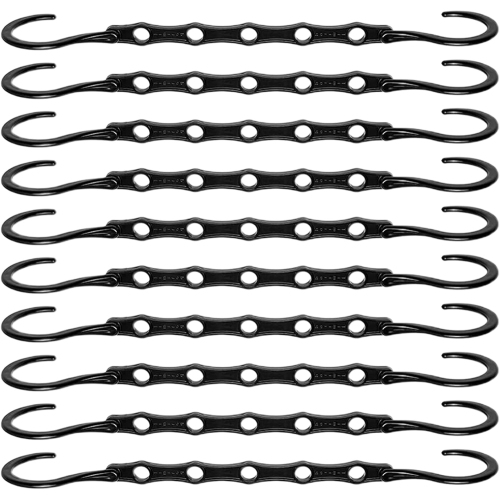
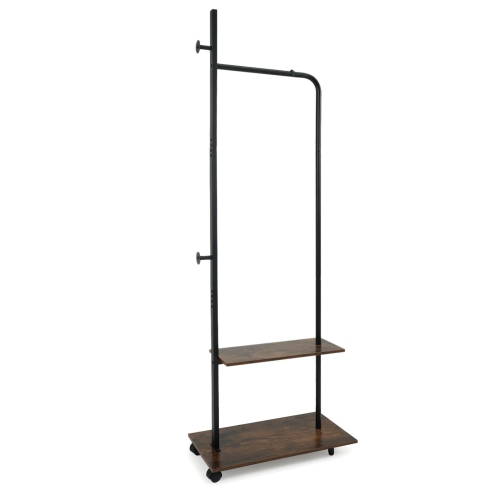
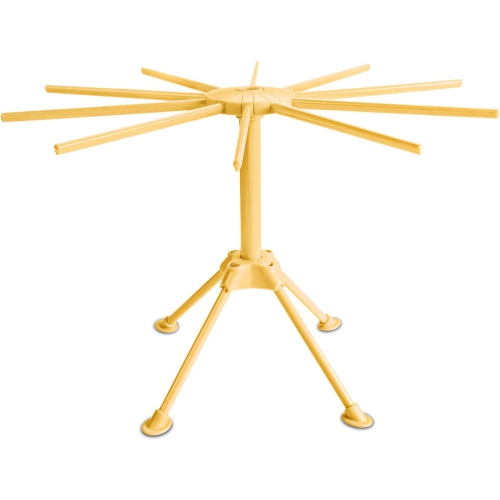
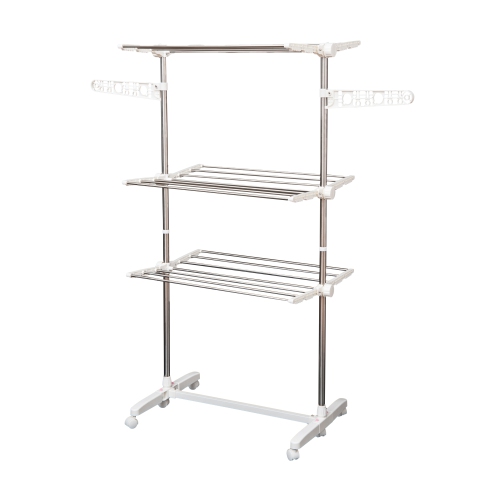
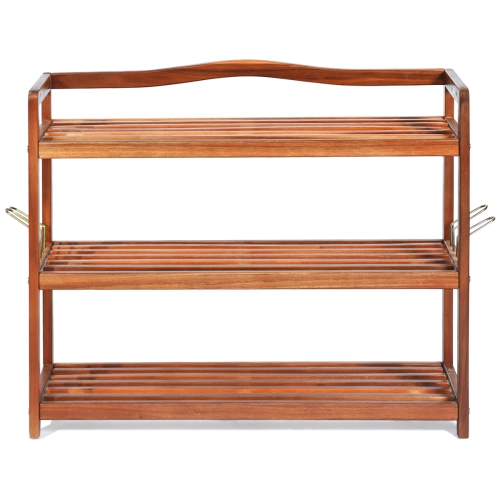
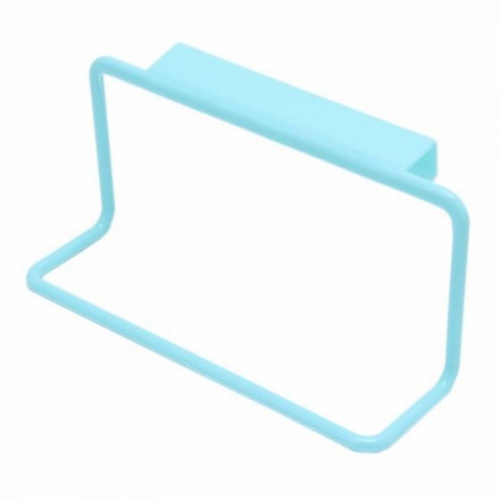
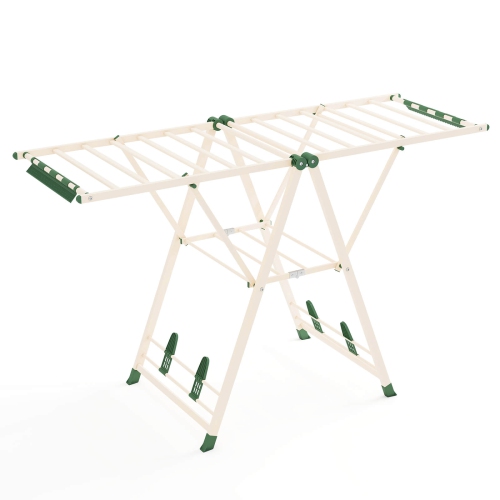
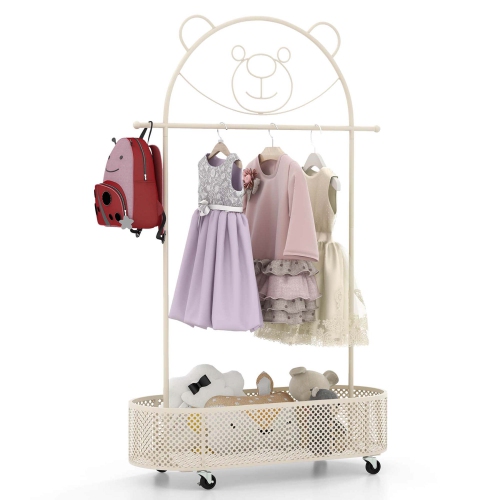
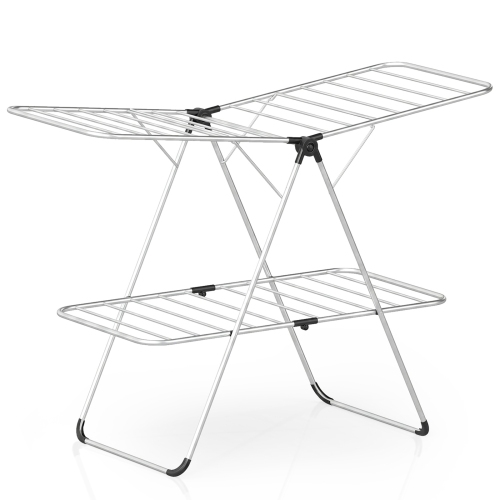
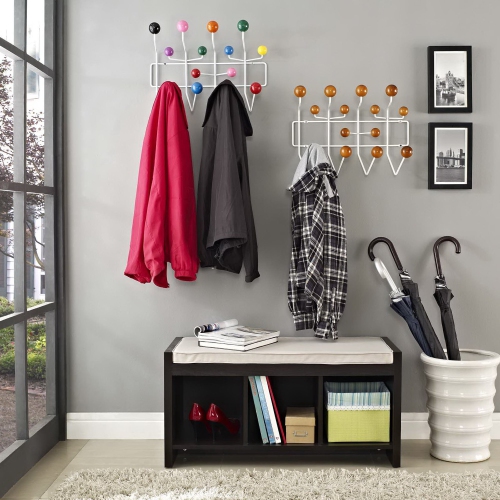
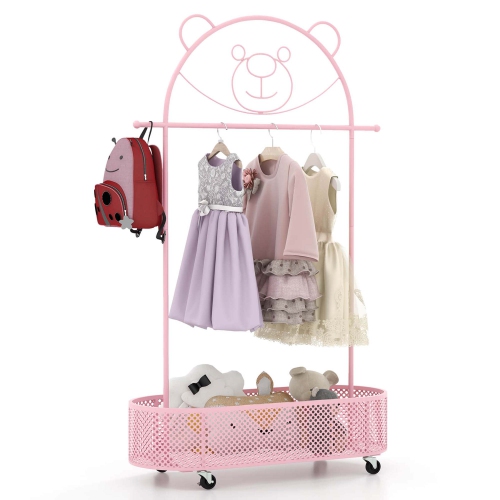
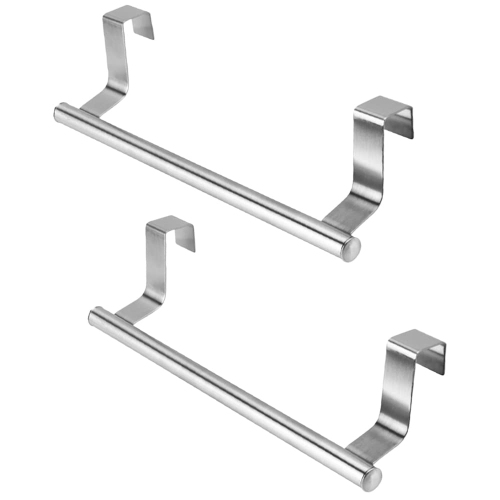
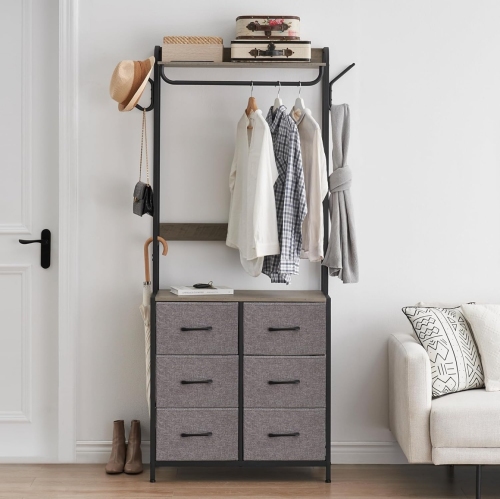
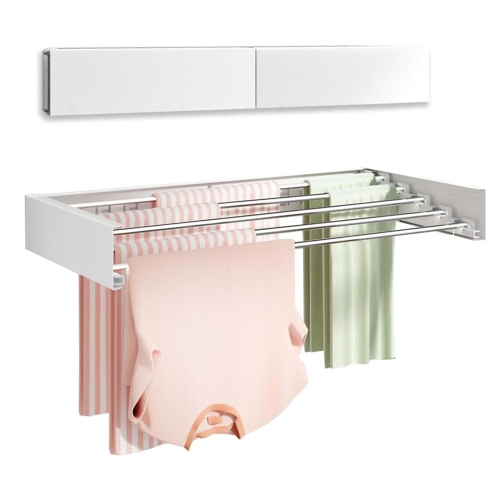
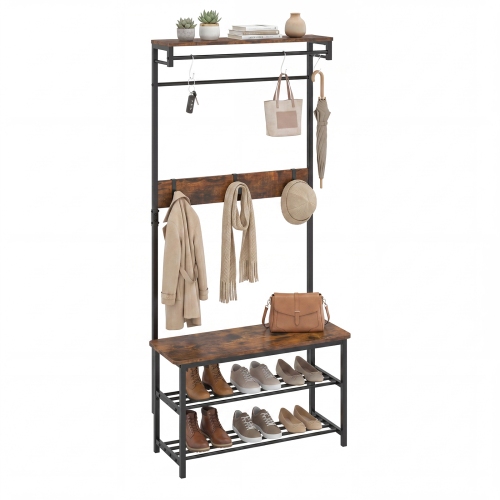
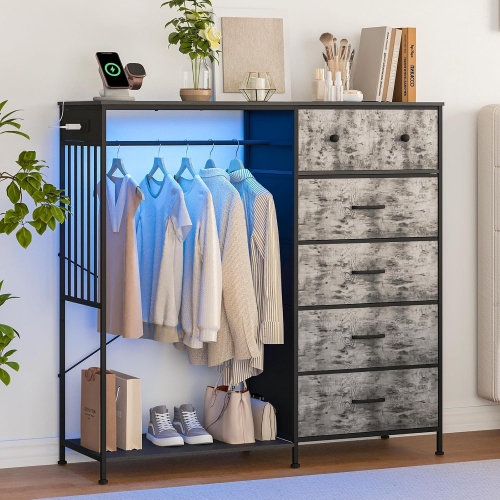
Clothing storage that fits your wardrobe and your room
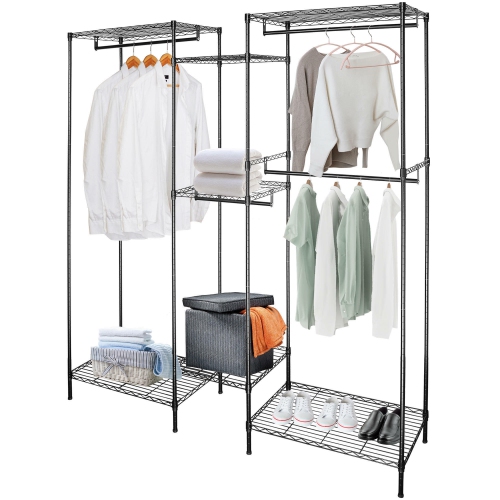
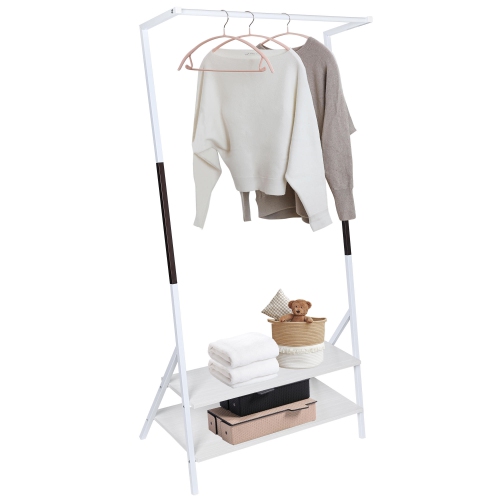
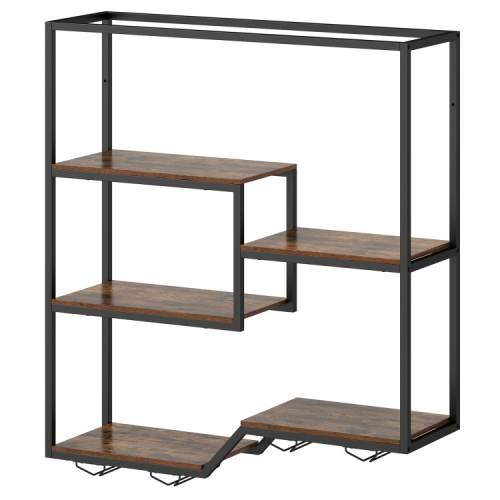
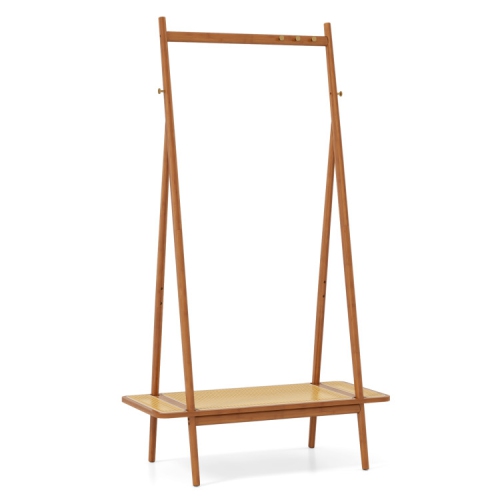
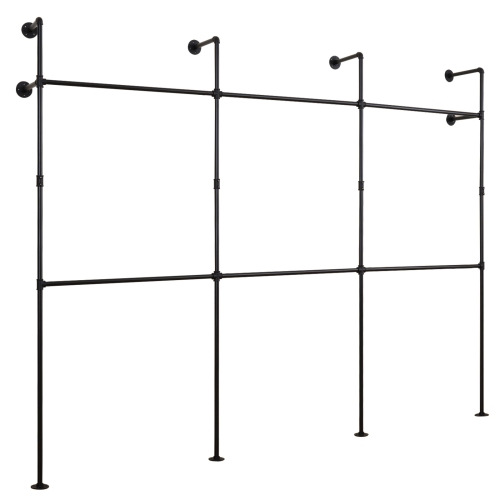
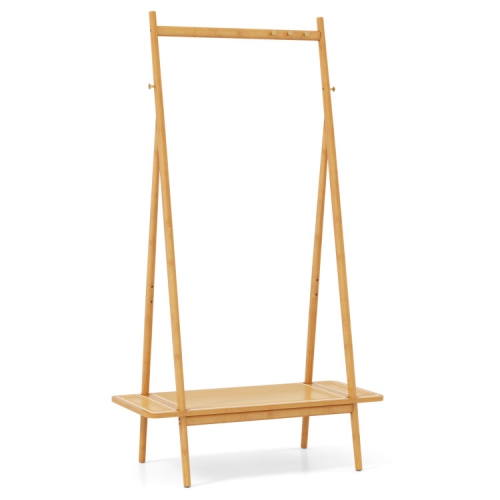
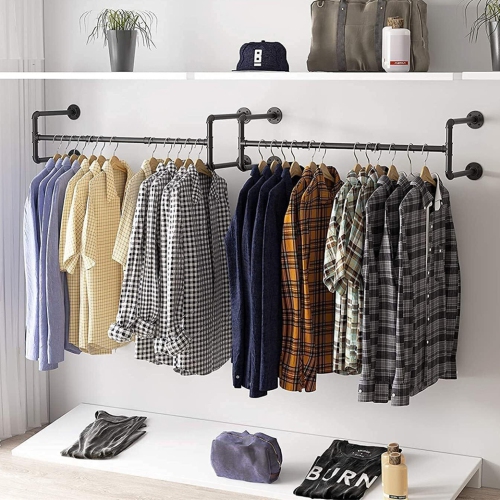
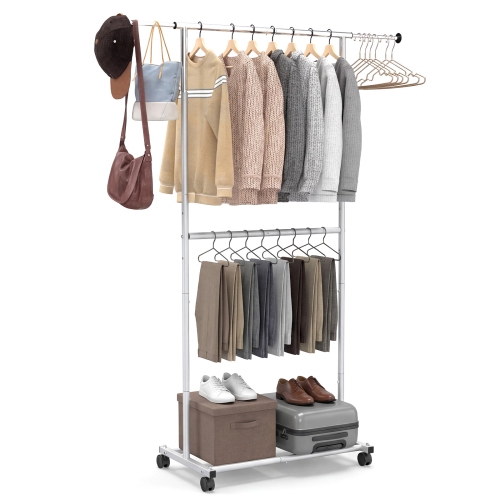
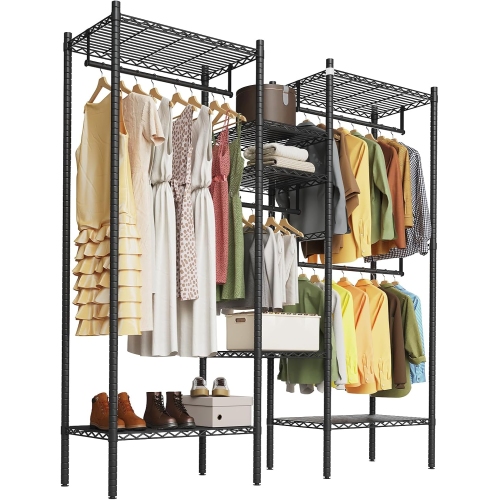
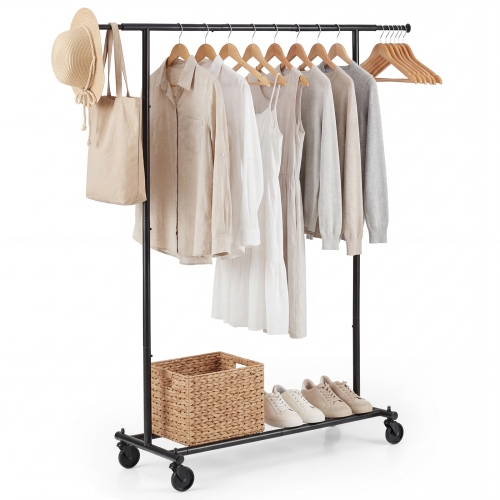
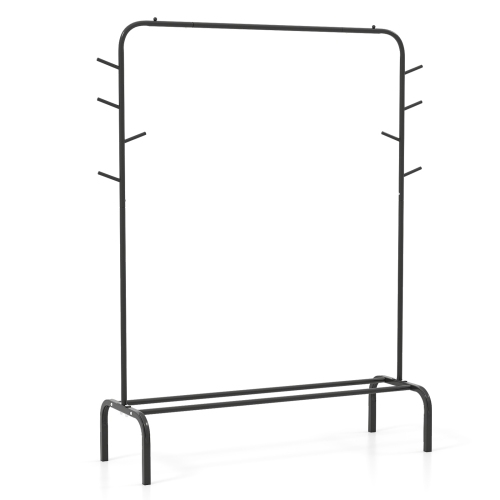
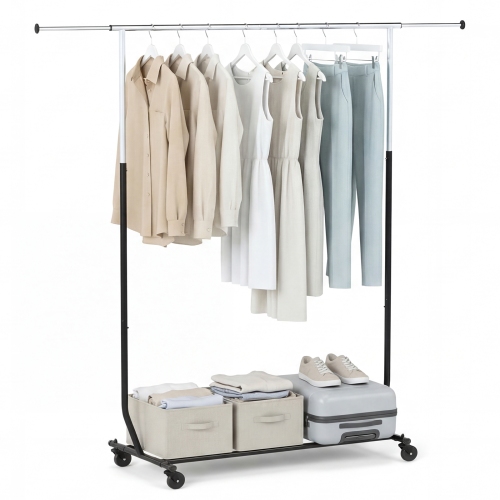
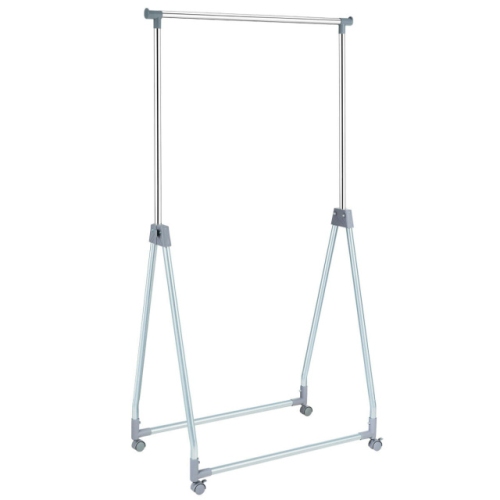
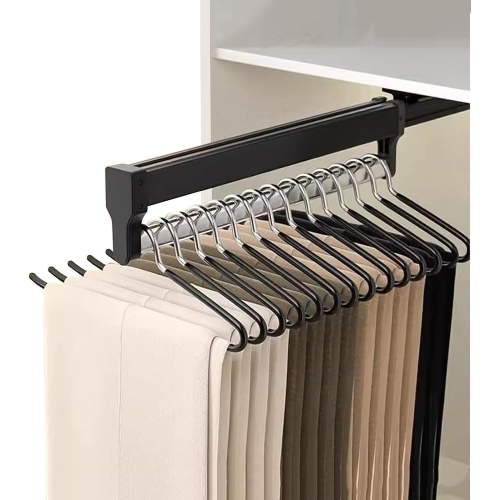
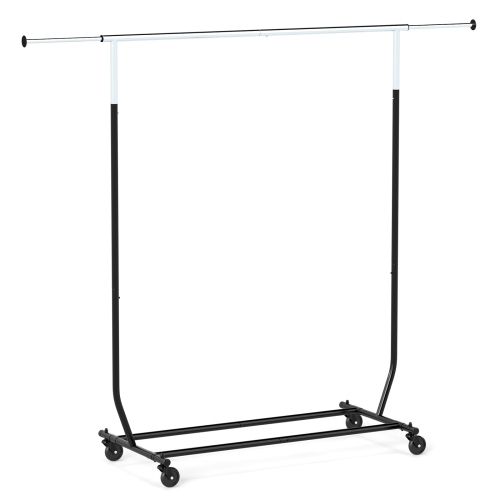
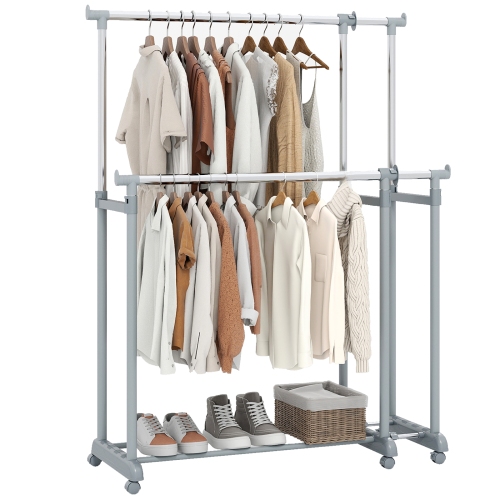
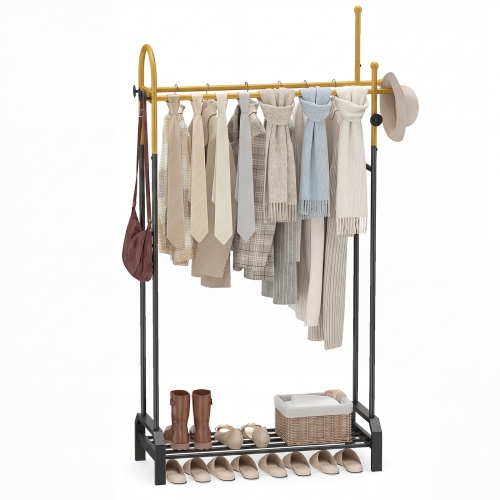
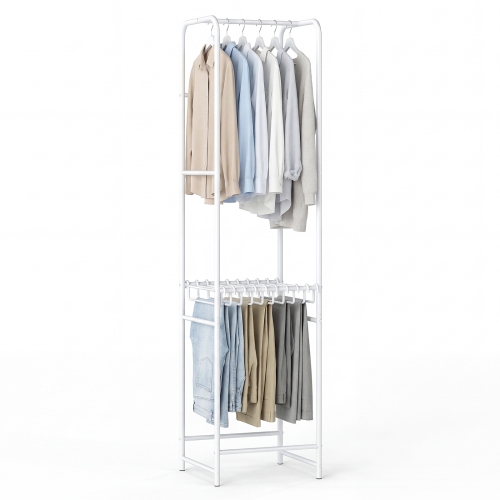
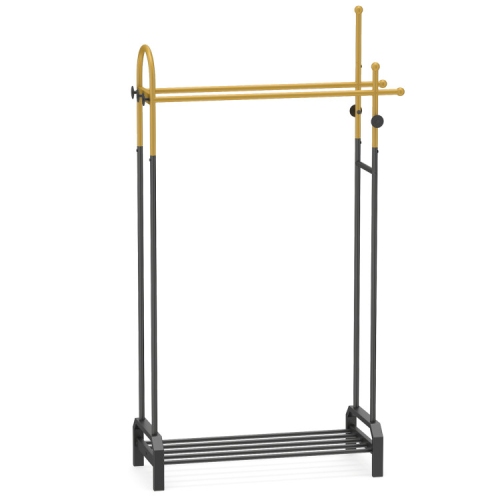
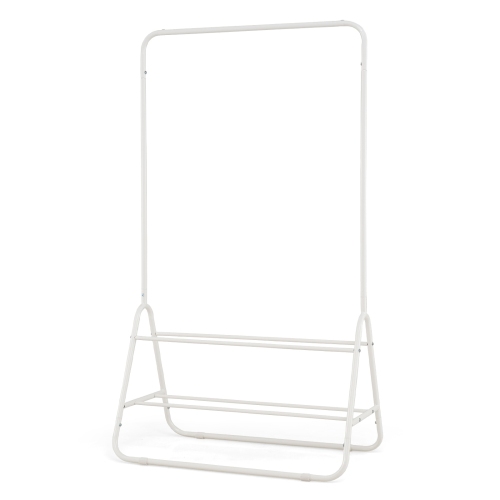
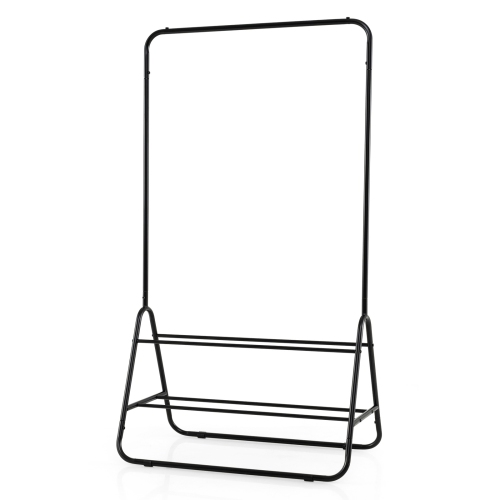
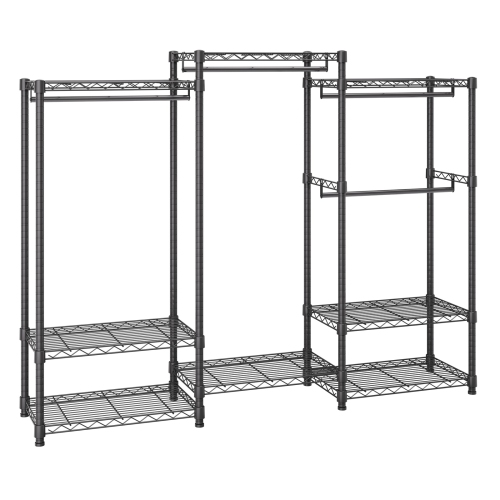
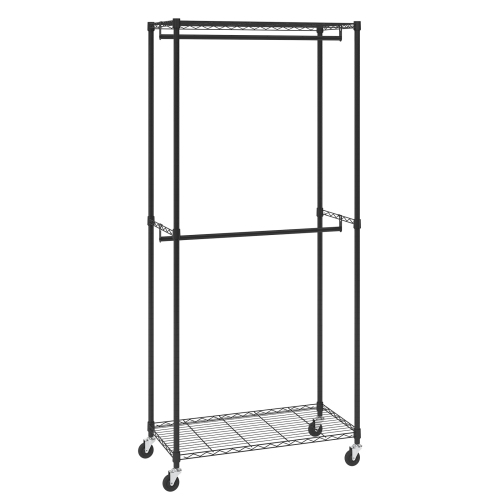
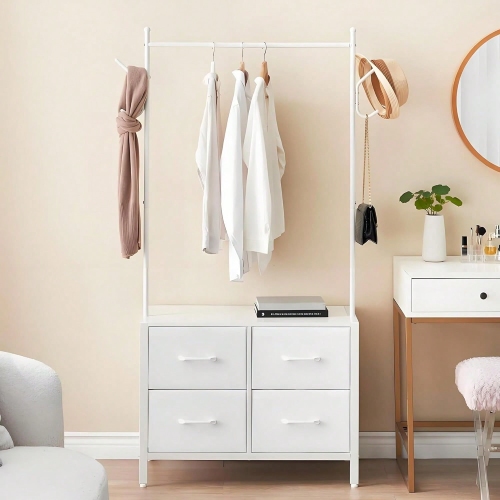
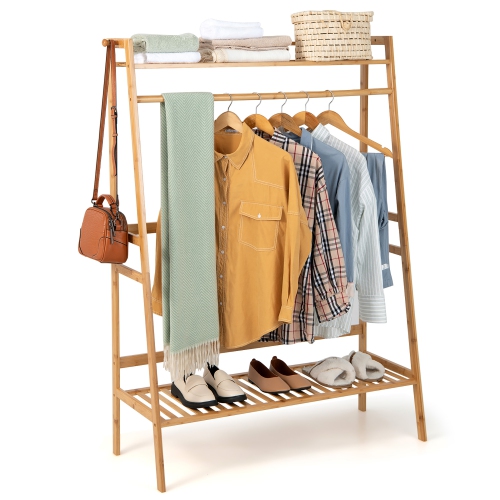
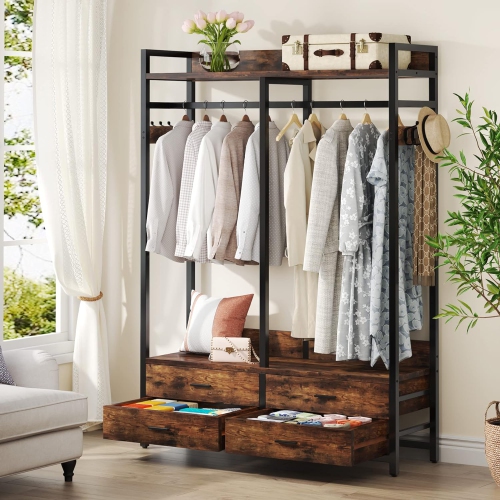
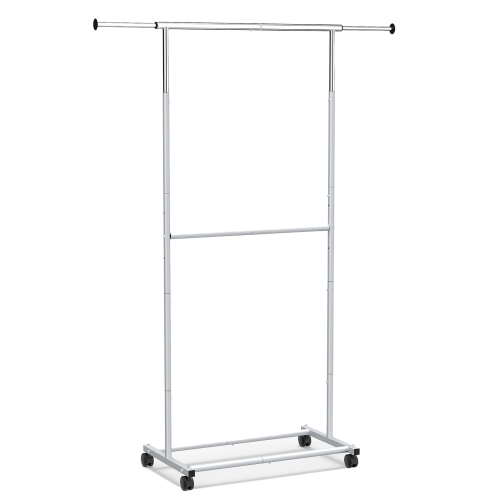
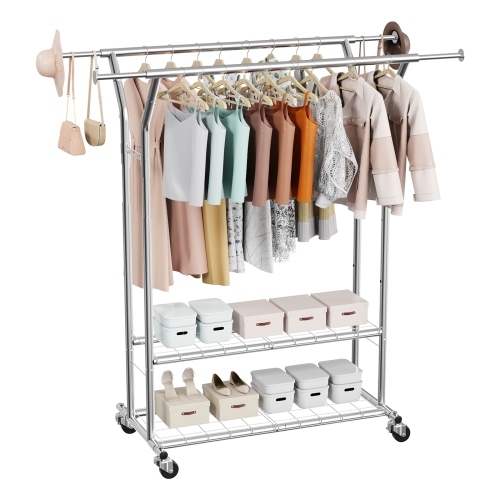
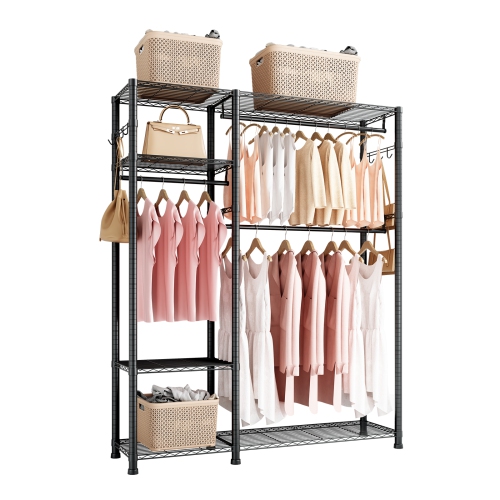
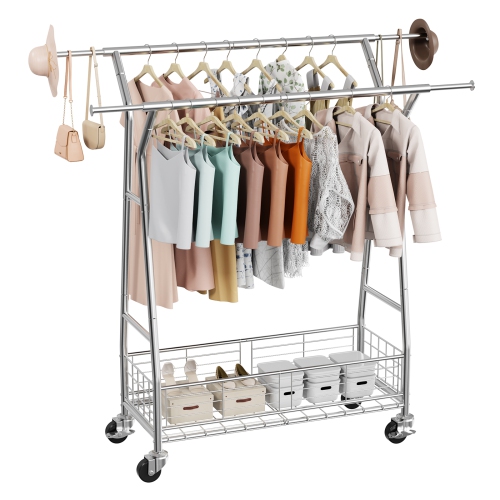
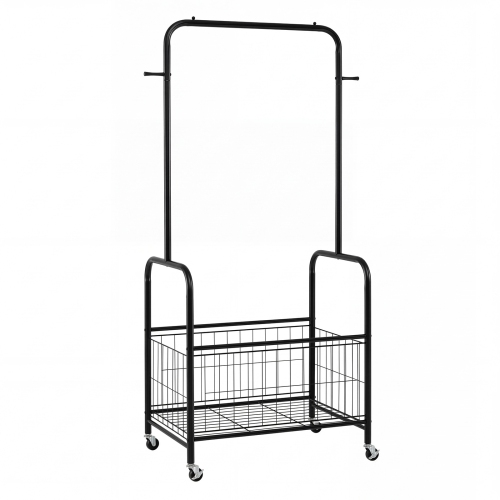
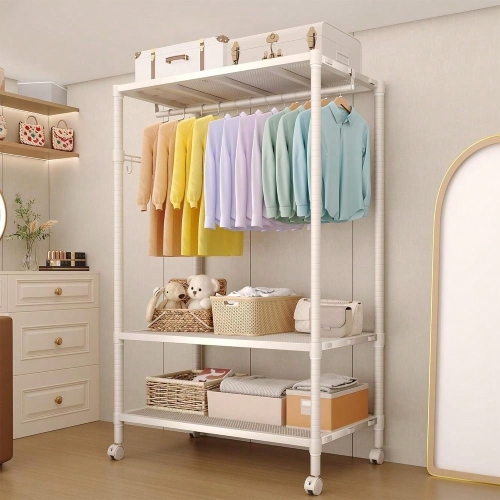
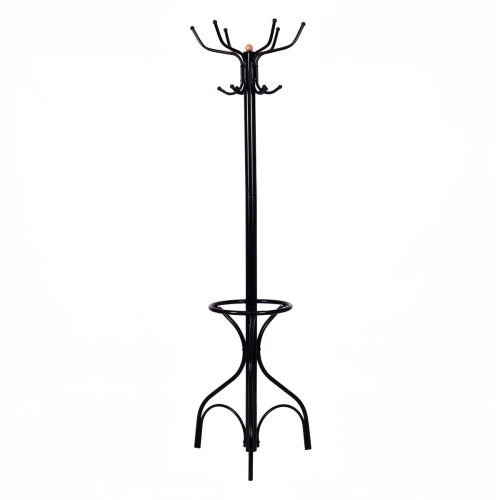
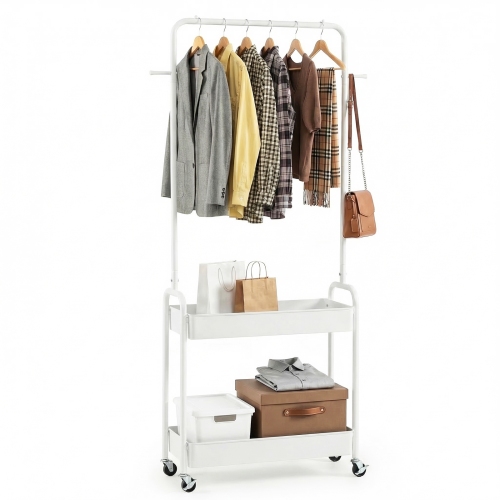
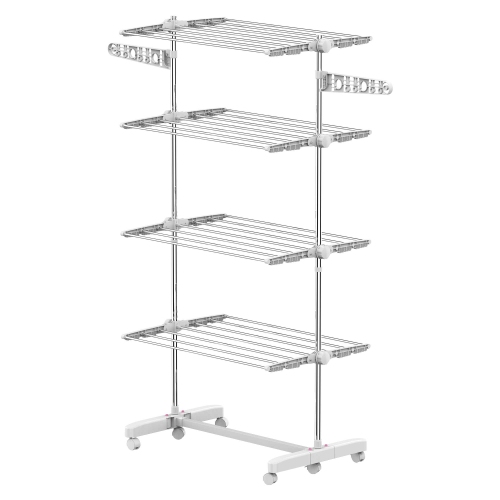
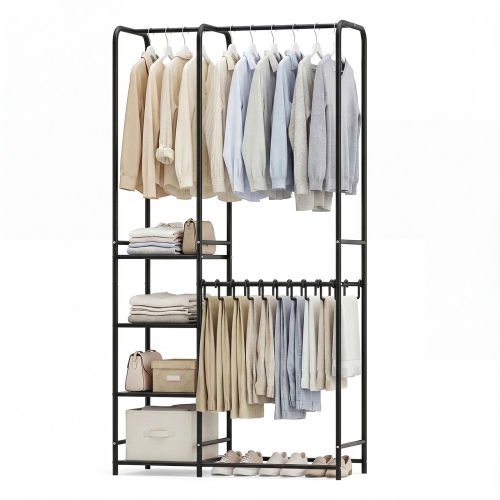
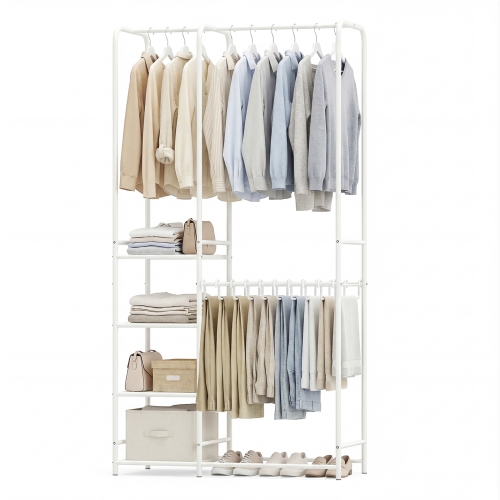
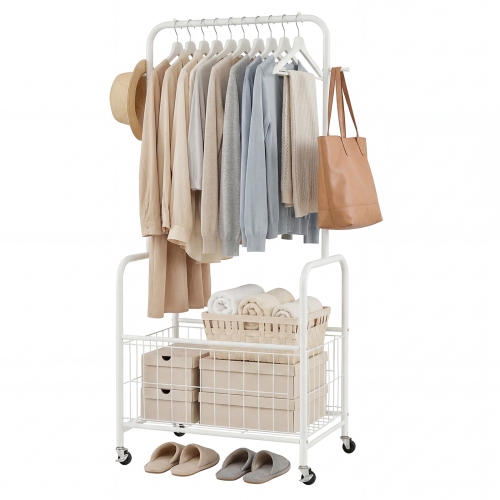
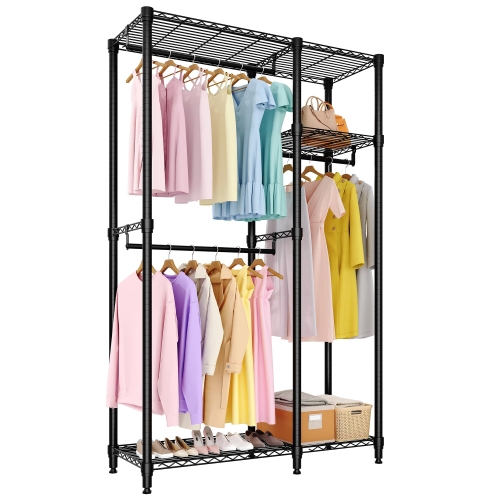
Hanging racks provide an accessible place to store clothing on hangers, adding garment space without the enclosed structure of a wardrobe. They suit bedrooms with limited closet space, shared dressing areas, laundry rooms, and spare rooms that need to serve more than one purpose. A freestanding garment rack can keep everyday outfits visible, hold freshly pressed shirts before they are put away, or create a dedicated place for guests to hang their belongings. Single-rail racks leave a clear drop for dresses, trousers hung full length, and longer jackets, while double-rail designs can separate shorter garments into two levels. Side-by-side rails offer another way to divide clothing, although they need enough clearance to keep sleeves and hangers from overlapping. Racks with lower shelves combine hanging space with room for shoes or storage baskets; designs with side hooks can give bags and scarves a place of their own. The most useful arrangement depends on the clothing being stored, not just the number of rails. A collection of long dresses needs different proportions from a row of shirts, and bulky jackets take up more rail space than lightweight tops. Overall width, depth, and height all affect how comfortably a rack fits into a room. Hangers and sleeves may project beyond the frame, so the usable footprint can be larger than the base alone suggests. Clearance beside a bed, in front of a dresser, and along a doorway matters as much as an empty section of wall. In a compact bedroom, a narrow rack with a well-spaced rail can be easier to live with than a wider design that crowds the walking route. An open frame also makes clothing part of the room’s appearance, whether the goal is a neatly grouped set of work outfits or a colourful display of favourite pieces.
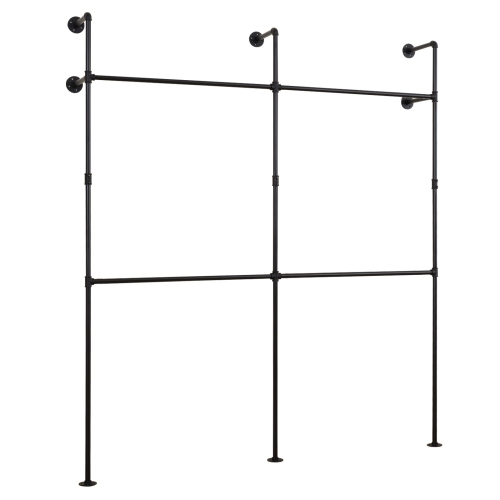
Materials and construction influence how hanging racks look, feel, and perform under a load. Steel frames are common in garment storage, with painted, powder-coated, or plated finishes offering different appearances and care requirements. Stainless steel and aluminium are also used, while wood or bamboo components can bring a warmer look to shelves and frames. Material alone does not establish strength: tube thickness, welded or bolted connections, support braces, and the design of the base all contribute to stability. A rack’s stated weight capacity should be checked alongside any separate limits for individual rails, shelves, hooks, and extendable sections. A total capacity does not necessarily mean that the same weight can be placed on one bar. Evenly spaced garments put less concentrated stress on a rail than a heavy cluster at one end, and heavier belongings generally belong on lower shelves when the design permits. Adjustable-height rails are useful for accommodating different garment lengths, but the locking points need to hold securely at the chosen setting. Telescoping extensions add hanging room only within their specified limits. Rolling garment racks make it easier to move clothing between a bedroom and laundry area or temporarily clear a work surface, though wheel size and floor texture affect how smoothly they travel. Small casters can catch on rug edges and thresholds, while locking casters help limit movement once the rack is positioned. Wheel locks do not prevent tipping, and a loaded rack still needs a level surface and sensible weight distribution. Fixed feet can be a practical alternative when storage will stay in one place; floor protectors may help reduce marking, depending on the flooring and foot material. Wall-mounted garment rails require suitable fixings and a supporting wall structure matched to the load. For storage needs beyond clothing, Wall Mounted Racks are a related category, with intended uses and mounting requirements that should be checked separately. Assembly quality matters across all formats, particularly at joints, adjustable sections, and shelf supports.
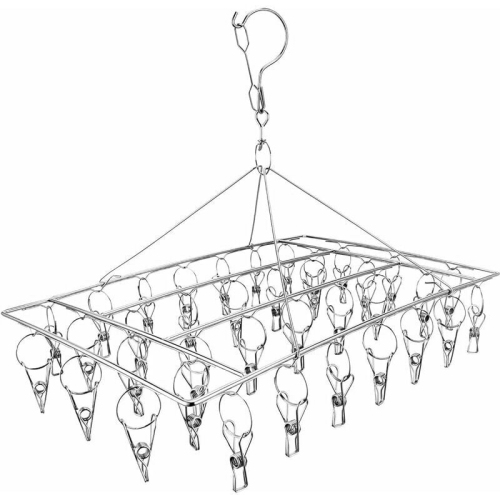
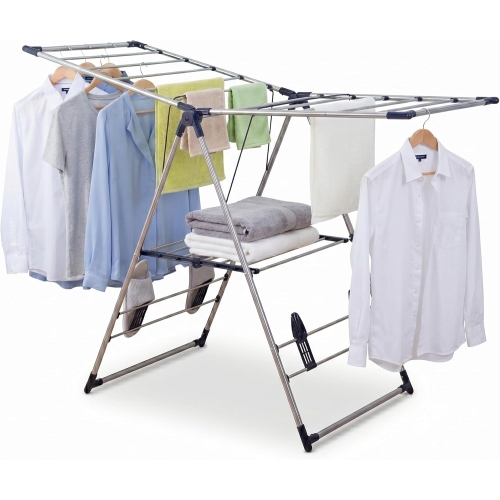
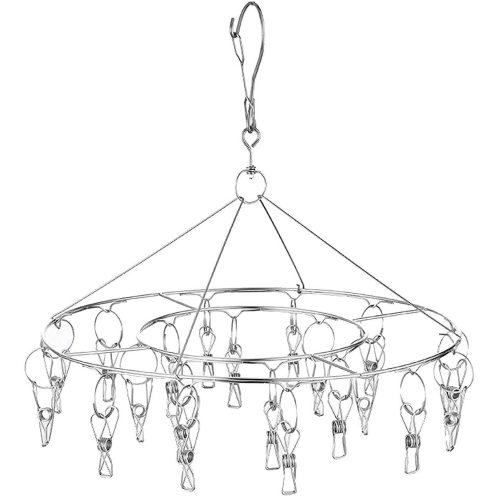
Everyday usability often comes down to the details that are easiest to overlook in a photograph. Space between rails determines whether hangers can turn freely, shelf height affects whether taller footwear fits underneath, and projecting hooks can make a narrow passage feel tighter. Smooth rail surfaces and covered tube ends help reduce snagging when garments are lifted on and off. A little room between hangers makes it easier to see clothing and remove one piece without pulling several others along with it. Matching the hanger to the garment also helps: shaped hangers support jacket shoulders, while suitable trouser hangers can keep folded clothing from slipping. Knitwear and other garments that stretch under their own weight may be better folded on a shelf, according to their care labels. In laundry spaces, a hanging rack can hold garments after ironing or steaming, but ordinary clothing storage should not automatically be treated as a drying rack. Damp clothing needs a design and finish intended for that use, along with adequate airflow and protection for the floor beneath it. Covers can help shield stored clothing from settling dust, provided garments are clean and fully dry before being enclosed. Routine care is usually straightforward: remove surface dust, wipe suitable finishes with a soft cloth and an appropriate cleaner, and dry any moisture promptly. Abrasive cleaners can scratch coatings, and wood components may need different care from metal rails. Periodic checks of screws, connectors, casters, and adjustment locks help identify loosening or wear before it affects everyday use. Folding and collapsible racks can suit occasional garment storage, provided their hinges and locking mechanisms are fully engaged during use. For students furnishing a room, people organizing a shared home, or anyone creating a dedicated dressing space, hanging racks offer flexible storage with clothing close at hand. They can also make a practical housewarming gift when the recipient’s available space and preferred style are known. A well-proportioned rack supports the clothing it needs to hold while leaving the surrounding room comfortable to use.
Top selling and popular products
-
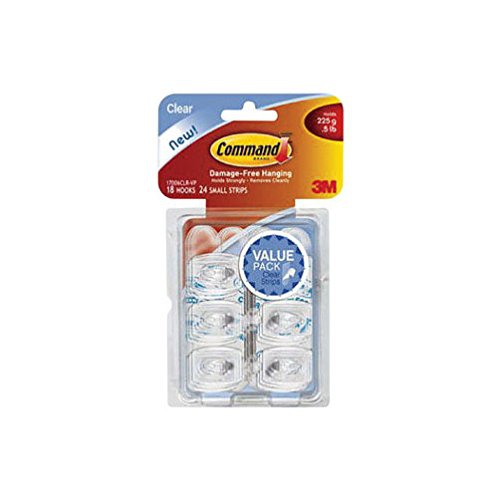 Your price for this item is $95.99
-
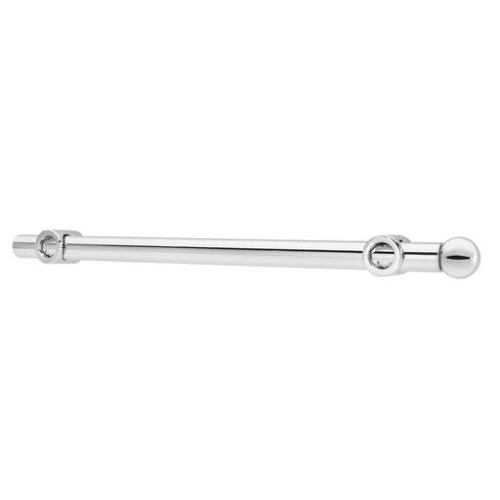 Your price for this item is $84.99
-
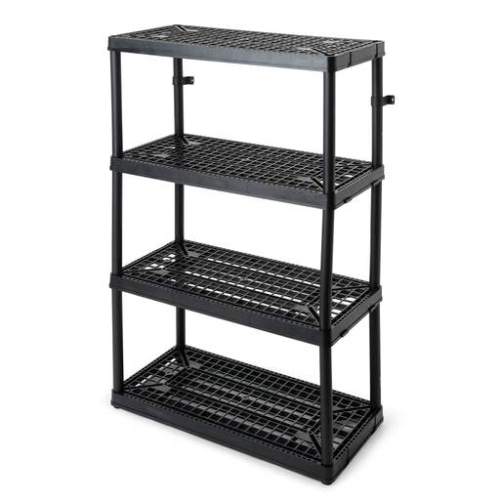 Your price for this item is $164.99
-
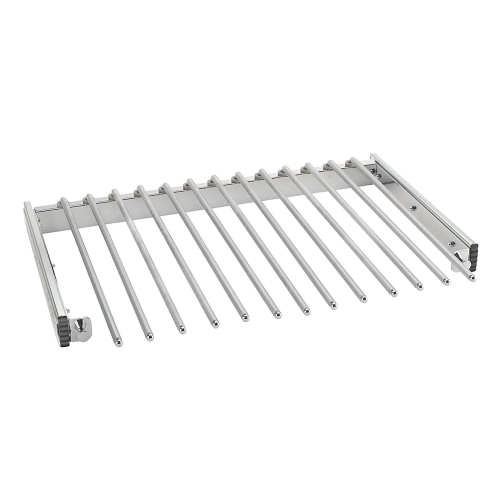 Your price for this item is $271.99
-
 Your price for this item is $144.99
-
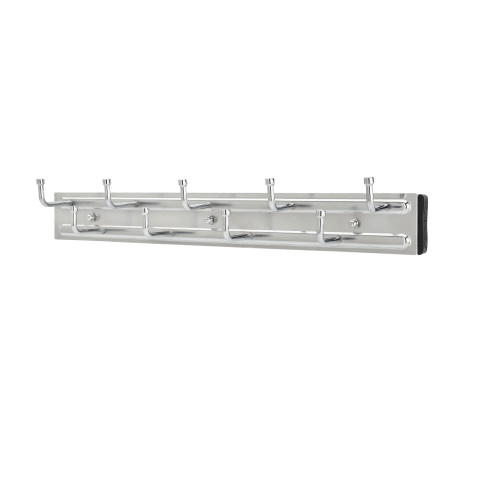 Your price for this item is $82.99
-
 Your price for this item is $88.99
-
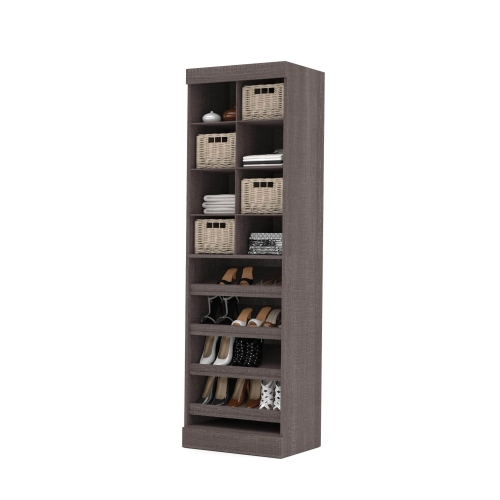 Your price for this item is $689.99
Discover more categories related to Hanging Racks
Top Collections:
Best Black Friday Deals This Year, Best Black Friday Deals On Electronics, Kindle Devices, Dyson Airwrap, Best Cameras for Sports Photography, Best Budget Office Chairs, Canon G7X Cameras, PS5 Pro Consoles, Best Black Friday Deals On Apple Products, XBOX One S Consoles
Some products may be subject to Environmental Handling Fees
(EHF) depending on your province.
Learn more about EHFs.