Kitchen Racks
If you're looking for a way to keep your kitchen organized, a kitchen rack might be the perfect solution. Kitchen racks are a great way to store and organize items such as cookware, utensils, spices, and more. They come in a variety of sizes, shapes, and materials, so you can find the perfect one for your kitchen. Here are some of the best options available.
Sort
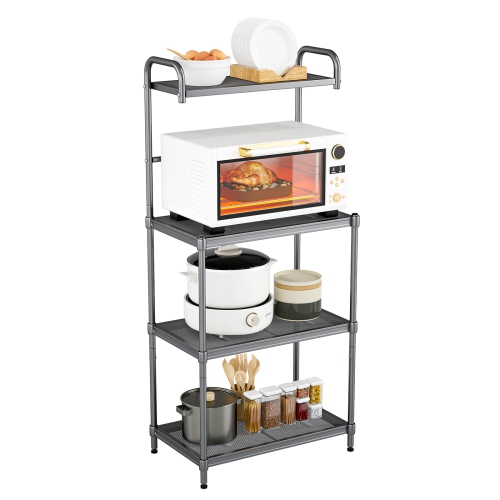

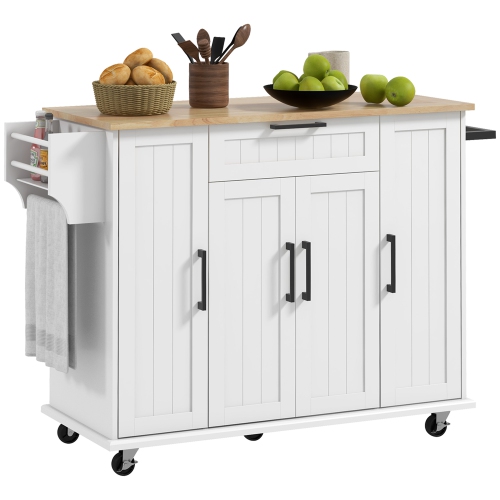
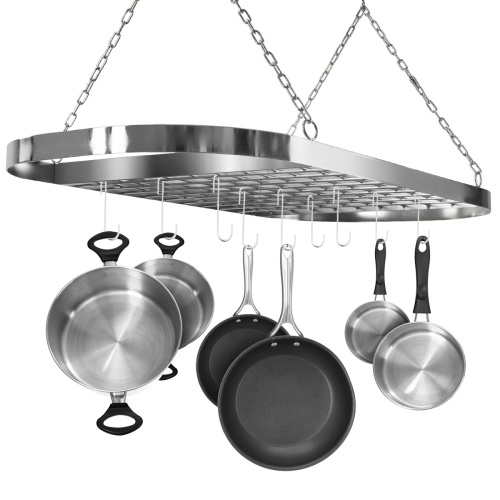
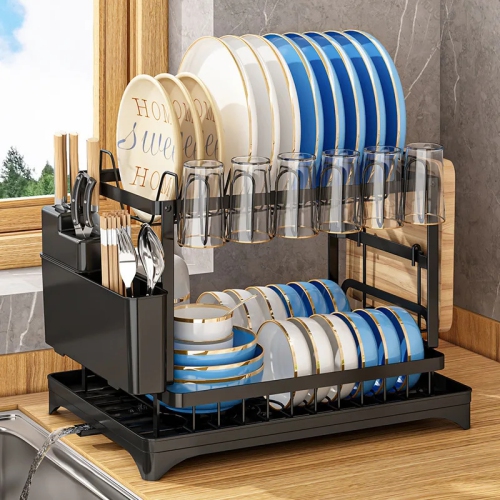
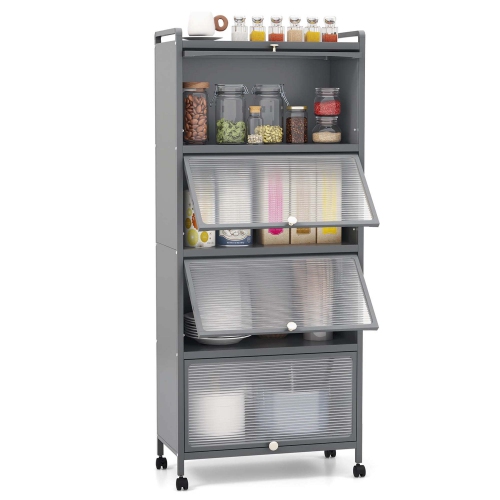
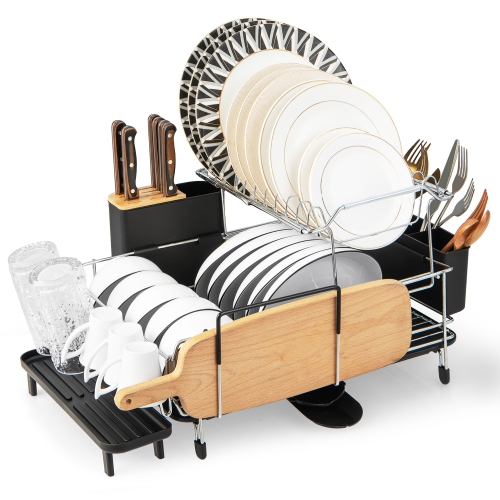
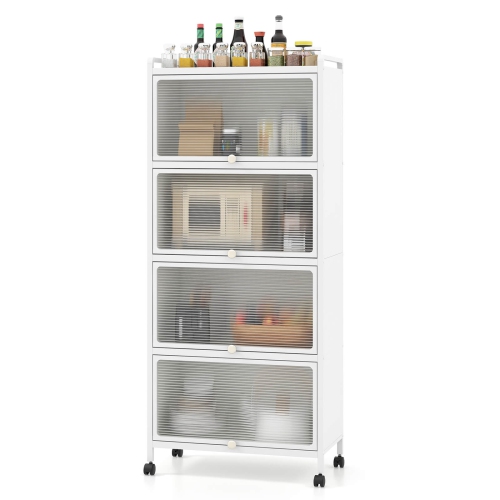

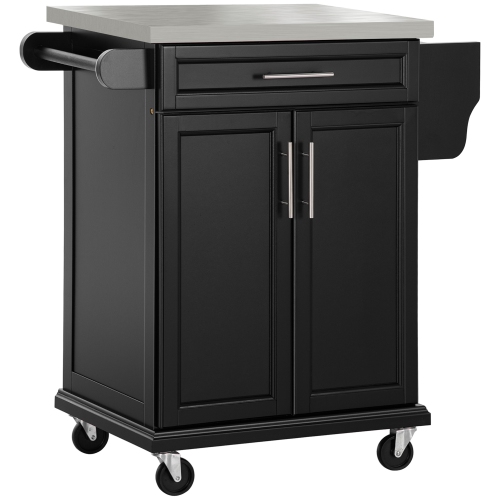

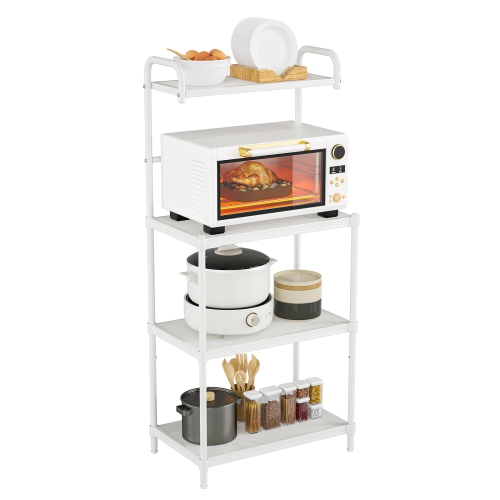
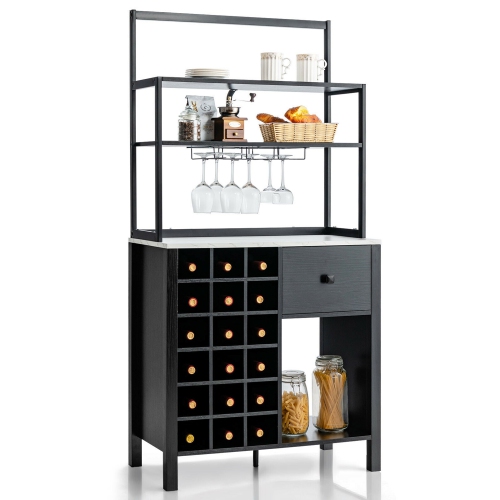
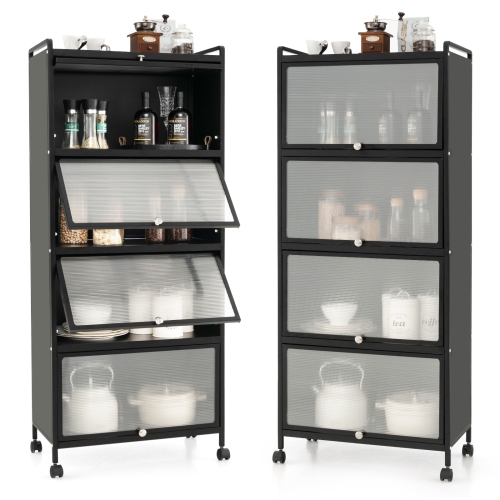
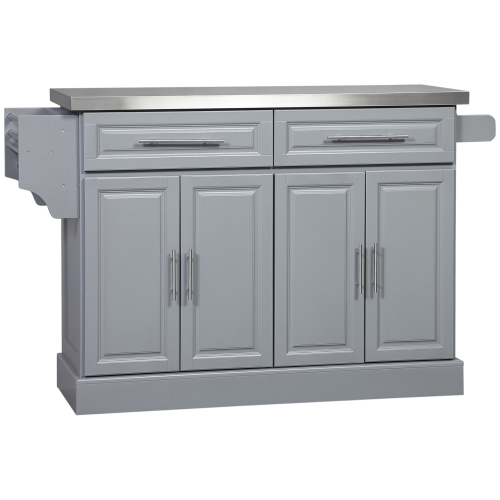
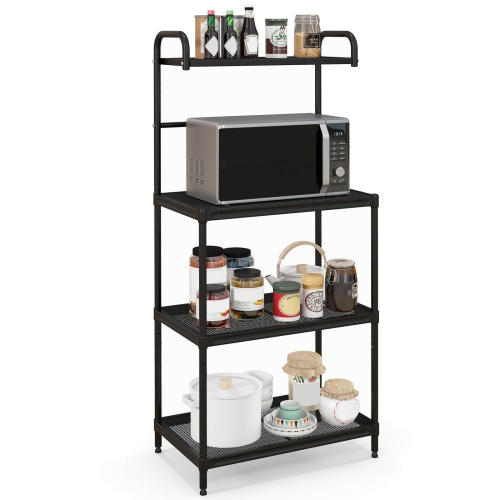
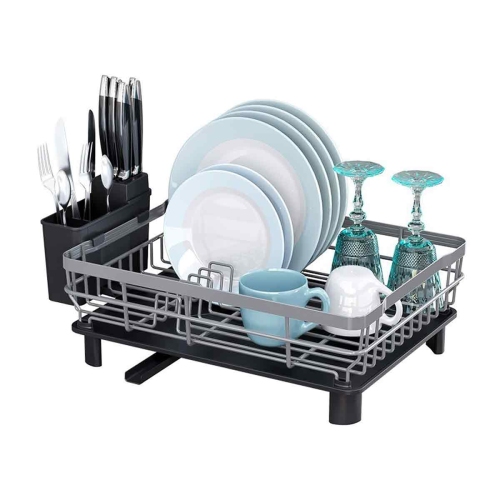
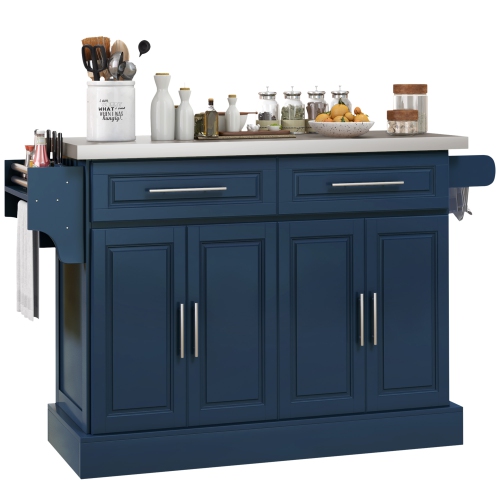
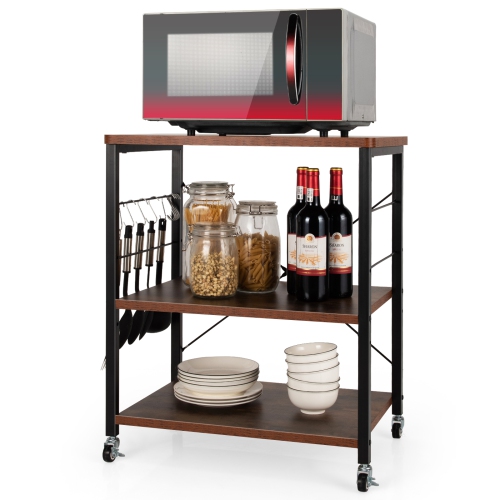
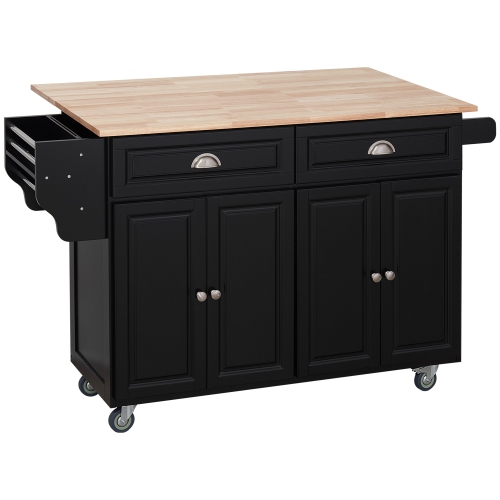
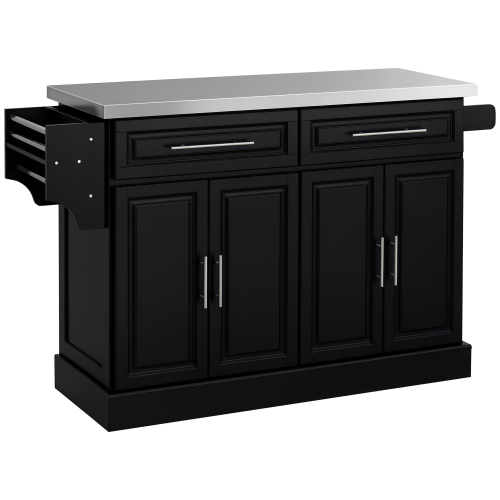
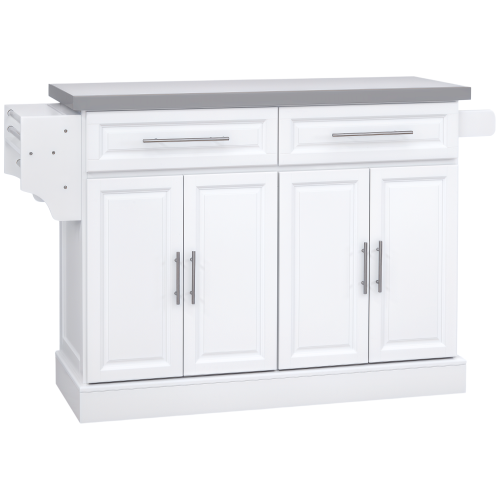
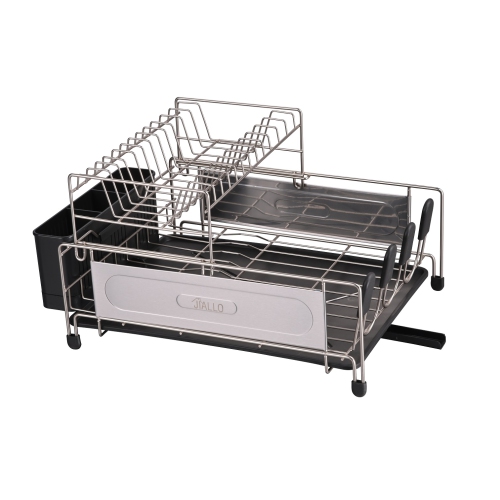
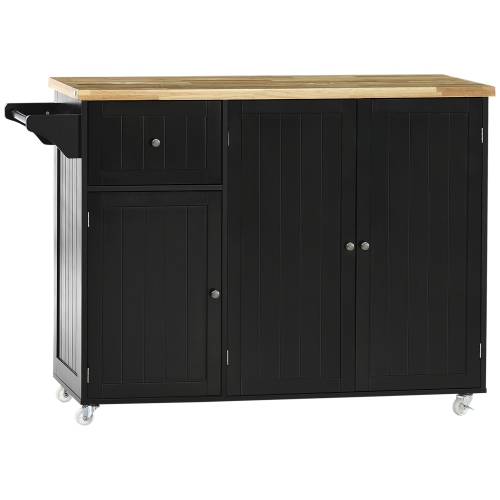
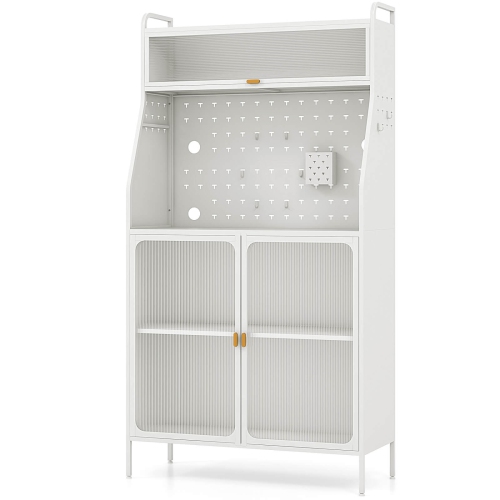
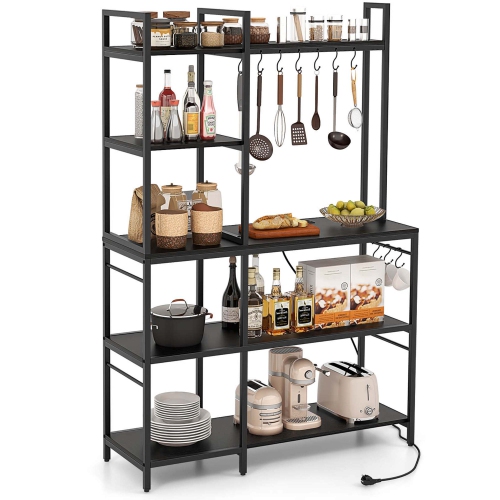
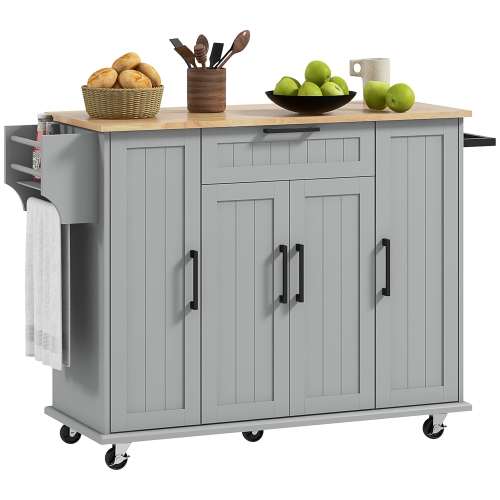
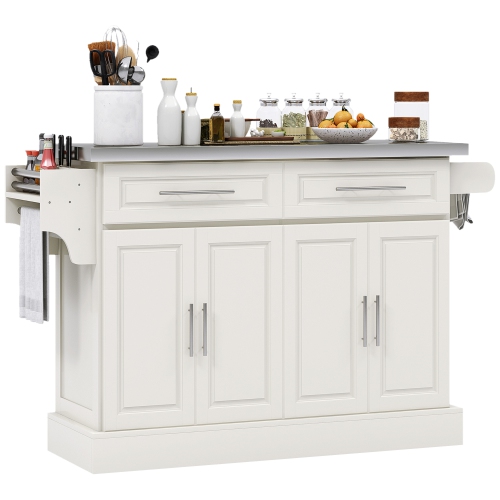
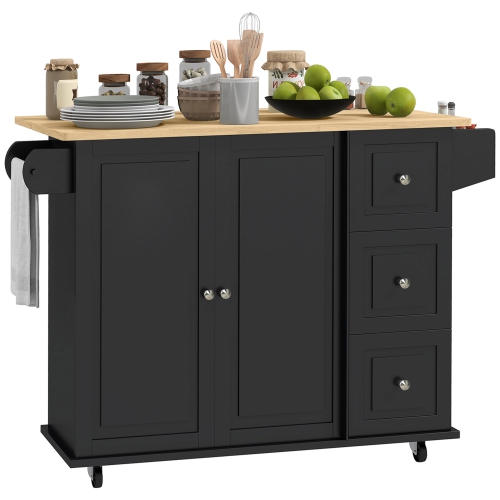
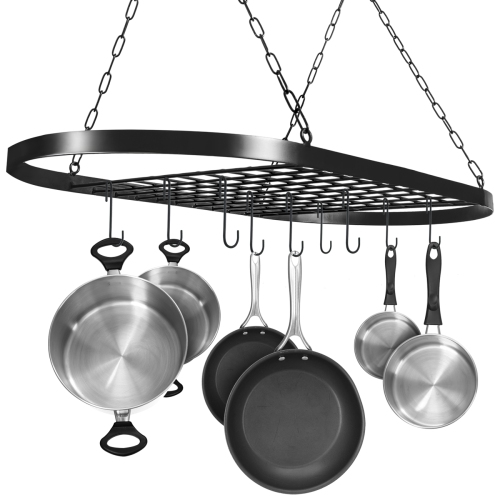
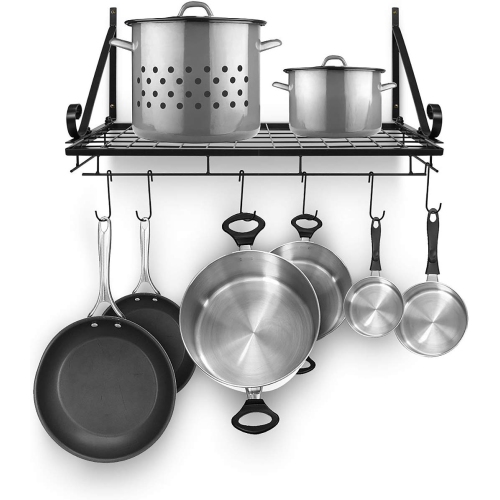
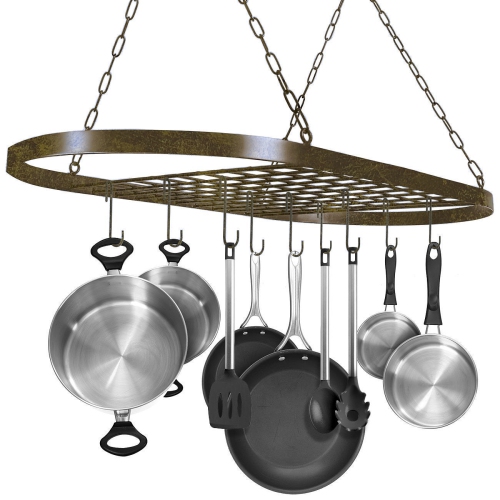

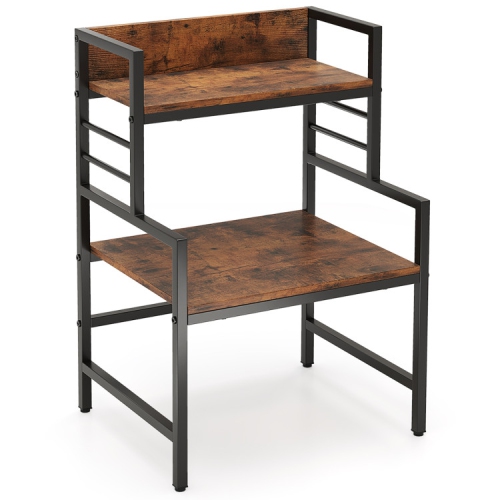
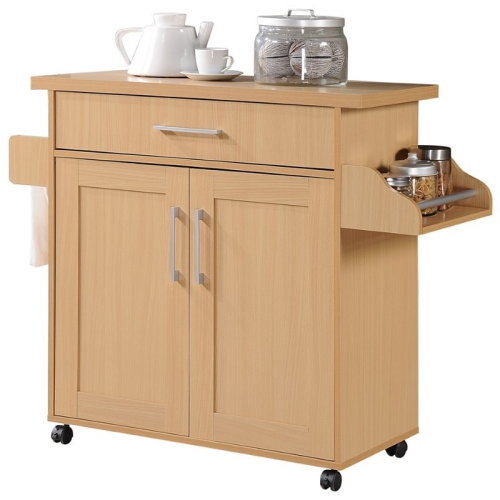
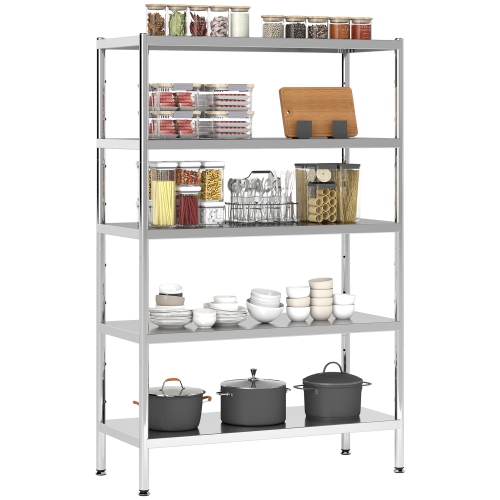
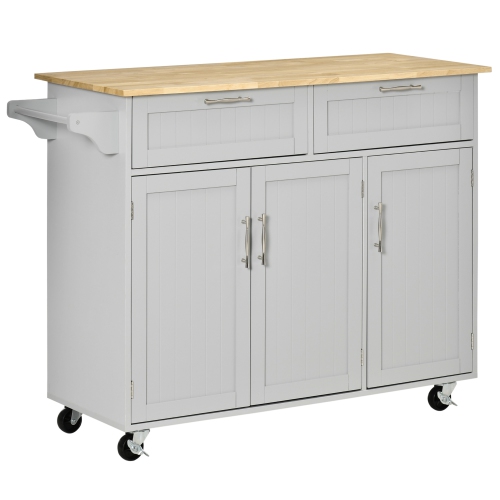
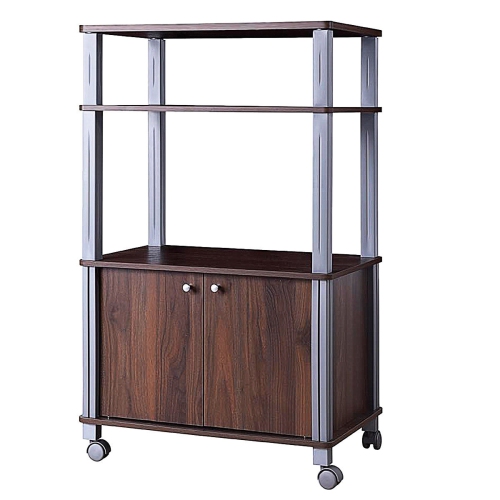
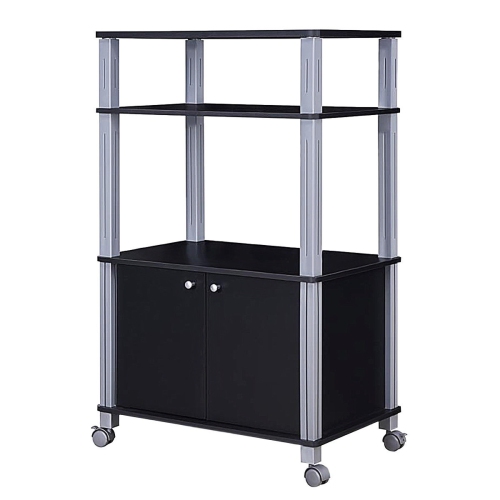
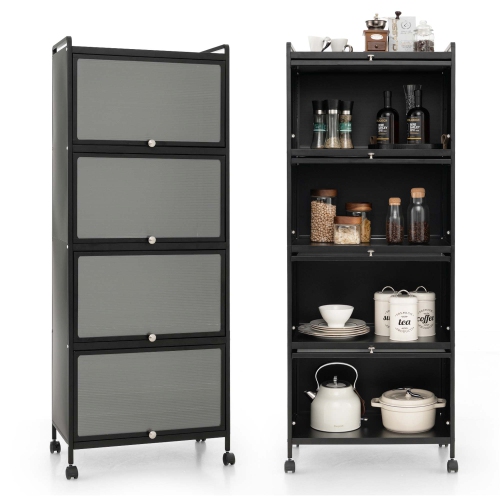
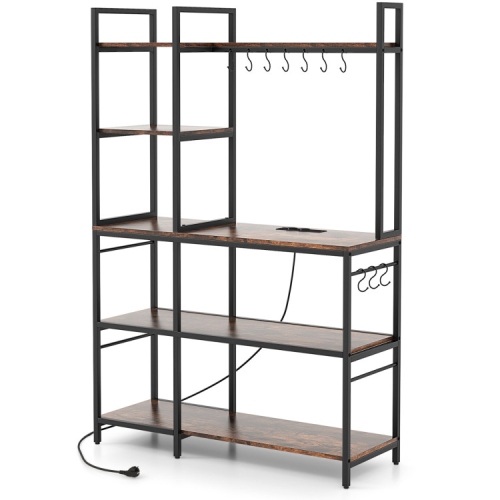
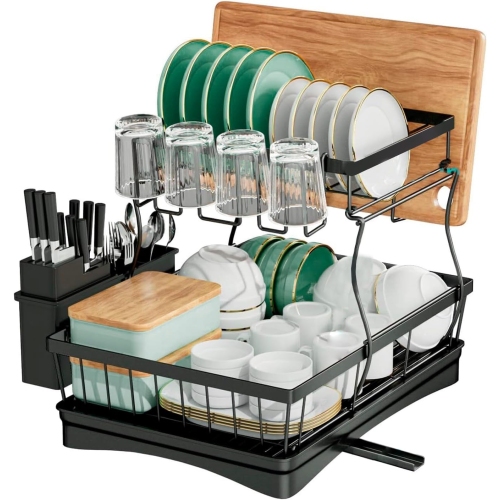

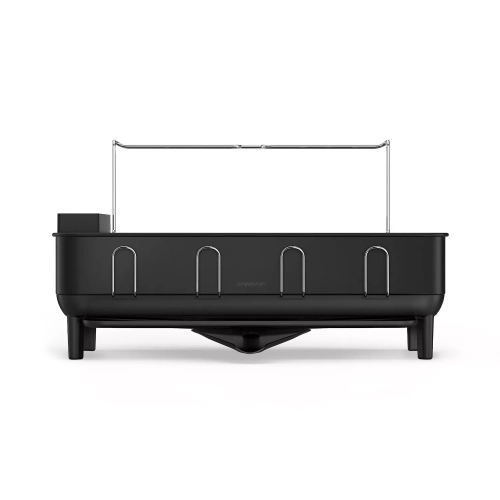
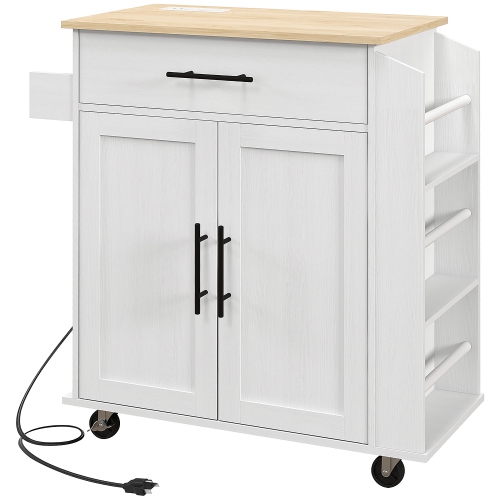
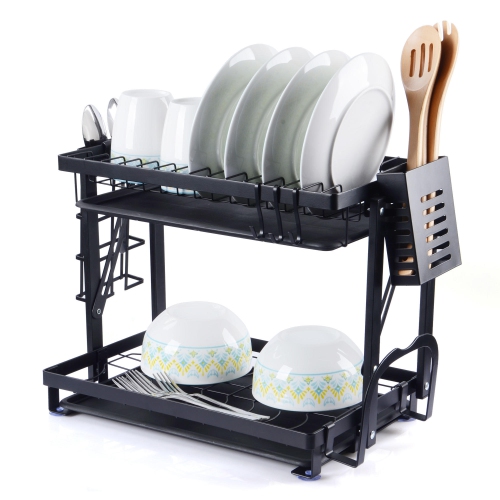
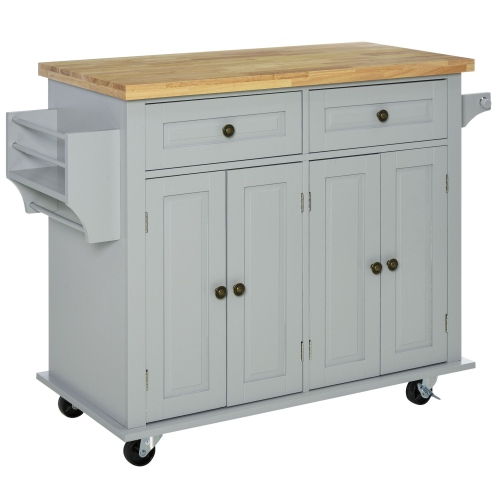
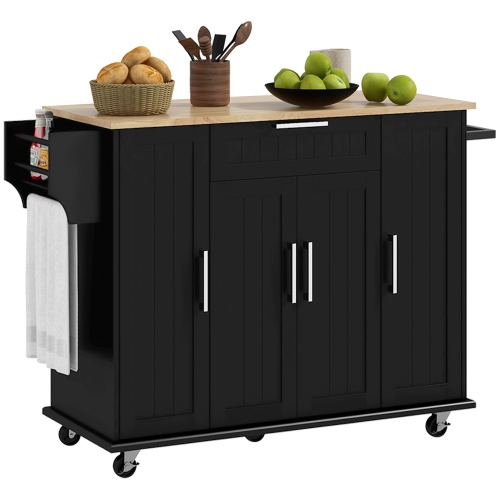
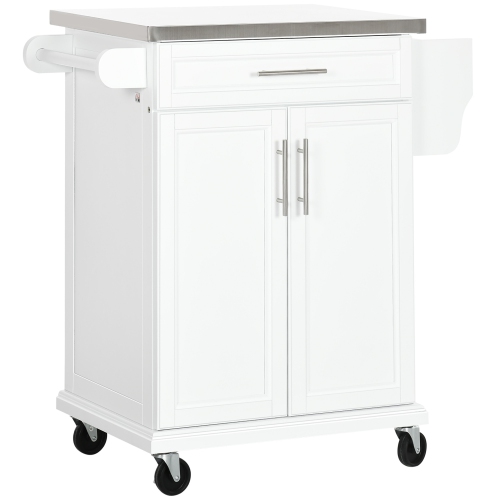
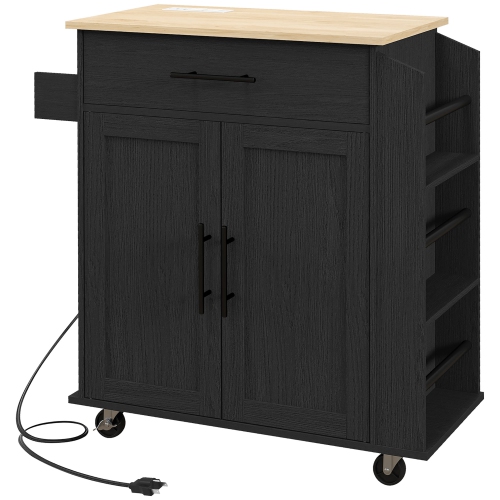
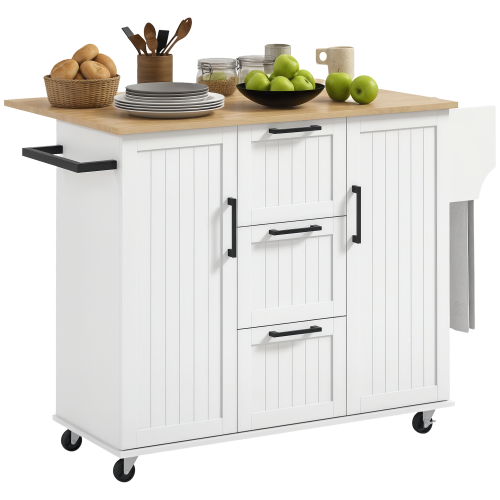
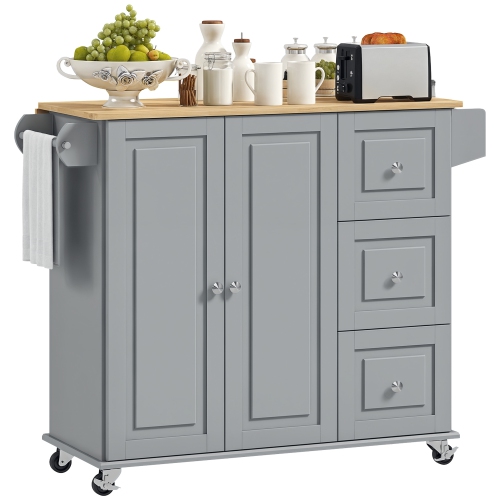
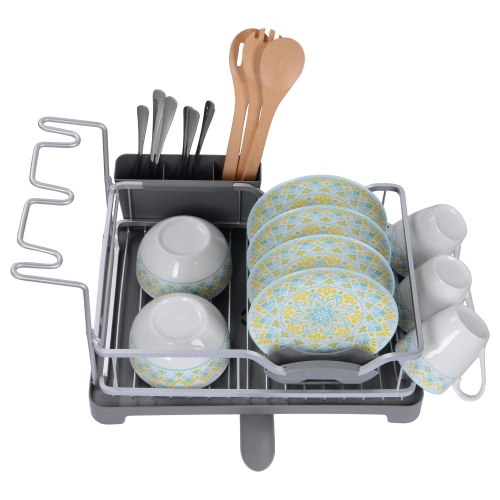
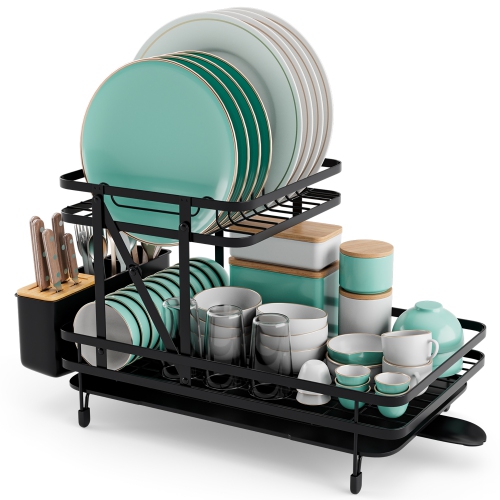
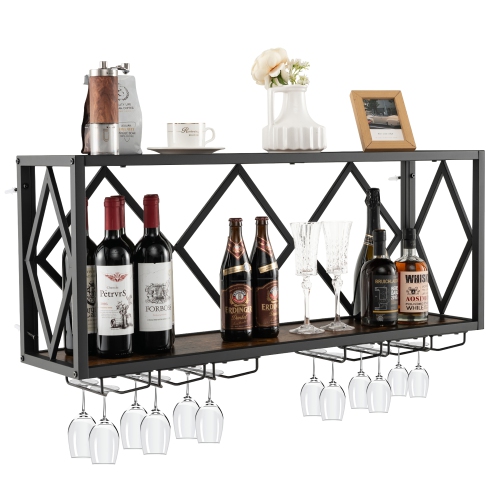


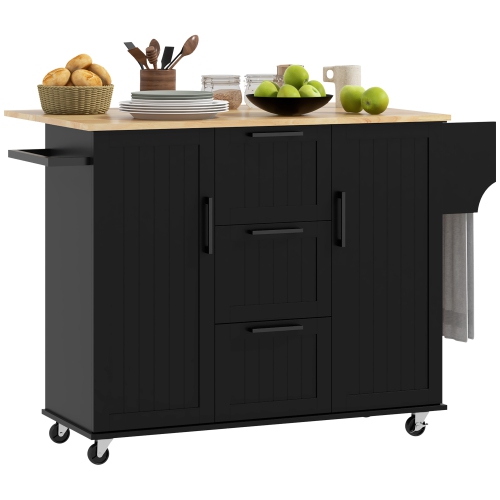
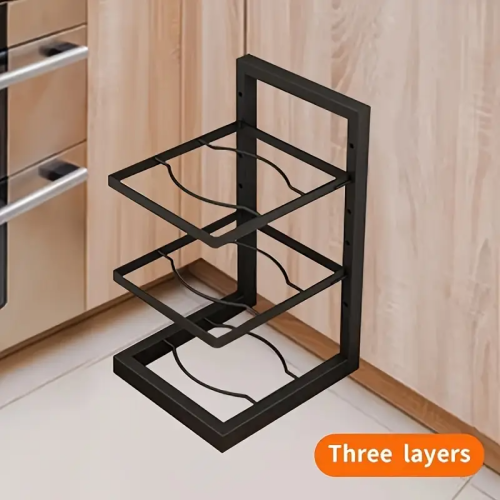
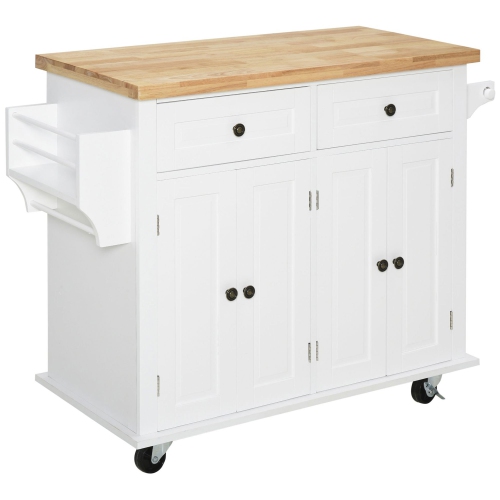
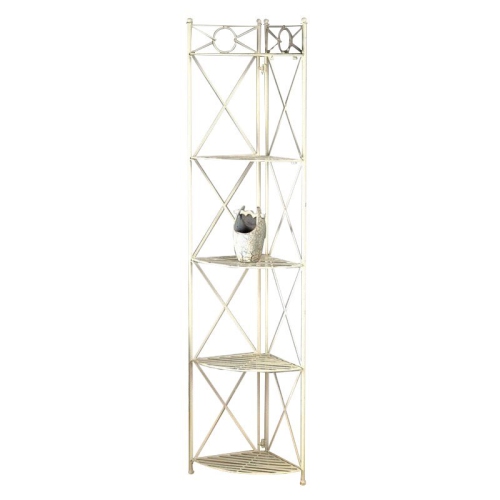
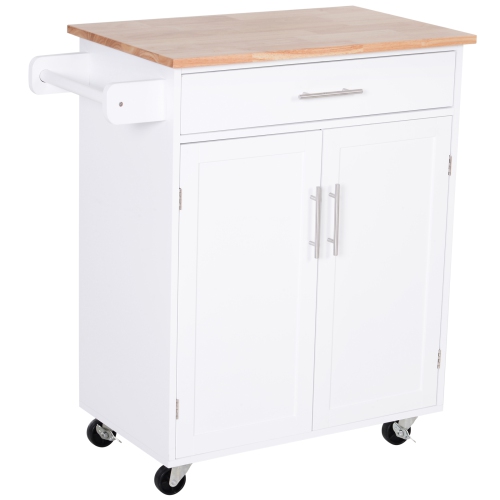
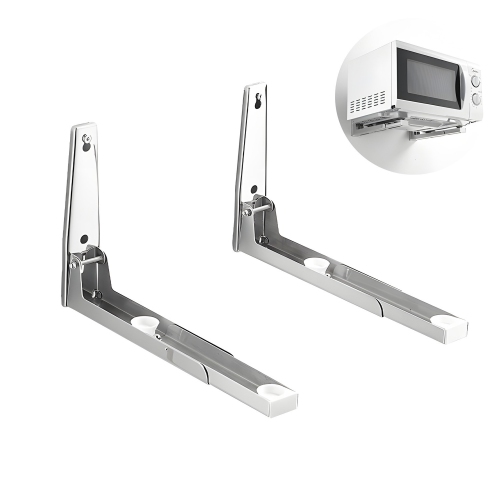
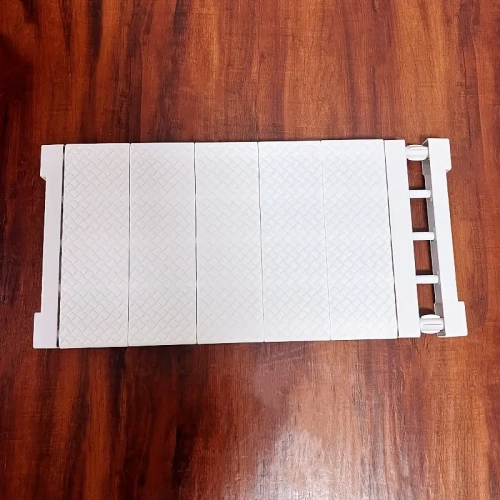
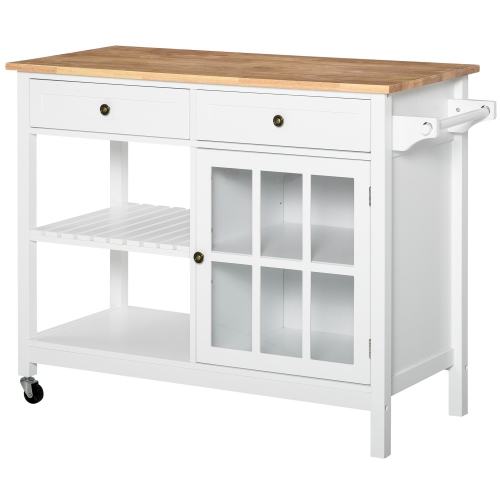
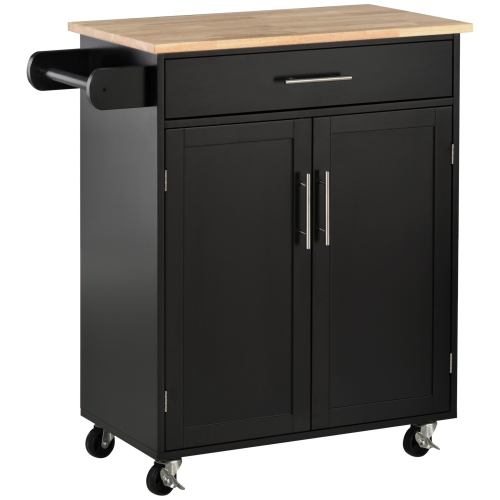
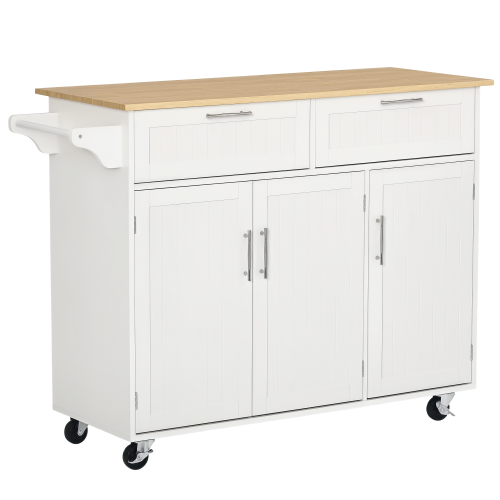
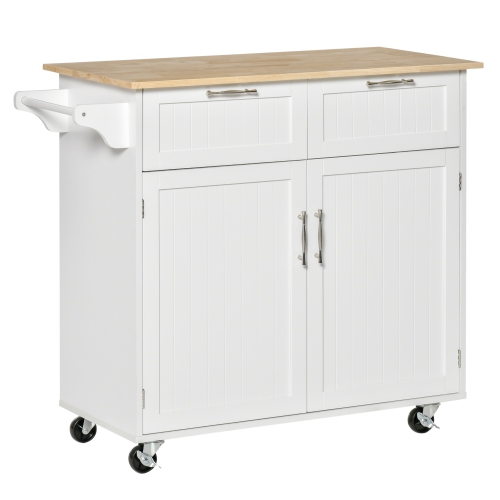
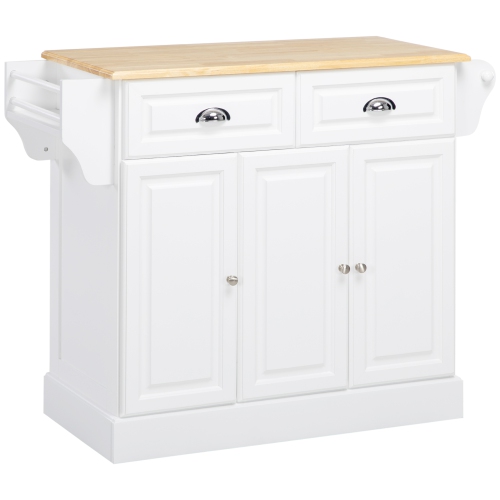
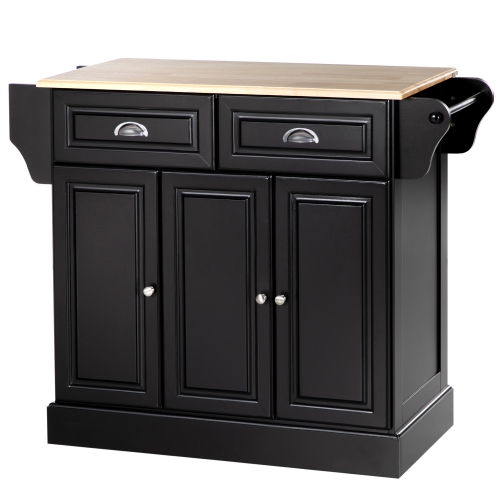
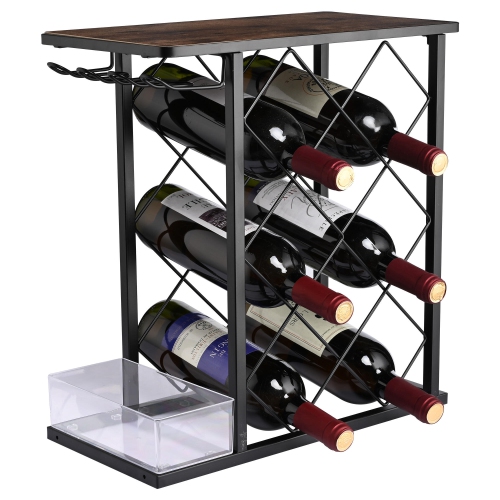

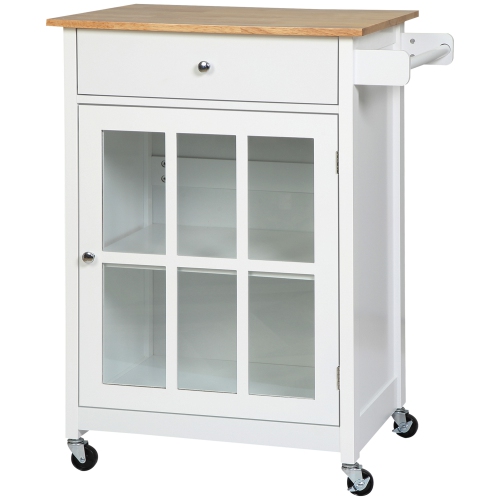

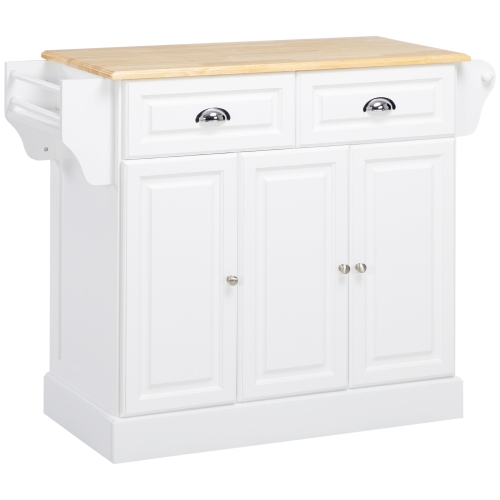
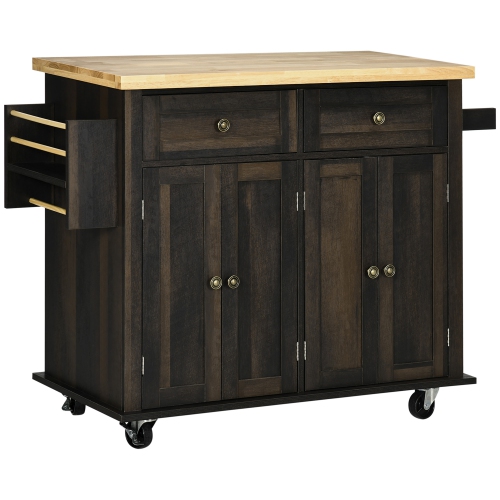
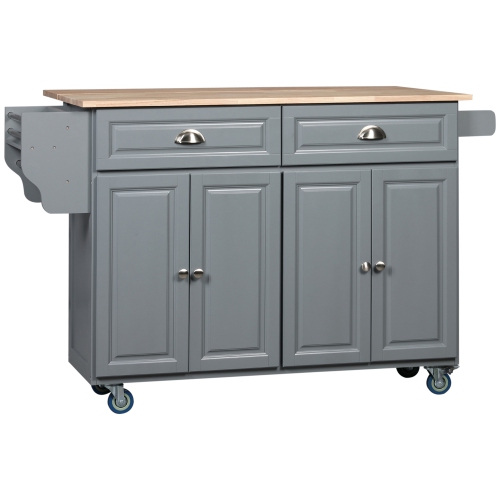
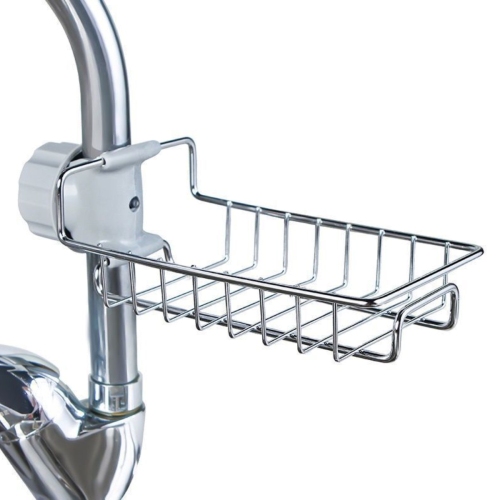
Flexible storage solutions for organized, accessible kitchen spaces
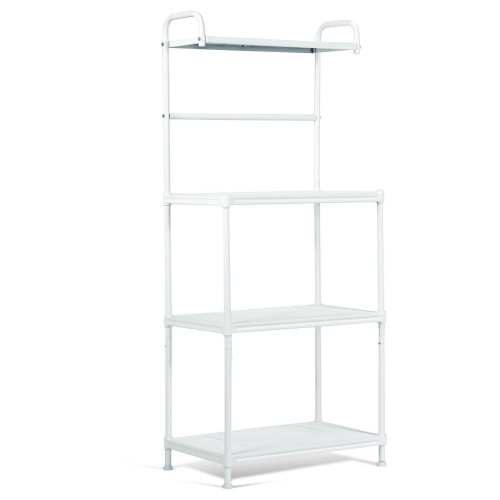
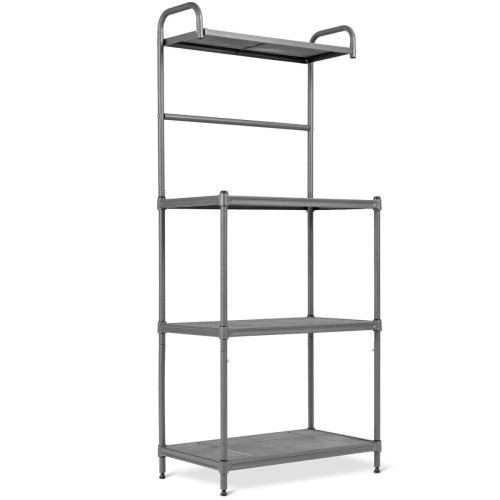
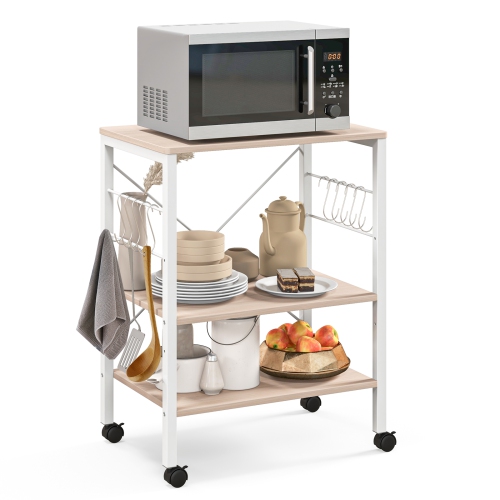
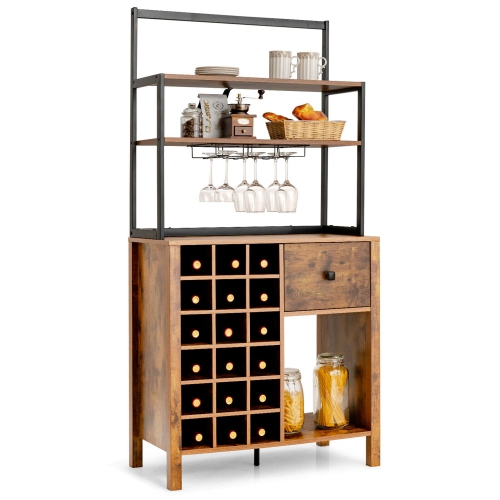
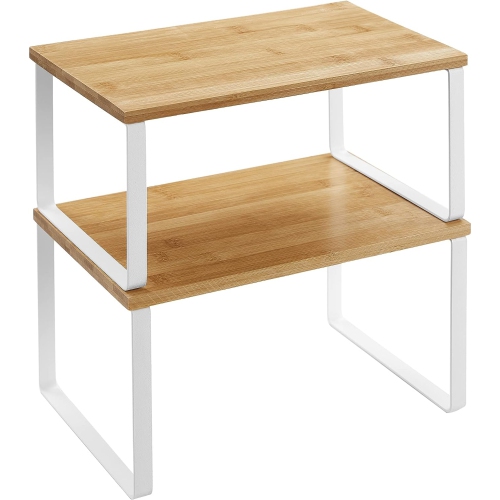
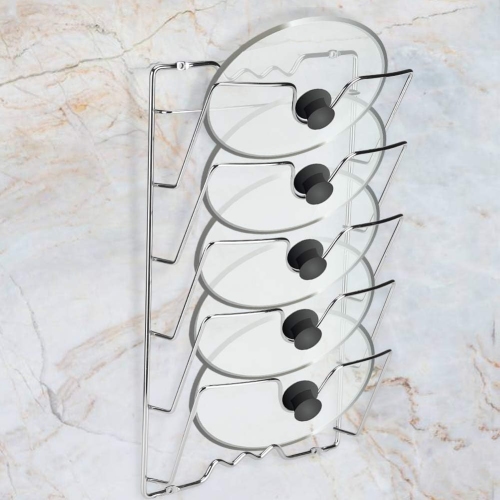
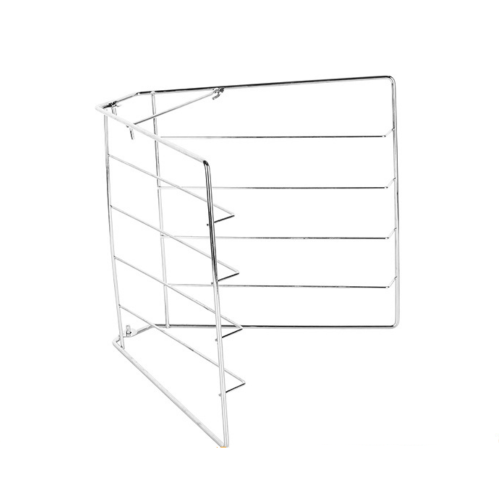
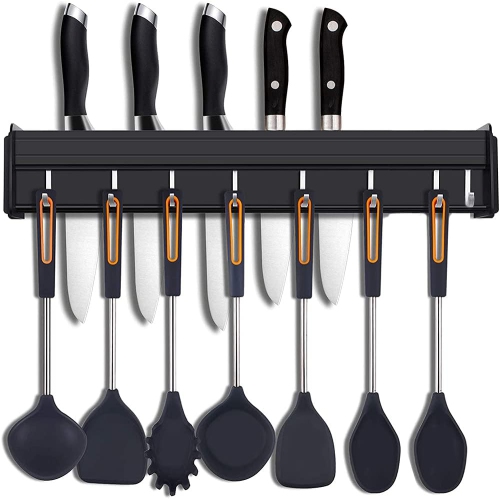
Kitchen racks are a practical way to make better use of the space you already have, whether your kitchen is a compact apartment setup, a busy family room, or an open-concept cooking area where everything needs to look tidy. They can help organize cookware, dishes, pantry items, spices, utensils, bottles, and everyday accessories while keeping frequently used items within easy reach. A well-placed rack can turn an awkward corner into useful storage, create order inside a crowded cupboard, or give wet dishes a designated place to dry beside the sink. During the warmer months, when kitchens often become gathering spaces for casual meals and entertaining, accessible storage makes it easier to prepare food without searching through packed cabinets. As the weather cools and hearty cooking, baking, and shared meals become part of the routine, a rack can help keep baking supplies, serving pieces, and cookware organized for smoother preparation. Kitchen racks are also helpful for renters and homeowners who want flexible storage without committing to a major renovation. Depending on the style, they may sit on a countertop, fit inside a cabinet, mount to a wall, hang beneath a shelf, or stand on the floor. This range of designs makes it easier to match storage to the layout and habits of your household. Someone who cooks every day may appreciate a sturdy rack that keeps pots, pans, or cutting boards ready to grab, while a tea or coffee enthusiast may prefer a compact organizer that keeps mugs and accessories together. In a smaller kitchen, vertical storage can be especially valuable because it makes use of height rather than taking up more counter space. Even a spacious kitchen can benefit from dedicated zones, helping separate meal-preparation tools from entertaining pieces or keeping children’s cups and snacks at a reachable level.
When choosing a kitchen rack, start by considering what you plan to store and where the rack will be used. Measure the available area carefully, including the height beneath cupboards, the depth of a shelf, and the clearance around doors, drawers, taps, and appliances. A rack that fits neatly on an empty shelf may not work if it prevents a cabinet door from closing or blocks access to a nearby outlet. Think about the weight of the items as well. Cast-iron cookware, stoneware, glass bottles, and full jars require a stable construction and a suitable weight capacity, while napkins, small utensils, or lightweight containers may only need a simple organizer. Shelves with raised edges can help prevent items from sliding, and multiple tiers can make smaller containers easier to see instead of leaving them hidden at the back. For dish or sink-side storage, drainage and airflow are important considerations. Open designs can encourage water to run off and allow dishes to dry, while a removable tray may make cleanup more convenient. In areas exposed to splashes or steam, look for finishes and materials that are easy to wipe down and suited to regular kitchen use. A rack with smooth surfaces, rounded edges, or removable components may be simpler to maintain, especially in households where cooking happens several times a day. Placement also matters: keep heavy items lower when possible, position everyday essentials where they can be reached comfortably, and avoid overcrowding shelves so that each item can be removed without disturbing everything around it. For additional options suited to a particular material or look, explore Kitchen Metal Racks, which can complement contemporary, industrial, or utility-focused kitchen spaces.
Kitchen racks can be useful for a wide range of households and can make thoughtful gifts for people settling into a new home, furnishing a first apartment, renovating a kitchen, or building a collection of cooking essentials. They can also suit students, roommates, frequent entertainers, home bakers, and anyone who enjoys an orderly workspace. A compact rack may be a welcome addition to a kitchenette with limited drawers, while a larger storage solution can help a busy household keep everyday dishes, cookware, or pantry goods in clearly defined places. When selecting one as a gift, consider the recipient’s kitchen style and routines rather than choosing solely by appearance. Someone with limited counter space may value a vertical or wall-mounted design, while a home cook with generous cupboards may prefer an insert that creates extra levels inside an existing cabinet. Neutral finishes can blend into many interiors, whereas a distinctive design may suit a recipient who enjoys displaying kitchen accessories. It is also worth considering how easy the rack will be to assemble, move, clean, and adjust, particularly if it is intended for a rental or a home where the layout may change. The best choice is one that supports the way the kitchen is actually used: a rack beside the sink should make drying and putting away dishes simpler, a storage rack near the cooking area should reduce reaching and rummaging, and an organizer in the pantry should make ingredients easier to spot before they are forgotten. With the right size, placement, and capacity, a kitchen rack can bring a sense of calm to busy mornings, make shared cooking less crowded, and help every utensil, dish, or ingredient have a logical place.
When choosing a kitchen rack, start by considering what you plan to store and where the rack will be used. Measure the available area carefully, including the height beneath cupboards, the depth of a shelf, and the clearance around doors, drawers, taps, and appliances. A rack that fits neatly on an empty shelf may not work if it prevents a cabinet door from closing or blocks access to a nearby outlet. Think about the weight of the items as well. Cast-iron cookware, stoneware, glass bottles, and full jars require a stable construction and a suitable weight capacity, while napkins, small utensils, or lightweight containers may only need a simple organizer. Shelves with raised edges can help prevent items from sliding, and multiple tiers can make smaller containers easier to see instead of leaving them hidden at the back. For dish or sink-side storage, drainage and airflow are important considerations. Open designs can encourage water to run off and allow dishes to dry, while a removable tray may make cleanup more convenient. In areas exposed to splashes or steam, look for finishes and materials that are easy to wipe down and suited to regular kitchen use. A rack with smooth surfaces, rounded edges, or removable components may be simpler to maintain, especially in households where cooking happens several times a day. Placement also matters: keep heavy items lower when possible, position everyday essentials where they can be reached comfortably, and avoid overcrowding shelves so that each item can be removed without disturbing everything around it. For additional options suited to a particular material or look, explore Kitchen Metal Racks, which can complement contemporary, industrial, or utility-focused kitchen spaces.
Kitchen racks can be useful for a wide range of households and can make thoughtful gifts for people settling into a new home, furnishing a first apartment, renovating a kitchen, or building a collection of cooking essentials. They can also suit students, roommates, frequent entertainers, home bakers, and anyone who enjoys an orderly workspace. A compact rack may be a welcome addition to a kitchenette with limited drawers, while a larger storage solution can help a busy household keep everyday dishes, cookware, or pantry goods in clearly defined places. When selecting one as a gift, consider the recipient’s kitchen style and routines rather than choosing solely by appearance. Someone with limited counter space may value a vertical or wall-mounted design, while a home cook with generous cupboards may prefer an insert that creates extra levels inside an existing cabinet. Neutral finishes can blend into many interiors, whereas a distinctive design may suit a recipient who enjoys displaying kitchen accessories. It is also worth considering how easy the rack will be to assemble, move, clean, and adjust, particularly if it is intended for a rental or a home where the layout may change. The best choice is one that supports the way the kitchen is actually used: a rack beside the sink should make drying and putting away dishes simpler, a storage rack near the cooking area should reduce reaching and rummaging, and an organizer in the pantry should make ingredients easier to spot before they are forgotten. With the right size, placement, and capacity, a kitchen rack can bring a sense of calm to busy mornings, make shared cooking less crowded, and help every utensil, dish, or ingredient have a logical place.
Top selling and popular products
-
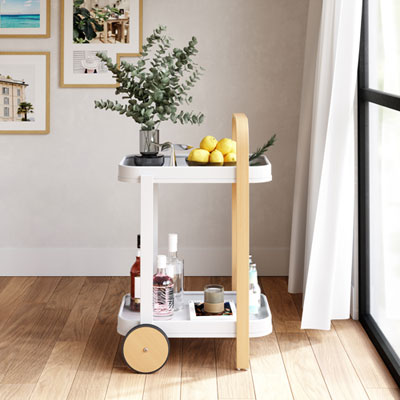 Your price for this item is $169.98
 -
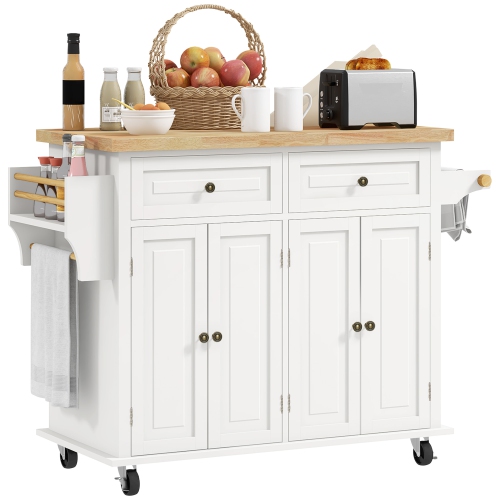 Your price for this item is $219.99
 -
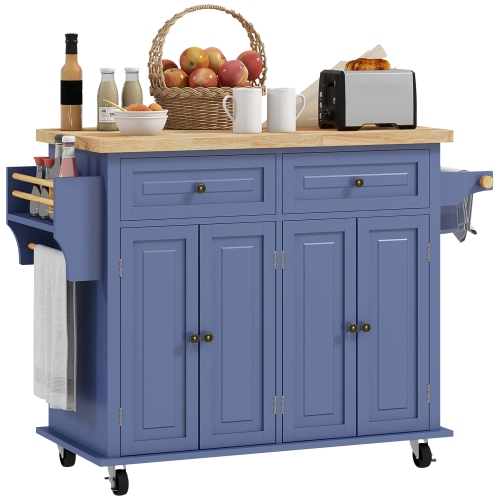 Your price for this item is $219.99
 -
 Your price for this item is $359.99
 -
 Your price for this item is $360.49
 -
 Your price for this item is $149.99
 -
 Your price for this item is $482.86
 -
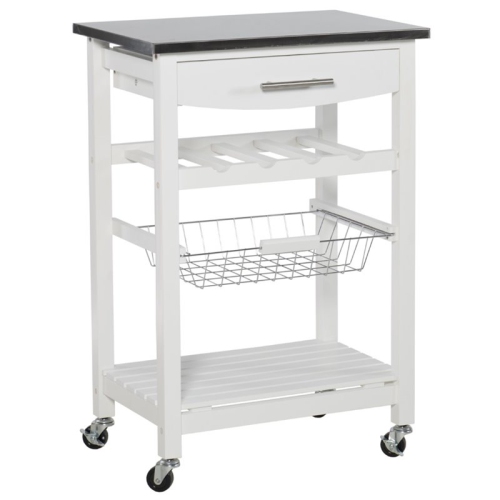 Your price for this item is $305.66
Discover more categories related to Kitchen Racks

Top Collections:
Pokemon Centers, Kindle Devices, Best Budget Office Chairs, Apple iPhones 16, Best Laptops for Writers, iPhone 15 Apple, Canon G7X Cameras, Refurbished Apple Laptops, Alarm Clock, Motorola Razr Phones
Some products may be subject to Environmental Handling Fees
(EHF) depending on your province.
Learn more about EHFs.