Hat Hooks
Organize your hats in style with our collection of hat hooks, designed to keep your space tidy and your favorite headwear easily accessible. Whether you're a baseball cap enthusiast or prefer wide-brimmed sun hats, these versatile hooks are the perfect solution for decluttering your entryway, bedroom, or closet. With a variety of finishes and designs to choose from, you can mix and match to create a personalized organization system that complements your decor seamlessly. Say goodbye to rummaging through piles of hats and hello to a neat and orderly storage solution with our selection of hat hooks.
Sort
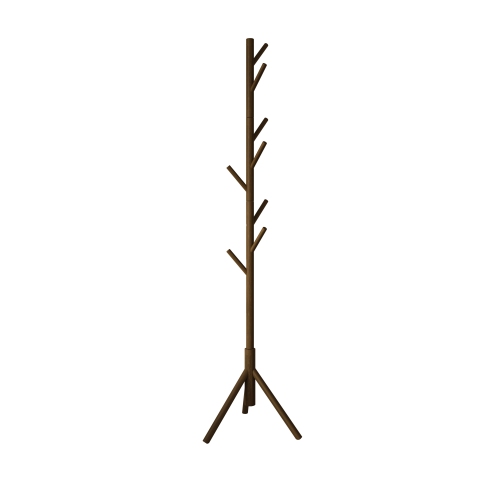
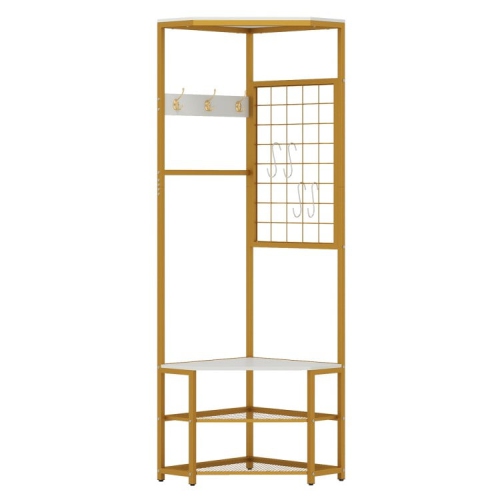
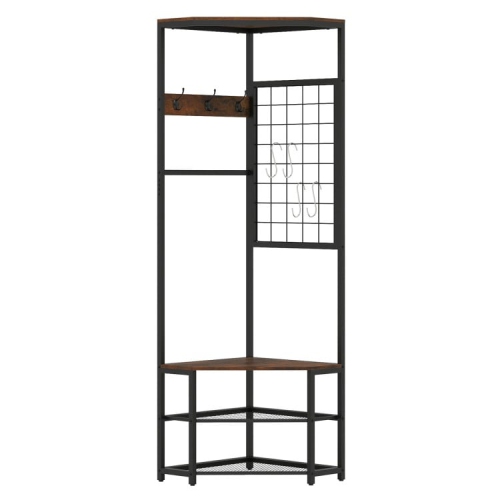
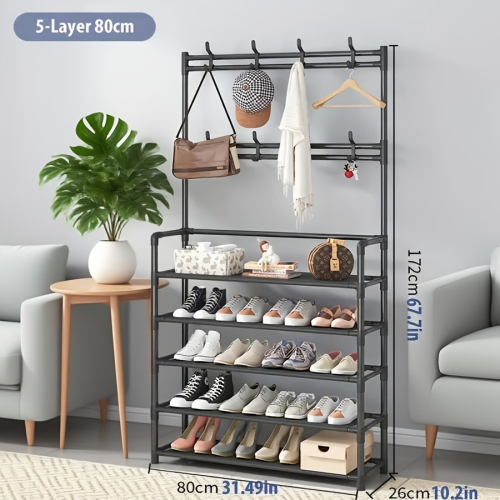
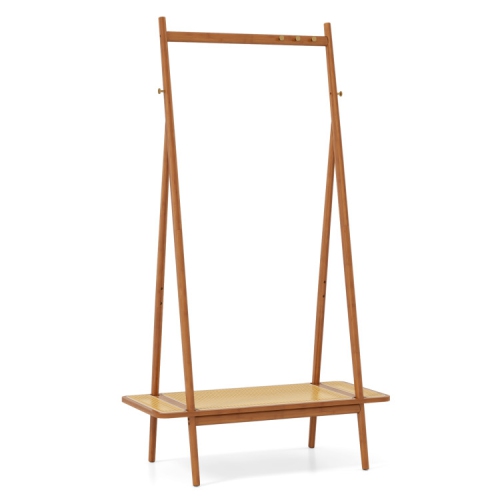
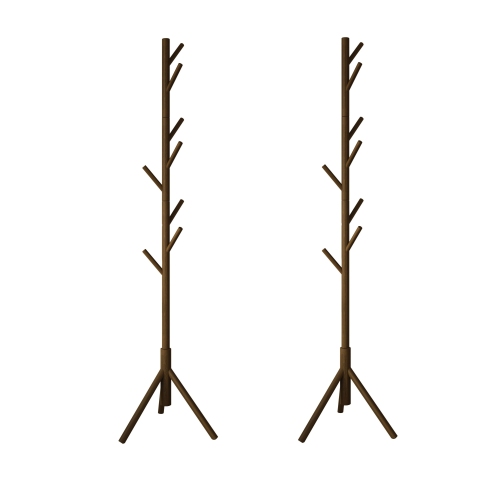
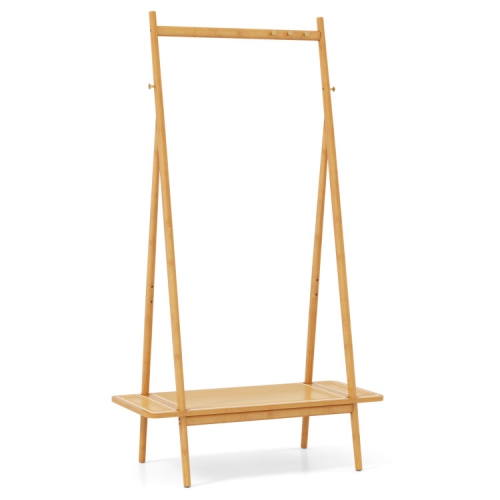
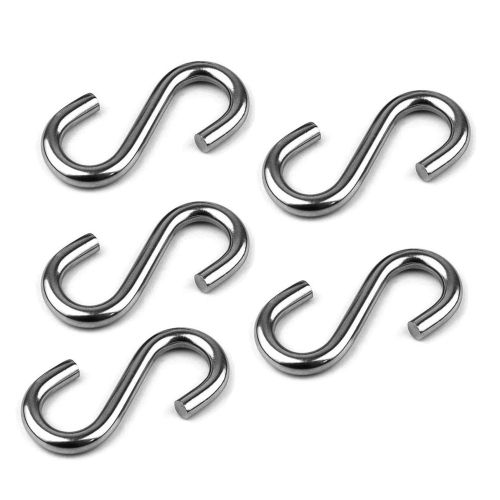
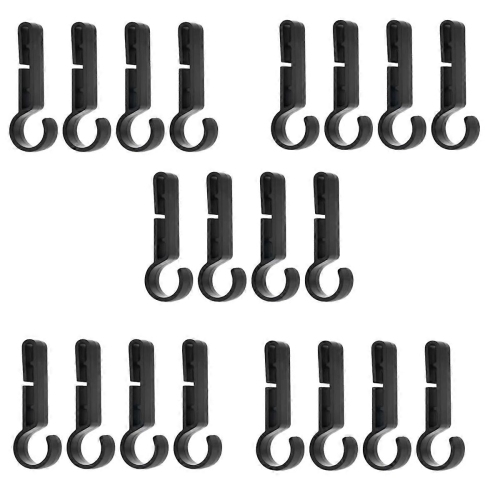
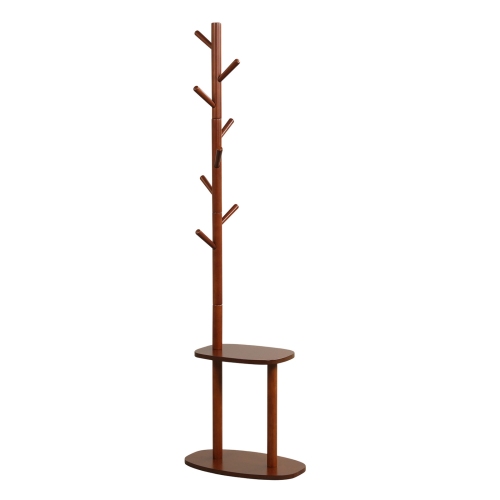
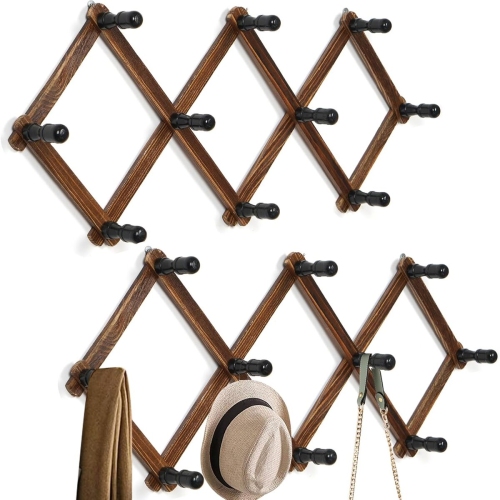
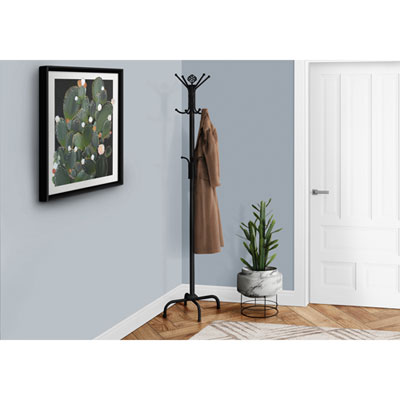

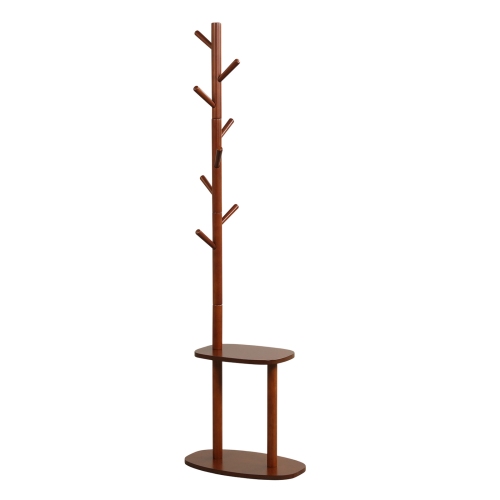
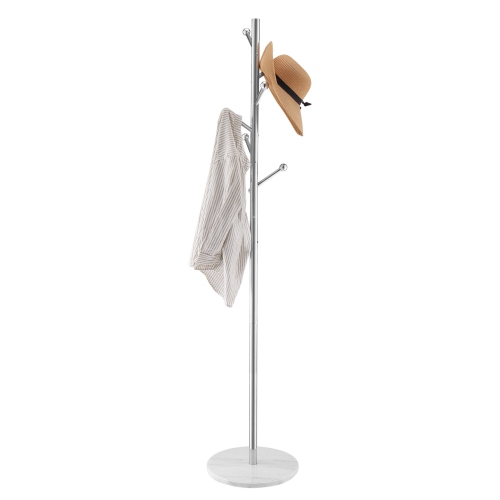
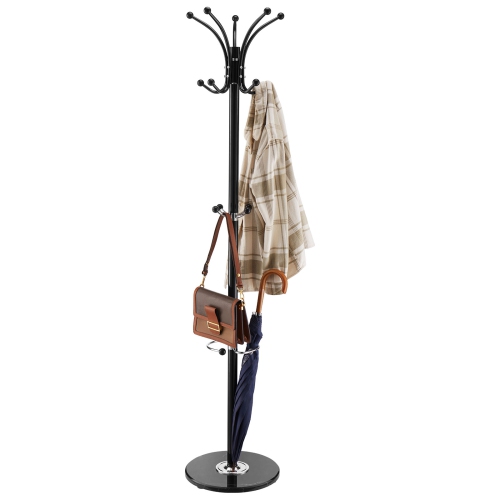
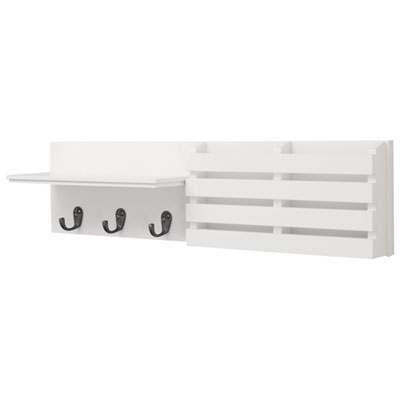
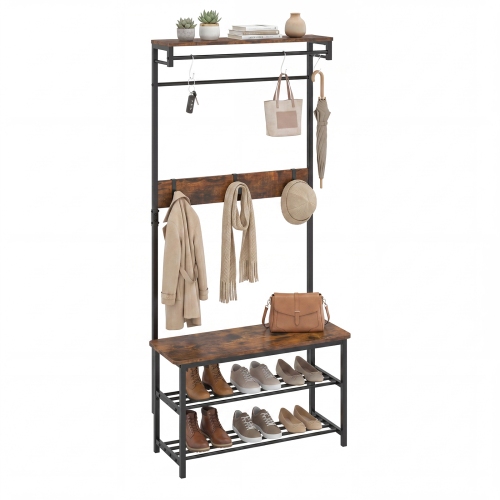
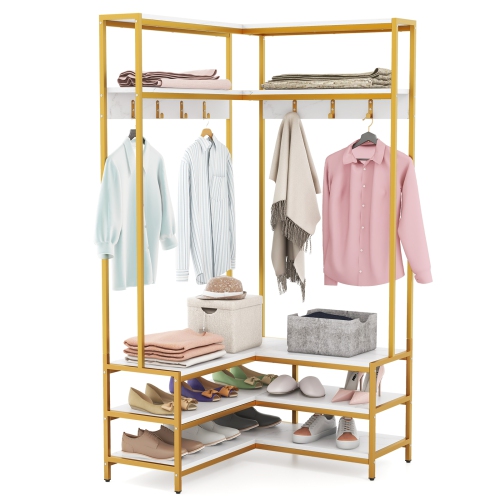
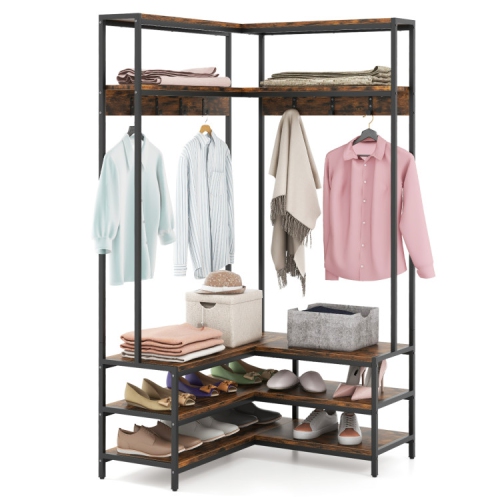
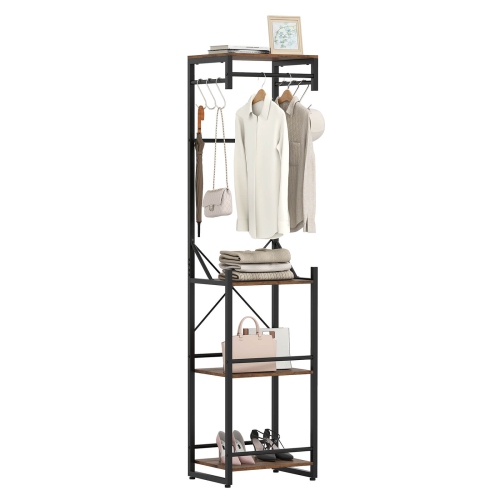
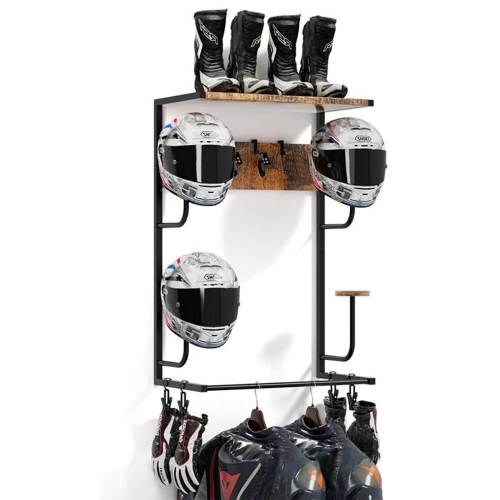
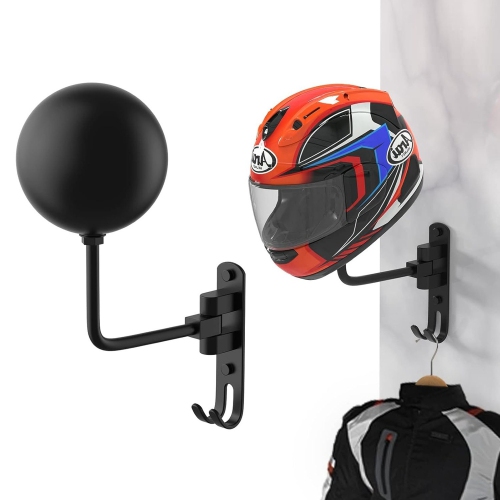
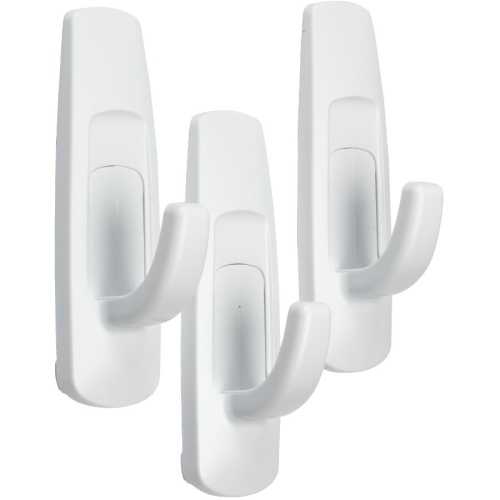
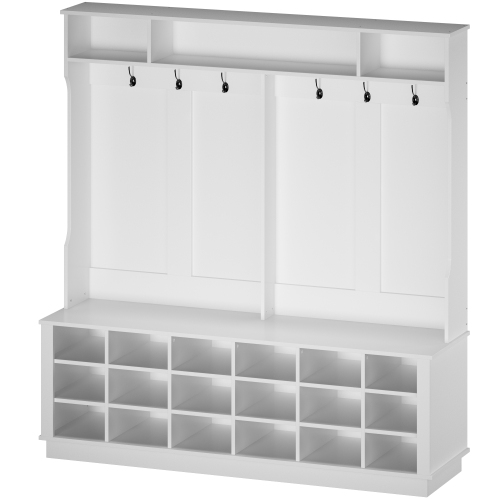

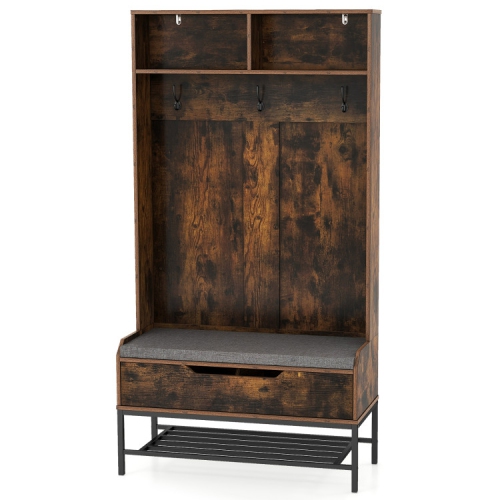
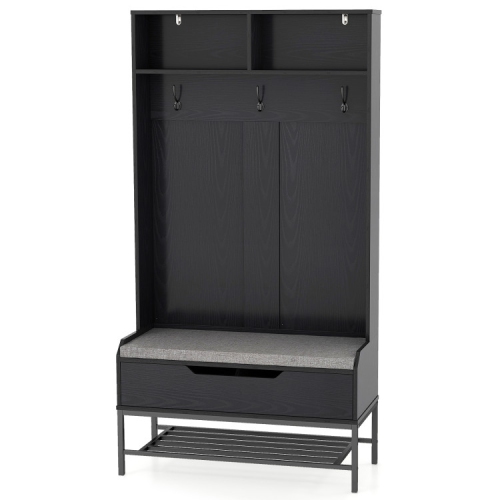
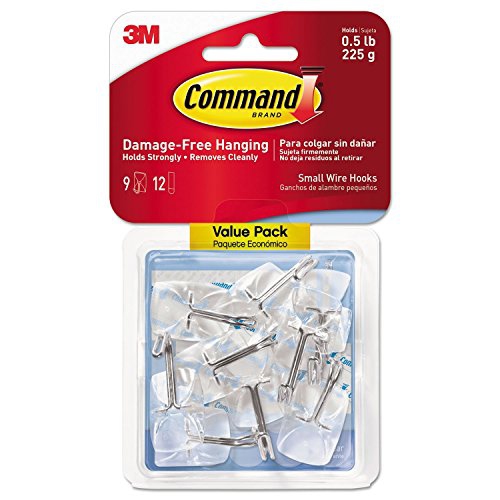
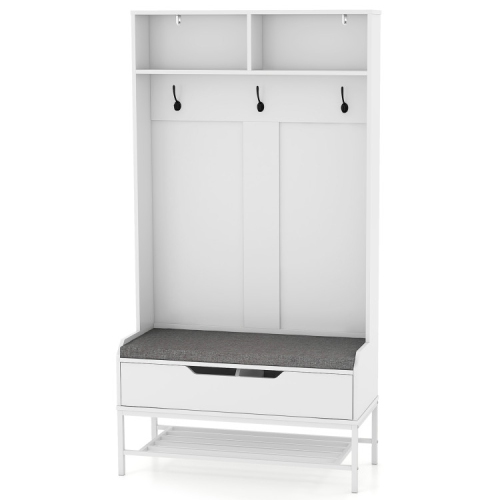
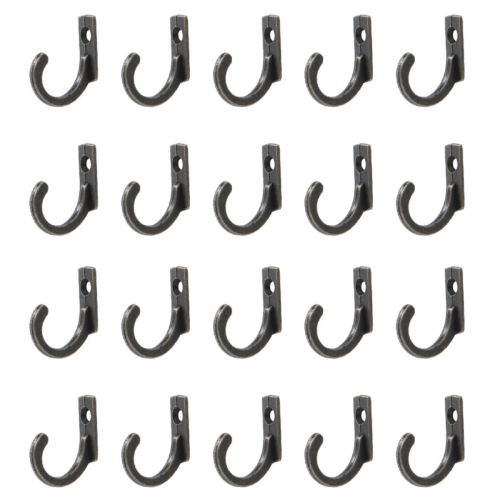
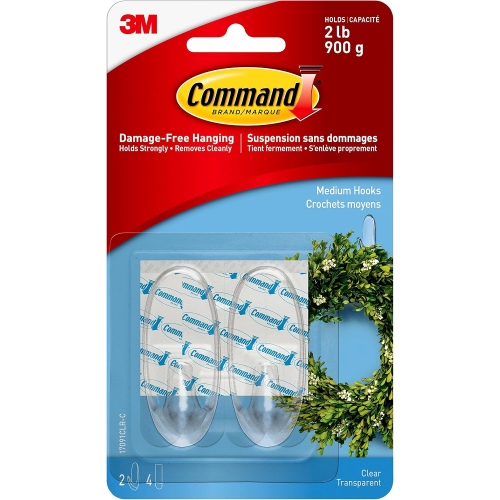
Better hat storage starts with shape and spacing
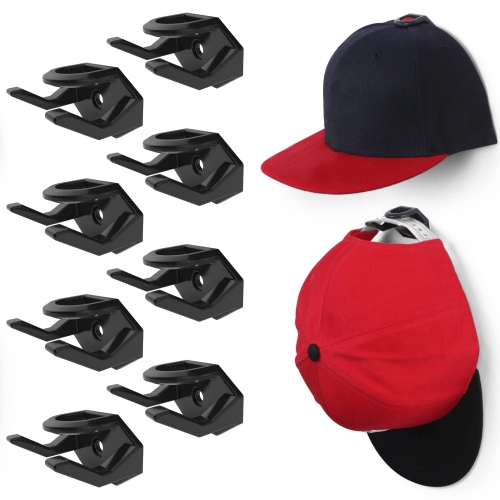
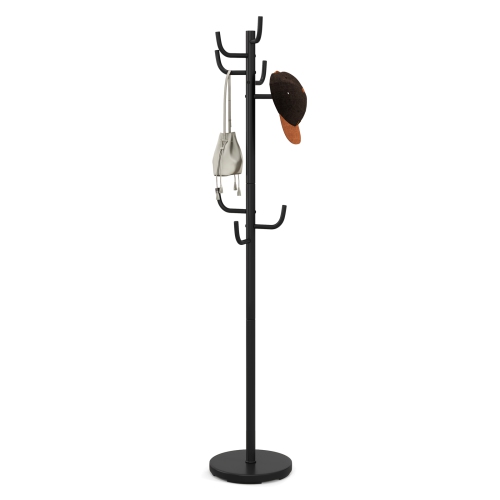
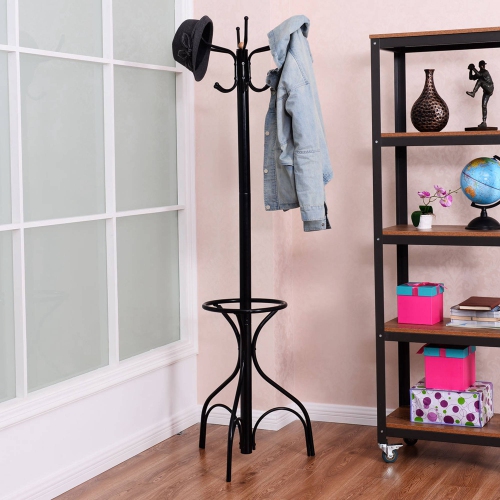
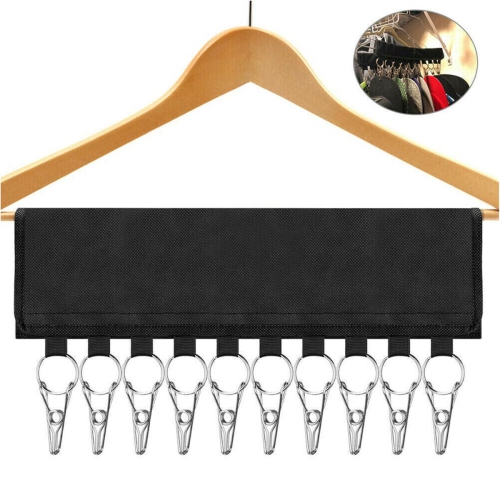
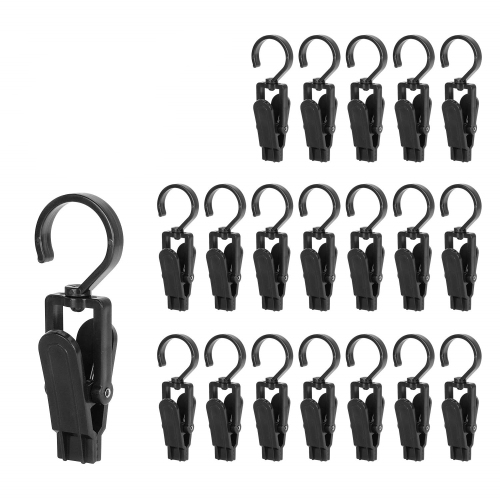
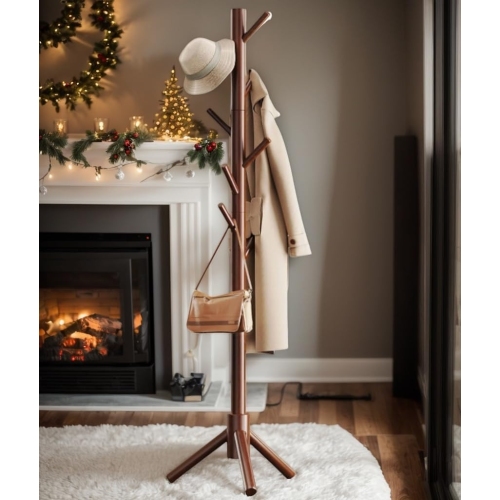
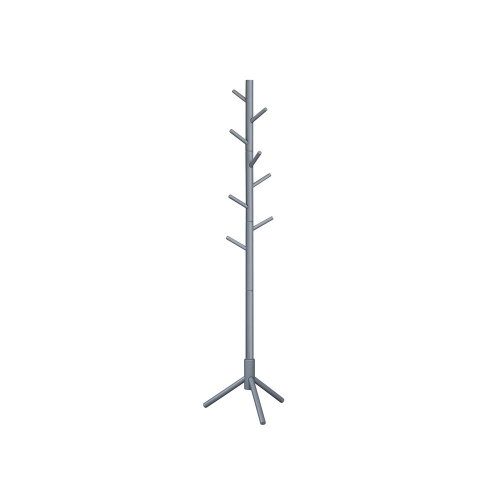
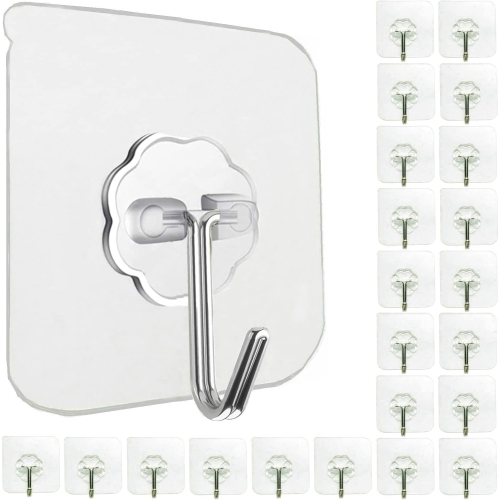
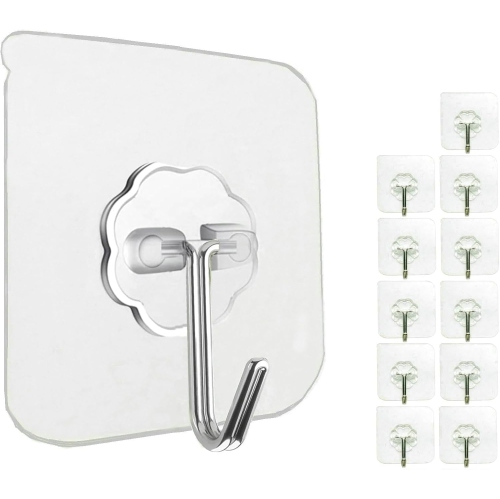
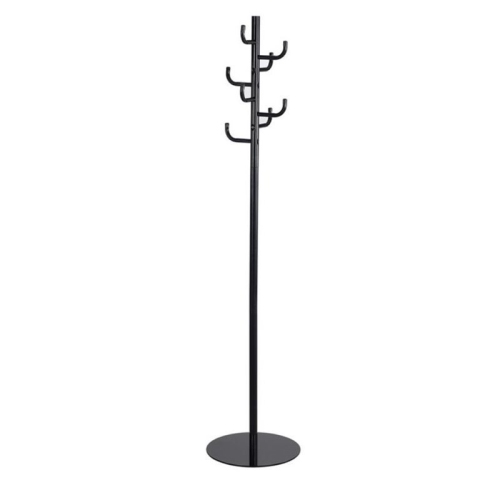
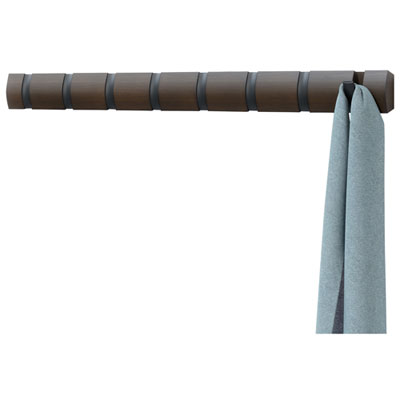
Hat hooks keep everyday headwear within reach while giving each piece a defined place between wears. A row beside the front door can hold the caps that otherwise collect on a console table, while individual hooks inside a wardrobe make use of narrow wall space without taking up a shelf. The most suitable shape depends on the hats being stored: small, rounded hooks can suit lightweight caps, while broad, gently curved supports offer a larger contact area for structured crowns and heavier headwear. Baseball caps, soft knit hats, fedoras, and wide-brimmed hats do not all hang the same way. A cap may rest comfortably from a suitable rear opening or adjustment strap, whereas a shaped hat needs support that does not concentrate pressure on a delicate section of its crown or brim. Smooth edges and rounded ends help reduce snagging, especially around loosely knitted fabric, decorative stitching, and hat linings. Enough depth also matters; a shallow peg may leave a bulky hat perched precariously, while a longer projection gives it more room to settle securely. Single hooks allow flexible spacing around different hat sizes, and multi-hook rails create a tidy storage zone for several people. Double hooks can separate a cap from a light accessory, provided the design and rated capacity suit both. For a collection displayed on a bedroom wall, spacing is as important as the number of hooks: wide brims need room on either side, and overlapping hats can make the bottom row awkward to reach. In a shared entryway, hooks at different heights can give adults and children their own accessible spots. Hat hooks can also make a practical gift for someone who collects headwear, enjoys an organized dressing area, or wants a better home for frequently worn caps, particularly when the mounting style suits their space.
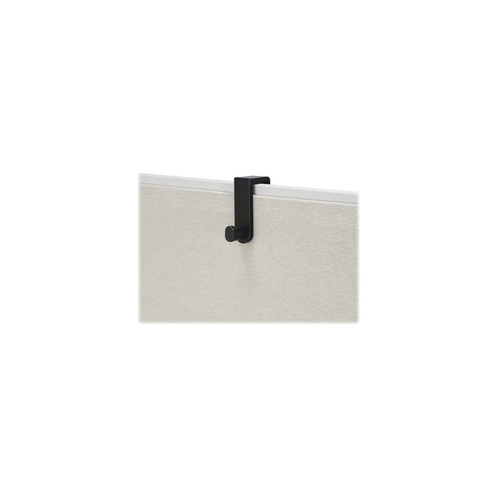
Mounting method determines where hat hooks can be used and how much they can safely support. Screw-mounted hooks are an option for a permanent storage area, but their strength depends on the complete installation, including the wall material, fasteners, anchors where required, and the hook itself. Fixing into a suitable wall stud can provide a secure attachment when the design allows it; hollow drywall, masonry, tile, and timber each call for compatible hardware and installation methods. A hook’s stated load rating should never be treated as a promise that any wall fixing will carry the same weight. This distinction becomes especially important when a hat hook also attracts a handbag, backpack, or coat. On a multi-hook rail, both the individual hook limits and the total rail capacity matter, since several light belongings can add up. Adhesive hat hooks offer an alternative where drilling is undesirable, but they are only appropriate for the surfaces and loads identified by their manufacturer. Textured walls, wallpaper, delicate finishes, and poorly bonded paint may be unsuitable, and even removable adhesive can affect a surface if used or removed incorrectly. Required surface preparation and waiting times before loading are part of achieving a reliable bond. Over-the-door designs avoid wall mounting, although door thickness, clearance above the door, and the position of the frame need to match the hanger. A door should still close freely, and the hooks should not press hats against a nearby wall when it swings open. Placement also affects daily use. A hook behind a door may be discreet but inconvenient for a broad-brimmed hat, while a position beside a light switch can create an avoidable obstruction. In a compact hallway, a lower-profile design leaves more passing room. In a dressing area, deeper supports may be preferable because there is space for hats to hang without brushing against clothing. Dimensions are therefore worth considering beyond the backplate alone: projection, hook spacing, and usable hanging depth all influence how comfortably the storage fits into a room.
Materials and finish shape both the appearance of hat hooks and their performance over time. Metal hooks can provide a slim profile with firm support, although strength varies with the metal, thickness, construction, and mounting arrangement. Steel, stainless steel, brass, and aluminium each have distinct appearances and care requirements; a plated or painted surface also needs attention to the condition of its finish. Solid wood pegs bring visible grain and a softer visual presence, while their durability depends on sound construction, a smooth surface, and secure attachment. Plastic hooks are often lightweight, but their suitability still rests on the intended load and design rather than appearance alone. Any surface that touches headwear should be free of burrs, rough joins, or sharp corners that could catch fabric. Regular care is usually straightforward: dusting around the backplate and wiping with a soft cloth helps prevent marks from building up, while cleaning products should be compatible with the finish. Abrasive pads and harsh cleaners can scratch coatings or dull polished surfaces. Loose fixings, bent supports, peeling adhesive, or exposed rough edges are signs that a hook needs attention before further use. The hats themselves benefit from sensible placement, away from direct sunlight that may fade fabric and away from splashes that could mark felt or other sensitive materials. A hook provides accessible storage, but it does not replace a hat box or other protective storage when a particular hat requires one. Visually, repeated finishes can connect an entryway arrangement with nearby handles, lighting, or furniture, while contrasting hooks can turn a small collection into a deliberate wall display. For a utility-inspired look, Industrial Hooks are a related category to consider, with suitability for headwear still determined by shape, surface finish, and capacity. Whether the setting is a family hallway, a bedroom, or a compact condo entrance, the most useful arrangement gives each hat enough support and enough space to be lifted off without disturbing the rest.
Top selling and popular products
-
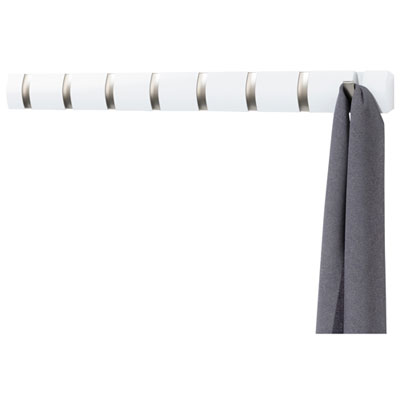 Your price for this item is $59.99
-
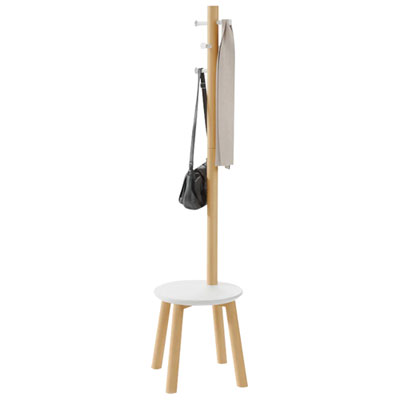 Your price for this item is $119.98
-
 Your price for this item is $265.05
-
 Your price for this item is $144.98
-
 Your price for this item is $75.9
-
 Your price for this item is $49.99
-
 Your price for this item is $99.99
-
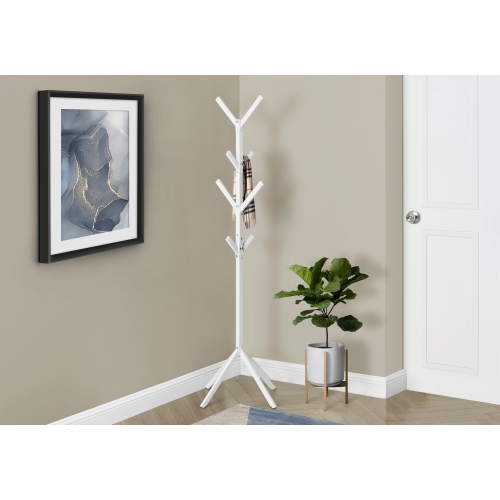 Your price for this item is $33.97
Discover more categories related to Hat Hooks
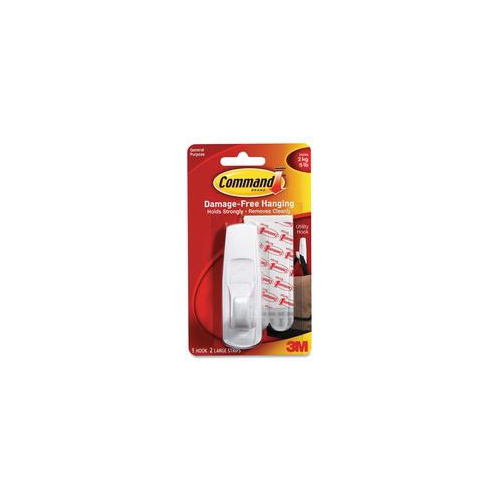
Top Collections:
Best Black Friday Deals This Year, Best Black Friday Deals On Electronics, Kindle Devices, Pokemon Centers, Best Black Friday Deals On Apple Products, Best Cameras for Sports Photography, Dyson Airwrap, Pokémon 30th Celebration Cards, Apple iPhone 17 Pro, Canon G7X Cameras
Some products may be subject to Environmental Handling Fees
(EHF) depending on your province.
Learn more about EHFs.