Hooks for Hanging
Whether you need to hang coats, towels, keys, or decor, we have a variety of hooks to suit your needs. From stylish wall hooks to practical over-the-door options, these versatile solutions make it easy to maximize storage and keep your belongings easily accessible. Say goodbye to scattered items and hello to a tidier home with our range of hooks for hanging.
Sort
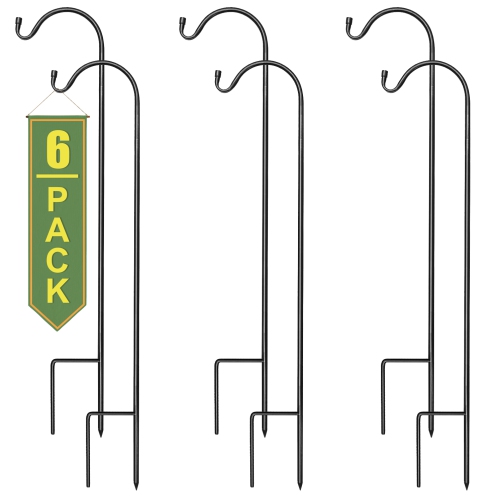
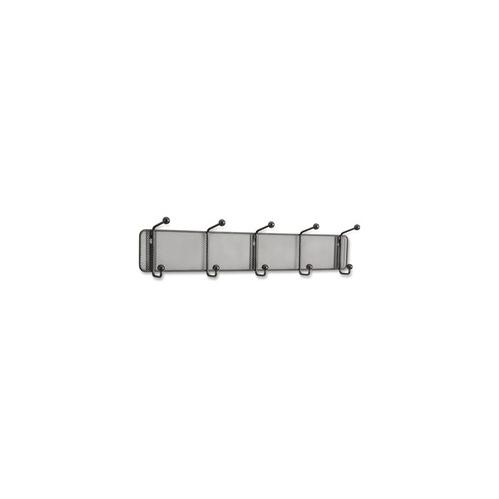
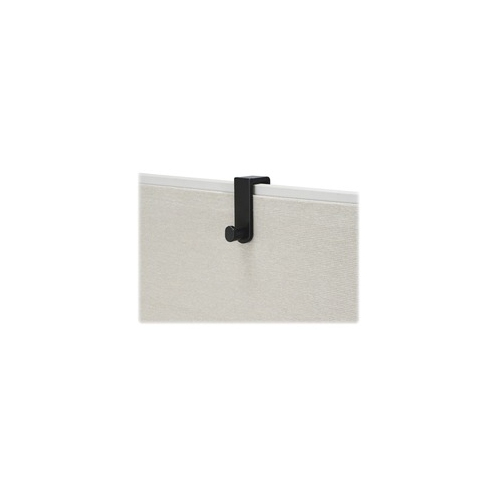
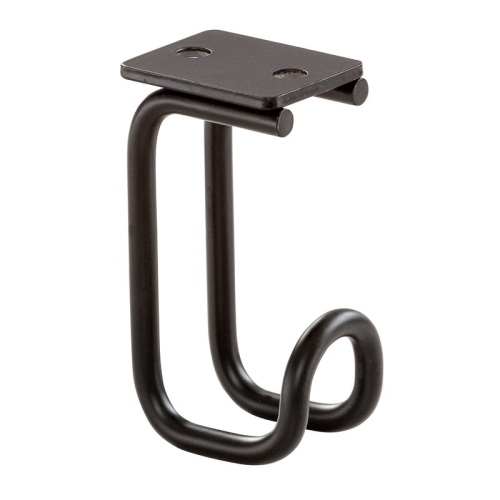
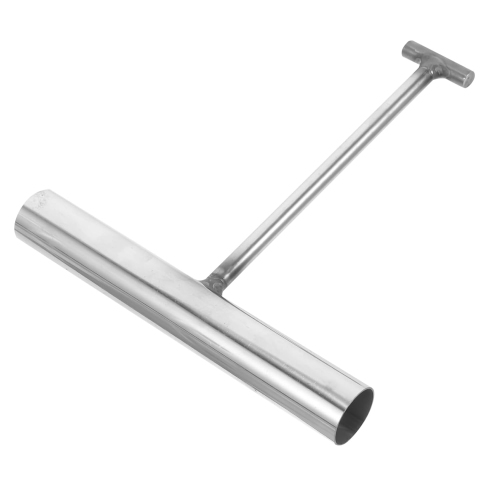
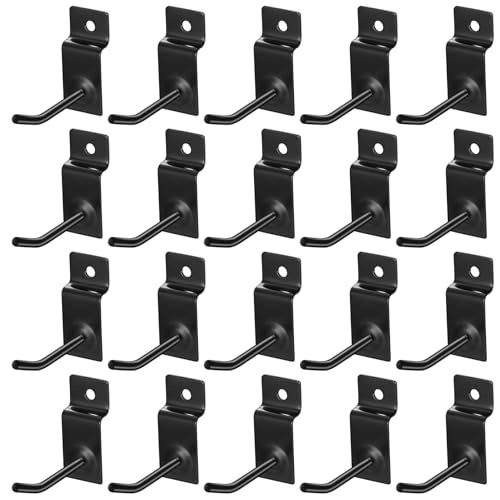
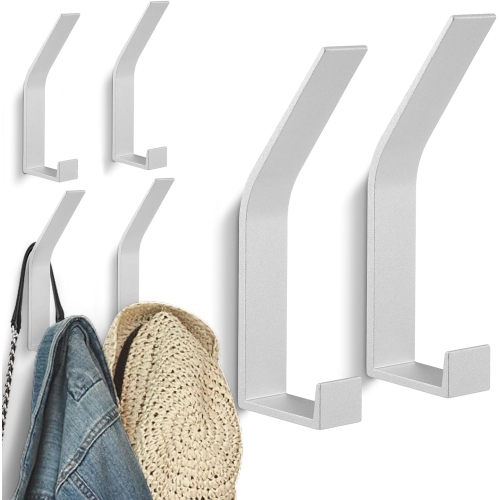
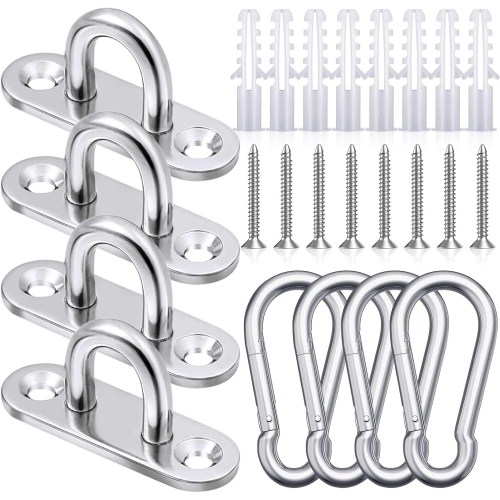
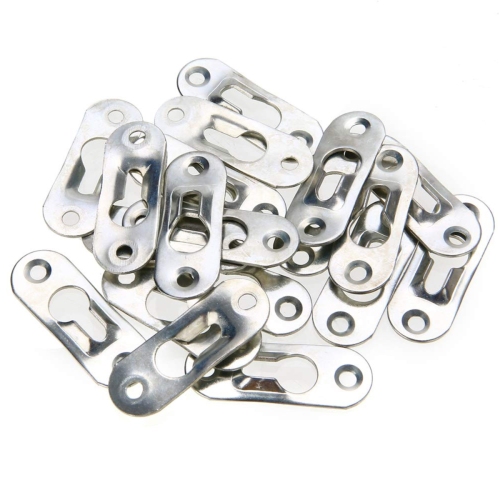
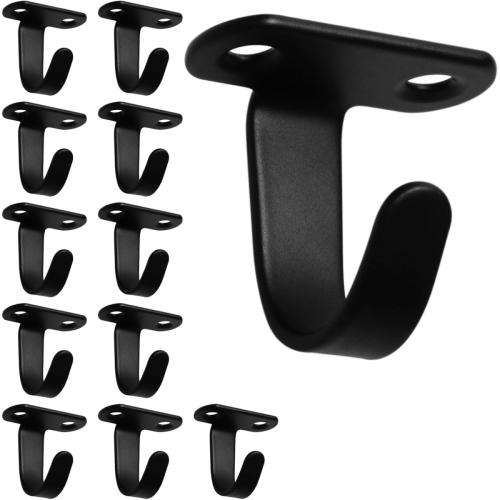
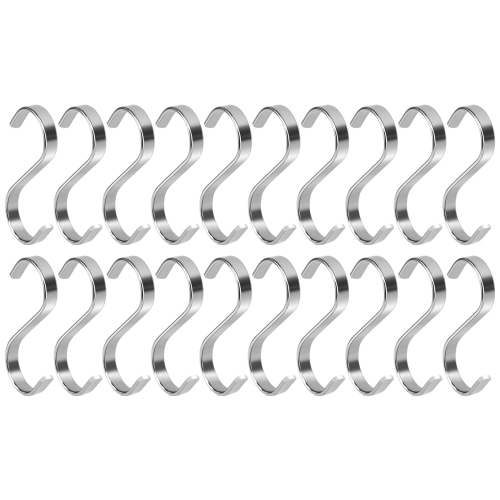
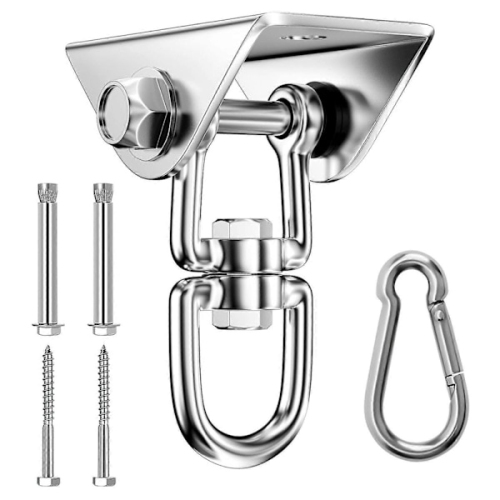
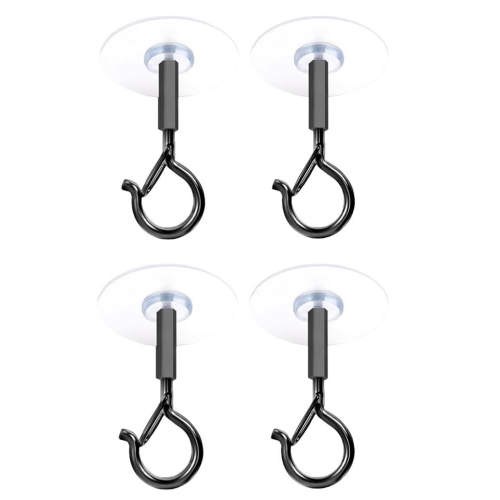
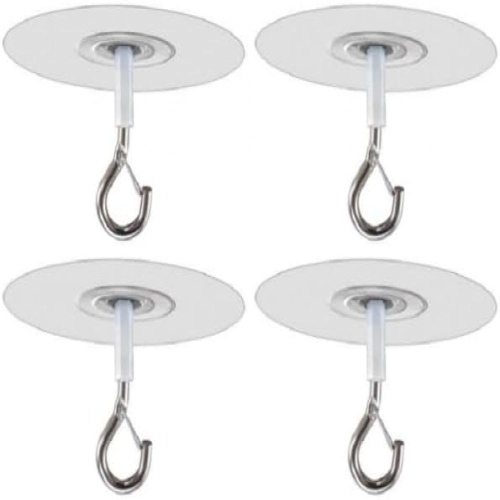
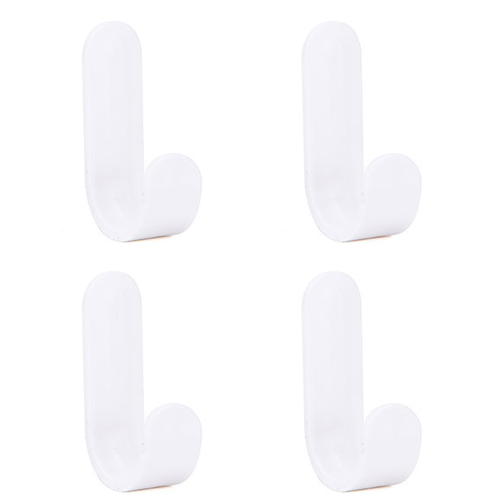
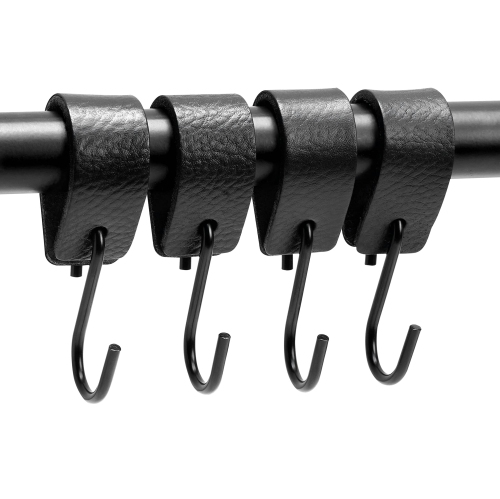



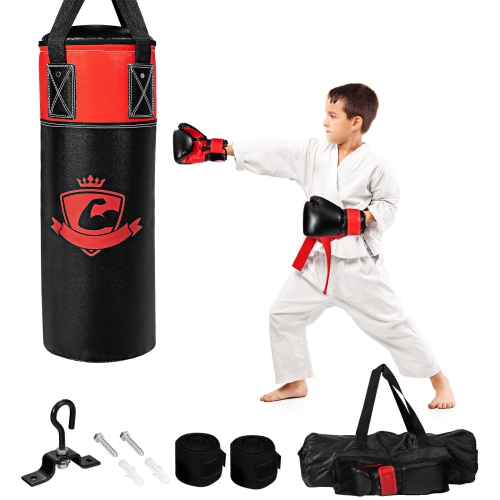
The right hook turns unused space into storage
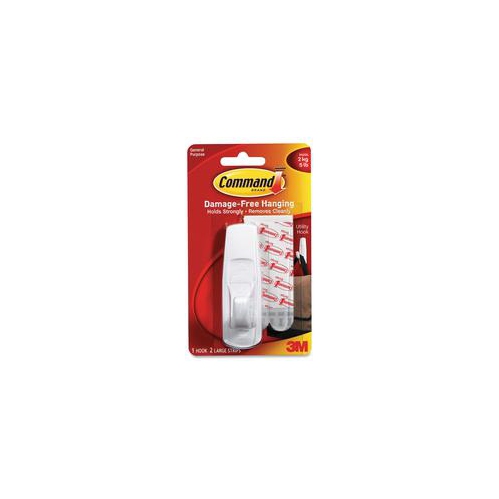
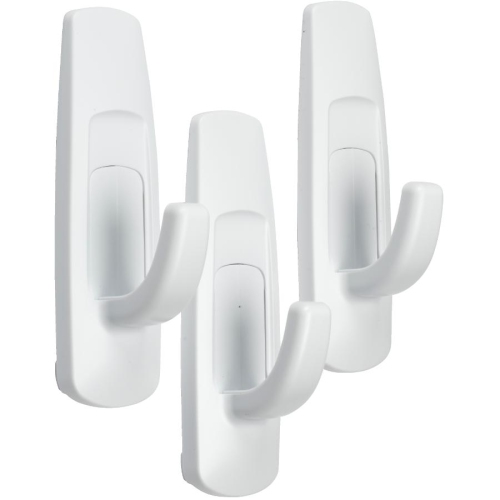
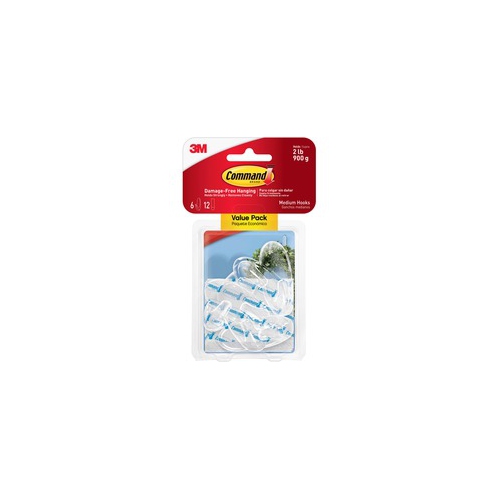
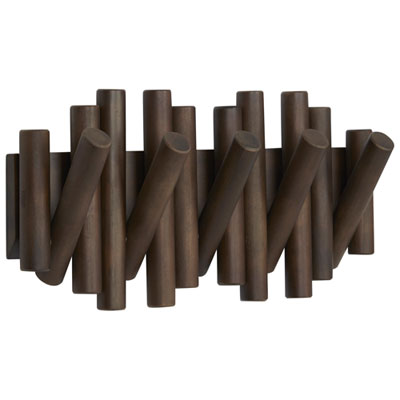
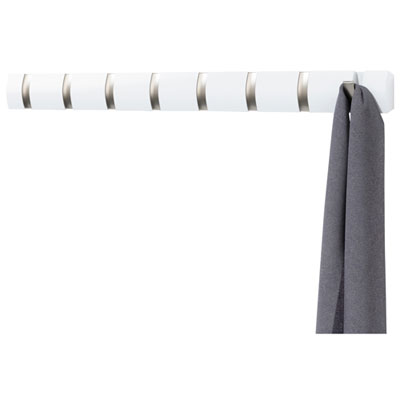
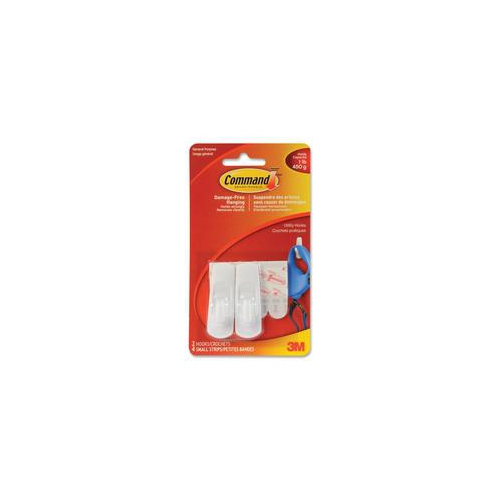
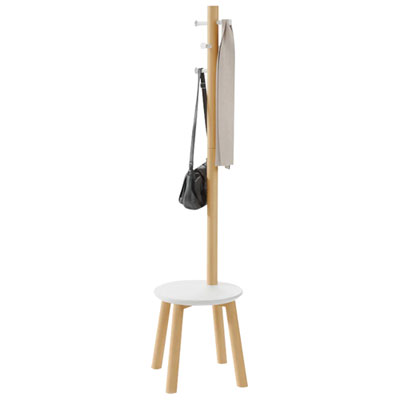
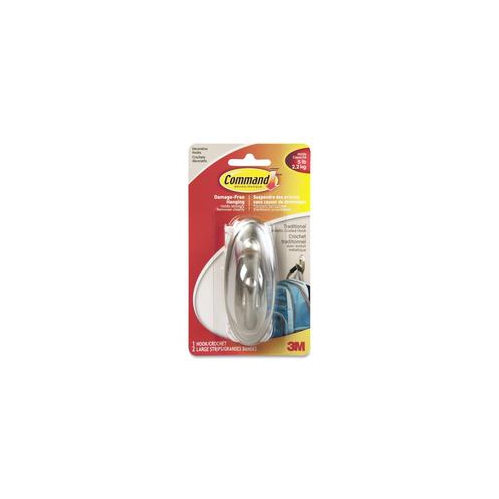
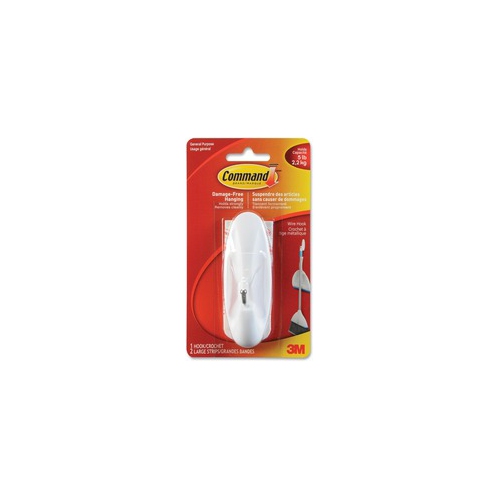
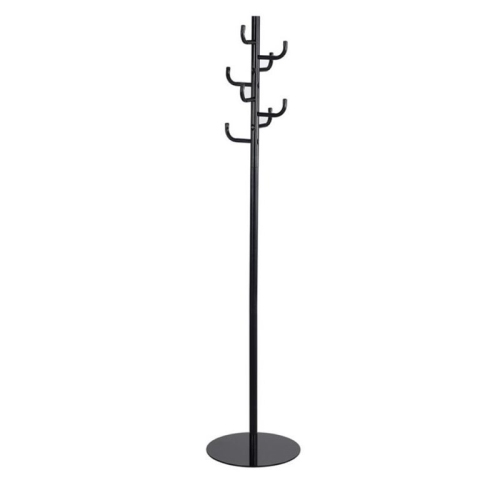
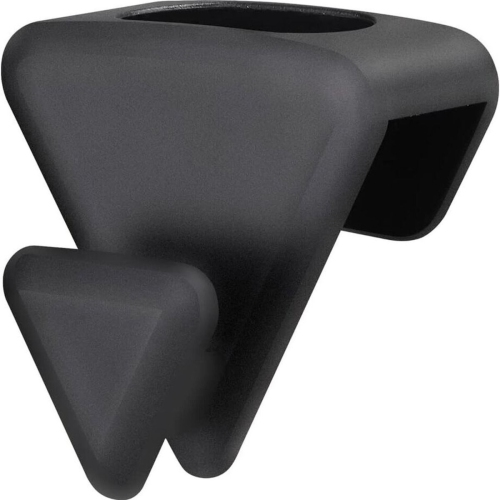
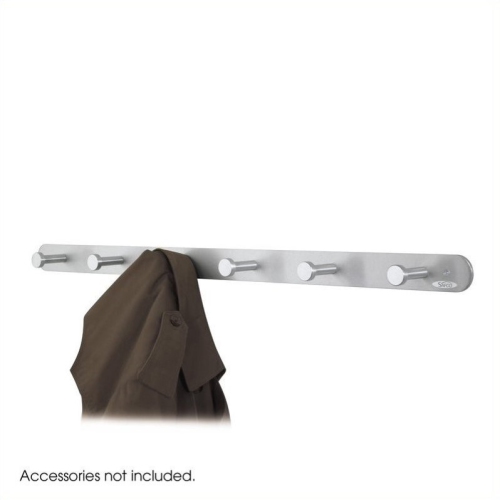
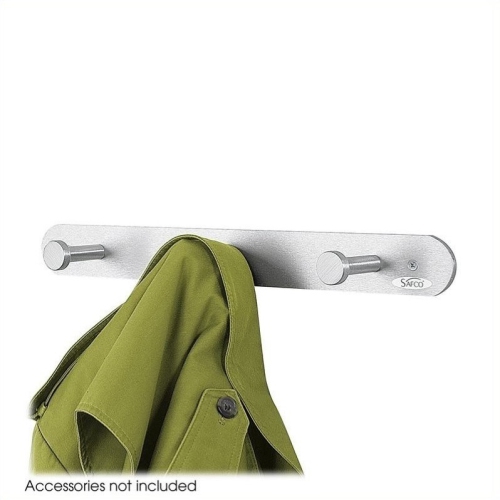
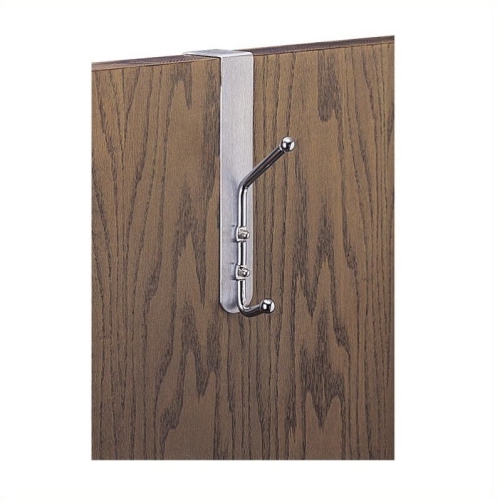
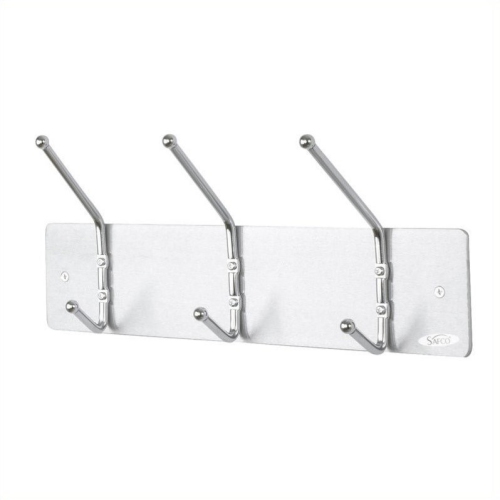
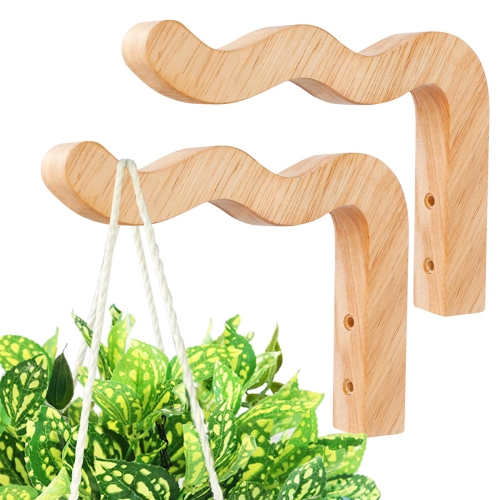
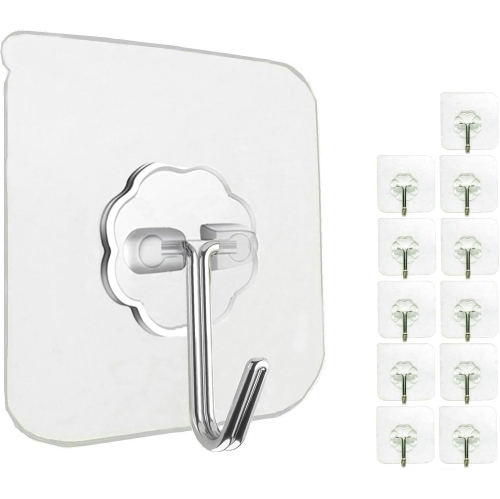
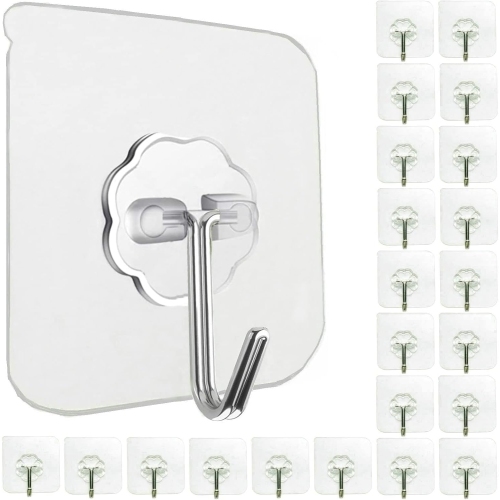
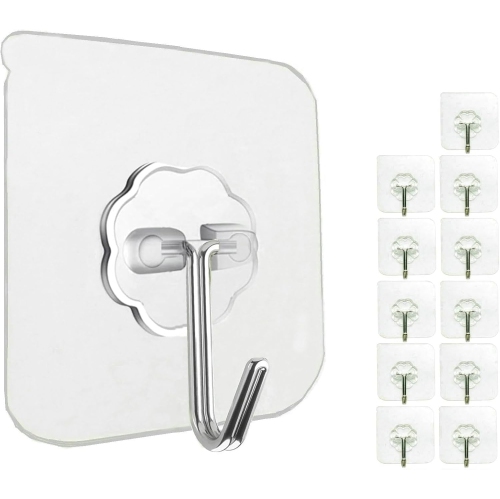
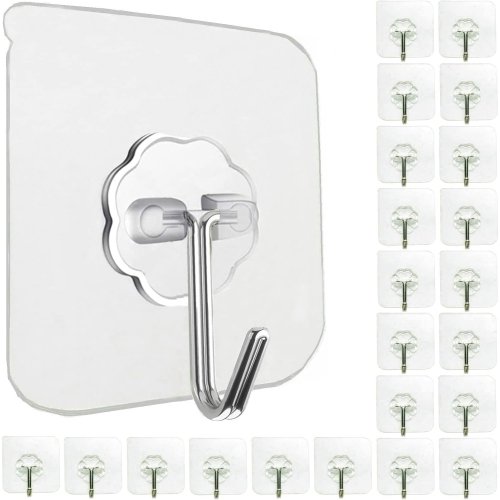
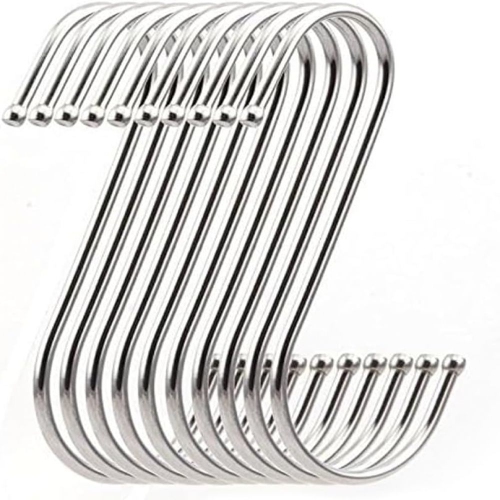
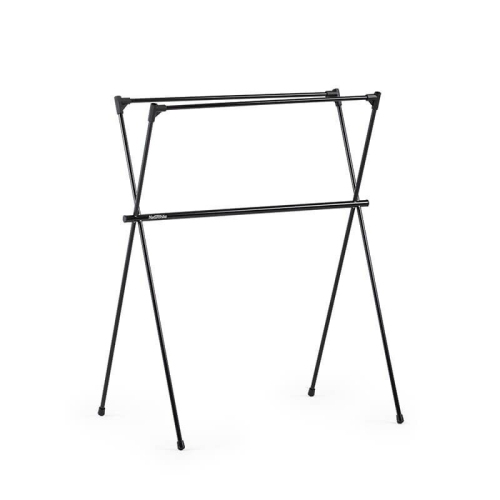
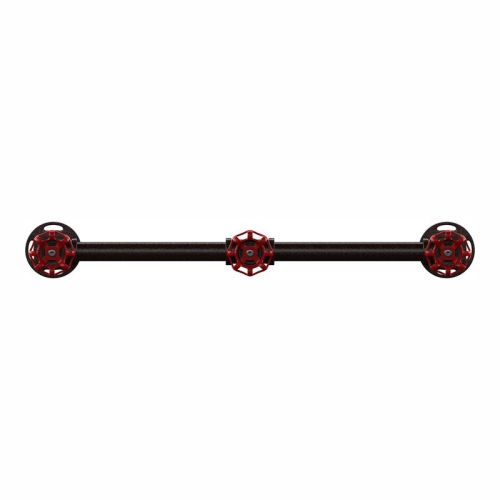
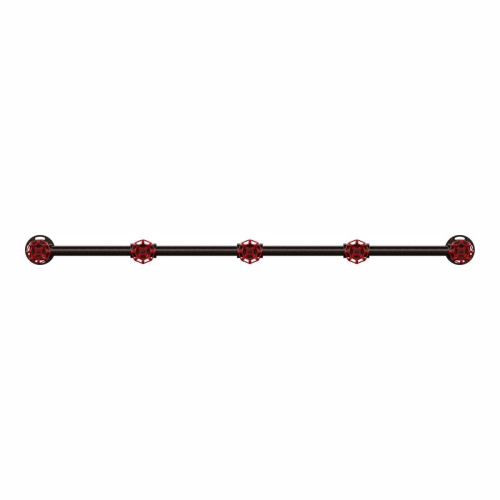
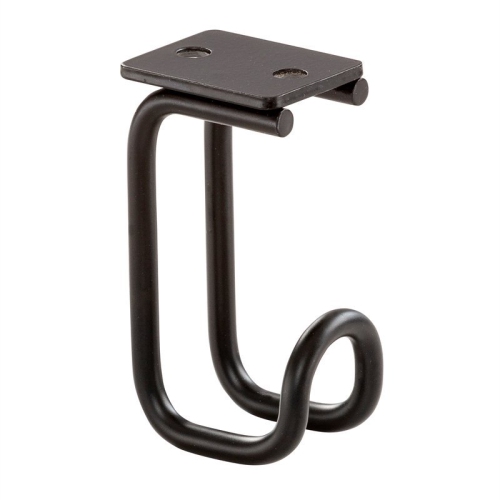
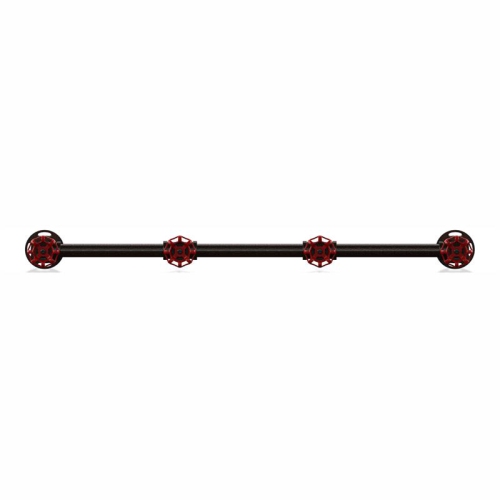
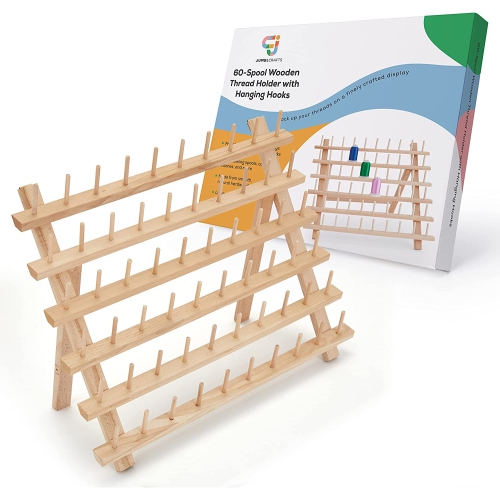
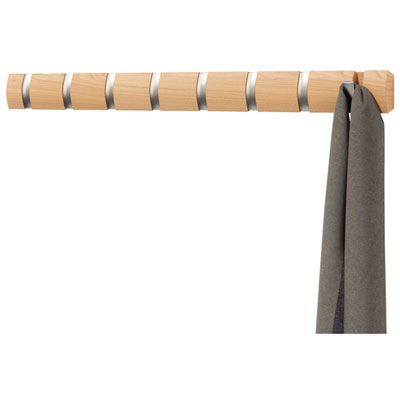
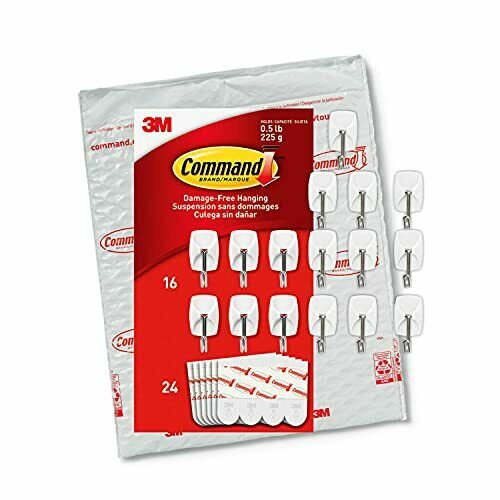
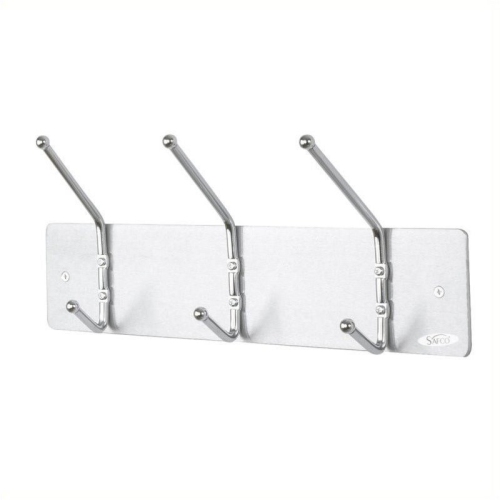
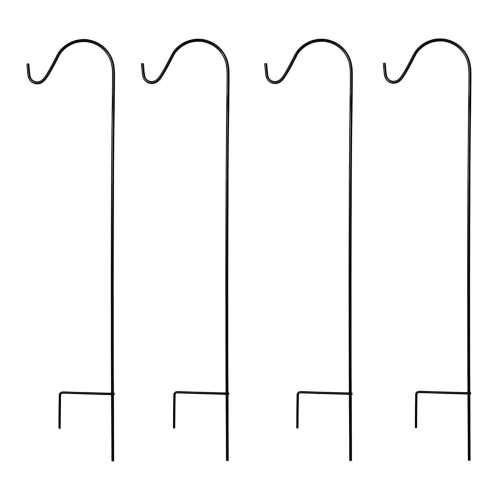
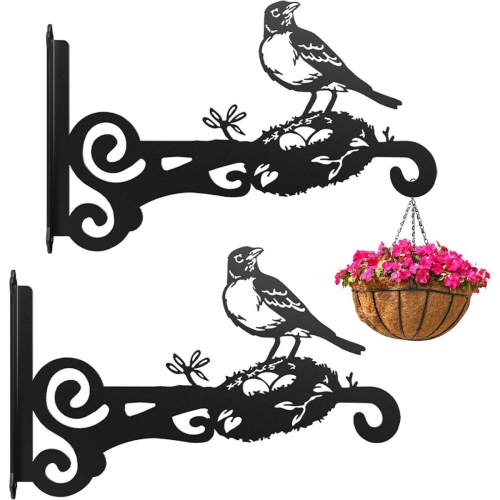
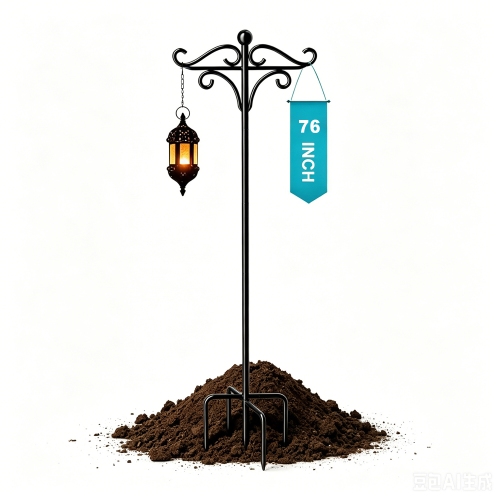
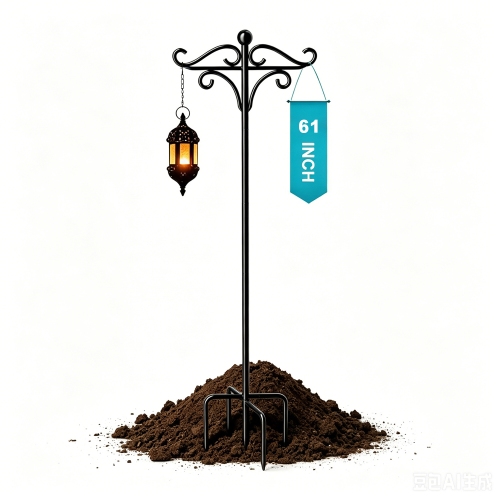
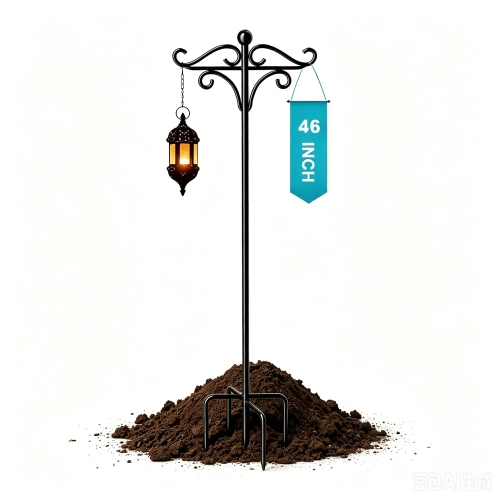
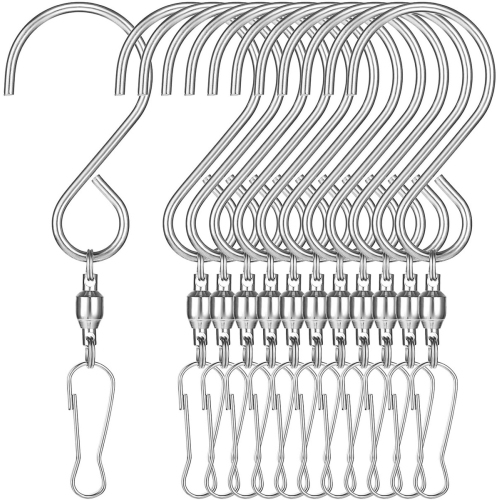
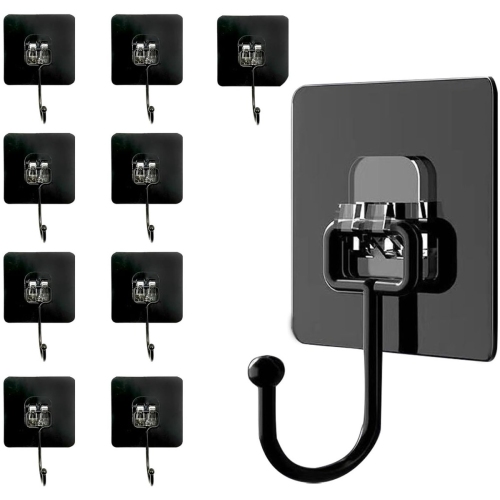
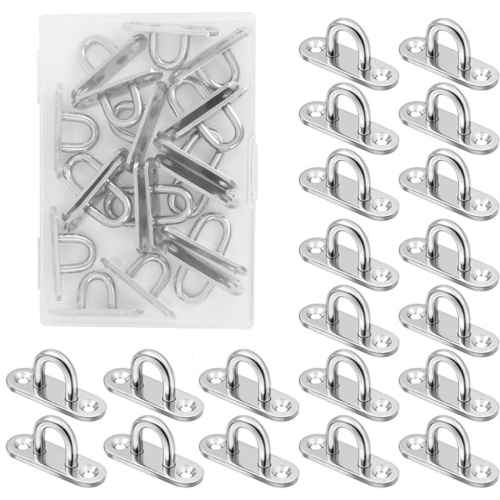
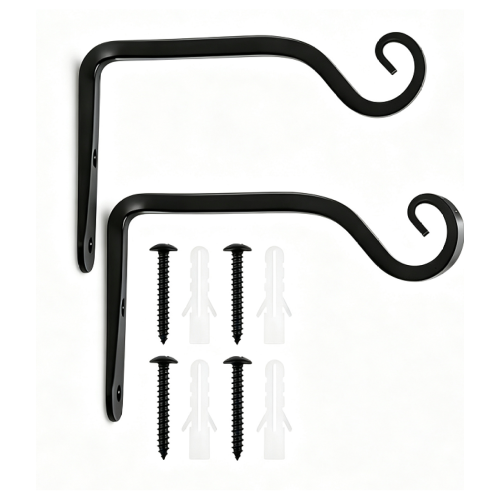
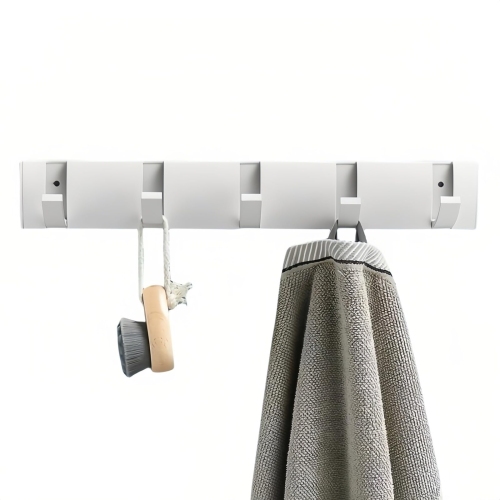
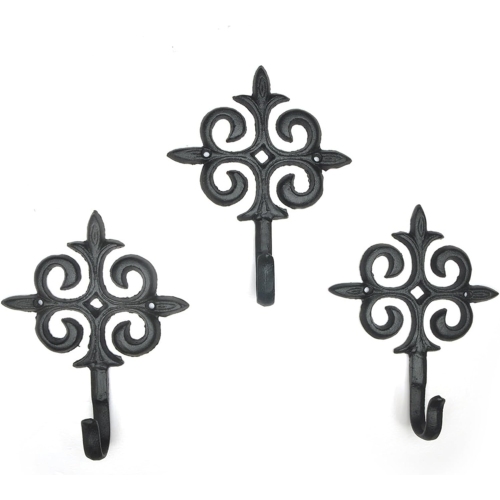
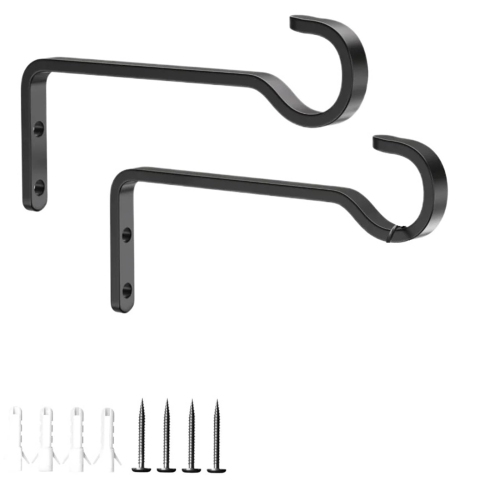
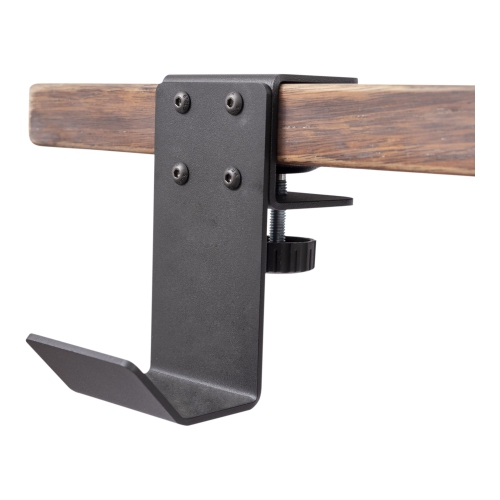
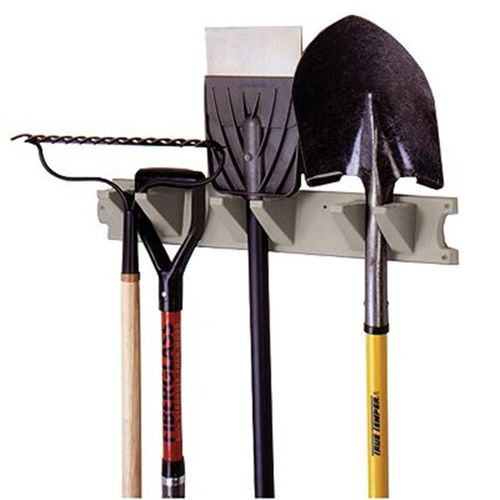
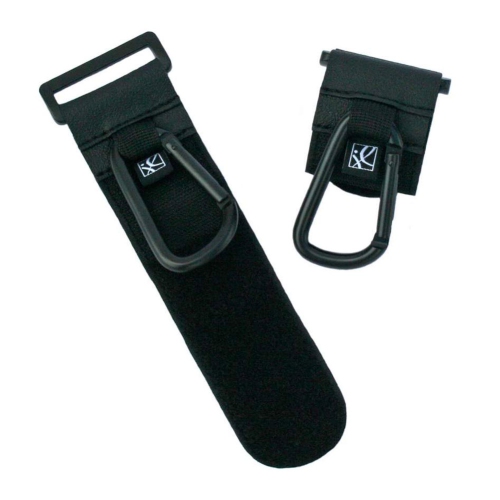
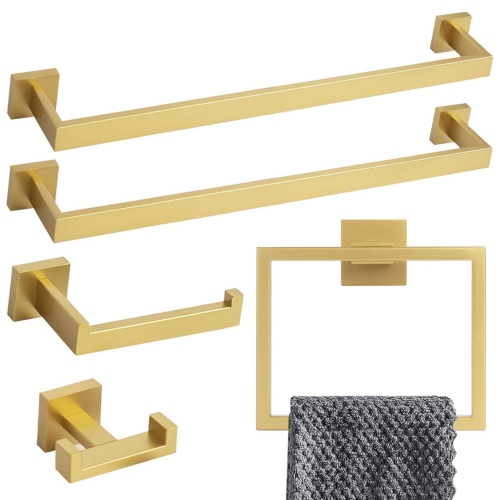
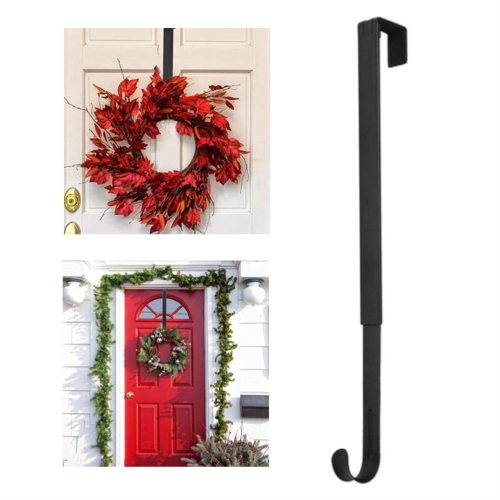
Hooks for hanging turn unused wall space, door backs, cabinet edges, and rails into practical storage for everyday belongings. The right hanging hook depends on three things: the surface it attaches to, the weight it needs to hold, and whether the installation can leave holes. Adhesive hooks suit lighter loads on compatible, smooth surfaces, while screw-mounted hooks can support more demanding uses when secured with the correct hardware. Over-the-door hooks and rail hooks offer another approach, using an existing edge or bar rather than attaching directly to a wall. Each style serves a slightly different purpose. A broad, rounded hook gives a coat collar or bag strap a comfortable resting place, while a smaller curved hook can keep keys or measuring spoons within reach. Double hooks provide separate hanging points in a compact footprint, and hook racks group several points along one base for shared entryways, bathrooms, or utility spaces. Shape matters as much as size: a shallow tip may let a slippery strap slide off, while a deeper curve helps keep a loop seated. The opening also needs to accommodate whatever passes over it, whether that is a narrow fabric loop or a thick backpack handle. Projection is worth considering in tight spaces, since a hook that extends too far can catch clothing beside a doorway or interfere with a cabinet opening. Closely spaced hooks work well for small accessories, but bulky bags and robes need enough room to hang without overlapping. A tidy row near the entrance can give each household member a consistent place for daily essentials, while a single hook beside a desk can keep headphones off the work surface. These small differences in placement and profile make hanging storage useful in apartments, family homes, shared offices, and hobby rooms without taking up floor space.
Mounting style determines where a hook can be used and how securely it will hold. Adhesive hanging hooks rely on a strong bond with the surface, so compatibility is more important than simply finding a flat patch of wall. Some are designed for sealed tile, glass, metal, or smooth painted surfaces; textured finishes, porous masonry, wallpaper, and loose paint may not provide a suitable base. Surface preparation, any required waiting period before loading, and the stated removal method all affect performance. A removable adhesive design can be useful where drilling is not permitted, but it should not be treated as a guarantee against marks or paint damage. Screw-mounted wall hooks provide a more permanent attachment, with capacity determined by the hook, fasteners, anchors, and supporting structure together. Drywall alone does not offer the same support as a wall stud, and anchors must match both the wall material and the intended load. Masonry, hollow walls, and solid wood each call for appropriate fixing methods. The stated weight limit applies only under the manufacturer's specified mounting conditions; adding more hooks does not automatically multiply the safe capacity for one shared load. Objects that are pulled, swung, or frequently lifted away also place different demands on hardware than belongings left hanging undisturbed. Over-the-door styles need a bracket that fits the door thickness and enough clearance for the door to close freely. A protective pad may reduce rubbing, although fit and movement still matter. S-hooks and clip-on styles need an opening that matches the rail, shelf, or edge, with enough depth to remain seated during use. For heavier utility storage, Industrial Hooks offer another category to consider, with the same attention to rated capacity and mounting requirements. Mirrors, overhead loads, and other applications where a fall could cause injury need hardware specifically intended for that purpose, rather than a general household hook chosen only by appearance.
Materials and finishes influence durability, care, and how a hook feels in daily use. Steel offers strength in a compact shape, but its resistance to rust depends on the alloy and any protective finish. Stainless steel can be suitable for spaces exposed to moisture, while coated metal needs an intact surface to help protect the material underneath. Aluminium is lightweight and resists rust, though its load capacity still depends on construction and mounting. Plastic hooks can serve light-duty storage needs and often have smooth contact points; their suitability for heavier loads or repeated flexing varies by design. Wood brings a different texture to visible storage, with care requirements that depend on its finish. Across materials, rounded edges and smooth seams help protect fabric loops, straps, and hands. Rubberized or padded contact areas can add grip and soften contact with stored belongings, but they do not increase the hook's rated capacity. In a bathroom, spacing towels apart helps them dry rather than bunch together, and a finish suited to moisture is a practical consideration. In a kitchen, hooks near food preparation areas benefit from surfaces that are easy to wipe clean, with placement that keeps hanging utensils clear of heat and moving cabinet doors. A utility room may call for deeper hooks that cradle handles securely, while a wardrobe often benefits from wider profiles that are gentler on garment loops. For children, reachable placement and blunt tips can make it easier to put belongings away, provided the installation is secure and not positioned where a projecting hook could cause injury. Care is usually straightforward: follow the material-specific cleaning directions, wipe away residue with a soft cloth, and avoid abrasive cleaners that could scratch coatings. Periodic checks for loose screws, lifting adhesive, cracks, or worn padding help identify when a hook needs attention. Visible storage also works best when it matches everyday habits. A bag hook beside the place shoes come off is more likely to be used than one tucked behind a crowded door. With suitable materials, a secure fit, and enough space around each hanging point, hooks make frequently used belongings easier to reach and easier to put away.
Mounting style determines where a hook can be used and how securely it will hold. Adhesive hanging hooks rely on a strong bond with the surface, so compatibility is more important than simply finding a flat patch of wall. Some are designed for sealed tile, glass, metal, or smooth painted surfaces; textured finishes, porous masonry, wallpaper, and loose paint may not provide a suitable base. Surface preparation, any required waiting period before loading, and the stated removal method all affect performance. A removable adhesive design can be useful where drilling is not permitted, but it should not be treated as a guarantee against marks or paint damage. Screw-mounted wall hooks provide a more permanent attachment, with capacity determined by the hook, fasteners, anchors, and supporting structure together. Drywall alone does not offer the same support as a wall stud, and anchors must match both the wall material and the intended load. Masonry, hollow walls, and solid wood each call for appropriate fixing methods. The stated weight limit applies only under the manufacturer's specified mounting conditions; adding more hooks does not automatically multiply the safe capacity for one shared load. Objects that are pulled, swung, or frequently lifted away also place different demands on hardware than belongings left hanging undisturbed. Over-the-door styles need a bracket that fits the door thickness and enough clearance for the door to close freely. A protective pad may reduce rubbing, although fit and movement still matter. S-hooks and clip-on styles need an opening that matches the rail, shelf, or edge, with enough depth to remain seated during use. For heavier utility storage, Industrial Hooks offer another category to consider, with the same attention to rated capacity and mounting requirements. Mirrors, overhead loads, and other applications where a fall could cause injury need hardware specifically intended for that purpose, rather than a general household hook chosen only by appearance.
Materials and finishes influence durability, care, and how a hook feels in daily use. Steel offers strength in a compact shape, but its resistance to rust depends on the alloy and any protective finish. Stainless steel can be suitable for spaces exposed to moisture, while coated metal needs an intact surface to help protect the material underneath. Aluminium is lightweight and resists rust, though its load capacity still depends on construction and mounting. Plastic hooks can serve light-duty storage needs and often have smooth contact points; their suitability for heavier loads or repeated flexing varies by design. Wood brings a different texture to visible storage, with care requirements that depend on its finish. Across materials, rounded edges and smooth seams help protect fabric loops, straps, and hands. Rubberized or padded contact areas can add grip and soften contact with stored belongings, but they do not increase the hook's rated capacity. In a bathroom, spacing towels apart helps them dry rather than bunch together, and a finish suited to moisture is a practical consideration. In a kitchen, hooks near food preparation areas benefit from surfaces that are easy to wipe clean, with placement that keeps hanging utensils clear of heat and moving cabinet doors. A utility room may call for deeper hooks that cradle handles securely, while a wardrobe often benefits from wider profiles that are gentler on garment loops. For children, reachable placement and blunt tips can make it easier to put belongings away, provided the installation is secure and not positioned where a projecting hook could cause injury. Care is usually straightforward: follow the material-specific cleaning directions, wipe away residue with a soft cloth, and avoid abrasive cleaners that could scratch coatings. Periodic checks for loose screws, lifting adhesive, cracks, or worn padding help identify when a hook needs attention. Visible storage also works best when it matches everyday habits. A bag hook beside the place shoes come off is more likely to be used than one tucked behind a crowded door. With suitable materials, a secure fit, and enough space around each hanging point, hooks make frequently used belongings easier to reach and easier to put away.
Top selling and popular products
-
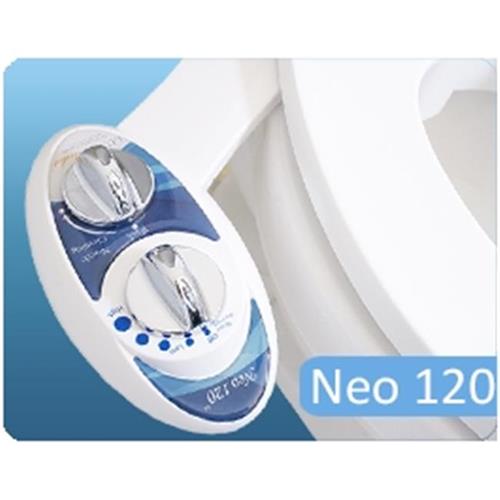 Your price for this item is $109.31
 -
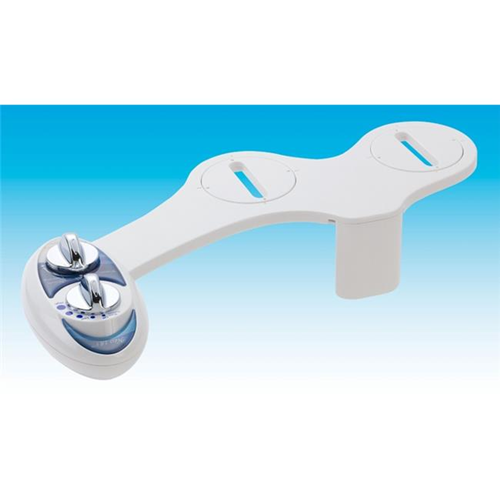 Your price for this item is $200.83
 -
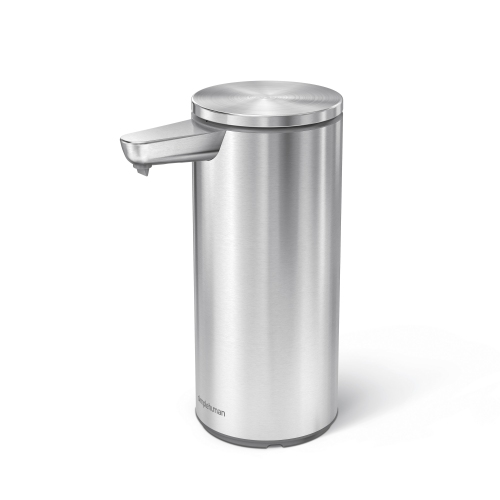 Your price for this item is $90
 -
 Your price for this item is $100
 -
 Your price for this item is $100
 -
 Your price for this item is $426.55
 -
 Your price for this item is $300
 -
 Your price for this item is $120
Discover more categories related to Hooks for Hanging
Top Collections:
Pokemon Centers, Budget 4K TVs, Kindle Devices, Canon G7X Cameras, Apple iPhones 16, iPhone 15 Apple, Laptops for Business Work, Flip Phones, Xiaomi Phones, Refurbished Apple Laptops
Some products may be subject to Environmental Handling Fees
(EHF) depending on your province.
Learn more about EHFs.