Heavy Duty Ergonomic Office Chairs
Heavy duty ergonomic office chairs are designed to provide reliable support and comfort throughout long workdays. Ideal for both home offices and professional settings, these chairs offer a sturdy solution for those seeking enhanced durability and ergonomic design. Explore a wide selection of heavy duty ergonomic office chairs to find the perfect fit for your workspace, ensuring you stay productive and comfortable all day long.
Sort
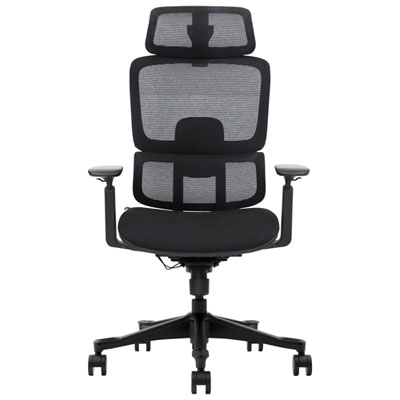

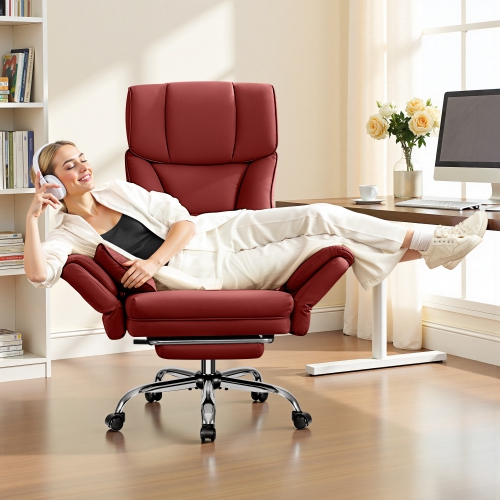
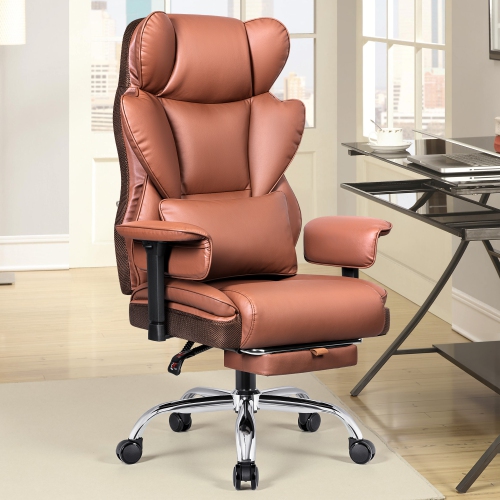
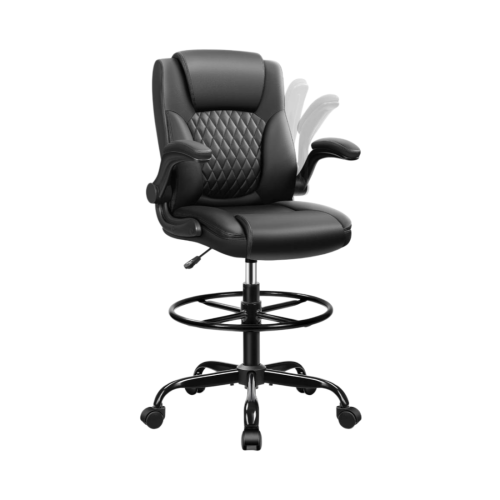
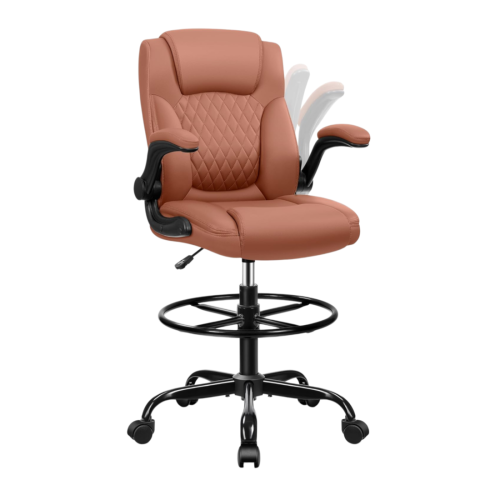
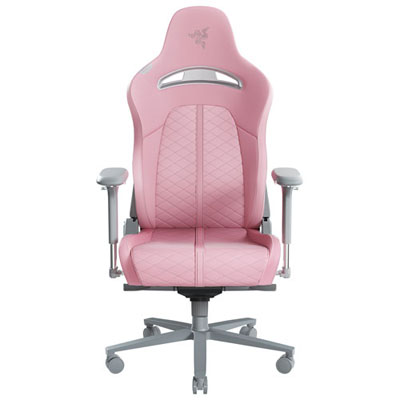
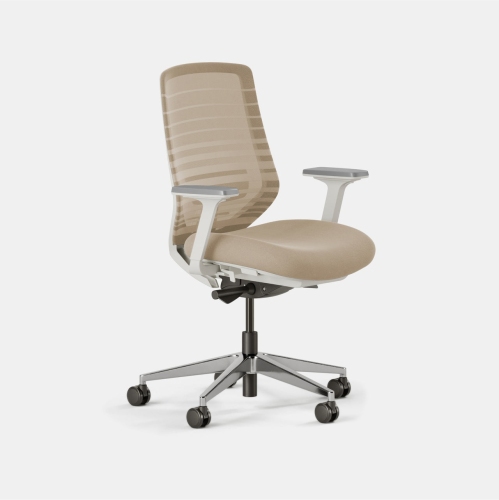
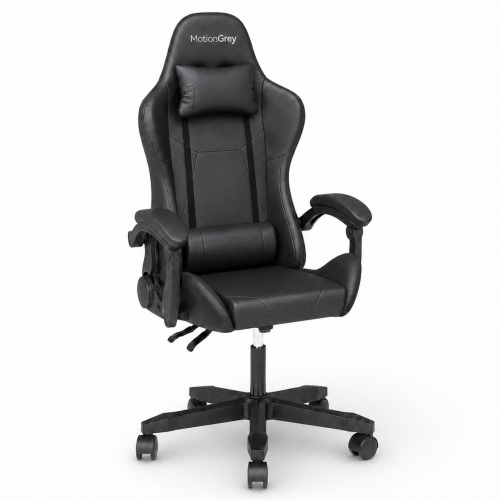
Why weight capacity is only part of chair comfort
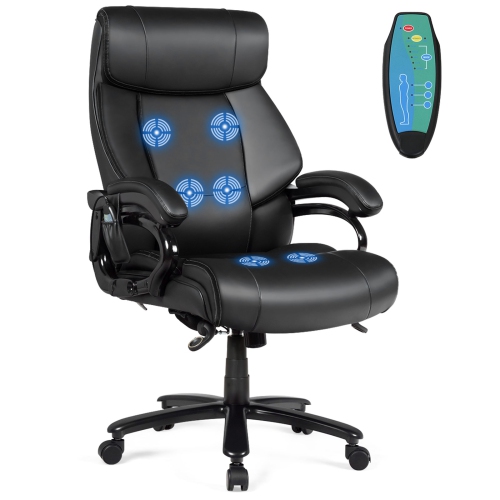
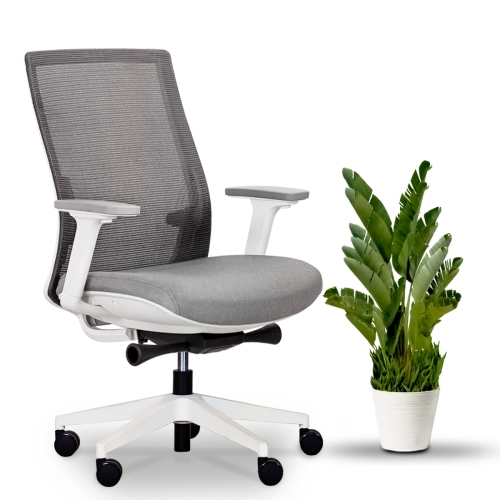
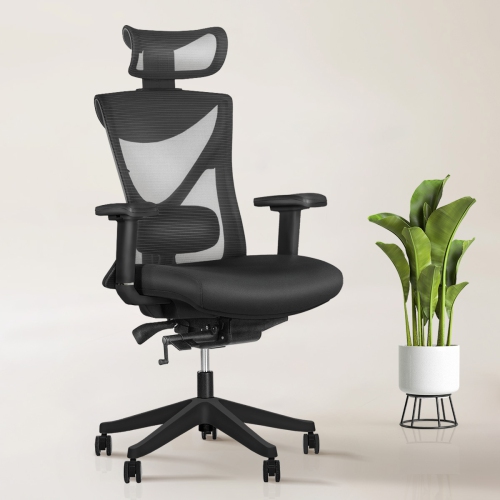
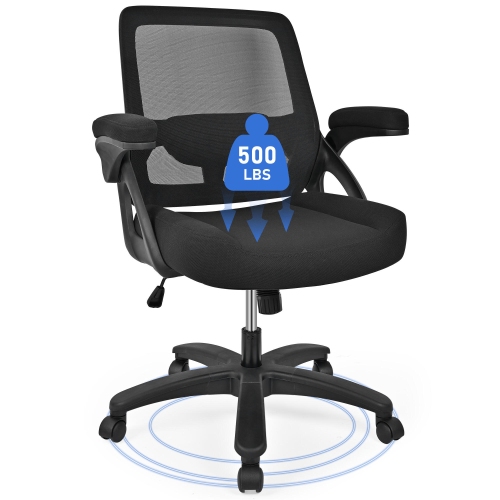
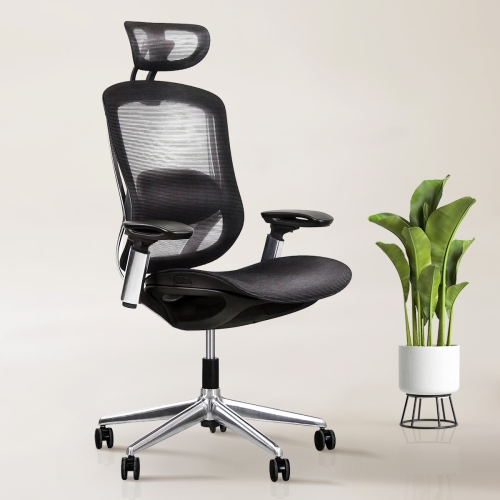
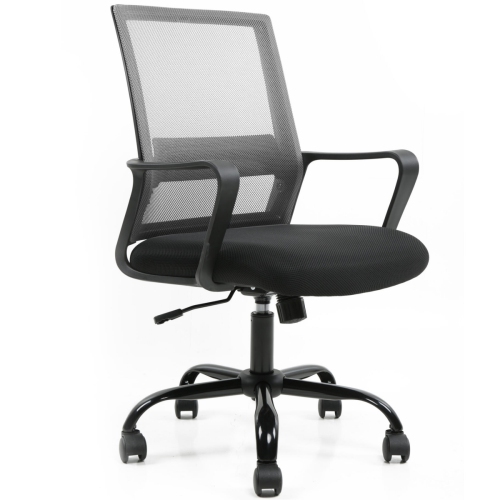
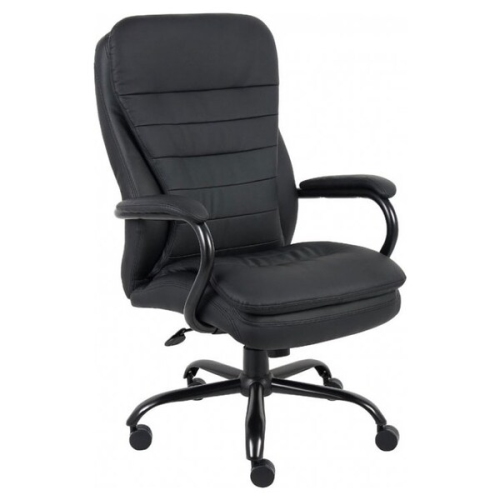
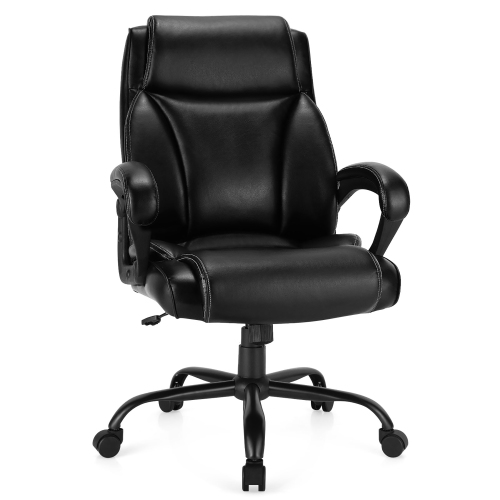
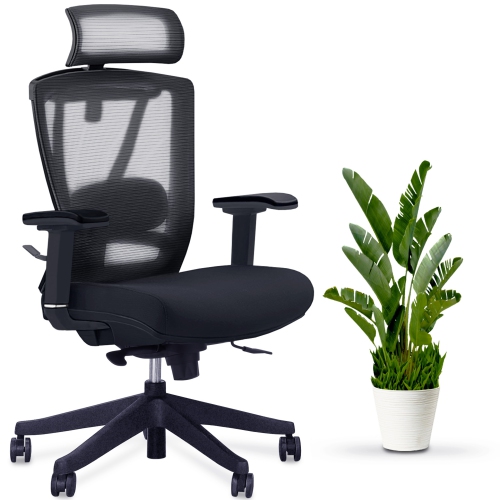
Heavy-duty ergonomic office chairs pair a higher stated weight capacity with adjustable support for desk work, studying, and other seated tasks. Their construction may include reinforced frames, sturdy five-star bases, weight-rated lift cylinders, and seating designed to retain its shape through repeated use. The distinction matters because a chair needs to support both the person sitting in it and the movements that happen throughout a working day, from turning towards a second monitor to leaning back between calls. Weight capacity is the manufacturer’s stated maximum load; it does not describe seat dimensions, overall fit, or how comfortable a chair will feel over several hours. A higher capacity should therefore be considered alongside seat width, seat depth, backrest height, and the space between the armrests. Heavy-duty and big-and-tall chairs often overlap, but the terms are not interchangeable. Someone with a broader build may need more usable seat width without needing an especially tall backrest, while a taller person may benefit more from a deeper seat and a higher adjustment range. A comfortable fit leaves room at the hips without forcing the arms to reach outward, supports most of the thighs, and allows a small gap behind the knees. Feet should rest on the floor or a suitable footrest rather than hang from the seat edge. Published measurements also deserve a close look: overall chair width can include the armrests and base, so it may not reflect the space available for sitting. These proportions are particularly important in a shared home office, where one chair may need to accommodate different users. For someone who spends much of the day at a computer, an appropriate combination of load rating, dimensions, and adjustment range is more useful than a heavy-duty label alone. The aim is stable, comfortable seating that suits both the user’s build and the work surface.
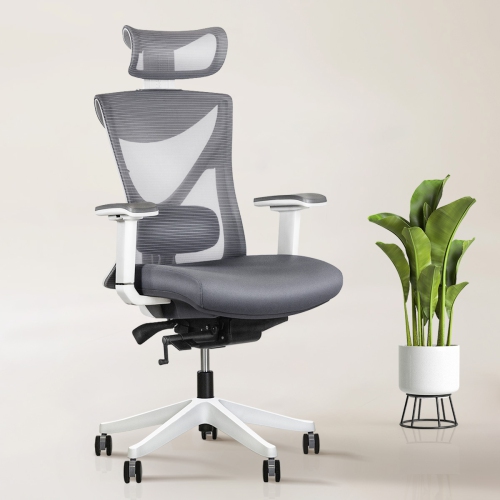
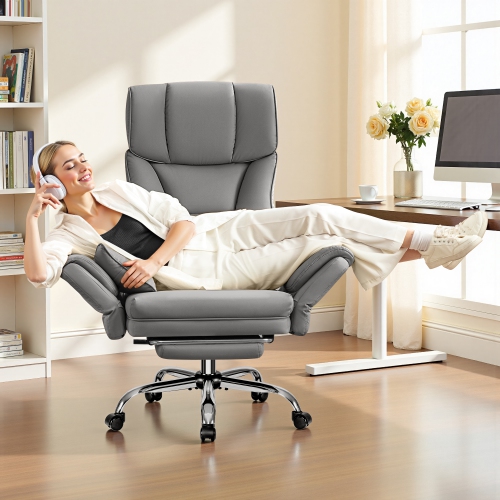
Ergonomic features make that fit easier to refine, although the adjustments offered vary considerably between chairs. Seat-height adjustment helps position the body relative to the desk, while adjustable seat depth can accommodate different thigh lengths without moving the back away from the backrest. Lumbar support should sit near the natural inward curve of the lower back rather than press into the hips or middle of the spine. Height-adjustable or depth-adjustable lumbar support offers more flexibility than a fixed cushion, particularly when several people use the same workspace. Armrests also affect everyday comfort. Height adjustment can help keep the shoulders relaxed during keyboard work, while width, depth, and pivot adjustments can bring support closer to the forearms. For a desk with a narrow keyboard tray, bulky fixed arms may interfere with getting close enough to type comfortably. Flip-up arms can provide clearance, but their usefulness depends on the chair’s dimensions and how the user prefers to sit. A recline mechanism and adjustable tilt tension allow movement between upright tasks and supported leaning, with the tension matched to the user rather than set so loosely that the backrest tips unexpectedly. Locking positions can be helpful for reading or video meetings, provided the chair is used within its stated limits. A headrest may suit someone who regularly leans back, but it should adjust to meet the head comfortably instead of pushing it forward during focused work. These features are relevant to remote workers, students, gamers, and anyone whose desk serves several purposes across the day. A chair that feels supportive while typing should also allow comfortable movement when reaching for a notebook or turning to speak with someone nearby. No chair replaces regular changes of position and breaks from sitting, and ergonomic features do not guarantee relief from pain. Their value lies in making it easier to arrange a workspace around the person using it rather than asking that person to adapt to a fixed seat.
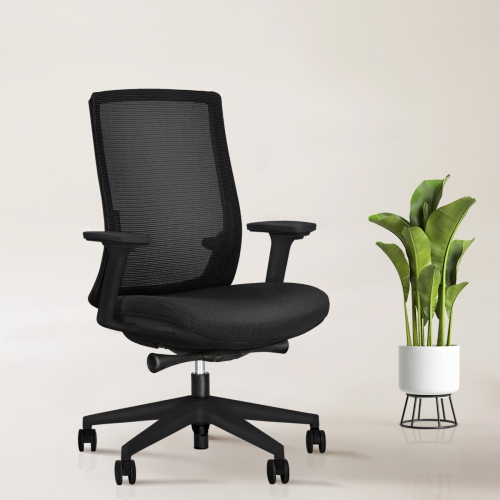
Materials and build quality influence how heavy-duty ergonomic office chairs feel and wear with everyday use. Mesh backrests allow airflow and can provide flexible support, though the tension of the mesh and the shape of its frame affect comfort. Upholstered backs offer a different feel, with padding that may appeal to someone who prefers a softer contact surface. Fabric upholstery has a textured finish, while genuine leather and synthetic leather vary in softness, maintenance needs, and resistance to wear. Synthetic leather should not automatically be assumed to breathe like mesh, and any upholstery can show damage if it is exposed to unsuitable cleaners or repeated abrasion. Seat cushioning matters just as much as the covering: dense foam, layered padding, and spring-supported designs can each feel different under load, and a thick cushion is not necessarily a firmer or more supportive one. A gently shaped seat with a rounded front edge can reduce concentrated pressure behind the thighs, while pronounced side bolsters may restrict usable width. For ongoing care, follow the manufacturer’s cleaning directions, remove dust and crumbs from seams, and address spills promptly using an approved method. Accessible fasteners may need periodic checking as directed, and casters should be kept clear of hair and debris so the chair rolls without unnecessary resistance. Floor compatibility deserves attention too, since caster materials suited to carpet may not be appropriate for every hard floor. A compatible chair mat can help protect the surface and make movement easier. Beyond the seat itself, check that the base fits the available floor space, the backrest has room to recline, and the armrests clear the desk where needed. For workspaces that also need seating away from a computer desk, Heavy Duty Chairs offers a broader category to consider. An ergonomic office chair serves a more specific purpose: combining suitable capacity, adjustable support, durable materials, and practical dimensions for regular desk use.
Top selling and popular products
-
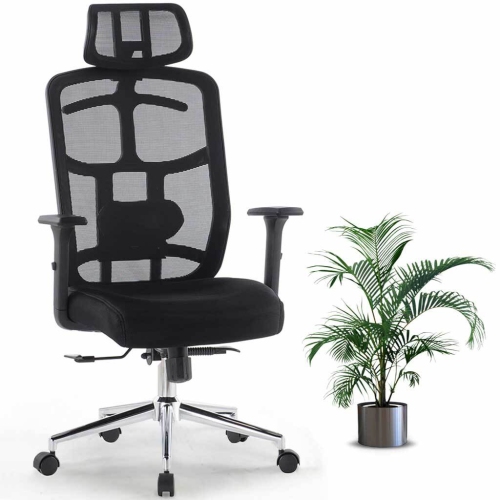 Your price for this item is $126.99
-
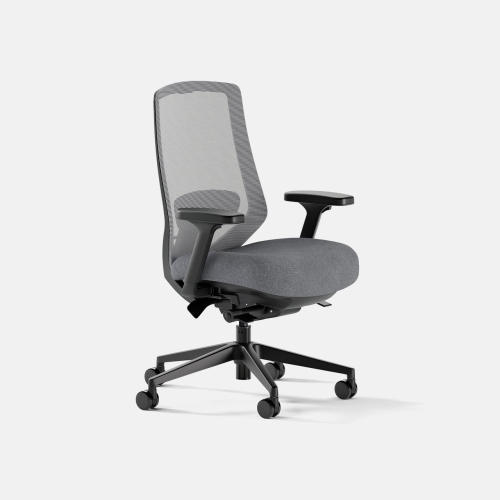 Your price for this item is $599
-
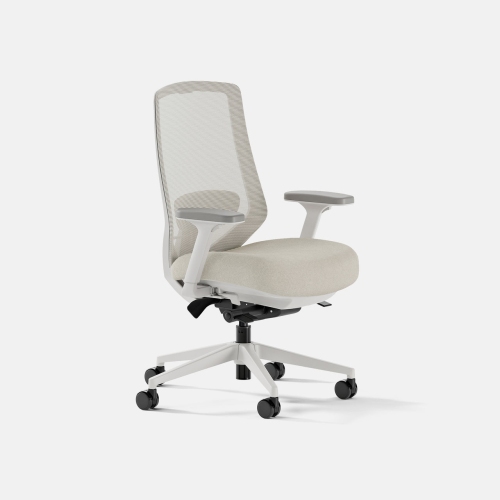 Your price for this item is $599
-
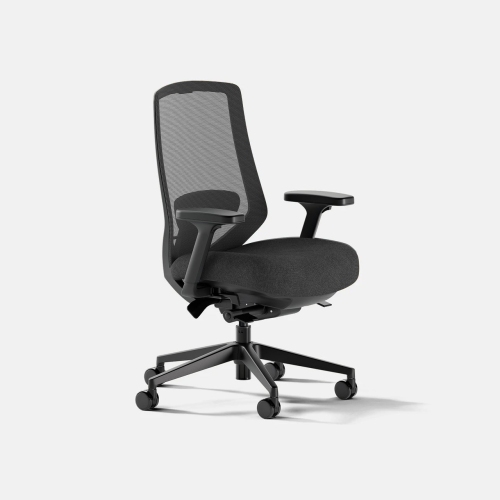 Your price for this item is $599
-
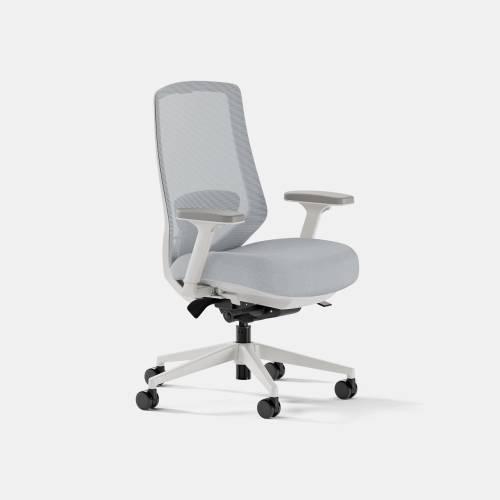 Your price for this item is $599
-
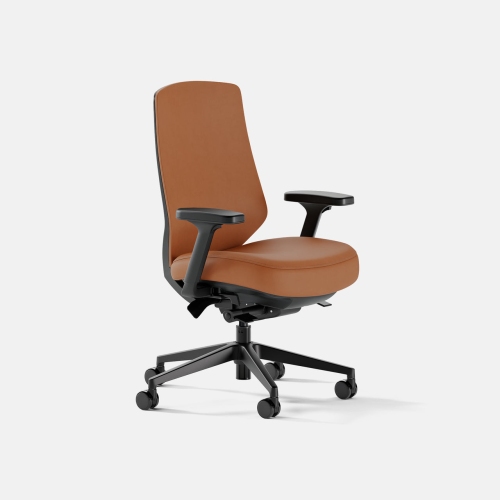 Your price for this item is $649
-
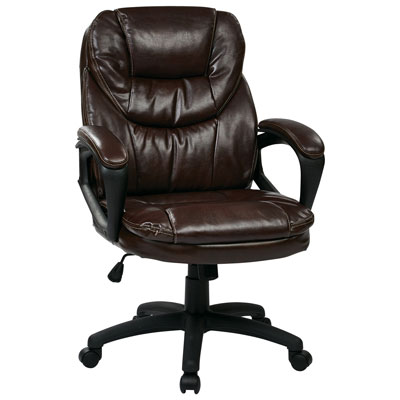 Your price for this item is $459.99
-
 Your price for this item is $429
Discover more categories related to Heavy Duty Ergonomic Office Chairs
Top Collections:
Best Black Friday Deals This Year, Best Black Friday Deals On Electronics, Kindle Devices, Pokemon Centers, Best Black Friday Deals On Apple Products, Best Cameras for Sports Photography, Dyson Airwrap, Pokémon 30th Celebration Cards, Apple iPhone 17 Pro, Canon G7X Cameras
Some products may be subject to Environmental Handling Fees
(EHF) depending on your province.
Learn more about EHFs.