Heavy Duty Folding Tables
Heavy duty folding tables are the versatile solution for those seeking durability and convenience in any setting. Whether you're hosting a large event, setting up a workspace, or organizing a community gathering, these robust tables offer the perfect blend of strength and flexibility. Designed to withstand frequent use while being easy to transport and store, heavy duty folding tables are ideal for both indoor and outdoor applications. Their sturdy construction ensures they can handle significant weight without compromising on stability, making them an essential addition to your equipment lineup. Explore our selection to find the perfect table that meets your needs and complements your space.
Sort
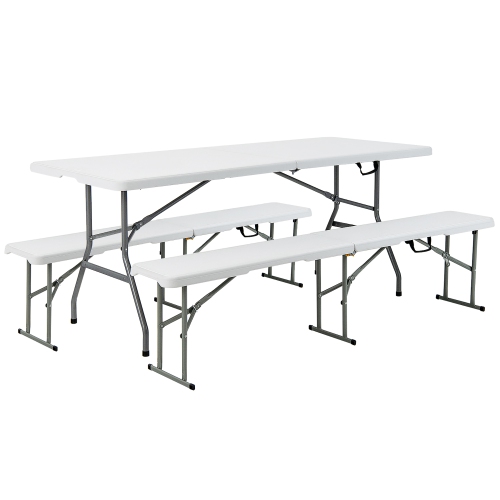


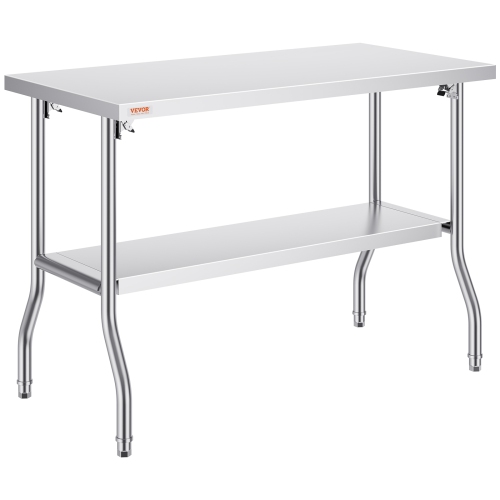

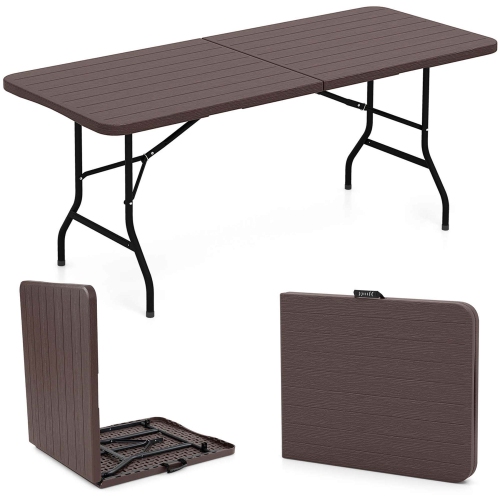
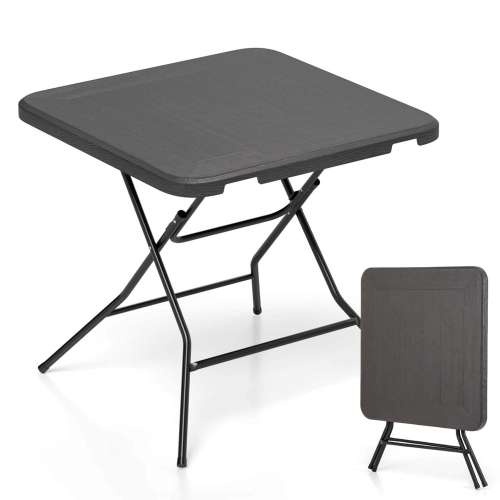

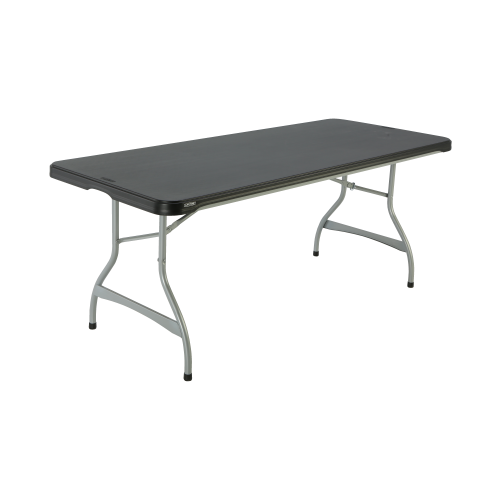
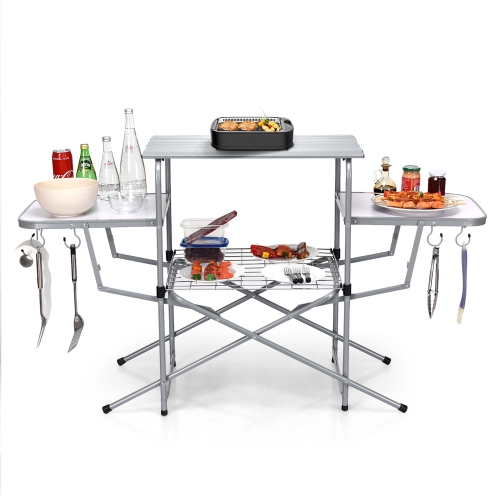

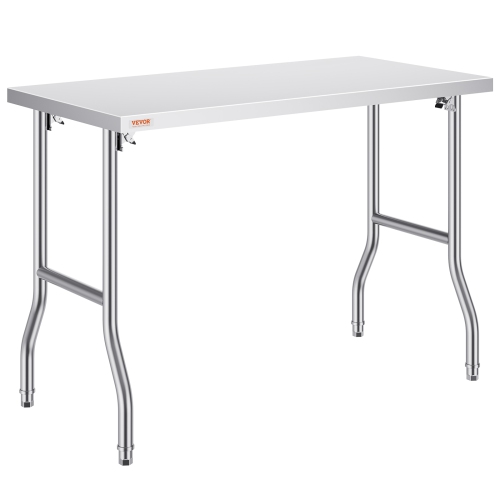
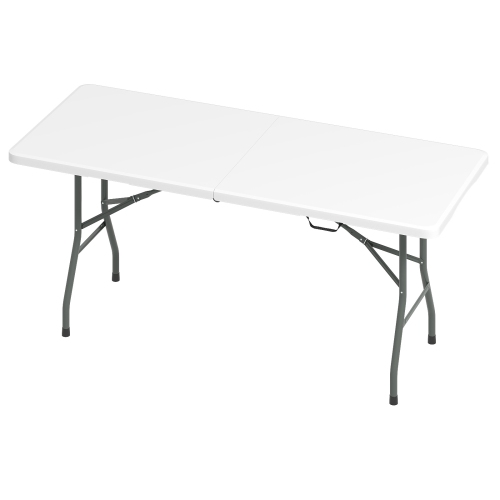
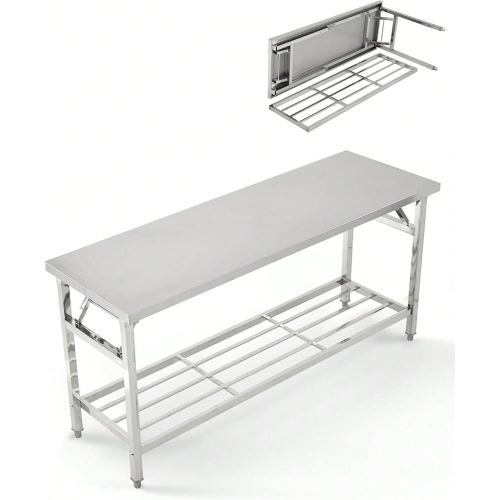
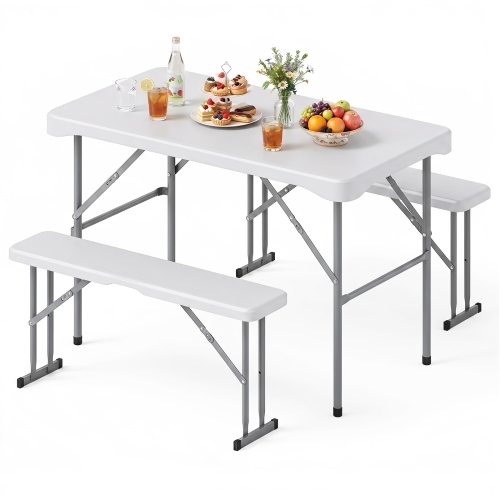
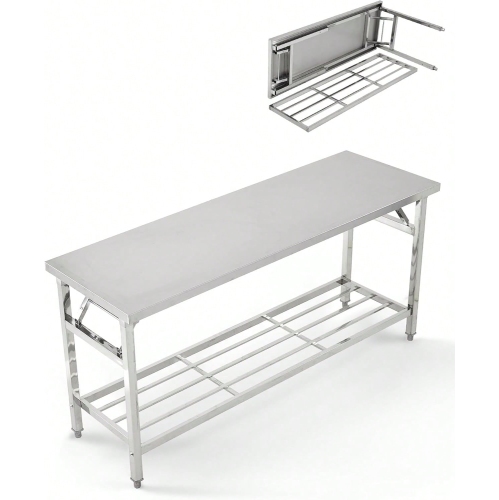
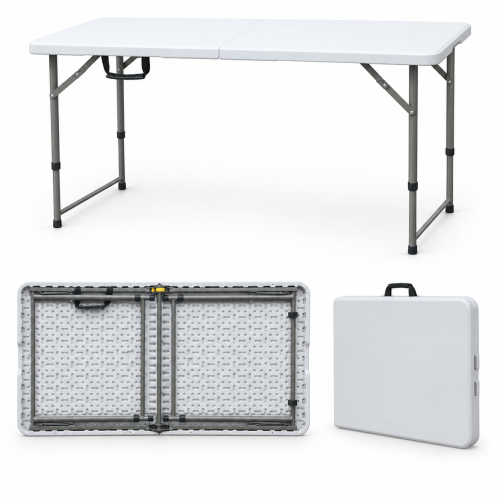
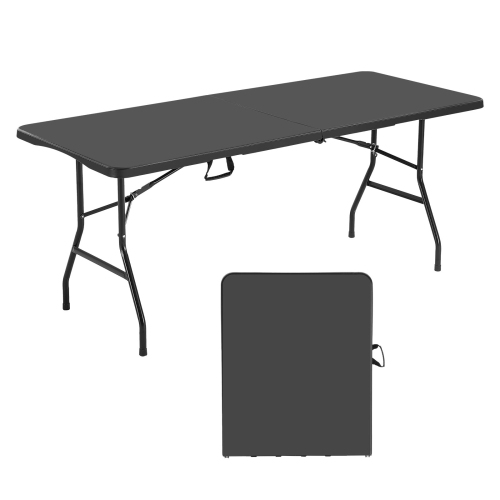
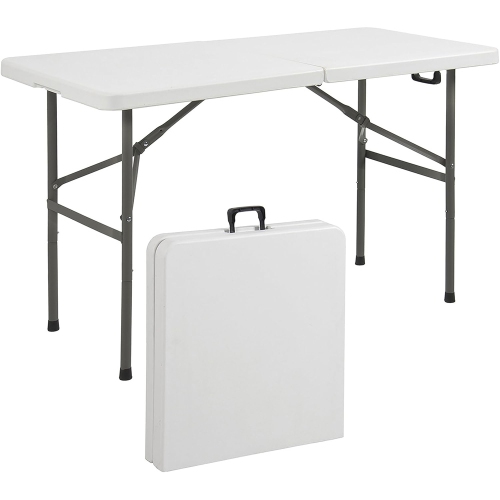
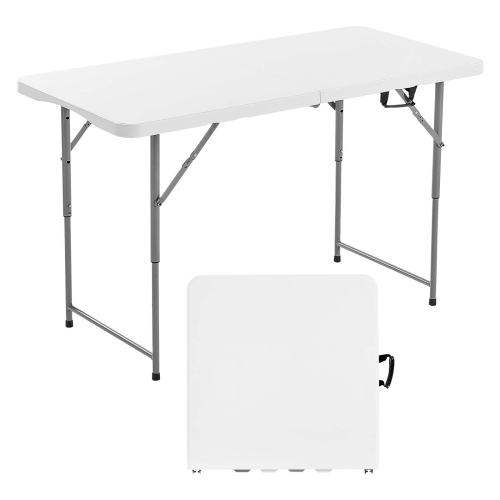
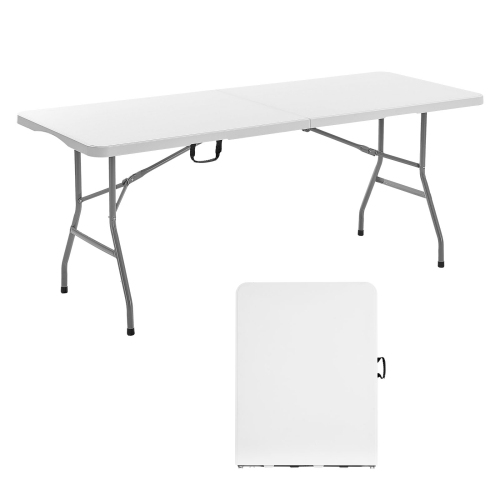
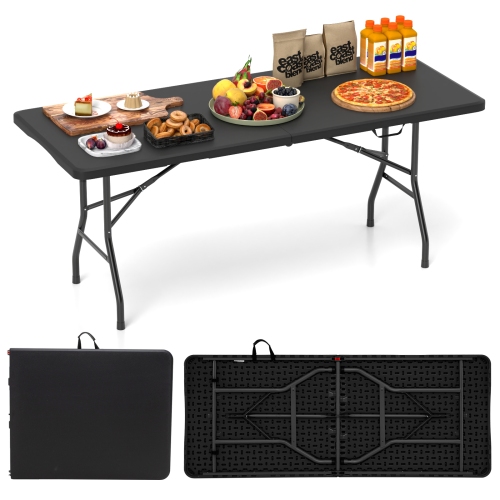
Sturdy surfaces that fold away when work is done
Heavy-duty folding tables provide sturdy, portable surfaces for dining, displays, meetings, projects, and other activities that call for more support than a lightweight occasional table. Their usefulness comes from the combination of a durable tabletop, a reinforced frame, and legs that fold away for storage. In a community hall, they can accommodate registration materials before being rearranged for a shared meal. At home, they can create extra workspace for sorting supplies, assembling gift baskets, or spreading out a large craft project without permanently occupying a room. Small businesses, schools, event organizers, and households may all benefit from a table that can move between tasks. The right fit depends on how that surface will be used, not simply how substantial it looks. Rectangular tables make efficient use of wall space and can be arranged in rows, while round tables encourage conversation and allow seating around the perimeter. Smaller footprints suit compact rooms or individual workstations; longer surfaces give several people room to work side by side. Tabletop dimensions are only part of the fit, however. Leg placement, support braces, and the clearance beneath the table affect where chairs can sit and how comfortably people can move their knees. A table used for seated paperwork has different requirements from one used for standing demonstrations or packing orders. Adjustable-height designs can offer flexibility, provided the legs lock securely at the intended setting. Room layout matters as much as table size: allow space for chairs to pull out, doors to open, and people to pass without brushing against the edges. For meal service and group seating, Folding Banquet Tables offer a related category to consider alongside the broader uses of heavy-duty folding tables. In either setting, a practical arrangement leaves enough usable surface for the activity while keeping walkways clear and table supports out of the way.
Materials influence how a heavy-duty folding table feels, performs, and holds up to repeated handling. Moulded high-density polyethylene tabletops are common because they offer a wipeable surface without the carrying weight of some solid constructions. Their textured finish can help disguise everyday marks, although texture may also affect handwriting on a single sheet of paper. Laminate surfaces can provide a smoother area for paperwork and presentations, while plywood-core designs may suit frequent event setup when paired with suitable framing and protected edges. Neither construction should be assumed to tolerate every spill, impact, or cleaning product; the surface finish, edge treatment, and care requirements all matter. Powder-coated steel frames can provide substantial support, while aluminum components may reduce carrying weight. The quality of the joints, hinges, braces, and leg connections is just as important as the material name. A broad stance and well-fitted feet help the table sit securely on an appropriate, level floor, and non-marking foot caps can help protect finished flooring when kept clean and intact. Load capacity deserves particular attention because “heavy-duty” alone does not establish a standard weight rating. Manufacturer specifications should explain the supported load and, where stated, whether that figure refers to weight distributed evenly across the surface. A stack of supplies concentrated near the centre or edge can place different demands on the tabletop than the same weight spread across its full length. Equipment that vibrates, shifts, or presses against the table adds another consideration beyond its resting weight. For activities involving machinery, clamping, or repeated impacts, a purpose-built workbench may be more appropriate. Likewise, a general-purpose folding table should not be treated as a cutting surface or a direct food-preparation surface unless its materials are explicitly suitable for that use. Serving trays, protective mats, and other appropriate barriers can help separate everyday activities from the tabletop, but they do not increase its load rating or replace the manufacturer’s use instructions.
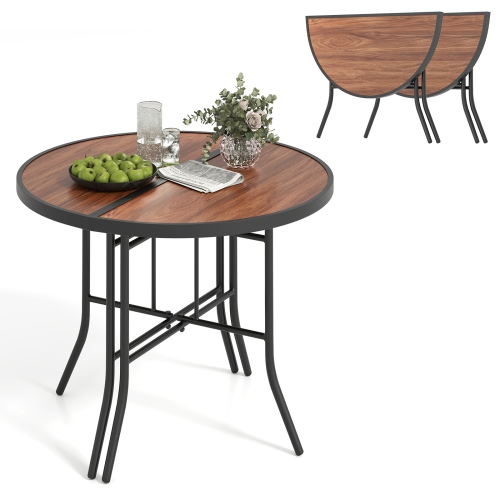
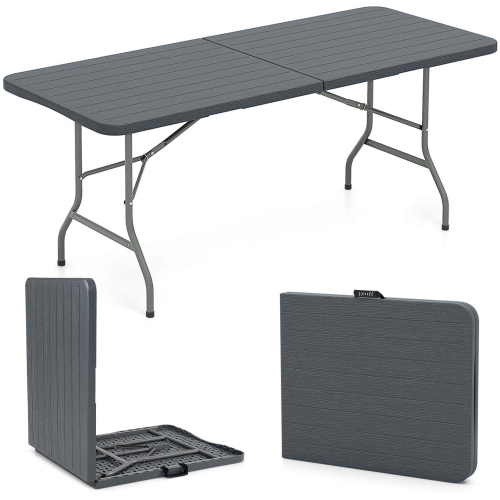
The folding design makes a noticeable difference whenever a table travels between rooms, rides in a vehicle, or returns to storage after each use. A fold-in-half tabletop can reduce the stored length and may include a carrying handle, while a one-piece top with folding legs keeps the working surface free of a central folding seam. Neither format is automatically easier for every person to handle. Overall weight, grip position, balance, and the route to the storage area all affect portability, especially around stairs, narrow doorways, and tight corners. A compact folded shape is useful only if it fits the intended cupboard, storage rack, or vehicle opening. Locks and latches should secure the table in the positions specified by the manufacturer, and leg braces should be fully engaged before anything is placed on top. Fingers need clearance from hinges and folding joints during setup and takedown. For shared spaces, a straightforward mechanism can make repeated setup less cumbersome, but children should not be responsible for opening or closing a heavy table. Everyday care is generally simple when matched to the materials: remove crumbs and grit, wipe up spills promptly, and use cleaning products approved for the surface. Moisture should be dried from seams, hinges, and the underside before storage. Dragging the table can damage feet or flooring and put unnecessary strain on the frame, so lifting it with appropriate help is preferable. Periodic checks for loose fasteners, worn foot caps, damaged edges, or stiff hinges can reveal maintenance needs before the next gathering or project. Tables intended for outdoor use should be identified as such in their specifications rather than assumed suitable because they have a plastic top. With a size that suits the room, a verified capacity for the task, and a folding mechanism that is manageable for the people using it, a heavy-duty folding table can serve as a dependable extra surface without requiring a permanent place in the floor plan.
Top selling and popular products
-
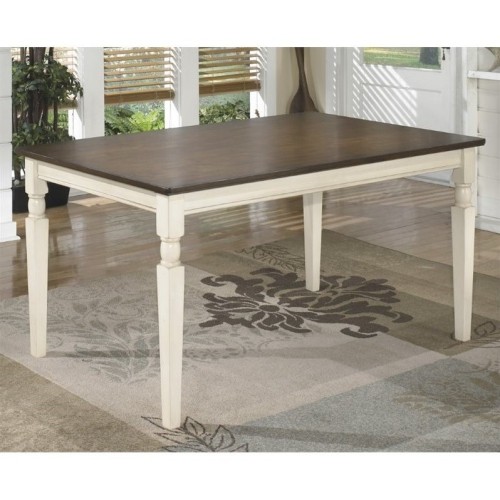 Your price for this item is $399
-
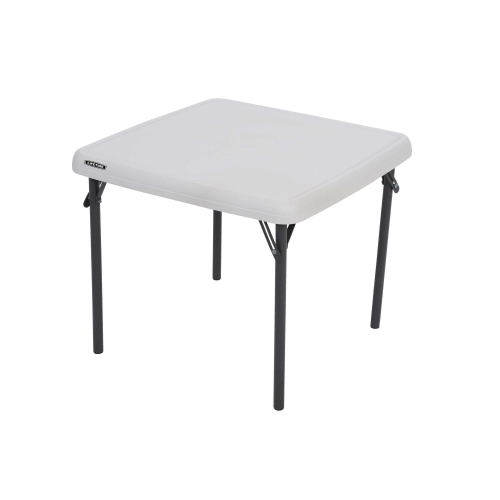 Your price for this item is $74.99
-
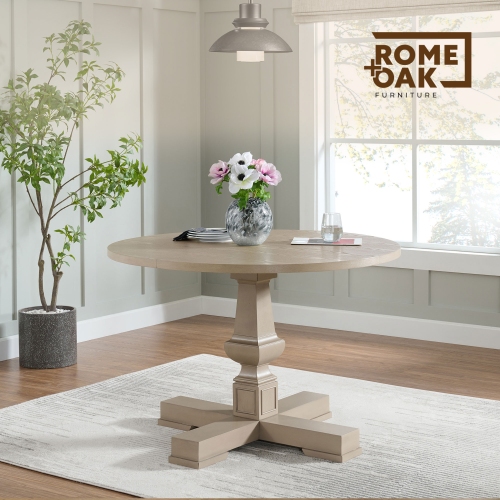 Your price for this item is $971.99
-
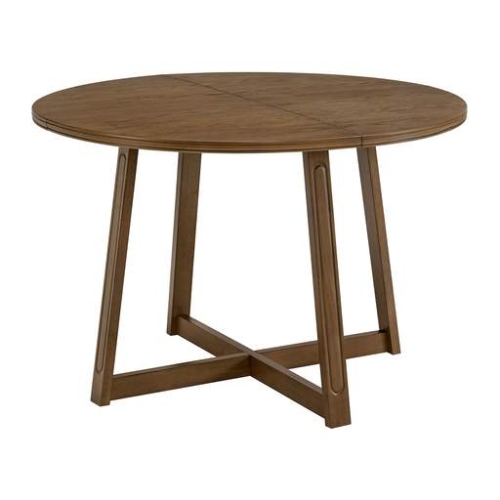 Your price for this item is $796.99
-
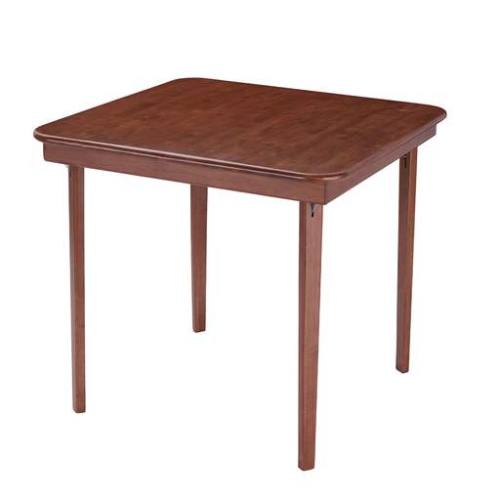 Your price for this item is $413.99
-
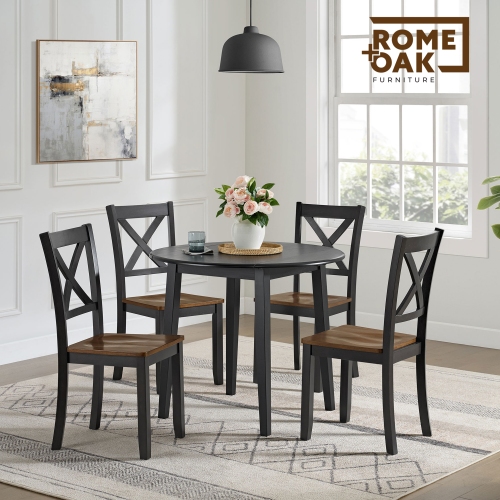 Your price for this item is $392.99
-
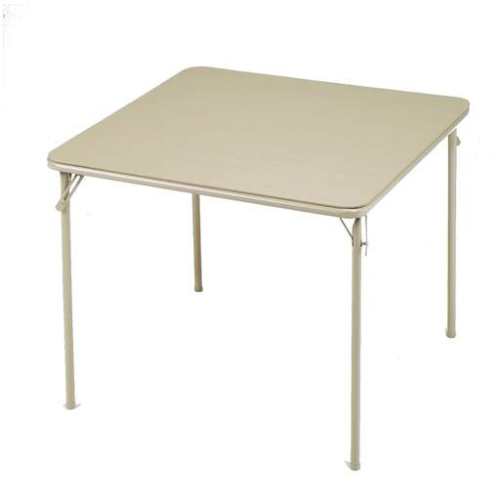 Your price for this item is $243.99
-
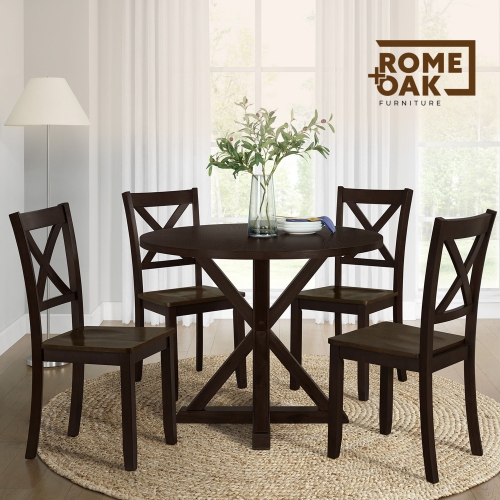 Your price for this item is $827.99
Discover more categories related to Heavy Duty Folding Tables
Top Collections:
Best Black Friday Deals This Year, Best Black Friday Deals On Electronics, Kindle Devices, Pokemon Centers, Best Black Friday Deals On Apple Products, Best Cameras for Sports Photography, Dyson Airwrap, Pokémon 30th Celebration Cards, Apple iPhone 17 Pro, Canon G7X Cameras
Some products may be subject to Environmental Handling Fees
(EHF) depending on your province.
Learn more about EHFs.