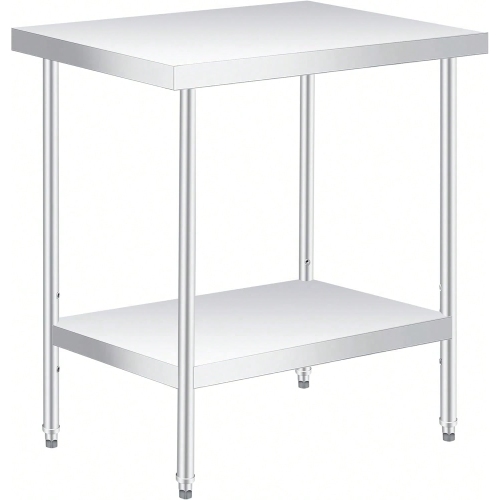
Heavy Duty Stainless Steel Work Tables
Heavy Duty Stainless Steel Work Tables offer a reliable and versatile solution for any workspace, whether in a commercial kitchen, garage, or workshop. Designed to support demanding tasks and frequent use, these tables provide ample surface area for projects, food preparation, or equipment setup. With their sleek appearance and practical design, Heavy Duty Stainless Steel Work Tables fit seamlessly into a variety of settings while helping to keep your space organized and efficient. Explore options that can enhance productivity and meet the needs of both professional and home environments.
Sort
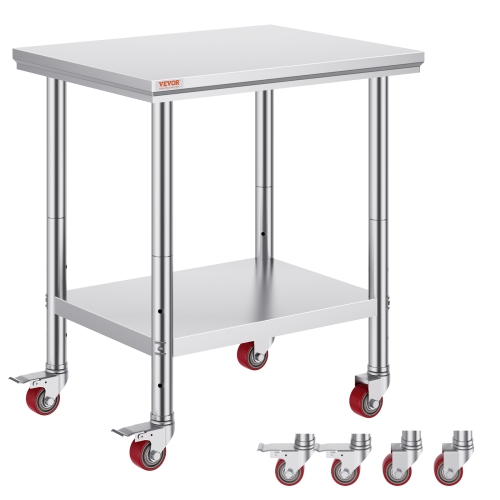
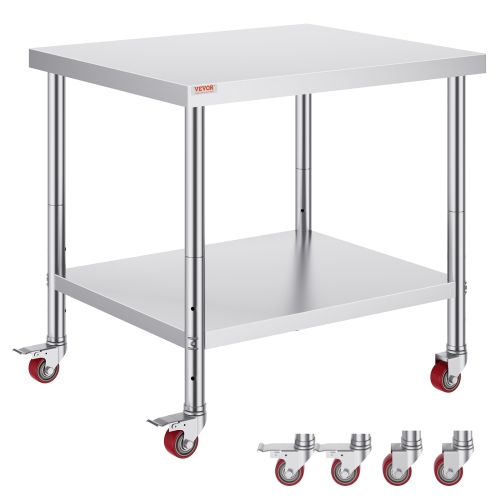
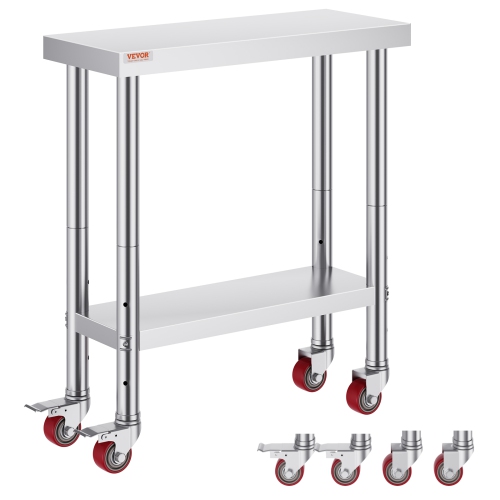
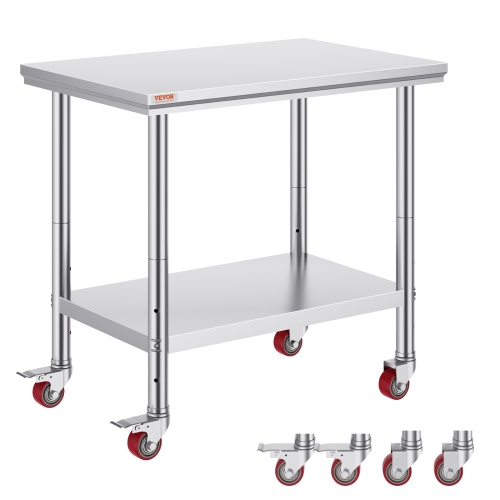
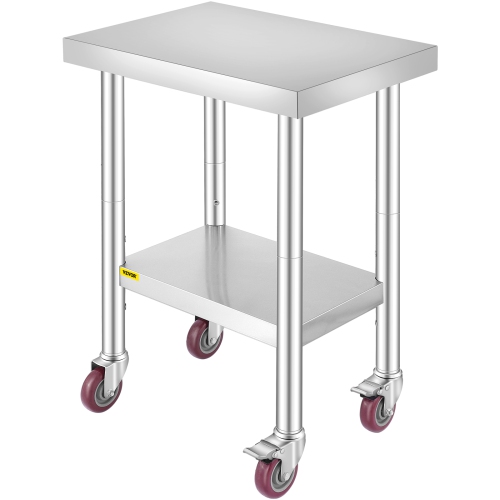
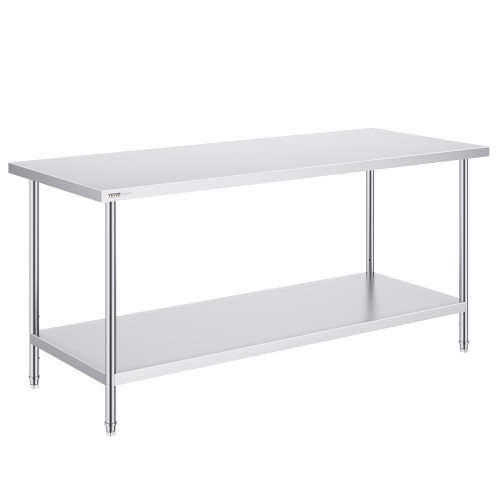
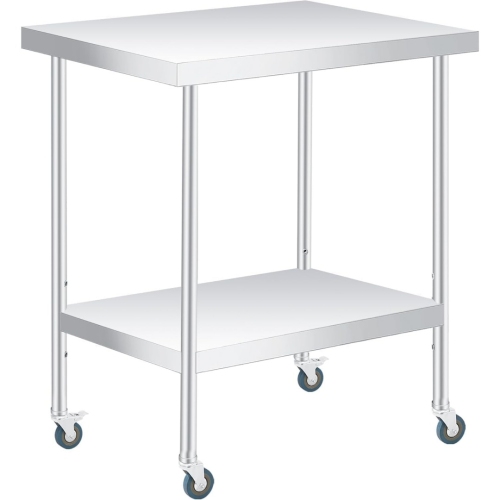
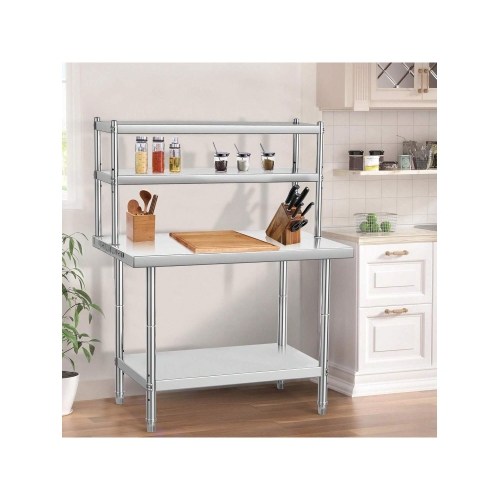
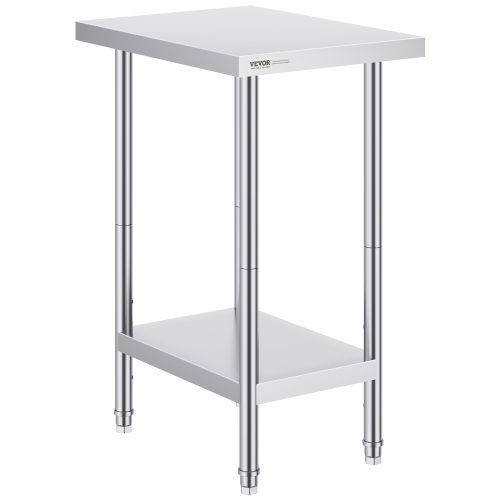

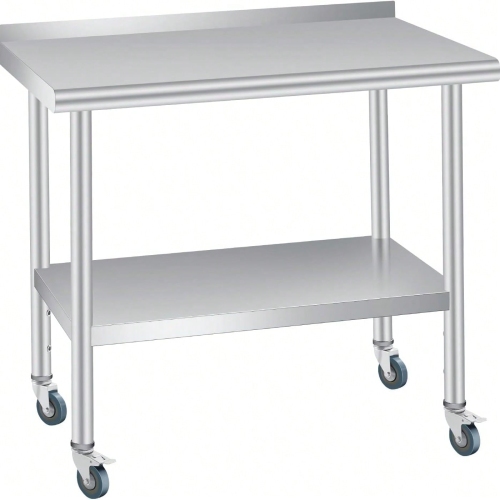
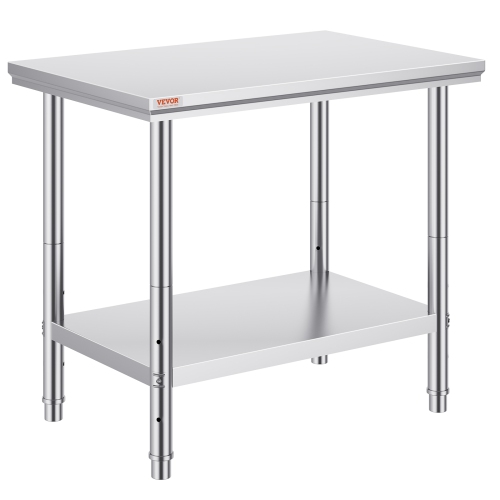
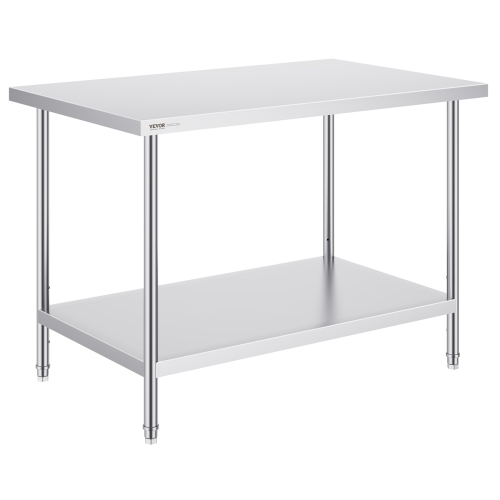

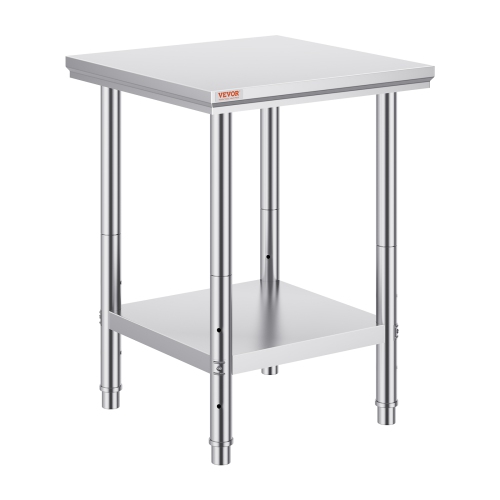
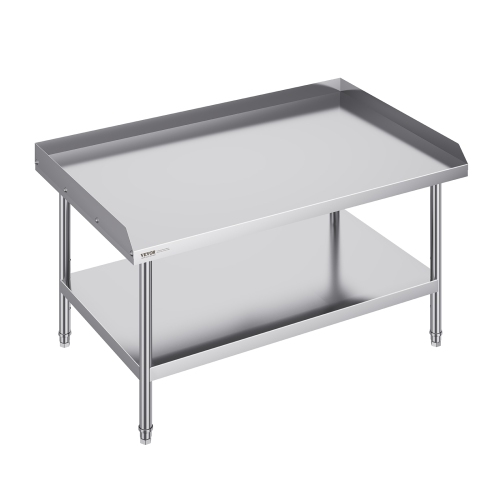
A dependable work surface is more than its top
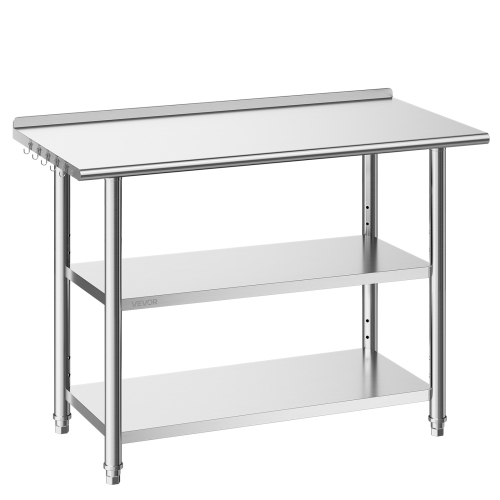
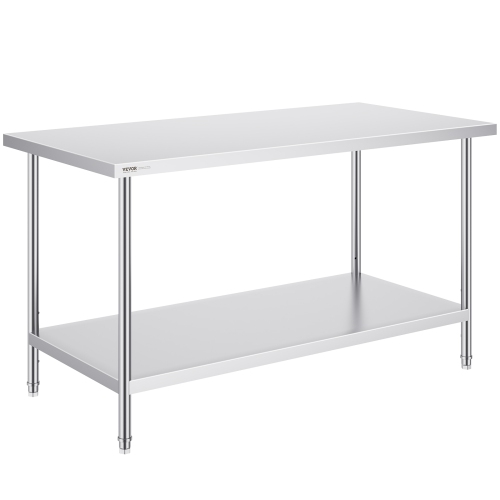
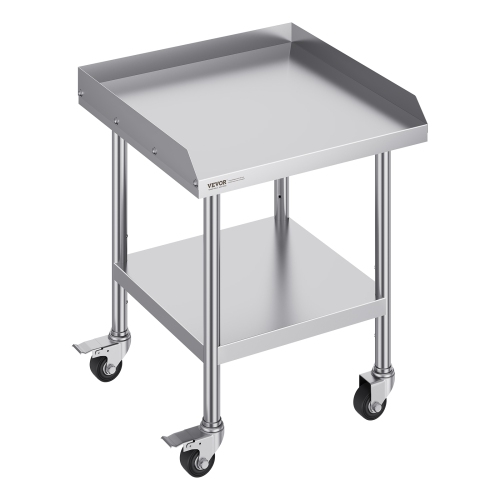
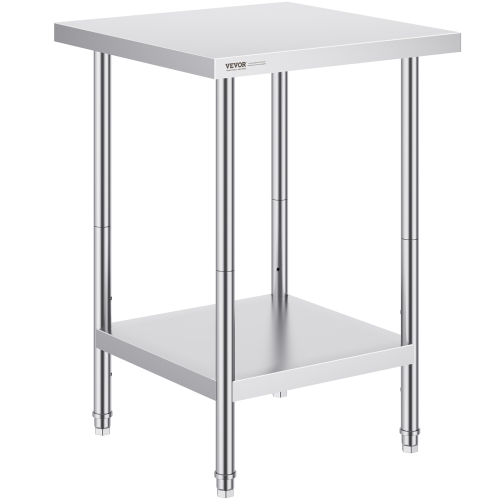
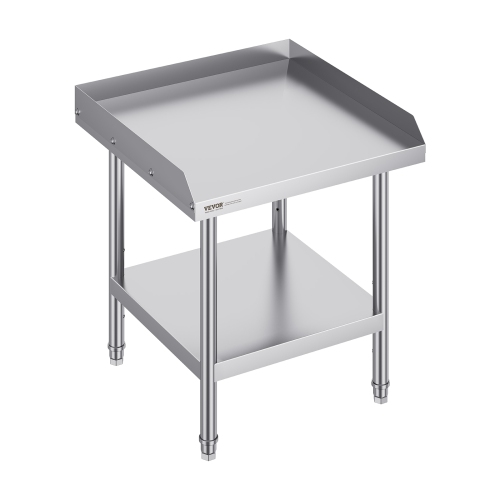
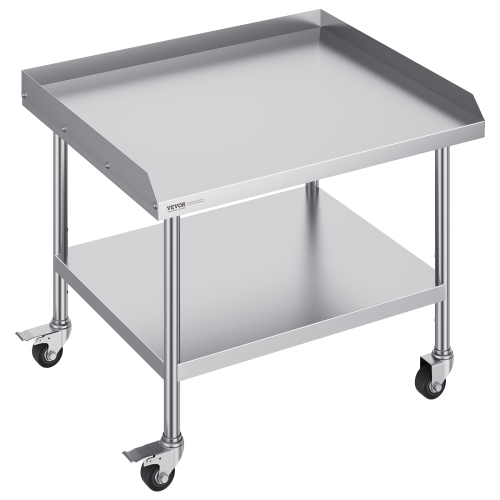
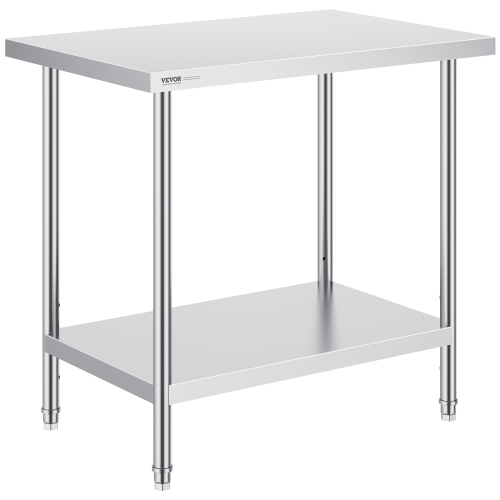
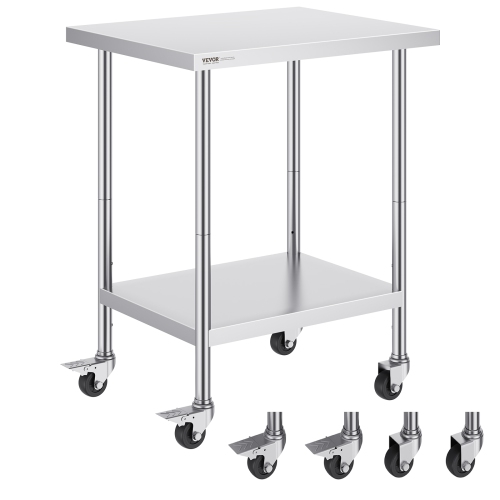
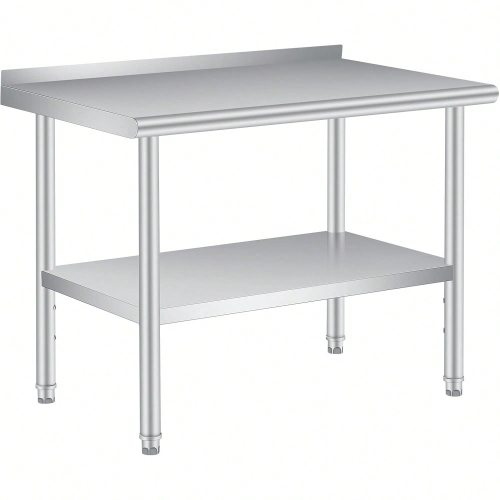
Heavy-duty stainless steel work tables bring a dedicated, dependable surface to spaces where everyday tasks involve more than setting down a laptop or sorting paperwork. In a busy kitchen, that might mean room for a cutting board, ingredient containers and mixing bowls without crowding the main countertop. In a workshop, it could mean a clear place to assemble hardware, pack orders or lay out tools between jobs. Bakers, caterers, hobbyists and small business owners often value the combination of a wipeable top and a straightforward, practical frame. Stainless steel has a non-porous surface that does not absorb spills the way unfinished wood can, although joints, edges and the condition of the finish still affect how easily a table can be cleaned. Its resistance to corrosion also varies by grade and exposure. Type 304 stainless steel generally offers greater corrosion resistance than Type 430, which can be suitable for less demanding indoor applications when properly maintained. Material descriptions deserve a close look because a stainless steel top does not necessarily mean that the legs, lower shelf and fasteners are made from the same material. Galvanized steel components, for example, have different care needs from stainless steel. The thickness of the top is another useful detail: within the same material, a lower gauge number indicates thicker steel, but thickness alone does not establish the strength of the complete table. Reinforcement beneath the top, secure connections and the design of the legs all contribute to how solid the surface feels during use. A table supporting a compact appliance has different demands placed on it than one used for kneading dough or handling bulky cartons. Published weight limits are most useful when they specify whether the rating applies to an evenly distributed load, the top alone or the entire unit. A heavy object concentrated near one edge can stress a table differently from the same weight spread across the surface, making the intended task as important as the overall load rating.
The right fit leaves enough space to work comfortably around the table, not just enough floor area to fit its legs. Width and depth determine whether there is room for both the task and its supporting supplies, while the working height affects comfort during repeated chopping, sorting or assembly. Someone rolling pastry may prefer a different height from someone completing fine handwork, and a seated workstation needs suitable knee clearance rather than a shelf placed directly in the way. In a narrow kitchen or utility room, an extra-deep top can make reaching the back edge awkward and reduce passage space when another person walks through. Doorways, corners and the route into the room also matter, especially when a table arrives with a preassembled top or has limited clearance for manoeuvring. A rear backsplash can help contain splashes and keep small objects from slipping behind a table positioned against a wall. A flat-edged design offers access from more sides and can suit a central preparation area or shared project space. Wall trim, baseboard and nearby outlets may affect how closely either style can sit against a wall. Underneath, an adjustable shelf can organize mixing bowls, bins and frequently used supplies, provided its own weight limit and clearance are appropriate. Open space below the top may be more useful for taller containers or tasks that require standing close to the work surface. Adjustable feet help level a table on a slightly uneven floor; they do not make an unsuitable floor capable of supporting a heavy load. Casters offer flexibility when the layout needs to change or the floor beneath needs cleaning, but wheel ratings, locking mechanisms and the table’s approved use all matter. A mobile table is not automatically designed to travel while fully loaded. For appliance use, the work surface must also accommodate the appliance’s footprint, weight, operating movement and required clearances. A mixer working through dense dough, for instance, calls for more attention to stability than a set of lightweight storage containers.
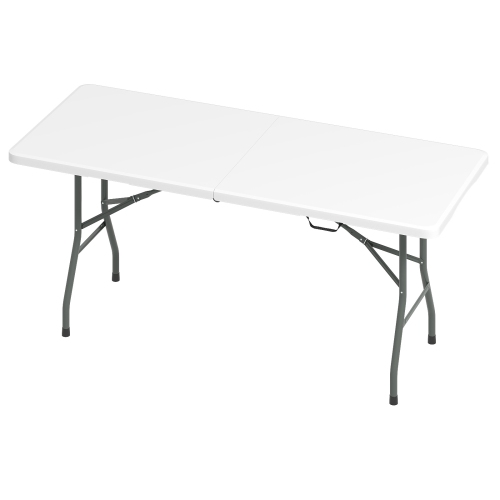
Day-to-day care helps preserve both the finish and the usefulness of a stainless steel work table. Mild detergent, a soft cloth and thorough drying are often sufficient for ordinary spills, with cleaning products selected according to the manufacturer’s directions. Wiping along the grain can help maintain an even-looking finish, while steel wool and harsh abrasive pads can leave scratches or introduce particles that may rust. Chloride-containing cleaners and concentrated bleach can damage stainless steel, particularly when residue is left sitting on the surface. Food preparation areas also need an appropriate sanitizing routine; a clean-looking top is not a substitute for proper food handling, and any required commercial-use certification should be confirmed separately. Cutting boards protect the finish and provide a suitable surface for knife work. In a workshop, compatible protective mats can reduce marks from tools or parts, but moisture trapped beneath a mat should not be left unnoticed. Spills are easier to manage before they dry around seams or shelf brackets, and lower shelves need attention too, especially where supplies are frequently moved between the floor and the table. Over time, fine scratches are a normal possibility on a working metal surface; they do not necessarily indicate a loss of structural strength. Loose fasteners, damaged feet or wheels that no longer lock securely are more significant concerns because they affect how confidently the table can be used. The best layout gives regularly handled supplies a clear place without turning the top into permanent storage. Keeping the main surface open makes it easier to move from one task to the next, whether that means portioning ingredients or preparing parcels for dispatch. Where a work surface is needed mainly for occasional setup and compact storage, Heavy Duty Folding Tables offer another format to consider, with their own material and load specifications. A stainless steel work table is particularly well suited to a dedicated work area where frequent cleaning, dependable support and accessible storage matter every day.
Top selling and popular products
-
 Your price for this item is $99.99
-
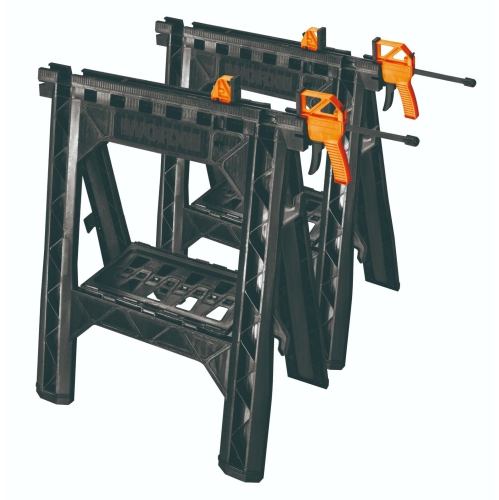 Your price for this item is $99.99
-
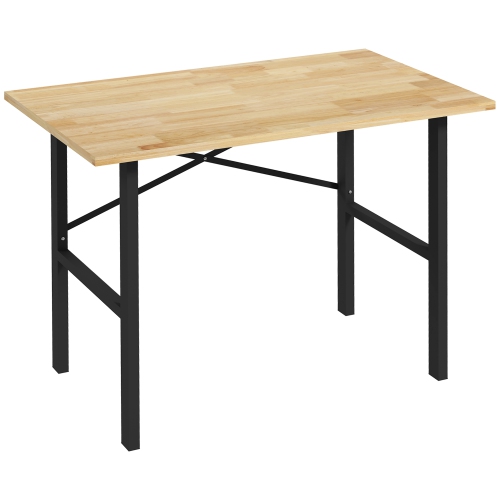 Your price for this item is $149.99
-
 Your price for this item is $415.35
-
 Your price for this item is $249.99
-
 Your price for this item is $89.99
-
 Your price for this item is $169.99
-
 Your price for this item is $83.9
Discover more categories related to Heavy Duty Stainless Steel Work Tables
Top Collections:
Best Black Friday Deals This Year, Best Black Friday Deals On Electronics, Kindle Devices, Pokemon Centers, Best Black Friday Deals On Apple Products, Best Cameras for Sports Photography, Dyson Airwrap, Pokémon 30th Celebration Cards, Apple iPhone 17 Pro, Canon G7X Cameras
Some products may be subject to Environmental Handling Fees
(EHF) depending on your province.
Learn more about EHFs.