Heavy Duty Outdoor Umbrellas
Heavy Duty Outdoor Umbrellas are essential for creating comfortable and stylish outdoor spaces, whether you're relaxing on the patio, hosting backyard gatherings, or enjoying time by the pool. Designed to provide reliable shade and enhance your outdoor décor, these umbrellas offer a practical solution for sunny days. Explore a wide selection of Heavy Duty Outdoor Umbrellas to find the perfect fit for your space and elevate your outdoor experience all season long.
Sort
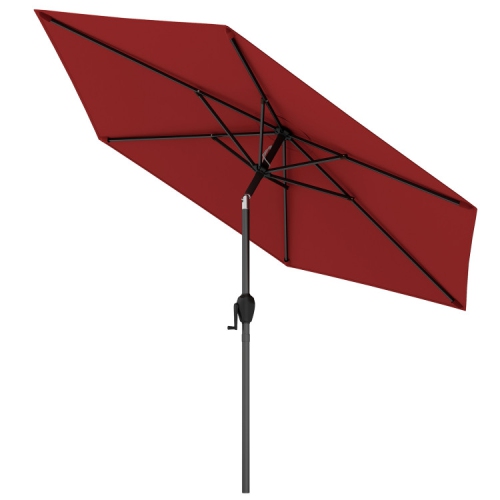
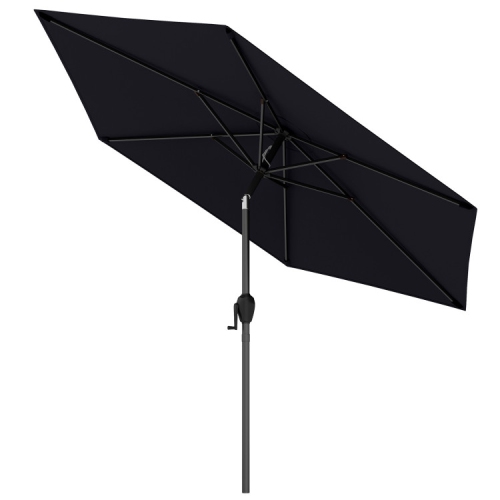
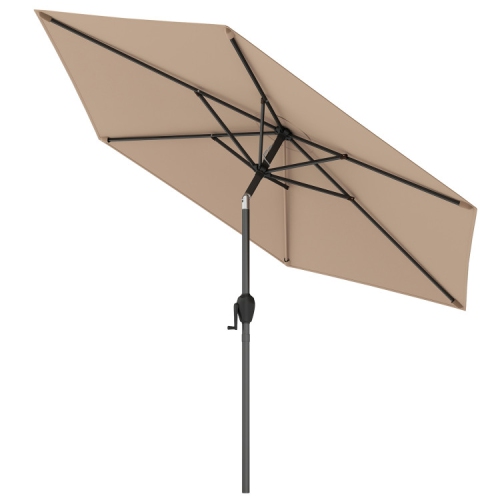
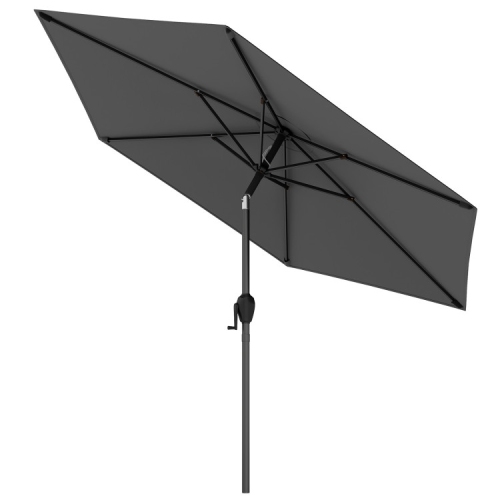
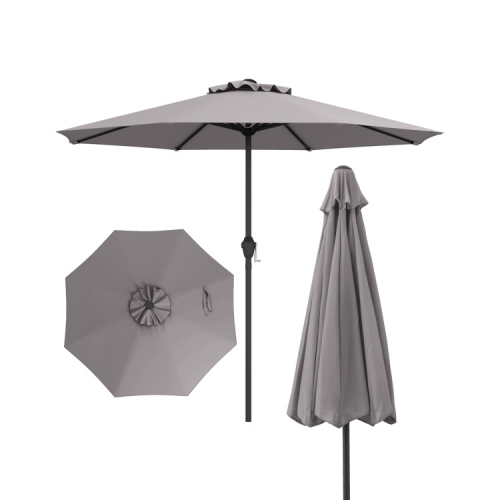
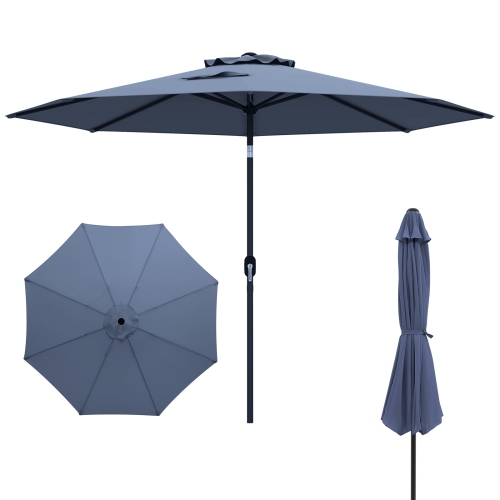
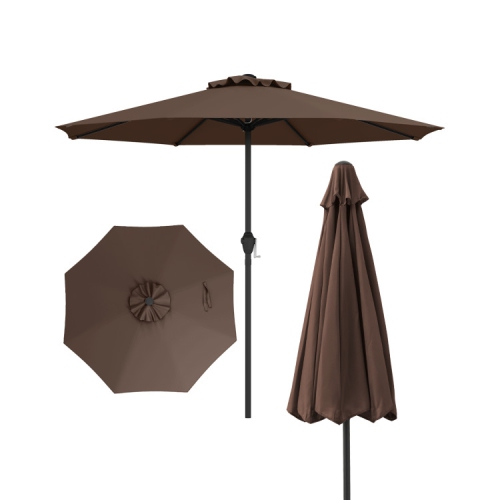
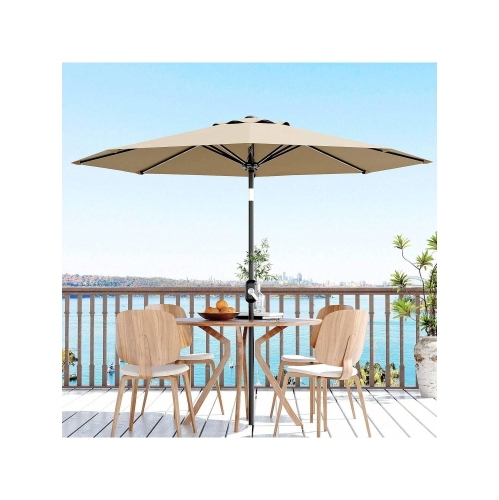
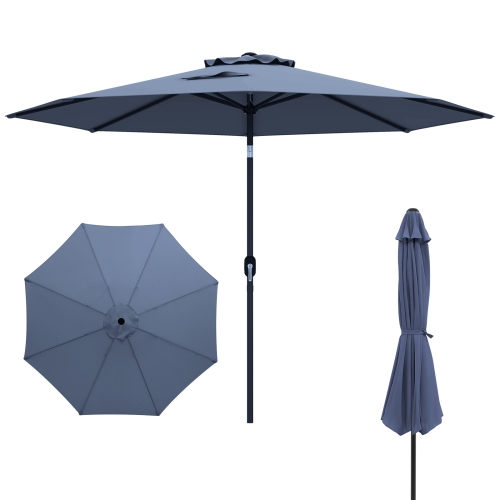
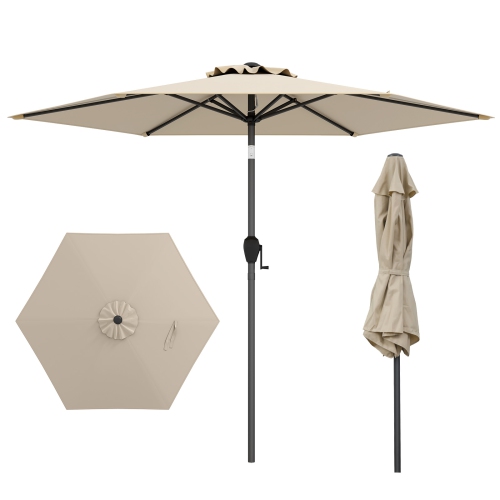
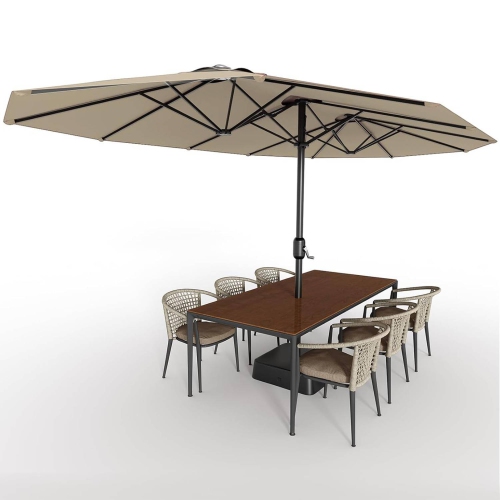
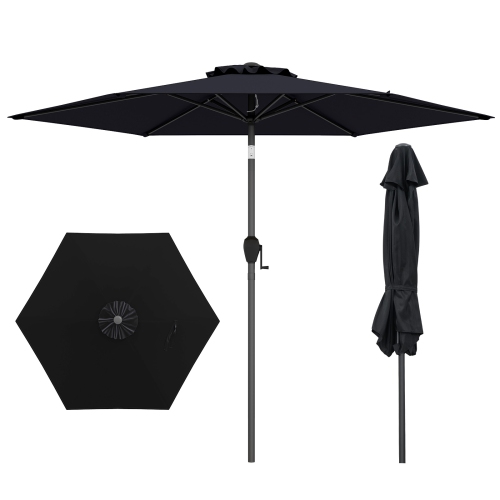
Lasting shade takes more than a sturdy frame
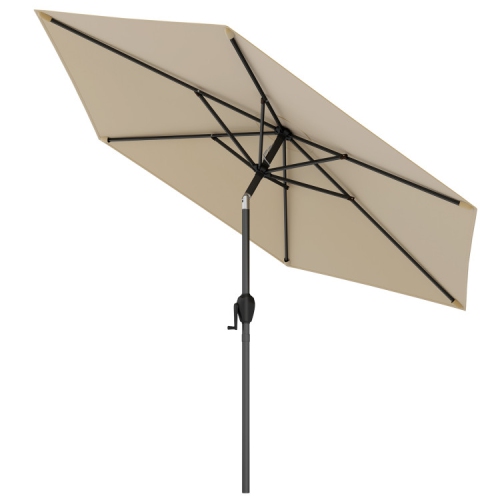
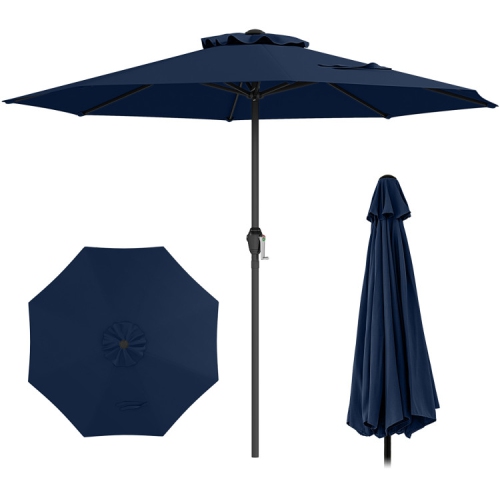
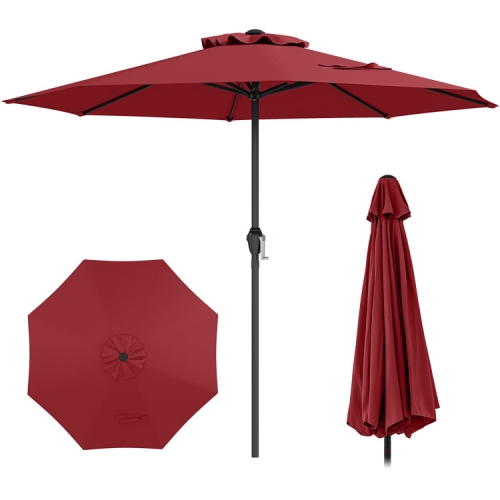
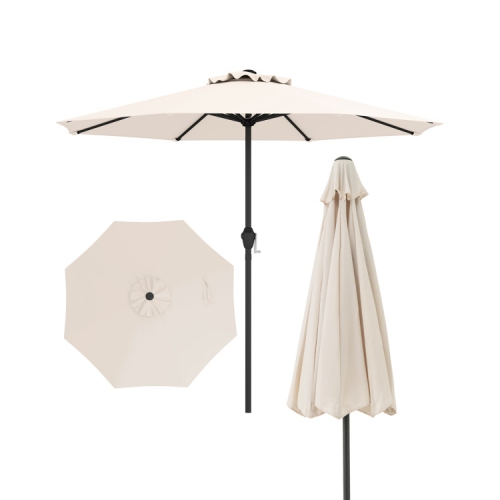
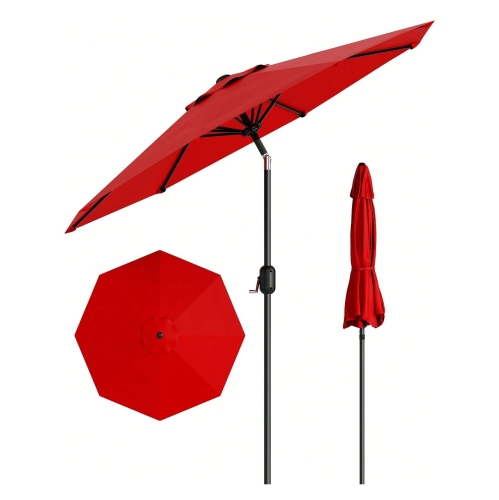
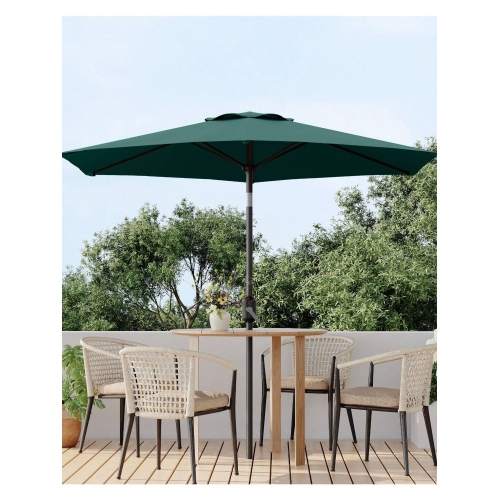
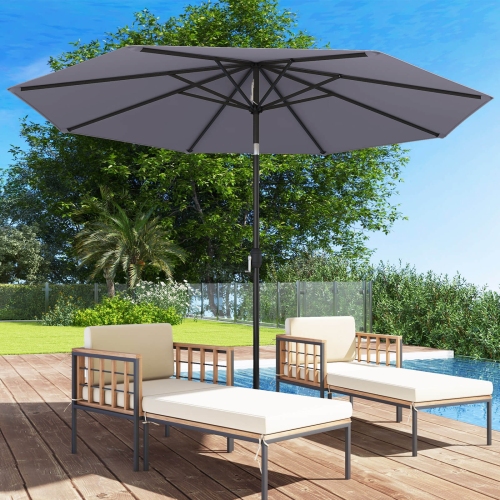
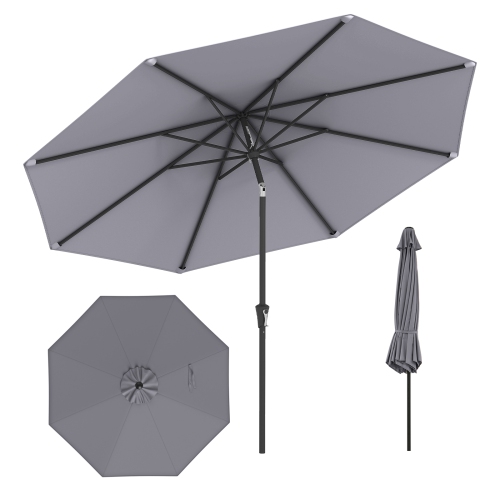
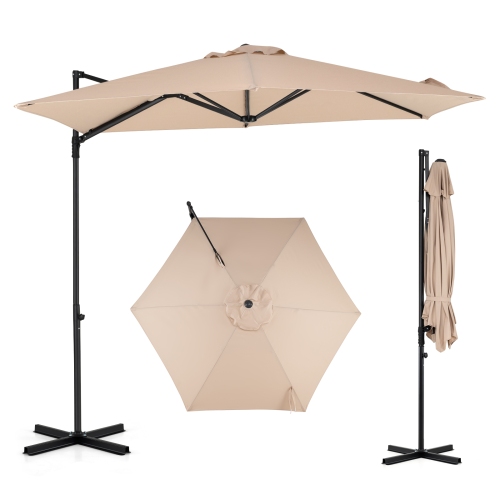
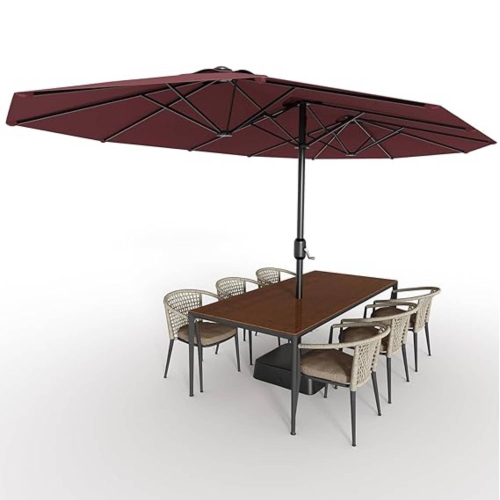
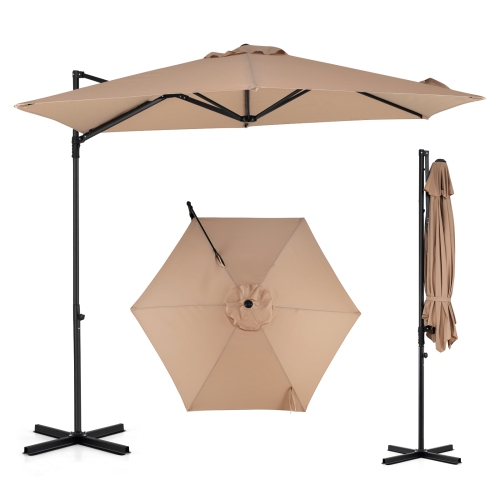
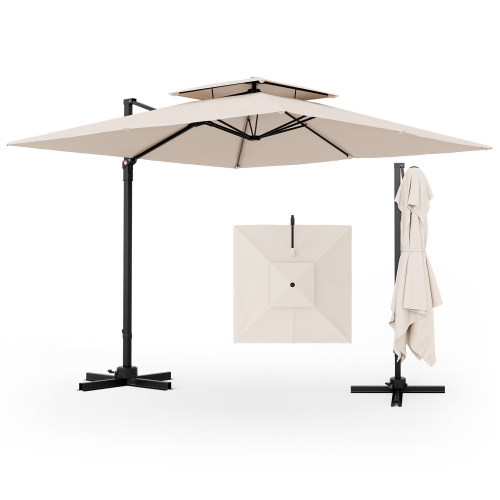
Heavy-duty outdoor umbrellas bring shade and a more substantial structure to patios, decks, poolside seating areas, and outdoor dining spaces. Their durability comes from the complete assembly: the pole, ribs, hub, canopy, adjustment mechanisms, and supporting base all contribute to how securely an umbrella stands and how well it holds up to repeated use. Reinforced joints, sturdy ribs, corrosion-resistant finishes, and tightly woven fabrics are useful features to look for, although the term heavy-duty does not represent a universal wind rating. A larger frame or thicker pole alone does not make an umbrella suitable for every exposed location. Aluminum frames are relatively lightweight and resist rust, making them practical where an umbrella needs to be moved occasionally. Steel can provide a substantial structure, but its protective finish needs attention if it becomes scratched or chipped. Fibreglass ribs offer flexibility that can help them respond to movement, while the strength of any frame also depends on its design and connections. A smooth crank, secure locking points, and a well-supported canopy make everyday use easier, whether the umbrella shades a compact breakfast table or a generous seating arrangement. For households that regularly eat outdoors, broad coverage can help keep the table comfortable without requiring everyone to crowd into a narrow patch of shade. Beside lounge chairs, an adjustable canopy can shade the seating area as the sun changes position. These umbrellas can also suit shared courtyards and hospitality settings, provided the design is approved for the intended use and any applicable site requirements. Residential construction should not automatically be treated as commercial-grade construction. The most useful choice is one that matches the space, frequency of use, and exposure of the location, rather than simply the largest canopy that will fit. A sheltered terrace and an open deck may need different frame designs, support arrangements, and handling precautions, even when their seating areas are similar in size. A substantial umbrella should feel practical to operate as well as appropriately proportioned for the setting.
The shape and placement of an outdoor umbrella determine how comfortably it fits around furniture and how much usable shade it provides. Round and octagonal canopies pair naturally with many dining tables, while square and rectangular designs can follow the lines of longer tables or sectional seating. Canopy dimensions describe the umbrella itself, not a fixed shaded footprint; the angle of the sun changes where the shade falls. A centre-pole umbrella offers a straightforward arrangement for a table with a compatible opening, but the table opening, pole diameter, and base must work together. Clearance beneath the tabletop matters too, especially where crossbars or a low apron could interfere with the base. Cantilever umbrellas keep the pole to one side, leaving more room around conversation sets, loungers, and tables without umbrella holes. Their offset design also creates leverage, making the specified base, ballast, or approved anchoring system particularly important. A base that looks substantial may still be unsuitable for a particular canopy size or frame. Required support depends on the umbrella design and installation method, so there is no single base weight that suits every heavy-duty umbrella. Water-filled and sand-filled bases have different filled weights, and an empty base is not adequate support. Deck-mounted or fixed installations require compatible hardware and a suitable supporting structure; railings and lightweight furniture are not substitutes for an approved anchor. The related selection of Heavy Duty Patio Umbrellas offers another way to explore shade options for outdoor seating areas. Alongside canopy size, consider the room needed to open, tilt, rotate, and close the umbrella without catching a fence, roof edge, nearby branches, or a light fixture. A crank should remain accessible once chairs are pulled out, and the base should not obstruct a walking route. On a smaller balcony or terrace, a manageable footprint and permission to install the required support can matter more than maximum coverage. Space around the closed umbrella also helps prevent fabric from rubbing against walls or rough surfaces.
Canopy fabric influences comfort, appearance, and the amount of care an umbrella needs over time. Polyester and acrylic are common options, with performance varying according to the weave, fabric weight, colouring process, and protective treatments. Solution-dyed fabrics carry colour through the fibres, which can help them retain their appearance under repeated sun exposure, although fade resistance should still be checked in the fabric specifications. If UV protection is a priority, a stated UPF rating provides more useful information than a general description of the fabric as thick or durable. Shade does not eliminate reflected sunlight, so an umbrella remains one part of a broader sun-protection routine. Water-resistant fabric can shed light moisture, but it should not be assumed to be waterproof or suitable as a rain shelter. Vented canopies allow some air to pass through, yet vents do not make an open umbrella safe in strong winds. Manufacturer limits and operating instructions take priority, and umbrellas should be closed and secured before gusty conditions arrive or whenever they will be left unattended. Snow and ice should not be allowed to accumulate on the canopy. For everyday care, brushing away loose debris before it becomes embedded helps preserve the fabric’s appearance. Bird droppings, food splashes, and tree residue are easier to address promptly with a cleaning method approved for the material. Mild soap, water, and a soft brush are often suitable, while bleach, pressure washing, or machine washing may damage fabrics or finishes unless expressly permitted. Letting the canopy dry fully before closing it for extended storage helps reduce trapped moisture and mould. A properly fitted cover adds protection when the umbrella is not in use, but it should also be clean and dry. Periodic checks of fasteners, joints, cables, and locking mechanisms can reveal wear before it affects operation. Where supported by the design, replaceable canopies and serviceable components can make ongoing maintenance more practical. Dry, sheltered storage during extended periods of non-use helps protect both the frame and fabric, preserving a dependable shade solution for outdoor meals, quiet reading, and relaxed gatherings.
Top selling and popular products
-
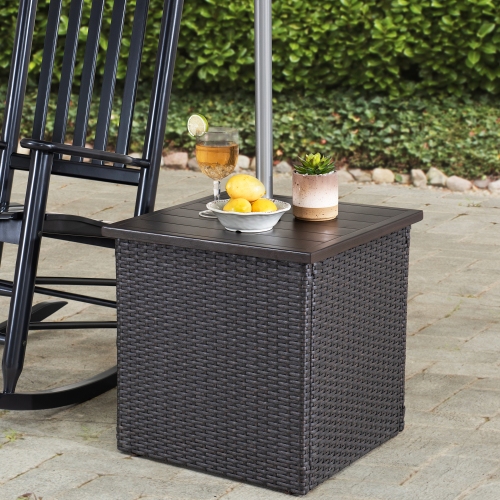 Your price for this item is $160.99
-
 Your price for this item is $111.99
-
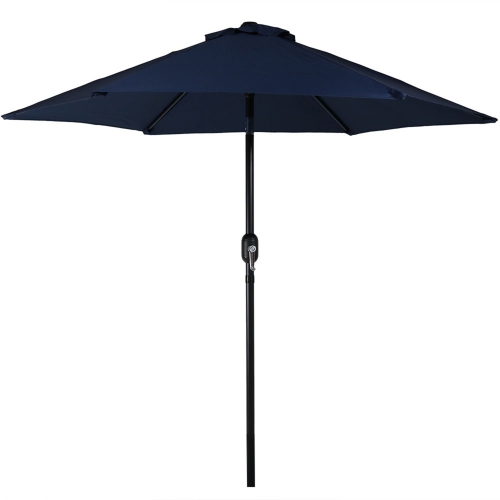 Your price for this item is $146.95
-
 Your price for this item is $146.95
-
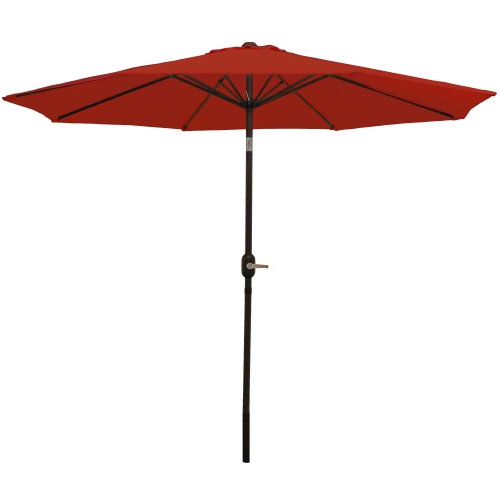 Your price for this item is $146.95
-
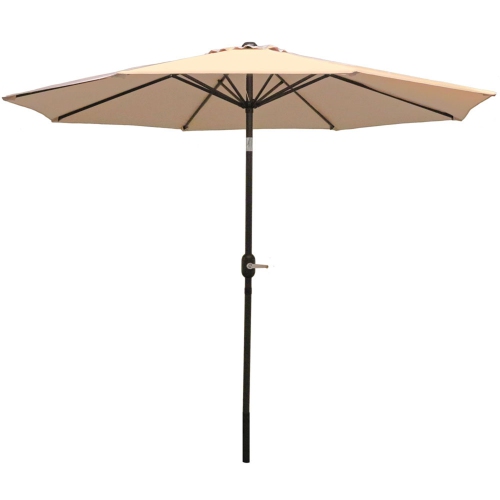 Your price for this item is $146.95
-
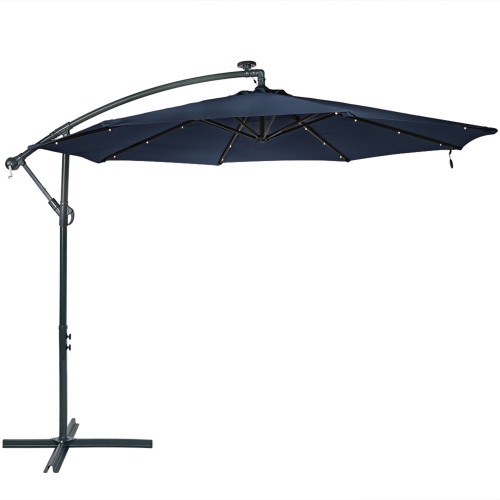 Your price for this item is $248.55
-
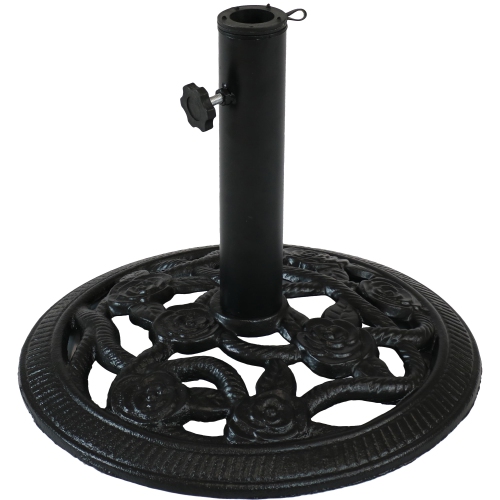 Your price for this item is $152.35
Discover more categories related to Heavy Duty Outdoor Umbrellas
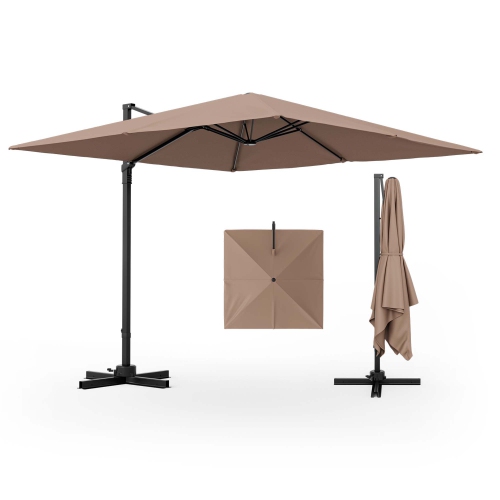
Top Collections:
Best Black Friday Deals This Year, Best Black Friday Deals On Electronics, Kindle Devices, Best Black Friday Deals On Apple Products, Best Budget Office Chairs, Best Cameras for Sports Photography, Dyson Airwrap, Canon G7X Cameras, Best Laptops for Writers, Samsung Galaxy Phones
Some products may be subject to Environmental Handling Fees
(EHF) depending on your province.
Learn more about EHFs.