Heavy Duty Umbrellas Stands
When it comes to keeping your outdoor umbrellas securely in place, a heavy-duty umbrella stand is an essential accessory. Whether you're enjoying a sunny day in your backyard or hosting a gathering on your patio, a sturdy umbrella stand provides stability and peace of mind. Designed to withstand various weather conditions and keep your umbrellas firmly grounded, these stands come in a range of styles and sizes to suit different needs. Explore this collection of heavy-duty umbrella stands to find the perfect match for your outdoor setup.
Sort
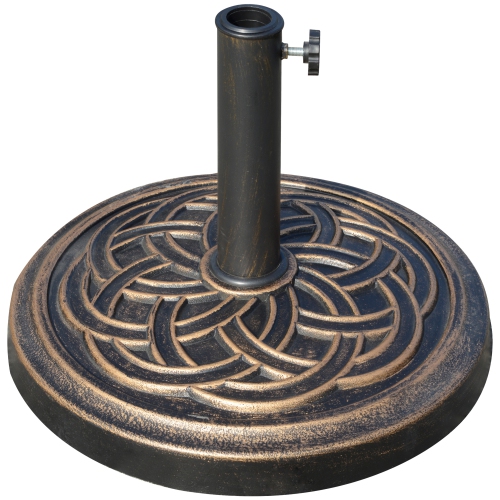
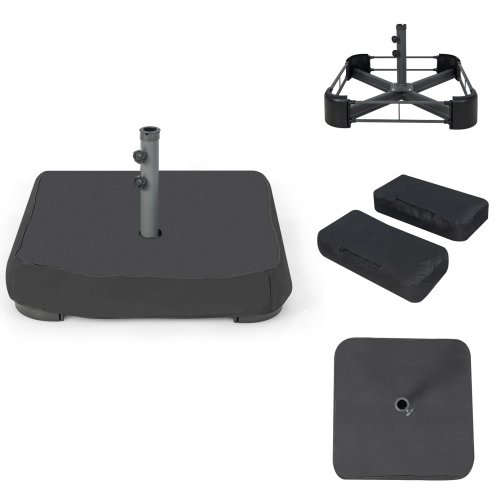
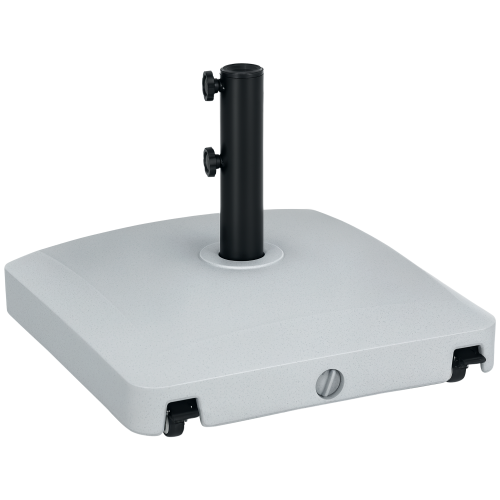
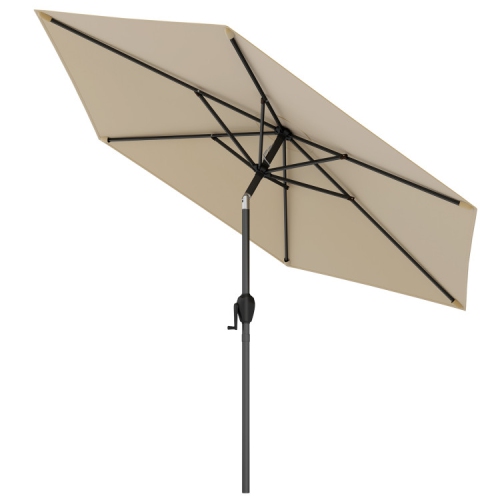
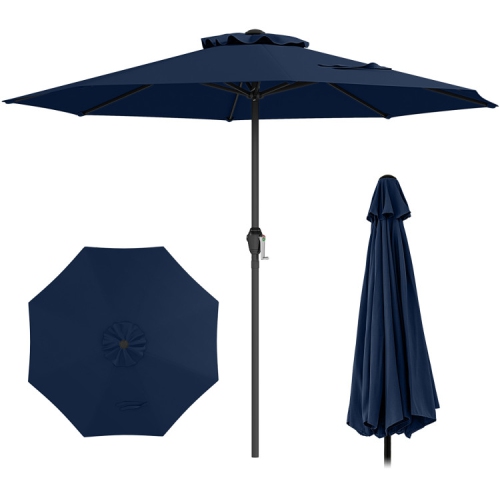
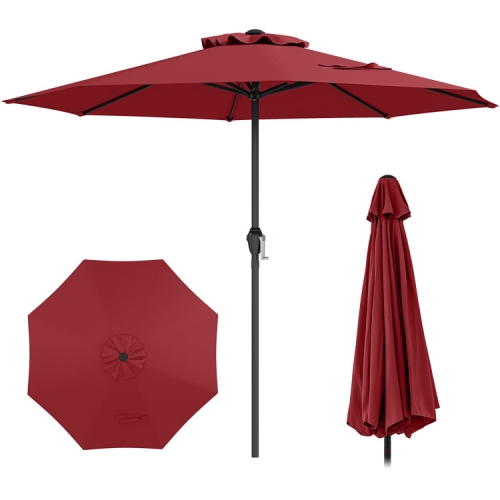
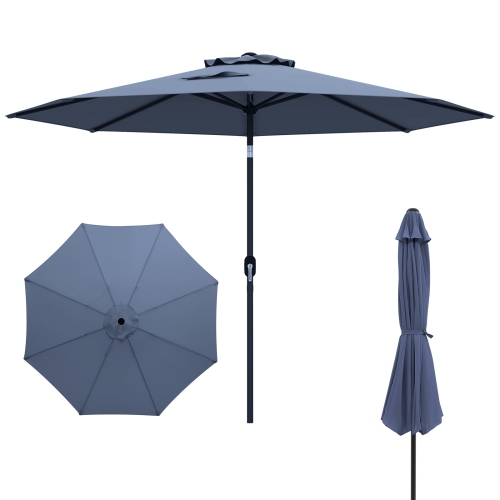
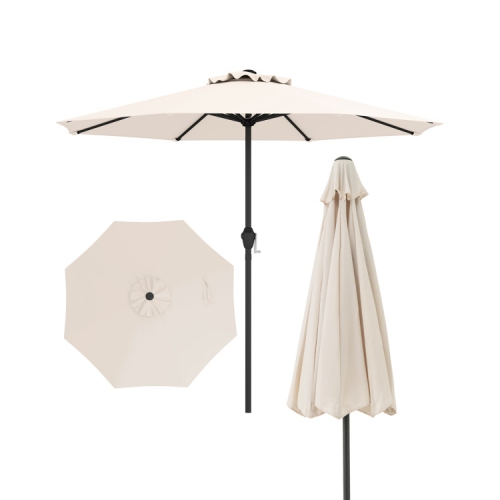
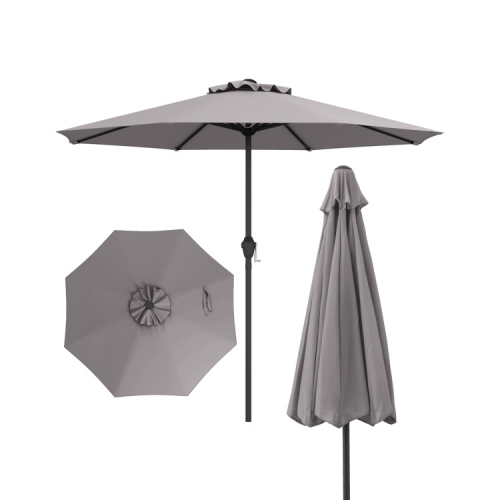
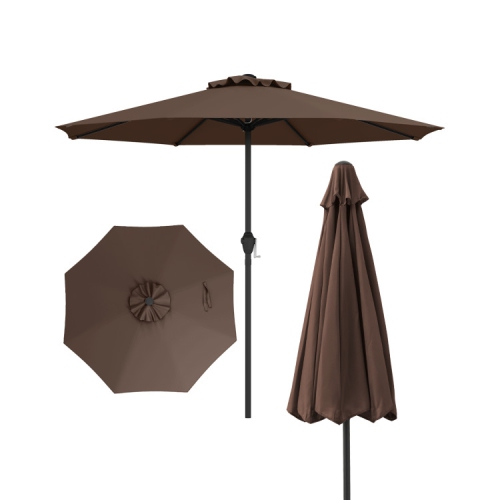
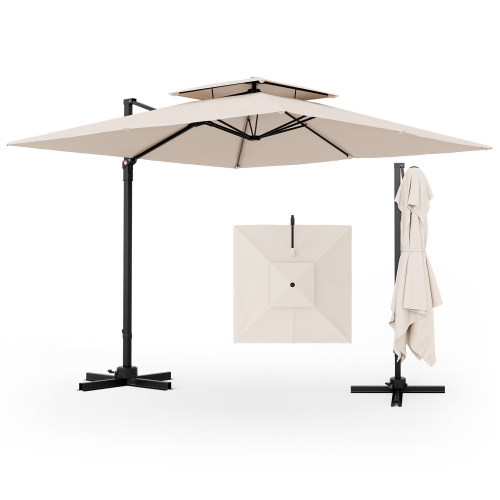
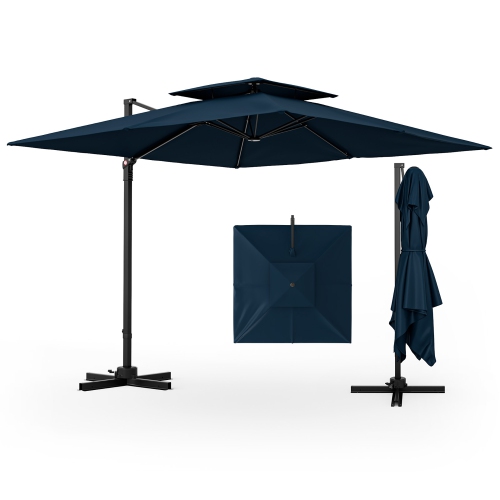
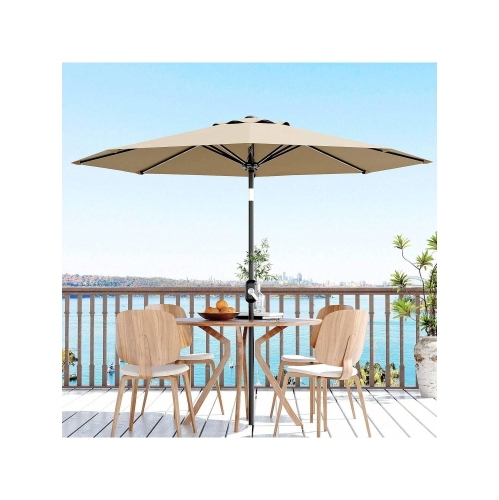
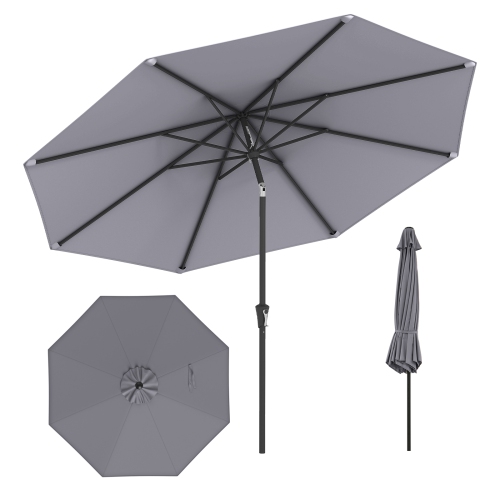

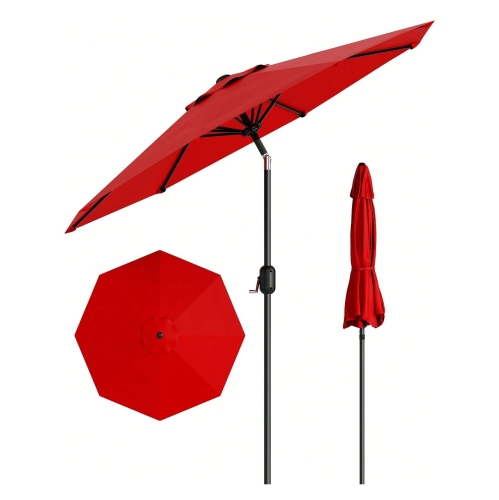
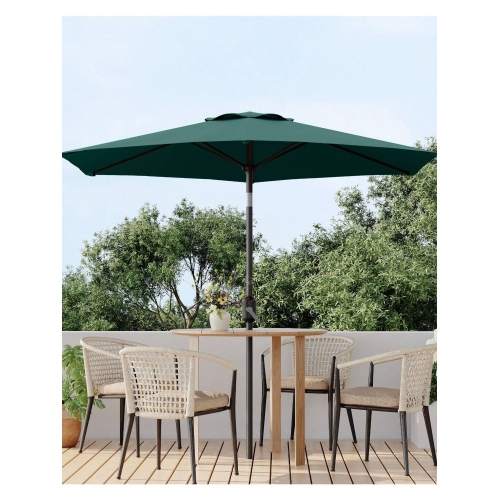
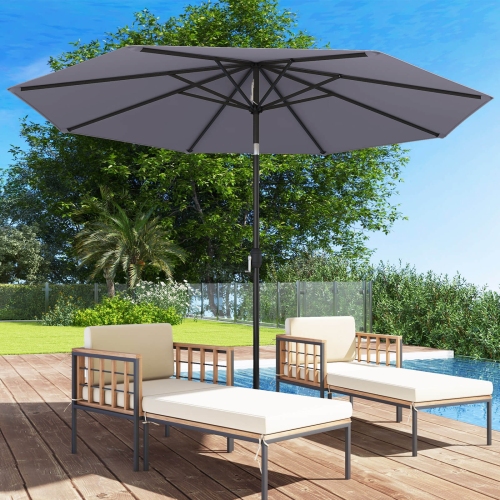
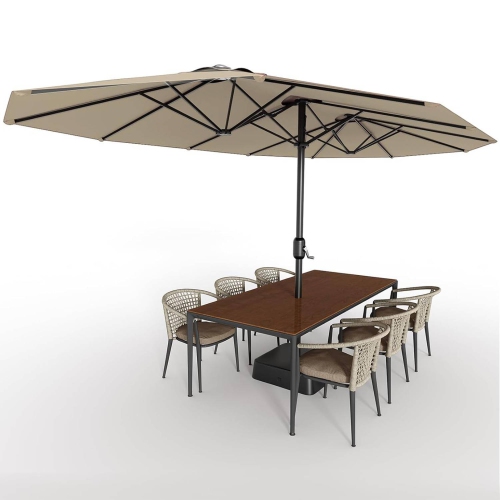
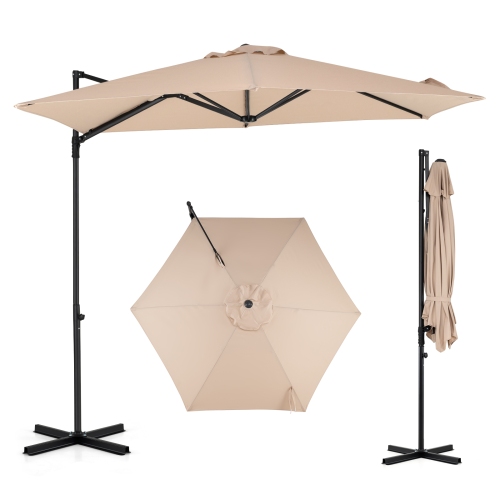
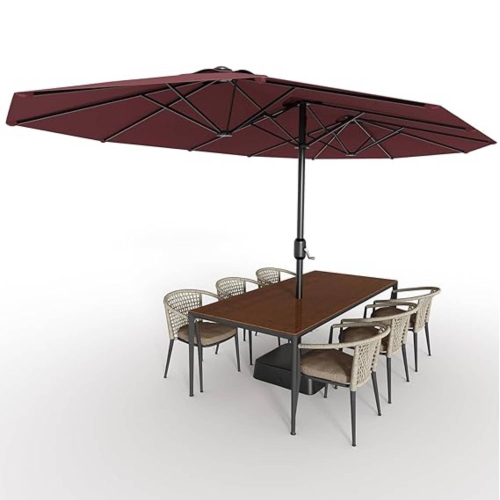
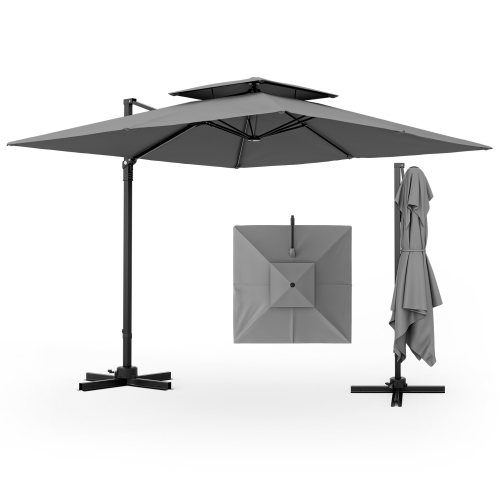
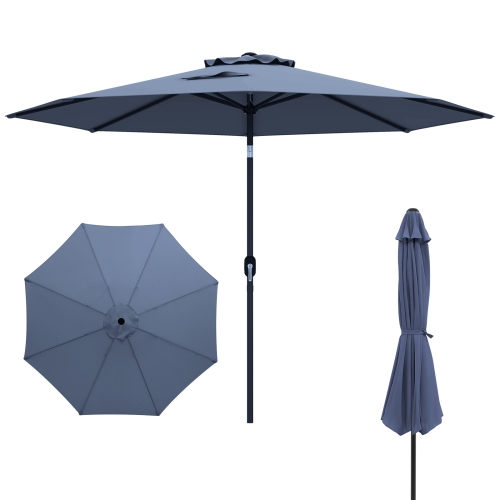
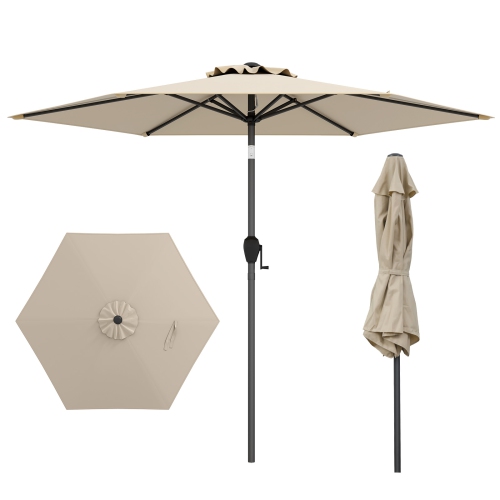


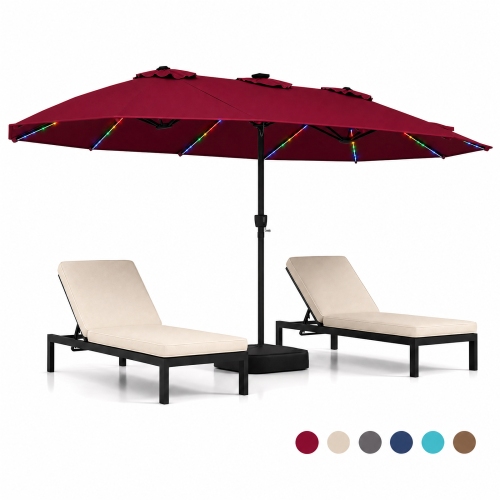
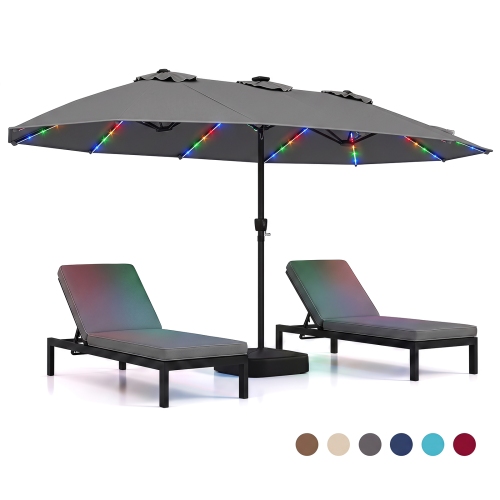
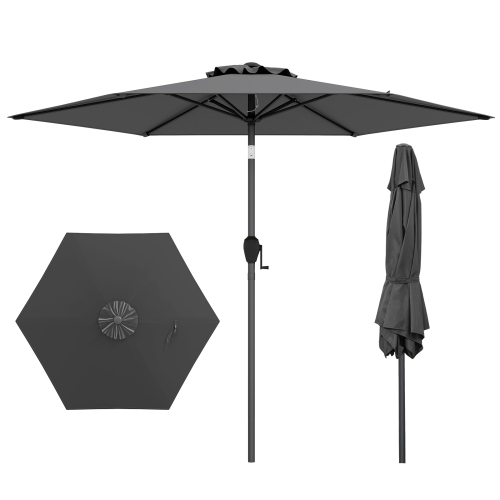
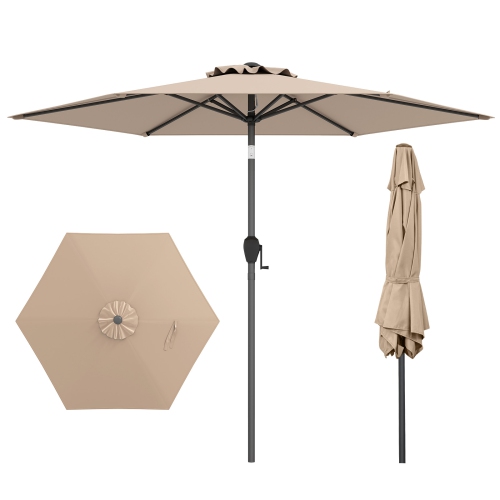
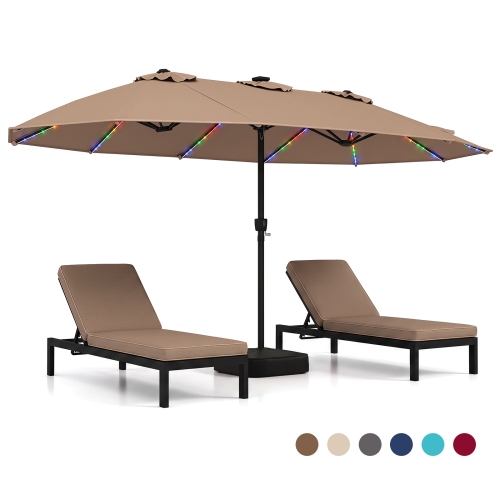
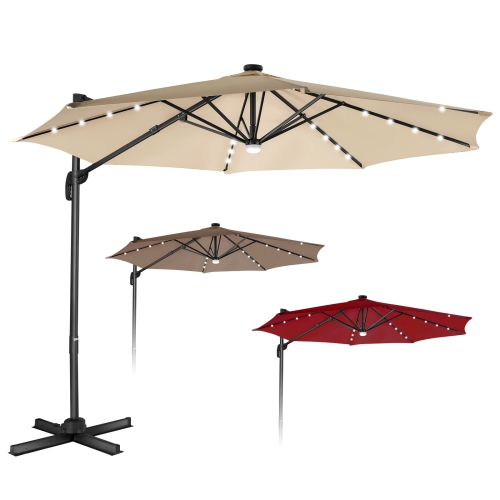
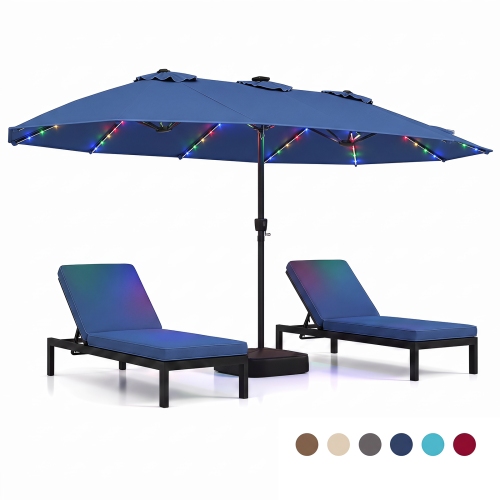
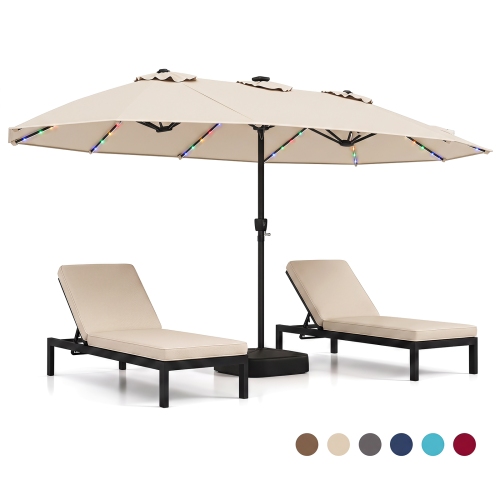

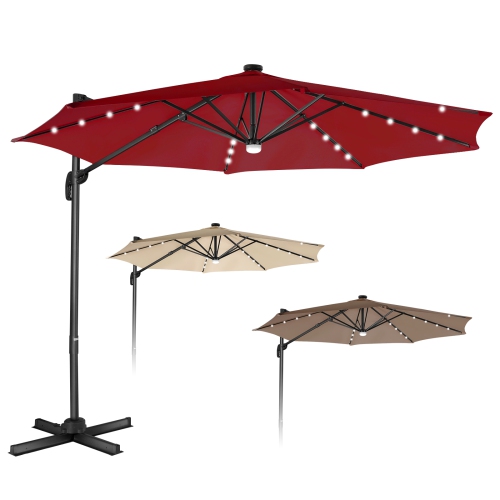
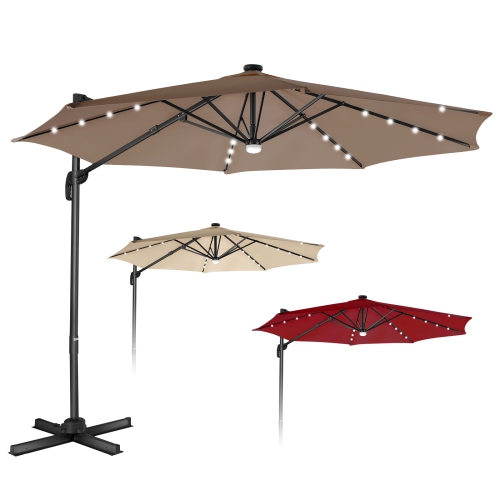
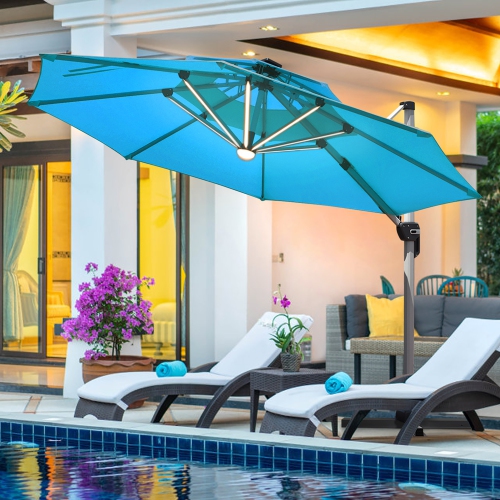

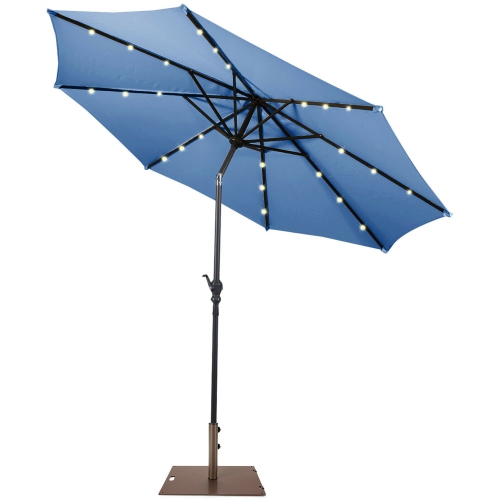
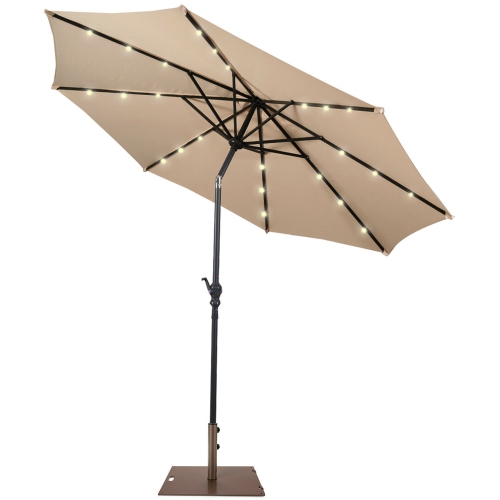

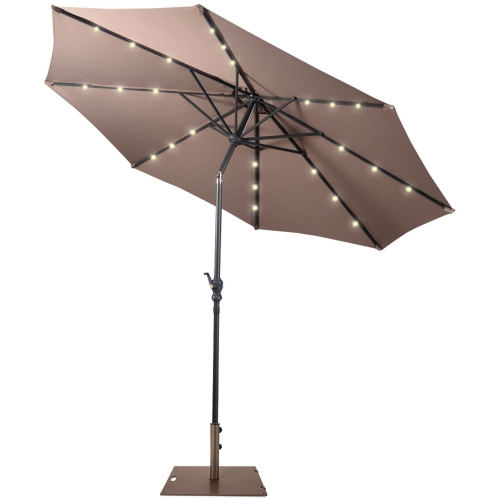
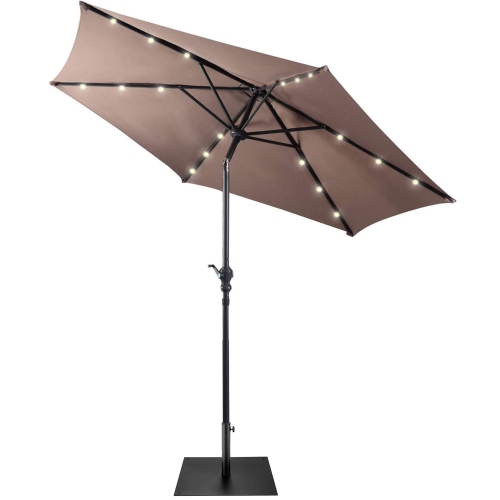
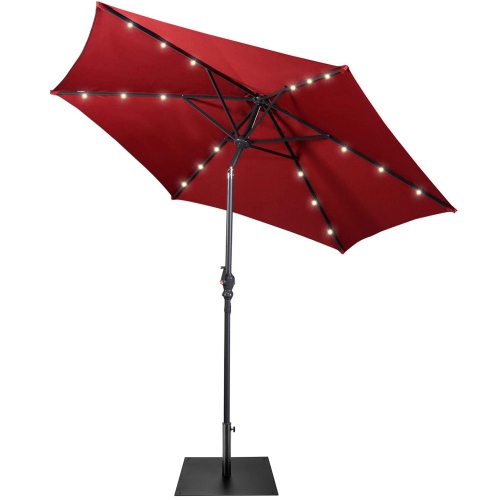
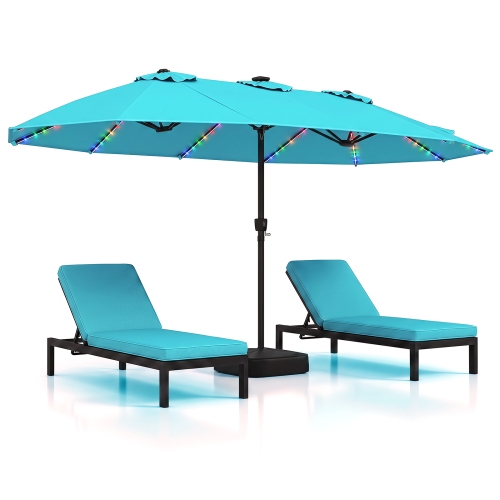
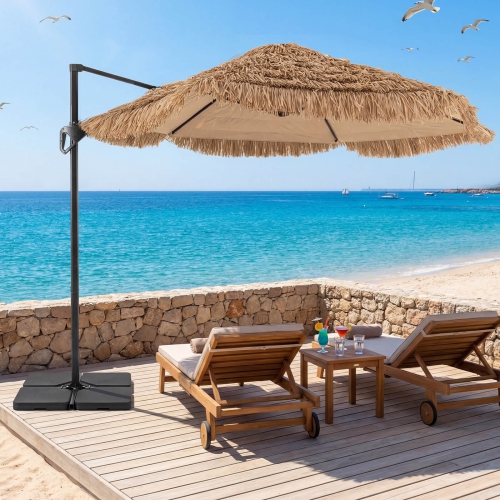
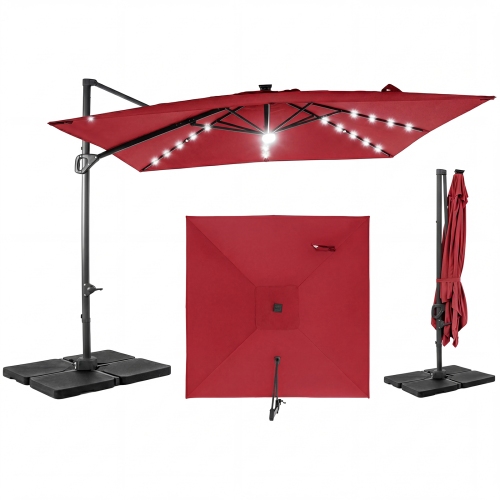
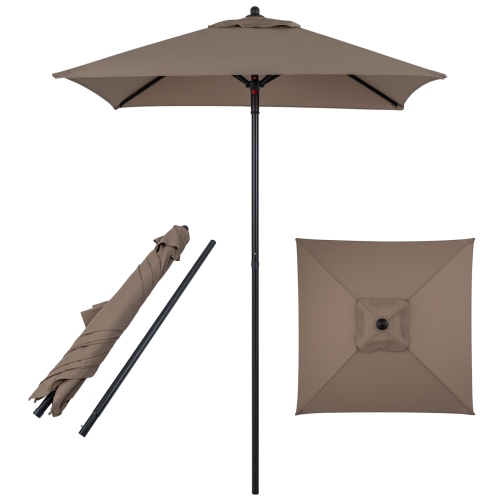


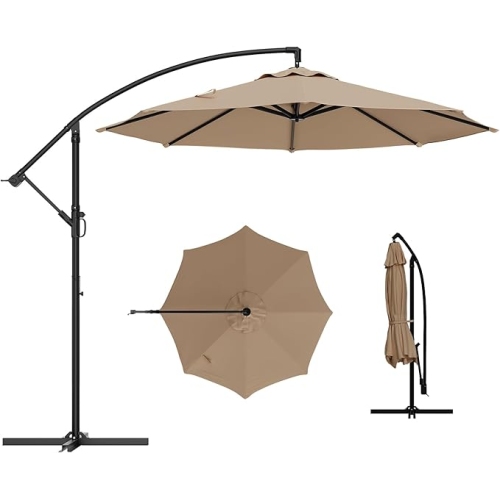
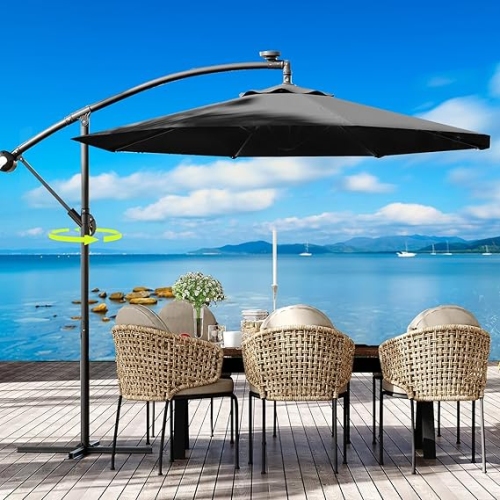
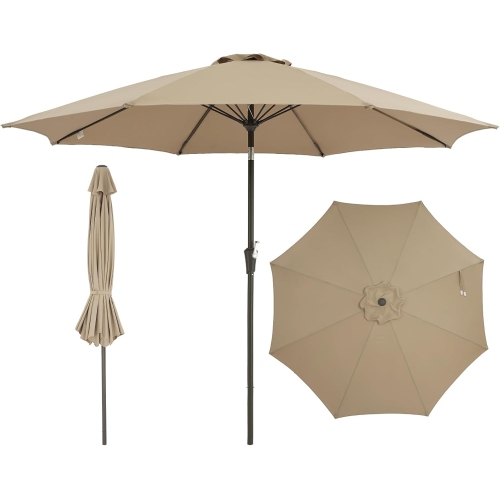
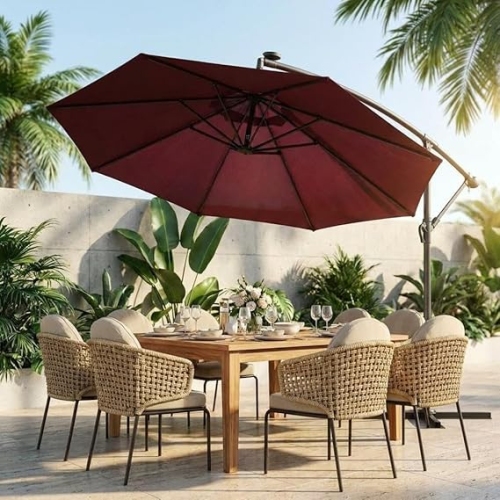
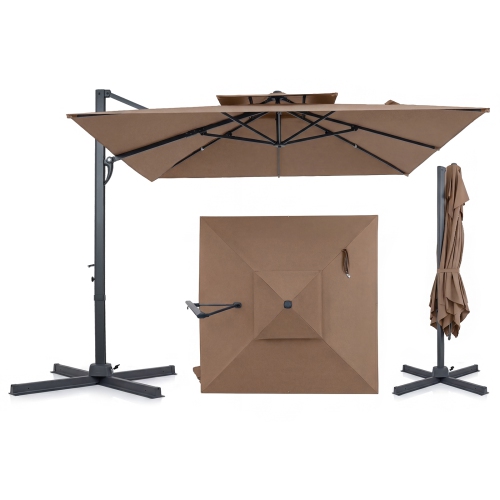
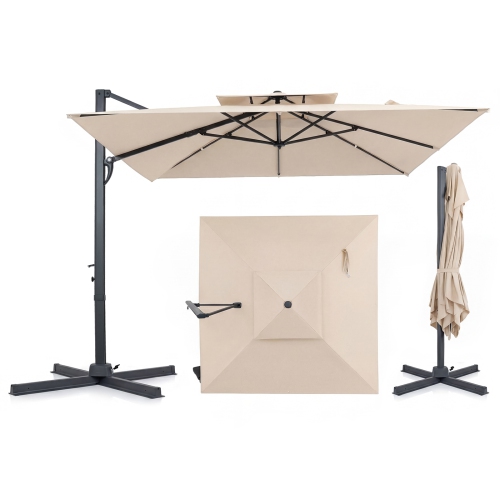
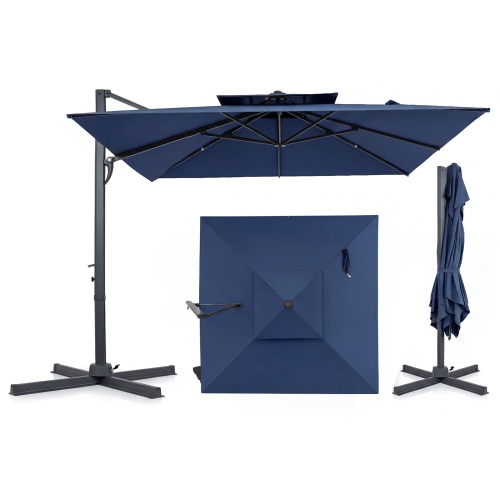
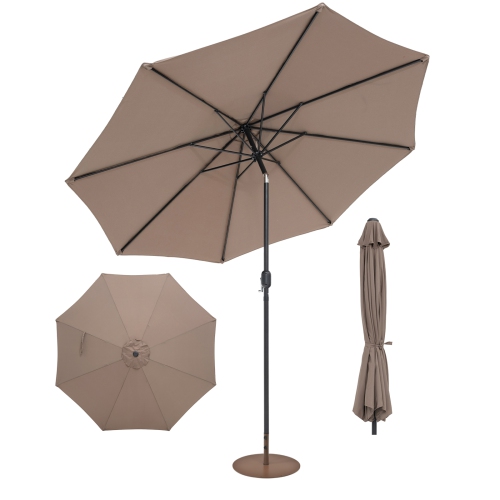
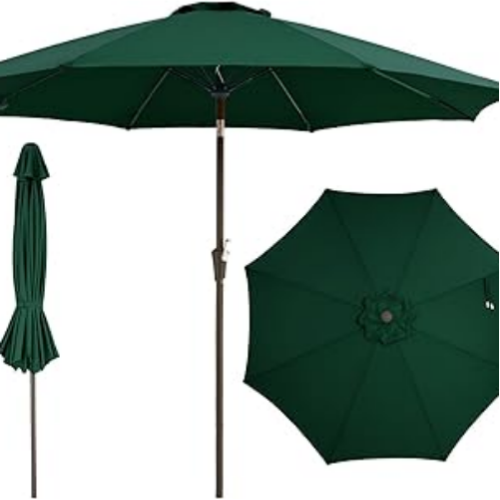
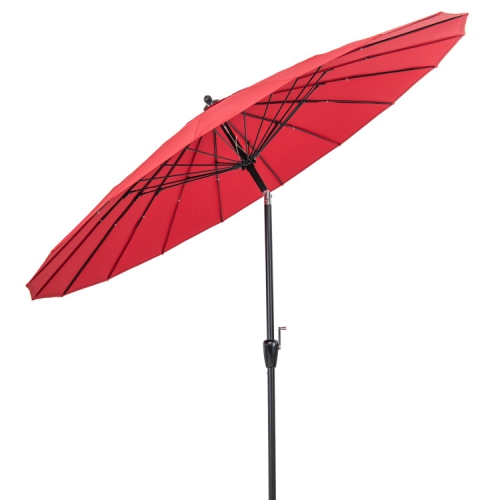
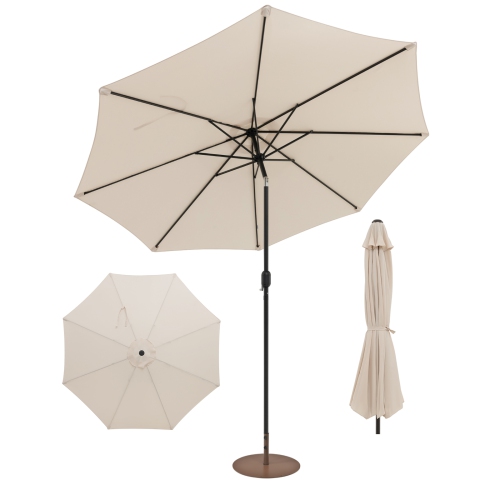
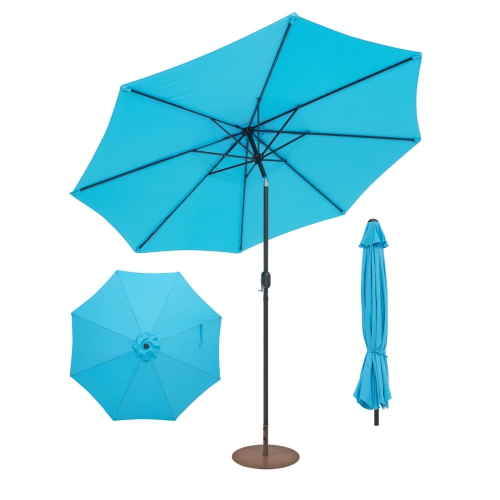
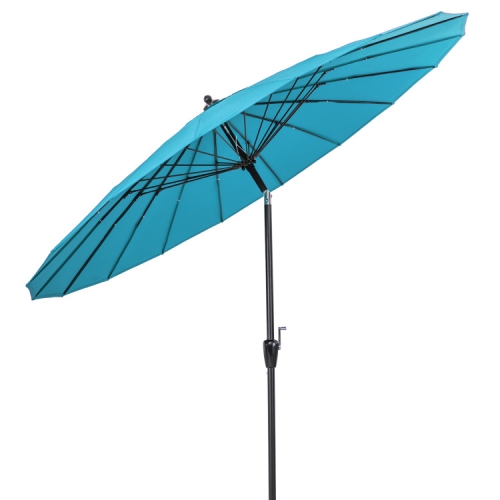
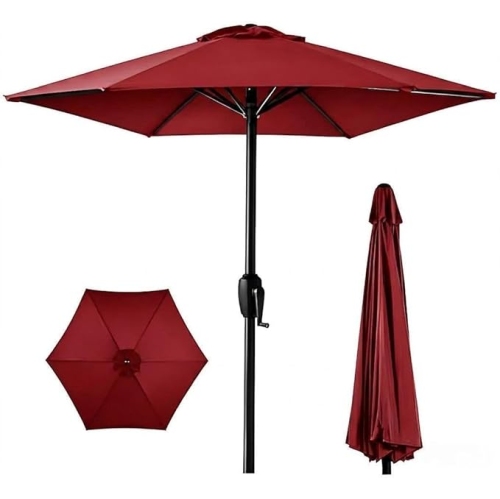

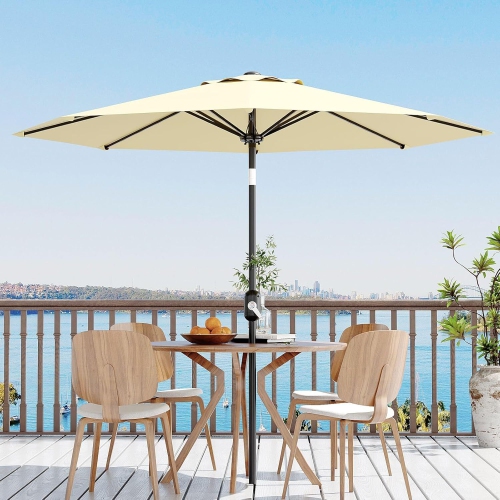
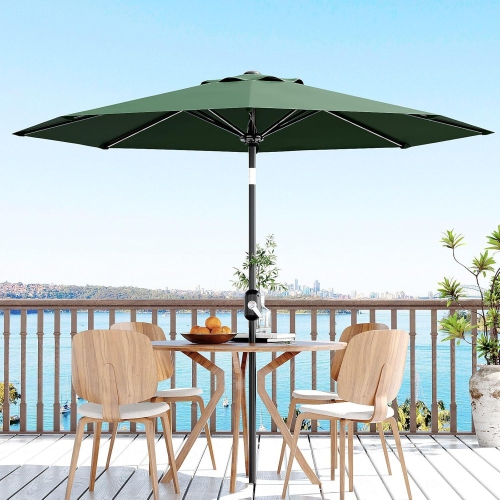
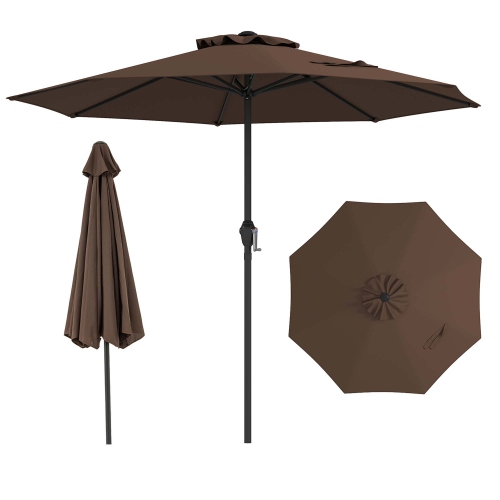
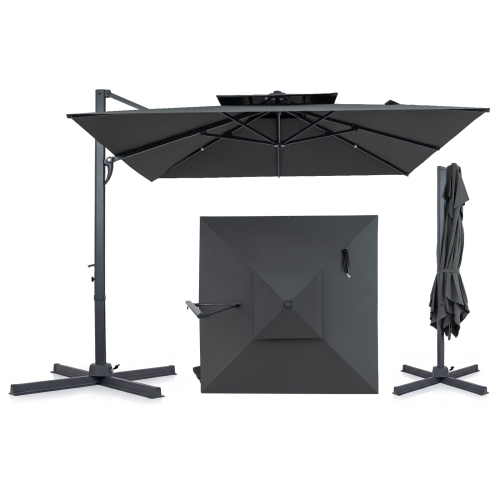
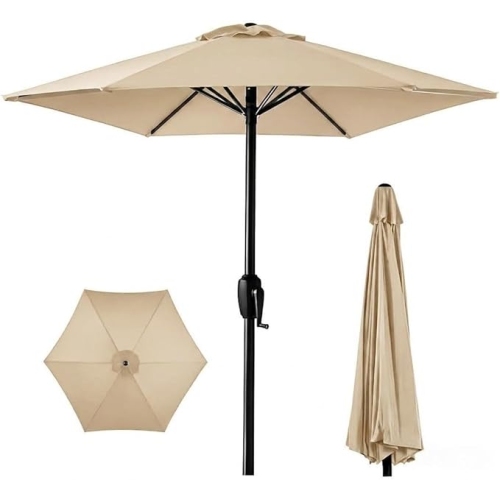
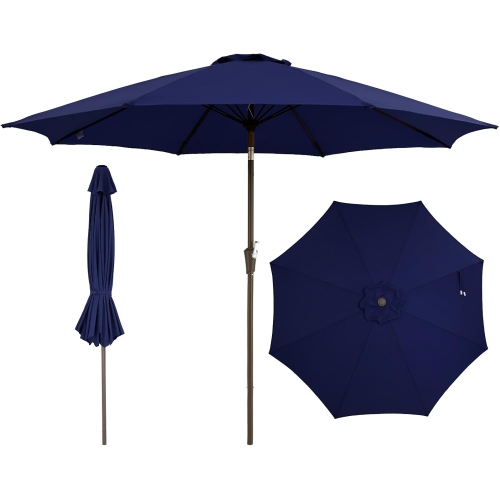



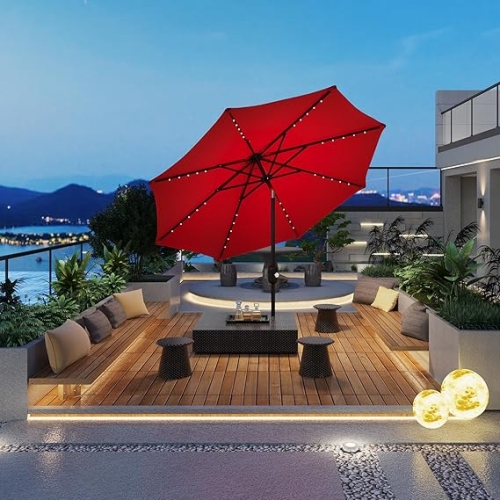
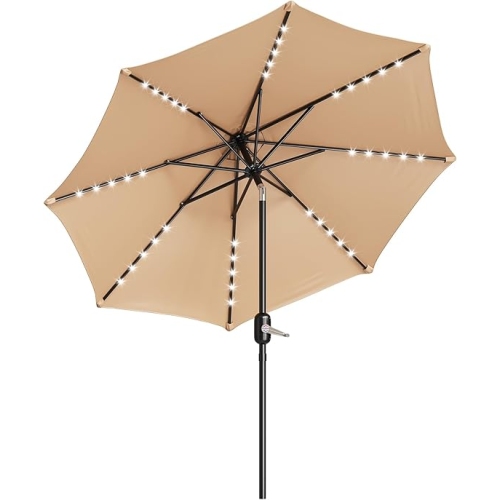
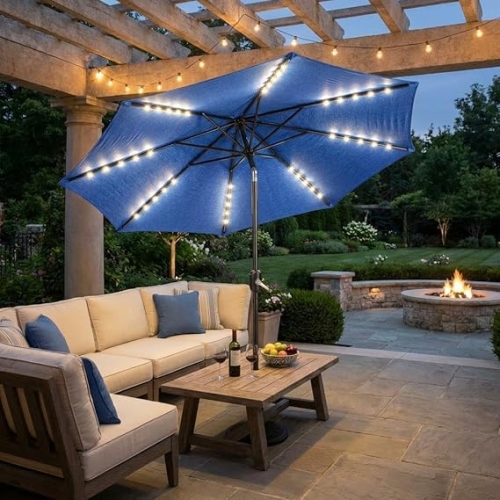
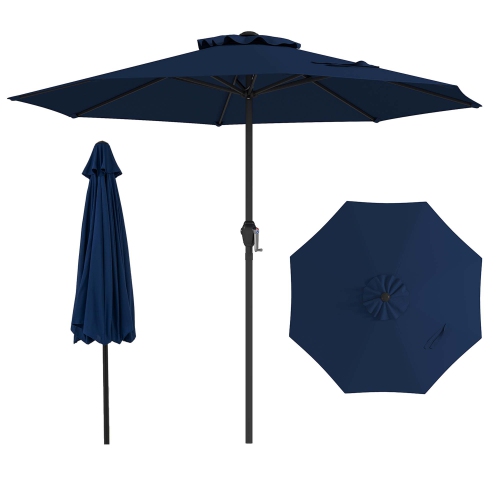
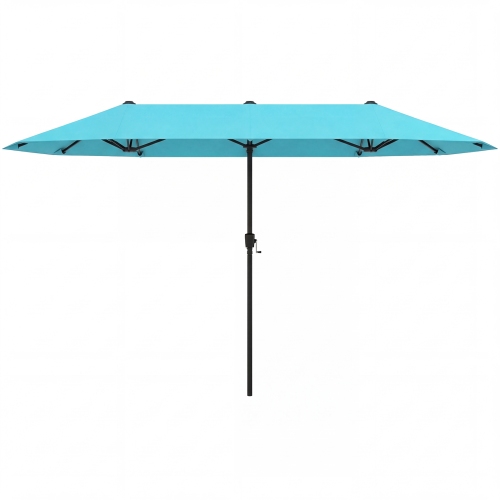

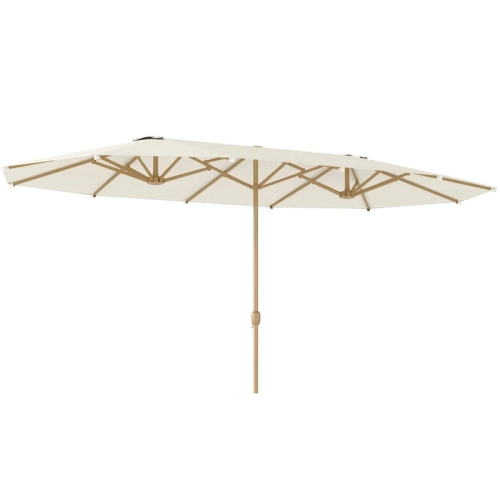
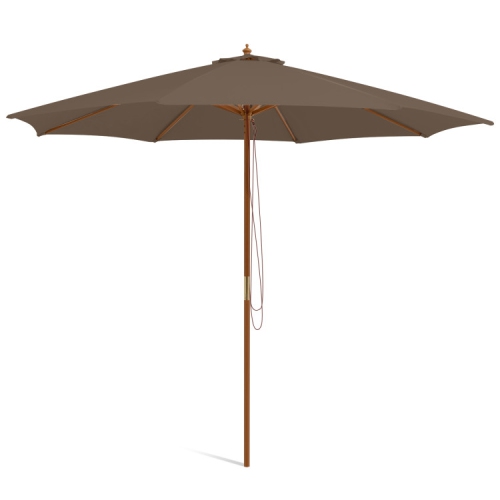
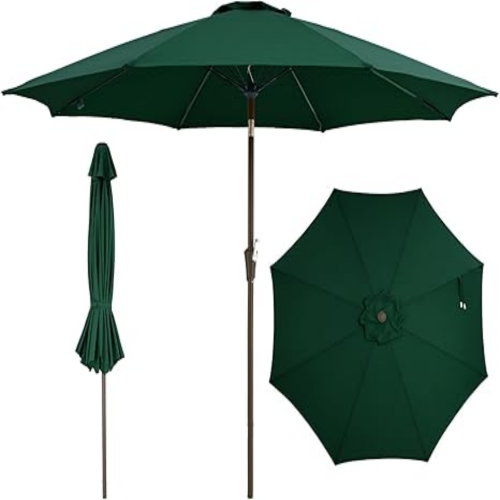

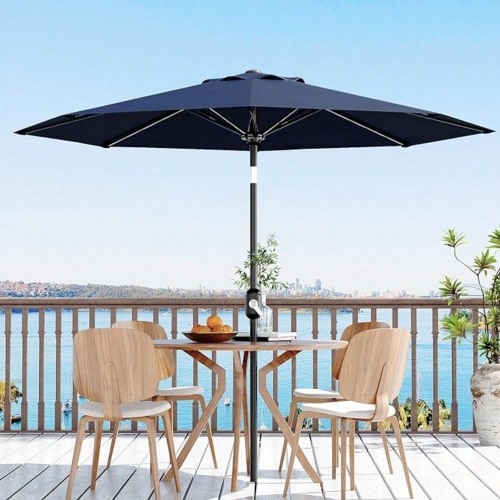
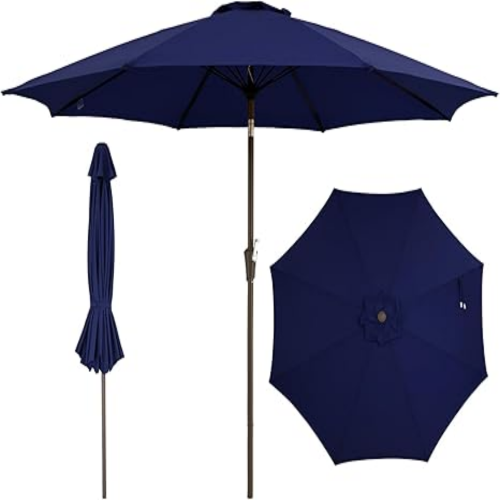
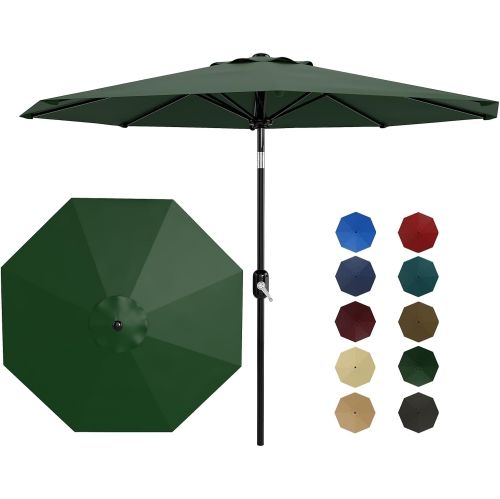
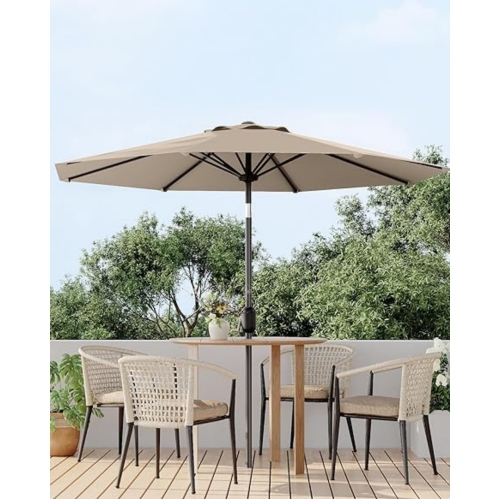







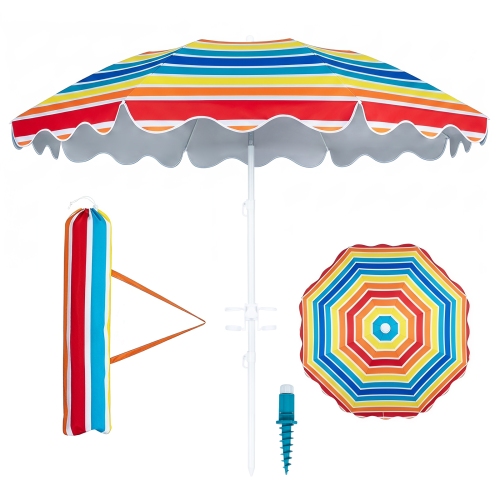
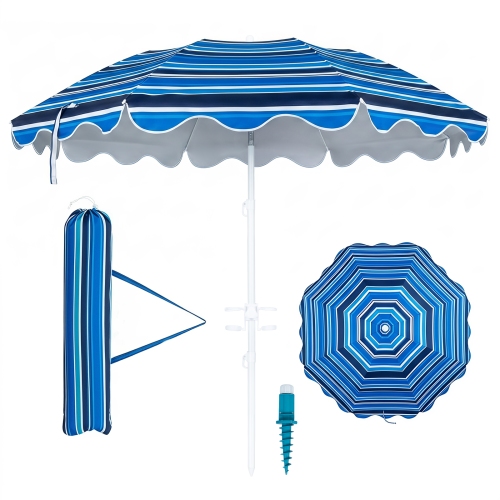
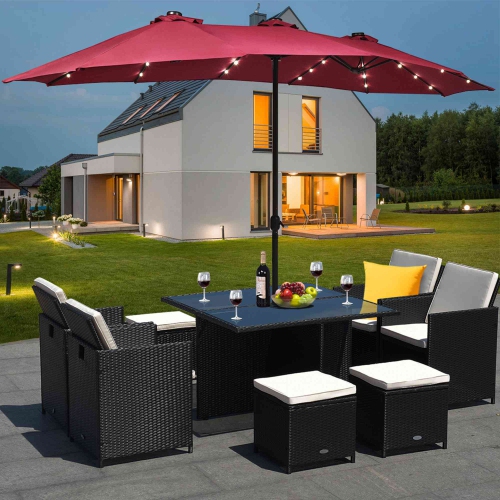
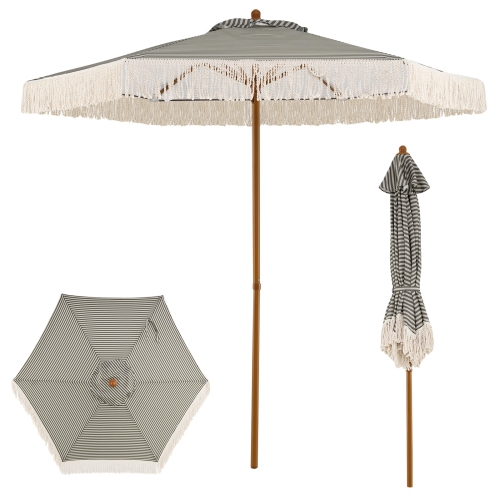
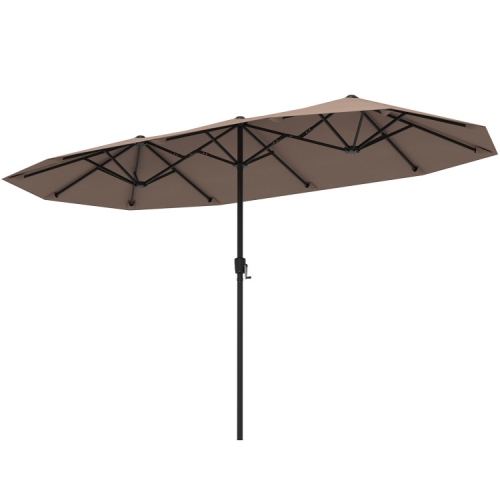
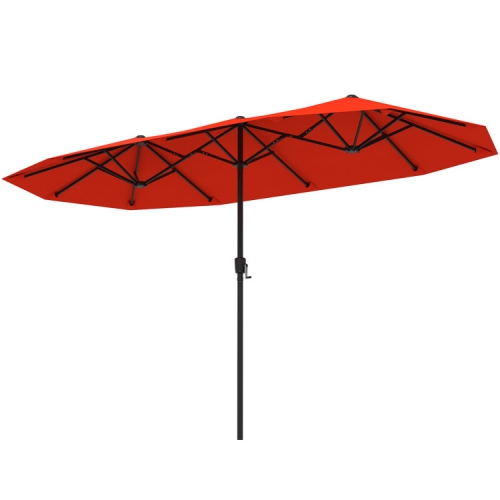
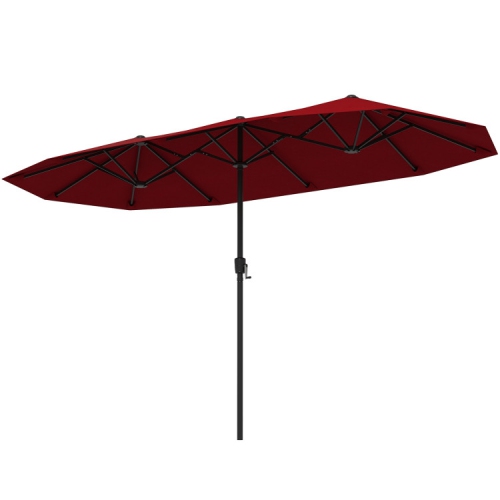
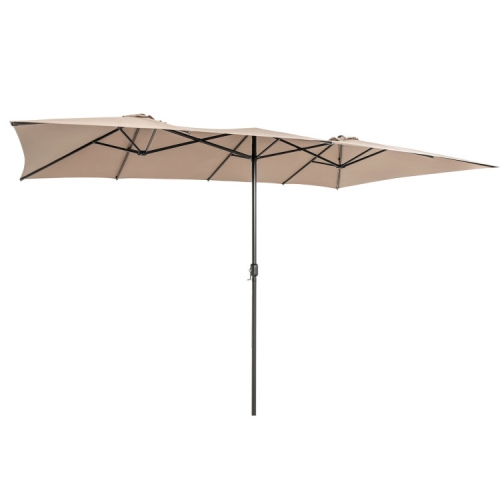
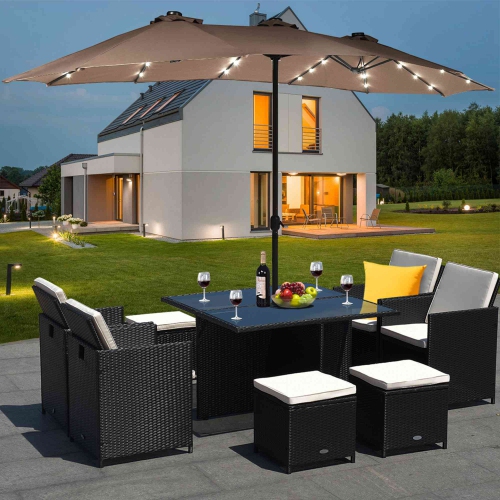
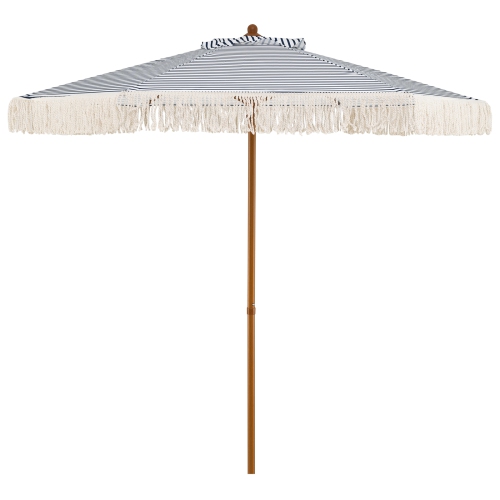
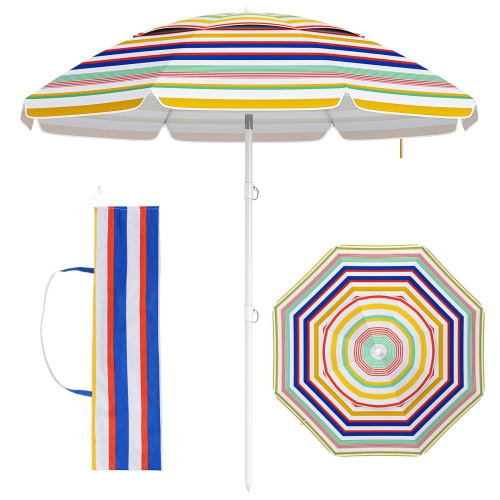
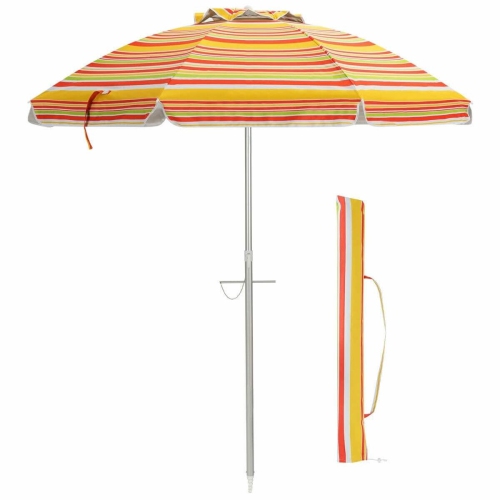
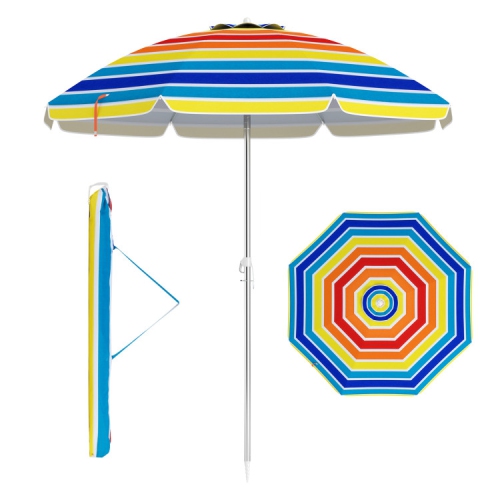
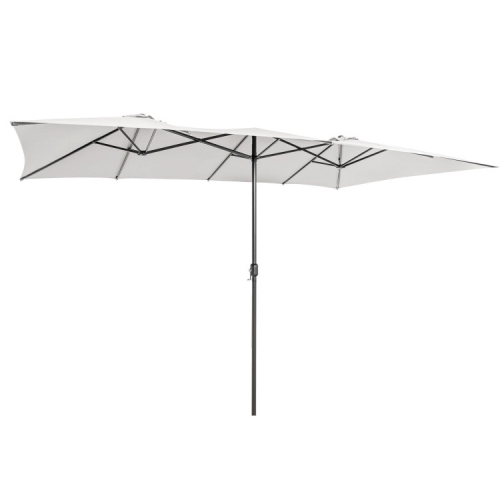
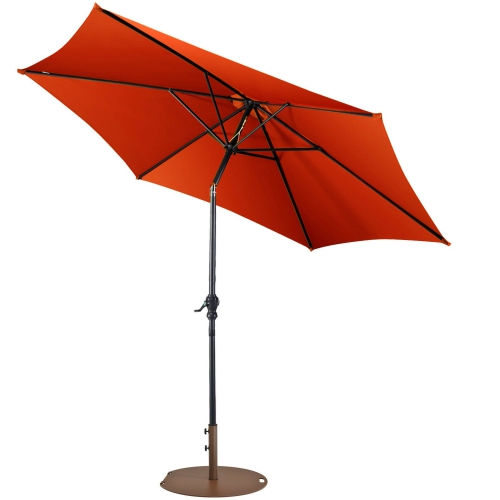
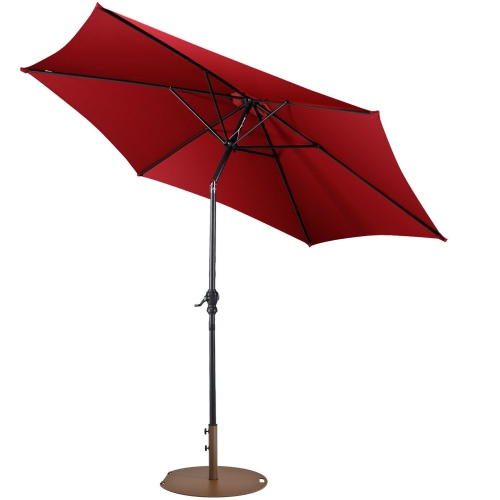
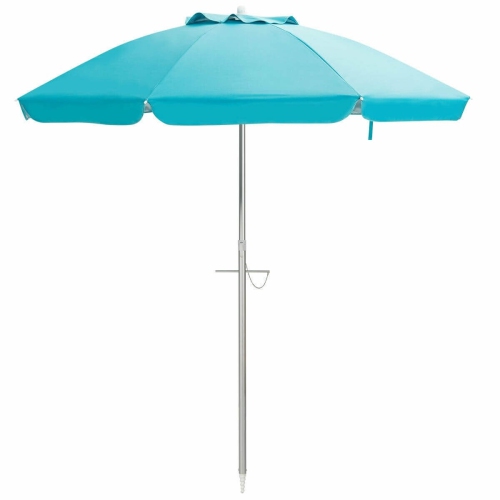
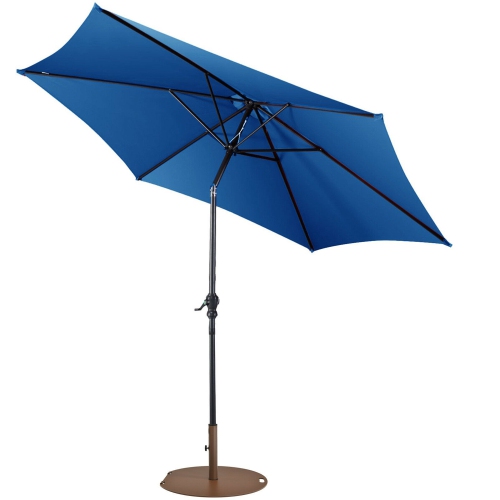
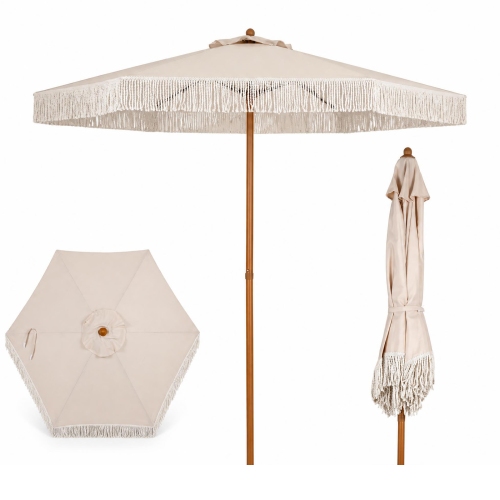
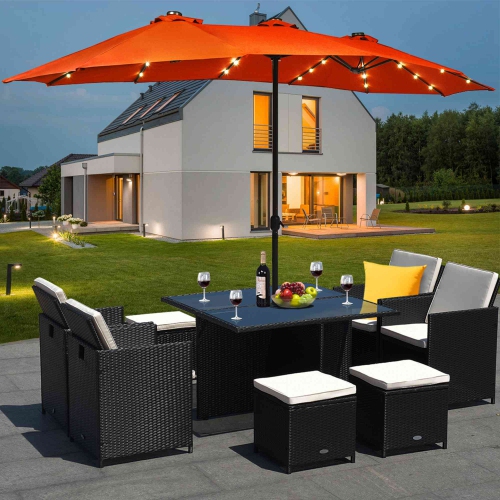
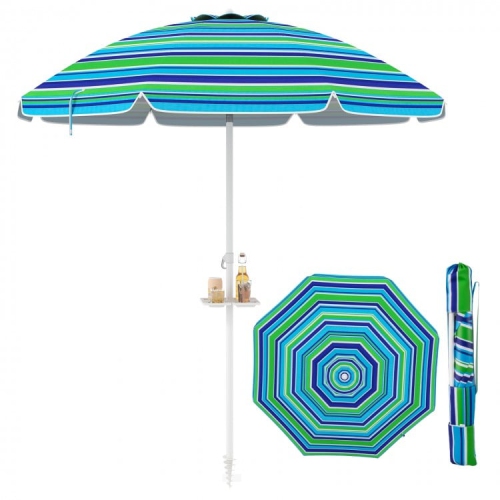
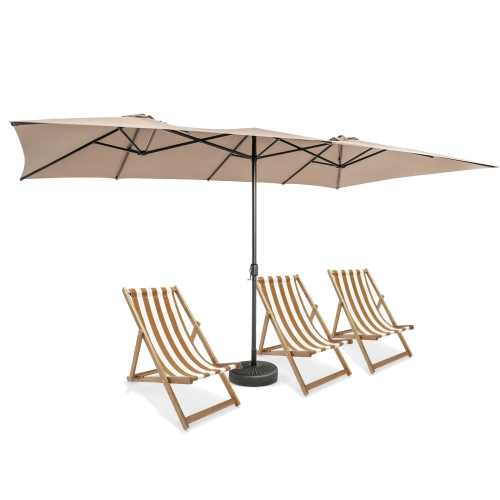
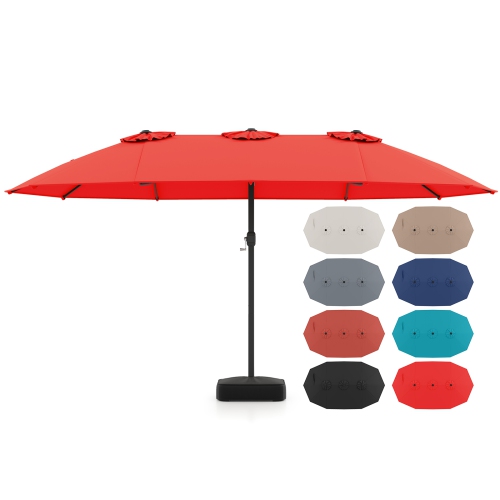
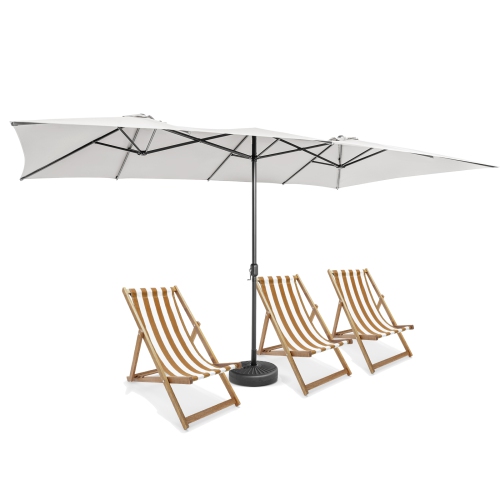

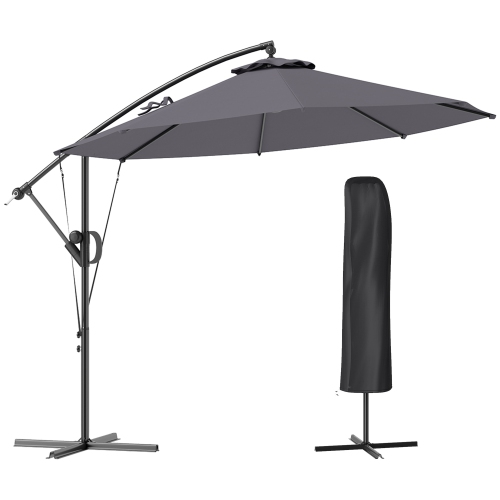


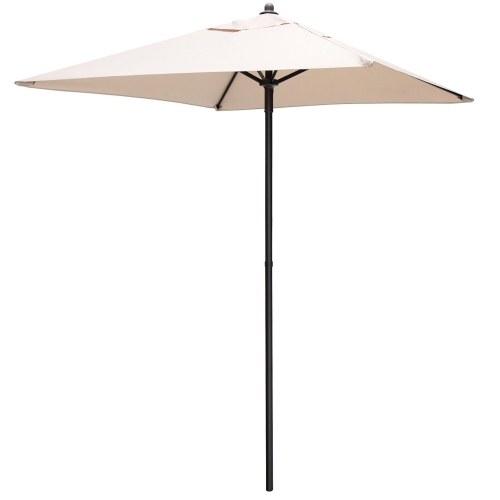

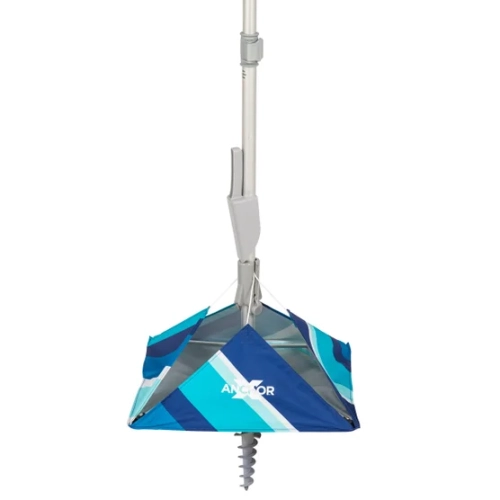
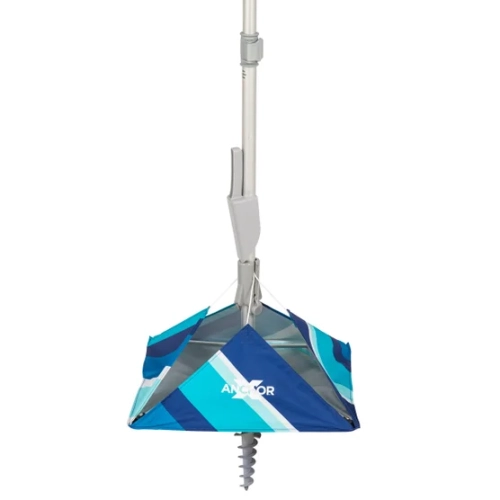
Reliable umbrella support takes more than weight alone
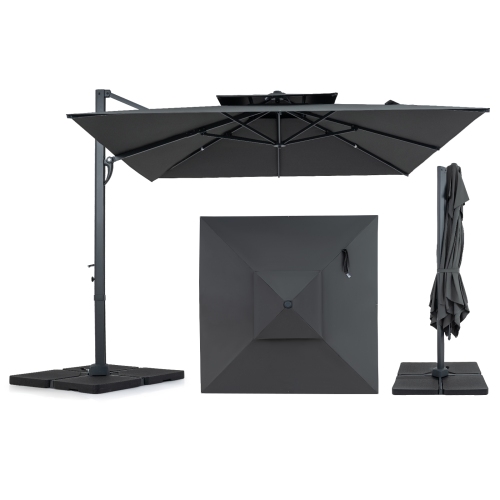
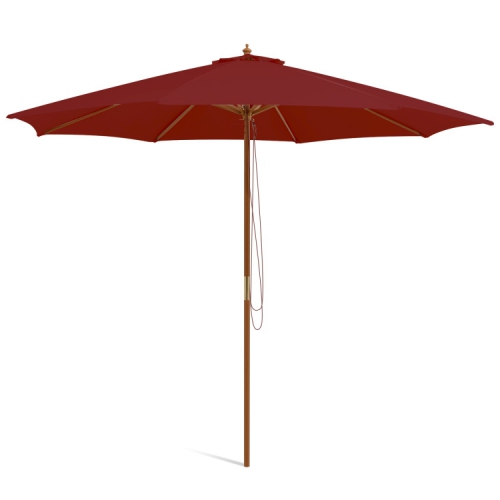
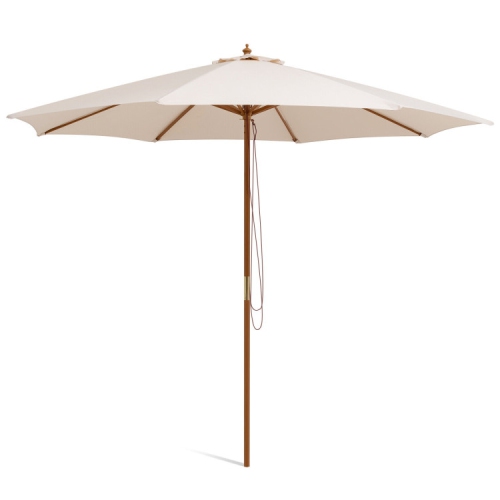
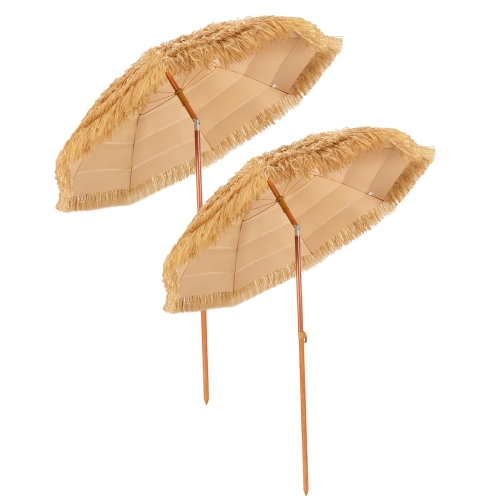
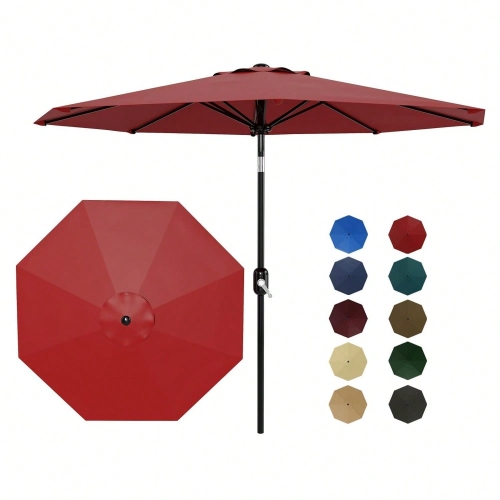
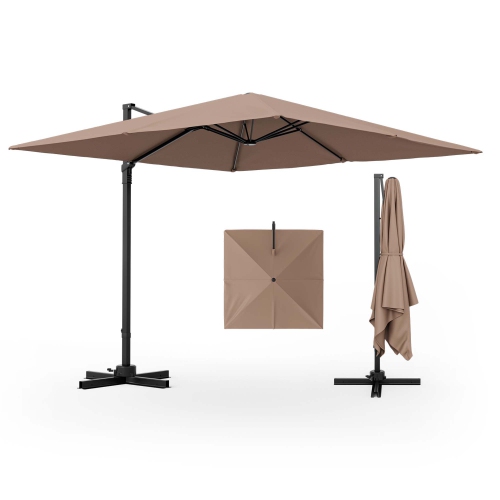
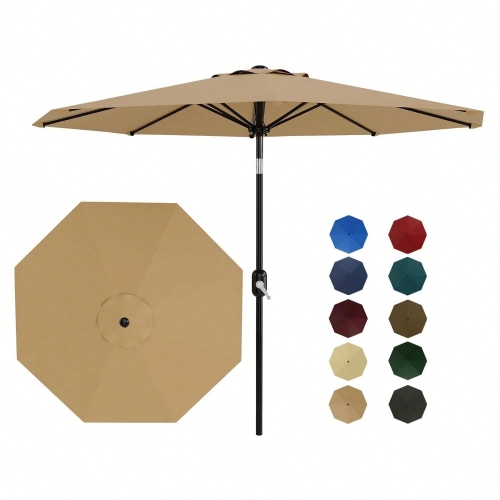
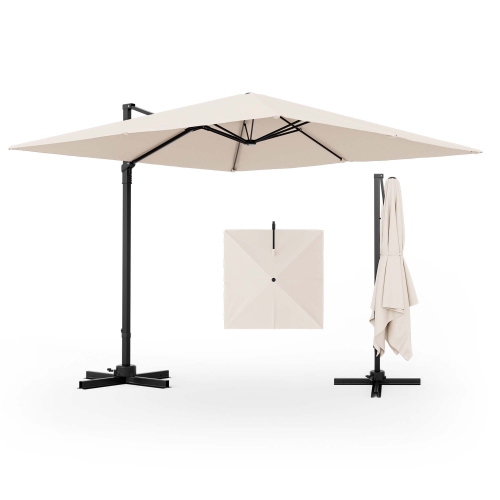
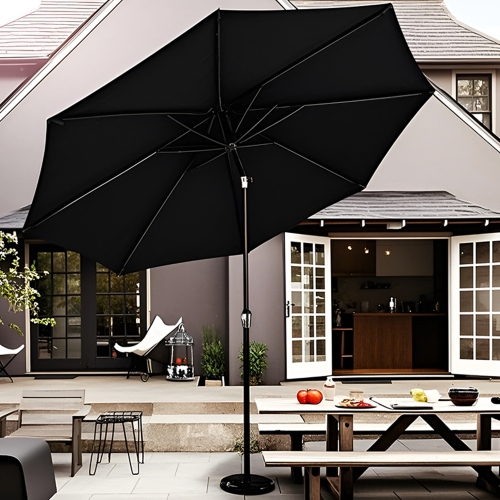
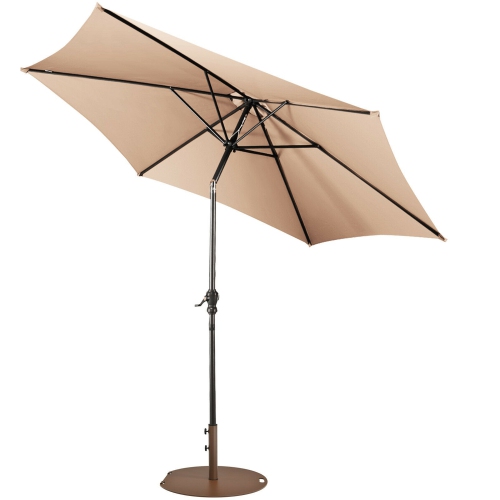
Heavy-duty umbrella stands provide the ballast and support that help keep patio umbrellas upright beside dining tables, lounge chairs and outdoor seating areas. Base weights can range from around 40 lb. to more than 300 lb., depending on the design, but weight alone does not determine whether a stand is suitable. Umbrella size, canopy shape, pole position, table support and exposure to wind all affect the required base. A compact centre-pole umbrella passing through a compatible patio table has different support requirements from a large freestanding umbrella shading a conversation set. The table can help limit sideways movement, but it does not replace the base specified by the umbrella manufacturer. Cantilever umbrellas create a different load because the canopy extends away from the upright support; these usually require a compatible base system, weighted plates or an approved mounting arrangement rather than a standard pole stand. For any design, the umbrella manufacturer’s minimum base weight and compatibility requirements are more useful than a general weight chart. It also matters whether a stated weight describes an empty shell, a filled base or a complete set of ballast sections. A fillable stand may be easy to carry before installation yet substantially heavier once prepared for use. A low, broad base can fit neatly beneath a dining table, while a taller decorative stand may be better suited to an open seating arrangement if its dimensions and weight meet the umbrella’s requirements. On an exposed deck or balcony, additional ballast is not a substitute for following operating limits and closing the canopy when conditions become unsuitable. Even a very heavy stand cannot make an open umbrella safe in strong gusts. The most practical match combines the correct weight, a compatible support system and a footprint that leaves room for people to sit, stand and move comfortably.
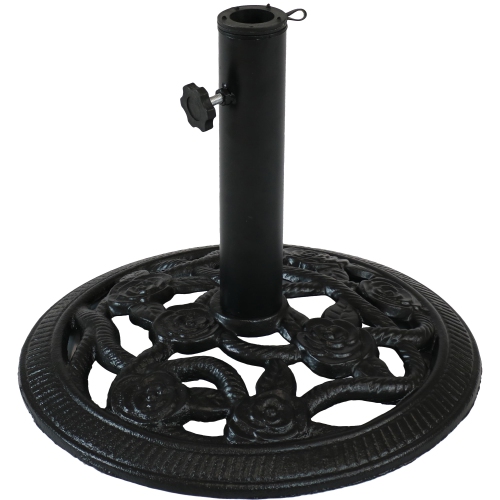
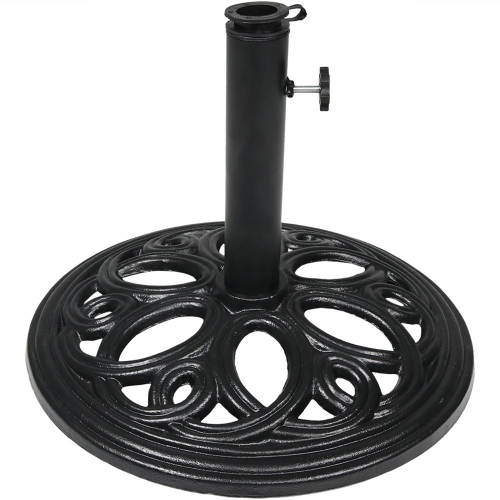
Materials influence how an umbrella stand looks, how it handles regular use and how much attention it needs over time. Cast iron offers substantial weight in a relatively compact form and often suits traditional patio furniture, although chips in its protective finish can expose the metal to rust. Steel bases can have slim profiles that work well beneath tables, with durability depending partly on the finish, construction and treatment of exposed edges. Concrete bases provide dense ballast and a solid appearance, but their weight can make repositioning difficult, and knocks against hard surfaces may chip corners. Moulded resin or plastic shells are often designed to hold water, sand or another specified filling material; their usable weight depends on both the base capacity and the permitted fill. Those materials are not automatically interchangeable, so the filling instructions matter. Fit is equally important. The stand’s socket must accommodate the umbrella pole’s diameter, and any supplied reducer rings should match the pole rather than leave it loose or force it into place. A tightening knob helps hold a compatible pole securely, but it cannot correct an oversized socket or an incompatible design. Socket height and insertion depth also affect the connection. Under a patio table, the base needs enough clearance below the tabletop and between the legs, while the pole must pass through the table opening without being pushed out of alignment. With cantilever models, the spacing of the support arms and the shape of the ballast sections must match the intended base assembly. When pairing a stand with Heavy Duty Outdoor Umbrellas, checking these measurements alongside the required ballast helps avoid an awkward or unsuitable combination. A slim base tucked beneath a table and a wide offset base beside a sectional serve different layouts, even when both are described as heavy-duty.
Everyday usability becomes especially noticeable when an outdoor seating area serves several purposes. A homeowner who moves chairs between a dining table and a lounge area may appreciate a base with built-in wheels, while a stand that stays in one position may benefit more from a broad footprint and unobtrusive profile. Wheels should have the locking or stabilizing features specified for the design, and a rolling base still needs to rest securely before the umbrella is opened. Handles can make positioning easier, but a filled stand may require more than one person to move safely. Dragging a heavy base across deck boards, pavers or tile can damage both the base and the surface beneath it. Placement deserves similar care: keep the footprint out of the main walking route, allow chairs to pull back without catching on the base, and position adjustment knobs where they remain accessible. A firm, level surface supports the base more reliably than soft ground or uneven paving. For balconies and rooftop terraces, the combined weight of the stand and umbrella should be suitable for the structure, with building rules checked before installation. In shared courtyards or hospitality seating areas, clear walkways and compatibility with the intended level of use are particularly important. Routine care usually involves cleaning away dirt, checking fasteners and inspecting the pole socket, coating and fill caps for wear. Mild soap and water are often sufficient for surface cleaning, subject to the material’s care instructions. Water-filled bases need particular attention where freezing is possible, since trapped water can expand and damage a shell that is not designed for those conditions. Follow the manufacturer’s draining and storage directions rather than assuming a closed fill cap provides protection. Keeping metal finishes intact, allowing cleaned components to dry and replacing worn fittings can help preserve dependable operation. With suitable care and a well-matched umbrella, a heavy-duty stand becomes a practical foundation for comfortable outdoor dining, reading and conversation.
Top selling and popular products
-
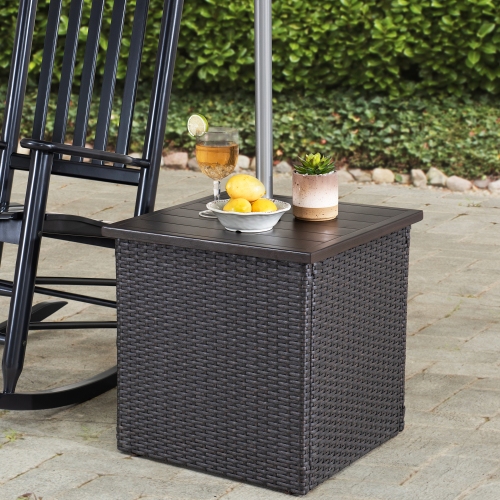 Your price for this item is $160.99
-
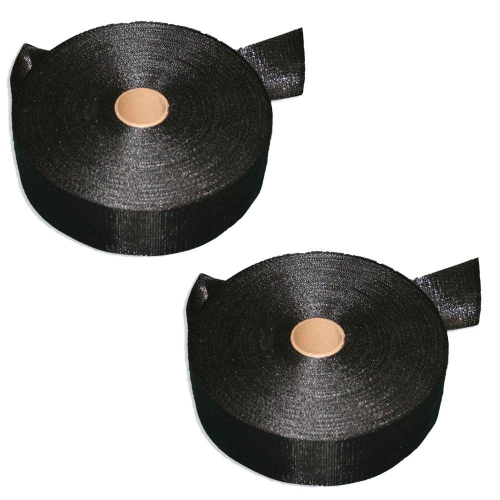 Your price for this item is $111.99
-
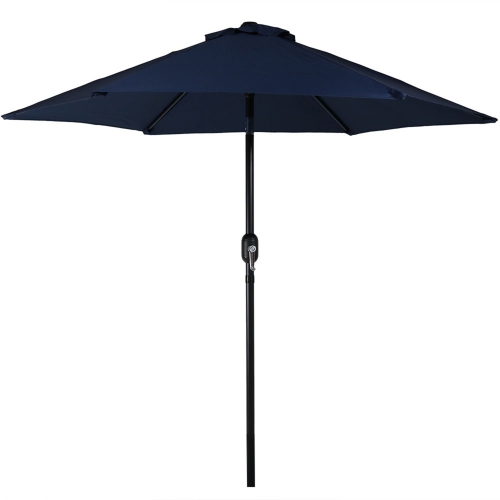 Your price for this item is $146.95
-
 Your price for this item is $146.95
-
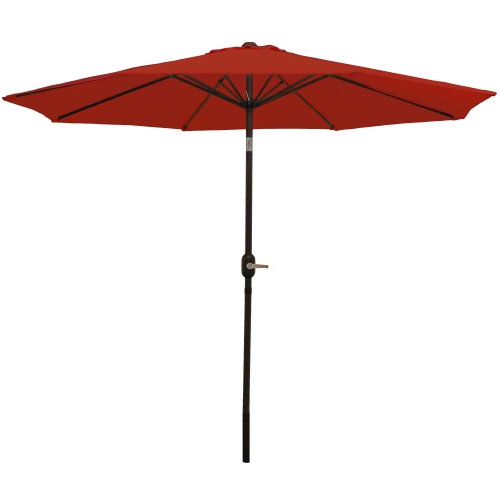 Your price for this item is $146.95
-
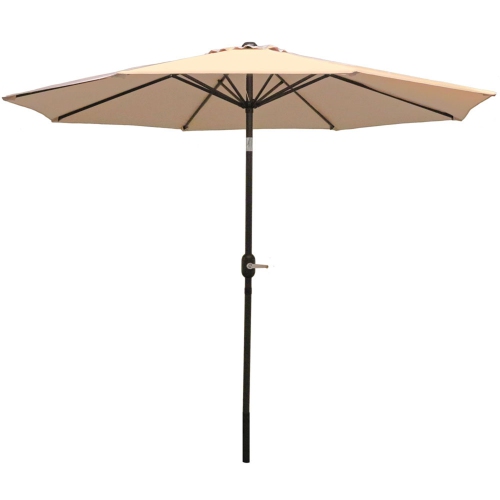 Your price for this item is $146.95
-
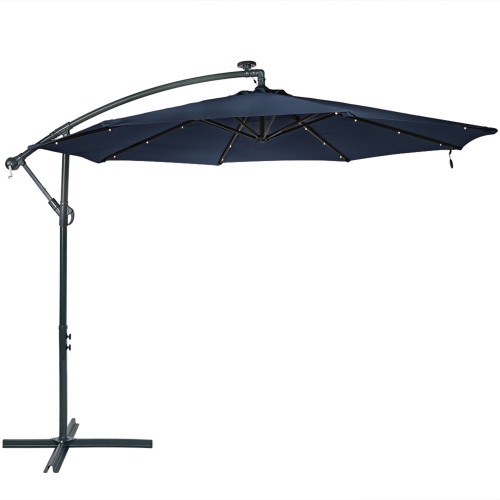 Your price for this item is $248.55
-
 Your price for this item is $152.35
Discover more categories related to Heavy Duty Umbrellas Stands
Top Collections:
Best Black Friday Deals This Year, Best Black Friday Deals On Electronics, Kindle Devices, Best Black Friday Deals On Apple Products, Best Budget Office Chairs, Best Cameras for Sports Photography, Dyson Airwrap, Canon G7X Cameras, Best Laptops for Writers, Samsung Galaxy Phones
Some products may be subject to Environmental Handling Fees
(EHF) depending on your province.
Learn more about EHFs.