Heavy Duty Steel Shelf Brackets
Heavy Duty Steel Shelf Brackets offer a reliable solution for organizing and displaying items throughout your home or workspace. Designed to support shelves in kitchens, garages, offices, and more, these brackets provide the strength needed for a variety of storage needs. With a range of sizes and styles available, it's easy to find the right fit for your shelving projects. Explore options that complement both modern and traditional décor while ensuring your shelves stay secure and stable. Heavy Duty Steel Shelf Brackets are an excellent choice for anyone looking to maximize their storage potential with confidence.
Sort
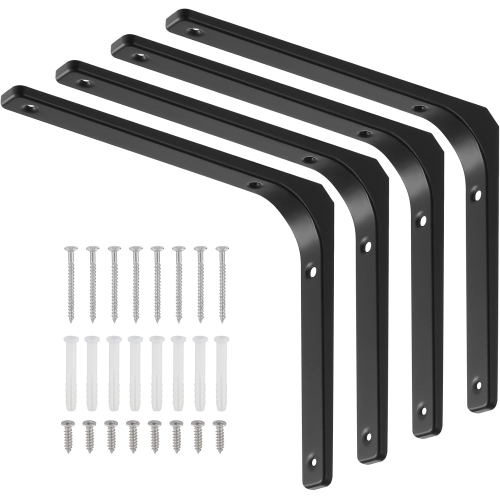
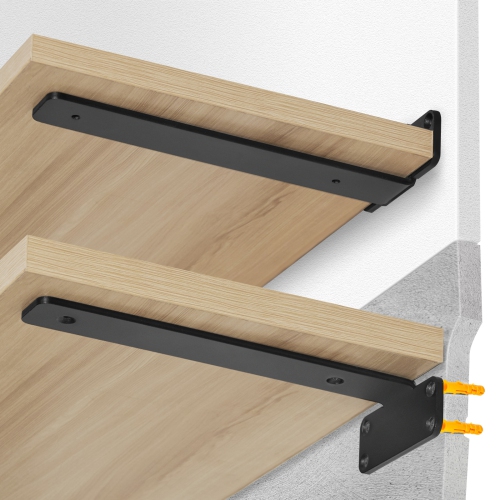
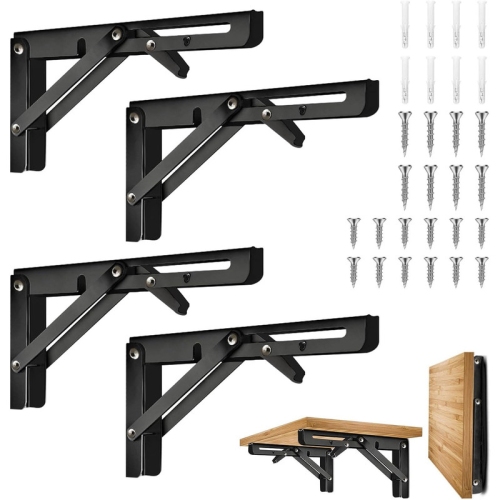
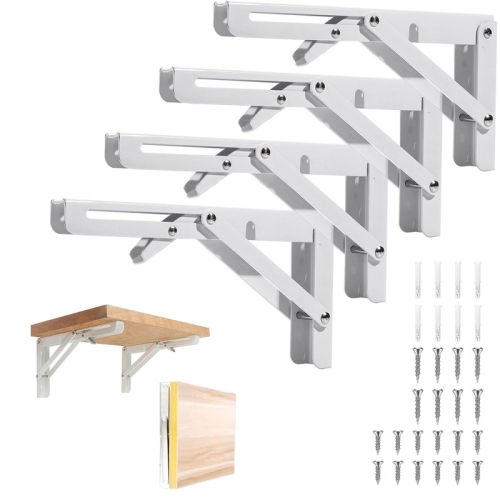
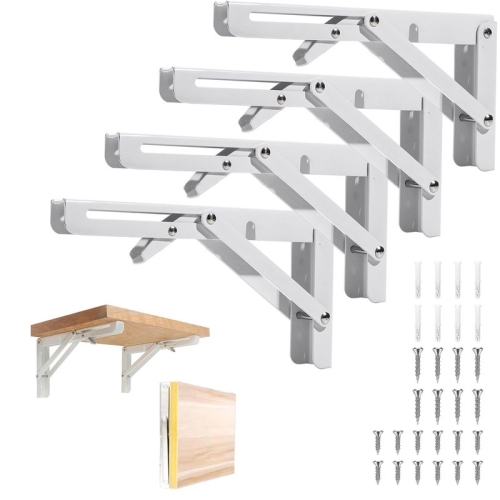
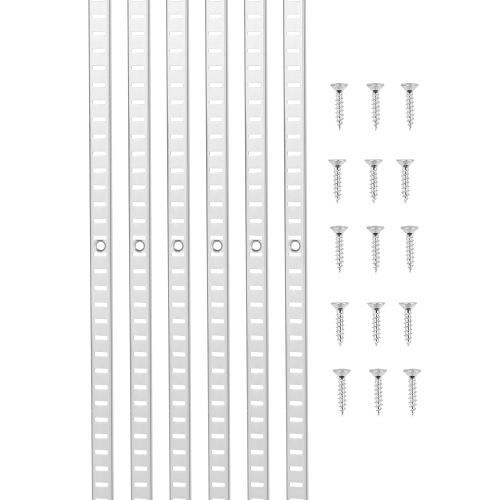
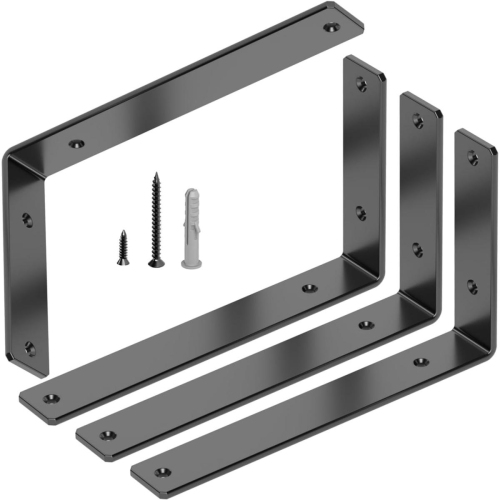
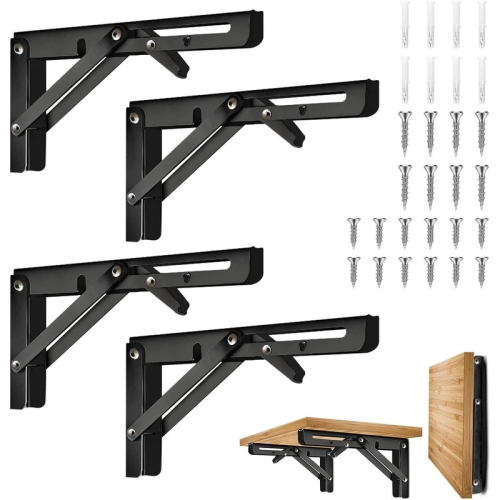
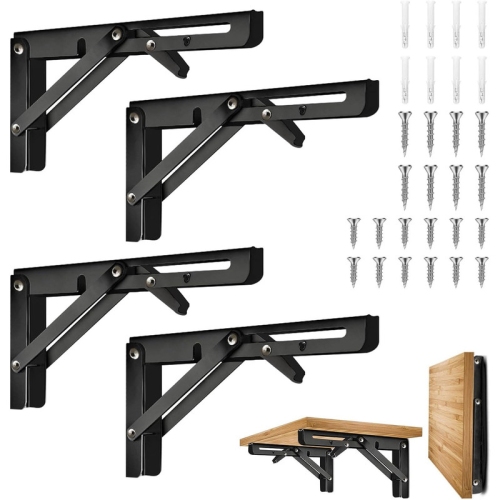
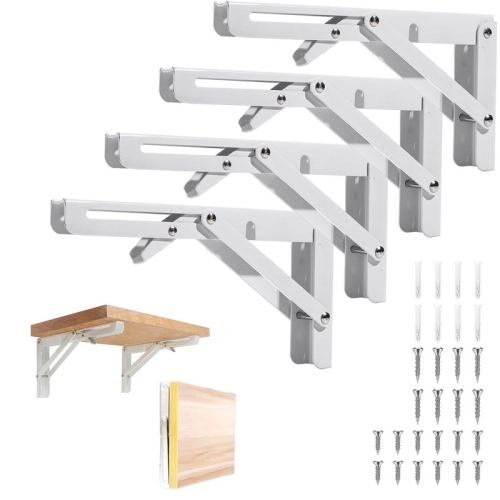
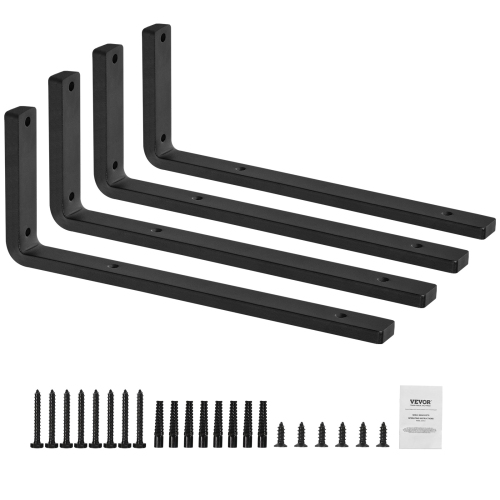
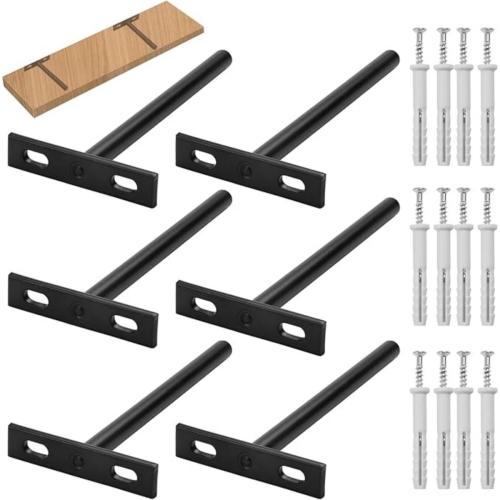
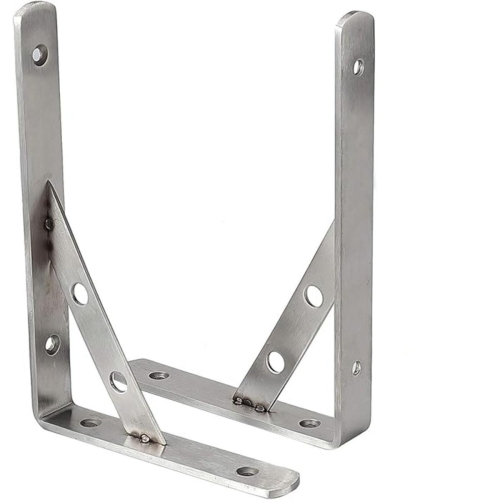
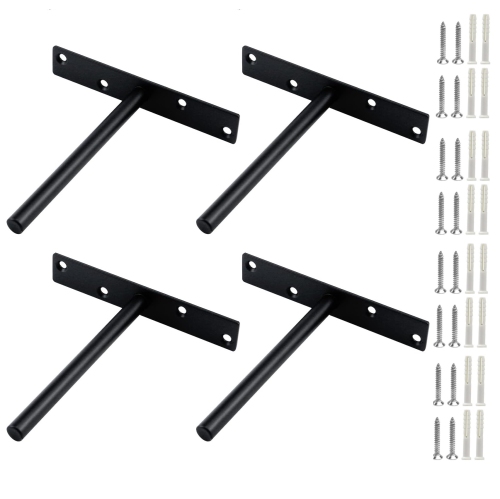
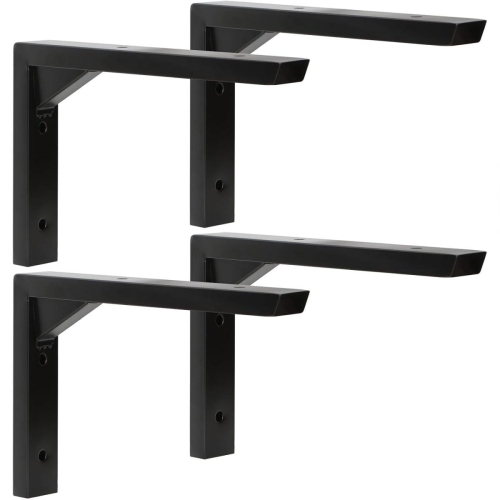
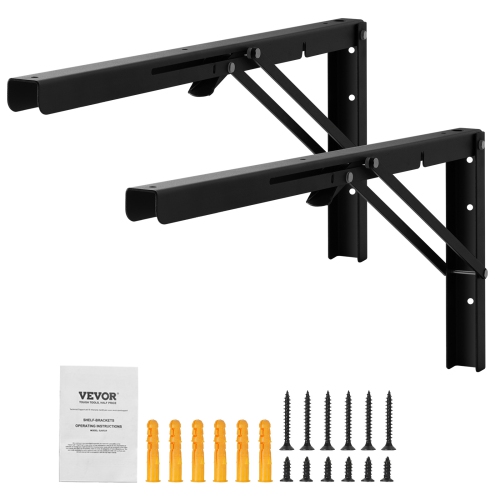
Strong shelf support takes more than sturdy steel
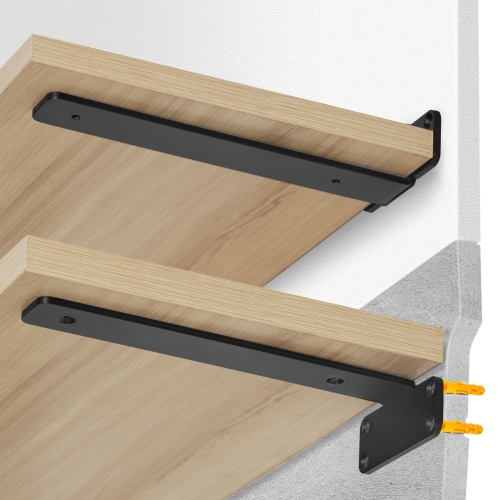
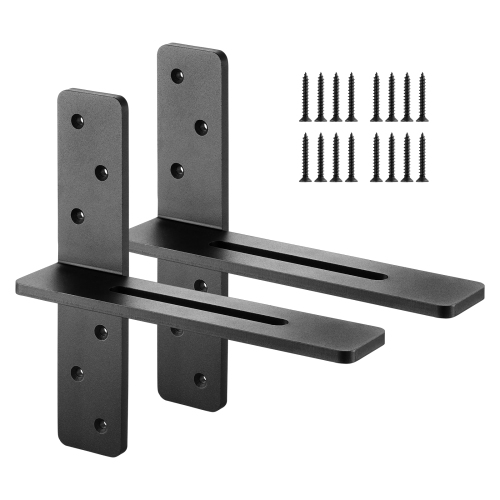
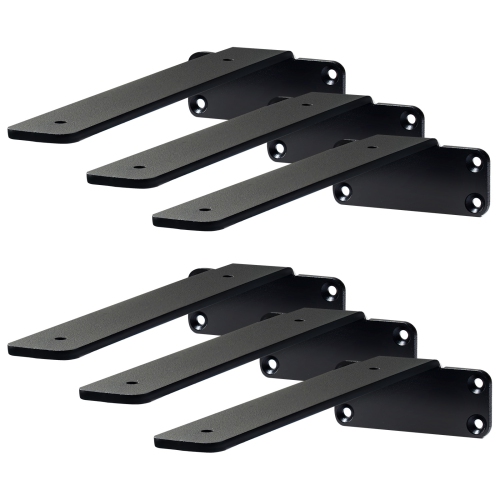
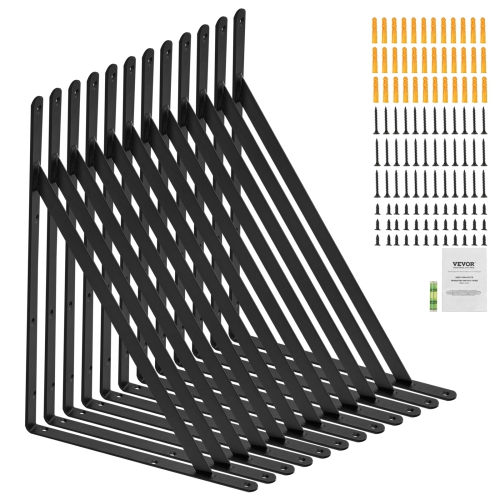
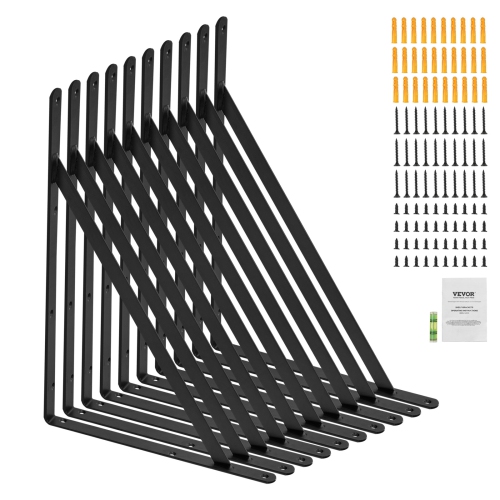
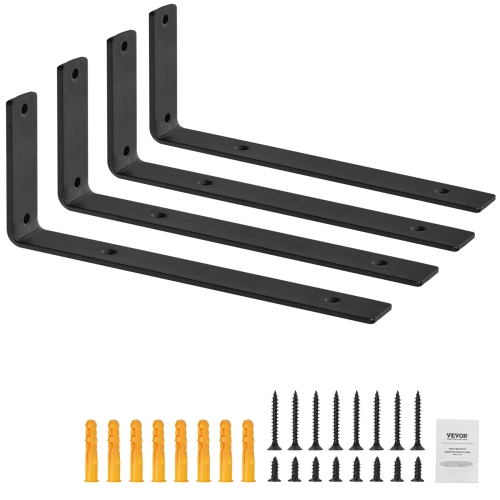
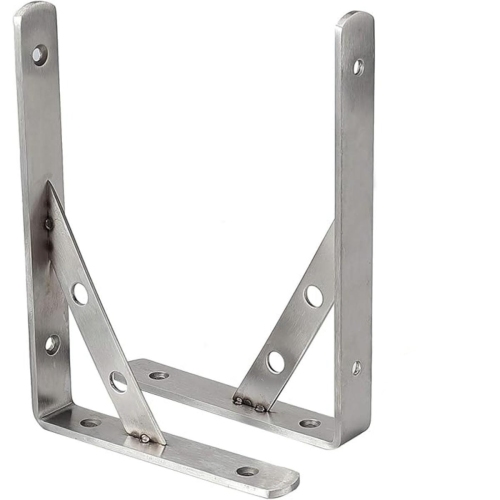
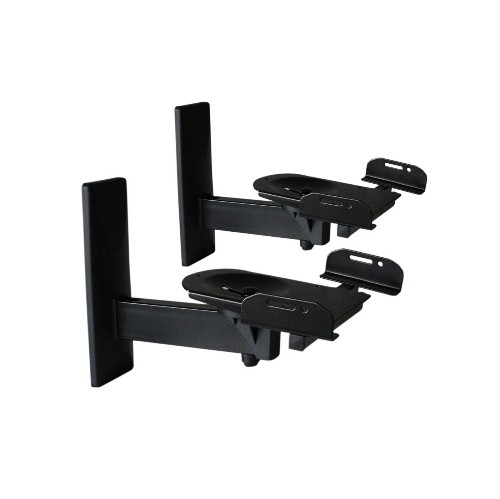
Heavy-duty steel shelf brackets are wall-mounted supports designed to carry shelving used for substantial loads, including books, tools, small appliances, and storage bins. They connect the shelf to the wall and help transfer its weight into suitable structural backing. Their usable load capacity depends on the complete installation: bracket construction, shelf material, fasteners, wall structure, bracket spacing, and how the contents are arranged. This makes them useful wherever shelving needs to do more than display a few lightweight ornaments. In a garage, they can support a shelf for tool cases and neatly labelled parts containers; in a pantry, they can provide support beneath rows of jars and cookware. Home offices, laundry rooms, workshops, and utility spaces also benefit from shelving that keeps frequently used supplies within reach while leaving the floor clear. Steel brackets come in several structural forms, from simple L-shaped supports to designs with diagonal braces or triangular gussets. A brace helps resist bending, although the overall strength still depends on the design and the quality of the material and connections. Formed steel, welded components, and flat steel sections can all be used in shelf supports, with different profiles offering different combinations of clearance, appearance, and strength. Material thickness matters, but a thicker-looking bracket is not automatically suitable for a greater load than a properly engineered alternative. Mounting-hole placement, the length of the wall plate, and the relationship between the horizontal arm and vertical support also affect performance. For a shelf holding a dense row of books, dependable support matters more than a bulky appearance. For a workshop shelf above a work surface, the bracket shape also influences how much room remains underneath for tall containers or equipment. Heavy-duty steel shelf brackets suit homeowners, renters with permission to make structural fixings, and tradespeople creating practical storage, provided the wall and mounting method are appropriate for the intended use.
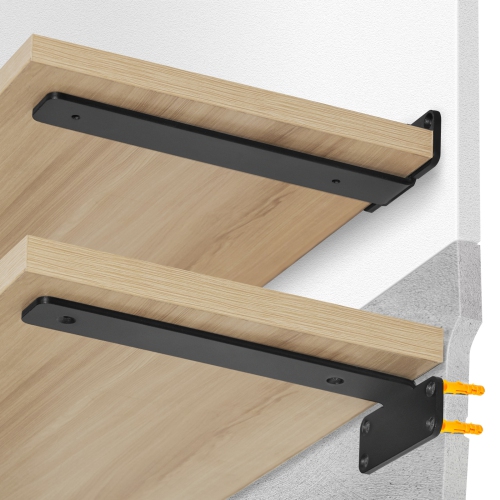
Fit involves more than matching a bracket to the visible width of a board. The horizontal arm needs to suit the shelf depth, while the wall plate requires enough clear space for secure attachment. Any permitted shelf overhang should follow the bracket and shelf specifications rather than an assumed rule. A deep shelf loaded near its front edge places different demands on its supports than a shallow shelf carrying weight close to the wall. Bracket spacing also matters because the shelf itself can sag between supports, even when the brackets remain rigid. Solid wood, plywood, particleboard, and other shelving materials have different stiffness and fastening characteristics, so the shelf and its supports need to be considered together. Published load ratings deserve particular attention: a stated capacity may refer to one bracket, a pair, or a complete set, and it may depend on evenly distributed weight and a specified mounting arrangement. The useful capacity of the finished shelf cannot exceed the limits of its weakest component. A concentrated stack of weights or a heavy appliance at one end is not equivalent to the same total weight spread evenly across the surface. Wall construction is equally important. Attachment to wood studs, suitable structural backing, or sound masonry requires compatible fasteners, and hardware intended for one surface should not be assumed suitable for another. Drywall alone should not be treated as structural support for a heavily loaded shelf. Metal-stud walls, hollow masonry, and unfamiliar wall assemblies may require a separately assessed fastening solution. Included screws or anchors are not necessarily appropriate for every installation. Mounting holes must also be accessible with the tools needed to secure them, particularly where a diagonal brace sits close to the wall plate. These details are especially relevant for narrow alcoves, shelves positioned above a countertop, or closely spaced rows of storage. A suitable bracket leaves enough room for the shelf, its contents, and a secure connection without forcing an awkward fit around trim, outlets, or other obstructions.
Appearance can be practical as well as decorative. Exposed steel supports give shelving a defined outline, making them a natural match for a workshop, an open pantry, or a room with visible metal furniture frames. The dark finish associated with Industrial Black Shelf Brackets pairs well with warm wood grain, pale painted shelves, and concrete-look surfaces. A slim profile can keep attention on the shelf and its contents, while a substantial triangular support creates a more pronounced architectural detail. Consistent bracket proportions and placement help multiple shelves look organized, particularly when the supports remain visible at eye level. Finish selection also affects upkeep. Powder-coated steel has a protective surface layer, but its resistance to scratches and corrosion depends on the coating, its condition, and the intended application. Plated or galvanized finishes have their own specifications, and no finish should be assumed suitable for outdoor use or persistent moisture unless that use is explicitly stated. Bare steel may need additional surface protection according to the supplier’s directions. For routine care, a soft cloth and a cleaning method compatible with the finish help remove dust and marks without unnecessary abrasion. Harsh cleaners and scouring pads can damage coatings, while chipped areas may expose the underlying metal. Shelves near sinks, laundry equipment, or stored liquids benefit from prompt attention to spills and periodic checks for rust. It is also worth checking for loosened fasteners, movement at the wall, bending, or sagging after the contents change. A shelf originally used for folded towels may face very different demands once it holds detergent containers or a collection of large books. Brackets are shelf supports, not steps, seats, or climbing aids unless expressly designed and rated for those purposes. Matching construction, dimensions, mounting requirements, and finish to the actual storage task helps create shelving that looks intentional and remains dependable in everyday use.
Top selling and popular products
-
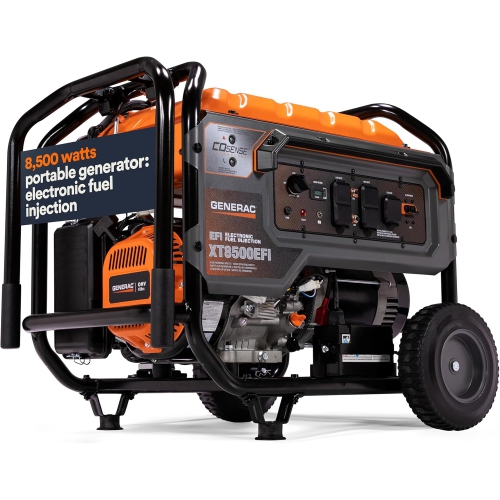 Your price for this item is $3000
-
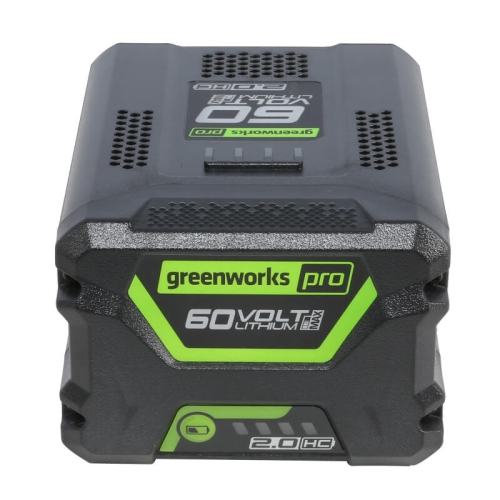 Your price for this item is $152.99
-
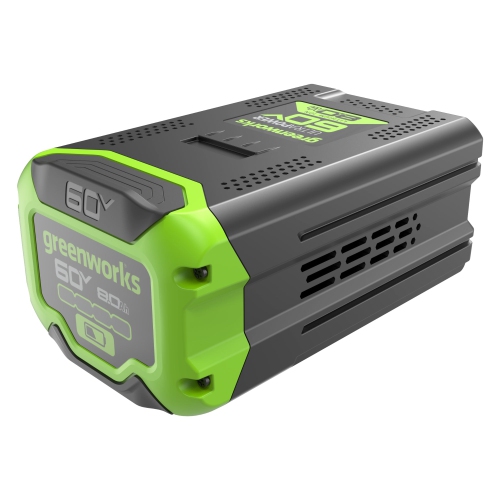 Your price for this item is $329.99
-
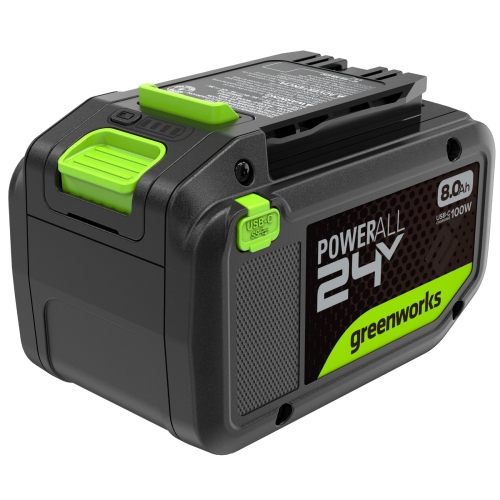 Your price for this item is $144.49
-
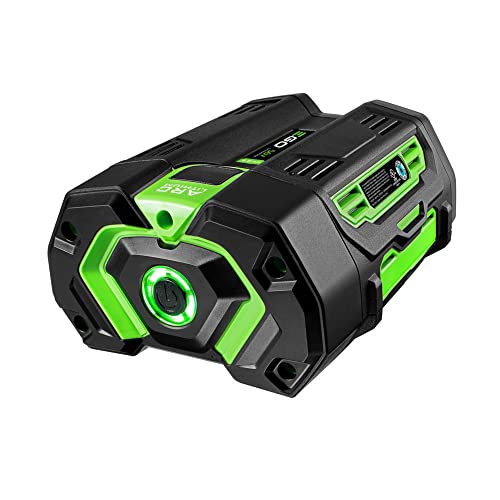 Your price for this item is $255
-
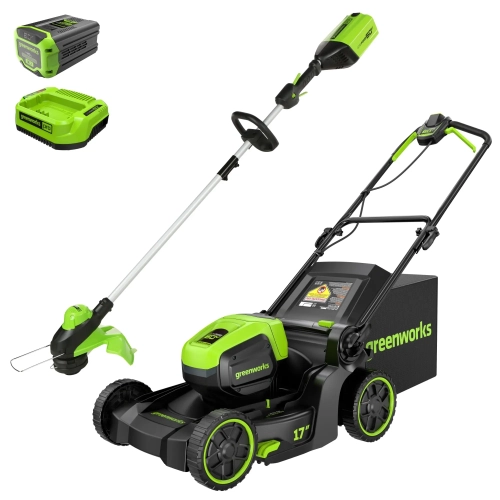 Your price for this item is $779.99
-
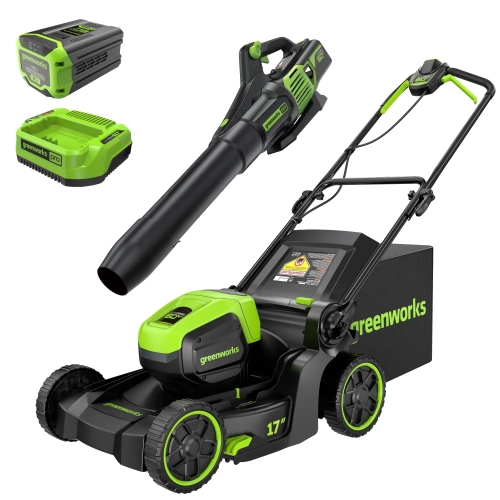 Your price for this item is $659.99
-
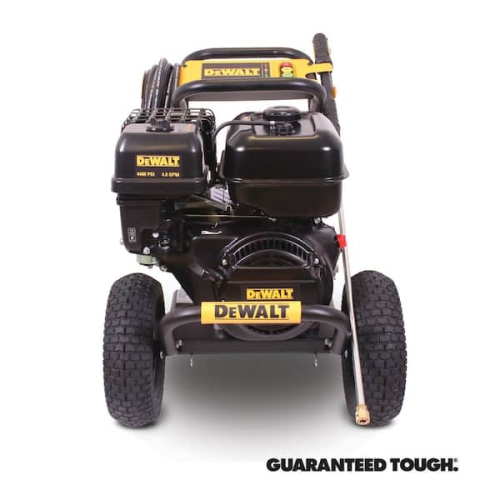 Your price for this item is $999.99
Discover more categories related to Heavy Duty Steel Shelf Brackets
Top Collections:
Best Black Friday Deals This Year, Best Black Friday Deals On Electronics, Kindle Devices, Pokemon Centers, Best Black Friday Deals On Apple Products, Best Cameras for Sports Photography, Dyson Airwrap, Pokémon 30th Celebration Cards, Apple iPhone 17 Pro, Canon G7X Cameras
Some products may be subject to Environmental Handling Fees
(EHF) depending on your province.
Learn more about EHFs.