Industrial Black Shelf Brackets
Industrial Black Shelf Brackets offer a stylish and practical solution for organizing and displaying items in any space. Their sleek black finish complements a wide range of décor styles, from modern loft to rustic farmhouse. Perfect for kitchens, living rooms, offices, or workshops, these brackets provide the support you need while adding a touch of industrial charm. Explore options that make it easy to create custom shelving tailored to your needs with Industrial Black Shelf Brackets.
Sort
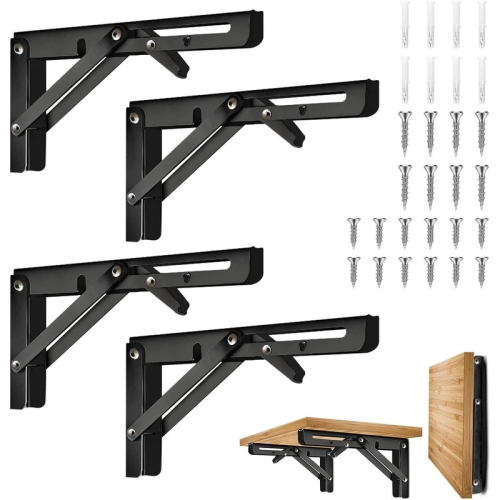
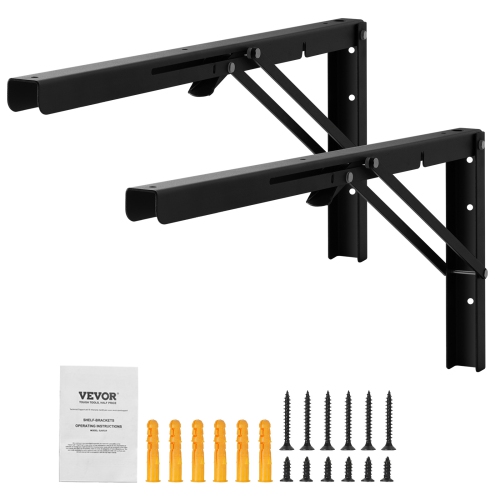
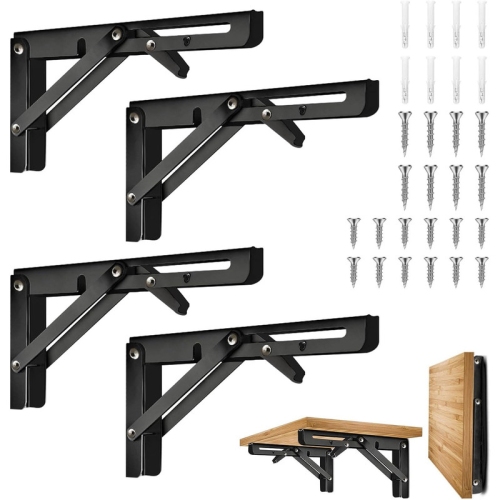
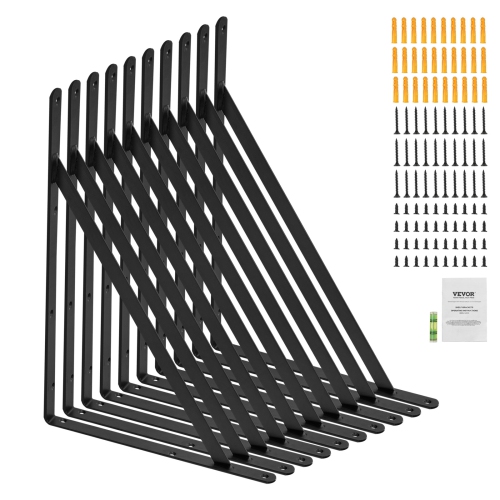
How exposed supports shape the look of shelving
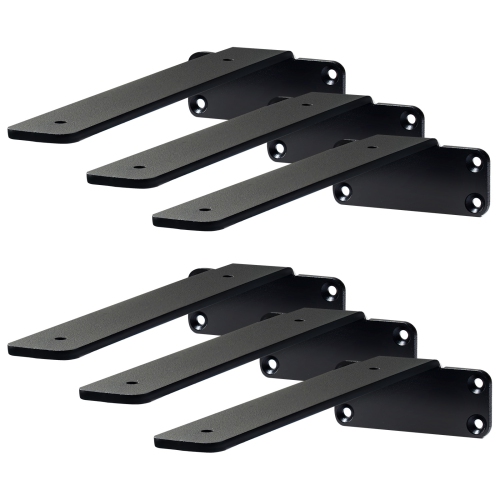
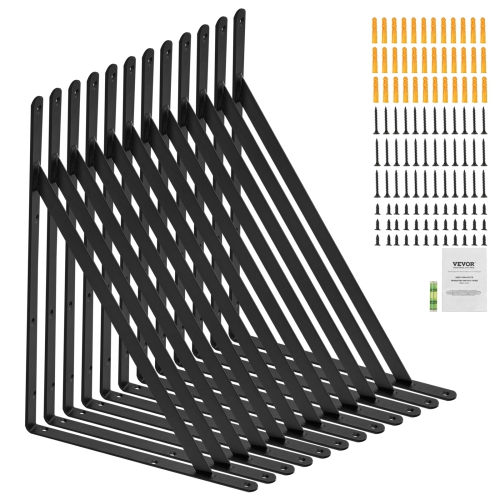
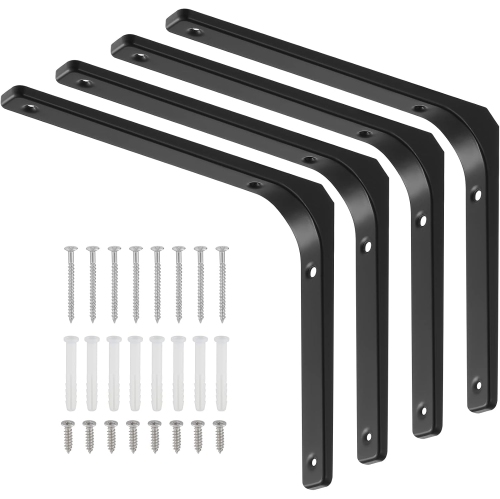
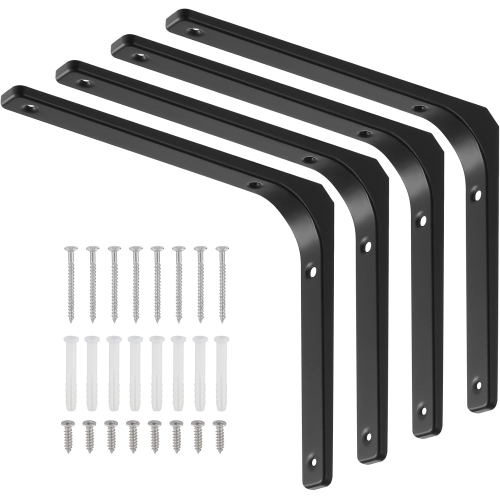
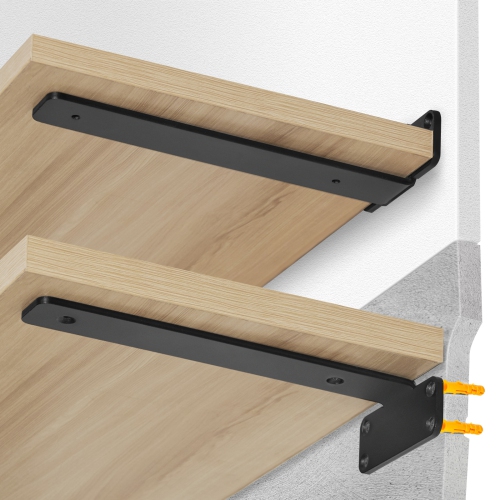
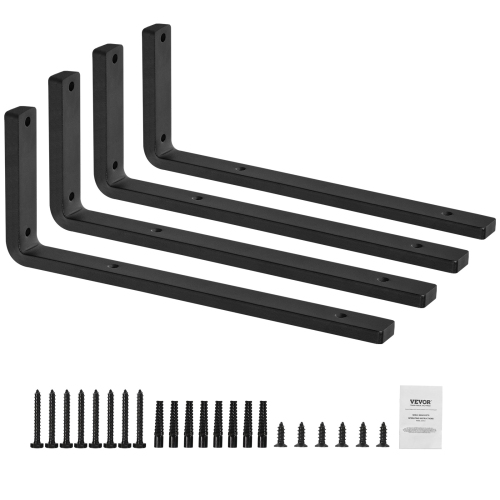
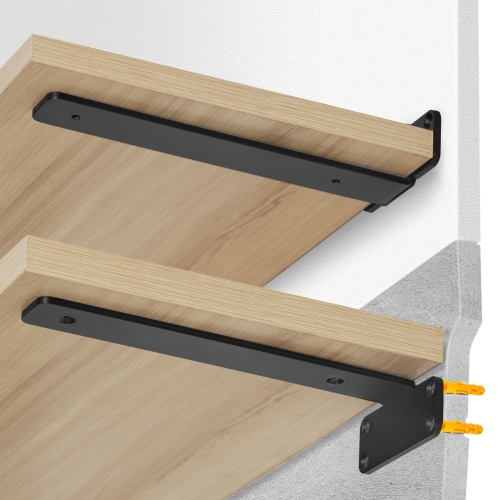
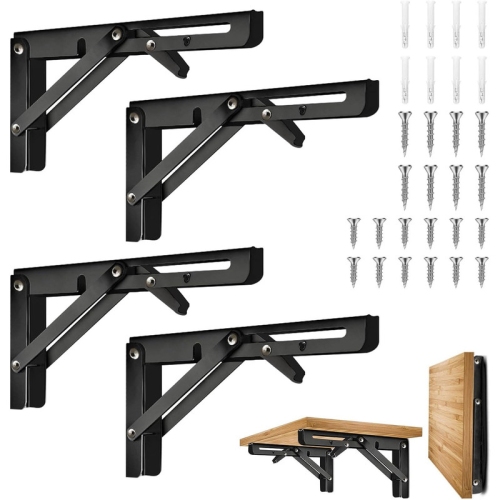
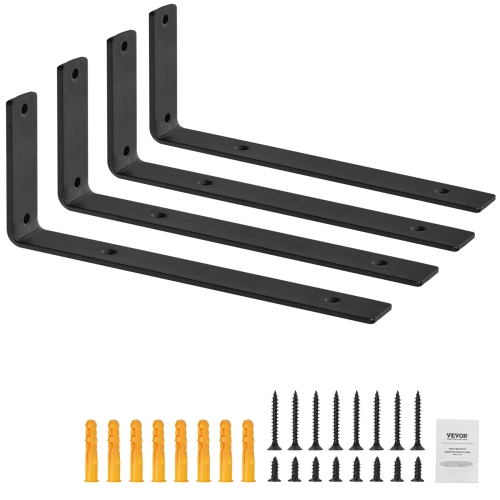
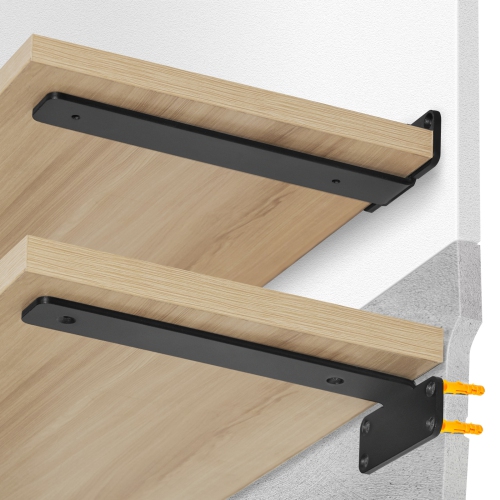
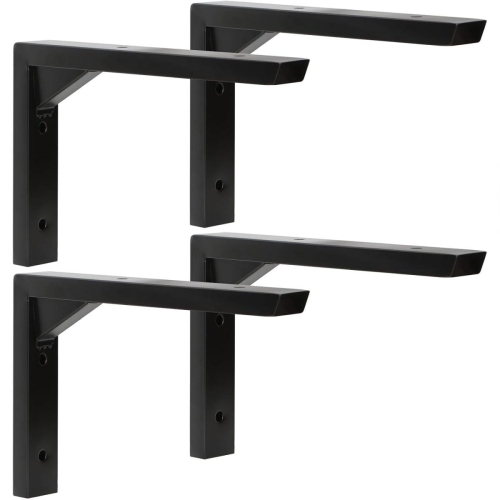
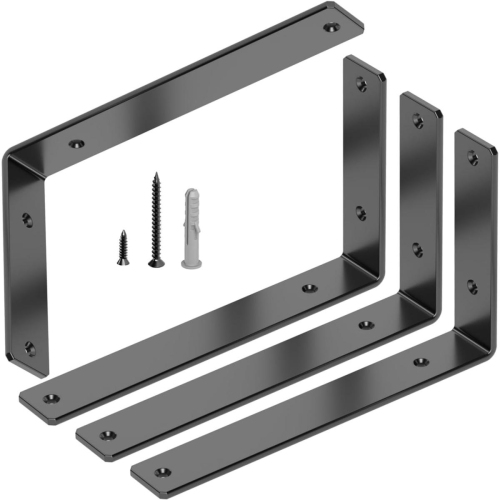
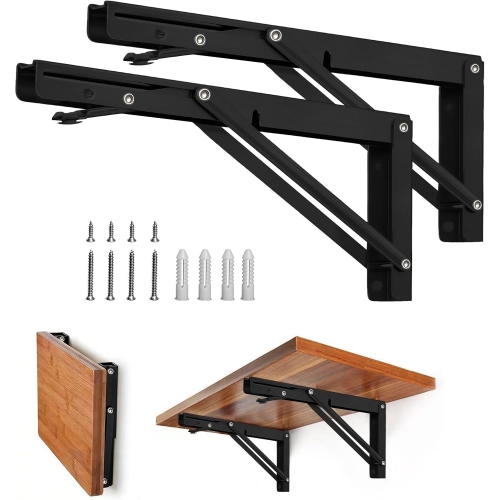
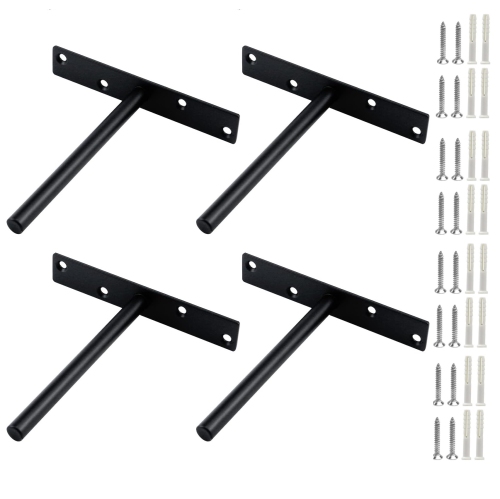
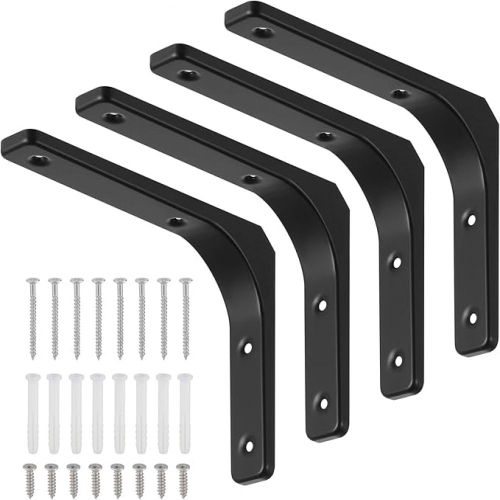
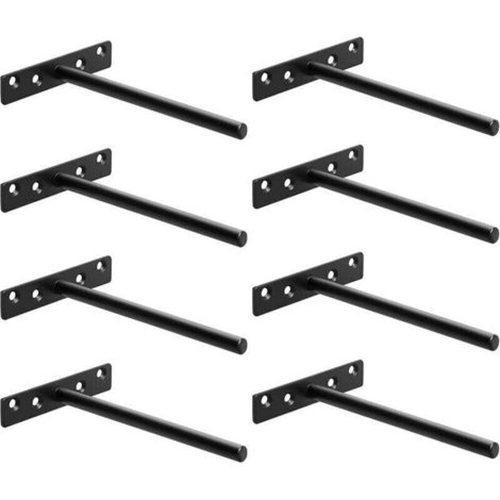
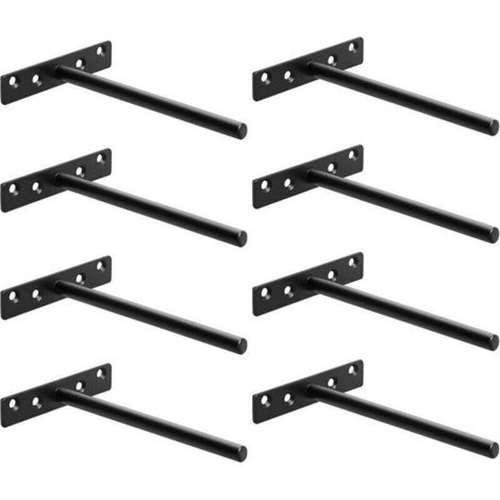
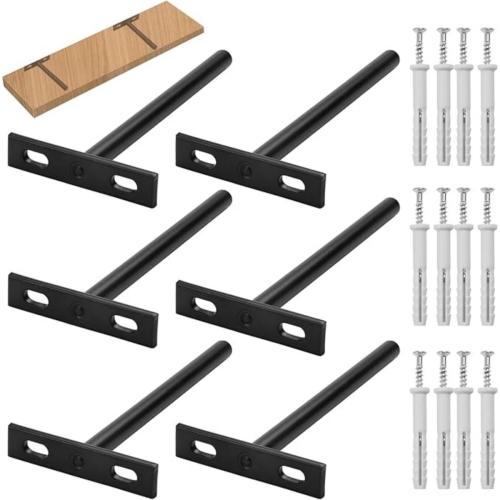
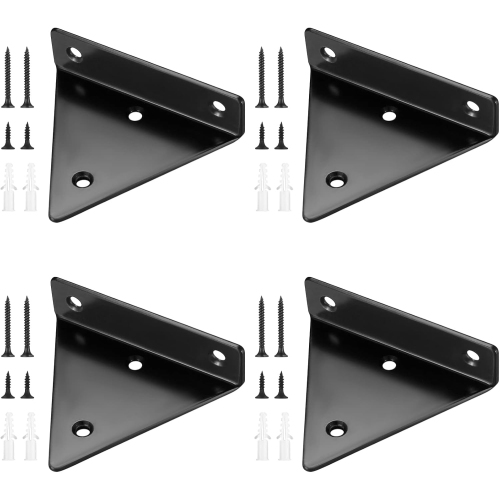
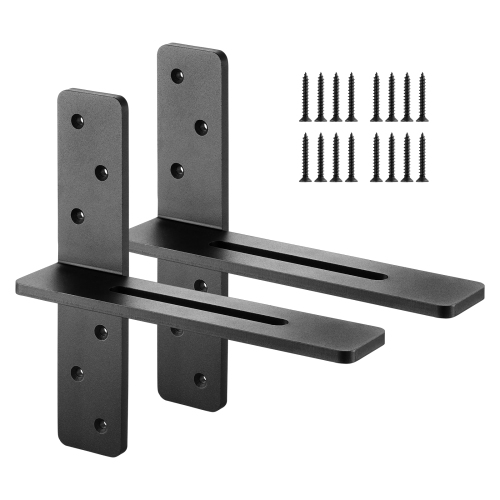
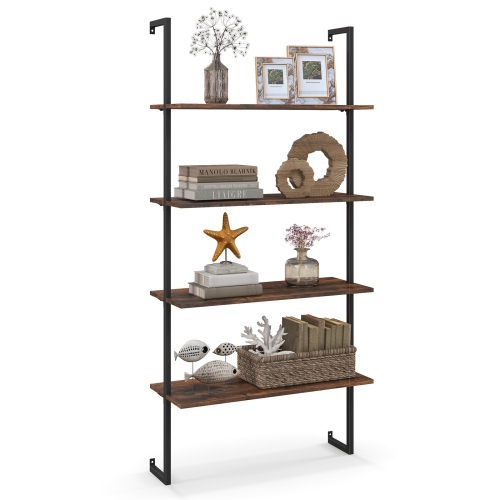
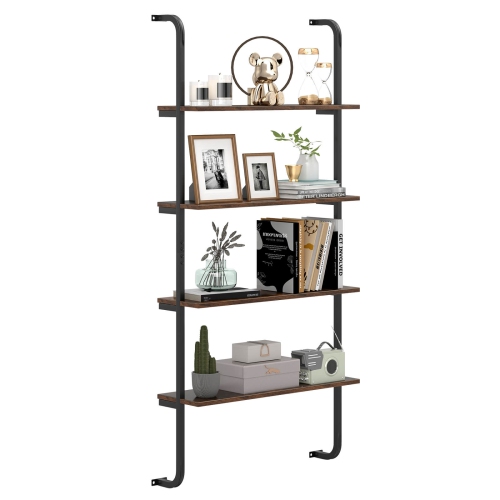
Industrial black shelf brackets are wall-mounted supports that hold shelf boards while adding the exposed metalwork associated with industrial-style interiors. Their appeal is both practical and visual: the bracket carries the shelf, while its dark finish creates a clear outline against wood, painted walls, brick, or tile. Steel and cast iron are common material choices, although construction, thickness, and finish vary. Steel can suit slim profiles and clean bends, while cast iron often has a heavier appearance with textured surfaces or shaped detailing. Simple L-shaped brackets offer an understated look, triangular designs introduce a diagonal brace, and pipe-style supports bring a more pronounced workshop character. Strap and wraparound shapes can frame the edge of a shelf, making the hardware part of the overall display rather than something to hide. Black finishes range from flat and softly textured to smoother satin surfaces, so brackets described with the same colour may look quite different beside one another. Matte black tends to sit quietly against darker walls, while a smoother finish can catch more light and make the bracket shape stand out. Paired with oak, pine, or a dark-stained board, these supports can suit anything from a compact entryway ledge to open shelving in a home office. Pale wood and simple bracket lines create a lighter effect; thicker boards and broad metal supports produce a more substantial, workshop-inspired appearance. The proportions matter as much as the style. A narrow bracket beneath a deep shelf may look unbalanced, while oversized supports can dominate a small display. Matching the visual weight of the bracket to the shelf helps the installation feel intentional, whether it holds a few framed photographs or forms part of a larger storage arrangement. Visible screw heads, mounting plates, curved edges, and open centres also influence the finished appearance, particularly when the shelving is viewed at eye level.
Fit and load capacity are central considerations because industrial styling alone does not indicate how much weight a bracket can support. The usable strength of a shelf installation depends on the brackets, shelf material, fasteners, wall construction, spacing, and quality of installation working together. Any stated load rating needs to be read with its conditions, including whether it applies to one bracket or a pair and what mounting surface was used. A shelf of hardback books places different demands on its supports than a shallow ledge displaying small photographs. Likewise, a heavy timber board adds its own weight before anything is placed on it. Bracket depth should suit the shelf depth and the manufacturer's specifications; excessive unsupported overhang can create leverage that strains the fixing points. Shelf width and material also affect the number and spacing of supports, since a long board may bend between brackets even when the metalwork itself is strong enough. Shelf thickness matters where screws attach from underneath, especially with shallow boards that leave little room for screw penetration. Some bracket shapes include an upright lip, a retaining bar, or a channel that limits the size of board they can accommodate. Others have countersunk holes or mounting plates that require particular fastener head shapes to sit correctly. Wall construction deserves the same attention as dimensions. Fixing into suitable structural backing, such as wood studs, differs from fastening into masonry, and drywall alone should not be assumed to support a heavily loaded shelf. Appropriate anchors and screws depend on the substrate and the intended load, rather than simply on the bracket's appearance. Fasteners may need to be selected separately, and their compatibility is worth checking alongside the bracket specifications. In kitchens and utility spaces, shelf placement also needs to account for cabinet doors, taps, outlets, and the clearance needed to lift stored objects comfortably. These details help distinguish a bracket that looks right in a photograph from one that fits the actual space and intended use.
Industrial black shelf brackets suit people who want accessible storage with visible structure, including home cooks organizing everyday dishes, readers making use of an alcove, and hobbyists keeping frequently used supplies within reach. In an entryway, a modest shelf can provide a landing place for a small basket and personal accessories without the depth of a console table. Above a desk, open shelving can keep reference books close while leaving the work surface clearer, provided there is comfortable headroom and the installation is suitable for the load. A coordinated bracket style can also connect separate shelving areas without requiring identical shelf lengths throughout a room. For a related look with a different emphasis on visible support, Industrial Style Floating Shelves offer another direction; floating designs generally conceal their main supports, whereas exposed brackets deliberately make the hardware part of the design. Long-term appearance depends partly on the finish and how the shelving is used. Powder-coated and painted surfaces can resist everyday wear, but neither should be treated as scratch-proof or automatically suitable for damp locations. A chipped coating may leave metal exposed, and suitability near sinks or in other moisture-prone spaces depends on the manufacturer's guidance. Routine care is generally straightforward: a soft cloth removes dust from flat surfaces, while joints and decorative openings may need a little more attention. Abrasive pads and harsh cleaners can dull or damage a black finish, so cleaning methods should match the coating. Occasional checks for movement, loose fixings, or changes in shelf level are sensible, particularly after rearranging heavier belongings. For a cohesive result, consider how the bracket finish relates to nearby handles, light fittings, and furniture legs, without expecting every black surface to match exactly. The strongest visual balance often comes from consistent shapes and well-chosen proportions, with enough space around the shelving for the exposed metalwork and the objects above it to remain distinct.
Top selling and popular products
-
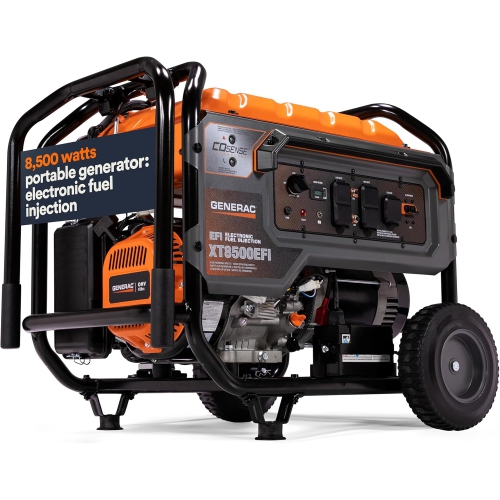 Your price for this item is $3000
-
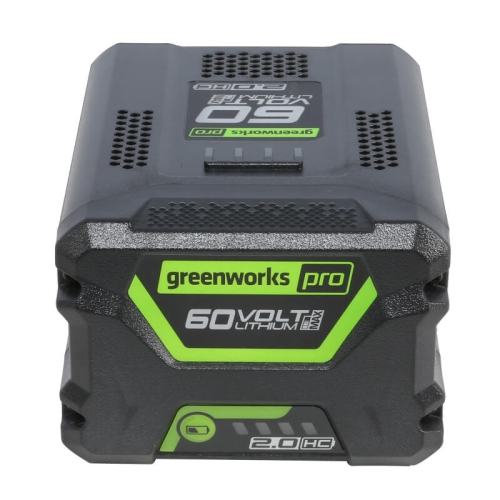 Your price for this item is $152.99
-
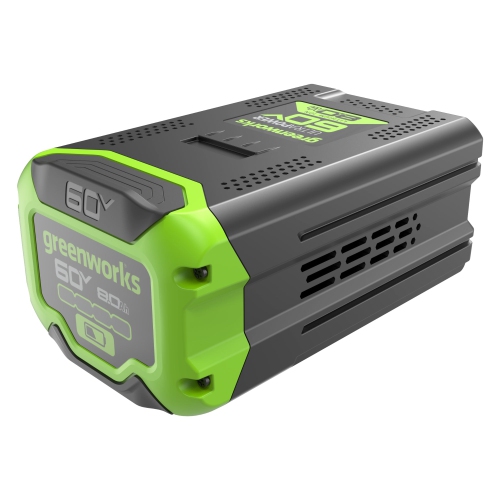 Your price for this item is $329.99
-
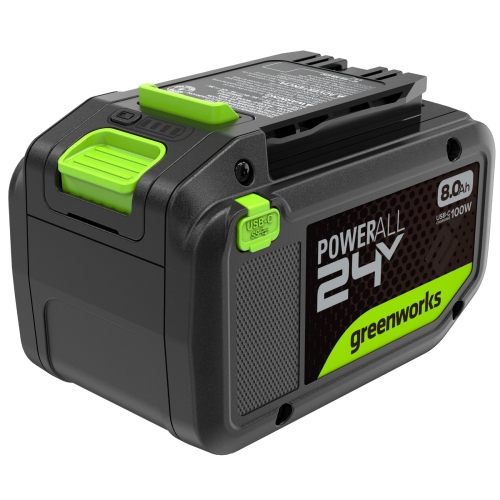 Your price for this item is $144.49
-
 Your price for this item is $255
-
 Your price for this item is $779.99
-
 Your price for this item is $659.99
-
 Your price for this item is $999.99
Discover more categories related to Industrial Black Shelf Brackets
Top Collections:
Best Black Friday Deals This Year, Best Black Friday Deals On Electronics, Kindle Devices, Pokemon Centers, Best Black Friday Deals On Apple Products, Best Cameras for Sports Photography, Dyson Airwrap, Pokémon 30th Celebration Cards, Apple iPhone 17 Pro, Canon G7X Cameras
Some products may be subject to Environmental Handling Fees
(EHF) depending on your province.
Learn more about EHFs.