Heavy Duty Stools
If you're looking for sturdy seating options that can withstand heavy use, this collection of heavy-duty stools is designed to provide durability and reliability in various settings. Whether you need extra seating for your workshop, garage, kitchen island, or commercial space, these robust stools are built to handle the toughest tasks. With a focus on strength and stability, these heavy-duty stools offer a blend of functionality and comfort, making them an ideal choice for anyone seeking lasting seating solutions.
Sort
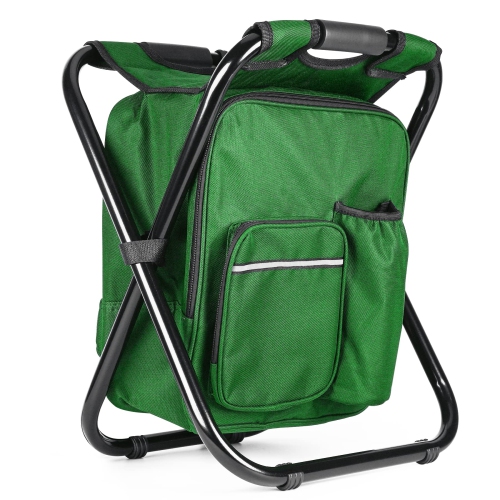
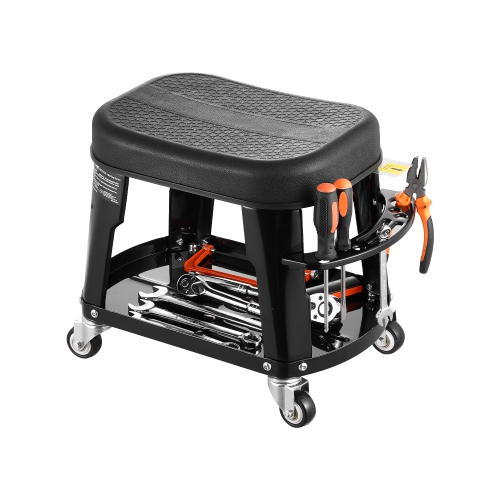
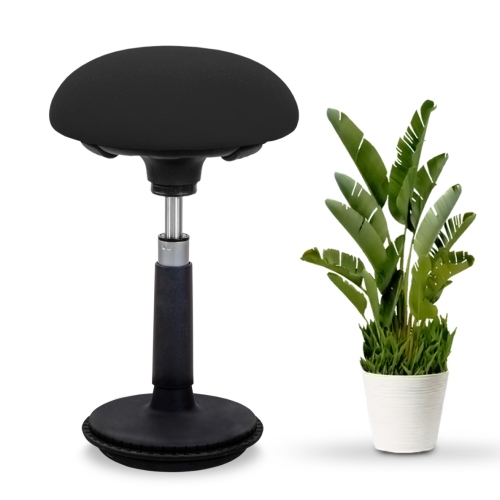
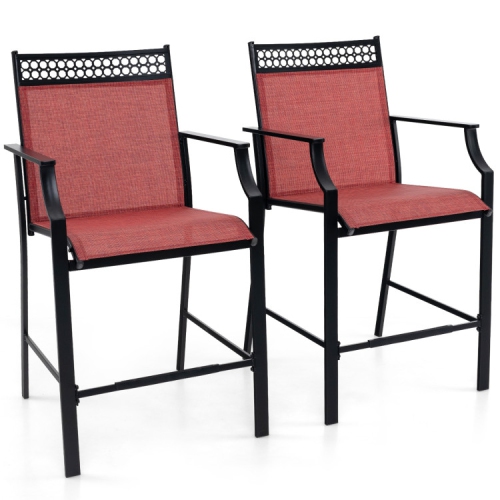
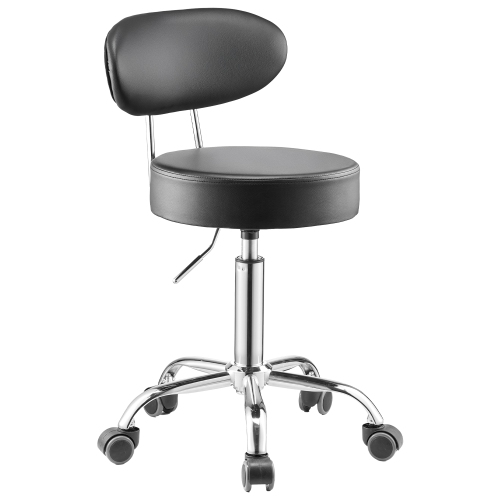
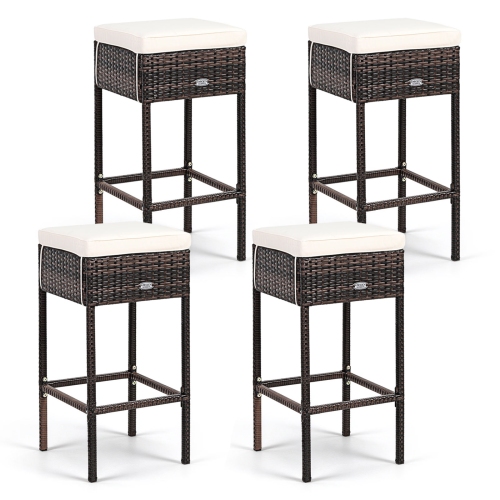
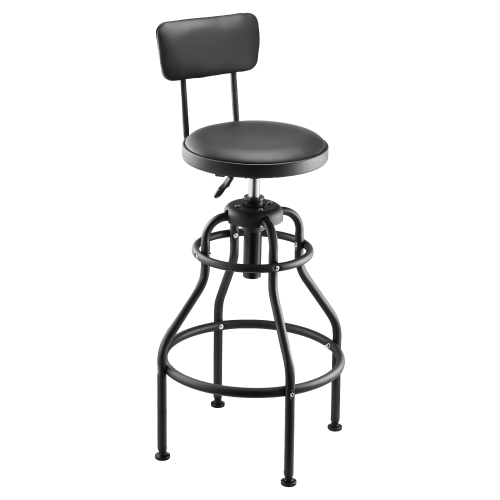
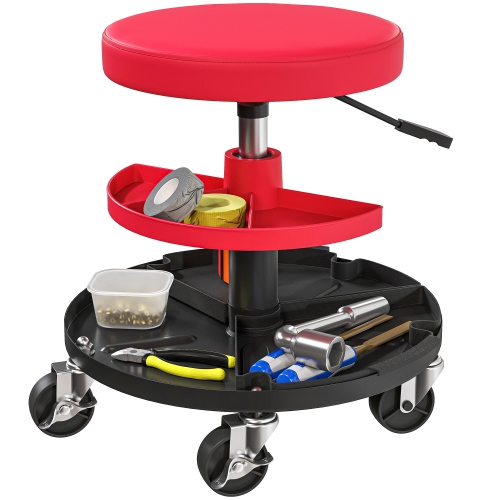
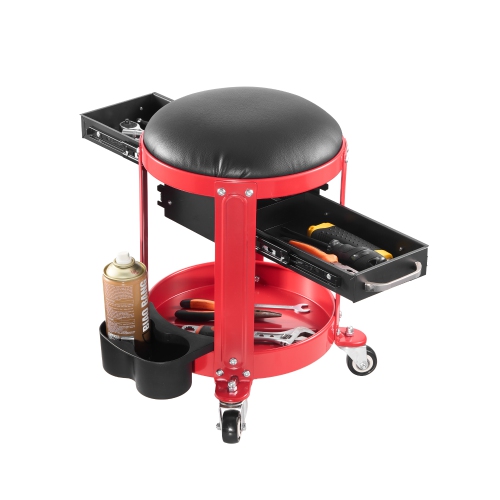
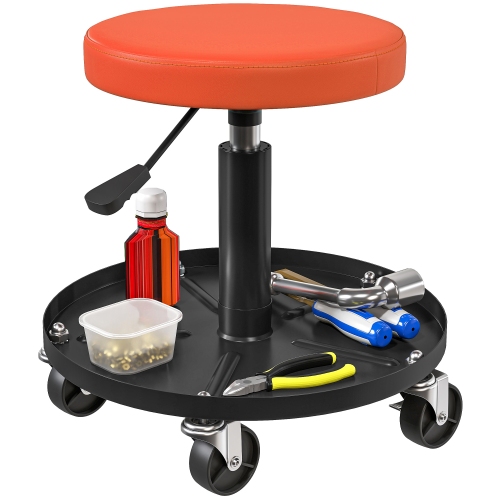
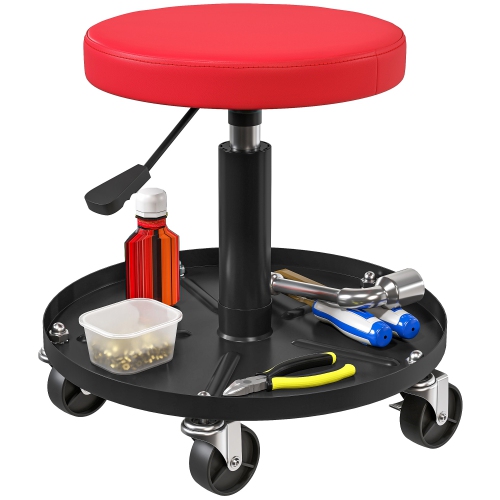
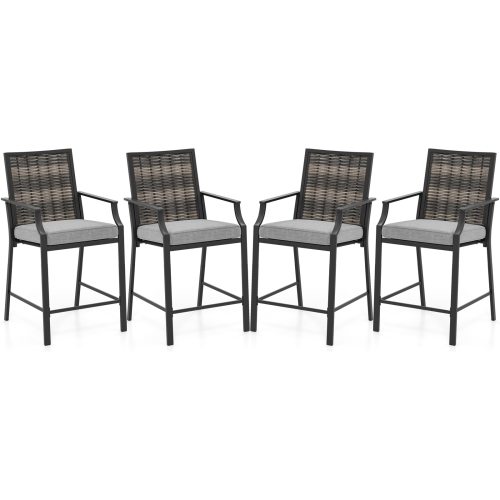
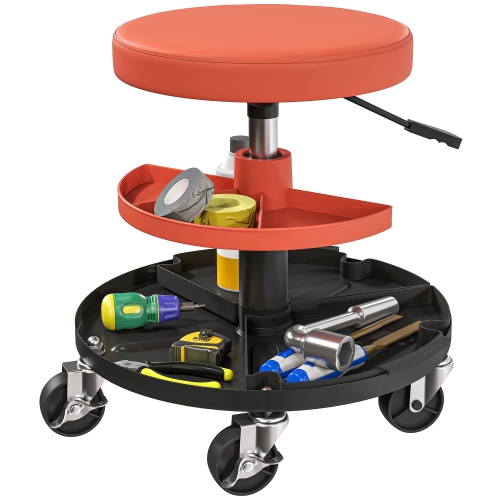
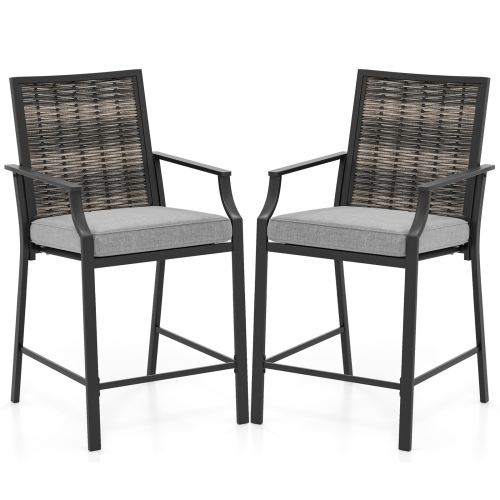
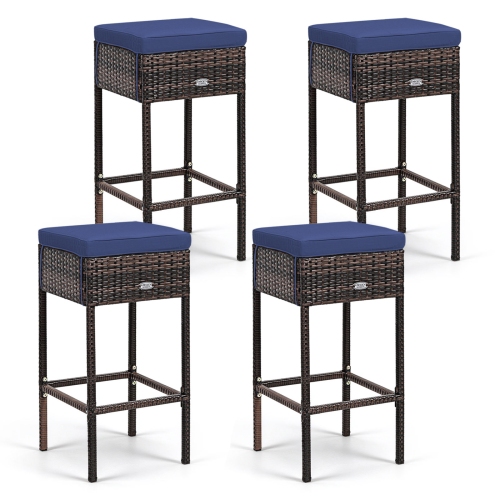
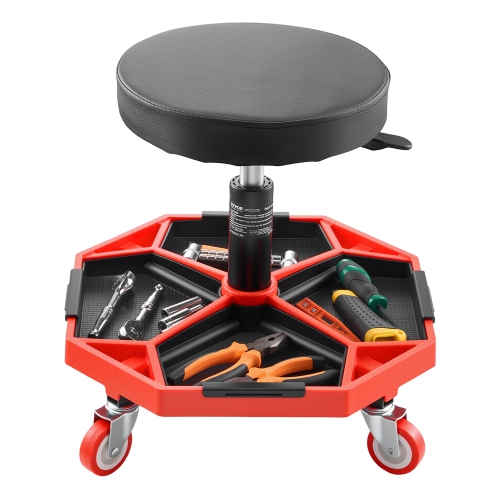
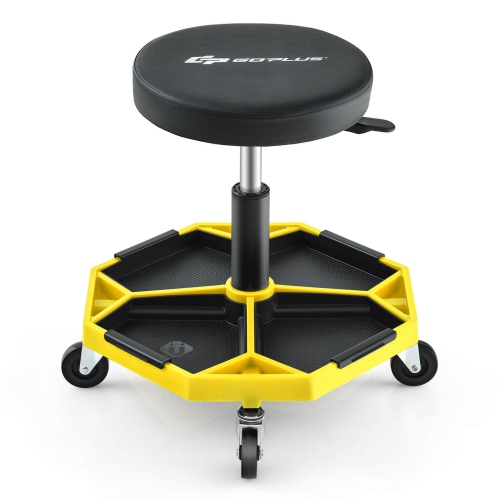
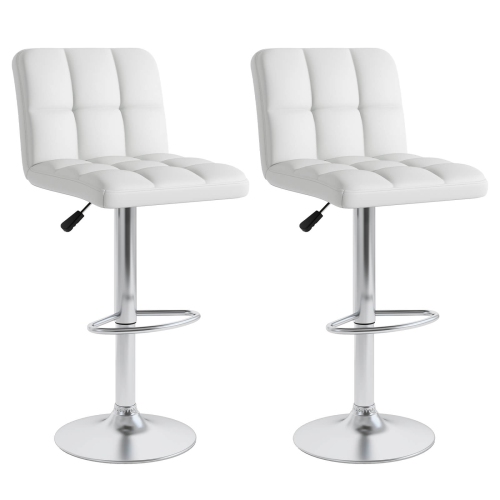
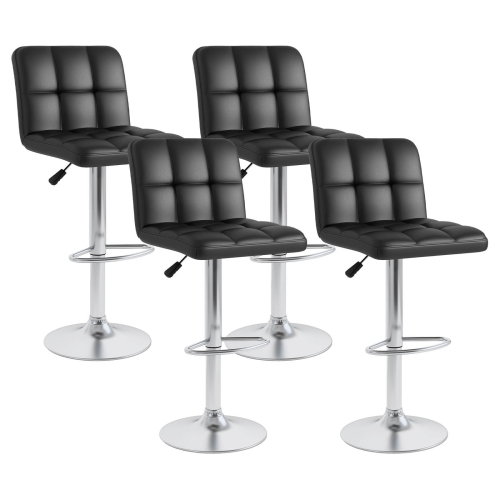
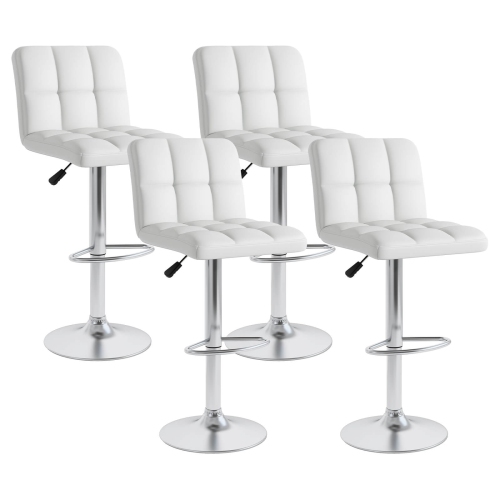
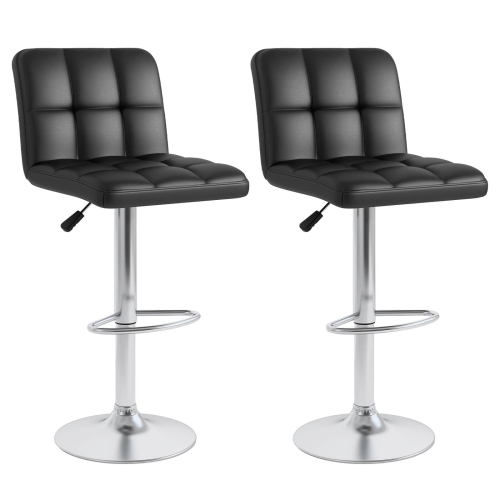

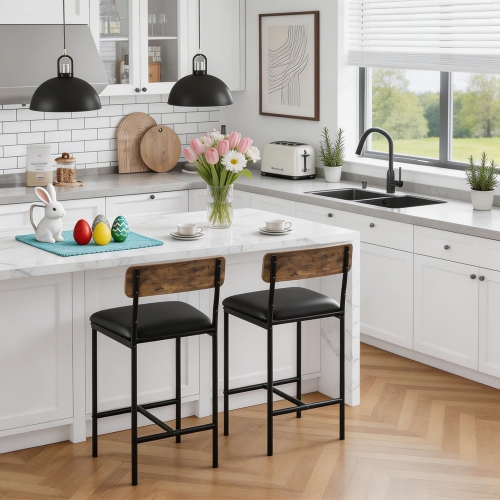
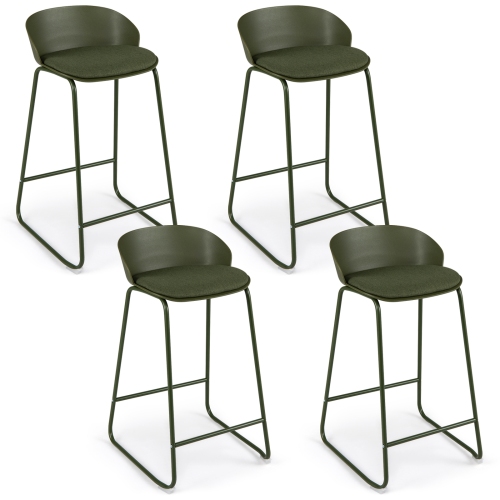
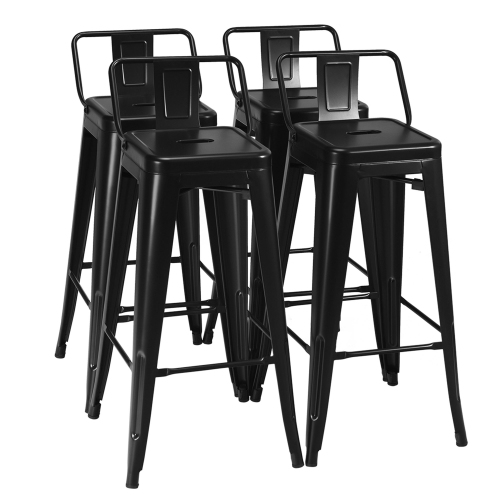


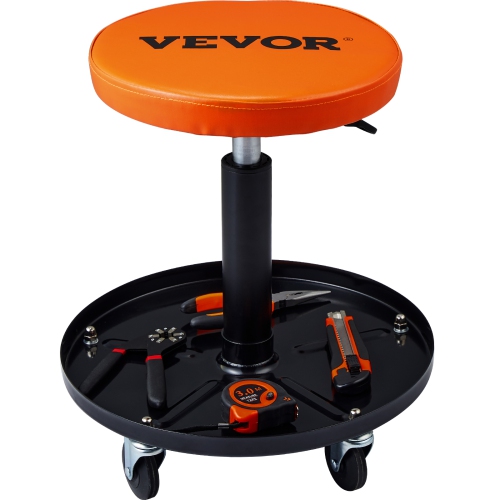
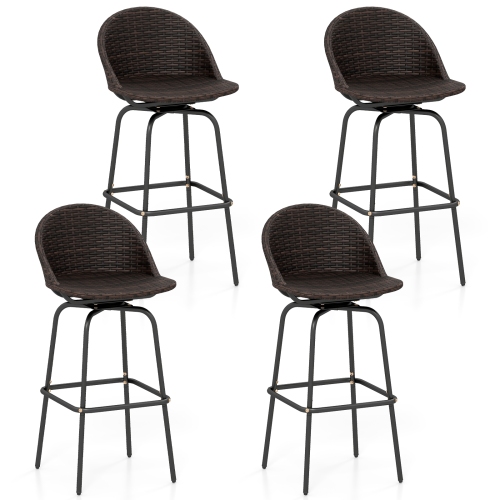
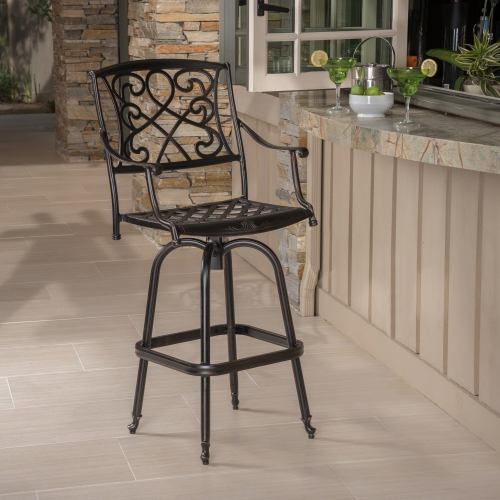
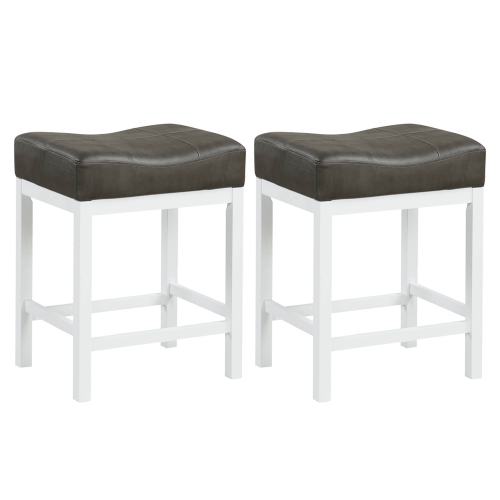

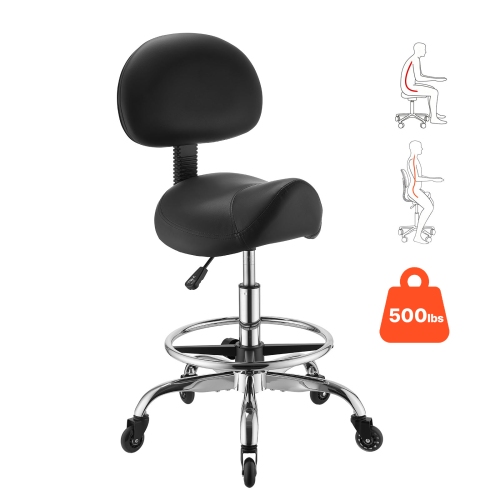
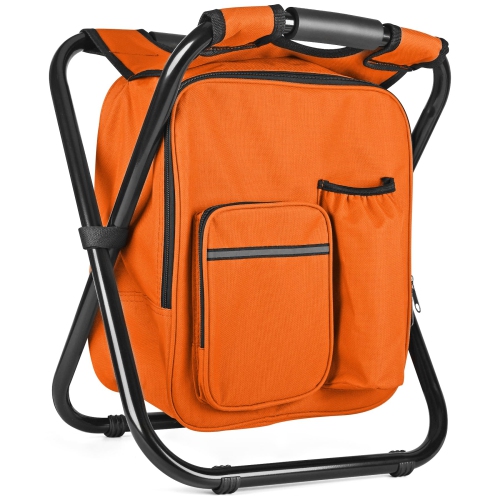
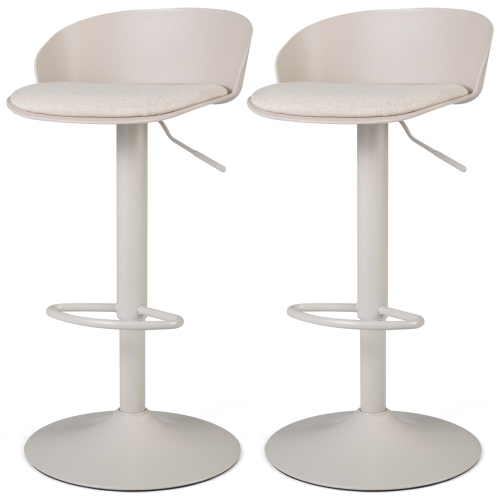

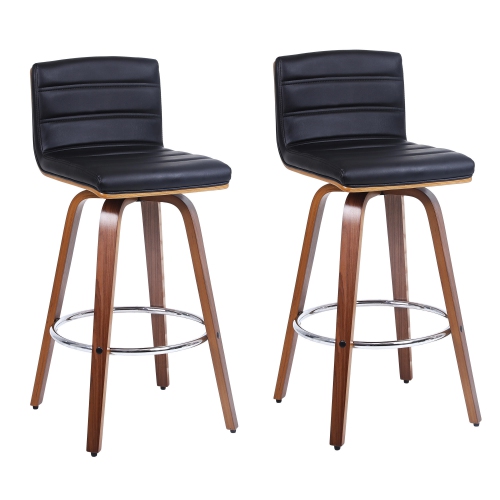
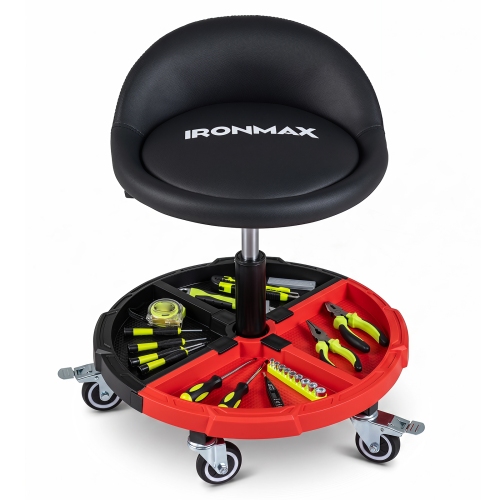
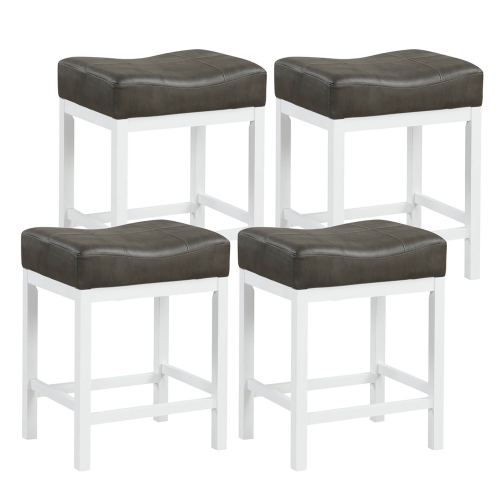
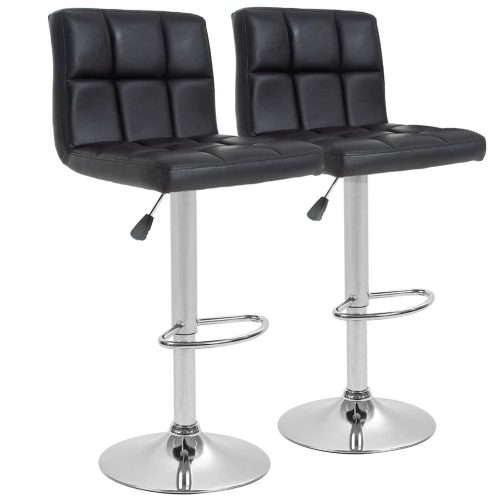
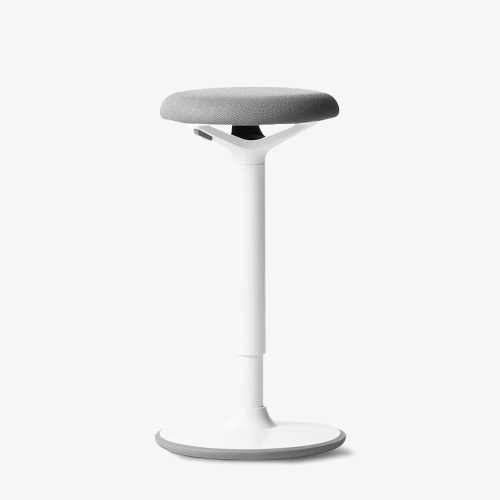
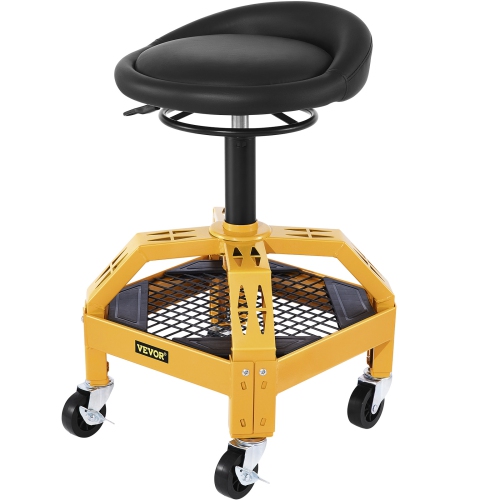
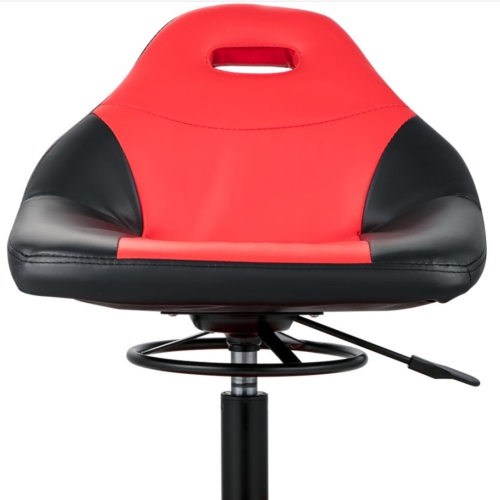
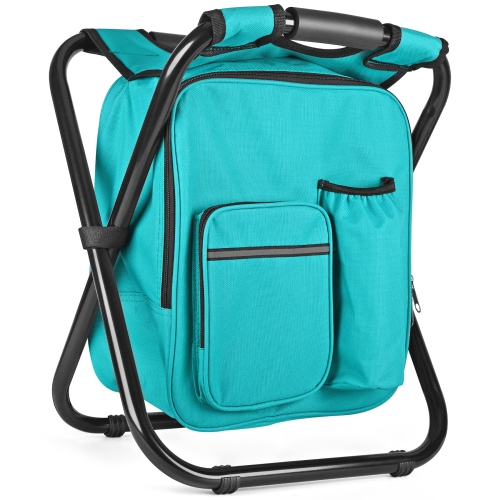
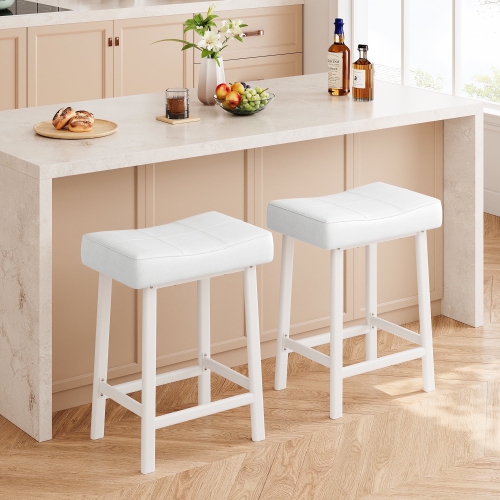
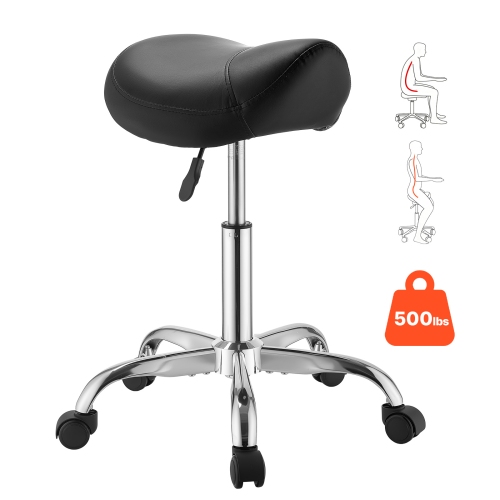
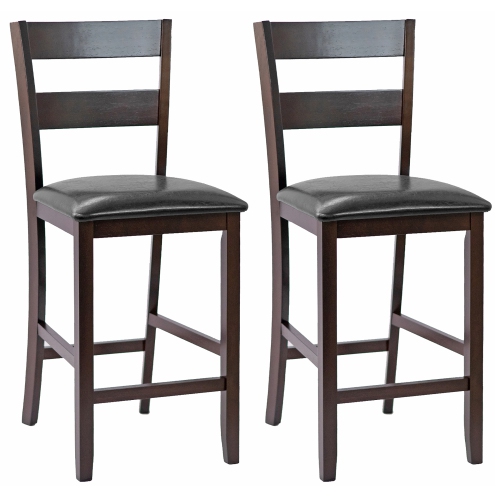
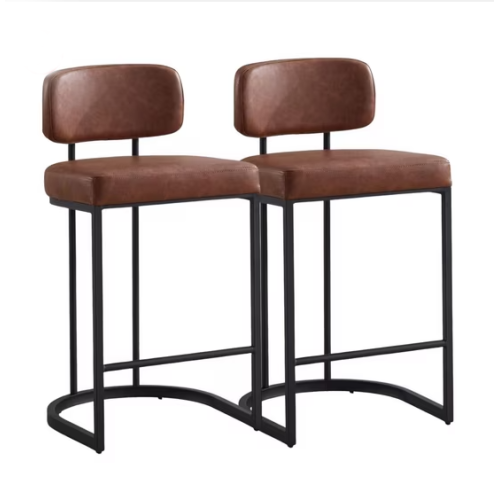
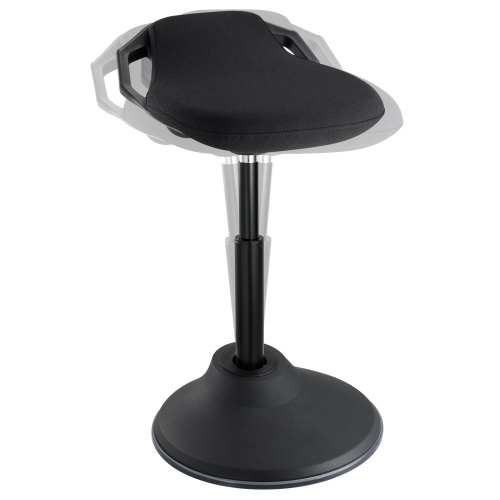
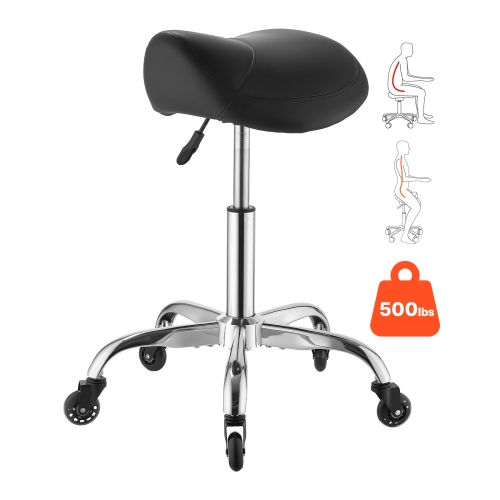
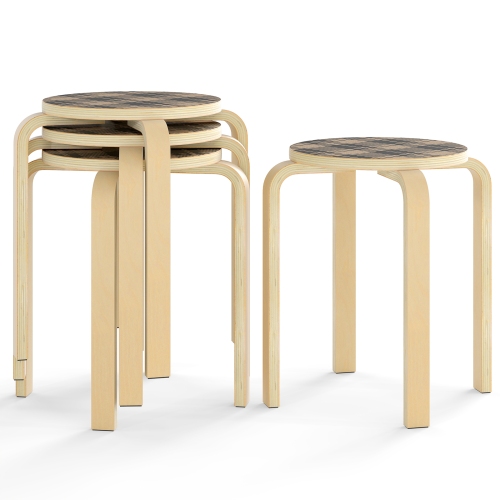
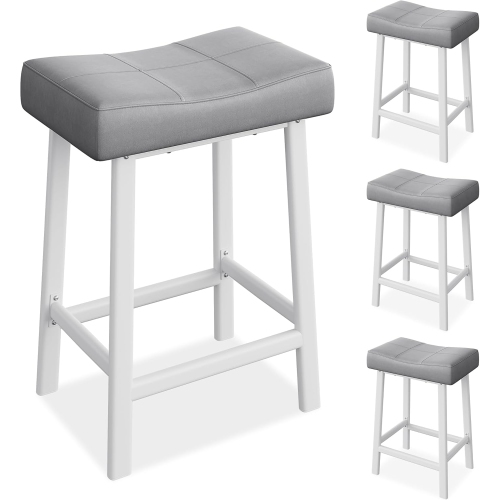
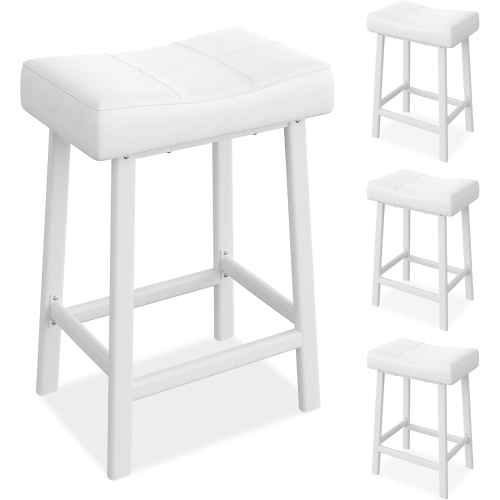
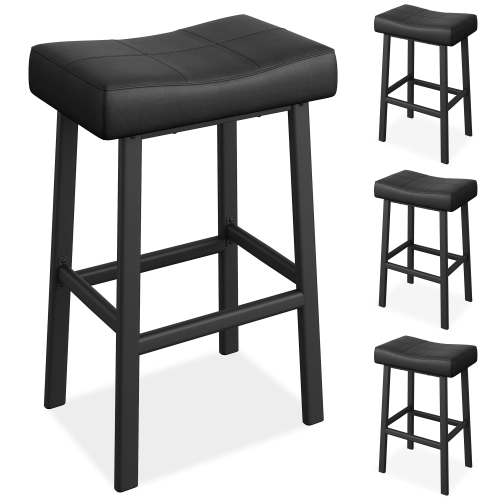
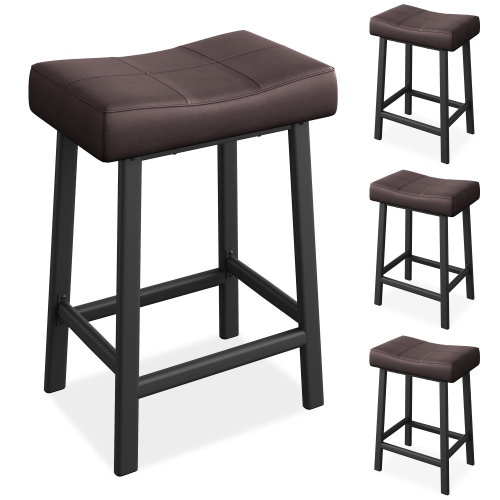
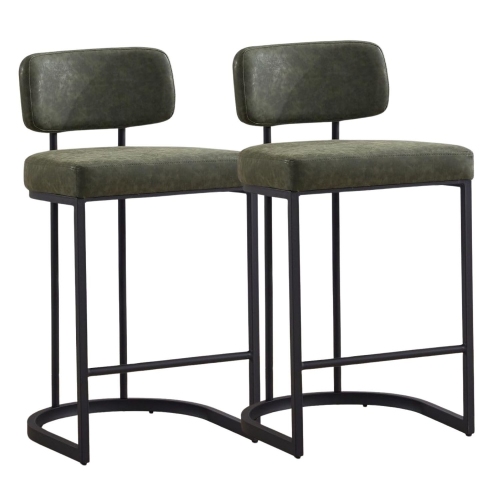
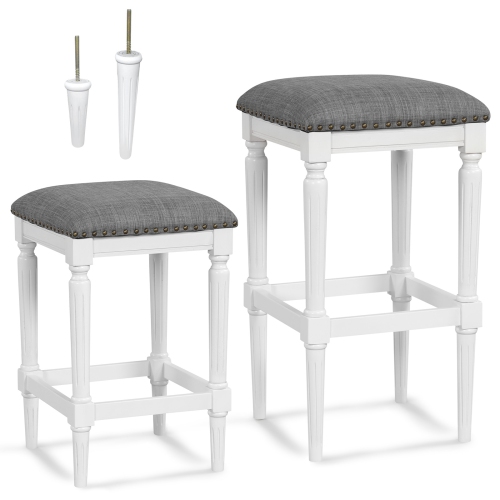
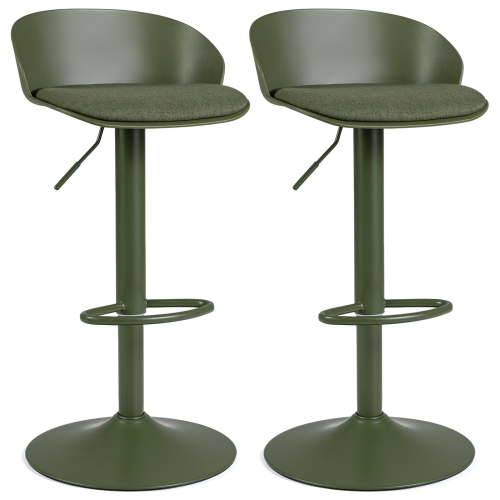
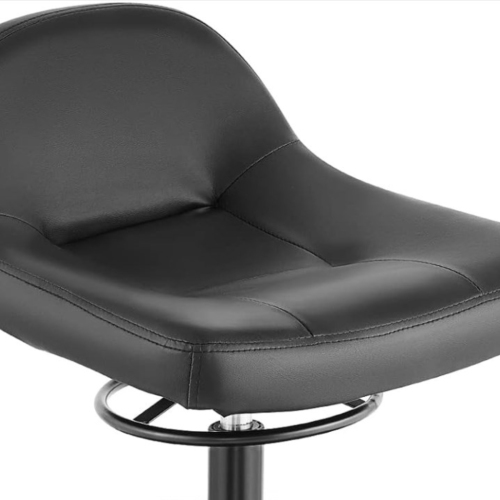
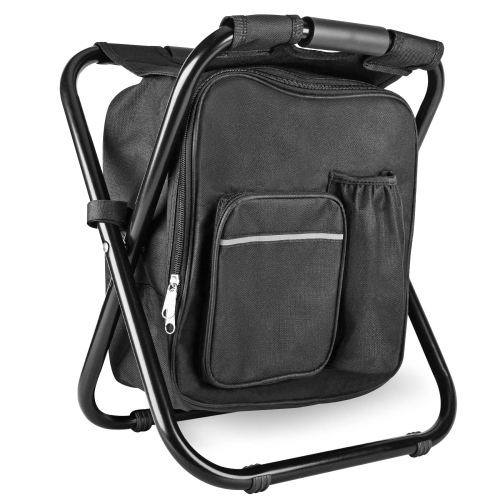
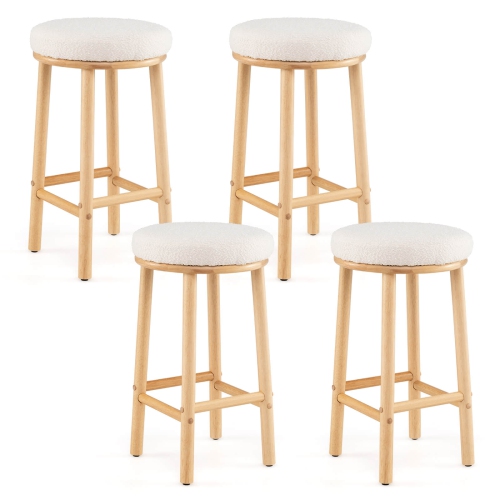
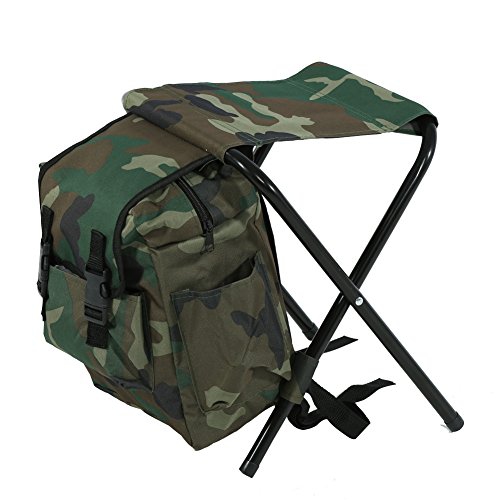
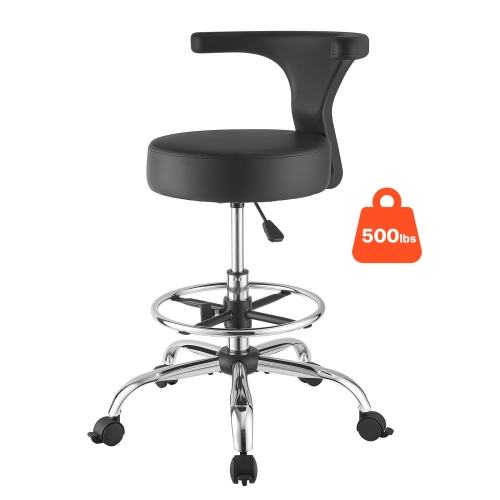
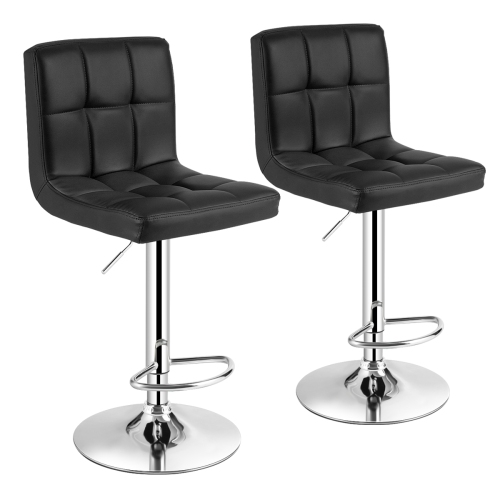
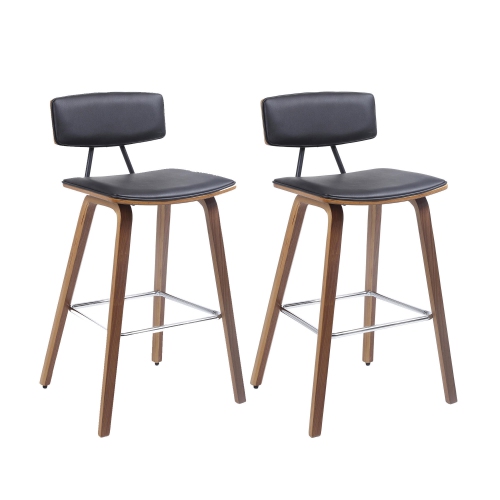
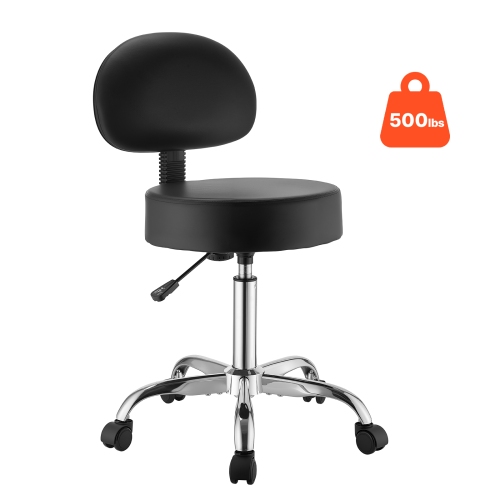
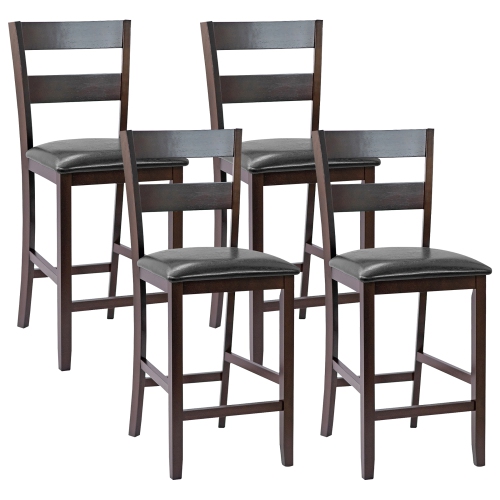
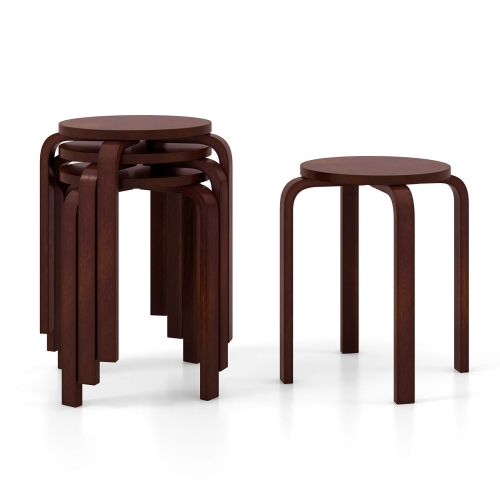
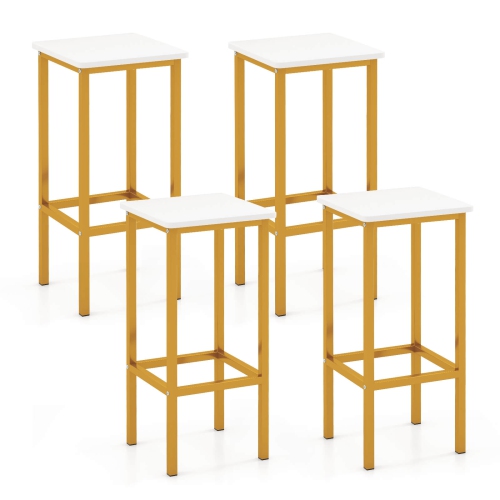
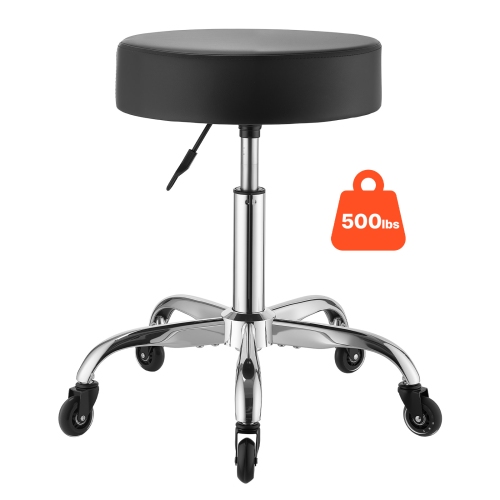
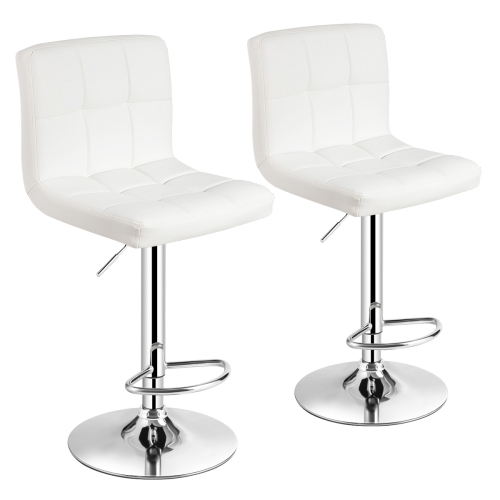
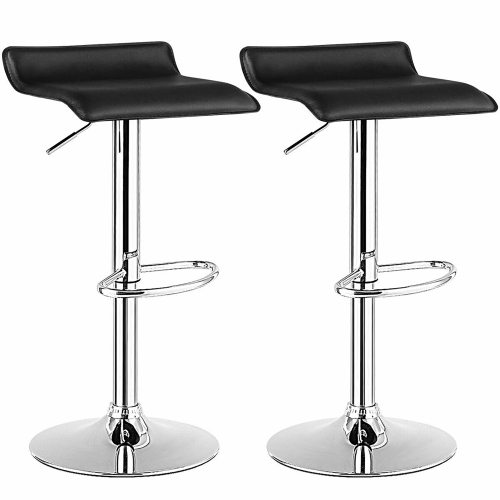
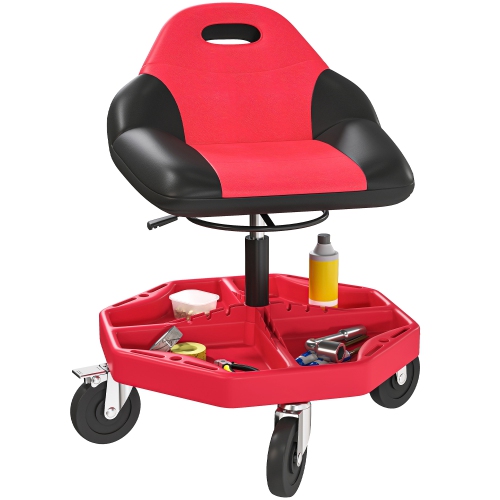
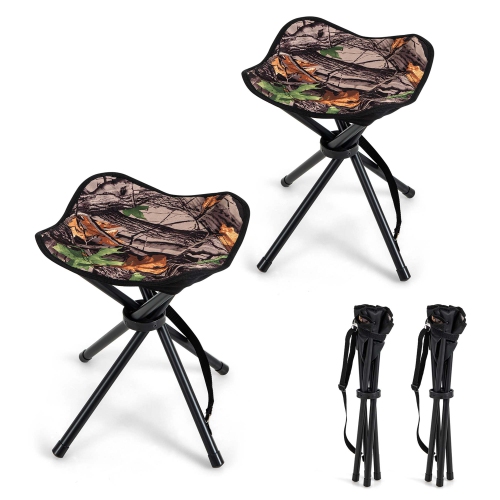
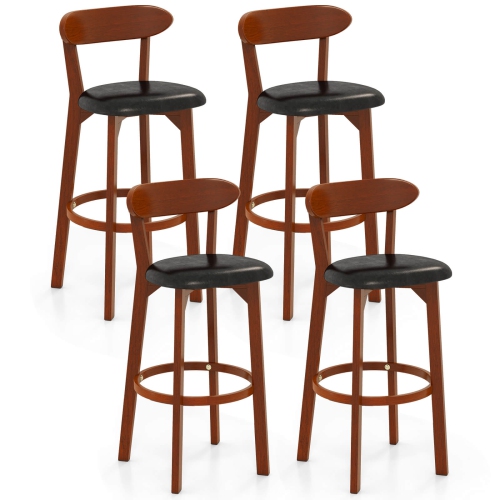
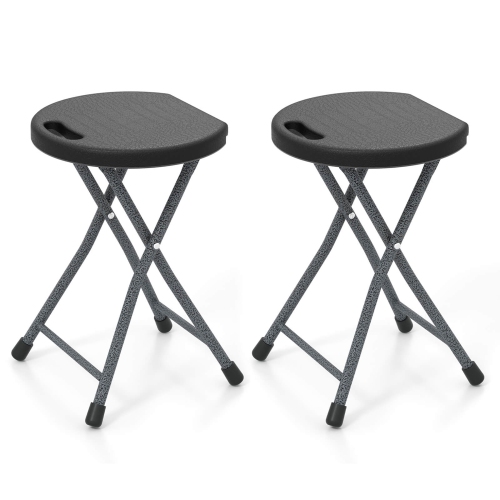
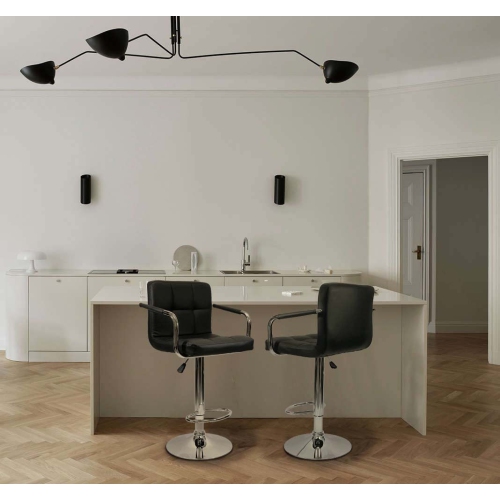
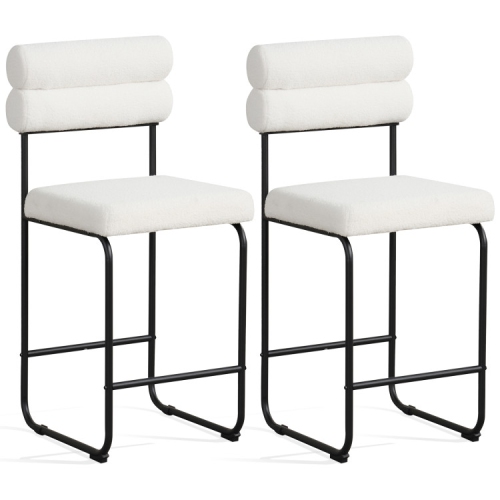
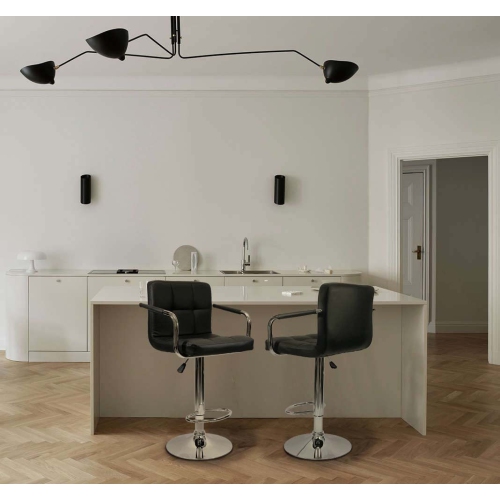
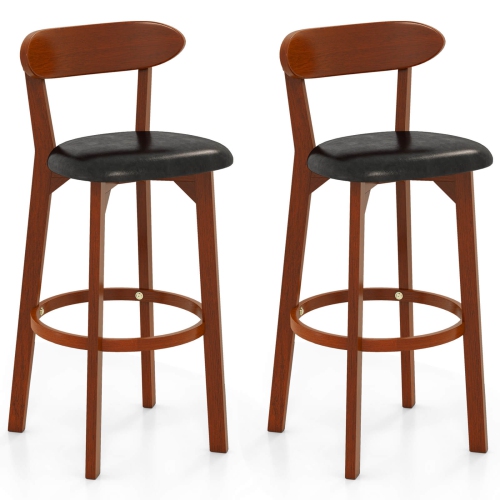
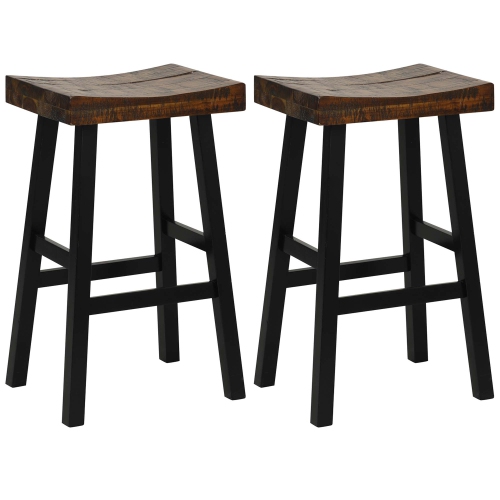
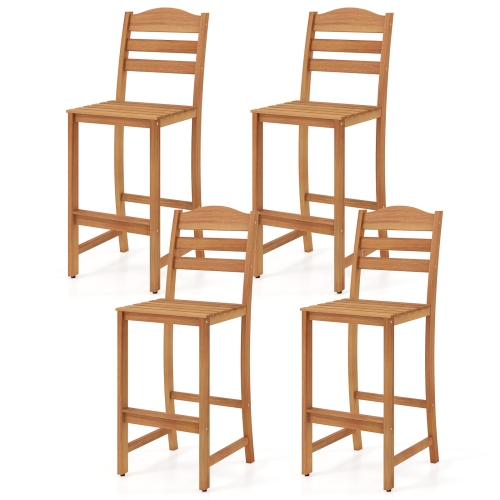
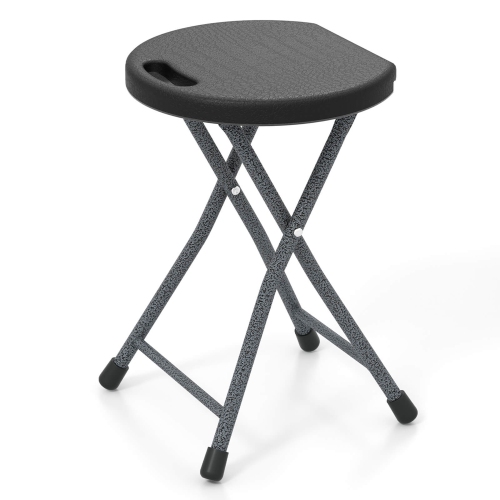
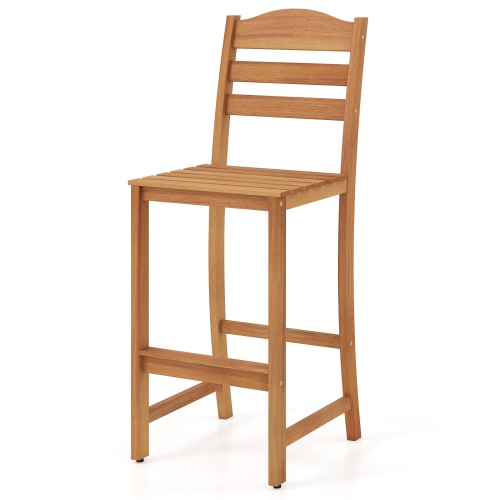
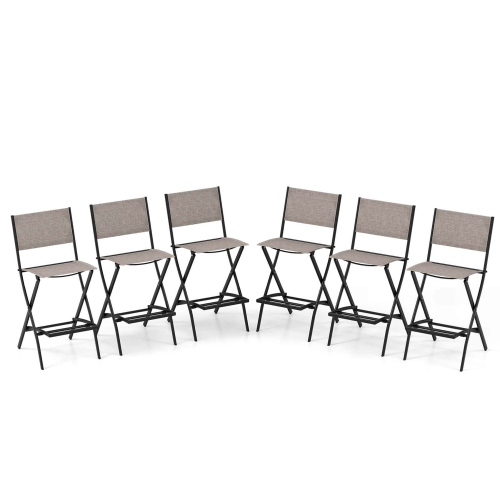
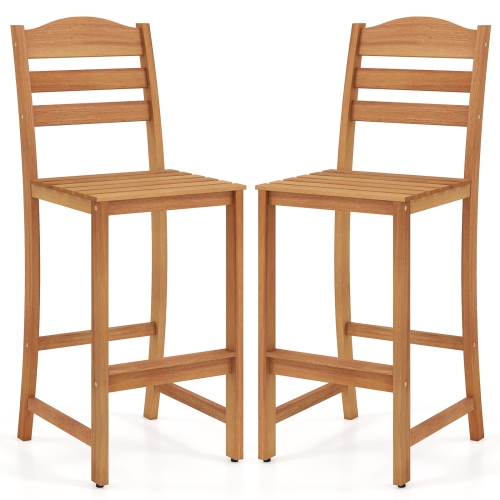

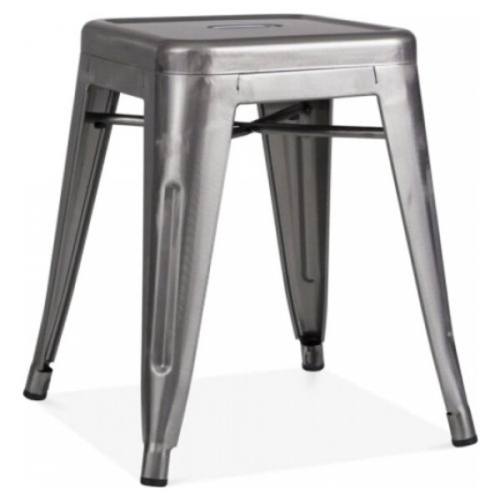
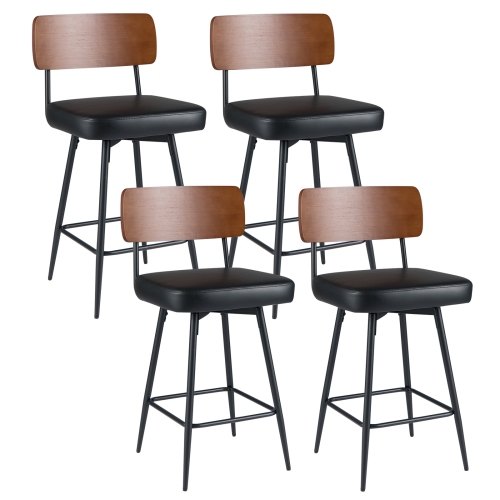
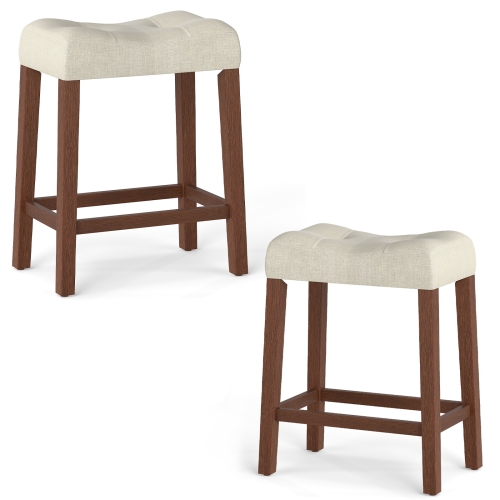
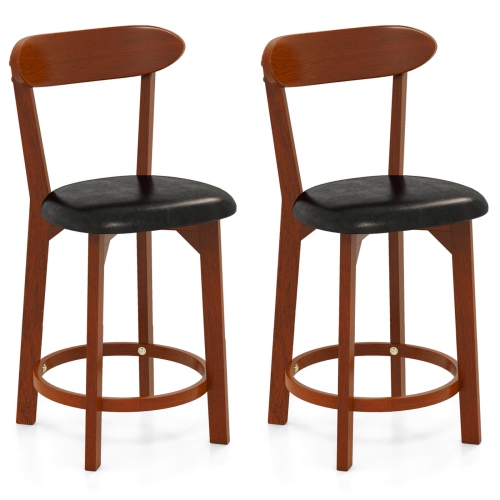
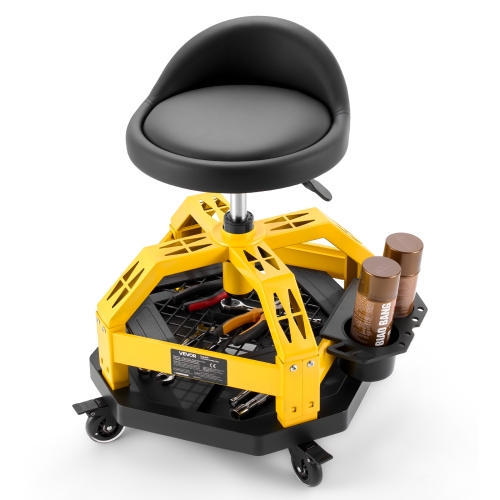
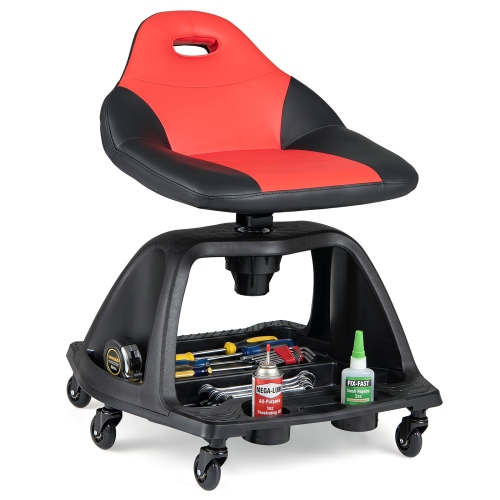
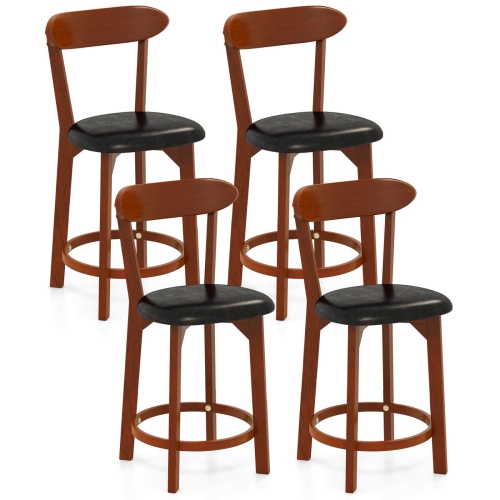
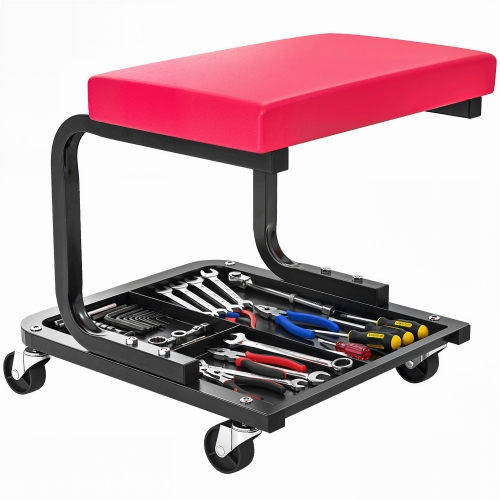
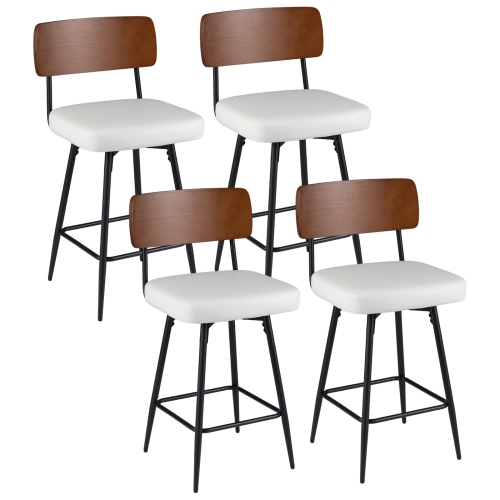
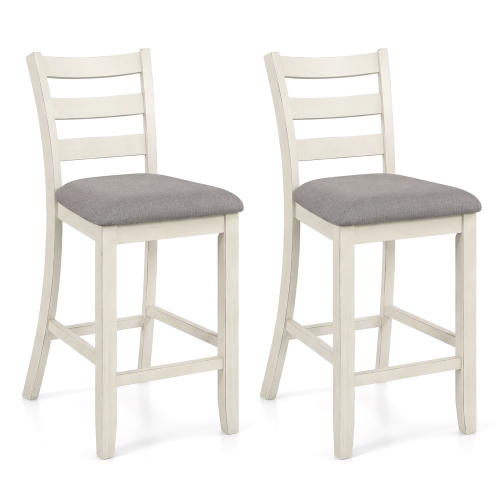
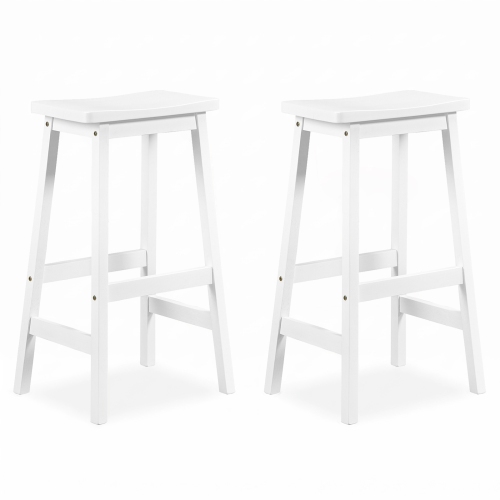
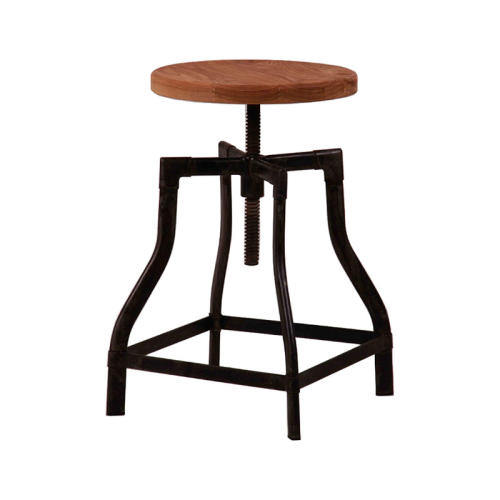
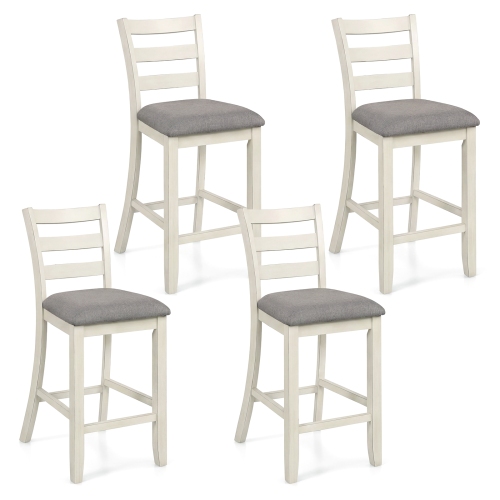
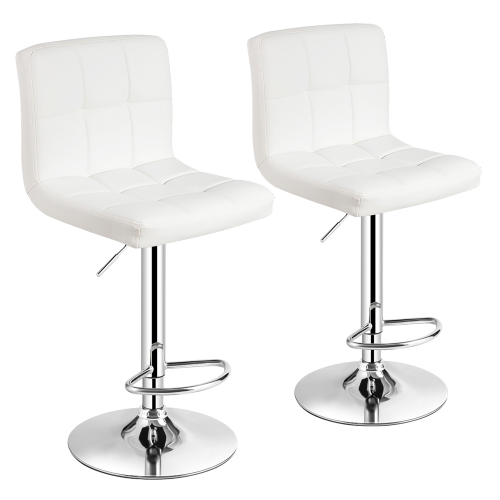
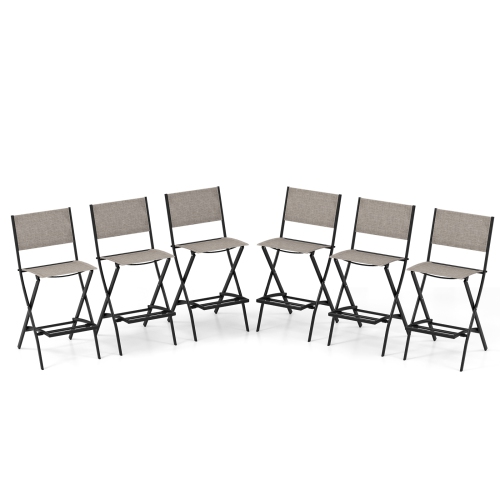
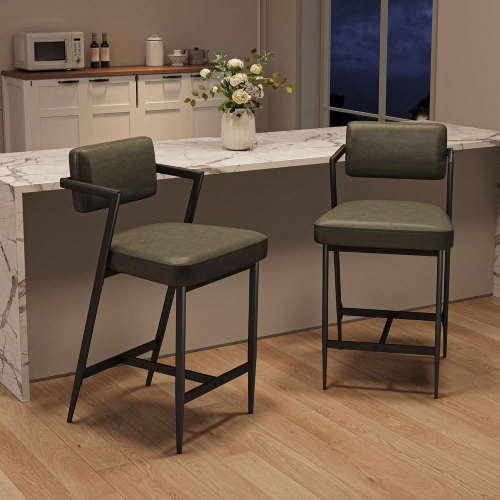
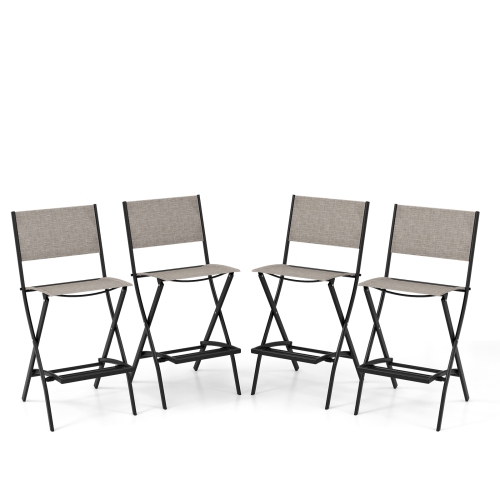
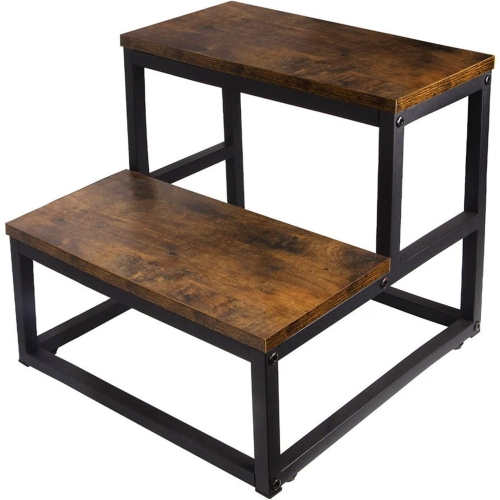
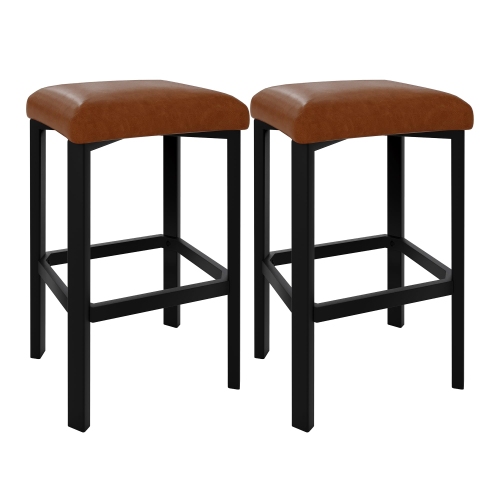
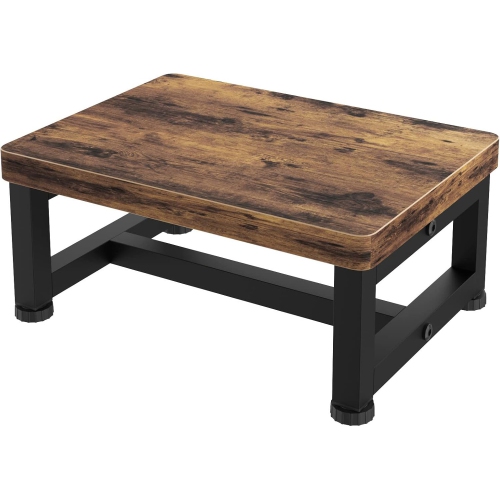
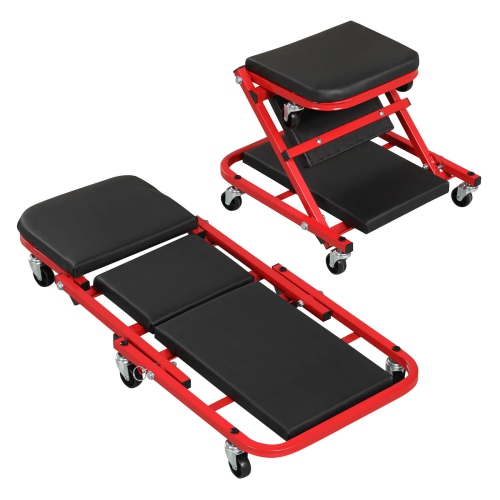

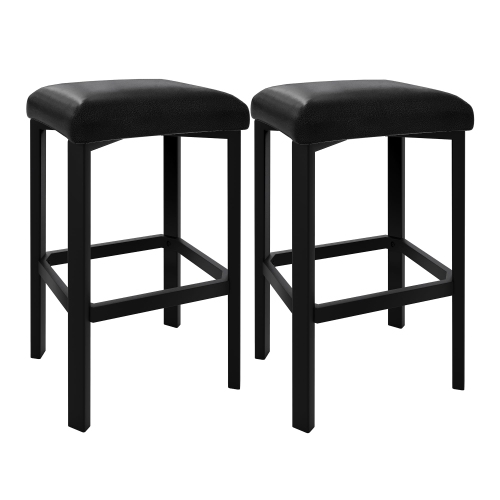
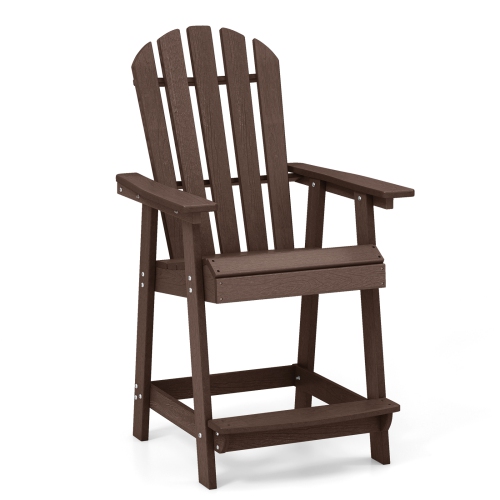


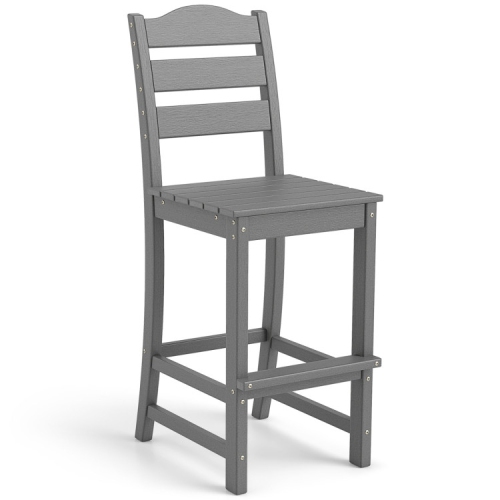
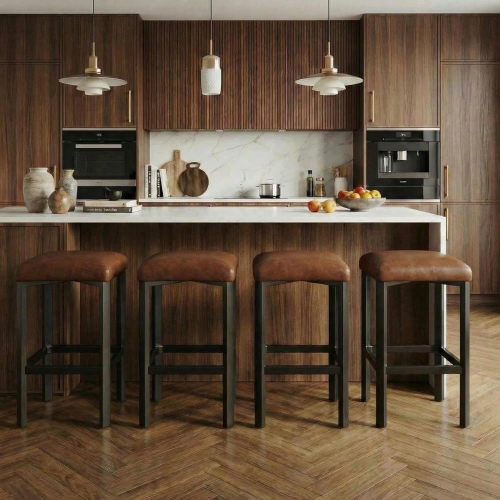
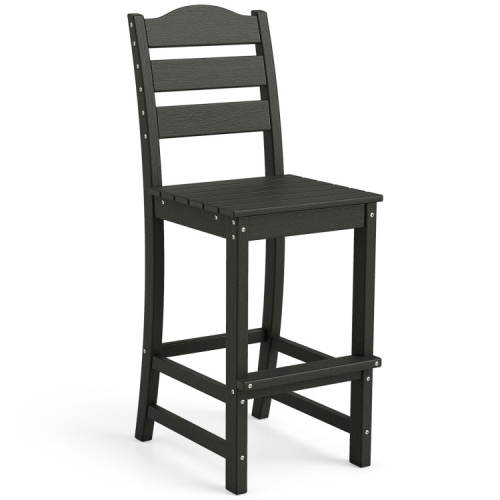
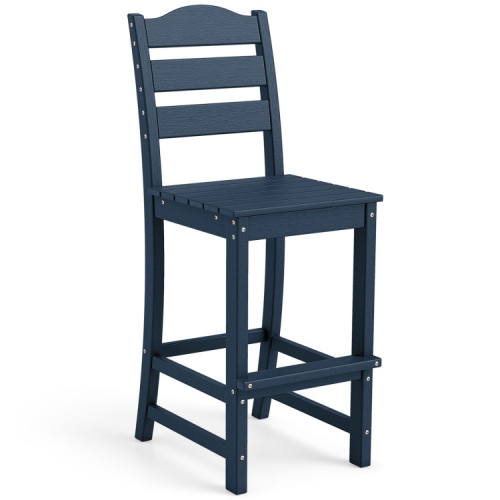

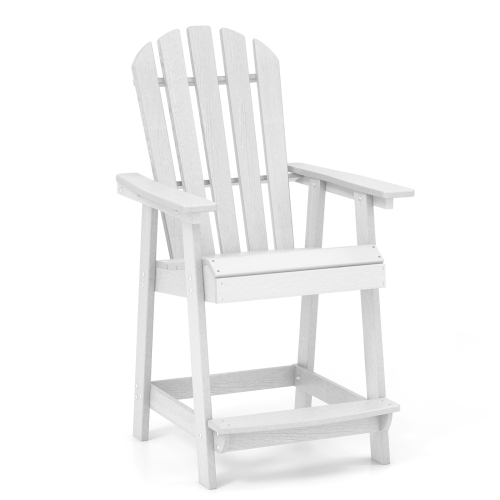

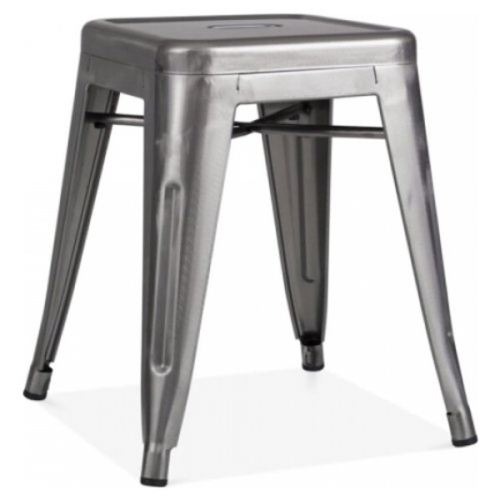
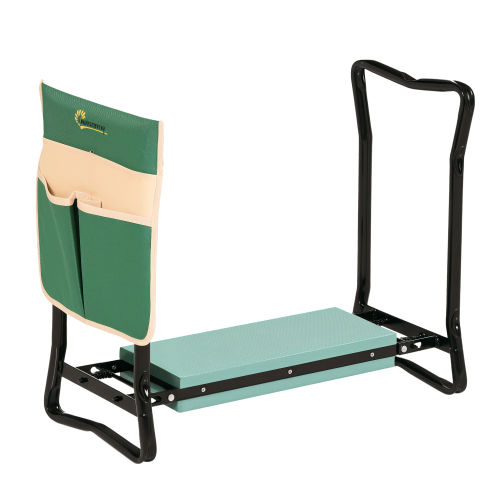
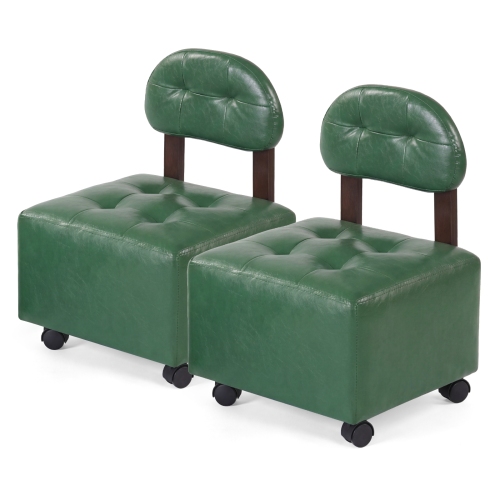
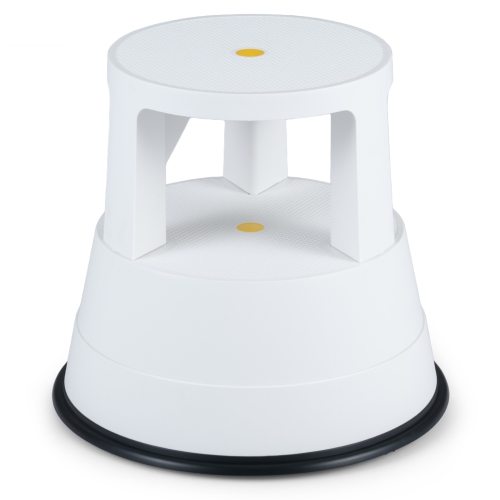
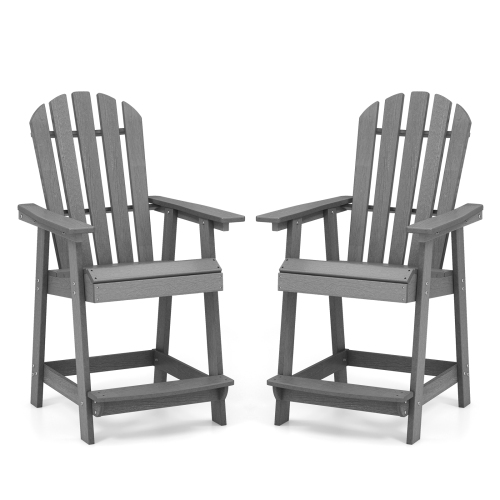
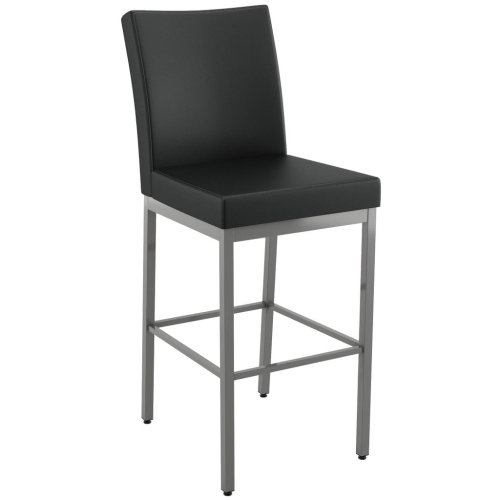
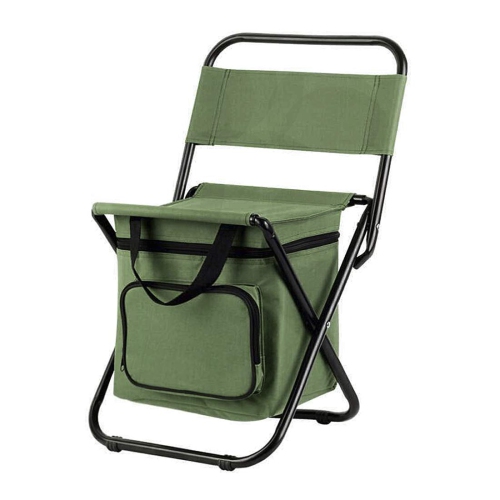
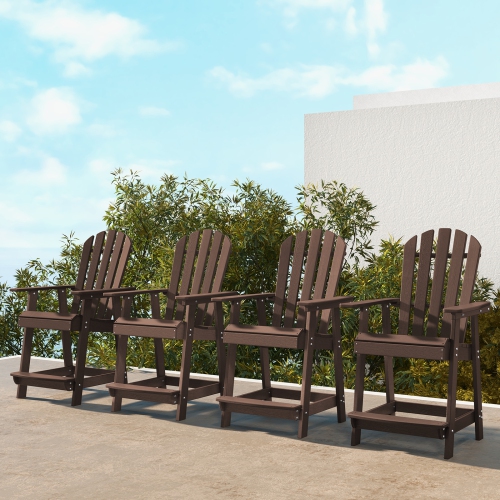
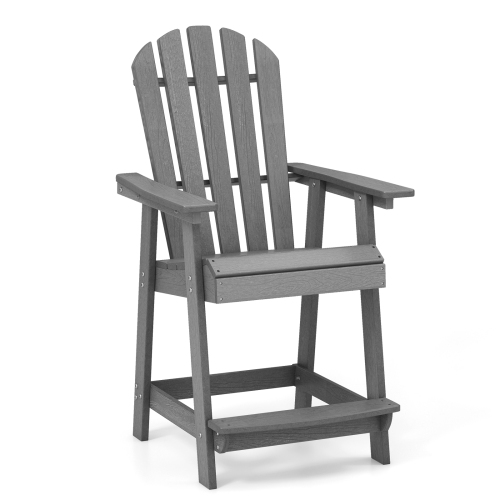
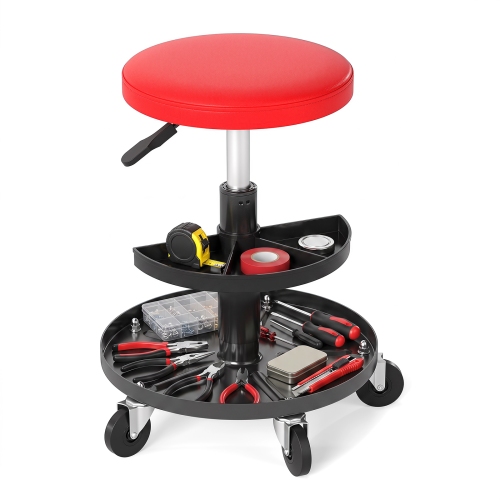
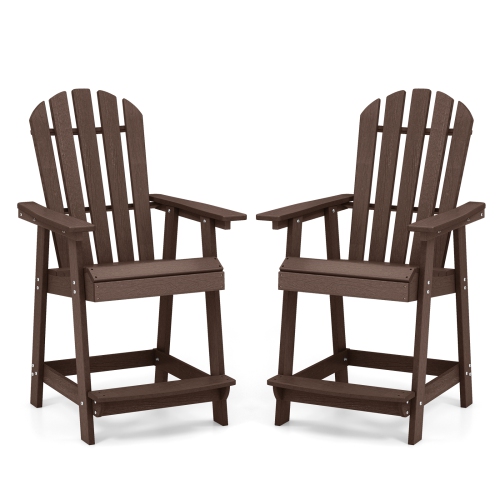
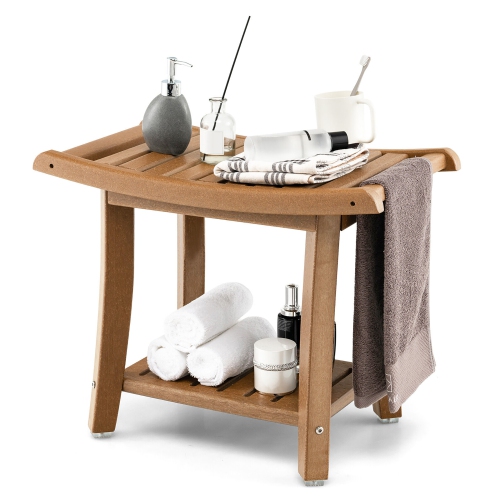

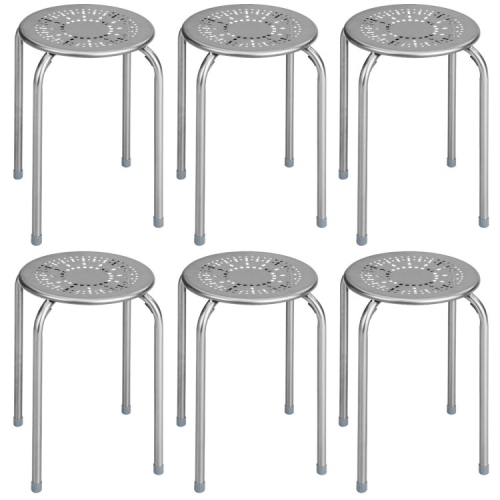
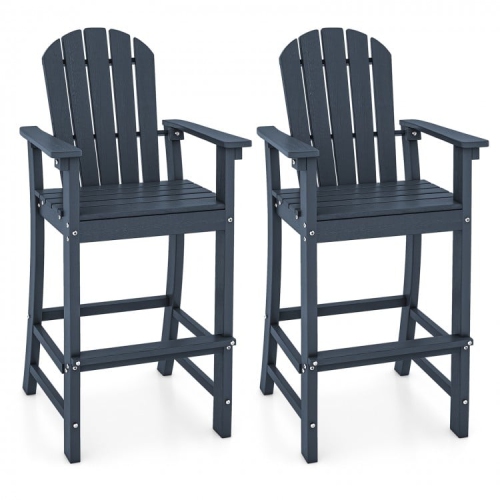
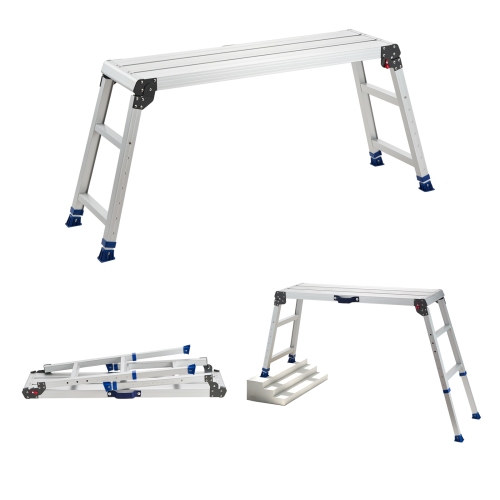
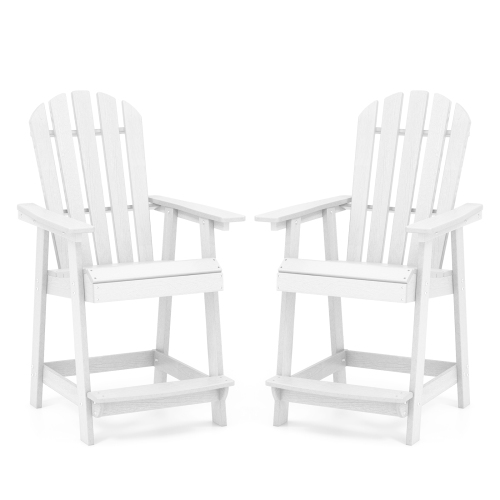
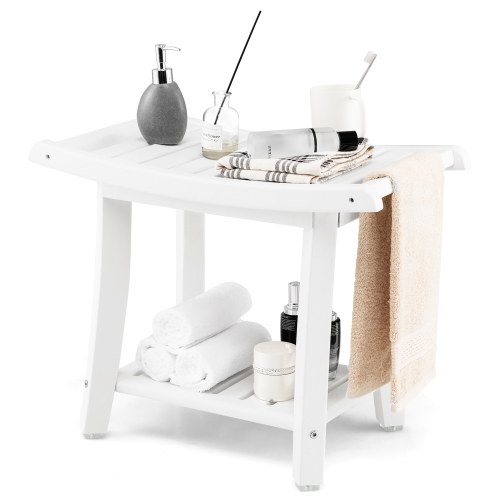
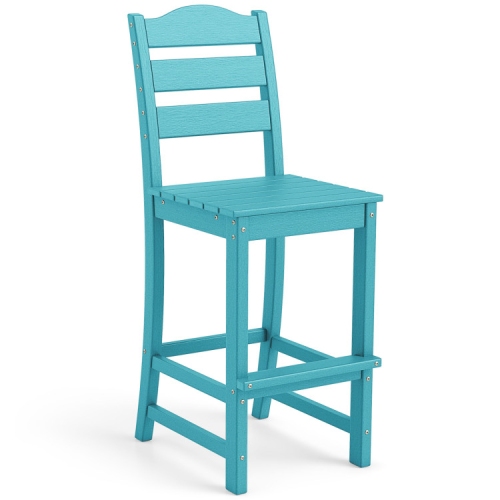
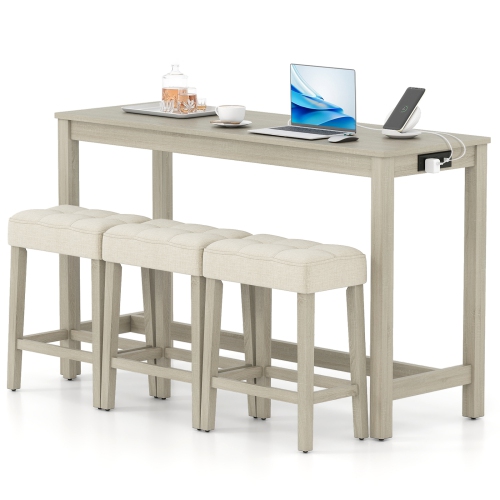
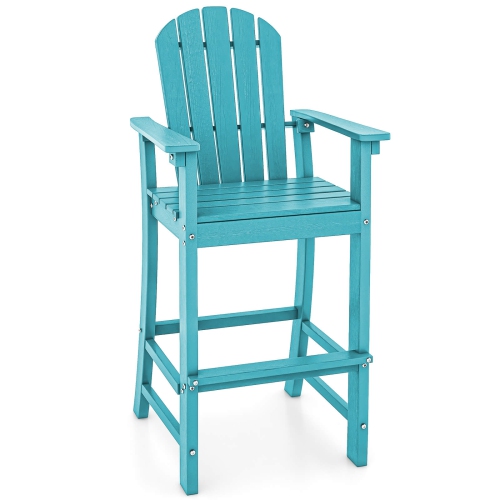
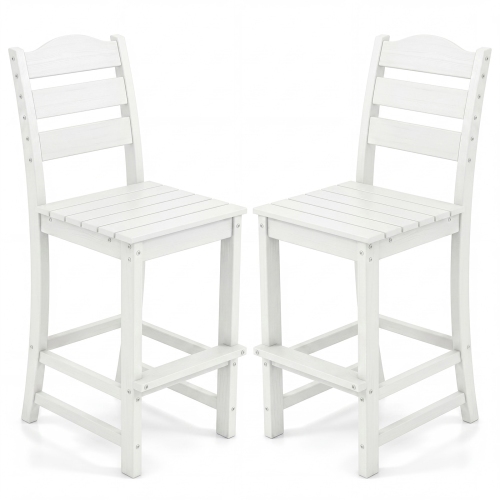
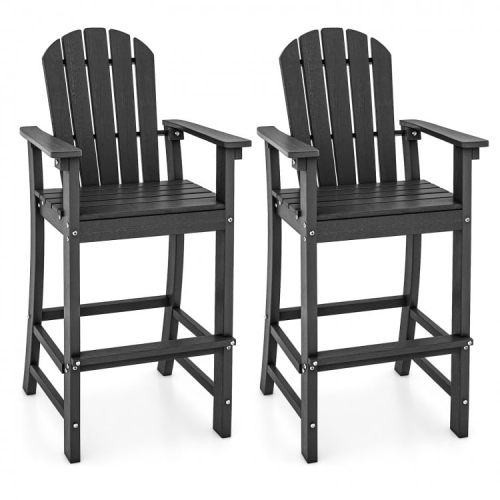
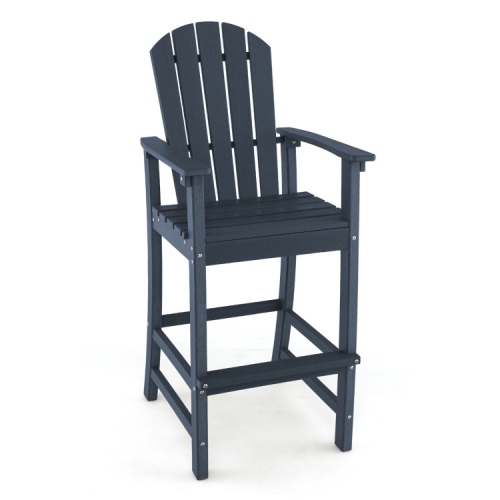
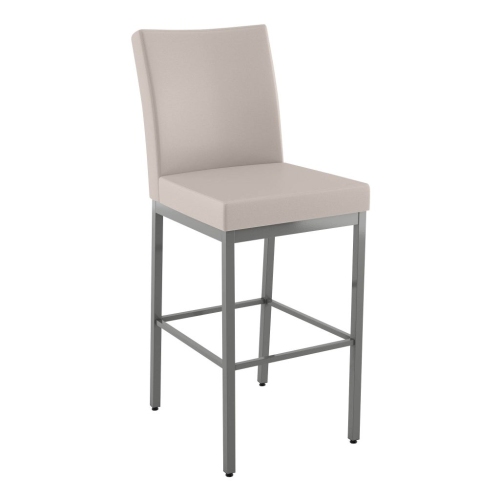
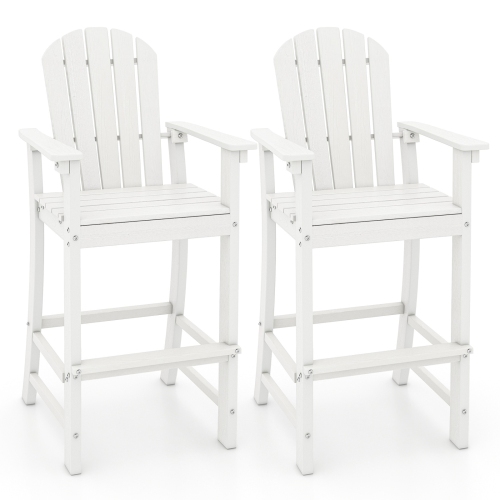

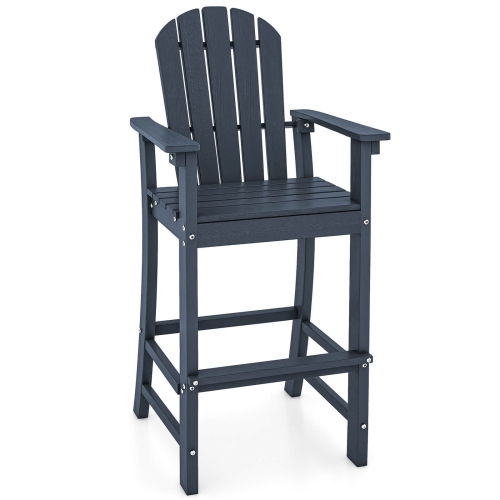
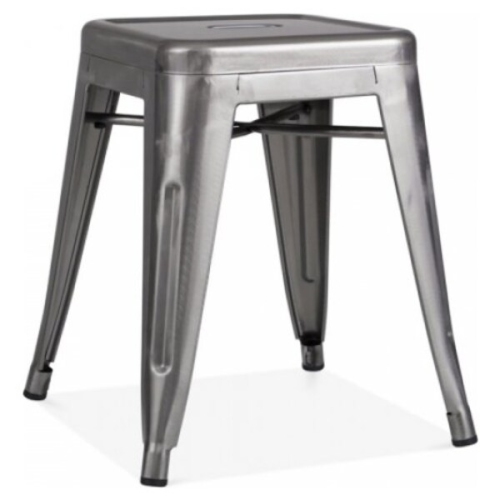
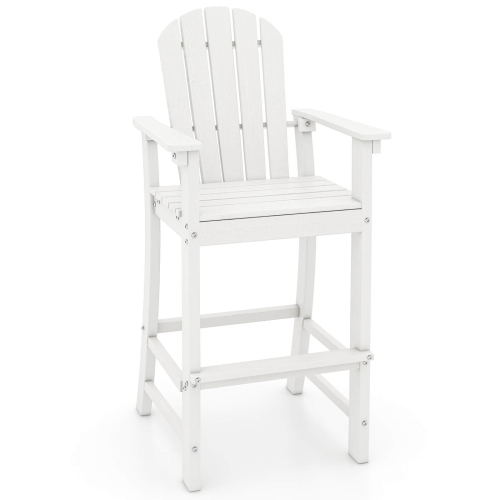
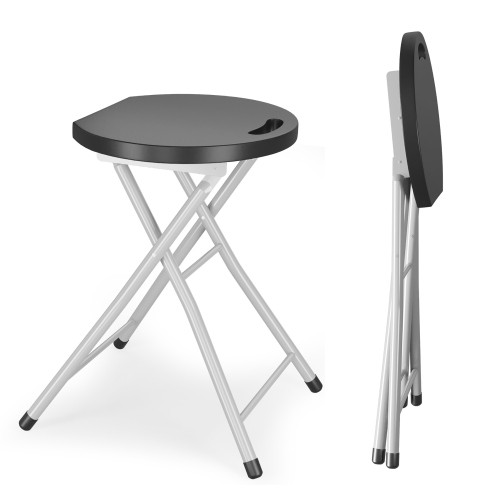
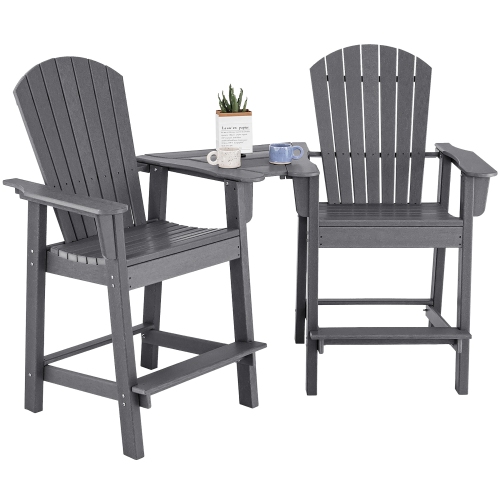
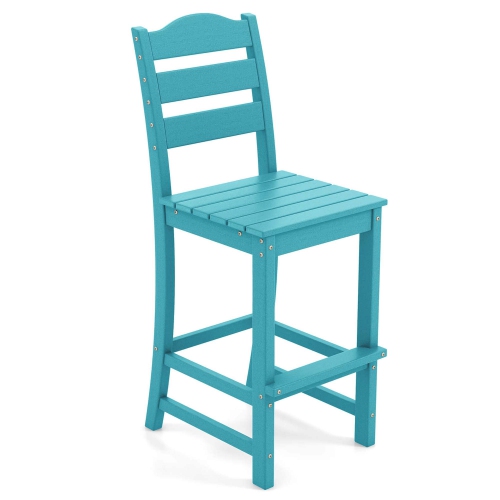
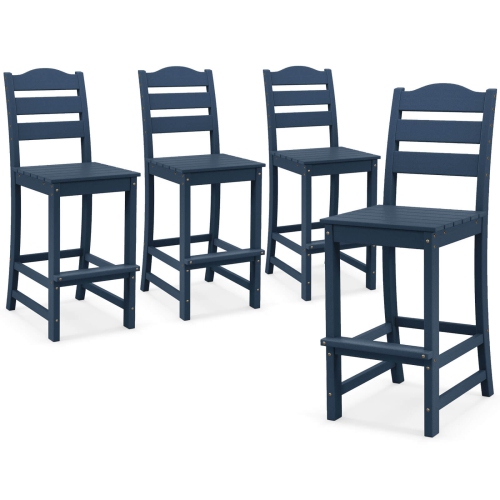
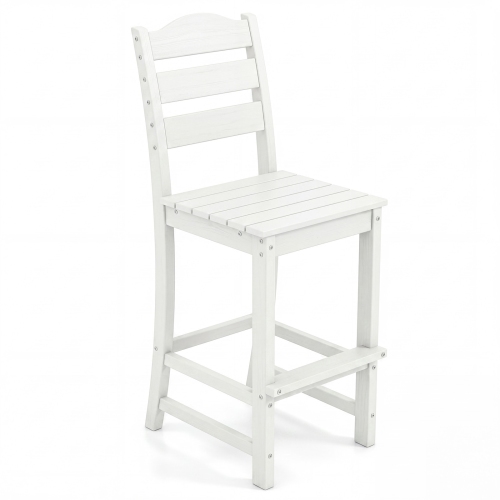
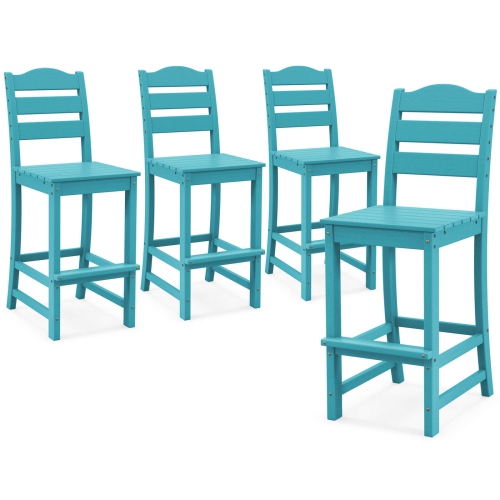
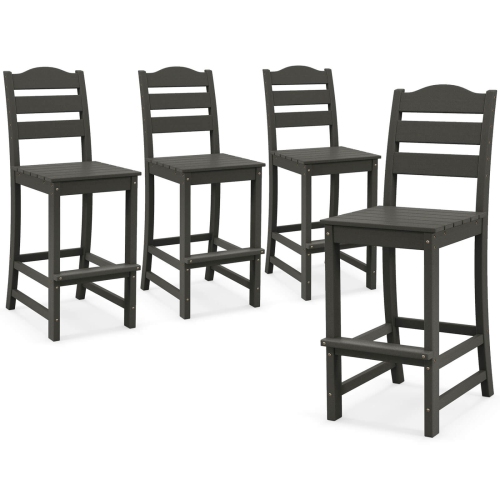
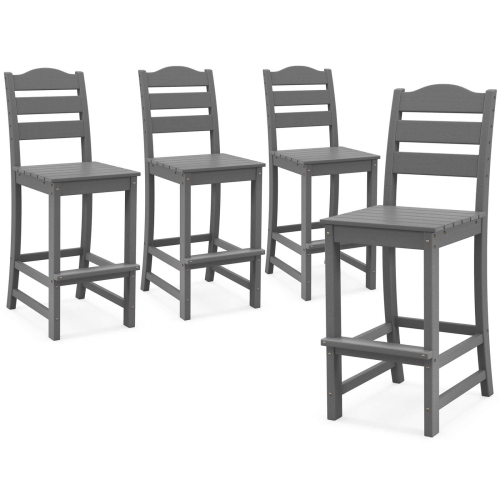
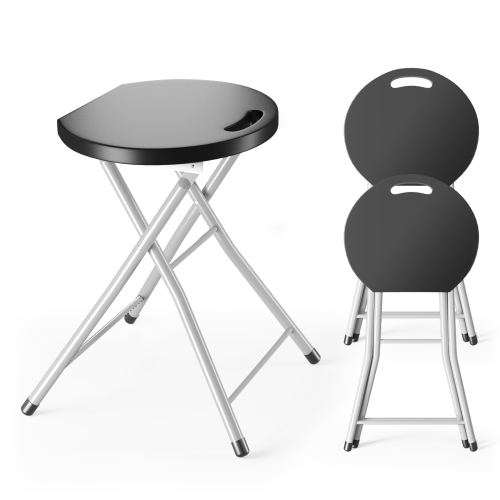
Supportive seating starts with more than a strong frame
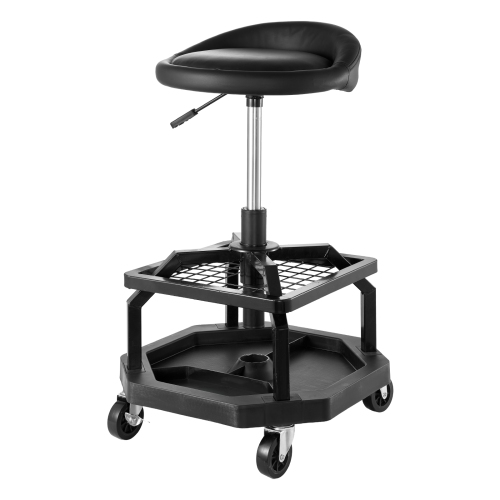
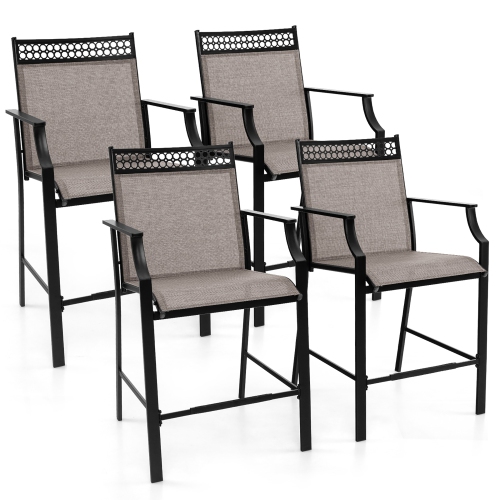
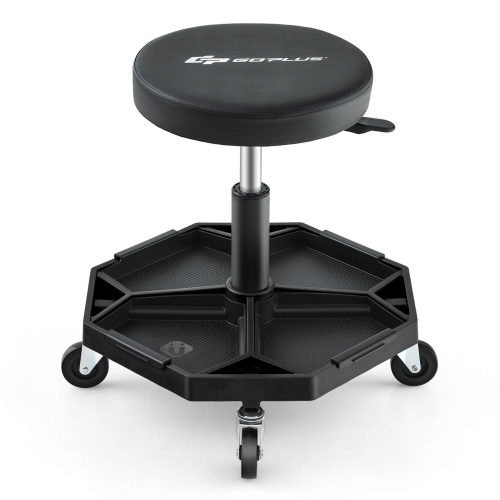
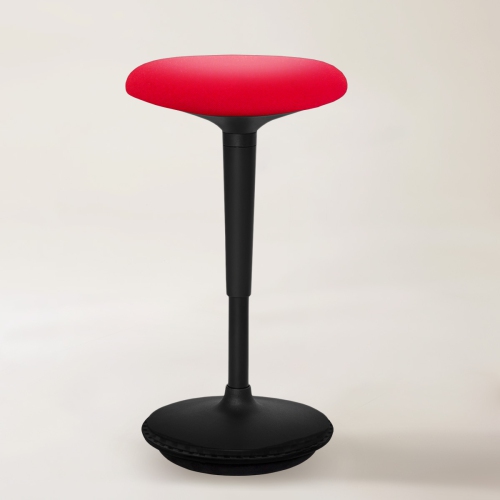
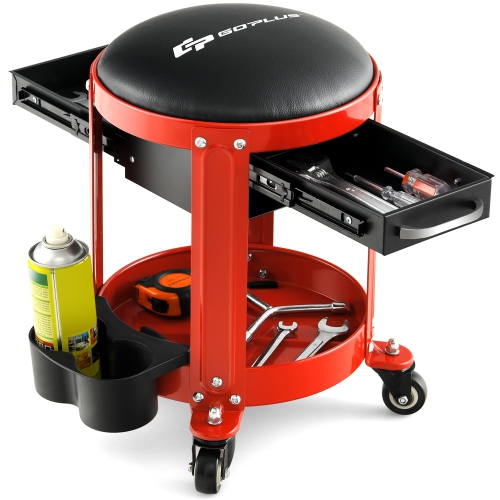
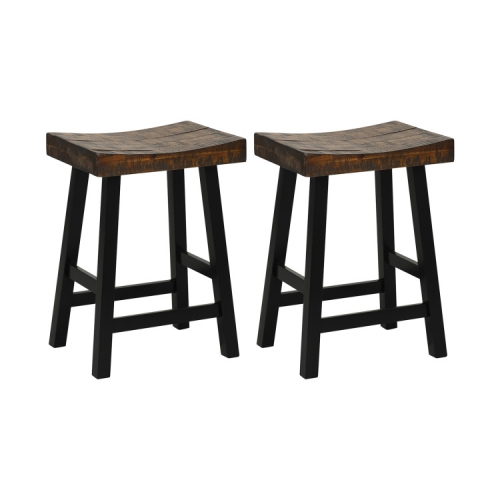
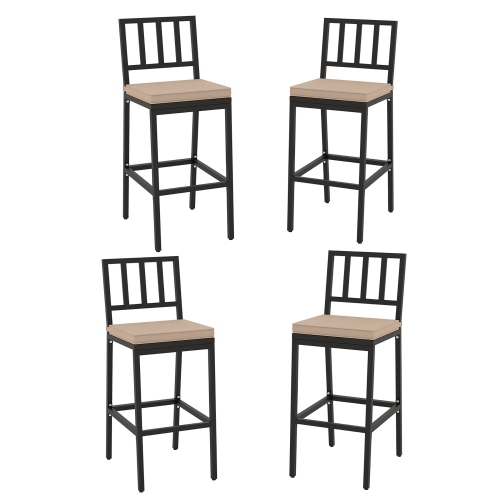
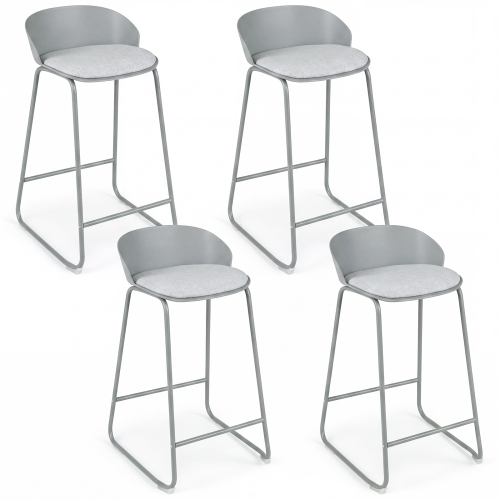
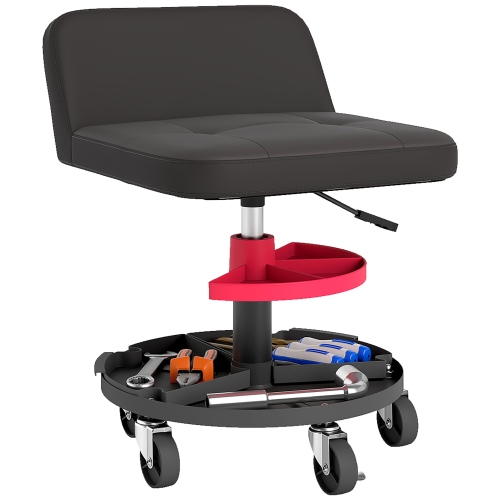
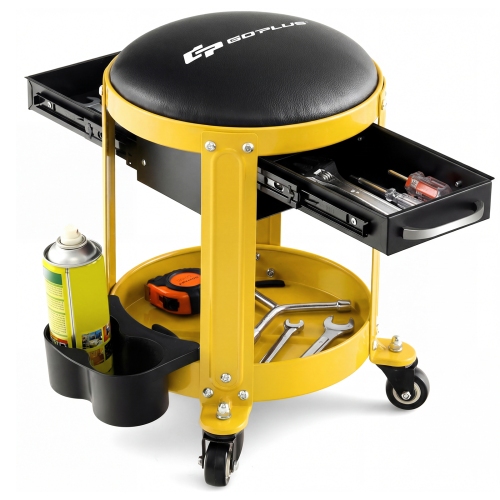
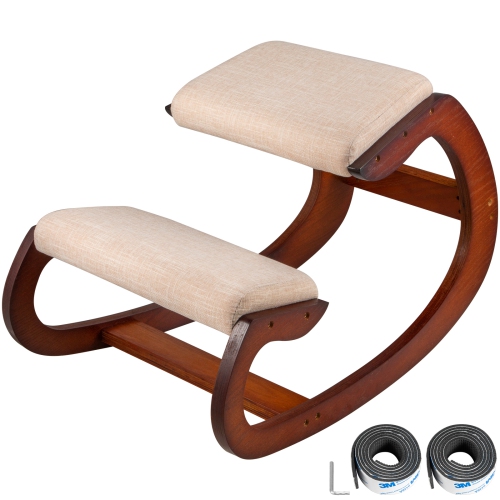
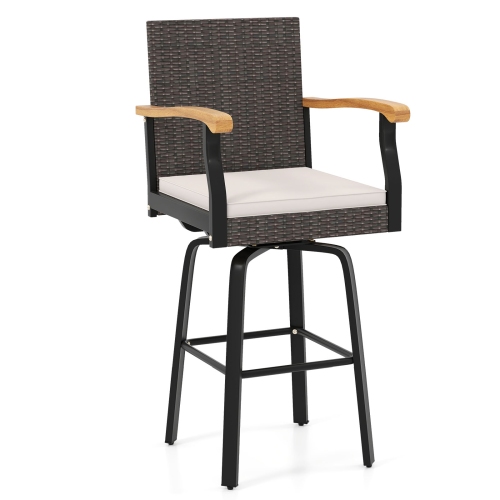
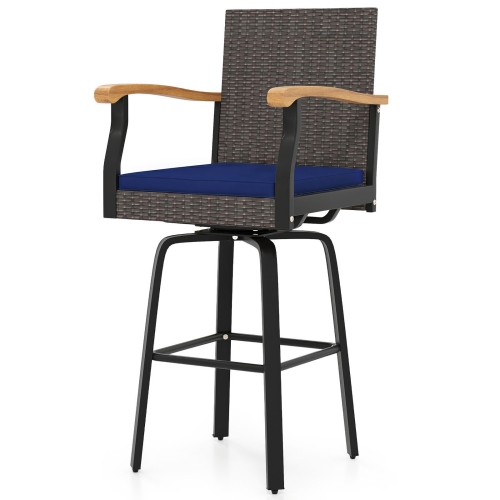
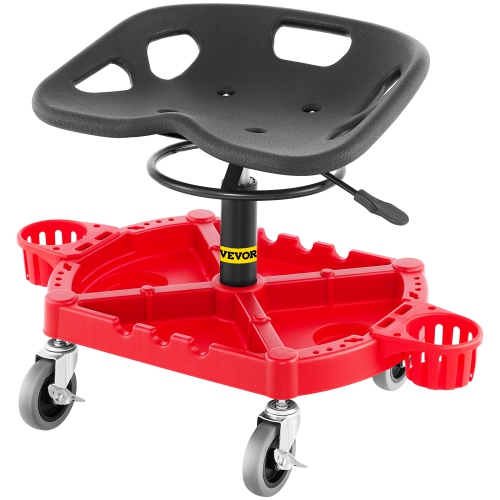
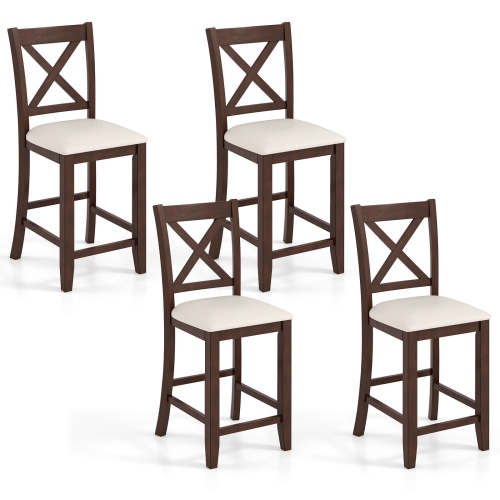
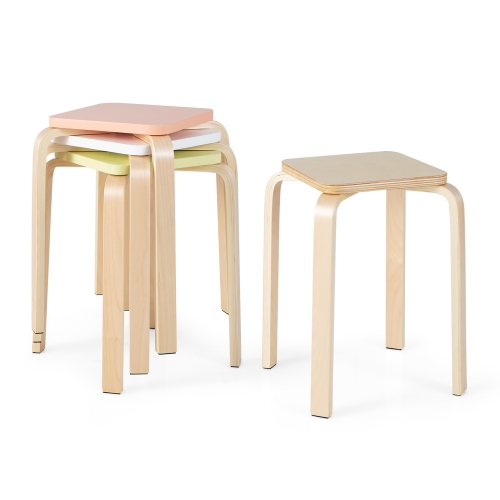
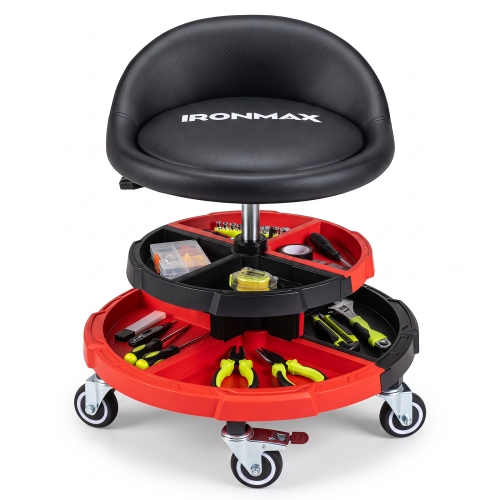
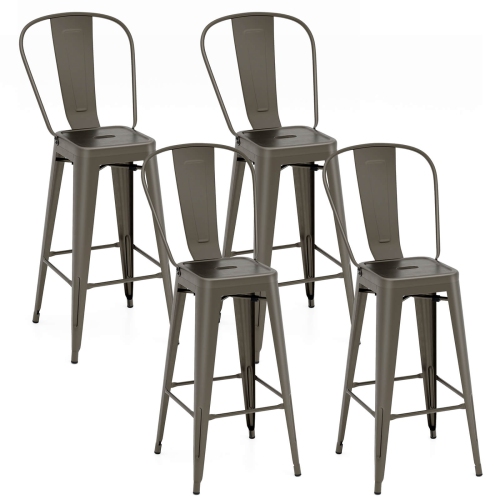
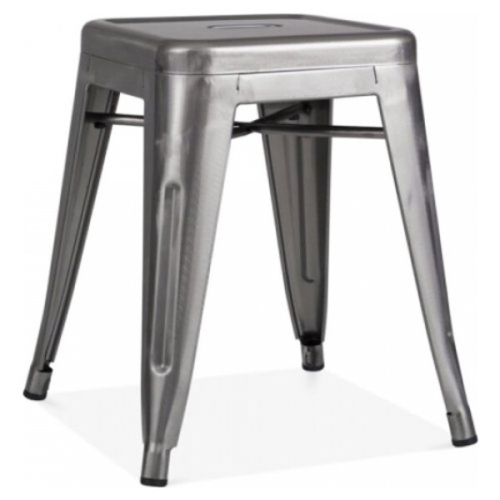
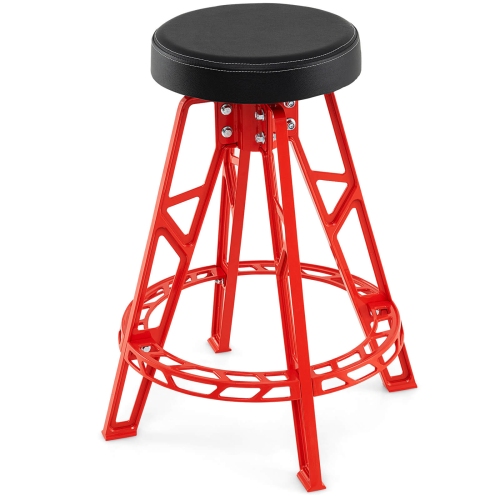
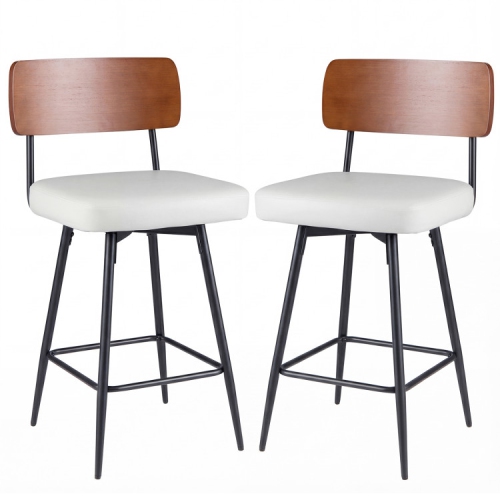
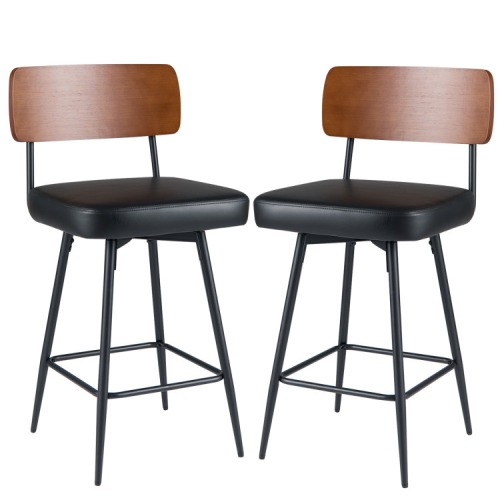
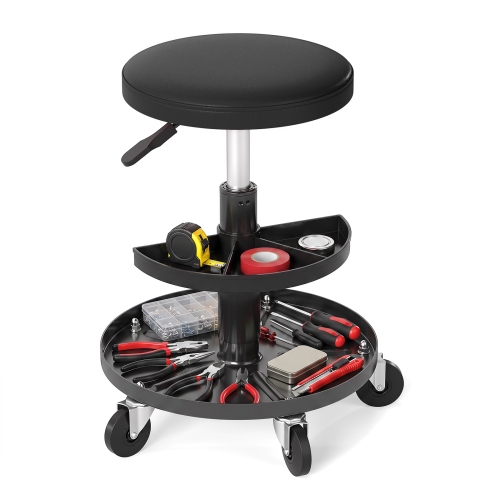
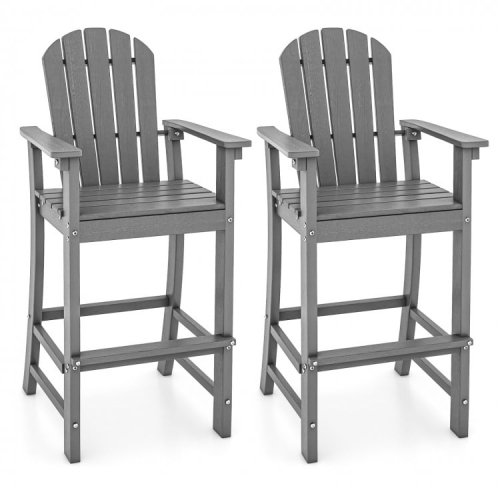
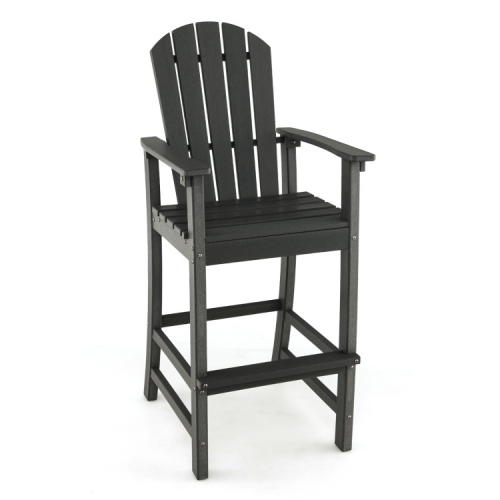
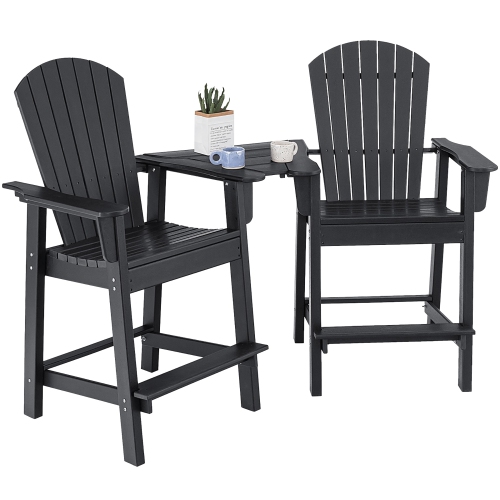
Heavy-duty stools provide supportive seating for workbenches, garages, kitchen counters, home bars, and other spaces where strength and frequent use matter. Their appeal comes from a combination of frame construction, seat support, stable footing, and a weight capacity suited to the person using them. Steel frames are common in workshop seating because they can provide substantial support without the bulk of a fully upholstered chair. Solid wood and reinforced metal frames also suit residential spaces, where a stool needs to feel dependable while fitting comfortably beside cabinetry or a dining counter. The term heavy-duty does not establish a single weight rating: capacities such as 300 lb or 400 lb are examples of stated limits, not a guarantee that every stool supports those loads. The manufacturer’s rating applies to the complete stool, including its seat, joints, base, and any height-adjustment mechanism. For larger or taller users, seat width and depth deserve as much attention as the weight limit; a strong frame alone does not ensure a comfortable fit. Cross-bracing, securely fastened joints, and a well-proportioned base help a stool resist movement during ordinary seated use. A foot ring or crossbar can provide somewhere to rest the feet, but it should not be treated as a climbing step unless the design expressly permits that use. Heavy-duty seating stools are different from step stools and are not intended as substitutes for equipment used to reach overhead shelves. Surface materials shape their everyday usefulness, too. Powder-coated metal can offer a hard-wearing finish, while vinyl and polyurethane upholstery provide smooth surfaces that are generally straightforward to wipe clean according to the care instructions. Fabric upholstery offers a different feel for longer seated periods, though textured coverings may need more attention around dust, crumbs, or workshop debris. These details matter in familiar situations, from sitting at a bench while sorting hardware to sharing breakfast at a busy kitchen island.
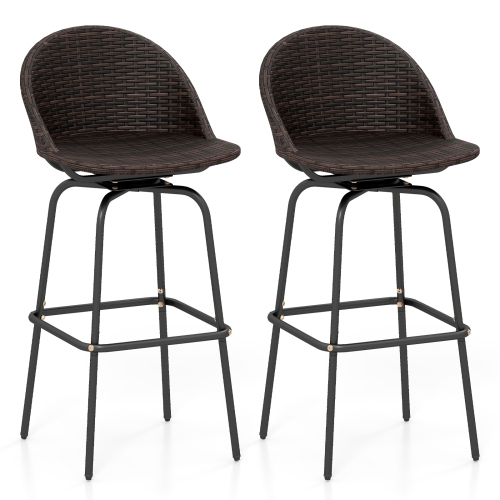
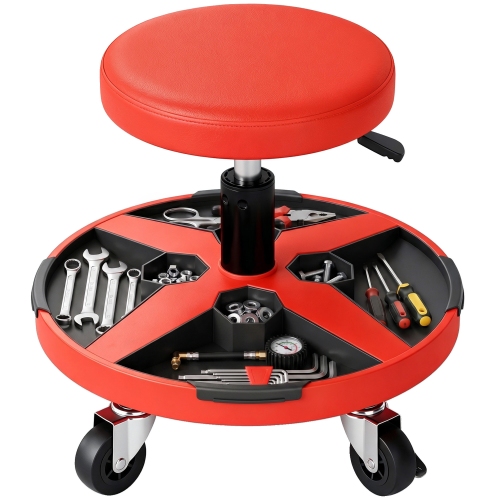
The fit between a heavy-duty stool and the surrounding furniture has a direct effect on comfort. Seat height is measured from the floor to the top of the seat, rather than to the top of a backrest. Counter-height seats are often around 24 to 26 inches high for a surface approximately 36 inches high, while bar-height seating is taller and intended for higher counters. Around 10 to 12 inches between the seat and the underside of the surface is a useful starting point for legroom, although thick worktops, drawers, and support rails can reduce the usable space. At a workbench, the task also affects the fit: assembling small parts calls for a different seated position than working at a raised drafting surface. Adjustable-height stools can accommodate different users or tasks, provided their adjustment range matches the furniture and their rated capacity suits the user. A padded seat can soften contact during a lengthy project, while a backrest offers support between periods of leaning forward. Some people prefer a backless stool that tucks beneath a counter; others appreciate a broader seat and a supportive back for extended use. Armrests may add comfort, but their height and width can prevent a stool from sliding fully beneath a desk or island. A swivel seat allows the user to turn towards tools, drawers, or another person without dragging the entire stool across the floor. Fixed feet offer a stationary seating position, and adjustable levelling feet can help the base sit evenly on a slightly uneven surface. Rolling stools serve a different purpose, allowing movement between nearby work areas. Their casters need to suit the flooring, and brakes or locking features, where provided, should be understood before use. A broad base needs enough clearance to avoid neighbouring seats and cabinet doors. Even a generously sized stool feels awkward when its legs crowd a walkway or its foot ring leaves too little room for another person to pass.
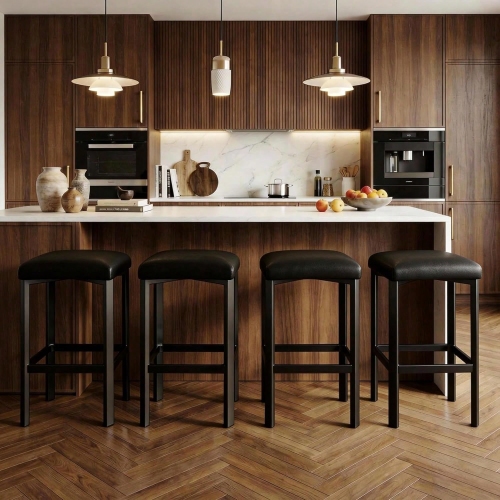
Appearance and upkeep help determine how heavy-duty stools fit into daily life beyond their strength. In a kitchen or dining area, a substantial frame can sit comfortably alongside warm wood, painted cabinetry, or metal accents without making the room feel like a workshop. For kitchen islands and home bars, Sturdy Barstools suit gathering spaces where supportive seating and a finished appearance both matter. Upholstered seats can introduce colour and texture, while exposed metal or wood keeps the construction visually prominent. In a garage or hobby room, practical details often take priority: a smooth seat is easier to clear of dust, and a lower shelf, when included and rated for storage, can keep small supplies nearby without occupying the worktop. Commercial or shared workspaces may have additional requirements for load ratings, cleaning, and performance testing, so a residential stool should not automatically be assumed suitable for those settings. Care depends on the materials rather than the heavy-duty label alone. A soft cloth and a cleaner approved for the surface help protect finishes; abrasive pads, harsh solvents, and excessive moisture can damage upholstery, coatings, or wood. Spills are best removed promptly, particularly around seams and joints where liquid can collect. Fabric benefits from regular vacuuming with an appropriate attachment, while leather and leather-look coverings may require different cleaning products despite their similar appearance. Occasional checks for loose fasteners, worn foot caps, damaged casters, and changes in the adjustment mechanism help identify wear before it affects normal use. Protective glides suited to the floor can reduce scuffing, and lifting a fixed stool rather than dragging it helps protect both its feet and the flooring. For someone setting up a craft bench, model-building station, or home workshop, supportive seating can also make a thoughtful practical gift when their preferred height, seat size, and workspace are known. The most useful heavy-duty stools bring these details together: strength appropriate to the user, proportions that fit the space, and materials that suit the way the seat will be used.
Top selling and popular products
-
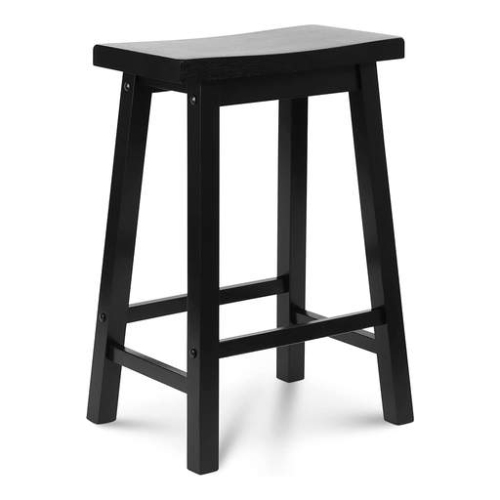 Your price for this item is $93.99
-
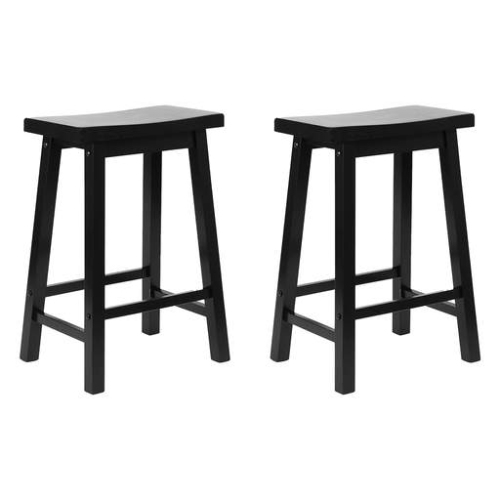 Your price for this item is $179.99
-
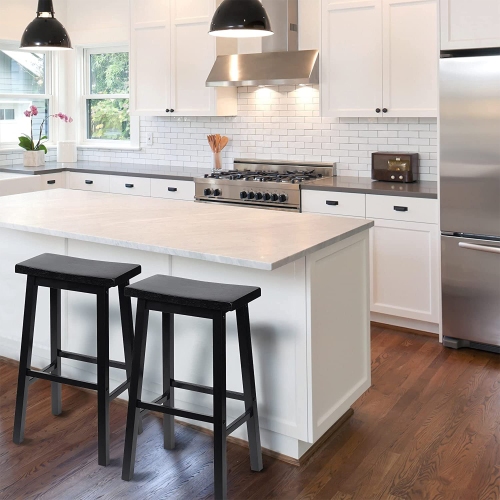 Your price for this item is $562.99
-
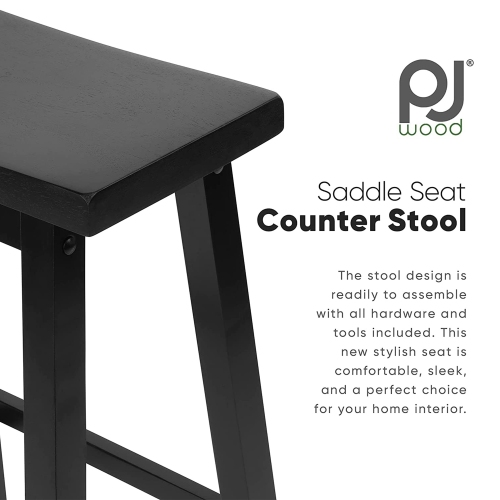 Your price for this item is $202.99
-
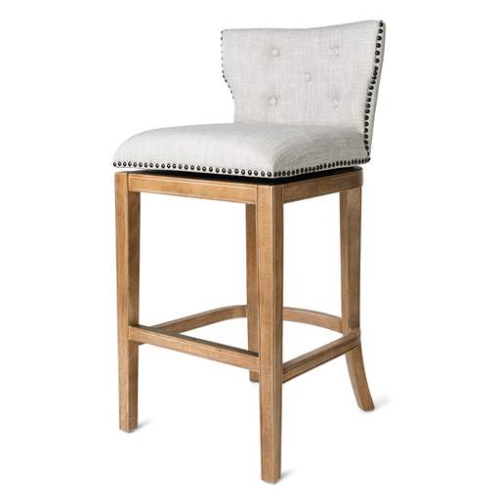 Your price for this item is $508.99
-
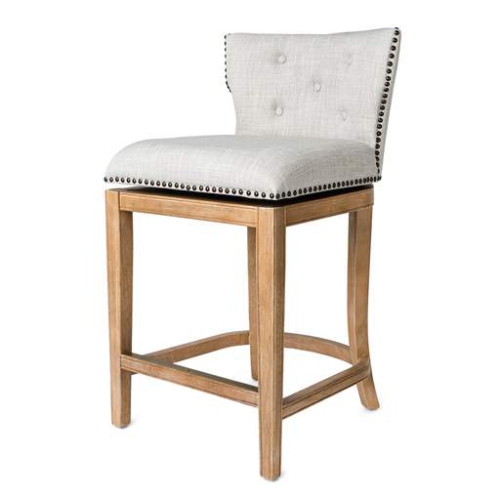 Your price for this item is $554.99
-
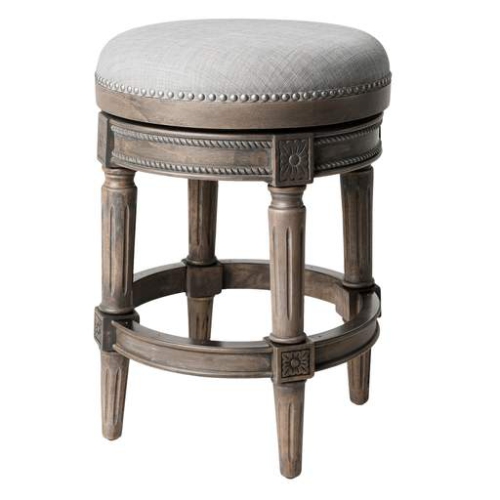 Your price for this item is $509.99
-
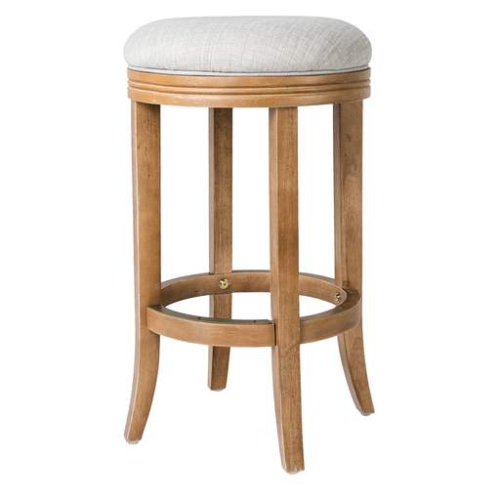 Your price for this item is $297.99
Discover more categories related to Heavy Duty Stools
Top Collections:
Best Black Friday Deals This Year, Best Black Friday Deals On Electronics, Kindle Devices, Best Black Friday Deals On Apple Products, Best Budget Office Chairs, Best Cameras for Sports Photography, Dyson Airwrap, Canon G7X Cameras, Best Laptops for Writers, Samsung Galaxy Phones
Some products may be subject to Environmental Handling Fees
(EHF) depending on your province.
Learn more about EHFs.