Heavy Equipment Movers
When it comes to moving heavy equipment efficiently and safely, having the right tools is essential. Our selection of heavy equipment movers is designed to make transporting large and bulky items a breeze. From industrial warehouses to construction sites, these movers are built to handle the toughest jobs with ease. Whether you need a dolly, hand truck, or specialized moving equipment, we have almost everything you need to get the job done quickly and effectively. Browse our range of heavy-equipment movers to find the perfect solution for your moving needs.
Sort
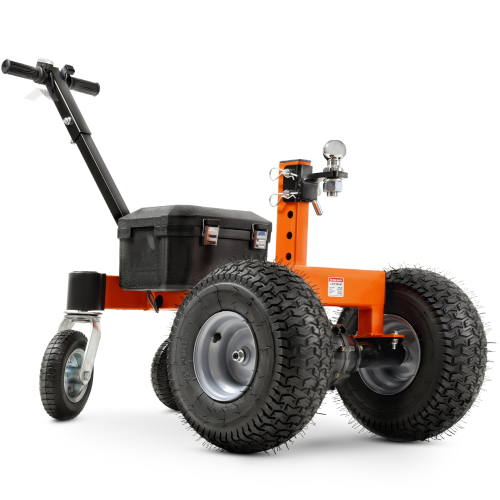
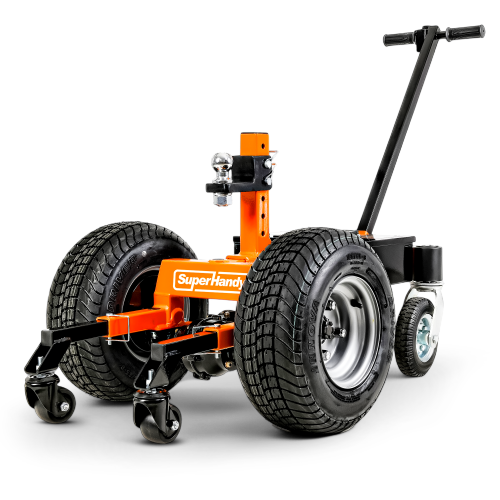
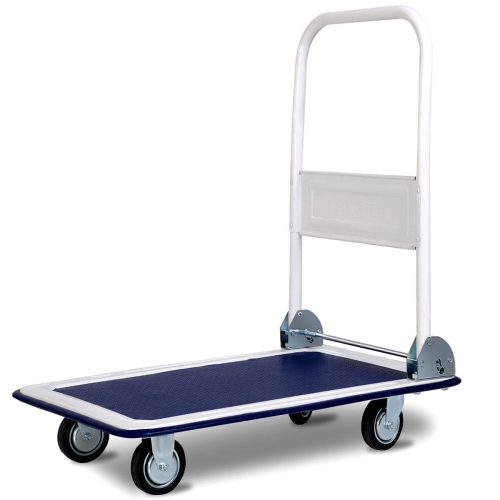
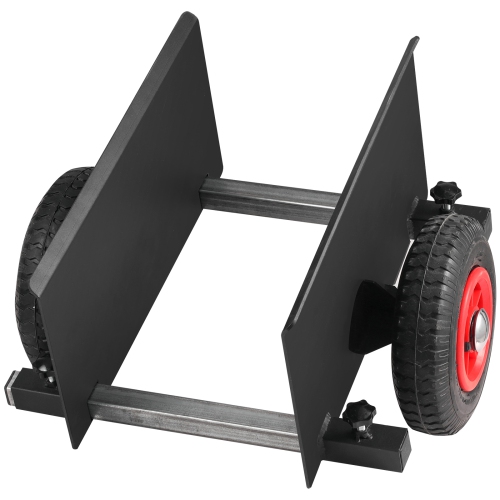
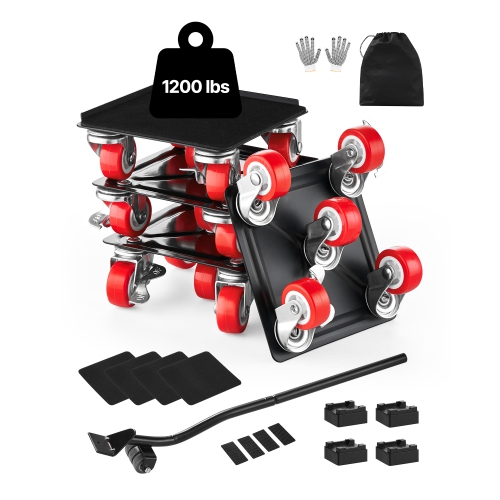
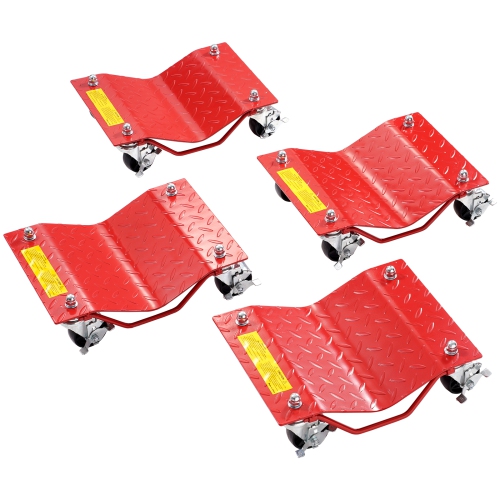

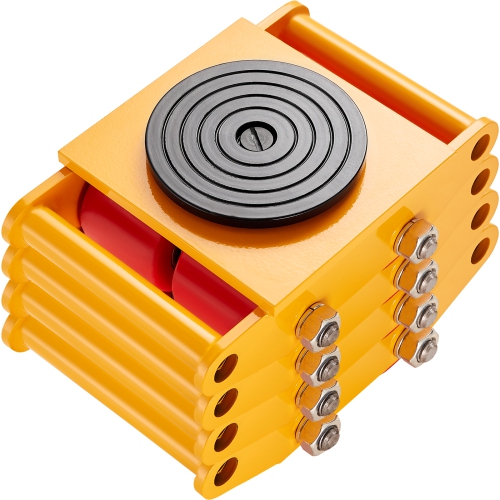
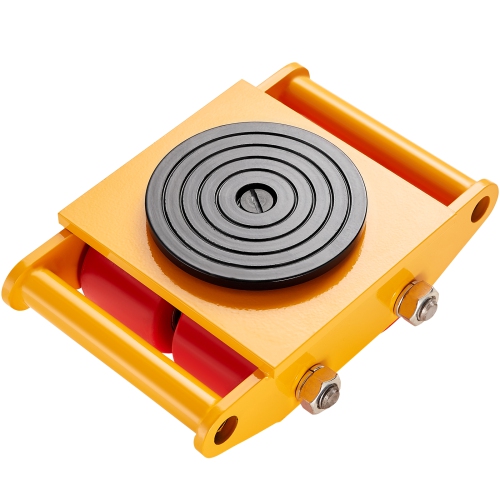
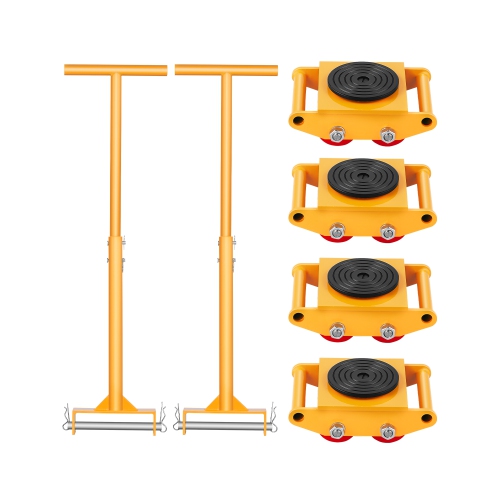
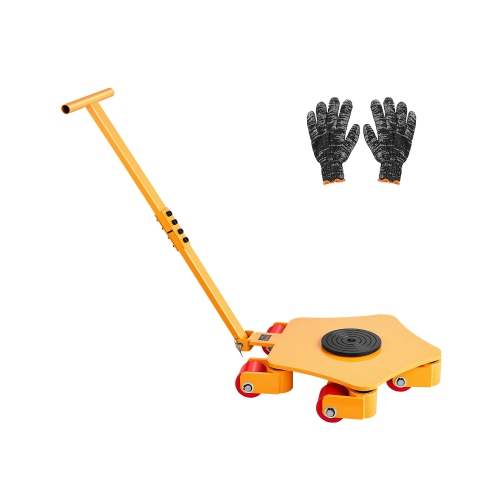
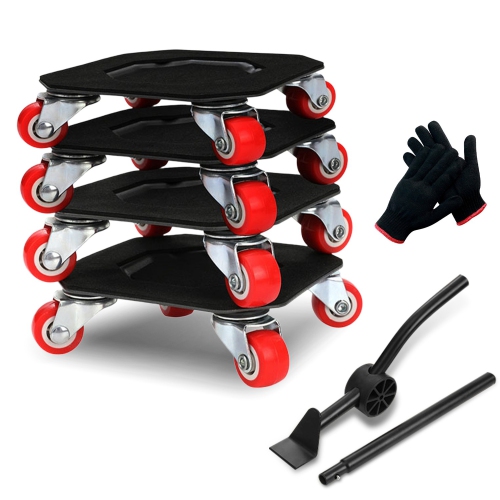
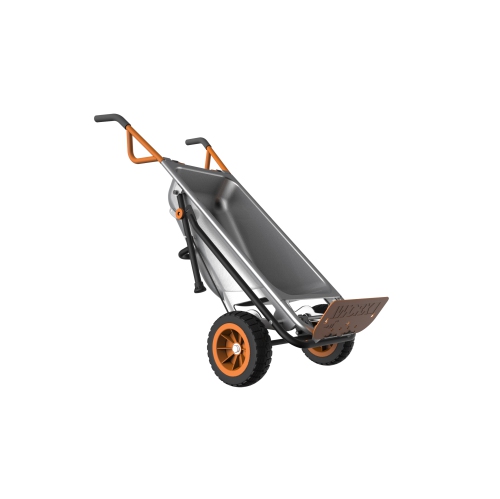
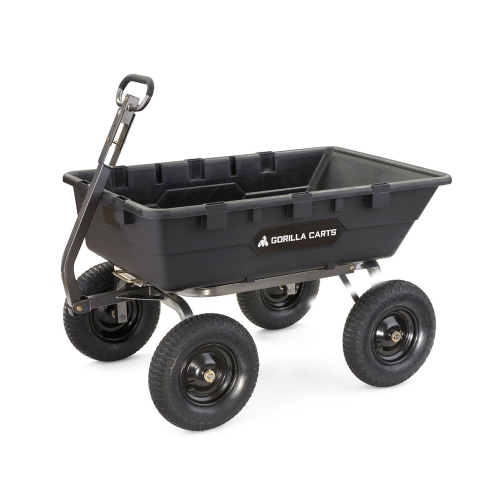


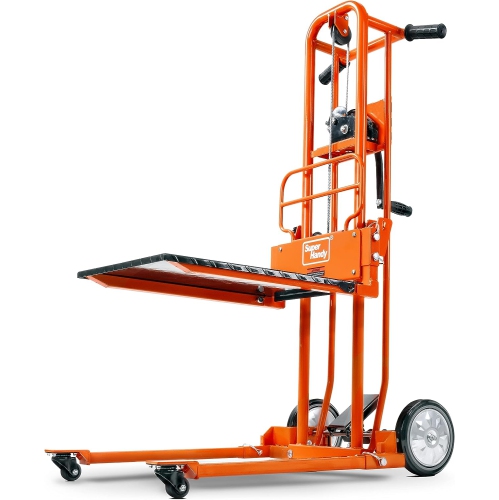
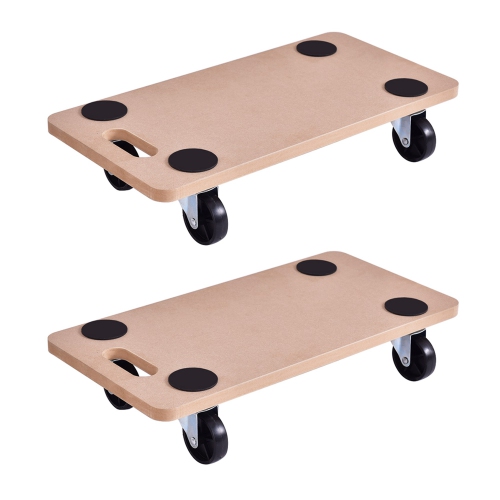
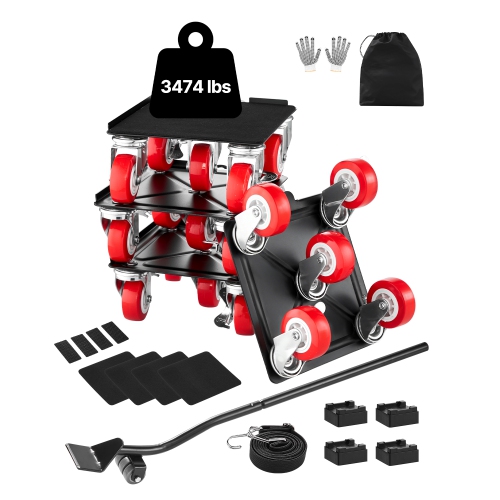
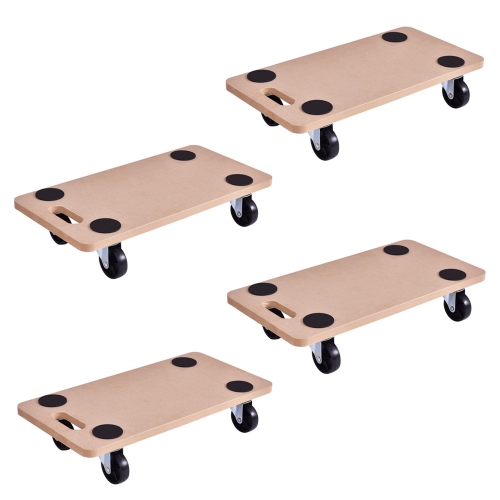
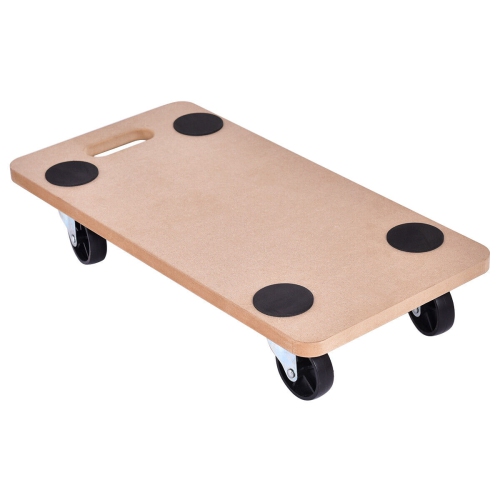
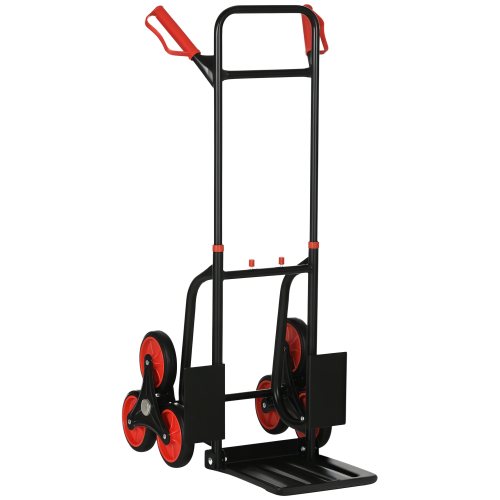
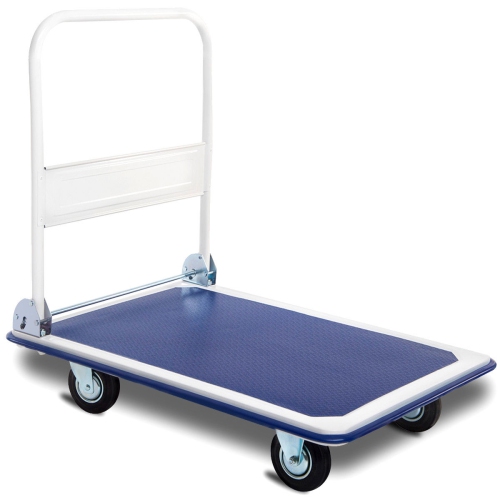
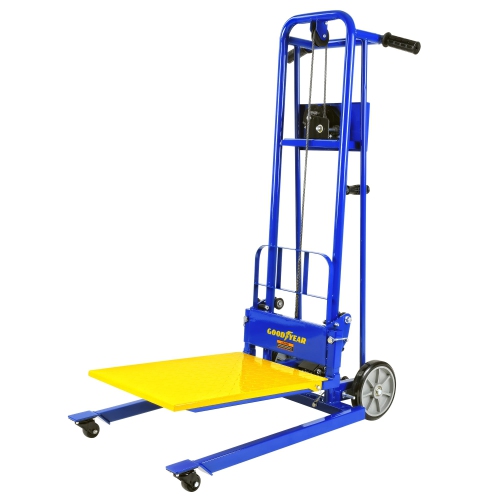
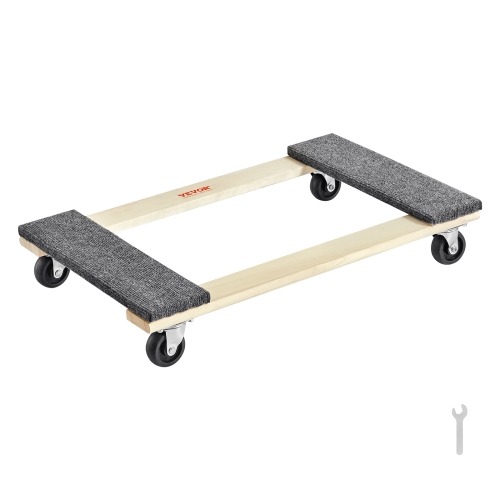
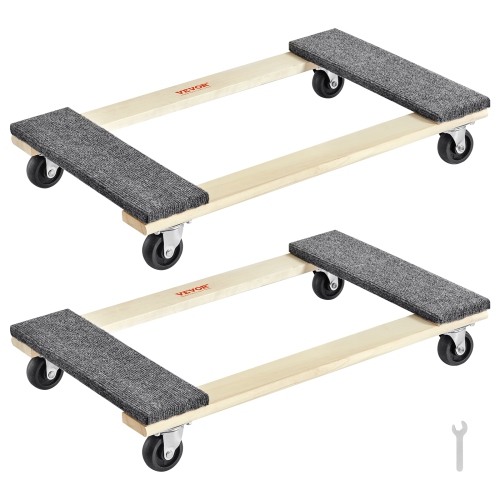
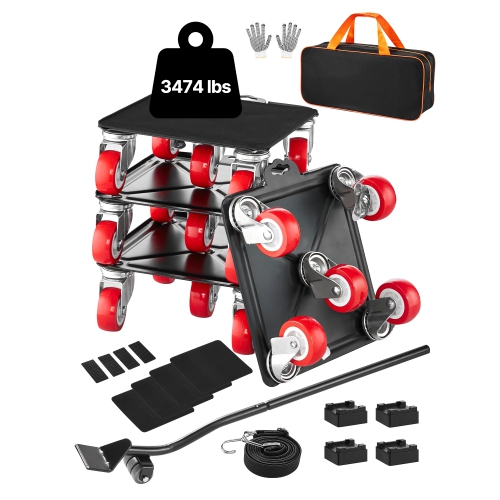
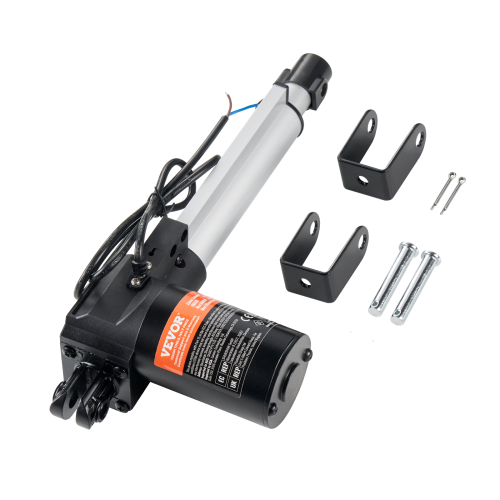
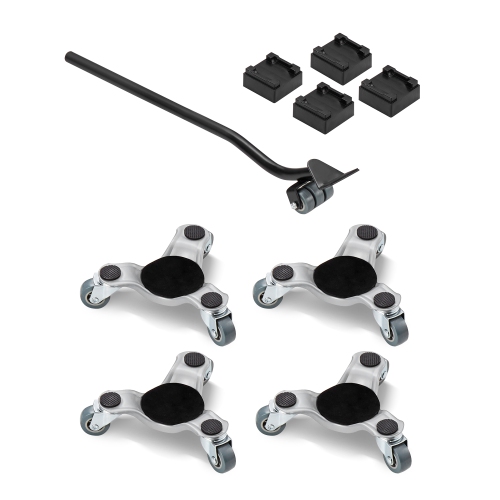
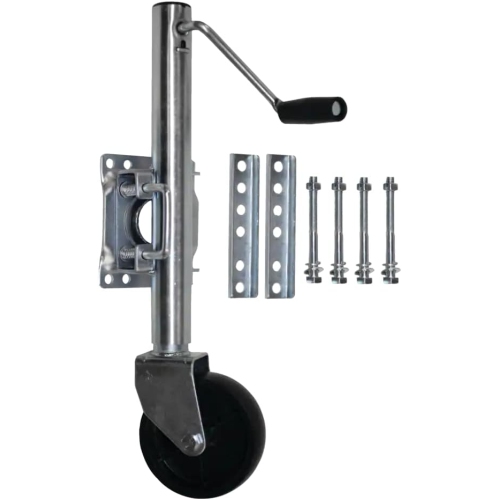
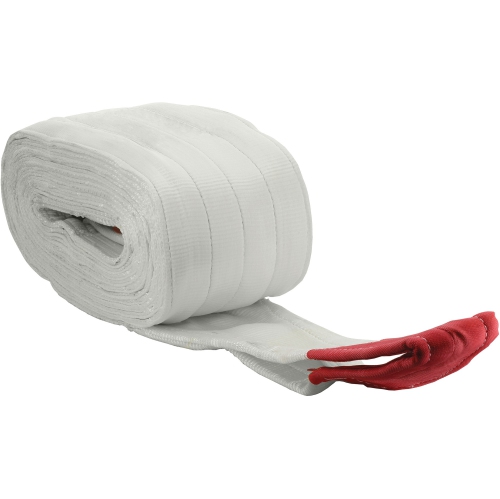
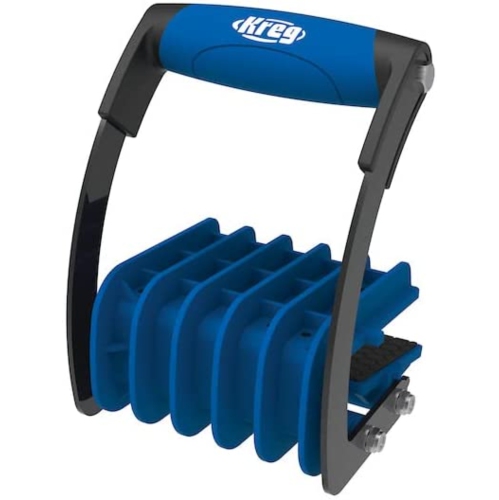
Moving machinery takes more than weight capacity
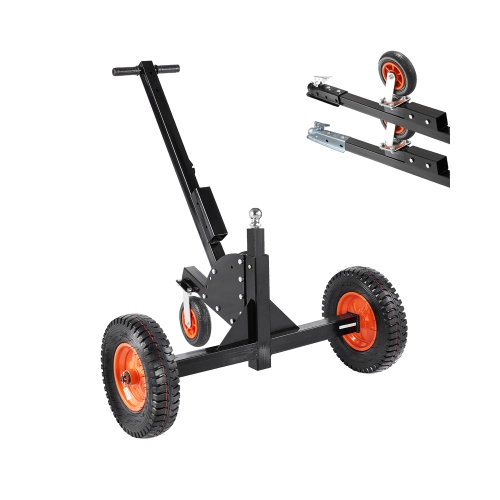
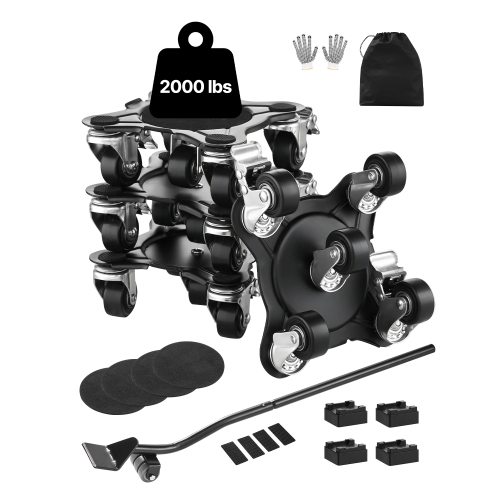
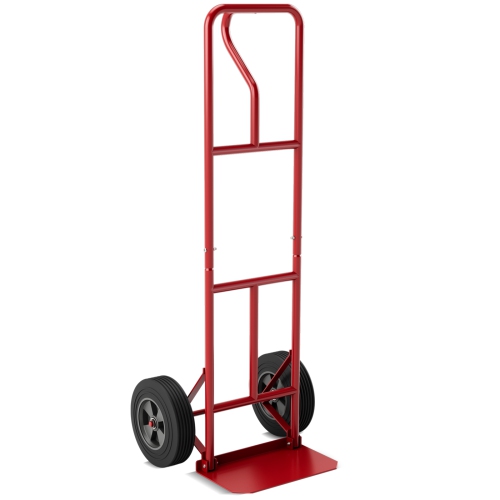
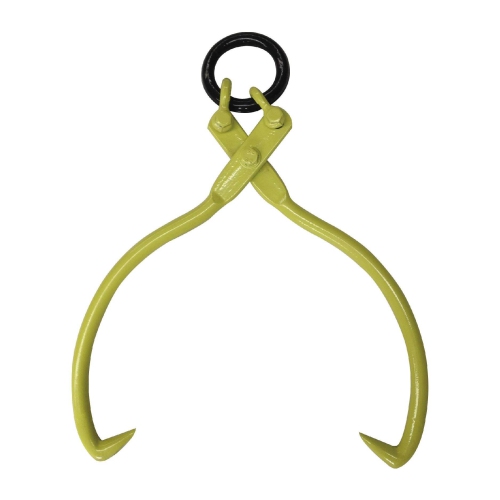
Heavy equipment movers are load-handling tools designed to support and reposition machinery and other substantial loads over suitable surfaces. The term can also describe professional machinery-moving companies, but moving equipment itself includes heavy-duty dollies, machinery skates, roller platforms, and lifting aids, each with a different role in handling weight. These tools are used in workshops, warehouses, maintenance departments, and commercial facilities where a machine or bulky fixture needs to change position without being carried manually. A compact machine base being repositioned within a workshop presents different demands from an entire production line being relocated between buildings. Machinery skates generally support a load close to the floor, while dollies provide a platform or frame whose suitability depends on the load’s shape, dimensions, and designated support points. Some moving systems allow directional control through swivel mechanisms or steering handles; others are intended mainly for straight travel. The distinction matters in a narrow aisle, where a small turning radius may be just as important as weight capacity. Heavy equipment movers should be matched to the actual load rather than chosen by appearance or a broad description such as heavy-duty. Relevant details include the machine’s verified weight, footprint, centre of gravity, and structural points that can safely bear its weight during movement. A tall cabinet with most of its weight near the top behaves differently from a low, solid machine base, even when their total weights are similar. Facilities teams, tradespeople, installers, and workshop owners may use these tools for planned layout changes, maintenance access, or positioning equipment before installation. For oversized, unusually shaped, delicate, or top-heavy machinery, professional rigging may be necessary. Cranes, hydraulic gantries, transport trailers, and millwright services address lifting, transport, and installation tasks that a floor-moving tool alone cannot perform. Understanding that boundary helps distinguish equipment intended for controlled movement within a building from the specialist services required for a complete machinery relocation.
Load capacity is an essential consideration, but the figure on a moving tool tells only part of the story. A capacity rating may apply to a single component or a complete system under specified conditions, and multiple supports do not necessarily share a load equally. An offset motor, an extended machine bed, or an uneven base can concentrate weight on one support. Manufacturer specifications should identify the intended configuration, operating limits, and compatible accessories; a qualified professional should assess applications where load distribution or stability is uncertain. Physical fit deserves the same attention. The support surface must suit the machine’s approved contact points, and the mover’s height affects both clearance and the load’s position above the floor. Low-profile designs can be useful beneath suitable machinery, but access for placing and removing them still needs to be assessed. Frame construction, weld quality, axle design, bearings, and wheel materials all influence durability and handling. Steel frames are common in demanding applications because of their strength, although a strong frame cannot compensate for damaged rollers or an unsuitable floor. Depending on their design and rating, polyurethane rollers may help limit floor marking and soften contact, while steel rollers offer hard contact surfaces suited to certain industrial applications. Nylon rollers are another option, with performance that depends on the load and surface. No wheel material is appropriate for every floor, and a non-marking description does not guarantee protection against dents, scratches, or concentrated pressure. Concrete joints, tile edges, floor coatings, loose debris, and doorway thresholds can all affect movement. A route that looks smooth at walking pace may contain an abrupt lip capable of stopping a small roller. Floor load capacity, doorway width, overhead clearance, and space to steer therefore belong in the assessment alongside the mover’s dimensions. Handles and swivel plates can help with positioning, but they do not replace an appropriate restraint system or make slopes safe. Any braking or load-securing feature needs to be evaluated for its stated purpose rather than assumed to hold every load in every situation.
Intended use also helps separate industrial moving equipment from tools designed for ordinary furnishings. Moving an office desk across a suitable floor is not the same task as repositioning a machine with a narrow base and a high centre of gravity. For lighter furnishing-related tasks, Furniture Moving Tools covers a related category, but suitability still depends on the tool’s stated capacity, contact surfaces, and intended application. Industrial equipment may require a coordinated system for lifting, supporting, steering, and securing the load, with each component selected for its particular role. A lifting aid is not automatically a transport device, and a transport platform is not automatically suitable as permanent support. Machinery also needs preparation beyond the choice of mover: electrical, fuel, air, or fluid connections may require isolation by qualified personnel, while movable sections and sensitive components need attention according to the machine manufacturer’s instructions. Professional machinery-moving services may include site assessment, rigging, transportation planning, permits where required, and final positioning. Millwright work can extend to assembly, levelling, and alignment, which are separate from simply bringing a machine to its destination. For tools used repeatedly within a facility, care and inspection are central to dependable performance. Wheels and rollers should be checked for embedded debris, flat spots, cracks, and uneven wear; frames, fasteners, bearings, and steering components also need inspection according to the manufacturer’s schedule. Damaged equipment should be taken out of service rather than relied on for one more move. Cleaning methods and lubrication requirements vary, so maintenance should follow the product documentation, particularly around wheel surfaces and load-contact pads. Dry, organized storage helps protect components and keeps matched parts together. Clear capacity labels and accessible instructions are valuable when several people share equipment across a maintenance team. Durable heavy equipment movers combine an appropriate structural design with serviceable moving parts, suitable contact surfaces, and clear operating limits. The most useful choice is one that matches the machine, the floor, the route, and the people trained to carry out the work.
Load capacity is an essential consideration, but the figure on a moving tool tells only part of the story. A capacity rating may apply to a single component or a complete system under specified conditions, and multiple supports do not necessarily share a load equally. An offset motor, an extended machine bed, or an uneven base can concentrate weight on one support. Manufacturer specifications should identify the intended configuration, operating limits, and compatible accessories; a qualified professional should assess applications where load distribution or stability is uncertain. Physical fit deserves the same attention. The support surface must suit the machine’s approved contact points, and the mover’s height affects both clearance and the load’s position above the floor. Low-profile designs can be useful beneath suitable machinery, but access for placing and removing them still needs to be assessed. Frame construction, weld quality, axle design, bearings, and wheel materials all influence durability and handling. Steel frames are common in demanding applications because of their strength, although a strong frame cannot compensate for damaged rollers or an unsuitable floor. Depending on their design and rating, polyurethane rollers may help limit floor marking and soften contact, while steel rollers offer hard contact surfaces suited to certain industrial applications. Nylon rollers are another option, with performance that depends on the load and surface. No wheel material is appropriate for every floor, and a non-marking description does not guarantee protection against dents, scratches, or concentrated pressure. Concrete joints, tile edges, floor coatings, loose debris, and doorway thresholds can all affect movement. A route that looks smooth at walking pace may contain an abrupt lip capable of stopping a small roller. Floor load capacity, doorway width, overhead clearance, and space to steer therefore belong in the assessment alongside the mover’s dimensions. Handles and swivel plates can help with positioning, but they do not replace an appropriate restraint system or make slopes safe. Any braking or load-securing feature needs to be evaluated for its stated purpose rather than assumed to hold every load in every situation.
Intended use also helps separate industrial moving equipment from tools designed for ordinary furnishings. Moving an office desk across a suitable floor is not the same task as repositioning a machine with a narrow base and a high centre of gravity. For lighter furnishing-related tasks, Furniture Moving Tools covers a related category, but suitability still depends on the tool’s stated capacity, contact surfaces, and intended application. Industrial equipment may require a coordinated system for lifting, supporting, steering, and securing the load, with each component selected for its particular role. A lifting aid is not automatically a transport device, and a transport platform is not automatically suitable as permanent support. Machinery also needs preparation beyond the choice of mover: electrical, fuel, air, or fluid connections may require isolation by qualified personnel, while movable sections and sensitive components need attention according to the machine manufacturer’s instructions. Professional machinery-moving services may include site assessment, rigging, transportation planning, permits where required, and final positioning. Millwright work can extend to assembly, levelling, and alignment, which are separate from simply bringing a machine to its destination. For tools used repeatedly within a facility, care and inspection are central to dependable performance. Wheels and rollers should be checked for embedded debris, flat spots, cracks, and uneven wear; frames, fasteners, bearings, and steering components also need inspection according to the manufacturer’s schedule. Damaged equipment should be taken out of service rather than relied on for one more move. Cleaning methods and lubrication requirements vary, so maintenance should follow the product documentation, particularly around wheel surfaces and load-contact pads. Dry, organized storage helps protect components and keeps matched parts together. Clear capacity labels and accessible instructions are valuable when several people share equipment across a maintenance team. Durable heavy equipment movers combine an appropriate structural design with serviceable moving parts, suitable contact surfaces, and clear operating limits. The most useful choice is one that matches the machine, the floor, the route, and the people trained to carry out the work.
Top selling and popular products
-
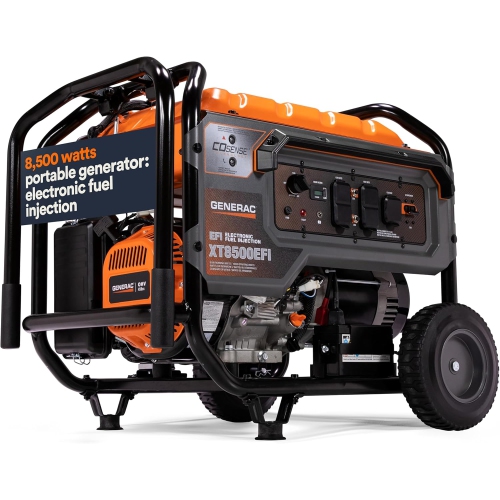 Your price for this item is $3000
 -
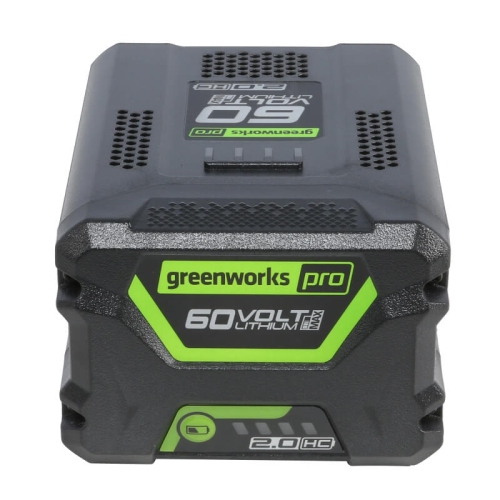 Your price for this item is $124.45
 -
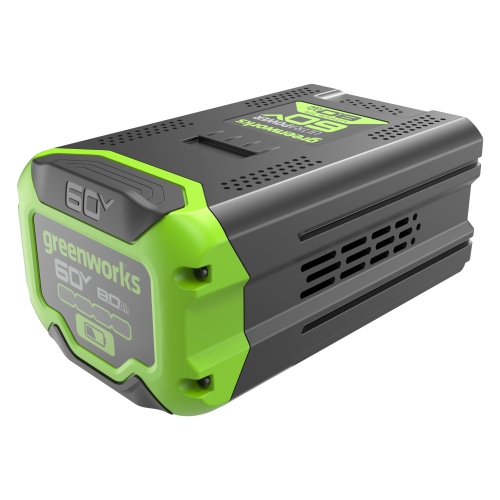 Your price for this item is $329.99
 -
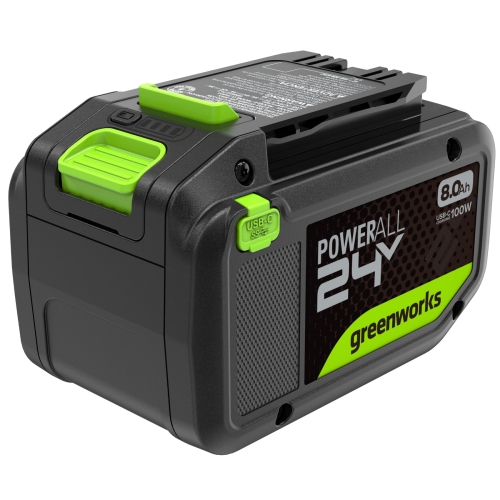 Your price for this item is $139.99
 -
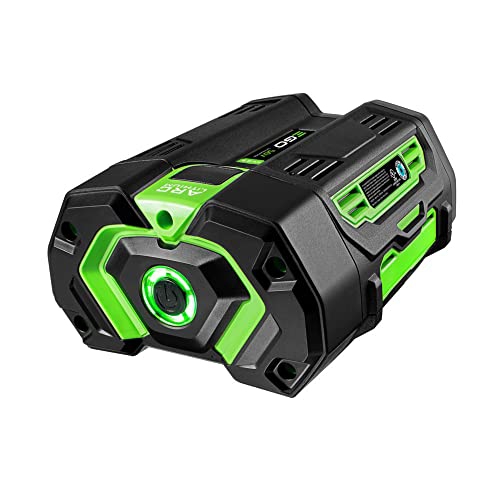 Your price for this item is $264
 -
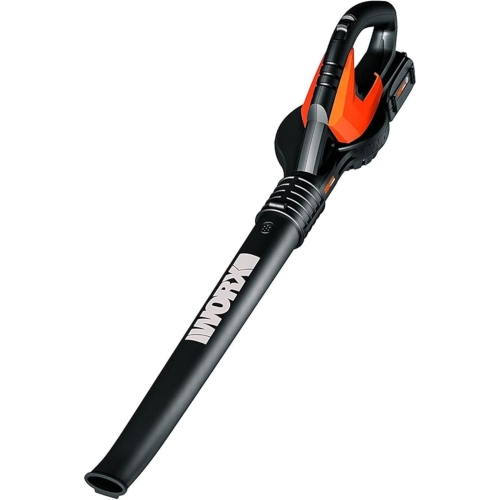 Your price for this item is $217.55
 -
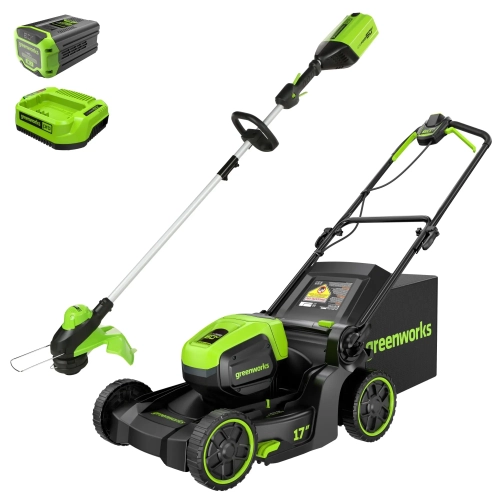 Your price for this item is $739.99
 -
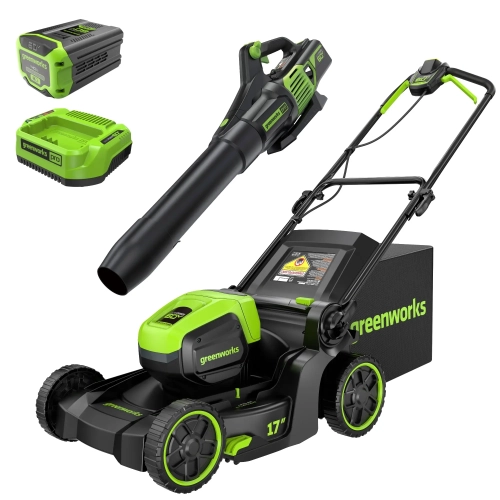 Your price for this item is $599.99
Discover more categories related to Heavy Equipment Movers
Top Collections:
Pokemon Centers, Kindle Devices, Best Budget Office Chairs, Apple iPhones 16, Best Laptops for Writers, iPhone 15 Apple, Canon G7X Cameras, Refurbished Apple Laptops, Alarm Clock, Motorola Razr Phones
Some products may be subject to Environmental Handling Fees
(EHF) depending on your province.
Learn more about EHFs.