Heavy Duty Equipment
When it comes to tackling tough tasks and demanding projects, having the right heavy-duty equipment on hand can make all the difference. From powerful machinery designed to handle rugged terrain to robust tools built to withstand heavy use, our collection of heavy-duty equipment is here to help you get the job done with ease and efficiency. Whether you're a professional contractor, a dedicated DIY enthusiast, or simply in need of reliable gear for your next big project, explore our range of durable and dependable equipment that is up to the challenge.
Sort



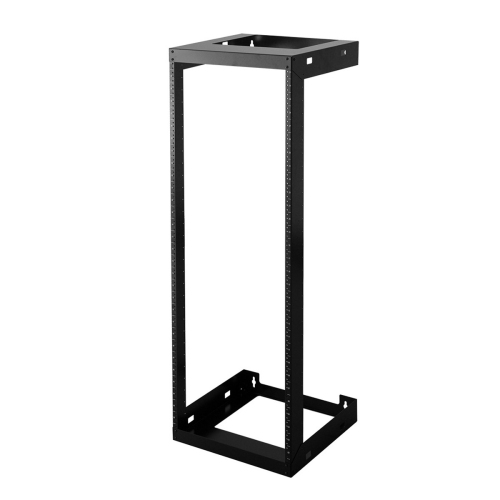
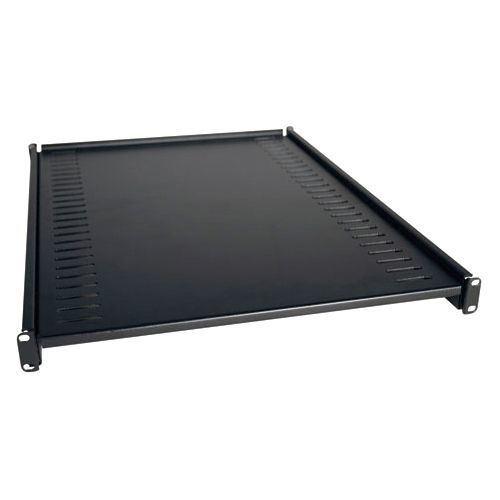
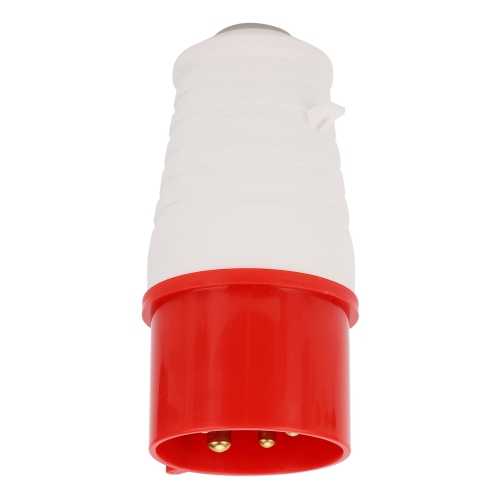

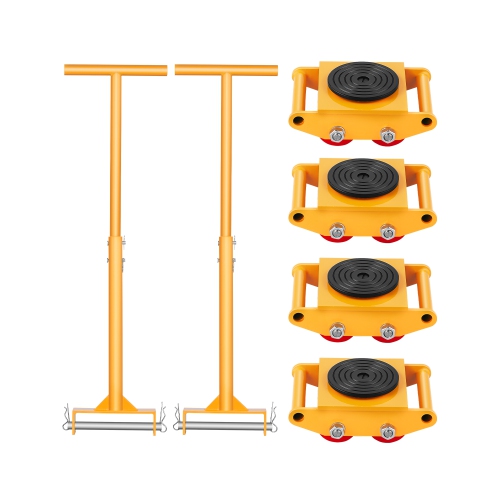

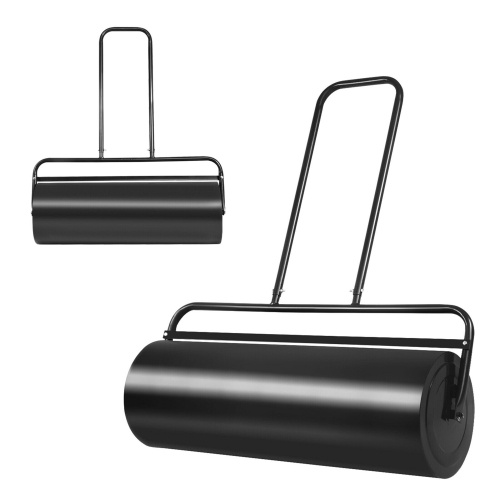
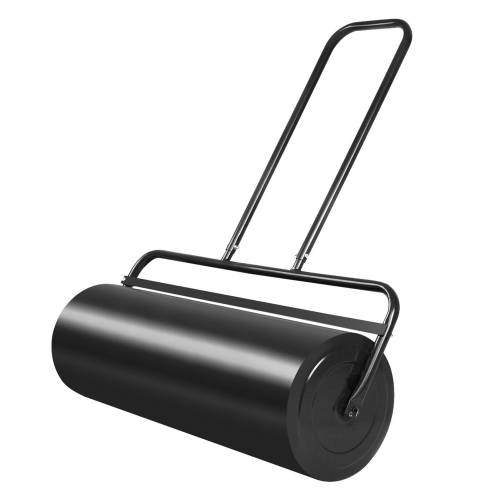
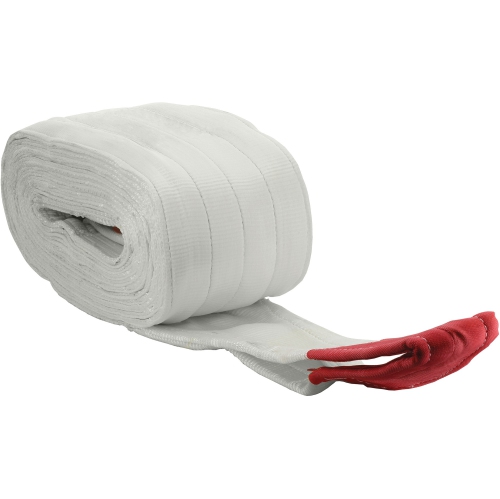

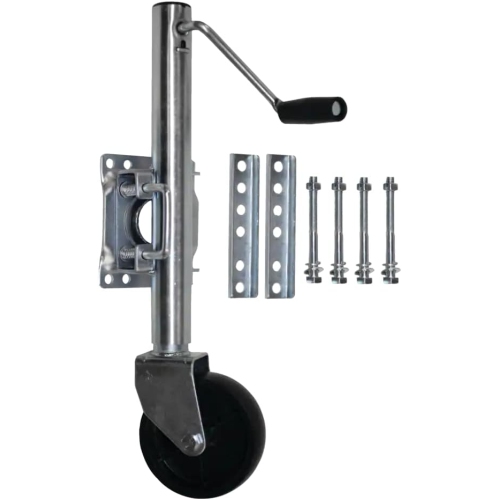






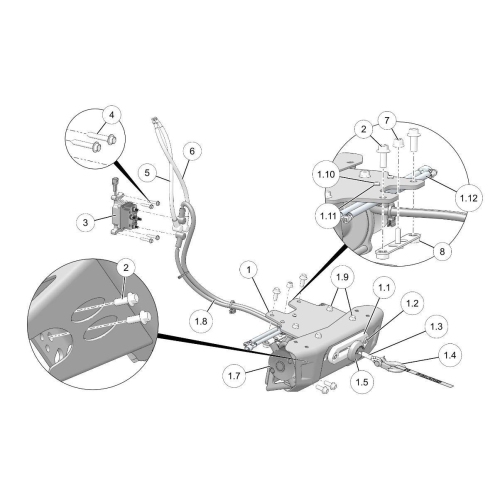
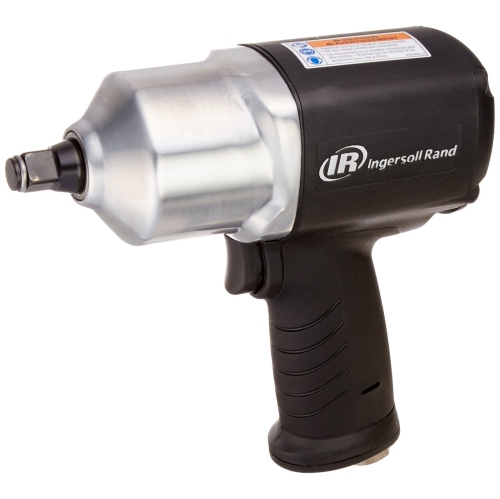
Strength and capability for demanding work in tough conditions
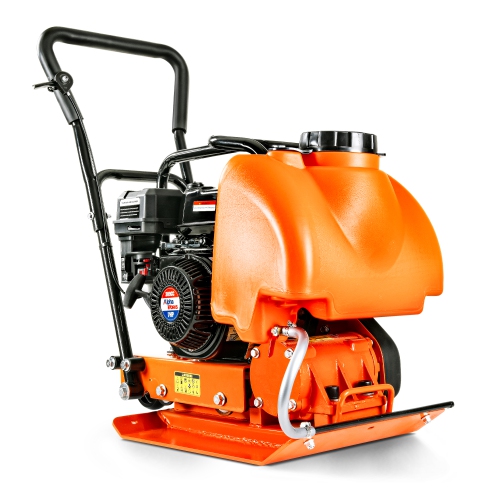
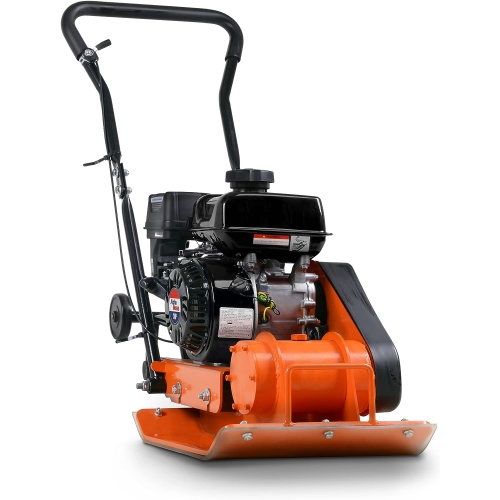
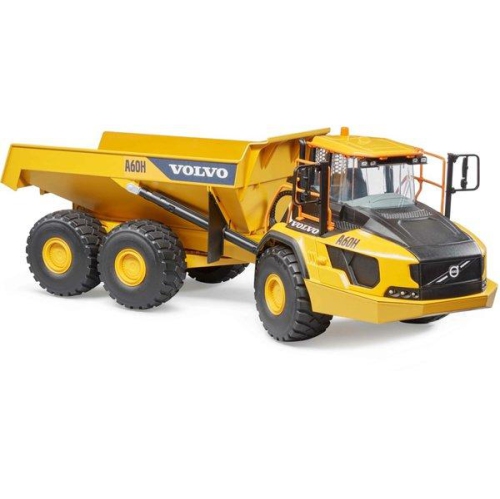
Heavy duty equipment is built for demanding work where ordinary tools and machinery may struggle with repeated use, heavy loads, rough surfaces, or challenging conditions. The category can include robust equipment for construction, renovation, landscaping, agriculture, property maintenance, workshops, and other professional applications. Large earth-moving machines are a familiar example: bulldozers use a powerful crawler tractor and front blade to push soil, gravel, and debris, while articulated dump trucks transport heavy loads over uneven ground with help from a hinged joint between the cab and dump box. Backhoe loaders combine a front loading bucket with a rear digging arm, making them useful for excavation, trenching, material handling, and site preparation. Compactors use heavy rollers, vibrating plates, or similar mechanisms to compress soil, gravel, and asphalt into a firm, level surface. Smaller heavy-duty equipment can bring the same focus on strength and endurance to a workshop, jobsite, garage, farm, or home improvement project. When browsing this type of equipment, consider the work it needs to perform, the materials involved, how often it will be used, and the space available for operation and storage. A tool or machine intended for occasional household repairs may have very different requirements from equipment used every day by a contractor or maintenance crew. Pay close attention to construction materials, weight capacity, operating range, control layout, attachment compatibility, and the manufacturer’s recommended applications. A comfortable grip, balanced design, accessible controls, and manageable noise or vibration can make a meaningful difference during long periods of use. For drilling, fastening, or demanding renovation tasks, explore Heavy Duty Drills that are suited to the material and workload. Matching the equipment to the task helps support reliable results while reducing unnecessary strain on the operator and the machine.
Before choosing heavy duty equipment, it helps to understand the systems that allow it to move, lift, cut, dig, carry, or compact materials. The power train transfers engine or motor power to the wheels, tracks, or working components, and its output should match the terrain, load, and duty cycle. Hydraulic systems power many essential movements, including lifting, steering, bucket operation, digging arms, and other ground-engaging attachments. Hydraulic capacity, pressure, flow rate, hose routing, and attachment compatibility are especially important when equipment will be used with interchangeable tools. Traction and structure work together to support the physical load and keep the machine moving. Steel tracks can provide stability and grip on challenging surfaces, while tyres may offer speed, manoeuvrability, and convenience on suitable ground. A strong frame, reinforced components, secure connections, and well-protected controls are valuable when equipment is exposed to dust, mud, vibration, changing temperatures, or uneven terrain. Buyers should also review power requirements, charging or fuelling needs, runtime, duty cycle, dimensions, turning radius, and transport requirements. For powered tools, battery voltage, amp-hour capacity, chuck or drive size, torque, speed settings, and included accessories can help determine whether a model is appropriate for professional work or heavier home projects. For larger machinery, operator visibility, seating position, controls, safety features, service access, and attachment changes deserve equal attention. A practical way to compare options is to picture a typical workday: moving material across a sloped lot, preparing a compacted base, drilling into dense wood or masonry, clearing a work area, or completing a sequence of repairs without frequent interruptions. Equipment that fits the space, materials, and pace of that routine is usually more useful than equipment selected only for its maximum rating.
Heavy duty equipment may be used by contractors, builders, renovators, landscapers, farmers, facilities teams, tradespeople, mechanics, property managers, and experienced do-it-yourself users. It can also be a thoughtful gift for someone setting up a workshop, expanding a tool collection, maintaining a rural property, or taking on a substantial renovation, provided the recipient has a clear use for it and a suitable place to operate and store it. For a new owner, learning the controls and limitations before starting work is essential. Read the operating instructions, wear the recommended protective equipment, inspect moving parts and connections, and confirm that the work area is clear of people, pets, overhead obstacles, and buried services where applicable. Regular care can help equipment perform consistently: check fasteners, guards, hoses, belts, tyres or tracks, batteries, filters, and fluid levels according to the instructions, and keep working surfaces free of material that could affect operation. During the cooler months, storage conditions and temperature can affect batteries, fluids, seals, and starting performance, while wet or frozen ground may change traction and handling. As the weather warms, dust and extended operating periods may call for more frequent cleaning and inspection. Whether the task involves construction, agricultural work, site preparation, workshop repairs, or property upkeep, the right heavy duty equipment should feel purposeful rather than excessive. A careful match between capability and application makes it easier to work confidently, maintain control, and complete demanding jobs with dependable support.
Before choosing heavy duty equipment, it helps to understand the systems that allow it to move, lift, cut, dig, carry, or compact materials. The power train transfers engine or motor power to the wheels, tracks, or working components, and its output should match the terrain, load, and duty cycle. Hydraulic systems power many essential movements, including lifting, steering, bucket operation, digging arms, and other ground-engaging attachments. Hydraulic capacity, pressure, flow rate, hose routing, and attachment compatibility are especially important when equipment will be used with interchangeable tools. Traction and structure work together to support the physical load and keep the machine moving. Steel tracks can provide stability and grip on challenging surfaces, while tyres may offer speed, manoeuvrability, and convenience on suitable ground. A strong frame, reinforced components, secure connections, and well-protected controls are valuable when equipment is exposed to dust, mud, vibration, changing temperatures, or uneven terrain. Buyers should also review power requirements, charging or fuelling needs, runtime, duty cycle, dimensions, turning radius, and transport requirements. For powered tools, battery voltage, amp-hour capacity, chuck or drive size, torque, speed settings, and included accessories can help determine whether a model is appropriate for professional work or heavier home projects. For larger machinery, operator visibility, seating position, controls, safety features, service access, and attachment changes deserve equal attention. A practical way to compare options is to picture a typical workday: moving material across a sloped lot, preparing a compacted base, drilling into dense wood or masonry, clearing a work area, or completing a sequence of repairs without frequent interruptions. Equipment that fits the space, materials, and pace of that routine is usually more useful than equipment selected only for its maximum rating.
Heavy duty equipment may be used by contractors, builders, renovators, landscapers, farmers, facilities teams, tradespeople, mechanics, property managers, and experienced do-it-yourself users. It can also be a thoughtful gift for someone setting up a workshop, expanding a tool collection, maintaining a rural property, or taking on a substantial renovation, provided the recipient has a clear use for it and a suitable place to operate and store it. For a new owner, learning the controls and limitations before starting work is essential. Read the operating instructions, wear the recommended protective equipment, inspect moving parts and connections, and confirm that the work area is clear of people, pets, overhead obstacles, and buried services where applicable. Regular care can help equipment perform consistently: check fasteners, guards, hoses, belts, tyres or tracks, batteries, filters, and fluid levels according to the instructions, and keep working surfaces free of material that could affect operation. During the cooler months, storage conditions and temperature can affect batteries, fluids, seals, and starting performance, while wet or frozen ground may change traction and handling. As the weather warms, dust and extended operating periods may call for more frequent cleaning and inspection. Whether the task involves construction, agricultural work, site preparation, workshop repairs, or property upkeep, the right heavy duty equipment should feel purposeful rather than excessive. A careful match between capability and application makes it easier to work confidently, maintain control, and complete demanding jobs with dependable support.
Top selling and popular products
-
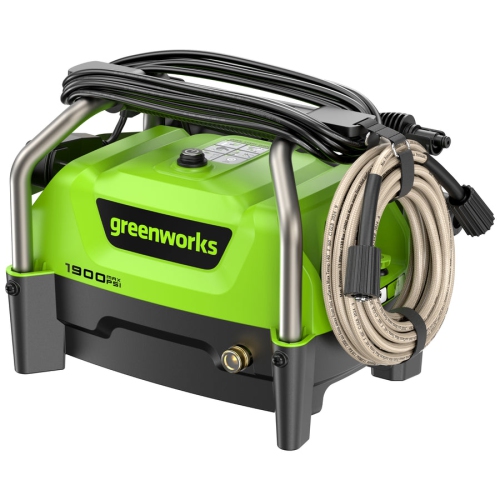 Your price for this item is $169.99
 -
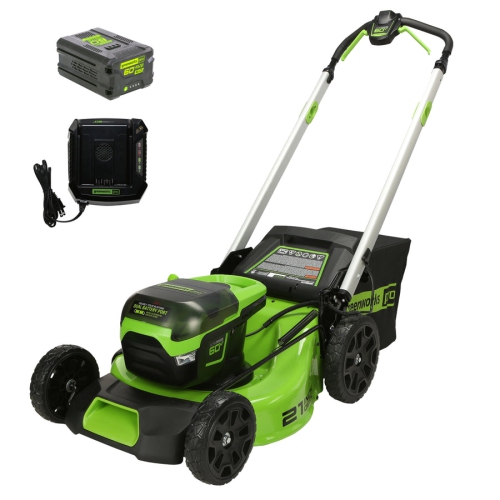 Your price for this item is $554.39
 -
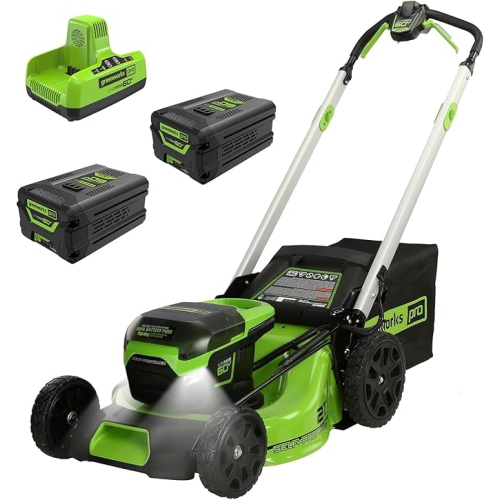 Your price for this item is $879.99
 -
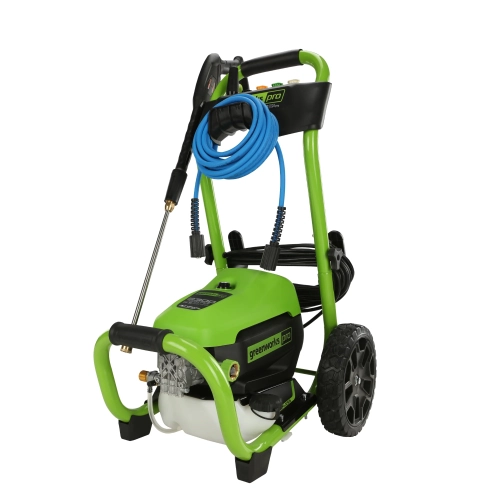 Your price for this item is $439.99
 -
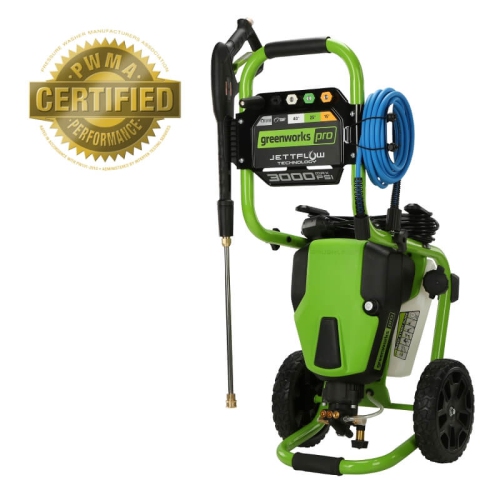 Your price for this item is $499
 -
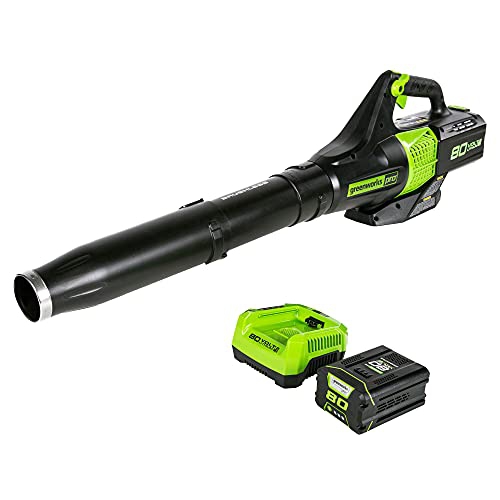 Your price for this item is $255
 -
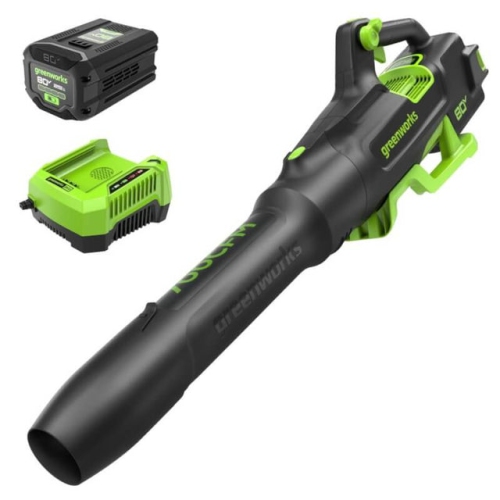 Your price for this item is $272
 -
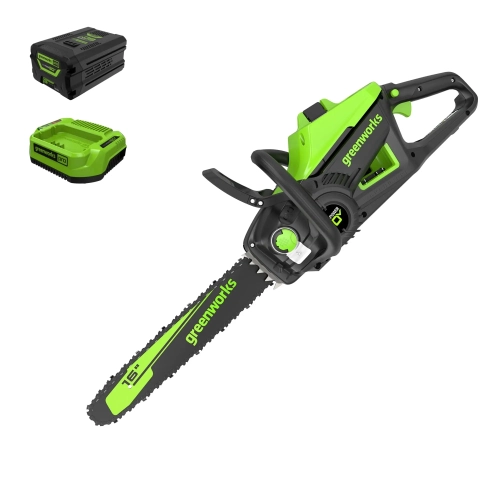 Your price for this item is $329.99
Discover more categories related to Heavy Duty Equipment


Top Collections:
Pokemon Centers, Kindle Devices, Best Budget Office Chairs, Apple iPhones 16, Best Laptops for Writers, iPhone 15 Apple, Canon G7X Cameras, Refurbished Apple Laptops, Alarm Clock, Motorola Razr Phones
Some products may be subject to Environmental Handling Fees
(EHF) depending on your province.
Learn more about EHFs.