Herb Planter Boxes
Enhance your gardening experience with our selection of herb planter boxes. Whether you have a spacious backyard or a cozy balcony, these versatile planters are designed to bring nature's goodness right to your fingertips. With their compact and stylish designs, these herb planter boxes not only add a touch of greenery to your space but also provide a convenient way to grow and harvest your favorite herbs all year round. From basil and parsley to mint and rosemary, explore our range of herb planter boxes and elevate your culinary creations with fresh, homegrown flavors.
Sort
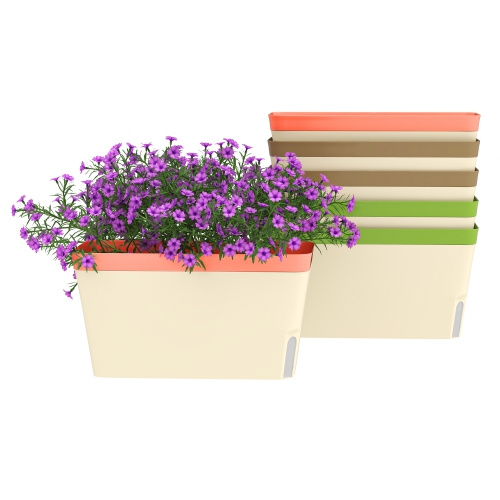
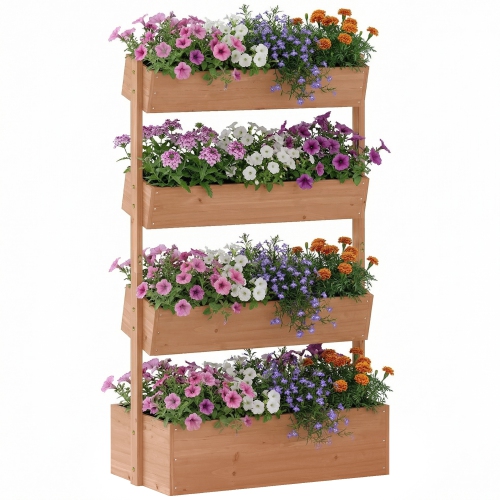
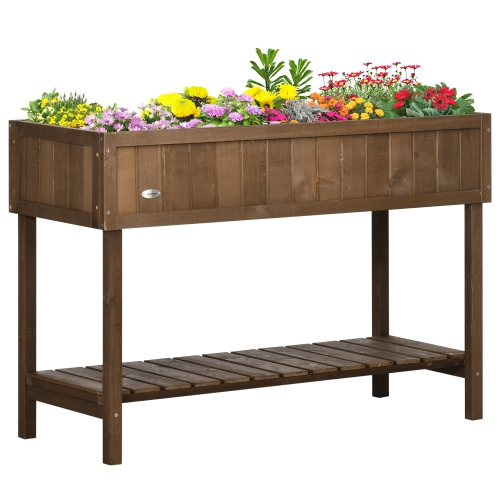
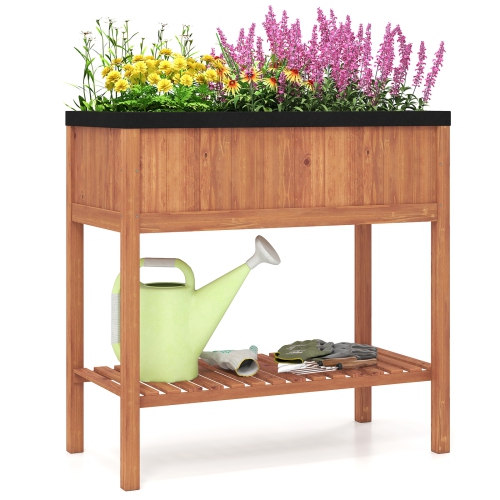
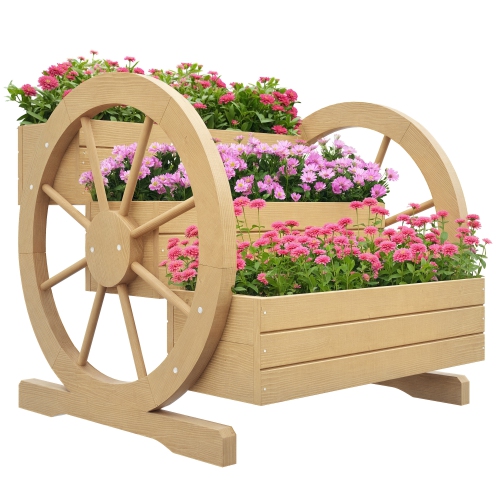
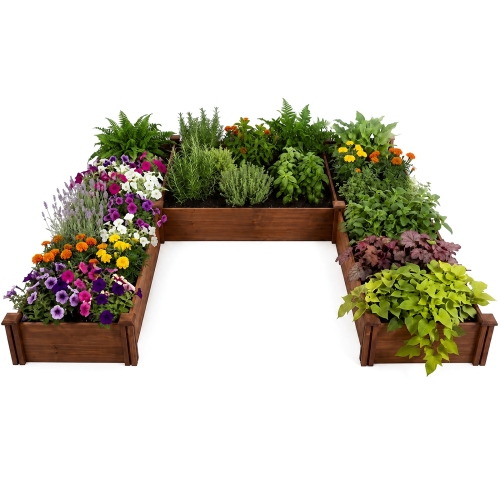
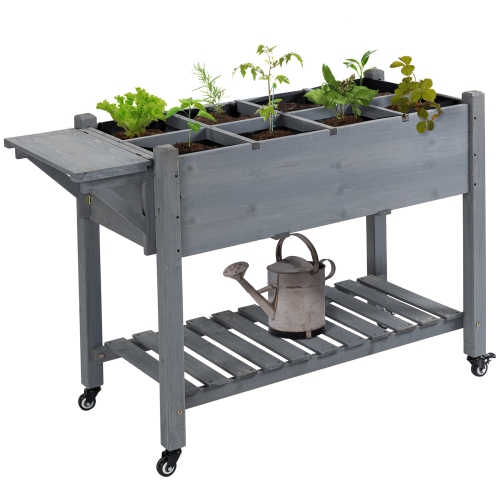
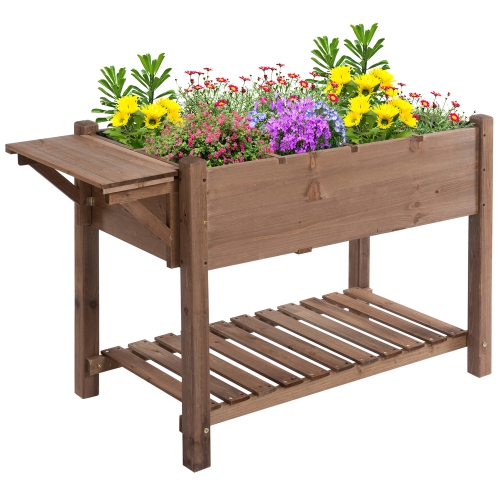
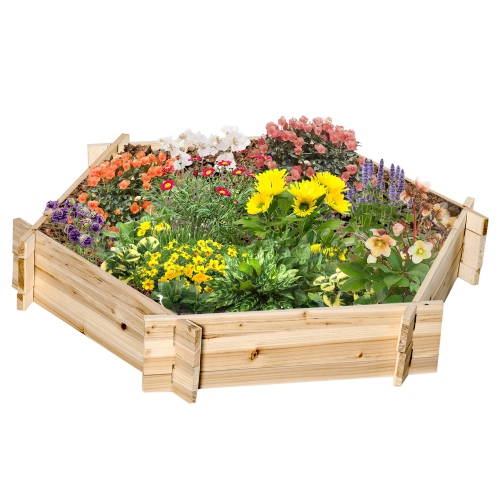
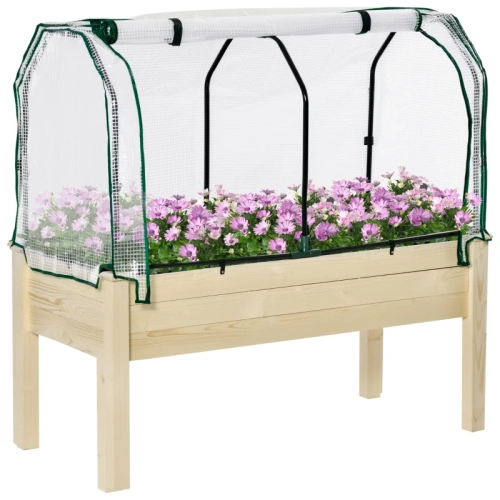
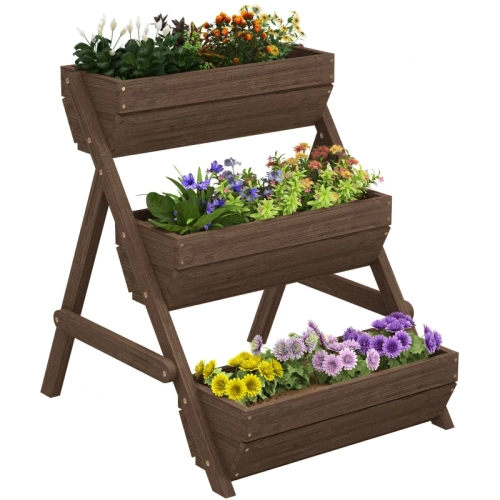
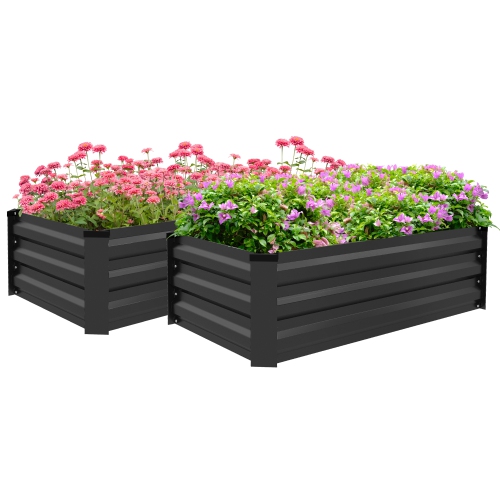
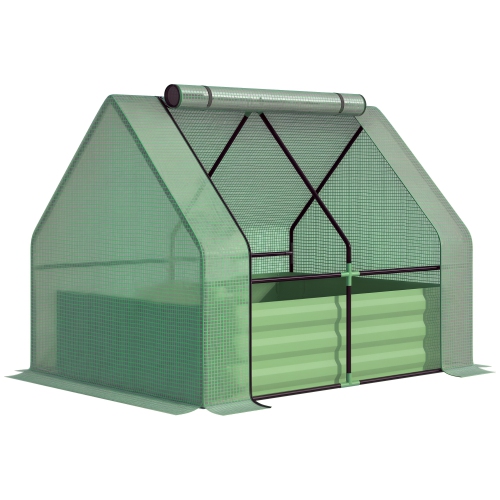
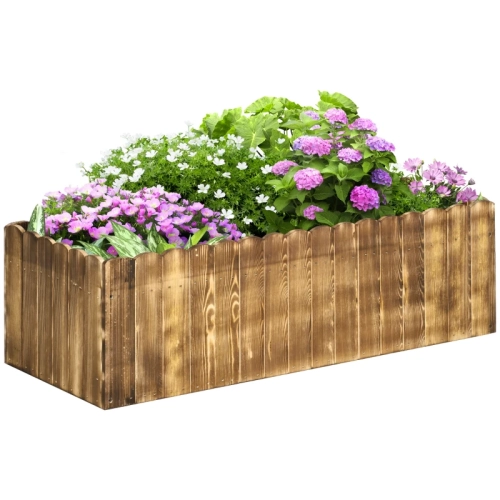
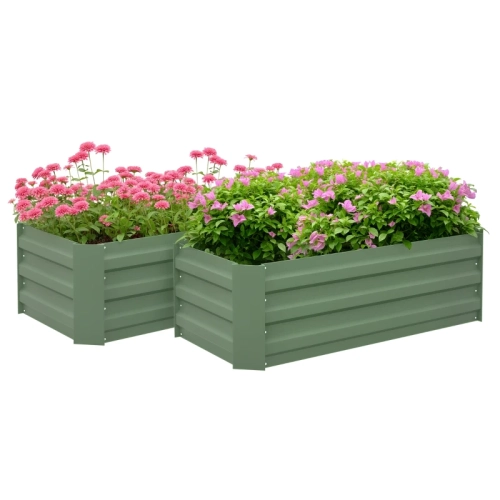
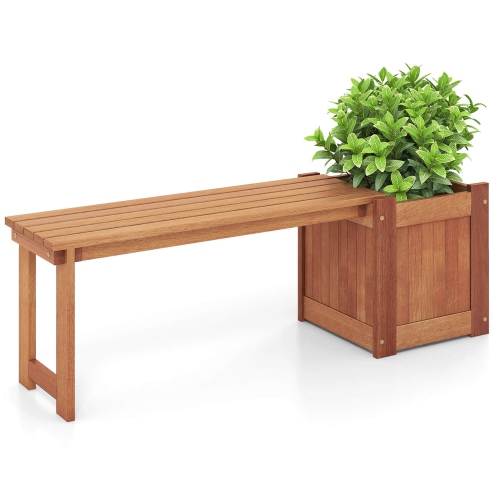

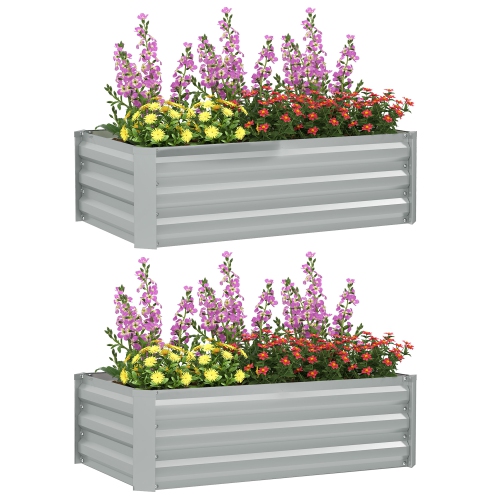
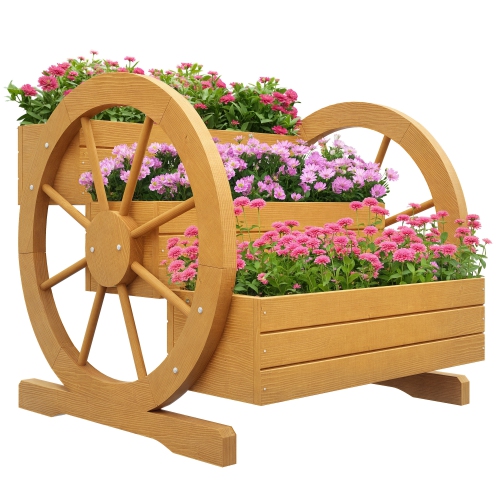
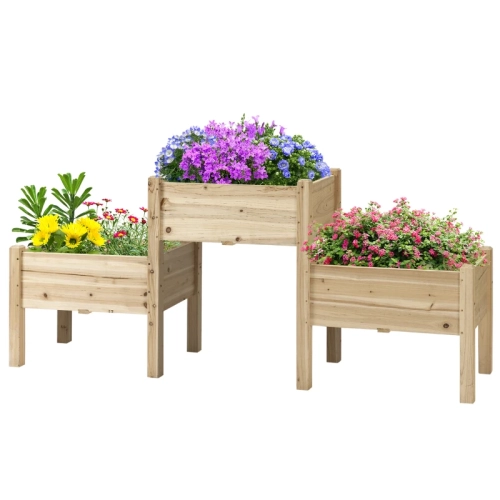
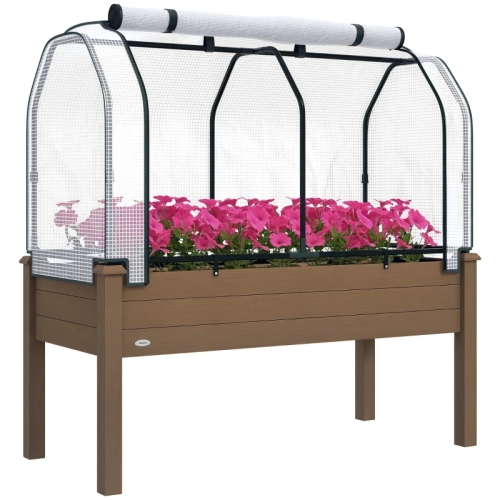
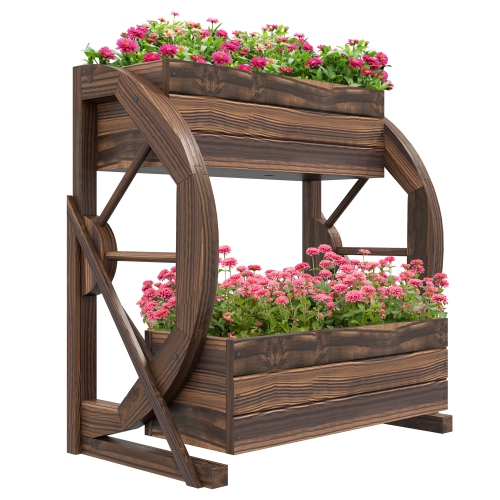

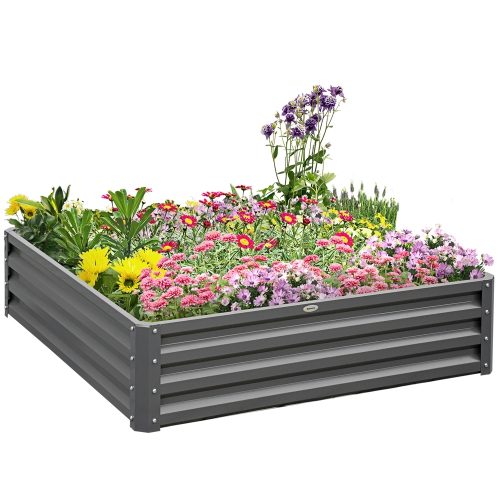
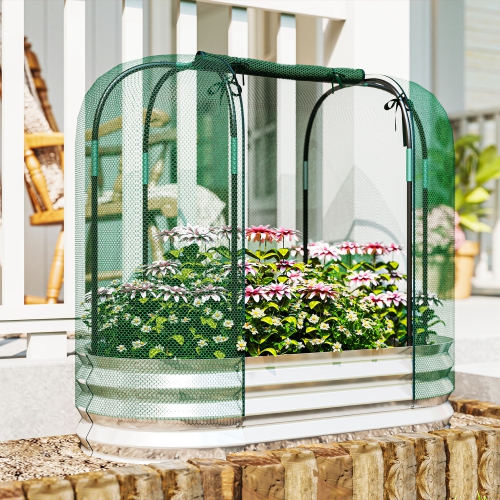
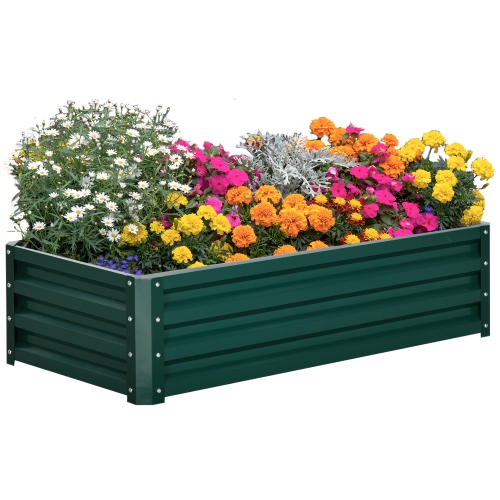
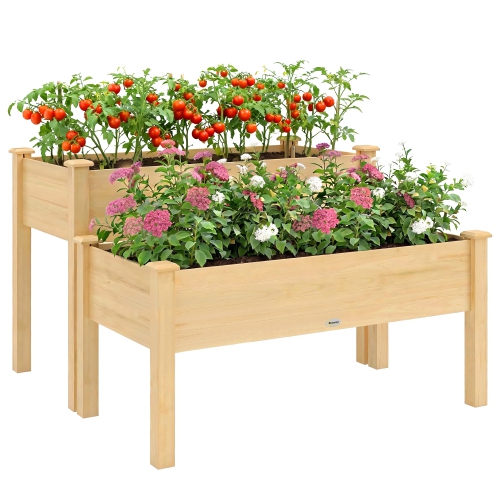
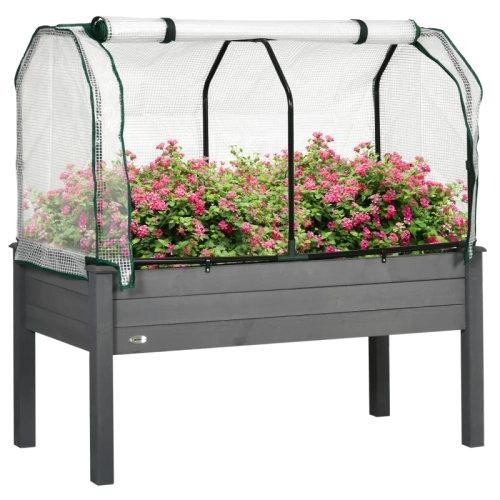
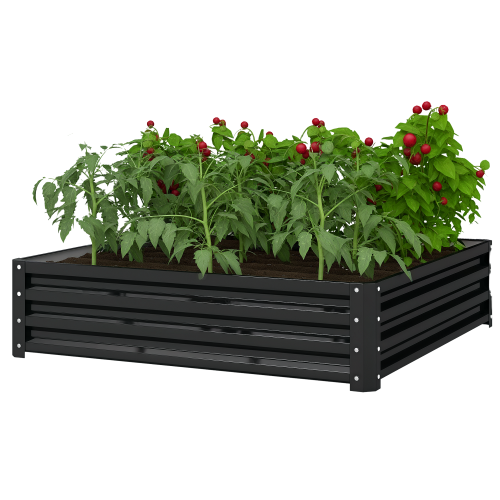
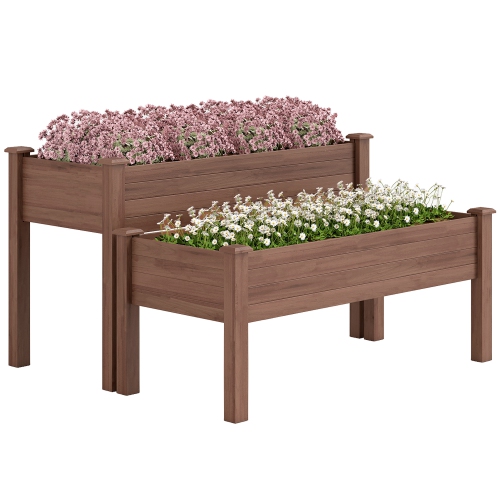
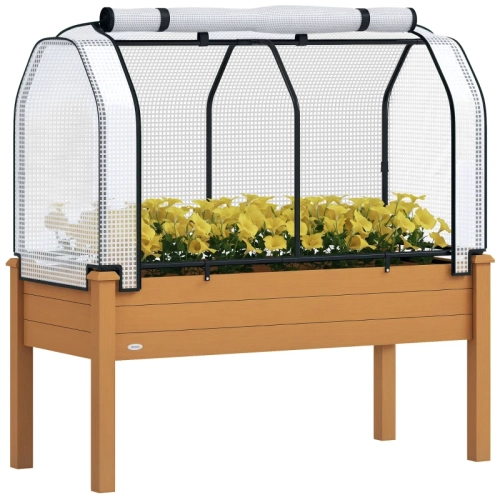
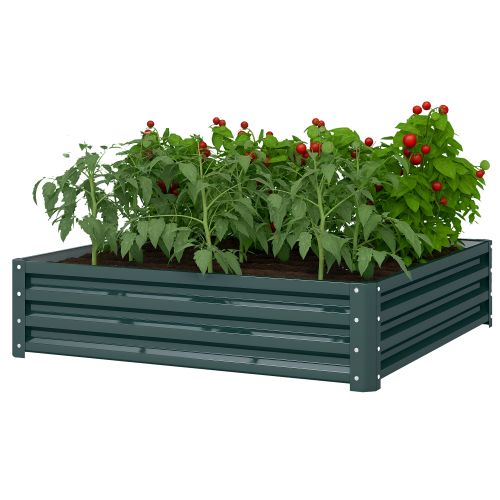
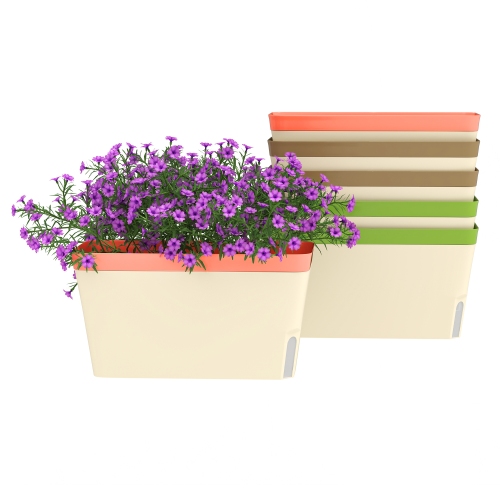

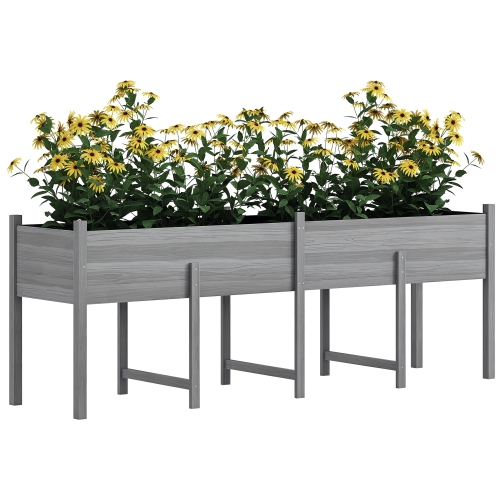
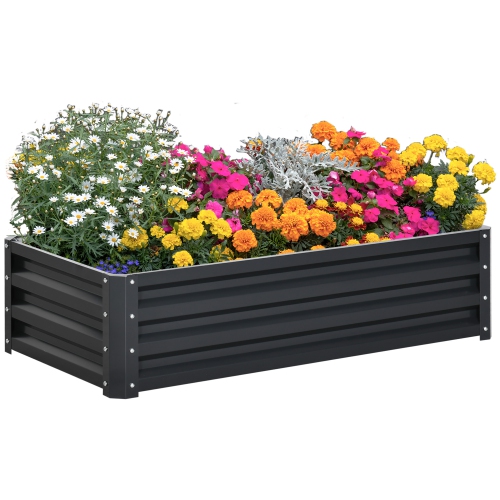
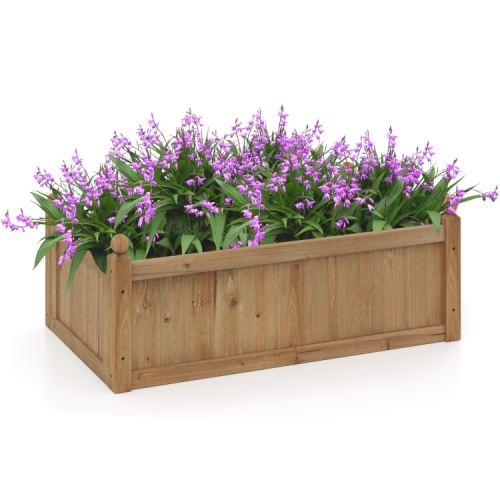
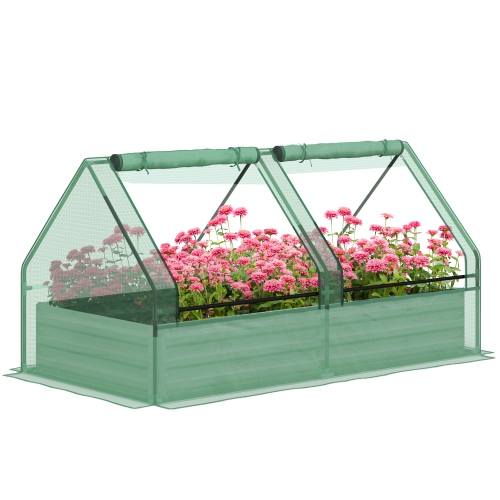
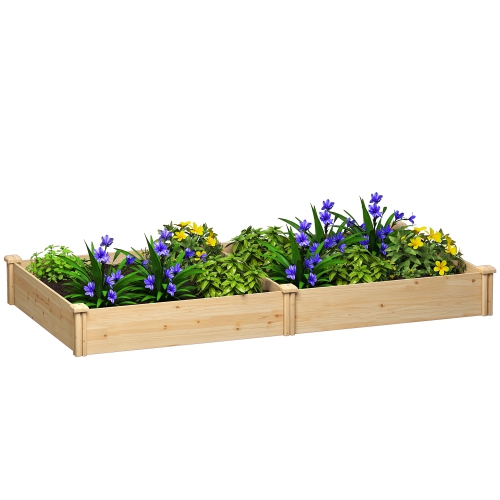
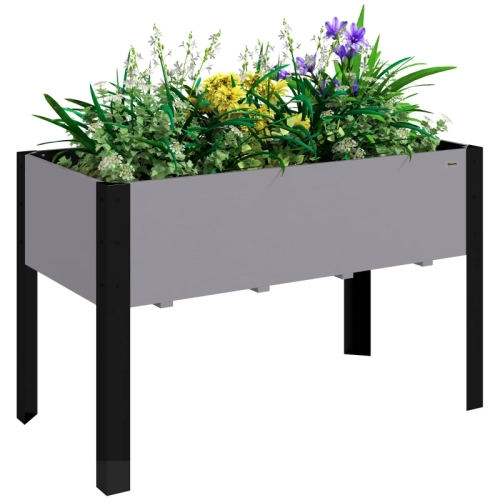
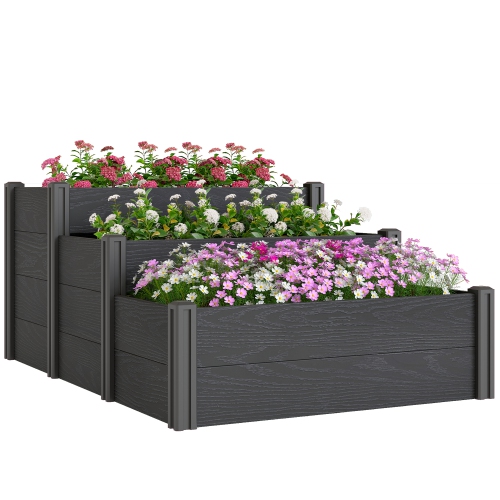
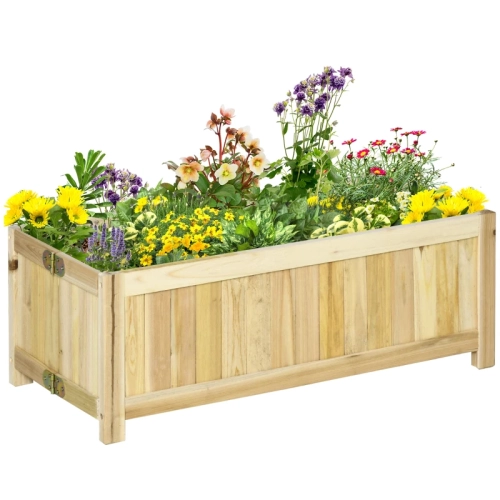
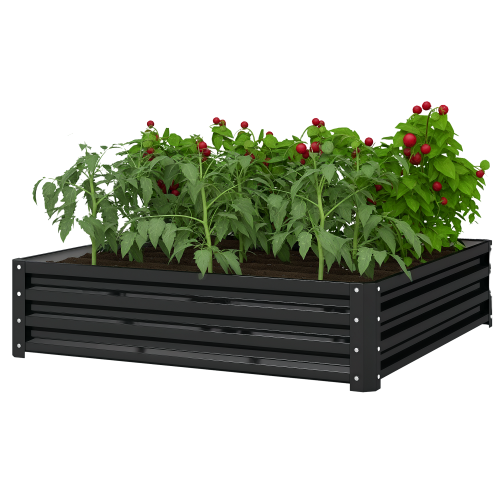
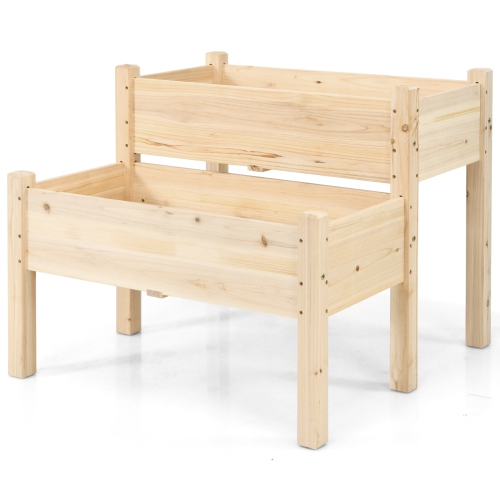
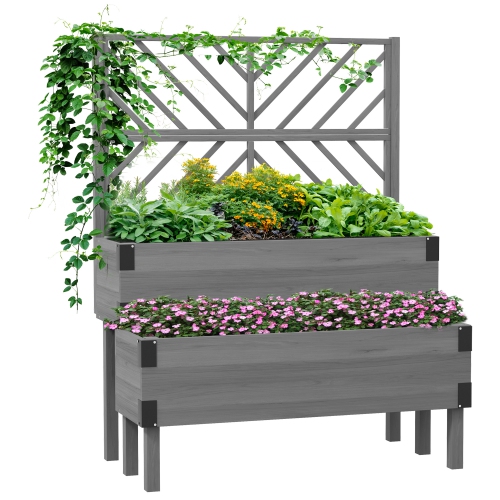
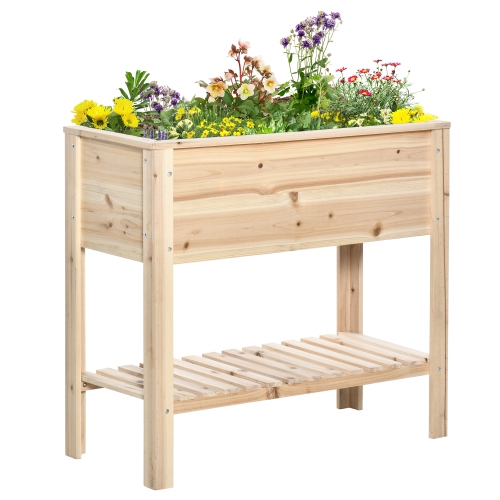
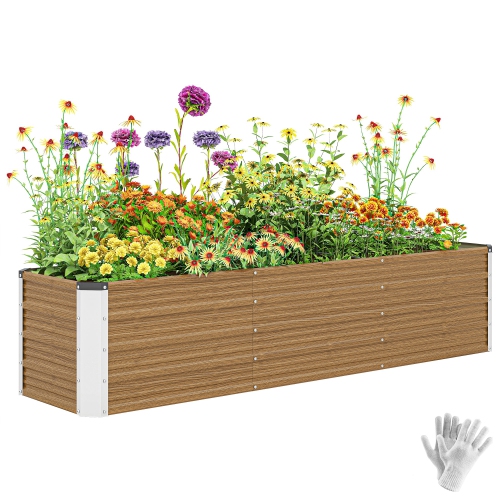
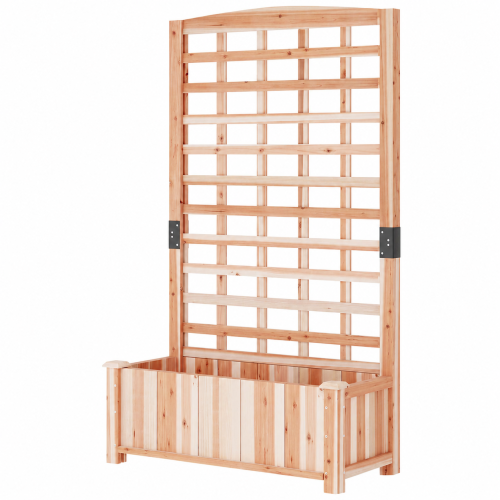
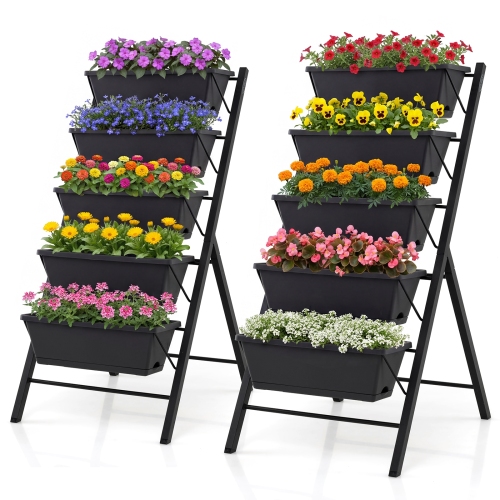
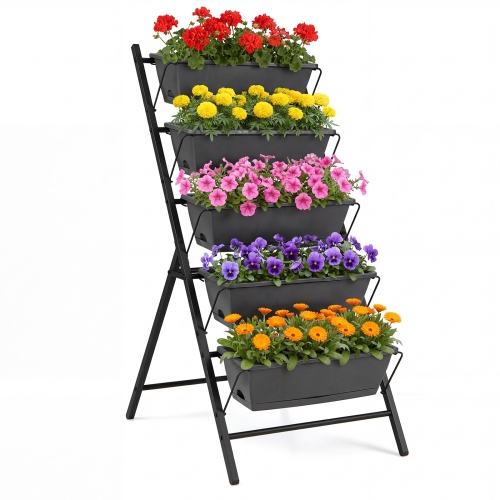
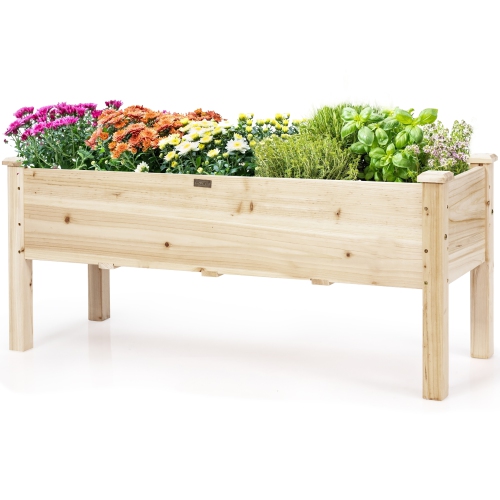
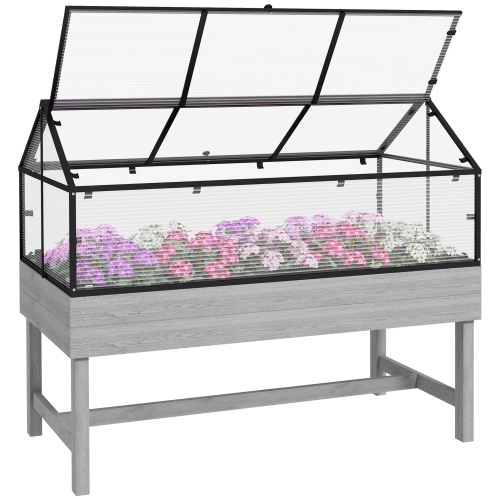
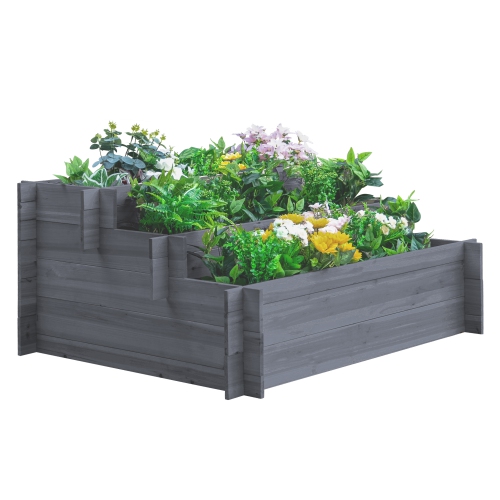
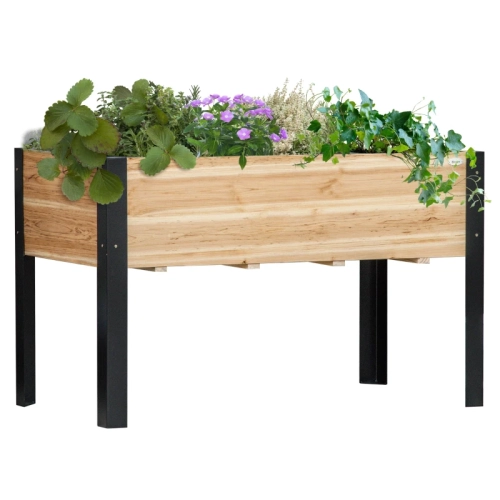
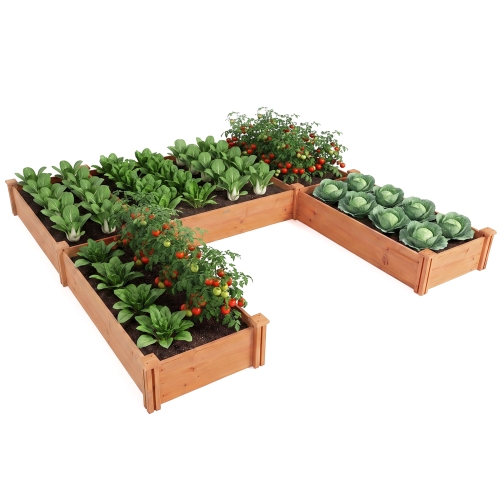
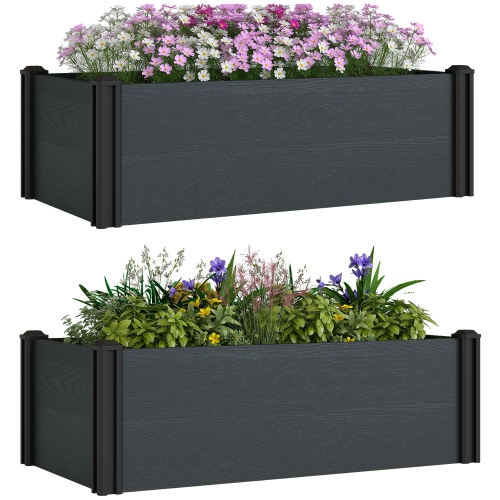
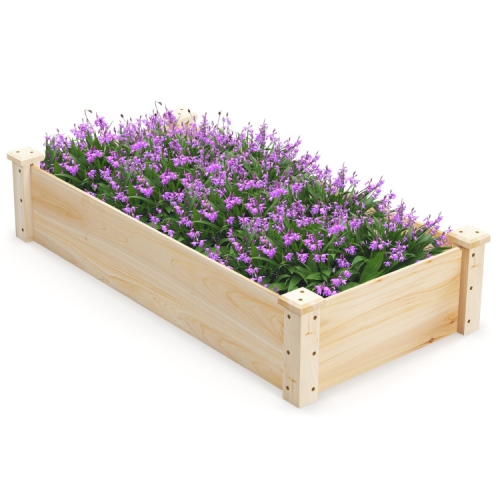
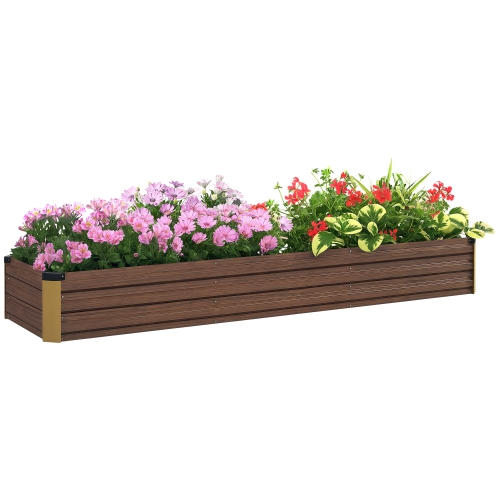
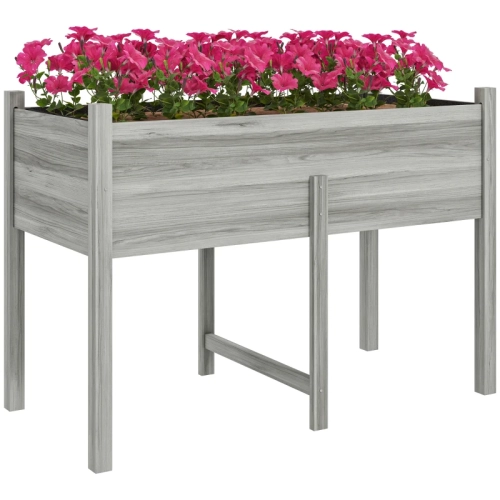
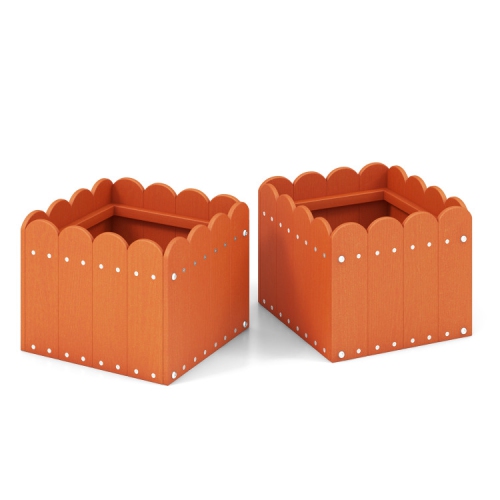
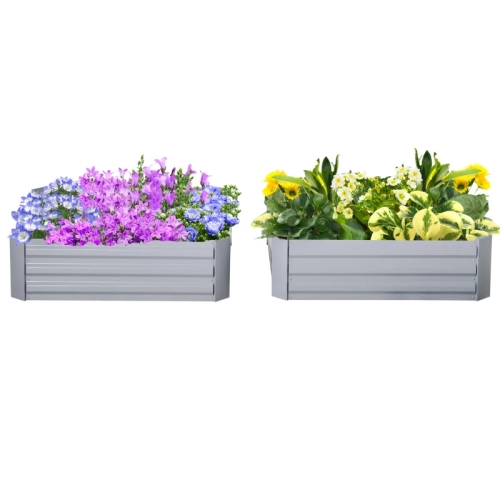
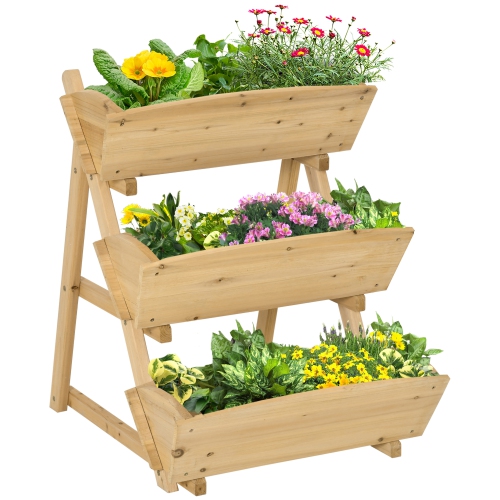
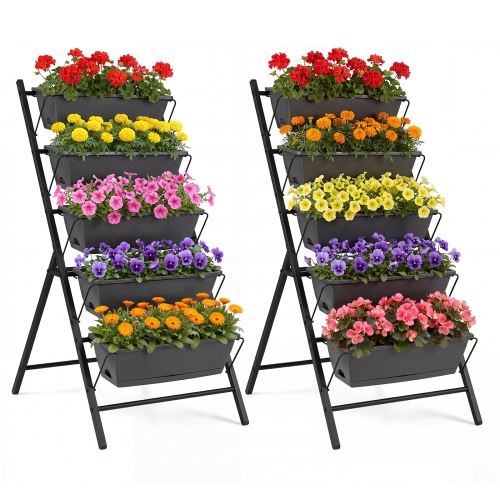
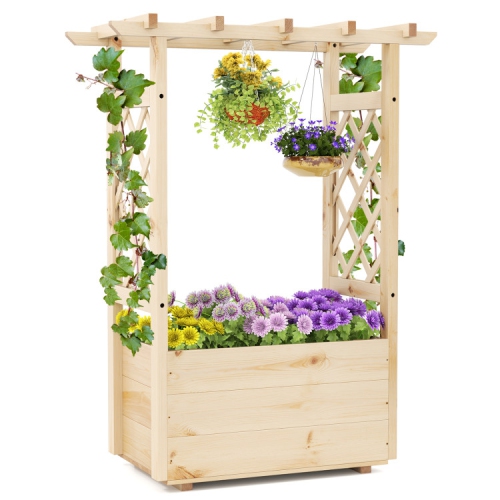
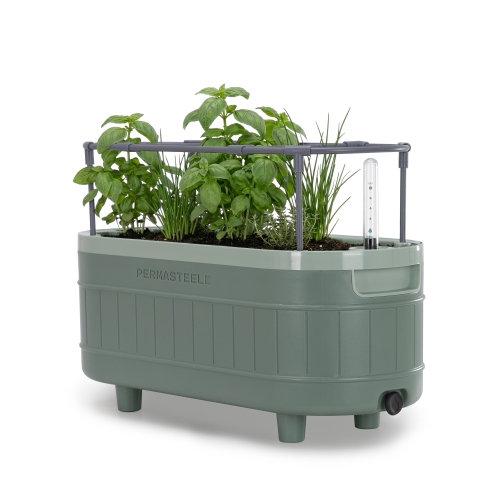
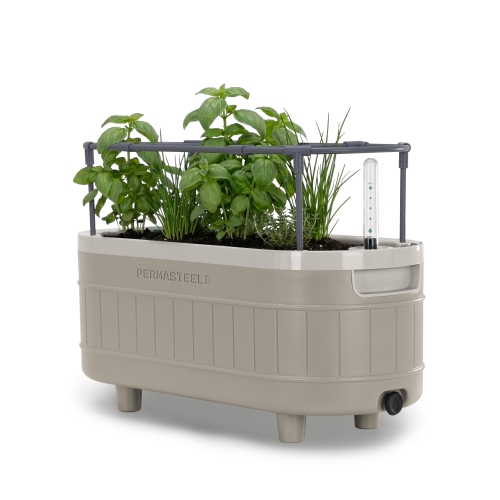
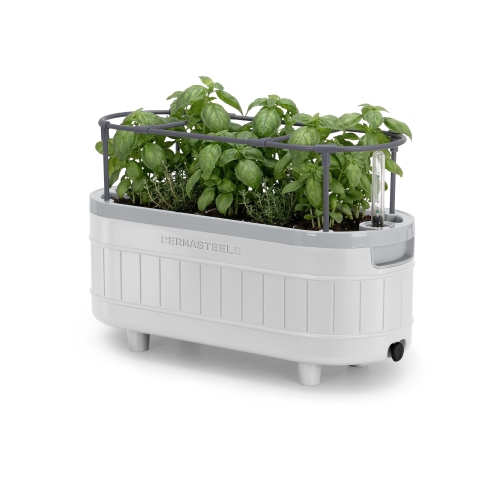
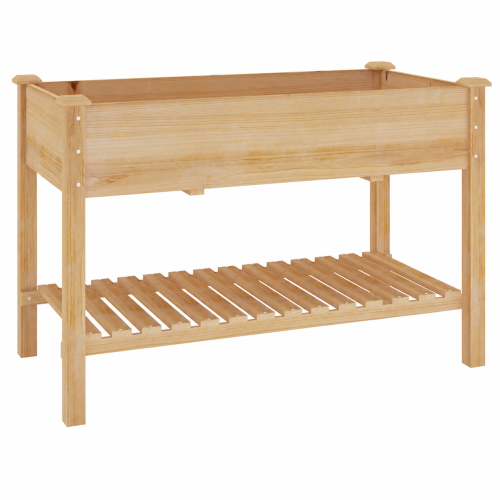
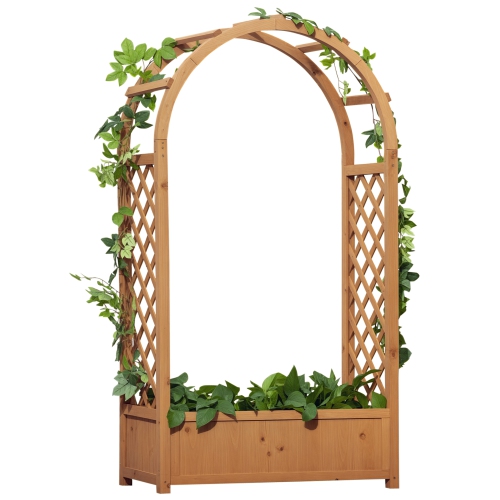

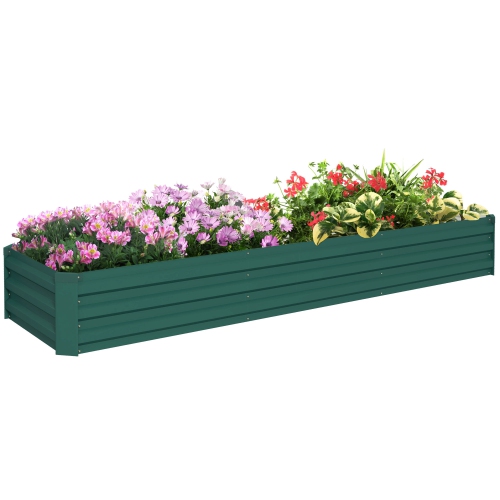
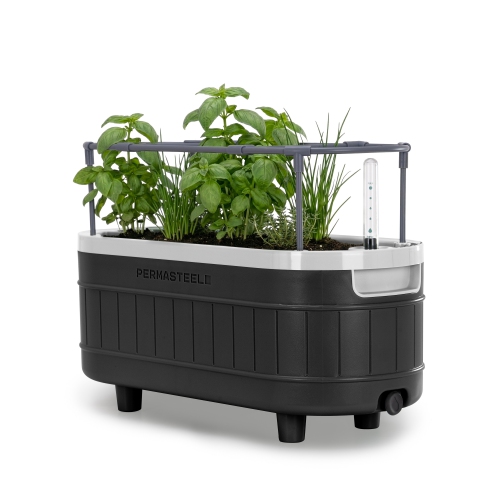
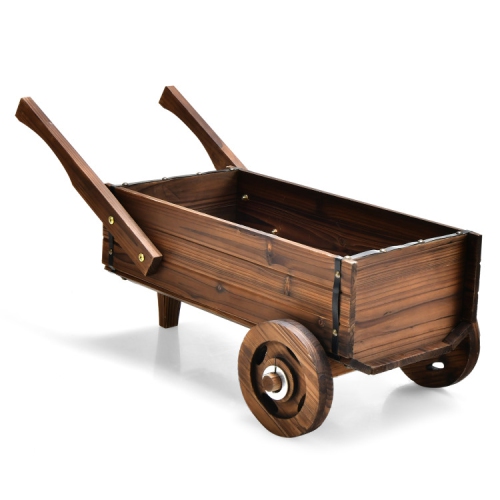
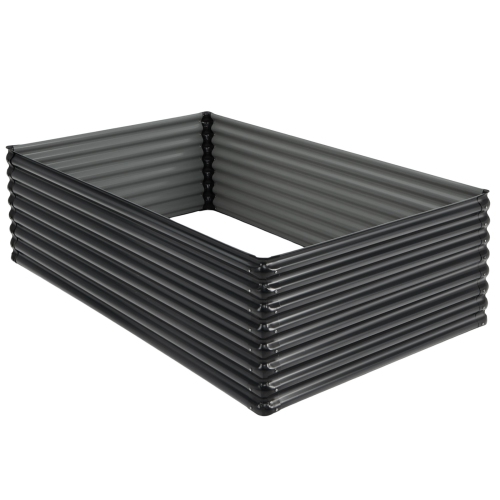
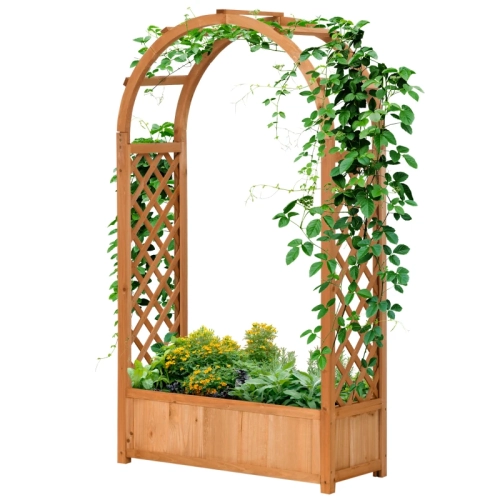
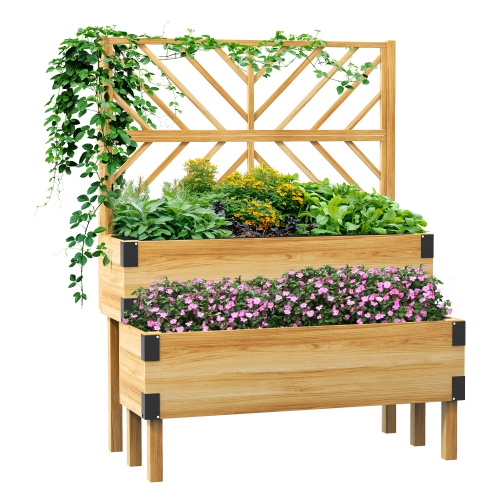
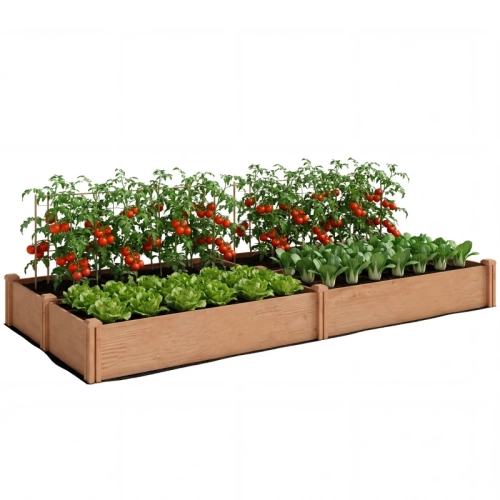
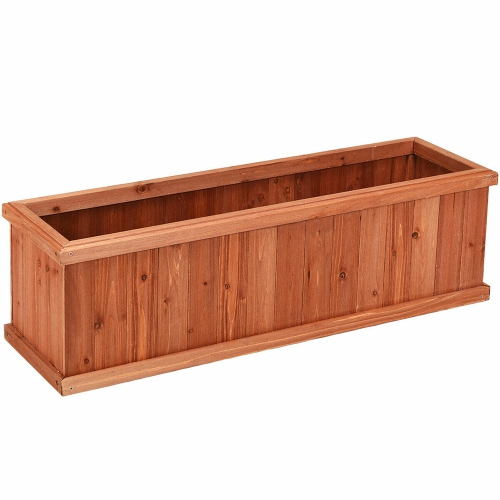
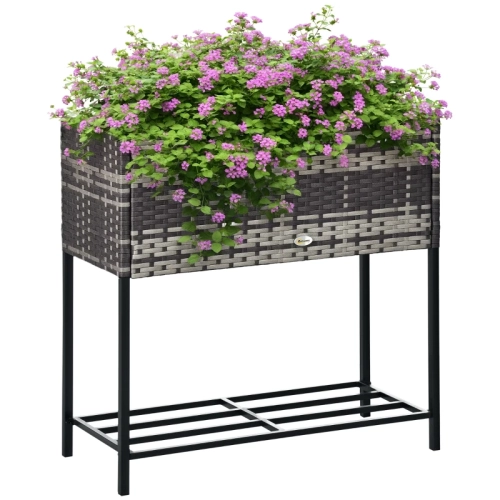
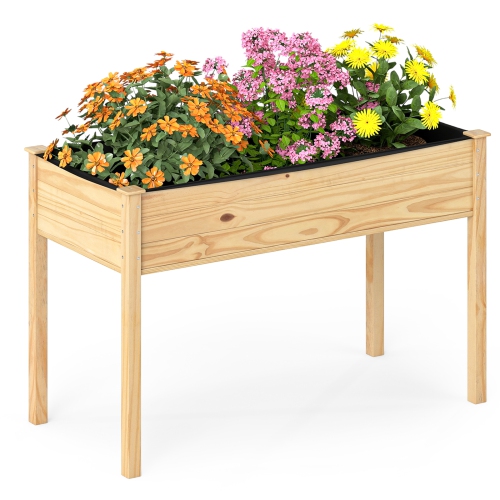

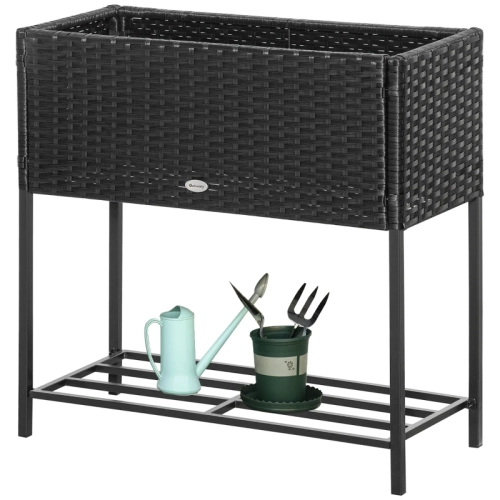
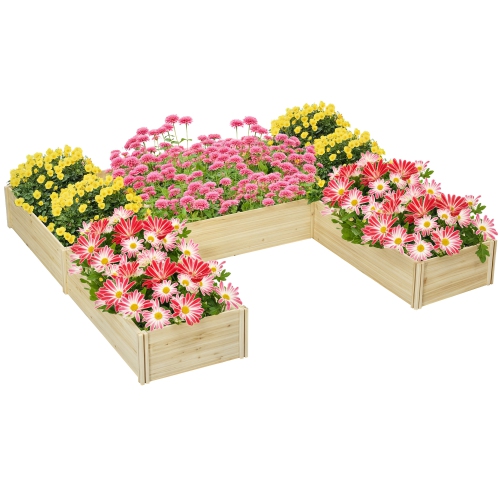
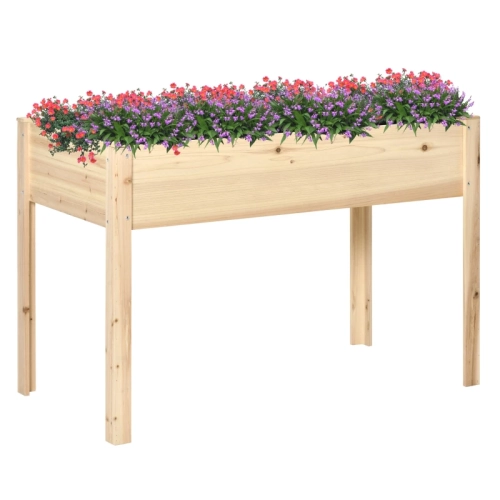
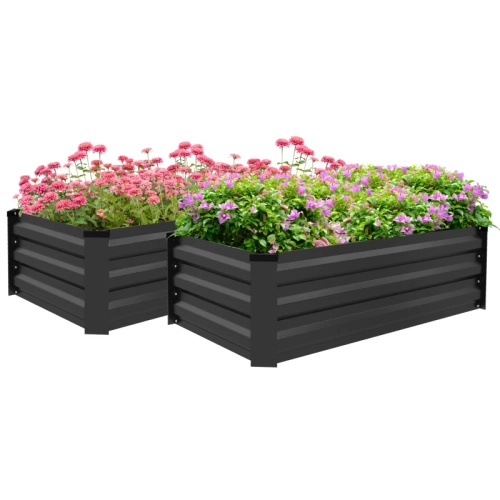

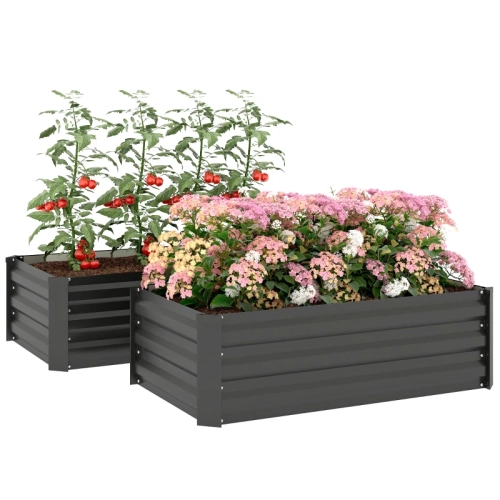
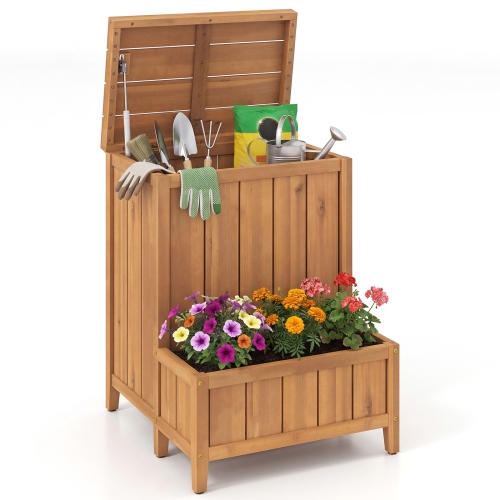
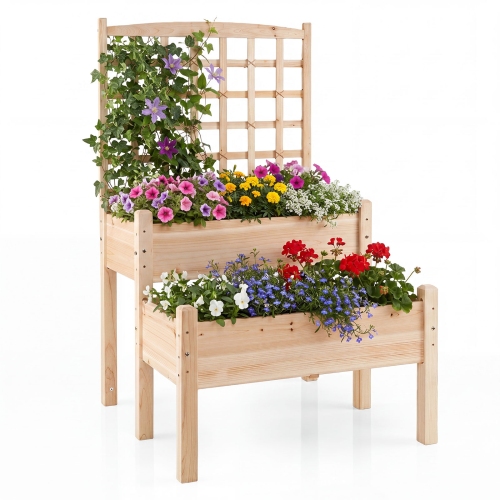
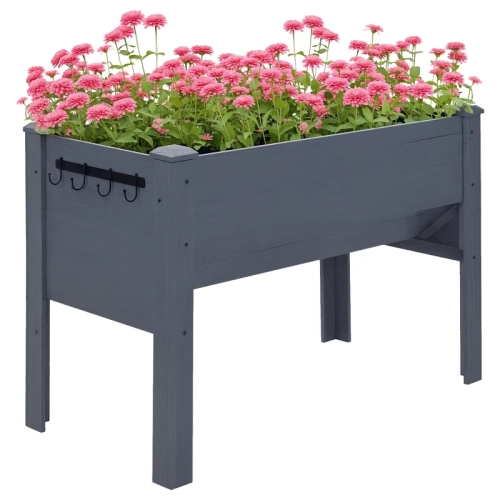
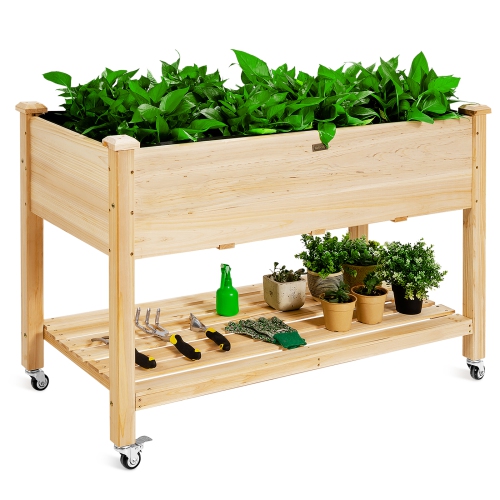
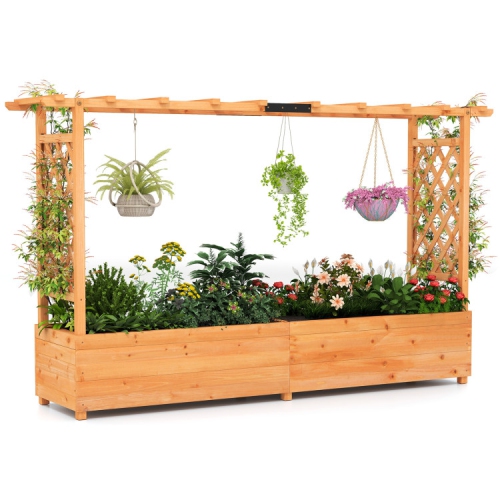
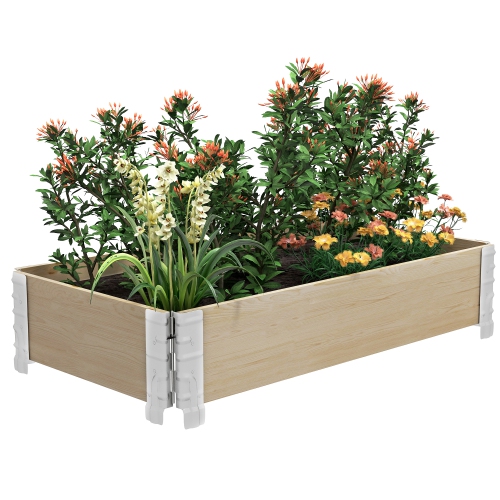
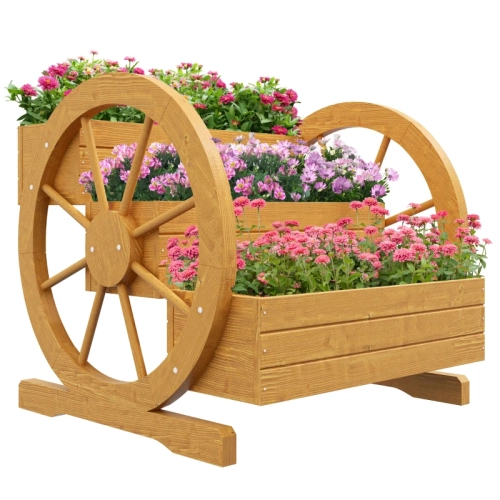
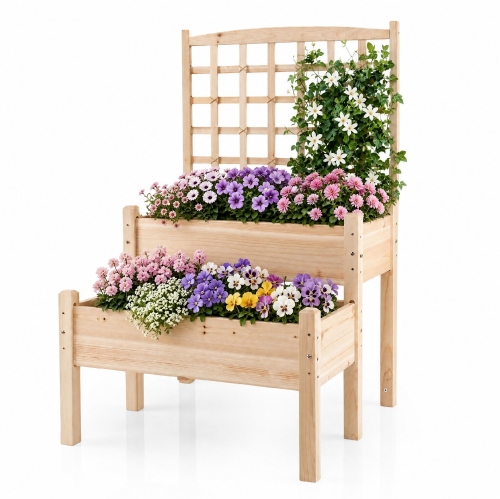
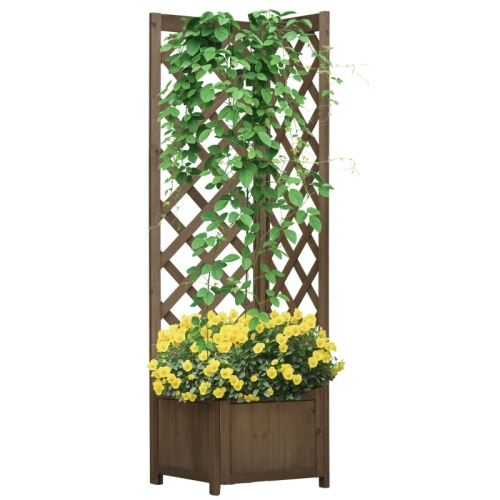
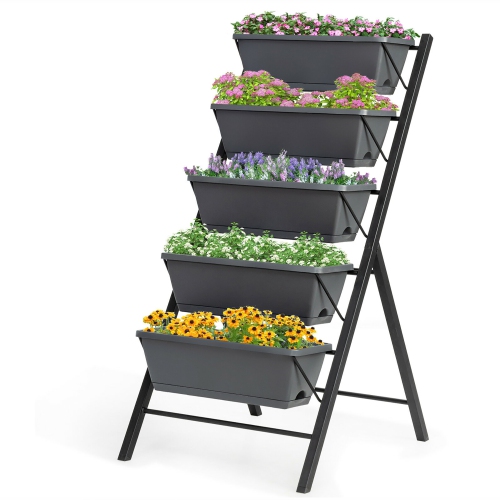

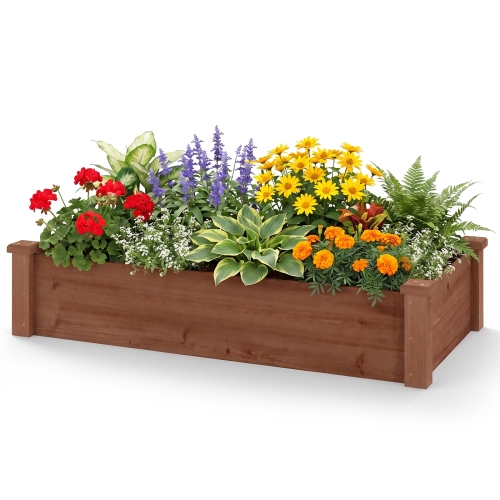
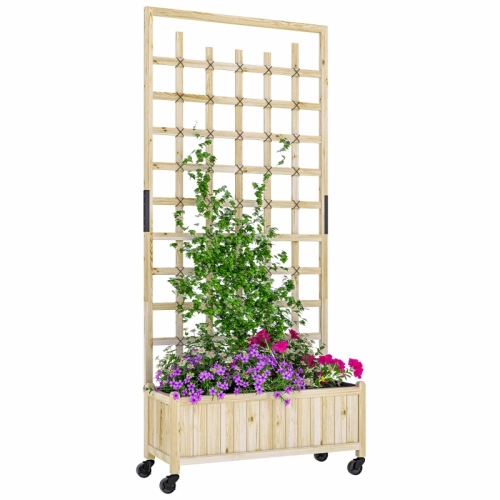
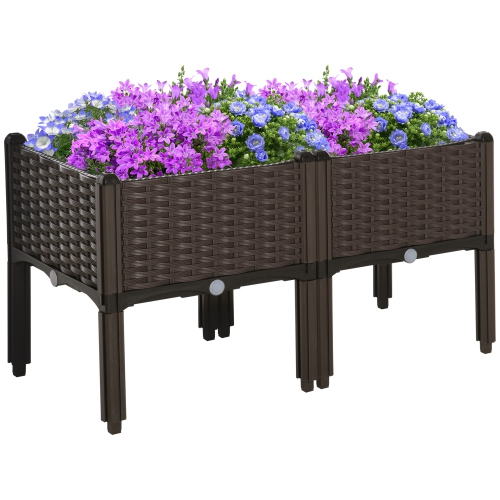
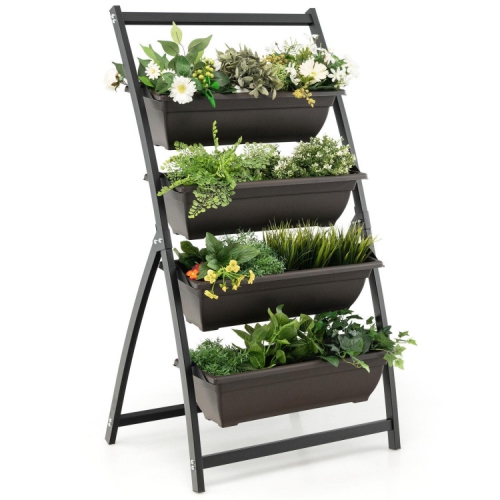
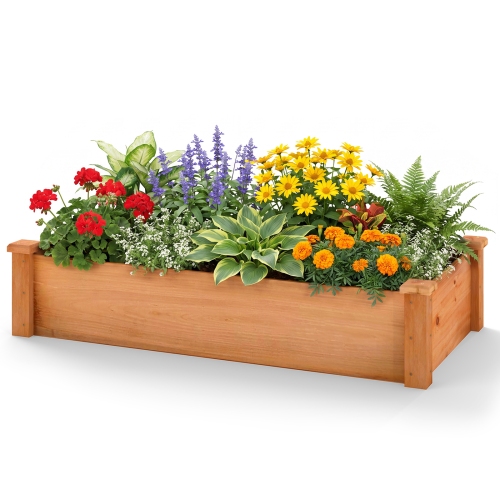
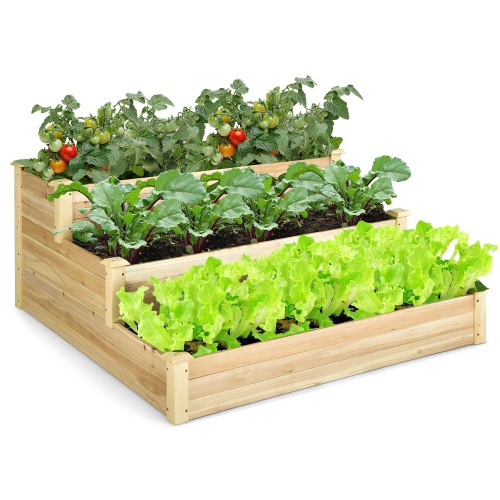
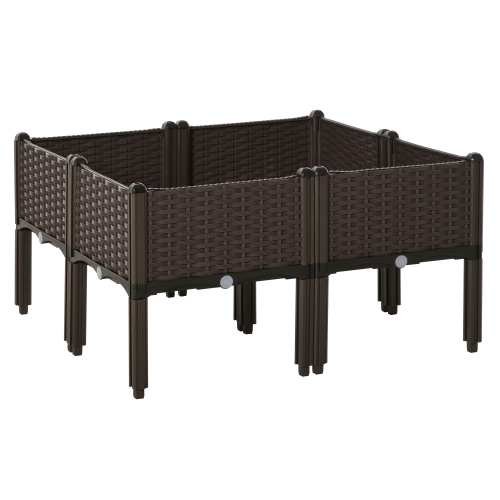

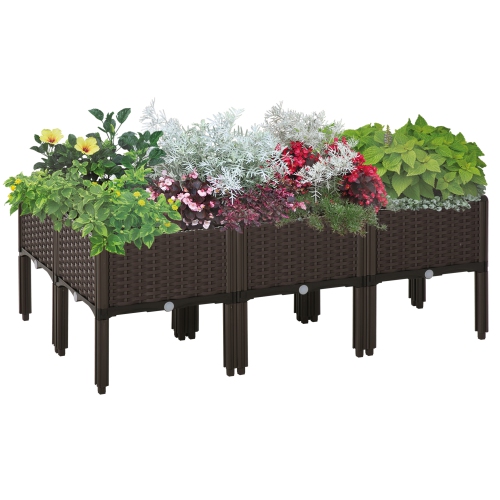
A practical way to grow fresh herbs in small spaces
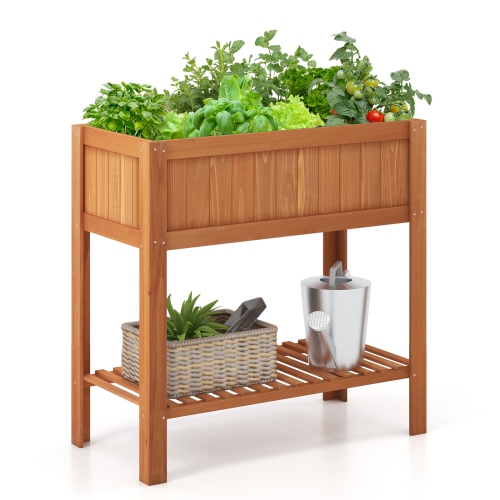
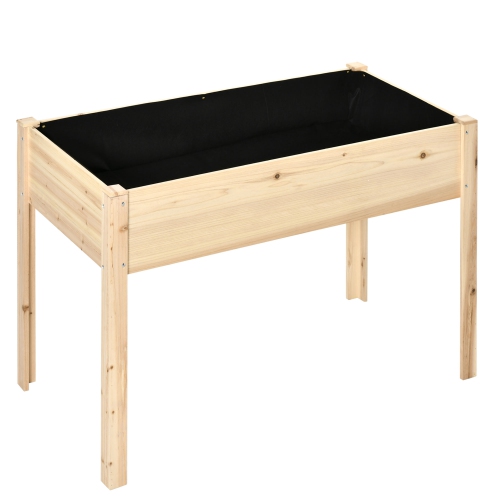
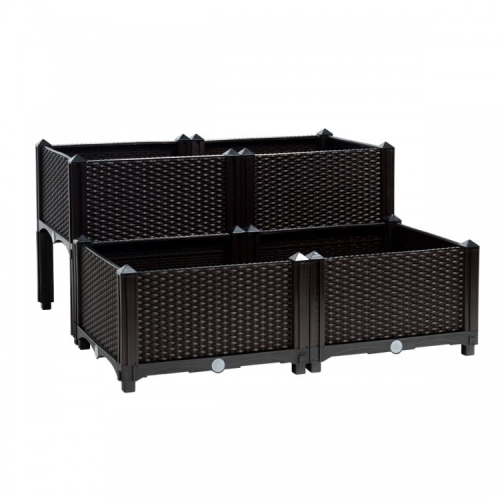
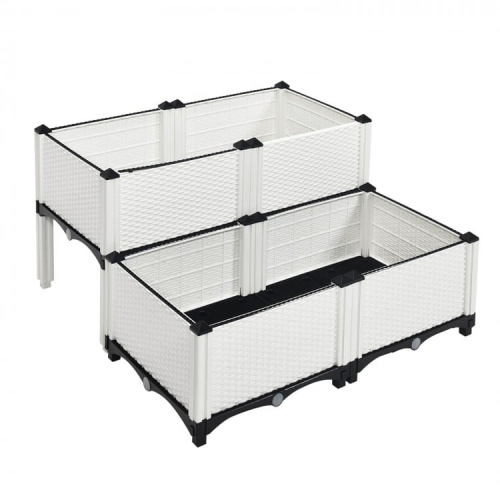
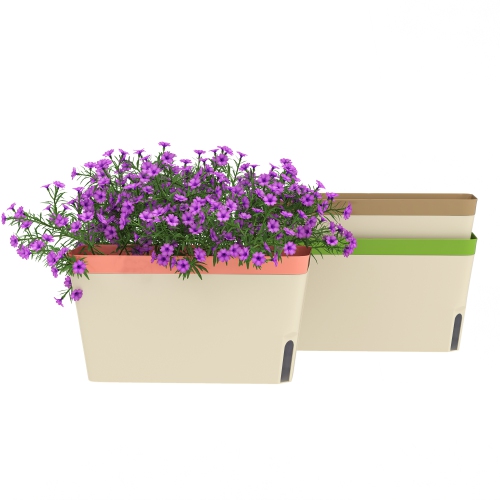
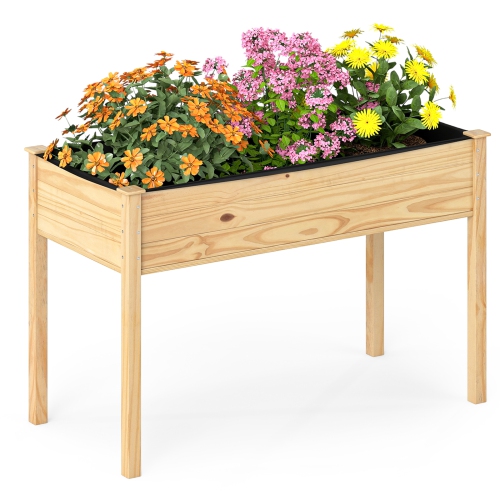
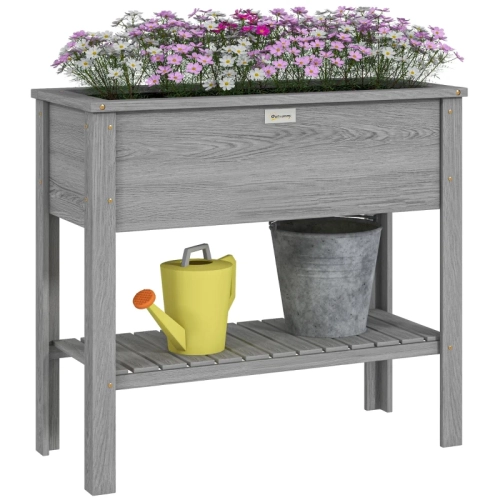
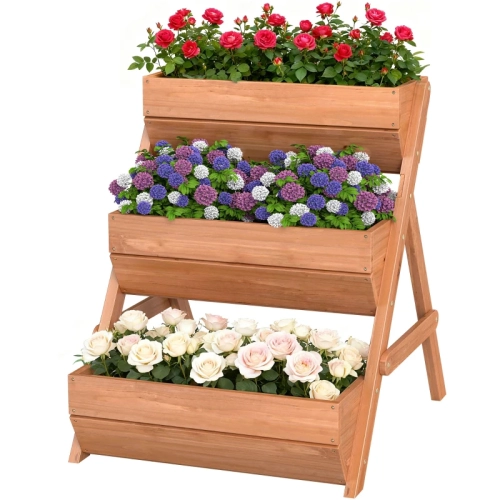
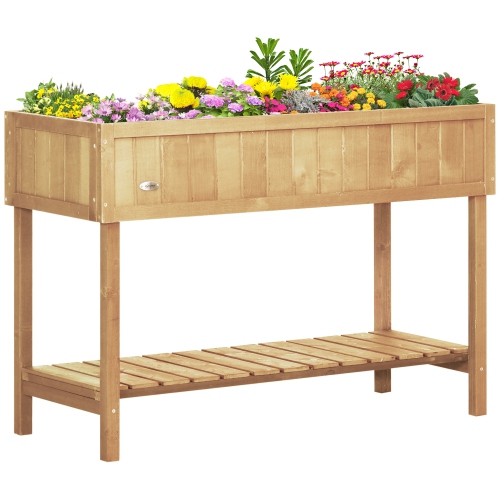
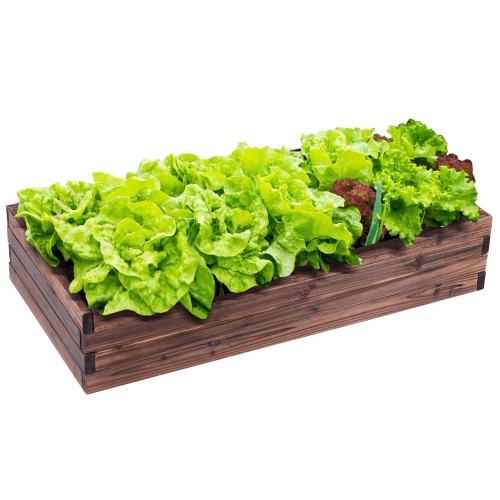
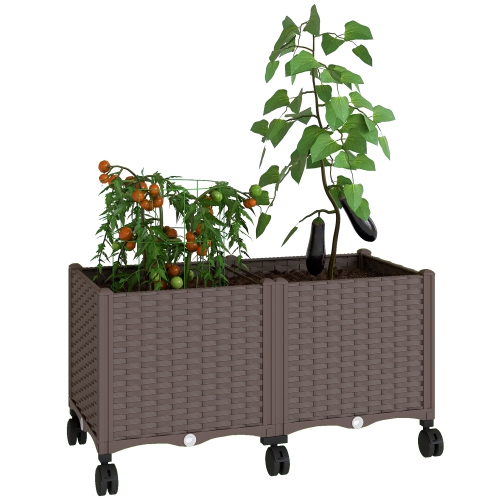
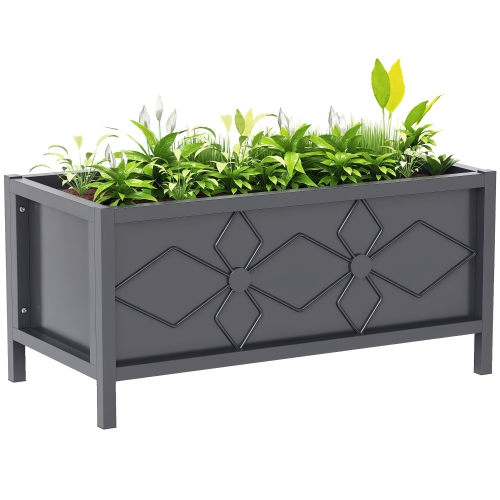
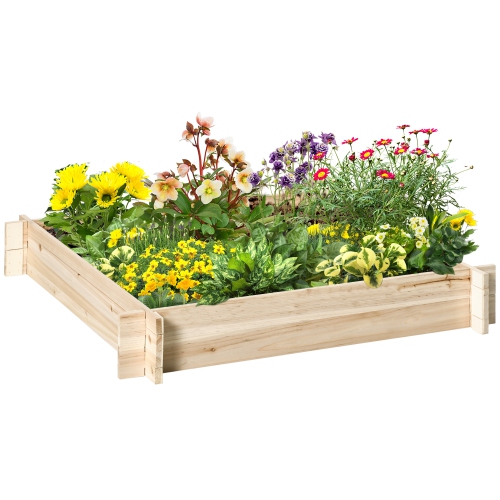
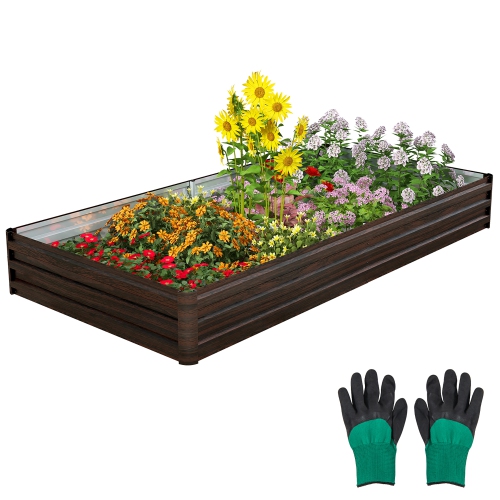
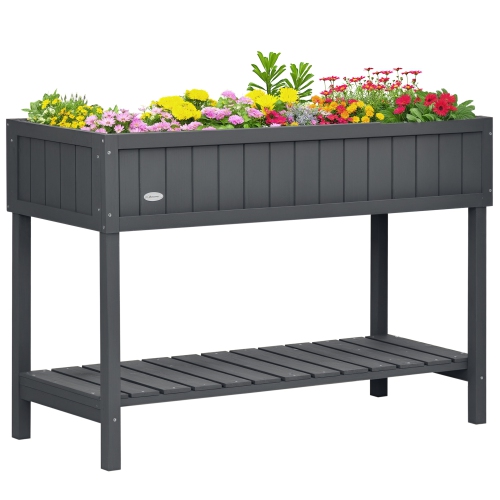
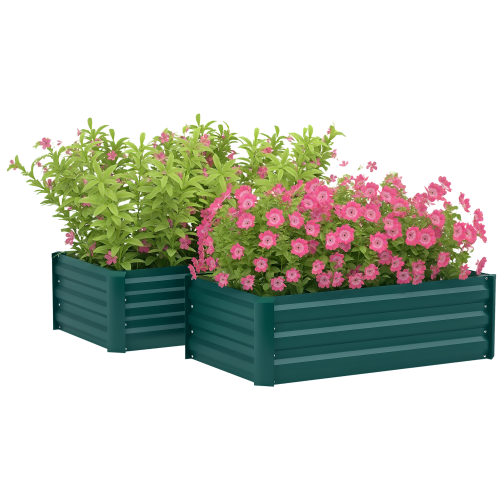
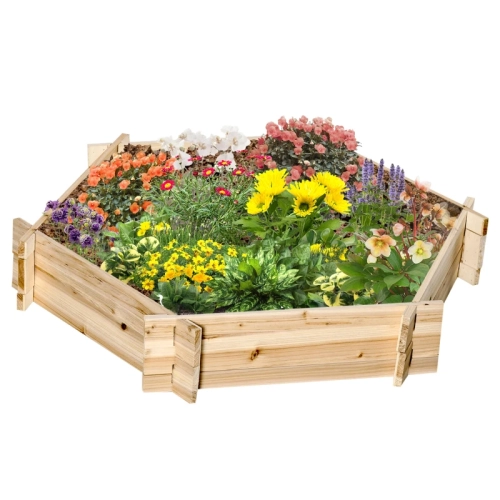
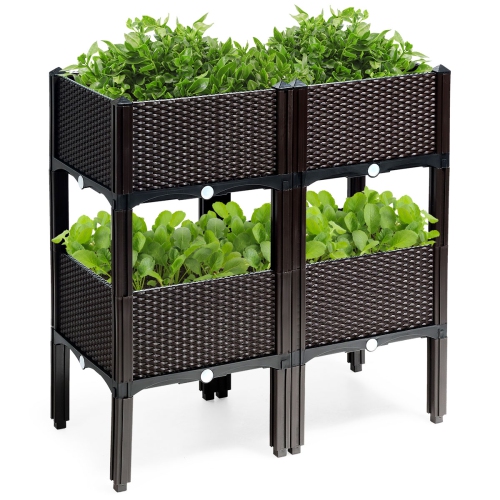
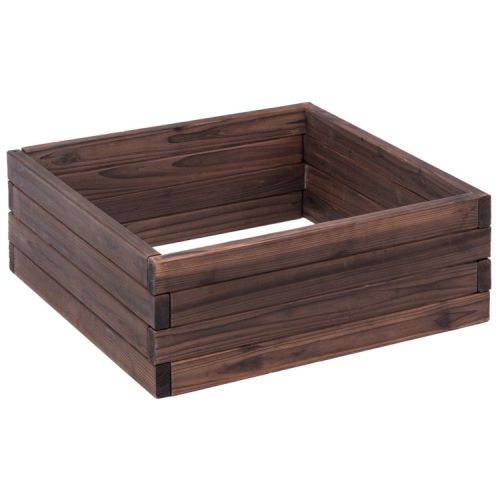
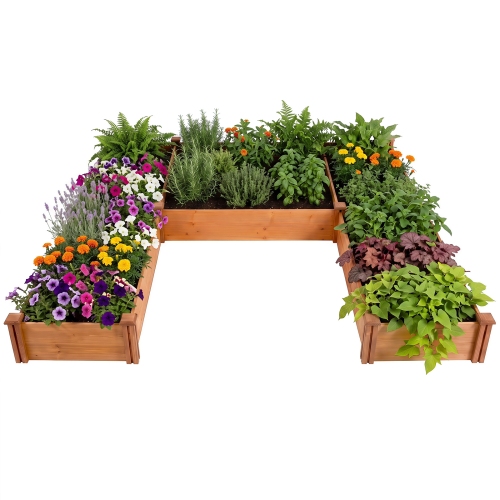
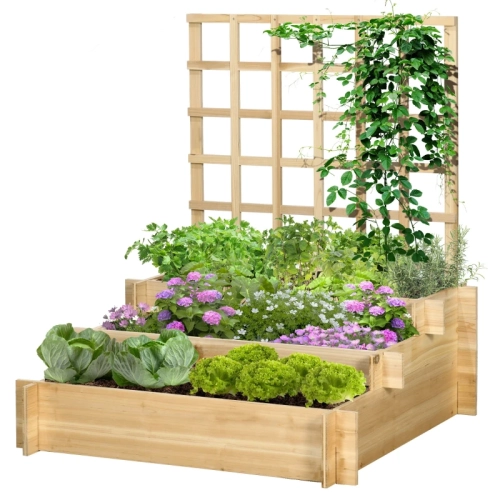
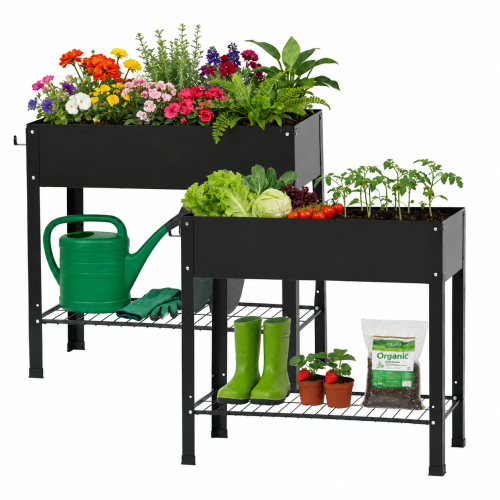
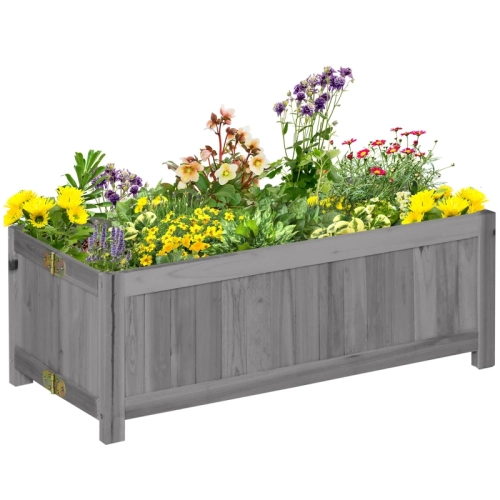
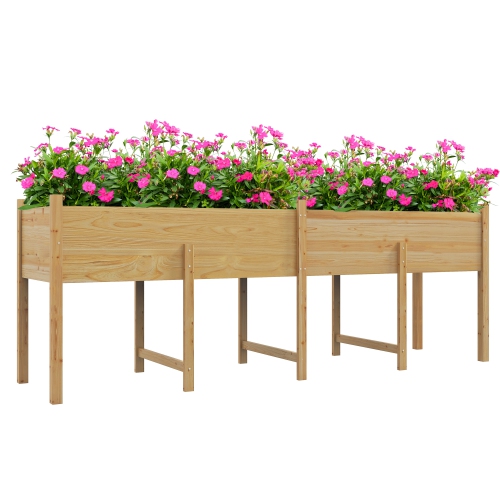
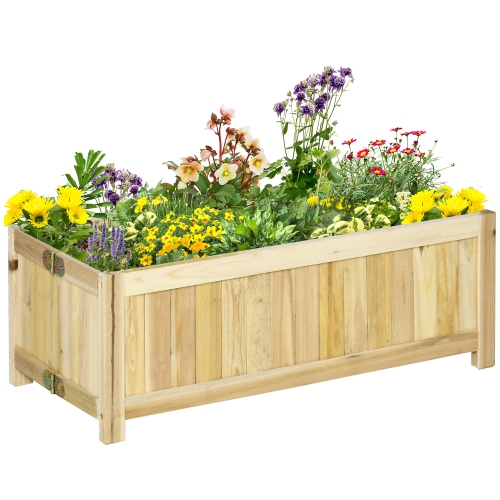
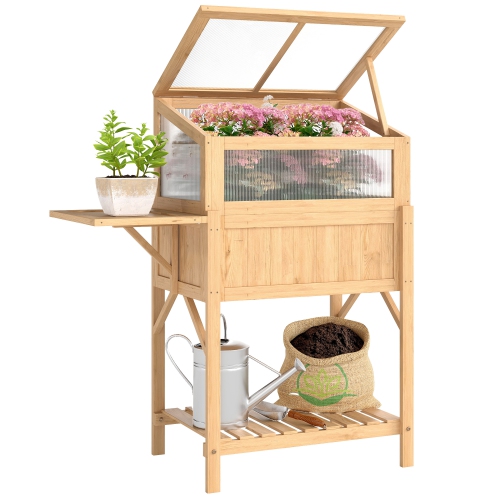
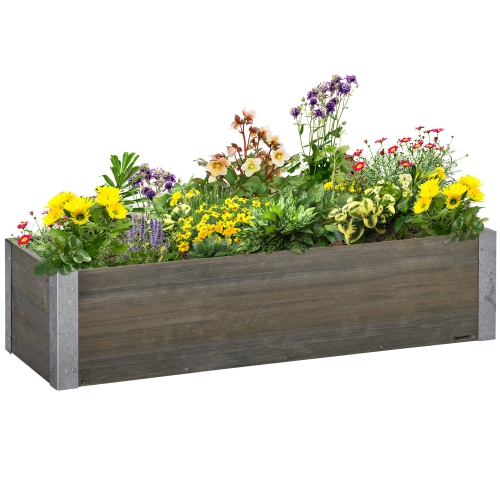
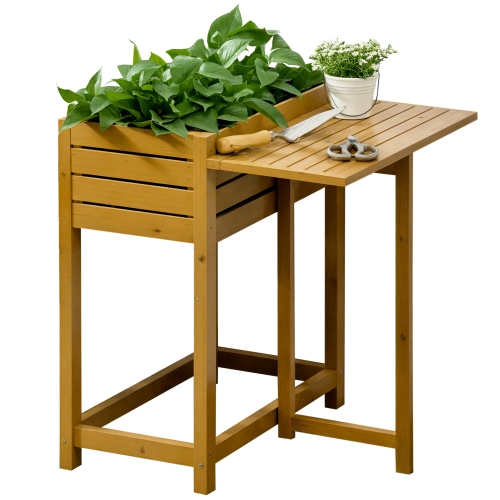
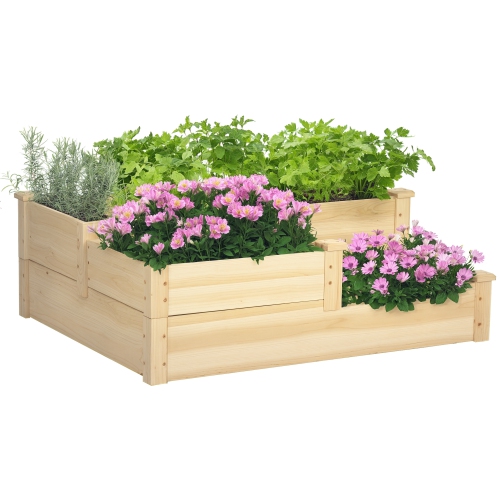
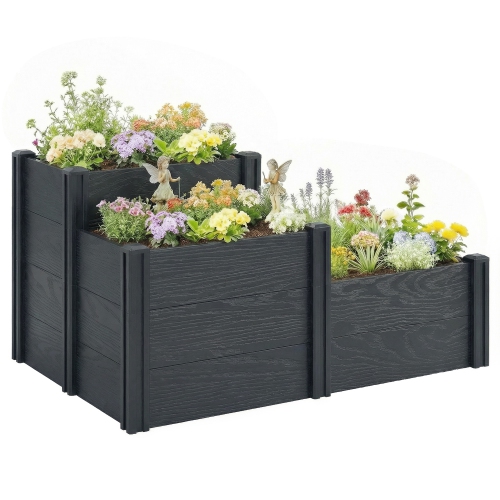
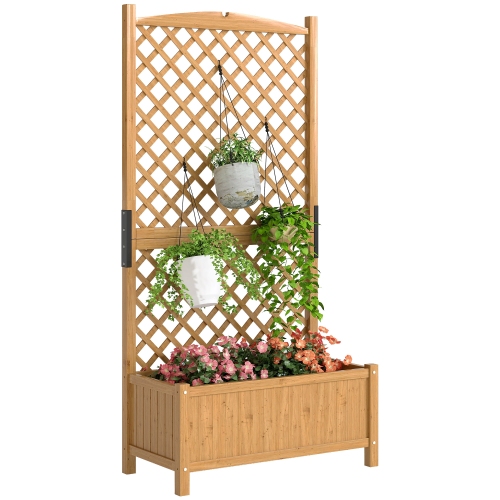
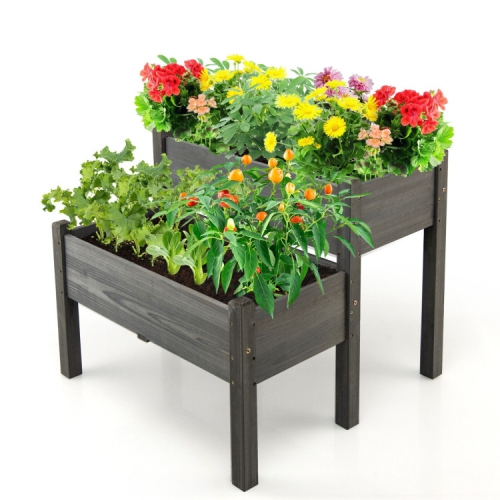
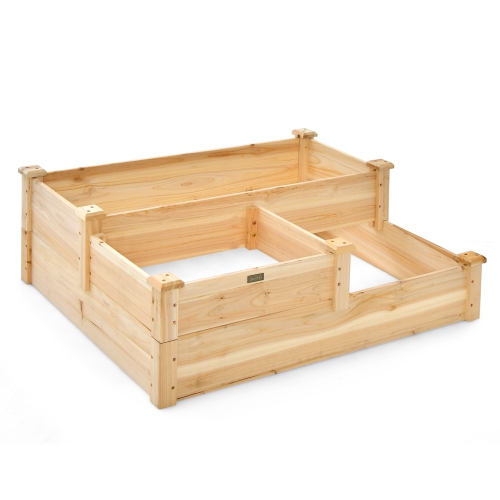
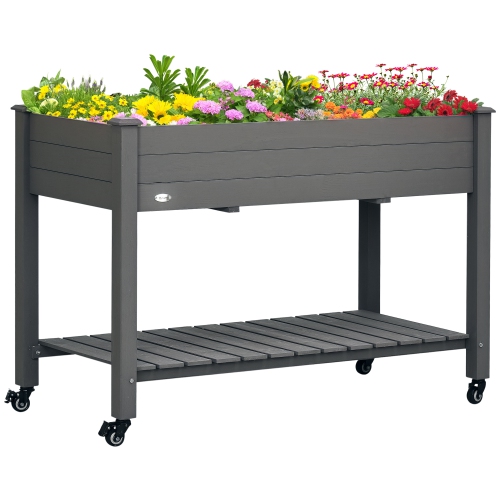
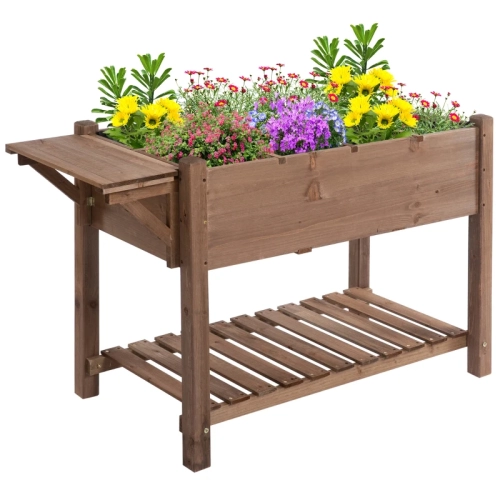
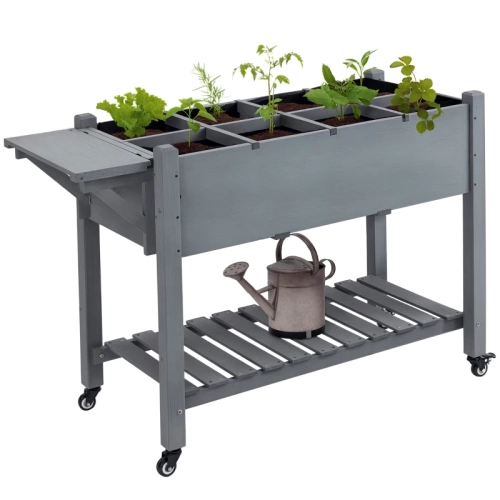
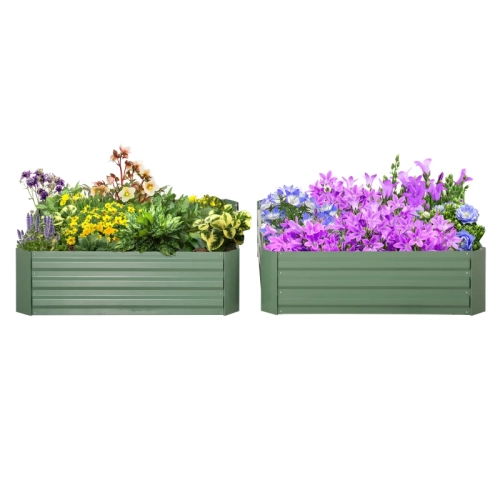
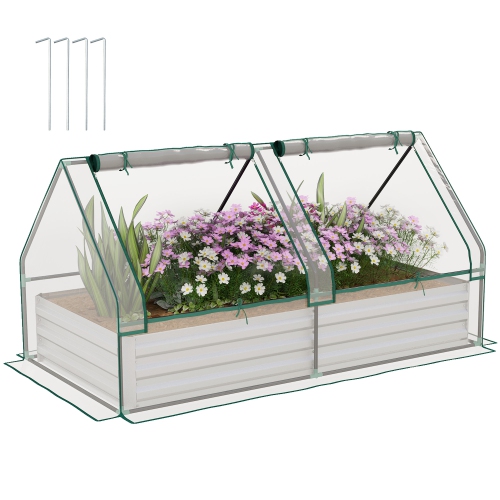
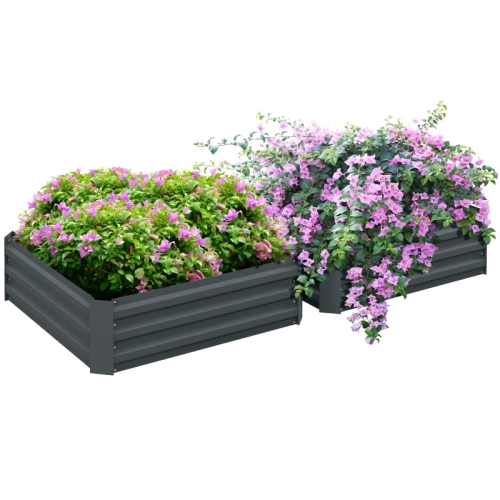
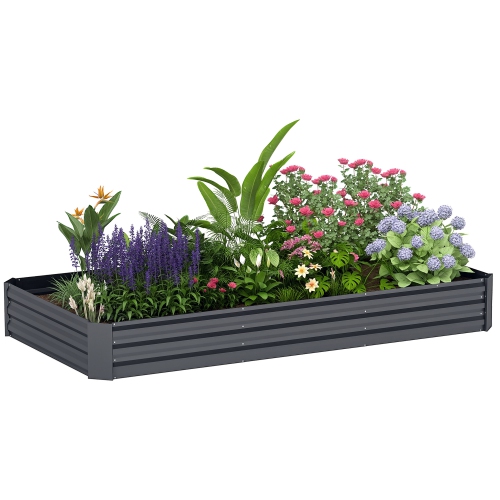
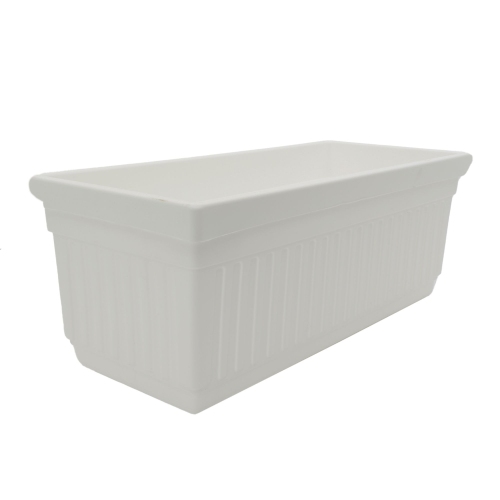
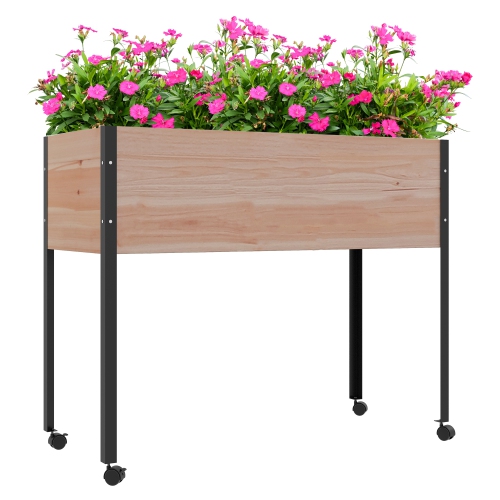
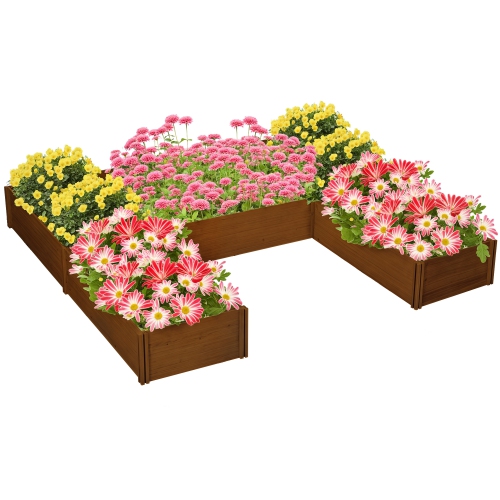
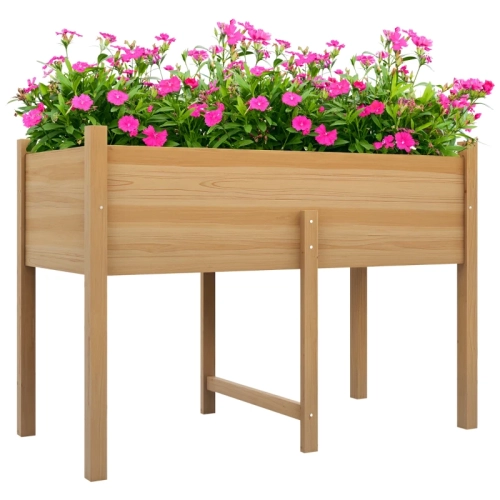
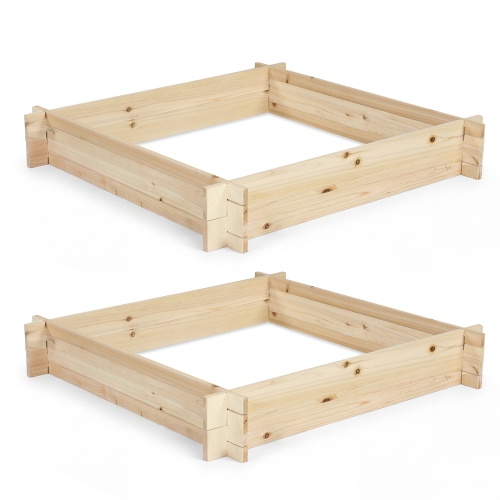
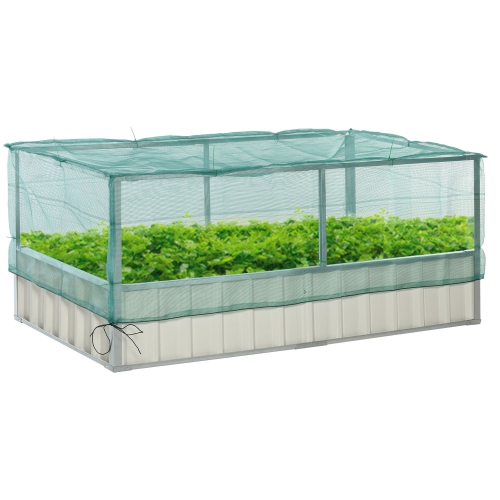
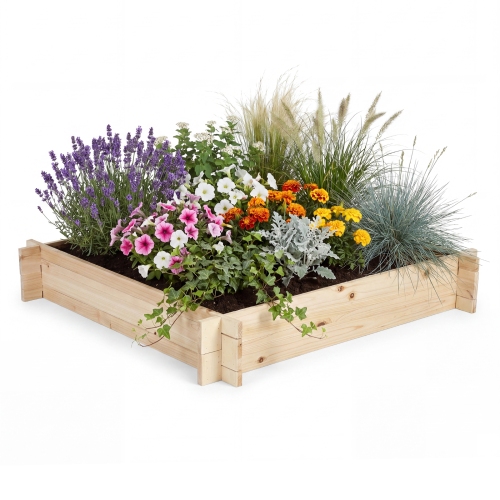
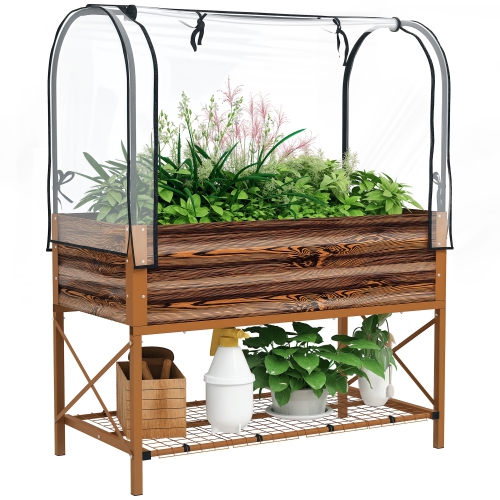
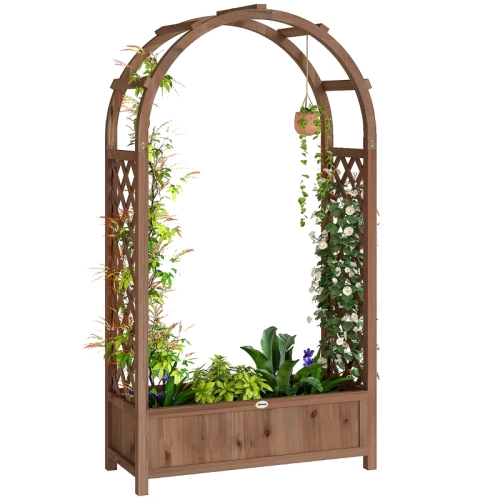
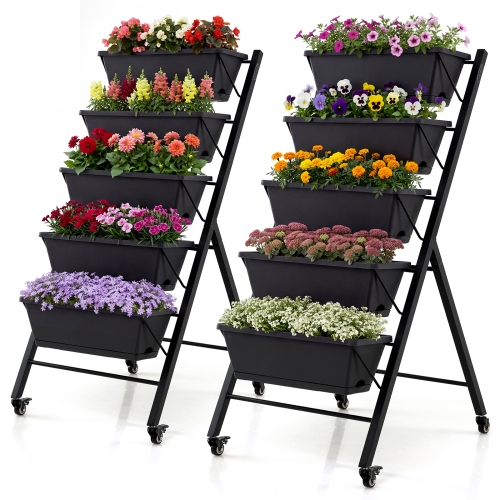
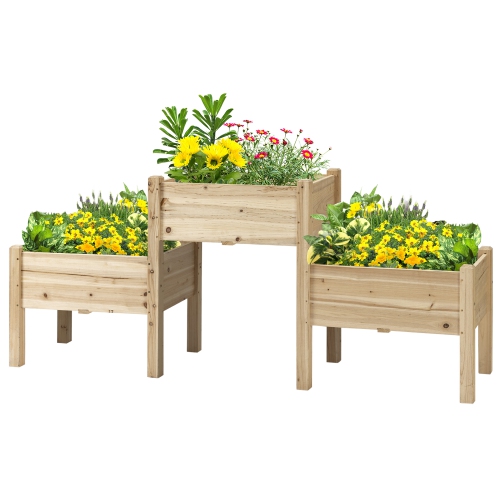
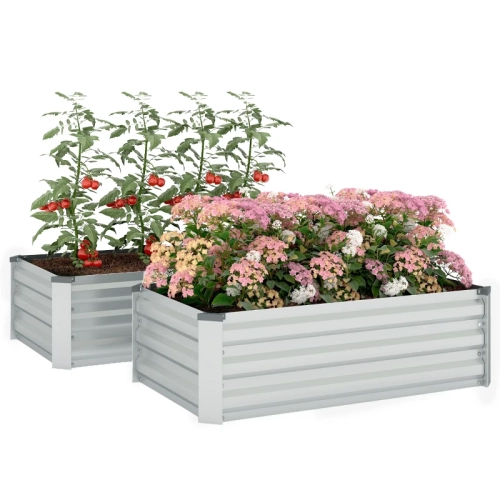
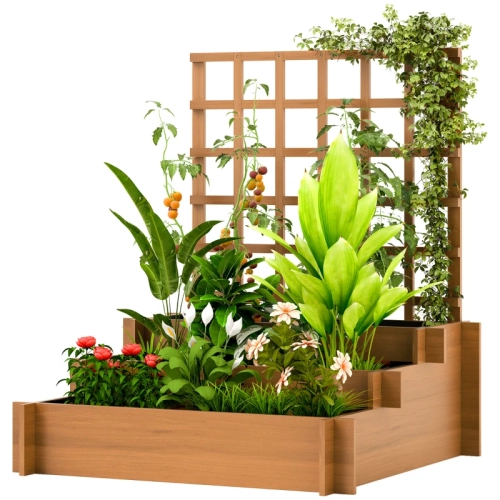
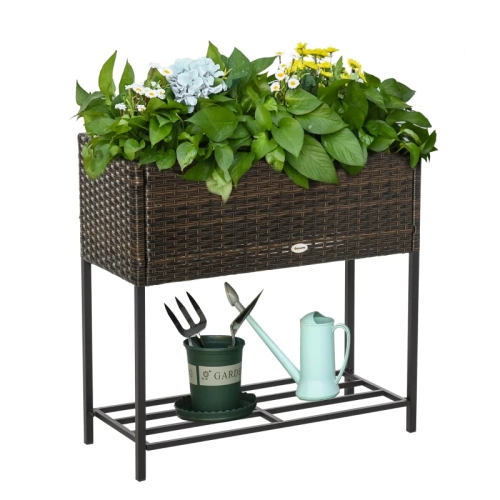
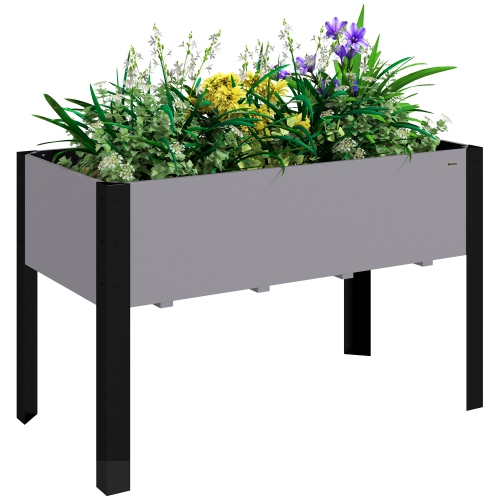
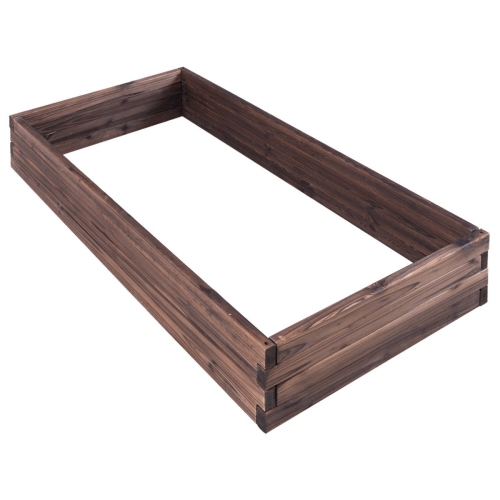
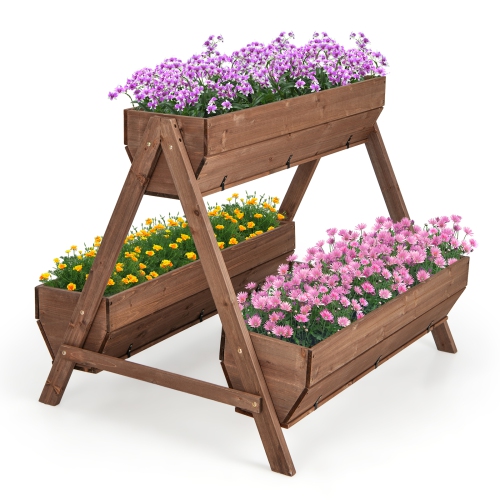
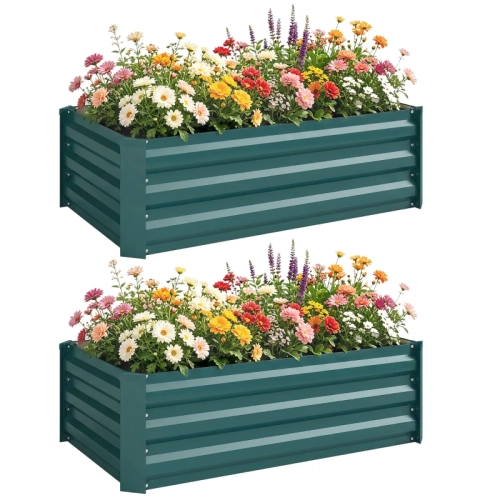
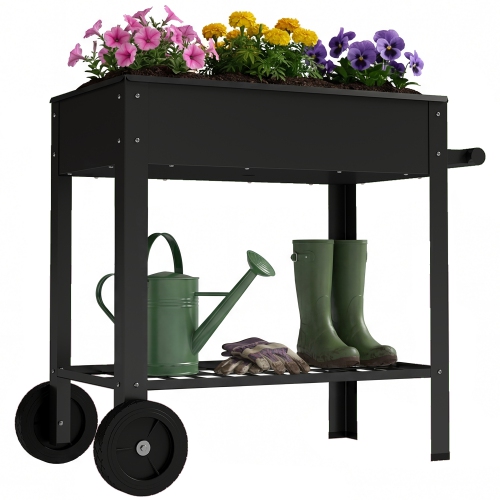
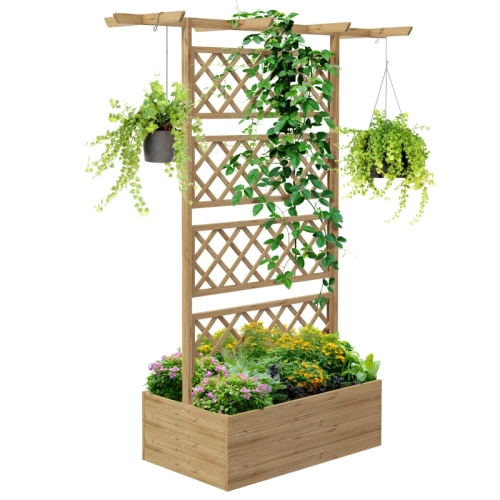
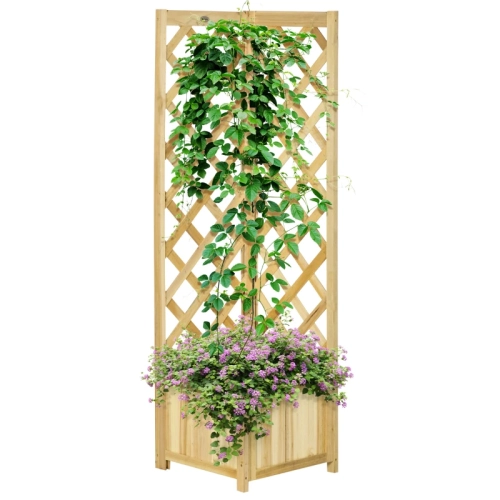
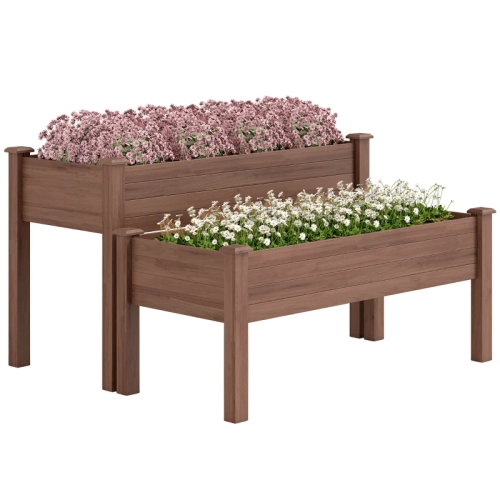
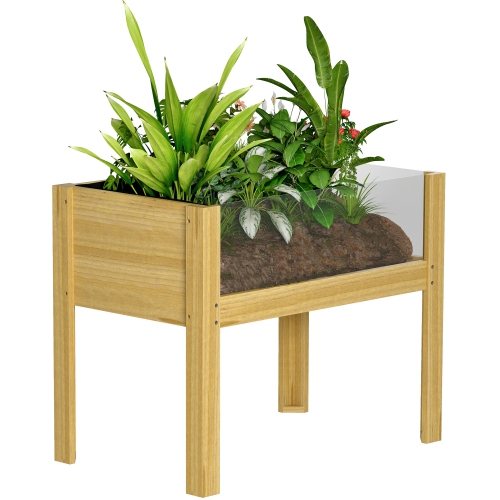
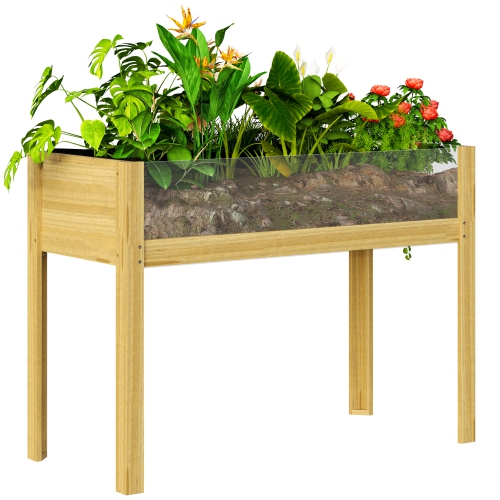
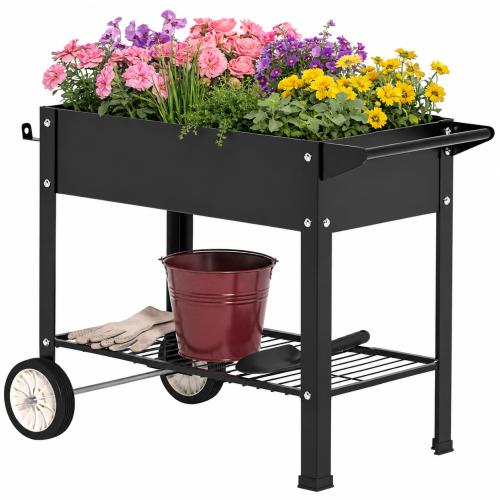
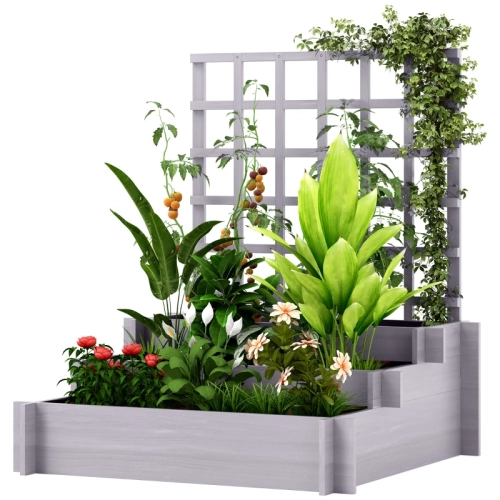
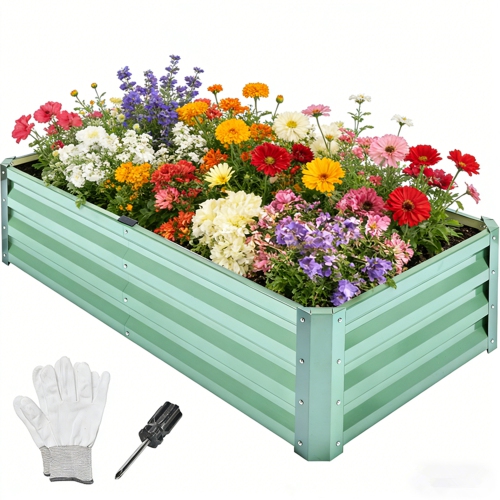
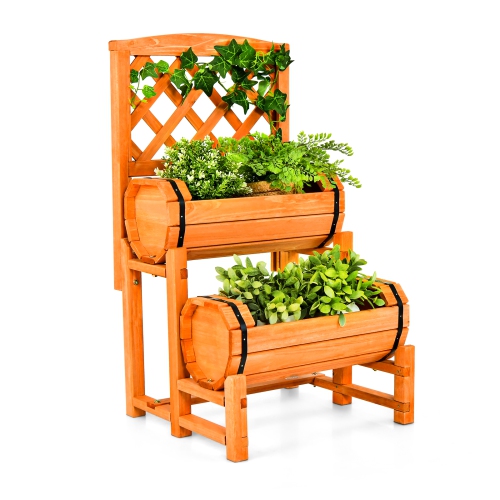
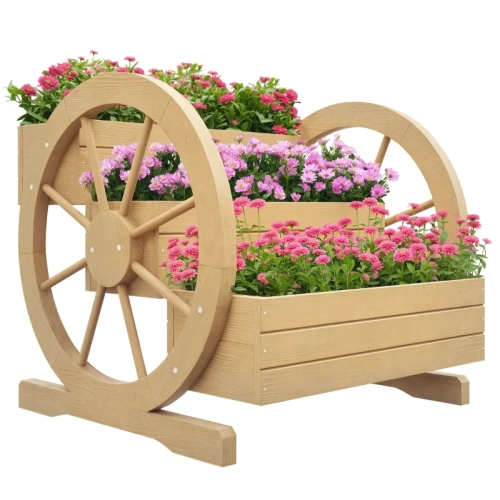
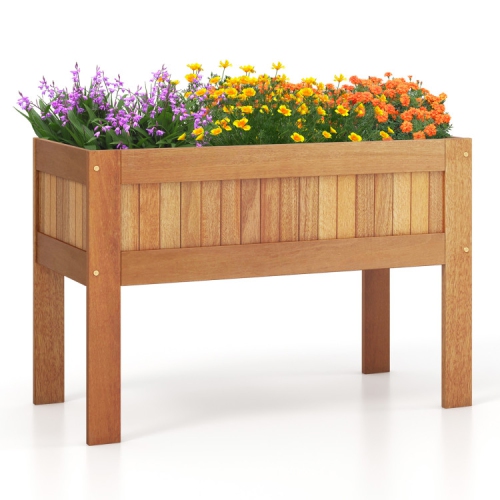
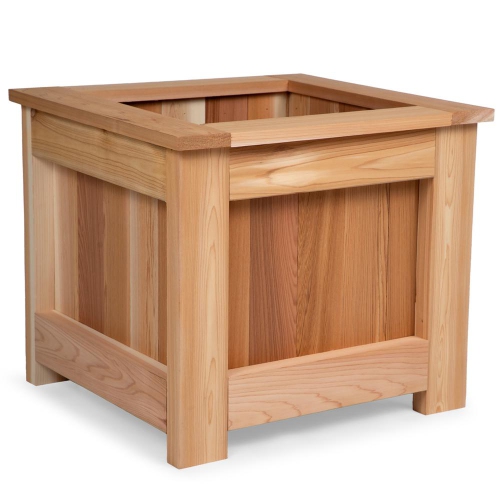
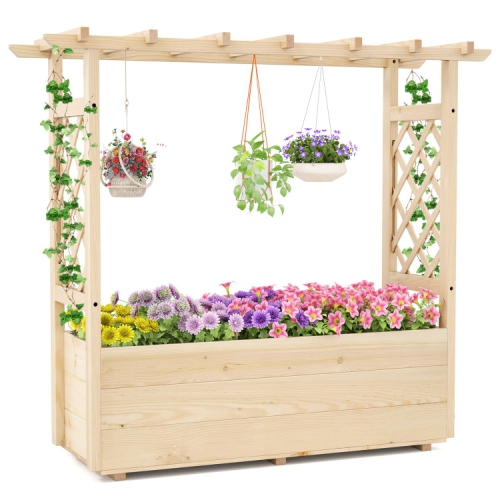
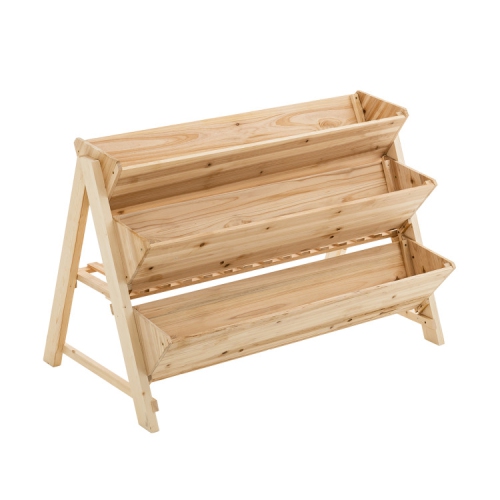
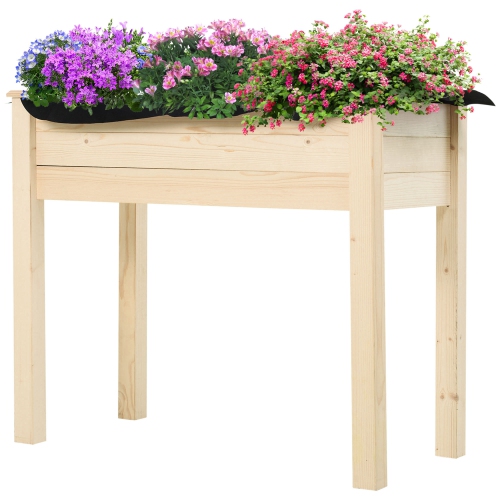
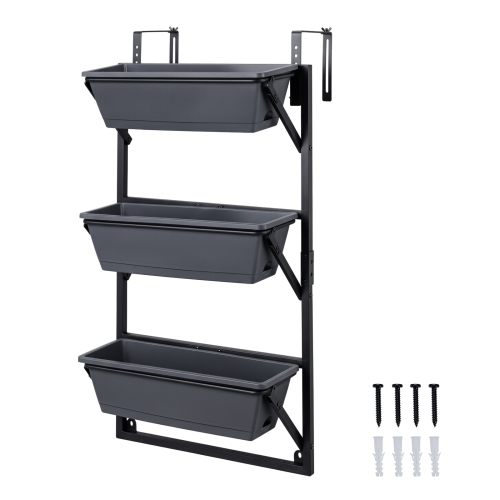
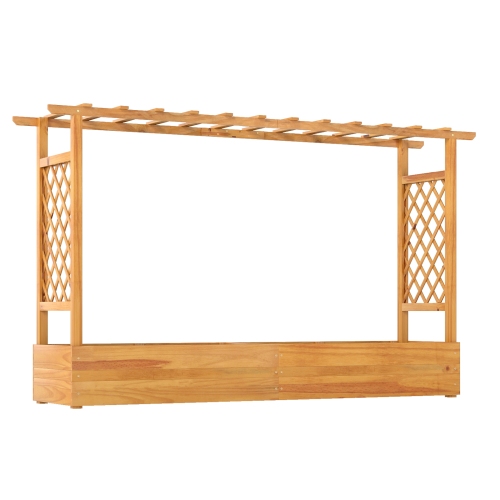
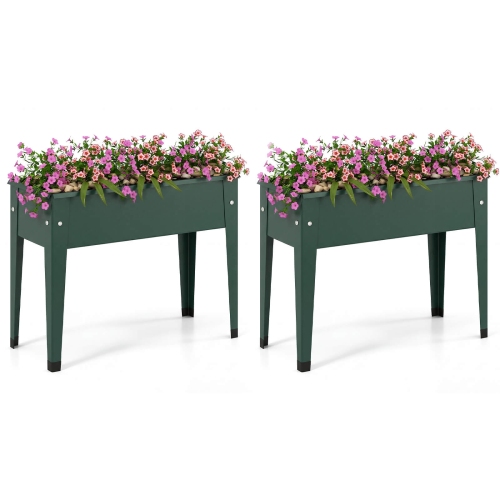
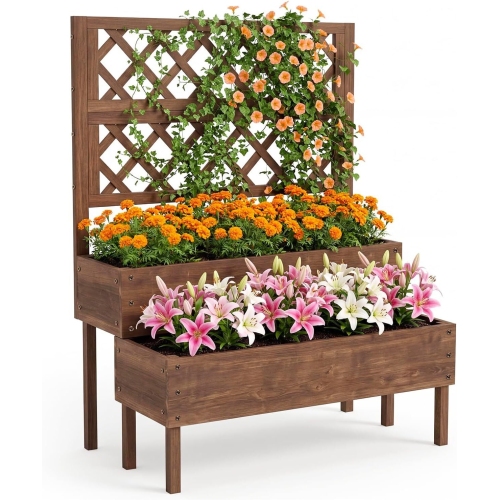
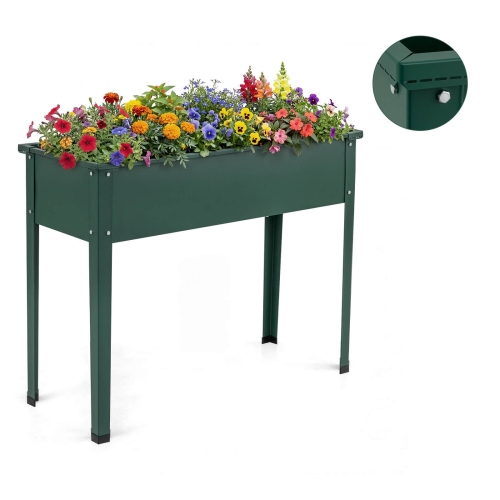
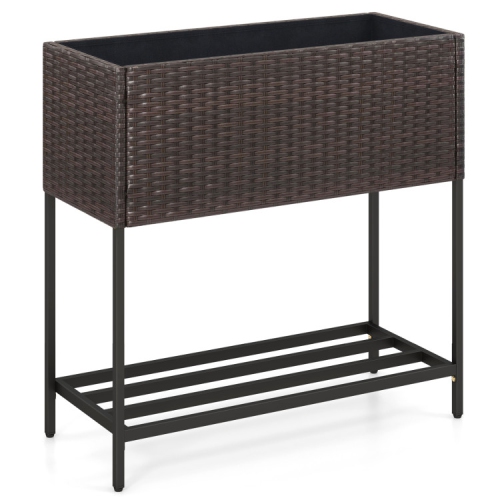
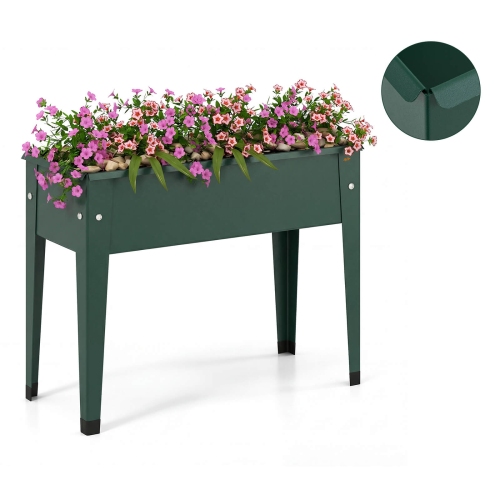
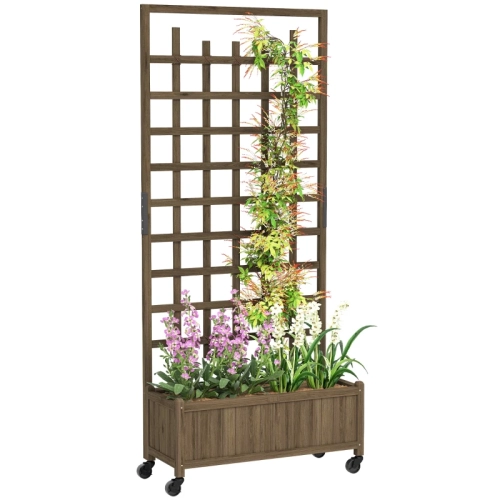
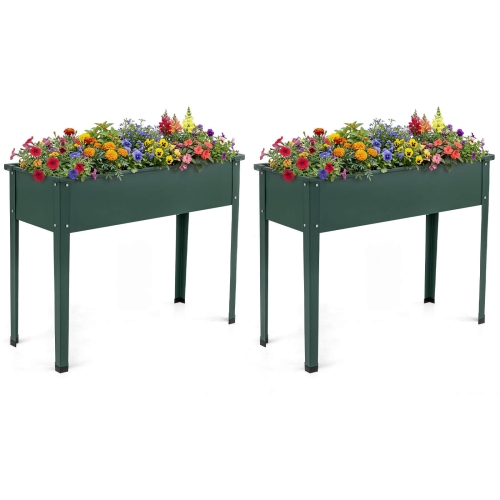
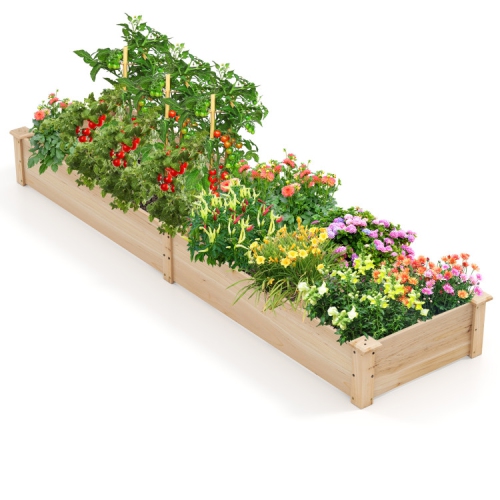
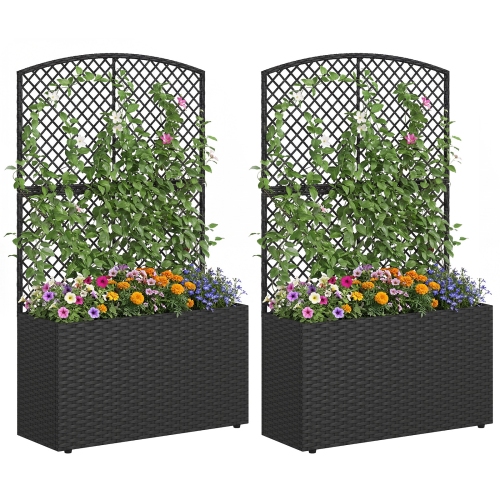
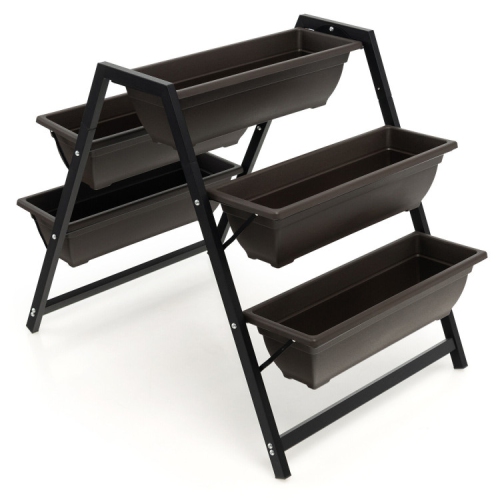
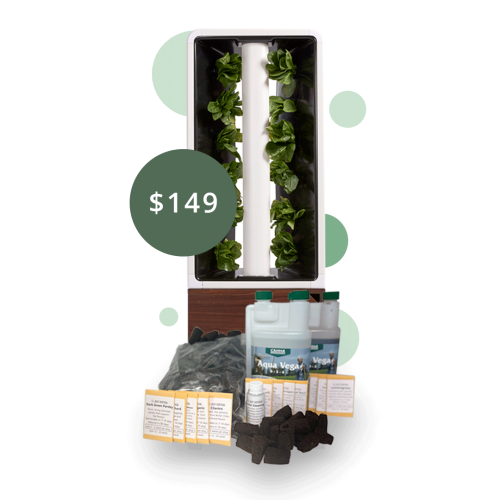
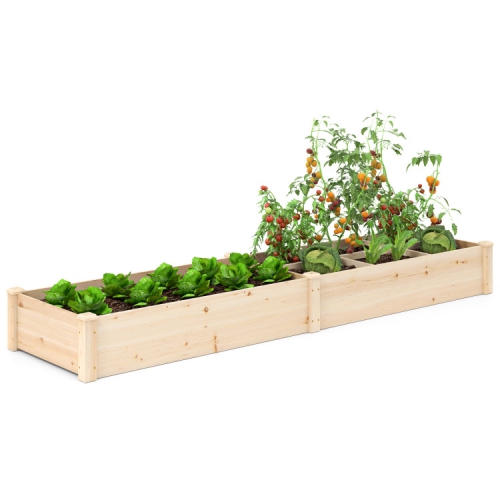
Herb planter boxes make it easier to grow useful, fragrant herbs in places where a traditional garden is not practical. A compact box can sit on a balcony, patio, deck, windowsill, kitchen counter, or near a bright back door, giving you a convenient supply of herbs for everyday cooking. Fresh basil can be snipped for pasta, chives can be scattered over baked potatoes, and thyme or rosemary can add depth to roasted vegetables, soups, and poultry. Unlike a large garden bed, an herb planter box keeps several plants together in a manageable space, which is especially helpful for apartment dwellers, renters, first-time gardeners, and anyone who prefers a tidy, contained growing area. The right size depends on how many herbs you want to grow and where the box will be placed. Narrow rectangular planters work well along railings or ledges, while wider boxes provide more room for different varieties and allow plants to spread without competing for space. Tiered and raised designs can make each plant easier to see and reach, while tabletop styles are convenient for kitchens, sunrooms, and sheltered outdoor areas. If bending or kneeling is uncomfortable, an elevated model can bring the planting surface closer to a comfortable working height. A standing planter can also help organize a larger collection of herbs vertically; explore Standing Planter Boxes for additional raised options. Before choosing a planter, measure the intended location and consider how much clearance is needed to water, prune, and harvest the plants. Leave room for doors, walkways, balcony furniture, and nearby walls, and remember that a box filled with soil becomes considerably heavier than it appears when empty.
Good drainage is one of the most important features of any herb planter box. Excess water that remains around the roots can lead to weak growth, yellowing leaves, and root problems, so look for a container with functional drainage holes and a tray or suitable surface underneath when using it indoors. A liner or catch tray can protect floors and furniture, but it should not block the holes. Herbs also need a growing medium that drains well while holding enough moisture for steady growth; ordinary garden soil can become heavy in a container, so a quality potting mix intended for containers is often a better choice. The depth of the planter matters as well. Smaller herbs such as thyme, chives, and cilantro generally do well with approximately 6 to 8 inches of soil depth, while rosemary and other larger or more root-heavy herbs benefit from closer to 10 to 12 inches. Check the mature size of each plant before arranging them, since a small seedling can become surprisingly full over the growing season. Basil, parsley, cilantro, and chives can share a box when they receive similar light and watering, while rosemary, thyme, and oregano tend to prefer conditions that are a little drier between waterings. Mint is best kept in its own container because its roots can spread quickly and crowd neighbouring plants. Place the box where it receives several hours of sunlight, rotating it occasionally if one side grows more vigorously than the other. During hot, bright weather, containers may dry faster than garden beds, particularly on exposed balconies or near reflective walls. During cooler months, growth may slow, and an outdoor planter may need protection from frost or relocation to a sheltered area, depending on the plants and local conditions. Indoor planters should be placed near a bright window with enough room for airflow, and a small amount of water that drains into the tray should be emptied rather than left standing.
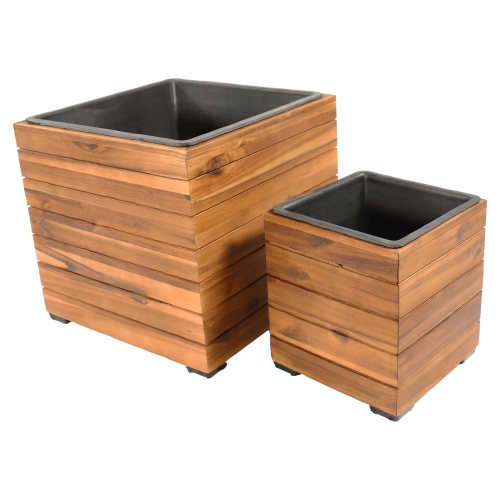
Herb planter boxes can be a thoughtful gift for home cooks, new homeowners, balcony gardeners, students, and anyone who enjoys adding a personal touch to meals. They are also practical for households that want to introduce children to gardening without taking on the space and upkeep of a full backyard plot. A child can help fill the box, label the herbs, check the soil, and collect a few leaves for dinner, turning a simple planter into a hands-on household routine. For a gift, consider the recipient’s available light, outdoor space, mobility, and cooking habits. Someone with a sunny balcony may appreciate a larger outdoor box, while a kitchen user may prefer a smaller planter that fits neatly beside a window. Materials and finishes can influence where the box works best: wood can bring a warm, furniture-like look to a patio or kitchen, plastic is often lightweight and easy to move, and metal or composite designs may suit a more streamlined space. Pay attention to construction details such as stable feet, secure joints, smooth edges, removable trays, and a finish that is appropriate for indoor or outdoor use. If you plan to move the planter between locations, built-in handles or a lighter construction can make a meaningful difference once the box is filled. Think about watering, too: a planter positioned close to the kitchen encourages frequent harvesting, while one placed farther away may benefit from a larger reservoir or a design that helps retain moisture. Harvest herbs regularly by trimming just above a pair of leaves, rather than removing a large portion at once, so plants can continue producing fresh growth. With suitable depth, reliable drainage, adequate light, and a convenient location, herb planter boxes offer a simple way to keep everyday ingredients close at hand as the weather changes and outdoor gardening becomes less active.
Good drainage is one of the most important features of any herb planter box. Excess water that remains around the roots can lead to weak growth, yellowing leaves, and root problems, so look for a container with functional drainage holes and a tray or suitable surface underneath when using it indoors. A liner or catch tray can protect floors and furniture, but it should not block the holes. Herbs also need a growing medium that drains well while holding enough moisture for steady growth; ordinary garden soil can become heavy in a container, so a quality potting mix intended for containers is often a better choice. The depth of the planter matters as well. Smaller herbs such as thyme, chives, and cilantro generally do well with approximately 6 to 8 inches of soil depth, while rosemary and other larger or more root-heavy herbs benefit from closer to 10 to 12 inches. Check the mature size of each plant before arranging them, since a small seedling can become surprisingly full over the growing season. Basil, parsley, cilantro, and chives can share a box when they receive similar light and watering, while rosemary, thyme, and oregano tend to prefer conditions that are a little drier between waterings. Mint is best kept in its own container because its roots can spread quickly and crowd neighbouring plants. Place the box where it receives several hours of sunlight, rotating it occasionally if one side grows more vigorously than the other. During hot, bright weather, containers may dry faster than garden beds, particularly on exposed balconies or near reflective walls. During cooler months, growth may slow, and an outdoor planter may need protection from frost or relocation to a sheltered area, depending on the plants and local conditions. Indoor planters should be placed near a bright window with enough room for airflow, and a small amount of water that drains into the tray should be emptied rather than left standing.
Herb planter boxes can be a thoughtful gift for home cooks, new homeowners, balcony gardeners, students, and anyone who enjoys adding a personal touch to meals. They are also practical for households that want to introduce children to gardening without taking on the space and upkeep of a full backyard plot. A child can help fill the box, label the herbs, check the soil, and collect a few leaves for dinner, turning a simple planter into a hands-on household routine. For a gift, consider the recipient’s available light, outdoor space, mobility, and cooking habits. Someone with a sunny balcony may appreciate a larger outdoor box, while a kitchen user may prefer a smaller planter that fits neatly beside a window. Materials and finishes can influence where the box works best: wood can bring a warm, furniture-like look to a patio or kitchen, plastic is often lightweight and easy to move, and metal or composite designs may suit a more streamlined space. Pay attention to construction details such as stable feet, secure joints, smooth edges, removable trays, and a finish that is appropriate for indoor or outdoor use. If you plan to move the planter between locations, built-in handles or a lighter construction can make a meaningful difference once the box is filled. Think about watering, too: a planter positioned close to the kitchen encourages frequent harvesting, while one placed farther away may benefit from a larger reservoir or a design that helps retain moisture. Harvest herbs regularly by trimming just above a pair of leaves, rather than removing a large portion at once, so plants can continue producing fresh growth. With suitable depth, reliable drainage, adequate light, and a convenient location, herb planter boxes offer a simple way to keep everyday ingredients close at hand as the weather changes and outdoor gardening becomes less active.
Top selling and popular products
-
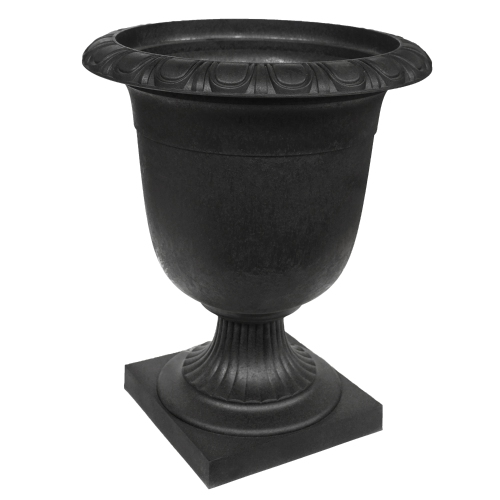 Your price for this item is $57.99
 -
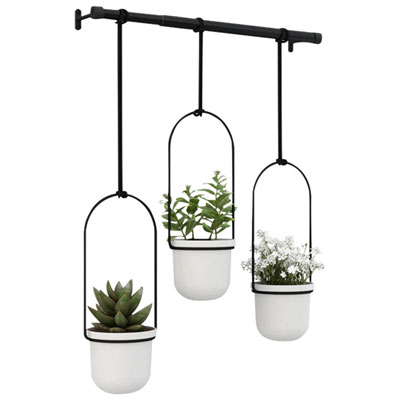 Your price for this item is $54.98
 -
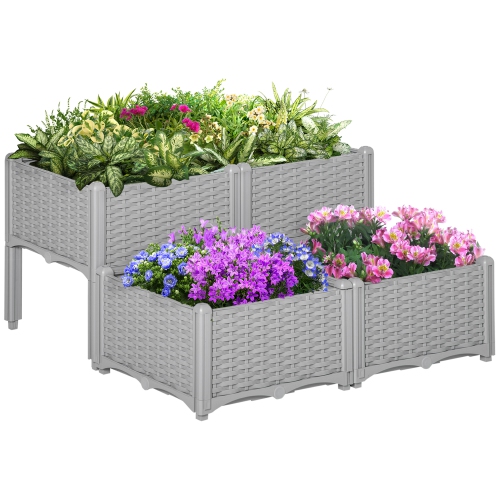 Your price for this item is $94.99
 -
 Your price for this item is $79.99
 -
 Your price for this item is $105.99
 -
 Your price for this item is $142.99
 -
 Your price for this item is $117.75
 -
 Your price for this item is $117.75
Discover more categories related to Herb Planter Boxes

Top Collections:
Pokemon Centers, Best Cameras for Sports Photography, Kindle Devices, Samsung Galaxy Phones, Canon G7X Cameras, Pokémon 30th Celebration Cards, Refurbished Apple Laptops, iPhone 15 Apple, Laptops for Students, Budget Smartphones
Some products may be subject to Environmental Handling Fees
(EHF) depending on your province.
Learn more about EHFs.