Standing Planter Boxes
Enhance your living space with the natural beauty and functionality of standing planter boxes. Elevate your home decor with these versatile pieces that bring a touch of nature indoors. Whether you're looking to add a pop of greenery to your living room, bedroom, or office, standing planter boxes offer a stylish solution for displaying your favorite plants and flowers. With a variety of designs and materials to choose from, you can easily find the perfect planter box to complement your aesthetic and enhance the ambiance of any room.
Sort
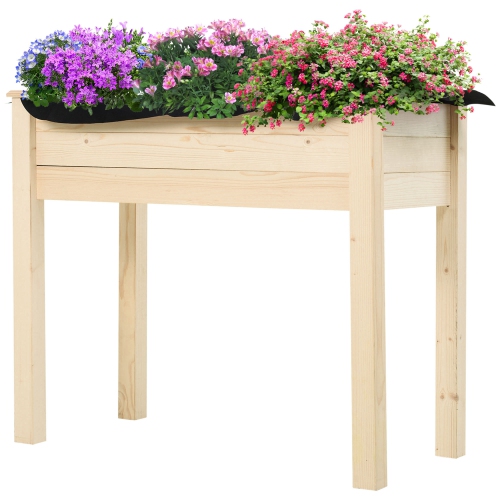
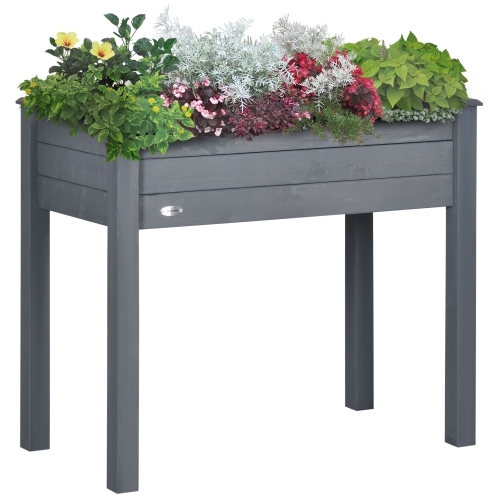
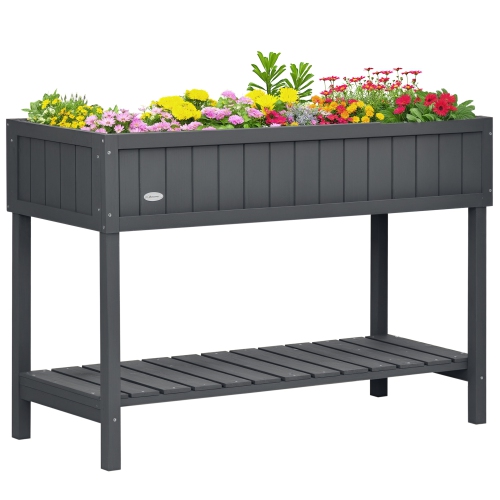
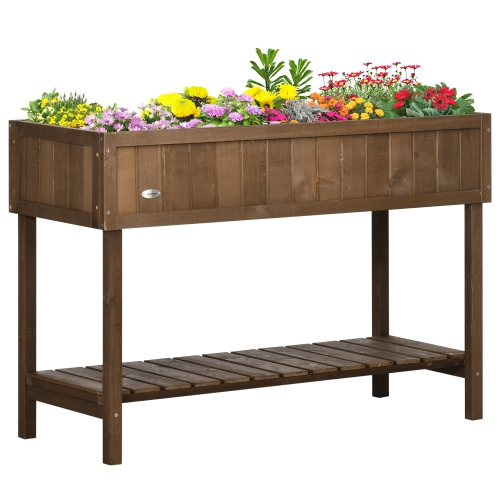
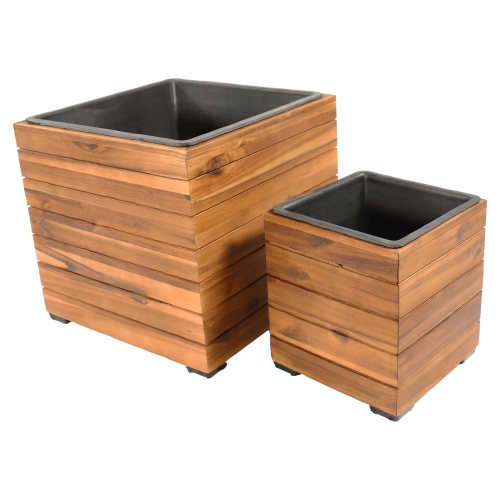
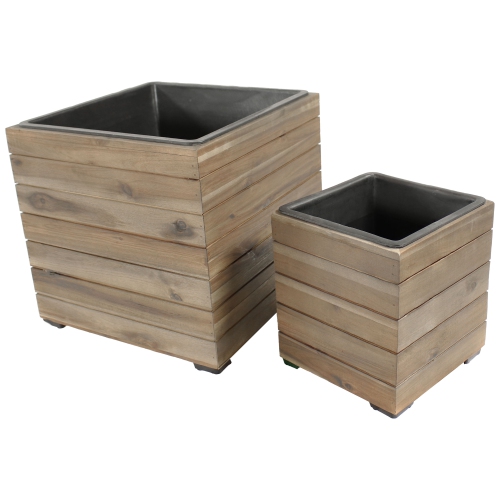
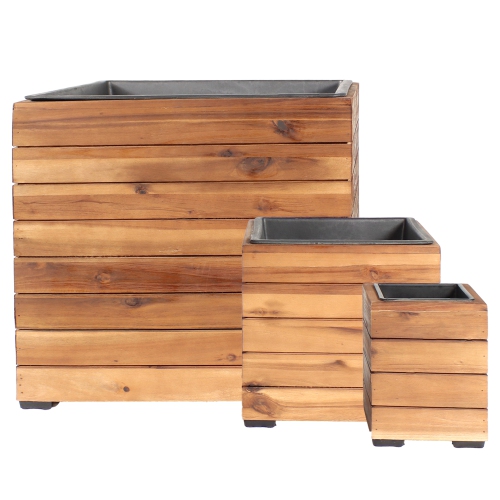
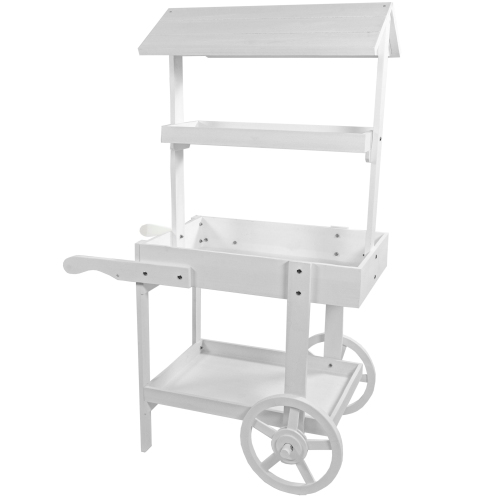
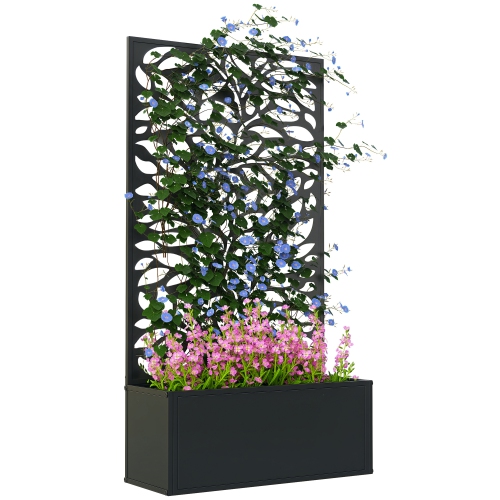
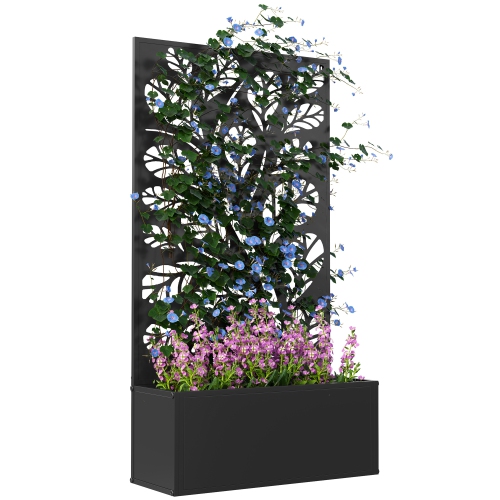
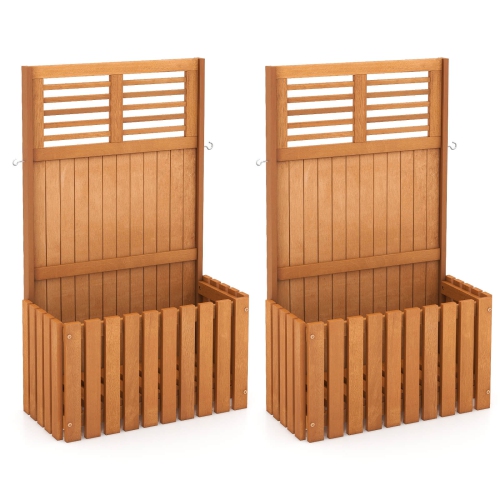
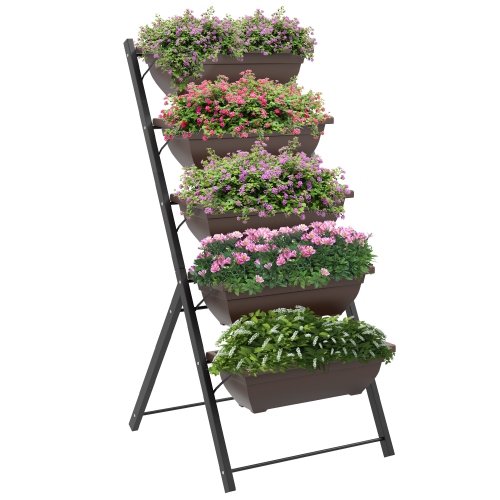
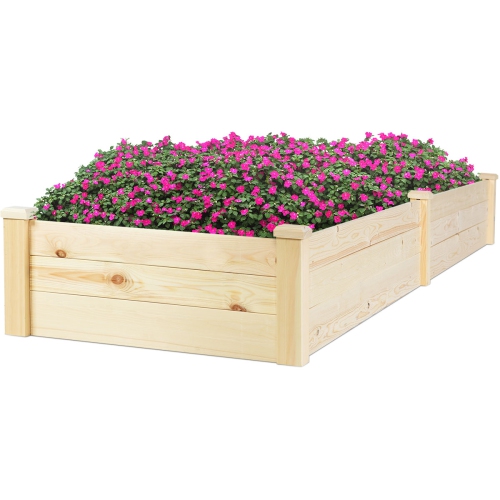
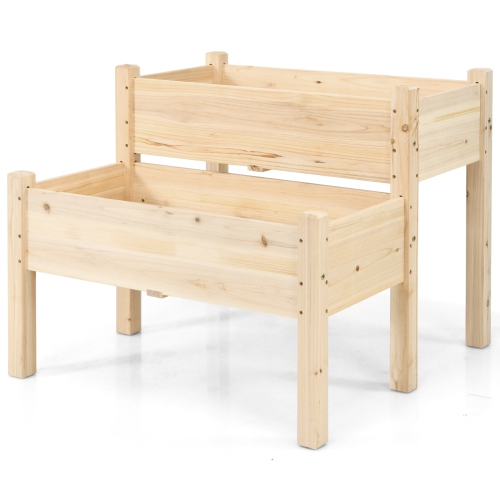
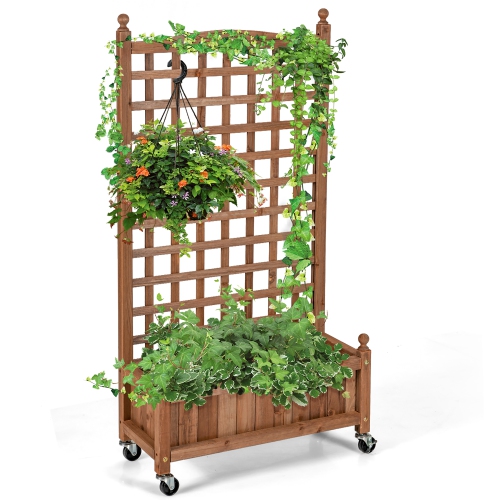
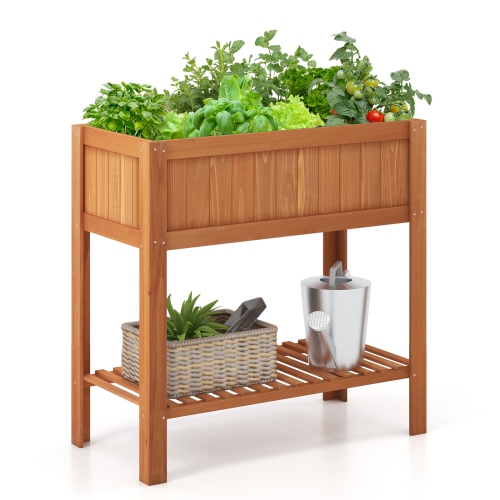
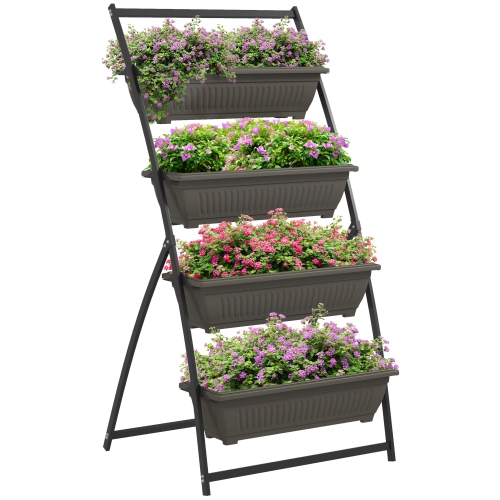
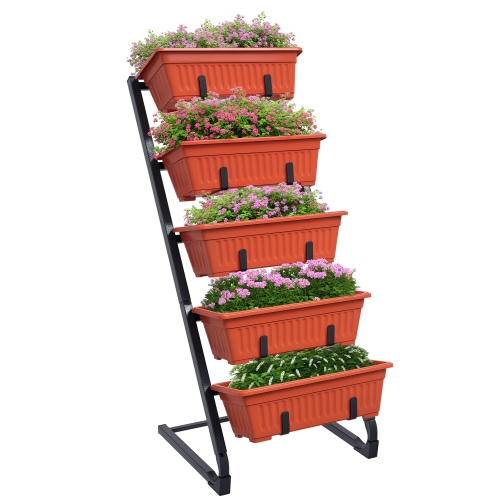
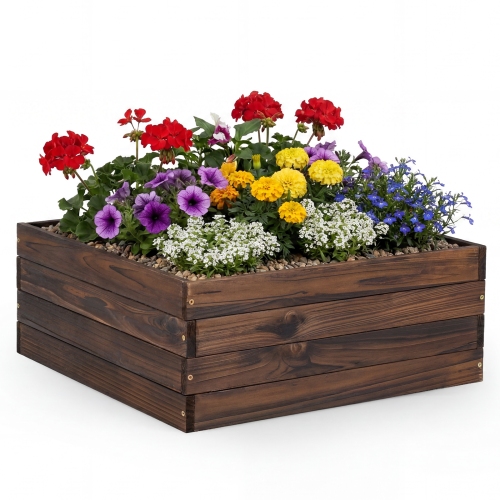
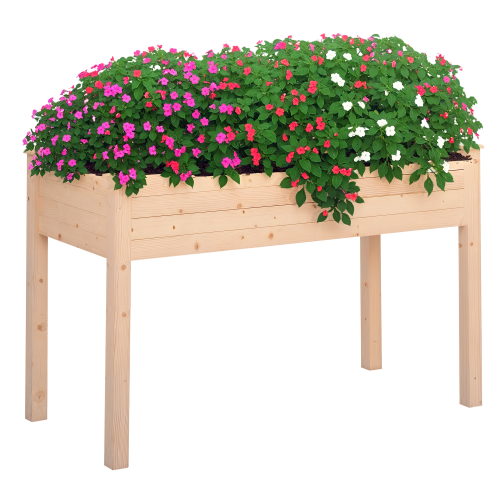

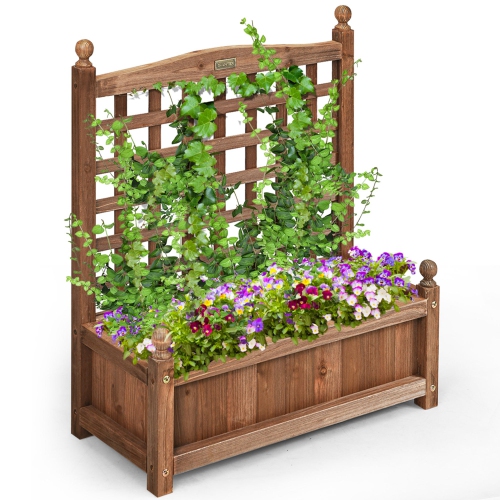
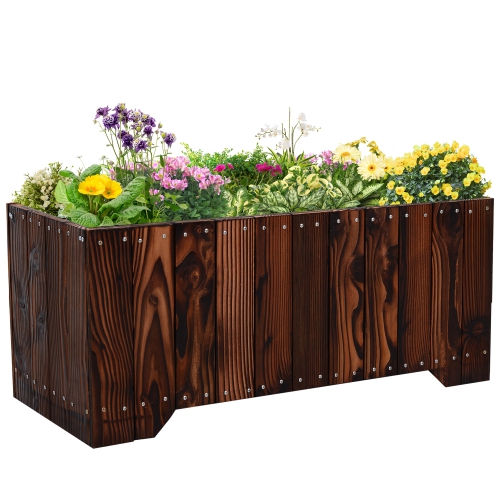
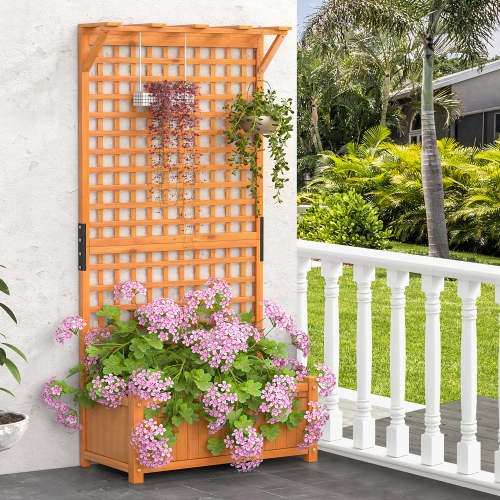
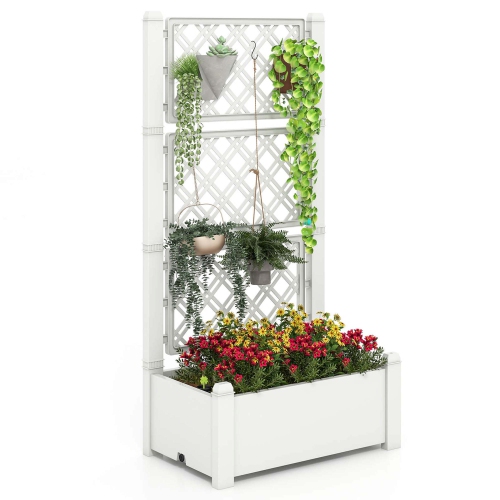

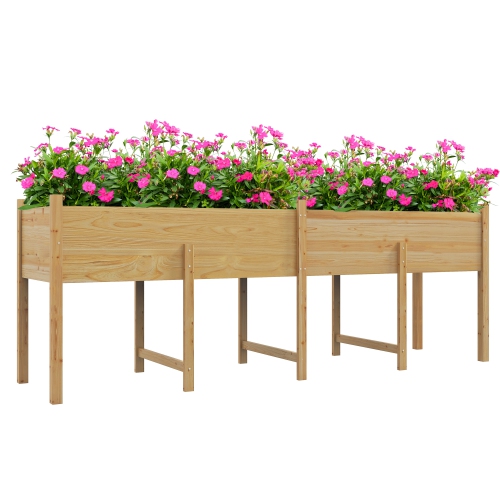
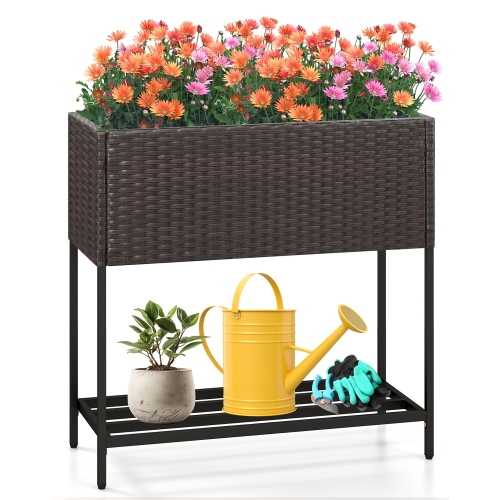
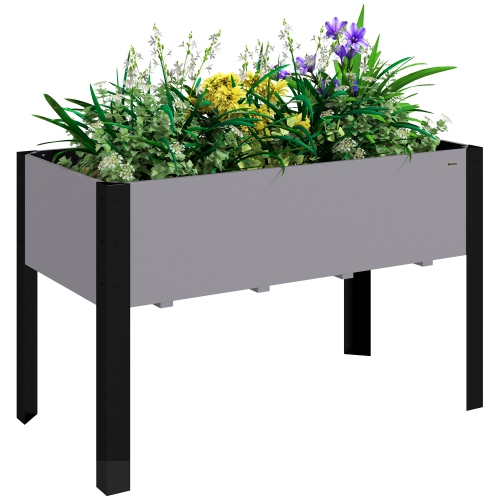
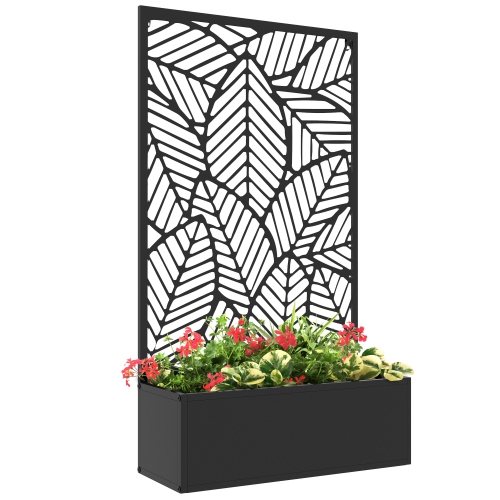
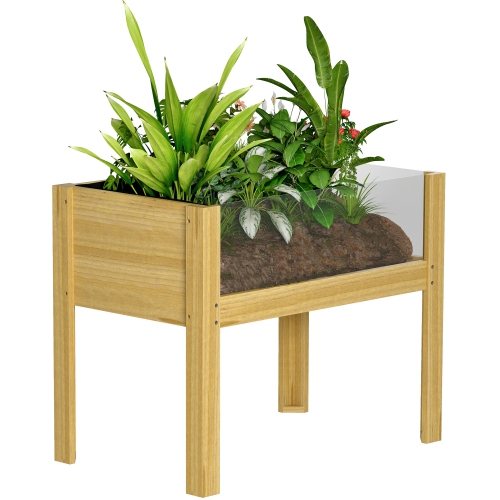
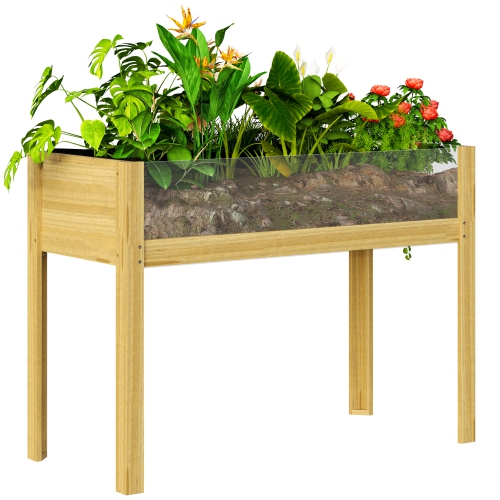
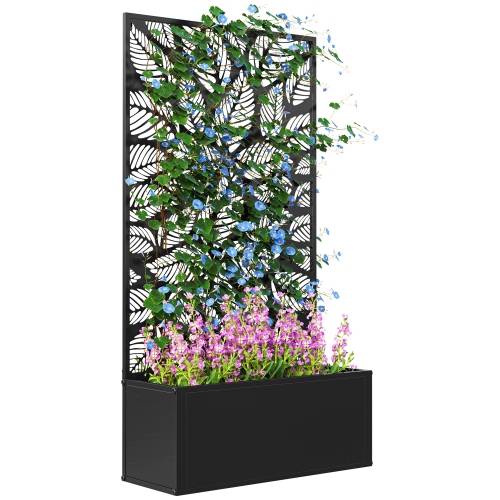
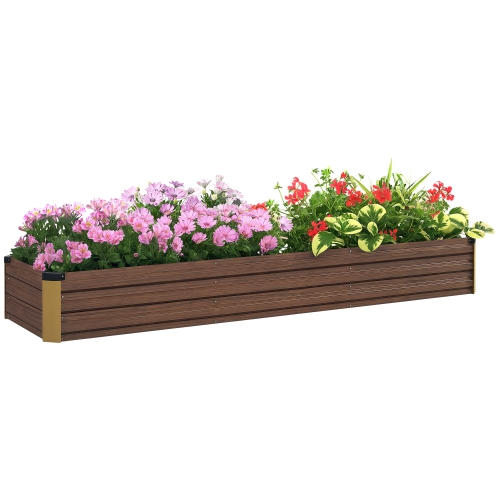
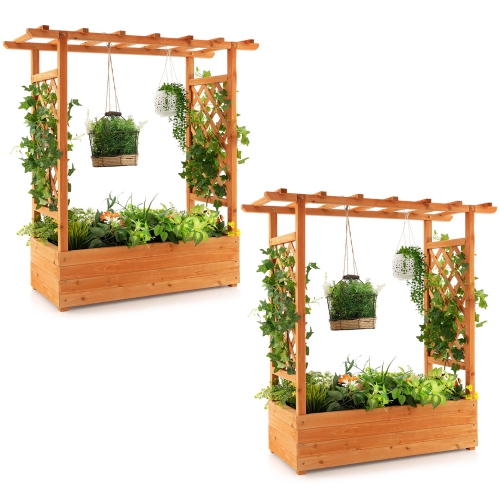
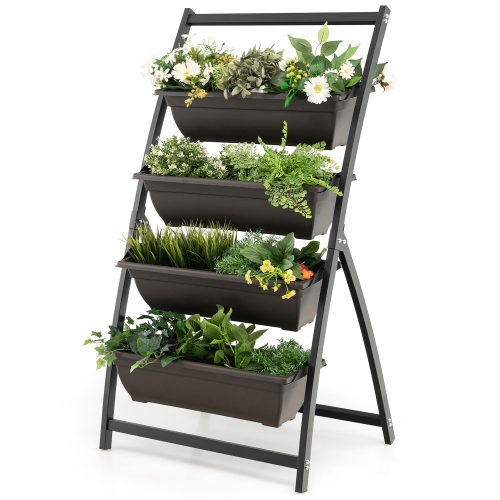
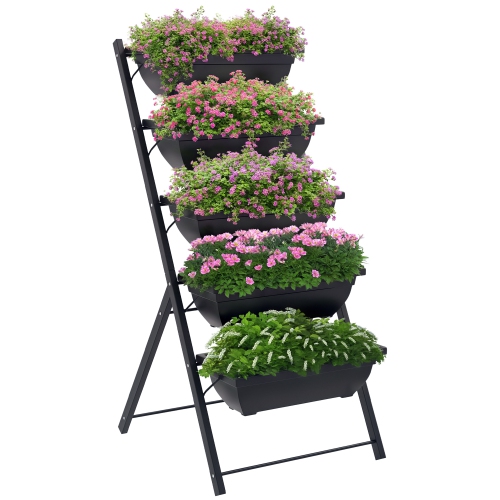
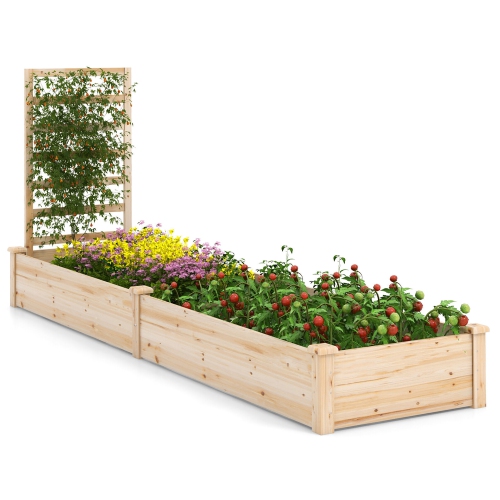
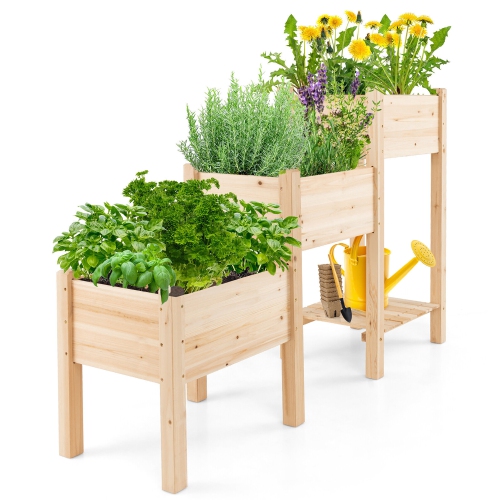
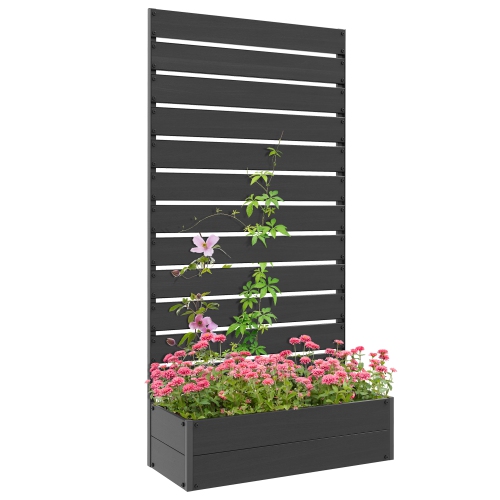
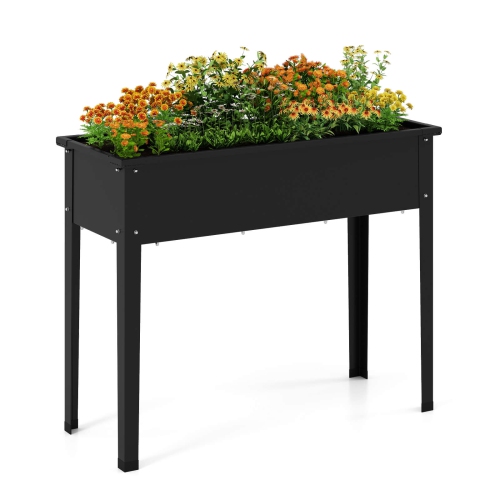
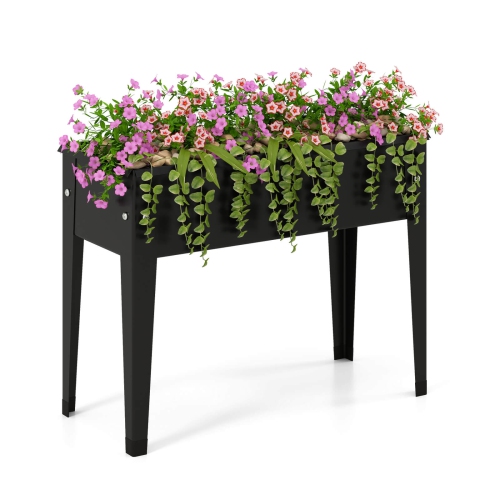
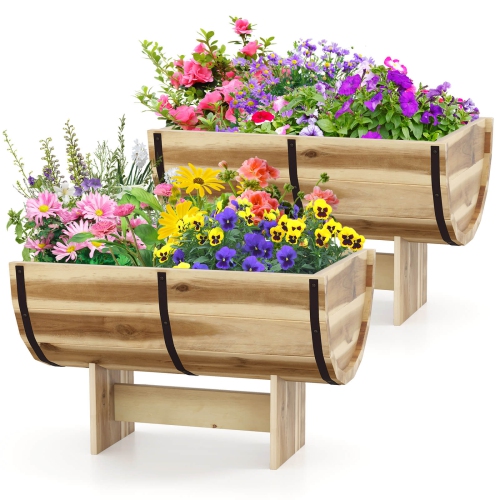
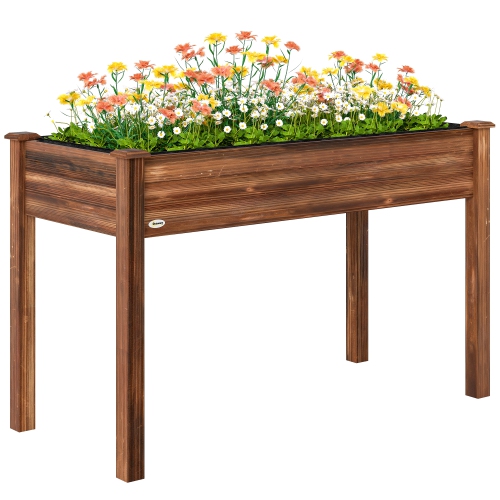
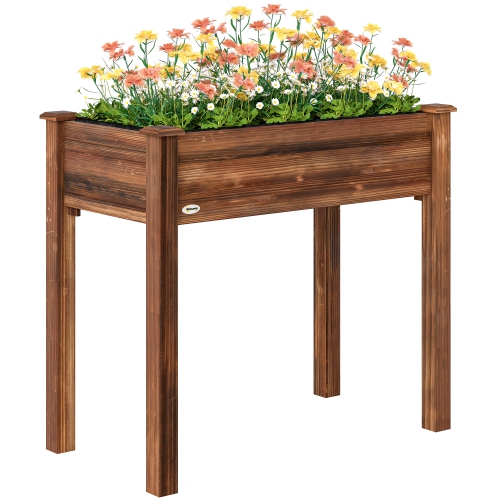
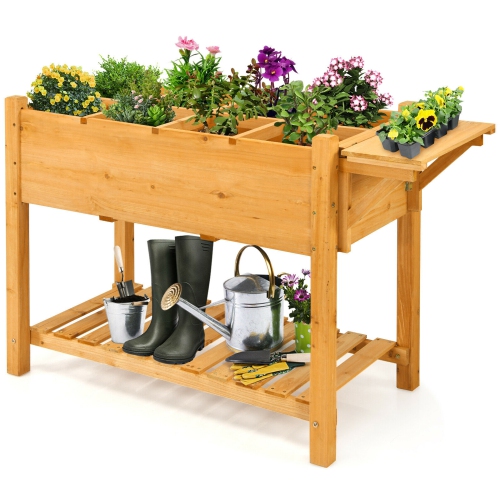
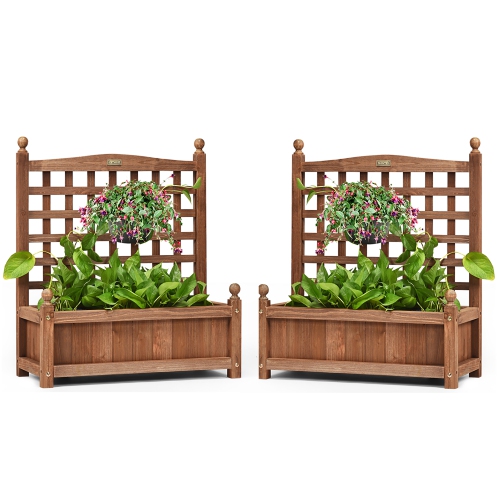
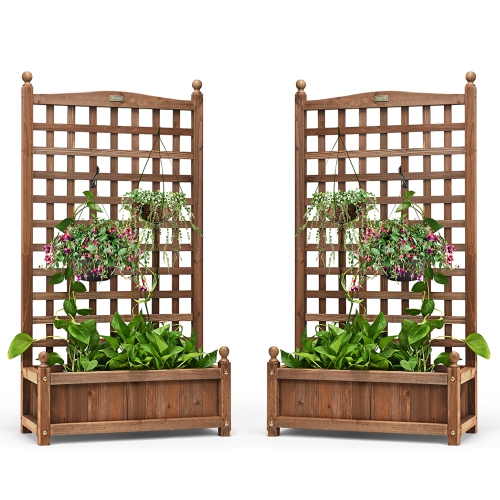
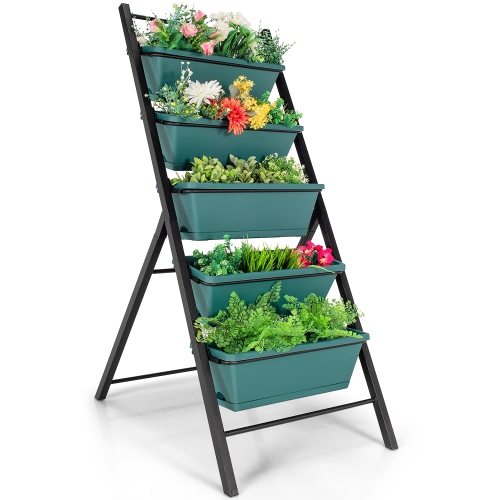
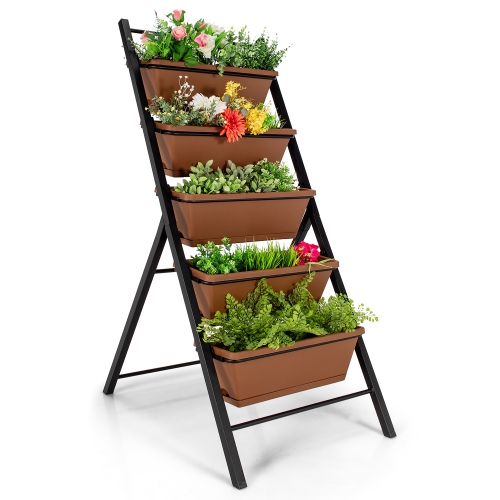
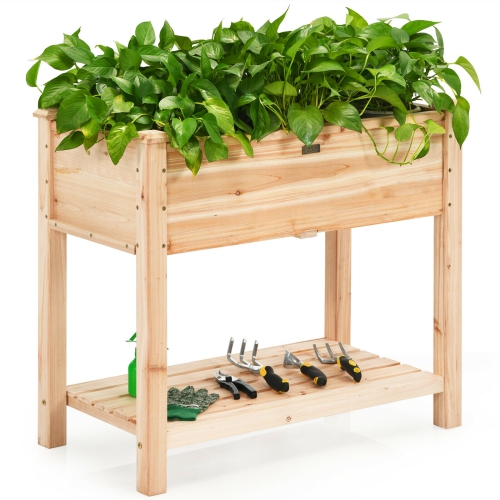

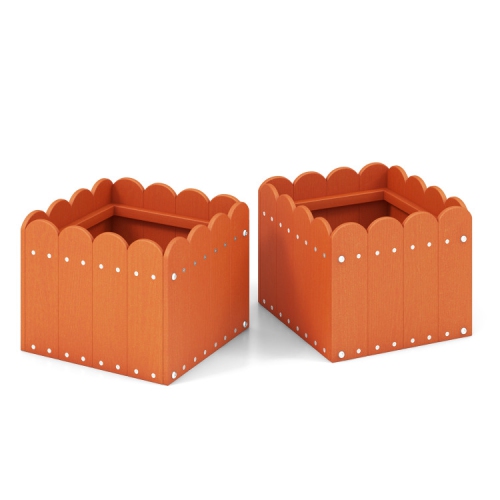
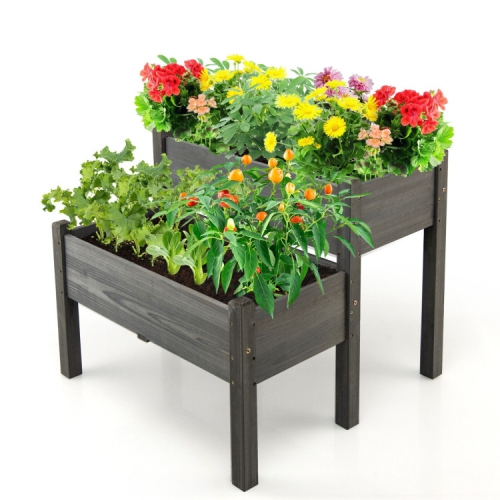
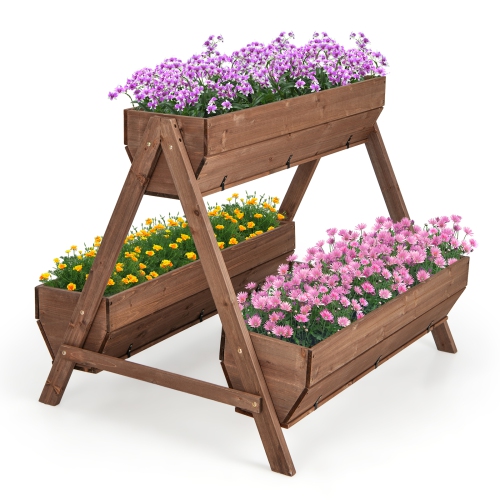
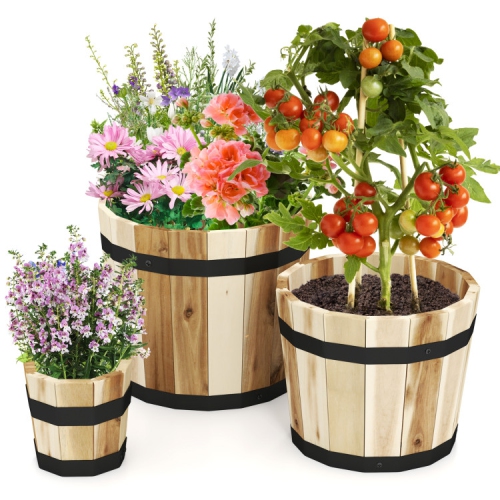
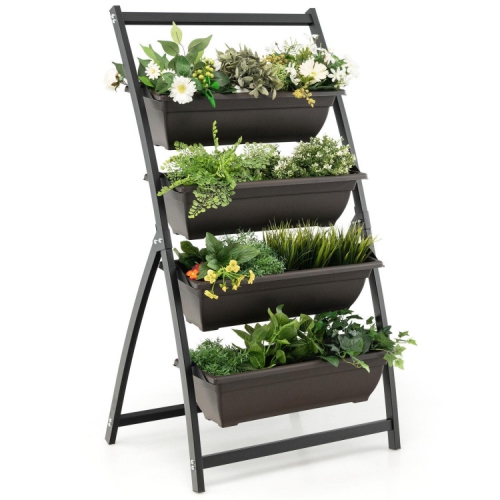
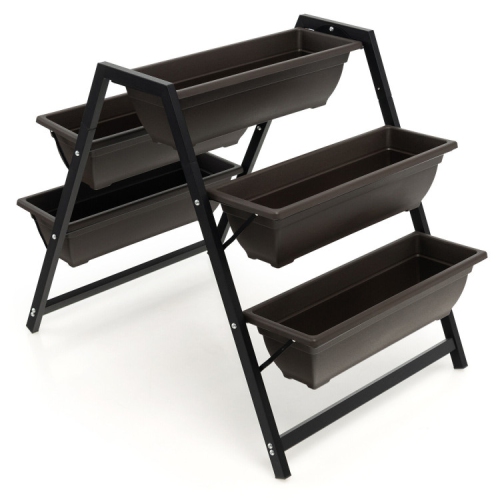

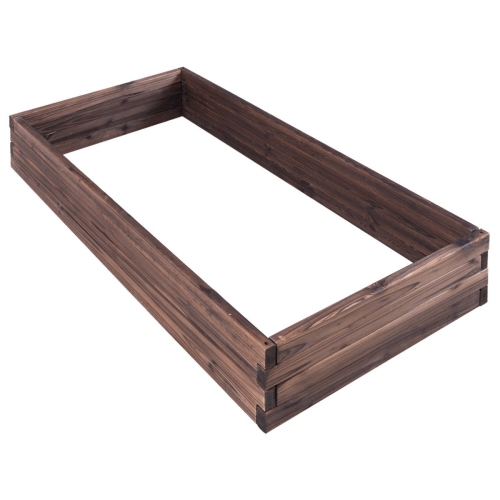
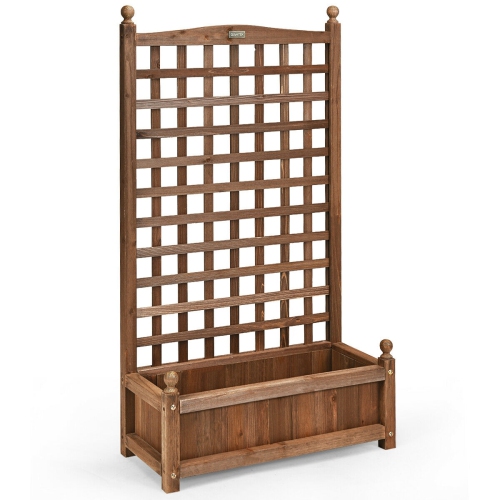

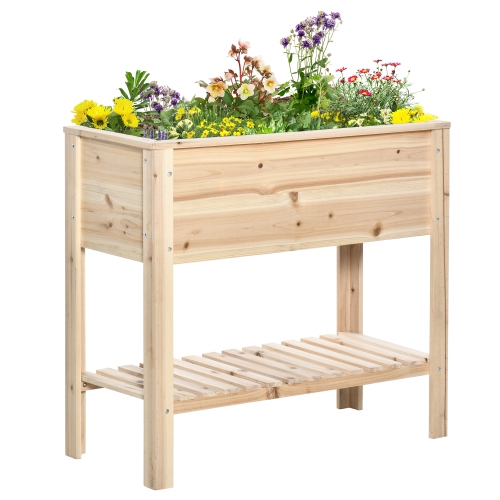
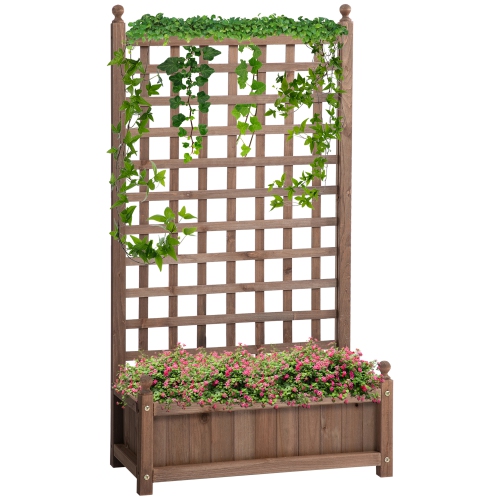
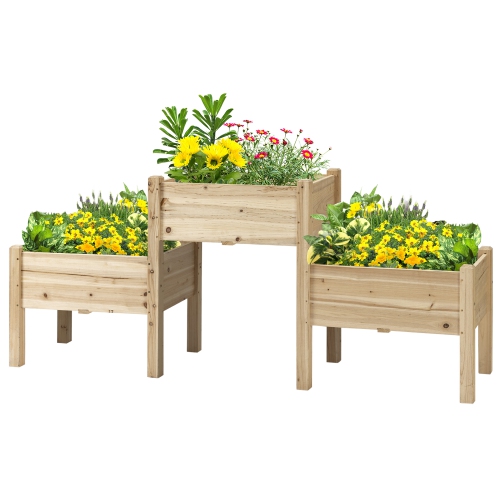
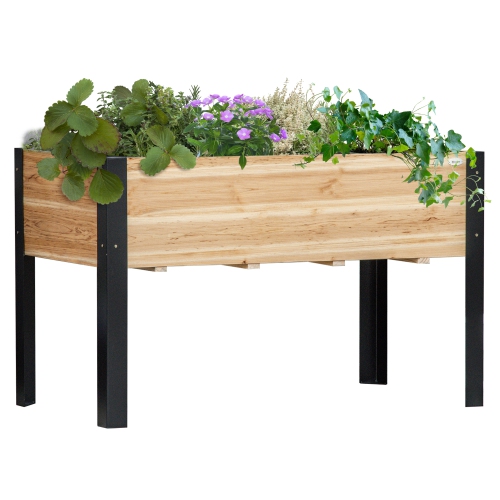
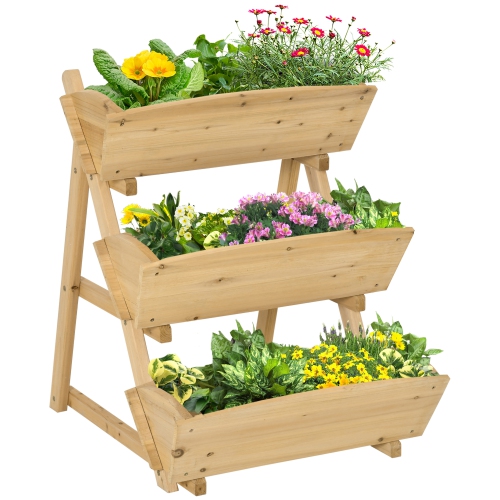
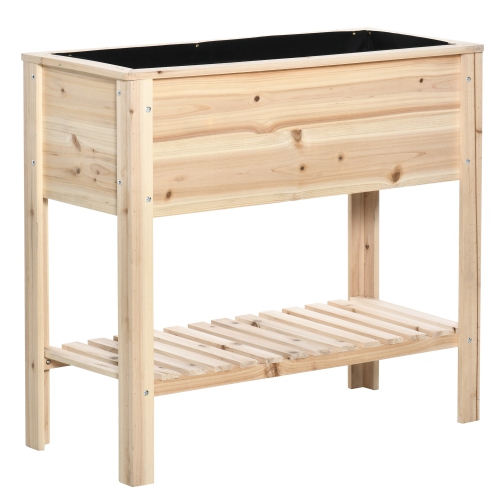
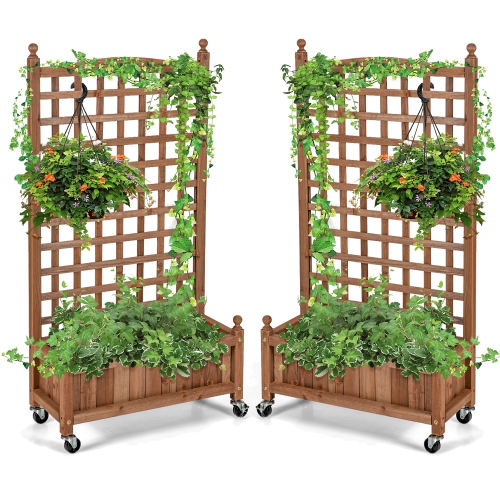


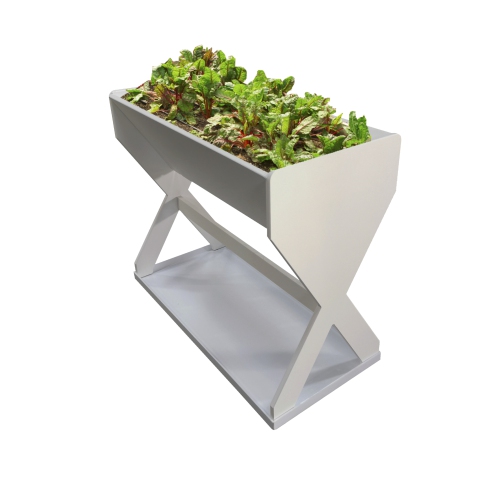
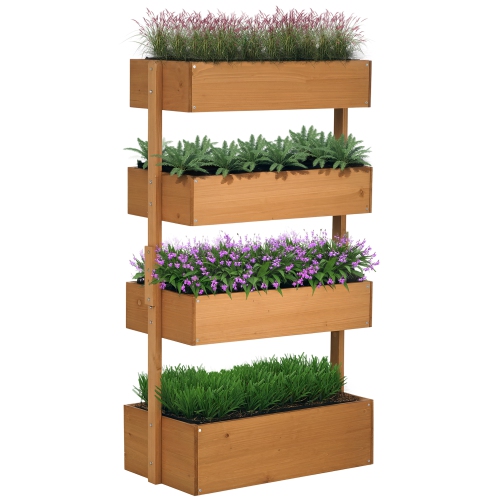
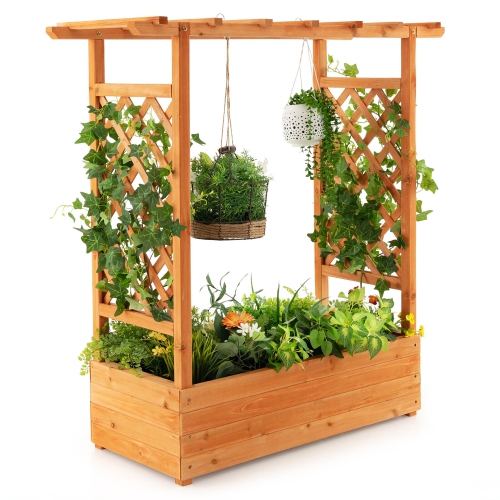
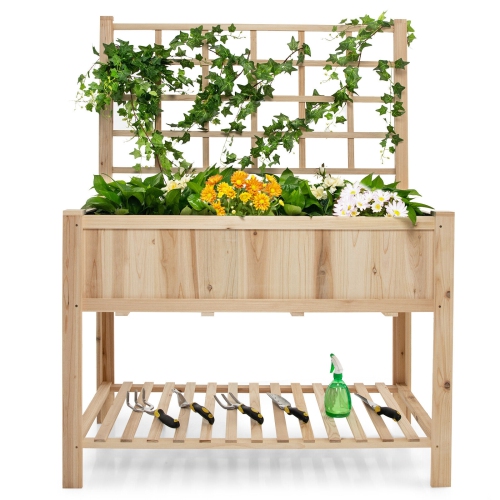
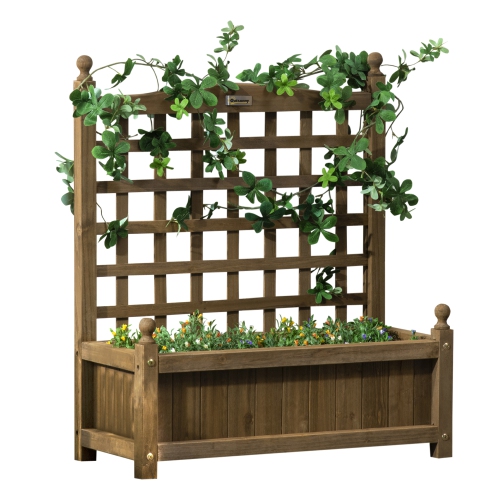
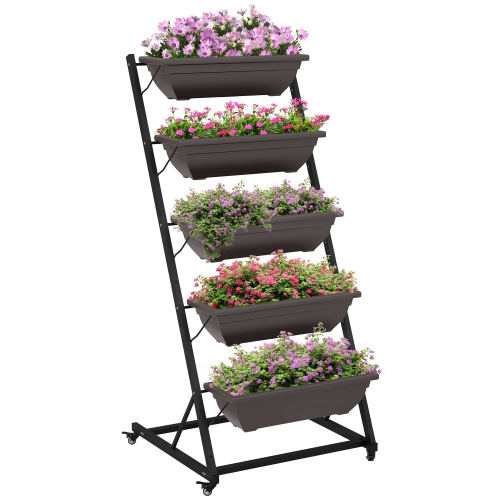
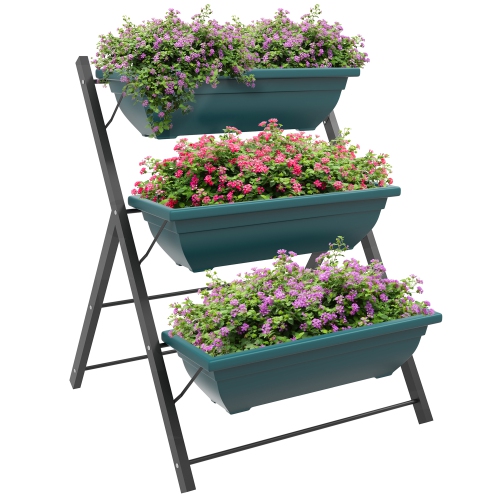
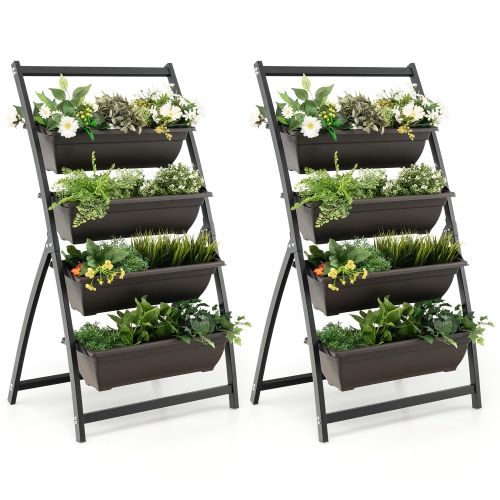

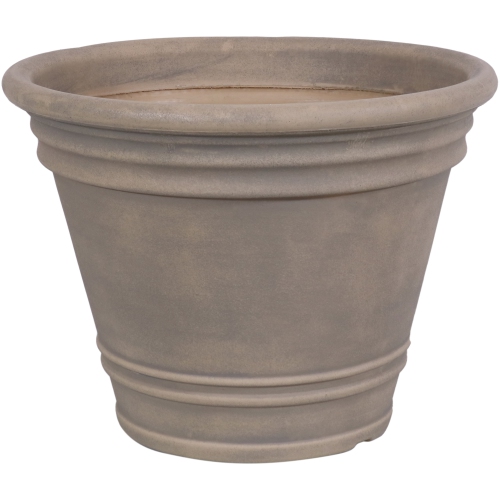
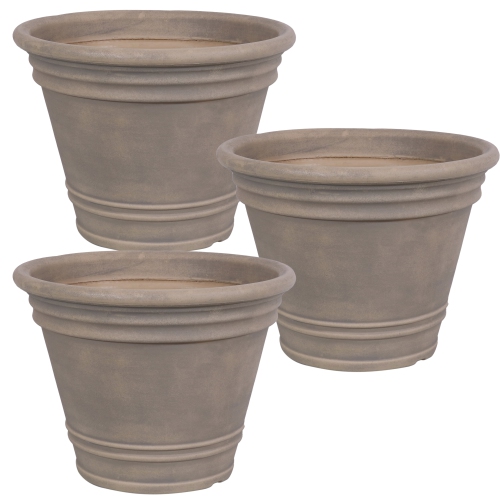
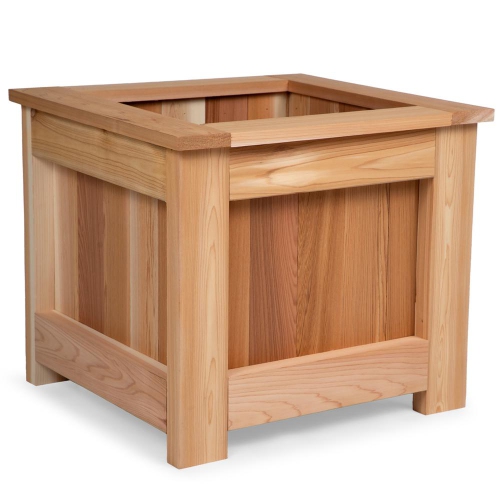
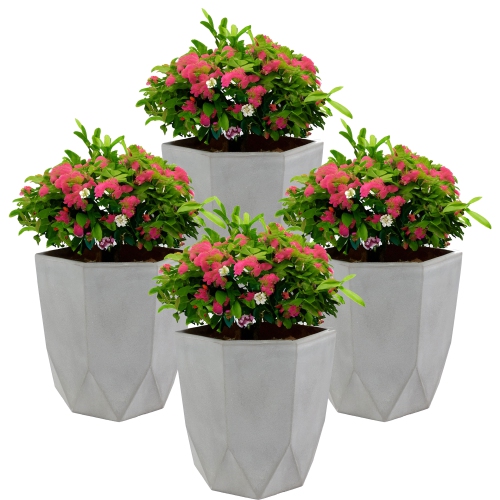
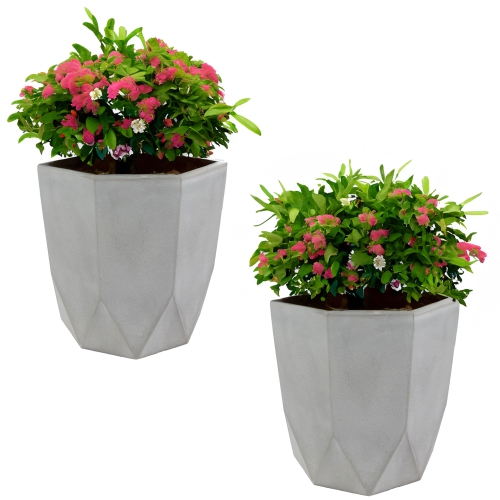
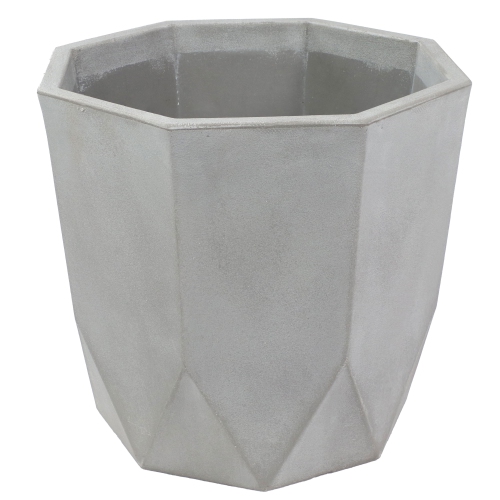
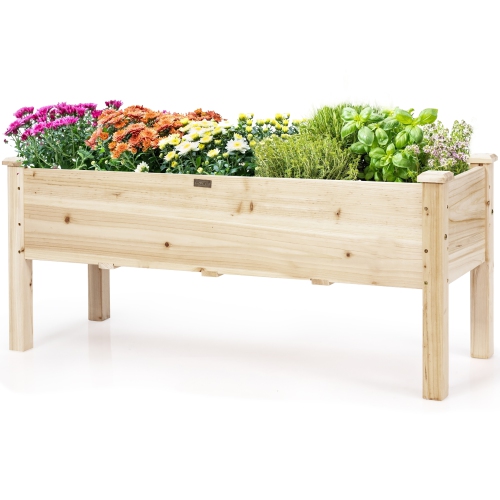
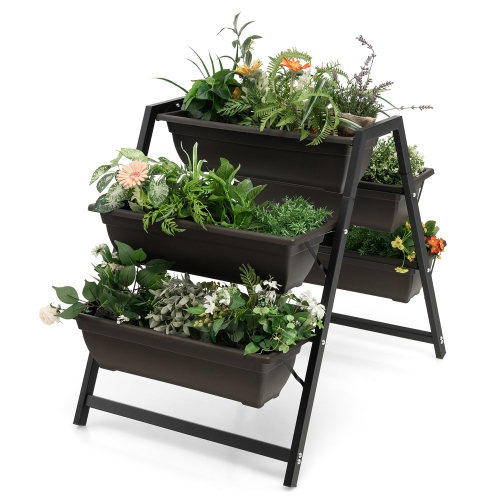
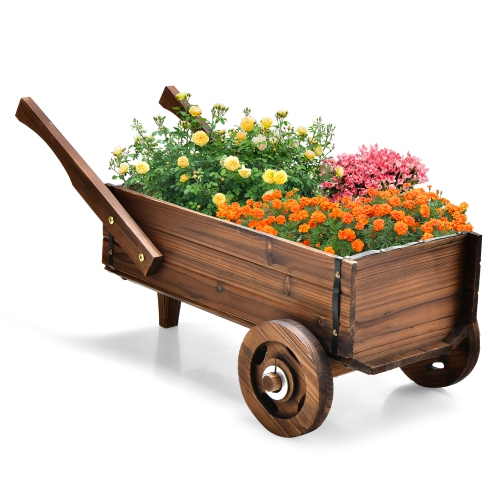
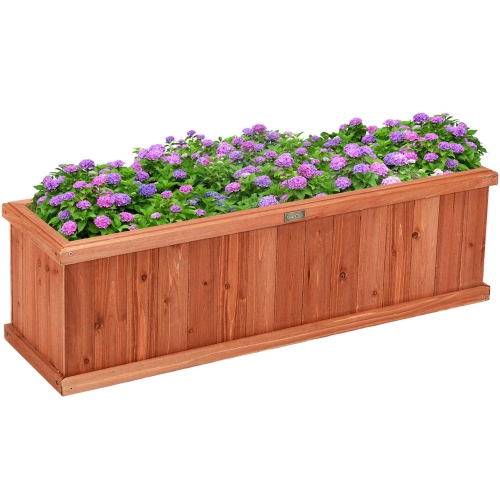
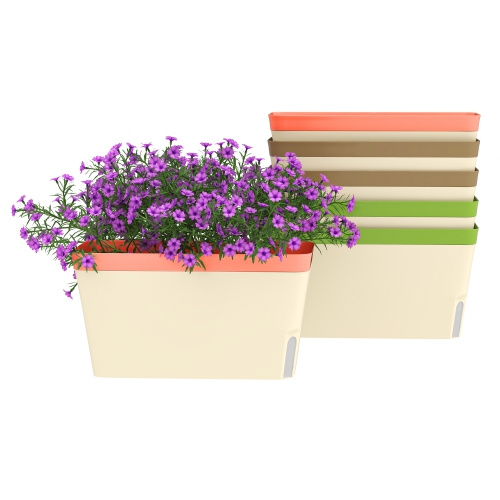
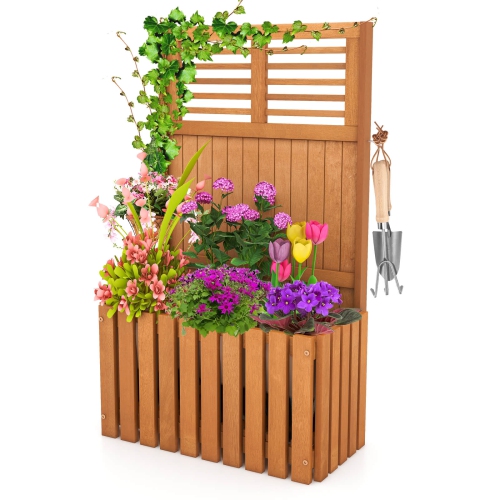
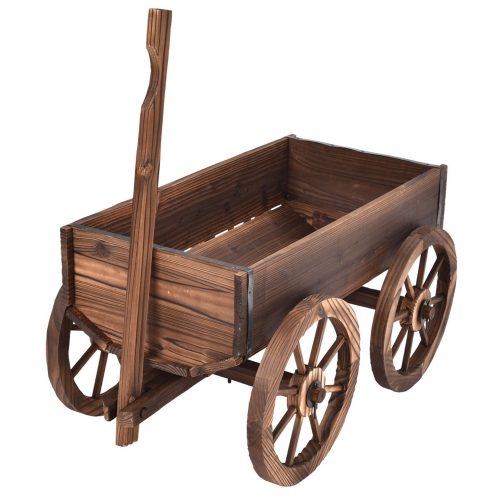
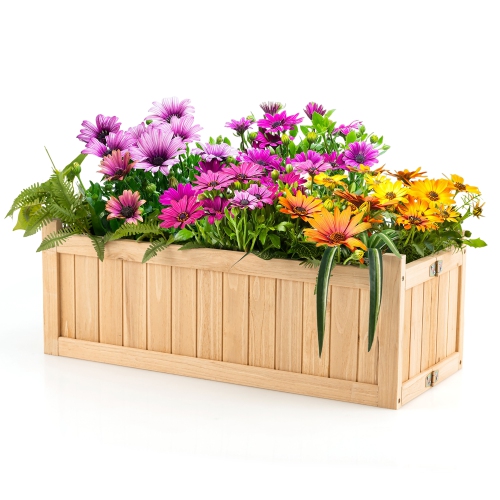
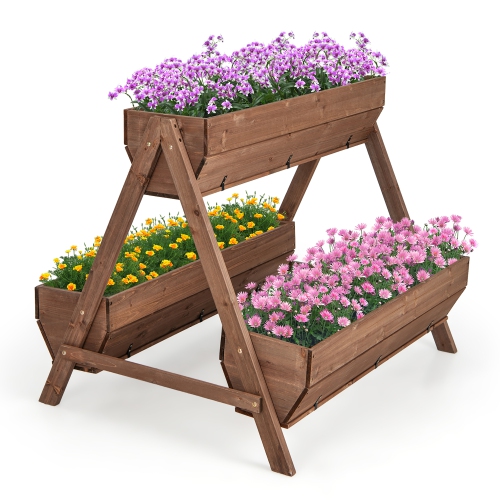
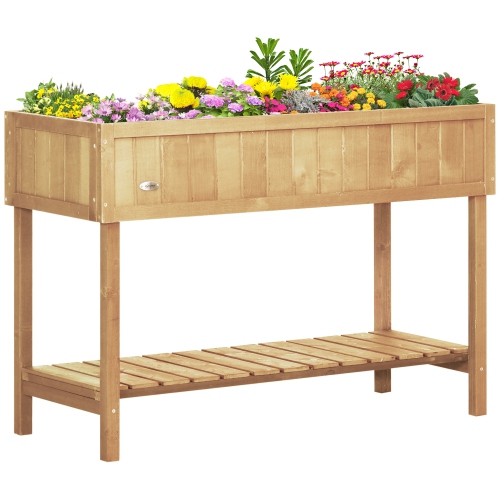
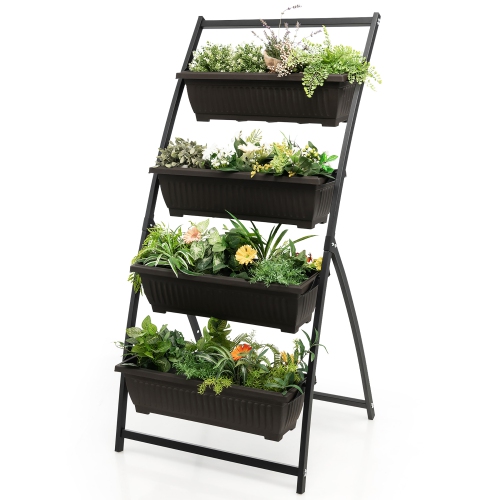
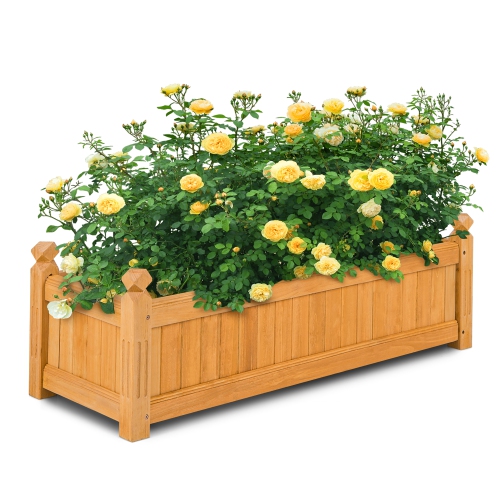
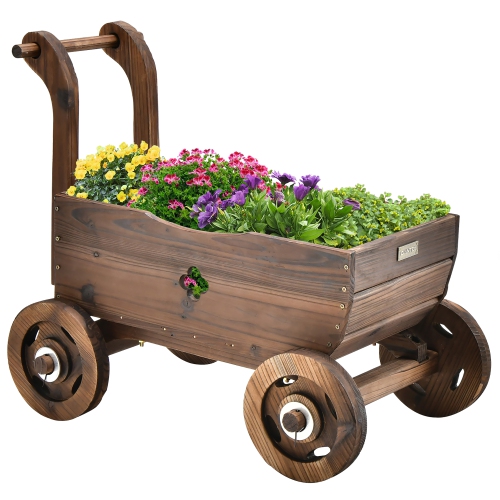
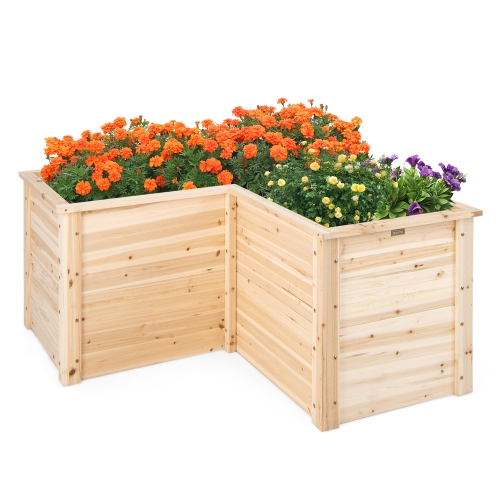
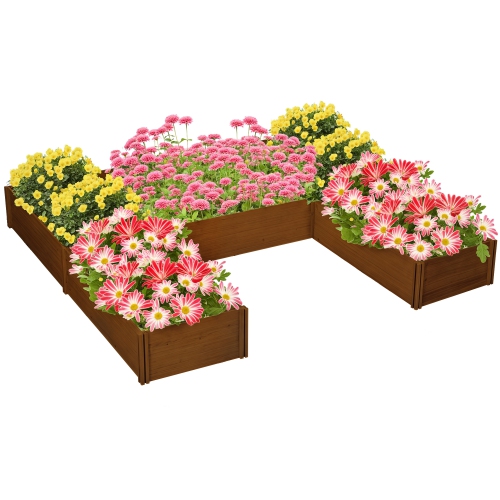
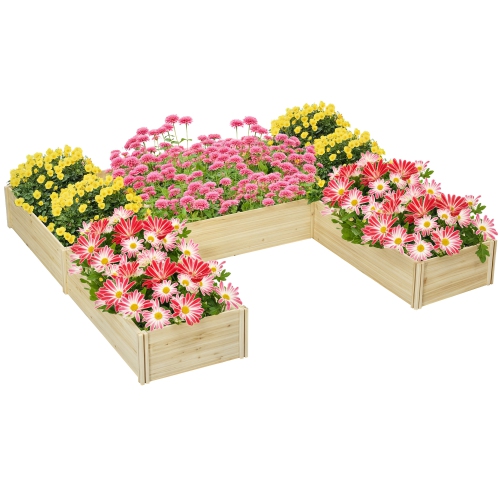
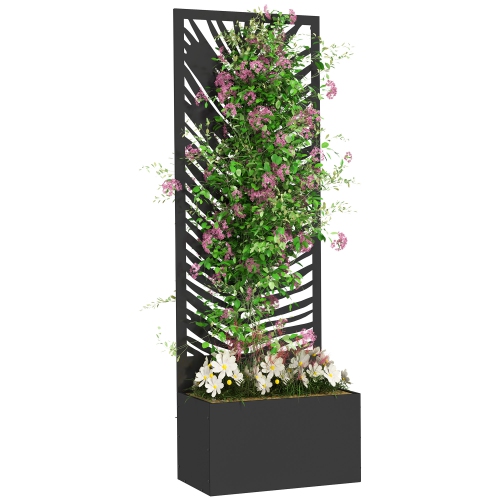
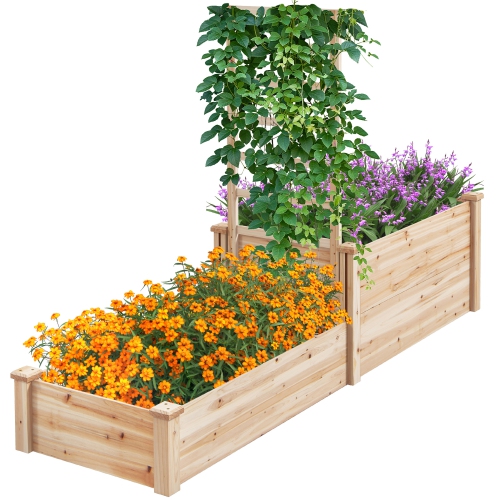
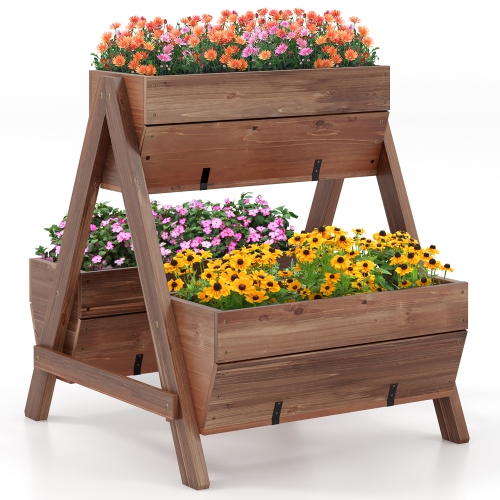
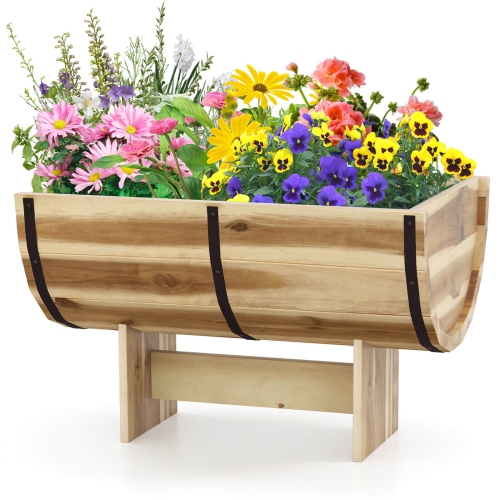
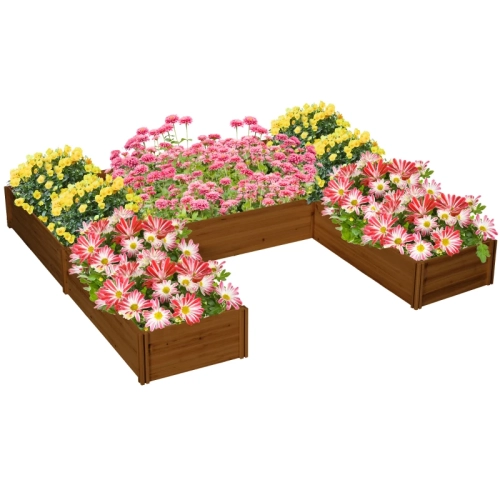
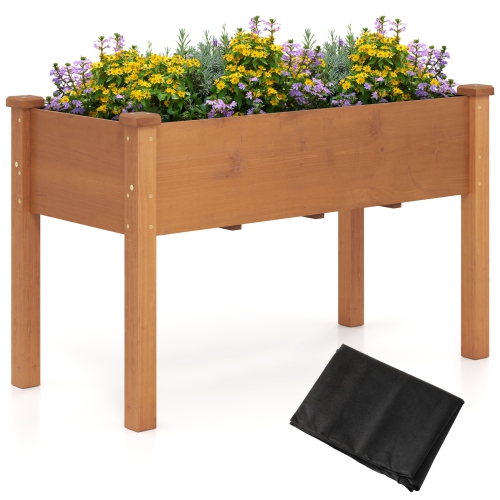
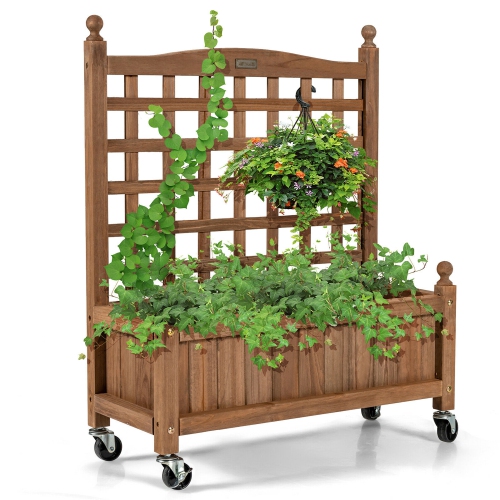
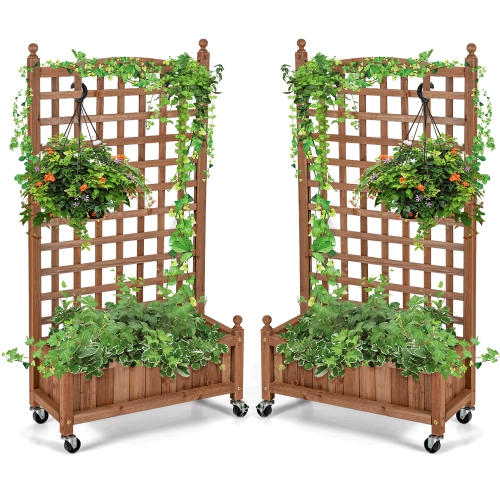
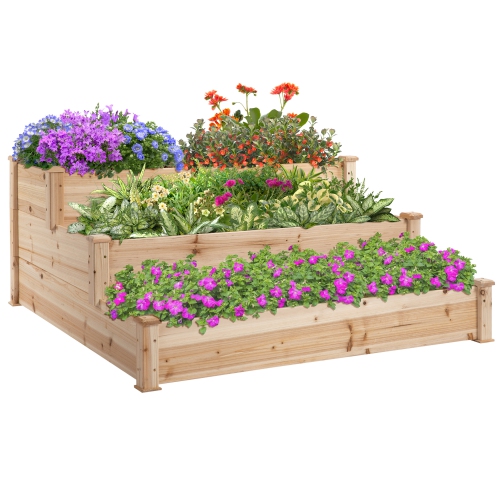
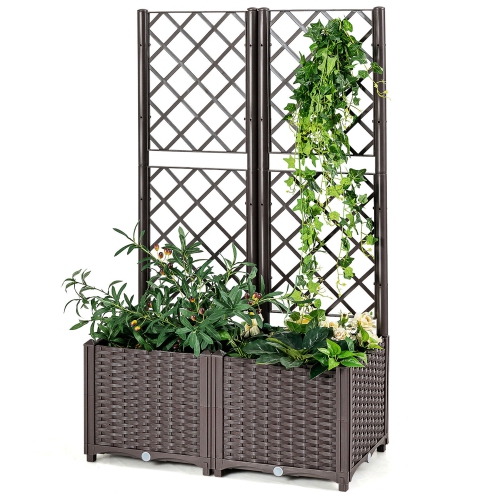
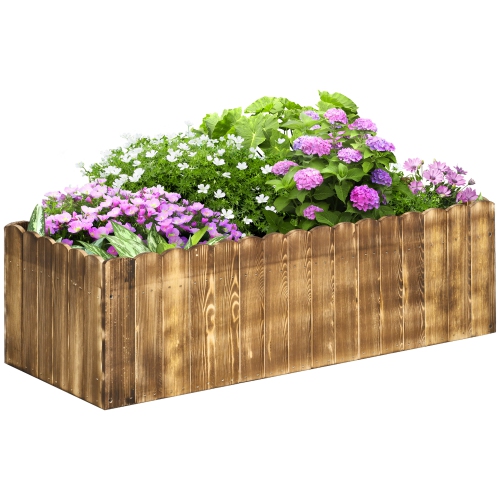
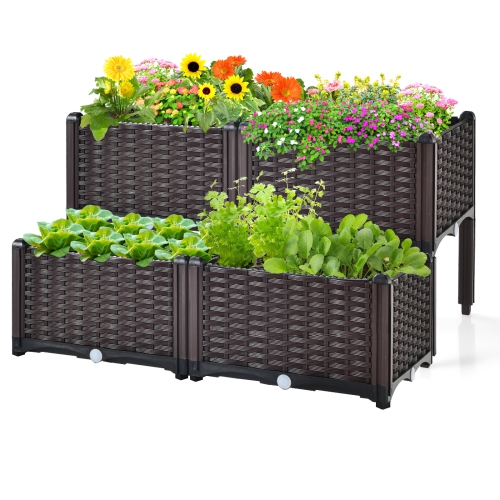
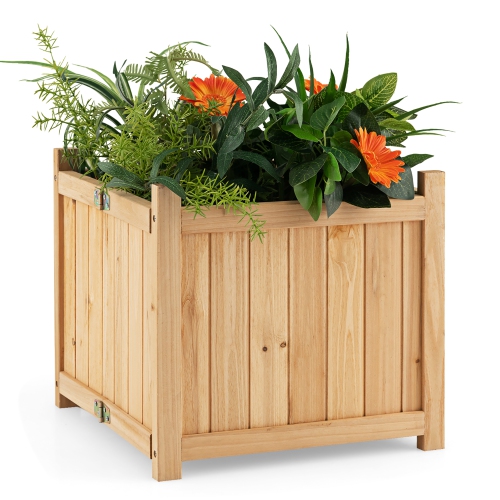
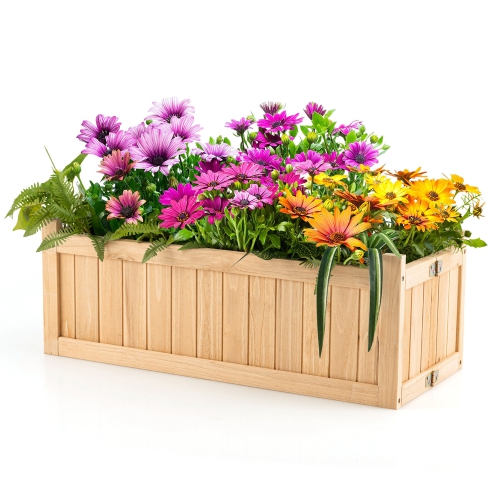
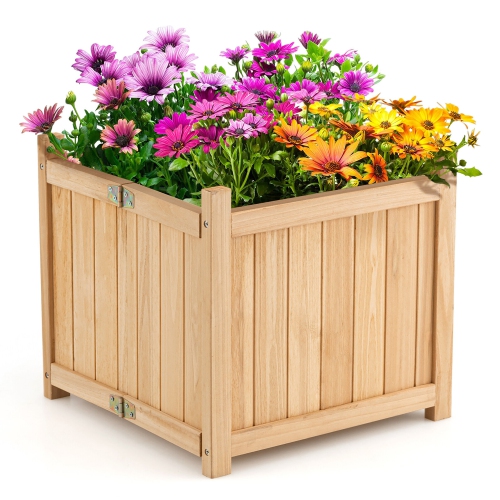
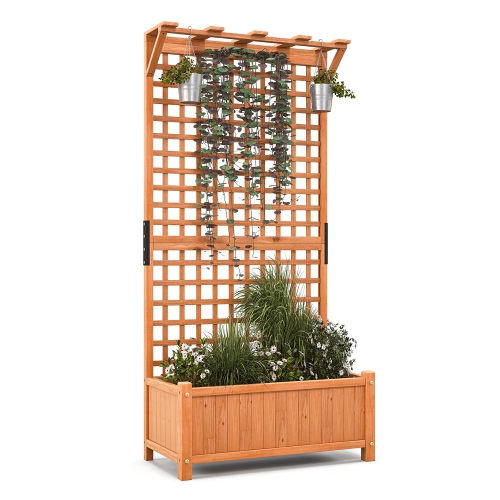
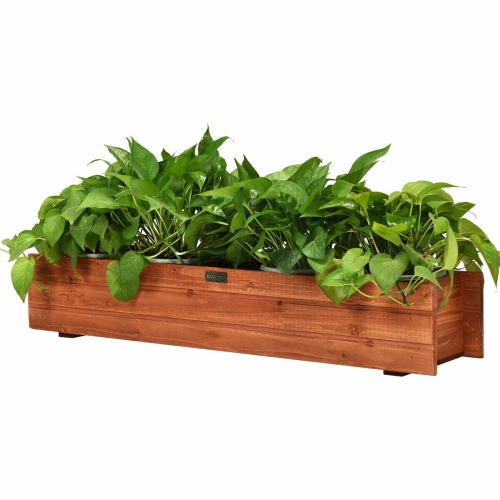

Comfortable growing spaces for herbs, flowers, and vegetables
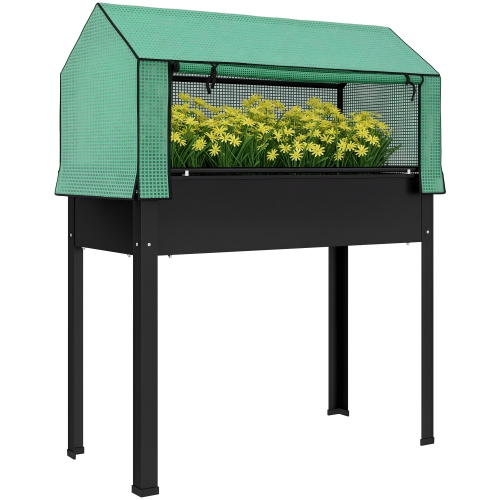
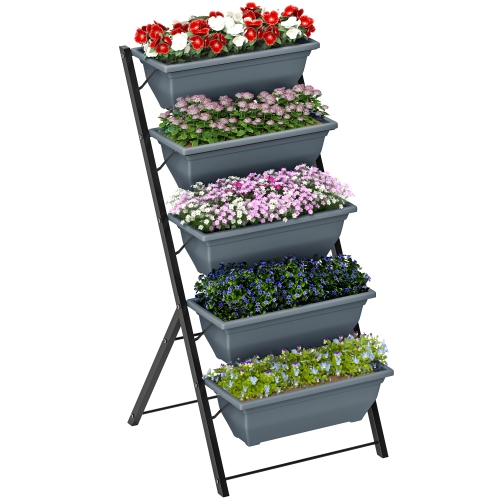
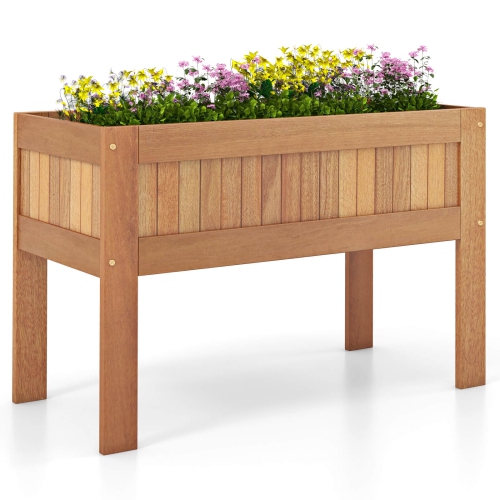
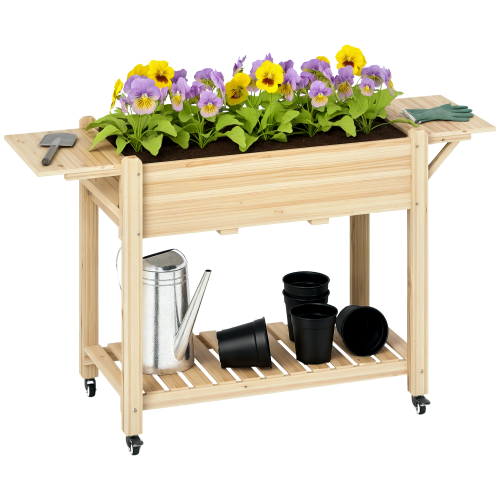
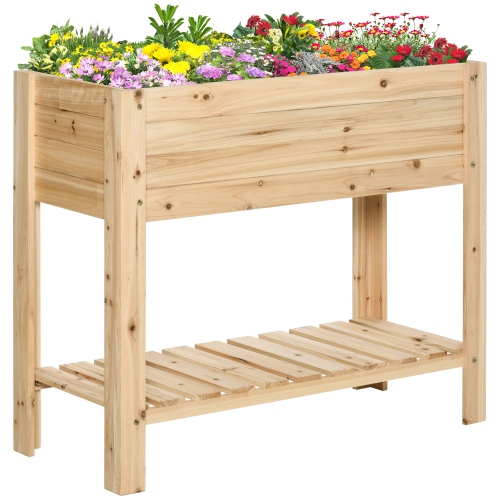
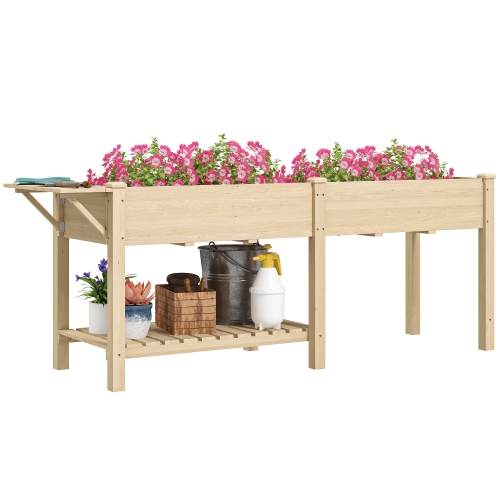
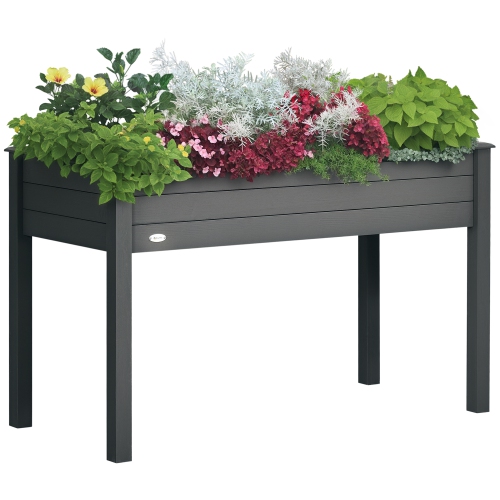
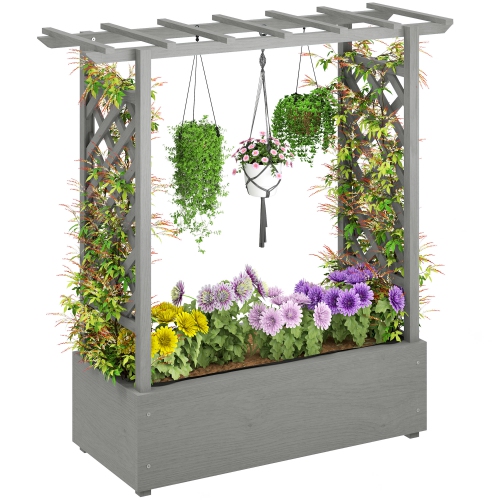
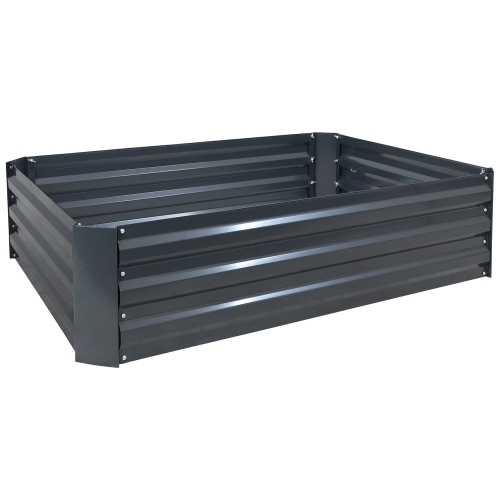
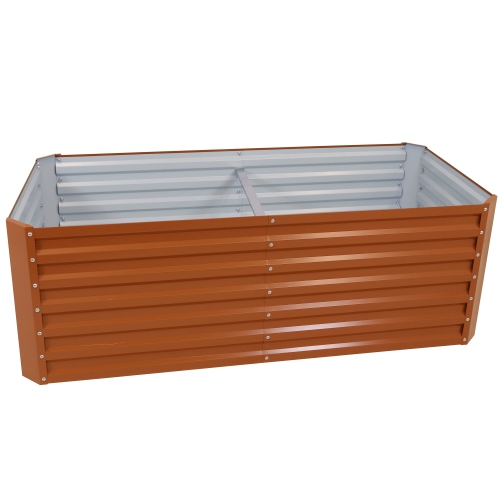
Standing planter boxes, also called elevated garden beds or raised planter boxes, make it easier to grow flowers, herbs, and vegetables without placing containers directly on the ground. Their raised design can be especially helpful for people who prefer to avoid frequent bending, kneeling, or lifting while tending plants. Instead of crouching beside a low garden bed, you can stand comfortably at the planter and reach the soil, seedlings, and foliage with less strain on your back and knees. This makes standing planter boxes a practical choice for older gardeners, anyone with limited mobility, and busy plant lovers who want a manageable growing space near a doorway, deck, balcony, patio, or porch. They can also be useful for households with children, giving young gardeners a defined area where they can plant seeds, water herbs, and watch vegetables develop. Depending on the height and design, a standing planter box can help keep plants separate from foot traffic, pets, and some crawling pests, while also reducing the amount of soil and water that can spill onto paving stones or outdoor flooring. When choosing one, begin by considering the available footprint and the height that feels most comfortable to use. Measure the area where you plan to place it, allowing enough room to walk around, open nearby doors, and reach each side for watering and harvesting. A narrower box may be a better fit for a balcony or compact deck, while a wider bed can support a more varied collection of plants. Check the growing depth as well, since shallow-rooted herbs, lettuce, and many flowers have different needs from tomatoes, peppers, carrots, or other plants that benefit from more room below the surface. The structure should feel stable when filled with soil, and sturdy legs, braces, or a well-balanced frame can make a noticeable difference in daily use. For outdoor placement, consider how the material and finish will fit with your space and how much maintenance you are prepared to provide. Wood planter boxes offer a familiar garden appearance, while metal, composite, or mixed-material designs can bring a more modern look. Drainage is another essential detail: excess water needs a clear path away from the roots, particularly after heavy rain or when a planter is positioned on a surface that does not absorb moisture. A liner, drainage holes, or a lower reservoir may be included depending on the design, so review the product details before adding soil. Standard standing planter boxes commonly fall in the $85 to $130 range, although size, construction, mobility features, and watering systems can affect the price.
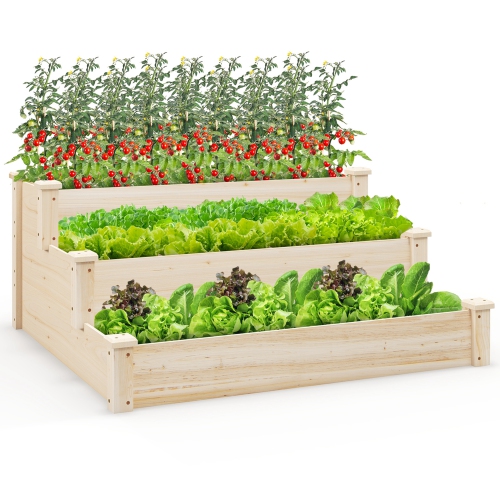
The plants you intend to grow should guide the rest of your decision. A box filled with culinary herbs can sit close to the kitchen entrance, making it simple to snip basil, parsley, chives, mint, or thyme while preparing a meal. For salads and light harvests, leafy greens and compact vegetables can turn a small outdoor area into a useful growing space. Flowers can add height and colour beside a front entrance, along a railing, or around a seating area, while pollinator-friendly blooms can bring more activity and movement to the garden. If you are growing a mixture of plants, leave enough room for each variety to receive light and air without crowding its neighbours. The amount of sunlight is just as important as the size of the planter. Observe whether the intended location receives full sun, partial shade, or mostly indirect light during the day, then choose plants that are suited to those conditions. A planter on wheels can be convenient when sunlight changes across the season or when the box needs to be moved under cover during strong weather. Mobile designs are also helpful when rearranging outdoor furniture, preparing a deck for entertaining, or shifting plants into a brighter spot as the weather cools. Self-watering models can be useful for gardeners who travel, have busy routines, or sometimes forget to check the soil, as a built-in reservoir can help maintain more consistent moisture between waterings. They still require occasional monitoring, since plants can suffer from overly wet soil as well as from dryness. Tiered arrangements provide another way to make use of limited floor space by placing planting areas at different levels, which can be particularly useful on balconies, narrow patios, and small porches. Browse Tiered Planter Boxes when a stepped layout suits the shape of your space or when you want several planting levels within one compact footprint. Before planting, use a suitable potting mix rather than heavy garden soil, fill the container according to its recommended capacity, and avoid packing the soil too firmly around young roots. A layer of mulch can help slow moisture loss, while a simple plant label system makes it easier to remember what was planted and when.
Standing planter boxes can be a thoughtful gift for a new homeowner, apartment dweller, balcony gardener, retiree, or anyone who enjoys bringing fresh greenery into everyday spaces. They offer a practical starting point for people who want to grow something of their own but do not have access to a traditional yard, and they can add structure to an established garden without requiring a large renovation. For a gift, consider the recipient’s available space, preferred plants, and comfort with regular care. Someone who enjoys cooking may appreciate a compact herb-growing box near the kitchen, while a flower enthusiast may prefer a taller display planter that can be arranged with seasonal blooms. A person with limited mobility may value a stable, accessible height and a design with generous room between the legs, while a balcony resident may need a lighter model that fits neatly against a railing or wall without obstructing movement. During the warmer part of the growing season, standing planter boxes can be planted with herbs, flowers, and vegetables that benefit from regular harvesting, and during cooler months they can be cleared, refreshed, or used for hardy plants suited to the local conditions. Keep the box within easy reach of a hose, watering can, or outdoor tap, and check that water will not collect against walls or damage the surface beneath it. Place taller plants where they will not shade smaller varieties, and rotate containers when practical so growth remains even. Regularly remove faded flowers, yellowing leaves, and ripe produce to encourage a tidy appearance and make room for new growth. With the right size, height, drainage, and placement, a standing planter box can turn an unused corner into a welcoming garden feature, create a more comfortable way to care for plants, and make growing fresh herbs, vegetables, and flowers feel approachable in spaces of many different sizes.
The plants you intend to grow should guide the rest of your decision. A box filled with culinary herbs can sit close to the kitchen entrance, making it simple to snip basil, parsley, chives, mint, or thyme while preparing a meal. For salads and light harvests, leafy greens and compact vegetables can turn a small outdoor area into a useful growing space. Flowers can add height and colour beside a front entrance, along a railing, or around a seating area, while pollinator-friendly blooms can bring more activity and movement to the garden. If you are growing a mixture of plants, leave enough room for each variety to receive light and air without crowding its neighbours. The amount of sunlight is just as important as the size of the planter. Observe whether the intended location receives full sun, partial shade, or mostly indirect light during the day, then choose plants that are suited to those conditions. A planter on wheels can be convenient when sunlight changes across the season or when the box needs to be moved under cover during strong weather. Mobile designs are also helpful when rearranging outdoor furniture, preparing a deck for entertaining, or shifting plants into a brighter spot as the weather cools. Self-watering models can be useful for gardeners who travel, have busy routines, or sometimes forget to check the soil, as a built-in reservoir can help maintain more consistent moisture between waterings. They still require occasional monitoring, since plants can suffer from overly wet soil as well as from dryness. Tiered arrangements provide another way to make use of limited floor space by placing planting areas at different levels, which can be particularly useful on balconies, narrow patios, and small porches. Browse Tiered Planter Boxes when a stepped layout suits the shape of your space or when you want several planting levels within one compact footprint. Before planting, use a suitable potting mix rather than heavy garden soil, fill the container according to its recommended capacity, and avoid packing the soil too firmly around young roots. A layer of mulch can help slow moisture loss, while a simple plant label system makes it easier to remember what was planted and when.
Standing planter boxes can be a thoughtful gift for a new homeowner, apartment dweller, balcony gardener, retiree, or anyone who enjoys bringing fresh greenery into everyday spaces. They offer a practical starting point for people who want to grow something of their own but do not have access to a traditional yard, and they can add structure to an established garden without requiring a large renovation. For a gift, consider the recipient’s available space, preferred plants, and comfort with regular care. Someone who enjoys cooking may appreciate a compact herb-growing box near the kitchen, while a flower enthusiast may prefer a taller display planter that can be arranged with seasonal blooms. A person with limited mobility may value a stable, accessible height and a design with generous room between the legs, while a balcony resident may need a lighter model that fits neatly against a railing or wall without obstructing movement. During the warmer part of the growing season, standing planter boxes can be planted with herbs, flowers, and vegetables that benefit from regular harvesting, and during cooler months they can be cleared, refreshed, or used for hardy plants suited to the local conditions. Keep the box within easy reach of a hose, watering can, or outdoor tap, and check that water will not collect against walls or damage the surface beneath it. Place taller plants where they will not shade smaller varieties, and rotate containers when practical so growth remains even. Regularly remove faded flowers, yellowing leaves, and ripe produce to encourage a tidy appearance and make room for new growth. With the right size, height, drainage, and placement, a standing planter box can turn an unused corner into a welcoming garden feature, create a more comfortable way to care for plants, and make growing fresh herbs, vegetables, and flowers feel approachable in spaces of many different sizes.
Top selling and popular products
-
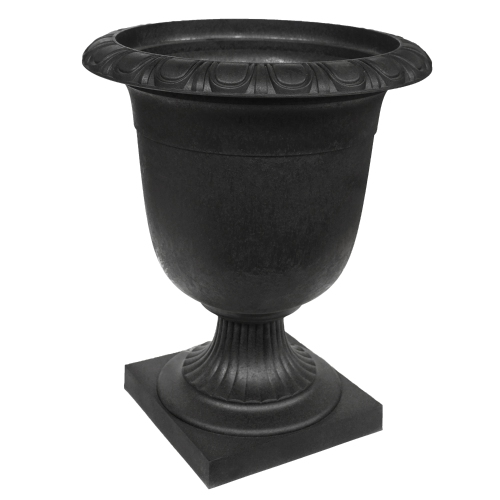 Your price for this item is $69.99
 -
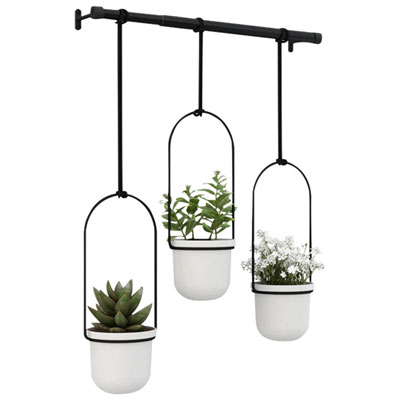 Your price for this item is $54.98
 -
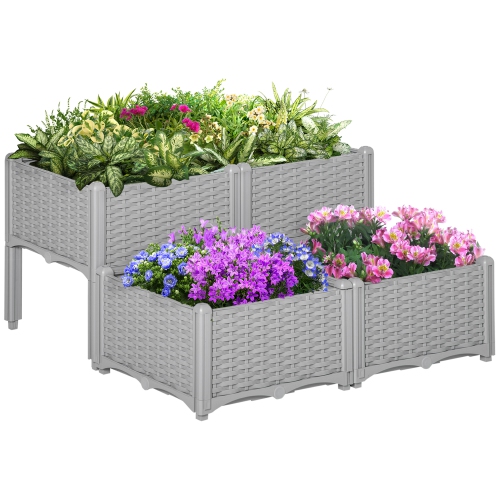 Your price for this item is $89.99
 -
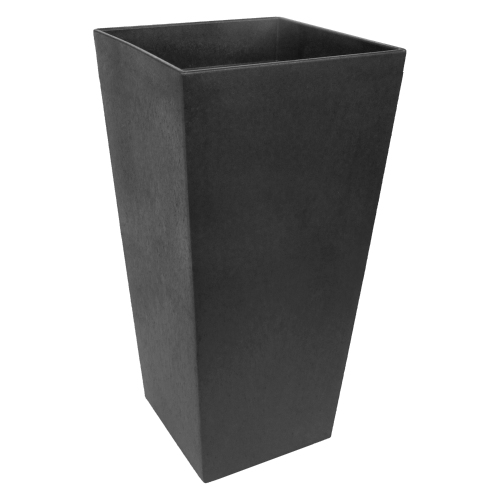 Your price for this item is $79.99
 -
 Your price for this item is $104.99
 -
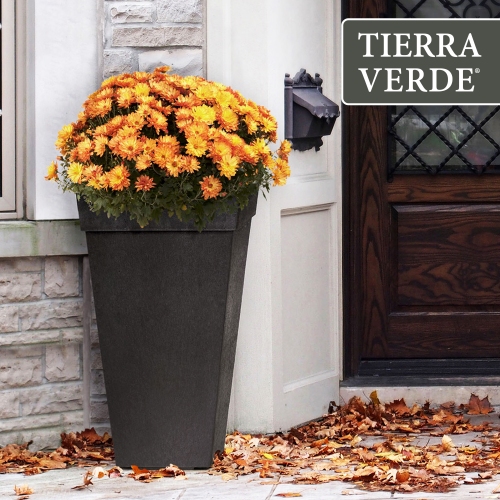 Your price for this item is $141.99
 -
 Your price for this item is $117.75
 -
 Your price for this item is $117.75
Discover more categories related to Standing Planter Boxes
Top Collections:
Pokemon Centers, Kindle Devices, Best Budget Office Chairs, Apple iPhones 16, Best Laptops for Writers, iPhone 15 Apple, Canon G7X Cameras, Refurbished Apple Laptops, Alarm Clock, Motorola Razr Phones
Some products may be subject to Environmental Handling Fees
(EHF) depending on your province.
Learn more about EHFs.