High End Wood Fired Pizza Ovens
High End Wood Fired Pizza Ovens bring exceptional performance and timeless style to your outdoor cooking space. Designed for those who appreciate authentic flavors and expert craftsmanship, these ovens make it easy to create delicious, restaurant-quality pizzas at home. Whether you're hosting a backyard gathering or perfecting your culinary skills, High End Wood Fired Pizza Ovens offer an impressive addition to any entertaining area. Explore a selection that combines elegance and functionality, elevating every pizza-making experience.
Sort
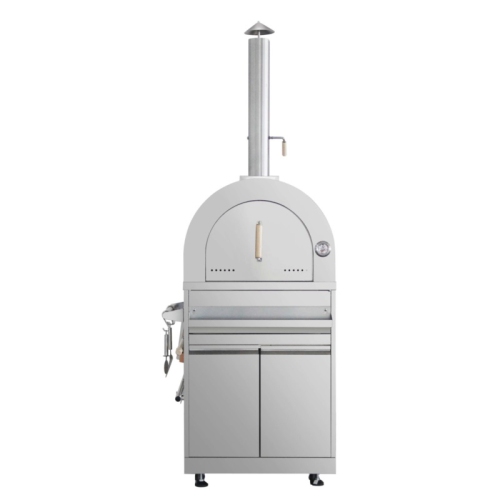


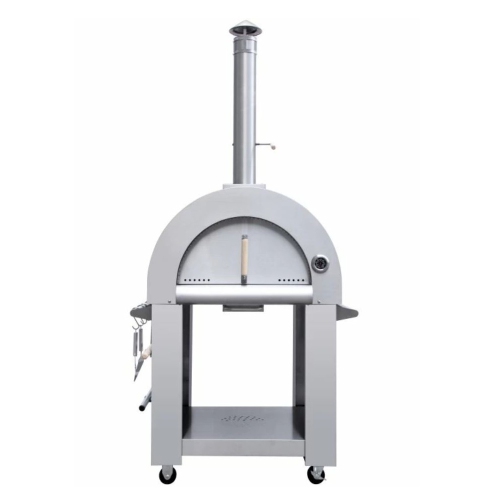


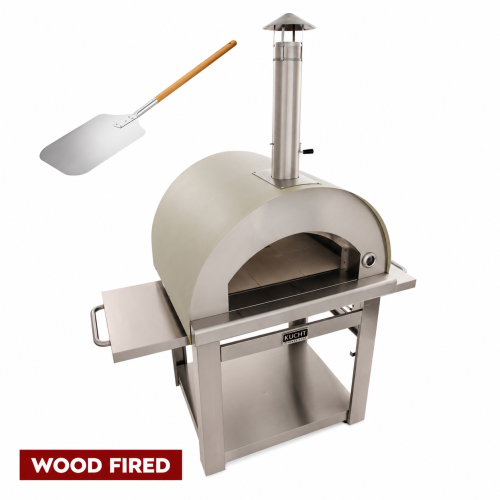
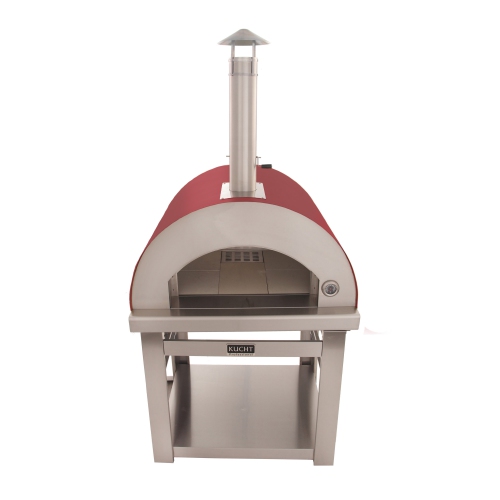
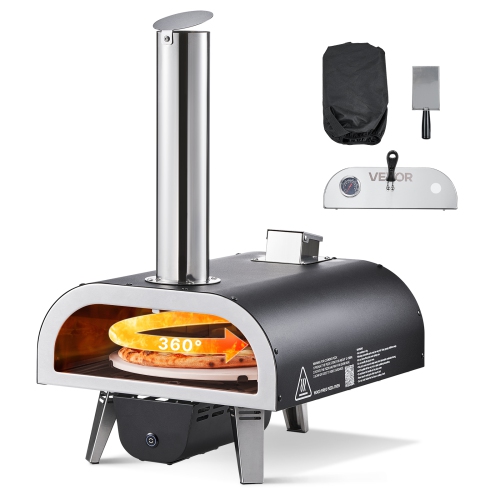

The heat balance behind a beautifully blistered crust
High-end wood-fired pizza ovens combine live-fire cooking with materials and construction designed to manage intense heat. Their appeal goes beyond a flame at the back of the chamber: a well-designed oven balances heat from the hearth, radiant heat from the dome or roof, and hot air moving around the food. That balance helps a pizza base cook through while the rim rises and develops its characteristic blistering. Some designs support pizza baking at roughly 400°C to 500°C, although operating temperatures, heating times, and results depend on the oven, fuel, dough, and firing technique. Premium construction often centres on a refractory cooking floor, substantial insulation, and a chamber shaped to distribute heat effectively. Refractory materials tolerate repeated heating and cooling, while insulation helps maintain useful cooking heat between pizzas. Stainless steel exteriors offer a streamlined appearance, and masonry designs bring the visual weight and substantial feel of a traditional hearth. Neither construction style alone determines performance; hearth thickness, insulation, chamber proportions, and accessible fire management matter just as much. A thicker hearth can store considerable heat, but it may also need a longer preheat before the cooking surface is ready. Exterior finishes and trim influence appearance, while the cooking floor and insulation have a more direct role in baking performance. Cooking space deserves similar attention. The stated opening or overall width does not necessarily describe how much room remains once a wood fire is established. Space for the fire, the pizza, and a turning peel affects how comfortably the oven works during an evening of successive bakes. For someone who enjoys stretching dough, adjusting a flame, and watching a crust take shape, these details are part of the attraction. A clear view into the chamber and an opening that allows easy turning can make the experience more satisfying than extra exterior size. High-end wood-fired pizza ovens are especially suited to cooks who value that hands-on process and want a dedicated place for it.
Within the broader range of Outdoor Pizza Ovens, a premium wood-fired design needs to fit both the cooking space and the way it will be used. A countertop oven requires a supporting surface rated for its weight and heat exposure, while a substantial masonry installation may call for a purpose-built base and professional planning. For larger ovens, delivery access matters as much as the final footprint: gates, pathways, changes in level, and lifting requirements can affect whether an installation is practical. A cart-mounted design offers a different arrangement, bringing the oven to a comfortable working height and sometimes providing space for tools beneath it. Wheels do not make every oven easy to relocate, so total weight, stable footing, and secure wheel locks remain important considerations. The surrounding layout should leave room for loading wood, handling a long peel, setting down an uncooked pizza, and keeping guests clear of hot surfaces. Manufacturer-specified clearances, chimney placement, and local requirements for open-flame appliances are essential parts of that fit. An outdoor-rated wood-burning oven is not suitable for use inside a home or enclosed garage. Covered locations also require explicit approval in the installation instructions rather than an assumption that overhead space is sufficient. Fuel requirements deserve attention, too. Dry, untreated hardwood of the size specified by the manufacturer supports controlled burning; painted, treated, or glued wood is unsuitable for cooking fires. Multi-fuel ovens may offer additional flexibility, but wood-burning capability and any alternative-fuel attachments must be confirmed for the particular design. For a household that likes hosting, the most useful configuration is often one with enough preparation space nearby and a manageable rhythm between pizzas. A large chamber can accommodate more food, but extra capacity only helps when the cook can comfortably tend the fire and move each pizza. For a couple making a few carefully prepared pizzas, a smaller, well-insulated chamber may be a better fit than a much larger installation.
Care and durability are closely connected in a wood-fired oven because the cooking chamber repeatedly expands as it heats and contracts as it cools. Any initial curing process specified for a refractory or masonry oven is important, and regular use should stay within the manufacturer's firing instructions. Gradual heating where required, sensible fuel loads, and natural cooling help protect the materials from unnecessary stress. Water should not be used to cool a hot hearth, and cleaning methods should suit the cooking surface rather than household habits. Many refractory floors are maintained with an appropriate oven brush and the removal of loose residue once the oven has cooled; soaking the surface or applying cleaning chemicals can cause problems unless expressly permitted. Ash also needs careful handling, since embers can remain hot after the visible fire has disappeared. A suitable metal ash container and the manufacturer's disposal guidance belong alongside the cooking tools. For metal exteriors, cleaning products should match the finish, with attention to hinges, door fittings, chimney components, and fasteners over time. Replacement cooking stones, door seals where fitted, and other serviceable parts can also influence long-term ownership. Beyond pizza, some wood-fired ovens can accommodate bread, roasted vegetables, or oven-safe cookware as the chamber settles to a suitable cooking temperature. Those uses depend on the oven's design and the recipe; retained heat is useful, but it does not replace checking food for doneness. An infrared thermometer can help assess the hearth, while a food thermometer serves a different purpose when cooking foods that require an internal temperature check. These ovens can make thoughtful gifts for enthusiastic home cooks, particularly those who already enjoy making dough or cooking with fire. Because installation space, weight, and fuel handling are personal considerations, a larger oven is usually best chosen with the recipient involved. The lasting appeal lies in a comfortable setup, dependable construction, and the pleasure of serving a pizza with a crisp base and a lightly charred rim straight from the hearth.
Top selling and popular products
-
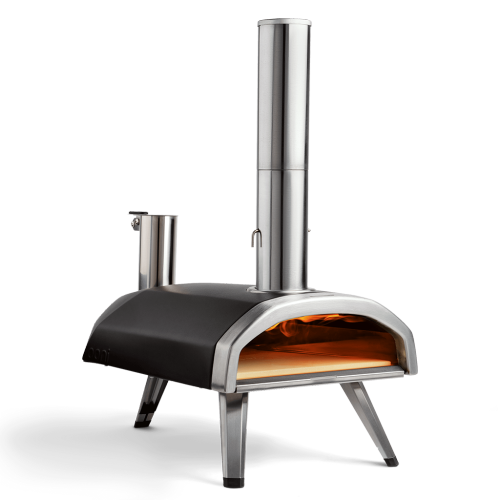 Your price for this item is $249
-
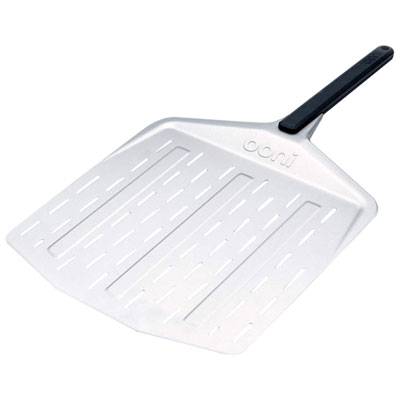 Your price for this item is $99.99
-
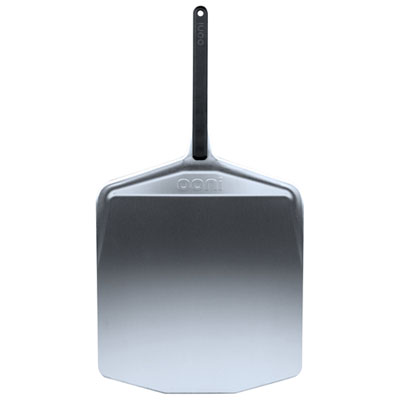 Your price for this item is $89.99
-
 Your price for this item is $139.99
-
 Your price for this item is $49.99
-
 Your price for this item is $39.99
-
 Your price for this item is $64.99
-
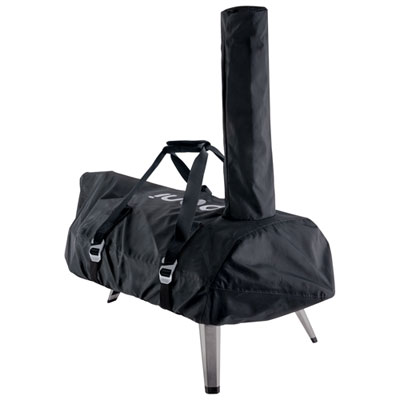 Your price for this item is $49.99
Discover more categories related to High End Wood Fired Pizza Ovens


Top Collections:
Pokemon Centers, Best Cameras for Sports Photography, Kindle Devices, Samsung Galaxy Phones, Canon G7X Cameras, Pokémon 30th Celebration Cards, Refurbished Apple Laptops, iPhone 15 Apple, Laptops for Students, Budget Smartphones
Some products may be subject to Environmental Handling Fees
(EHF) depending on your province.
Learn more about EHFs.