Backyard Wood Fired Pizza Ovens
Backyard Wood Fired Pizza Ovens bring authentic pizzeria flavor right to your outdoor gatherings. Perfect for family dinners, parties, or casual get-togethers, these ovens create a unique cooking experience that everyone will enjoy. Elevate your backyard entertaining and explore the possibilities of homemade pizza with the inviting warmth and charm that Backyard Wood Fired Pizza Ovens offer.
Sort
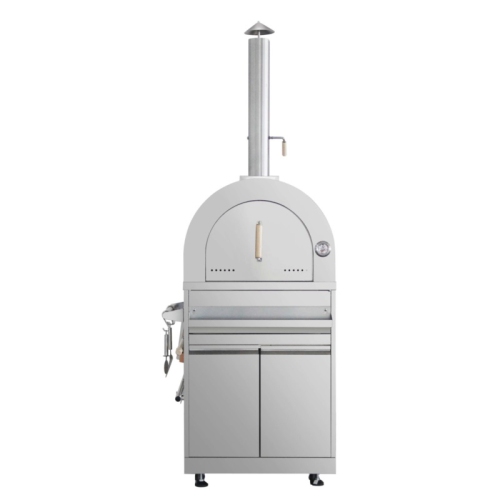

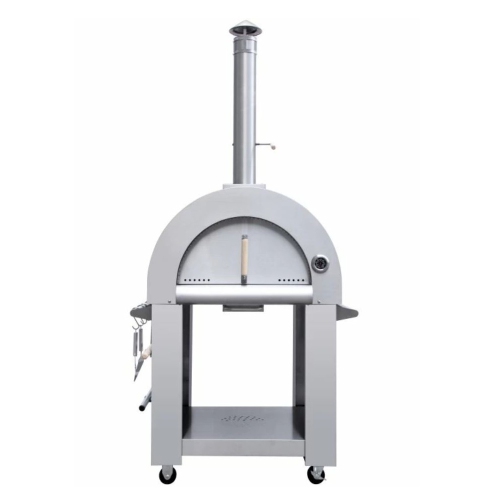


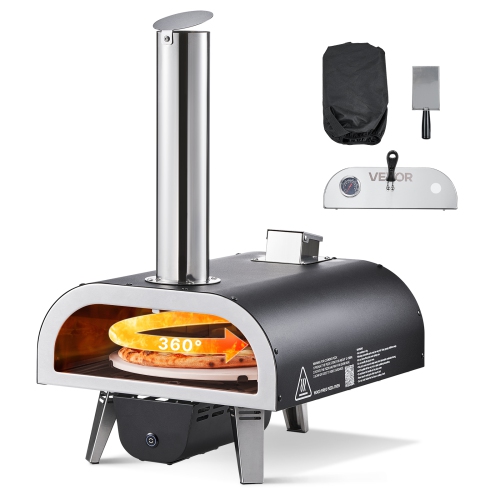


Pizzeria-style crusts start with heat from the hearth
Backyard wood-fired pizza ovens bring the intense heat of a pizzeria hearth to an outdoor cooking space, producing crisp bases, airy crusts, and lightly charred edges that are difficult to achieve in a conventional kitchen oven. Burning wood heats both the cooking floor and the chamber above it: the floor transfers heat into the dough, while radiant heat from the interior and flame cooks the toppings and lifts the crust. Some designs can reach approximately 450°C to 500°C, allowing a thin, Neapolitan-style pizza to bake in about 60 to 90 seconds once the oven is thoroughly heated. Actual cooking times depend on the oven, dough thickness, toppings, and the heat stored in the baking surface. Thicker pizzas generally need a gentler bake so the centre cooks before the outside darkens. The appeal goes beyond speed. Stretching dough, adding toppings, and watching the crust rise beside a live fire turns a familiar meal into an activity that family and friends can share. One person can shape the next base while another finishes a pizza with fresh basil, ready to slice and pass around the table. Wood contributes to the cooking character, although a well-managed fire should burn cleanly rather than surround the food with heavy smoke. These ovens suit enthusiastic home cooks, frequent hosts, and pizza lovers who enjoy a hands-on approach to preparing food. Depending on their design and the cookware permitted by the manufacturer, they can also be used for flatbreads, roasted vegetables, and dishes cooked in suitable cast-iron pans. Larger heat-retaining ovens may support bread baking as the fire subsides and the chamber settles to a lower cooking temperature. For anyone exploring High End Wood Fired Pizza Ovens, meaningful distinctions often include insulation, hearth construction, usable cooking space, and the quality of the door, chimney, and supporting structure. Those details influence how the oven feels to use, how consistently it cooks, and how well it fits into an established outdoor kitchen.
The right backyard wood-fired pizza oven needs to fit both the space and the way meals are prepared. Compact tabletop designs can work well for households that cook one pizza at a time and want the option of moving the oven between a suitable cooking station and storage. Portable does not necessarily mean lightweight, so overall weight, removable components, and carrying arrangements matter when lifting or transporting an oven. Freestanding designs provide their own support, sometimes with a preparation shelf or storage below, while masonry and modular installations create a more permanent focal point. A cart with locking casters can make positioning easier on a level surface, but it still needs to support the oven securely and remain stationary during cooking. Exterior dimensions tell only part of the story. The usable hearth, opening width, and chamber height determine how comfortably a pizza can be launched, turned, and retrieved. An oven sized for a 12-inch pizza may suit individual servings, while a larger cooking floor gives more room to manoeuvre or accommodate suitable cookware. Extra floor space does not automatically mean several pizzas can cook at once; the fire also occupies room in many wood-burning designs. Stainless-steel bodies offer a comparatively manageable structure, while refractory materials such as firebrick and purpose-made baking stones store heat for direct contact with the dough. Insulation helps limit heat loss and supports steadier cooking between pizzas, although exposed surfaces can still become dangerously hot. Heavier hearths and masonry chambers typically take longer to heat fully but can retain useful heat after the flames diminish. Positioning deserves equal attention: the oven requires a stable, heat-resistant base, the clearances specified by its manufacturer, and an outdoor location away from combustible structures. Wood-burning pizza ovens must not be used indoors, in garages, or in enclosed spaces. Local fire restrictions, building requirements, and property rules can also affect where an oven may be installed or operated. A practical layout leaves room for a peel, a landing surface for cooked food, and a clear route that keeps guests away from the fire and hot opening.
Fuel handling and routine care have a direct effect on the ownership experience. Dry, untreated hardwood of the type and size recommended for the oven helps establish a controlled fire; damp wood is harder to burn cleanly, while painted, stained, or pressure-treated timber is unsuitable for cooking. Log-burning and pellet-fed designs use different fuel arrangements, and fuels should never be treated as interchangeable unless the manufacturer expressly permits them. Likewise, a multi-fuel oven may require a dedicated attachment to use another fuel source. Preheating means bringing the hearth up to cooking heat, not simply seeing a strong flame. Some compact ovens may be ready in roughly 20 to 30 minutes, whereas larger or heavier designs can need considerably longer. An infrared thermometer can help check the baking surface, since a chamber thermometer does not necessarily show the heat at the point where the dough sits. A lightly floured peel helps the uncooked pizza slide onto the hearth, but excess loose flour can scorch and leave a bitter taste. Modest toppings are easier to cook evenly than a heavily loaded centre, and turning the pizza helps balance the side facing the flame with the side farther away. Between pizzas, the floor may need time to recover its heat, especially when several fresh bases are cooked in succession. After use, the oven and ashes must cool completely before cleaning or storage. Cold ash belongs in a suitable metal container, away from combustible materials. Baking stones generally need dry brushing or scraping according to their care instructions, rather than soaking or detergent washing; sudden cooling with water can also damage hot refractory components. Keeping the hearth dry, clearing ash as directed, checking the chimney for buildup, and caring for exterior finishes all help support long-term durability. A properly fitted cover should go on only after the oven has cooled. As a gift, a backyard pizza oven is particularly well suited to someone who enjoys tending a fire and refining a recipe, provided their outdoor space can accommodate it safely. Its lasting appeal lies in that combination of practical cooking capability and a meal worth gathering around.
Top selling and popular products
-
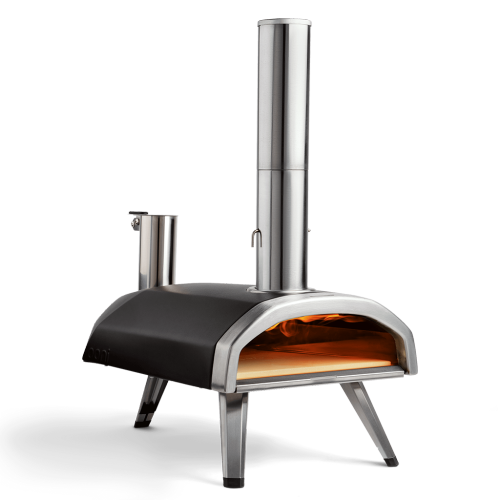 Your price for this item is $249
-
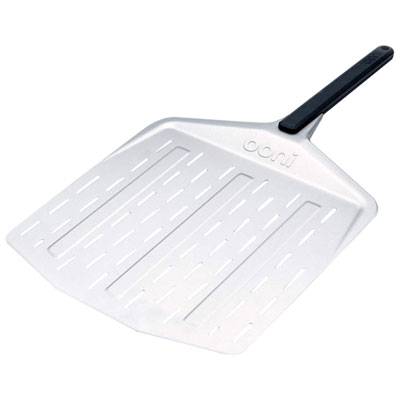 Your price for this item is $99.99
-
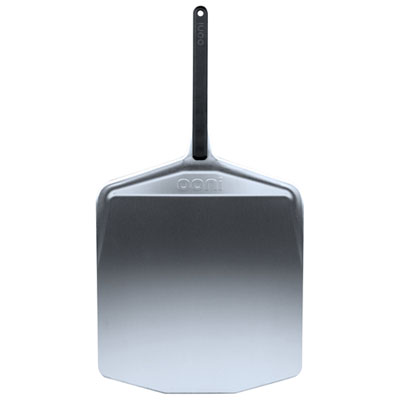 Your price for this item is $89.99
-
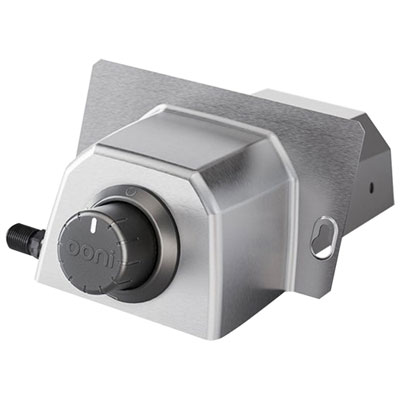 Your price for this item is $139.99
-
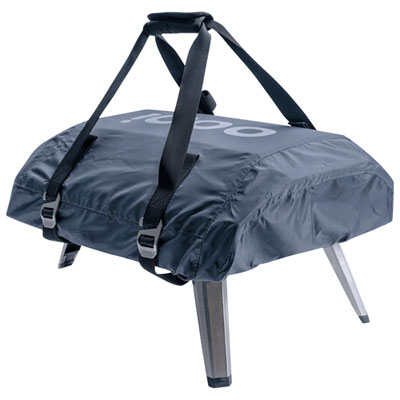 Your price for this item is $49.99
-
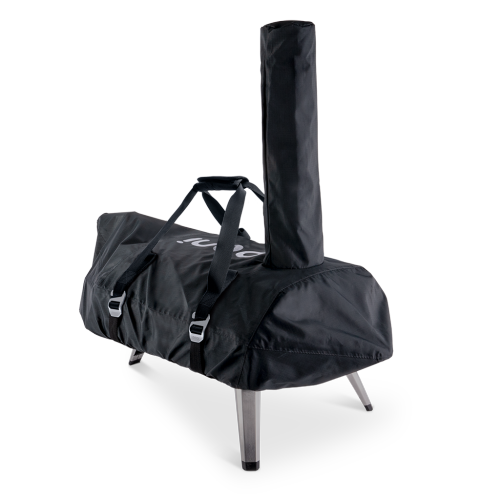 Your price for this item is $39.99
-
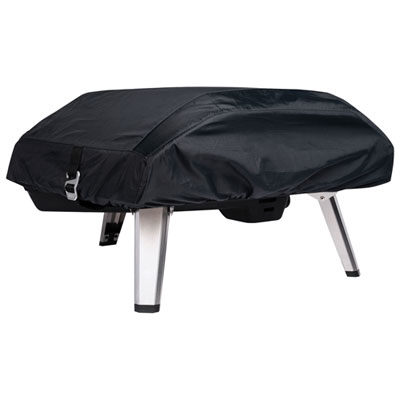 Your price for this item is $64.99
-
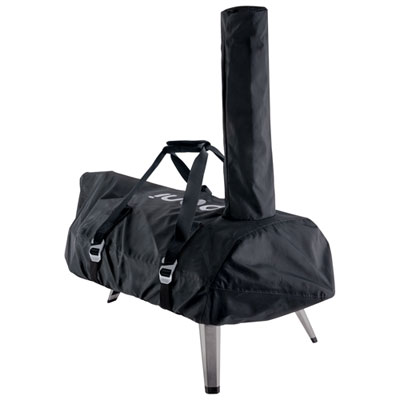 Your price for this item is $49.99
Discover more categories related to Backyard Wood Fired Pizza Ovens


Top Collections:
Pokemon Centers, Best Cameras for Sports Photography, Kindle Devices, Samsung Galaxy Phones, Canon G7X Cameras, Pokémon 30th Celebration Cards, Refurbished Apple Laptops, iPhone 15 Apple, Laptops for Students, Budget Smartphones
Some products may be subject to Environmental Handling Fees
(EHF) depending on your province.
Learn more about EHFs.