High Quality Outdoor Furniture Covers
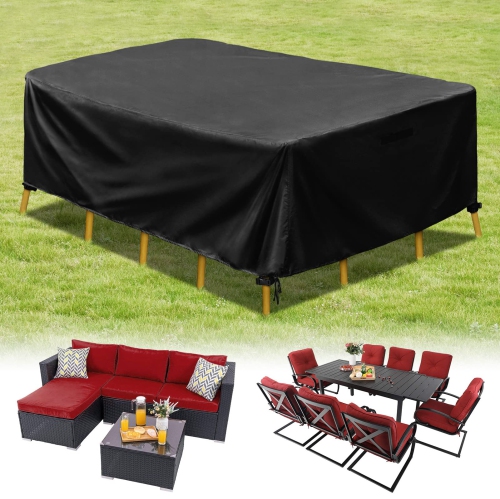
Furniture covers are a great way to protect your outdoor furniture from the elements. They also help keep the color and material of your furniture looking new for longer. Outdoor covers can be used for outdoor chairs, sofas, tables, and benches. Here are some high-quality products on the market.
Sort
































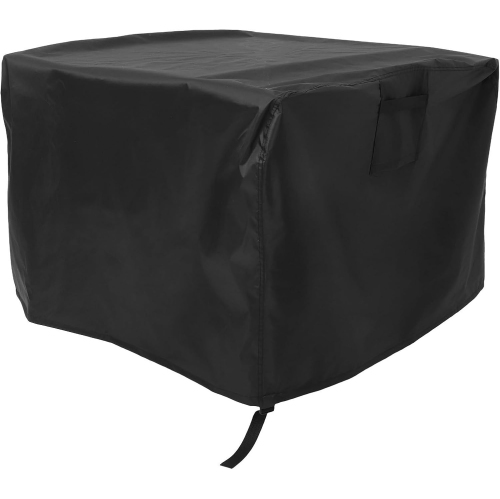


Why thicker covers do not always offer better protection
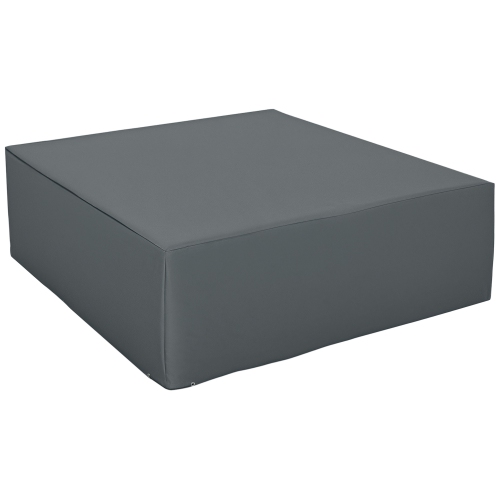
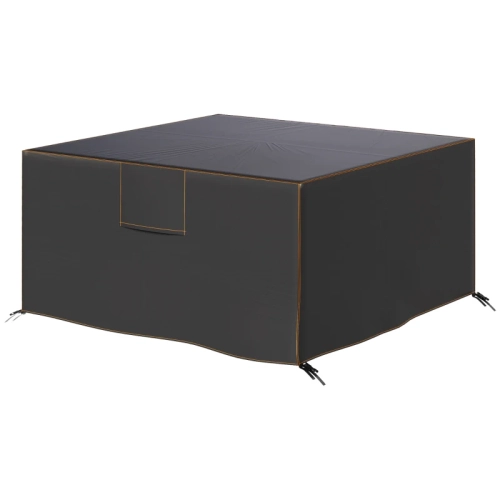
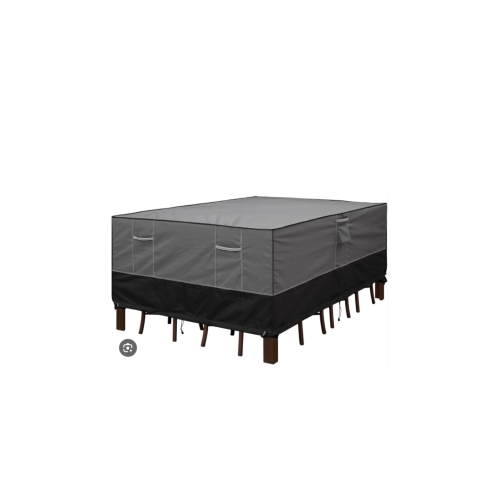
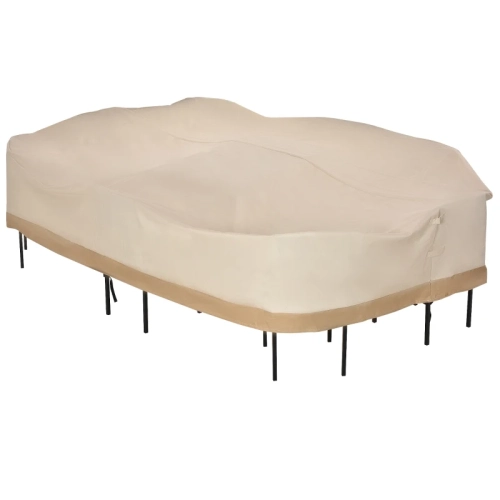
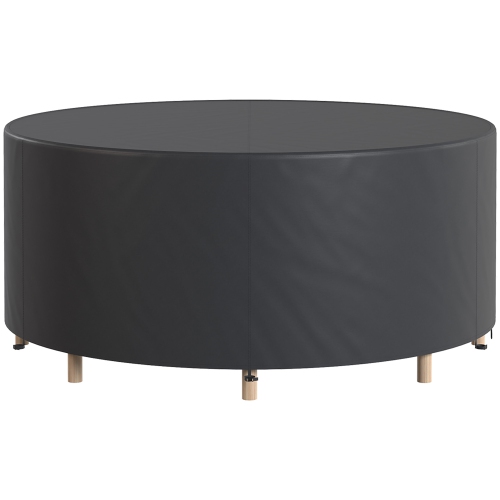
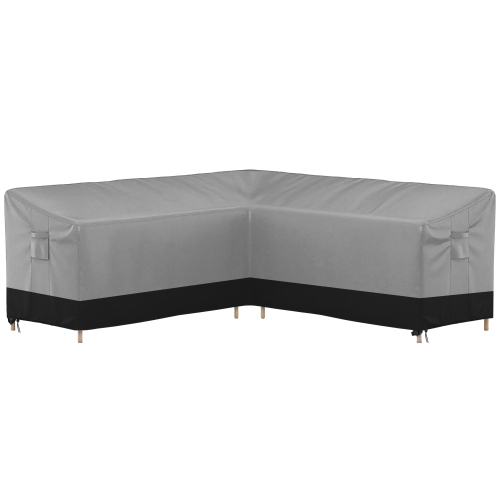
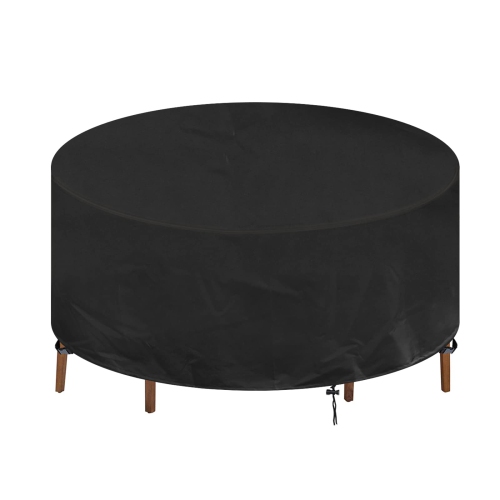
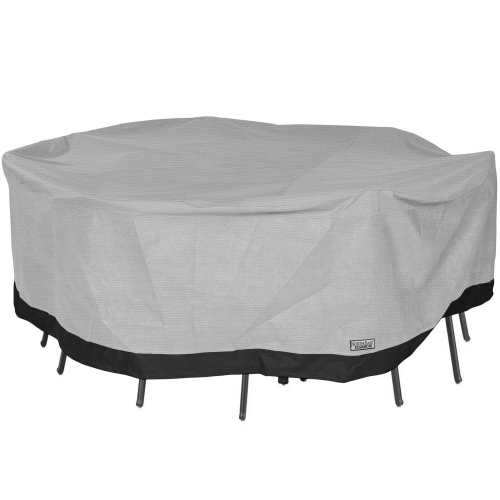
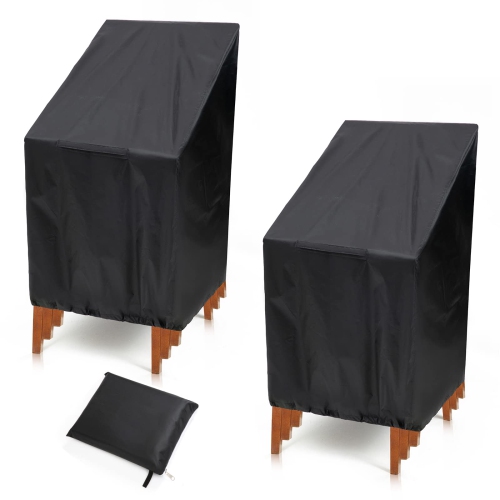
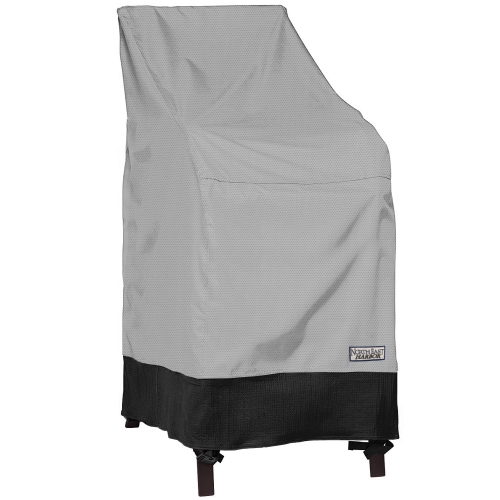
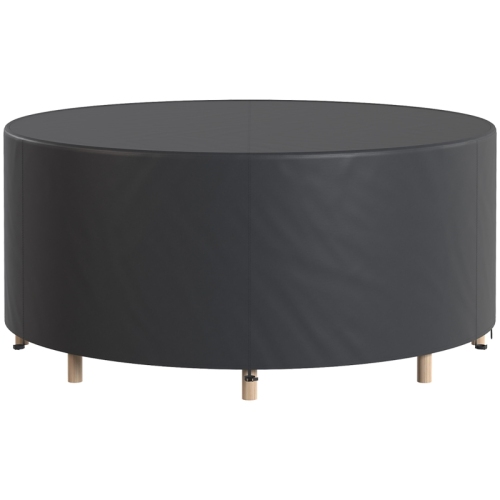
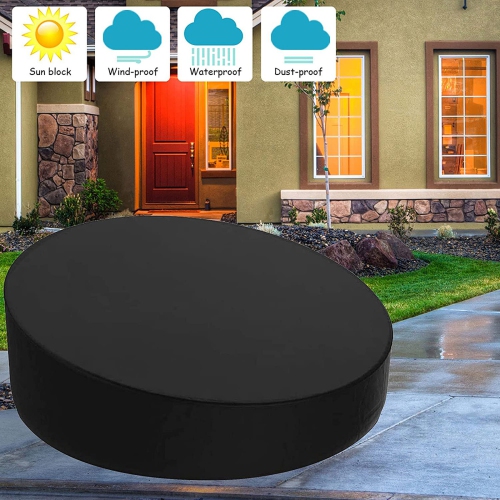
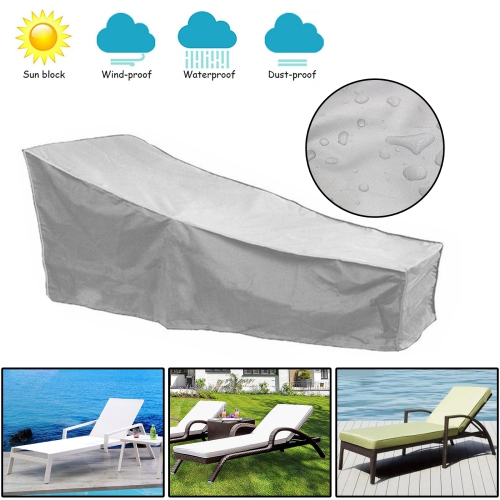
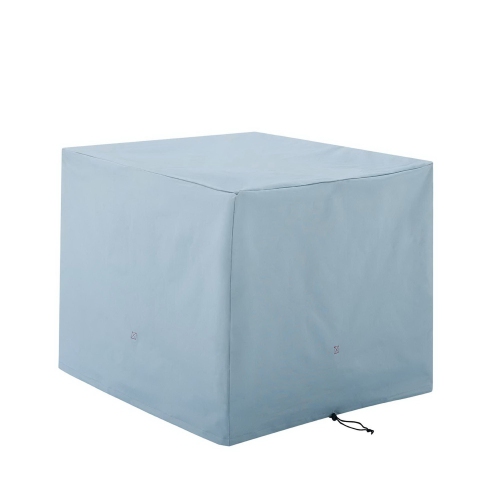
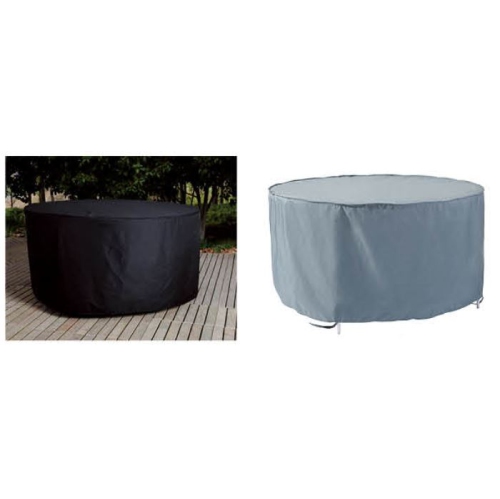
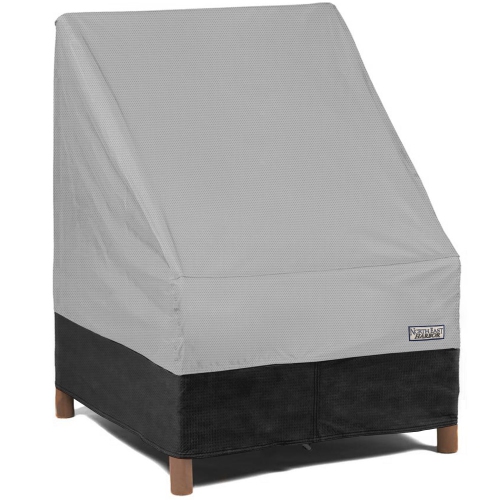
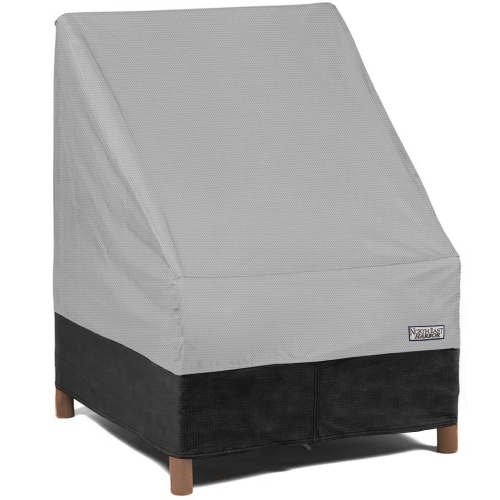
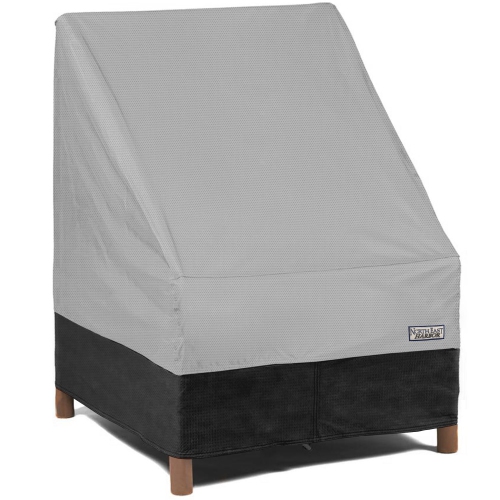
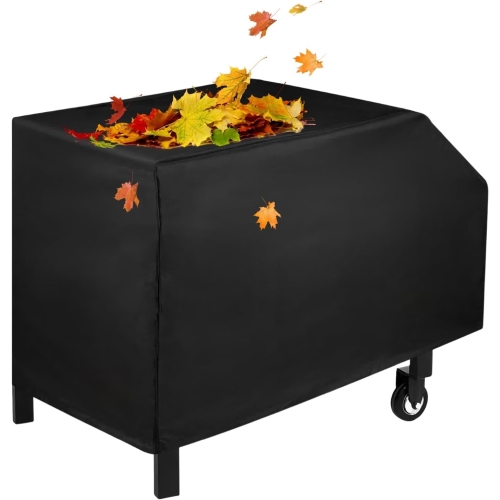
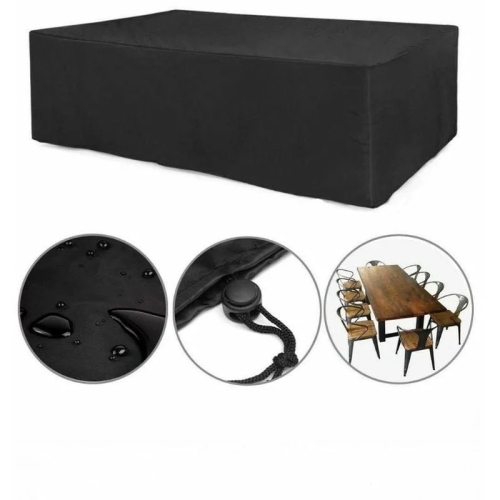
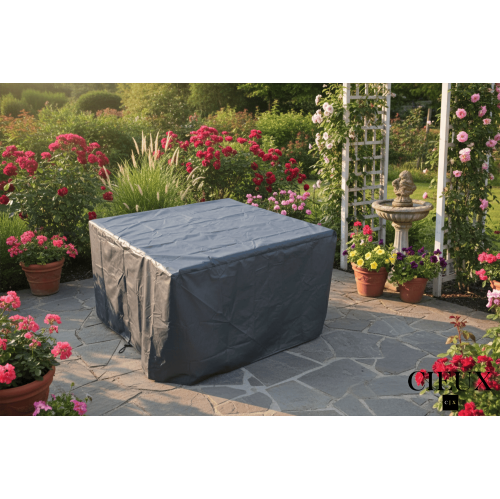
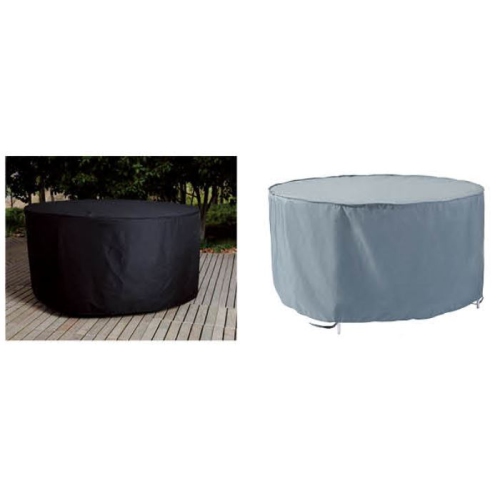
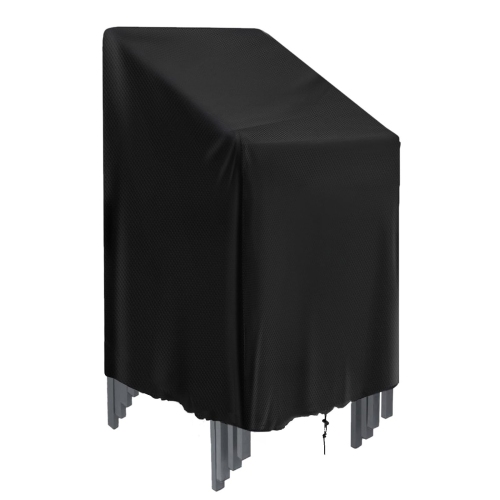
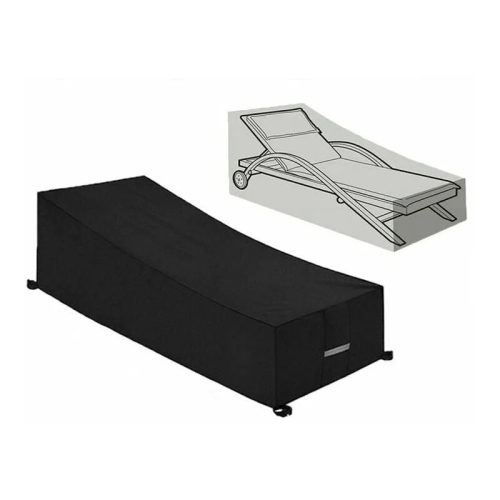
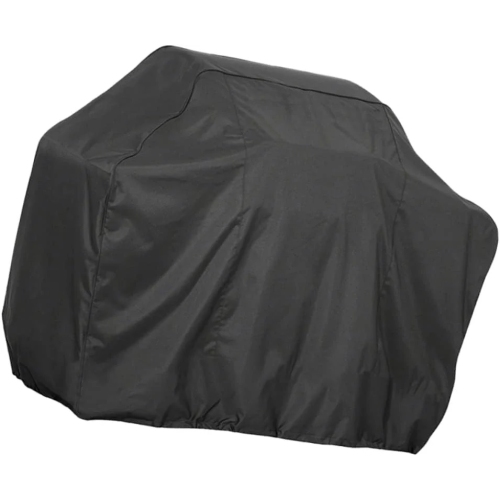
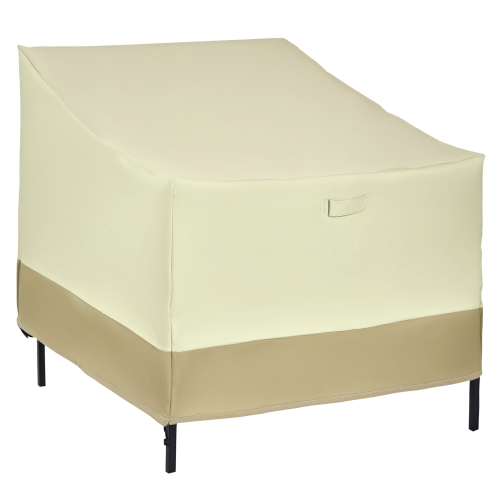
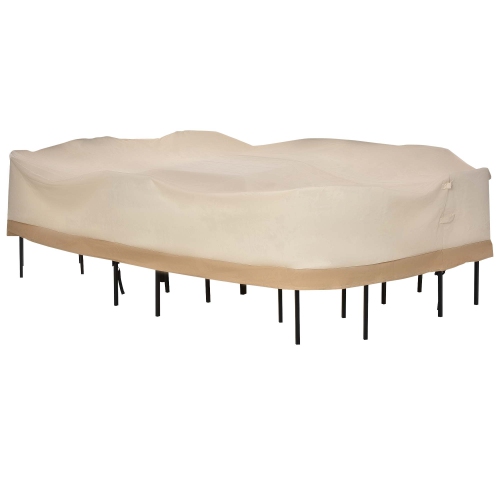
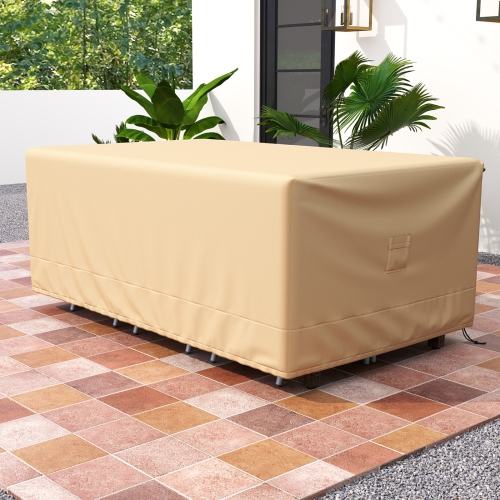
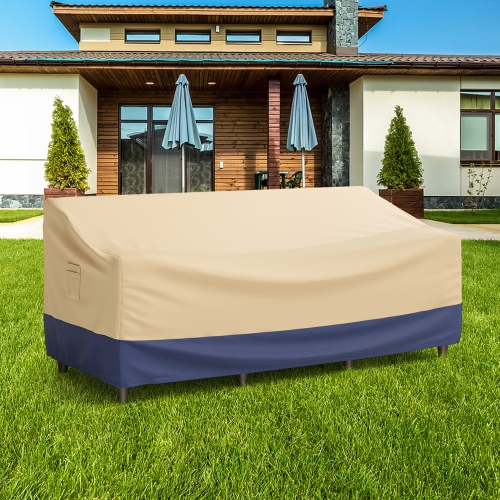
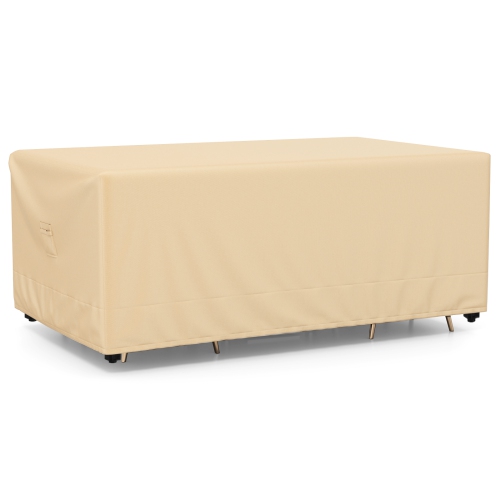
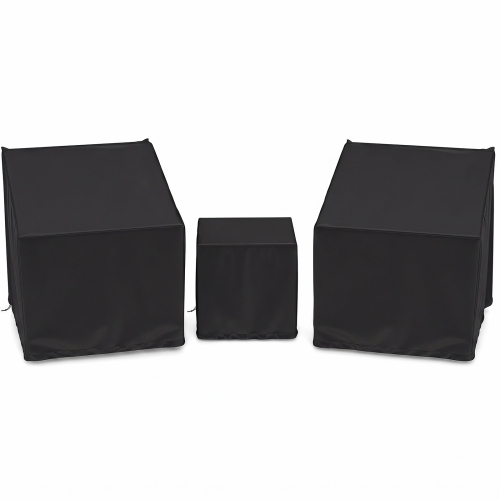
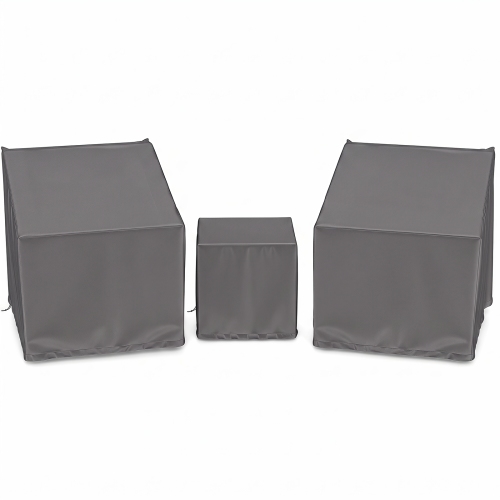
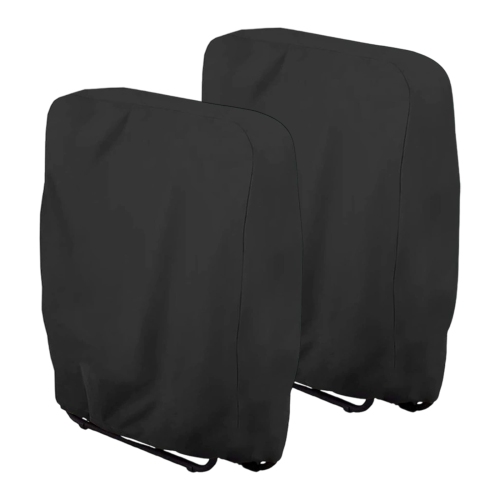
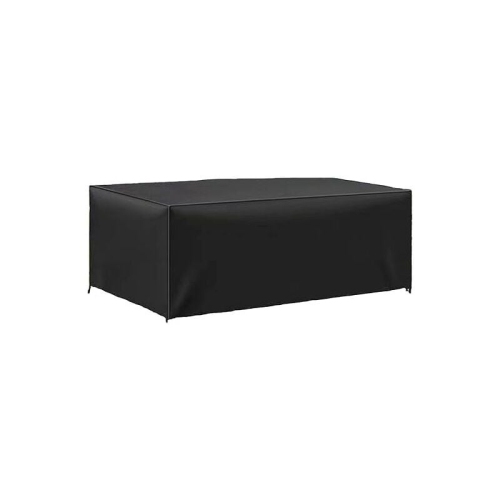
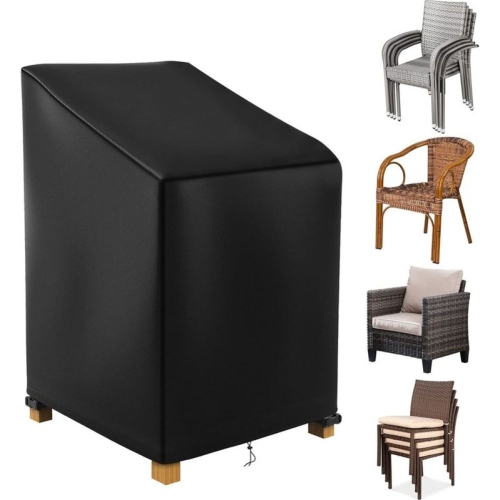
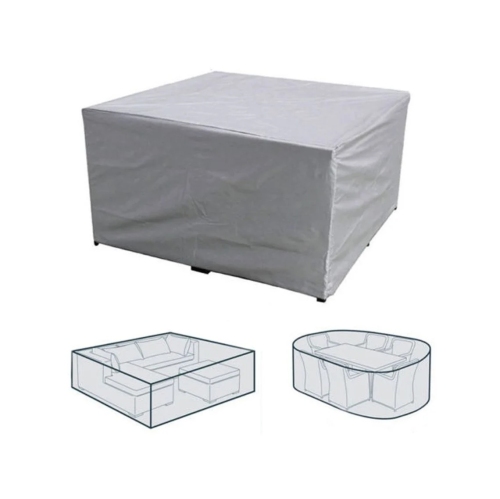
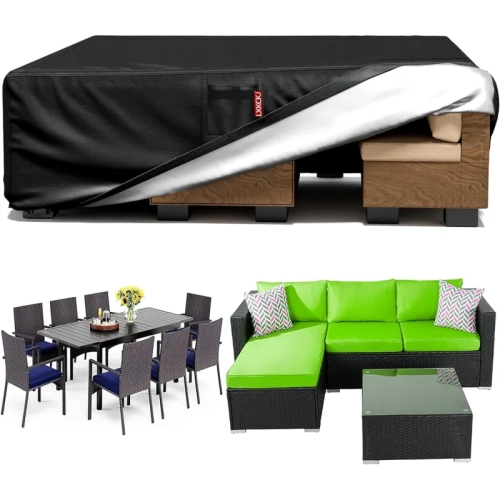
High-quality outdoor furniture covers help protect patio seating, dining sets, and loungers from rain, snow, sunlight, dust, and fallen leaves. Their performance depends on the combination of fabric, protective coatings, seam construction, ventilation, and fit—not simply how thick the material feels. Tightly woven polyester is a common choice because it offers strength without excessive weight, while solution-dyed fabrics can offer improved resistance to fading, depending on their construction and treatment. A polyurethane or PVC backing may provide a barrier against water, but the fabric alone does not determine whether the entire cover is waterproof. Stitching, seams, vents, and openings also affect how well moisture stays out. Water-resistant covers can handle light exposure, while covers described as waterproof should have construction details that support that claim, such as sealed seams. A water-repellent finish helps droplets bead on the surface, although that finish can wear with use and cleaning. UV-resistant materials are useful for furniture left in direct sunlight, helping the cover withstand exposure while reducing the amount of sunlight reaching cushions and furniture finishes. Breathability matters just as much as keeping rain out. Covered vents allow air to circulate beneath the fabric, helping reduce condensation that could otherwise leave cushions damp or encourage mildew. Sheltered vent openings are particularly useful because they allow airflow without leaving a direct path for wind-driven rain. Reinforced corners, securely attached handles, and neatly finished seams are practical signs of thoughtful construction, especially where a cover rubs against chair backs or table edges. A smooth inner surface can also help limit abrasion against painted metal, finished wood, and woven furniture, provided grit is removed before covering. For a dining set on an exposed deck or a reading chair beneath a balcony overhang, the most suitable protection reflects the actual exposure: frequent rain, strong sunlight, blowing debris, or a combination of conditions. A heavier cover is not automatically better if it traps moisture, fits poorly, or is too cumbersome to use regularly.
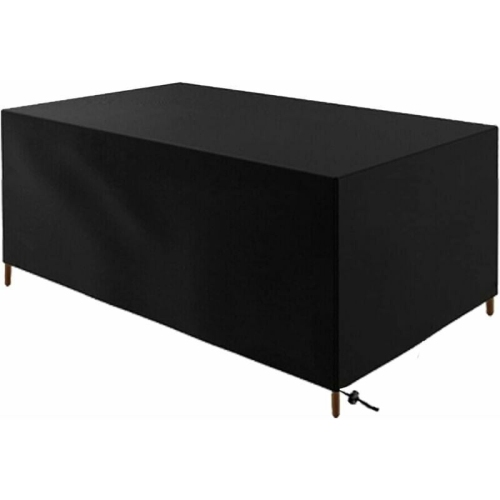
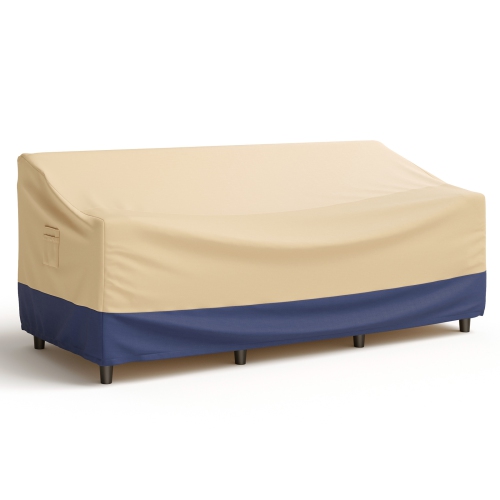
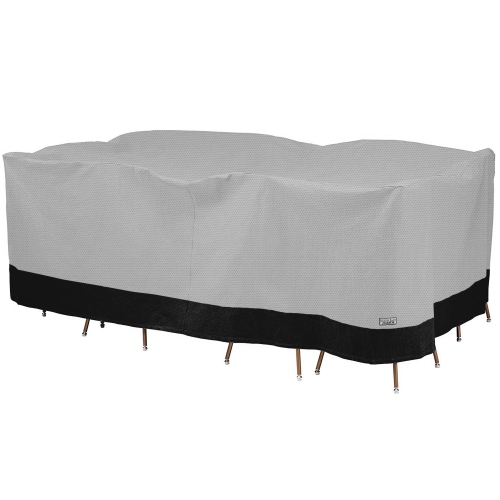
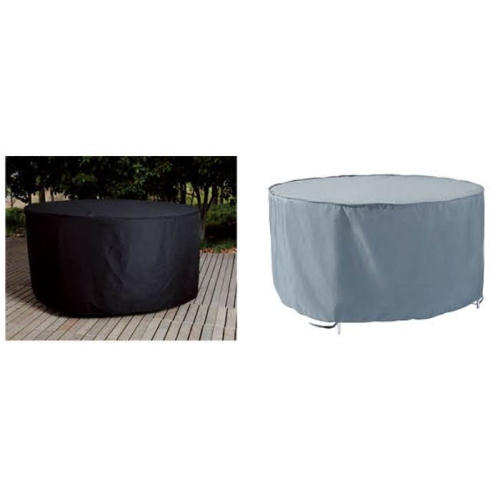
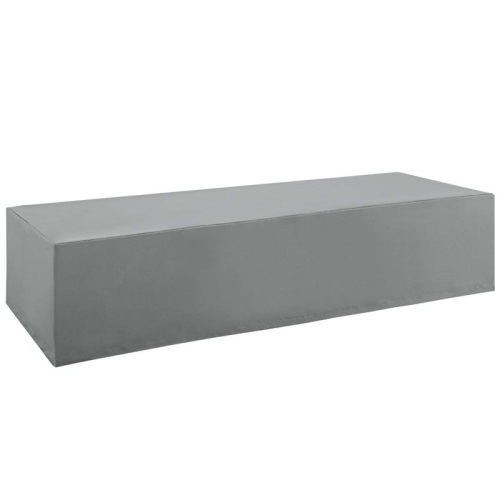
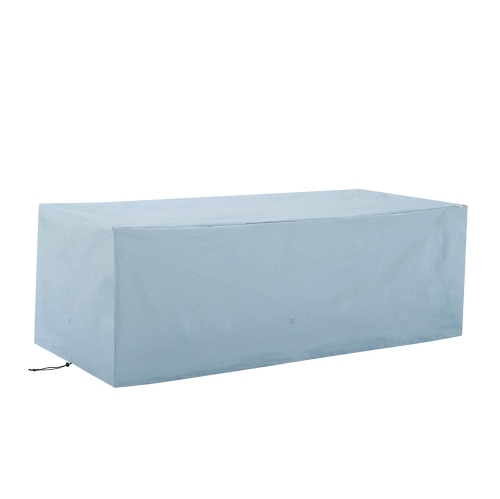
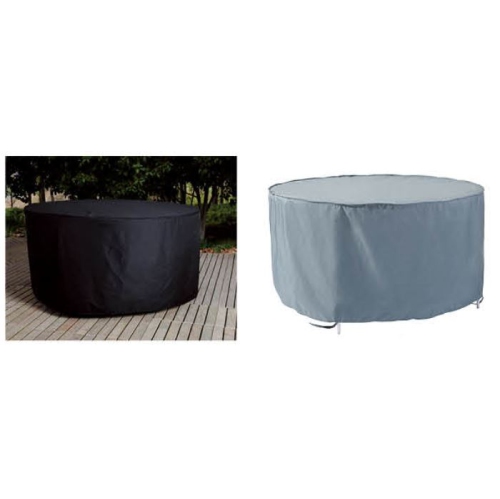
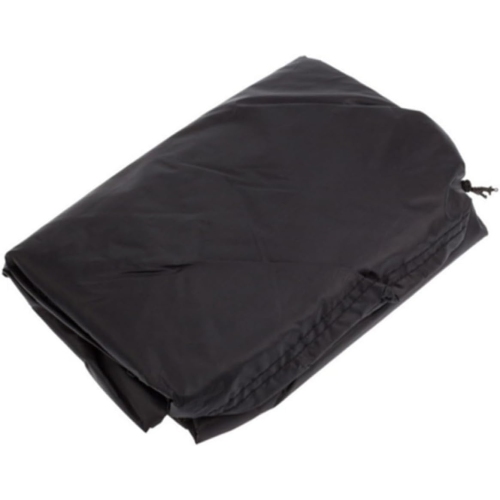
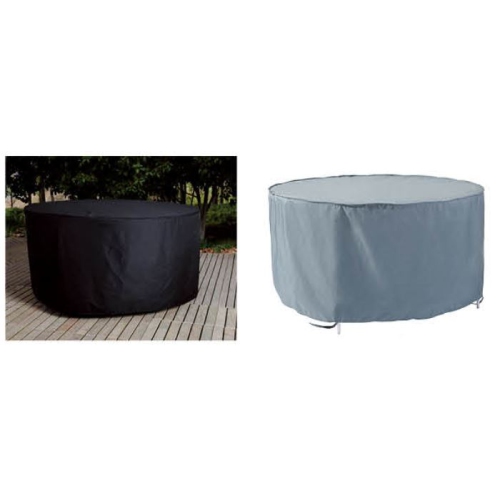
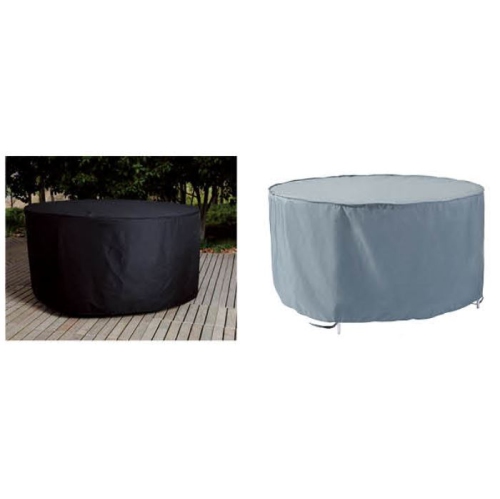
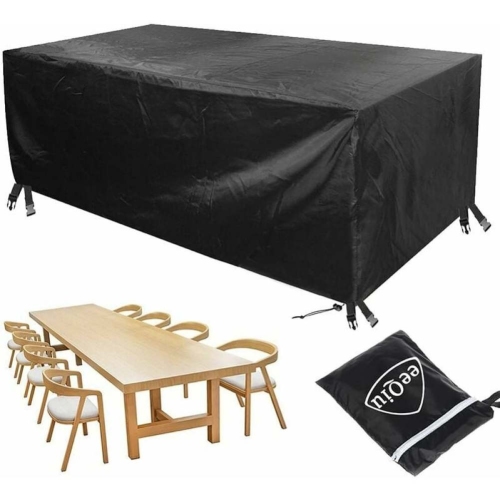
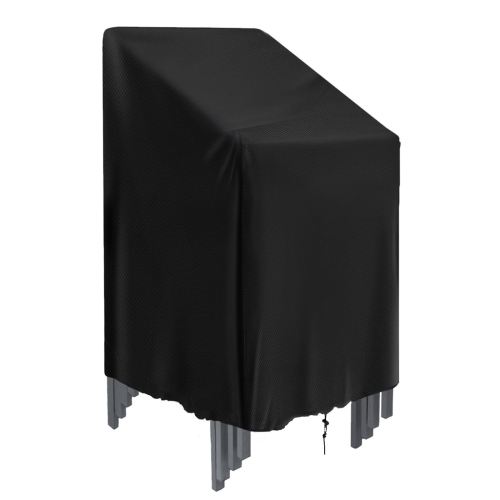
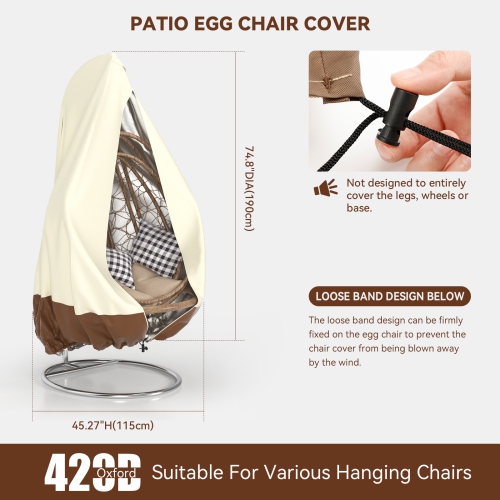
Fit makes a noticeable difference to both protection and everyday convenience. Outdoor furniture covers are generally shaped for particular furniture types, including rectangular dining sets, round tables, lounge chairs, sofas, and sectional seating. The important dimensions are the widest overall width, the full depth, and the height from the top of the furniture to the intended lower edge of the cover. Arms, reclining backs, curved frames, and decorative details can extend beyond the seat itself, so seat measurements alone rarely tell the whole story. For dining furniture covered as a group, the total footprint includes the chairs in their usual tucked-in position. A cover that fits the tabletop but strains across the chair backs can leave seams under tension and make fastening difficult. Sectionals need similar attention because an L-shaped arrangement has different proportions from a straight sofa, even when the overall seating capacity is similar. Manufacturer sizing information is useful for understanding whether a listed dimension describes the cover itself or the furniture it is intended to fit. A little working room makes fitting and removal easier, but excessive fabric can flap in the wind, collect water, or drag across a wet deck. The lower edge should protect the furniture without blocking necessary airflow or sitting in puddles. Adjustable hems, drawcords, buckles, and leg straps help keep the cover positioned, particularly on open patios where gusts can lift loose corners. Fastenings work best when they secure the cover without pulling the fabric tightly over sharp edges. Handles can make a substantial difference when lifting a large cover off a dining set, especially if one person usually manages the patio. Separate covers offer flexibility for furniture that moves around frequently, while a single fitted cover can simplify protection for a seating arrangement that stays together. For smaller balconies and compact terraces, a manageable cover that folds neatly can be more practical than a bulky design that is awkward to put away between uses.
Durability also depends on how a cover is used and cared for over time. Furniture and cushions should be clean and thoroughly dry before being covered, since a protective outer layer cannot remove moisture already trapped underneath. Cushions may still need separate indoor storage if their care instructions call for it, even when the furniture has a well-fitted cover. Broad, flat surfaces can allow rainwater or melting snow to pool, placing extra stress on fabric and seams. A compatible support system, where recommended by the manufacturer, can help create a slope so water drains away rather than collecting in the centre. Snow should not be left to build into a heavy load, and frozen fabric should not be pulled forcefully from furniture edges. Covers are protective barriers, not structural supports, and they do not make furniture suitable for exposure beyond its own care recommendations. For furniture in more exposed locations, Heavy-Duty Patio Furniture Covers offer another category to consider, with attention to reinforced construction, secure attachment points, and the protection described for each design. Routine care is usually straightforward: loose leaves and dirt can be brushed away, and marks can often be cleaned with mild soap, water, and a soft cloth, subject to the care label. Harsh cleaners, abrasive brushes, and machine washing can damage coatings or seam treatments unless specifically permitted. Thorough rinsing helps prevent soap residue, while complete air-drying before storage reduces the chance of musty odours. A dry storage bag or dedicated shelf keeps the folded cover clear of sharp tools and rough surfaces that could puncture it. Periodic checks around corners, seams, and straps can reveal wear before a small split becomes a larger tear. For busy households, frequent hosts, and anyone furnishing a first patio, easy handling matters alongside protective performance. A cover that fits comfortably, fastens securely, and dries properly is easier to use consistently, helping keep outdoor furniture cleaner and ready for the next gathering or quiet afternoon outside.
Top selling and popular products
-
 Your price for this item is $189.99
-
 Your price for this item is $44.99
-
 Your price for this item is $55.99
-
 Your price for this item is $19.99
-
 Your price for this item is $41.99
-
 Your price for this item is $58.99
-
 Your price for this item is $55.99
-
 Your price for this item is $139.99
Discover more categories related to High Quality Outdoor Furniture Covers

Top Collections:
Pokemon Centers, Kindle Devices, Best Black Friday Deals This Year, Pokémon 30th Celebration Cards, Best Black Friday Deals On Electronics, Best Cameras for Sports Photography, Best Black Friday Deals On Apple Products, Canon G7X Cameras, iPhone 15 Apple, Candle Warmer Lights
Some products may be subject to Environmental Handling Fees
(EHF) depending on your province.
Learn more about EHFs.