Outdoor Furniture With Covers
Transform your outdoor living space into a stylish and comfortable oasis with our selection of outdoor furniture with covers. From durable and weather-resistant materials to sleek designs that elevate your patio or deck, these pieces are perfect for enjoying the great outdoors on both sunny days and rainy evenings. Whether you're hosting a summer barbecue or simply unwinding with a book, our range of outdoor furniture with covers offers both protection and style to enhance your outdoor relaxation experience.
Sort
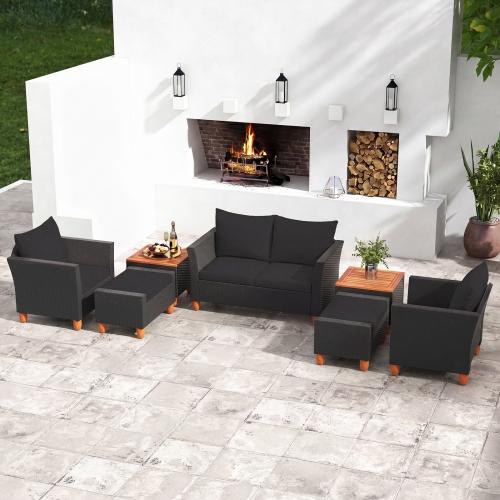


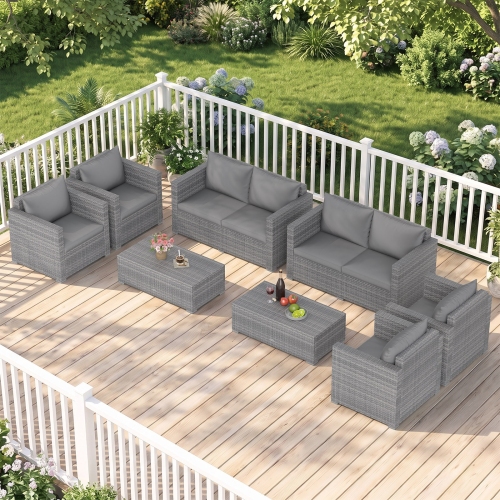


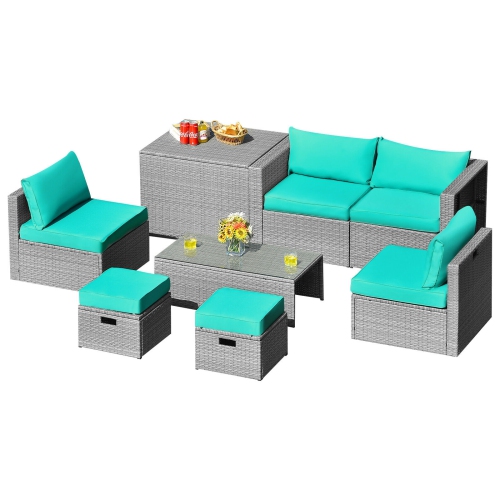


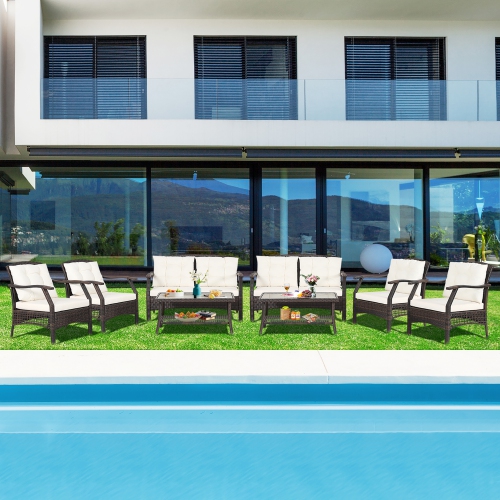

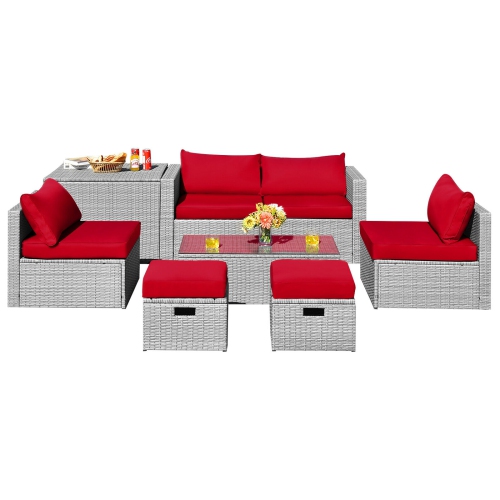


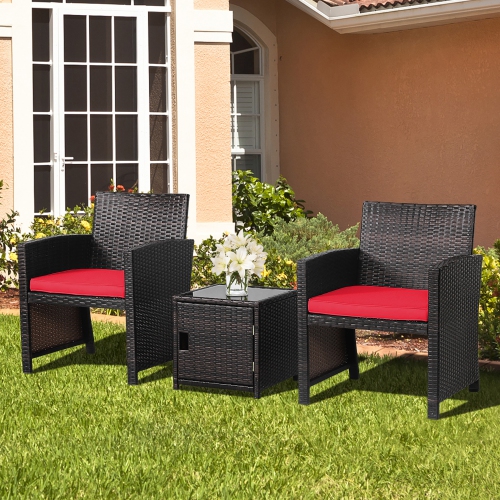


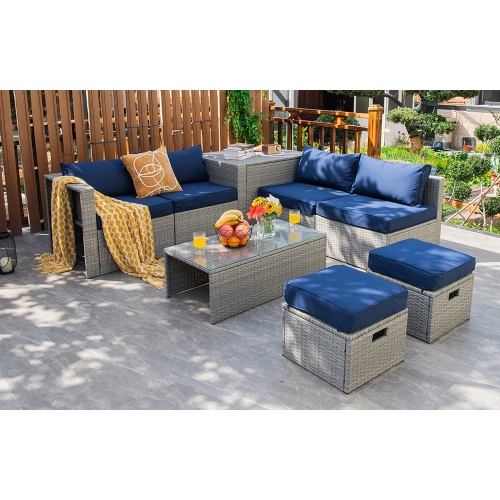
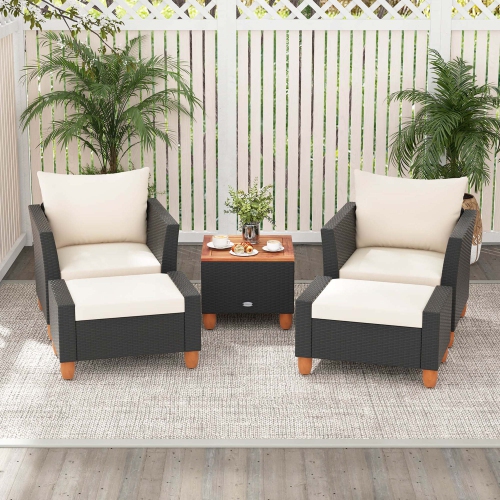
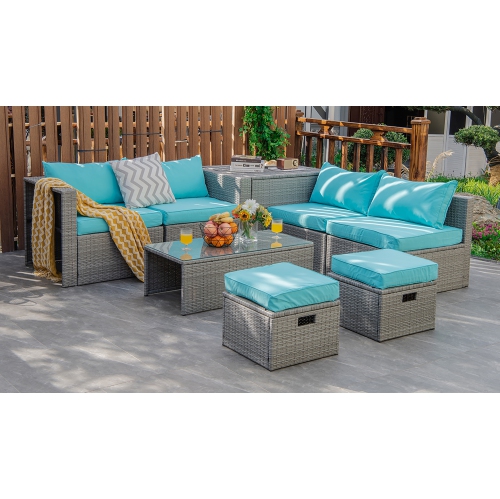

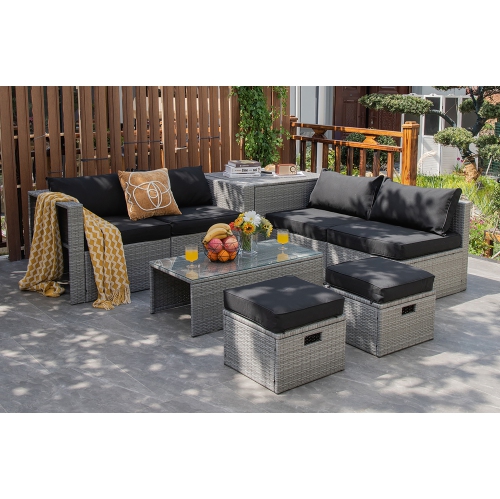
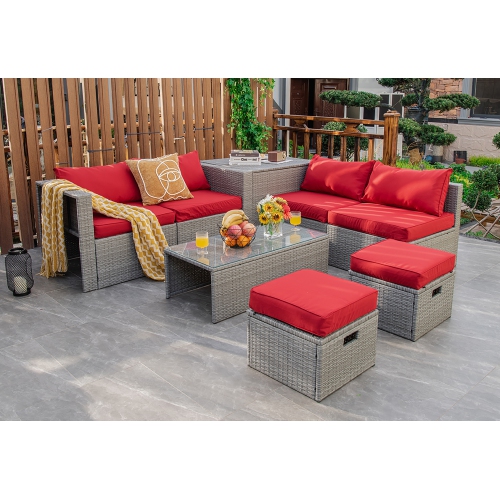
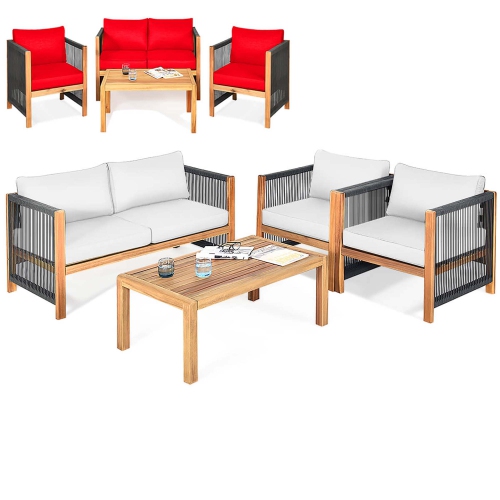






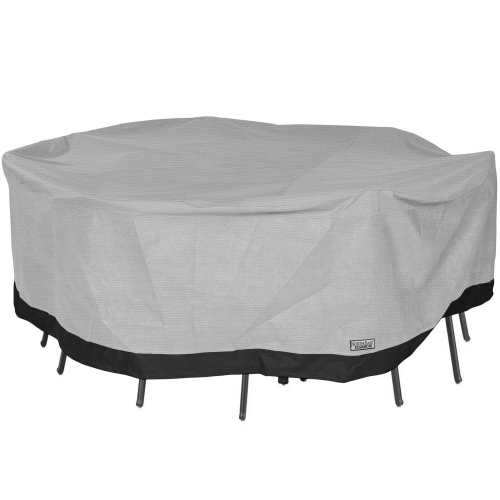


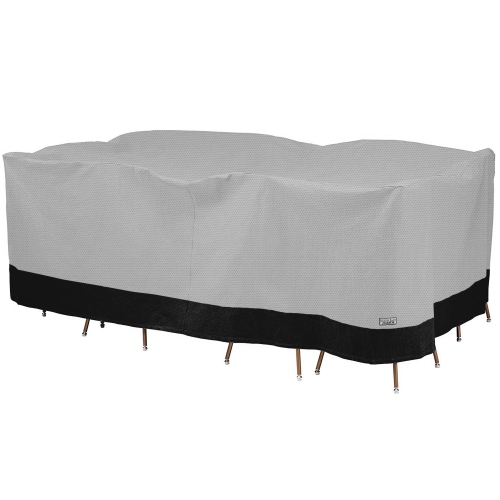
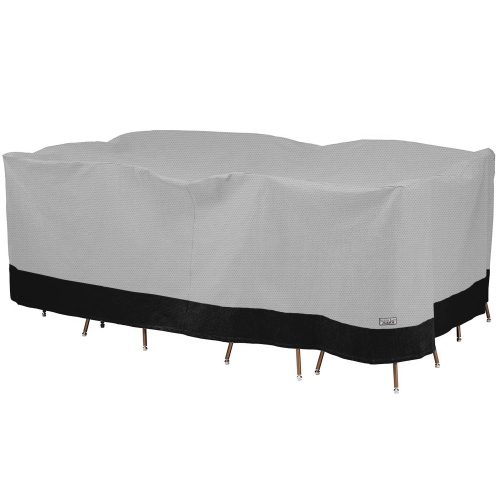


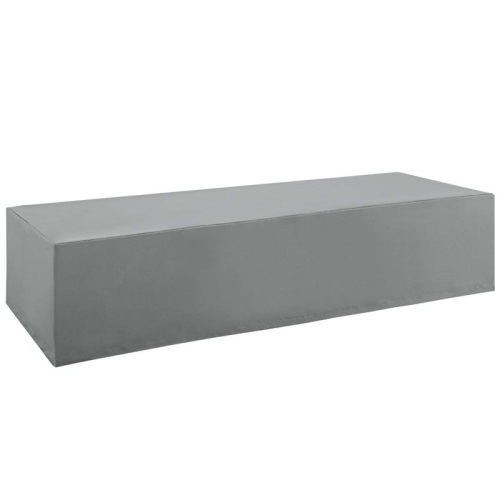

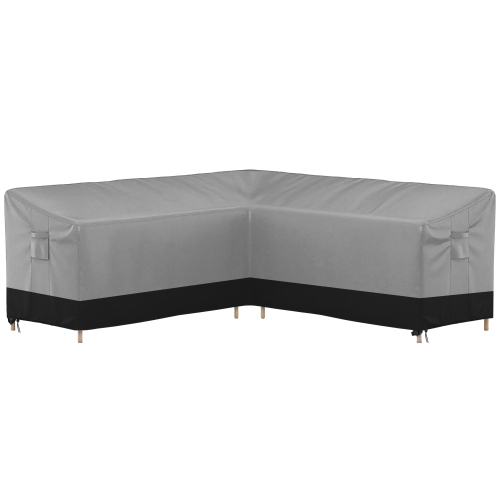
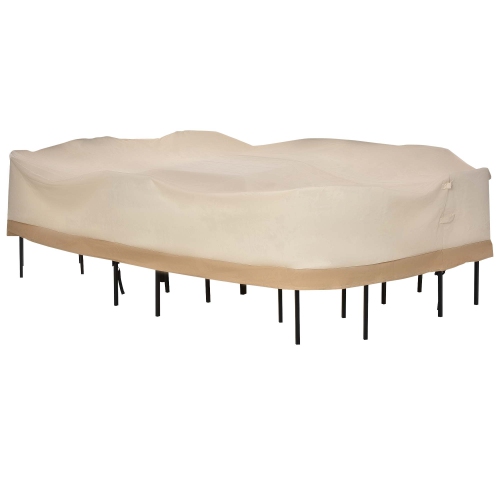
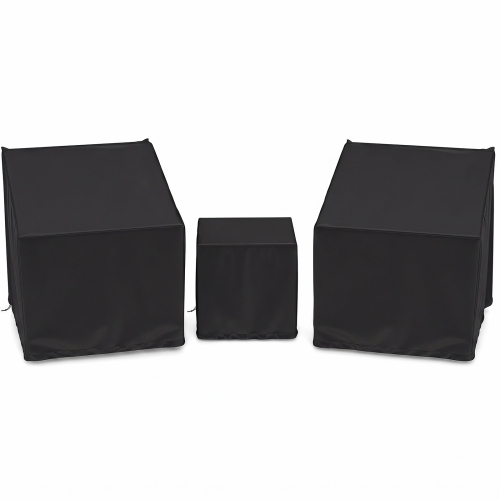

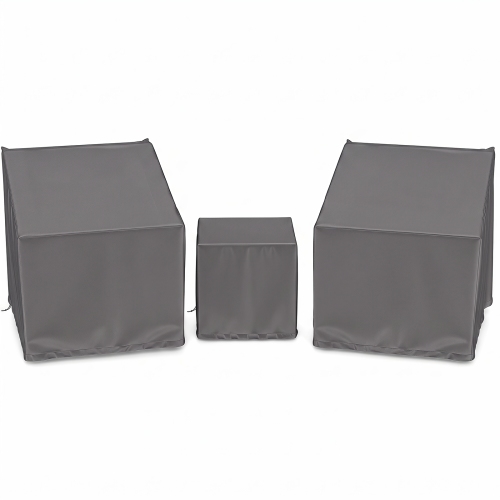
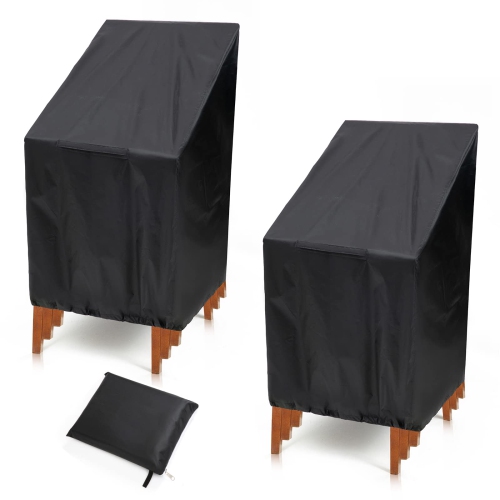


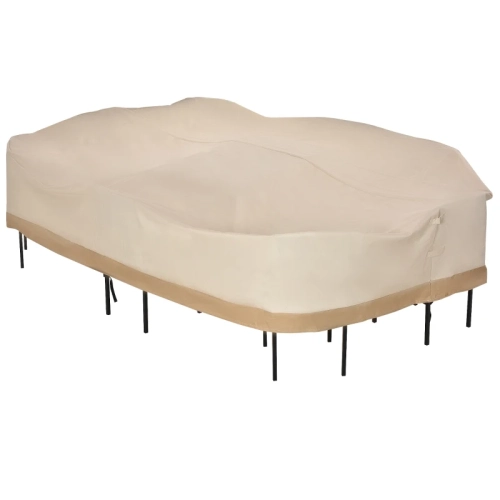
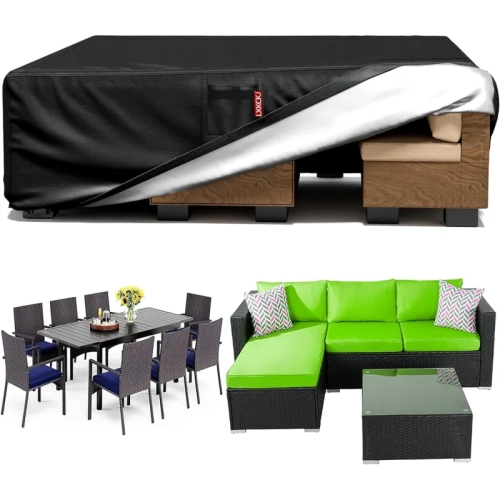


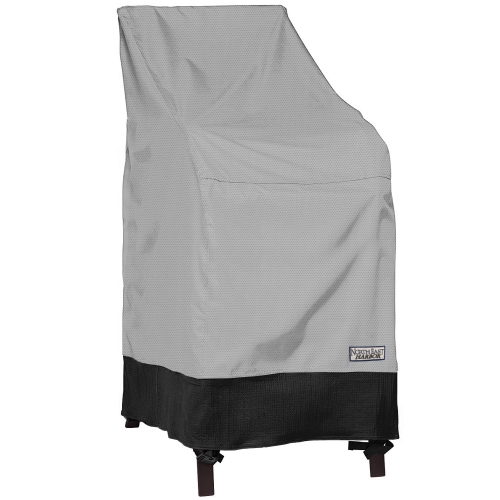


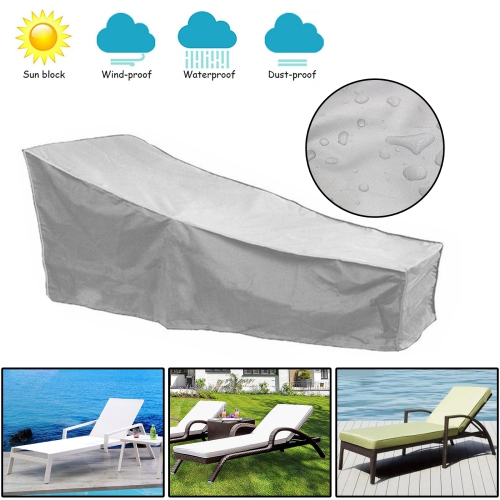
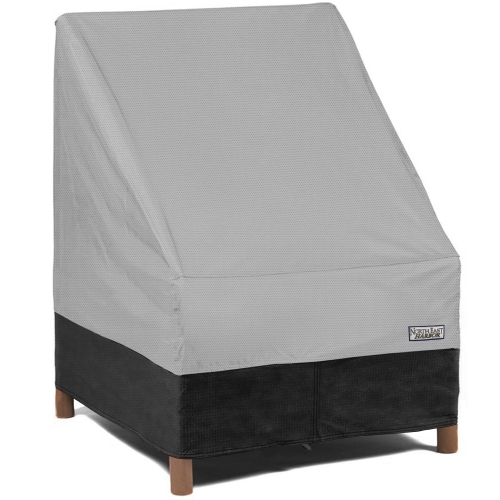
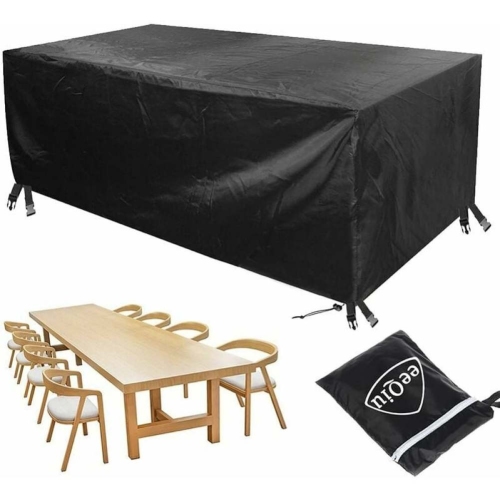

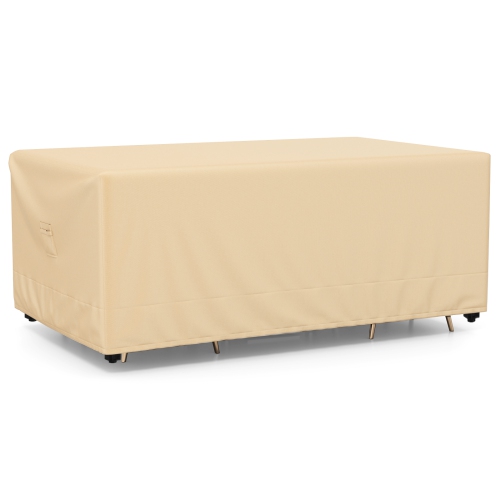
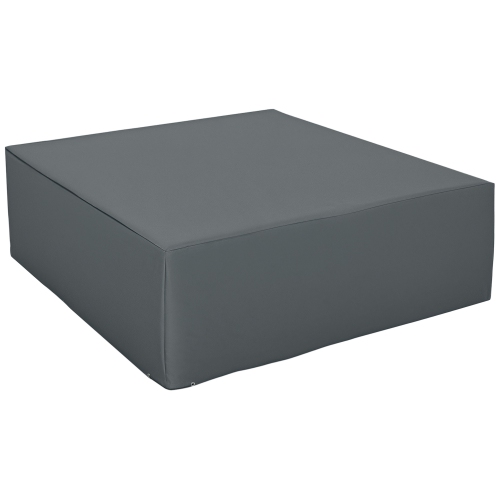
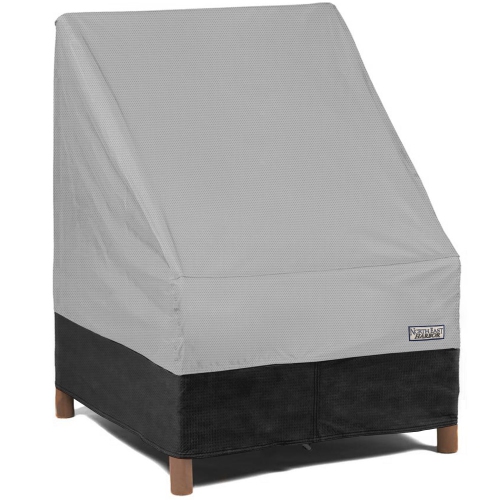

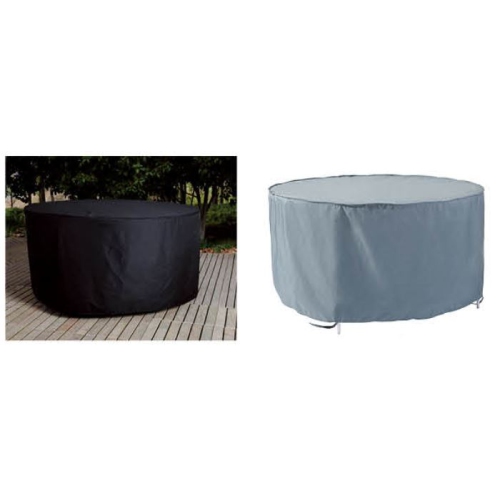
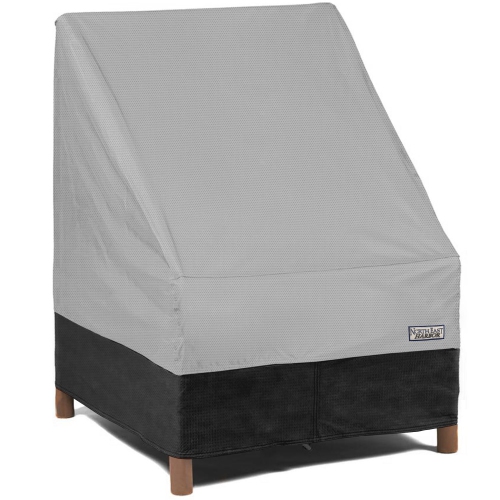
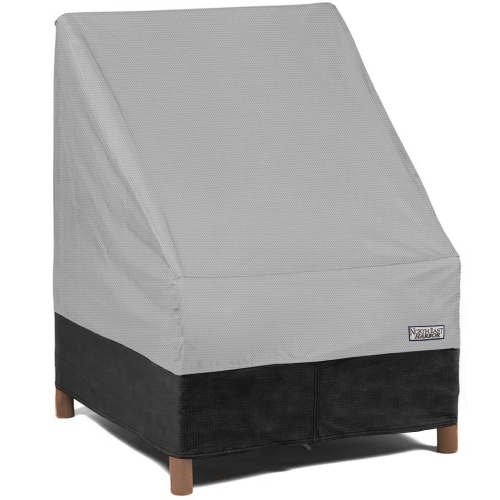
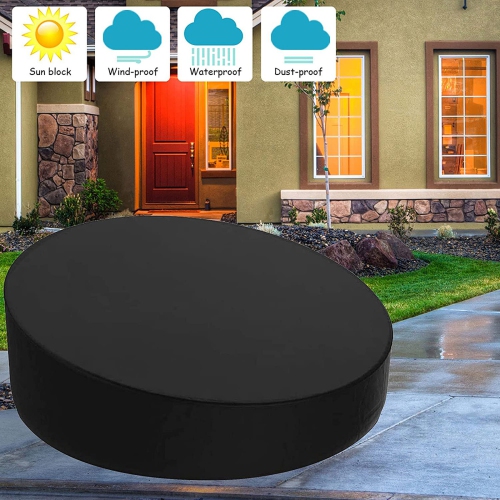

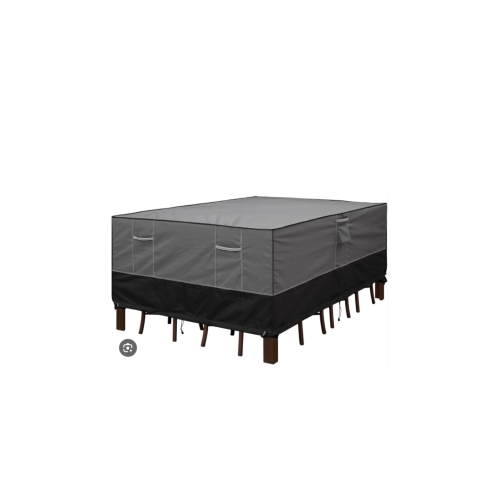
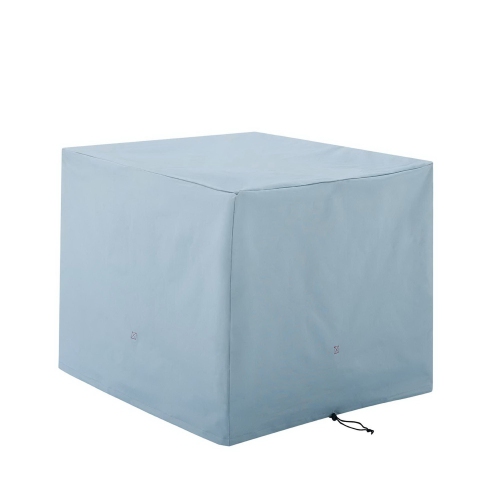
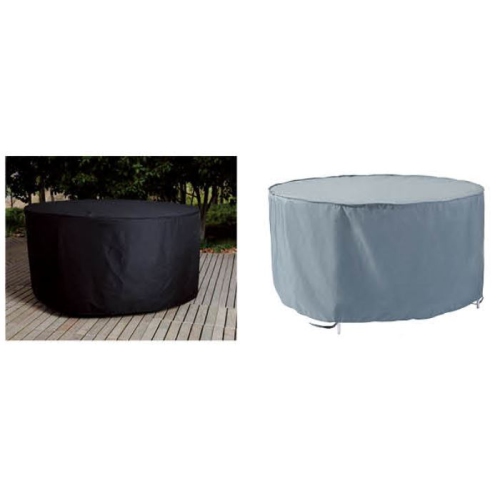
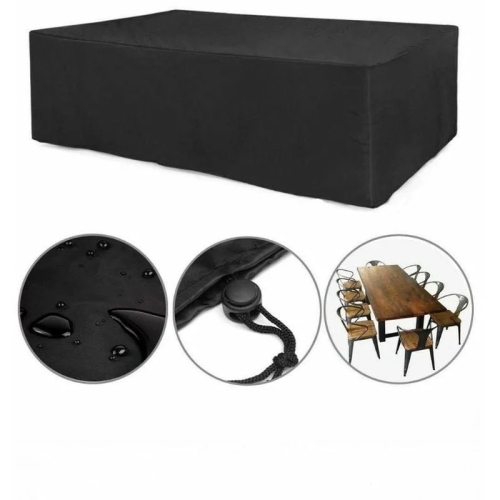
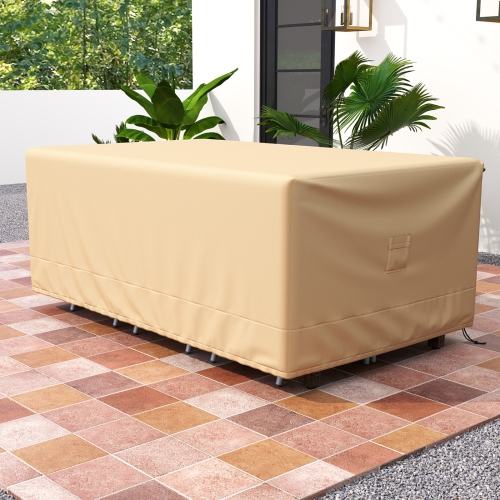
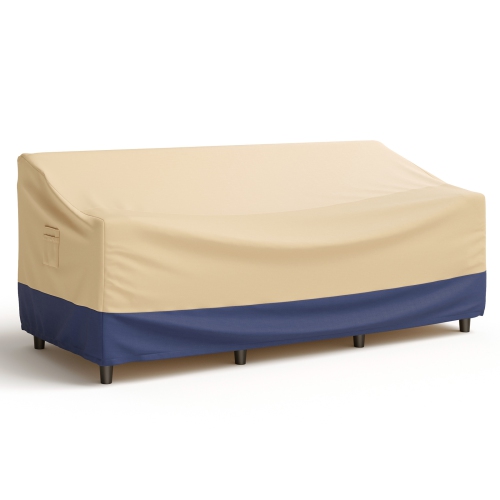

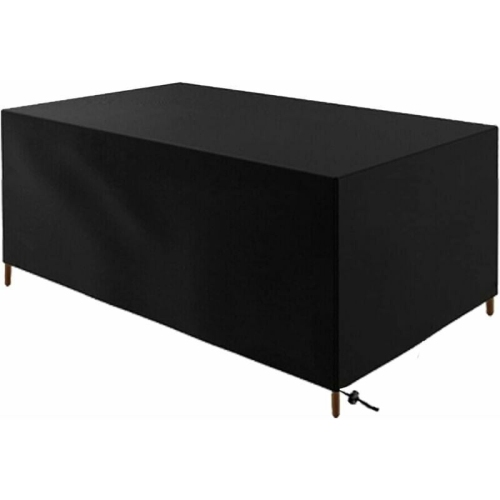
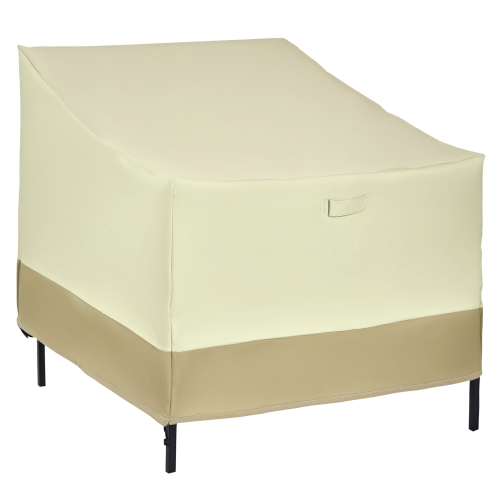

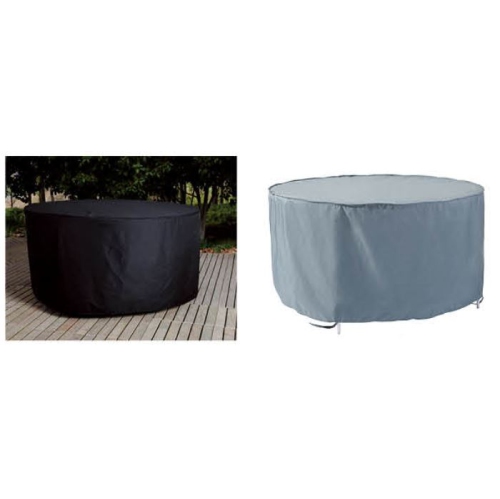


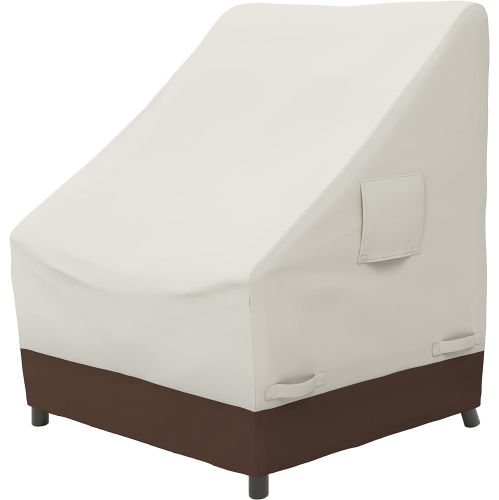
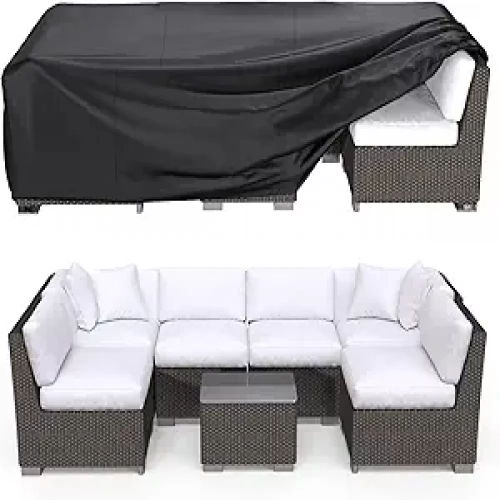
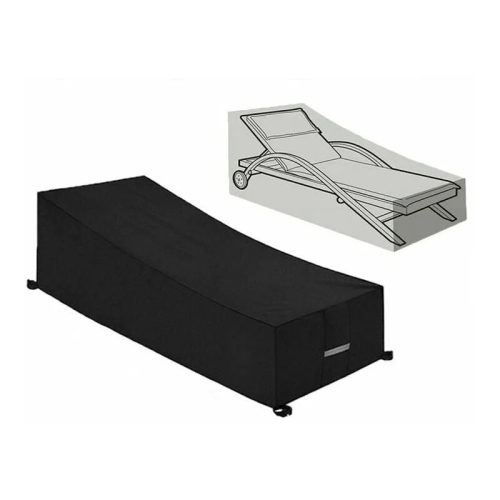
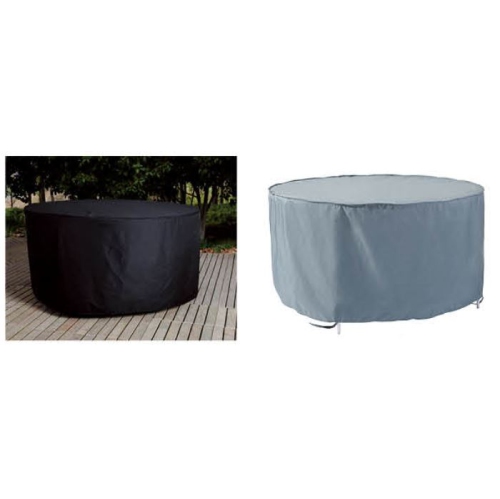

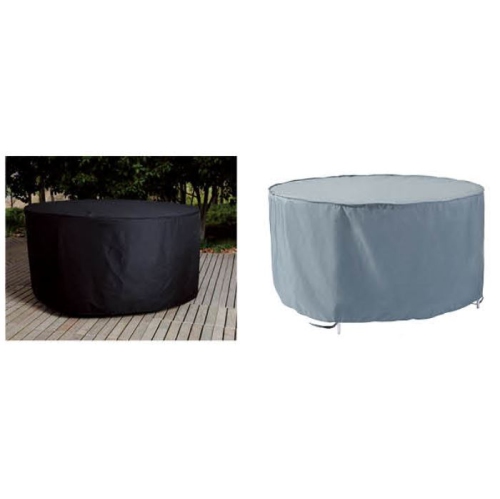
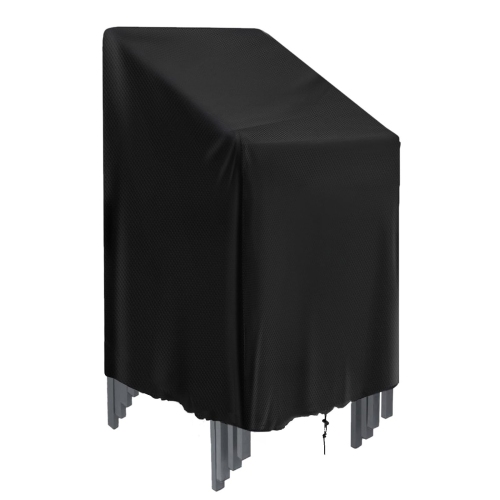

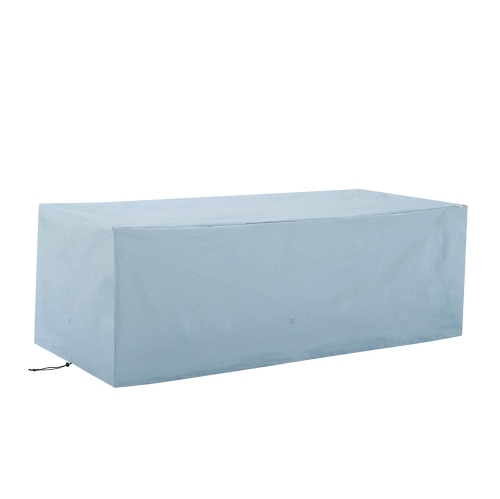
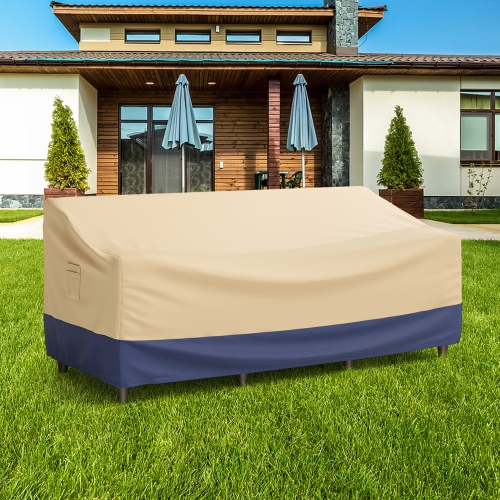

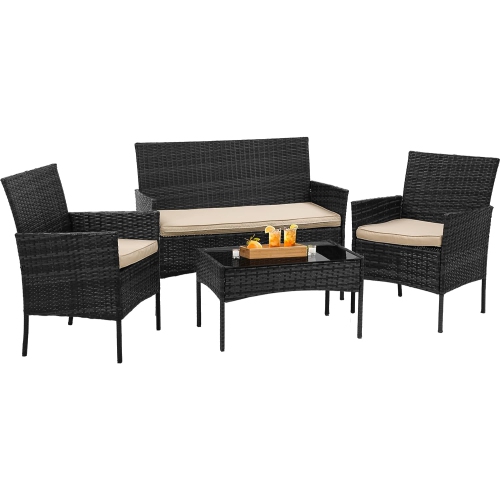
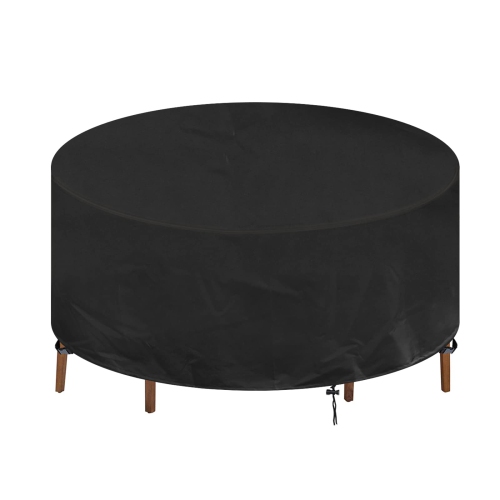
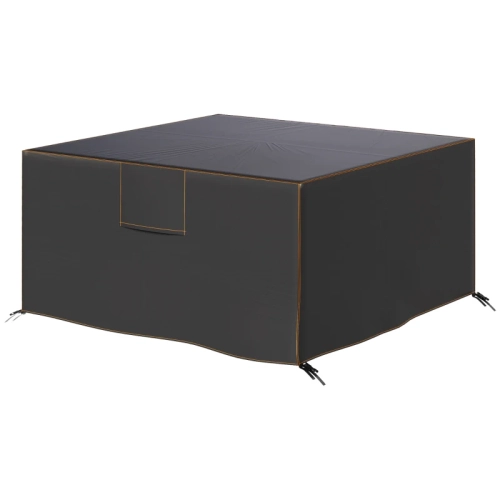
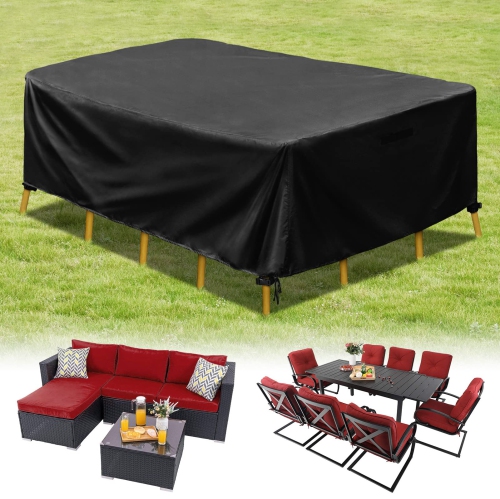
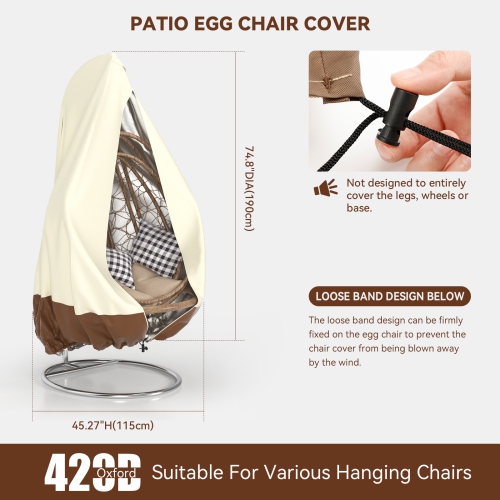
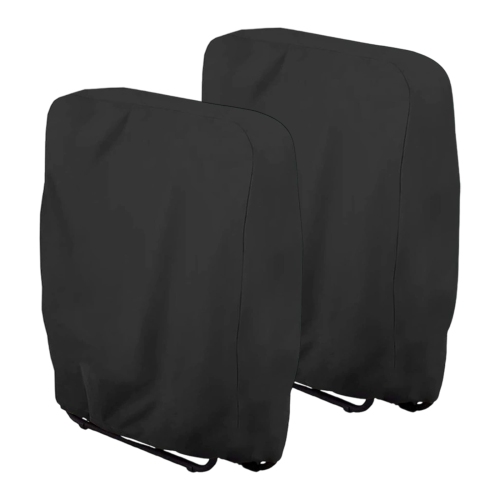
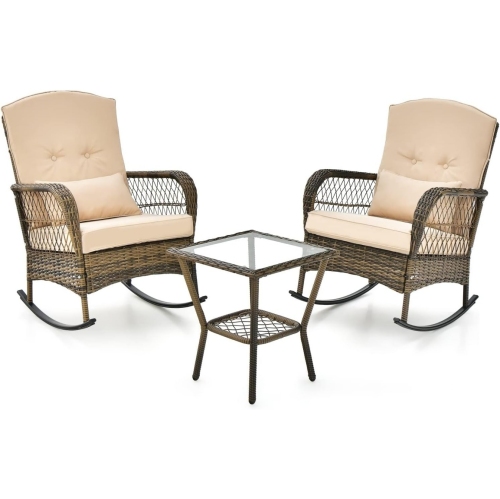
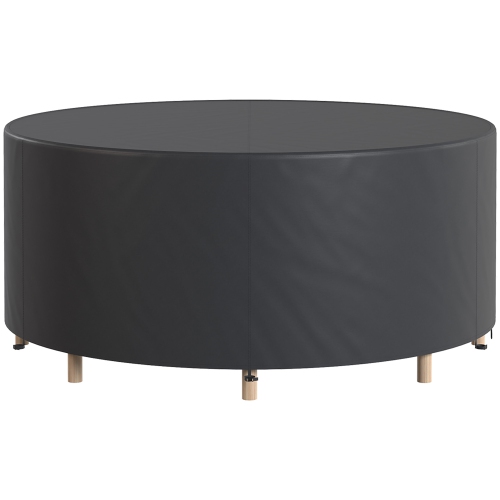

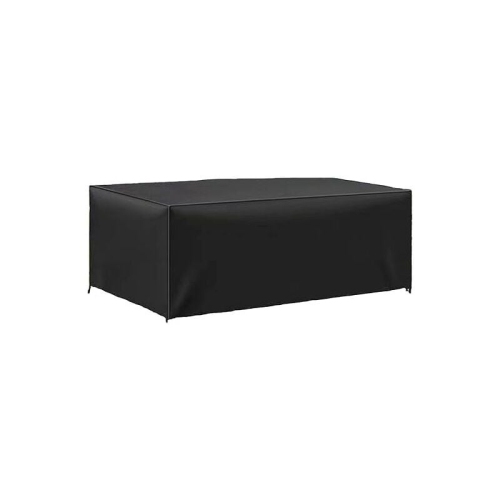

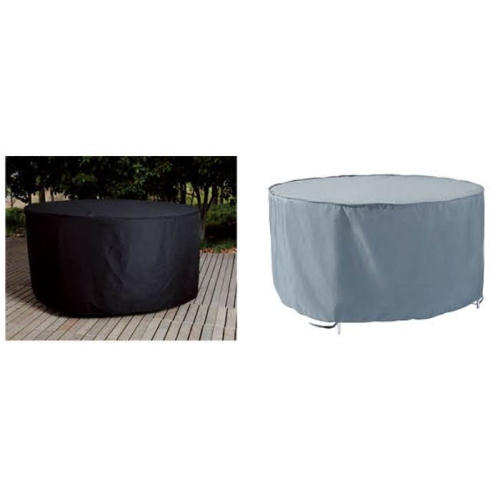

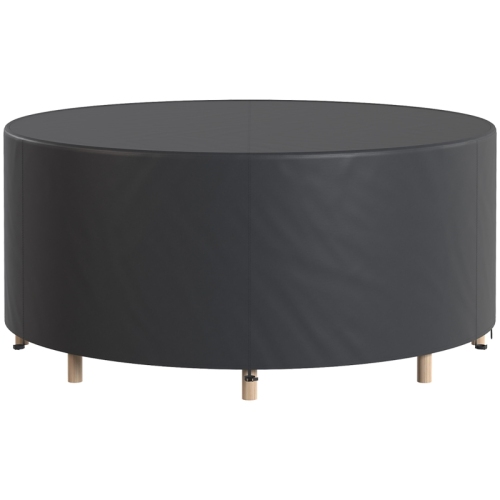

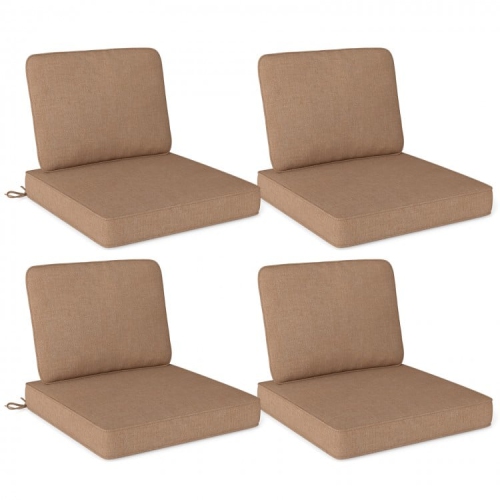
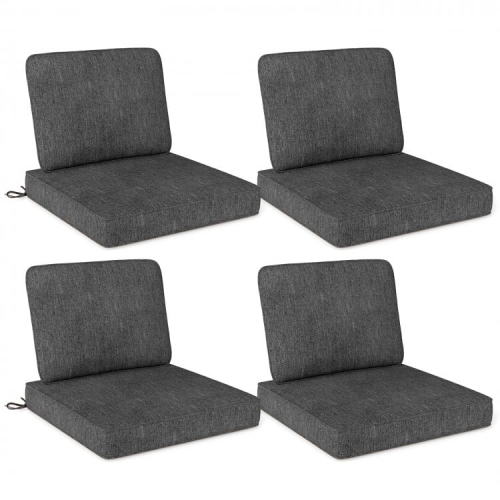
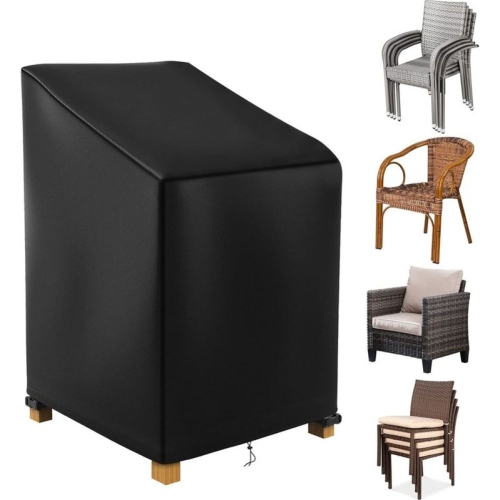
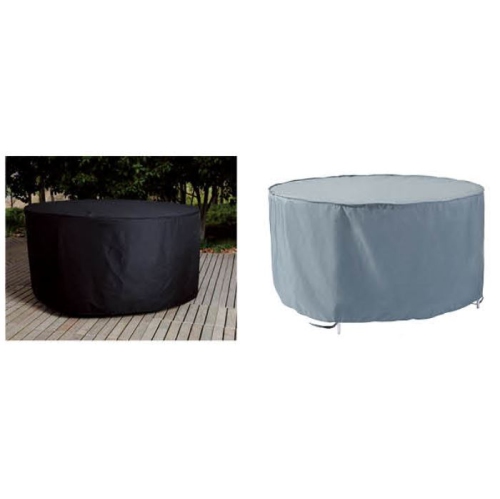

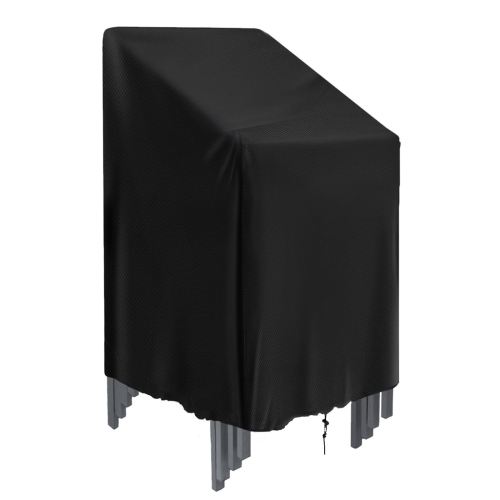








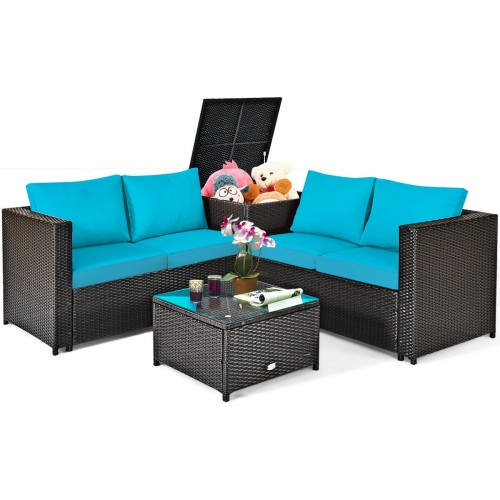


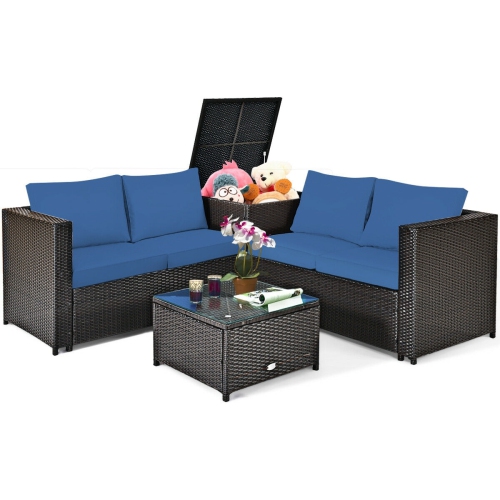


Well-fitting covers help simplify care between gatherings
Outdoor furniture with covers brings seating, dining, and protective storage together for patios, decks, balconies, and backyard gathering spaces. A protective cover helps shield furniture from dust, fallen leaves, bird droppings, and direct exposure to rain when the furniture is not being used. That protection can make everyday upkeep more manageable, whether the space holds a compact bistro table or a sectional arranged around a coffee table. Furniture supplied with a fitted cover also takes some of the guesswork out of matching the cover to the intended arrangement, although the coverage and fastening details vary. A full furniture cover is different from a removable cushion cover: one protects the furniture between uses, while the other is part of the seating upholstery and may have separate cleaning requirements. The furniture itself still needs to suit how the space will be used. A dining set provides room for meals, serving dishes, and chairs that can move comfortably away from the table. Lounge seating creates a more relaxed setting for conversation, reading, or stretching out with a book. Modular seating offers flexibility for different layouts, but a cover designed for one configuration may not fit after the sections are rearranged. On a narrow balcony, room to walk around covered furniture matters just as much as room to sit beside it. A large cover that trails into a doorway can turn a useful seating area into an awkward passage. For households with children or pets, sturdy frames, stable tables, and upholstery that tolerates routine cleaning are practical considerations alongside cover protection. Arm height, seat depth, cushion firmness, and the distance between seats and tables also influence daily comfort. The most useful combination is furniture that feels right during use and a cover that can be put on without a struggle, making protection a straightforward part of closing up the space after a meal or gathering.
Furniture materials and cover construction work together, but they do different jobs. Powder-coated aluminium is relatively light and resists rust, which can make chairs easier to reposition on a small deck. Steel can provide a substantial feel, though scratches or chips in its protective finish may need attention to limit corrosion. Synthetic wicker offers a woven appearance over a supporting frame; its durability depends on both the quality of the weave and the frame underneath. Wood brings natural grain and texture, with care requirements that vary by species and finish. Some woods develop a grey patina outdoors, while others need periodic treatment according to the manufacturer’s directions. A cover reduces direct exposure but does not replace the care required by any of these materials. For the cover itself, coated polyester and woven fabrics are common constructions, with differences in flexibility, weight, and resistance to wear. Denier ratings such as 420D and 600D describe yarn weight rather than guaranteeing overall strength or water protection. Fabric quality, backing, seam construction, and reinforcement at stress points all affect performance. Water-resistant fabric can help shed light moisture, while a waterproof claim should be understood in the context of the complete cover, including its seams and closures. Water may still collect in low areas or enter through gaps, and even a well-sealed cover cannot prevent moisture from condensing underneath. Covered air vents allow some ventilation while helping limit direct entry of rain. Reinforced corners can be useful where the fabric rests against chair backs or table edges, and handles make a broad cover easier to lift without pulling on its seams. Resistance to ultraviolet exposure is another relevant feature for covers left in direct sunlight, since prolonged exposure can weaken some fabrics. Cushion fabrics have their own performance limits, too: removable covers are not necessarily machine washable, and cushions described as water-resistant should not be treated as suitable for prolonged soaking.
Fit is especially important with outdoor furniture covers because excess fabric and an overly tight cut can both create problems. A cover needs enough room to settle over the tallest and widest points without stretching across sharp corners, yet it should not drag across the ground or collect water in loose folds. Length, width, and height are only part of the picture: the shape of a sectional, the position of chair backs, and the way dining chairs tuck beneath a table all affect the covered footprint. Adjustable straps, buckles, and drawcords help control loose fabric, while attachment points around furniture legs can provide a more secure hold than an elastic hem alone. These features help with wind exposure but do not make furniture or covers stormproof. A little clearance at the base can support airflow, provided the cover still reaches the areas it is designed to protect. Separate Patio Furniture Covers can provide protection for individual pieces or arrangements that need a different shape from an included cover. Care remains straightforward but important: furniture and cushions should be clean and fully dry before being covered, and the underside of a cover benefits from occasional inspection for trapped moisture. Dirt left against a damp surface can lead to staining, while folded, wet fabric can develop mildew. Cleaning methods depend on the fabric and coating, so mild soap, a soft brush, and thorough drying are appropriate only where the care directions allow them. Covers should be removed from furniture before anyone sits down, and heat sources must be completely cool before nearby furniture is covered. For extended periods without use, dry indoor storage may be more suitable for cushions and delicate components than leaving them beneath a cover. Snow and ice loads can exceed what outdoor furniture and its cover are designed to support; a cover should never be assumed to make a set suitable for an entire Canadian winter outdoors. Matching the furniture’s intended use, the cover’s stated protection, and the storage space on hand helps keep the arrangement practical over time.
Top selling and popular products
-
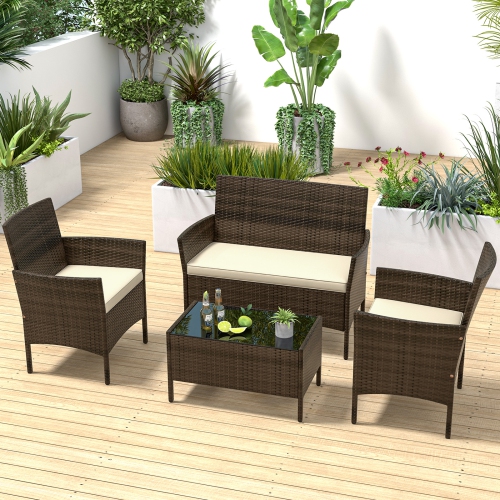 Your price for this item is $246.99
-
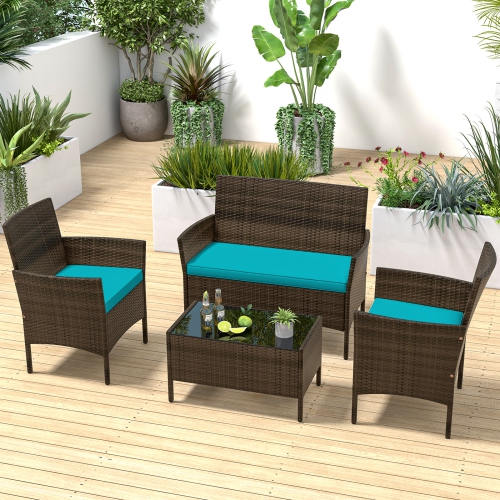 Your price for this item is $243.99
-
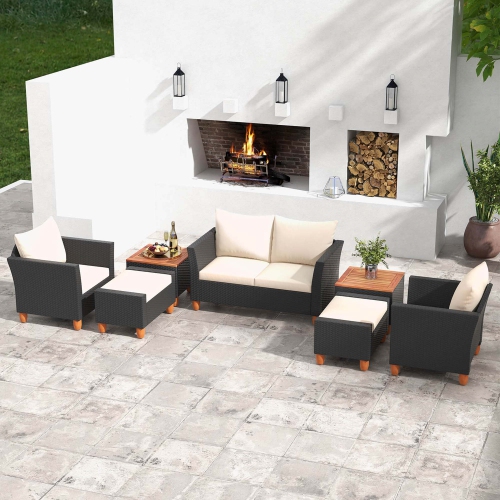 Your price for this item is $629.99
-
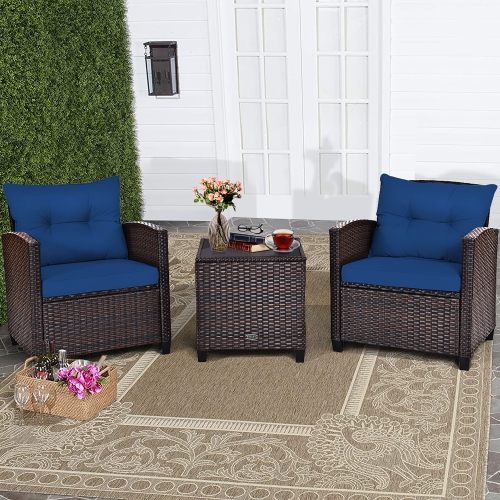 Your price for this item is $220.99
-
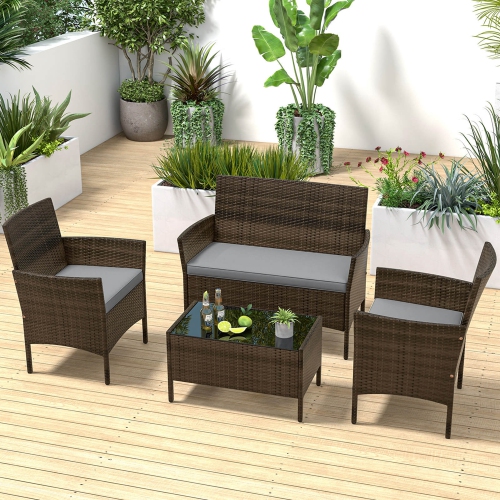 Your price for this item is $236.99
-
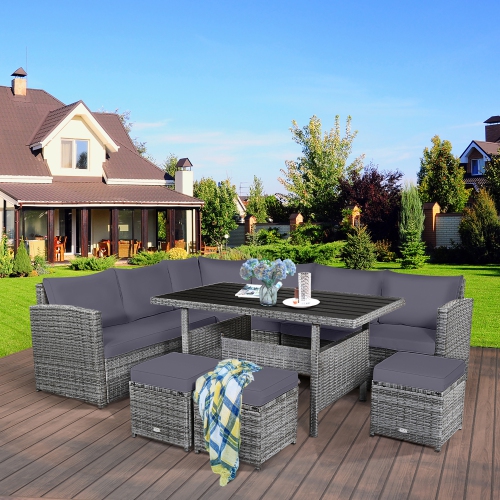 Your price for this item is $899.99
-
 Your price for this item is $229.99
-
 Your price for this item is $235.99
Discover more categories related to Outdoor Furniture With Covers

Top Collections:
Pokemon Centers, Kindle Devices, Best Black Friday Deals This Year, Pokémon 30th Celebration Cards, Best Black Friday Deals On Electronics, Best Cameras for Sports Photography, Best Black Friday Deals On Apple Products, Canon G7X Cameras, iPhone 15 Apple, Candle Warmer Lights
Some products may be subject to Environmental Handling Fees
(EHF) depending on your province.
Learn more about EHFs.