Homcom Furniture
Transform your living space into a haven of style and comfort with Homcom Furniture, where contemporary design meets functionality. Whether you're revamping your home office, upgrading your dining area, or adding a touch of elegance to your bedroom, Homcom offers an array of furniture pieces that cater to diverse tastes and needs. Discover the perfect blend of quality craftsmanship and modern aesthetics that can elevate any room. Explore a world of possibilities with furniture solutions that promise durability and timeless charm, ensuring your home reflects your unique personality and lifestyle.
Sort
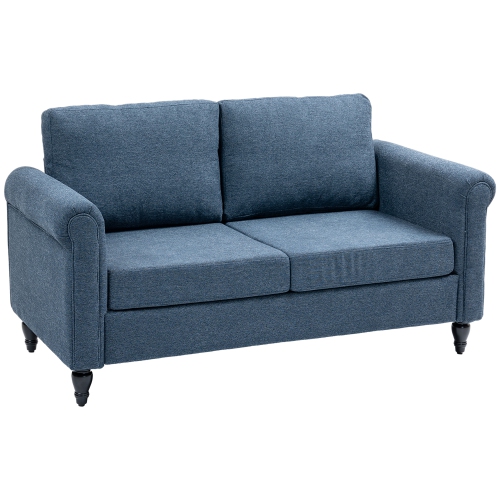


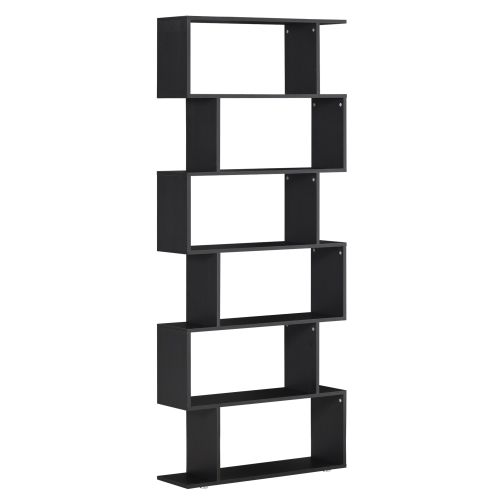
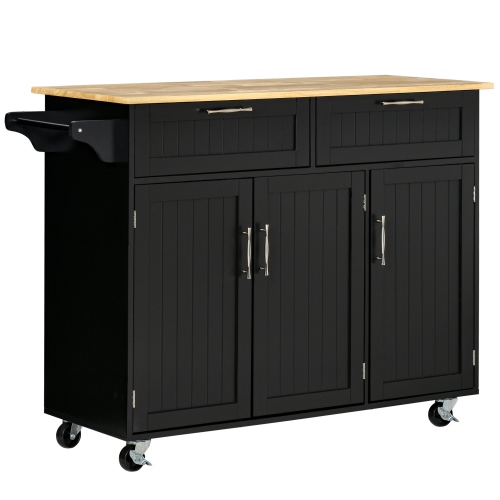

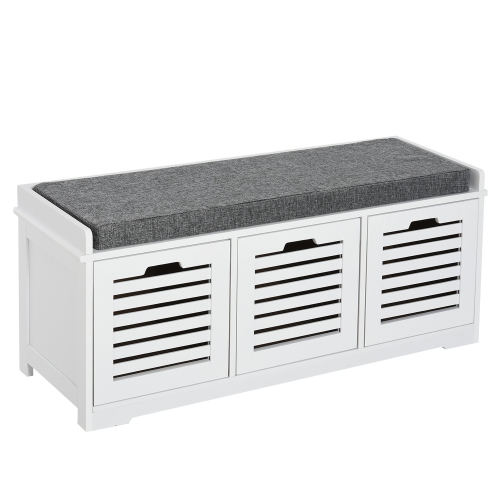


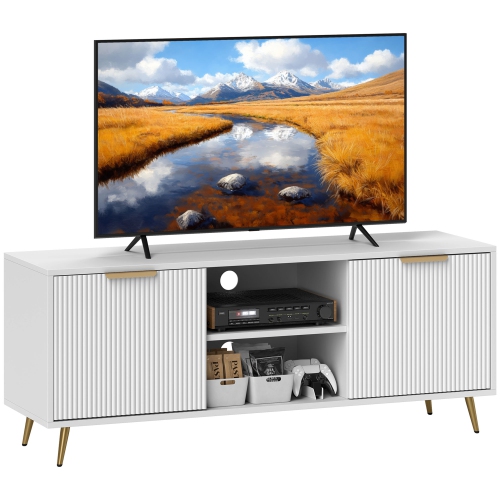
Why furniture fit goes beyond overall dimensions
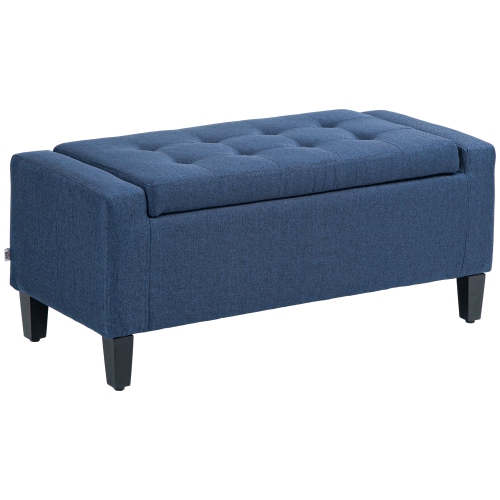
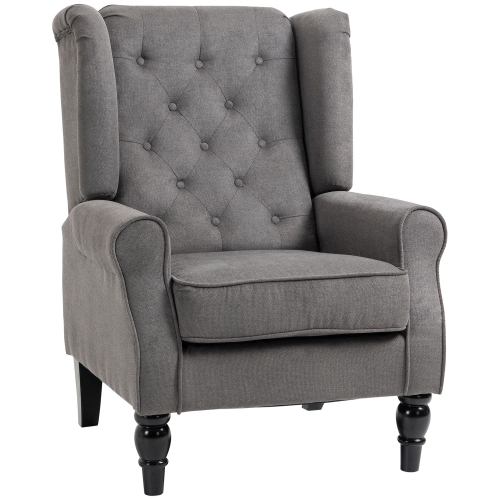
Furniture gives each room its working shape: a place to sit comfortably, a surface for everyday tasks, and storage that keeps belongings close without leaving them in the way. Living room, kitchen, dining, bedroom, and home office furniture serve different purposes, but the most useful pieces share a balance of practical proportions, comfortable access, and materials suited to daily use. In a compact living room, an accent chair can create a reading corner without taking up the footprint of a second sofa, while a coffee table with enclosed storage gives remotes, chargers, and magazines somewhere to go. Upholstered seating brings softness to rooms with hard flooring, and a slim console can make a narrow wall useful without crowding the walkway. The furniture’s overall dimensions are only part of how it fits. Reclining seating needs clearance to extend, drawers need room to open, and dining chairs need space to pull back from the table. Doorways, stair turns, and lift dimensions also matter when moving furniture into a condo or an upstairs room. Visually, a room often feels more settled when larger pieces share a similar scale, even if their finishes are not identical. Wood-look surfaces can add warmth, metal frames can give shelving a more open appearance, and upholstered pieces introduce colour and texture. Lighter finishes may blend into pale walls, while darker furniture creates a stronger outline. Open bases leave more floor visible; enclosed cabinets conceal the small objects that otherwise make a room look busy. For a first apartment, a shared household, or a room that serves several purposes, furniture with more than one function can be especially useful. A storage bench near the entrance provides a seat for putting on shoes as well as a place for accessories, while a compact desk can establish a distinct work area within a larger living space. Those benefits depend on the actual layout, with clear walking routes and easy access making a greater difference than filling every empty corner.
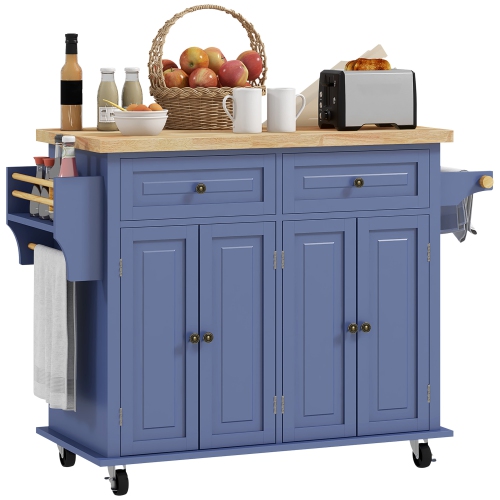
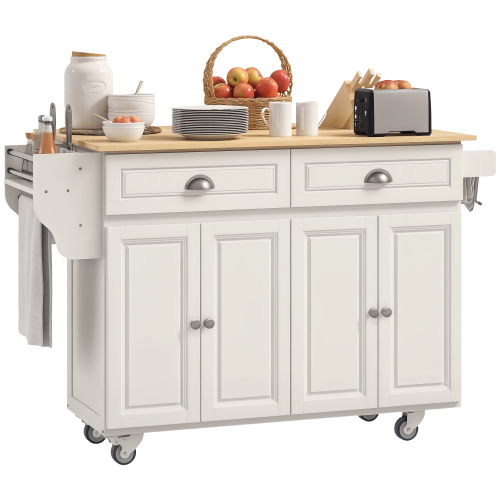
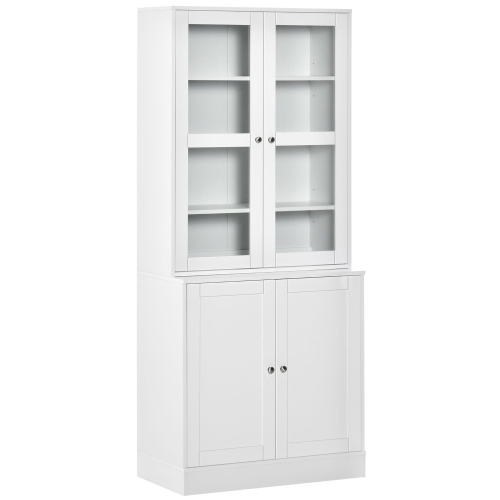
Kitchen and dining furniture helps organize the parts of home life that tend to overlap: preparing meals, putting away groceries, serving food, and gathering around a table. Freestanding pantry cabinets provide additional storage where built-in cupboards are limited, with enclosed compartments that can keep dry goods, dishes, and serving pieces together. The Homcom Pantry collection centres on this type of kitchen storage. Shelf depth and spacing affect what fits comfortably inside: tall cereal containers need different clearance from stacked plates, and small jars are easier to find when they are not hidden behind larger packages. Adjustable shelves, where included, allow the interior arrangement to change with household needs. Cabinet doors also need enough clearance to open without obstructing a fridge, dishwasher, or frequently used passage. A kitchen cart can add a movable work or serving surface, though its top material, stated load capacity, and castor design determine its intended use. Locking castors, when fitted, help keep it stationary during use; a furniture top should not be treated as a cutting board or a heat-resistant surface unless the manufacturer specifies that purpose. Dining furniture has its own fit considerations. Seat height needs to suit the table or counter, with enough space for legs and any armrests. Counter-height and bar-height seating are not interchangeable, so the relationship between the seat and the underside of the eating surface matters more than the stool’s overall height. A backrest offers support for longer meals, while backless seating may tuck more fully beneath a suitable counter. In a breakfast nook, a compact table can leave room for movement; in a shared dining and living area, coordinating finishes can connect the two spaces without requiring a matching set. Easy-to-wipe surfaces are useful for everyday meals, homework, and craft activities, but spills still need prompt attention. Placemats and coasters help protect finishes, and felt pads beneath chair legs can reduce scuffing on compatible floors. Furniture that accommodates these ordinary routines can make the kitchen feel more organized without changing its basic layout.
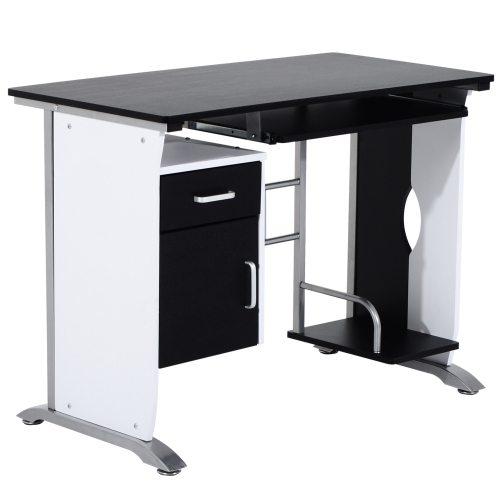
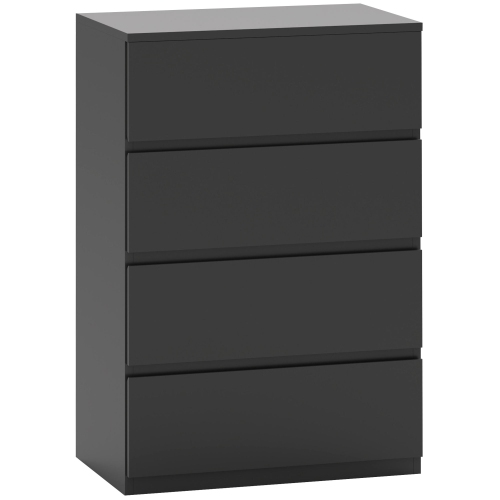
Bedroom and home office furniture brings storage, comfort, and task space into rooms where the details are particularly noticeable. A bedside table is most convenient when its surface is within easy reach of the mattress, with enough usable space for a lamp and nighttime essentials. Drawers conceal smaller belongings, while an open shelf keeps a book close at hand. A vanity creates a dedicated surface for personal care, with drawer layouts and mirror placement influencing how comfortably it works within the room. Desks need to accommodate more than a computer: a monitor stand, keyboard, paperwork, and cable connections all occupy space, and adequate legroom is essential beneath the top. For someone who alternates between studying, video calls, and household administration, a defined work surface can help keep those activities from spreading across the dining table. Office seating should suit the user’s proportions and the time spent sitting, with adjustment features assessed individually rather than assumed from appearance. Across all these furniture categories, construction and care contribute to long-term performance. Engineered wood offers a consistent surface for laminated or painted finishes, but exposed edges and joints generally need protection from lingering moisture. Solid wood can show natural grain variation and benefits from care appropriate to its finish. Metal components may be straightforward to wipe clean, while their protective coating needs attention if scratched. Woven upholstery offers texture, though its cleaning requirements vary by fibre and construction; faux leather usually calls for gentle wiping with suitable products rather than abrasive scrubbing. Removable cushions do not necessarily have washable covers, making the care label important. Stable assembly, correctly installed hardware, and adherence to weight limits matter as much as surface appearance. Tall storage furniture should be secured as directed, using hardware appropriate to the wall, and moving parts need enough clearance to operate safely. For shared homes, households with children or pets, and frequently used rooms, accessible cleaning surfaces and replaceable floor protectors are practical details. Furniture chosen around these everyday demands can support a comfortable, orderly space while leaving room for personal touches.
Top selling and popular products
-
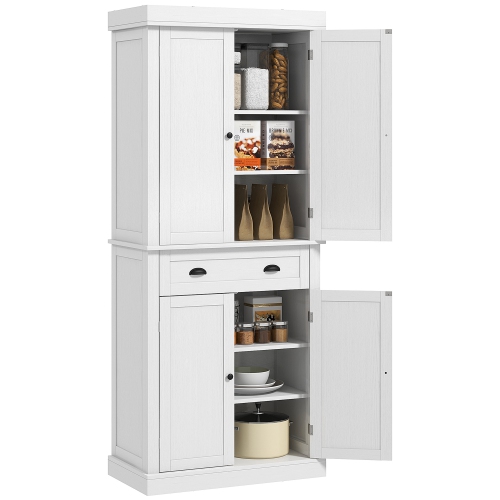 Your price for this item is $274.99
-
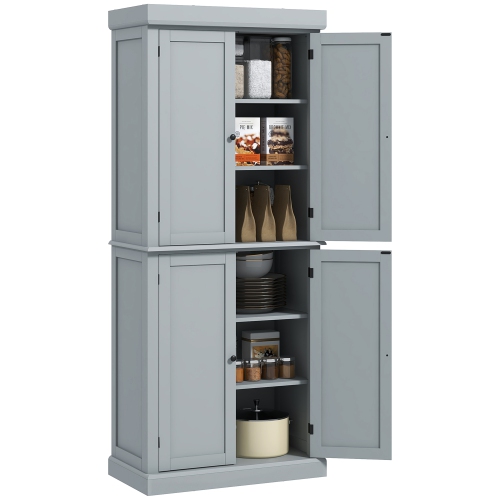 Your price for this item is $299.99
-
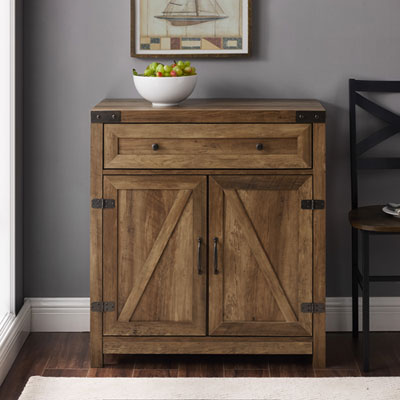 Your price for this item is $401.99
-
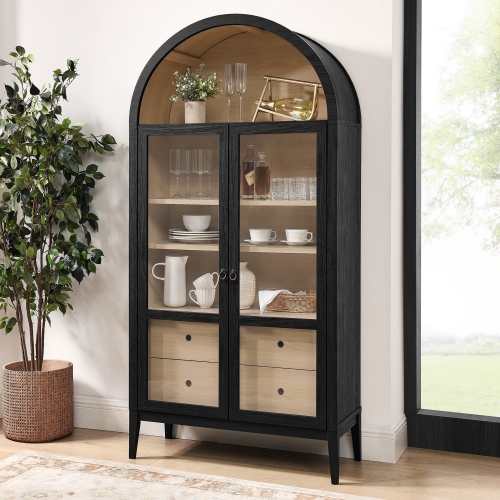 Your price for this item is $1155.71
-
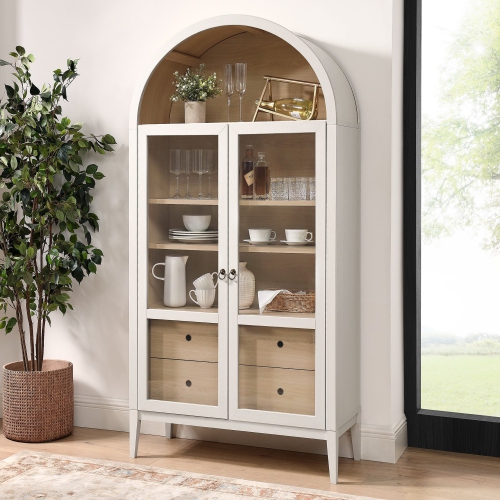 Your price for this item is $1155.71
-
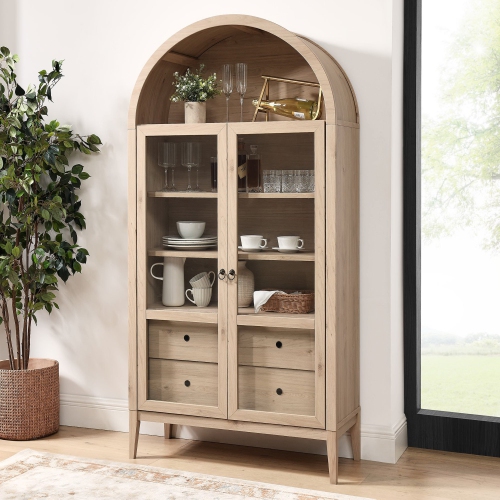 Your price for this item is $1155.71
-
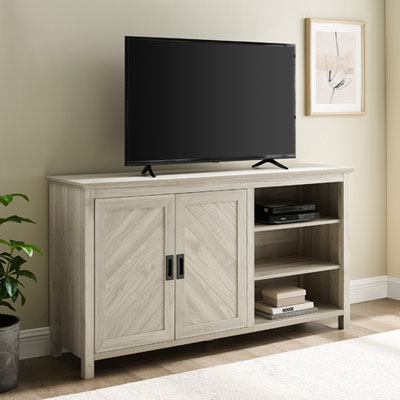 Your price for this item is $593.99
-
 Your price for this item is $144.99
Discover more categories related to Homcom Furniture
Top Collections:
Pokemon Centers, Best Cameras for Sports Photography, Kindle Devices, Samsung Galaxy Phones, Canon G7X Cameras, Pokémon 30th Celebration Cards, Refurbished Apple Laptops, iPhone 15 Apple, Laptops for Students, Budget Smartphones
Some products may be subject to Environmental Handling Fees
(EHF) depending on your province.
Learn more about EHFs.