Homcom Pantry
Discover the perfect solution for organizing your kitchen or dining area with a versatile pantry. Designed to effortlessly blend functionality and style, a pantry offers ample storage space to keep your essentials neatly arranged and easily accessible. Whether you're looking to store dry goods, cookware, or small appliances, these pantries provide the ideal balance of practicality and elegance. With various designs and finishes available, you can find the perfect match to complement your existing decor while enhancing the overall aesthetic of your space. Transform your home into a clutter-free haven with a reliable pantry that meets all your storage needs.
Sort

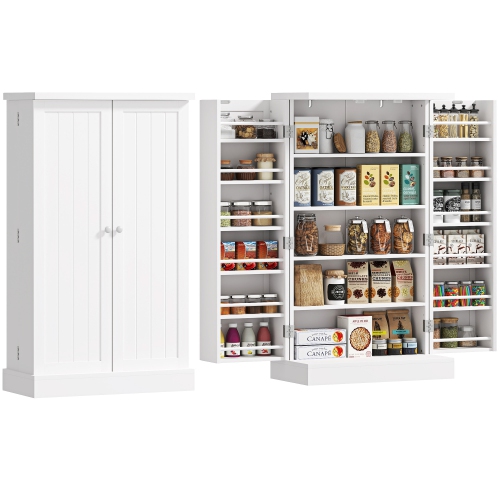


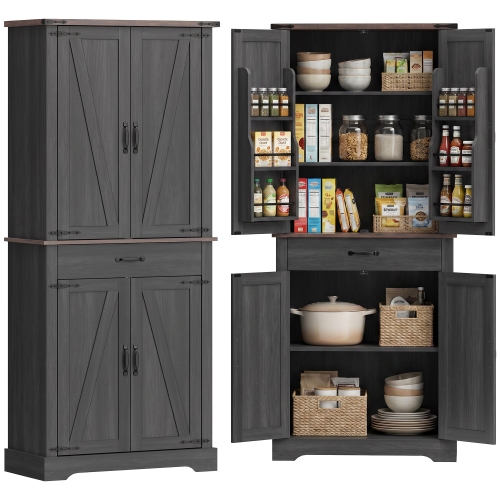
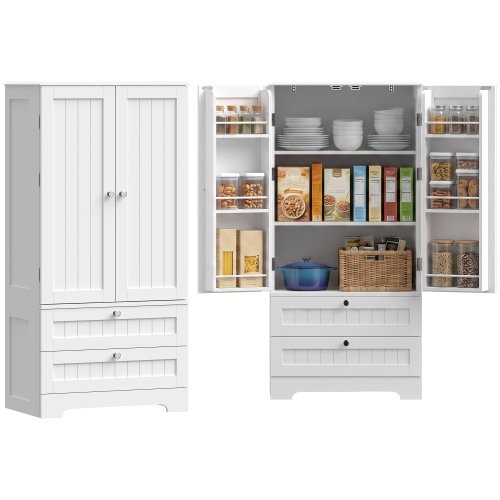


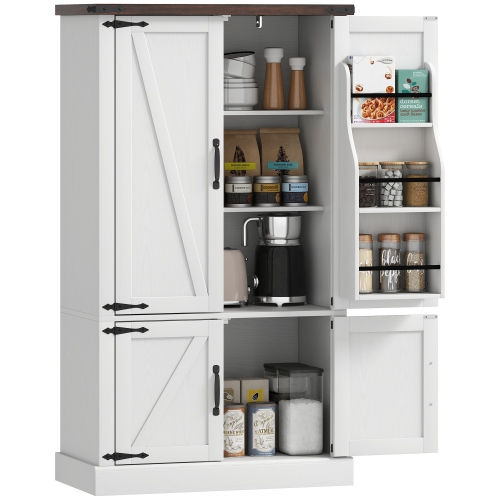
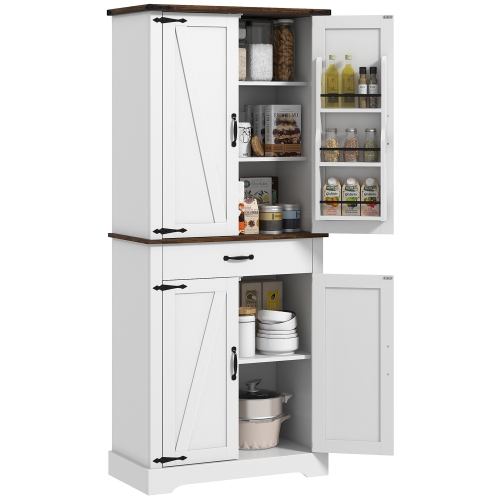
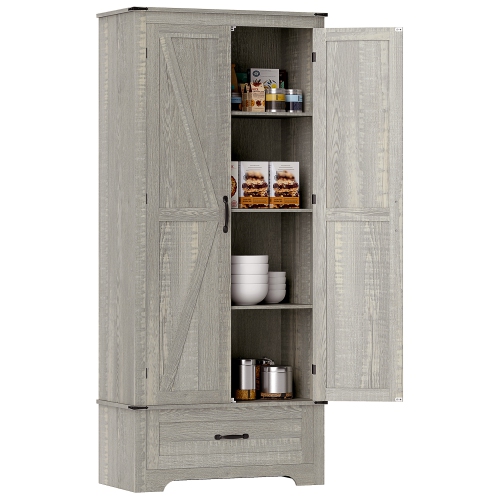


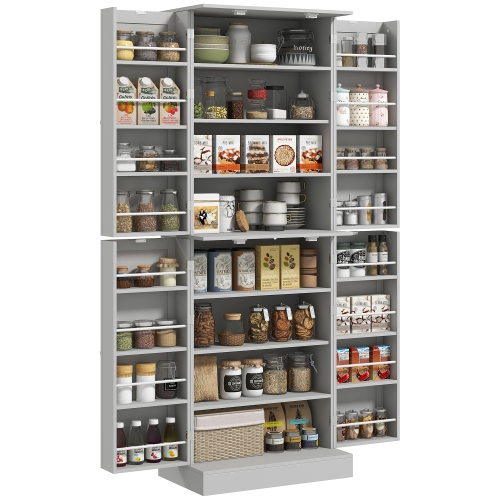


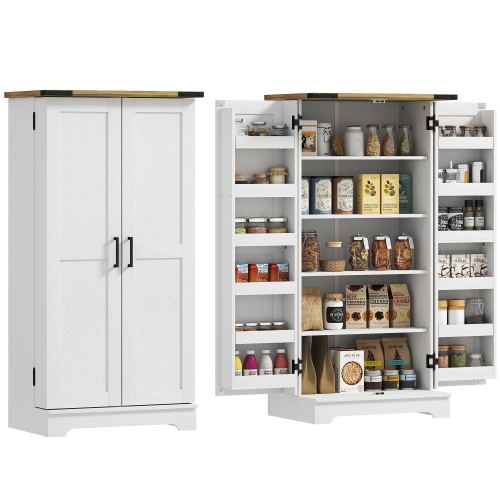
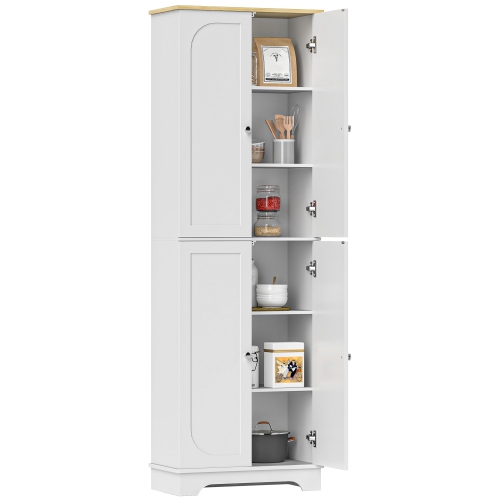
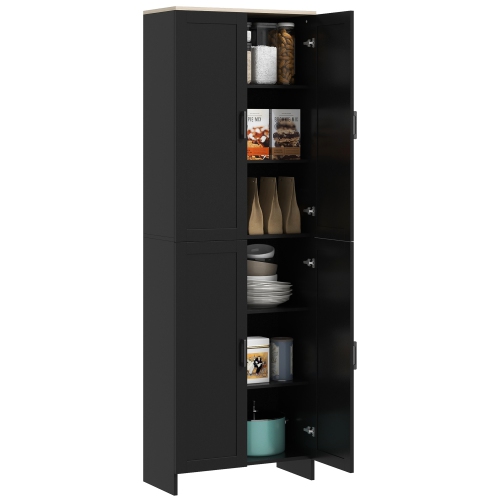
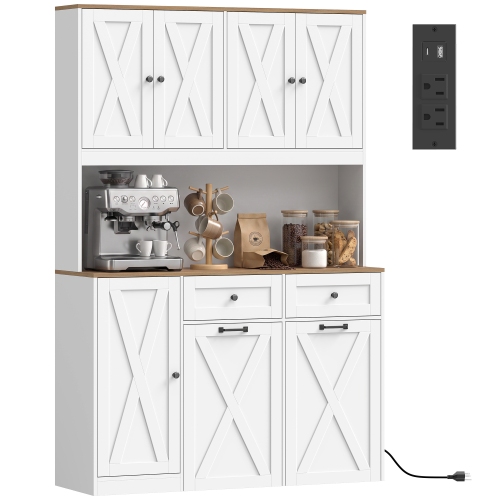
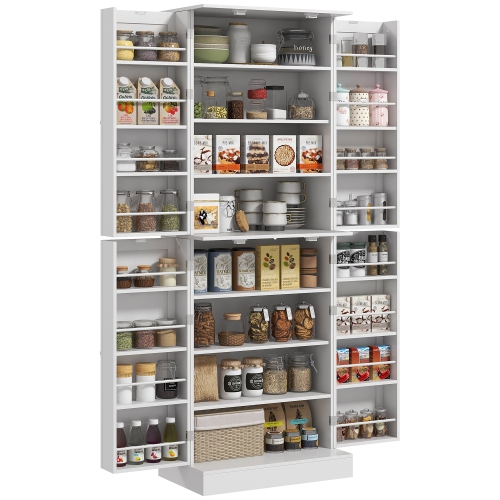








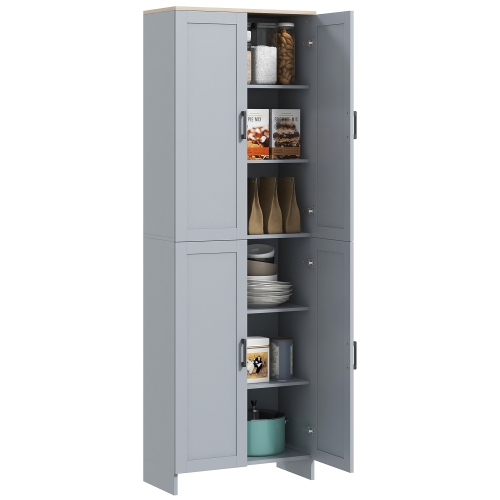

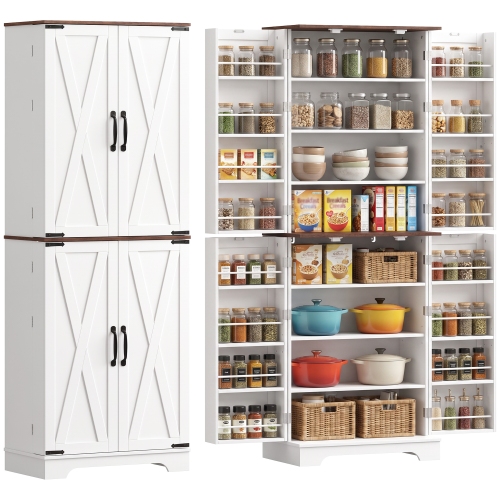
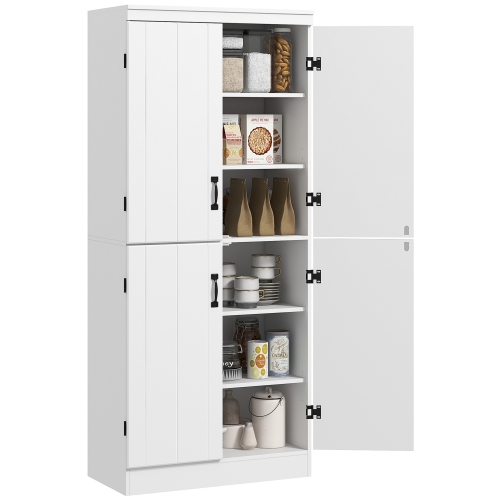
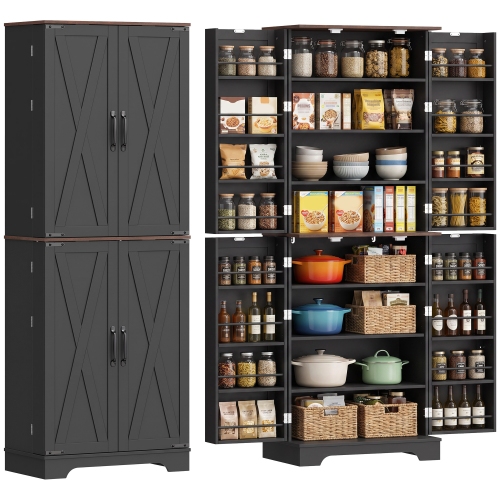


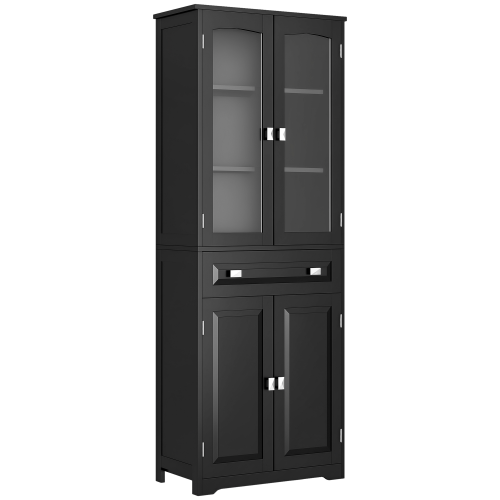
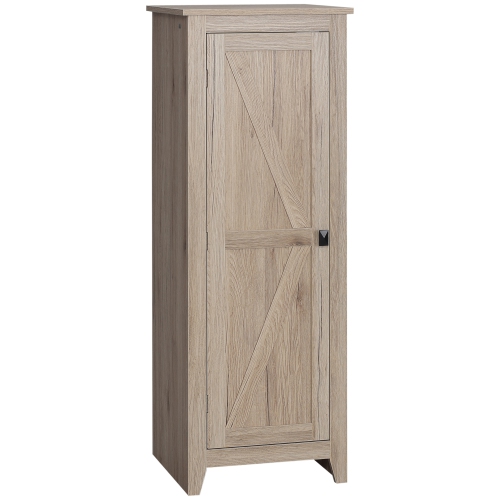
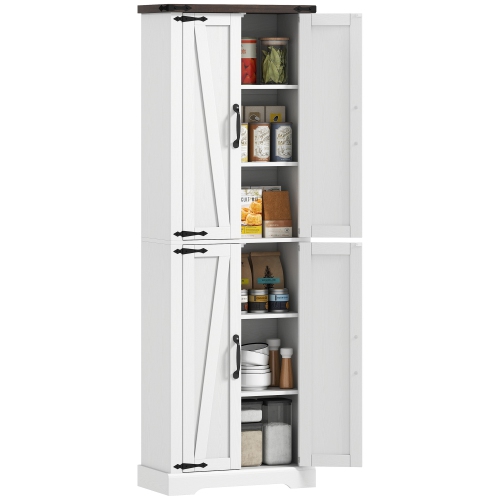
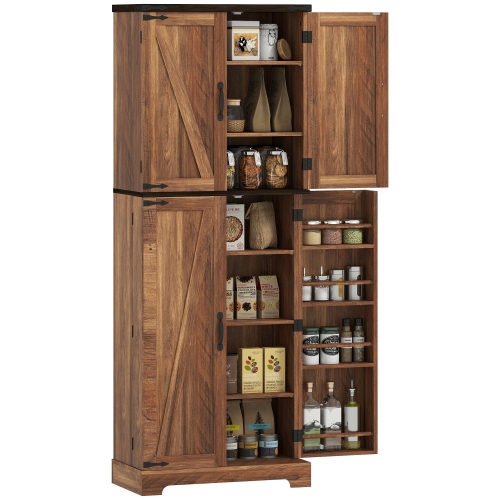










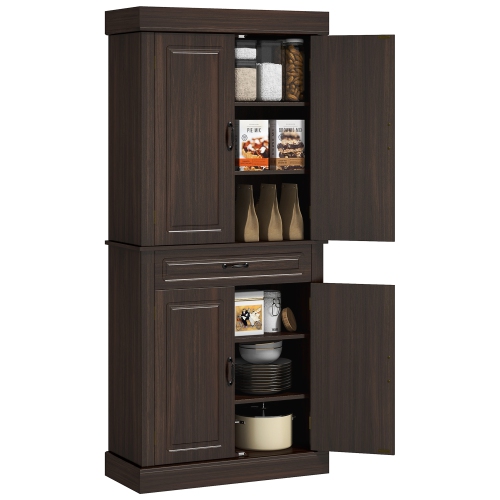
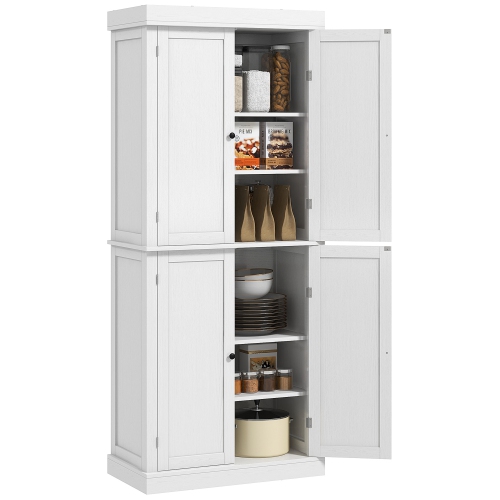
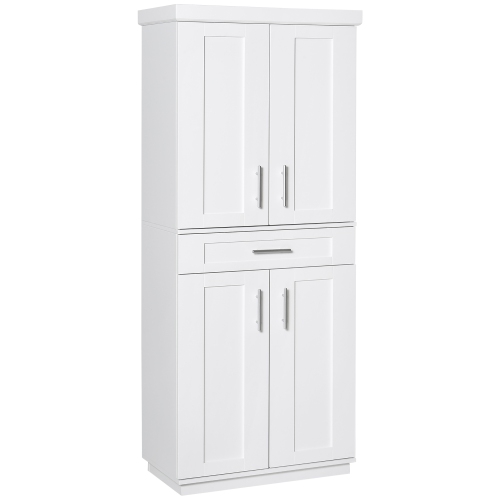

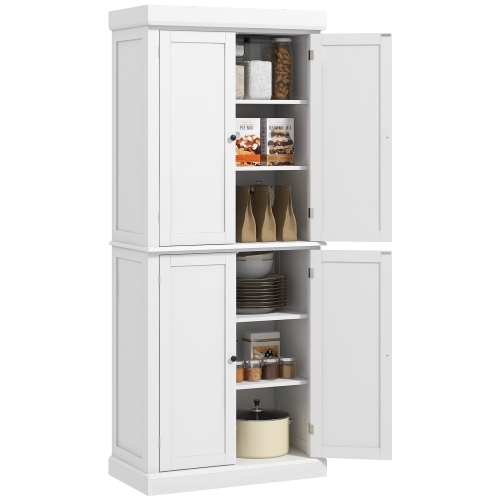









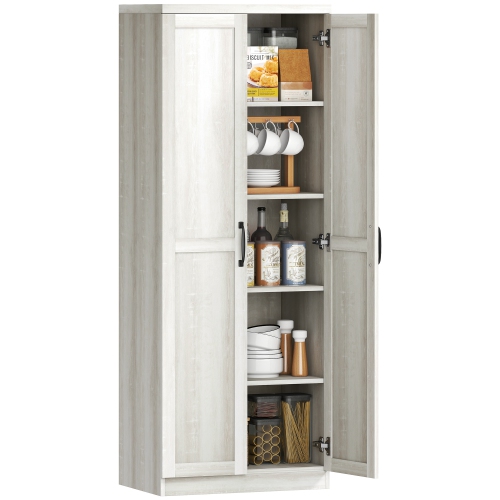
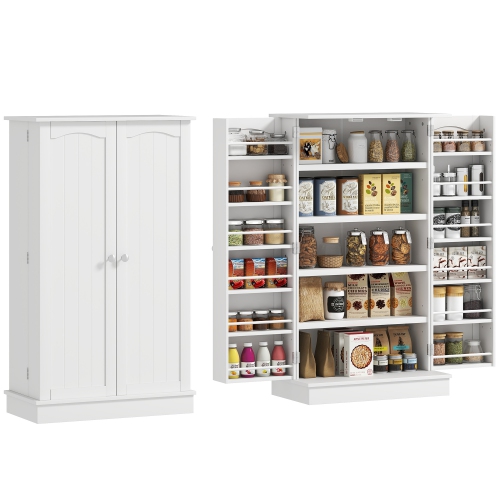

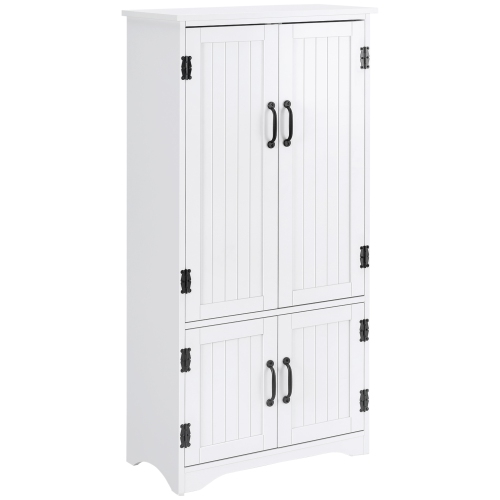
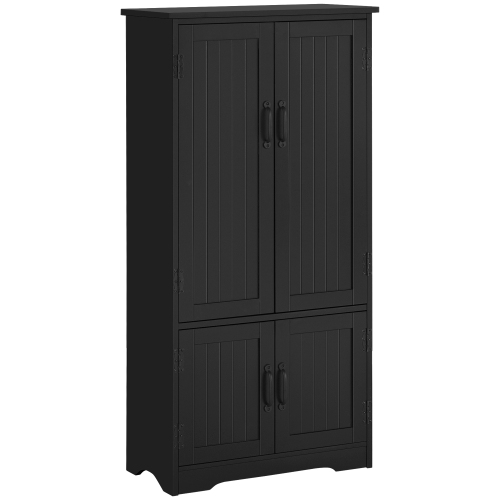
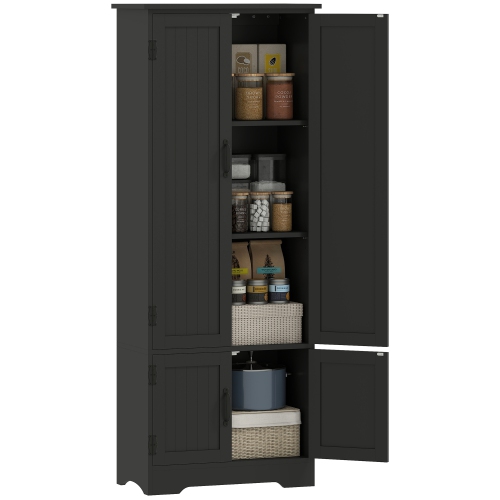
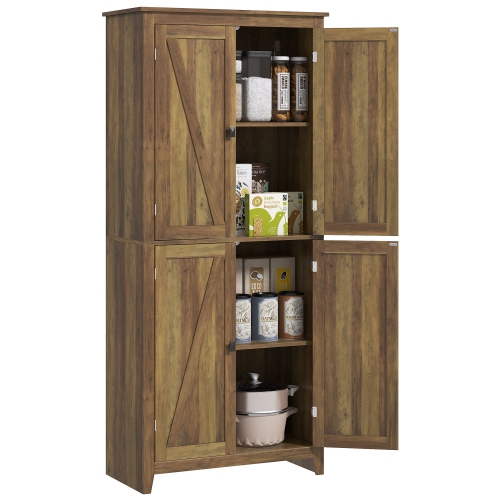
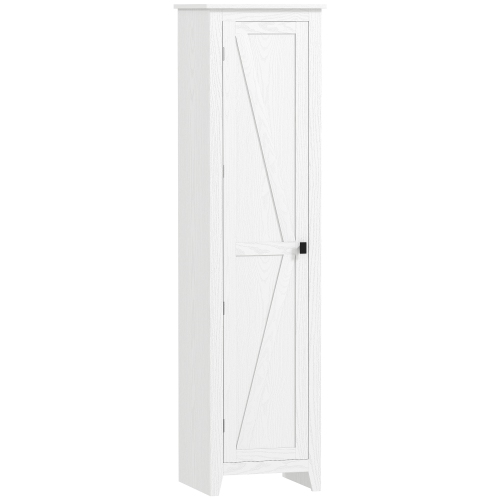
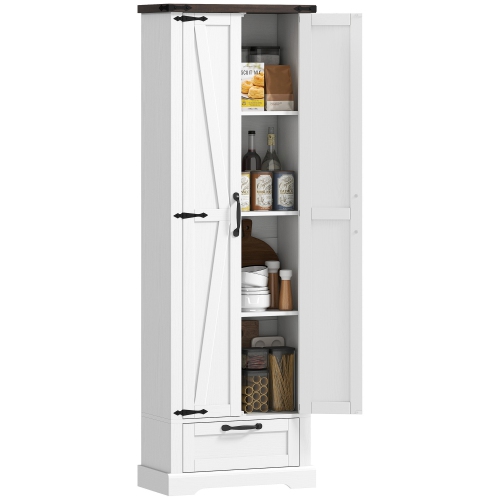




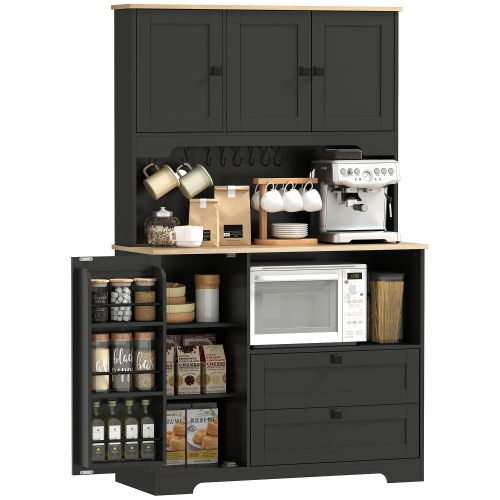
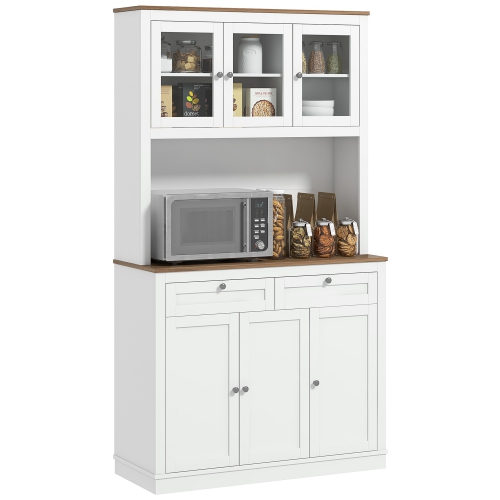
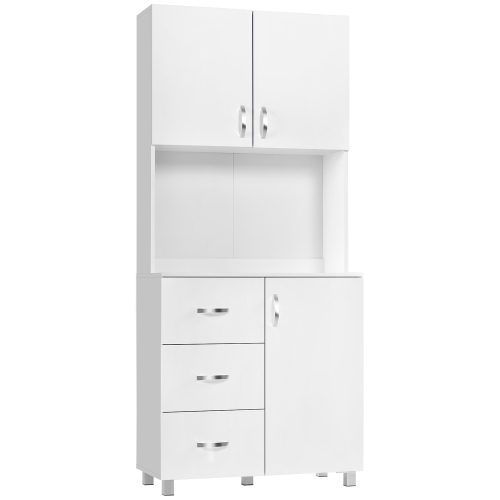
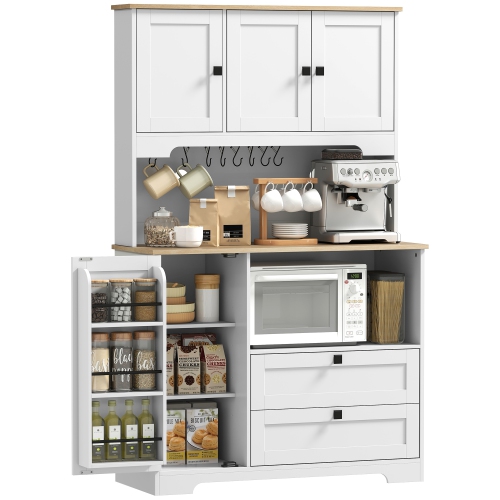







More kitchen storage without a full cabinetry project
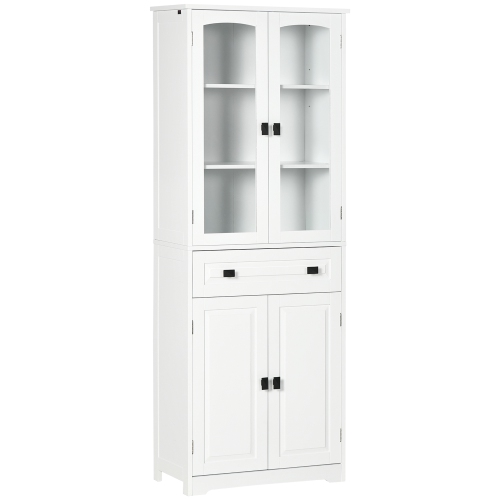
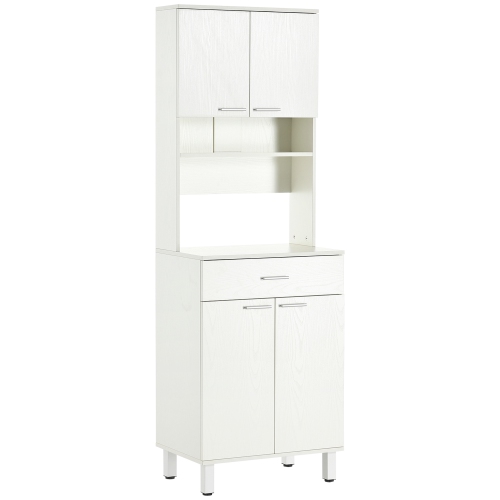
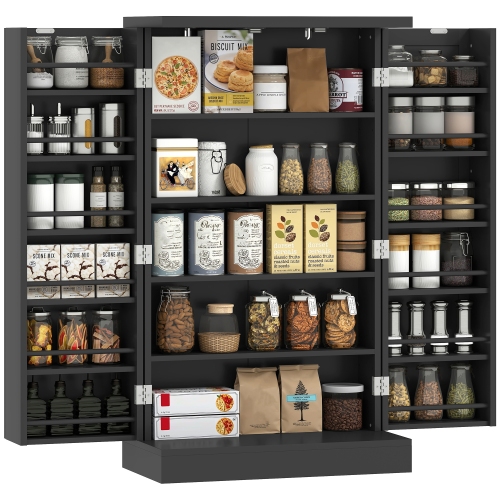
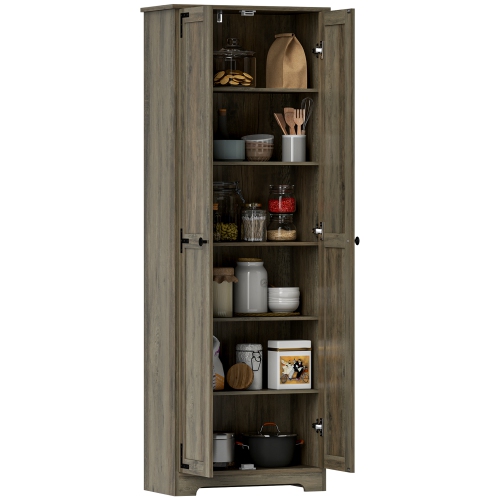
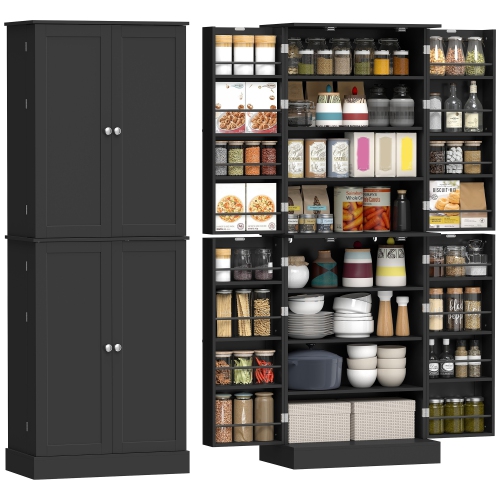
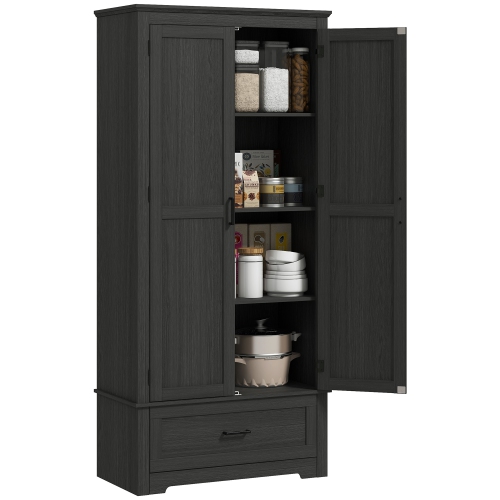
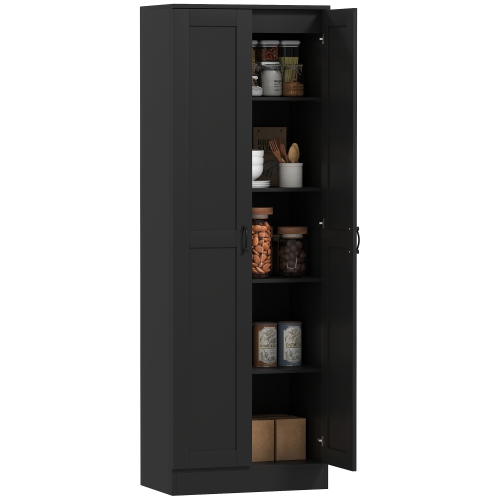
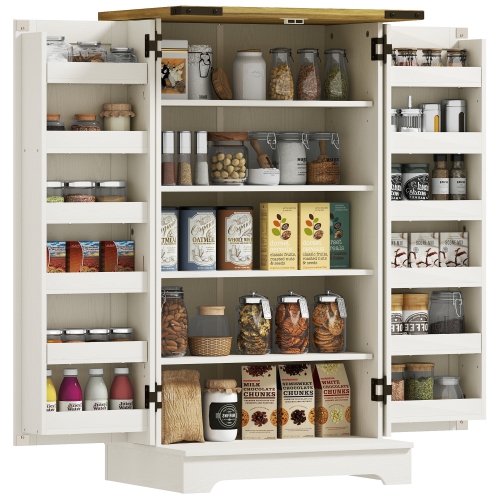
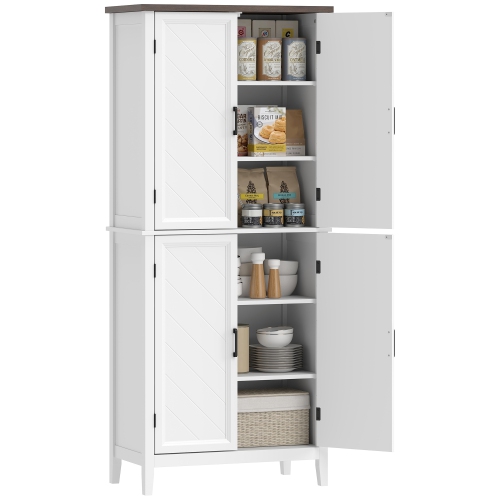
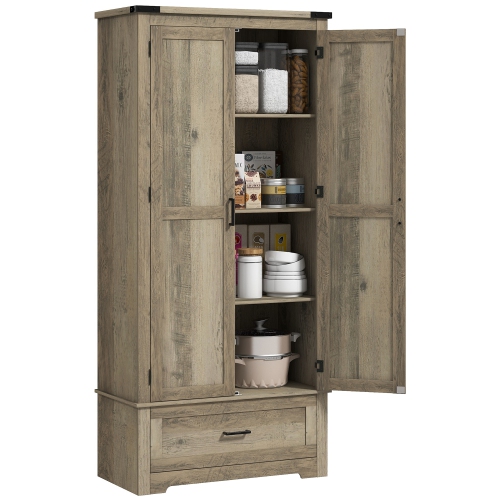
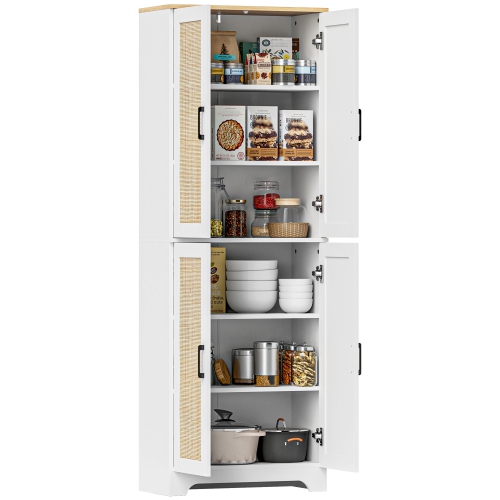
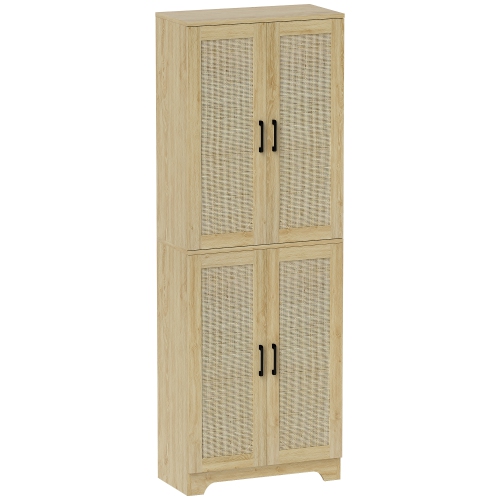
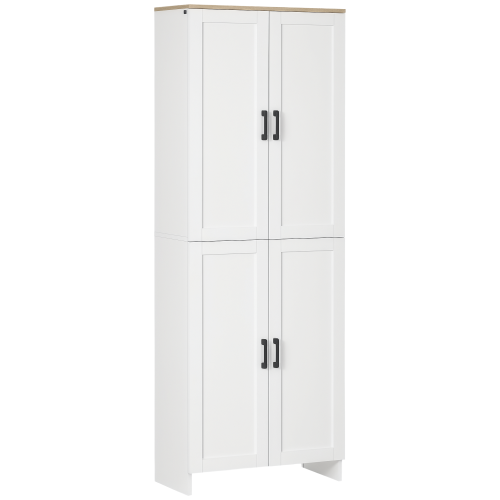
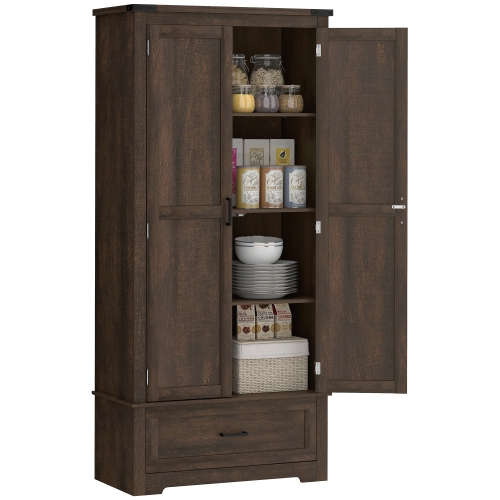
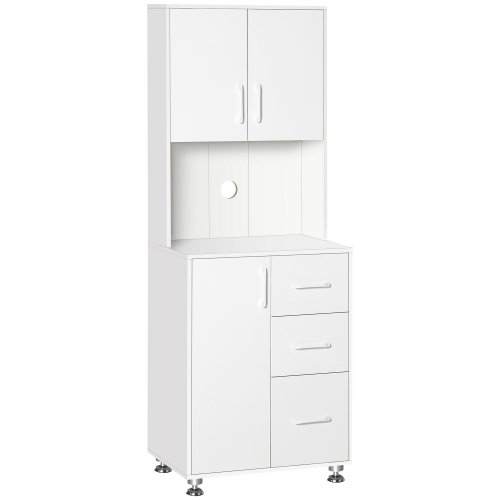
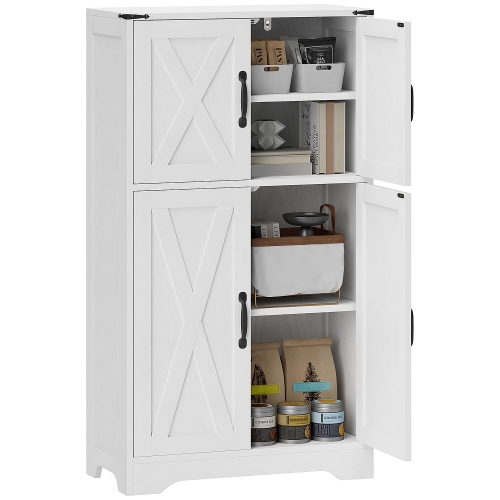
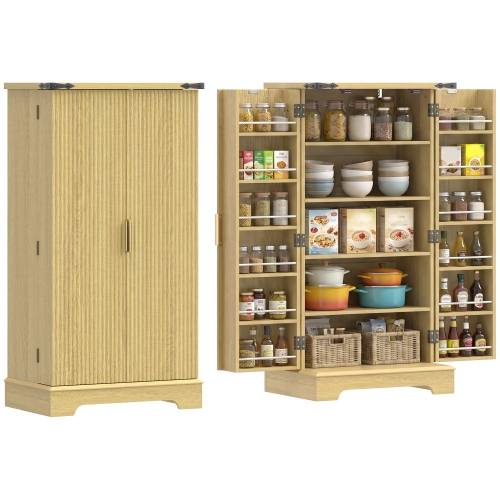
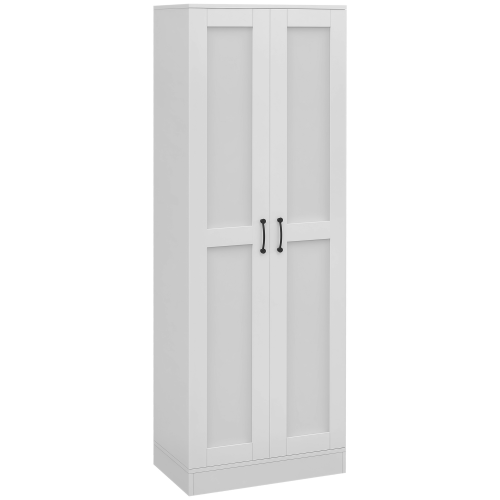
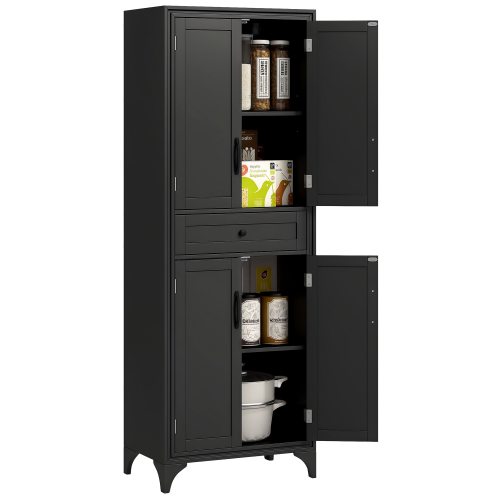
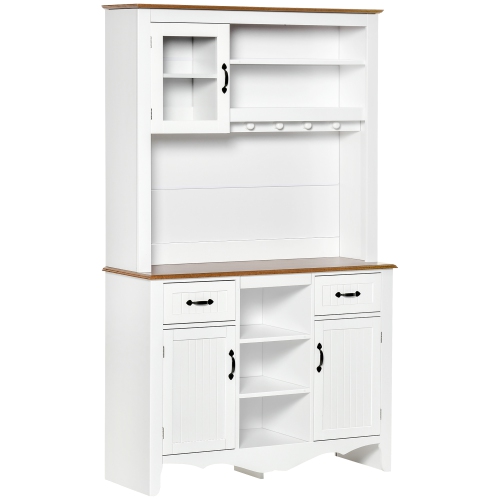
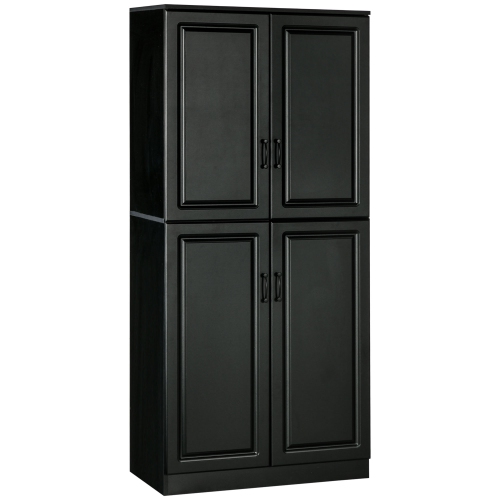
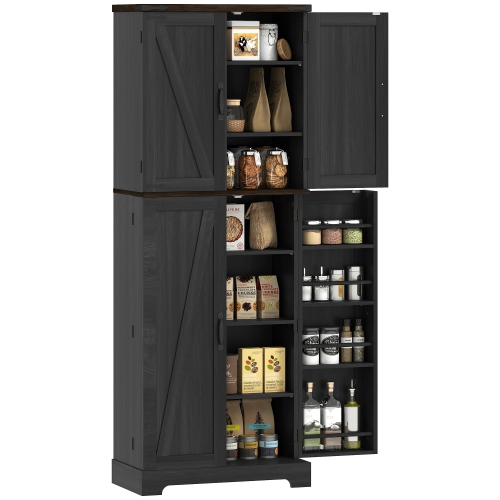
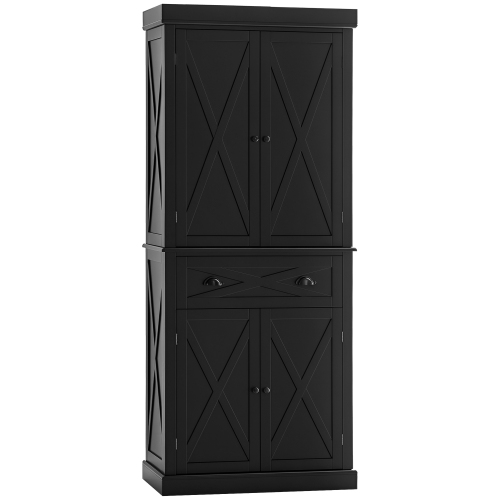
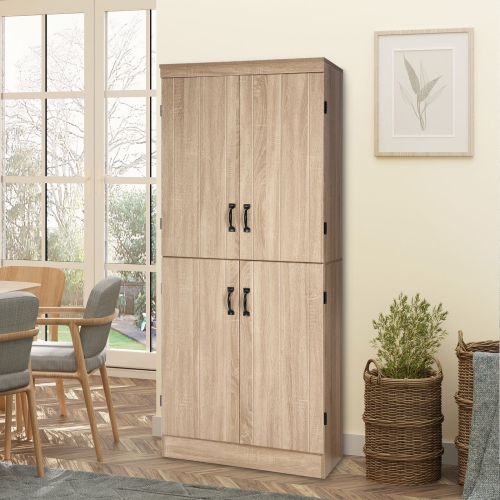
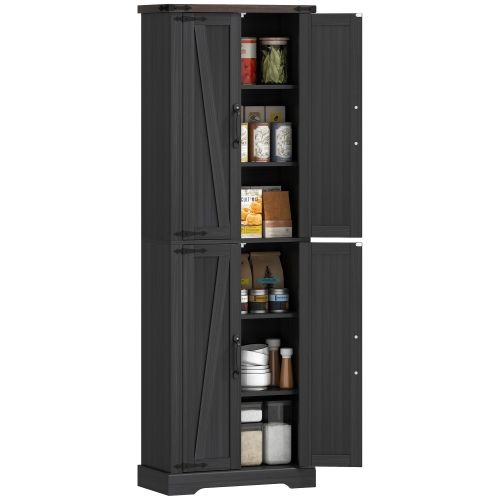
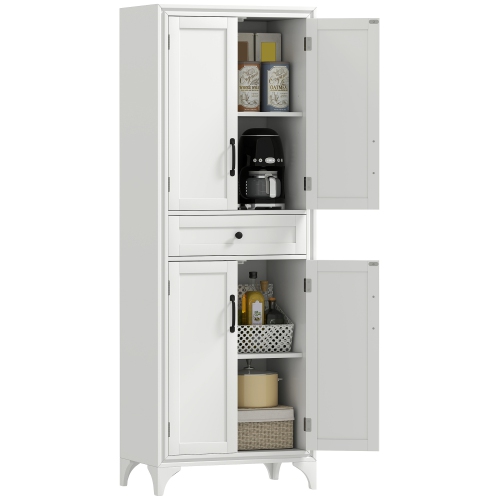
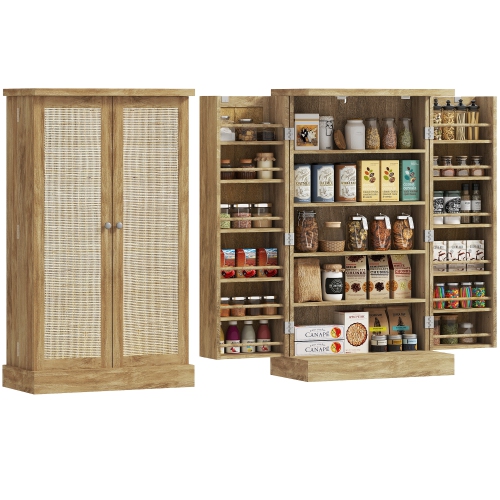
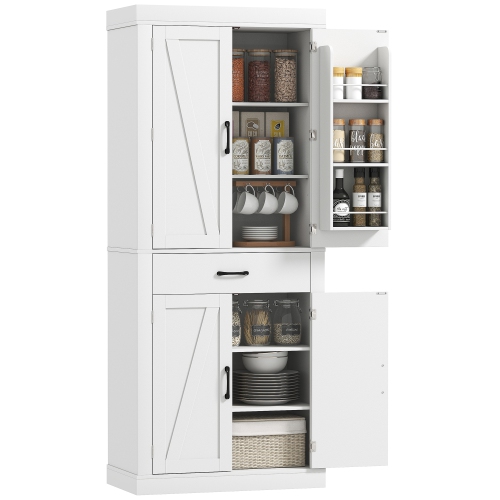
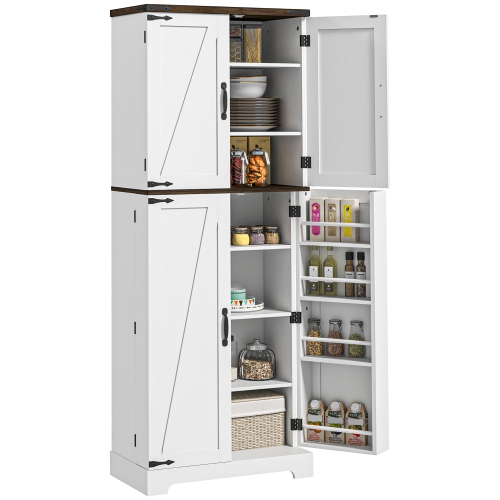
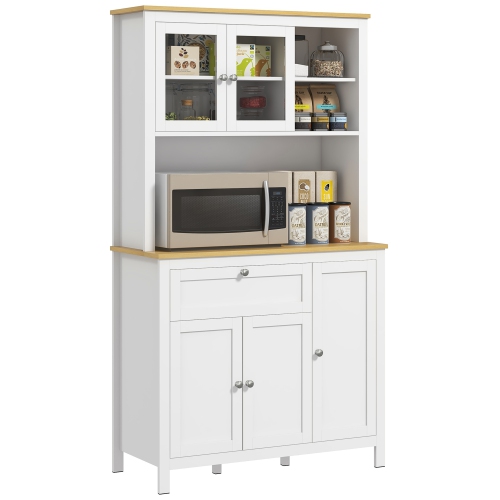
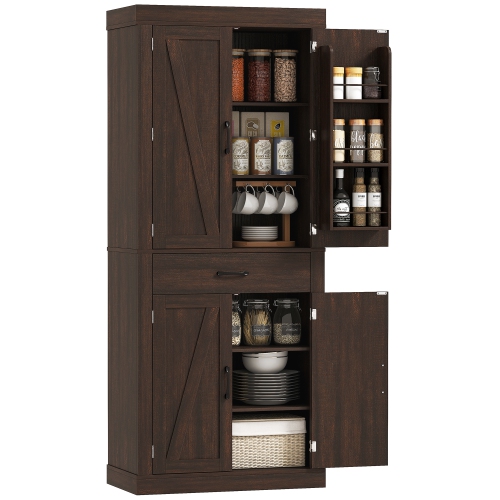
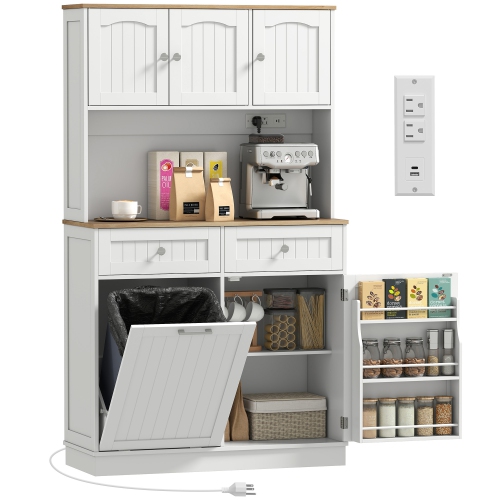
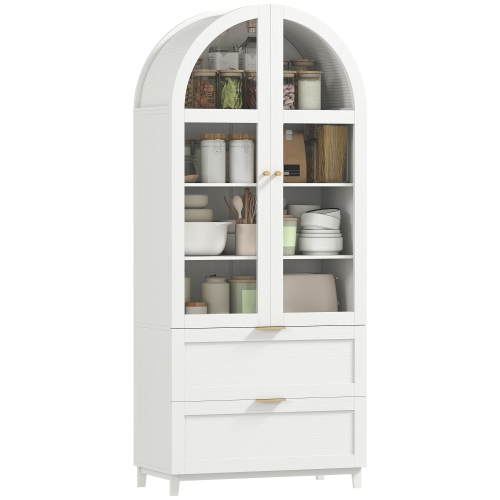
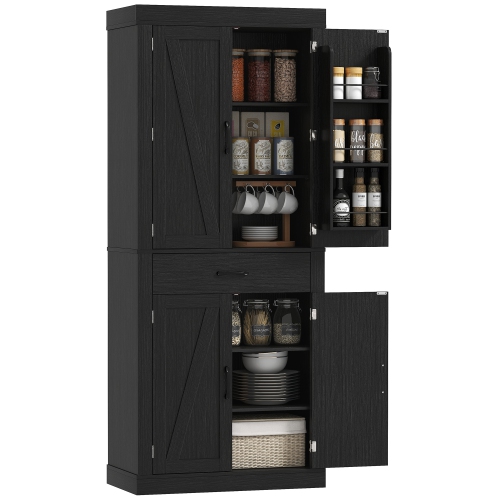
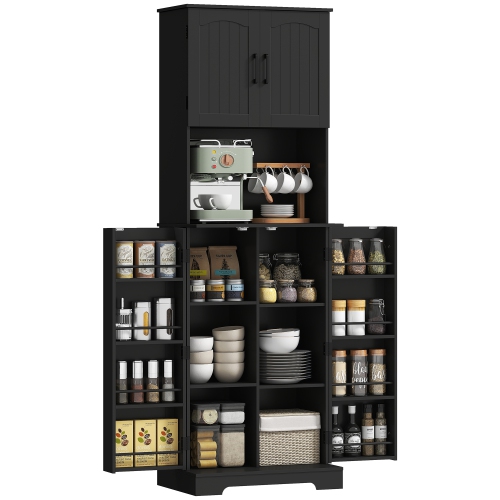
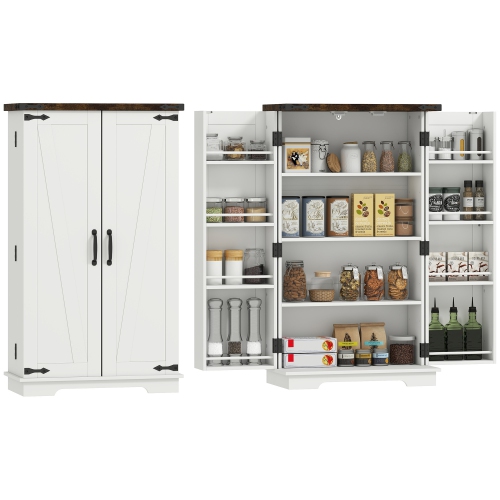
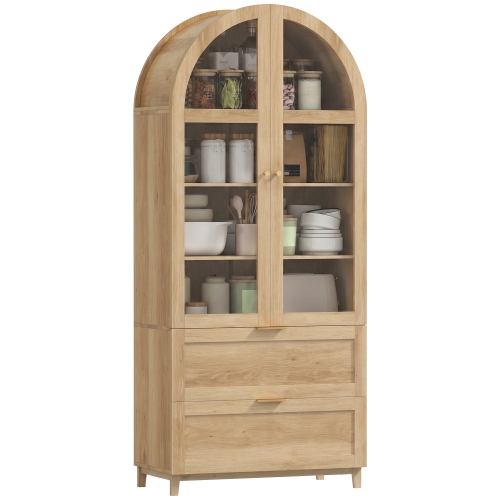
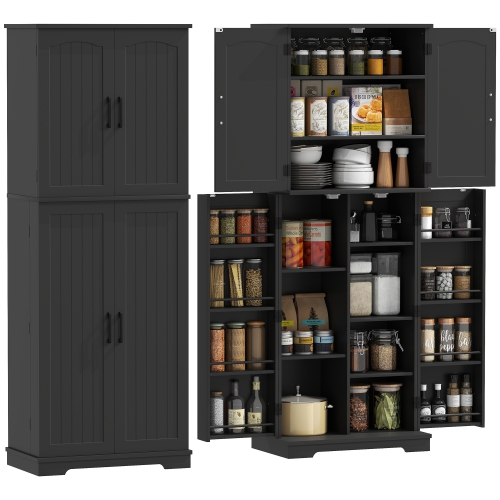
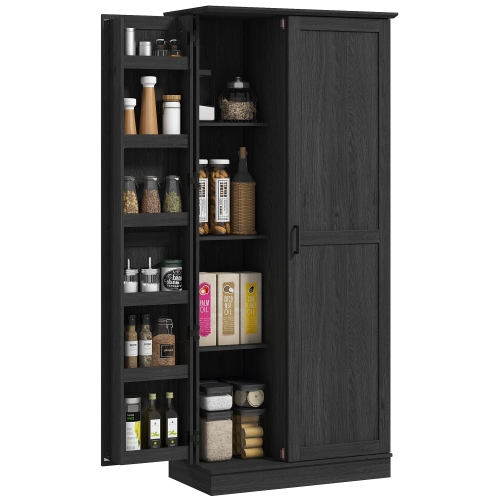
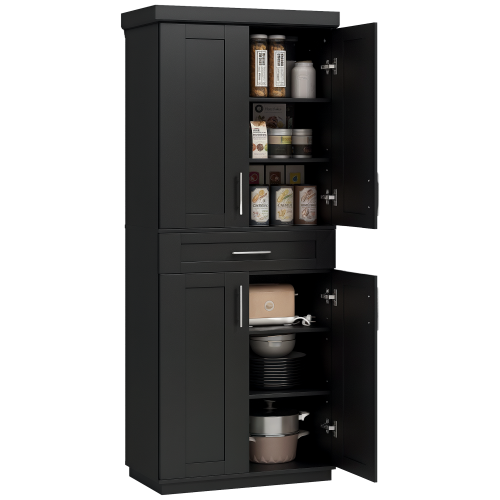
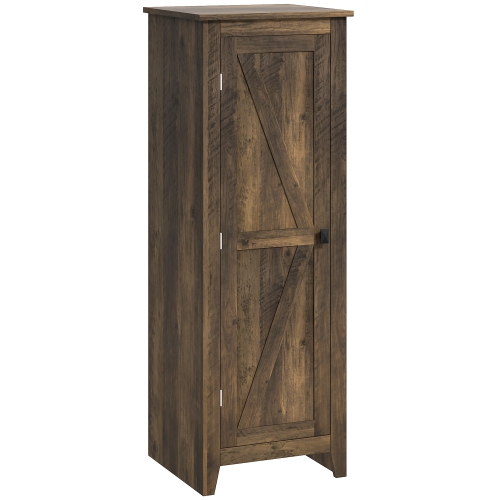
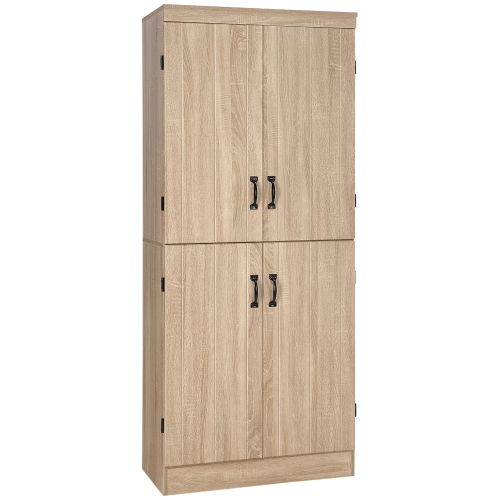
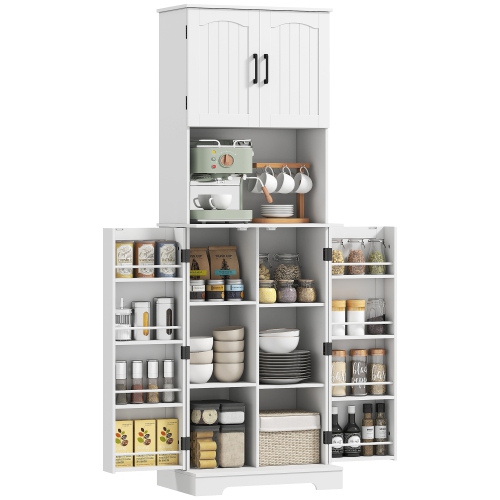
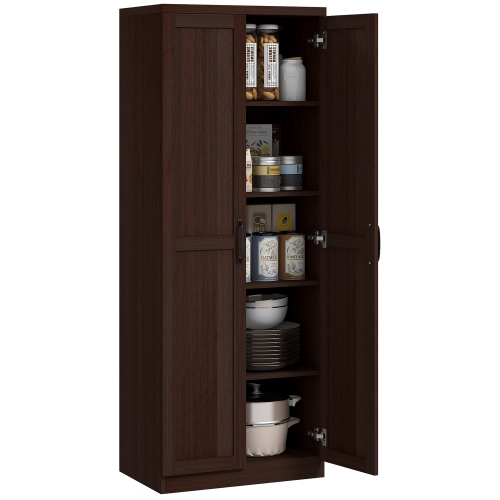
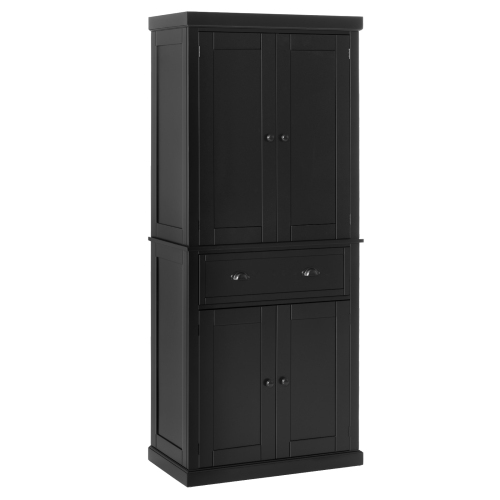
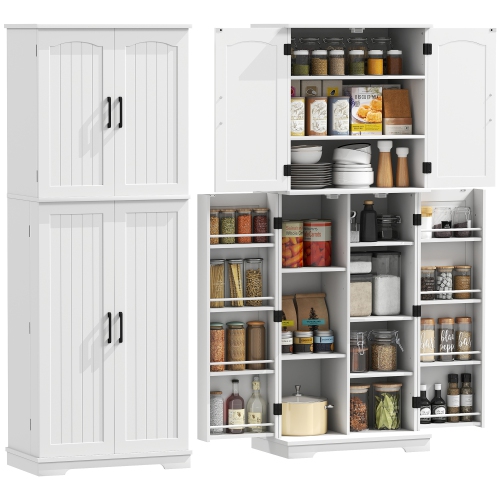
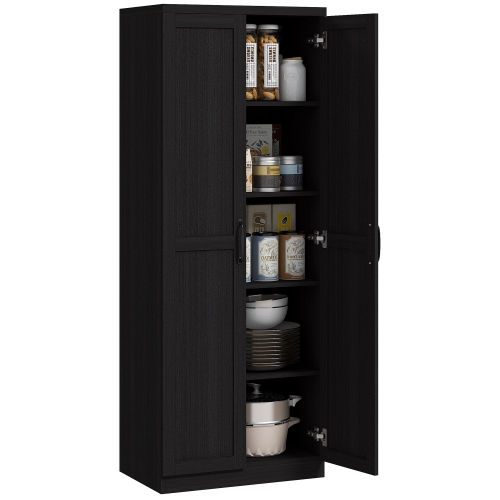
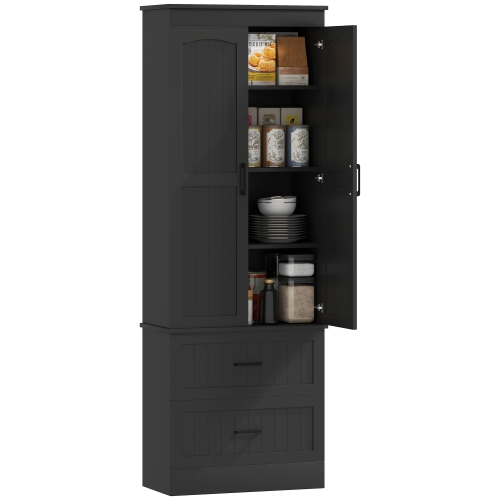
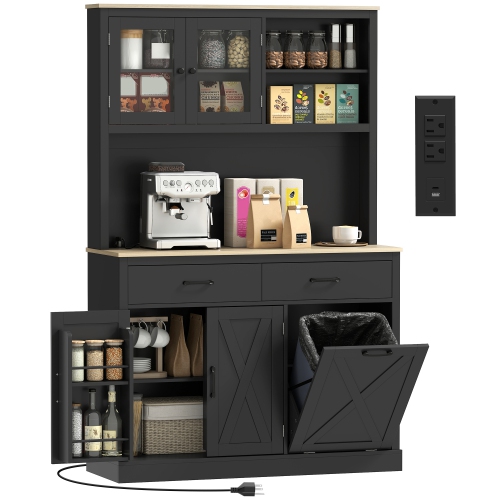
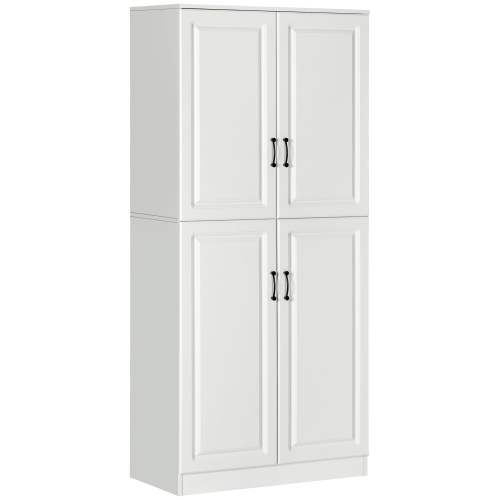
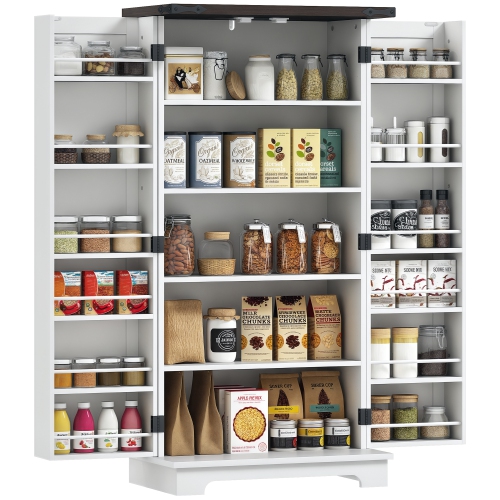
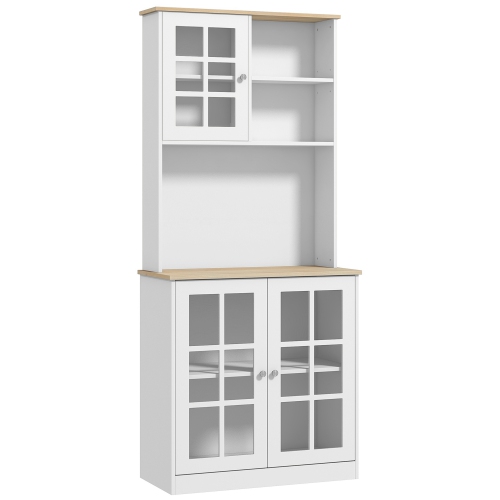
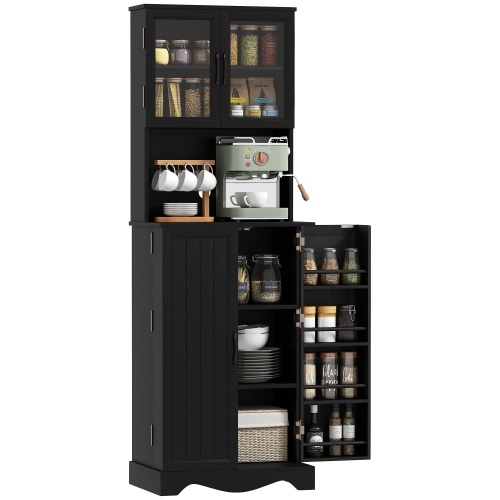
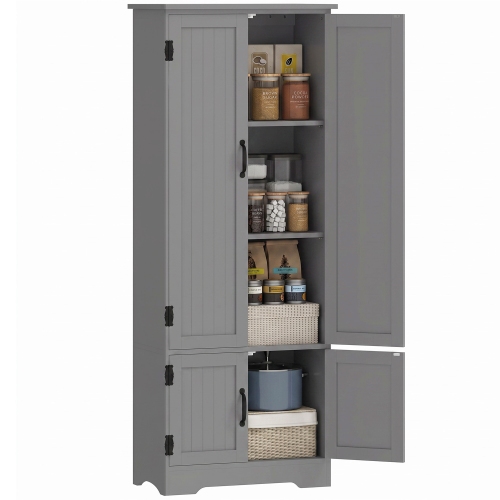
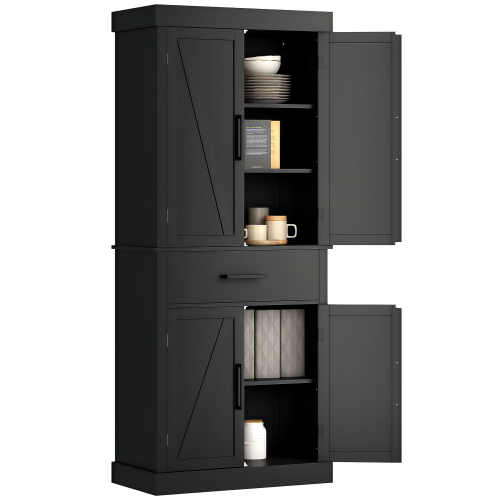
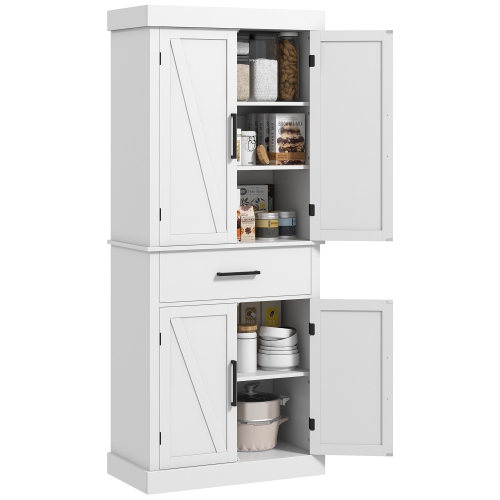
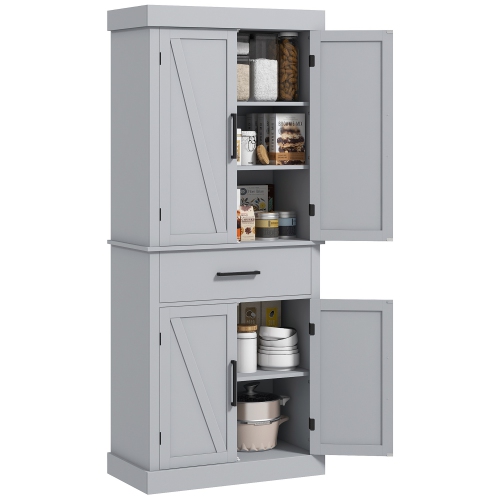
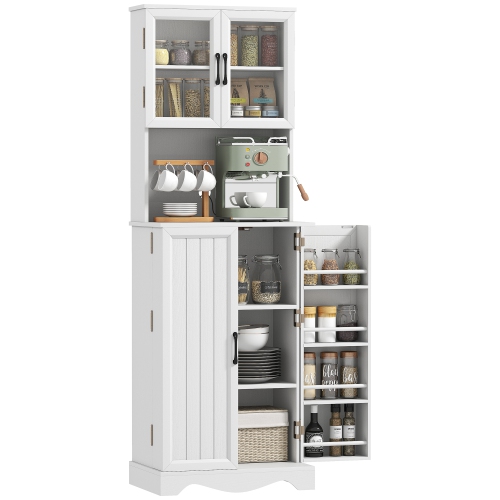
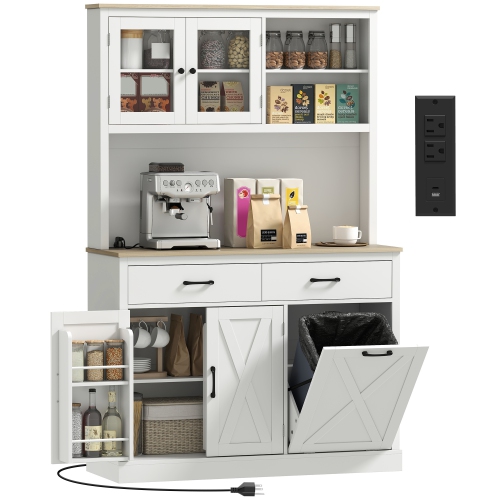
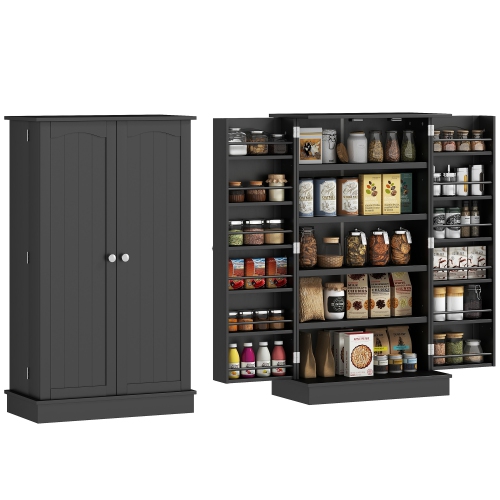
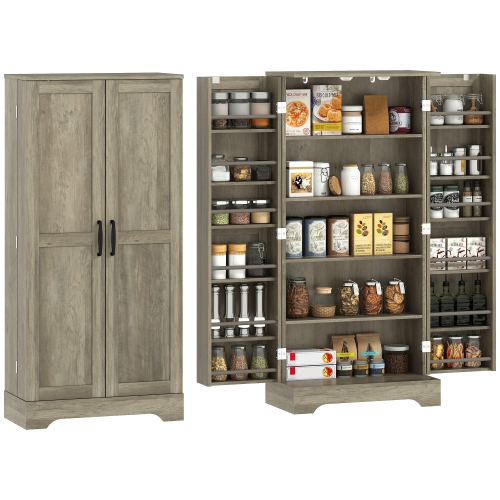
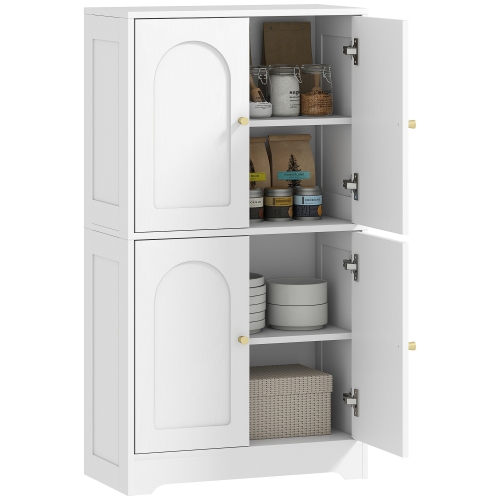
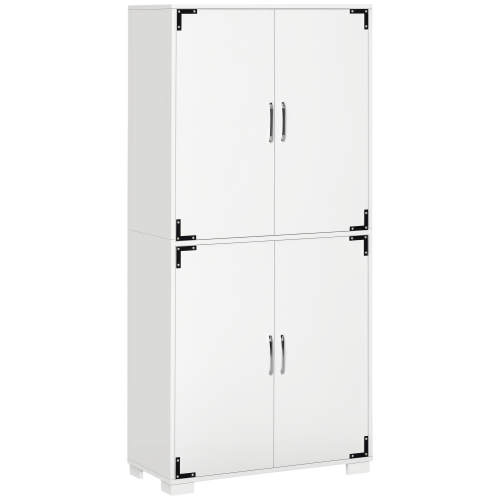
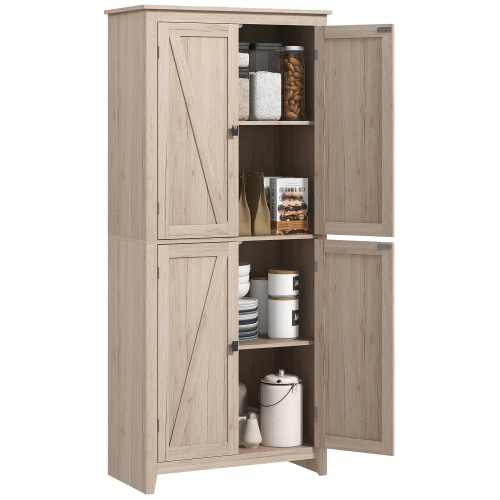
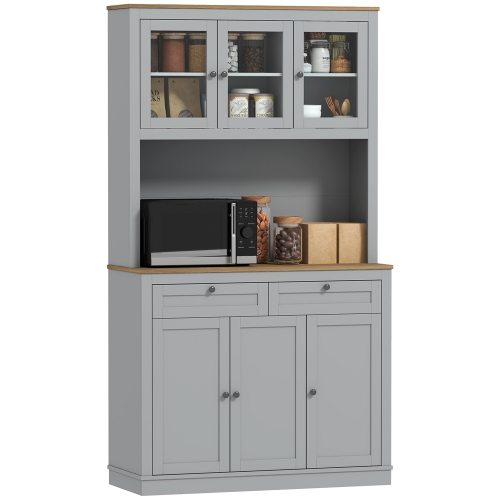
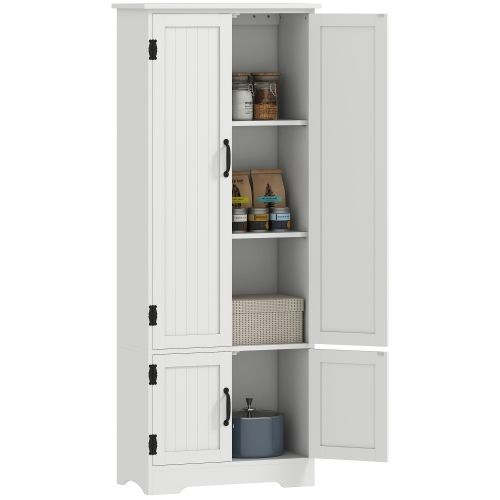
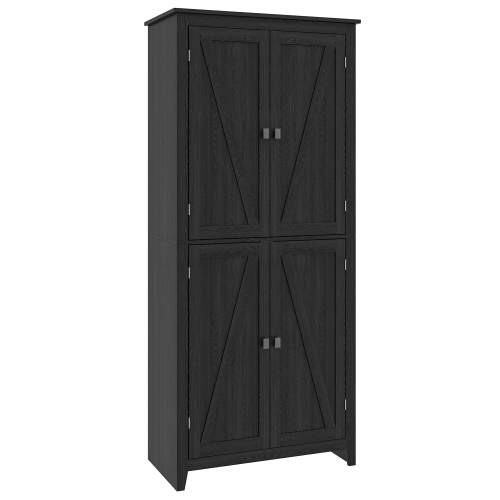
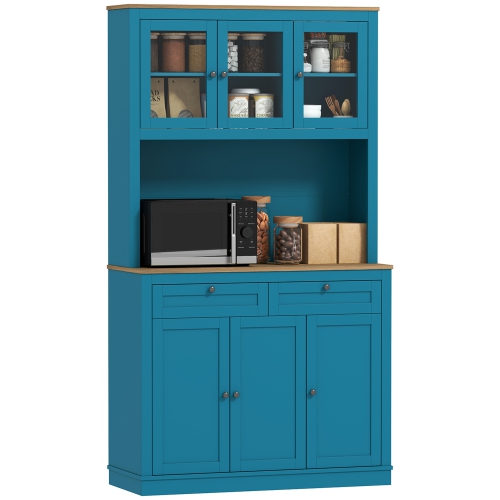
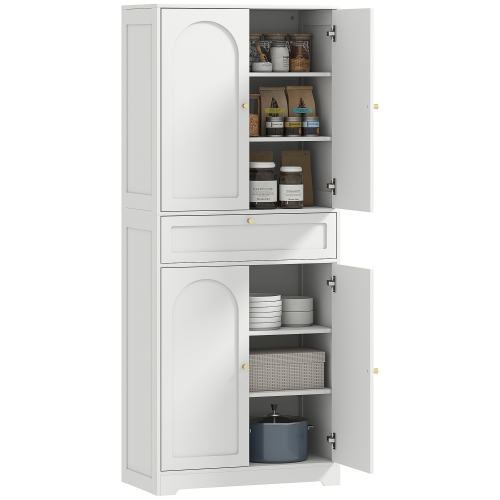
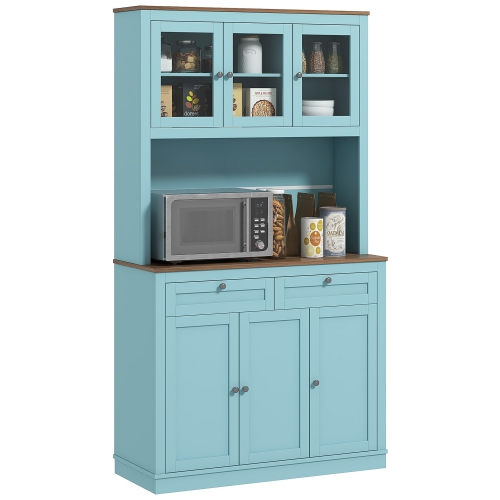
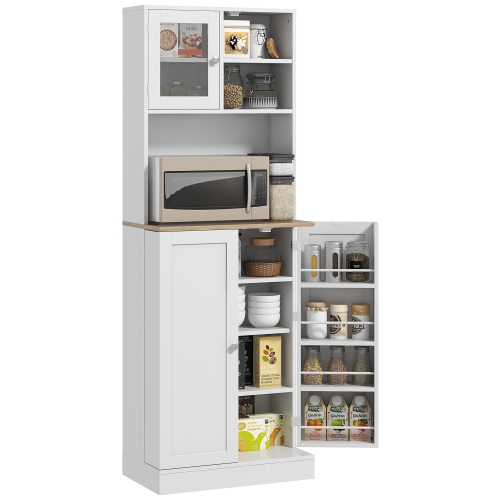
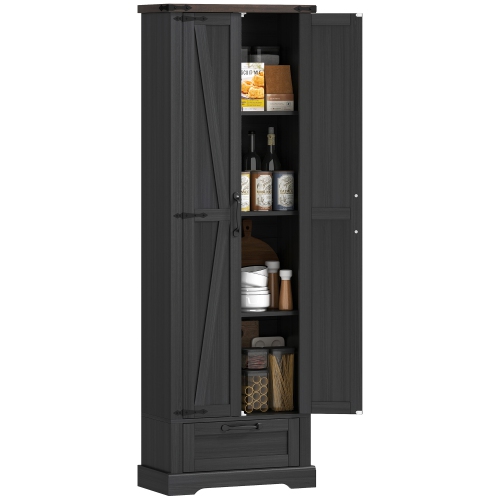
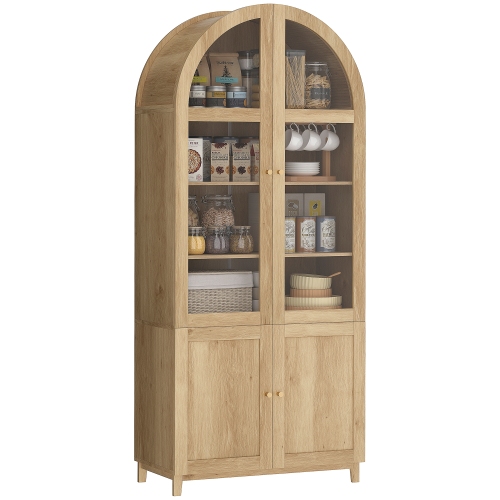
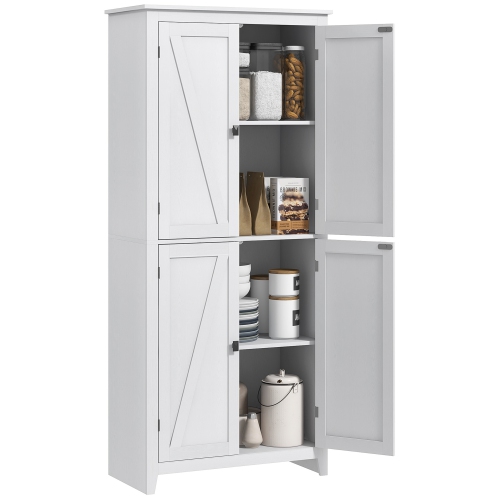
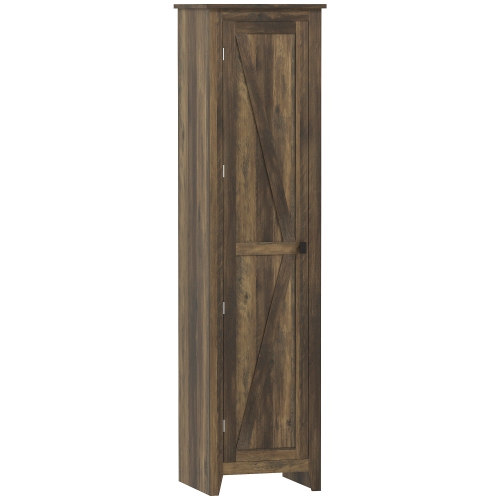
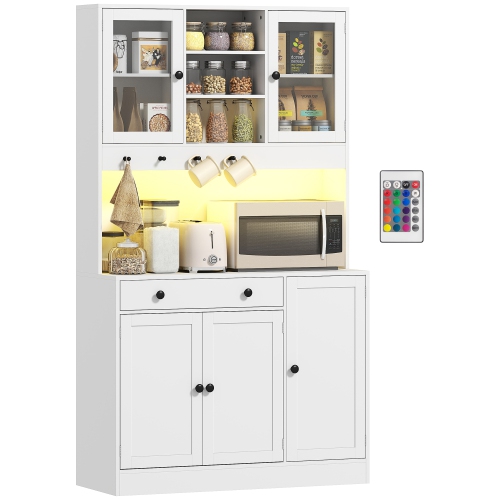
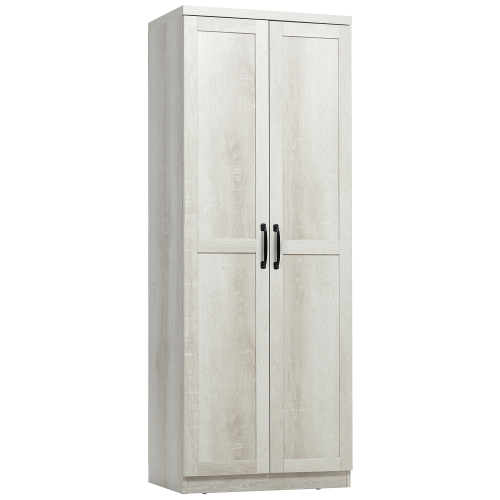
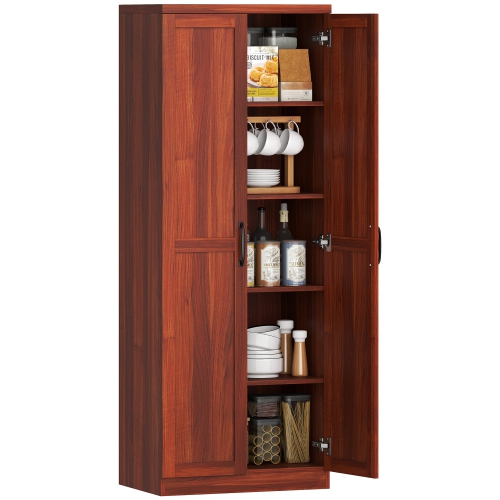
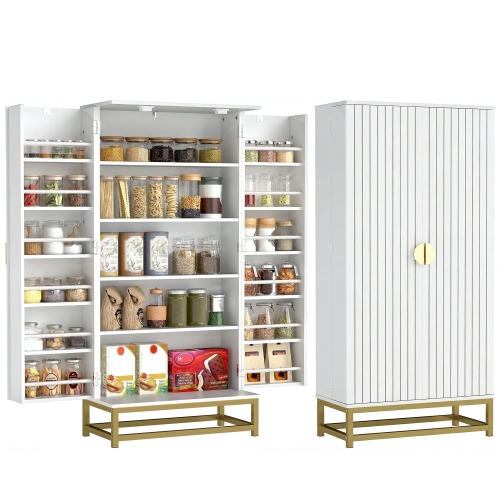
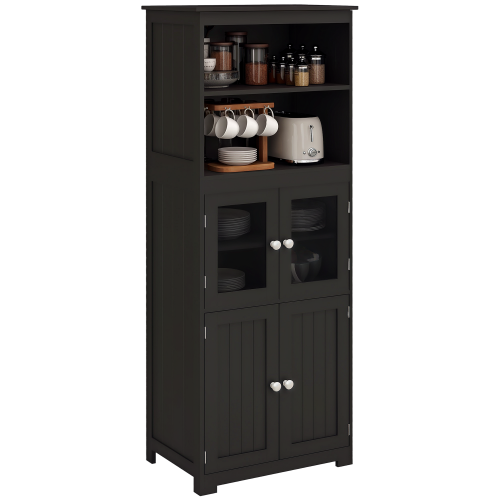
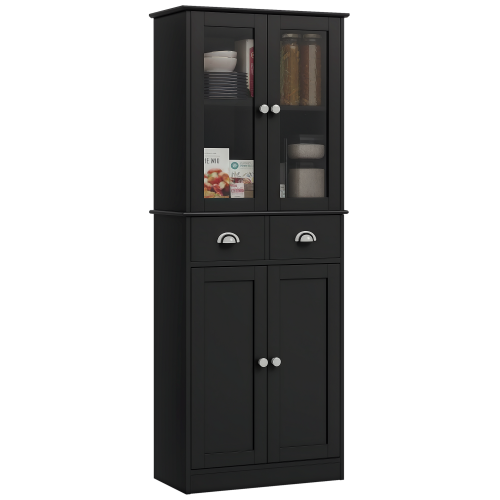
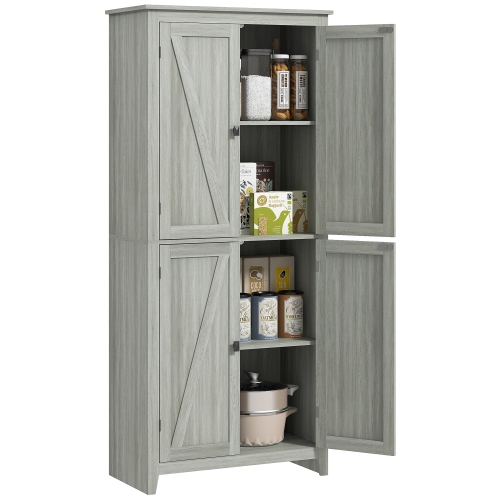
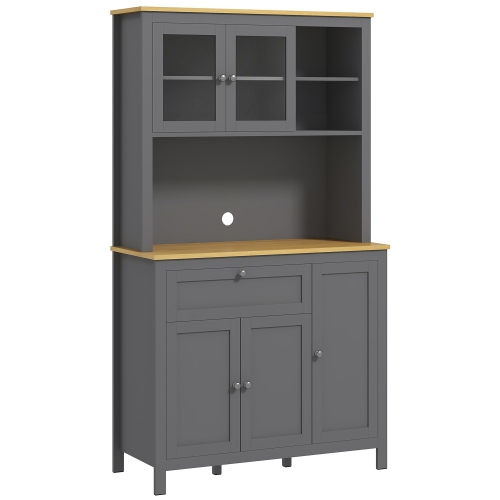
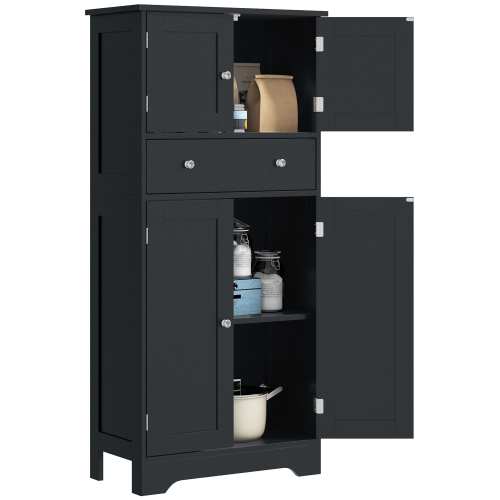
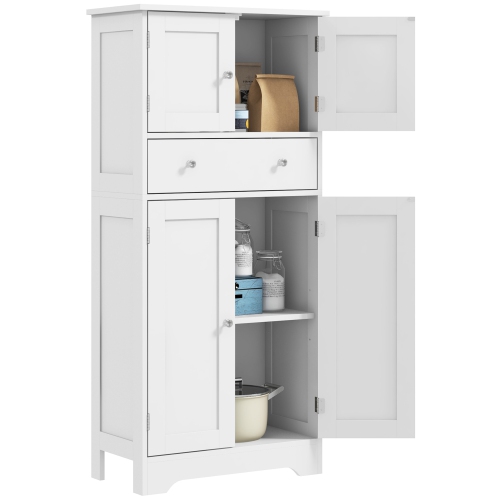
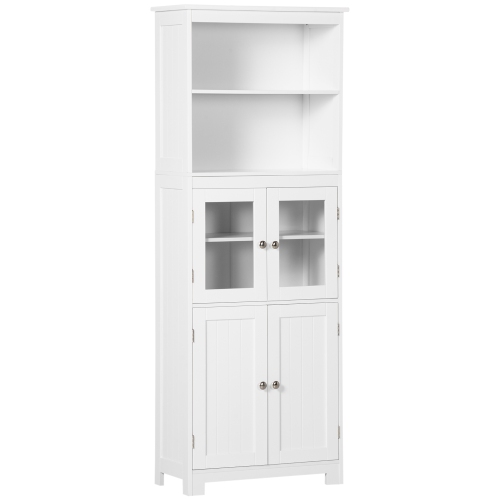
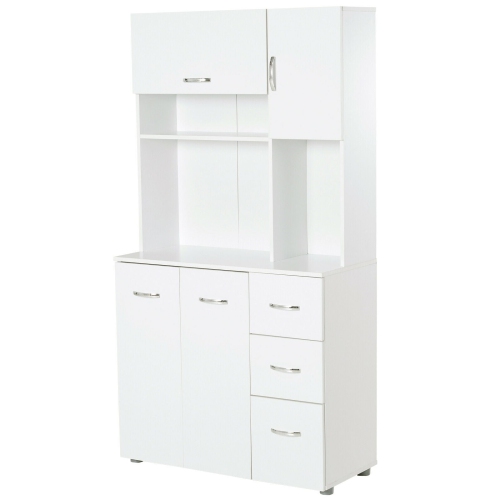
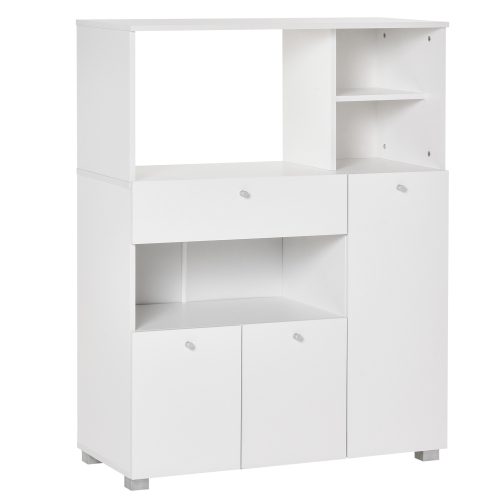
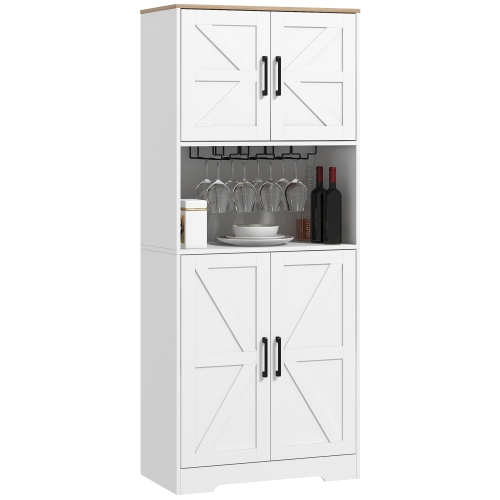
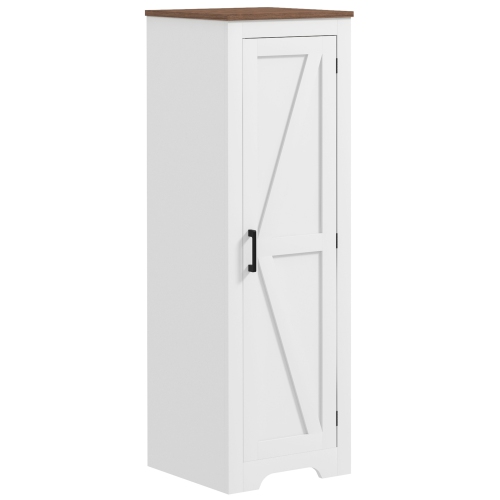
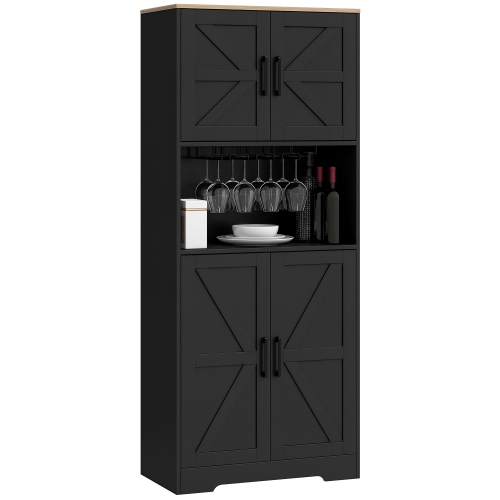
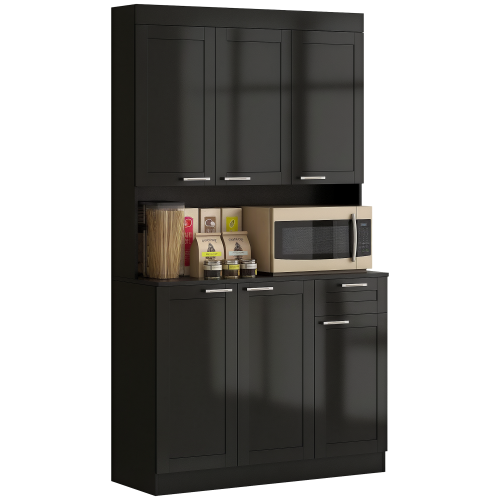
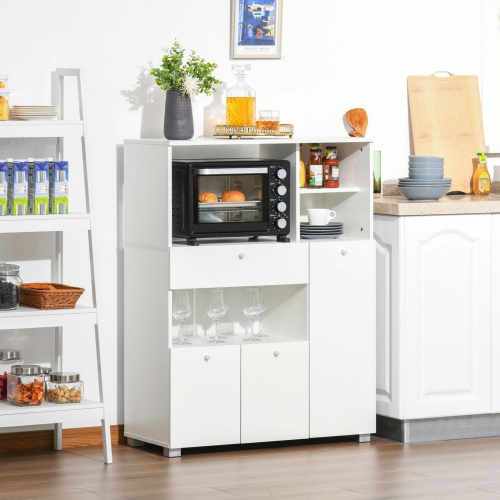
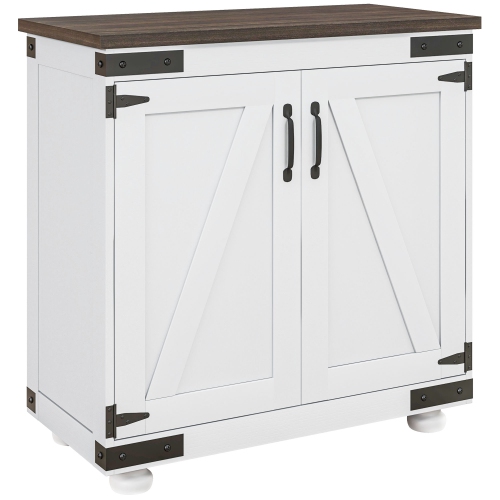
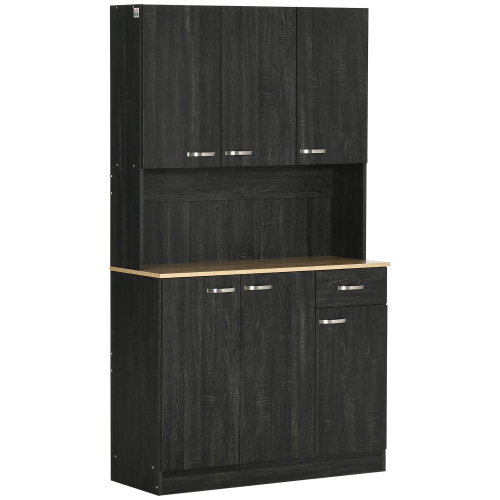
A freestanding pantry cabinet adds enclosed kitchen storage without the scope of a fitted cabinetry project. It can bring dry ingredients, serving dishes, food containers, and smaller kitchen tools together in one place, particularly in homes where existing cupboards fill up quickly. Tall designs make use of vertical space, while shorter cabinets can fit more comfortably beside a dining area or along an otherwise unused wall. Cabinets measuring approximately 71 to 72.5 inches in height suit spaces where substantial upright storage is the priority; more compact designs, around 41 to 63 inches tall, offer a lower profile. Overall dimensions are only part of the fit, though. Interior shelf depth determines whether a cereal container sits neatly behind a closed door, and the width of each compartment matters when storing wide platters or a countertop appliance. Adjustable shelves provide flexibility for different container heights, while fixed shelves establish separate sections for everyday essentials. Four-door layouts can divide upper and lower storage so that frequently used ingredients remain easy to reach and less-used serving pieces have their own space. Some designs also include drawers for utensils, tea towels, or smaller accessories that tend to disappear at the back of a cupboard. Built-in door racks can keep spice jars and small packets visible, although their depth and load limits need to suit the contents. For households comparing different storage layouts, the broader category of Pantry Cabinets brings the focus back to how a cabinet will function in the room. A household that cooks most meals at home may benefit from generous shelving for ingredients and cookware, while someone furnishing a smaller apartment may prefer a narrower footprint with a mix of concealed storage and an open surface. The most useful arrangement is one that gives familiar kitchen essentials a clear place without making the room harder to move through.
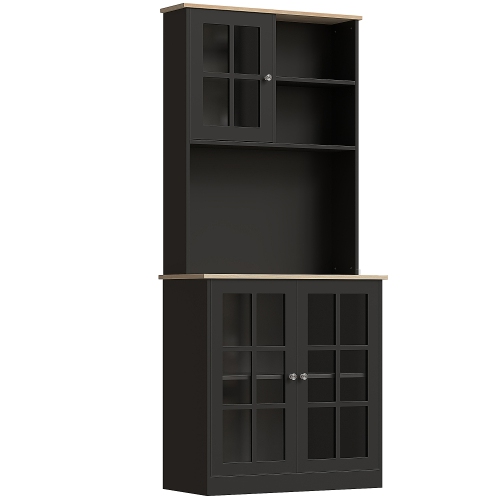
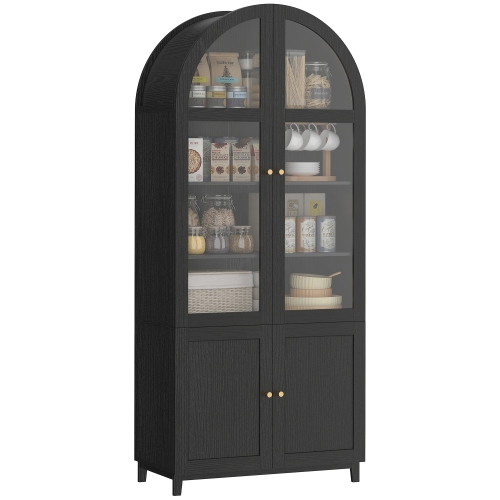
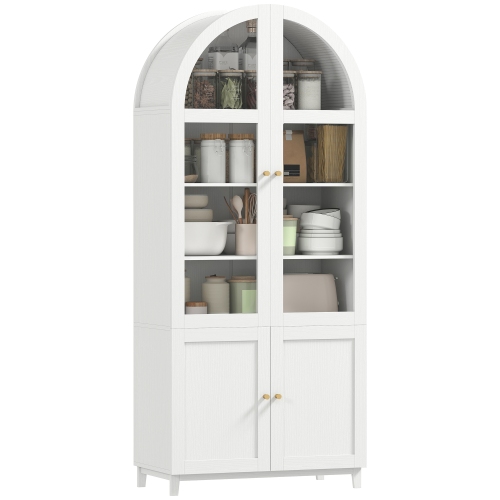
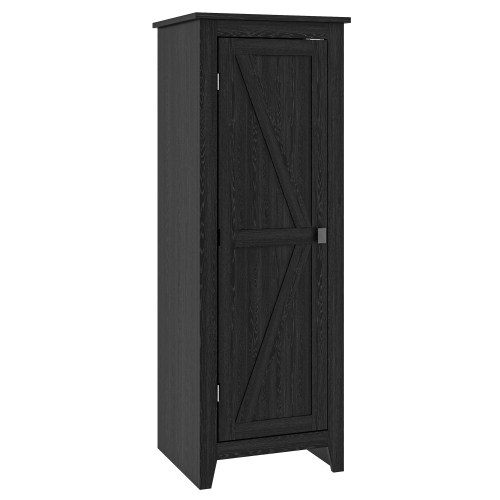
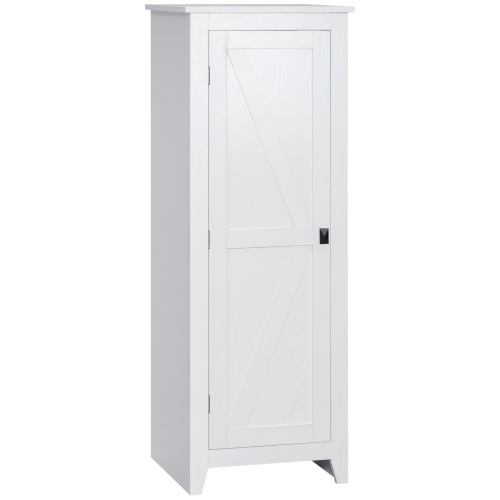
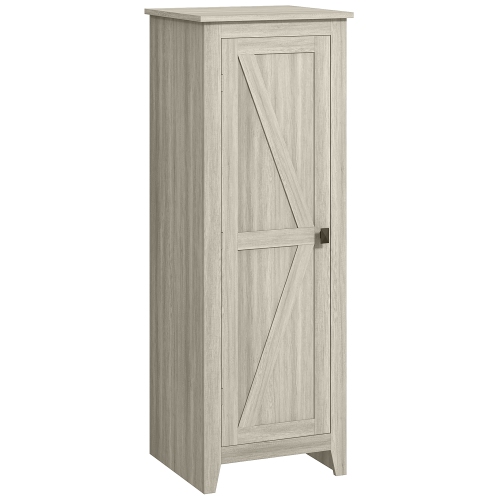
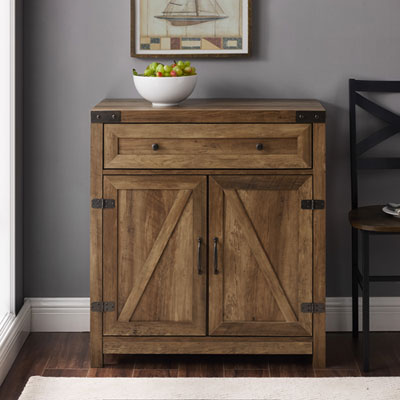
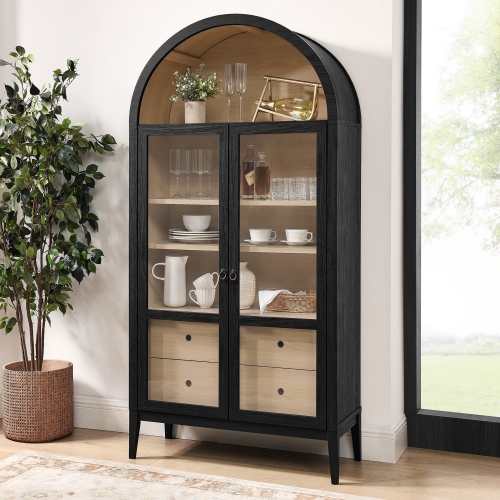
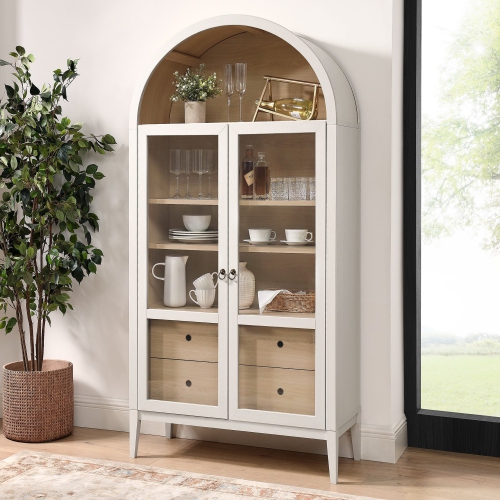
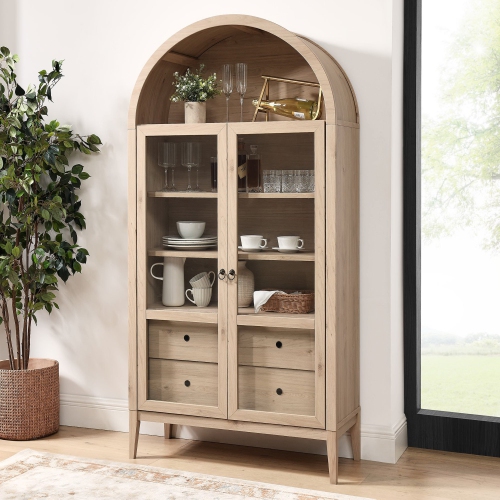
Materials and construction influence both the appearance of a pantry cabinet and how it stands up to daily use. Engineered wood panels, including particleboard and MDF, are common in this furniture category and may have painted, laminated, or other finished surfaces. A smooth finish can make crumbs and light splashes easier to wipe away, but edges, seams, and areas around hardware still deserve attention. Standing water can damage some panel materials, so a pantry cabinet is better treated as indoor storage furniture than as an extension of a wet preparation area. A soft cloth, mild cleaner suitable for the finish, and prompt drying are generally more appropriate than abrasive pads or soaking a surface. Glass or acrylic door inserts introduce a different look from solid doors and allow the contents to remain visible; the appropriate cleaning method depends on the insert material. Clear panels work particularly well when dishes and jars are arranged neatly, whereas solid doors conceal a more varied collection of packaging and containers. White finishes can blend with light kitchen cabinetry, brown wood-look finishes add visual texture, and darker hardware can define the door fronts. Farmhouse-inspired details, such as barn-style door patterns, create a different impression from flat fronts and simple handles. Beyond appearance, shelf load ratings, hinge attachment, drawer operation, and the rigidity of the assembled cabinet are important durability considerations. Bags of flour, canned food, and stacks of stoneware can become surprisingly heavy when grouped together. Distributing weight within the stated limits and keeping heavier contents on lower shelves helps create a more practical arrangement. Flat-pack furniture also depends on careful assembly: a square cabinet body helps doors line up and drawers move properly. Manufacturer-supplied wall restraints should be installed as directed, with fixings suitable for the wall construction. A freestanding design does not remove the need for anchoring when the assembly instructions require it, especially in homes with children or pets.
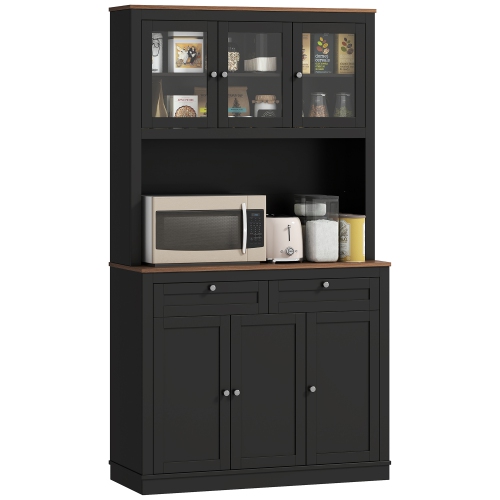
Good placement makes a pantry cabinet feel like a natural part of the kitchen rather than an obstacle added after everything else. Measure the intended space at floor level and account for baseboards, nearby trim, electrical outlets, and the clearance needed to open each door fully. A cabinet may fit between two walls yet still have a handle that catches on adjacent furniture, or a lower door that cannot open comfortably beside a dining chair. Allowing room to stand in front of the shelves is just as important as checking the cabinet’s footprint. In a narrow kitchen, shallow storage can make ingredients easier to see while preserving the walkway; in a dining room, a wider unit may provide a useful home for table linens, serving bowls, and dishes used when guests visit. Designs with an open countertop or appliance compartment can bring preparation and storage closer together, but the surface dimensions and weight capacity must match the intended use. A microwave needs the ventilation clearances specified by its manufacturer, along with suitable access to power, and should not be placed inside an enclosed cupboard unless that installation is expressly permitted. Similar care applies to other appliances that release heat or steam. For everyday organization, keeping breakfast supplies together or grouping baking ingredients on one shelf reduces the need to search several cupboards during a busy morning. Shelf heights that accommodate the actual containers being used are more valuable than a large number of cramped compartments. Labels facing forward, modest gaps between jars, and frequently used ingredients within comfortable reach make the interior easier to maintain. Lower drawers can hold folded cloths or lightweight accessories, while upper compartments suit less frequently needed dishes within the cabinet’s load limits. In shared homes, separate shelves can give each person a defined storage area; for families, a reachable section for suitable snacks can simplify daily routines. A pantry cabinet earns its place through these small, repeated conveniences: a clear counter, an easy-to-find mixing bowl, and groceries that can be put away without rearranging the entire kitchen.
Top selling and popular products
-
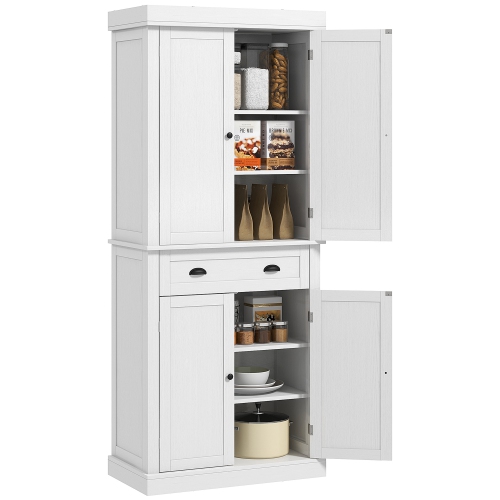 Your price for this item is $274.99
-
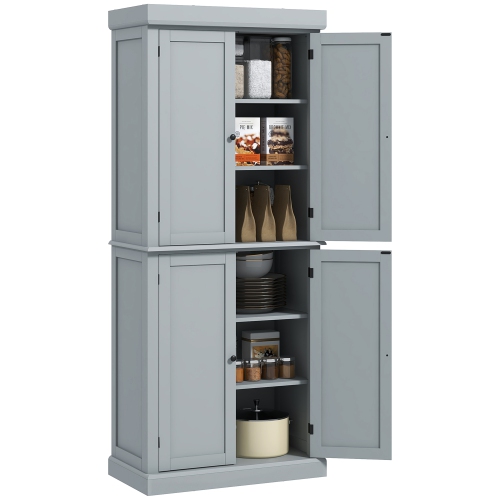 Your price for this item is $299.99
-
 Your price for this item is $401.99
-
 Your price for this item is $1155.71
-
 Your price for this item is $1155.71
-
 Your price for this item is $1155.71
-
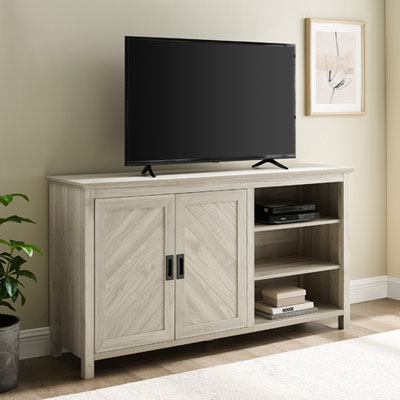 Your price for this item is $593.99
-
 Your price for this item is $144.99
Discover more categories related to Homcom Pantry
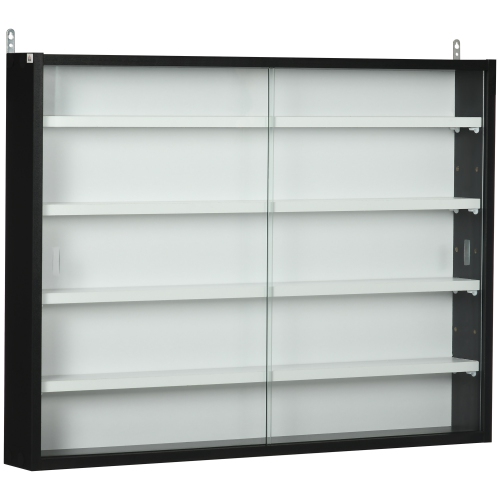
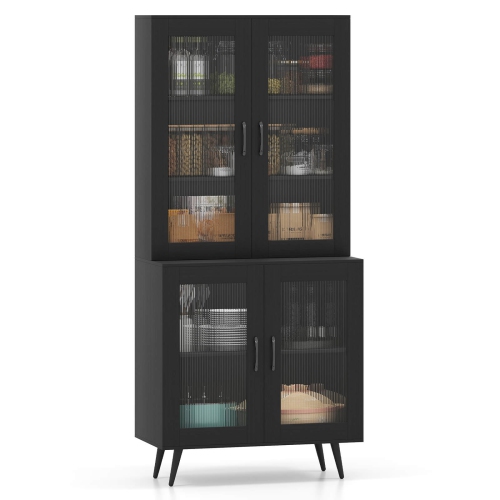
Top Collections:
Pokemon Centers, Best Cameras for Sports Photography, Kindle Devices, Samsung Galaxy Phones, Canon G7X Cameras, Pokémon 30th Celebration Cards, Refurbished Apple Laptops, iPhone 15 Apple, Laptops for Students, Budget Smartphones
Some products may be subject to Environmental Handling Fees
(EHF) depending on your province.
Learn more about EHFs.