Home Hardware Snow Blowers
Home Hardware Snow Blowers make winter cleanup easier by providing reliable solutions for clearing driveways, sidewalks, and walkways. Designed to tackle a range of snow conditions, these snow blowers offer convenience and efficiency when you need it most. Explore a selection of Home Hardware Snow Blowers to find the right fit for your home and keep your outdoor spaces accessible all season long.
Sort





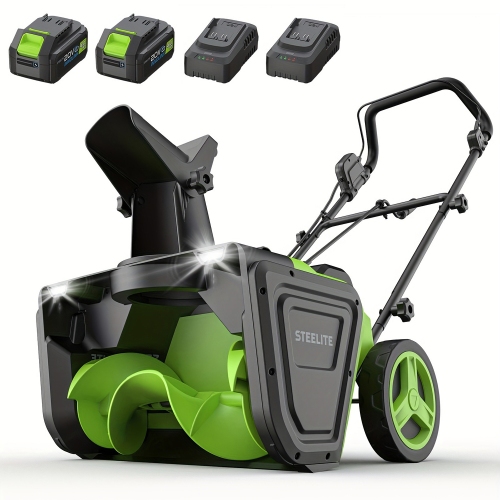
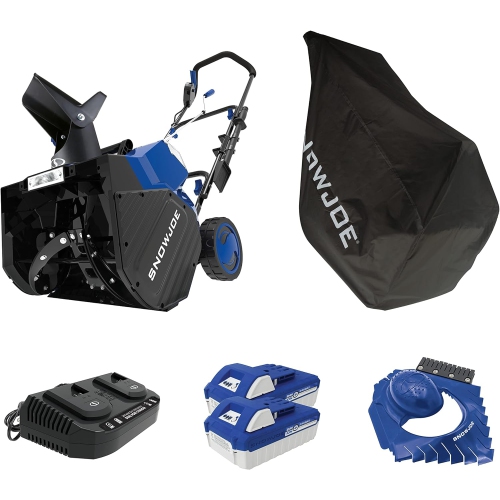
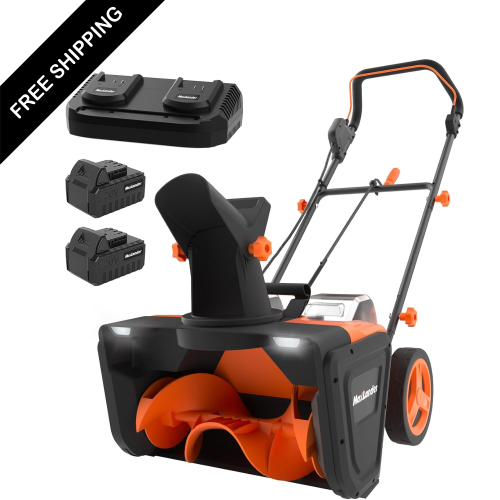
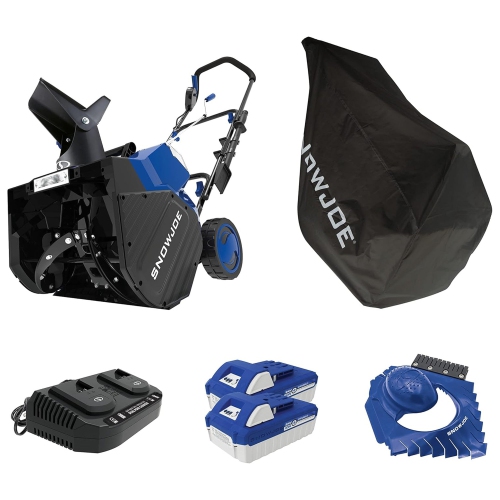



Why driveway size and snow depth matter
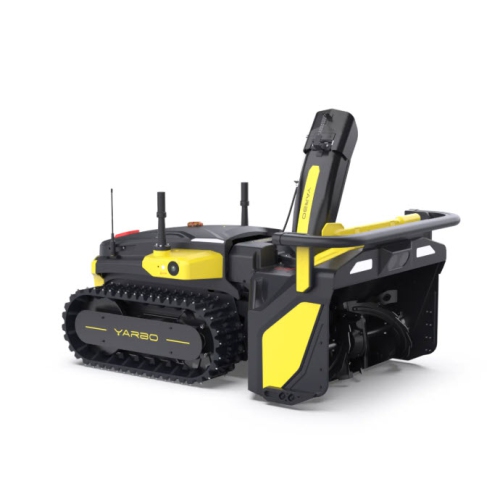
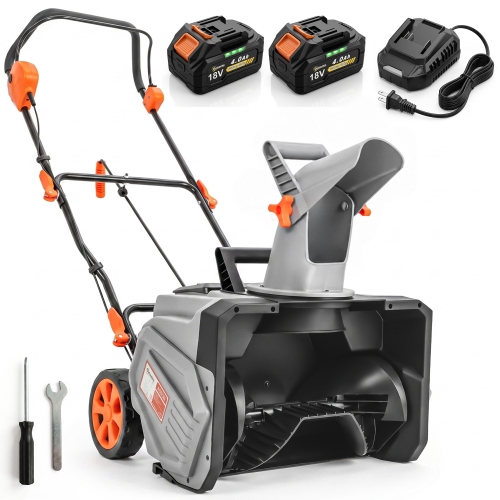
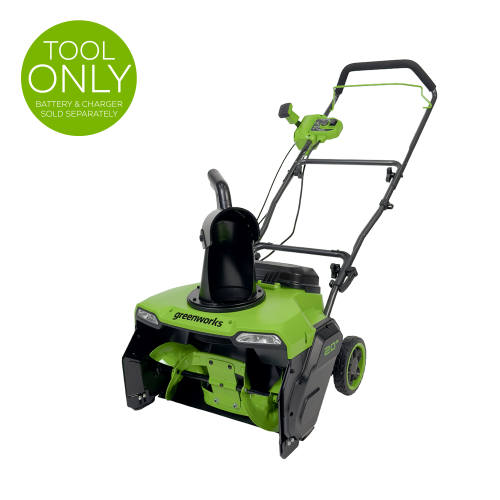
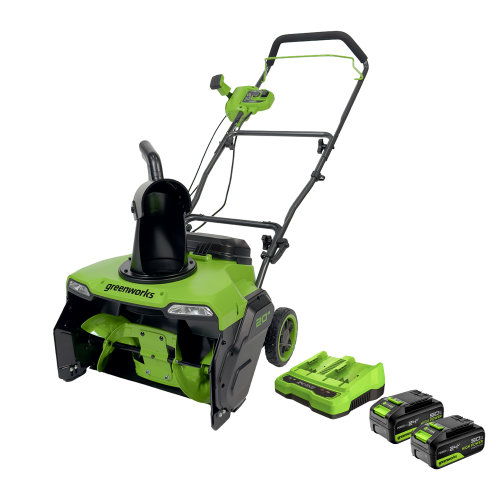
Snow blowers make a familiar Canadian winter task more manageable, whether the job is opening a narrow walkway before work or clearing a wide driveway after an overnight snowfall. Their usefulness depends on more than the amount of snow on the ground: the shape of the property, the surface underfoot, and the space available for discharged snow all influence how a machine fits into everyday life. A short, paved driveway with light, powdery accumulation presents a different challenge from a long lane where wind builds deep drifts or passing plows leave a dense ridge at the curb. Compact single-stage snow blowers generally suit smaller paved areas and lighter snowfall, gathering and throwing snow through the action of an auger. Two-stage designs use an auger to gather snow and an impeller to discharge it, making them better suited to deeper accumulation and heavier clearing work. Some larger machines add another mechanism to help break up and move packed snow. These distinctions matter when slushy snow settles into a heavy blanket or repeated storms leave little room along the edges of a driveway. Clearing width affects how many passes a property needs, while intake height helps determine the depth a machine can handle within its stated limits. A wider housing can shorten work on an open driveway, but a narrower frame may be easier to steer between parked vehicles, pass through a gate, or tuck into a crowded garage. Surface compatibility deserves equal attention. Many single-stage designs make close contact with the pavement and are not appropriate for loose gravel, while suitable two-stage machines can use adjustable skid shoes to maintain clearance above a gravel surface. For homeowners, people maintaining a shared property, and family members helping with routine snow removal, a snow blower that matches the actual clearing area can be more practical than one chosen simply for its size. The most useful fit balances clearing capacity with the turns, thresholds, storage space, and snowbanks that shape the job.
Power source changes both the feel of using a snow blower and the preparation involved. Corded electric designs can suit smaller areas within reach of a suitable outdoor electrical connection, though the cord needs enough reach and careful routing away from the clearing path. Battery-powered machines remove that tether and avoid the fuel handling associated with petrol engines, with operating time influenced by battery capacity, temperature, snow depth, and how hard the machine is working. Cold-weather battery performance is especially relevant when a quick pass over fresh powder turns into a longer session through wet, compacted snow. Charging and storage requirements vary, so the manufacturer’s temperature limits belong alongside clearing capacity when considering everyday practicality. Gas-powered snow blowers are often suited to longer clearing sessions and larger properties, with the trade-off of engine upkeep, fuel storage, and exhaust. Starting systems also affect convenience: an electric-start feature can reduce the effort of starting a compatible gas engine, although some designs require access to a household electrical outlet for that function. Once a machine is moving, handling can matter as much as power. Self-propelled drive helps move heavier equipment through snow, while variable forward speeds allow a steadier pace through changing depths. Reverse settings and steering assistance can make it easier to work around a garage apron or turn at the end of a driveway. Wheels offer straightforward manoeuvrability on many surfaces; track-driven designs may provide added traction where conditions and the machine’s approved use warrant it. Handle height, control placement, and the effort needed to engage the auger are worth considering for anyone wearing thick gloves or clearing for longer stretches. Chute rotation and discharge-angle controls help place snow within the available space rather than onto a neighbouring path. Lights can improve visibility during darker hours, and heated grips can add comfort, though neither replaces warm clothing, secure footwear, or a clear view of the work area. Together, these details shape how manageable the machine feels well beyond its first pass through fresh snow.
Durability comes from the relationship between construction, appropriate use, and regular care. Steel housings and augers are common in machines built for demanding clearing work, while lighter designs may combine metal structures with moulded components that reduce overall weight. Material alone does not tell the whole story: protective finishes, sturdy chute mechanisms, accessible service points, and replaceable wear parts all influence how equipment holds up over repeated winters. Scraper bars and skid shoes take much of the contact with the ground, and worn parts can affect clearance or leave uneven results. Some auger systems use shear pins or bolts designed to fail under a sudden obstruction, helping protect more expensive components; replacements need to match the manufacturer’s specifications rather than simply fit the opening. Routine care may include checking fasteners, inspecting moving parts, and following the stated schedule for belts, lubrication, or engine service. After clearing, removing accumulated snow as directed and letting the machine dry in an appropriate storage area can help limit ice buildup and corrosion from road salt. Storage fit is also practical: a folding handle may help in a small shed, while a heavier machine needs a clear route without awkward lifting. Safe operation starts with knowing what lies beneath the snow, including doormats, stones, extension cords, and children’s toys. People and pets need to remain well away from the discharge area, and snow should never be directed towards traffic or windows. A clogged chute requires a complete shutdown, with moving parts stopped and the power source isolated as instructed; hands should never enter the chute or auger housing, even when the machine appears inactive. For households planning more broadly for winter interruptions, Home Hardware Generators cover a separate part of cold-weather preparedness. Fuel-powered equipment must never run inside a home or garage, including with the door open. With suitable storage, consistent upkeep, and controls that feel comfortable to use, a well-matched snow blower can become a dependable part of keeping entrances, driveways, and everyday routes clear through the colder months.
Top selling and popular products
-
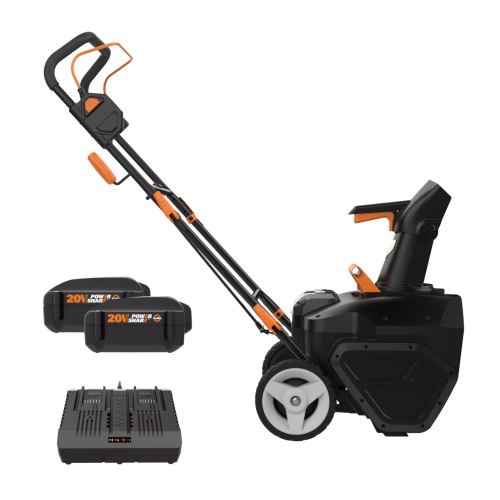 Your price for this item is $599.99
-
 Your price for this item is $399.99
-
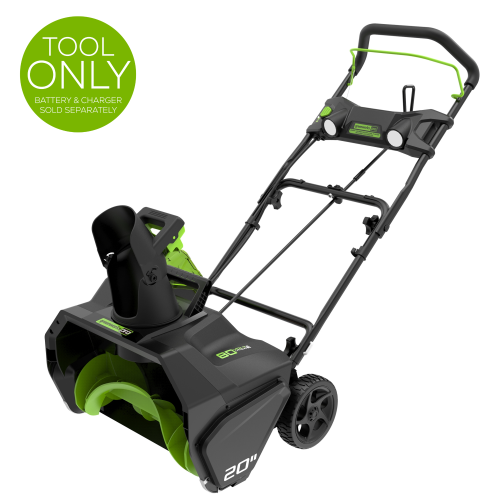 Your price for this item is $449.99
-
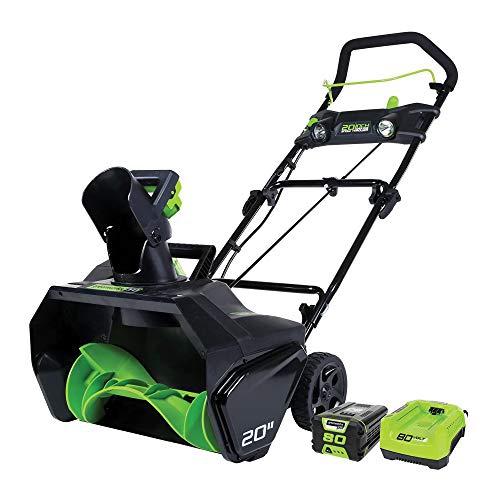 Your price for this item is $629.99
-
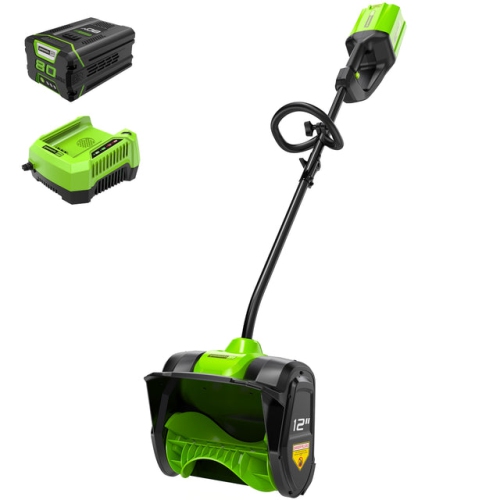 Your price for this item is $359.99
-
 Your price for this item is $339.99
-
 Your price for this item is $374.99
-
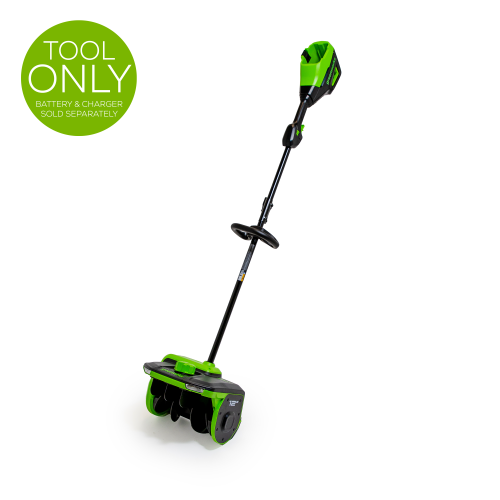 Your price for this item is $355.99
Discover more categories related to Home Hardware Snow Blowers
Top Collections:
Pokemon Centers, Best Budget Office Chairs, Kindle Devices, Best Cameras for Sports Photography, Pokémon 30th Celebration Cards, Best Laptops for Writers, Canon G7X Cameras, iPhone 15 Apple, Best Cell Phones Under $300, Apple iPhones 16
Some products may be subject to Environmental Handling Fees
(EHF) depending on your province.
Learn more about EHFs.