Home Hardware Generators
Home Hardware Generators provide reliable backup power solutions for your home or workspace, ensuring you’re prepared for unexpected outages. Whether you need a generator for essential appliances, tools, or electronics, you’ll find a range of options to suit your needs. Explore the selection of Home Hardware Generators to keep your household running smoothly during power interruptions and enjoy peace of mind knowing you’re always ready.
Sort


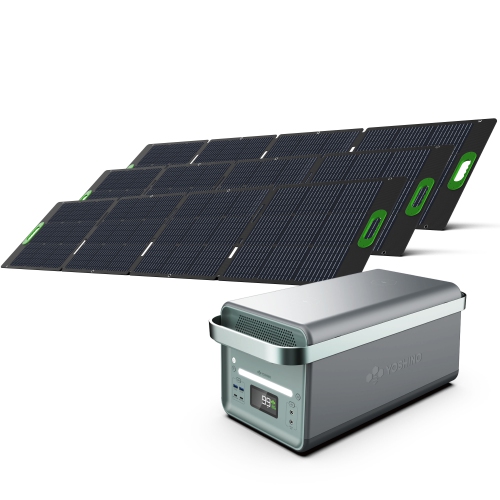
The right generator depends on more than wattage
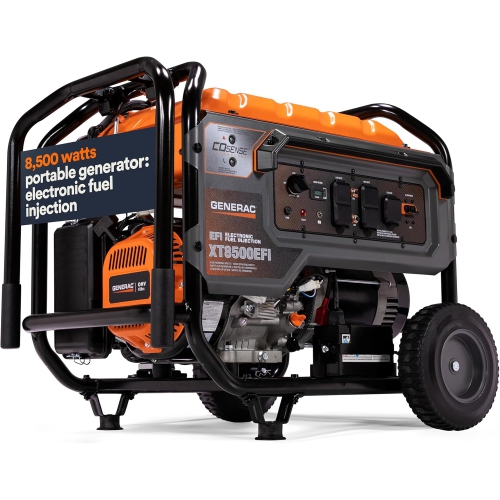
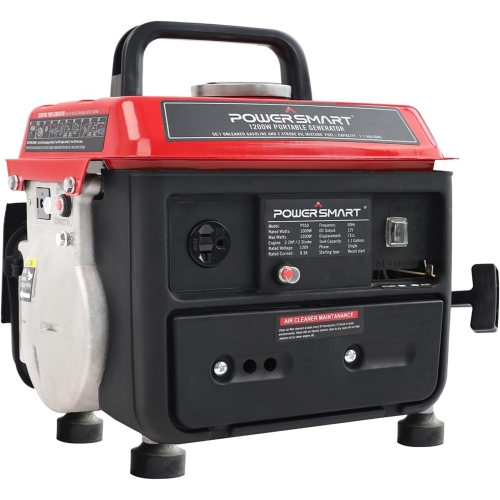
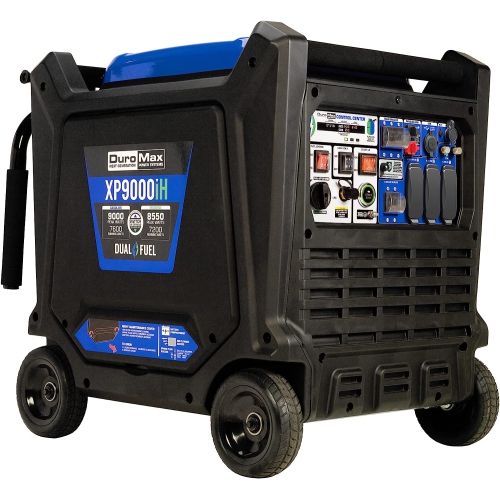
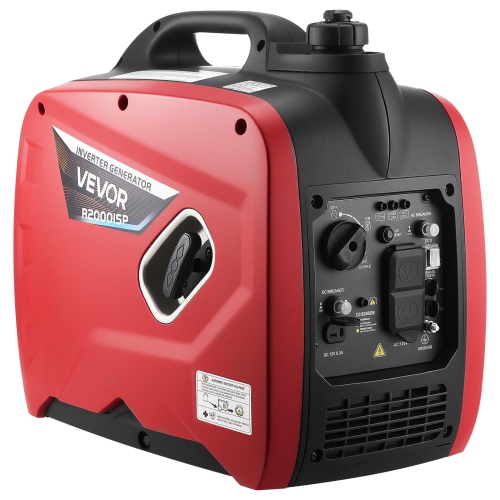
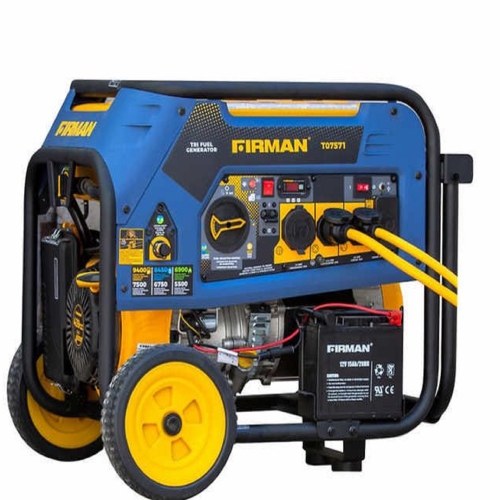
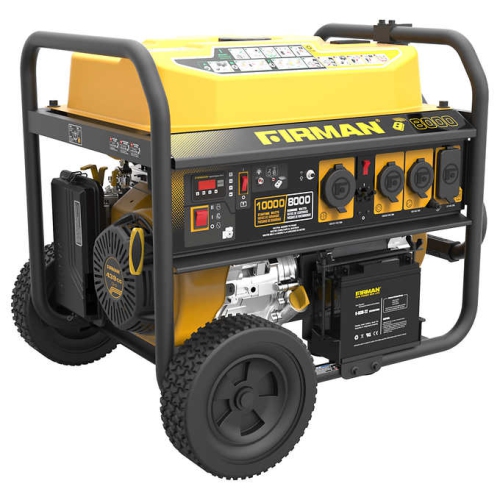
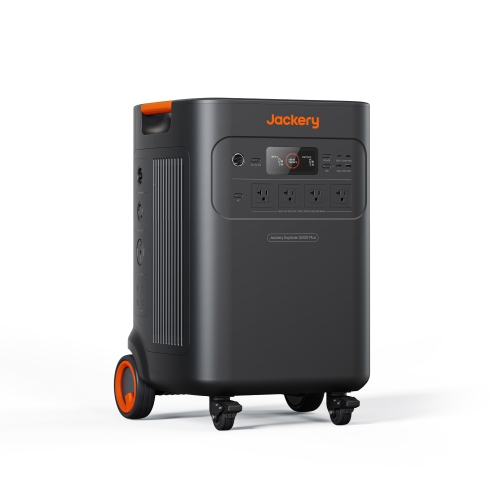
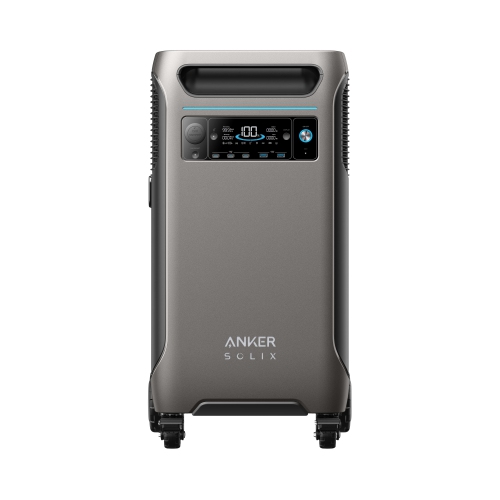
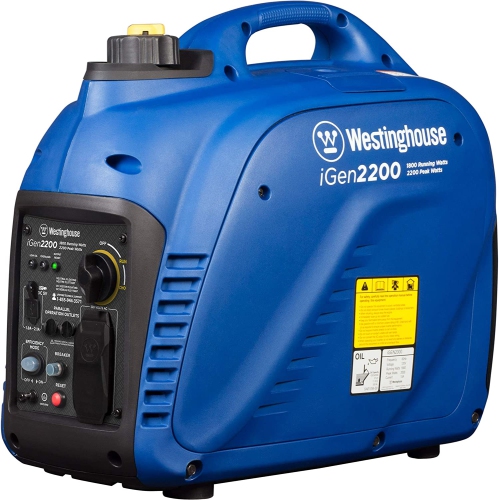
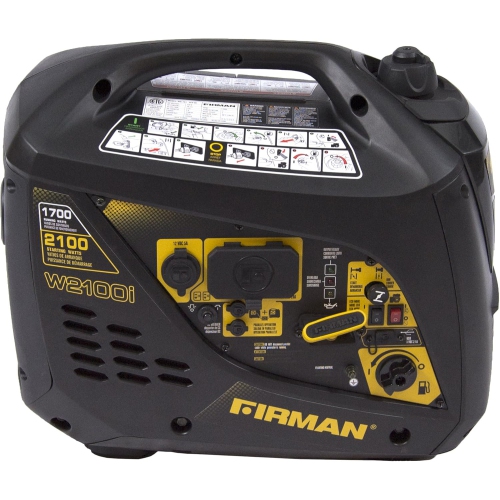
Generators provide an independent source of electricity for home backup, tools, and activities away from a permanent power connection. The main categories are portable generators, inverter generators, and permanently installed standby generators, each suited to a different kind of use. A portable generator can support selected household essentials during an outage or supply electricity for compatible tools at a property without connected service. An inverter generator uses electronic controls to produce stable electrical output, making it a practical option for compatible electronics and smaller, changing loads. A standby generator is part of a fixed installation, typically connected to a suitable propane or natural gas supply and paired with an automatic transfer switch. Depending on its capacity and the installation design, it may supply selected circuits or a larger portion of the home. These distinctions matter more than size alone: a compact unit intended for lights and device charging serves a different purpose from equipment expected to start a well pump or support several household circuits. Running watts describe the power a generator can deliver continuously, while starting or surge watts describe the additional output it can provide briefly as certain motors start. Refrigerators, pumps, and some power tools can require substantially more power at startup than during normal operation. A suitable capacity therefore depends on the actual appliances, their labelled electrical requirements, and which loads will operate together. Output voltage, receptacle type, and individual outlet ratings also affect compatibility; a high total wattage does not mean every outlet can deliver that entire output. For households keeping a refrigerator, a few lamps, and a compatible communications setup operating, selected-load backup can be a more relevant goal than powering every appliance. For a detached workshop or a property under renovation, motor-starting capacity and suitable tool connections may take priority. The useful comparison is between the generator’s capabilities and the equipment it is meant to supply.
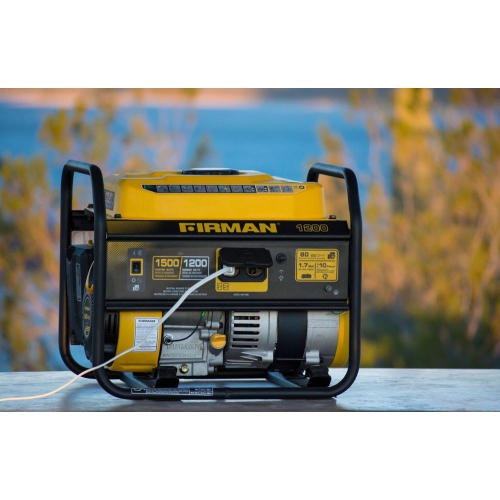
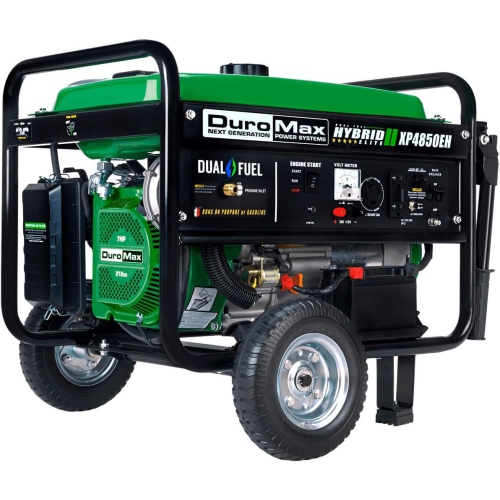
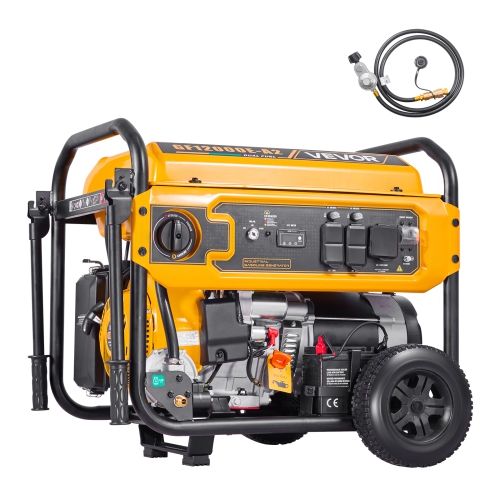
Portable generator construction often reflects the demands of moving, storing, and operating substantial equipment. Open-frame designs commonly use a steel frame around the engine and alternator, providing accessible lifting points and protection against everyday handling. Enclosed inverter designs may use moulded housings and internal sound insulation to reduce operating noise, although actual sound levels depend on the model, load, and measurement distance. A quieter generator is not silent, and noise restrictions can affect where and when it may be used. Wheels and folding handles make larger units easier to reposition, but the listed weight still matters when lifting equipment into a vehicle or moving it across gravel. Compact carrying handles suit smaller units, while a broad, stable base helps support larger machines on a firm, level surface. Gasoline models need an appropriate fuel supply, and dual-fuel models offer the flexibility of using gasoline or propane where specified. Rated output and runtime can differ by fuel, so those figures are meaningful only alongside the manufacturer’s stated operating conditions. A long runtime measured at a light load should not be mistaken for the same runtime while powering several demanding appliances. Electric start can simplify operation, while a recoil starter offers a manual starting method on models equipped with one. Starting batteries need their own care, particularly when equipment spends long periods in storage. Other useful features include readable fuel gauges, accessible oil-fill points, covered receptacles, overload protection, and displays showing operating hours or electrical load. Low-oil shutdown helps protect an engine, while a carbon monoxide shutoff system adds a safety layer without changing the need for correct outdoor placement. For shoppers comparing equipment for use beyond a fixed home installation, Outdoor Generators offers a related category to explore. The right fit involves more than carrying dimensions: it includes fuel handling, storage space, sound levels, connection requirements, and the amount of equipment that needs power at one time.
Reliable ownership depends as much on installation and care as on the generator’s rated output. Fuel-burning portable generators must operate outdoors, at least 6 metres from buildings, with exhaust directed away from doors, windows, and ventilation openings, following manufacturer instructions and local requirements. They must never run in a home, basement, garage, shed, or other enclosed or partially enclosed space, even with doors open. Carbon monoxide is invisible and odourless, and working carbon monoxide alarms inside the home remain essential. Outdoor operation also requires protection from water without trapping exhaust or restricting airflow; a storage cover is not an operating enclosure. Connections deserve equal attention. Suitable outdoor-rated extension cords must match the connected load and the manufacturer’s requirements, and damaged cords or improvised adapters introduce avoidable hazards. A generator must never feed a household wall outlet. Supplying household circuits requires approved transfer equipment installed by a qualified electrical professional, separating generator power from utility lines. Permanently installed standby systems also require professional assessment of electrical demand, fuel supply, clearances, and applicable codes. Some loads, such as hardwired heating equipment or pumps, call for a planned connection rather than a simple extension cord. For portable equipment, durability benefits from routine oil checks, scheduled oil changes, air-filter care, and inspection of cables, fasteners, and fuel connections. Maintenance intervals vary with operating hours and conditions, making the owner’s manual the appropriate reference. Stored gasoline can deteriorate, so fuel treatment, draining, or other storage procedures should follow the engine manufacturer’s instructions. Refuelling requires the engine to be shut down and allowed to cool, with fuel kept in approved containers away from ignition sources. A generator that is easy to access for maintenance is often easier to keep ready for its intended use. Periodic operation and checks, performed as directed by the manufacturer, can reveal a weak starting battery or another issue before backup power is needed. Whether the purpose is household essentials, a workshop task, or power at a site without electrical service, appropriate capacity, safe connections, and consistent care make a generator a more dependable part of the setup.
Top selling and popular products
-
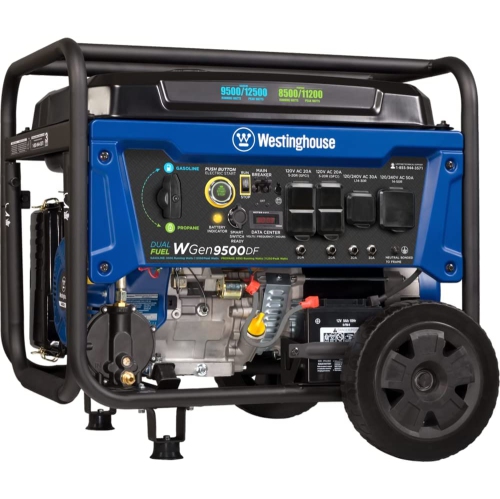 Your price for this item is $2799
-
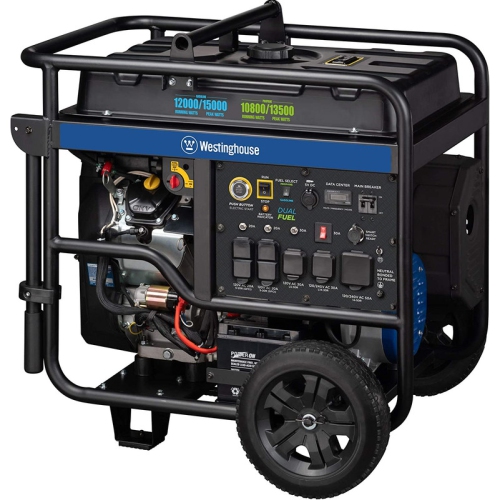 Your price for this item is $6199
-
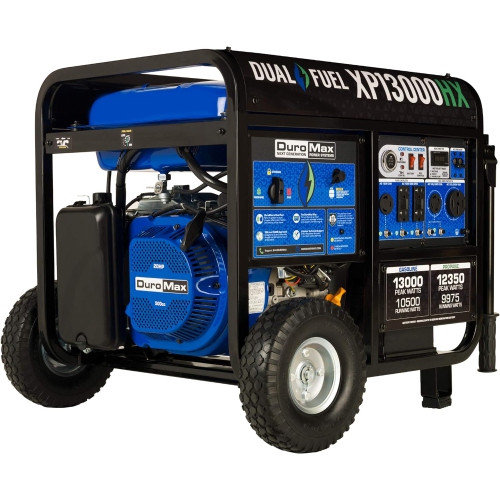 Your price for this item is $3499
-
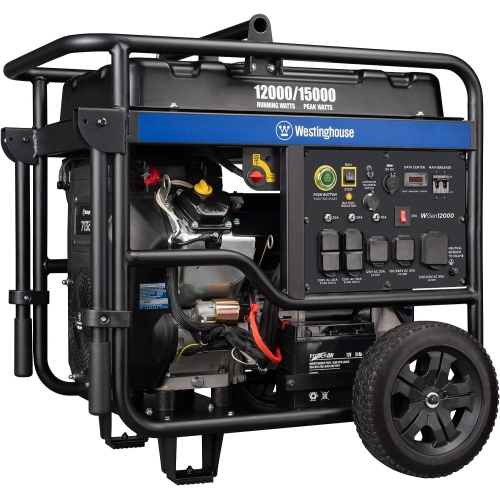 Your price for this item is $5499
-
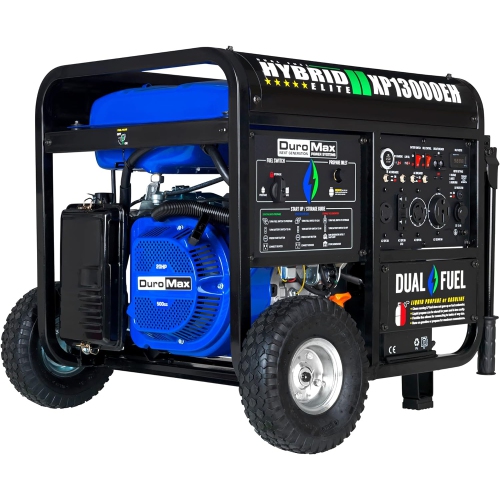 Your price for this item is $2899
-
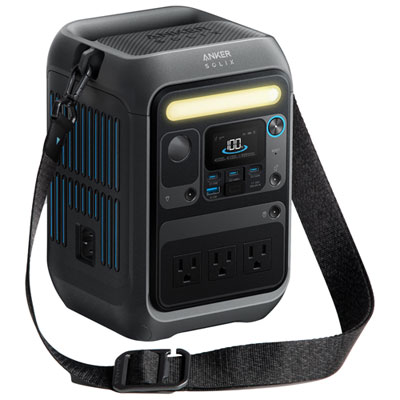 Your price for this item is $369.99
-
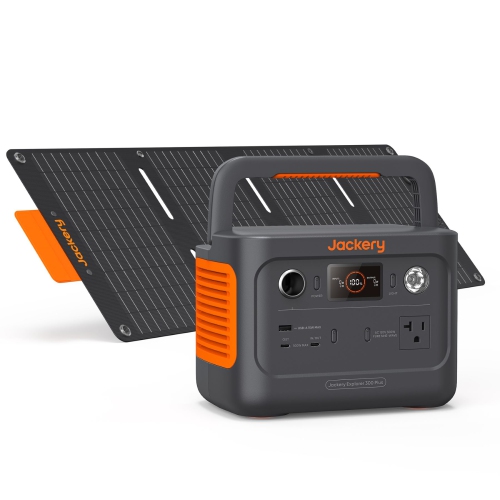 Your price for this item is $399
-
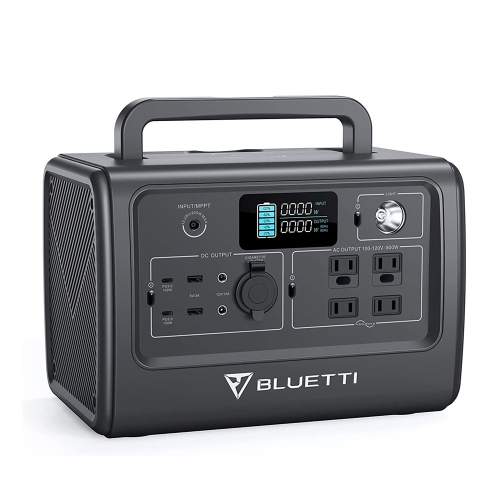 Your price for this item is $549
Discover more categories related to Home Hardware Generators
Top Collections:
Pokemon Centers, Kindle Devices, Best Cameras for Sports Photography, Pokémon 30th Celebration Cards, Apple iPhones 16, Canon G7X Cameras, iPhone 15 Apple, Flip Phones, Samsung Galaxy Phones, Alarm Clock
Some products may be subject to Environmental Handling Fees
(EHF) depending on your province.
Learn more about EHFs.