Home Office Wall Shelves
Home Office Wall Shelves offer a practical and stylish way to keep your workspace organized and clutter-free. Perfect for displaying books, office supplies, or decorative accents, these shelves help maximize your available space while adding a modern touch to your home office. Explore a wide variety of options designed to suit different room sizes and décor preferences, making it easy to create an efficient and visually appealing work environment. Find the ideal Home Office Wall Shelves to enhance both functionality and style in your workspace.
Sort
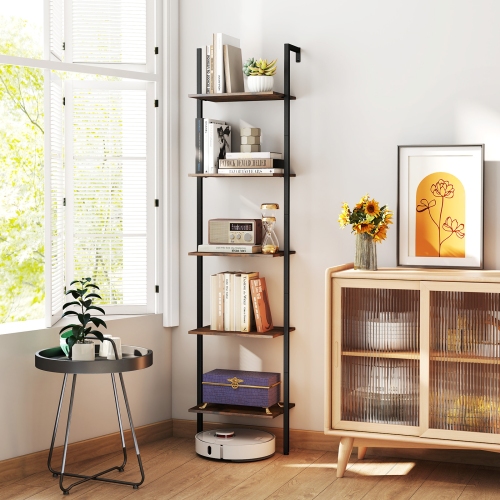
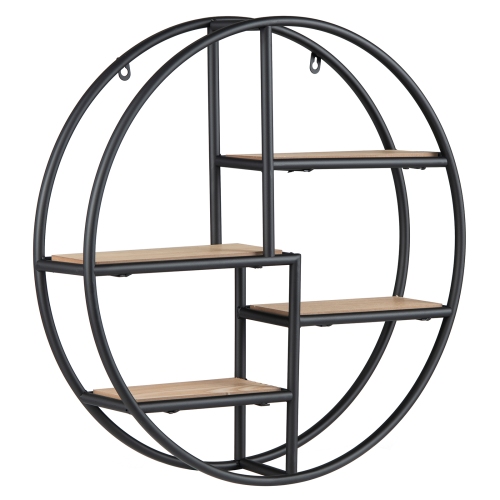
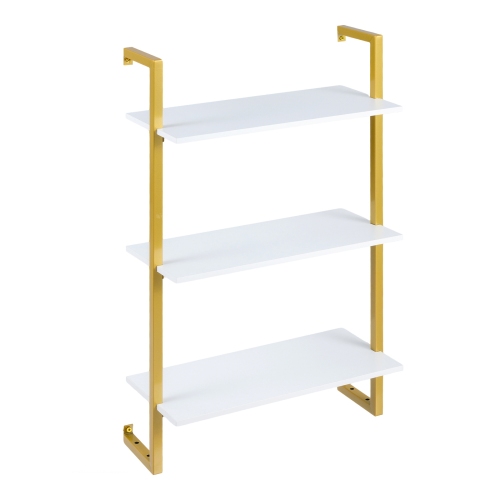
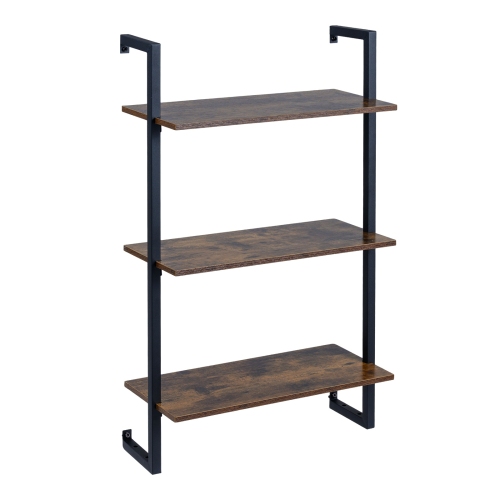
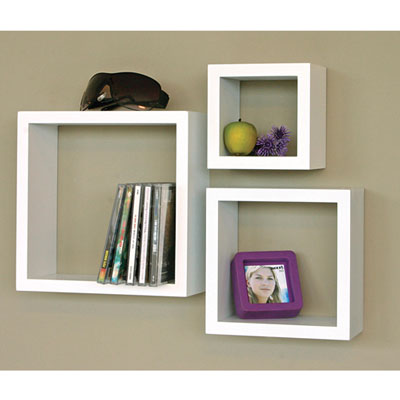
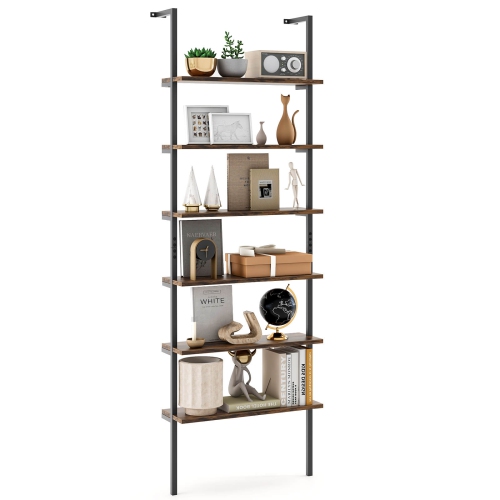
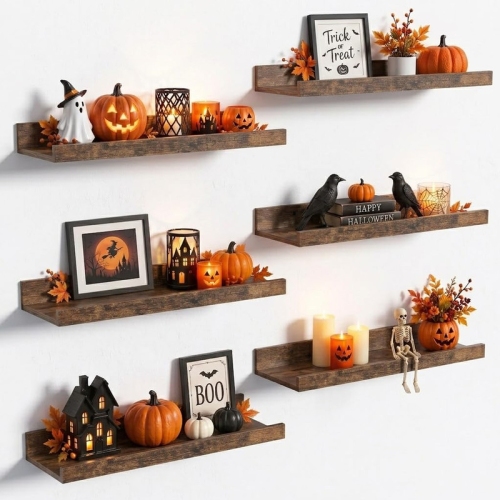
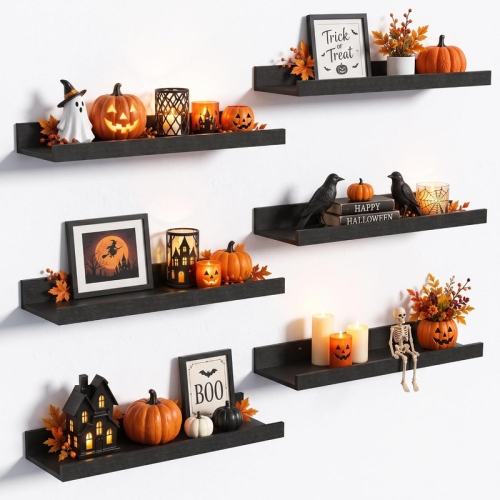
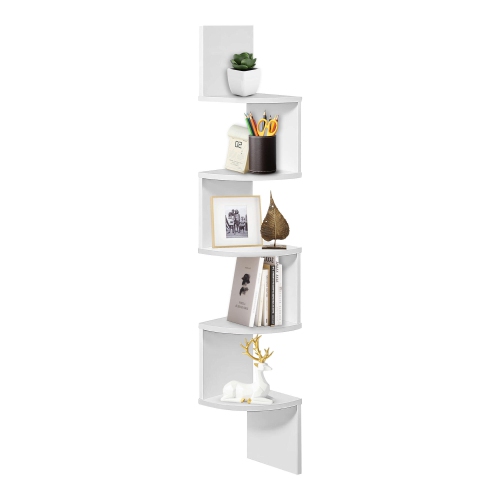
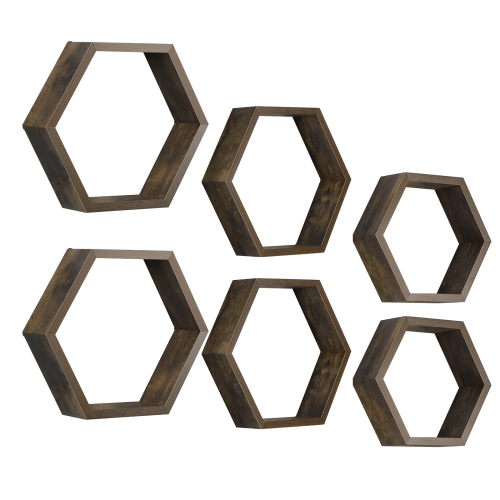
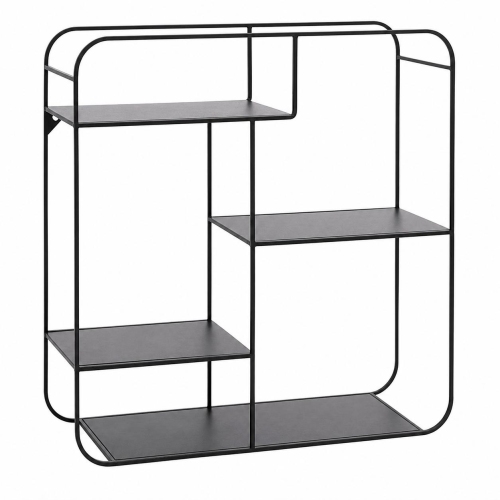
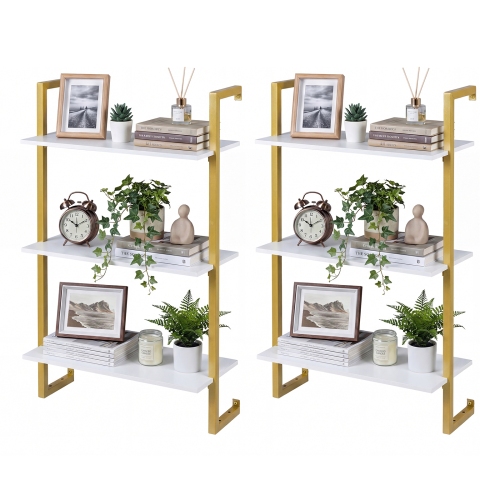
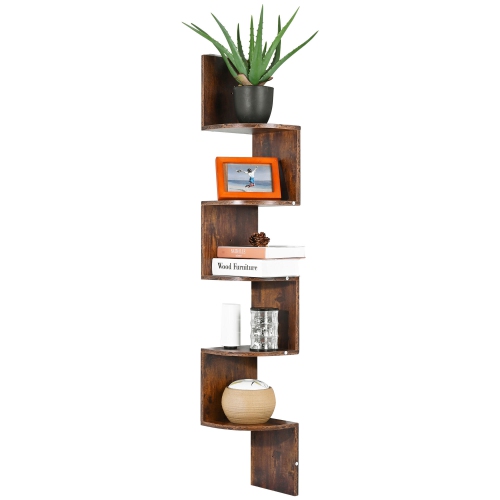
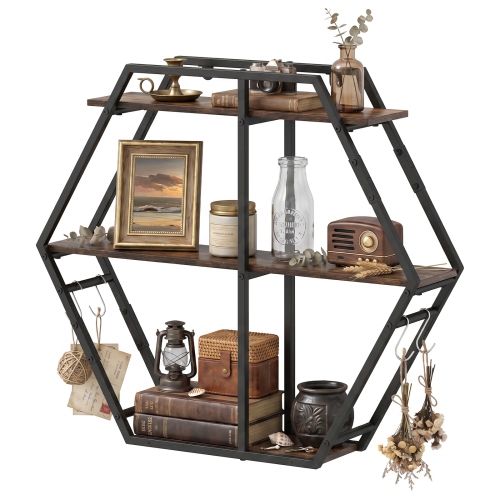
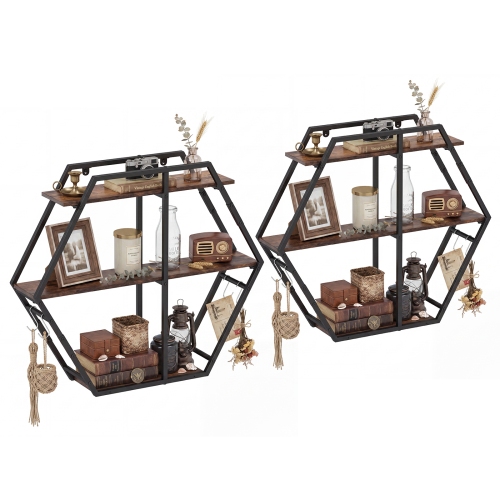
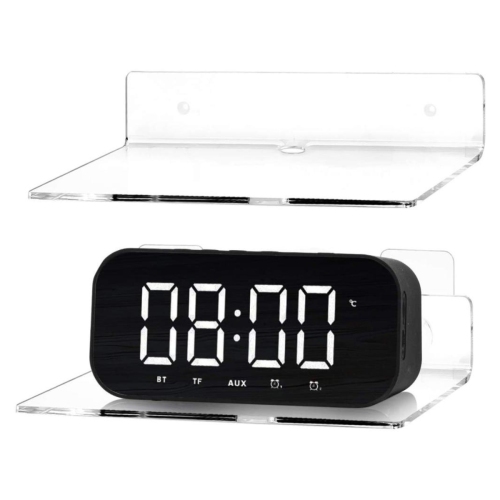
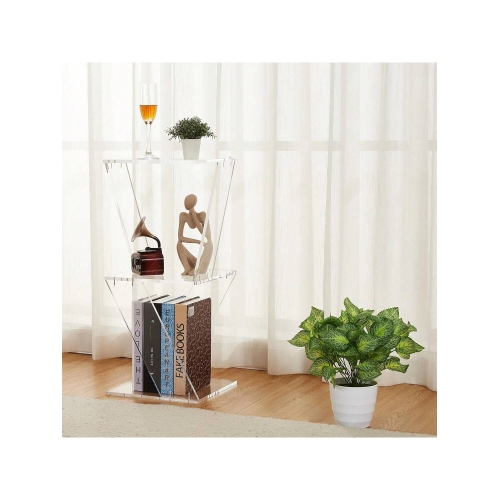
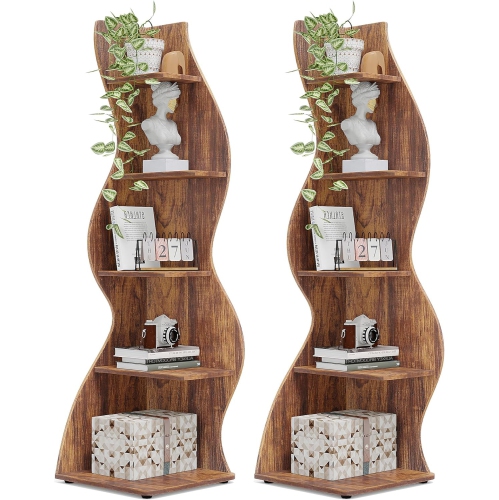
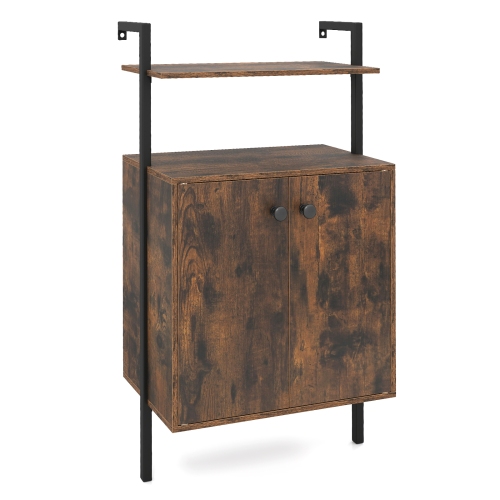
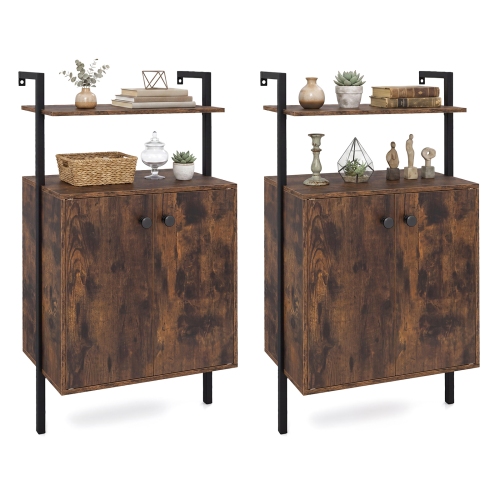
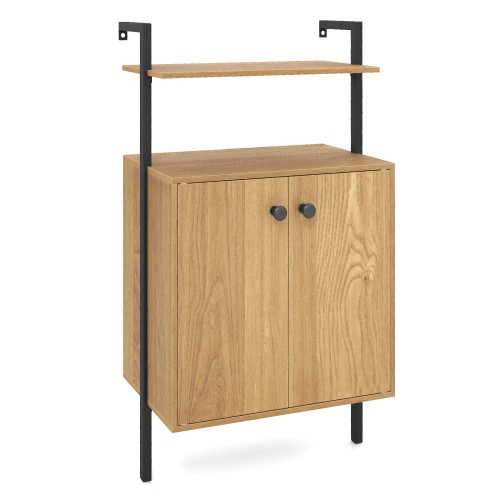
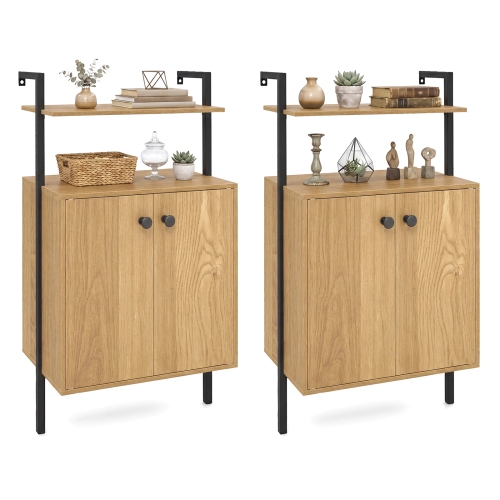
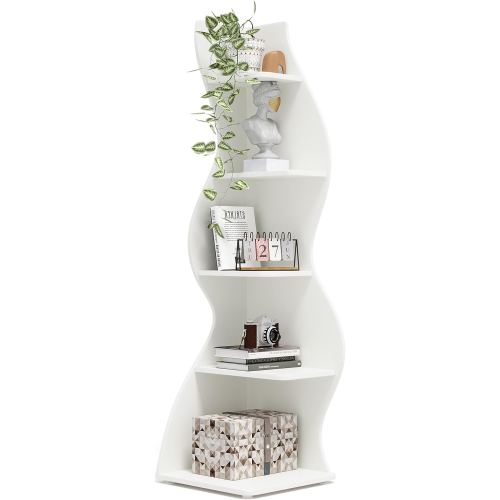
More desk space with everyday essentials within reach
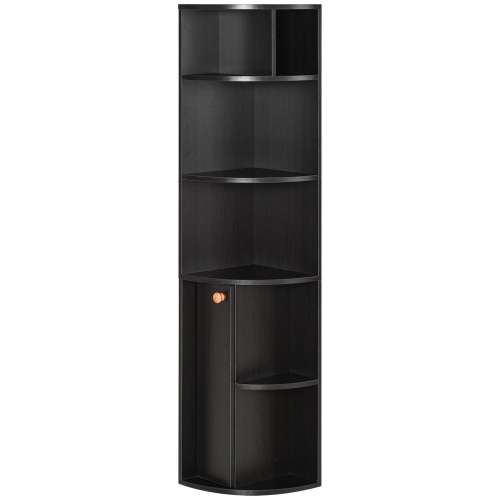
Home office wall shelves add storage and display space above a desk, beside a workstation, or along an unused stretch of wall without adding another floor-standing unit. They help keep reference books, notebooks, stationery, and personal touches close to the working area while leaving more of the desktop open for a keyboard, paperwork, or a sketchbook. The main styles include floating shelves with concealed supports, shelves with visible brackets, corner shelves, and wall-mounted systems with adjustable shelf positions. Each suits a different mix of storage needs and room layouts. Floating shelves create a clean, uninterrupted line that works well above a compact desk, while exposed brackets can introduce a more traditional or industrial look. Corner shelves make use of an awkward junction between walls, particularly in a bedroom office or a workspace tucked into a living room. Adjustable systems offer flexibility when the contents change from short paperbacks to taller binders or storage boxes. The most useful dimensions depend on what will sit on the shelf: depth determines whether a book or container fits fully on the surface, width affects how much usable storage is provided, and the space between shelves determines which objects can stand upright. A shallow shelf can be well suited to small framed photographs and frequently used notebooks, but deeper storage may be needed for larger reference materials. Long shelves create a continuous display, whereas separate shorter shelves allow more freedom around windows, artwork, and existing furniture. For remote workers, students, and anyone managing household paperwork, home office shelving can make the difference between a desk that doubles as a catch-all and a workspace with a clear place for everyday essentials. Open shelves also keep contents visible, making it easier to notice a missing notebook or return a folder to its usual spot. A balanced arrangement leaves enough room to remove and replace those essentials comfortably rather than filling every centimetre of the surface.
Materials and construction influence both the appearance of home office wall shelves and how they hold up to daily use. Solid wood brings natural grain and variation, with finishes ranging from pale and understated to dark and richly textured. Wood can dent or mark, and its care requirements depend on the finish, so a protective surface treatment does not make every shelf resistant to scratches or moisture. Engineered wood, including MDF and particleboard, is often finished with laminate, veneer, or a painted coating to create a consistent colour or wood-look surface. The quality of the edges and finish matters in a working space where folders, bookends, and storage containers move back and forth regularly. Metal shelves and brackets introduce a crisp profile and can pair naturally with metal desk legs or filing furniture; their strength still depends on the full construction and mounting method rather than the material alone. Glass shelves offer a lighter visual effect, although fingerprints and dust can be more noticeable, and the stated use and load limit remain important. For any material, shelf thickness, span, bracket spacing, and wall attachment all contribute to performance. A shelf intended for lightweight display should not be assumed suitable for a row of heavy textbooks. The manufacturer's stated load limit and installation requirements take priority, and the wall type must be compatible with the specified fixings. Drywall, wood studs, and masonry require different mounting approaches; included hardware is not necessarily suitable for every wall. Proper installation is especially important above a desk or seating area, where a poorly secured shelf poses a risk to people and equipment below. Day-to-day care is generally straightforward when it follows the finish-specific instructions. Dusting with a soft cloth helps keep surfaces tidy, spills should be addressed promptly, and abrasive cleaners can damage coatings or leave visible marks. Protective trays beneath plants help separate moisture from the shelf surface. Distributing weight as directed, rather than concentrating a heavy load in one spot, also supports reliable use.
The right arrangement should work with the way the room is used, not simply fill an empty wall. Above a workstation, shelf placement needs to allow comfortable seated and standing movement, along with clearance for a monitor, an adjustable screen arm, or a desk lamp. Frequently handled supplies are more convenient within easy reach, while less-used reference materials can occupy a higher position if they can be accessed safely. Deep shelves mounted too low may intrude into headroom or cast a shadow over the work surface, so the relationship between shelf depth, desk position, and lighting deserves attention. In a shared room, matching shelf finishes to the desk or nearby cabinetry can help the office area feel connected to the rest of the space. A contrasting finish can instead give the workstation a distinct boundary without requiring a partition. Closed storage boxes on open shelves provide a place for loose cables, spare stationery, and small accessories, while labelled folders make household records easier to locate. Sensitive paperwork is better kept in suitable enclosed or lockable storage rather than left on display. Wall shelves can also complement the broader options found under Home Office Storage Shelves, particularly when a workspace needs both accessible reference storage and room for bulkier supplies elsewhere. For video calls, a restrained background of books and a few personal objects can look considered without exposing private documents or crowding the frame. Students may value room for course materials, creative professionals may want space for samples and sketchbooks, and a household work nook may need a simple system that several people can maintain. Shelving can also be a thoughtful gift for someone setting up a workspace, provided the dimensions, preferred finish, and permission to mount it are known. Thoughtful proportions, suitable construction, and a practical layout give home office wall shelves a lasting role beyond display, helping everyday work feel more orderly without making the room feel crowded.
Top selling and popular products
-
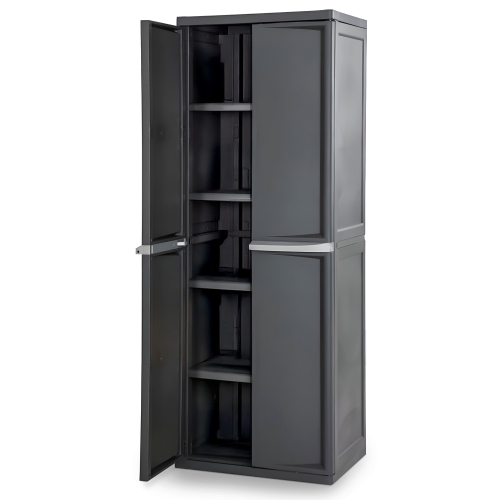 Your price for this item is $577.99
-
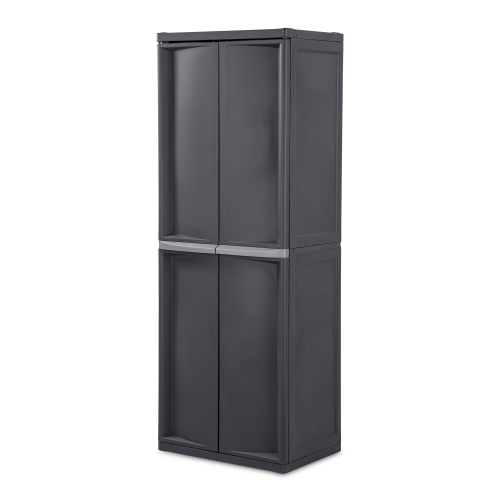 Your price for this item is $1167.99
-
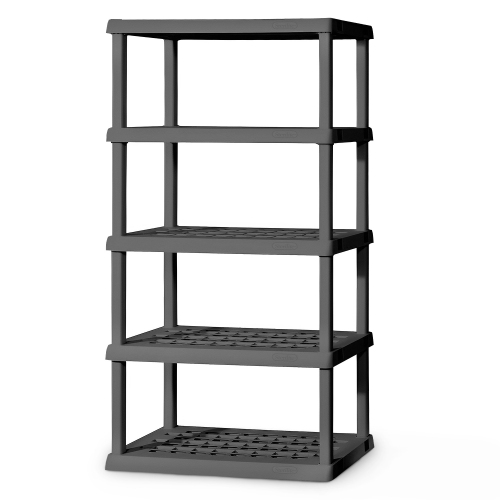 Your price for this item is $331.99
-
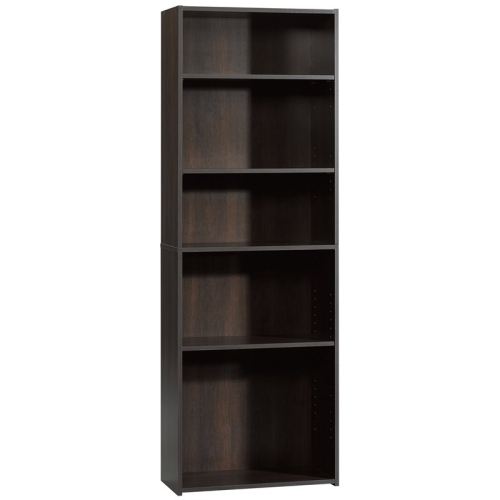 Your price for this item is $208.99
-
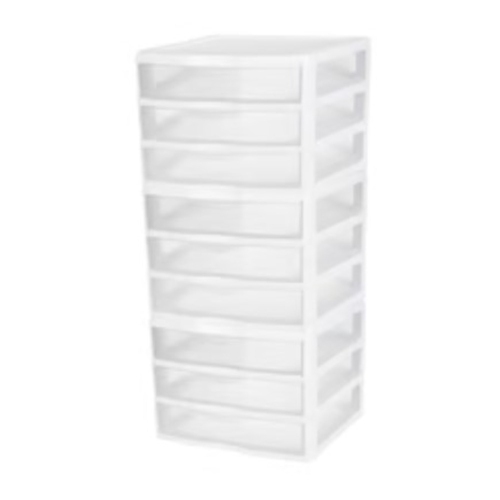 Your price for this item is $171.99
-
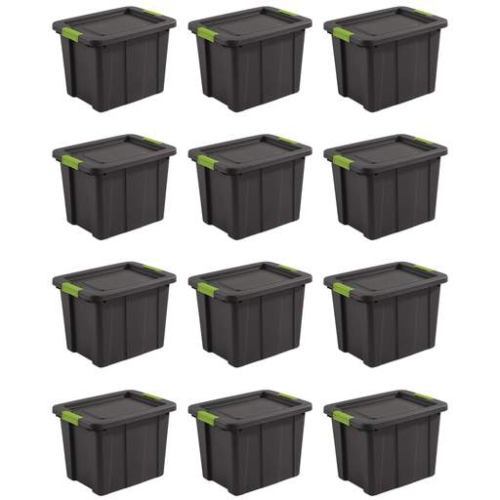 Your price for this item is $592.99
-
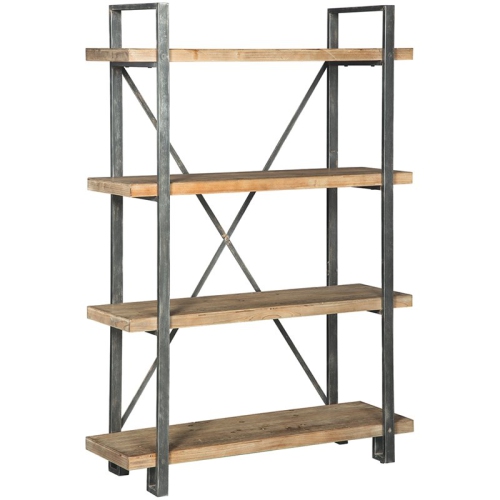 Your price for this item is $599
-
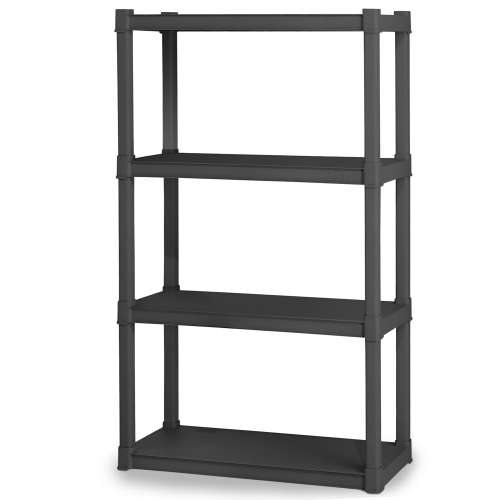 Your price for this item is $229.99
Discover more categories related to Home Office Wall Shelves
Top Collections:
Best Black Friday Deals This Year, Best Black Friday Deals On Electronics, Kindle Devices, Dyson Airwrap, Best Cameras for Sports Photography, Best Budget Office Chairs, Canon G7X Cameras, PS5 Pro Consoles, Best Black Friday Deals On Apple Products, XBOX One S Consoles
Some products may be subject to Environmental Handling Fees
(EHF) depending on your province.
Learn more about EHFs.