Home Office Wall Panels
Transform your workspace with Home Office Wall Panels designed to enhance both style and functionality. Whether you're looking to create a modern backdrop for video calls or organize your essentials, these panels offer a versatile solution for any home office setup. Explore a variety of options to personalize your space, boost productivity, and make your work environment uniquely yours with Home Office Wall Panels.
Sort
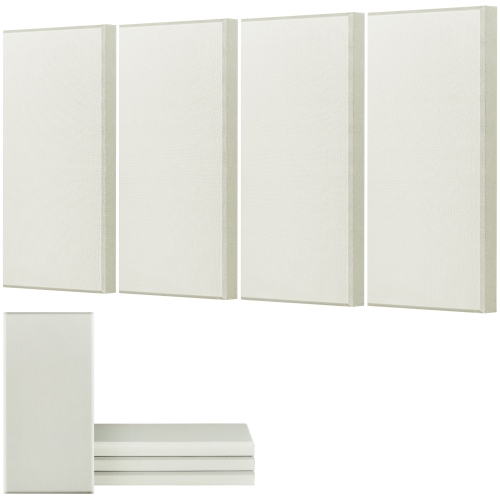
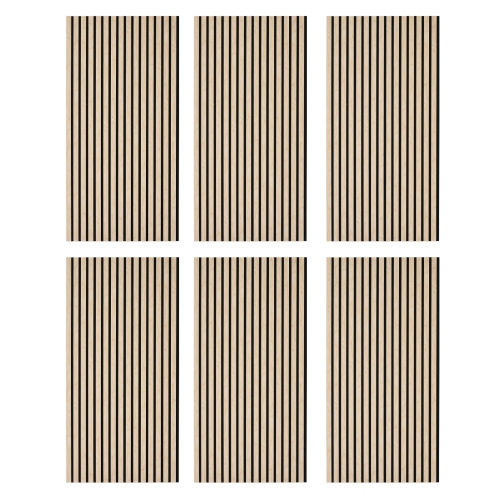
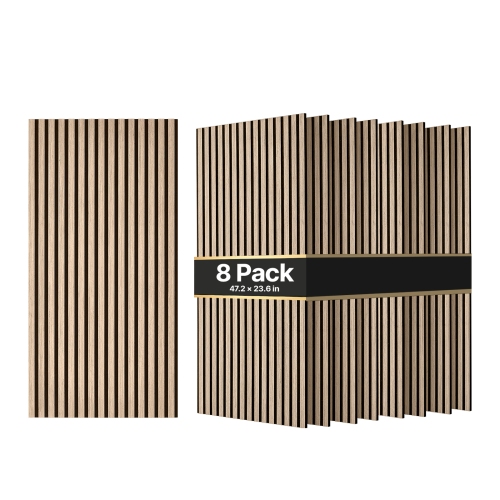
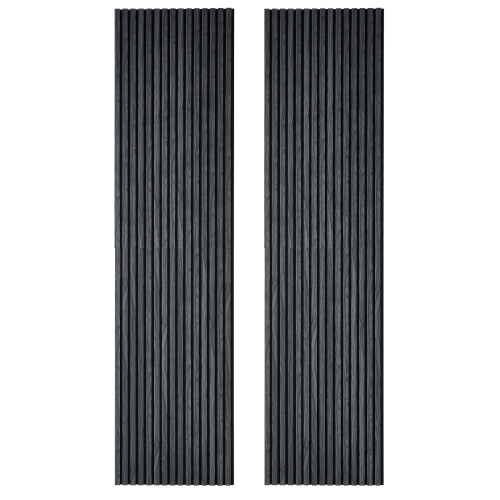
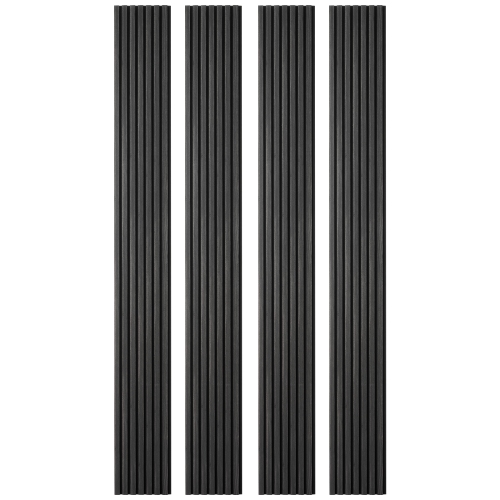
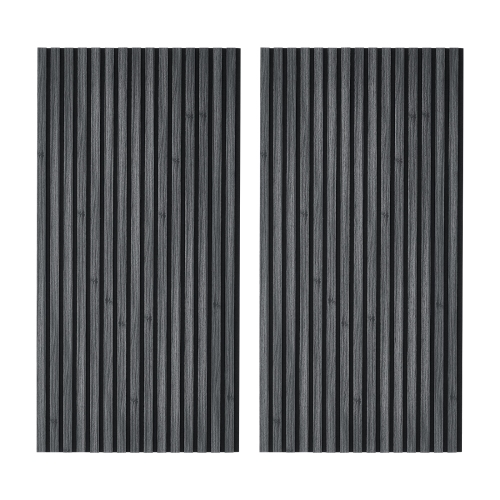
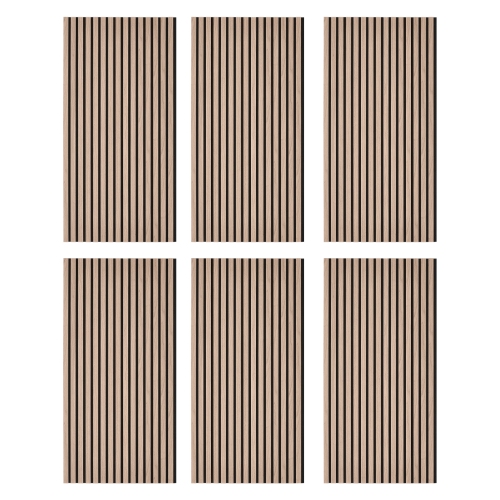
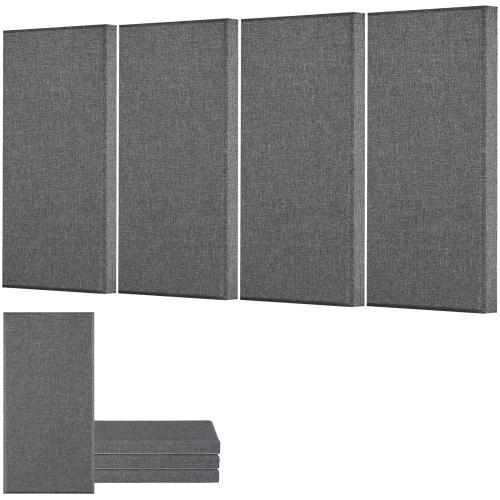
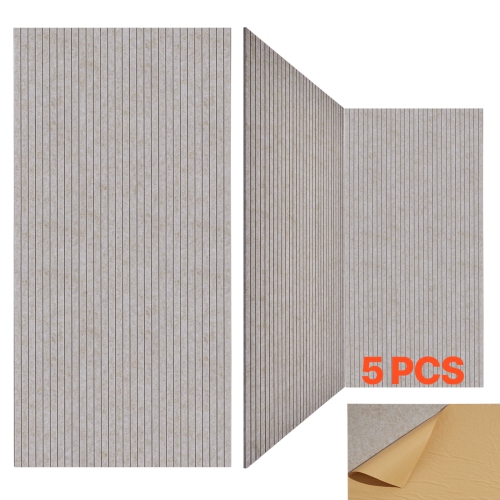
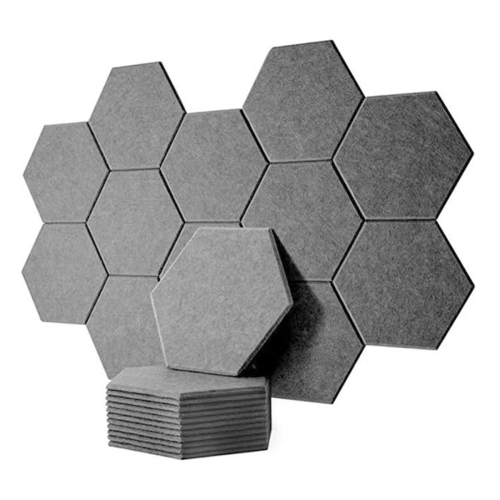
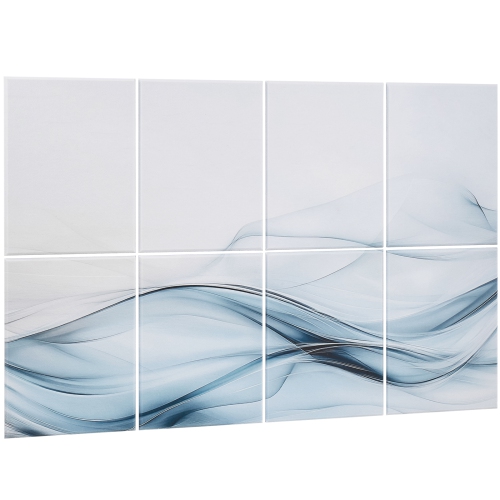
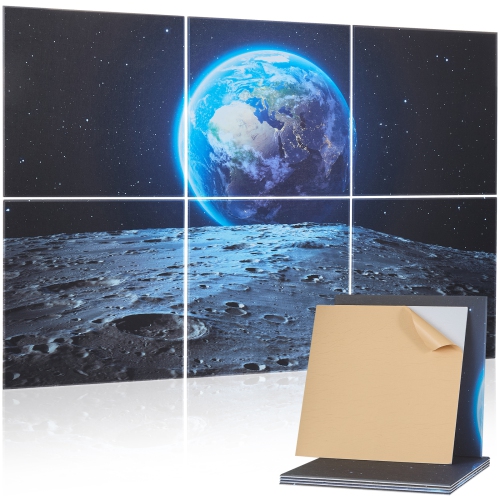
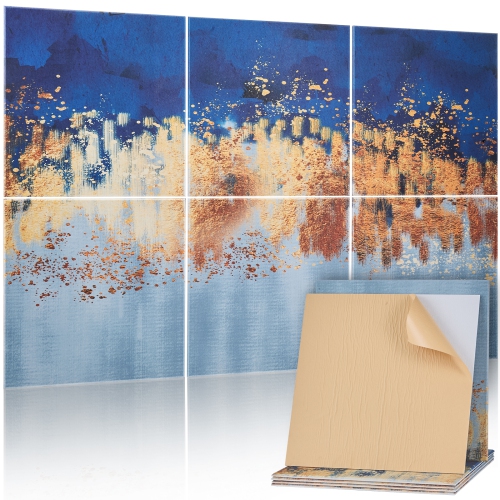
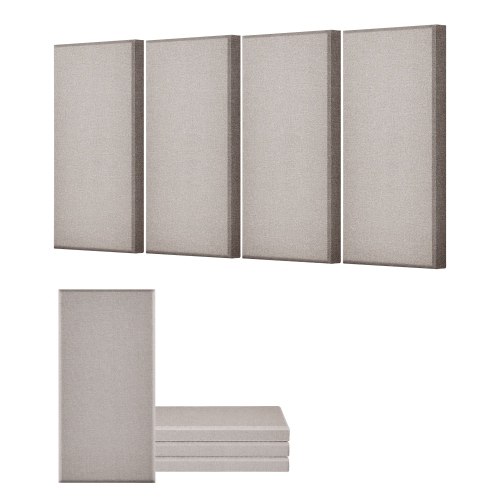
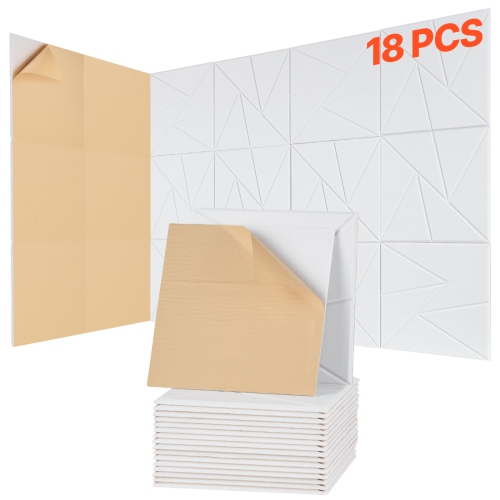
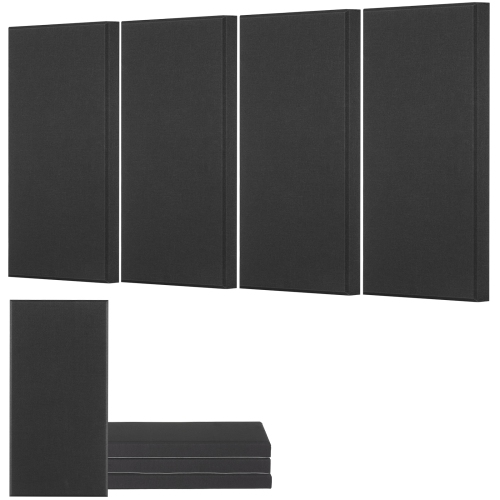
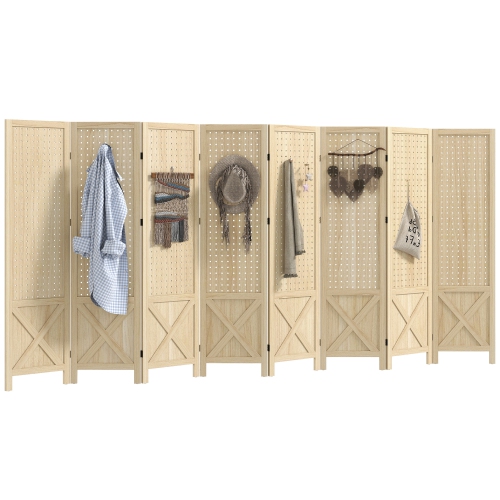
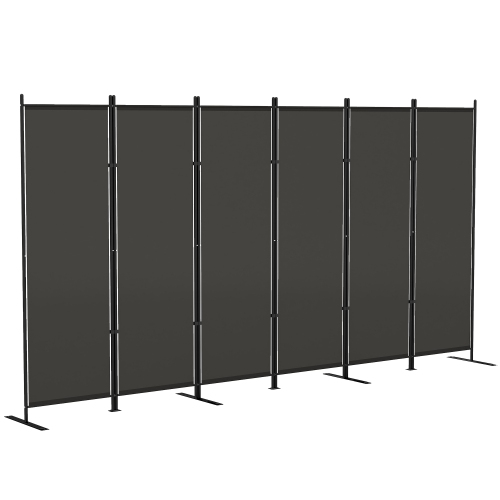

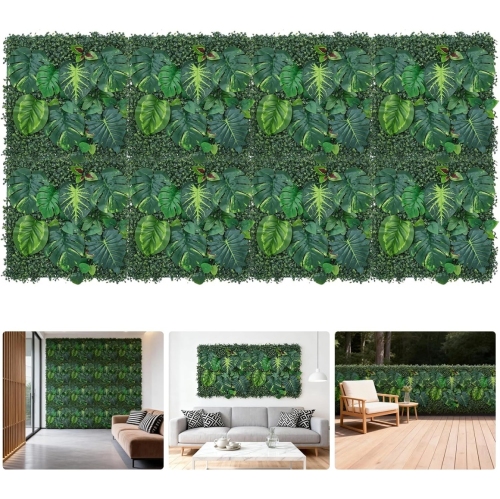
A textured backdrop doesn’t always mean better acoustics
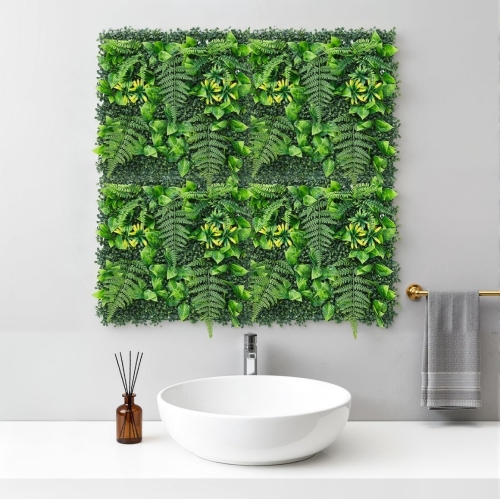
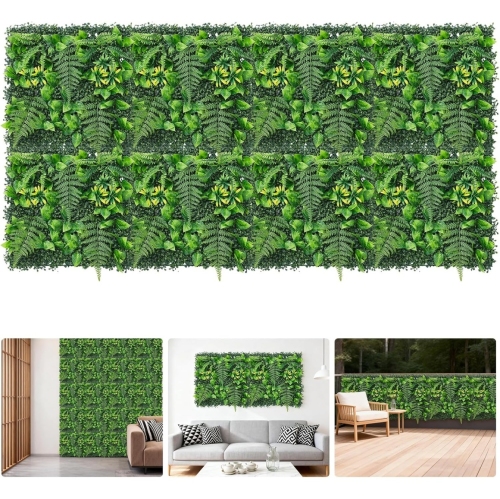
Home office wall panels add texture and definition to a workspace, with some designs also helping to soften reflected sound. They can frame a desk, create a more polished video-call background, or distinguish a working area from the rest of a bedroom or living room. The main distinction is between panels intended primarily for visual appeal and panels designed and tested for sound absorption. Acoustic wall panels use absorbent materials, such as felt or fabric-covered cores, to reduce some of the sound that would otherwise bounce off hard surfaces. In a room with bare walls and little soft furnishing, suitable acoustic treatment may make conversations feel less reverberant and speech easier to follow. It does not, however, soundproof the room or reliably prevent voices from travelling through doors and shared walls. Wood slat panels combine repeated vertical or horizontal lines with a textured finish; versions with an acoustic backing may provide sound absorption, depending on their construction and installation. A slatted appearance alone does not establish acoustic performance, so published ratings and mounting requirements matter when sound control is a priority. Decorative wall panels focus on surface detail, including fluted profiles, geometric relief, and wood-look finishes. Lightweight PVC panels can offer a wipeable surface, while wood veneer adds natural grain variation and painted MDF provides a uniform finish. Fabric-faced panels introduce a softer visual effect that can work well around a desk or seating area. Each material has a different character at close range: a deep groove casts a distinct shadow, a smooth surface keeps the background understated, and a woven face adds subtle texture. For people who spend much of the day on calls, appearance and acoustics may be equally important. For a workspace used mainly for writing, drawing, or household administration, a balanced layout and an easy-to-maintain finish may take precedence.
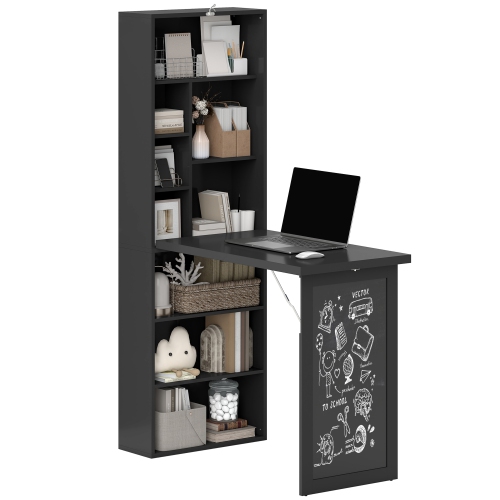
The right fit depends on the wall, the furniture in front of it, and the panel system itself. Overall dimensions tell only part of the story: thickness, individual slat spacing, edge profiles, and the way adjacent sections meet all affect the finished result. A narrow band behind a monitor creates a different impression from a full-width installation, while floor-to-ceiling lines can draw attention to the height of a room. Measuring the usable wall area means accounting for baseboards, door trim, electrical outlets, light switches, and any shelves that need to remain accessible. Panel coverage may also differ from the combined dimensions printed on a package if pieces overlap or interlock. A layout planned around the desk centre can help avoid an awkward narrow strip at one edge or a visible joint directly behind the main seating position. In compact rooms, coordinating the panel layout with home office wall desks can give the working area a cohesive appearance without relying on a large freestanding desk. Mounting requirements remain separate: decorative panels should not be treated as structural support for a desk, monitor arm, or shelf. Those loads need suitable anchoring into the wall structure according to the furniture and hardware instructions. Wall panels themselves may attach with adhesive, screws, clips, or a supporting framework, and the appropriate method depends on their weight, backing, and intended surface. Peel-and-stick designs generally need a clean, dry, smooth base; textured paint, loose finishes, or uneven walls can interfere with adhesion. Adhesive installation is not necessarily removable without damage, an important consideration in a rental or multipurpose room. Cutting requirements also vary by material, particularly around outlets and corners. Electrical fittings must remain safely accessible, and modifications around them may require a qualified professional. For acoustic panels, installation depth and any specified air gap can influence performance, so a flush-mounted arrangement may not perform like a tested setup that uses spacing behind the panel. These practical details help determine whether a panel system suits a small accent area or a more extensive wall treatment.
Day-to-day care and durability are especially important around a desk where chairs move, cables shift, and hands regularly touch the wall. A panel installed behind a stationary monitor faces different wear from one beside a narrow walkway or within reach of a rolling chair. Wood veneer and finished MDF can be sensitive to scratches, chipped edges, or excess moisture, while the dent resistance of PVC varies with its thickness and construction. Fabric and felt surfaces can collect dust and may need gentle vacuuming with an appropriate attachment. Slatted designs benefit from attention to the channels between strips, where dust is less obvious but can accumulate over time. Smooth, wipeable faces may be convenient near a craft or homework area, although cleaning products should always suit the finish. A soft cloth and the manufacturer's care directions are a better starting point than abrasive pads or strong solvents. Water resistance should also be confirmed for the complete panel rather than assumed from its face material; seams, exposed edges, and backing can have different limitations. Beyond upkeep, colour and surface detail influence how comfortable the workspace feels visually. Light finishes can keep a compact desk corner from looking heavy, while deeper tones can create a defined backdrop for pale furniture. A matte face may help limit distracting glare from a task lamp, and a restrained pattern is often easier to balance with open shelving, artwork, and multiple screens. On camera, closely spaced lines or high-contrast geometry can appear busier than they do in person, making a sample or a small test area useful before a larger installation. Acoustic treatment works best as part of the room rather than as a promise attached to a single wall: rugs, curtains, upholstered furniture, microphone placement, and the amount of exposed hard surface also affect reflected sound. For remote workers, students, and people sharing a living space, thoughtfully chosen home office wall panels can make a work zone feel more intentional. The most suitable combination brings together the desired finish, realistic acoustic expectations, manageable care, and a secure fit with the room's existing layout.
Top selling and popular products
-
 Your price for this item is $399
-
 Your price for this item is $37.5
-
 Your price for this item is $79
-
 Your price for this item is $79
-
 Your price for this item is $259
-
 Your price for this item is $224.99
-
 Your price for this item is $179.99
-
 Your price for this item is $179.99
Discover more categories related to Home Office Wall Panels

Top Collections:
Pokemon Centers, Best Cameras for Sports Photography, Kindle Devices, Samsung Galaxy Phones, Canon G7X Cameras, Pokémon 30th Celebration Cards, Refurbished Apple Laptops, iPhone 15 Apple, Laptops for Students, Budget Smartphones
Some products may be subject to Environmental Handling Fees
(EHF) depending on your province.
Learn more about EHFs.