Home Smokers
Transform your backyard into a culinary haven with our selection of home smokers. Elevate your grilling game and unlock a world of smoky, mouth-watering flavors right at home. Whether you're a seasoned pitmaster or a novice grill enthusiast, our range of home smokers offers the perfect solution to infuse your favorite meats, vegetables, and even cheeses with that irresistible smoky goodness. From compact electric models to versatile charcoal options, explore our collection and discover the ultimate tool to take your outdoor cooking to new heights.
Sort










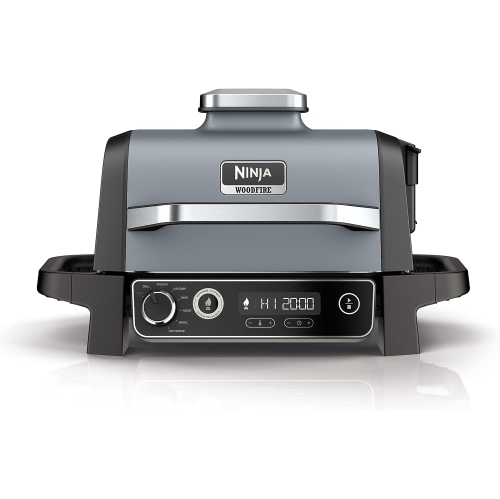

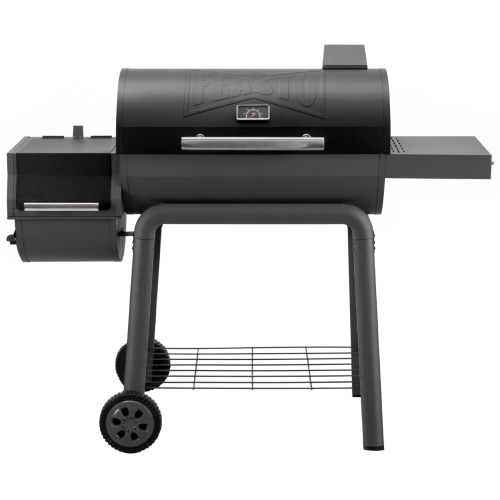


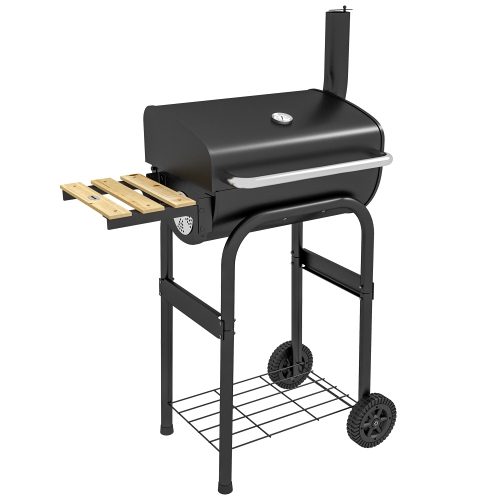

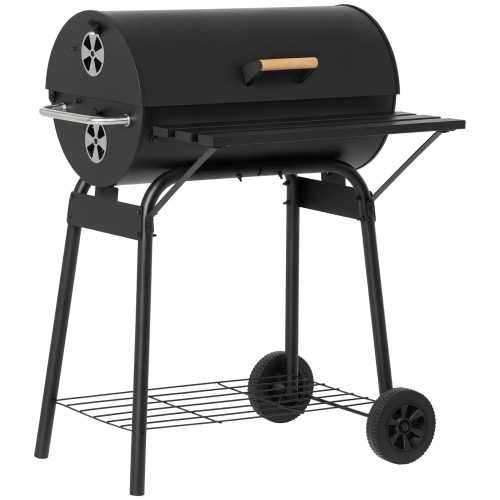

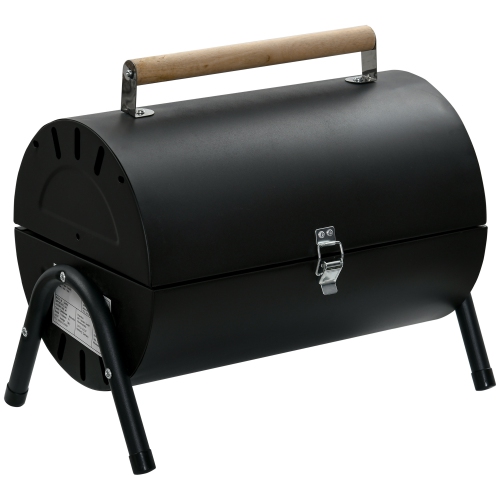
Wood-smoked flavour starts with the right cooking setup
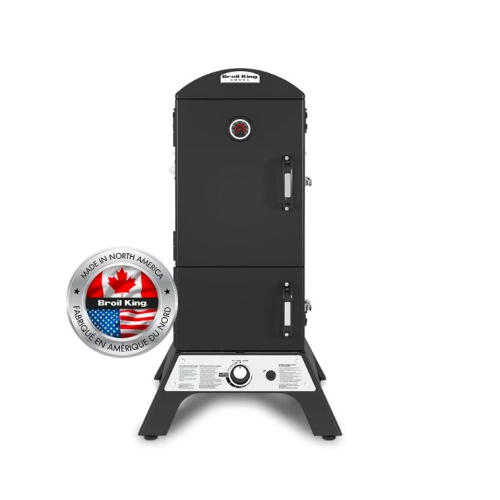
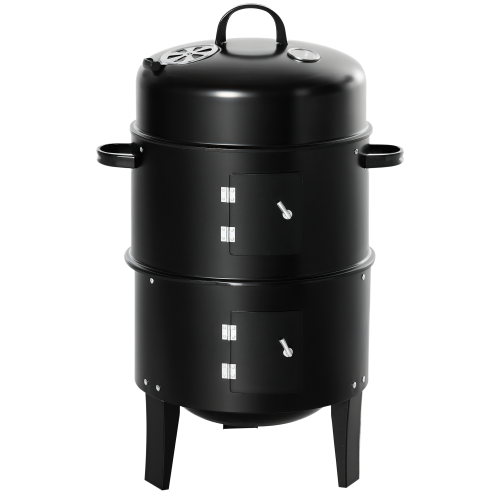
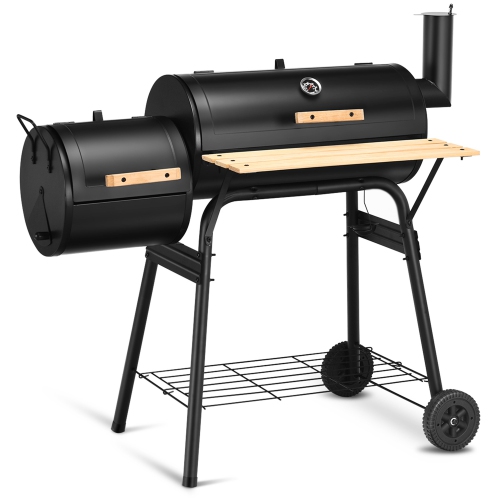
A home smoker is a cooking appliance that uses controlled heat and wood smoke to develop flavour over a longer cooking period than many everyday grilling methods. It is well suited to foods such as pork shoulder, brisket, ribs, chicken and firm vegetables, with results ranging from tender pulled meat to a deeply browned exterior with a distinctive smoky aroma. The main types of home smokers are pellet, electric, charcoal and propane, each offering a different balance of convenience and hands-on cooking. Pellet smokers feed food-grade wood pellets from a hopper into a burn pot, while an electronic controller regulates the feed to help maintain the selected cooking temperature. They appeal to cooks who want wood-fired flavour with less manual fuel adjustment, although they still need monitoring, cleaning and a suitable electrical connection. Electric smokers use a heating element, usually alongside wood chips or another manufacturer-approved smoking material, making heat control relatively straightforward. Charcoal smokers burn charcoal for heat, with wood chunks or chips added for smoke; adjustable vents give the cook control over airflow and combustion. This style suits people who enjoy tending a fire and making small adjustments throughout a cook. Propane smokers use a gas burner for heat and typically a separate tray for smoking wood, offering another way to manage heat without maintaining a charcoal fire. Cabinet, barrel and offset designs describe the appliance’s layout rather than its fuel alone: vertical cabinets stack cooking racks, while offset smokers place the fire beside the cooking chamber. Some smokers also support grilling or roasting, but those capabilities depend on their design and operating range. Outdoor-rated smokers must be used outside, never in a home, garage or enclosed area, even if a door is open. The most useful choice is the one that matches the cook’s preferred level of involvement, the foods being prepared and the space where the appliance can operate safely.
Cooking capacity is about more than the total rack area listed in a specification. A tall cabinet with several shelves may accommodate separate trays of vegetables or smaller cuts, while a wide cooking grate can be more practical for a whole brisket or long racks of ribs. Space between shelves matters for taller foods, and enough clearance around each portion allows smoke and heat to circulate. For a couple preparing occasional meals, a compact smoker may be easier to accommodate and clean; someone who regularly hosts family dinners may appreciate a larger chamber that avoids cooking in several batches. The appliance’s footprint should include room to open the door or lid, reach the fuel supply and remove hot racks without crowding nearby furniture. Manufacturer-specified clearances from walls, overhead structures and combustible materials are essential, as are any property rules governing outdoor cooking. Construction also shapes the ownership experience. Stainless steel offers corrosion resistance and a surface that can be relatively straightforward to clean, while coated steel relies on an intact finish to protect the underlying metal. Porcelain-coated grates have a smooth surface, but chips in the coating can expose the base material; cast-iron components retain heat well and may require seasoning or other care specified by the manufacturer. Heavier construction can help buffer heat changes, though it also makes a smoker harder to move. Sturdy legs, secure wheels, comfortable handles and well-fitting doors are practical details worth considering alongside appearance. Removable racks, accessible grease trays and a reachable ash collection area make routine maintenance less awkward. Controls should be easy to read, and fuel-loading arrangements should suit the intended cooking style. A separate wood-loading opening, for example, can reduce the need to open the main chamber during a long cook. These details influence how comfortably a smoker fits into regular meal preparation, not just how much food it can hold.
The appeal of home smoking often lies in making familiar meals feel more deliberate: pork shoulder cooked until it pulls apart easily, chicken with gently smoky flavour, or mushrooms and peppers that add depth to sandwiches and grain bowls. Wood choice helps shape that character. Fruit woods such as apple and cherry generally offer a milder profile, while hickory tends to be more pronounced; the amount used and the length of exposure matter as much as the variety. Only food-grade smoking wood or pellets approved for the appliance should be used, never treated timber, painted scraps or heating pellets. A steady supply of clean-burning smoke is more useful than a chamber filled with heavy, acrid smoke, and repeatedly opening the lid can interrupt the cooking process. Food safety remains separate from appearance: colour, tenderness and time alone cannot confirm that meat or poultry has reached a safe internal temperature. A suitable food thermometer helps check doneness against Canadian food-safety recommendations, while a separate chamber probe can help track conditions near the food. Compatible Smoker Accessories, including protective covers, heat-resistant gloves and appropriate cleaning tools, can make preparation, handling and care more manageable. After use, grease, ash and food residue should be removed according to the appliance instructions once it is safe to do so. Electrical components should not be immersed, abrasive tools should not damage coated surfaces, and charcoal ash must be fully extinguished and cold before disposal. Keeping drainage paths clear and inspecting fuel connections, cords, seals and cooking surfaces helps support dependable use over time. A smoker can also be a thoughtful gift for someone who already enjoys barbecue, slow cooking or hosting meals, provided its size, fuel requirements and permitted outdoor location suit the recipient. For both first-time owners and experienced cooks, a well-matched smoker offers room to develop a repeatable cooking routine, from preparing a simple family supper to sharing a carefully cooked centrepiece with guests.
Top selling and popular products
-
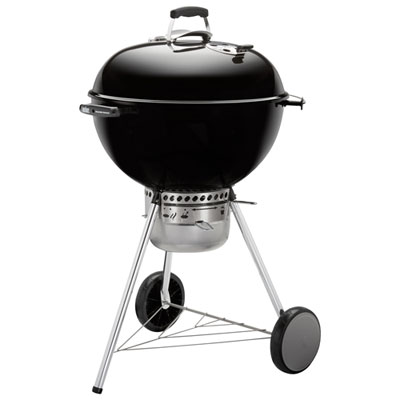 Your price for this item is $359.99
-
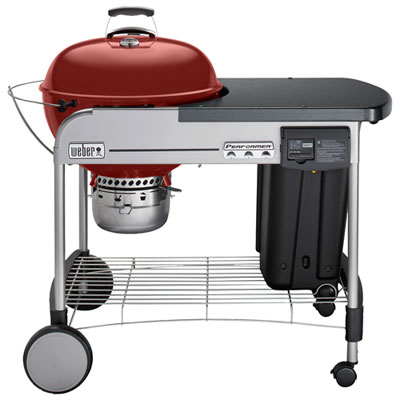 Your price for this item is $709.99
-
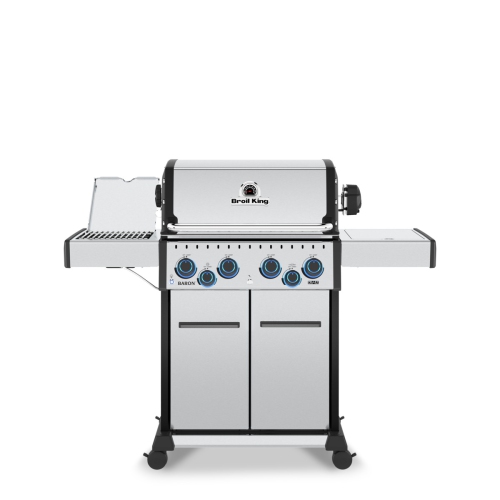 Your price for this item is $1499
-
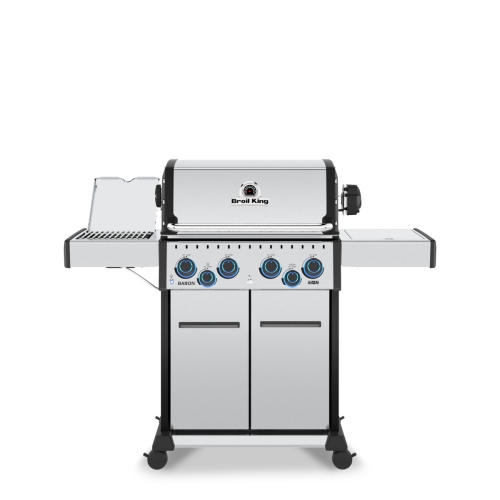 Your price for this item is $1559
-
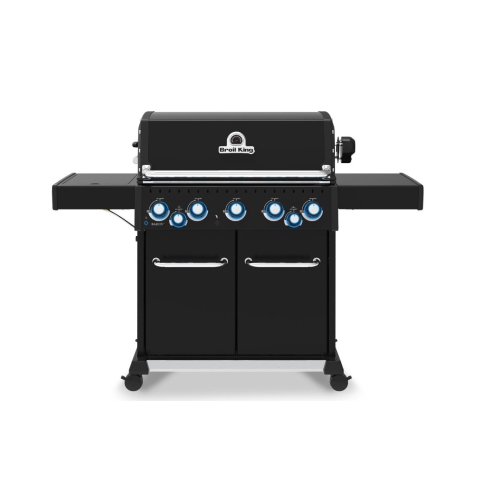 Your price for this item is $2374.99
-
 Your price for this item is $1299
-
 Your price for this item is $1099
-
 Your price for this item is $1359
Discover more categories related to Home Smokers
Top Collections:
Pokemon Centers, Kindle Devices, Best Budget Office Chairs, Canon G7X Cameras, Apple iPhones 16, Samsung Galaxy Phones, Refurbished Apple Laptops, Laptops for Students, iPhone 15 Apple, Budget Smartphones
Some products may be subject to Environmental Handling Fees
(EHF) depending on your province.
Learn more about EHFs.